





Picking a dog is not only about a sweet look. You have to plan for walks each day, training time, temperament, and what routine you can actually maintain.
The Australian Cattle Dog and the Jack Russell Terrier are both high energy and clever. Still, each one expects different things from a household.
One of these is built for the job of herding and guarding. The other is small, quick, and hard to slow down. They can both bond well with people. But your choice should match your schedule and your limits.
Fun Fact
Australian Cattle Dogs are called Blue Heelers or Red Heelers. The names come from coat colors; Jack Russell Terriers were bred for fox hunting. Their size and brave attitude helped them get into tight spots.
Australian Cattle Dog vs. Jack Russell Terrier Dog Breeds: Things You Should Know About
1. Origins and Purpose
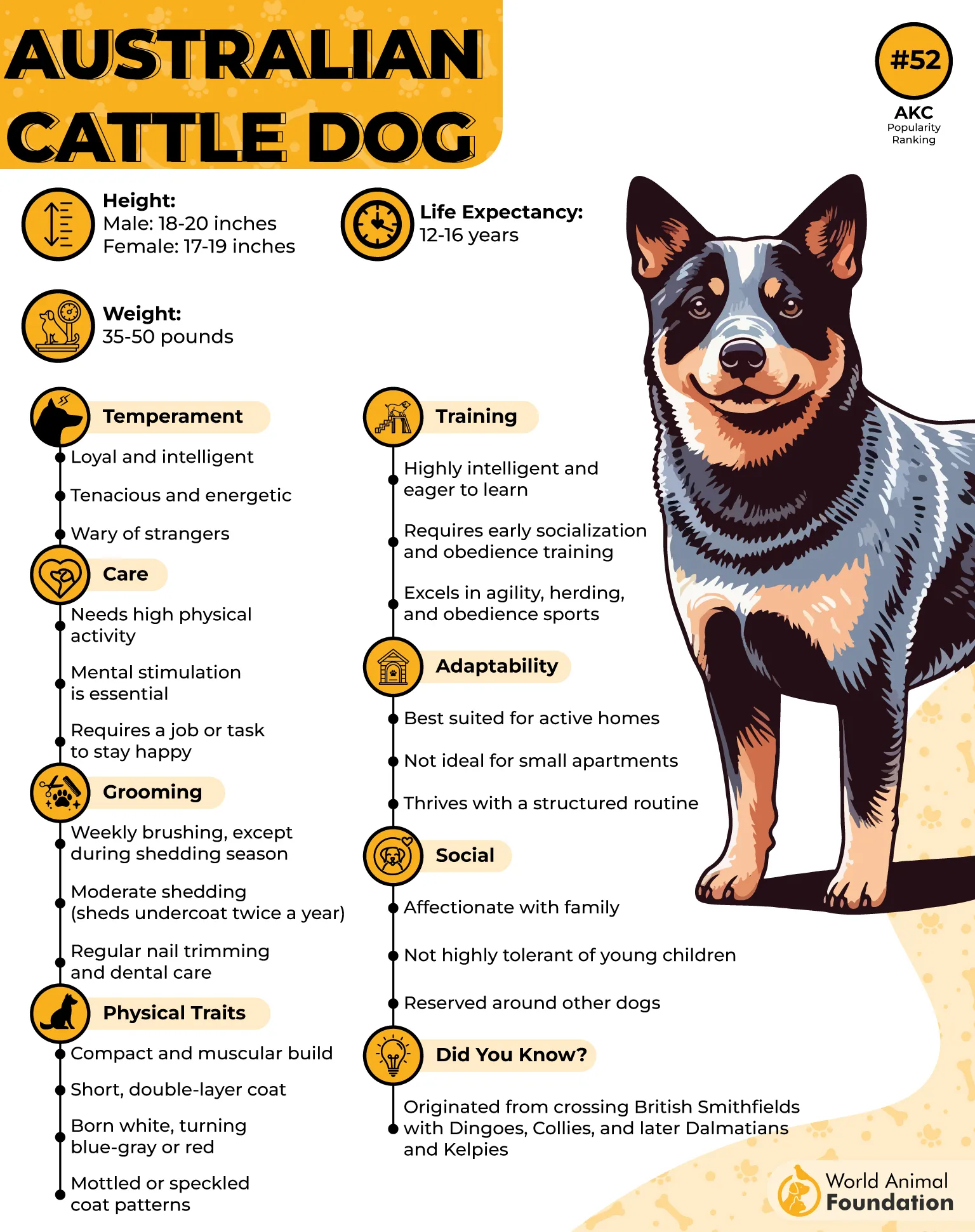
The Australian Cattle Dog was made in Australia to help farmers move cattle. The work often took place over tough ground. These dogs needed endurance and fast decisions. They also had to handle big animals without panic.
That background is why they stay watchful and like having a clear role. With steady activity, their habits fit better in a home. Jack Russell Terriers were created in England for fox hunting. Their body size lets them go after prey in close areas. They were also fast enough to keep pace for long stretches outside.
Even now, they often want to run, dig, and roam around. As pets, they still need games and practice that use their minds in a good way.
2. Size and Build
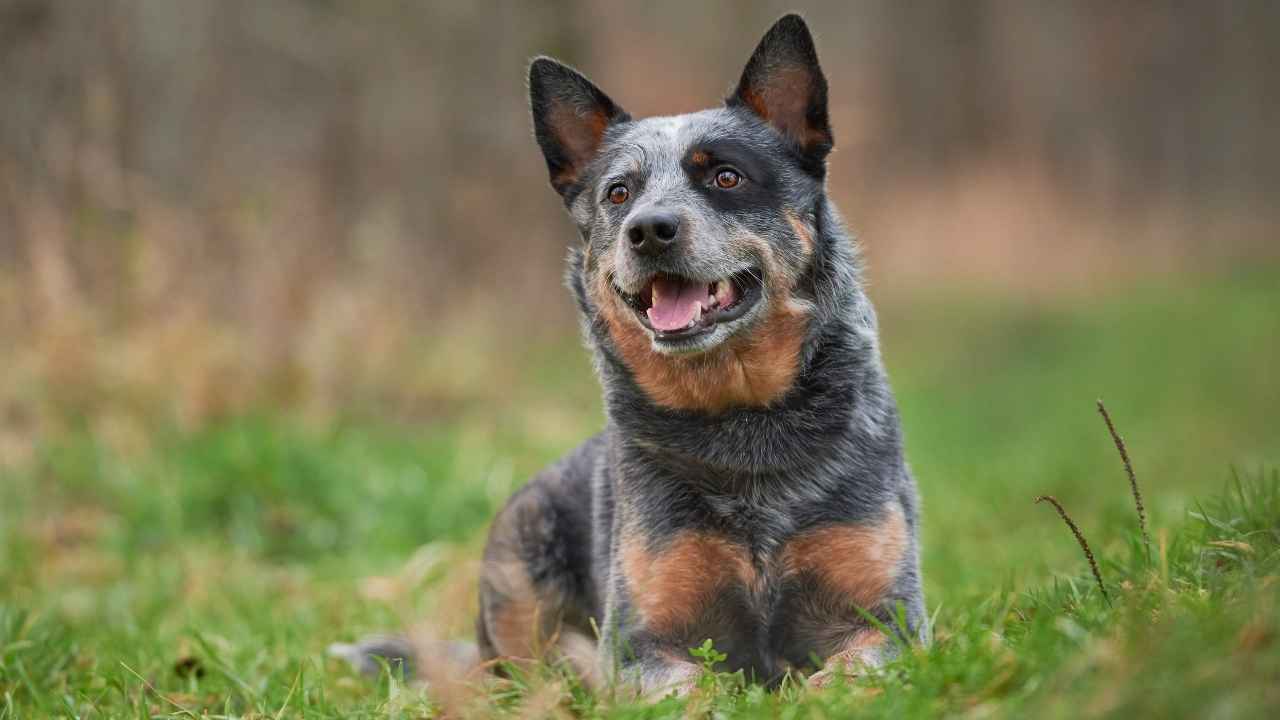
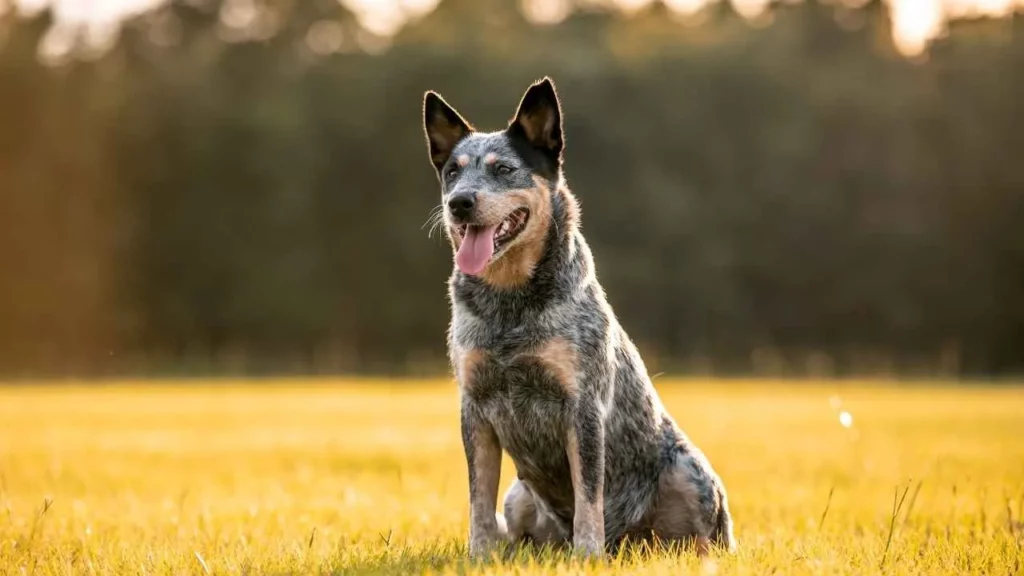
An Australian Cattle Dog is usually 17 to 20 inches tall at the shoulder. Most weigh around 35 to 50 pounds. They have a tight, muscular frame and sturdy legs. Their body moves in a steady way, which helps with tough jobs. Many coats begin as white fur and later show blue-gray specks or red spots. That is why people say Blue Heelers or Red Heelers.
A Jack Russell Terrier is smaller. They often measure 10 to 12 inches tall. Their weight is commonly about 13 to 17 pounds. Some dogs run bigger or smaller than that. They have a compact shape that looks balanced. Their eyes are sharp, and their ears fold or sit in a V shape.
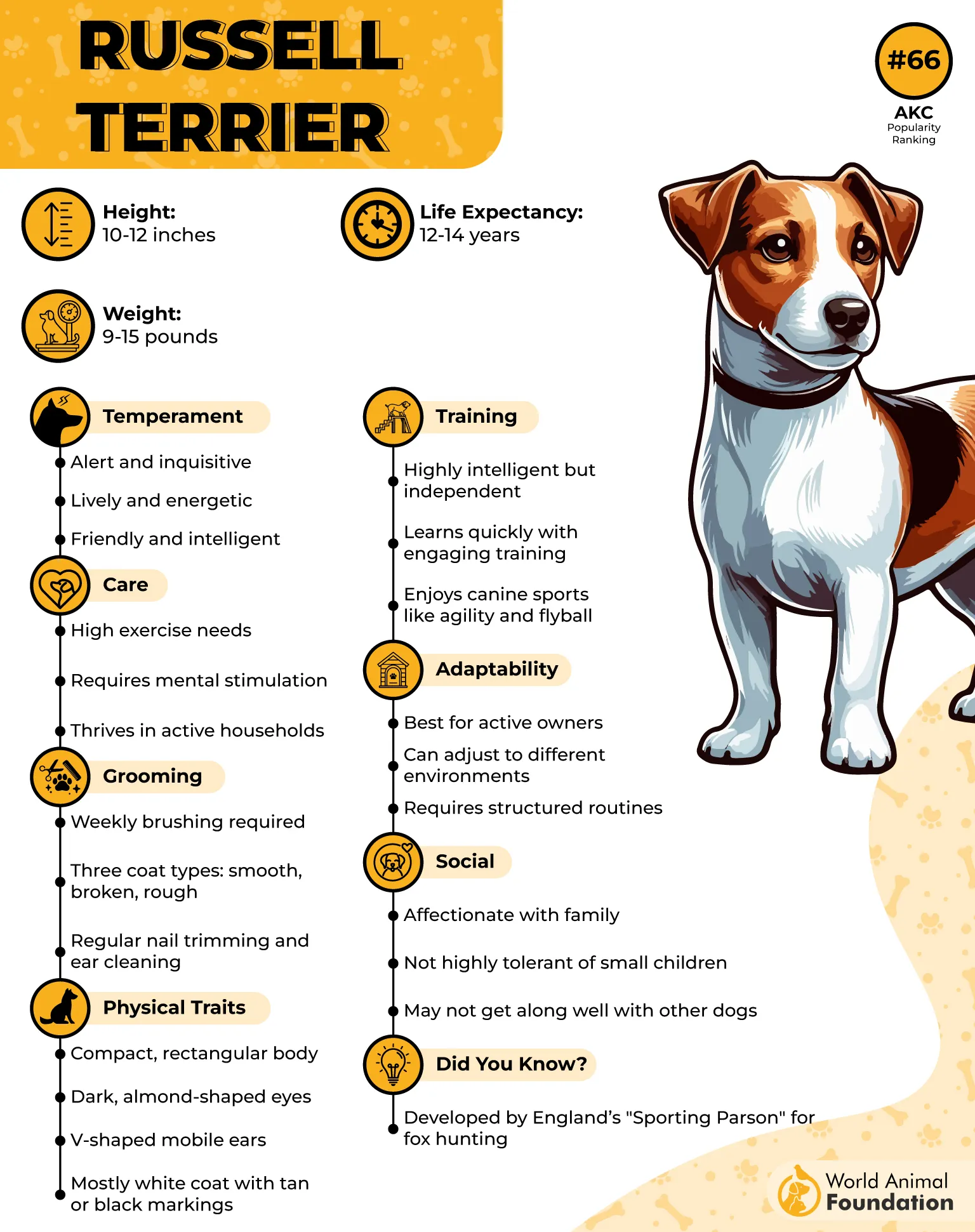
The coat is mostly white with tan or black marks. Even with the smaller body, they stay active and move fast. They can also keep going for a long time.
According to the American Kennel Club, the Australian Cattle Dog is a medium-sized working dog with a strong build and a weather-resistant coat. It needs regular exercise and enjoys having a job to do. Walking, jogging, hiking, and dog sports can be good ways to keep the dog active and happy.
3. Price and Availability
How much an Australian Cattle Dog costs can change based on a lot of factors. The breeder matters. So do the area and the health steps taken. The puppy’s background can also affect the price. Before you choose a puppy, talk to the breeder about the parents’ health history.
Ask what tests have been done and what screenings are suggested for inherited issues. You can also check shelter or rescue groups for adoption.
After you bring a dog home, plan for more than the purchase fee. Budget for food, training, shots, and regular vet checks. Also set aside money for surprises, like unexpected medical needs.
When you shop, do not focus only on price. Ask if you can actually handle the dog’s life for years. Both breeds need daily care, and the right fit matters more than buying the lowest-cost puppy.
4. Temperament and Personality
Australian Cattle Dogs are loyal and smart. They are also very aware of what is going on around them. Many of them develop tight bonds with their own family. With strangers, they may seem shy or careful. Some will try to guard the home, but you must socialize them early. If they do not get training, they can become defensive.
Jack Russell Terriers are lively and brave. They tend to stay busy, and they like games. Many of them want to join in when the family is doing things. Still, their instincts can take over. They may chase cats, squirrels, or other small animals. They may also bark when they are excited. Boredom can trigger barking too.

According to Purina, Australian Cattle Dogs are intelligent, active, and loyal, with a strong need for exercise and mental activity. Those traits can be a good match for the right home. At the same time, this dog usually needs more than brief check-ins from its people. A Jack Russell Terrier shows confidence and drive, too. Because of that, you still have to provide steady guidance, regular training, and clear rules.
5. Exercise Needs and Energy Levels
An Australian Cattle Dog often needs well over two hours of activity each day when its body is able, and its age allows it. A short trip around the block is rarely enough. It does better with more than one kind of movement. That can include jogging, longer hikes, agility drills, obedience practice, and games that make it think.
A Jack Russell Terrier usually needs at least an hour of exercise every day. Many owners also add extra play and short training sessions to keep the dog calm. Doing more than one walk can help. Letting the dog stop to sniff is useful too. If you have a safe yard, running there can add a lot to the day.
Both breeds do best when the daily plan matches what they can handle. Puppies should not be asked to do too much too soon. Older dogs may need slower, easier activities. It is smart to adjust the schedule based on age, health, and your vet’s guidance.
6. Training and Obedience
Australian Cattle Dogs often pick things up fast. Even so, their minds can be stubborn at times. Short training times that are clear and direct tend to work well. Using rewards and staying calm usually gives better results than scolding or harsh methods. Meeting new people and other dogs early can also help. With time and practice, they can feel more at ease with visitors, new places, and unfamiliar sounds.
Jack Russell Terriers tend to learn fast and pick up new cues quickly. Still, they can lose focus if they spot something fun to chase. Because they often have a strong urge to go after prey, you should work on recall in a fenced, safe space first.
Training is not only about signals you say out loud. It also helps the dog feel secure and understand what is expected in daily life. If a dog has trouble with nipping, chasing, or reacting too much, it helps to get help from a trained professional. A qualified trainer or a veterinary behavior expert can guide you.
7. Grooming and Shedding
Australian Cattle Dogs have a short double coat. Most weeks, they just need a brush once or twice. The coat helps them handle outdoor weather, but they still shed more when seasons shift. During those times, brush a bit more to lift loose hair before it lands around the house. You also want to trim nails regularly. Check ears. Brush teeth too for better comfort.
Jack Russell Terriers can have different coat types. Some have smooth coats. Others are rough or broken. Smooth coats usually do well with a weekly brush. Rough or broken coats may need extra work to avoid mats and keep the hair neat. Even with short hair, you can still see shedding.
Both breeds are easier to manage than long-haired dogs. You do not need fancy grooming tools or long sessions. A quick brush can also feel like a calm break together. Many dogs relax when you handle them in a steady way.
8. Outdoor Adventure and Exploration
Australian Cattle Dogs often fit well with people who hike, jog, or spend long hours outside. They tend to have steady energy, and their work history supports active days. Still, they do best with safe training and slow conditioning. In public areas, keep them on a leash near roads.
Jack Russell Terriers also like being outside. They will sniff around, grab a toy, and play chase games that keep them moving fast. Their size makes travel easier, but their drive to hunt can kick in quickly. They may spot birds or small animals and bolt.
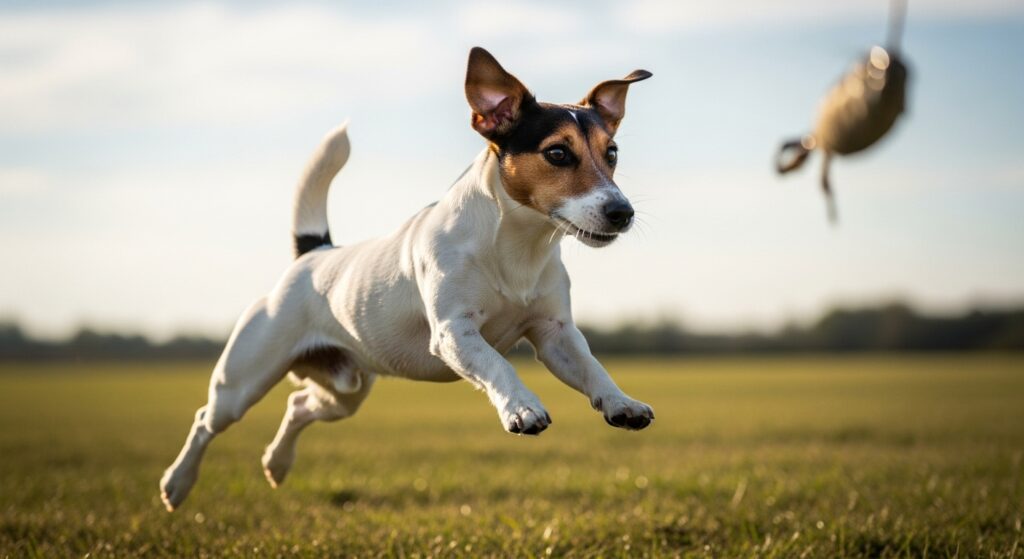
Plan outdoor time so it feels fun, not like a grind. Pick activities that match your dog’s current body and endurance. Avoid very high heat and work up your pace over time. A walk that includes sniff breaks and a few short practice tasks can feel as satisfying as a long run.
9. Health and lifespan
Australian Cattle Dogs commonly reach about 12 to 16 years. Health issues can show up as they age. Some dogs may face hip problems, ear or hearing trouble, and eye concerns like progressive retinal atrophy. A good breeder should talk through health checks that fit the breed.
Jack Russell Terriers can reach their teens, but ages differ between dogs. Some owners watch for kneecap issues and inherited eye problems. If you buy from a breeder, ask what checks the parent dog had. Also talk to a vet if you see shifts in walking, sight, food intake, or mood.
Every dog can face health problems even with good care. Handle your Jack Russell Terrier gently, provide proper care, and schedule regular vet visits to help keep the dog healthy and happy. A balanced diet, daily exercise, and plenty of love can also support a healthier life.
10. Which Active Dog fits your lifestyle?
An Australian Cattle Dog may fit a person with experience. This dog usually thrives with an active day and firm, steady training. It often wants more than walks. Give it tasks, mental work, and clear rules. Some of its guarding instincts can be useful, but only if you socialize it early and often.
A Jack Russell Terrier can suit a household that wants a smaller dog with lots of spirit. It still needs daily time for running, play, and attention. Because it is compact, it can be easier for travel and everyday handling. It may fit people who like games and practice, as long as they can handle noise, digging, and the urge to chase.
Conclusion
Both the Australian Cattle Dog and the Jack Russell Terrier can be great companions. Still, they are not the same type of dog. One is built for stamina and tends to guard more. The other is smaller, but it moves fast, stays curious, and wants to go see what is next.
Your daily life matters most. If you can offer steady tasks and you have time for a dog that needs more than casual attention, the Australian Cattle Dog might work well.
If you prefer something small that stays excited and you can match its pace, the Jack Russell Terrier may fit better.
With patience, regular care, and a kind home routine, either dog can end up as a real family favorite.
