




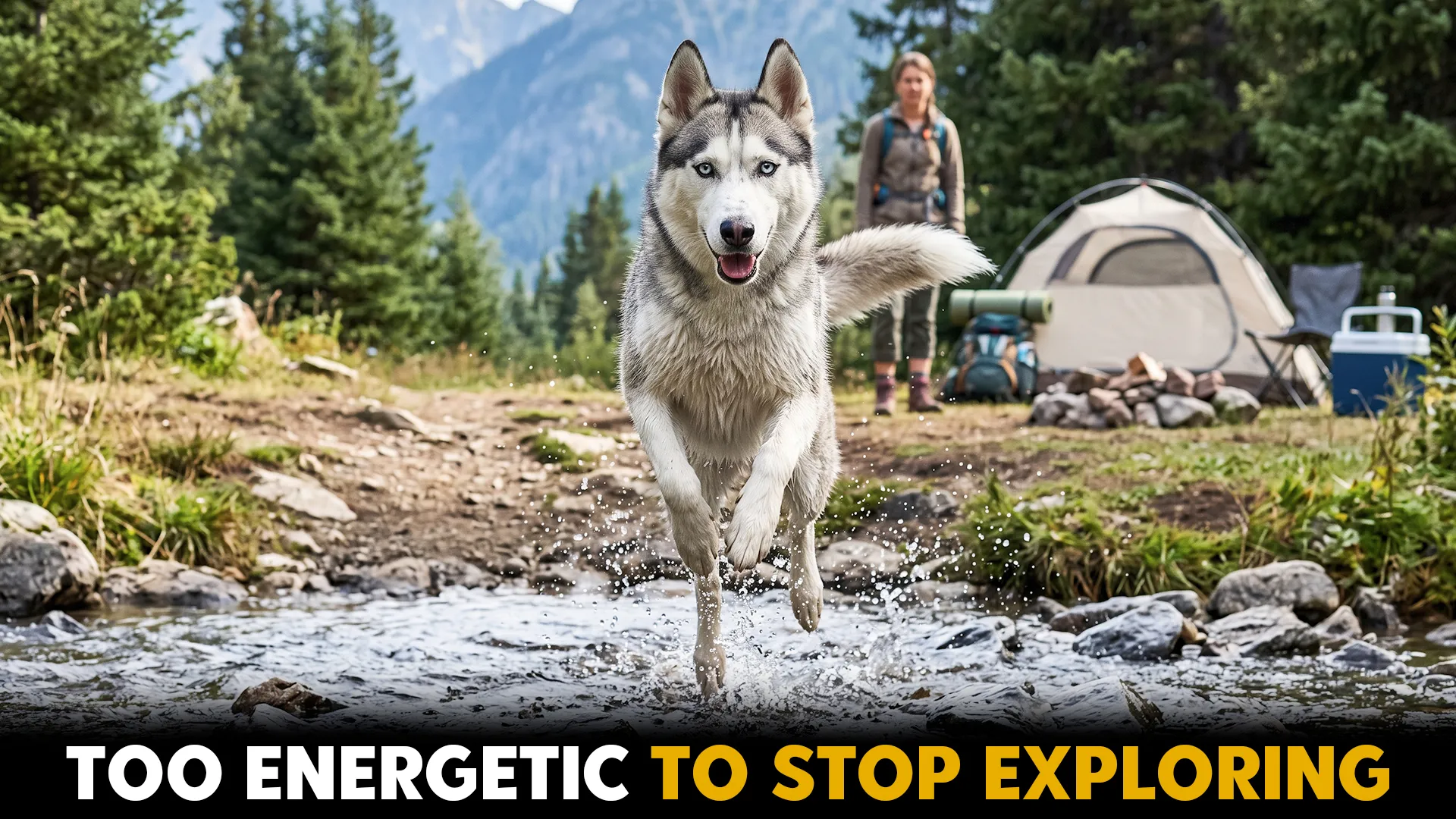
A tent beneath the stars, a winding woodland trail, and a furry friend investigating every suspicious pinecone; now that’s a weekend worth packing for! Camping becomes even more exciting when your four-legged explorer joins the adventure.
The energetic dog breeds bring stamina, curiosity, and playful personalities to outdoor adventures. From challenging hikes to splash-filled breaks, these dogs make every outing more memorable.
Choosing the right companion means considering exercise needs, weather tolerance, training, and wildlife awareness. With thoughtful preparation and plenty of fresh water, your next camping trip could become a favorite memory for both of you.
Energetic Dog Breeds That Thrive on Weekend Camping Trips
1. Australian Shepherd
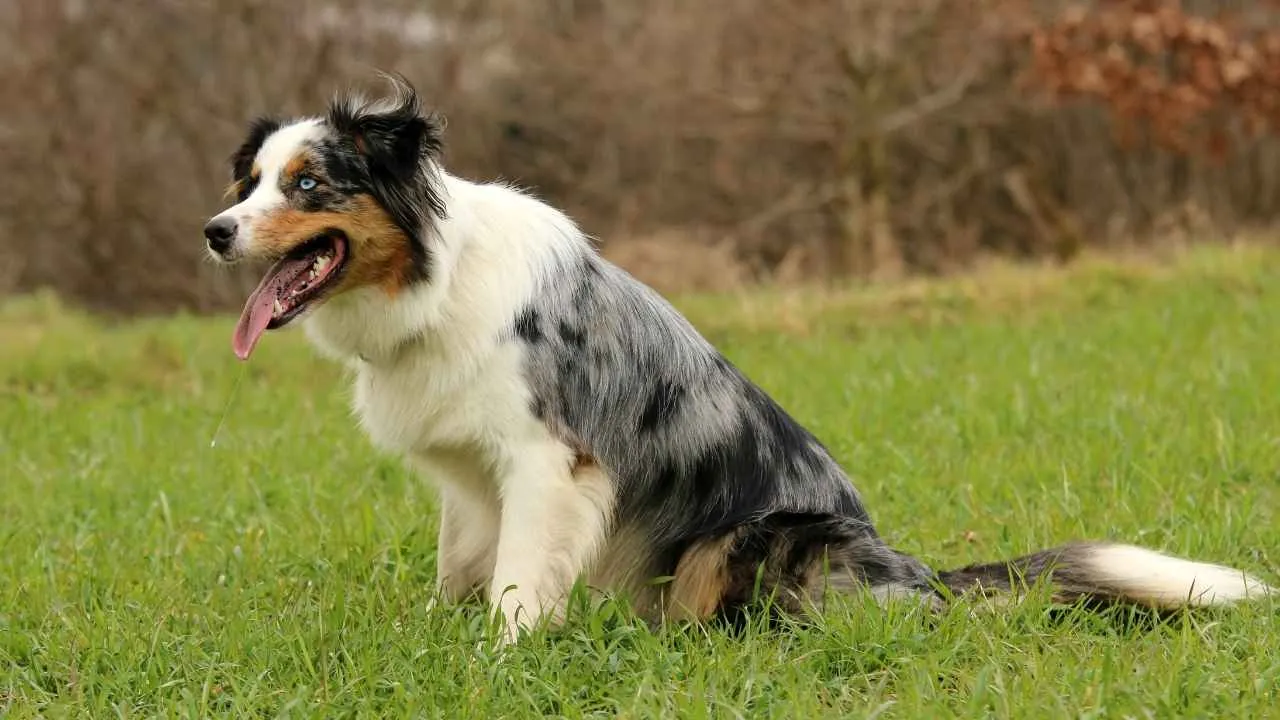
Give an Australian Shepherd a forest trail and a few challenges, and you’ll have one busy outdoor enthusiast. Originally developed for livestock herding, this clever working breed combines impressive stamina with a mind that loves having a job.
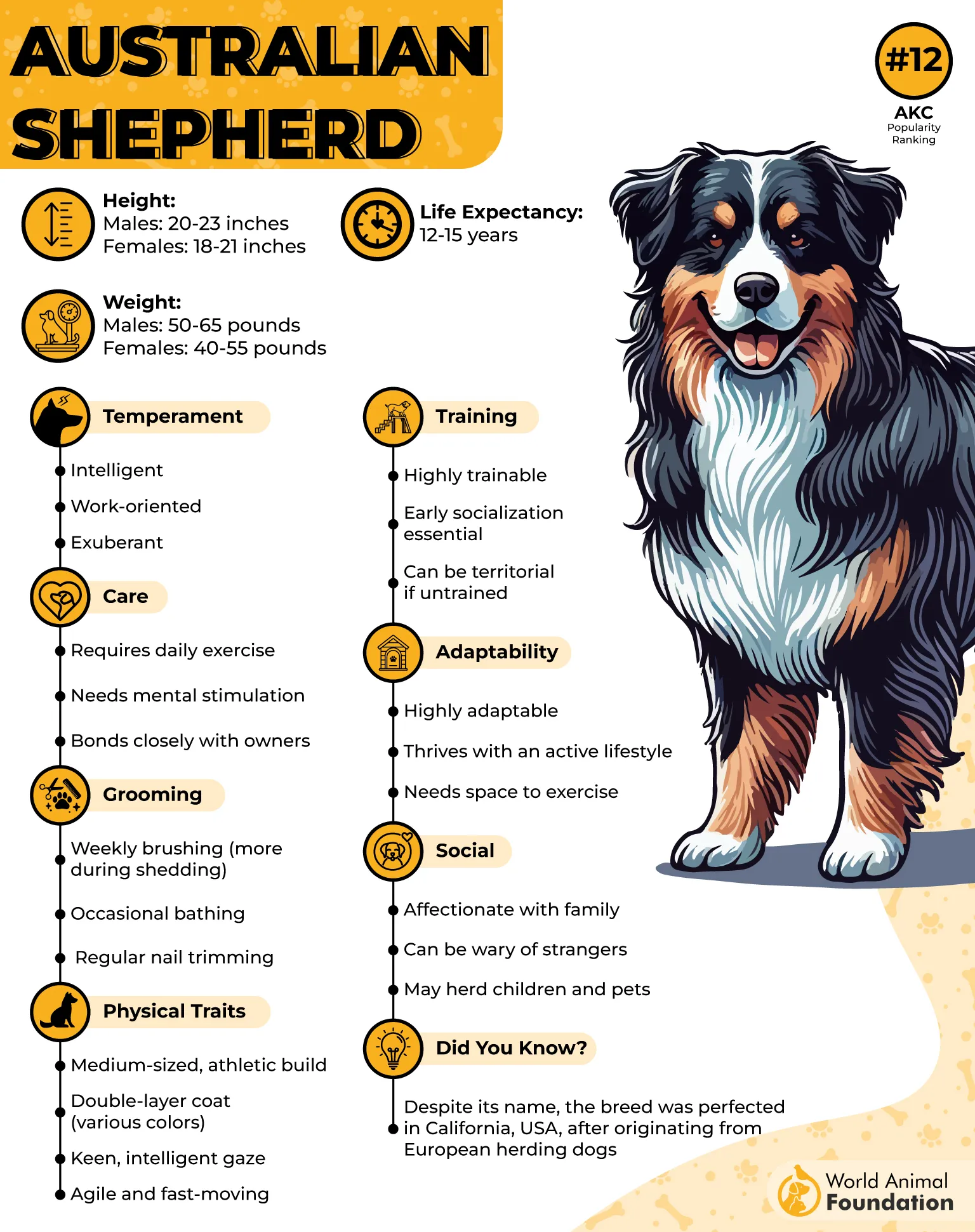
Purina mentions that these athletic companions enjoy hiking adventures, obedience games, and hidden-toy searches. Their affectionate nature helps them form a strong bond with their families, making outdoor activities even more rewarding.
Their weather-resistant double coat offers some protection against changing conditions, but warm afternoons call for shade, fresh water, and regular breaks. Early socialization, dependable recall, and a secure lead help manage herding instincts around children, cyclists, and unfamiliar animals.
With physical exercise, mental stimulation, and peaceful downtime, this energetic breed brings enthusiasm to the trail and plenty of cuddles back at camp.
2. Border Collie
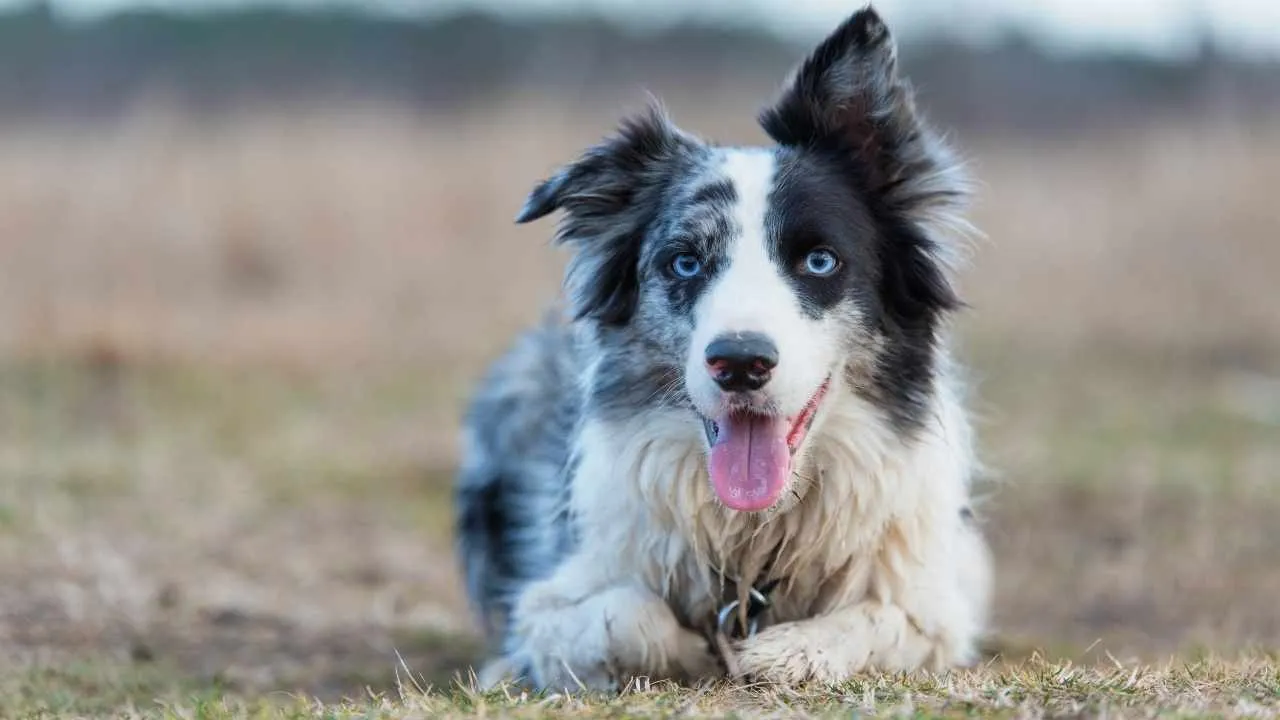
Meet the Border Collie, a four-legged genius that approaches trail exploration like a championship event! Famous for exceptional intelligence and herding ability, this breed thrives on activities that challenge body and brain.
Long hikes, scent games, and retrieving challenges keep these athletic companions engaged. Their agility and responsiveness make them excellent companions for experienced hikers who enjoy teaching new skills.
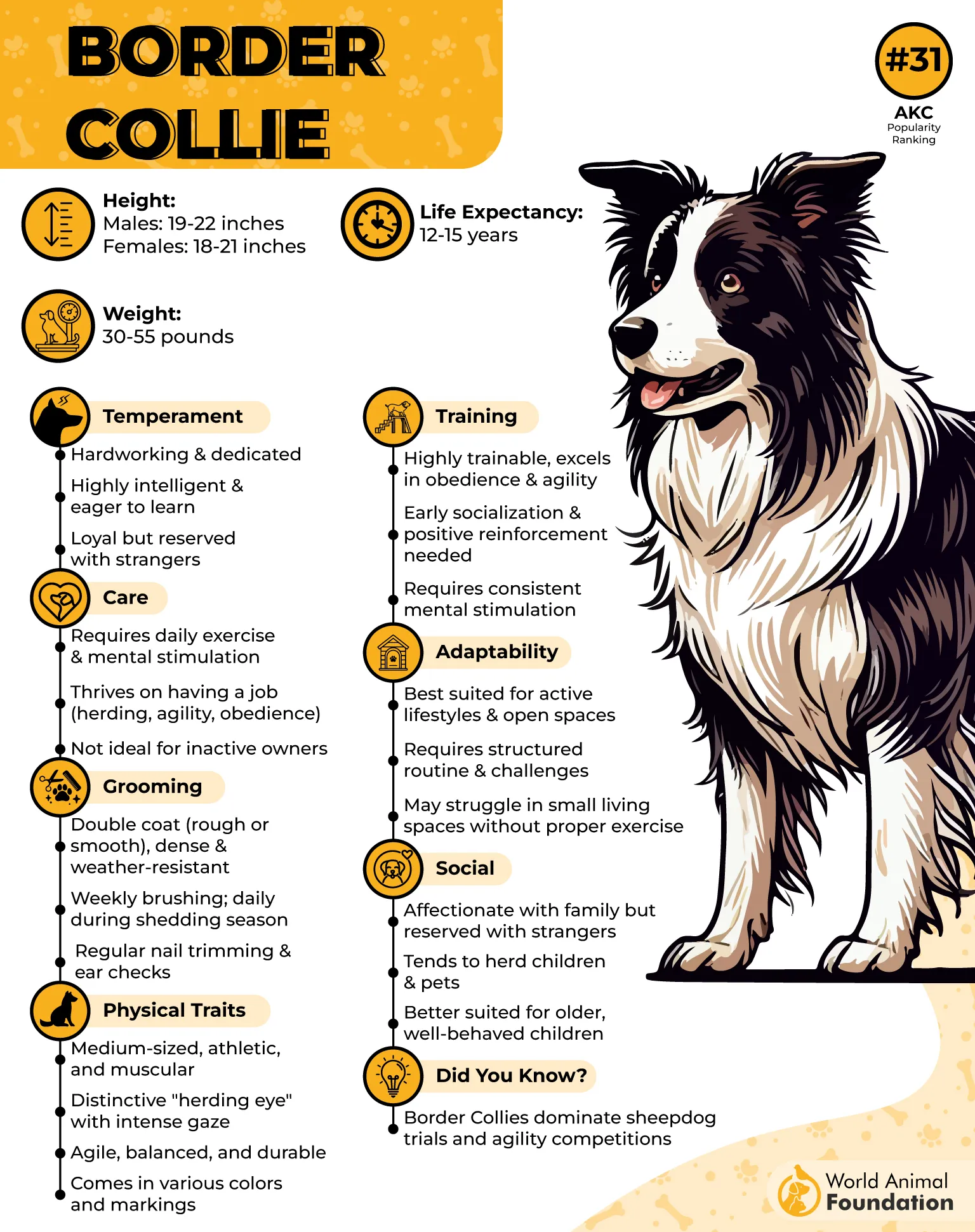
Border Collies have medium-sized frames and smooth or rough coats that benefit from routine grooming after woodland adventures. Without mental stimulation, a bored Border Collie might appoint itself supervisor of your hiking boots!
Teach your dog to settle at camp, practice reliable recall, and maintain leash control near wildlife, cliffs, and roads. A balance of activity and rest helps this brilliant herder enjoy outdoor adventures without becoming overstimulated.
3. Siberian Husky
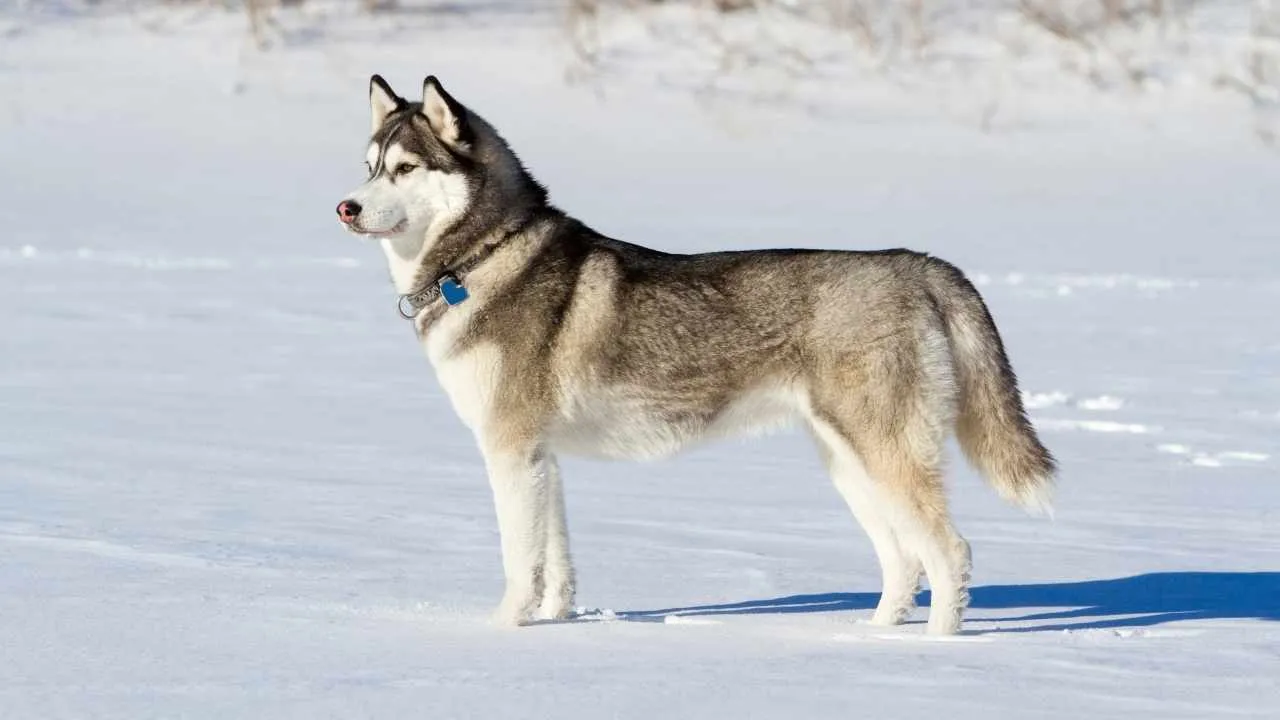
Cold mornings, frosty trails, and a thick-coated explorer trotting beside you, the Siberian Husky practically belongs on a winter camping postcard. Developed as a sled dog, this athletic breed possesses remarkable endurance and enthusiasm for outdoor exploration.
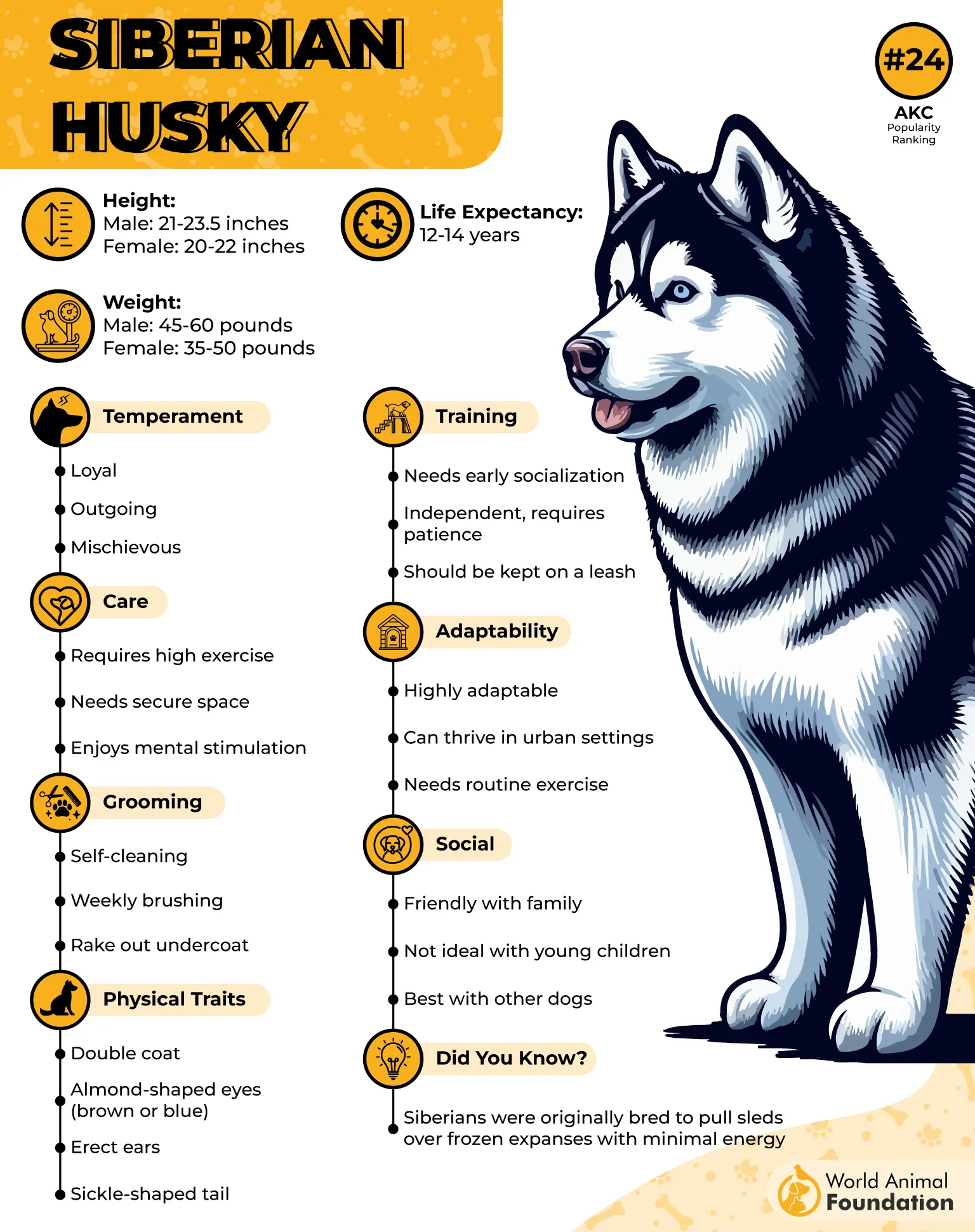
According to PetMD, Huskies enjoy sustained movement, suitable hiking routes, and interactive games. Their social, playful personalities bring plenty of excitement to a campsite.
Their dense double coat provides insulation in cold conditions, but warm weather requires extra care. Plan outings during cooler hours and provide shade, drinking water, and regular rest stops.
Huskies also have an independent streak and a strong desire to roam. Use a sturdy lead near roads and wildlife, reserving off-leash exploration for securely enclosed areas. With suitable temperatures and responsible handling, this adventurous breed makes a spirited camping companion.
4. German Shorthaired Pointer
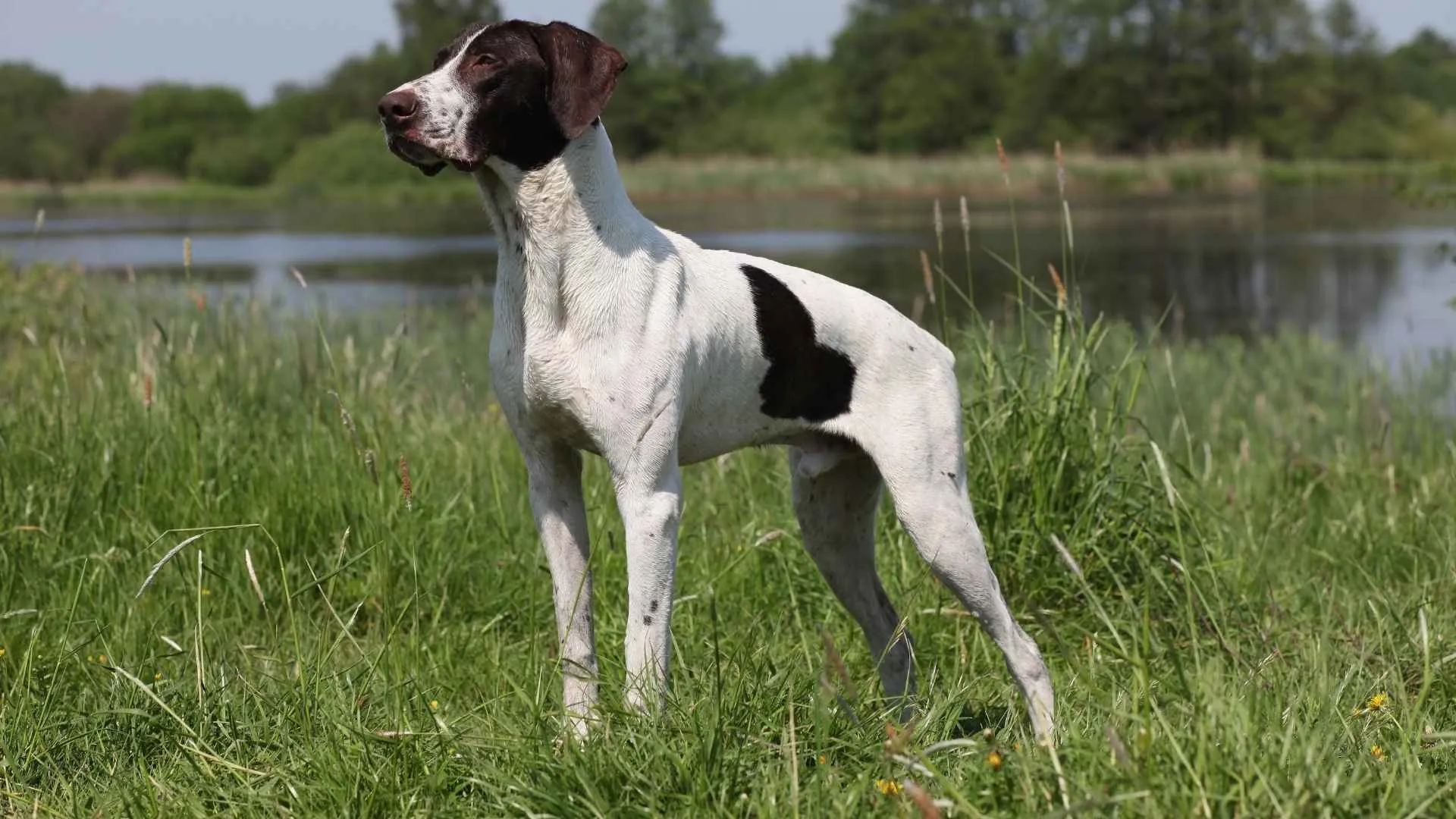
A German Shorthaired Pointer doesn’t need a treasure map to find excitement; an intriguing trail scent will do just fine. Bred as a versatile hunting companion, this athletic sporting breed combines remarkable stamina with an inquisitive nose.
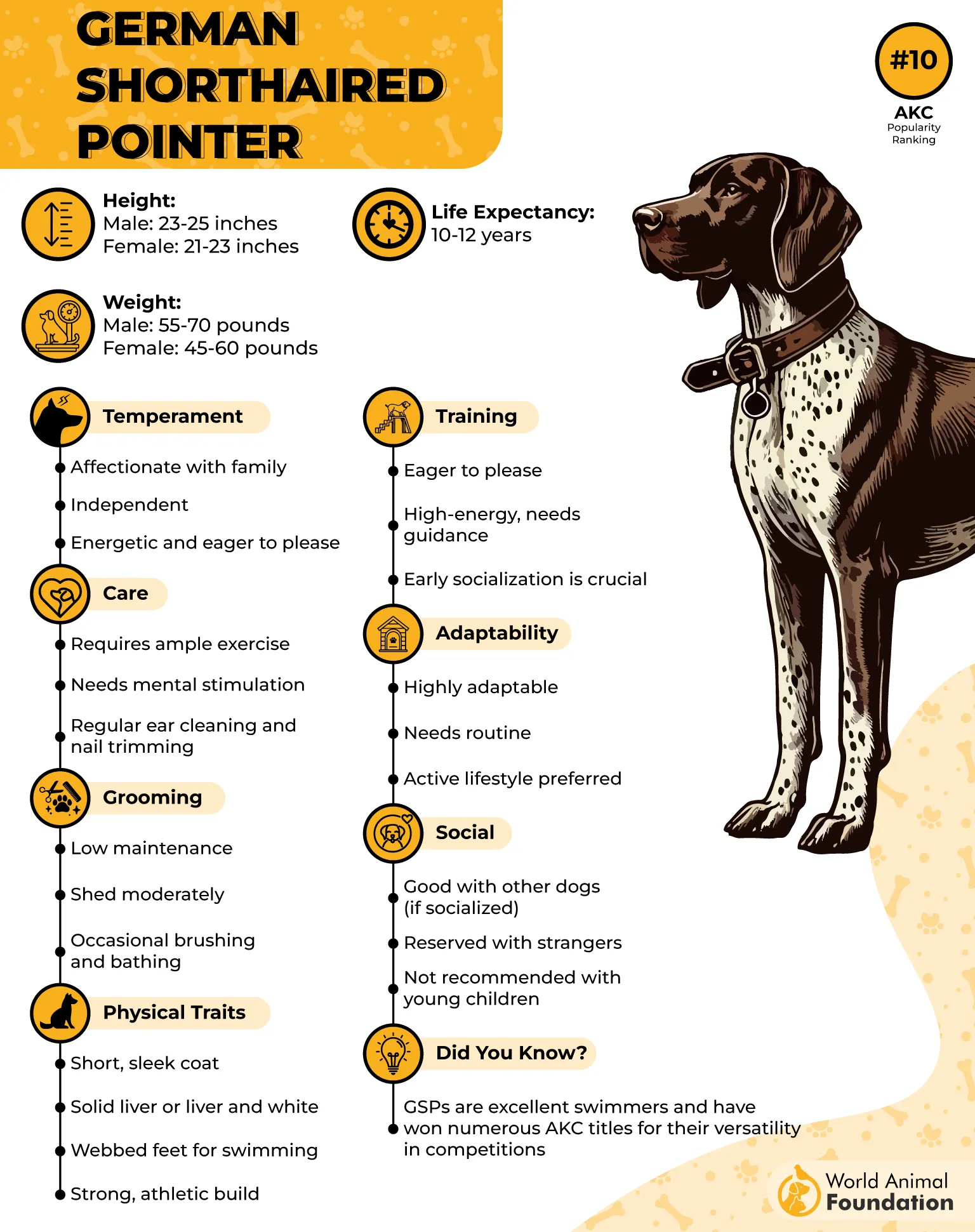
Orvis says that these energetic dogs enjoy long walks, retrieving games, and swimming in safe, permitted locations. Their lean, muscular build supports active lifestyles, while their short coat keeps grooming relatively simple.
Their hunting instincts make wildlife encounters especially tempting, so practice recall in controlled settings and maintain leash control around birds and small mammals. Comfortable bedding and suitable weather protection also matter during chilly overnight stays.
For travelers who enjoy active days and cozy evenings beneath the stars, this spirited pointer brings curiosity, athleticism, and enthusiasm to shared exploration.
5. Labrador Retriever
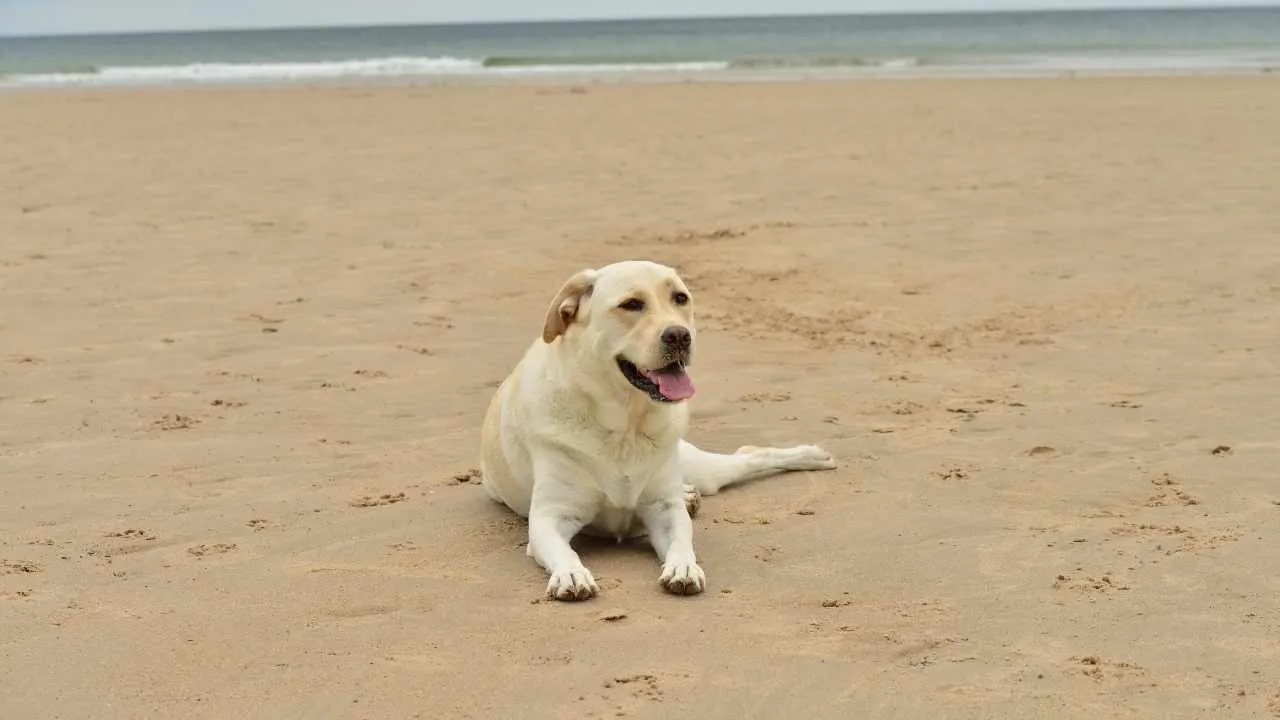
Nothing says camping happiness quite like a Labrador Retriever arriving with a soggy tennis ball and an expression demanding another round of fetch. Friendly, athletic, and eager to participate, this popular sporting breed brings cheerful energy to family outings.
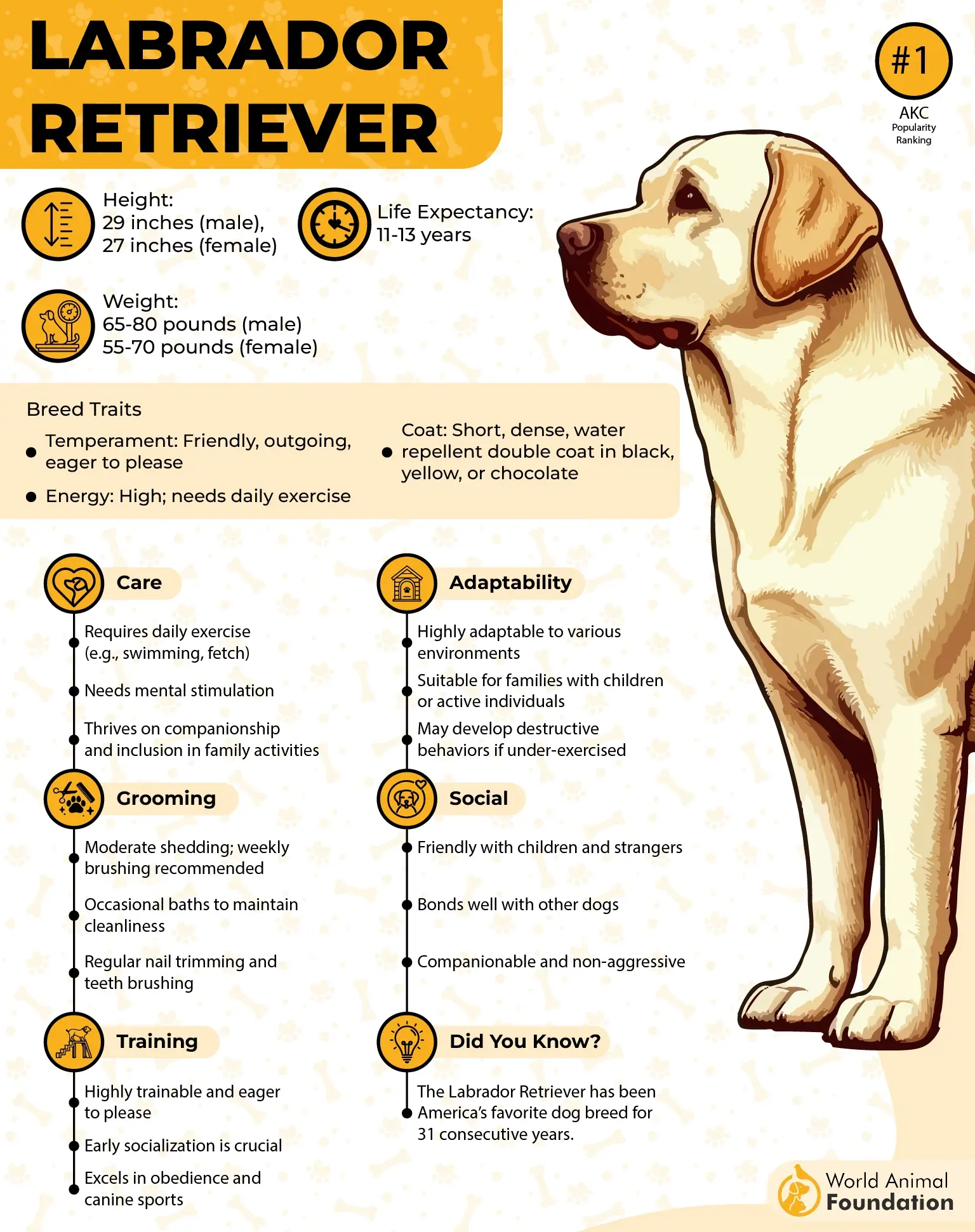
Originally developed to retrieve game and assist fishermen, Labrador Retrievers generally enjoy swimming, hiking, and fetching. Their cooperative temperament also makes reward-based training enjoyable.
Swimming requires supervision, even for confident paddlers. Choose safe locations, watch currents, and offer breaks. Labs also love food, so secure picnic supplies and store dog food properly. After swimming, gently dry their ears and check for irritation.
Teach your companion to greet unfamiliar campers politely and settle on a comfortable mat after adventures. With appropriate exercise and supervision, these affectionate retrievers make excellent companions for playful family camping trips.
6. Vizsla
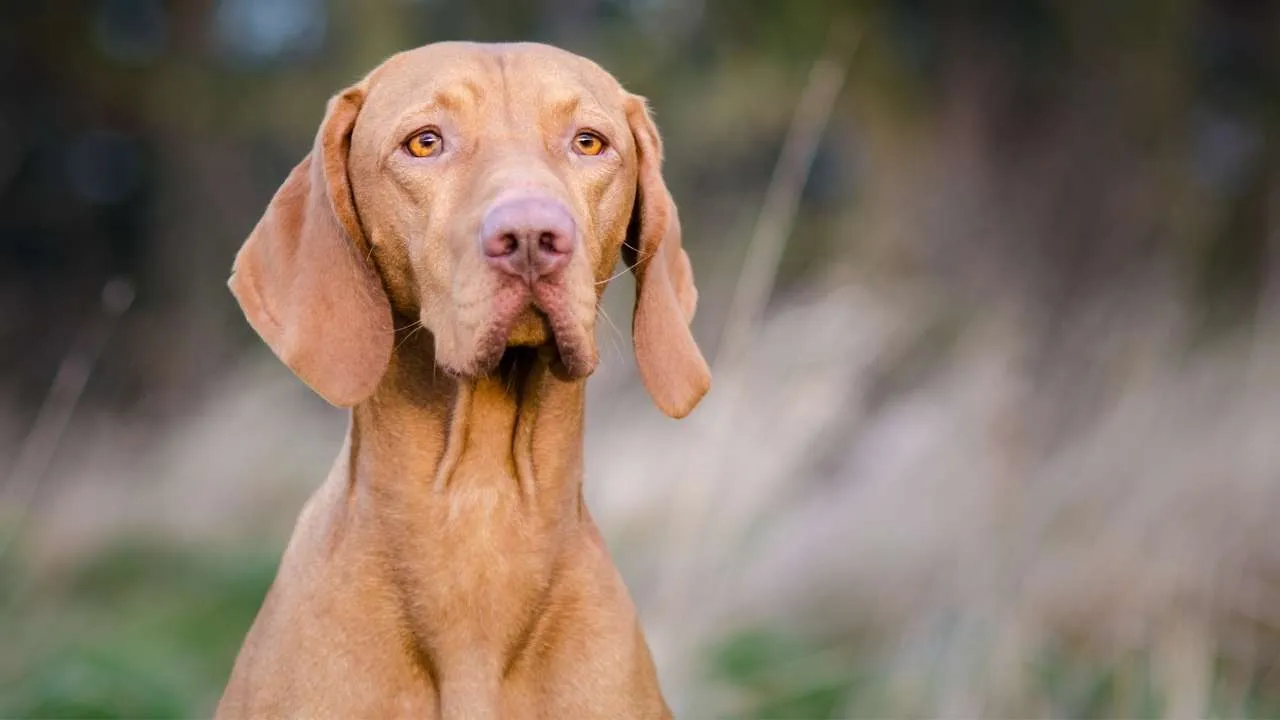
Some camping companions are happiest when they’re never far from their favorite people. The Vizsla fits that description beautifully, combining an affectionate personality with the athletic ability of a Hungarian hunting dog.
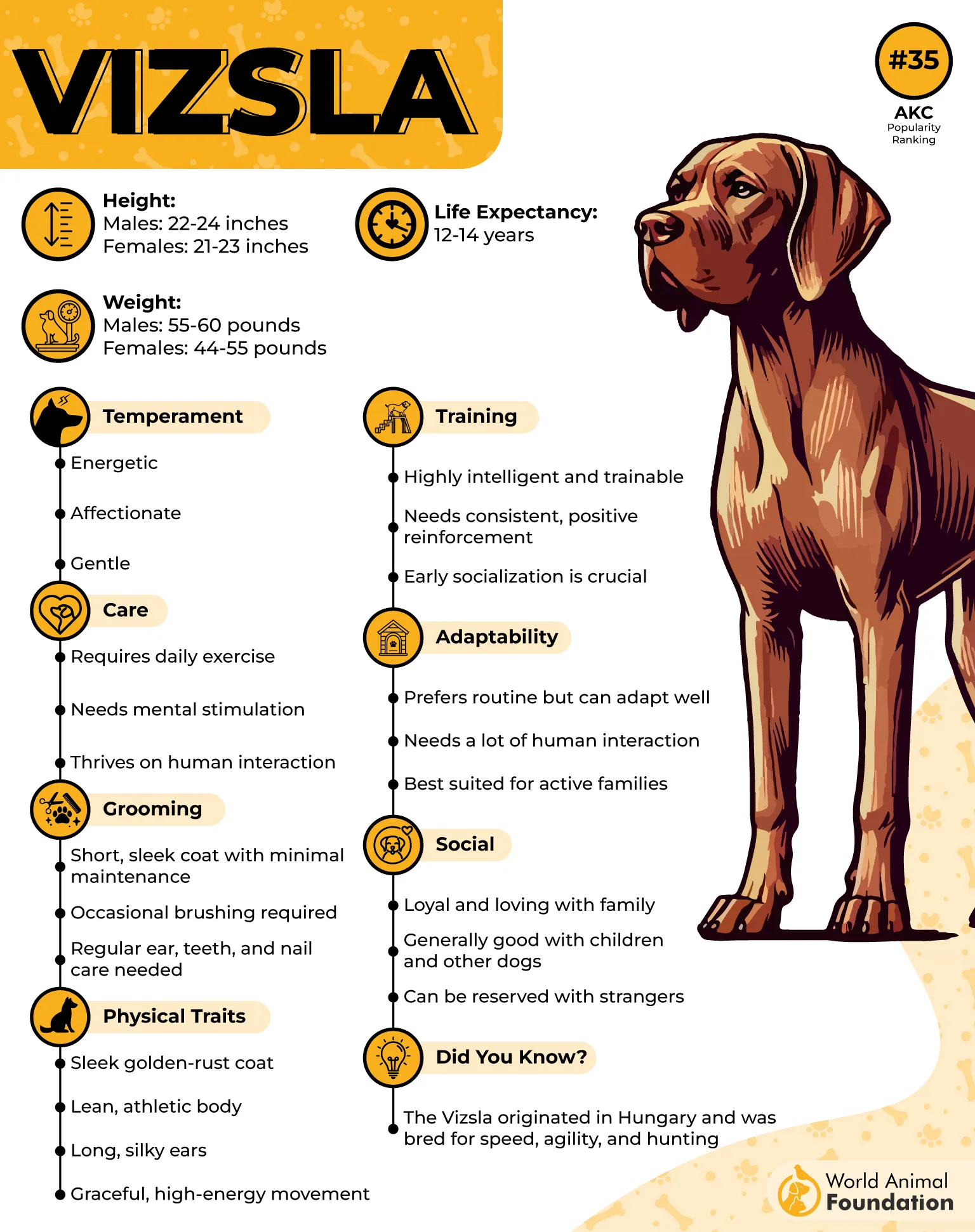
Vizslas enjoy hiking, retrieving, and scent-based games. Their lean, muscular frames support active pursuits, and their short, smooth coats require relatively little grooming. Check for ticks and woodland debris after each outing.
Britannica states that these sensitive dogs respond well to positive reinforcement and consistent routines. Include them in campsite activities, provide a familiar sleeping area, and avoid leaving them isolated for long periods.
Their short coats offer limited insulation during chilly nights, so pack warm bedding or a suitable dog jacket. Careful supervision around wildlife is also important because of their hunting instincts. With shared activities and peaceful rest periods, a Vizsla brings energetic enthusiasm and affectionate cuddles to weekend camping trips.
7. Weimaraner
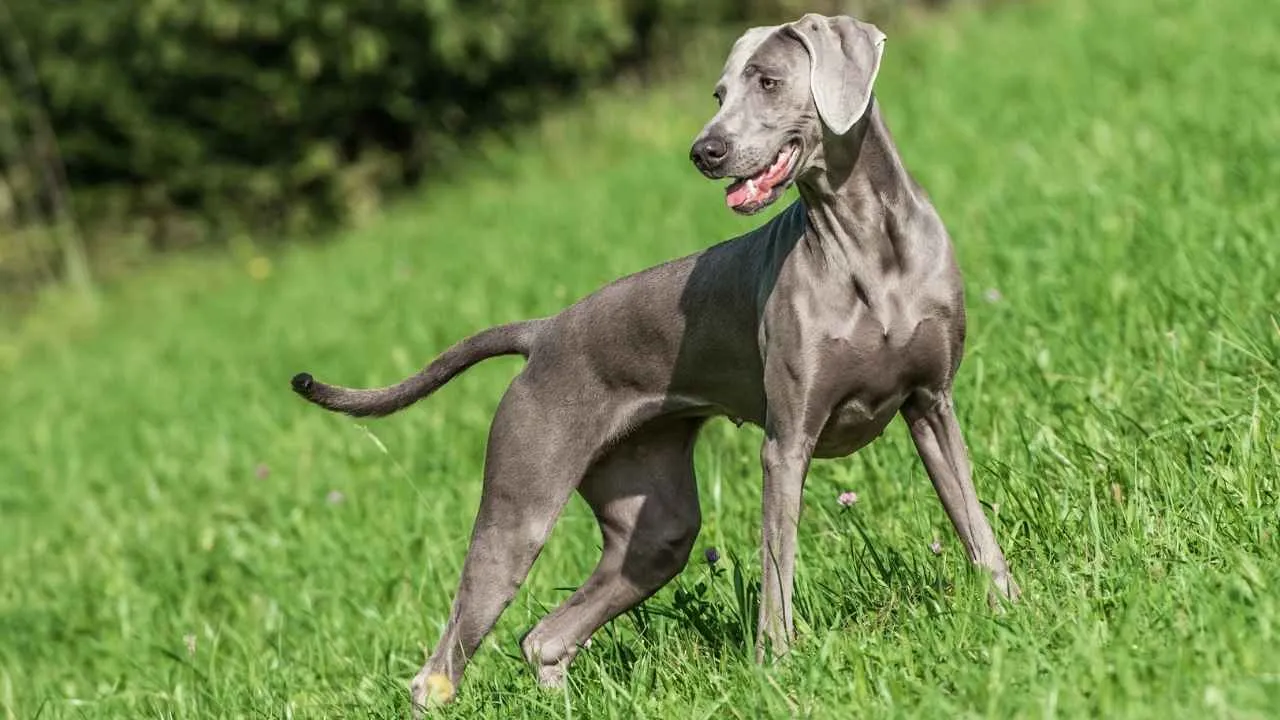
With a sleek silver-gray coat and an athletic silhouette, the Weimaraner looks ready to investigate every winding trail before breakfast. Developed as a hunting companion, this energetic breed enjoys sustained exercise, interesting scents, and unfamiliar surroundings.
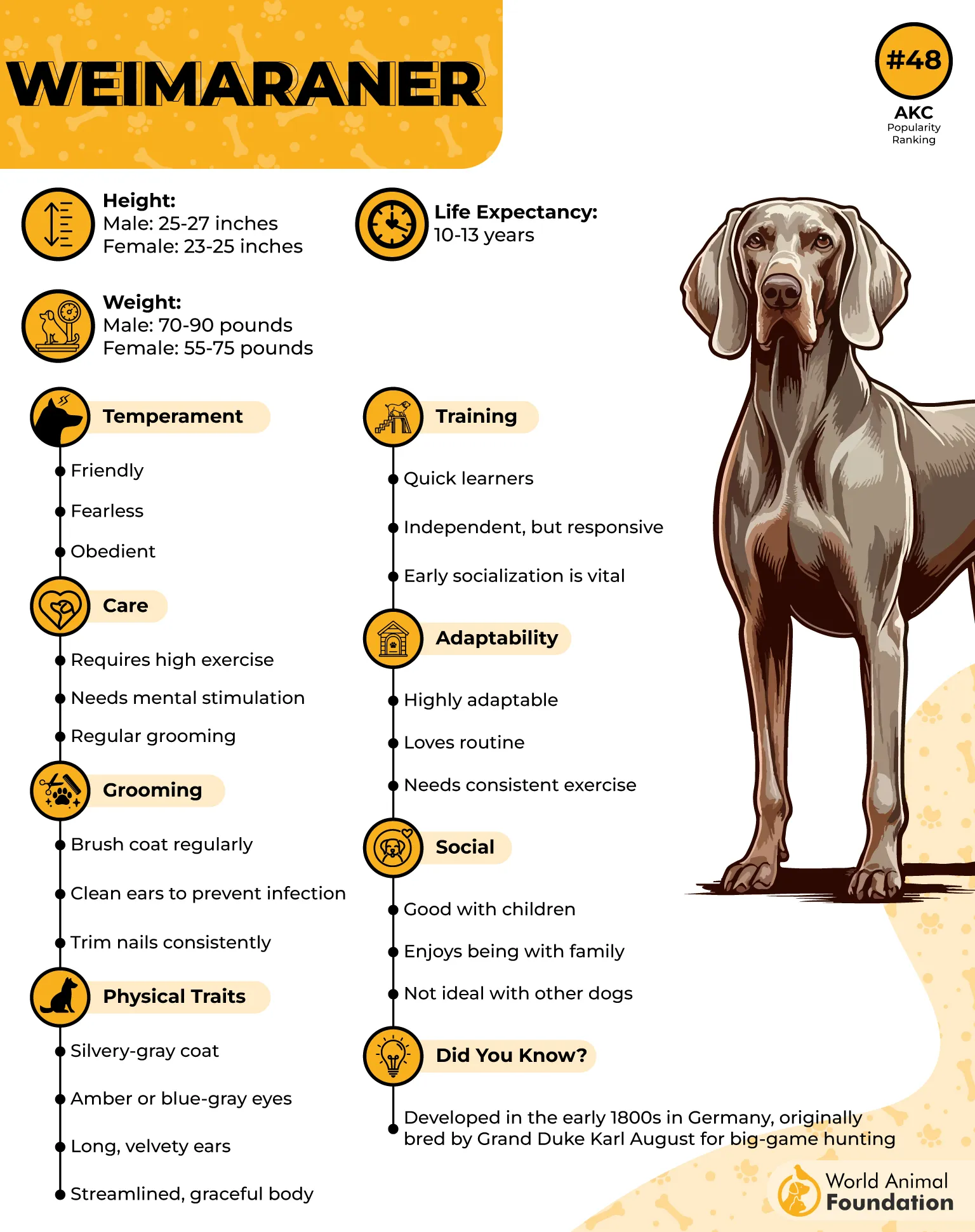
Hiking, retrieving, and scent work offer useful outlets for its physical energy and intelligence. Weimaraners also value close relationships with their families, making shared outdoor activities particularly rewarding.
Build exercise gradually, include mental challenges, and practice settling inside a tent before an overnight stay. Their short coat provides little insulation in cold conditions, so comfortable, warm bedding is important.
Their hunting background calls for careful supervision around wildlife. Maintain leash control near birds and small mammals, and secure your campsite. For active travelers, the Weimaraner offers an enthusiastic mix of athleticism, curiosity, and companionship.
8. Australian Cattle Dog
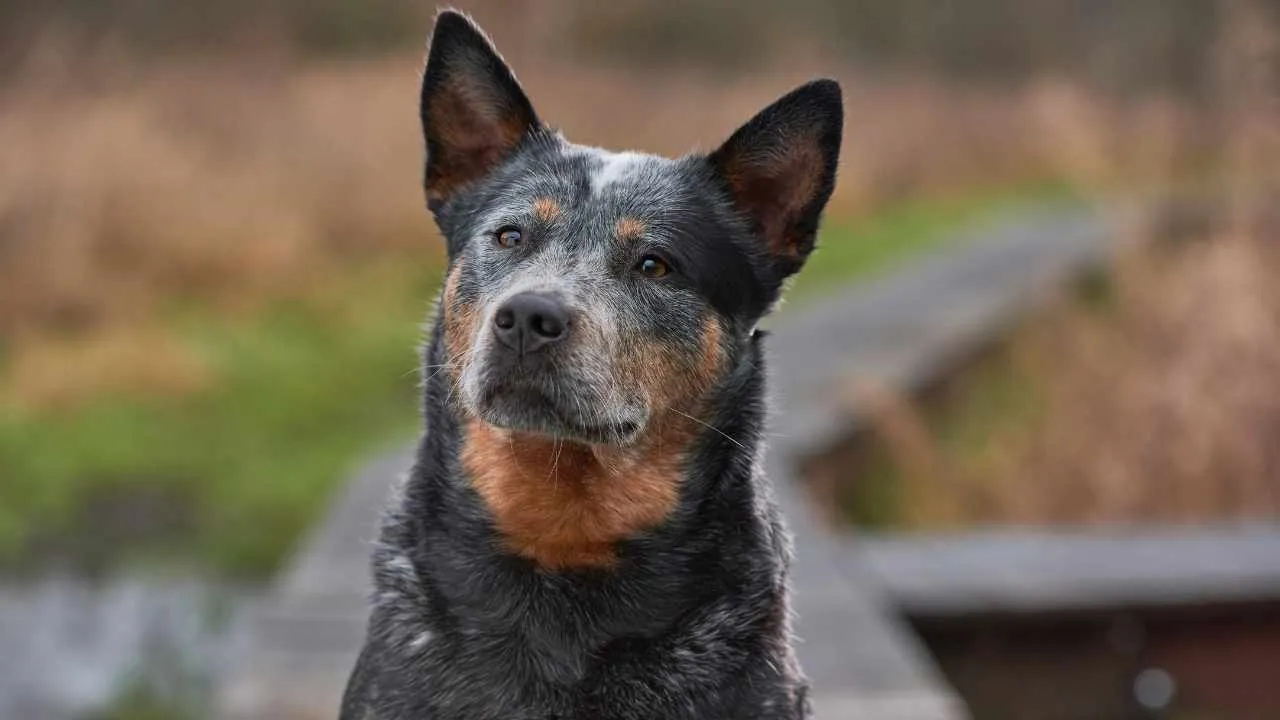
Give an Australian Cattle Dog a trail to explore and a little job to complete, and that determined expression practically says, “Leave it to me!” Developed to move cattle across demanding Australian landscapes, this compact, muscular working breed combines toughness with remarkable intelligence.
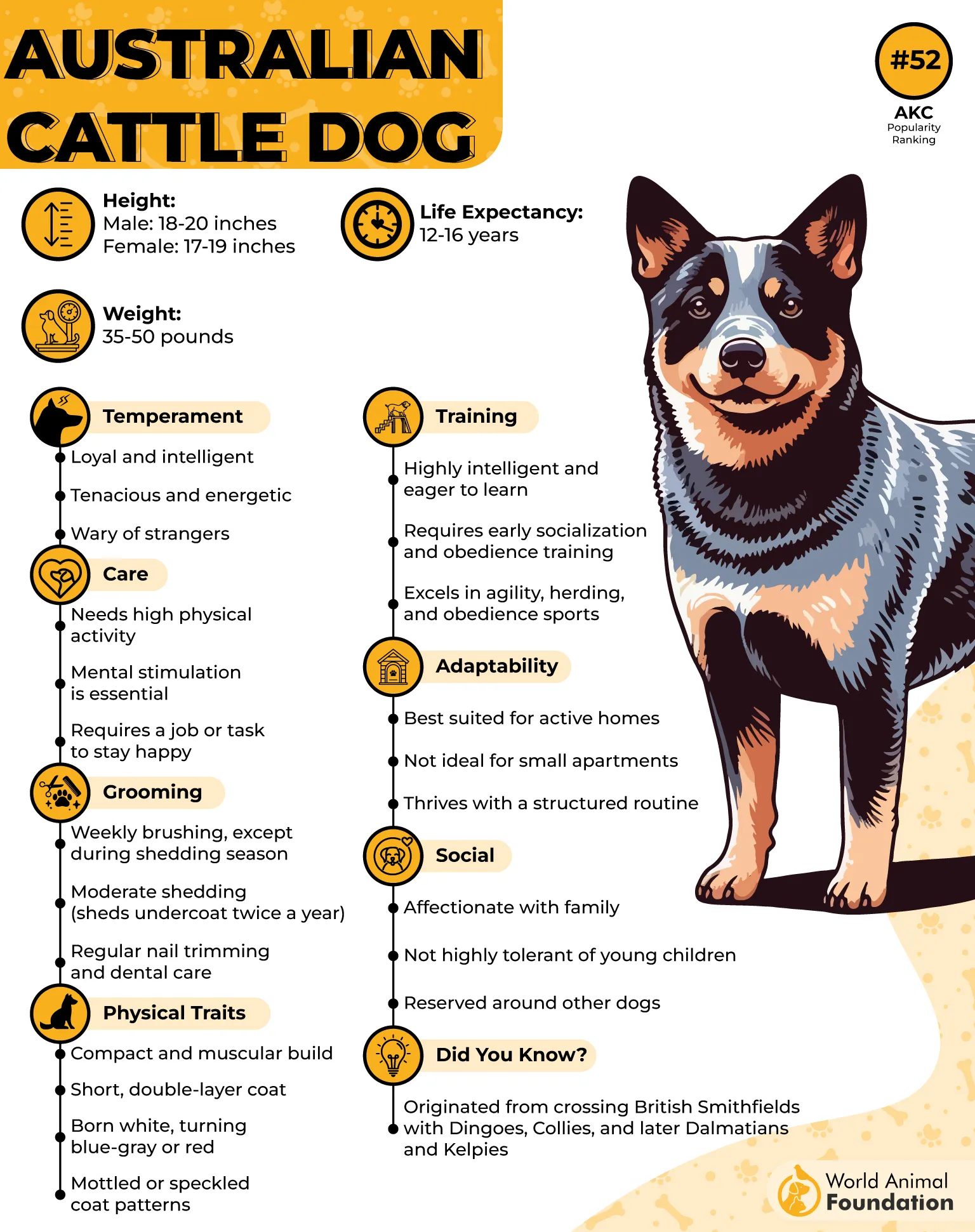
Brisk walks, interactive games, and training challenges help channel its natural drive. Its dense double coat offers some weather protection, but warm conditions still require shade, hydration, and carefully timed exercise.
This independent thinker benefits from early socialization and consistent boundaries. Herding instincts might trigger chasing or attempts to direct children and other animals, making thoughtful training essential.
Australian Cattle Dogs suit campers who enjoy purposeful walks and engaging activities. Provide sensible challenges, reliable supervision, and comfortable downtime, and you’ll have a determined outdoor companion with plenty of personality.
9. Brittany
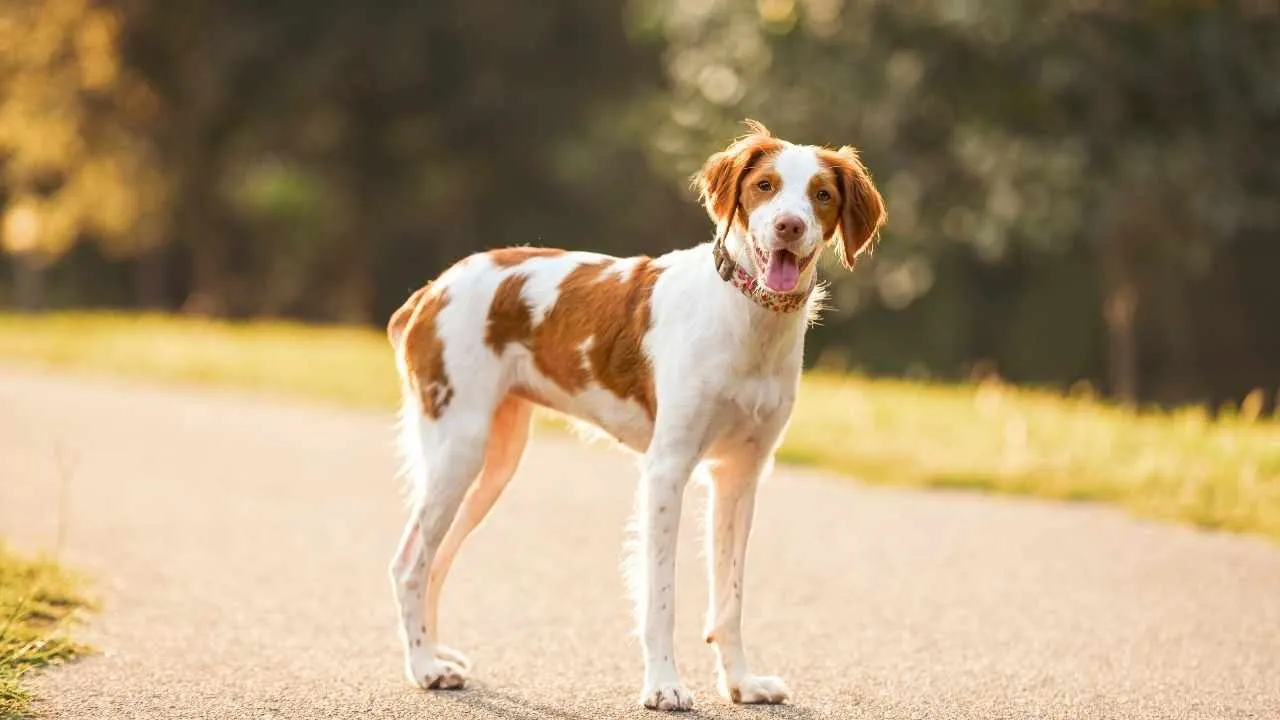
Small enough to feel manageable around camp yet lively enough to keep everyone moving, the Brittany brings a delightful sporting spirit to outdoor weekends. Originally developed as a bird dog, this agile breed enjoys following scents and exploring new surroundings.
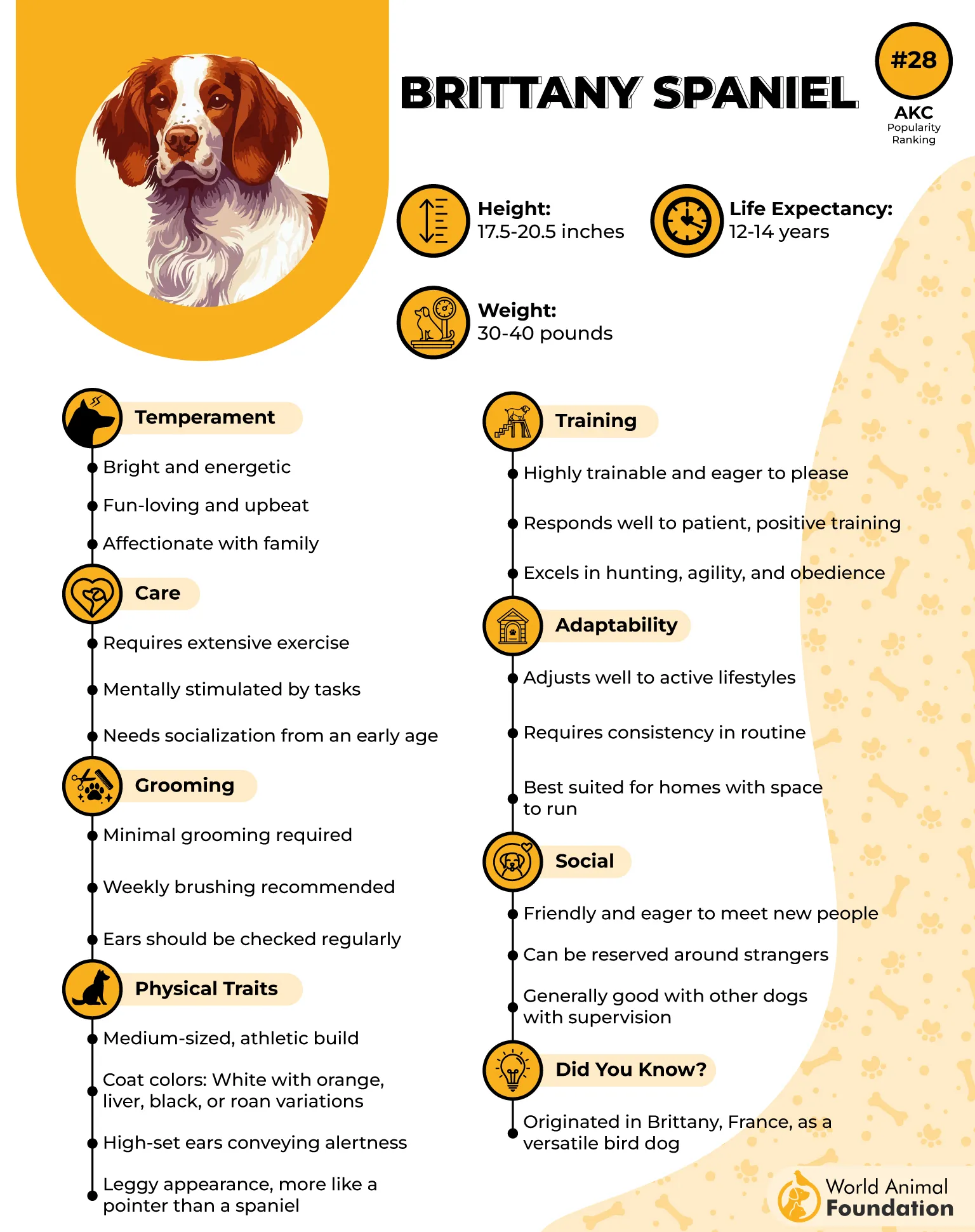
Brittanys thrive on hiking, retrieving, and playful training sessions. Their medium-sized frames suit many camping arrangements, while their affectionate personalities make shared adventures rewarding.
Their feathered coats benefit from regular brushing, especially after exploring thick vegetation. Check for burrs, ticks, and debris after outings, and inspect the paws before bedtime.
Their hunting instincts require attention around birds and small mammals, so practice recall and maintain leash control near roads or exposed trails. Scent games provide useful mental stimulation when hiking boots come off.
For campers seeking an active companion without choosing one of the largest breeds, the Brittany offers curiosity, trainability, and a cheerful sporting spirit.
10. Rhodesian Ridgeback
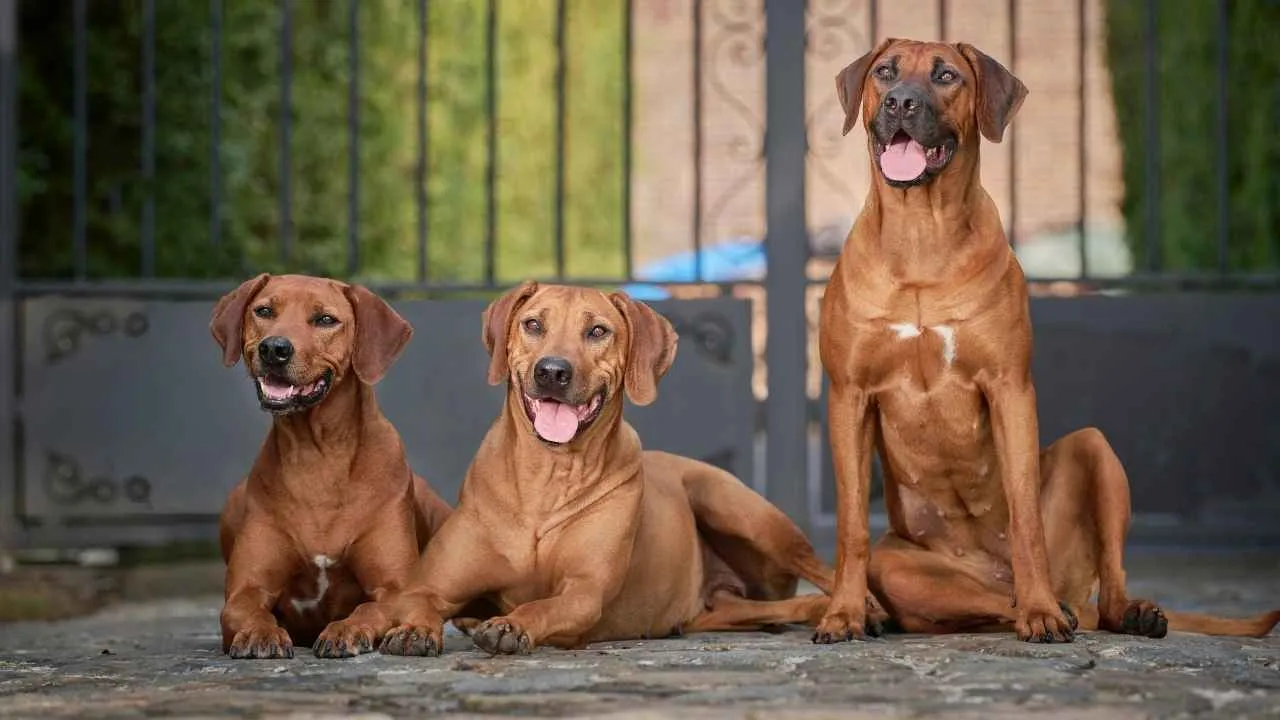
For campers drawn to spacious trails and rugged terrain, the Rhodesian Ridgeback brings athletic strength and independent character. Originally developed in southern Africa for hunting and guarding, this powerful breed has a history of endurance and outdoor work.
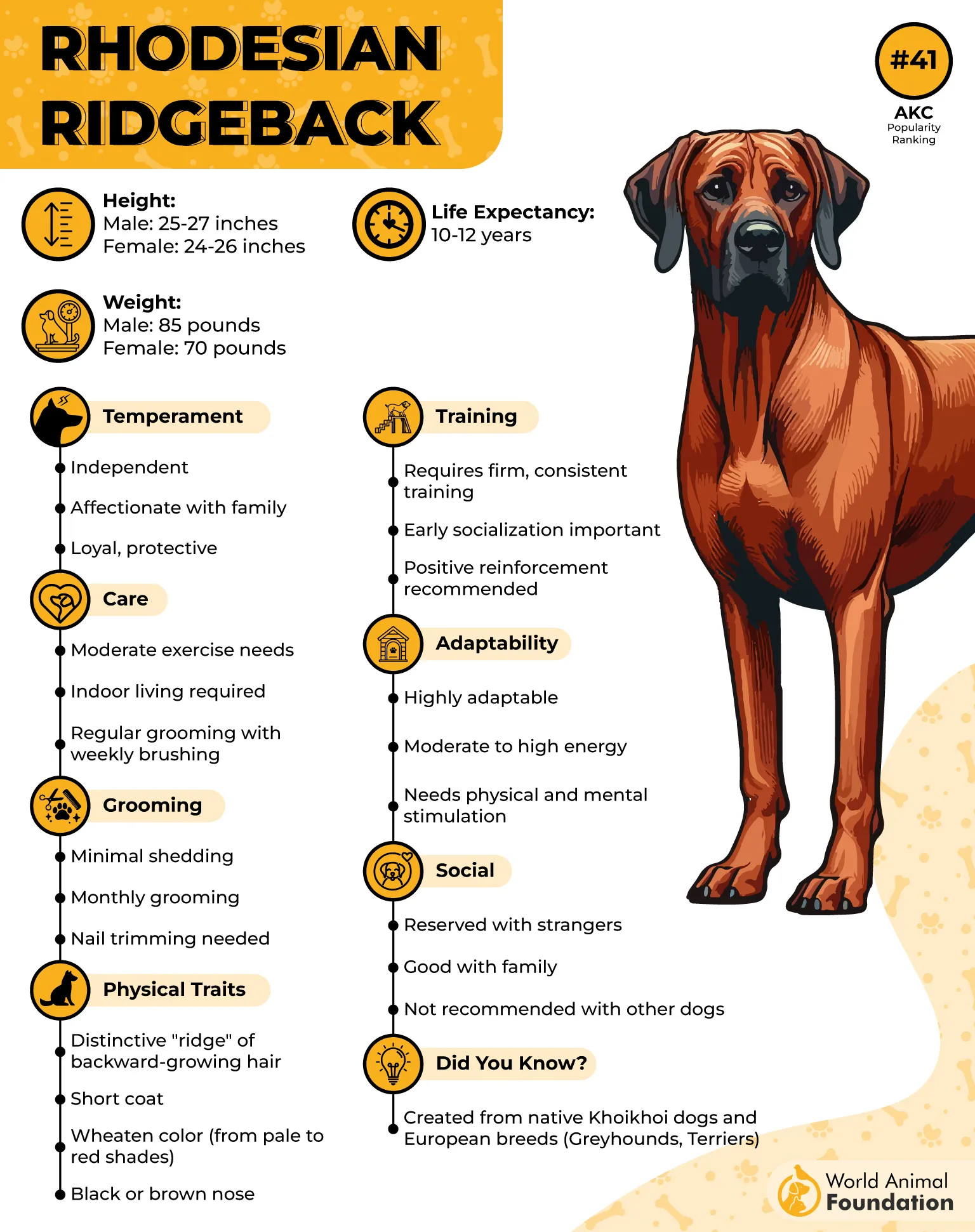
Its muscular body, short coat, and distinctive ridge of hair growing in the opposite direction along the back make the Ridgeback instantly recognizable. Appropriately paced hikes support its active lifestyle, but increase distances gradually according to age, fitness, and veterinary advice.
These confident companions have a prey drive that requires careful management around wildlife and unfamiliar animals. Maintain control near campground roads and provide shade, fresh water, and breaks during warm weather.
A short coat offers limited protection from cold, so pack suitable overnight bedding. For experienced handlers who appreciate an independent, athletic travel companion, the Rhodesian Ridgeback brings a distinctive presence to outdoor exploration.
Conclusion
The best camping buddy is the dog whose needs match your travel lifestyle. Check campground rules, select dog-friendly trails, and choose distances suited to your companion’s age, fitness, and experience.
Puppies, senior companions, and inexperienced hikers need different activity levels, so build endurance gradually and watch for signs of fatigue or overheating. Keep wildlife at a safe distance, regardless of how friendly or trainable your dog seems.
With positive training, sensible planning, and plenty of affection, every trail offers another opportunity to make wonderful memories together.
