




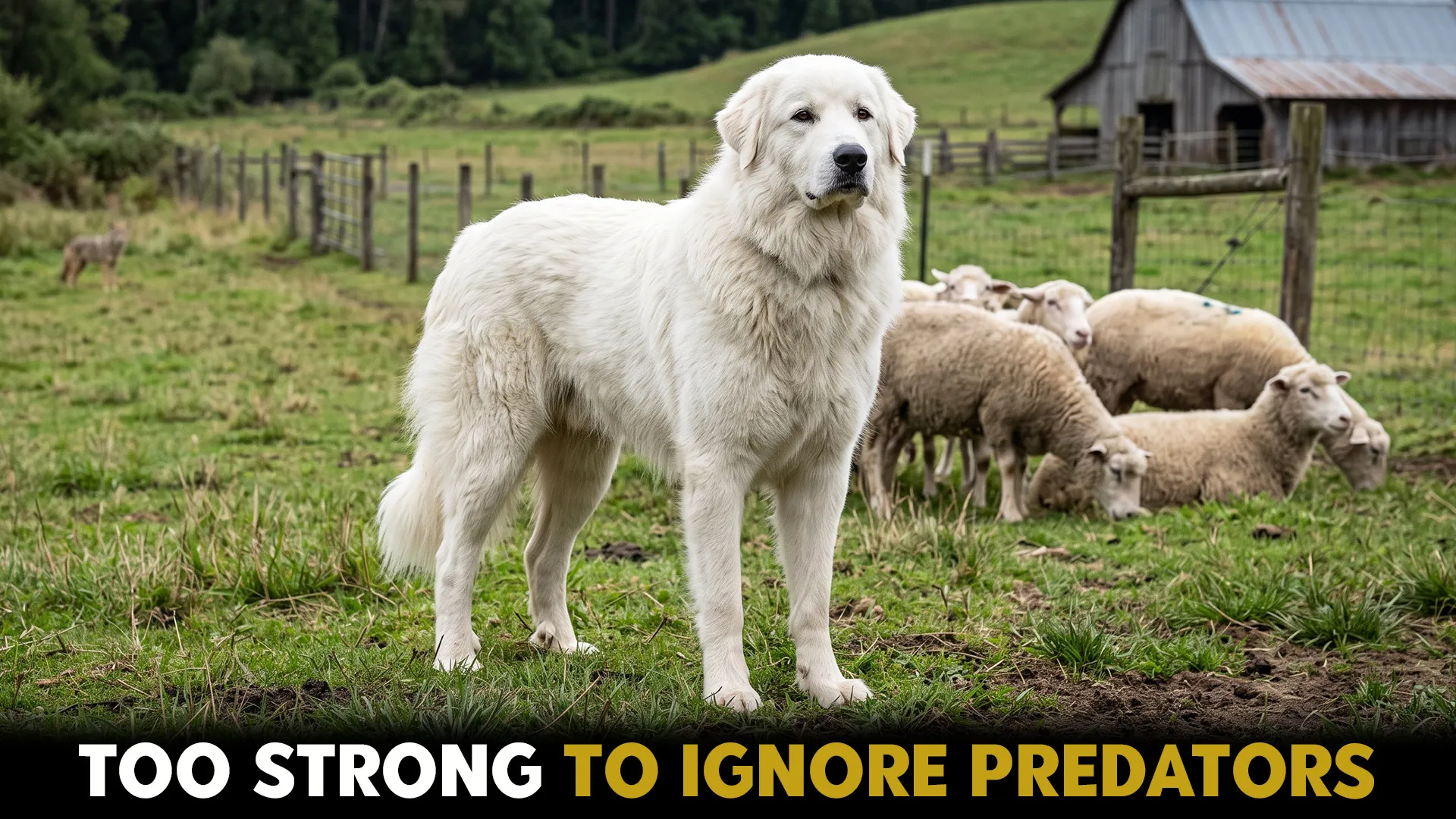
A farm can look tranquil in the day when there are sheep grazing, goats walking around, and cattle grazing in their fields. But as the day begins to fade, dangers lie ahead.
Livestock can be subject to predation by coyotes and stray dogs, which can lead to substantial losses for farmers.
Livestock guardians are here for that. These dogs were bred to guard livestock; they are often more like watchmen than herders, who are responsible for escorting livestock from one location to another.
Rather than the herder who moves livestock from one place to another, guardian dogs are usually more like watchmen, keeping on their guard and responding when danger arises.
However, not all guardian breeds are alike. Some are well known for their lack of aggression towards other animals, and others are particularly independent and territorial. Which breed to choose from? This will depend on your animals, land, predator control, and the weather, along with your experience working with large working dogs.
If you’re looking to keep your farm safe and provide your animals with a more secure environment, here are nine breeds of livestock guardian dogs you should be familiar with.
Livestock Guardian Dog Breeds for Farm Protection
1. Great Pyrenees
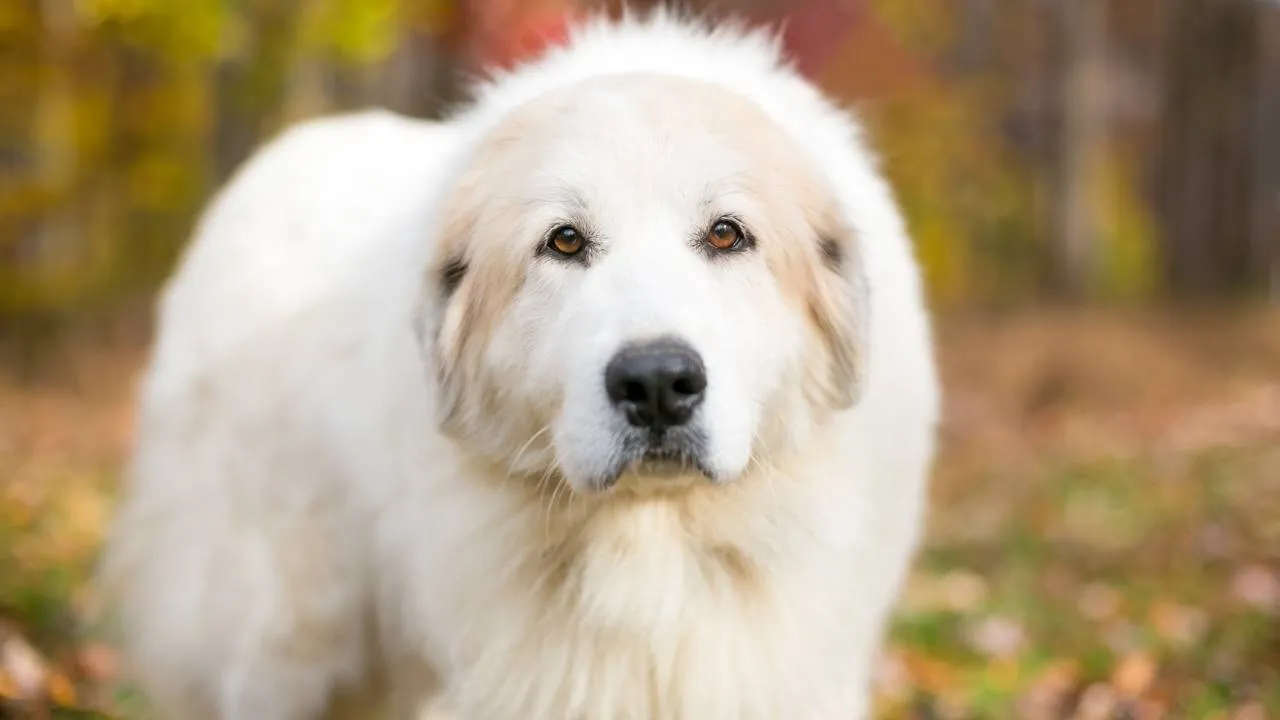
The Great Pyrenees has been a guardian of sheep in the mountainous region between France and Spain for centuries. It is one of the most recognized livestock guardian breeds due to its white, thick coat, imposing stature, and steady temperament.
A Great Pyrenees can be calm and gentle with its flock. It has a tendency to be content with sheep and goats for an extended time, watching what goes on around it. It can help deter predators such as wolves as it stands its ground, barking to drive away threats.
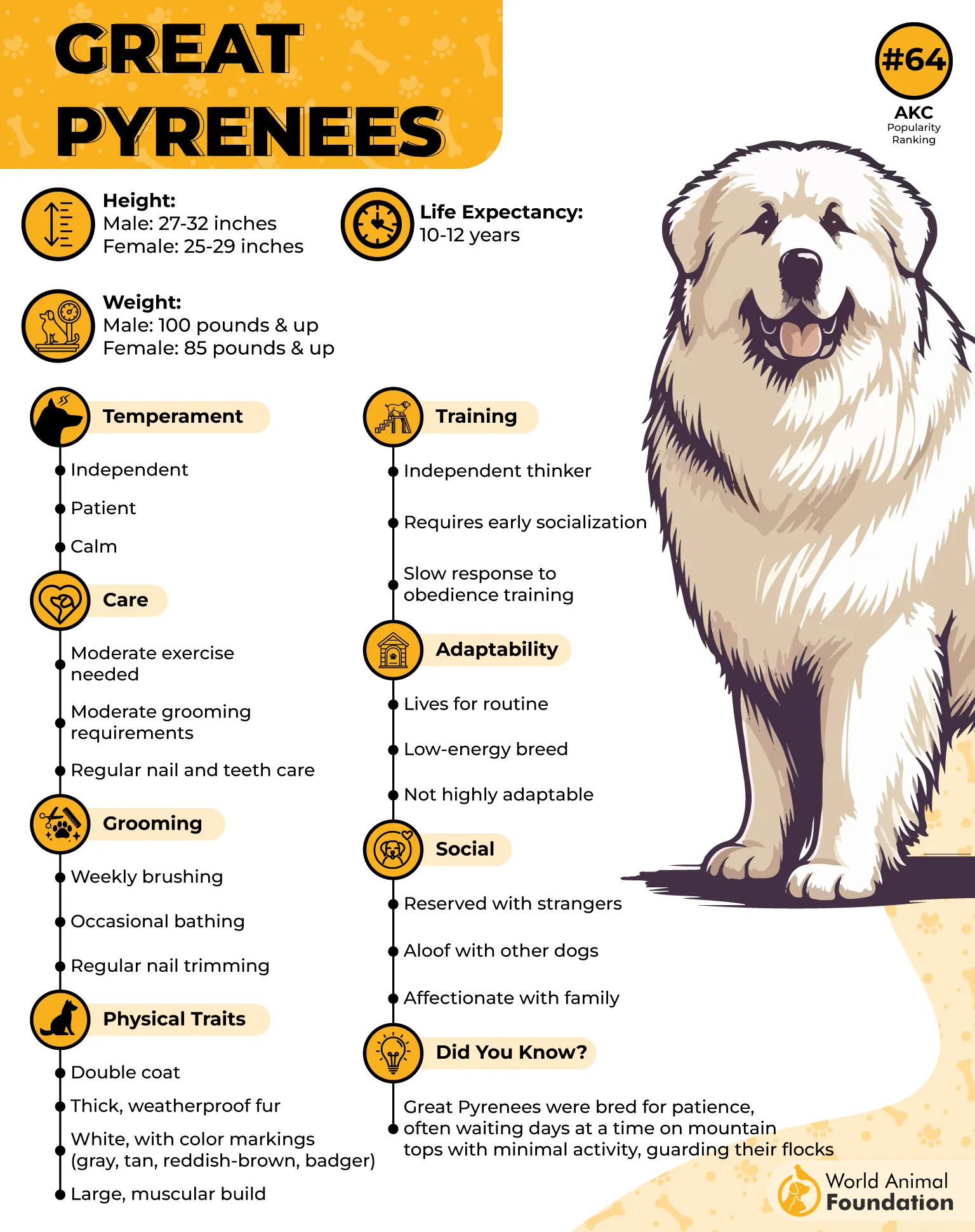
It has a thick coat that is helpful in cold climates, but can be a problem in warmer weather. Careful heat management, fresh water, and good grooming are essential. It may also bark at night as well, so owners must take into account other houses and neighbors before adopting a Great Pyrenees.
This breed is suitable for farms that require a quiet guard dog and can provide it with sufficient space to operate safely within the herd.
2. Anatolian Shepherd
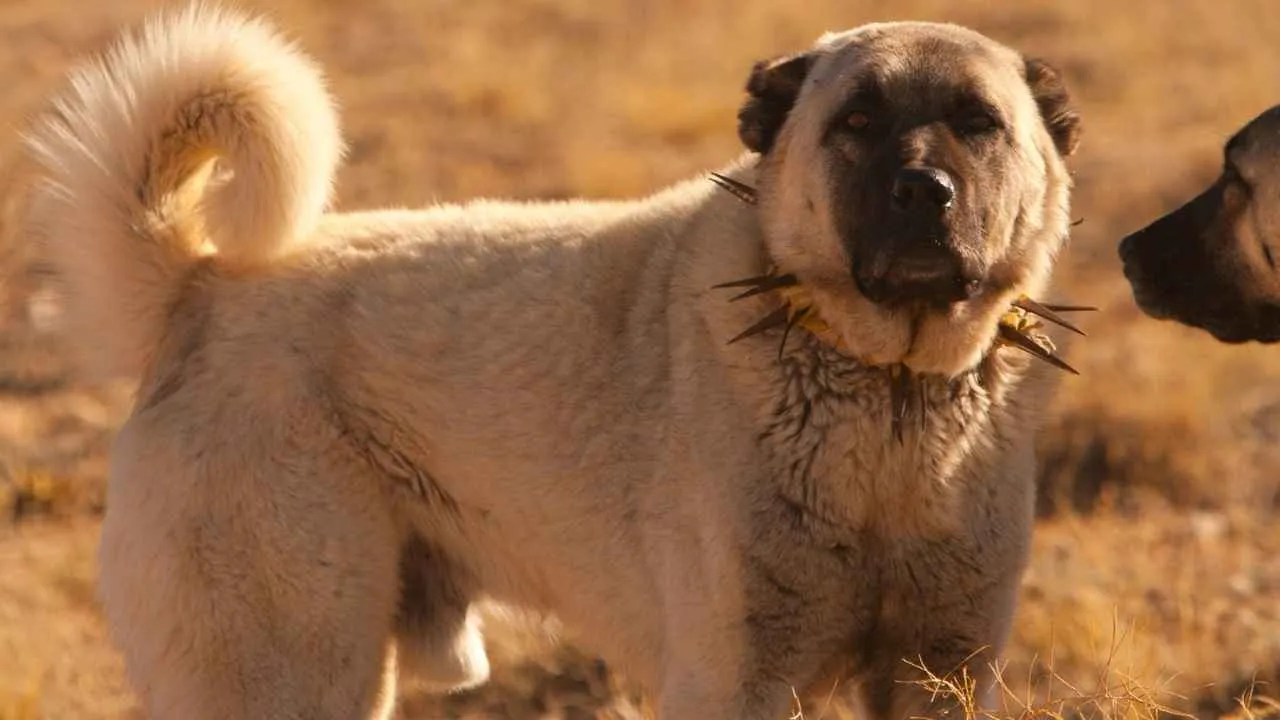
The Anatolian Shepherd is an independent, strong, and athletic guardian that was developed in Turkey. This is a breed that can evaluate a circumstance without counting on its owner every time it has to adapt.
Anatolian Shepherds were originally bred to guard flocks in wide open spaces. They can be useful on farms where livestock are browsing in large areas and not stuck behind secure fencing, as they are able to endure traveling over long distances while remaining alert.
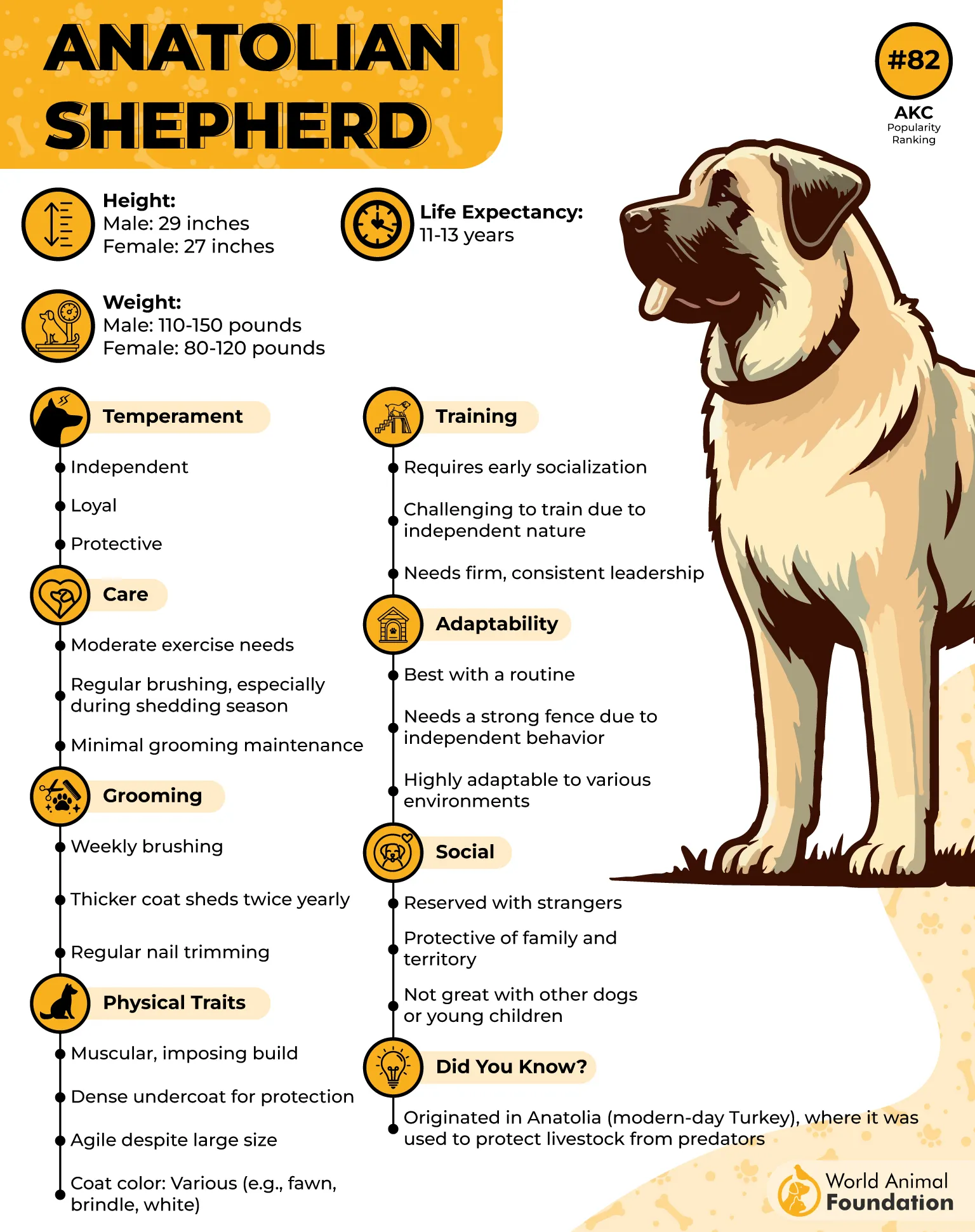
They use their guarding instincts to become warily alert to strangers, whether animals or people, encroaching on their space; the natural wariness can assist them in reacting to real threats.
But their independence has a cost. Their independent nature can make training challenging, so early socialization, consistent guidance, secure fencing, and careful livestock introductions are essential.
For experienced owners who have large properties or areas where there is a constant issue with predators, this breed could be considered, as it will defend the property readily. It must be given a purpose and careful management – not just room to wander.
3. Maremma Sheepdog
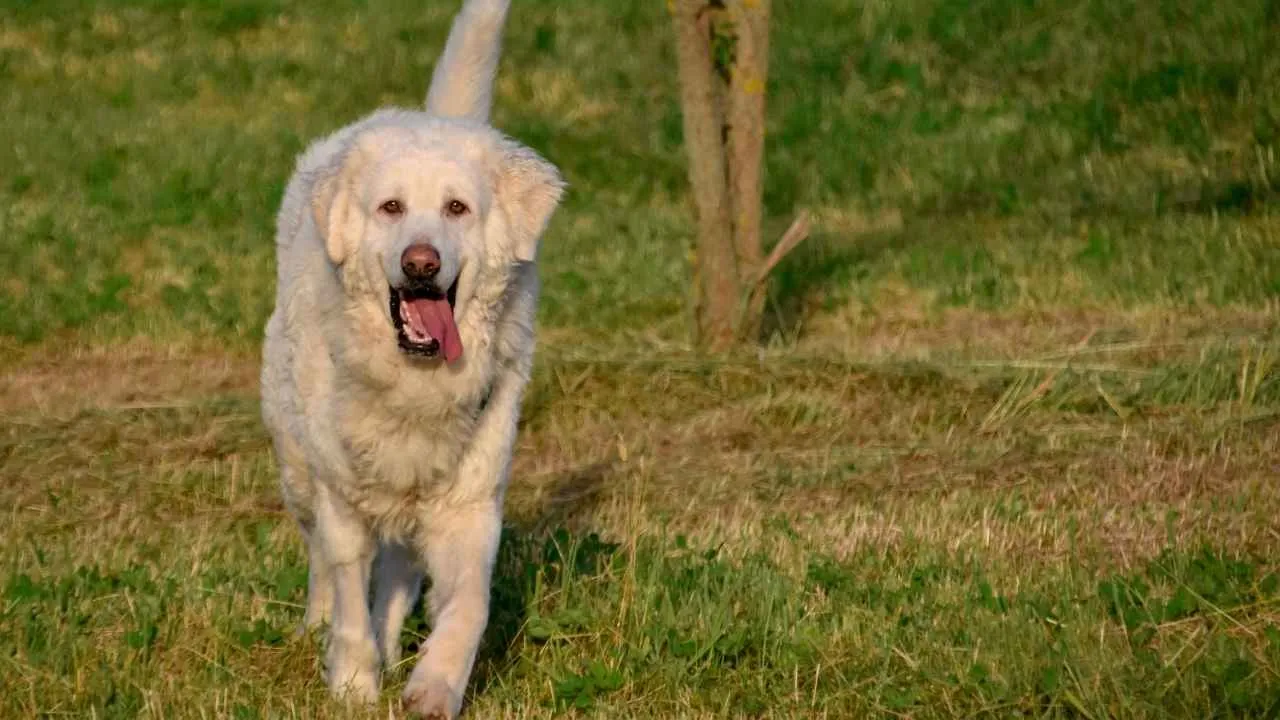
The Maremma Sheepdog is native to Italy and was used to protect sheep for a long time. It is also thickly coated with white fur, which camouflages it into a flock of animals, and its job is to work with the animals in its care, often by staying close to them.
A Maremma isn’t going to follow livestock around all day. Rather, it observes and watches the flock when something is amiss, and responds when it notices anything unusual. If raised correctly with livestock, it can form a close bond with the animals it patrols with.
Because of this close relationship, early development in this breed is crucial. To prepare puppies to become the type of livestock guardian their humans need, they must be securely introduced to livestock and have to learn to relate to farm workers, visitors, and other dogs.
The Maremma sheds, especially during the spring and fall, and needs regular grooming. It can be noisy when alerting to any activity around the property, as many guardian breeds often are.
4. Akbash
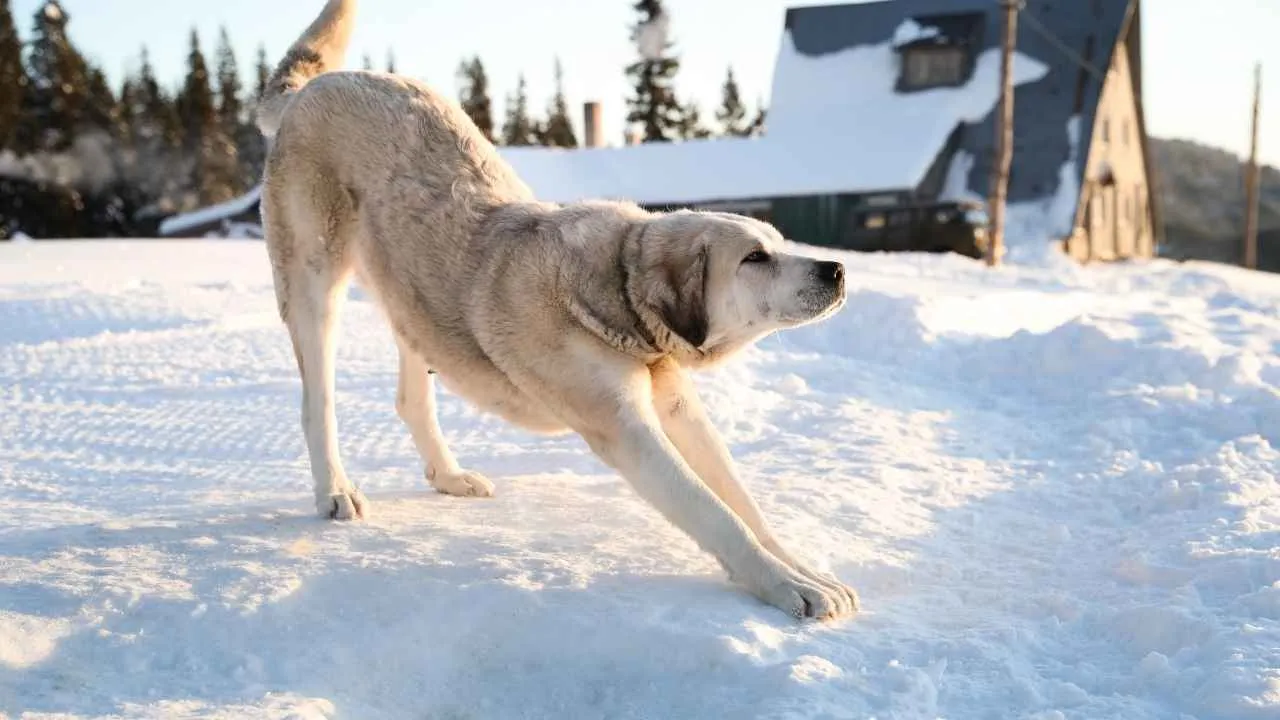
The Akbash is a traditional Turkish livestock guardian known for its white coat and lean, athletic build.
The Akbash was bred to use its guarding instincts to guard livestock in open spaces. It is quick to move when necessary and is strong, alert, and independent, which is a good trait in farm environments.
This breed isn’t necessarily the right dog for owners who prefer a social animal that tolerates strangers. Therefore, introductions should be handled with care when introducing strangers to the farm. To prevent territorial behavior from becoming an issue, use secure boundaries and consistent management.
The Akbash can be a workable breed for pet parents who know the ways of livestock guardians and can provide the dog with a job to do in a large enough space. Its double coat needs regular brushing, particularly during seasonal shedding, but it doesn’t require the specialized cord maintenance needed by other long-haired dogs.
5. Komondor
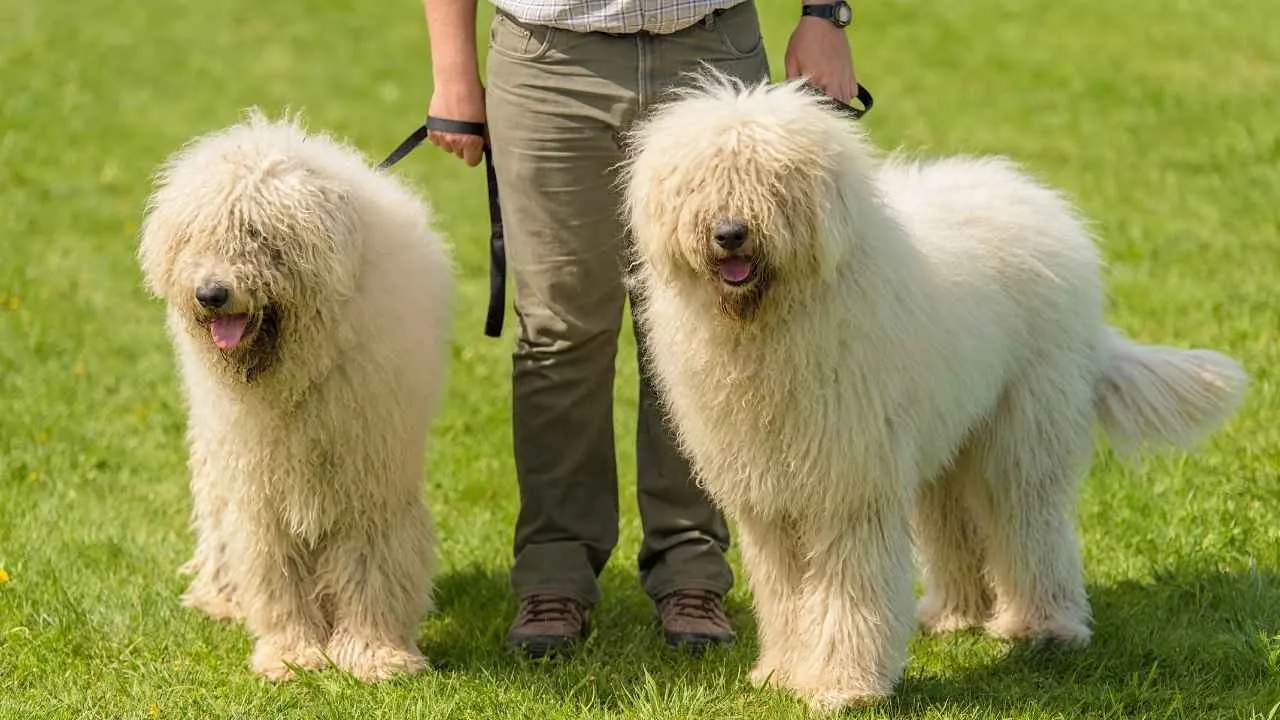
It’s difficult to mistake the Komondor for any other dog. It has a long, naturally corded coat which gives it a distinct appearance. This is a Hungarian breed bred for serious work guarding livestock.
It was traditionally used as a flock guardian and will stay alert when sheep are feeding and sleeping. It will protect itself, and its size may deter potential threats before they get too close. This breed is also independent and is used to making decisions on its own without any guidance.
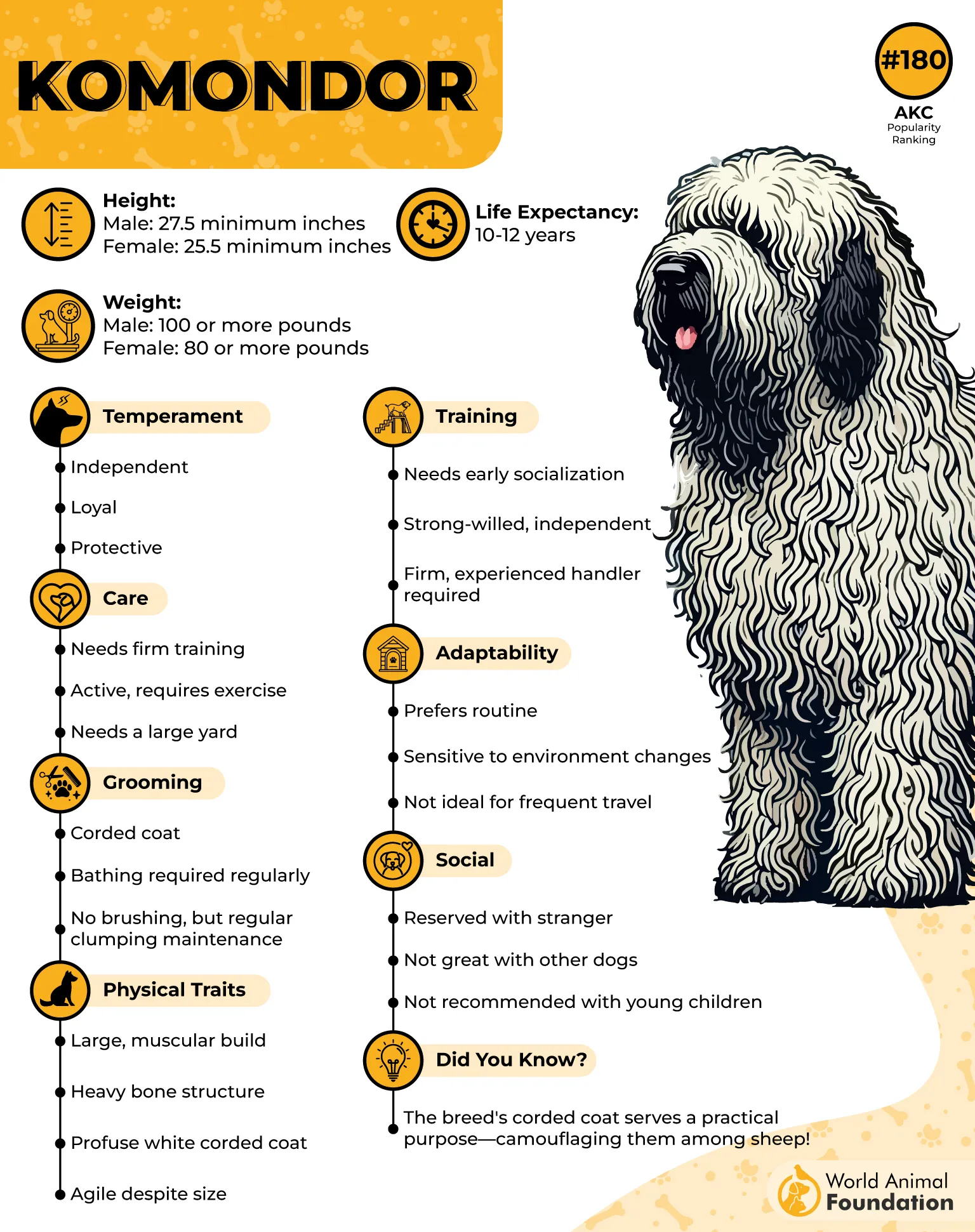
But their coats require dedication. These special coats require special attention to maintain cleanliness and avoid contact with other cords. They can take a long time to dry off after the dog has been wet.
In addition, proper socialization and careful management of Komondors are important, as they can be suspicious of strangers and other animals. However, once properly introduced, they are gentle around the family and especially kids, as stated by PetMD.
This breed might need the right kind of livestock owner, both for temperament and willingness to handle its peculiar grooming needs and guarding duties.
6. Kuvasz
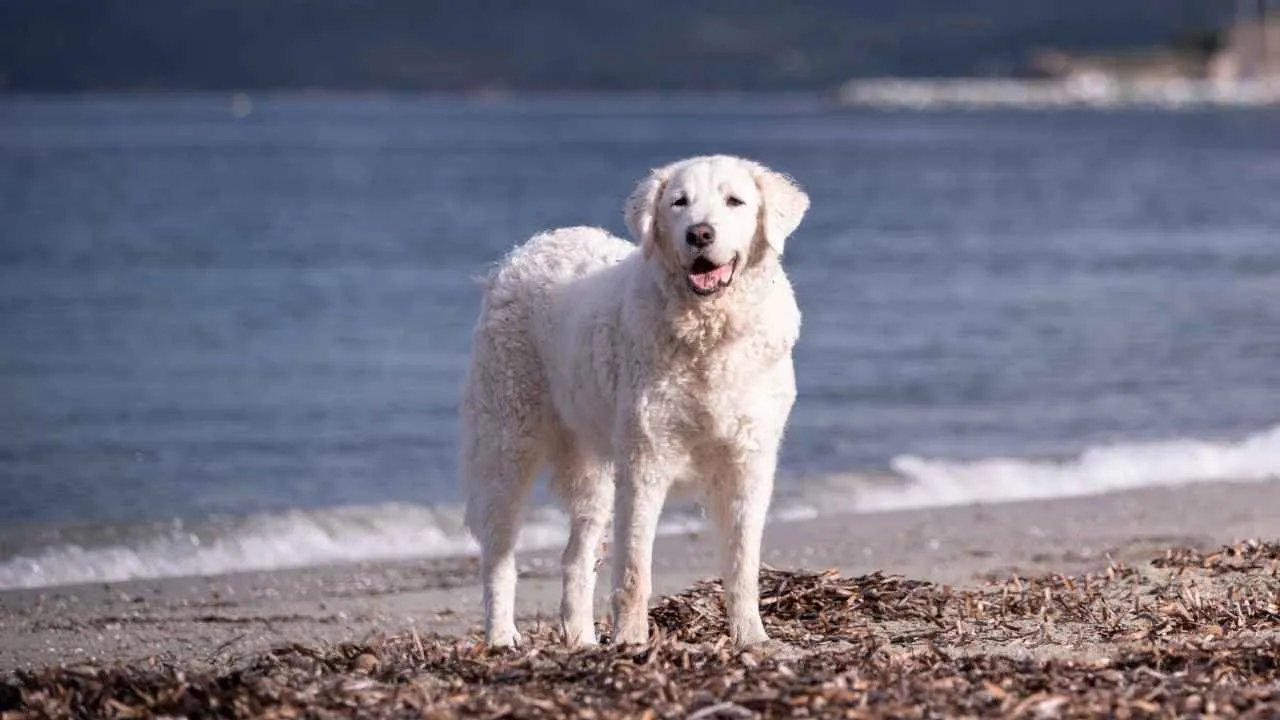
The Kuvasz is a long-haired breed of Hungarian origin and has a long history of guarding and protecting livestock and property. It is built very robustly and is very aggressive in its demeanor, making it ideal for outdoor work.
The Kuvasz may be more athletic-looking than other breeds and can often be protective of its family and territory. This loyal breed does not require continual guidance and uses its own decision-making skills when on the job.
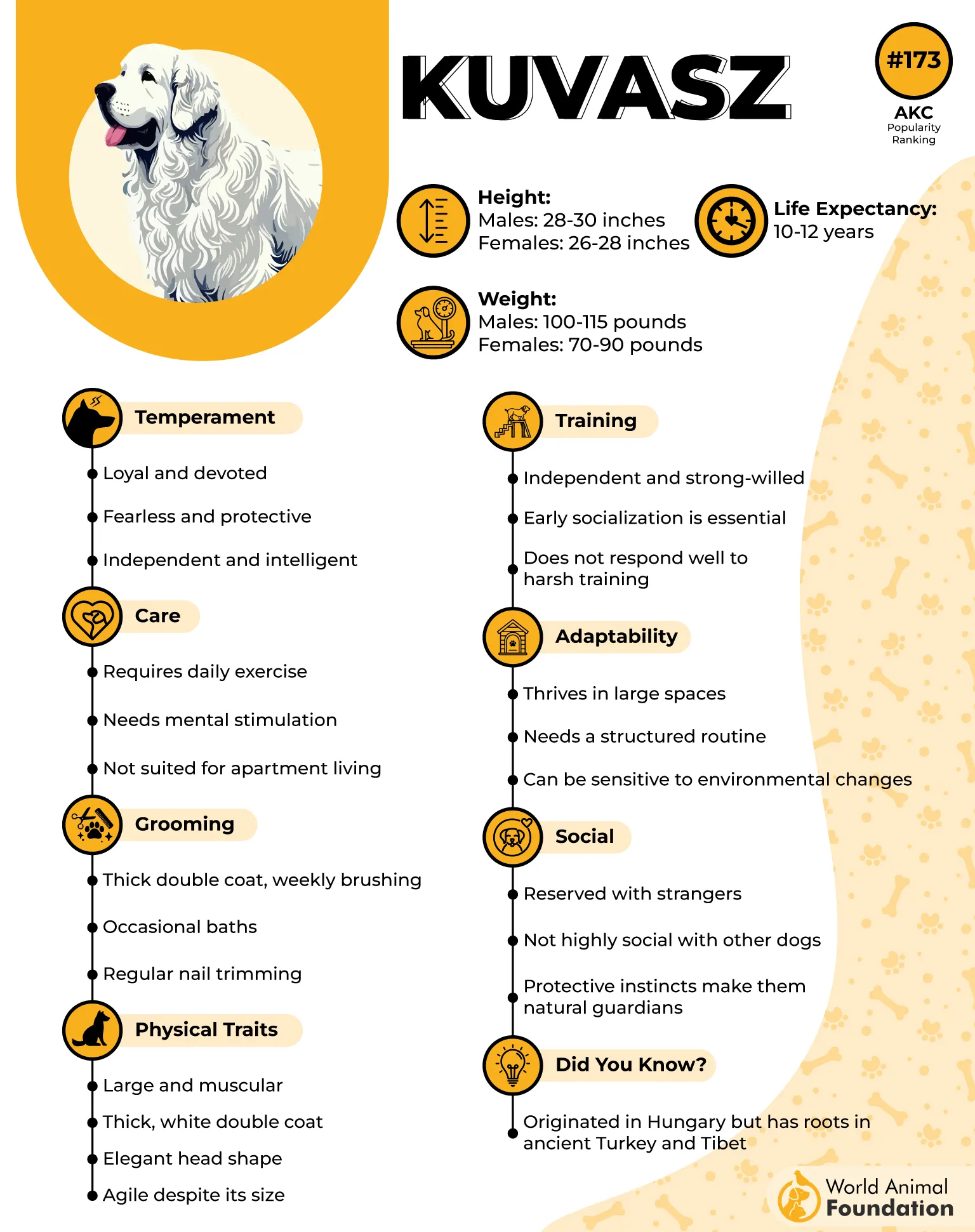
This dog is not ready to accept every stranger that comes along. It learns to differentiate between normal farm activities and situations that may require a response during early socialization. Owners should also set boundaries and have control over property when workers, delivery drivers, or guests arrive.
Moreover, it is called majestic by the AKC, so this breed might be the ideal choice for you. It does shed seasonally and has quite a thick coat that requires regular brushing.
7. Tibetan Mastiff
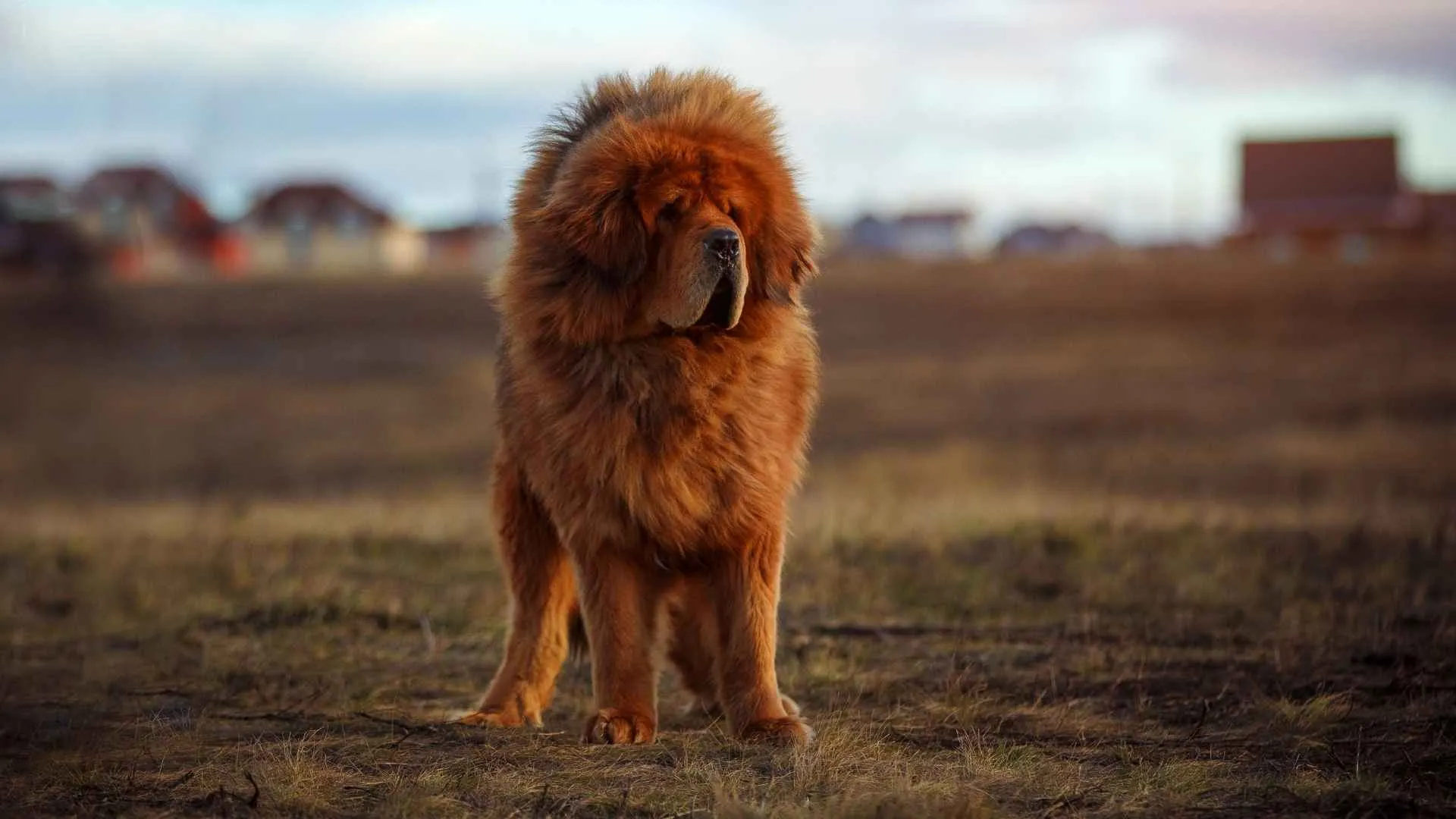
The Tibetan Mastiff originated in the high altitudes of the Himalayas, where this dog guarded houses, camps, and livestock against the harsh environment. This breed has an intimidating presence, thanks to its massive frame, as stated by Orvis.
The Tibetan Mastiff, when it comes to security, tends to be very territorial, unlike some breeds that stay focused on the flock. This may be helpful when keeping intruders away, but will require good control from its handlers.
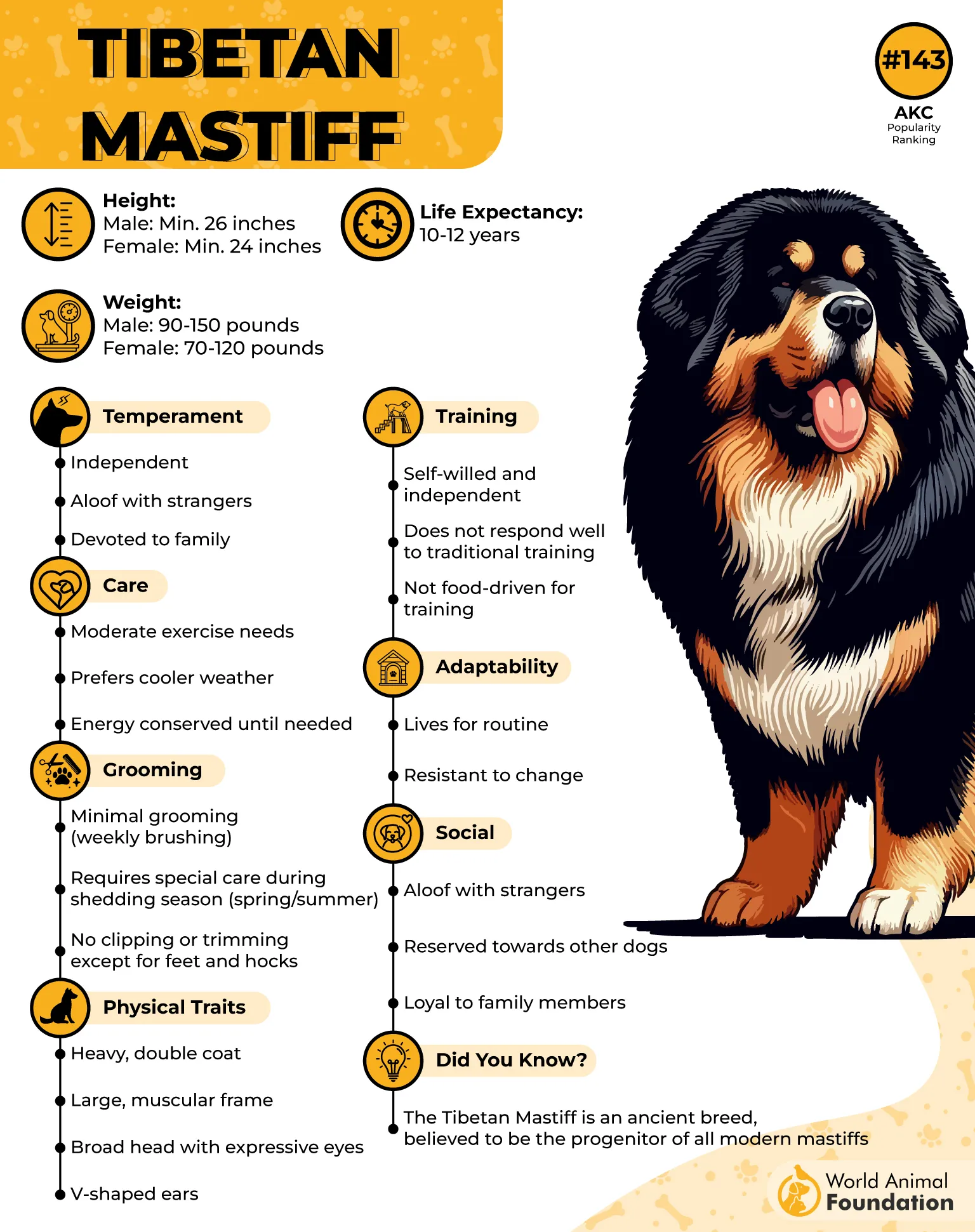
Don’t select a Tibetan Mastiff just because it seems scary. This powerful and intelligent breed is not always responsive to commands. Regular training and early positive experiences paired with socialization at an early age are critical.
It is also important to keep in mind that its thick coat can make hot weather a threat, making it all the more important to provide adequate shelter, shade, and fresh water.
8. Central Asian Shepherd
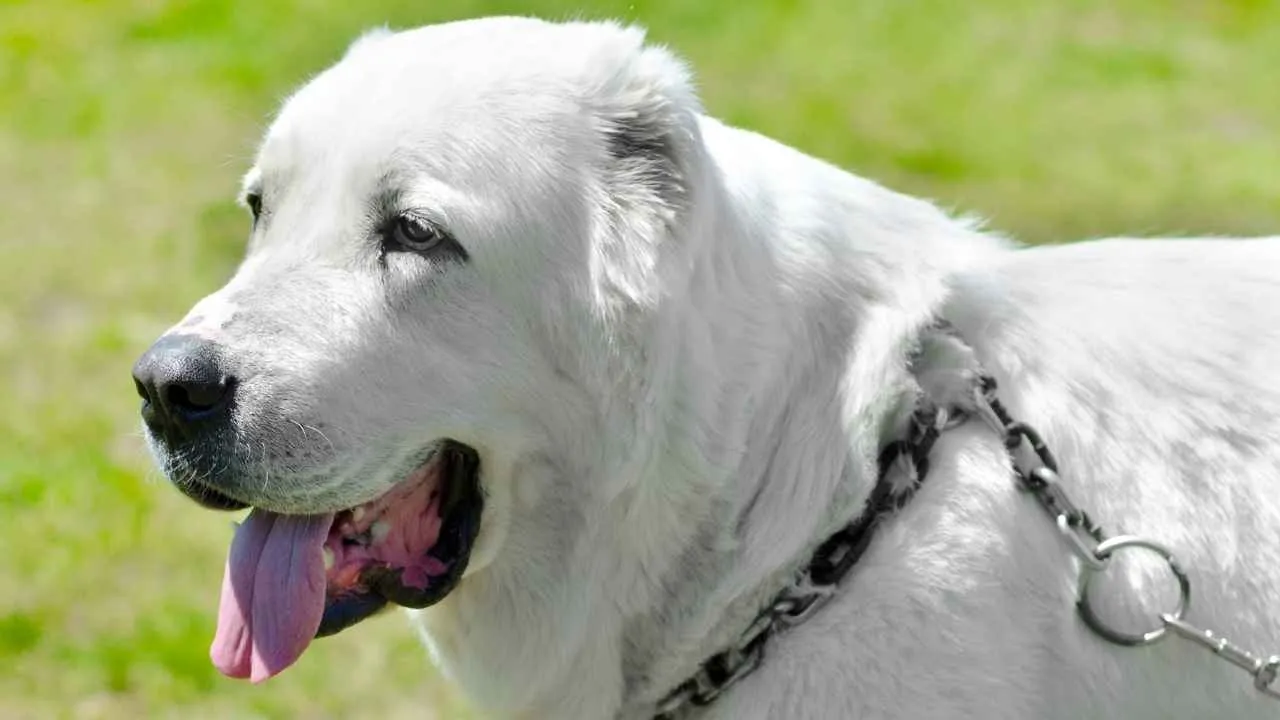
The Central Asian Shepherd is a fierce protective dog with a long history of work in Central Asia. It was designed to keep livestock and property safe in situations where dogs should be tough, independent, and able to deal with serious challenges.
These dogs are alert and confident. Instead of seeking out a human for guidance, they evaluate their environment and determine whether to investigate something that seems off. They can be useful on far-flung farms where there are roaming animals that might threaten livestock.
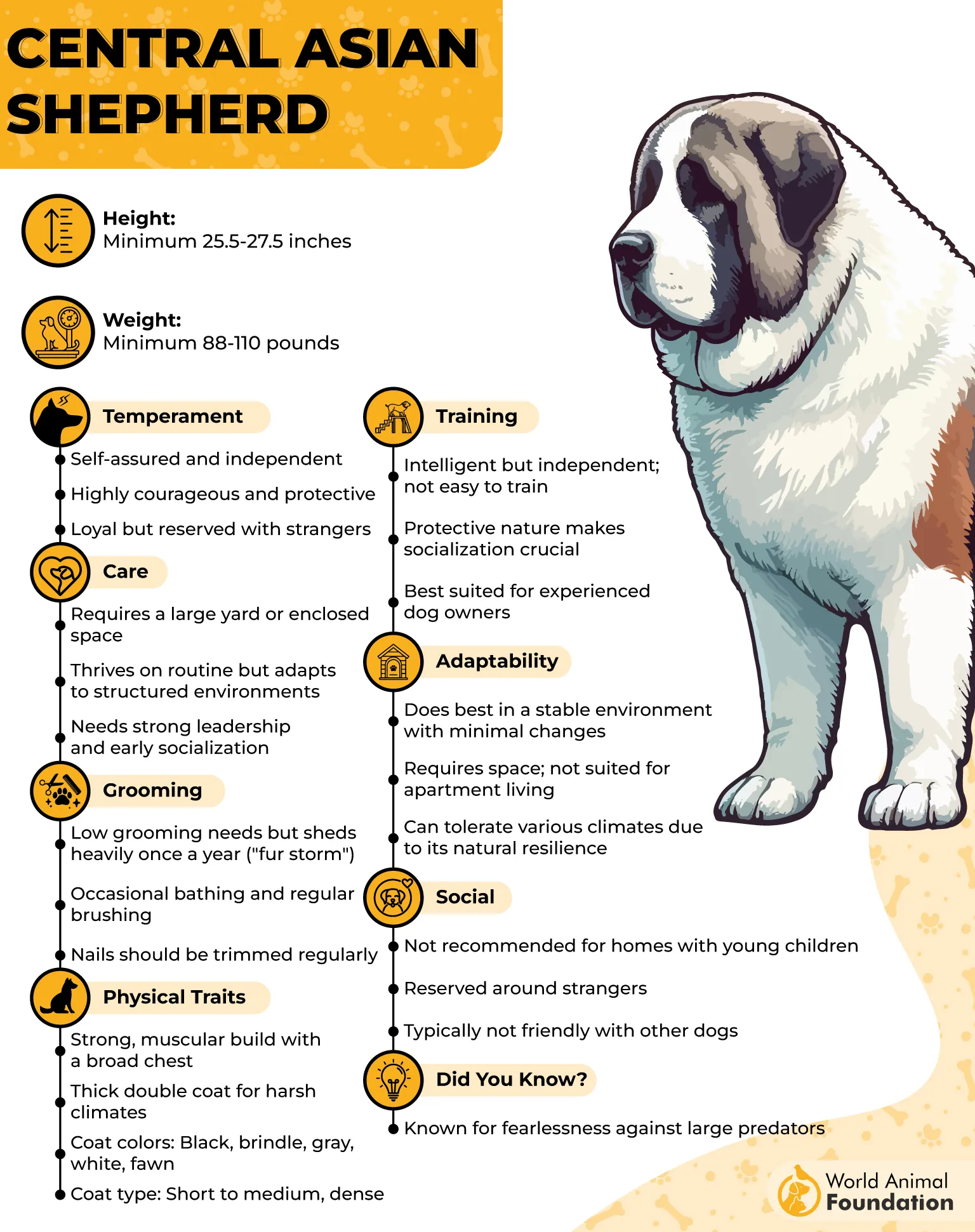
The same independence that is a positive quality can also prove difficult to handle. The Central Asian Shepherd needs early socialization, consistent boundaries, and an experienced handler who understands how to manage large, protective dogs responsibly.
Although the breed’s coat comes in a variety of forms, general maintenance and routine cleanups for injuries, parasites, and debris are important.
9. Spanish Mastiff
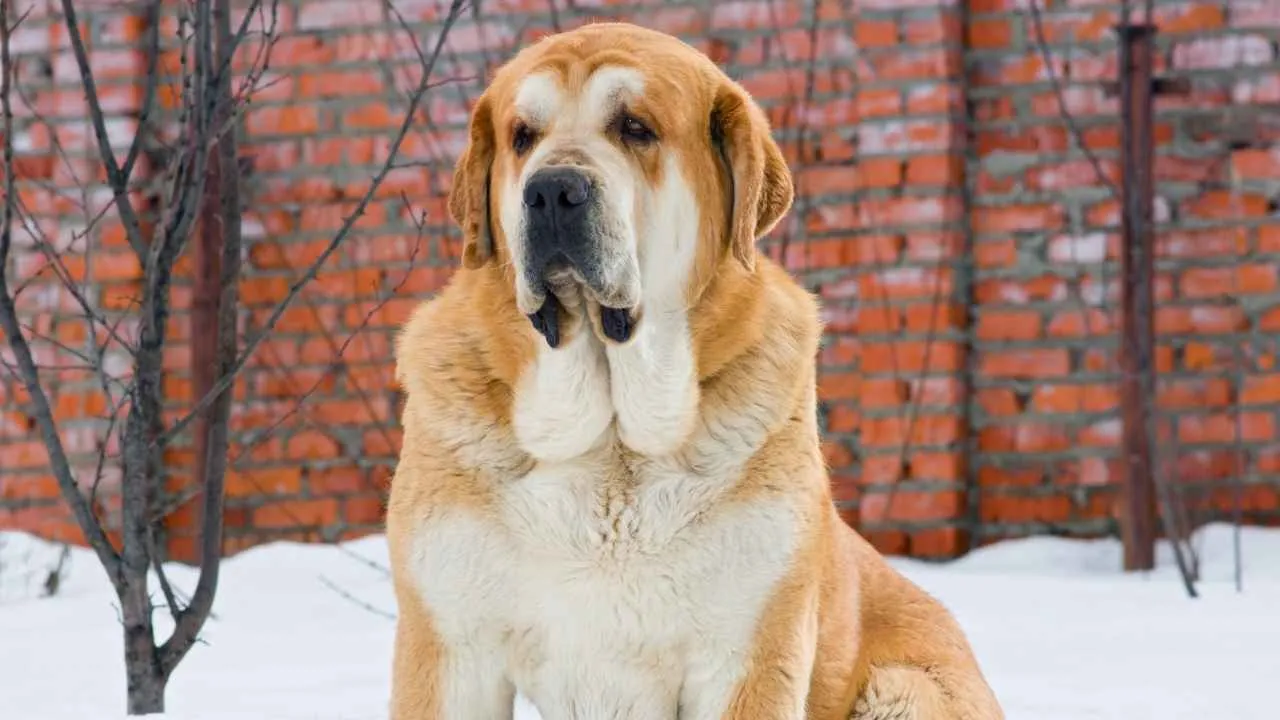
In Spain, the Spanish Mastiff has a long history of protecting flocks of livestock, especially large ones on open land. It is a very large, sturdy breed traditionally used to protect livestock from predators.
Its job is not to be confused with a herding dog. It stays with or near the animals and drives away potential threats. When properly raised with livestock, it can learn to coexist with the animals in its care while remaining alert to potential threats. This mix is useful for protecting animals in extensive grazing lands.
As you may imagine, this is a large breed. It requires space, secure fencing, and care. It’s important for this breed to learn how to behave around livestock, as its sheer size can cause injuries.
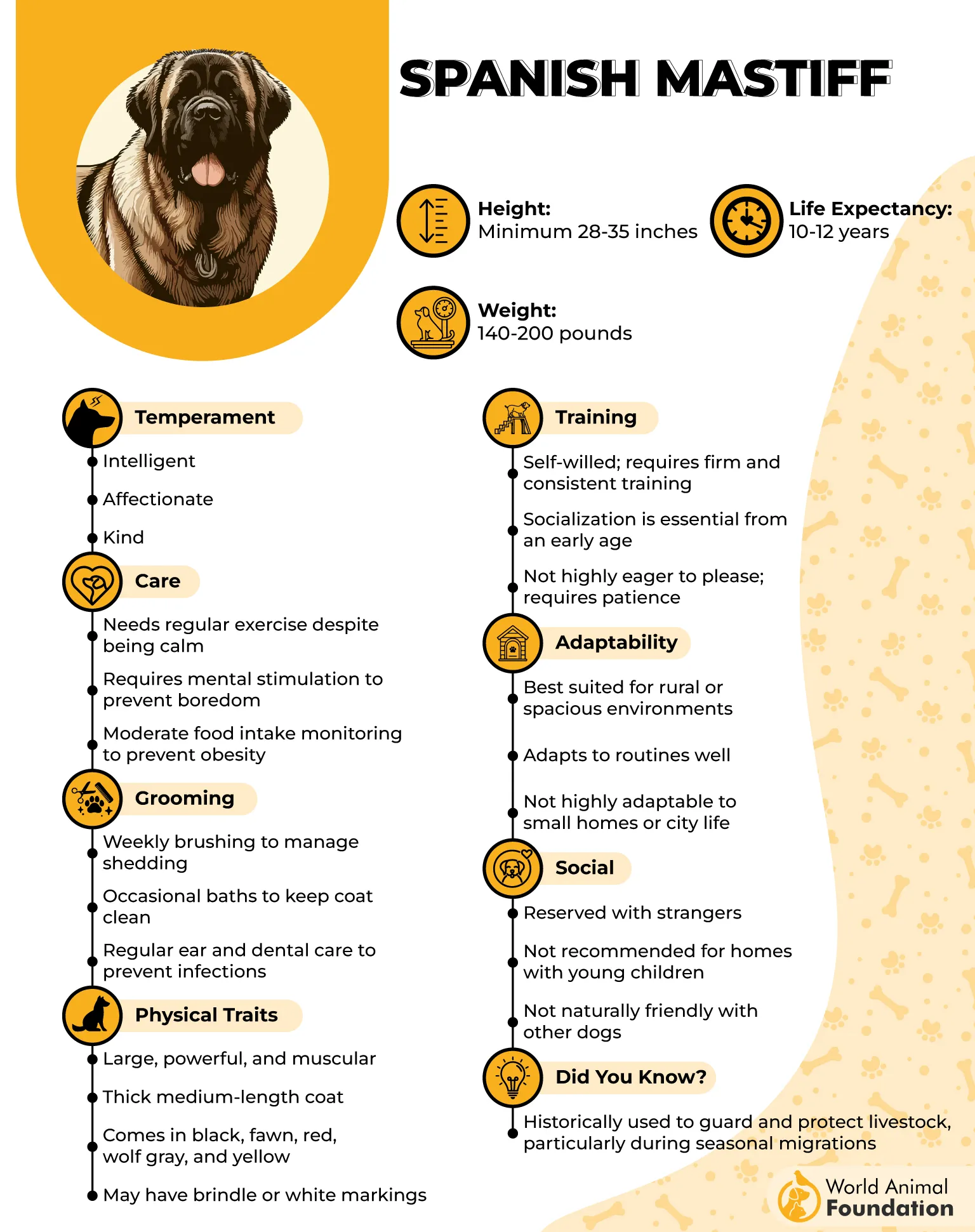
The Spanish Mastiff requires a fresh water supply, a rest area shaded by trees, and routine veterinary care. Before it arrives at the residence, the owner should consider the expenses for caring for this breed along with food costs.
The Spanish Mastiff could be a good breed for farms with a large herd of livestock. It has served its intended purpose as a farm dog, and with the right training, it is capable enough to ensure protection for the property itself.
Conclusion
A livestock guardian doesn’t have to be oppressive. It’s also reliable and can live with other livestock on the farm. It detects when there is a wrong thing going on and responds to potential risks without interfering with farmer’s routine and operations.
Keep in mind that selecting a breed is easier if it is compatible with your lifestyle and farm. A heavily-coated mountaineer might not be a good choice for summer months, and a very independent dog requires a more experienced handler than a small farm can offer.
It isn’t the largest or strongest dog that is the most capable. It is one that has the right instincts, temperaments, and working requirements that fit the needs of your farm, and whose welfare you can nurture for years to come.
