




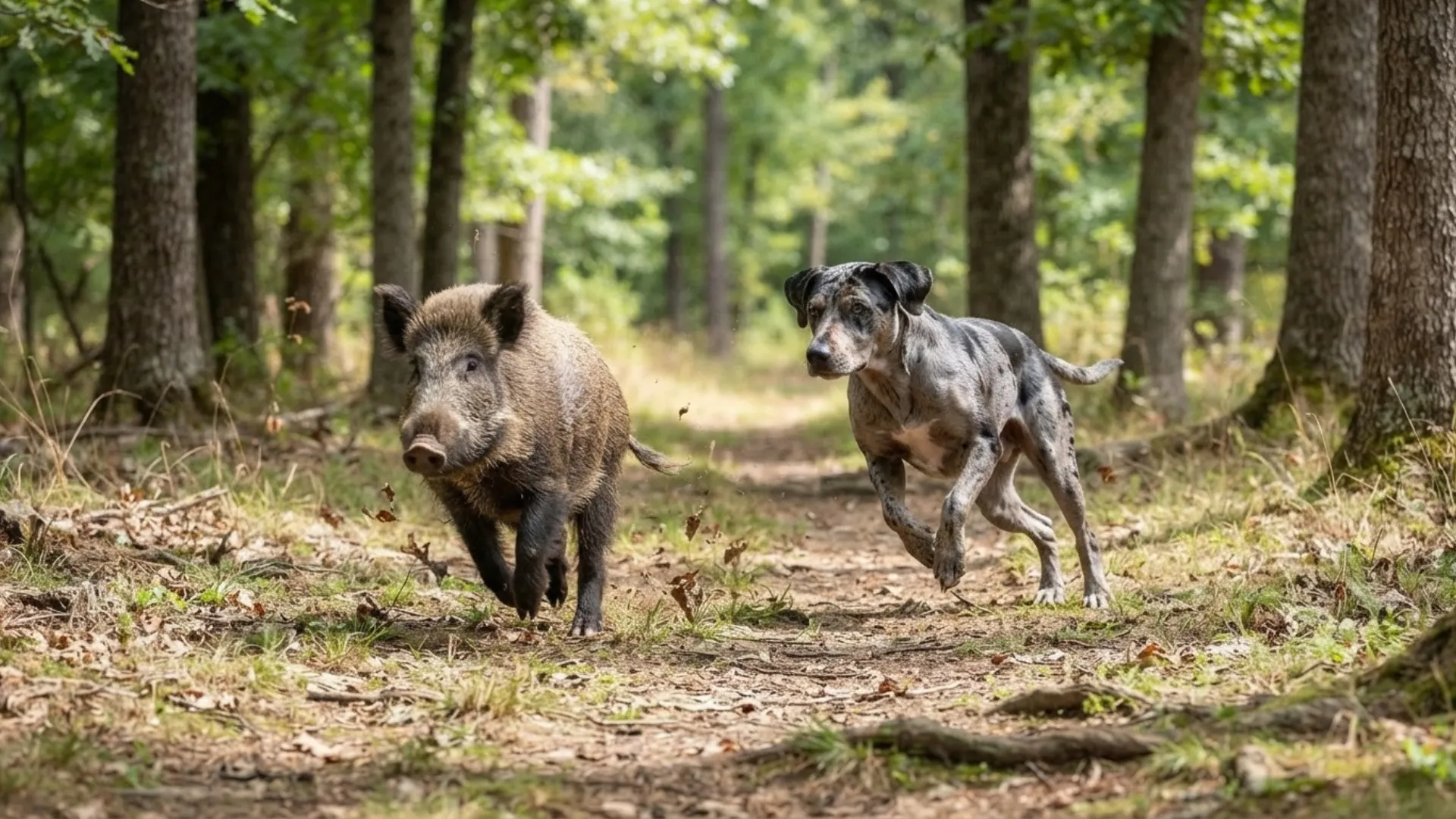
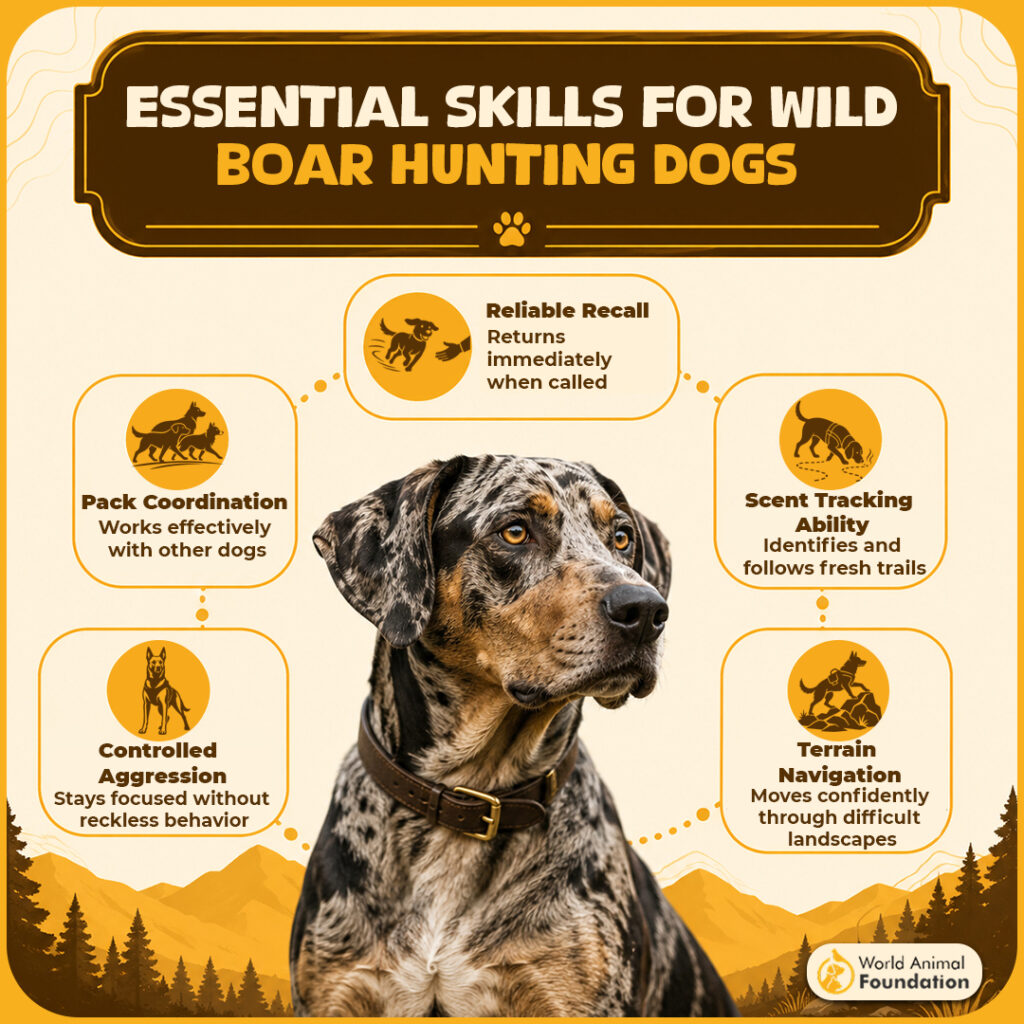
Wild boar hunting is not a job for just any dog. These powerful animals can run fast, fight hard, and cause severe injuries with their sharp tusks. So, what makes a good hog-hunting dog? How do hunters stay safe?
The answer often starts with teamwork. Dogs used for wild boar hunting usually have two main roles: bay dogs and catch dogs. What does each one do? Bay dogs find hogs and keep them in place by barking. Catch dogs then move in and help hold the hog. Both roles require training, control, and confidence.
The right breed can also make a big difference. Some dogs excel at tracking, while others have the strength needed for catch work. Dense brush and rugged terrain can add another challenge.
GPS collars can help handlers track their dogs, while cut collars and vests offer added protection. Water and first aid supplies are also essential. Below, we’ll look at seven breeds suited to this demanding work.
Top Dog Breeds Ideal for Hunting Wild Boars and Staying Safe
Here we go, one by one.
1. Dogo Argentino
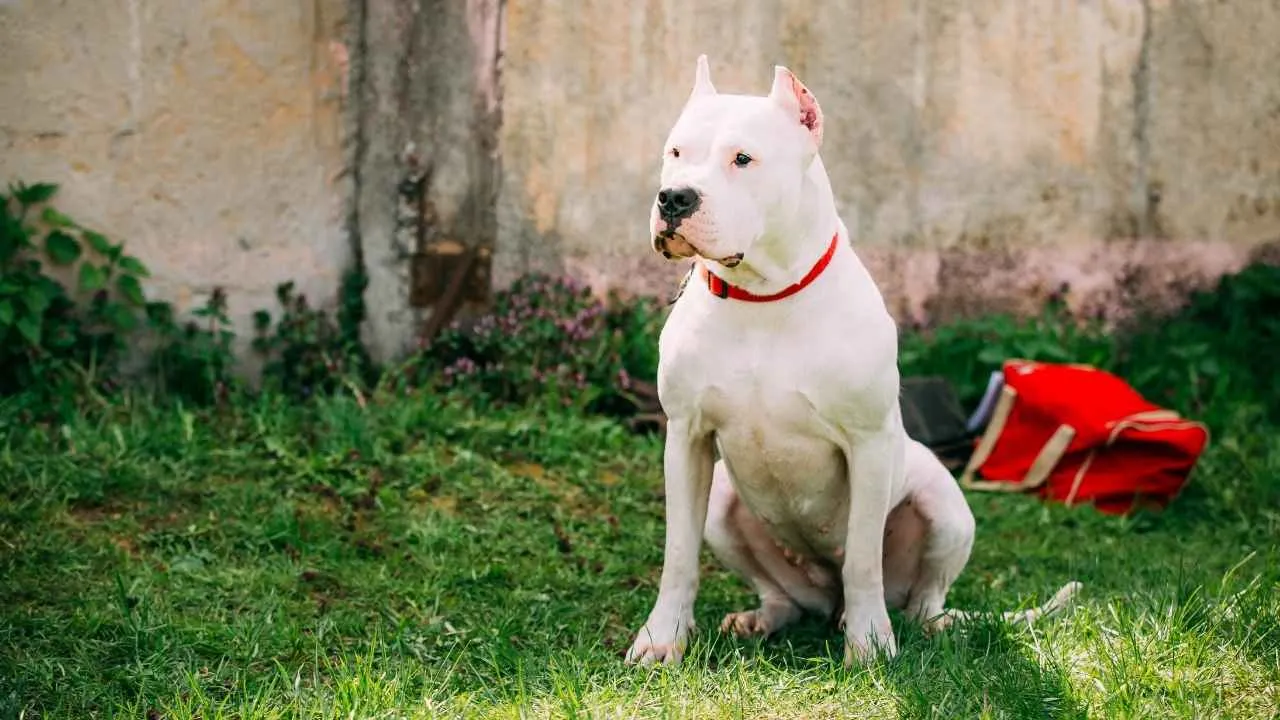
Bred for hunting large game, the Dogo Argentino was made for serious pursuits. The breed can follow demanding trails while working with other dogs. Its strong nose helps it stay focused on moving quarry over long distances.
The American Kennel Club describes the Dogo as a pack-hunting dog developed for wild boar and puma. This history gives the breed a natural connection to hog dogs and challenging hunts.
Its quick responses also help when the quarry suddenly changes direction. For hunters seeking a determined hunting dog, the Dogo offers a strong working background.
A Body Made for the Chase
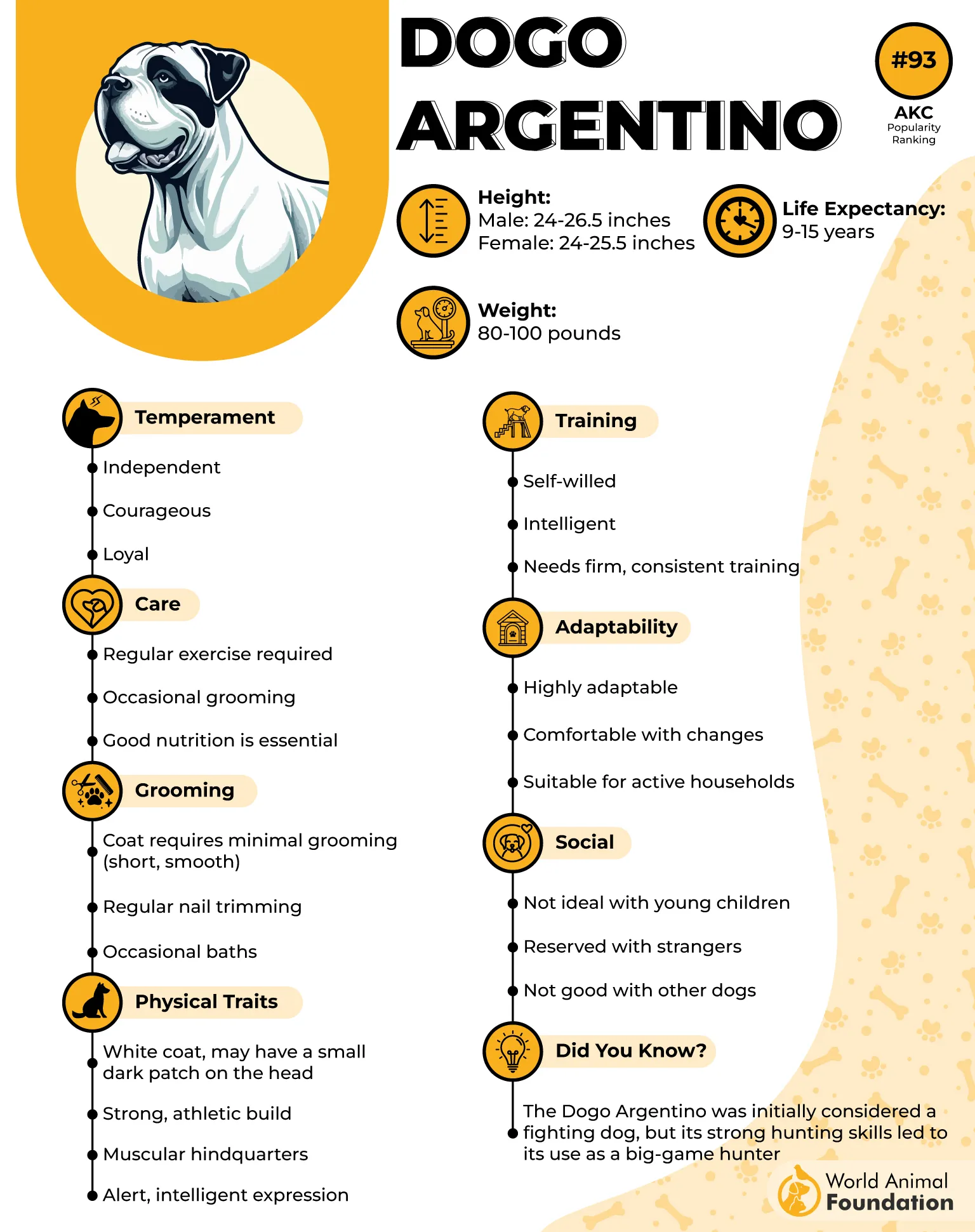
The Dogo’s physical design supports demanding fieldwork. Its muscular hindquarters provide drive when moving across rough ground. A sturdy neck and substantial forelegs add stability during sudden movements. Its short, smooth, white coat creates a clear outline outdoors.
A small dark patch near the eye is allowed under the breed standard. These features give the Dogo a distinctive look without taking away from its working purpose. Proper handling remains essential when working around wild pigs.
2. American Pit Bull Terrier
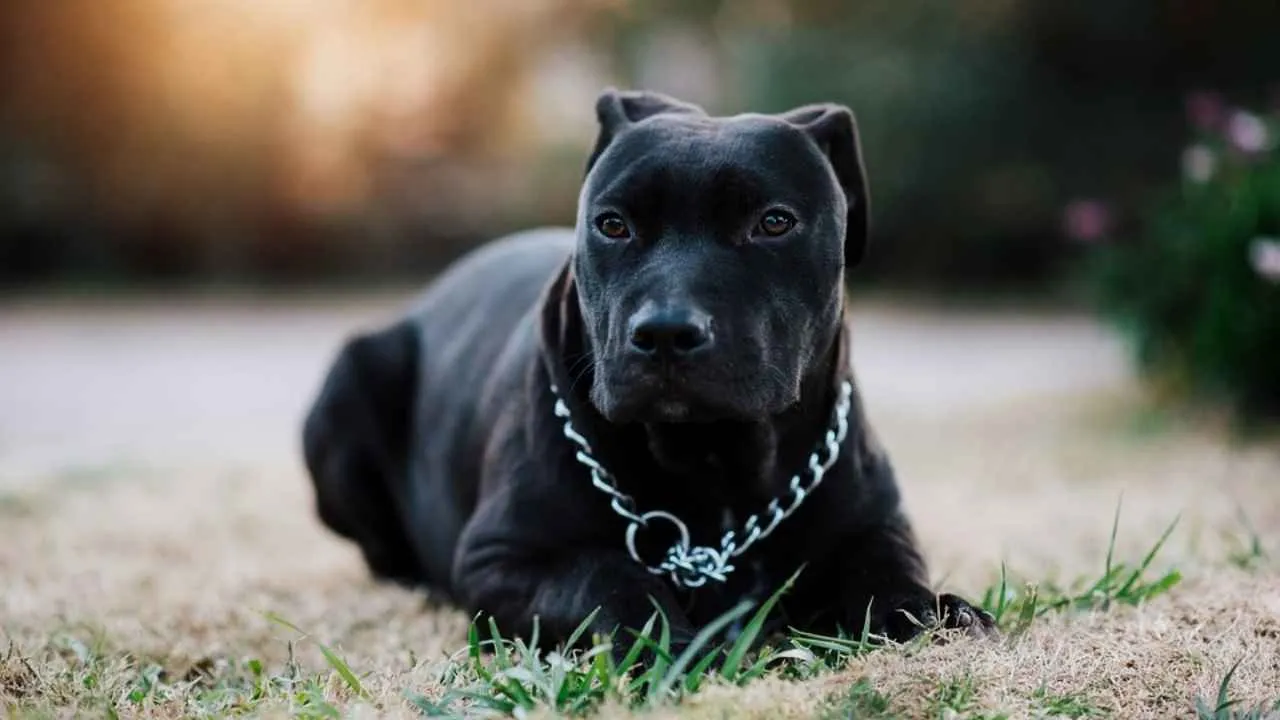
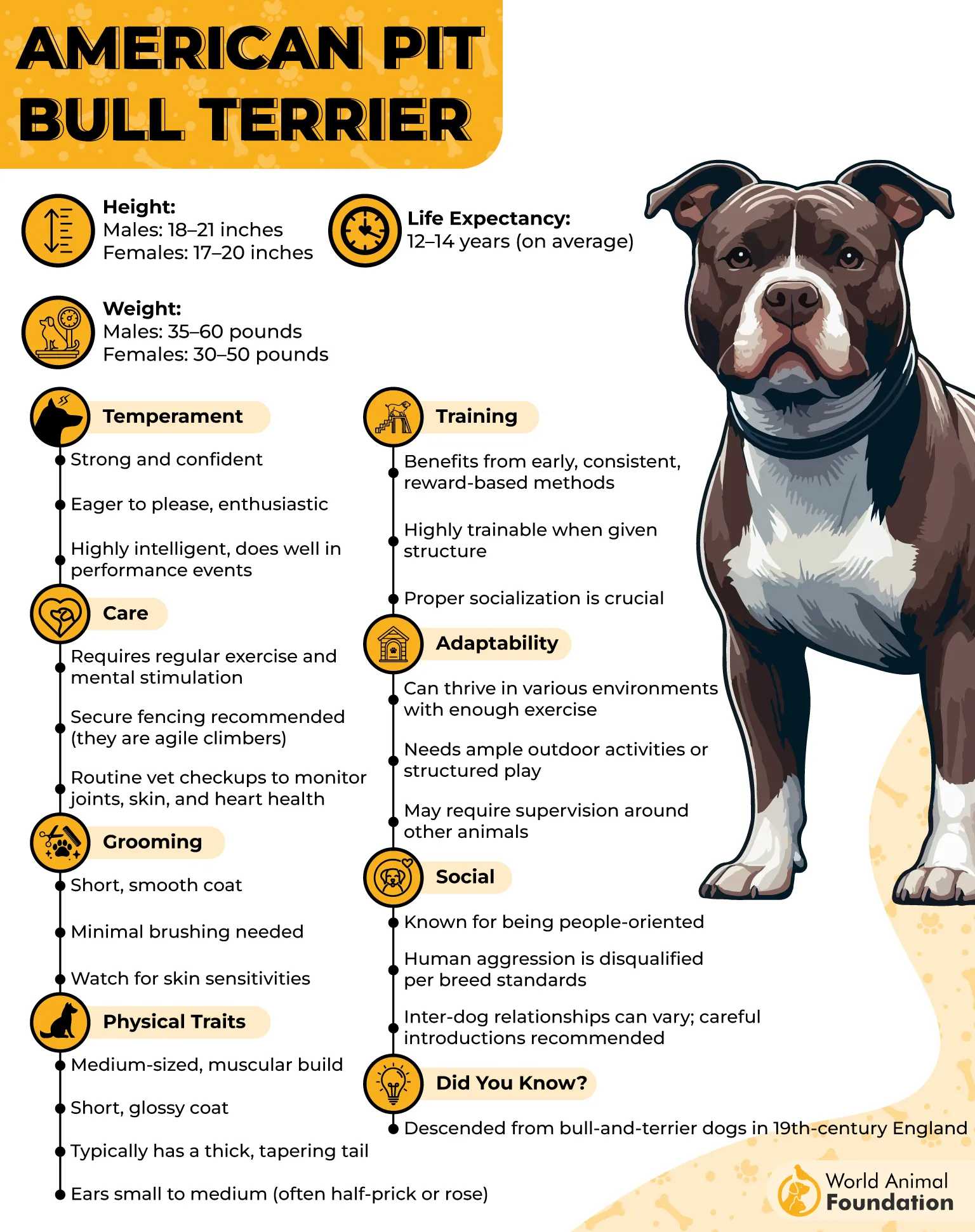
The American Pit Bull Terrier is a highly intelligent dog breed with plenty of drive. Hill’s Pet notes that these dogs enjoy games and need vigorous daily exercise. That energy can suit active hunting work and long days outdoors. Some hunters use them as catch dogs during hog hunts.
Bay dogs have a different job, finding and holding hogs with barking. Catch dogs instead move closer to the animal. This role demands courage, stamina, and steady physical effort. Their lively nature can also make outdoor activity a rewarding part of their routine.
Ready for Rough Country
Wild hog hunts may cross rough and varied terrain. A keen sense of scent can help dogs stay engaged while moving through changing ground. Their well-muscled build supports active work across difficult areas. Originally bred for demanding working roles, the breed has plenty of persistence.
Its short coat also needs protection during cold or harsh weather. For this reason, hunters should plan carefully for changing field conditions. With enough exercise and suitable shelter, these energetic dogs can stay ready for active days.
3. Catahoula Leopard Dog
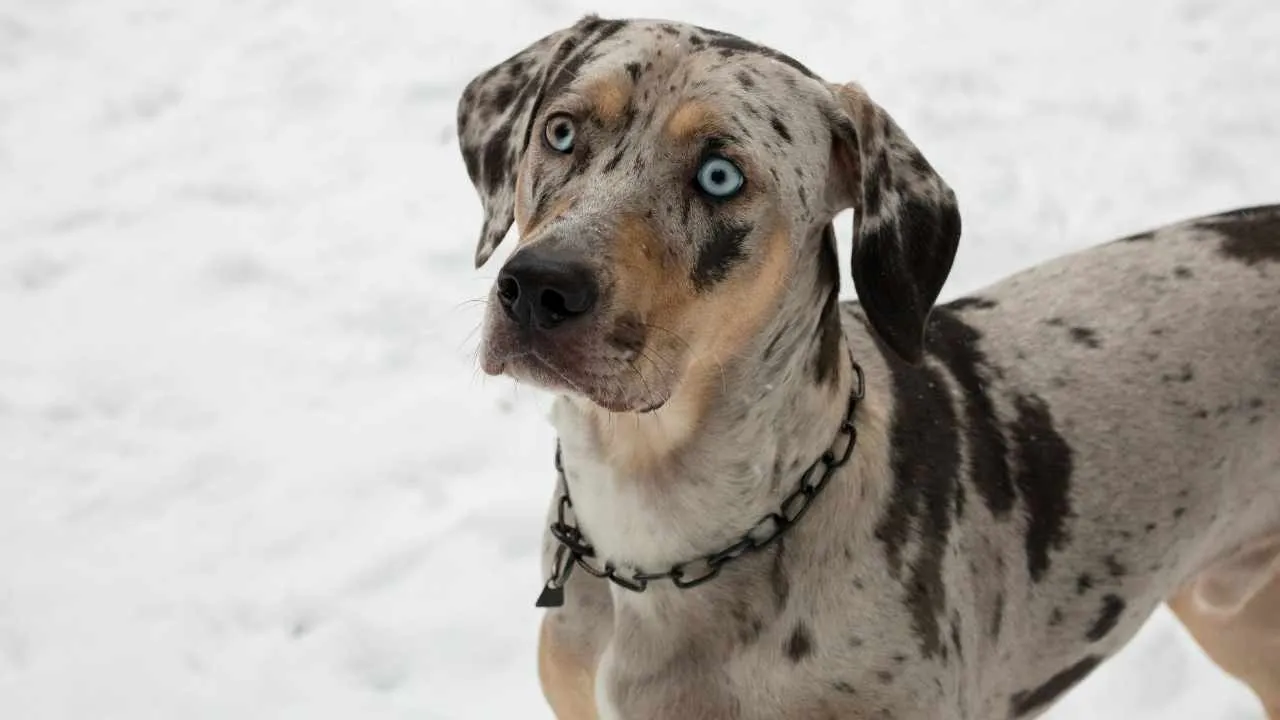
The Catahoula Leopard Dog has deep roots in Louisiana. Its name comes from a Choctaw word linked to Catahoula Lake. PetMD notes that these dogs were developed to track and drive livestock through Southern swamps. They became known as Catahoula Hog Dogs because of their work with wild pigs.
During hog hunting, they can track wild pigs and help move them from thick cover. Their independent nature also helps them stay focused during demanding tasks. This background makes them one of the better-known working dogs for challenging field jobs.
More Than a Hog Hunter
The Catahoula serves in several working roles today. It can work as a bay dog, helping hunters locate hogs and keep them moving. Some also serve as guard dogs, watchdogs, or stock dogs. This versatility sets them apart from other breeds with narrower jobs.
They can also make devoted companion dogs when given proper direction. As a short-coated dog breed, grooming is fairly simple. Still, a leash is wise outside controlled areas, especially around unfamiliar animals.
4. Black Mouth Cur
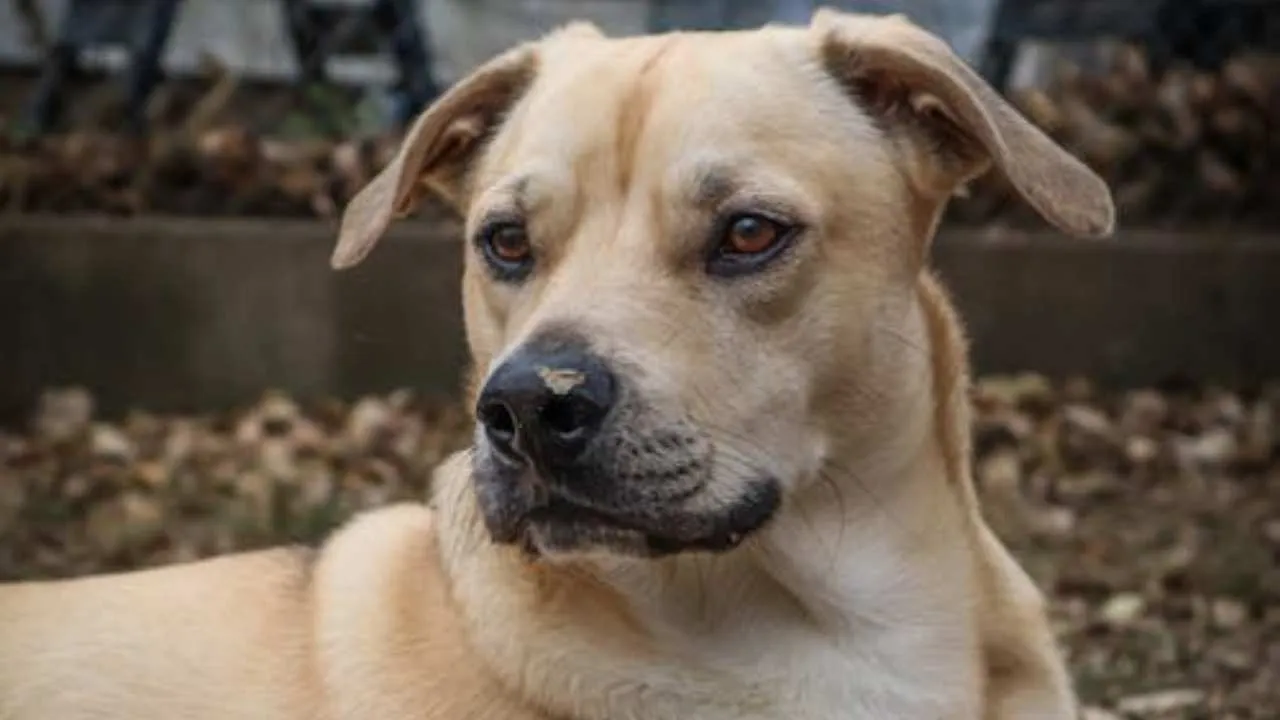
The Black Mouth Cur is an energetic hunting and herding dog with a strong work ethic. Pawlicy Advisor highlights its athleticism, intelligence, and loyalty. These active dogs need plenty of physical activity to stay happy and focused.
They have also become popular with families who enjoy outdoor activities and dog sports. During hog hunting, their natural drive can make them useful partners.
They can handle hunting wild pigs and other large game, giving them a broad role in the field. Their working background remains an important part of what makes this breed stand out.
Made for Demanding Outdoor Work
Originally developed in the southern United States, the Black Mouth Cur became a versatile field companion. Its scenting ability can help when searching across rough terrain. The breed may also switch between hunting and herding tasks when needed.
This flexibility can be useful for owners who want a dog with more than one working purpose. Its stamina suits long days outside, while its loyalty helps it stay closely connected to its handler. For active homes, that combination can make daily outdoor work especially rewarding.
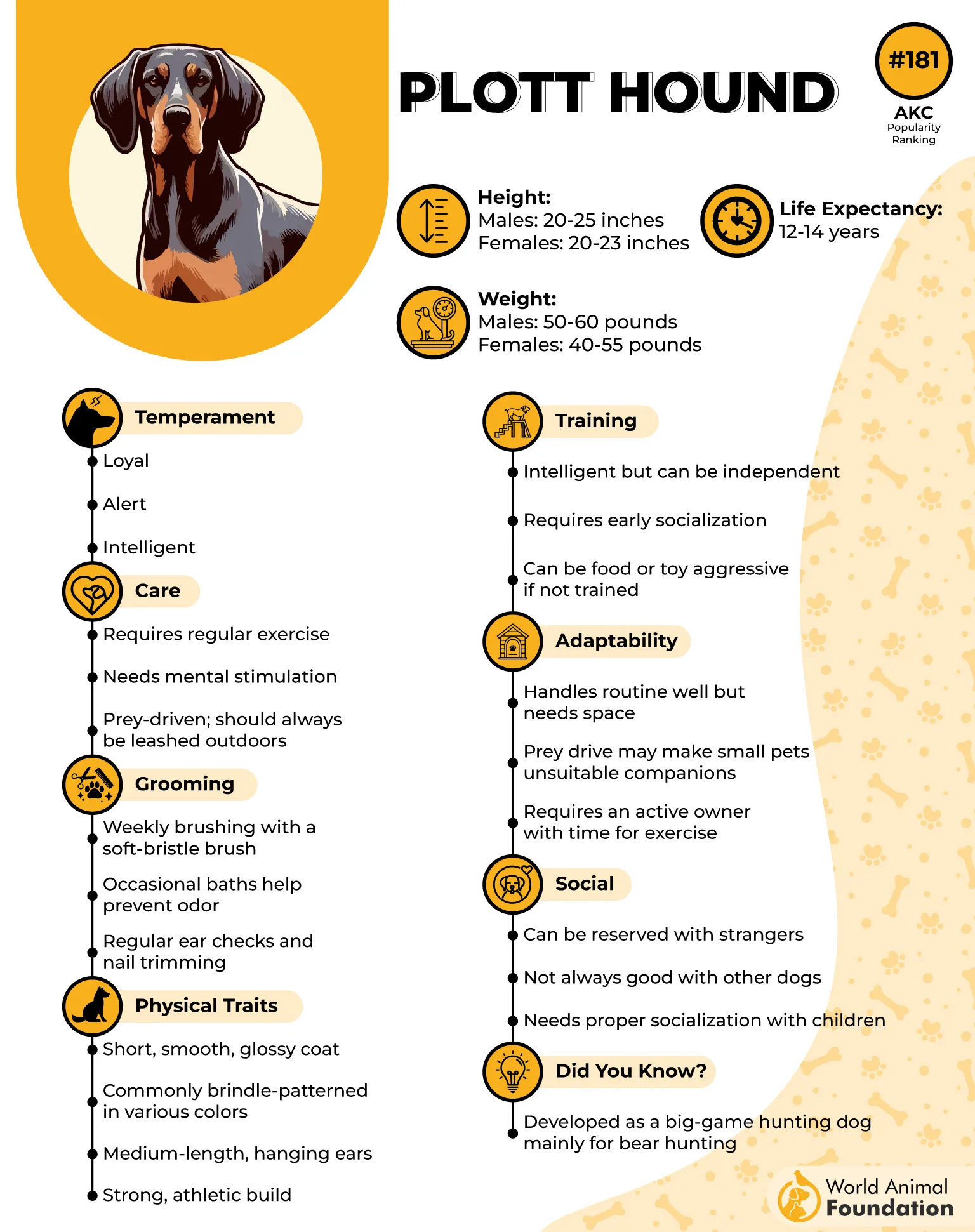
5. Plott Hound
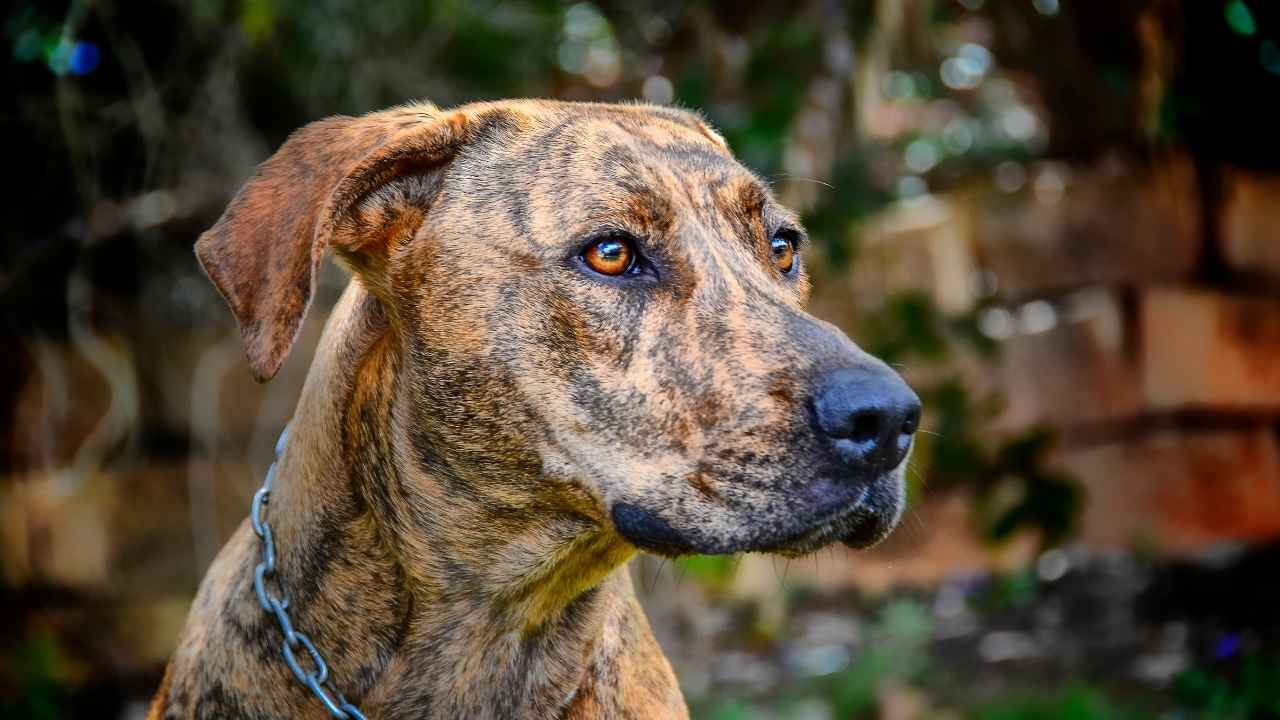
The Plott Hound has a remarkable story rooted in North Carolina. Its name comes from Johannes Plott, a German gamekeeper who brought his hunting dogs to America. His family later developed the strain now known as the Plott Hound.
WebMD notes that this hunting dog was bred specifically for hunting boar. It can also face feral hogs and other wild animals with confidence. Its history gives the breed a strong connection to serious field work.
Unlike many American coonhounds, the Plott does not trace its ancestry to foxhounds. That makes its background especially distinctive.
Speed, Spirit, and Outdoor Adventure
Two standout traits are the breed’s speed and spirit. Those qualities can make it an exciting partner for hiking trips and demanding outdoor activities. However, physical demands can increase during long hunts. Environmental hazards may also affect a dog working far from home.
Handlers should watch their dog’s well-being and avoid unnecessary risks. Plott Hounds may pursue wounded game, so careful supervision around other animals matters. Their bold nature also means proper training is important, whether they encounter bears or smaller wildlife.
6. Mountain Cur
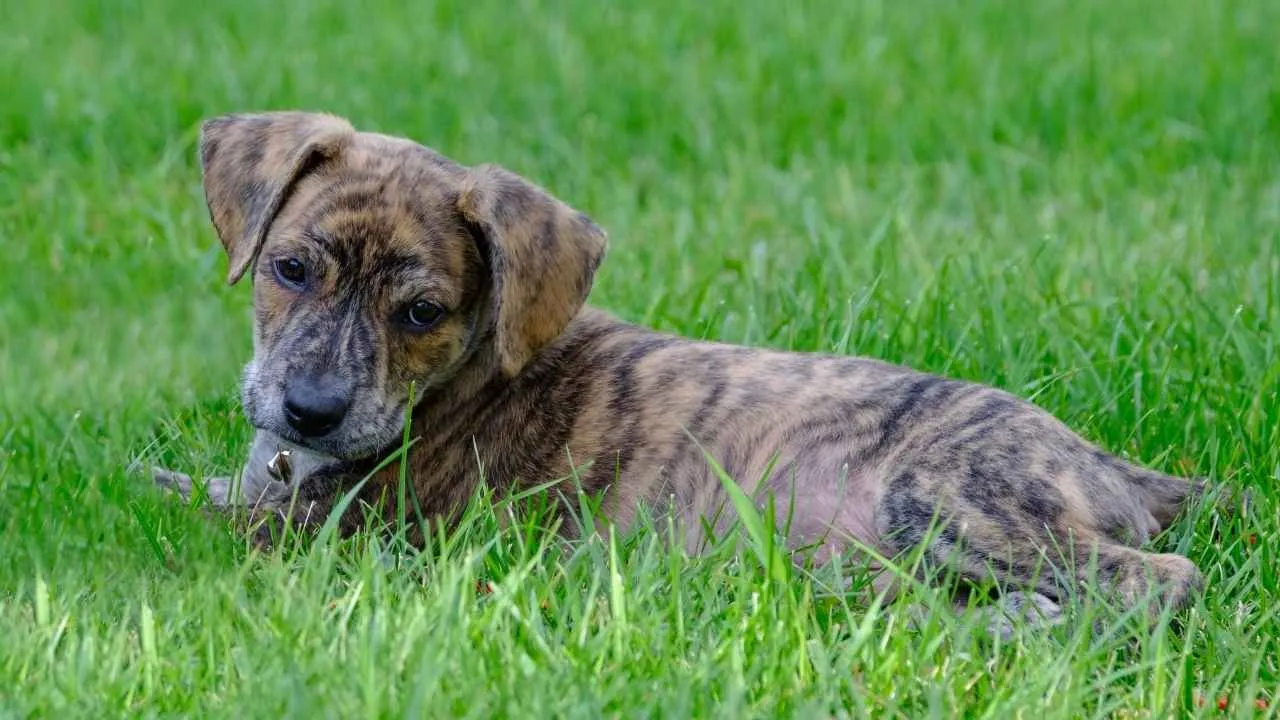
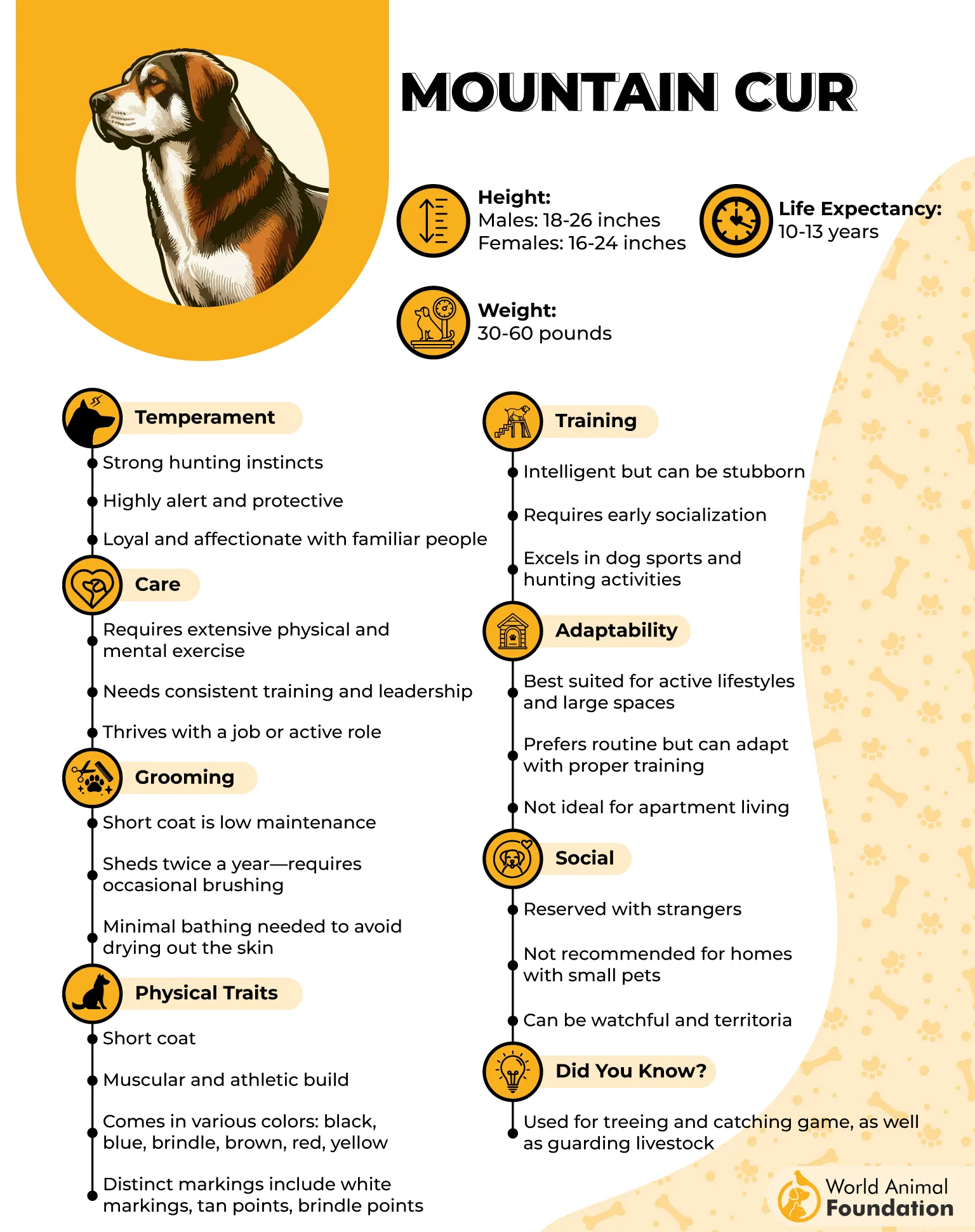
The Mountain Cur was a vital helper for early American settlers. Purina describes this breed as a smart, agile, and trainable treeing hunting dog. It could guard a homestead, help on farms, and work alongside hunters. That versatility still makes it appealing today.
As a hog hunting dog, it can hunt hogs while also handling small game. Its courage helps when the work becomes challenging. The breed’s clear bark can also alert people when something approaches. For active owners, this hardworking dog offers plenty of ways to stay busy.
A Versatile Partner Outdoors
This breed can adapt to different outdoor tasks with ease. It may follow a pursuit through thick brush or work around a farm. Despite the nickname “water dog,” its main talents center on hunting and treeing.
Its history also includes jobs beyond the trail. A hunter arrives with a dog that can shift between tasks when needed. Even playful ideas like dock diving show how varied outdoor activities can be. Fearless and eager to work, the Mountain Cur fits owners who enjoy an active lifestyle.
7. Alano Español
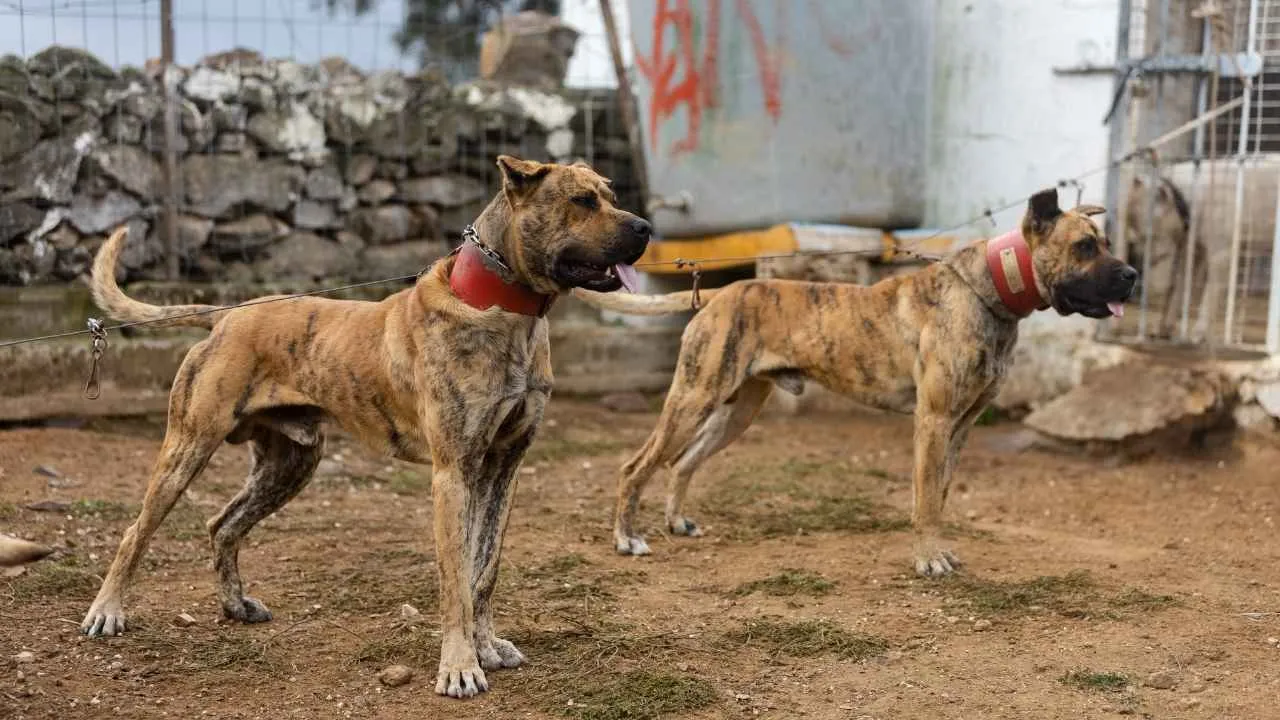
The Alano Español has a long working history in Spain. Also called the Spanish Bulldog, this working breed was used to handle large animals. CKCUSA notes its use as a catch dog during hunts for wild boar. As a hog dog, it was valued for demanding work rather than companionship alone.
Hunters also used these dogs around animals such as deer. Their history included work with livestock and other large animals. The breed nearly vanished during the 20th century. Later breeding programs helped bring it back, although questions remain about its modern lineage.
A Rare Breed With a Working Past
The Alano’s history makes it an unusual choice today. Its original work could involve long distances and difficult outdoor conditions. Mental stimulation is important for such a purposeful dog. Activities like tracking can provide a useful outlet.
However, owners should never encourage a dog to bite or chase small animals. Digging may also become an issue when working instincts lack an outlet. During demanding field activities, a protective vest may add another layer of safety. The breed’s past is fascinating, but responsible handling matters most.
Conclusion
Choosing the right dog for hunting feral hogs takes more than picking a powerful breed. Several breeds can handle this demanding work, but their roles may differ. Bay dogs locate hogs, while catch dogs help hold them, often working with multiple dogs as a team.
Training, recall, and teamwork all help the dogs stay safe. A GPS collar supports tracking, while an aid kit can help during emergencies. Hunters should also keep a safe distance from a hog, since wild pigs can cause serious injuries. Protective gear can further help keep dogs safe during tough encounters.
Before any hunt, check every legal consideration and prepare for certain health issues that may arise outdoors. The goal is simple: give every dog the right support to do its job safely, rather than relying on one hog or one dog’s ability alone.
