




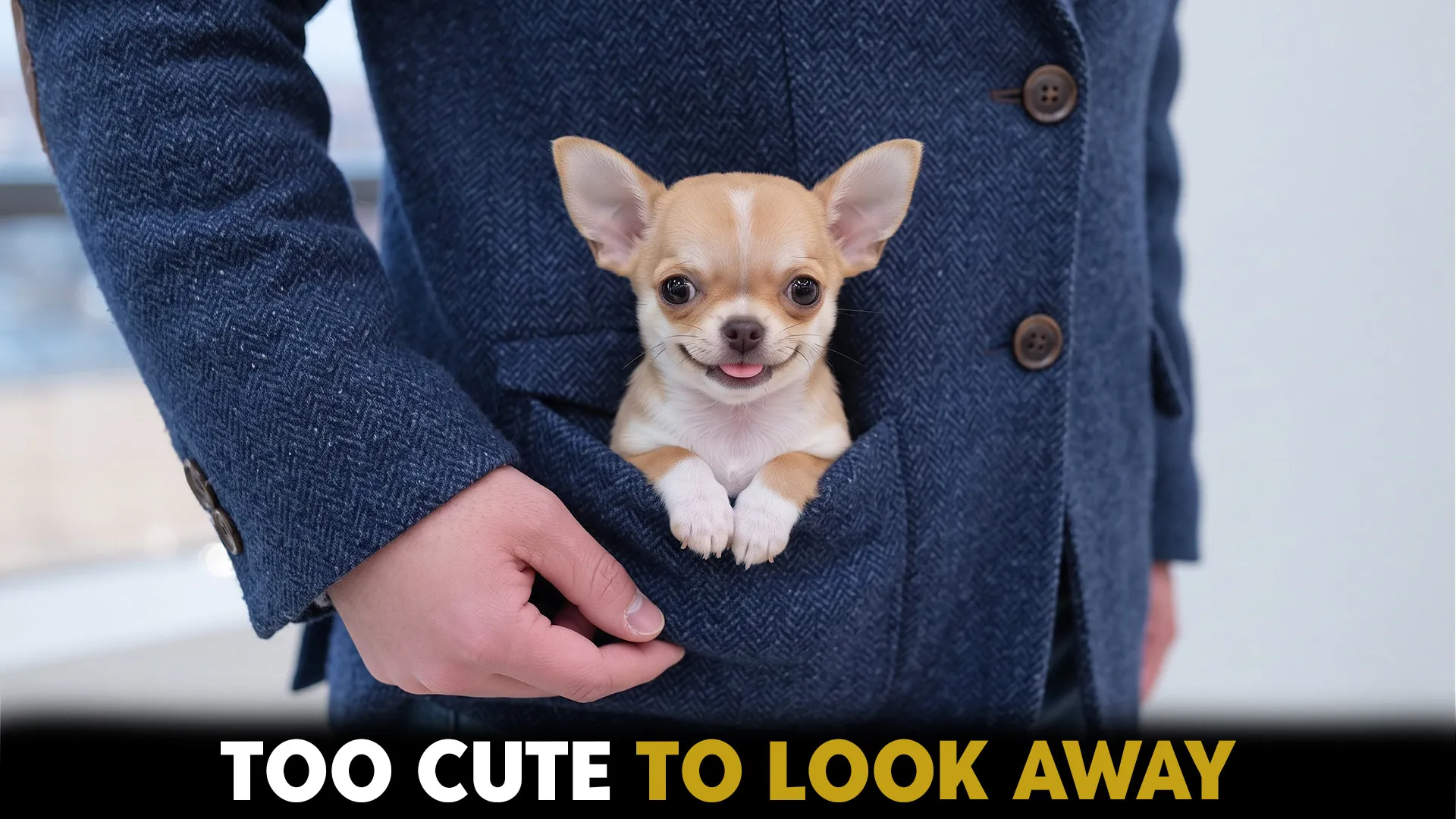
Ever wished your dog could fit right inside your pocket? Teacup dogs may be tiny enough to look like puppies forever, but their small size has made them hugely popular with dog lovers.
Usually weighing less than 5 pounds, these pint-sized pups are especially appealing to people living in apartments or homes with pet-size restrictions.
Their tiny bodies may be adorable, but there’s more to teacup dogs than their cute appearance. These dogs are bred to be much smaller than the usual breed standard, and the American Kennel Club does not recognize “teacup” as an official breed category.
Still, there’s no denying the charm of having such a tiny companion by your side. Their popularity grew even more after celebrities began carrying them in handbags, turning these miniature pups into a major trend.
If you’re curious about the smallest and most adorable dogs around, keep reading to discover seven delightful teacup dogs that are tiny in size but full of personality.
Key Takeaways
Meet seven tiny teacup dogs with personalities that are anything but small.
See why Chihuahuas can be bold, playful, and fiercely devoted.
Discover the charm and care needs of Pomeranians, Maltese, and more.
Find out which tiny traits, grooming needs, and energy levels stand out.
Delightful Teacup Dog Breeds That Live Inside Your Pocket
1. Chihuahua
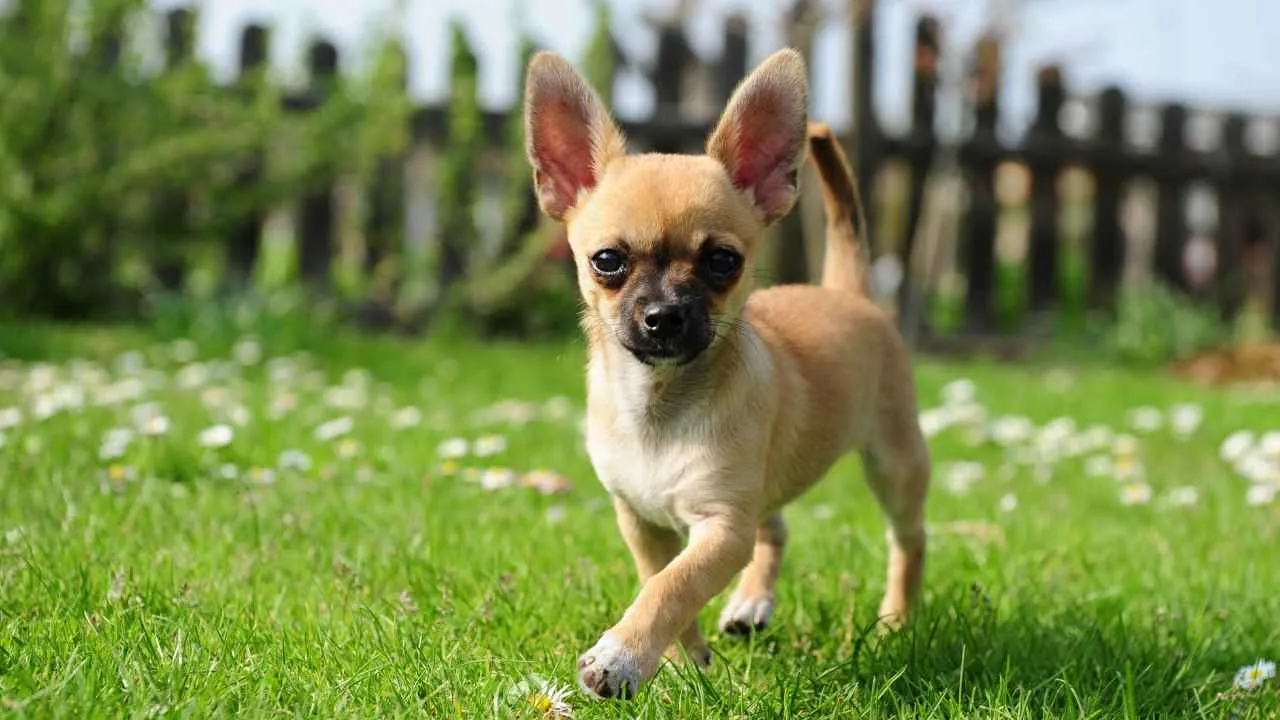
Chihuahuas may be tiny, but their personalities are anything but small. These affectionate little dogs form strong bonds with their families and love being close to their favorite people. They enjoy cuddles and lap time, but they are also playful, energetic, and always ready for their next adventure.
A Little History
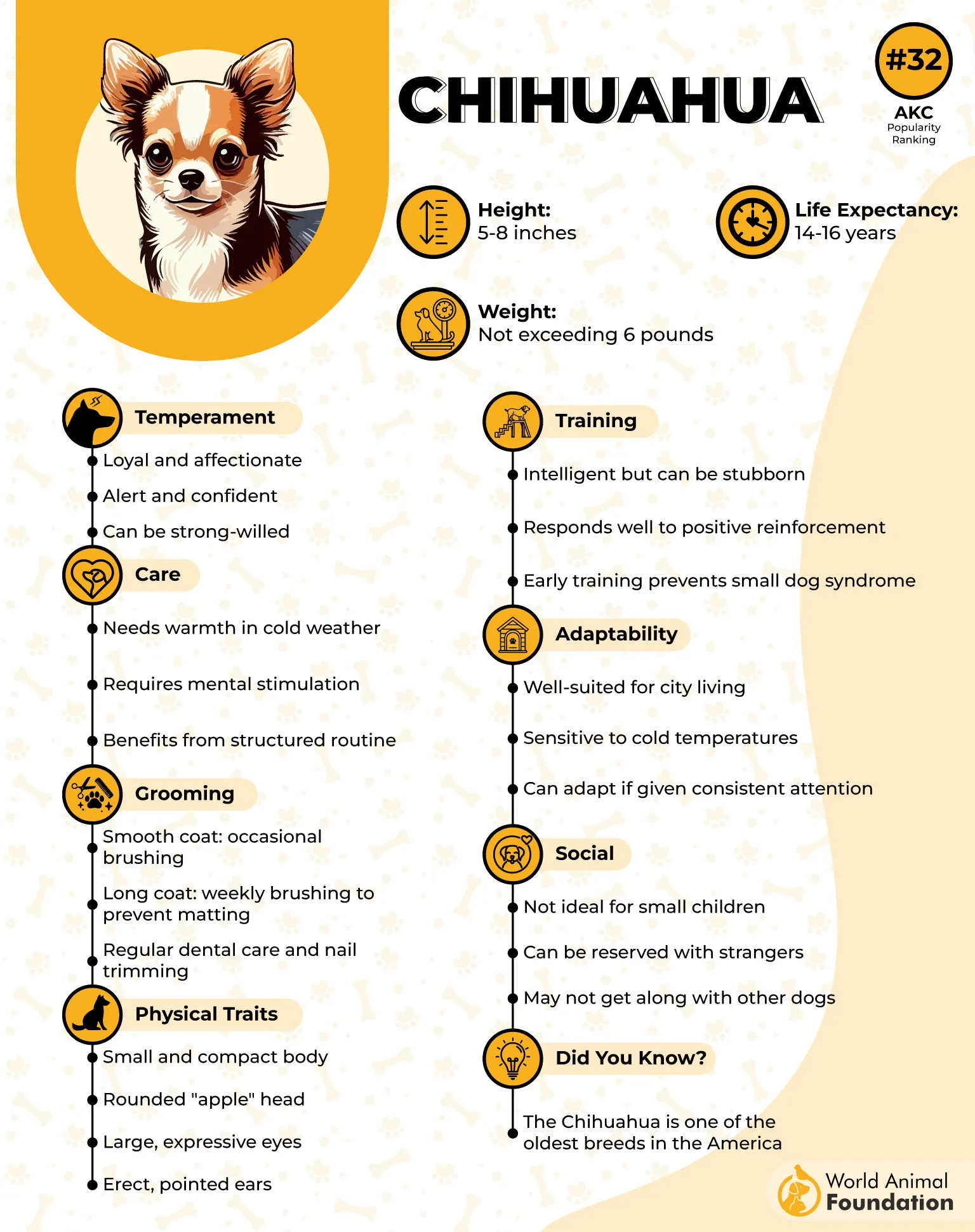
Chihuahuas have a long history in Mexico. Documents suggest that Spanish conquistadors found small dogs in the area now known as the Mexican state of Chihuahua during the 16th century.
They became more popular as house pets in the early 20th century, and the American Kennel Club officially recognized the breed in 1904, according to PetMD.
Caring for Chihuahuas
Chihuahuas come with either short or long coats, and their grooming needs are fairly simple. Their teeth need more attention, with daily brushing recommended to help prevent dental disease. Despite their small size, these dogs need daily walks, indoor play, and plenty of activity.

They can be feisty, bark at unfamiliar people and dogs, and may even challenge much larger dogs. Early training and gentle socialization can help them become more comfortable around new people and animals.
2. Yorkshire Terrier
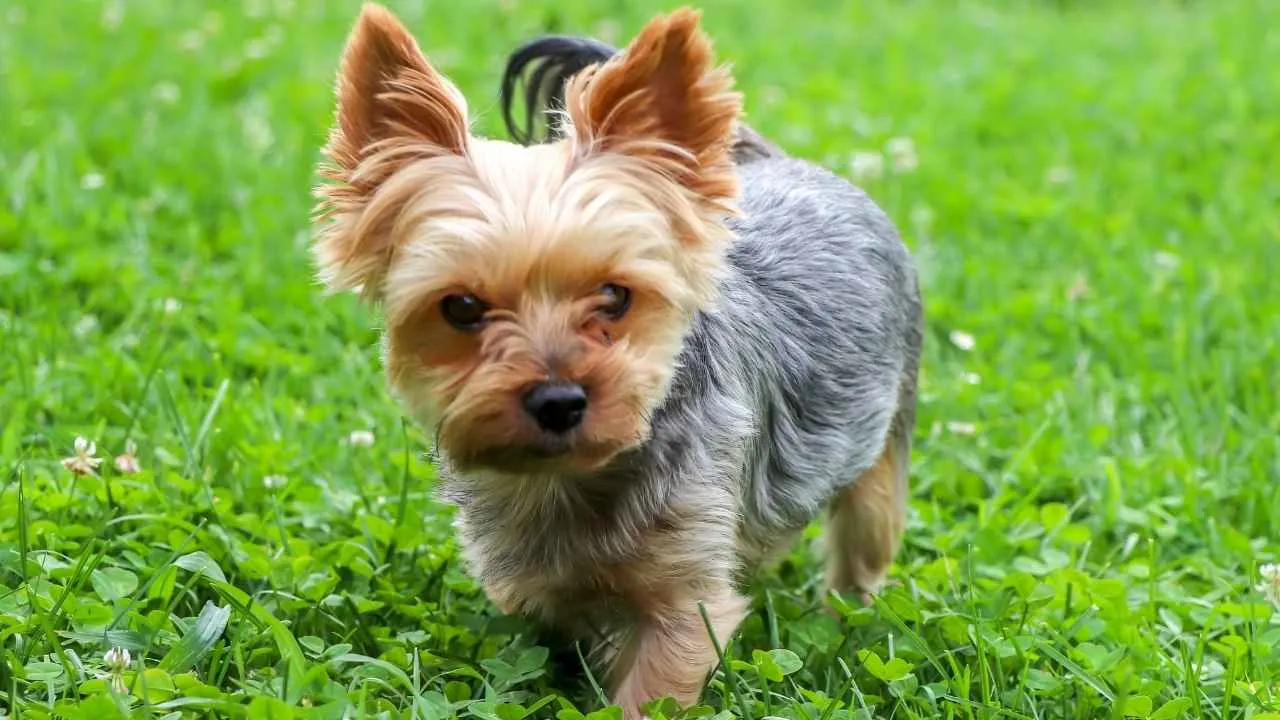
Yorkshire Terriers, often called Yorkies, may look like glamorous little lapdogs, but they have a bold terrier spirit. They are playful, energetic, curious, and sometimes quite bossy.
These affectionate dogs enjoy being around their families and can be happy sitting on a lap after getting enough walks, playtime, and mental stimulation.
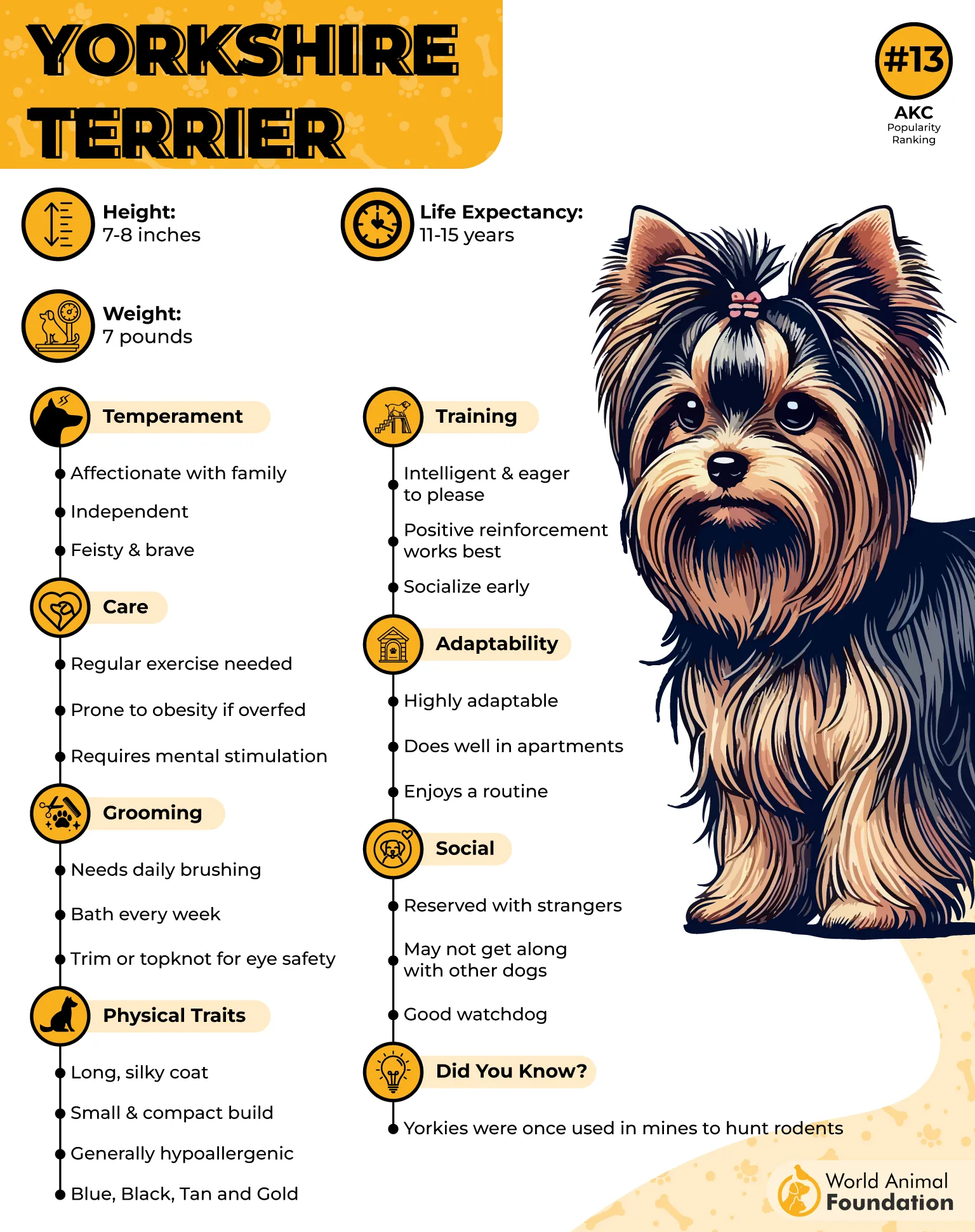
From Rat Catchers to Lapdogs
Yorkies were bred in the 1800s in Yorkshire, England, where they worked as rat catchers in clothing mills. They were also beloved pets of working-class Scottish weavers who had moved to England. Over time, these hardworking little dogs became popular companions.
Their long, straight blue and tan coats add to their glamorous look, but their lively personalities show that they are far more than pampered lapdogs.
Caring for Yorkies
Yorkies have long, hair-like coats that need plenty of grooming. They also do not tolerate cold weather well, so extra protection may be needed in chilly conditions. Their exercise needs are moderate. Two 15-minute walks and some indoor play can keep them happy and active.
They are quick learners but can be stubborn, so training and socialization are important. Yorkies can bark often and make alert watchdogs, but they are ineffective protectors. They enjoy company and should not be left alone for long periods.
3. Pomeranian
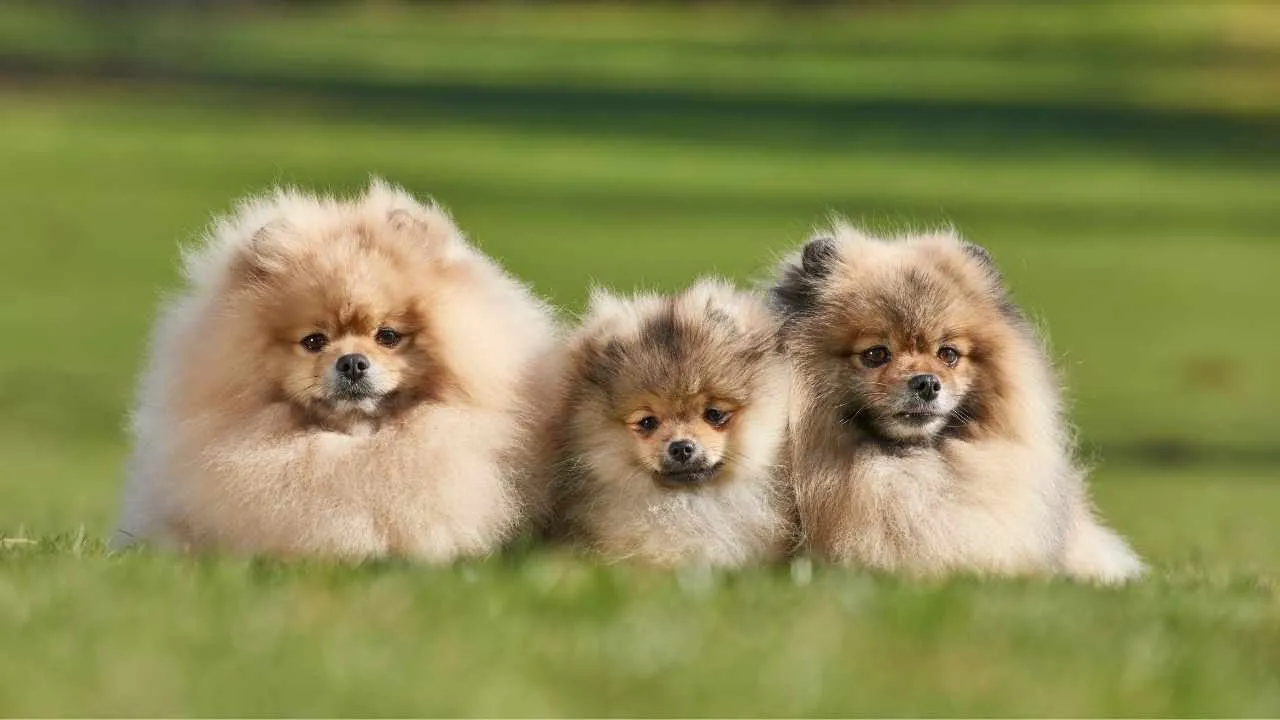
Pomeranians may be tiny, but they carry themselves like much bigger dogs. They are alert, clever, playful, and naturally curious. These cheerful little companions enjoy cuddling, giving kisses, playing games, or trotting around the house on their own little missions.
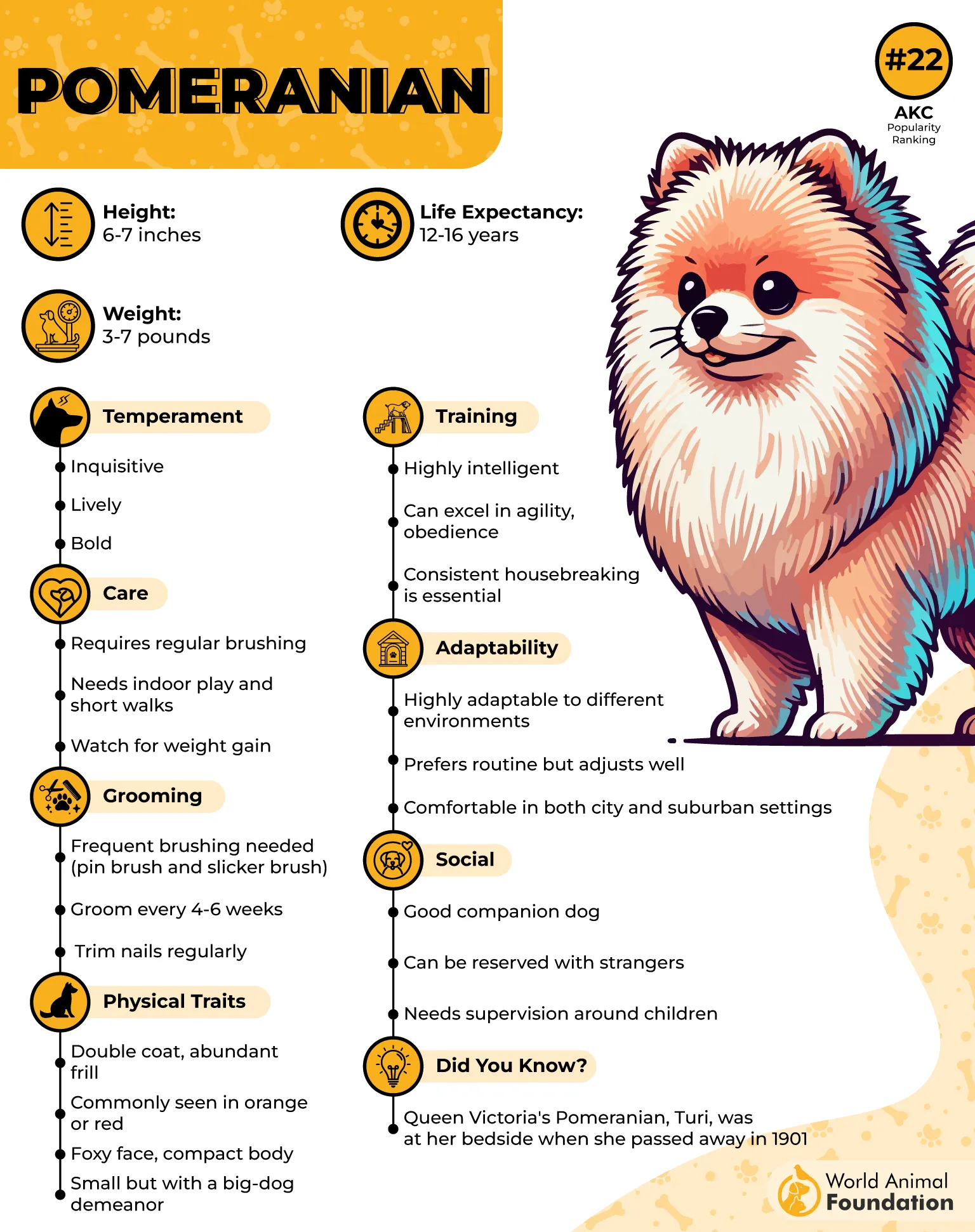
From Herding Dogs to Tiny Companions
Pomeranians are miniaturized descendants of Spitz sled dog breeds. They were once much larger and were used for herding. Over time, they were bred down to the small companions we know today.
Their fluffy double coats come in many colors and patterns, while their foxlike faces and thick neck scruff give them a distinctive look.
Caring for Pomeranians
Pomeranians are active but do not need extensive outdoor exercise. Indoor play and short walks can usually keep them happy. Their fluffy coats do need daily brushing and regular grooming to stay healthy, and haircuts can make brushing easier.
Poms can be stubborn but are relatively easy to train and enjoy agility, rally, and obedience. Britannica mentions they are also enthusiastic watchdogs and may bark often. Their small size makes them fragile around young children, so supervision is important.
4. Maltese
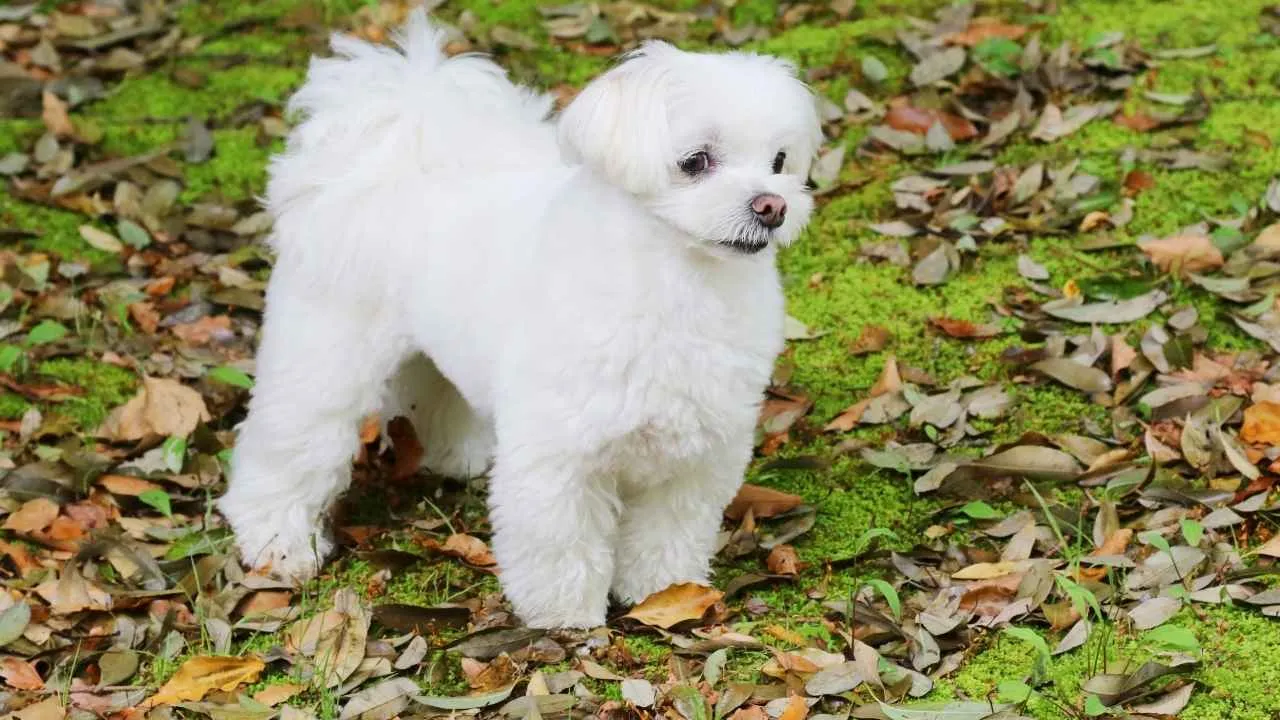
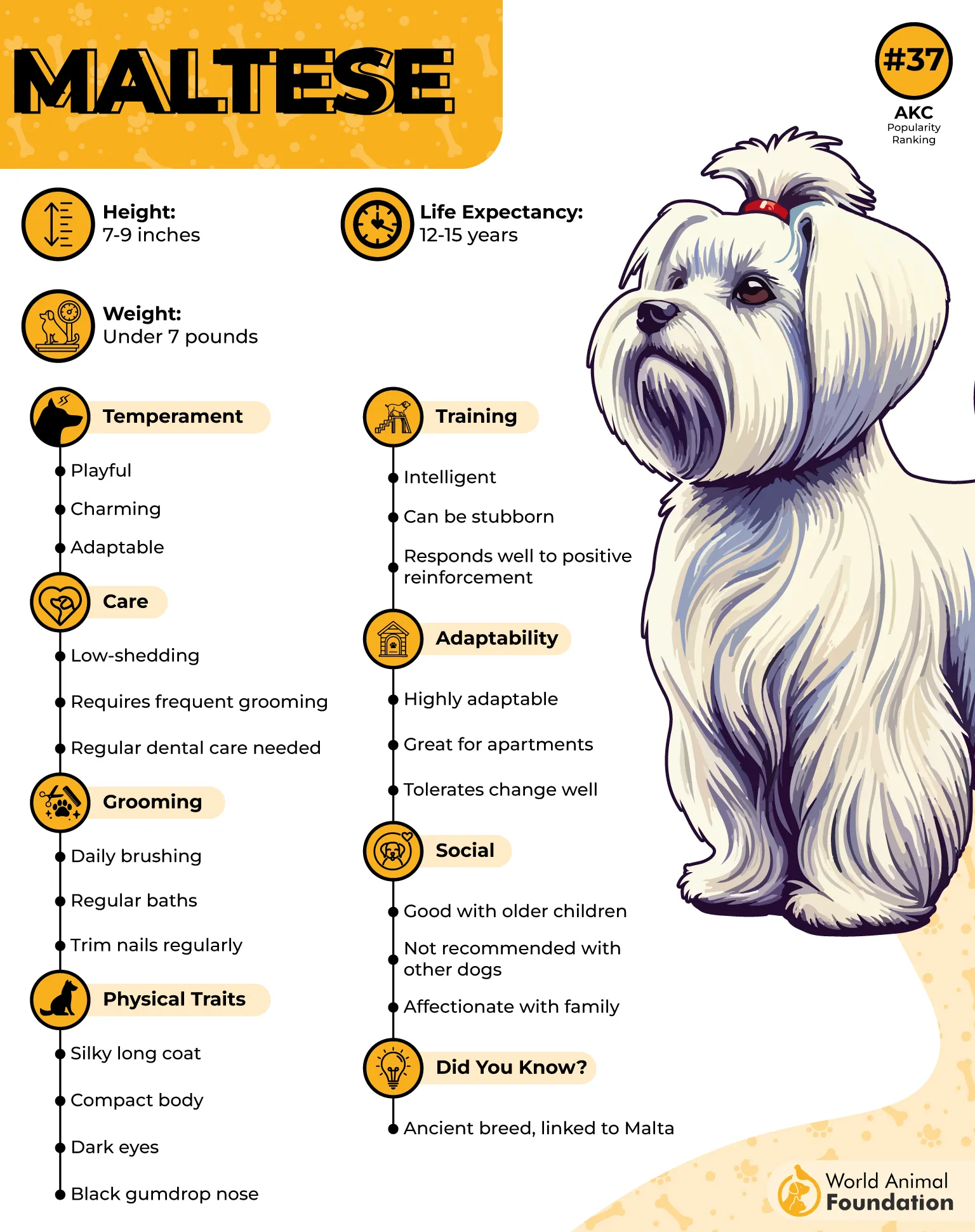
Maltese dogs are known for their beautiful white coats and playful personalities. They are gentle, affectionate, and devoted to their families. These tiny companions can enjoy lap time after getting some exercise, and they love learning new tricks when rewards are involved.
A Breed With Ancient Roots
The Maltese originated on the Mediterranean island of Malta and have been loyal companions for centuries. References to these dogs can be found in Ancient Greek and Roman literature. Today, they are adaptable companions known for their lush, silky white coats, dark eyes, and black noses.
Caring for Maltese Dogs
Maltese dogs need regular grooming to keep their long, silky coats in good condition. Their white coats are often described as hypoallergenic, although no dog is completely allergen-free. Daily exercise, mental stimulation, positive training, and socialization are also important.
They are intelligent and fairly easy to train, but can be snappy with loud or rough children. Maltese dogs are alert and may bark at unfamiliar sounds. They can be bold around larger dogs and may be aloof with strangers. Their small size also means they need care around children and in busy homes.
5. Toy Poodle
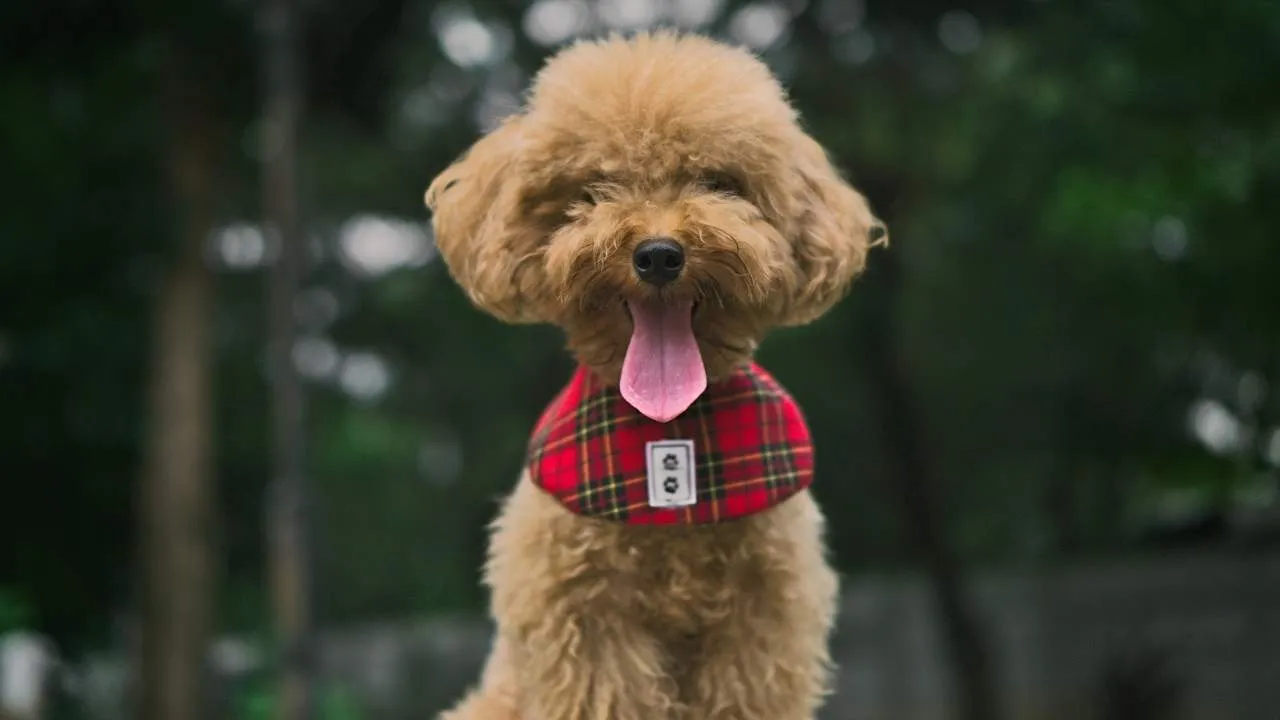
Toy Poodles may be tiny, but their intelligence and personality are anything but small. They are lively, affectionate, sociable, and eager to please.
These clever dogs love being part of family activities and can quickly learn tricks, games, agility, and obedience. They also make alert watchdogs and will announce visitors without being aggressive.
From Working Dogs to Tiny Companions
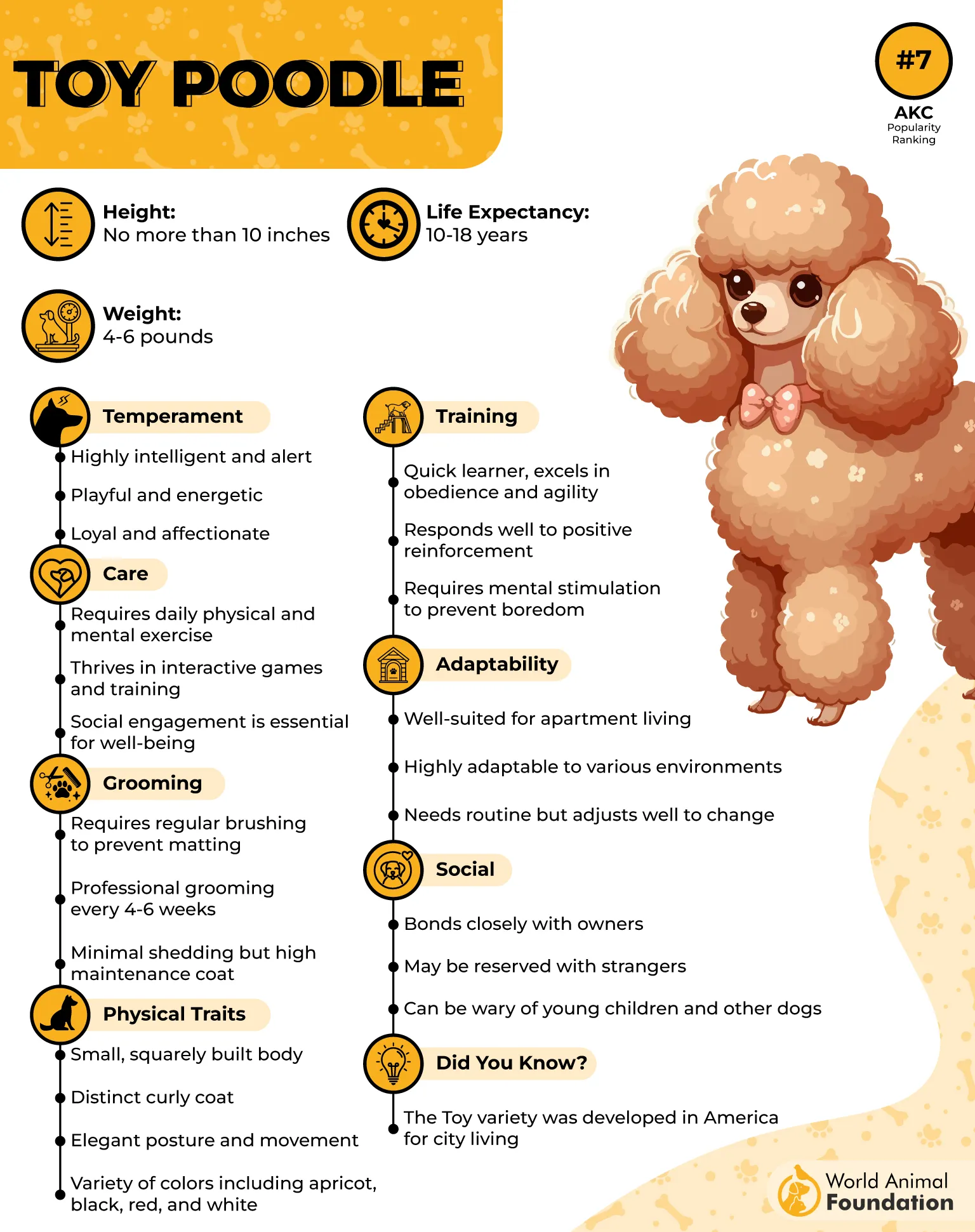
Poodles were first developed in Germany, where the larger Standard Poodles were used for duck hunting. Toy and Miniature Poodles were later bred down from the larger variety. Today, Toy Poodles are known for combining the intelligence of their larger relatives with a tiny, playful package.
Caring for Toy Poodles
Toy Poodles have curly coats that grow continuously, so regular grooming is essential. Their coats need trimming every four to six weeks and do not shed much, although no dog is completely hypoallergenic. They need daily walks and indoor play to stay active and happy.
Their small size also means play with children or larger dogs should be supervised to prevent injuries. Toy Poodles bond closely with their families and do not enjoy being left alone for long periods, as Purina notes.
6. Papillon
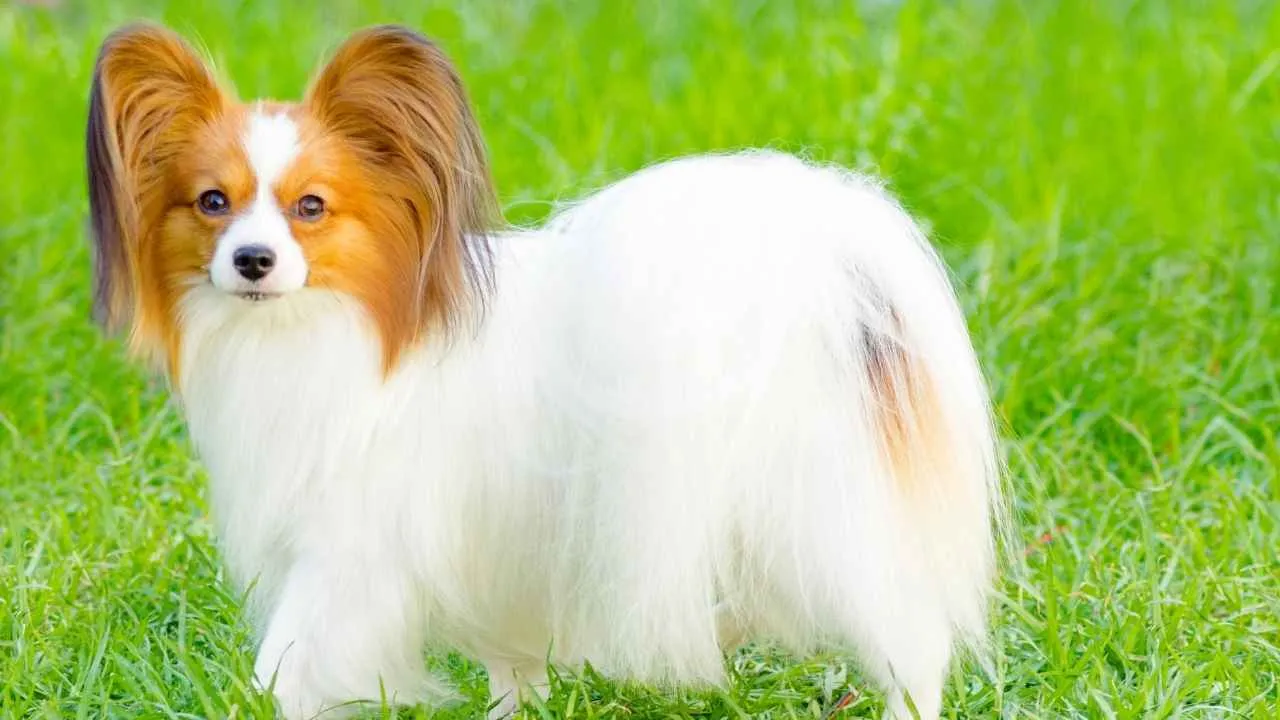
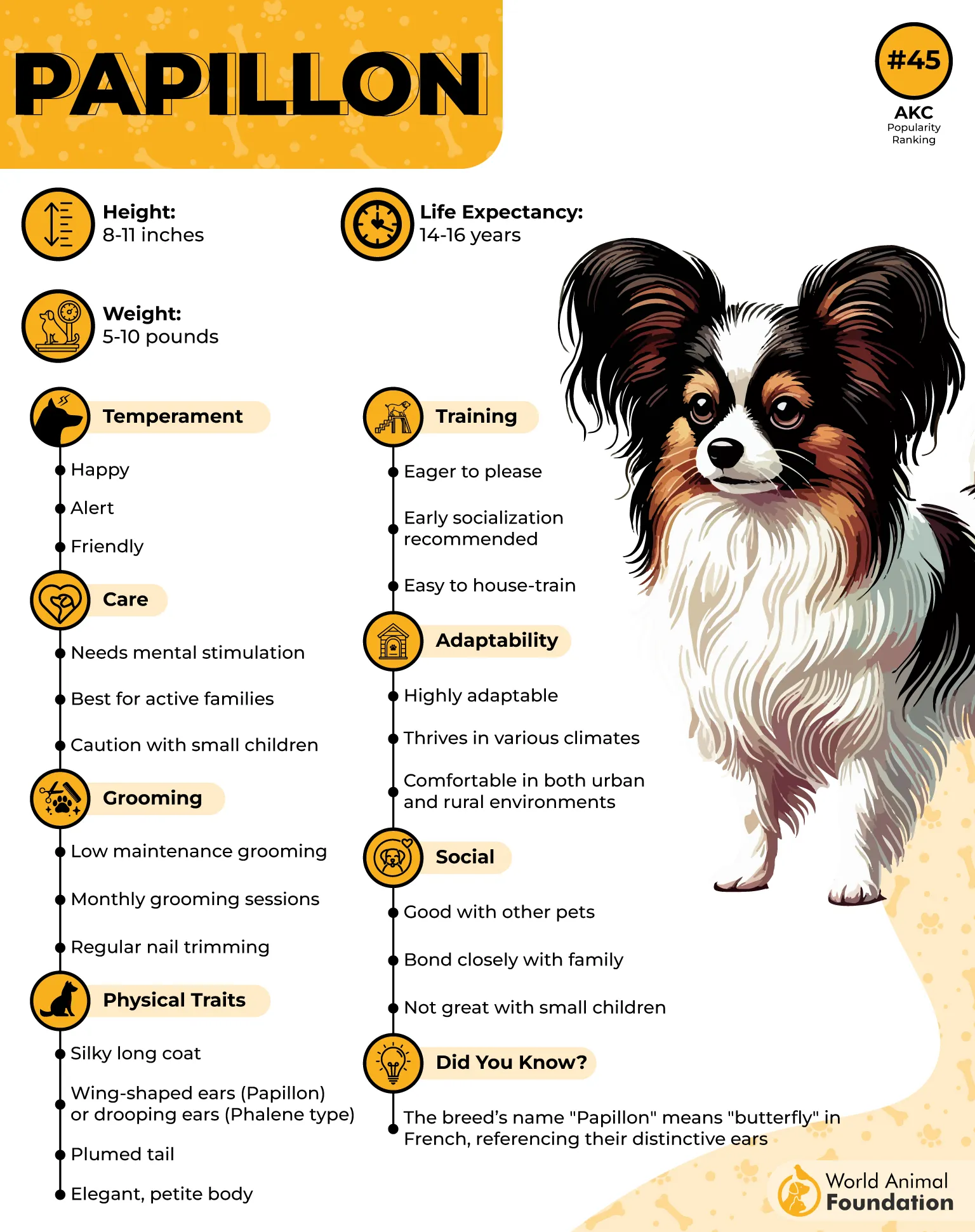
Papillons may look delicate, but these little dogs are energetic, athletic, and incredibly smart. Their large, wispy ears resemble butterfly wings, which inspired their name.
They love being part of family activities and can happily switch between playful adventures and relaxing on a lap. Their intelligence also makes them quick to learn commands and new tricks.
Tiny Dogs With a Long History
Papillons have been depicted in Western European artwork dating back to the 16th century. They served as companion animals for hundreds of years and were also favored by royalty. Today, they remain popular family companions and can take part in agility, obedience, therapy, and service work.
Caring for Papillons
Papillons are more active than many other toy breeds and need plenty of mental stimulation and exercise. Indoor games, neighborhood walks, and safe fenced areas for running can help keep them busy. Their long, feathered coats need brushing or combing a few times a week to prevent tangles.
They are friendly with people, dogs, and other pets when socialized from a young age. Consistent training with positive reinforcement works well for this eager-to-please breed.
7. Havanese
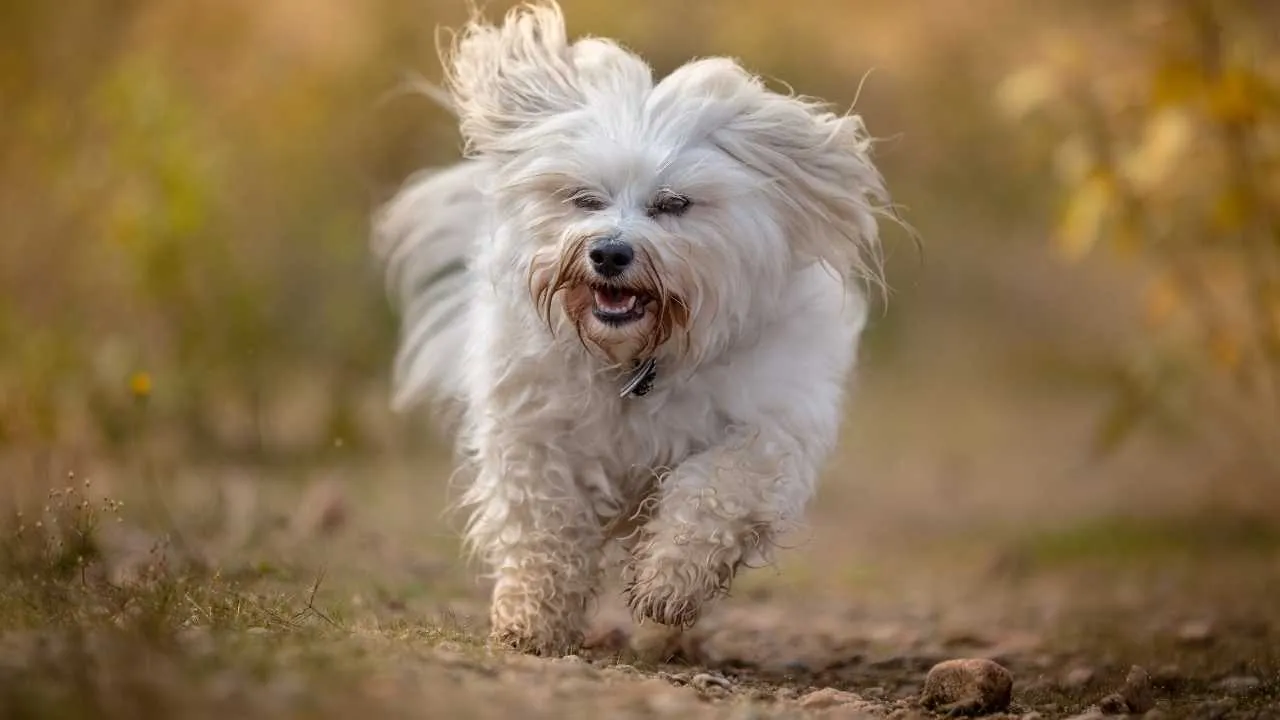
Havanese dogs may be small, but they bring plenty of energy and charm. They are happy, outgoing, and friendly with people and other animals.
These affectionate companions love being around their families and are often called “velcro dogs” because they like staying close to their owners. They are also playful performers who enjoy learning new tricks.
A Little Cuban History
The Havanese is the only dog breed native to Cuba. Their ancestors were brought from Spain to Cuba in the 1600s. They were once known as the Havana Silk Dog or Spanish Silk Poodle.
During the Cuban Revolution in the 1950s, some families brought these dogs to the U.S. The breed later made a strong comeback after nearly disappearing in the mid-20th century.
Caring for Havanese Dogs
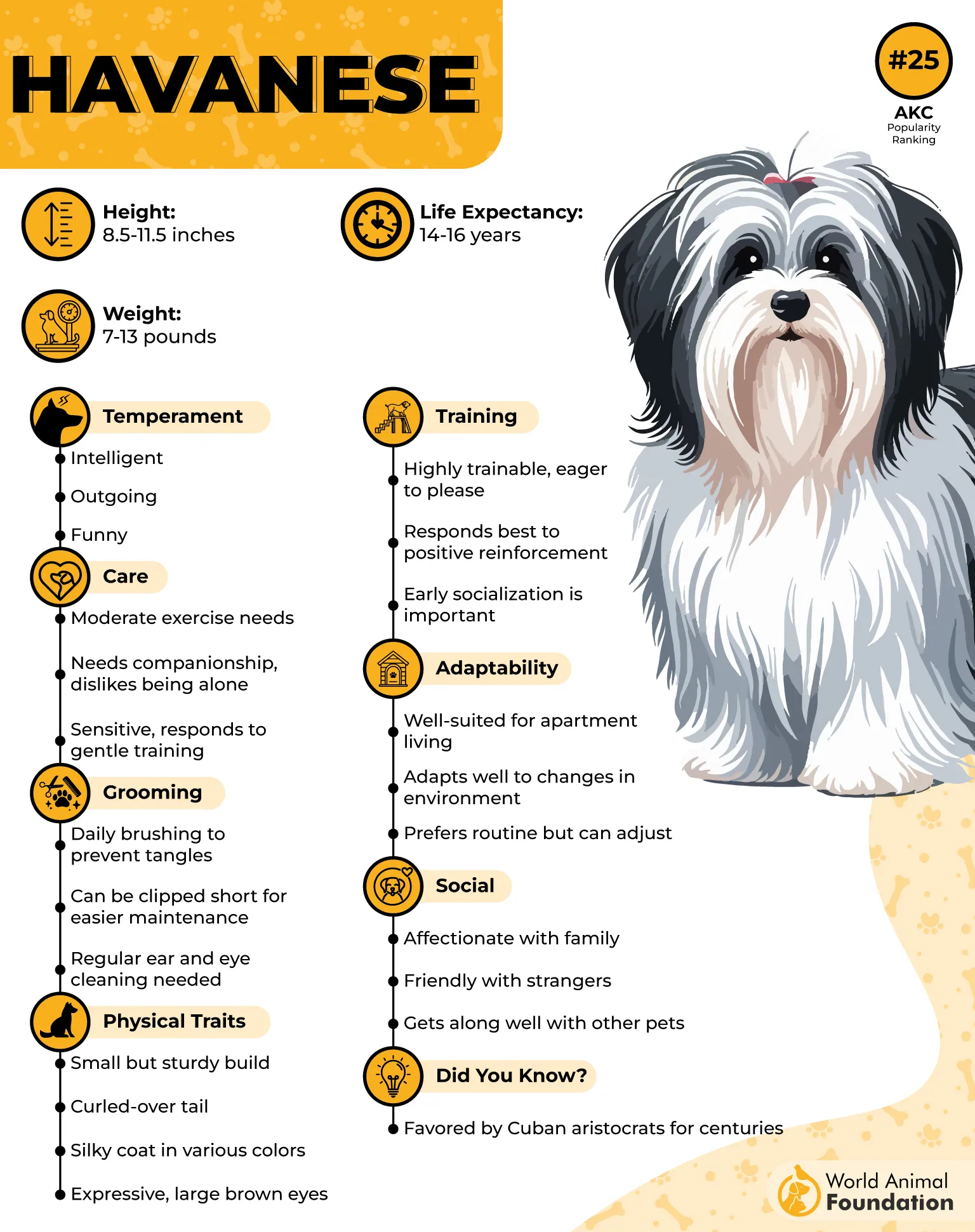
Havanese dogs are intelligent, eager to please, and highly trainable. They enjoy learning tricks and can do well in agility and therapy work. Their long coats can be straight or wavy and need frequent brushing to prevent tangles.
Daily walks and moderate play help keep them active, with around 30 minutes of exercise being a useful target. They enjoy family life and generally get along with children, dogs, cats, and strangers.
Conclusion
Teacup dogs may be tiny enough to fit in a pocket, but their personalities can fill an entire room. From playful and energetic companions to clever, affectionate lapdogs, each breed brings its own charm. Their small size can be appealing, but they still need proper care, training, grooming, exercise, and attention.
If you’re thinking about bringing home one of these tiny companions, take time to learn what each breed needs before making a decision. The smallest dogs can leave some of the biggest paw prints on your life, so choose a companion whose needs fit naturally into your everyday routine.
