




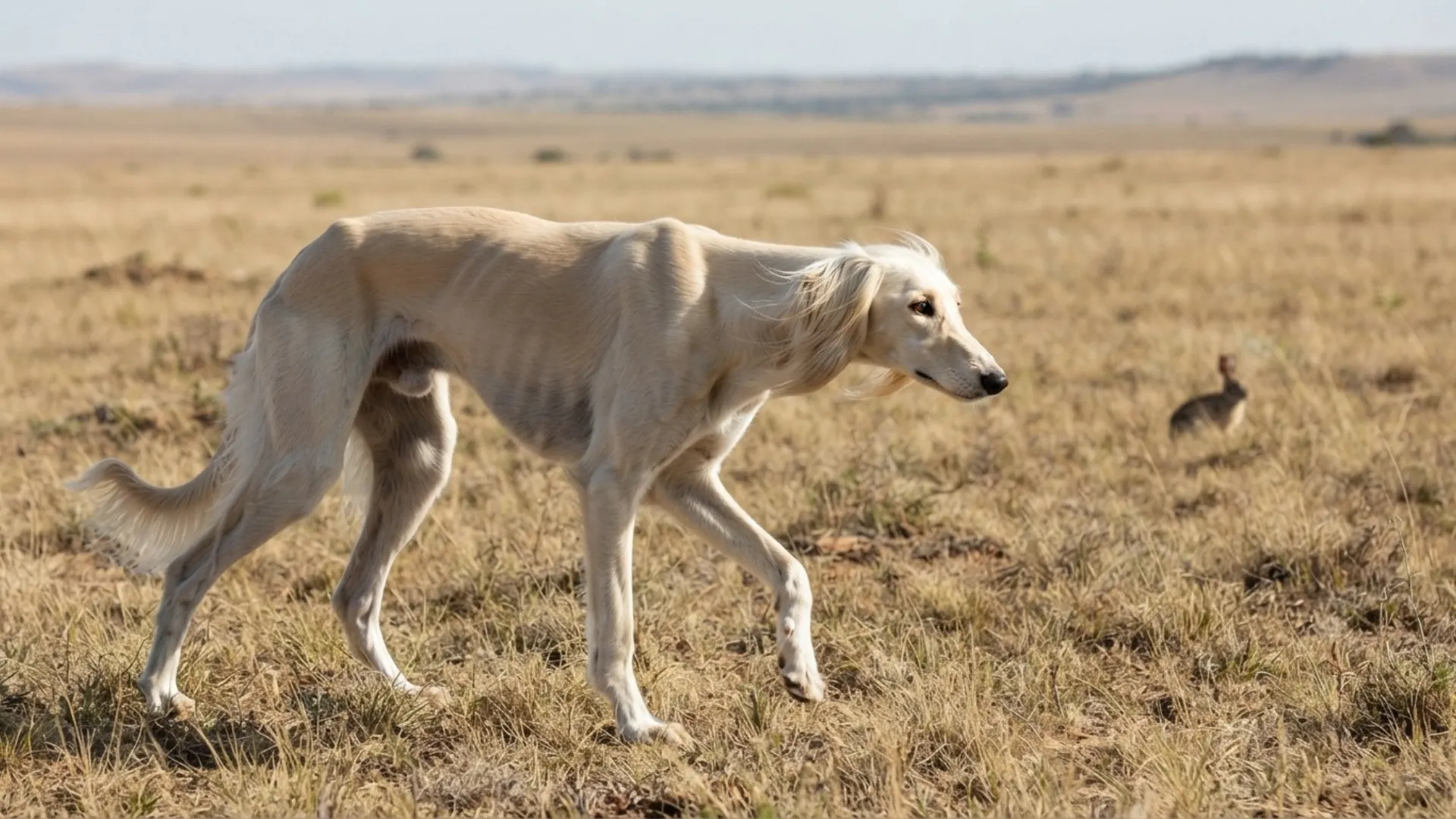
Prey drive is one of those dog behaviors that can seem harmless until it meets an open gate, a fast rabbit, or a neighbor’s small pet.
At its core, prey drive involves natural behaviors connected with finding, following, pursuing, and catching potential prey. Dogs do not all express these behaviors in the same sequence or with the same intensity. One may become fixed on movement, another may follow a scent, and another may rush after anything that suddenly runs.
Genetics play an important role, especially when generations of breeding favored hunting, herding, or pest-control behaviors. Early experiences and everyday training can also shape how a dog responds to different triggers. So, prey drive makes more sense as a collection of behaviors rather than a simple switch that is either on or off.
By the end, you will have a clearer picture of which traits deserve attention when a dog’s prey drive becomes part of everyday life.
Key Takeaways
A squirrel, a bicycle, or even a running child can be enough to catch a dog’s attention in an instant. For high prey drive breeds, movement can be a powerful trigger.
Greyhounds and Salukis show two fascinating sides of the chase, with one built for explosive speed and the other known for pursuing game across long distances.
The Rhodesian Ridgeback takes the story into lion hunting, while the Border Collie uses intense focus, stalking, and positioning to control anything that moves.
Then come the Weimaraner, Jack Russell Terrier, and Beagle, each showing just how differently a strong prey drive can appear in daily life.
Dog Breeds that Have the Strongest Prey Drive
1. Greyhound
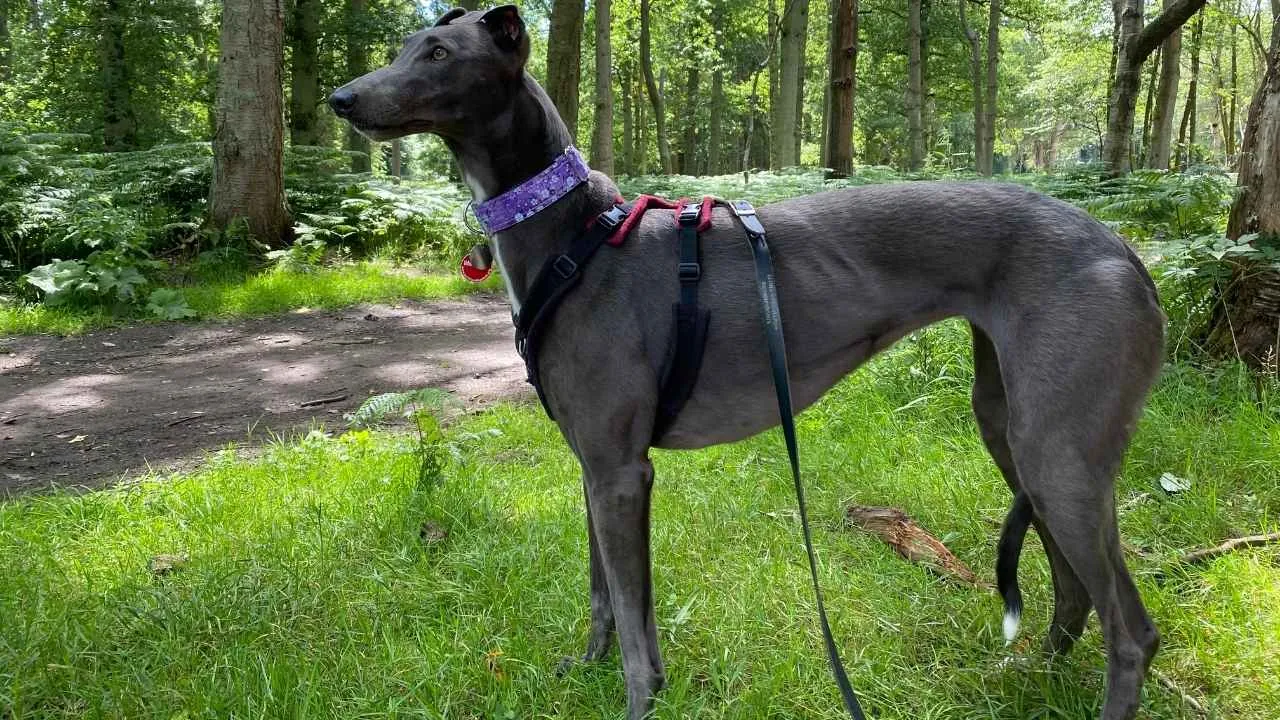
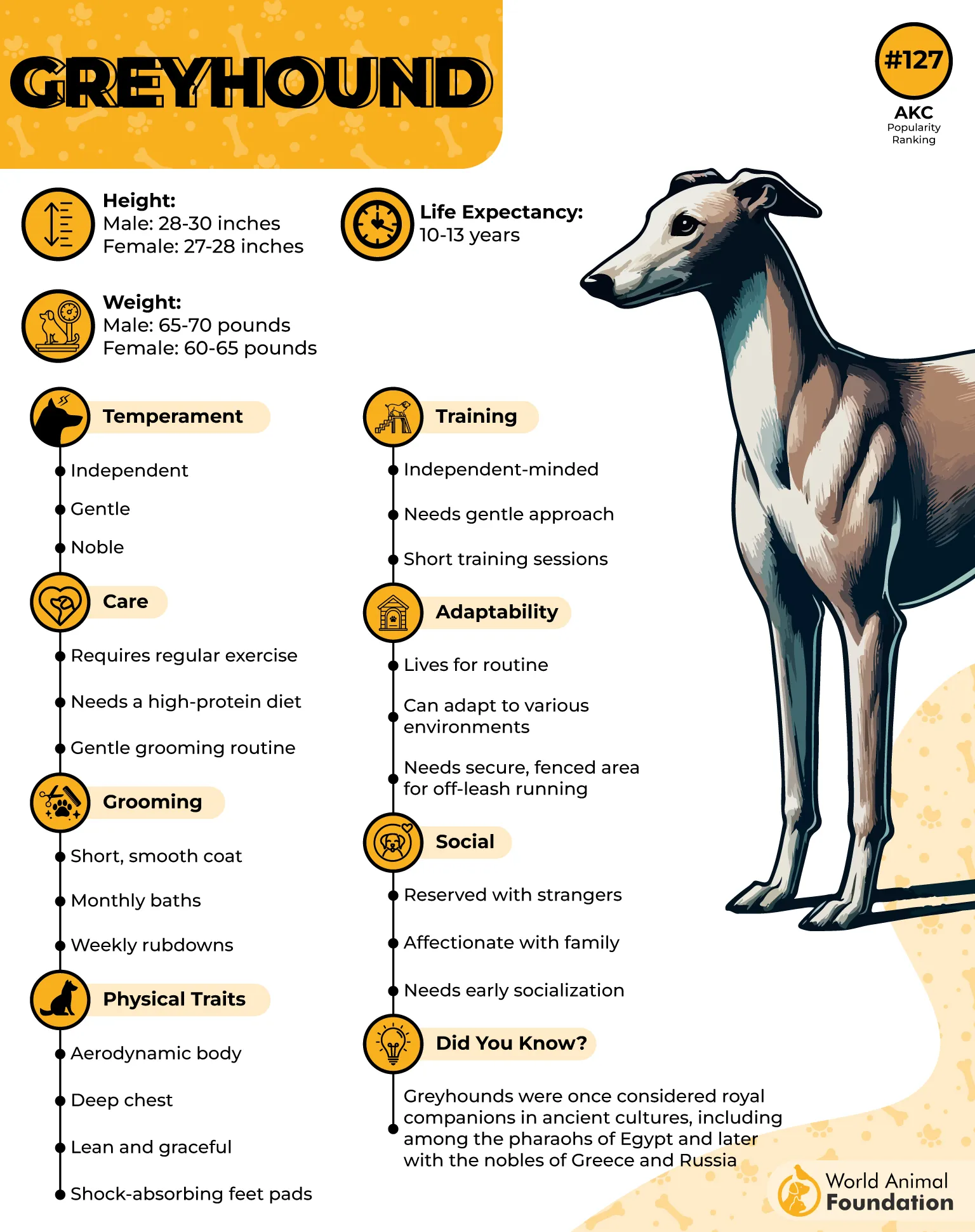
Greyhound is an old European sighthound bred to spot and pursue game, using its slim frame, long legs, and flexible spine to reach speeds of about 43 miles per hour over short distances. Its sporting life later expanded into track racing, which became popular in America and Britain during the 1920s.
Prey Drive in Action
Greyhounds can react intensely to small animals, including cats, chickens, or unfamiliar small dogs, especially when early socialization has been limited.
According to GRV, a chase may begin with a fixed stare and stiff posture before progressing into stalking, lunging, pouncing, or pursuit.
Watch for these specific warning signs:
Rapid tail wag with a stiff body
Teeth chattering or sudden drooling
Pouncing or lunging toward the animal
Small Dogs Need Care
With careful introductions and gradual training, this racing dog breed can learn to recognize familiar small dogs as companions. A calmer response includes a relaxed tail, friendly interest, easy attention toward the handler, and polite interaction with the smaller dog.
2. Saluki
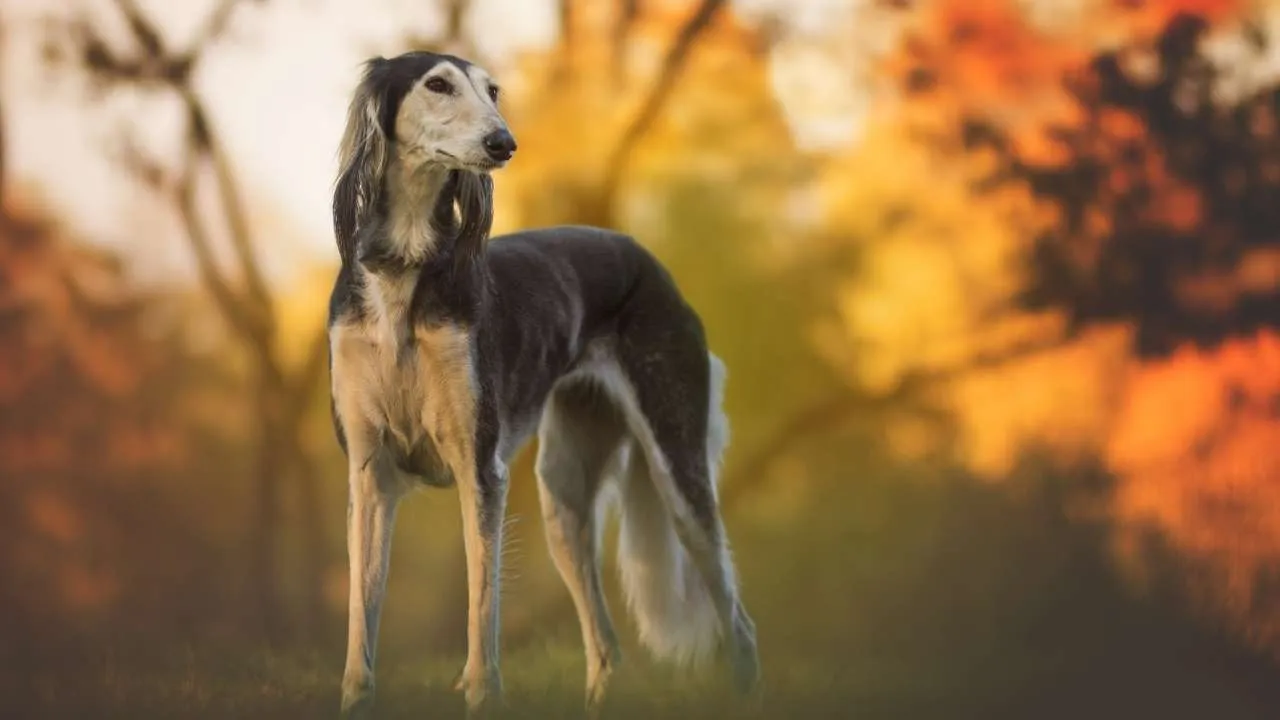
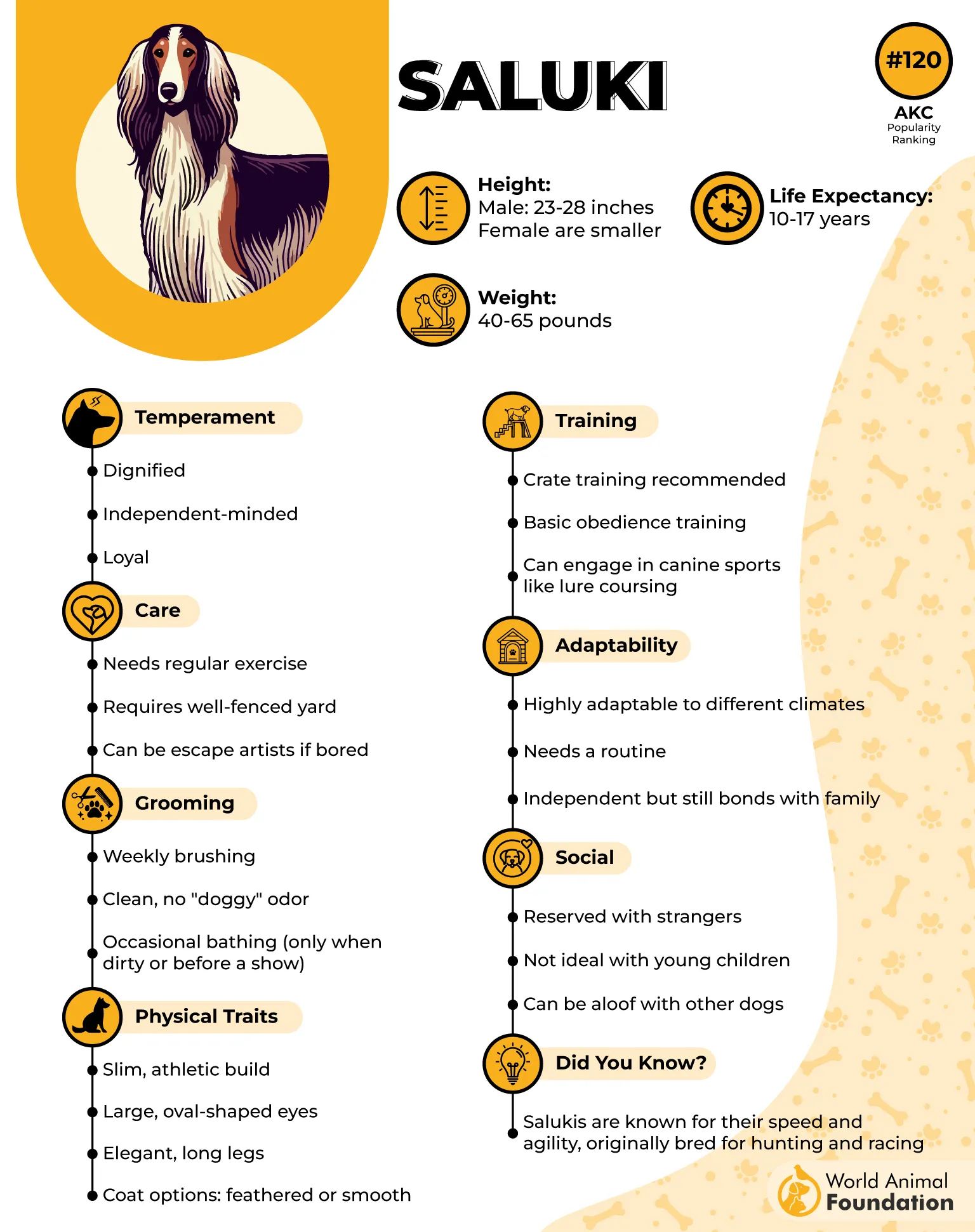
Saluki has been associated with human communities for thousands of years, although its exact place of origin remains uncertain. Mummified remains found with Egyptian pharaohs have led to Egypt being suggested as one possible source for this ancient sight hound.
Built for the Chase
Saluki was bred to spot, pursue, and kill gazelle and hare across vast stretches of land, giving its prey drive a very specific purpose. It is also built for sustained speed, with greater long-distance ability than the Greyhound despite the latter’s faster short-distance pace.
These practical details matter for life around smaller animals:
Strong pursuit of rabbits and free-roaming cats
Secure fencing is important
Leash use is recommended outdoors
Quiet at Home
This breed tends to be composed and reserved, offering affection through steady companionship rather than constant physical attention. Strangers may receive a cautious response, while familiar dogs raised alongside them can often share the household peacefully, as Hills Pet reported.
3. Rhodesian Ridgeback
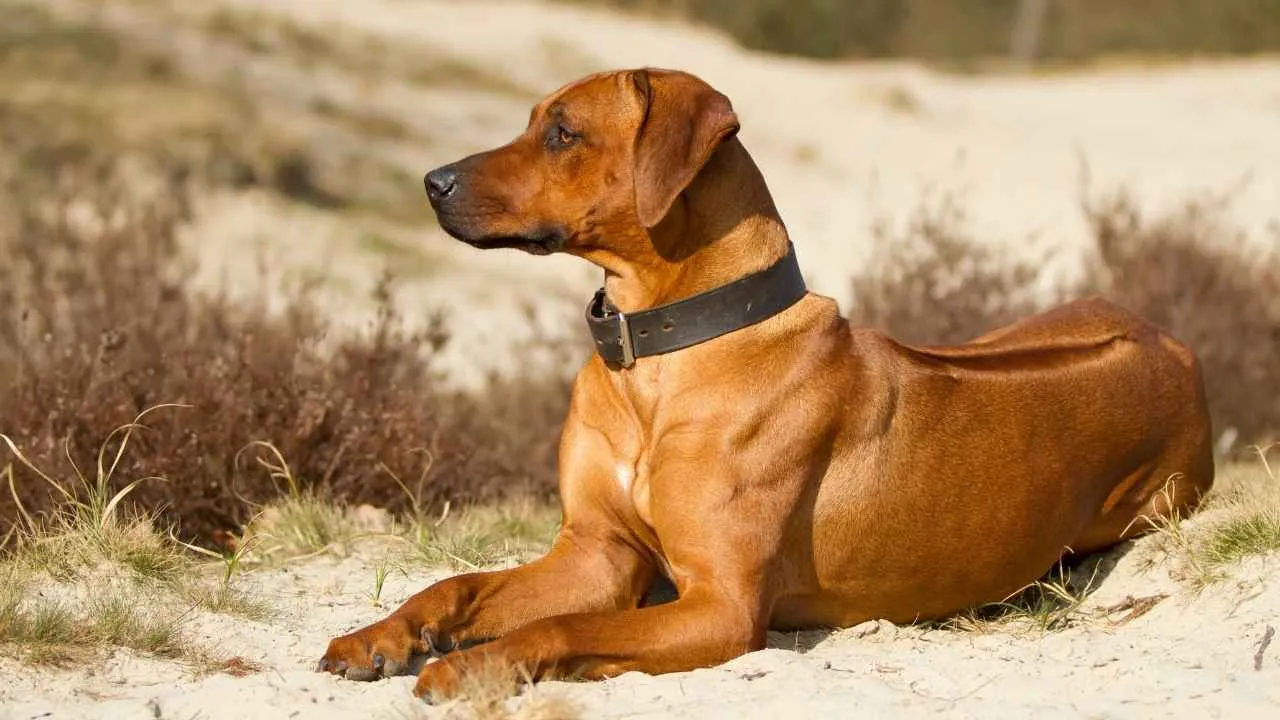
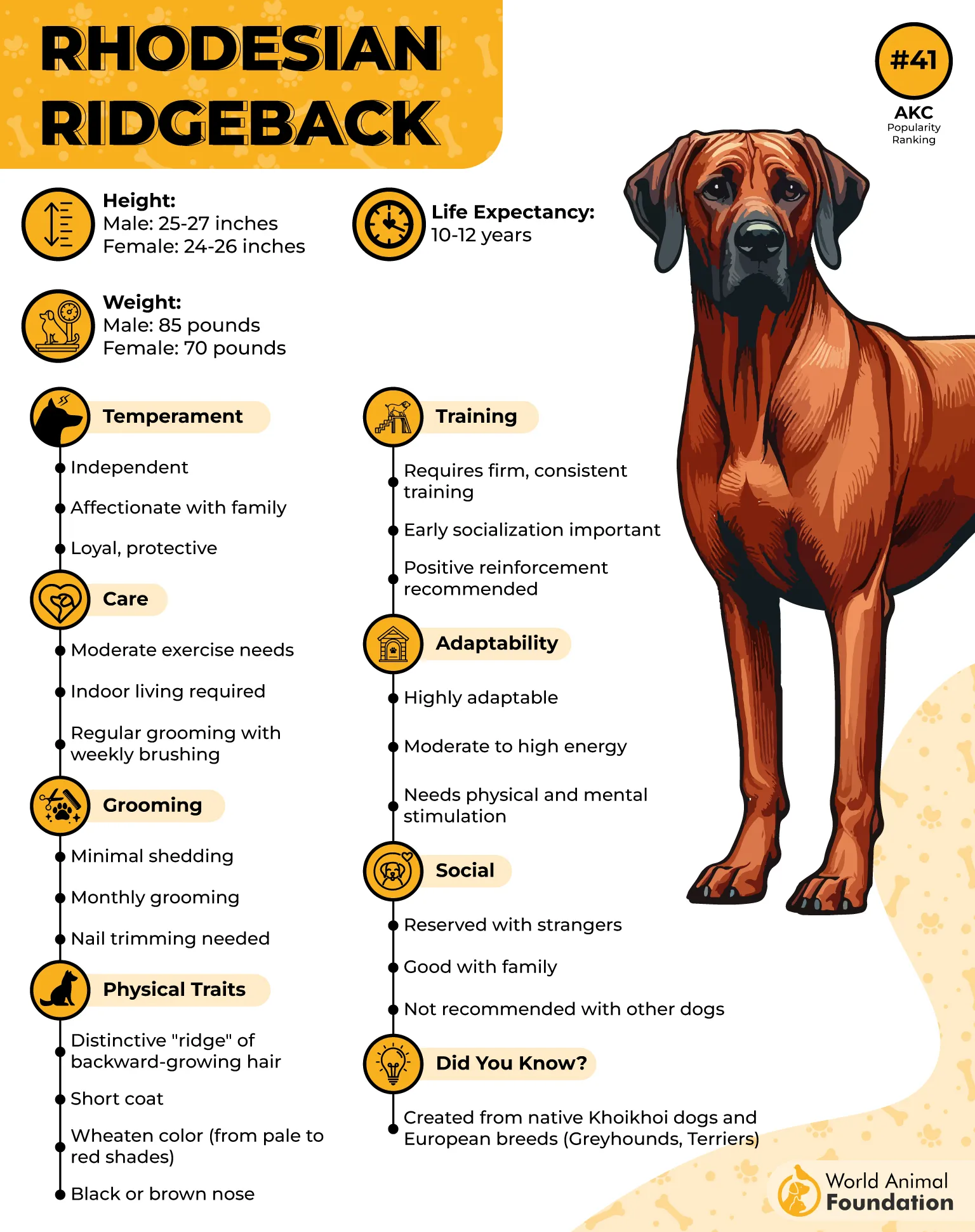
Rhodesian Ridgeback was specifically bred from crosses between European hunting breeds and native dogs in southern Africa during the 16th and 17th centuries. By the late 1800s, people took these dogs to Rhodesia, now Zimbabwe, where they tracked lions and held them at bay for hunters.
A Powerful Chase Instinct
Cats, rabbits, and other small animals can quickly catch this hunting breed’s attention, especially when they start moving. That instinct can make household introductions more complicated, so living with smaller pets requires careful management and sensible boundaries.
Its active nature also calls for careful handling:
Needs plenty of physical and mental activity
Enjoys hiking, running, and obstacle activities
Needs calm handling around young children
Wary by Nature
Rhodesian Ridgebacks can be reserved with unfamiliar people while acting affectionate and playful with familiar family members. Its strong-willed nature responds better to positive reinforcement, especially when teaching appropriate behavior around people and animals, as noted in Orvis.
4. Border Collie
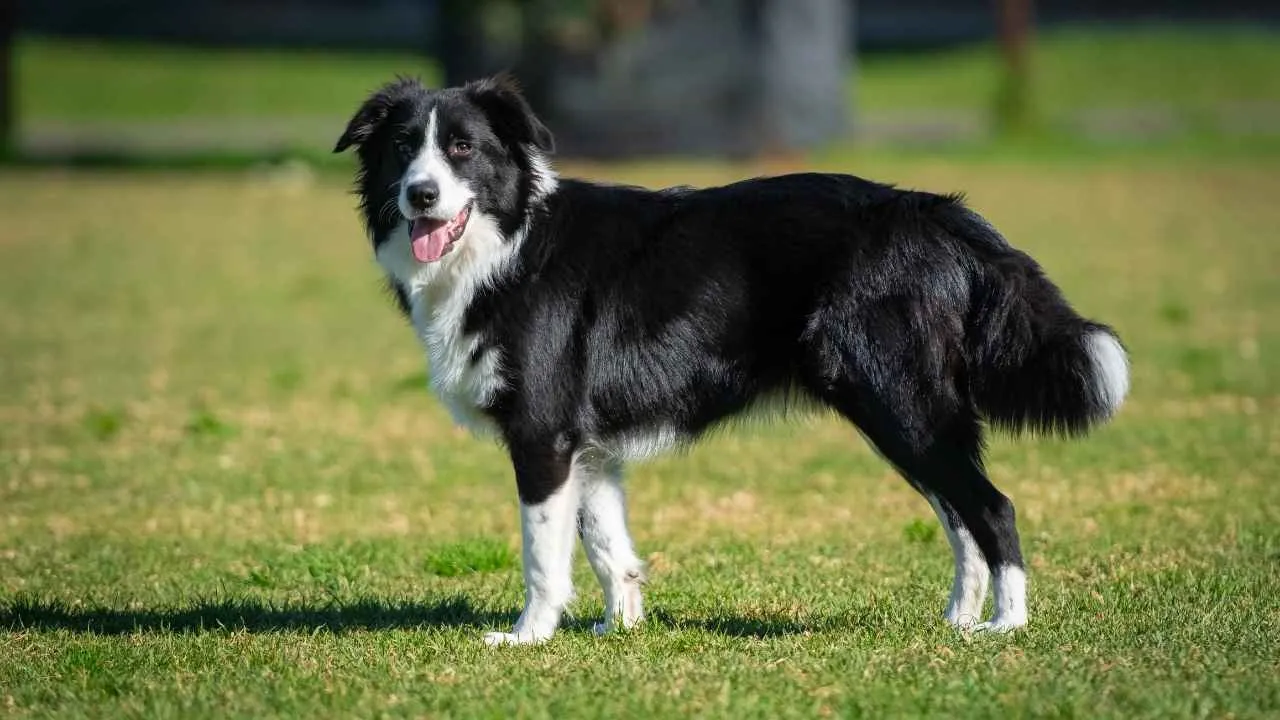
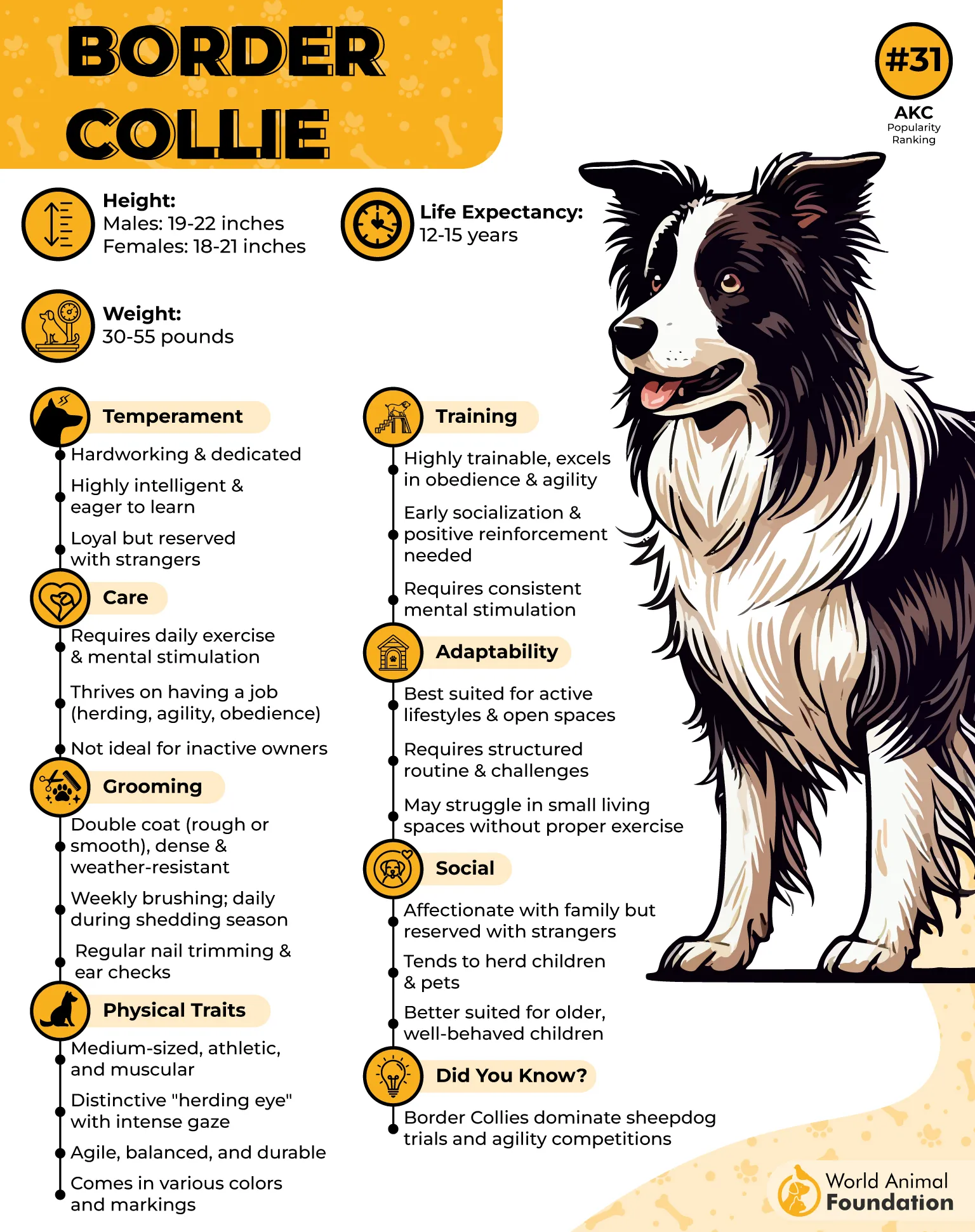
Border Collie was standardized around its working ability in 1906 and was initially classified simply as a sheepdog. The name adopted in 1915 reflects its origins around the Scottish and English border, where managing flocks demanded precision and control.
A Different Kind of Prey Drive
This herding breed channels its predatory instinct into orienting, stalking, and chasing, using intense eye contact, speed, and positioning to control moving targets. Fast motion from bicycles, joggers, birds, cars, or running children can trigger that response.
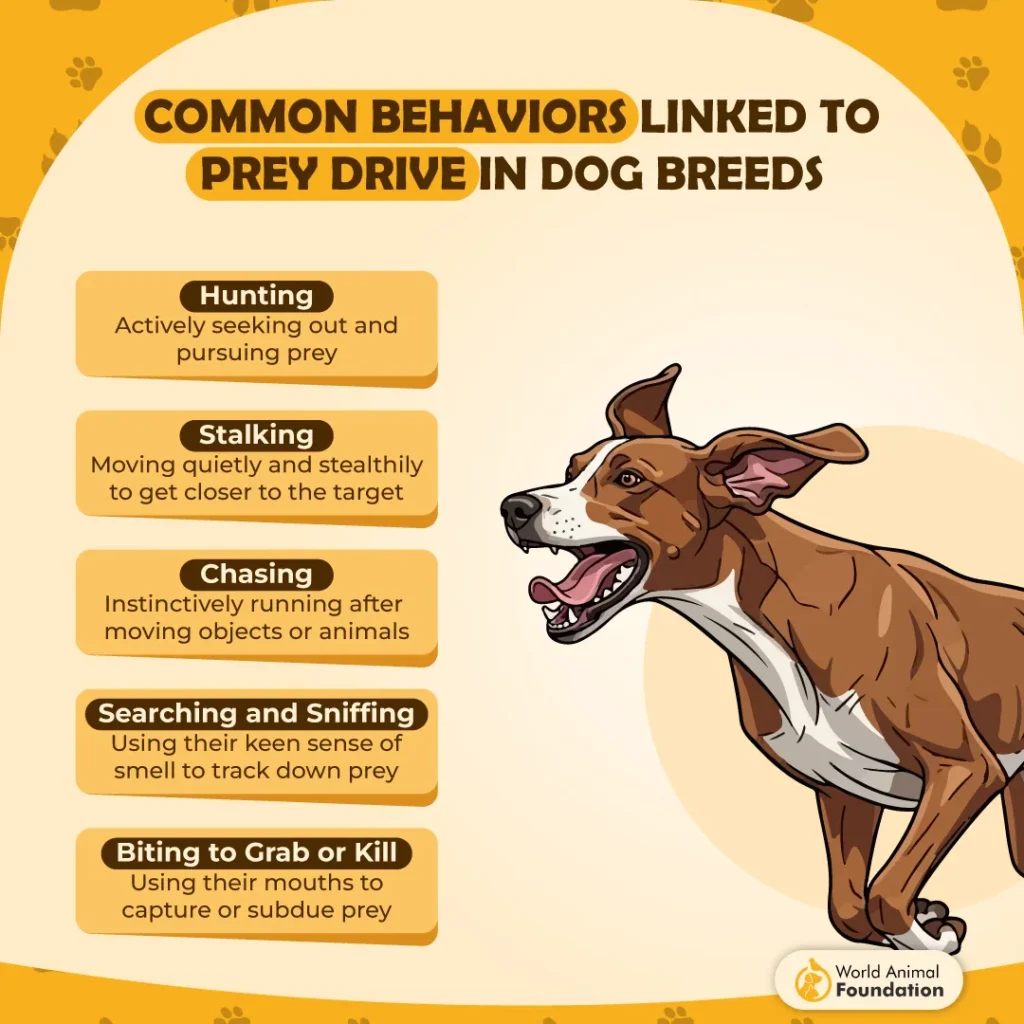
These details make this instinct especially distinctive:
Stops moving targets through positioning
May redirect instinct toward household pets
Can fixate on sudden motion
Work Has a Pattern
Border Collie responds strongly to routine and purposeful activity, with many enjoying agility, Frisbee, and flyball. An unoccupied dog may invent its own projects, including digging holes or chewing socks, while a chaotic household can make its daily rhythm harder to manage.
5. Weimaraner
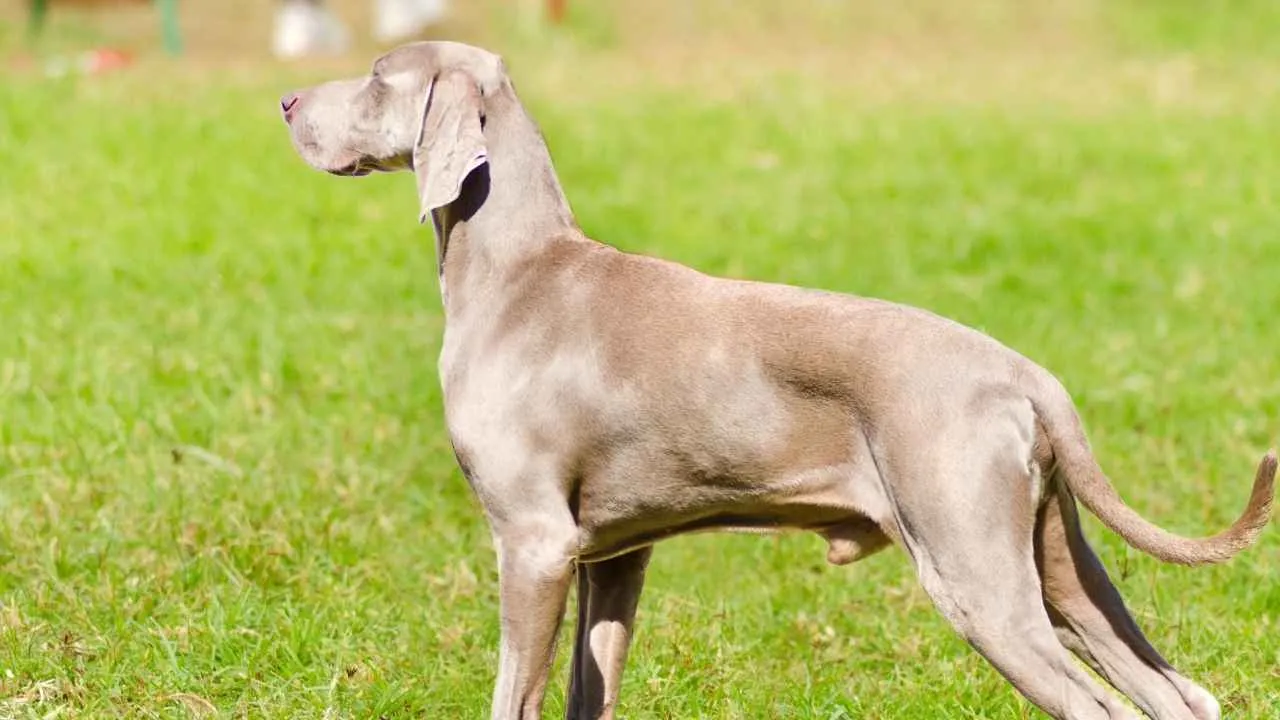
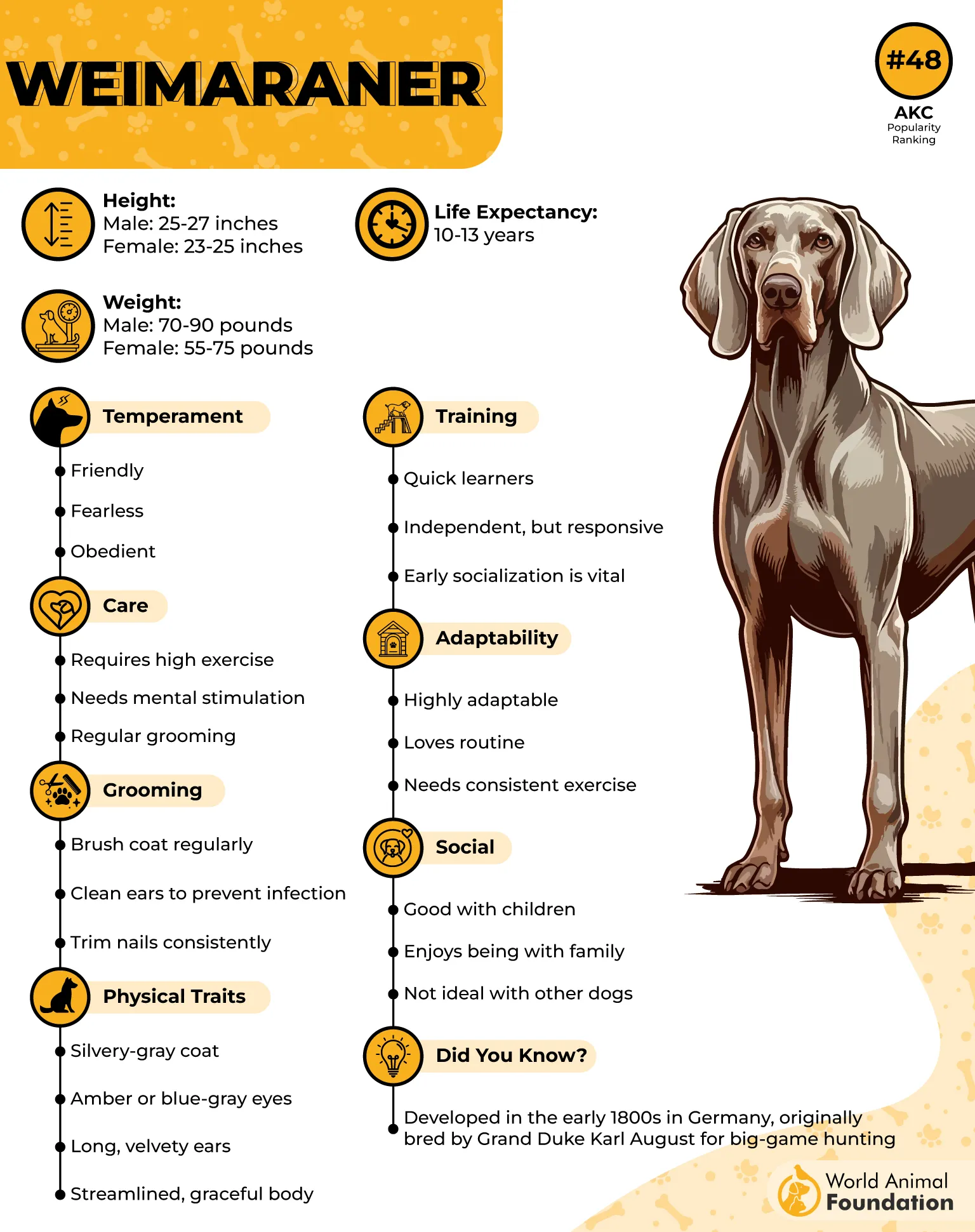
Weimaraner originated in 19th-century Germany as an all-purpose gun dog capable of pursuing game as large as deer and bear. Bloodhounds, Schweisshunds, and pointer breeds were among the dogs used in shaping the breed known today, contributing to its versatile hunting abilities.
A Serious Pursuer
Weimaraners have a strong instinct to chase anything that suddenly speeds away, from squirrels and rabbits to cats, small dogs, joggers, and bicycles. That response is deeply instinctive, so secure leashes and fenced areas are important parts of managing daily outings.
A few situations can quickly trigger that pursuit:
They love their humans to be around
Puppies need to be socialized well with other dogs
Love interactive toys and games
Energy With a Purpose
This high prey drive dog needs rigorous activity and plenty of outdoor time to avoid boredom-related destruction, especially when left alone. Its large size and high energy can also make interactions with young children overly boisterous, while early, ongoing training helps with behaviors such as jumping.
6. Jack Russell Terrier
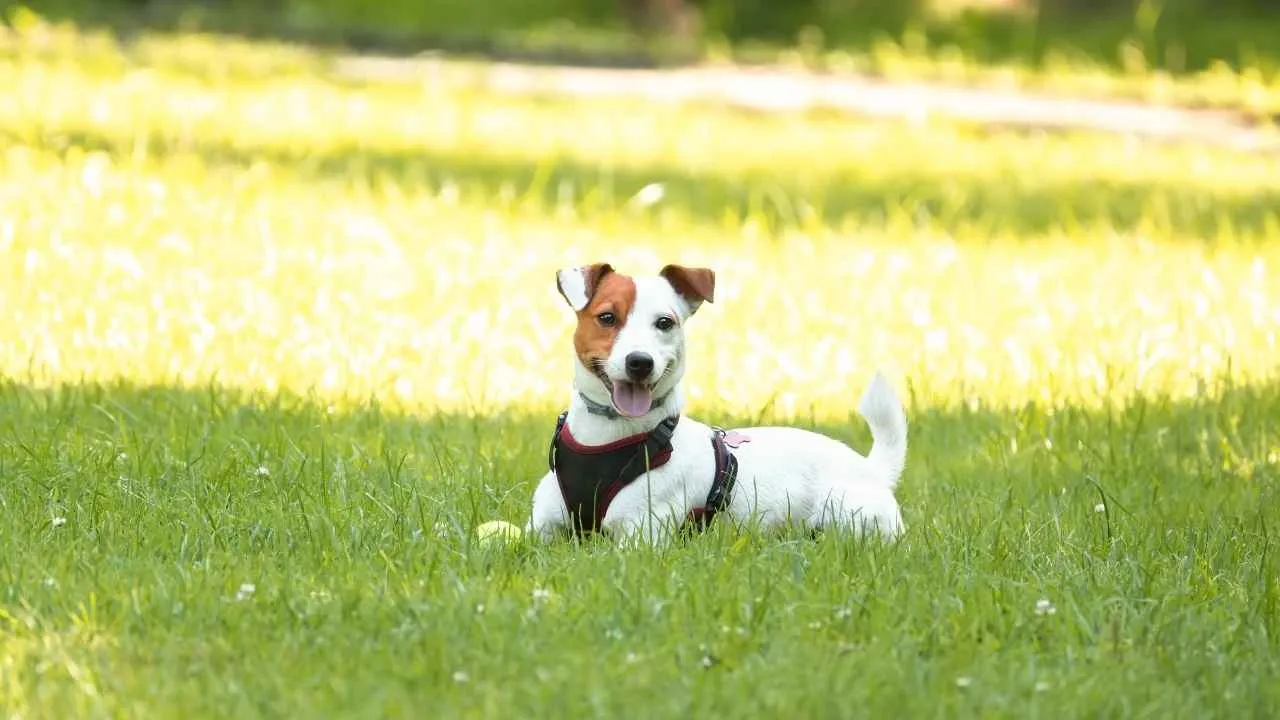
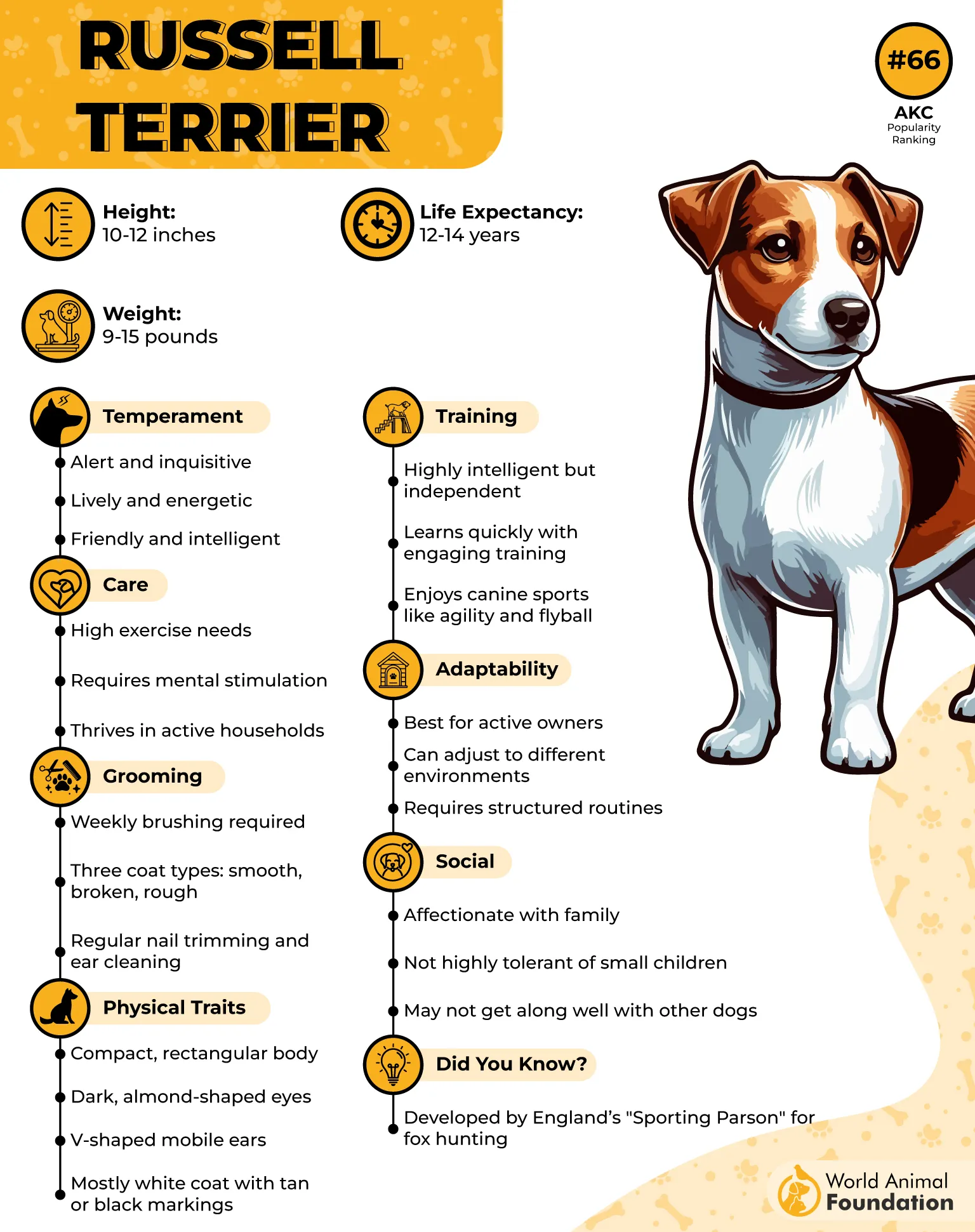
Jack Russell Terrier was bred in England for fox work in the early 1800s, taking its name from Reverend John Russell, who established a respected strain of working terriers. Its job was to flush foxes from cover with persistent barking while leaving the quarry alive.
Three-Way Detection
This terrier breed can lock onto prey through movement, sound, and scent, giving its hunting instinct several ways to switch on. Birds, squirrels, rabbits, cats, and even bicycles or lawnmowers can trigger a chase when something catches its attention.
Three details make that instinct especially intense:
Rapid shaking response after catching small pre
Underground pursuit through narrow dens
Strong digging drive toward hidden vermin
A Vocal Worker
Jack Russell Terrier is a baying terrier, so its voice is part of the way it works, while its alert nature also makes it useful as a household watchdog. Its assertive temperament can create tension with unfamiliar dogs and other animals, particularly when its chase instinct takes over.
7. Beagle
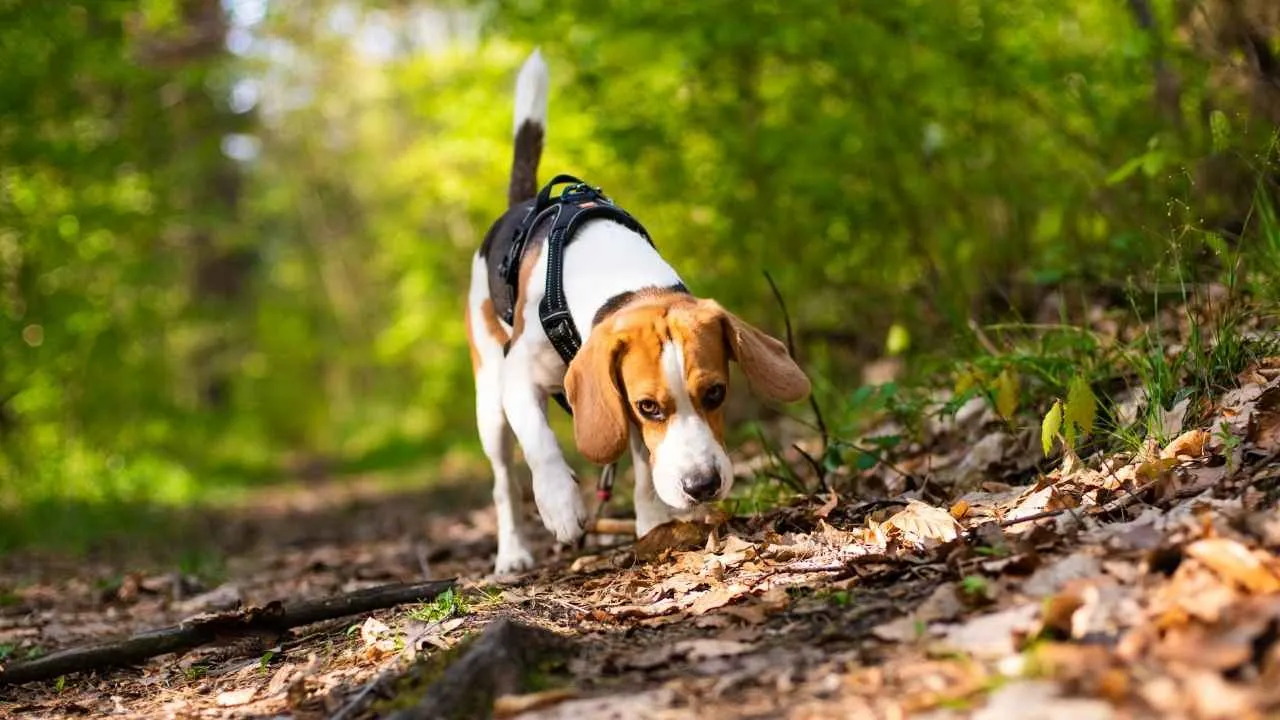
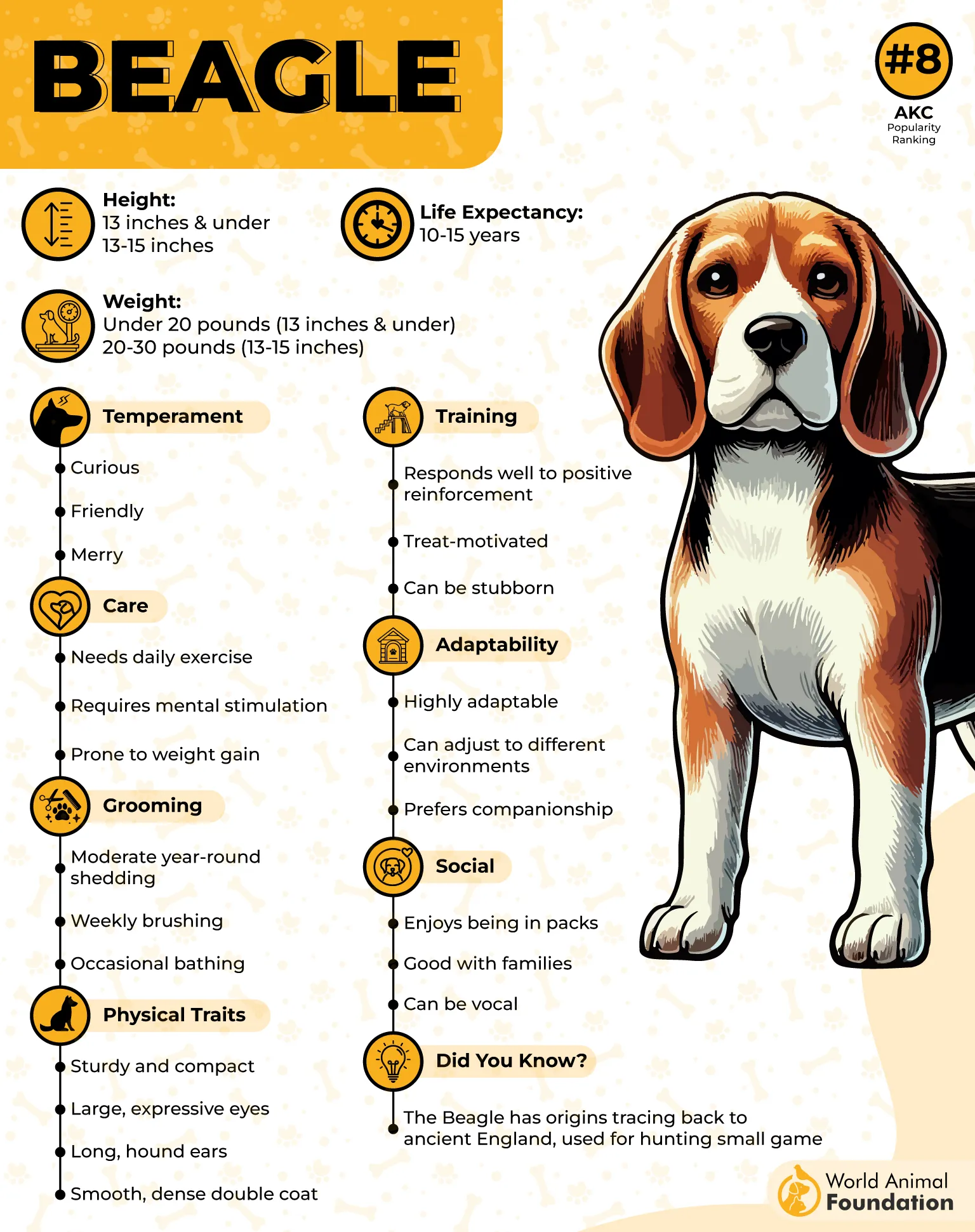
Beagle emerged in the English countryside during the 1830s from several hound lines, including the North Country Beagle, Talbot Hound, Southern Hound, and Harrier. Bred for hare hunting, this compact scent hound relied heavily on its keen nose and precise tracking ability.
Scent Takes Over
They can follow a scent across long distances, sometimes becoming so focused on a fresh trail that human instructions fade into the background. Its hunting work also involved both pack pursuits and independent tracking, giving it a strong tendency to follow an intriguing scent on its own.
These traits make that instinct especially important:
Pursues cats, squirrels, and birds
Excels in agility classes and nose work games
Needs secure fencing or a leash outdoors
Determined by Nature
Beagle brings plenty of curiosity and determination into daily life, while training can become tricky when an interesting smell captures its attention. Short, positive sessions with food rewards can help, while scent work and tracking activities give its nose a productive job.
Conclusion
Living with a dog that has strong prey drive means paying attention to what can trigger pursuit. A rabbit, cat, bird, bicycle, or moving person may quickly become more interesting than anything happening nearby. Leash control and secure fencing are important for safety, while recall training should be practiced in safe, controlled settings where the dog learns to respond reliably.
Pet parents should also consider smaller pets, wildlife, exercise needs, and how much supervision they can provide outdoors. Scent work, tracking, retrieving, and interactive games can give these prey instincts a productive outlet. Clear boundaries and consistent training can make daily life safer without ignoring the natural behaviors that shape the dog or turning every outing into a challenge.
