




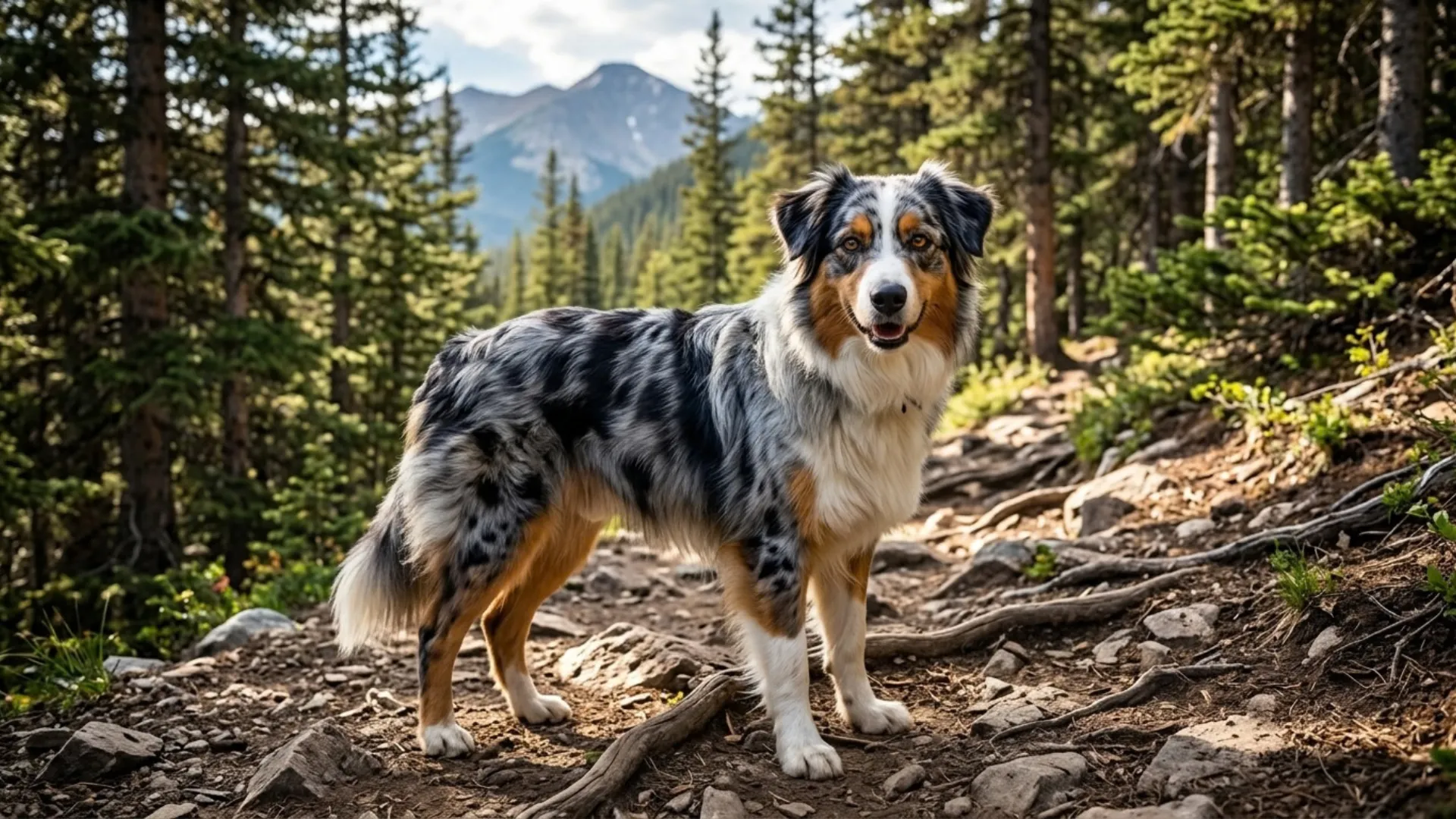
Wilderness adventures demand more from a dog than simple enthusiasm for going outside. Uneven trails, changing weather, long distances, unfamiliar terrain, and hours of exploration can challenge both body and mind. Breeds with stamina, agility, responsiveness, and a strong appetite for activity can be especially well suited to this kind of outdoor lifestyle.
An intriguing fact about several dogs featured here is that their working histories were shaped by remarkably different landscapes. These backgrounds gave them physical abilities and instincts that remain noticeable in modern companions.
Even highly athletic dogs need preparation before tackling demanding trails. Fitness should be developed gradually, while weather, terrain, paw condition, hydration, and the dog’s individual limits deserve attention. A breed may have impressive working credentials, but the right wilderness companion is ultimately one whose energy level, temperament, and physical abilities match the adventure.
Exceptional Dog Breeds for Wilderness Adventures
1. Australian Cattle Dog
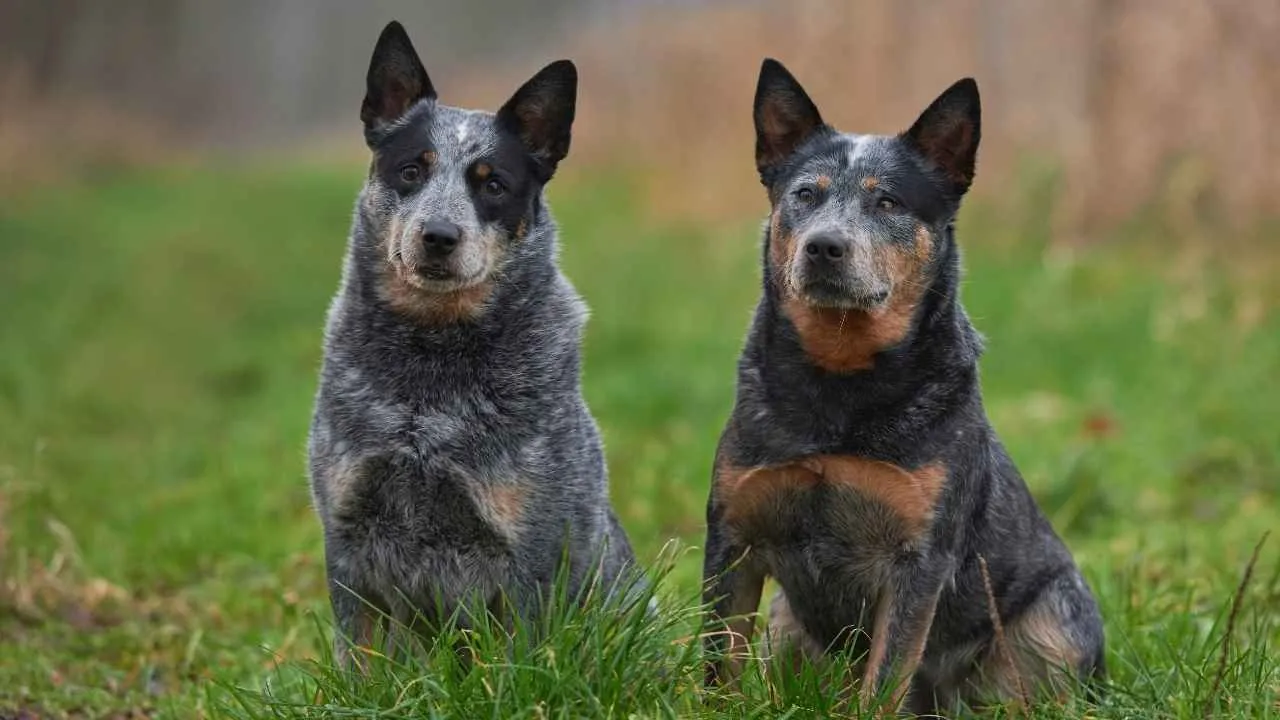
The Australian Cattle Dog was developed in Australia to help ranchers manage cattle across expansive properties.
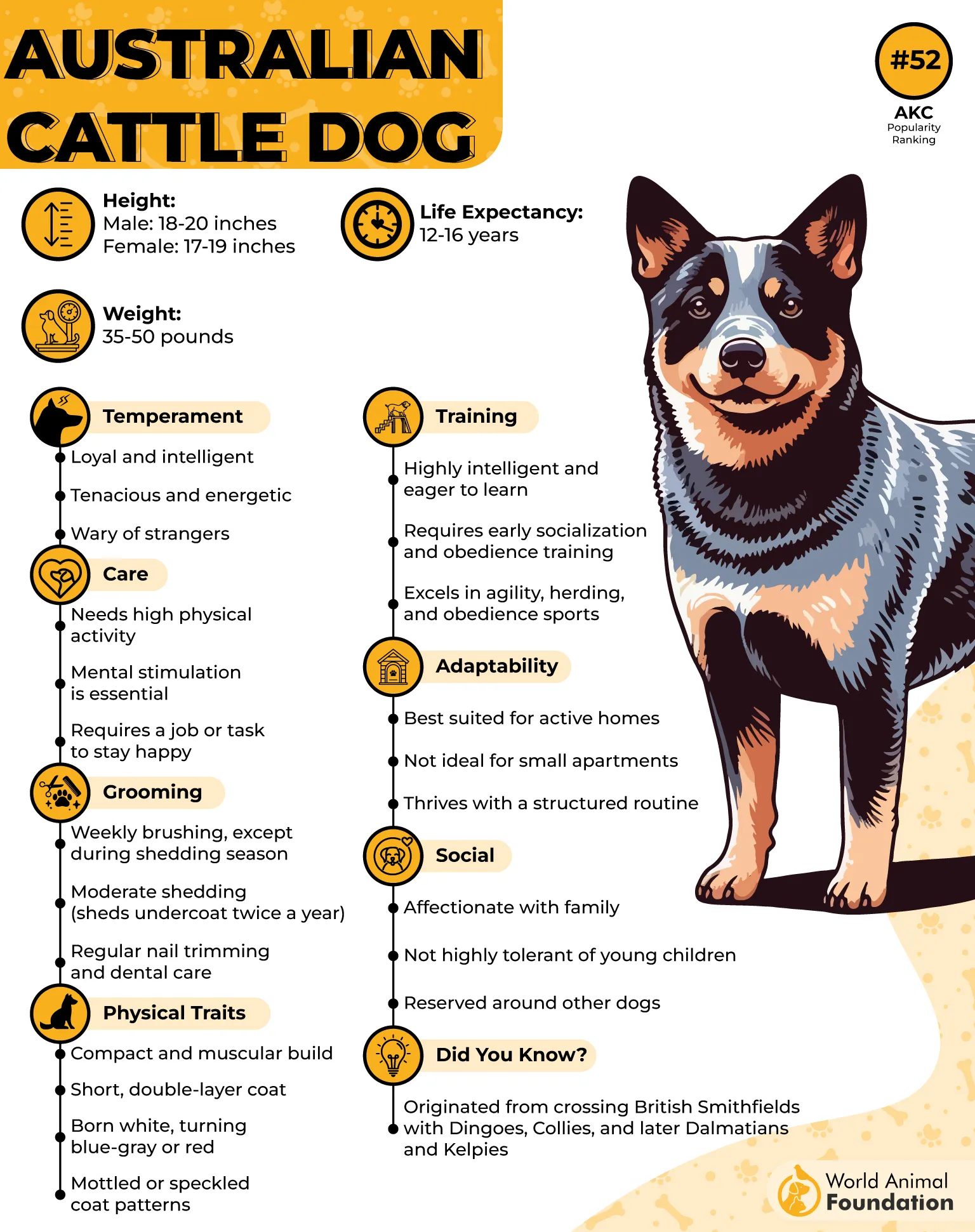
Early breeders combined imported herding dogs with native Dingoes and other working breeds to create a durable cattle-moving dog. The resulting breed was capable of handling heat, distance, and challenging terrain while remaining responsive to its handler.
A Low-Maintenance Coat for Active Days
The Australian Cattle Dog has a short, weather-resistant double coat that generally needs only routine brushing. More frequent grooming can be useful during shedding periods.
Its exercise requirements are substantial, and long walks, hiking, running, structured games, and training activities can provide the physical and mental workload this energetic breed craves.
Built for Rugged Exploration
Endurance is one of the Australian Cattle Dog’s defining qualities. Its ranching background required it to cover considerable distances while moving livestock through demanding surroundings.
On wilderness outings, its stamina, agility, and attentiveness can be valuable, although reliable recall and leash training are particularly important in remote environments.
2. Australian Shepherd
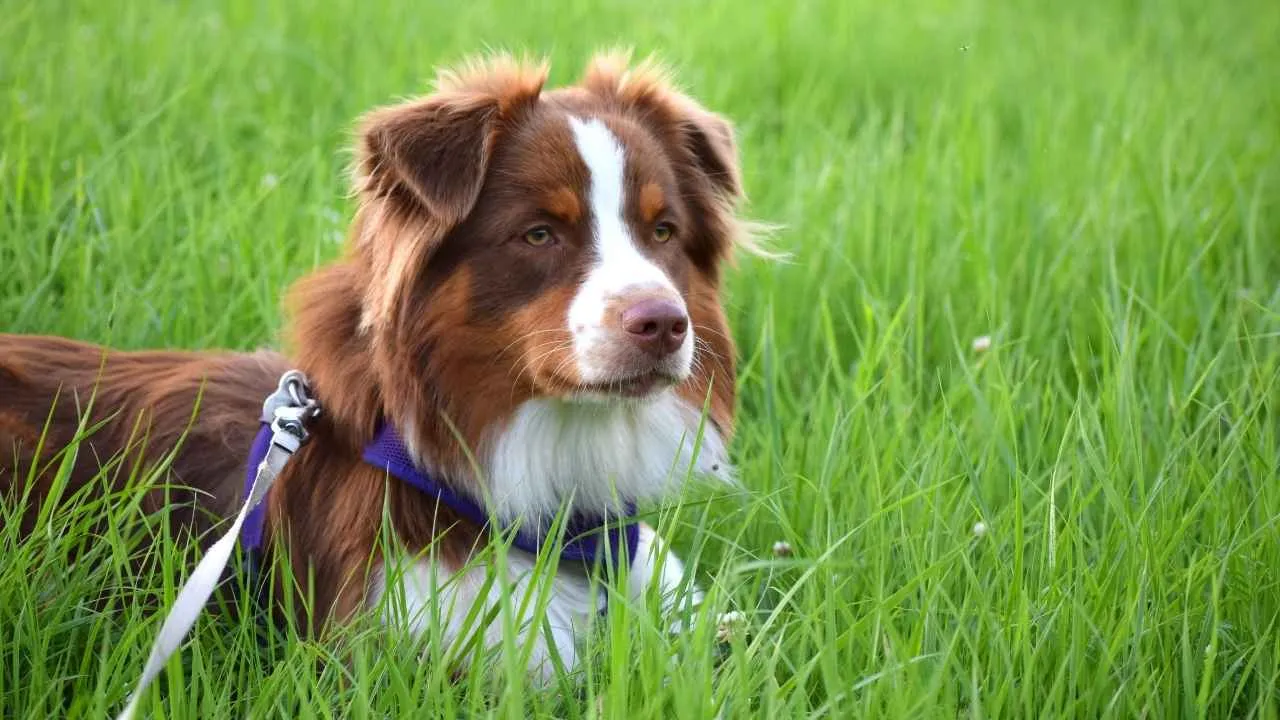
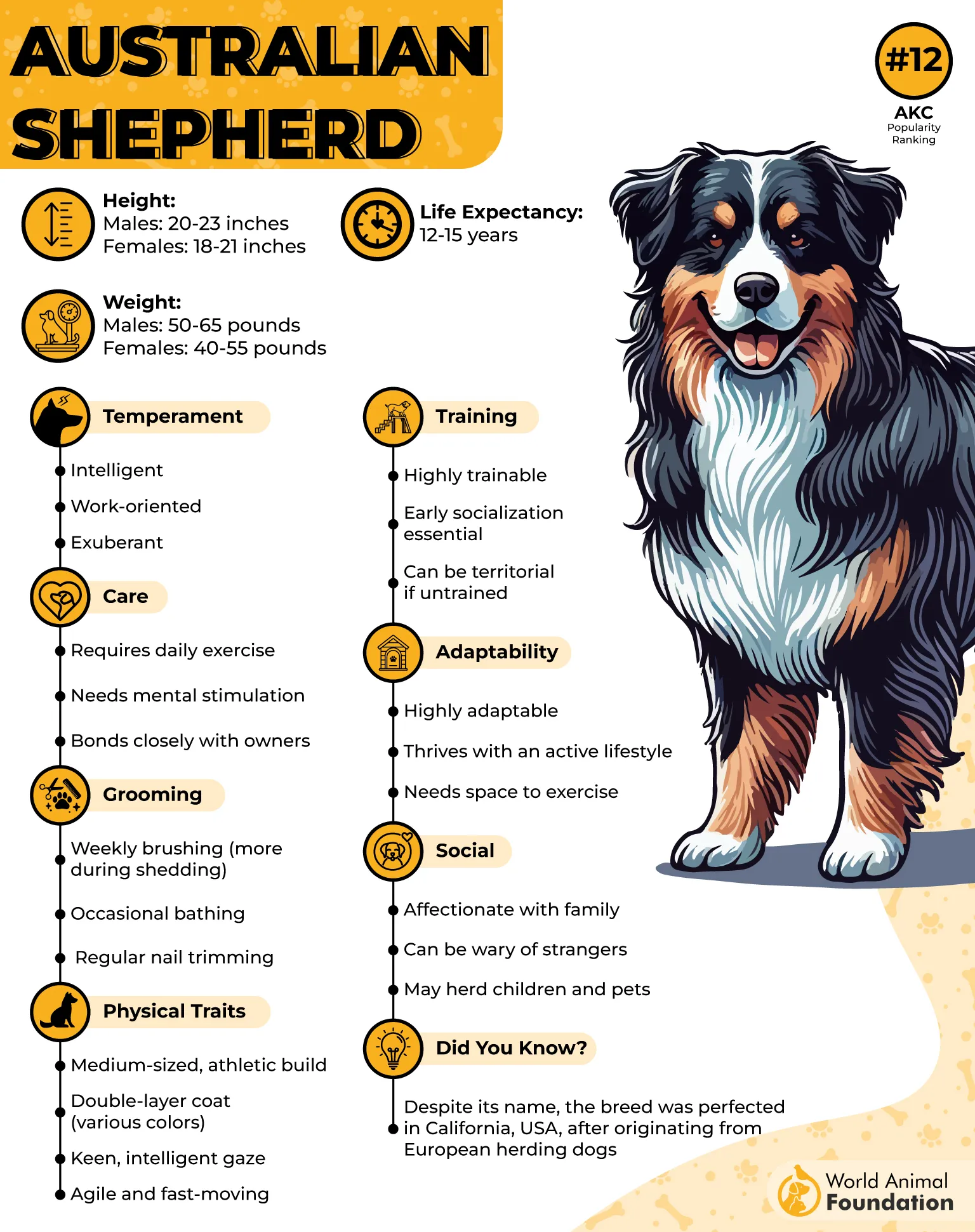
Despite its name, the Australian Shepherd was developed primarily in the United States. Its history became closely connected with ranching communities in the American West, where versatile herding dogs were needed to manage livestock, as per the AKC. Selective breeding favored intelligence, athleticism, responsiveness, and an eagerness to work alongside people.
A Medium-Length Coat With Seasonal Shedding
The Australian Shepherd has a medium-length double coat that benefits from regular brushing. Shedding can increase considerably during seasonal coat changes, making additional grooming useful at those times. This is a high-energy breed that benefits from vigorous walks, hiking, running, training, and activities that require problem-solving.
An Agile Partner on Varied Trails
Australian Shepherds are known for their responsiveness and athletic movement. Their herding background encouraged them to pay close attention to their handlers while navigating changing environments.
They can enjoy challenging outdoor excursions, particularly when those outings combine physical movement with opportunities to explore and engage with their owners.
3. Border Collie
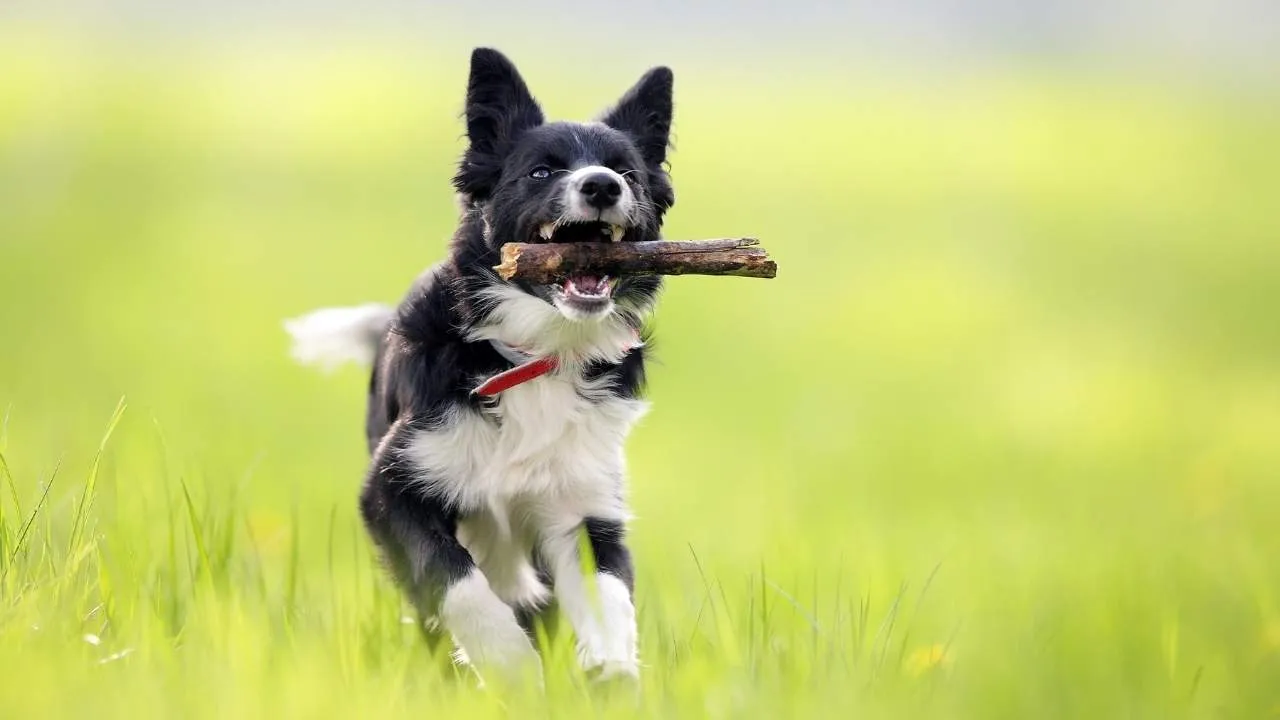
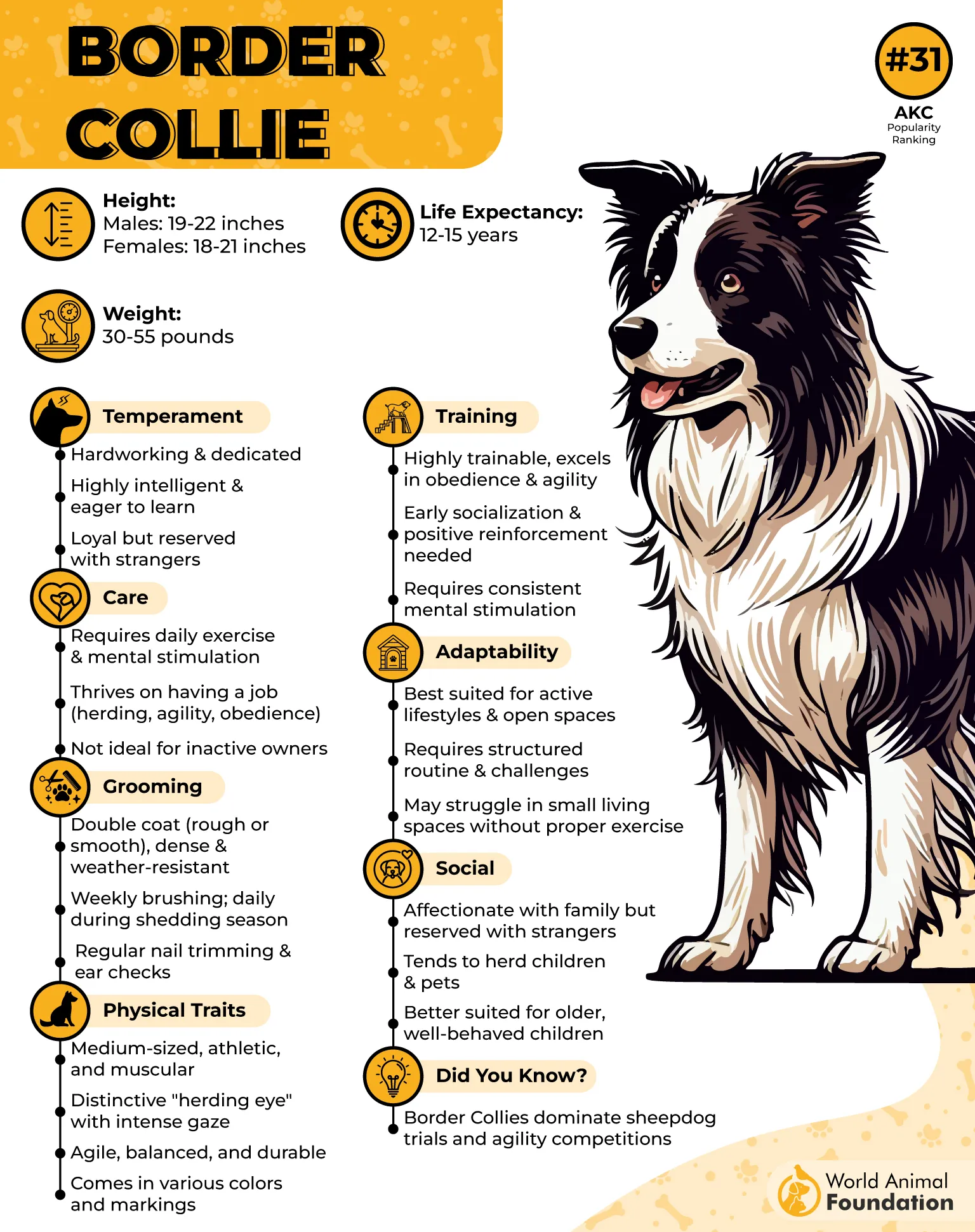
The Border Collie developed along the border region between England and Scotland, where shepherds needed exceptionally capable dogs for managing sheep, as per Modern Dog Magazine. Dogs were selected for their intelligence, stamina, responsiveness, and ability to control livestock through focused movement and eye contact.
A Coat That Comes in Two Main Types
Border Collies may have either a rougher medium-length coat or a smoother variety. Both benefit from regular brushing to remove loose hair and outdoor debris.
Their activity requirements are considerable, and hiking, running, agility exercises, advanced obedience, and interactive games can help meet both their physical and cognitive needs.
A Brilliant Mind for the Backcountry
The Border Collie’s intelligence is especially useful during wilderness activities because it tends to remain highly responsive to its handler.
Its athletic build allows it to negotiate varied ground with ease, while its eagerness to learn can make trail manners and directional commands easier to establish. Mental stimulation remains just as important as physical mileage.
4. Siberian Husky
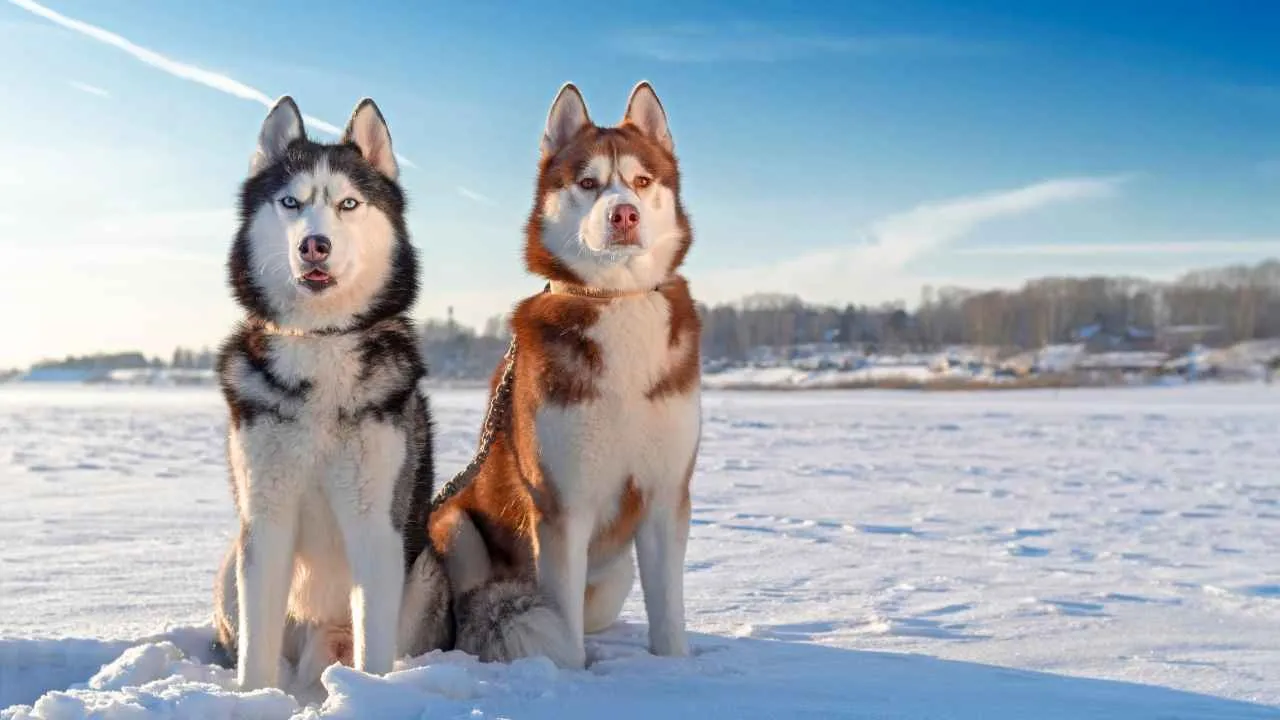
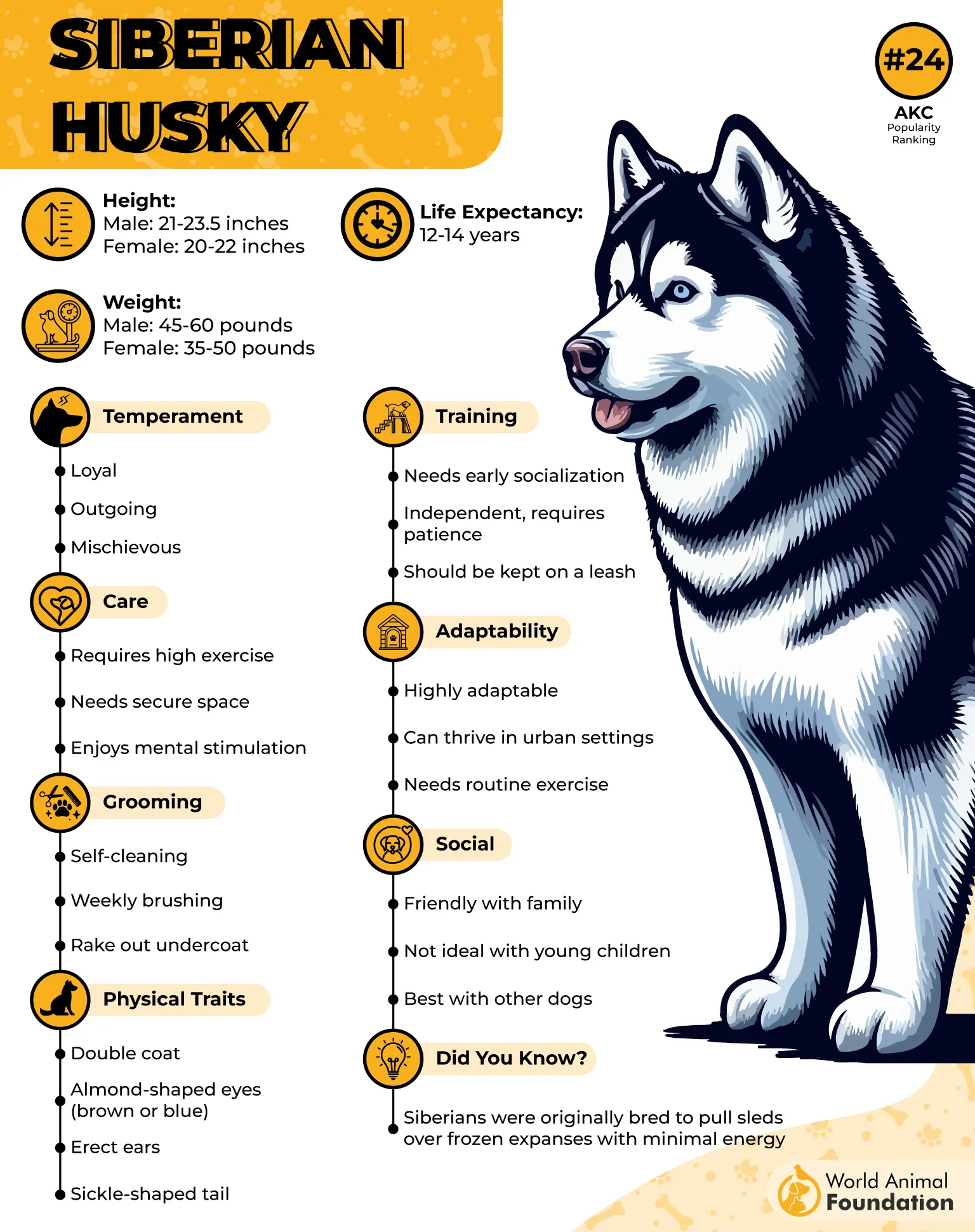
The Siberian Husky was developed by the Chukchi people of northeastern Siberia, who relied on these dogs for pulling sleds and helping transport people and supplies across frozen landscapes.
The breed was selected for endurance and efficient movement rather than brute strength alone. Its Arctic heritage remains visible in its coat, structure, and remarkable stamina.
A Double Coat Designed for Cold Weather
The Siberian Husky has a dense double coat that provides insulation in cold conditions. Regular brushing helps manage loose fur, with heavy shedding periods requiring considerably more attention.
It is an exceptionally active breed that thrives on running, hiking, pulling sports, and other forms of sustained exercise, particularly in suitable cool weather.
An Endurance Specialist for Long Routes
Few companion breeds have a working history as closely tied to long-distance travel as the Siberian Husky.
Sled work demanded economical movement over extended distances, helping shape its impressive stamina. Owners should remember that this same endurance can make a Husky difficult to tire and that secure containment and dependable recall are essential.
5. German Shorthaired Pointer
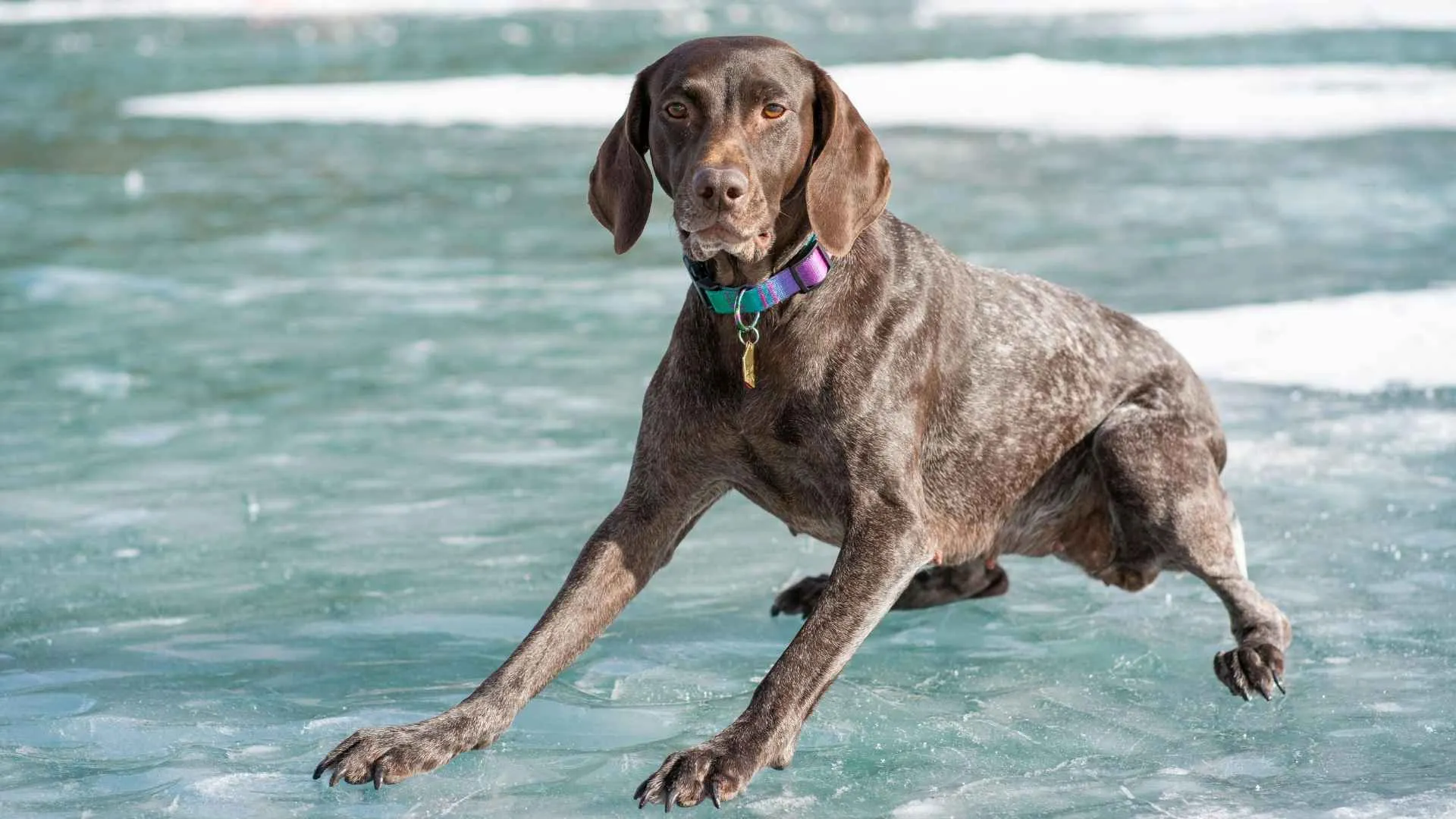
The German Shorthaired Pointer was developed in Germany as a versatile hunting dog capable of working across different types of terrain.
Breeders combined several hunting and pointing dogs to produce an adaptable field companion that could locate game, point, retrieve, and work around water. Its versatility became central to the breed’s identity.
A Short Coat With Straightforward Care
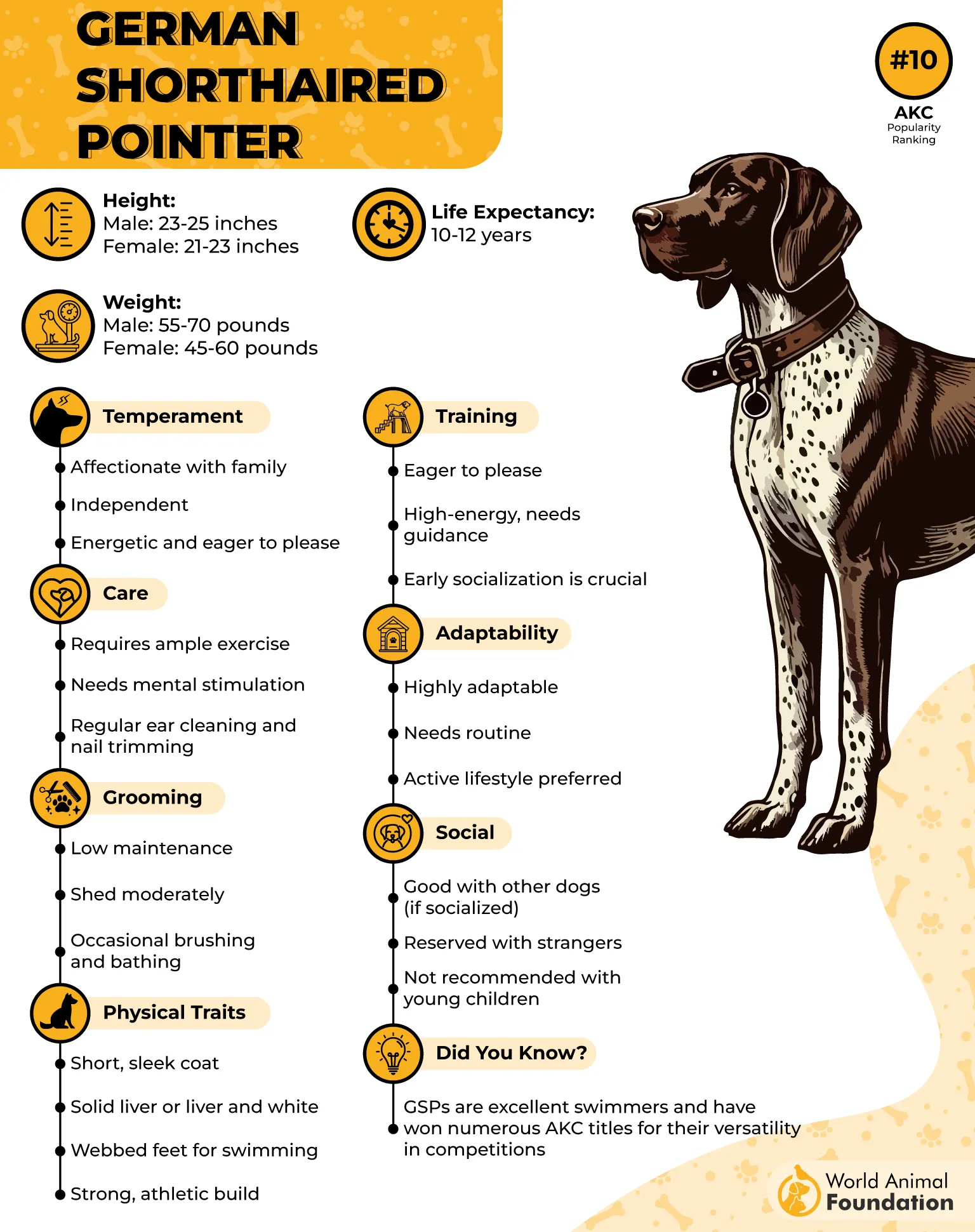
The German Shorthaired Pointer’s short coat is easy to maintain and typically needs only occasional brushing. Its active lifestyle can mean that paws, ears, and the coat should be checked after outings, particularly following work through rough vegetation or water. Exercise requirements are high, with long walks, running, swimming, hiking, and retrieving activities being suitable outlets.
A Versatile Athlete for Remote Terrain
The German Shorthaired Pointer combines speed, stamina, and an enthusiasm for exploration. Its hunting background required it to cover ground while remaining attentive to its handler and surroundings.
This combination can make it a strong companion for varied outdoor adventures, provided its substantial need for activity is consistently met.
6. Vizsla
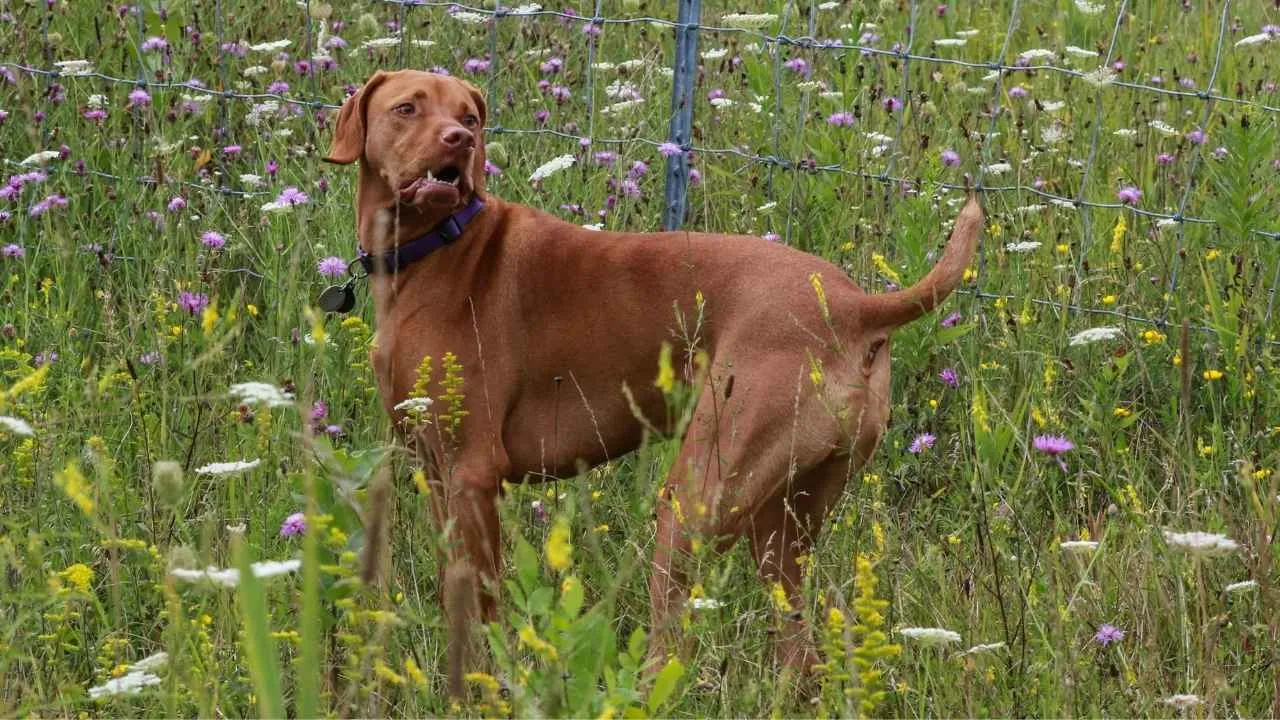
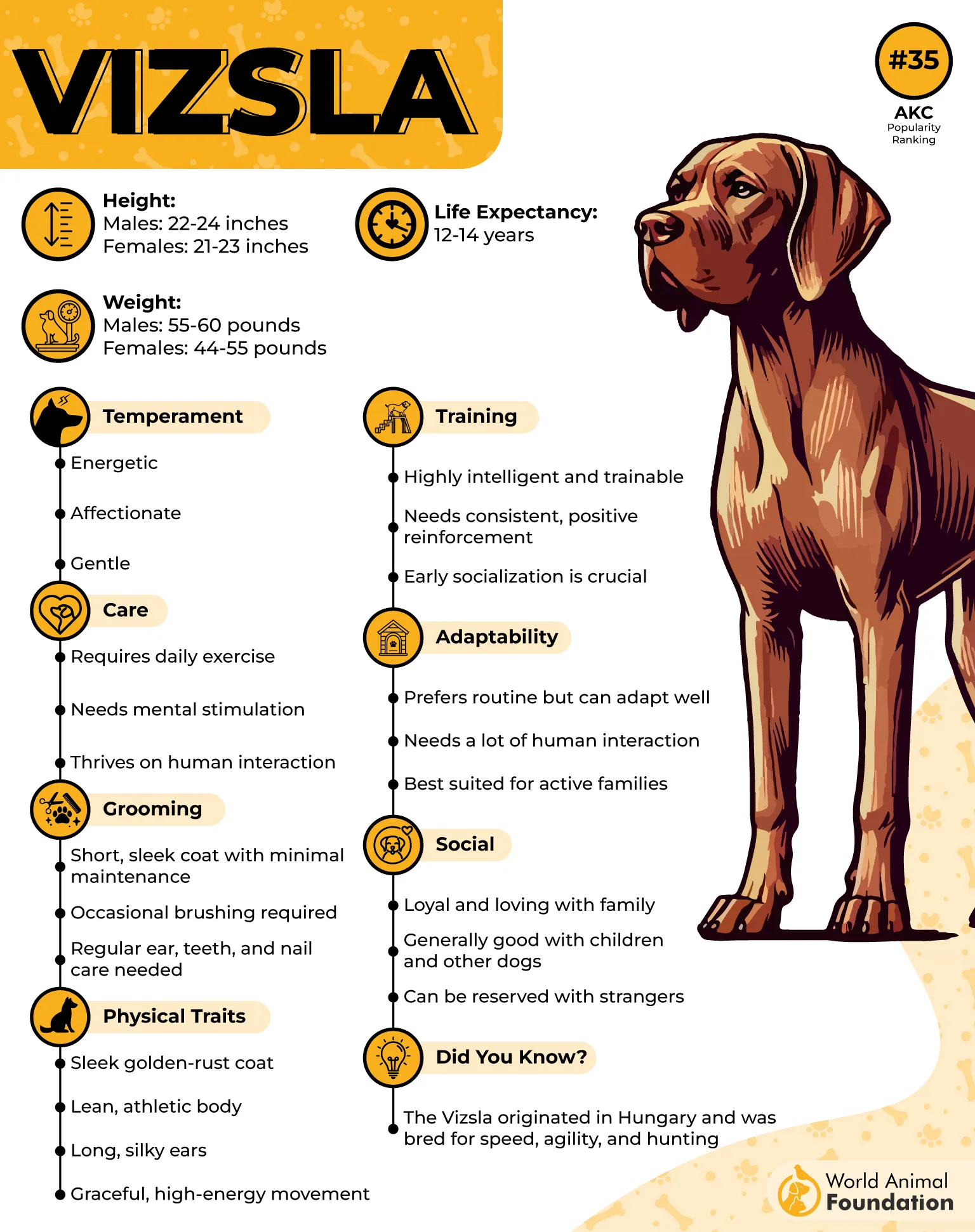
The Vizsla has Hungarian origins and was developed as a versatile hunting dog associated with Magyar sporting traditions. It was valued for locating and pointing game while remaining closely connected to its handler.
Over time, the breed became known for combining athletic ability with an affectionate temperament, creating a dog capable of both demanding field work and close companionship.
A Sleek Coat With Minimal Grooming
The Vizsla’s short, smooth coat is relatively easy to care for and generally requires little more than occasional brushing. After wilderness trips, owners should still inspect the ears, paws, and skin for debris or irritation.
Its energy level is high, making long walks, jogging, hiking, retrieving, and other active pursuits appropriate parts of its routine.
A Fast-Moving Companion That Likes to Stay Close
Vizslas are muscular dogs with considerable endurance, but their people-oriented nature can also make them attentive partners on outdoor excursions.
Their hunting heritage encouraged movement through fields while maintaining awareness of a handler. Structured off-leash work in appropriate secure areas can help develop the responsiveness needed for more challenging adventures.
7. Labrador Retriever
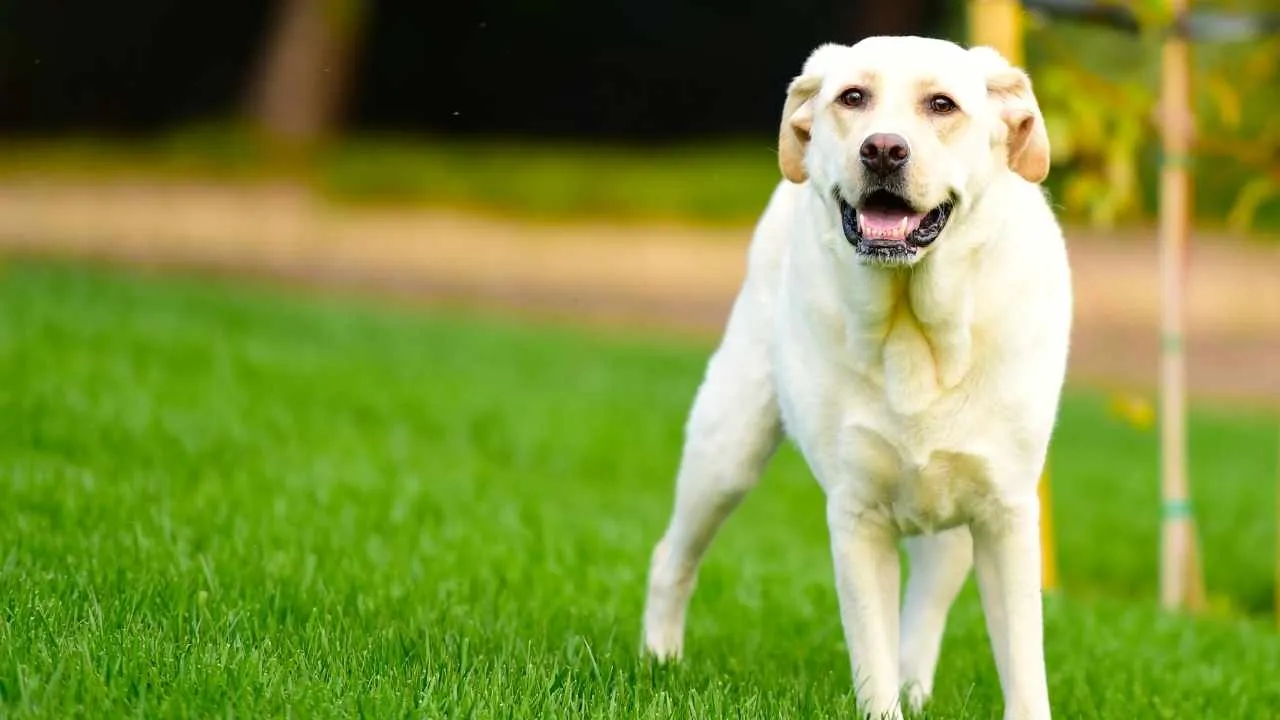
The Labrador Retriever traces its early development to Newfoundland, Canada, where related working dogs assisted fishermen by retrieving nets, lines, and fish from the water.
Later development in Britain refined the breed into the Labrador Retriever recognized today. Its history in both water and field environments contributed to its adaptability and strong retrieving instinct.
A Water-Resistant Coat for Outdoor Excursions
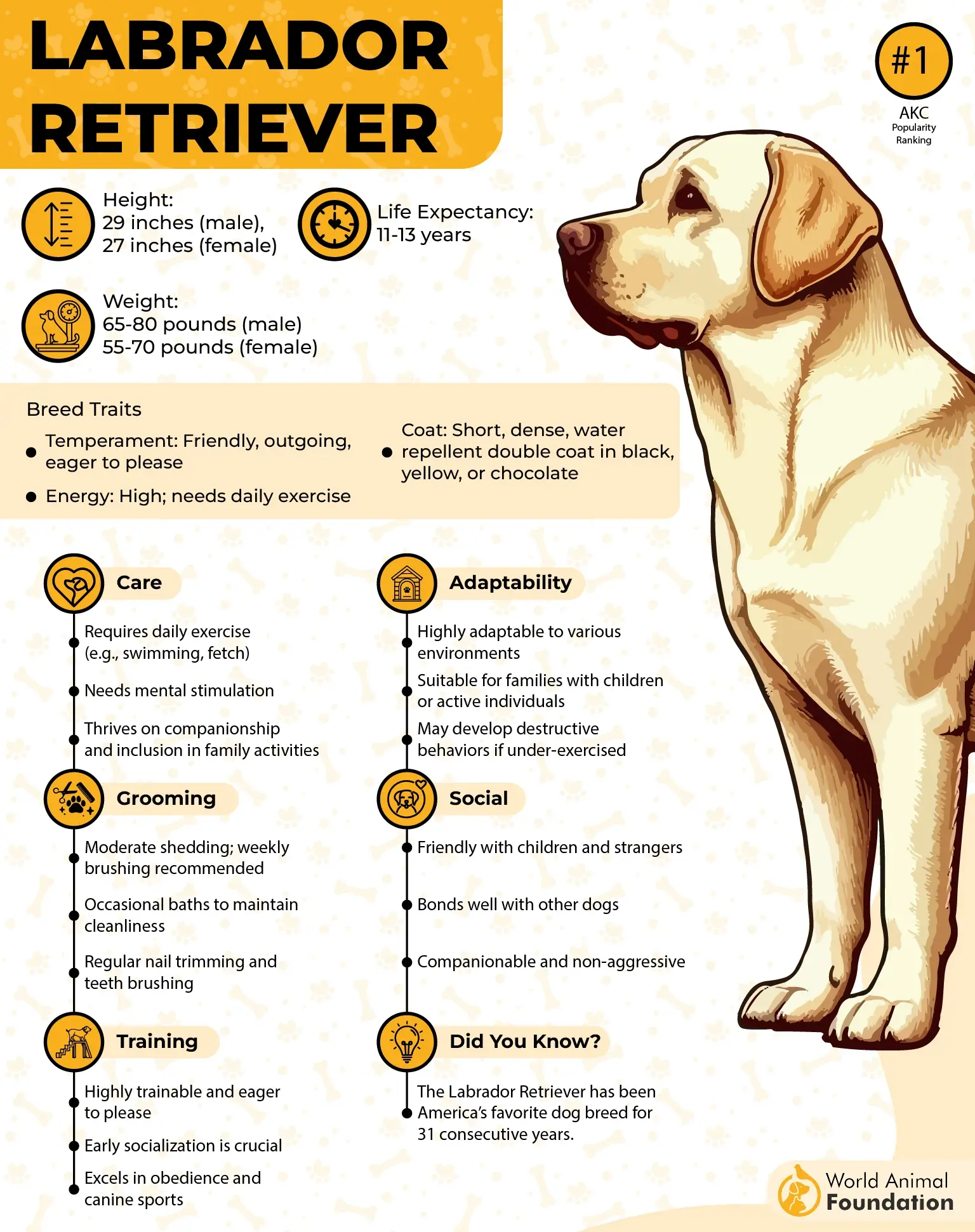
The Labrador Retriever has a short, dense double coat with a water-resistant quality that reflects its working heritage.
Regular brushing helps manage loose hair, particularly during shedding seasons, as per Hill’s Pet. Labs need regular exercise throughout their lives, including hiking, swimming, retrieving games, long walks, and other activities suited to their age and fitness.
An Adaptable Companion for Land and Water
The Labrador’s versatility makes it comfortable participating in many forms of outdoor recreation. Its history involved retrieving in wet environments as well as working closely with people, giving it a useful combination of physical ability and cooperation.
It can accompany hikes, lake trips, camping excursions, and retrieving activities when properly conditioned for the demands involved.
Conclusion
Australian Cattle Dogs, Australian Shepherds, Border Collies, Siberian Huskies, German Shorthaired Pointers, Vizslas, and Labrador Retrievers all bring different qualities to wilderness adventures. Some excel through endurance, others through agility or intelligence, while breeds such as the German Shorthaired Pointer and Labrador Retriever offer versatility across multiple outdoor environments.
Their working histories provide useful clues about what they may enjoy today. Ranch dogs were bred to cover ground and respond to livestock, sled dogs developed extraordinary endurance, and hunting breeds learned to navigate open country while working closely with people. Those inherited characteristics can make active breeds enthusiastic participants in appropriately planned adventures.
Wilderness travel still requires responsible preparation regardless of breed. Building fitness gradually, carrying enough water, protecting paws, checking for ticks or plant material, monitoring weather conditions, and using secure equipment can help make outdoor excursions safer. When a hiking dog’s abilities and conditioning match the terrain and distance, exploring the outdoors can become a rewarding shared experience for both canine and human.
