




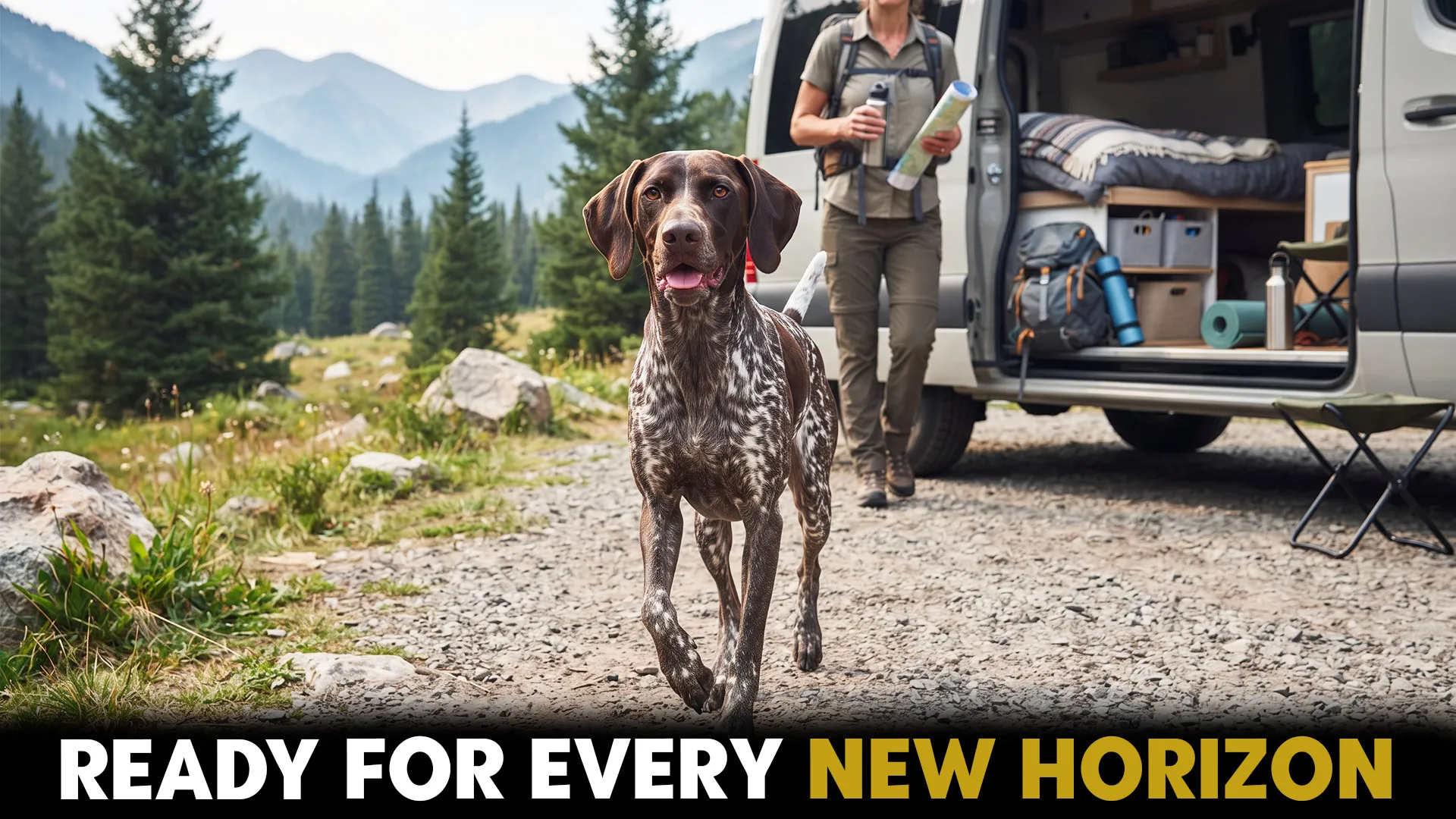
What if your next adventure didn’t have to end when the trail does? For people who love changing scenery, exploring new places, camping under open skies, or simply spending more time outdoors, having a dog that can keep up can make the journey even more enjoyable.
But a nomadic, adventurous lifestyle comes with its own challenges. Long walks, unfamiliar environments, changing weather, rough terrain, and plenty of new sights and smells can be exciting for a dog, but not every breed is comfortable with this kind of routine.
So, how do you find a dog that fits your love for adventure? Start by looking beyond appearance and think about what your everyday life actually involves.
Whether your idea of freedom means hiking through forests, traveling between campsites, exploring rural roads, or spending long days outdoors, the right breed can be a willing and energetic companion wherever the next adventure takes you.
Key Takeaways
See why Siberian Huskies and Alaskan Malamutes thrive on active outdoor adventures.
Discover how Border Collies and Australian Shepherds bring energy, intelligence, and versatility.
Meet Labrador Retrievers and German Shorthaired Pointers built for hiking, swimming, and long days outside.
Learn what to consider about exercise, training, temperament, and grooming before life on the move.
Dog Breeds Choices for a Nomadic, Adventurous Life
1. Siberian Husky
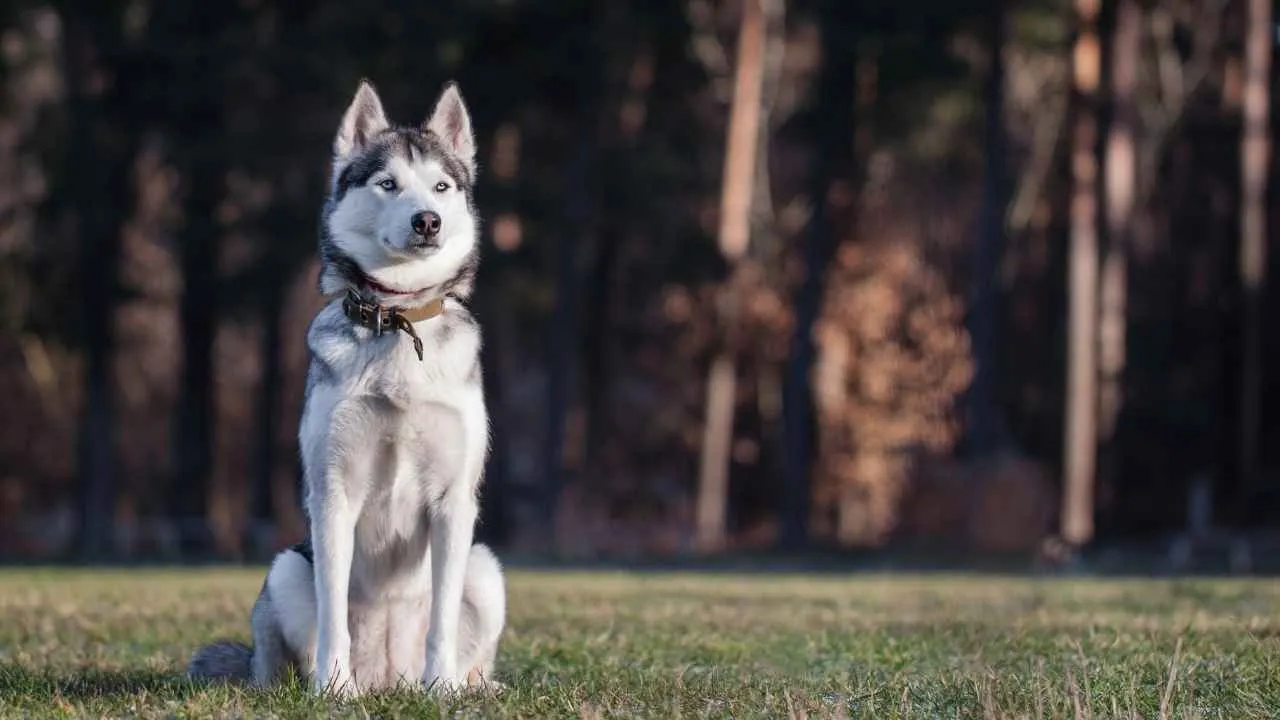
Siberian Huskies are athletic working dogs known for their stamina and love of movement. They were bred by the Chukchi people of northeastern Asia to pull sleds across frozen land, according to Britannica.
Their strength and teamwork later made them famous in Alaska, especially during the 1925 Great Race of Mercy, when sled teams carried life-saving medicine to Nome.
Exercise and Outdoor Life
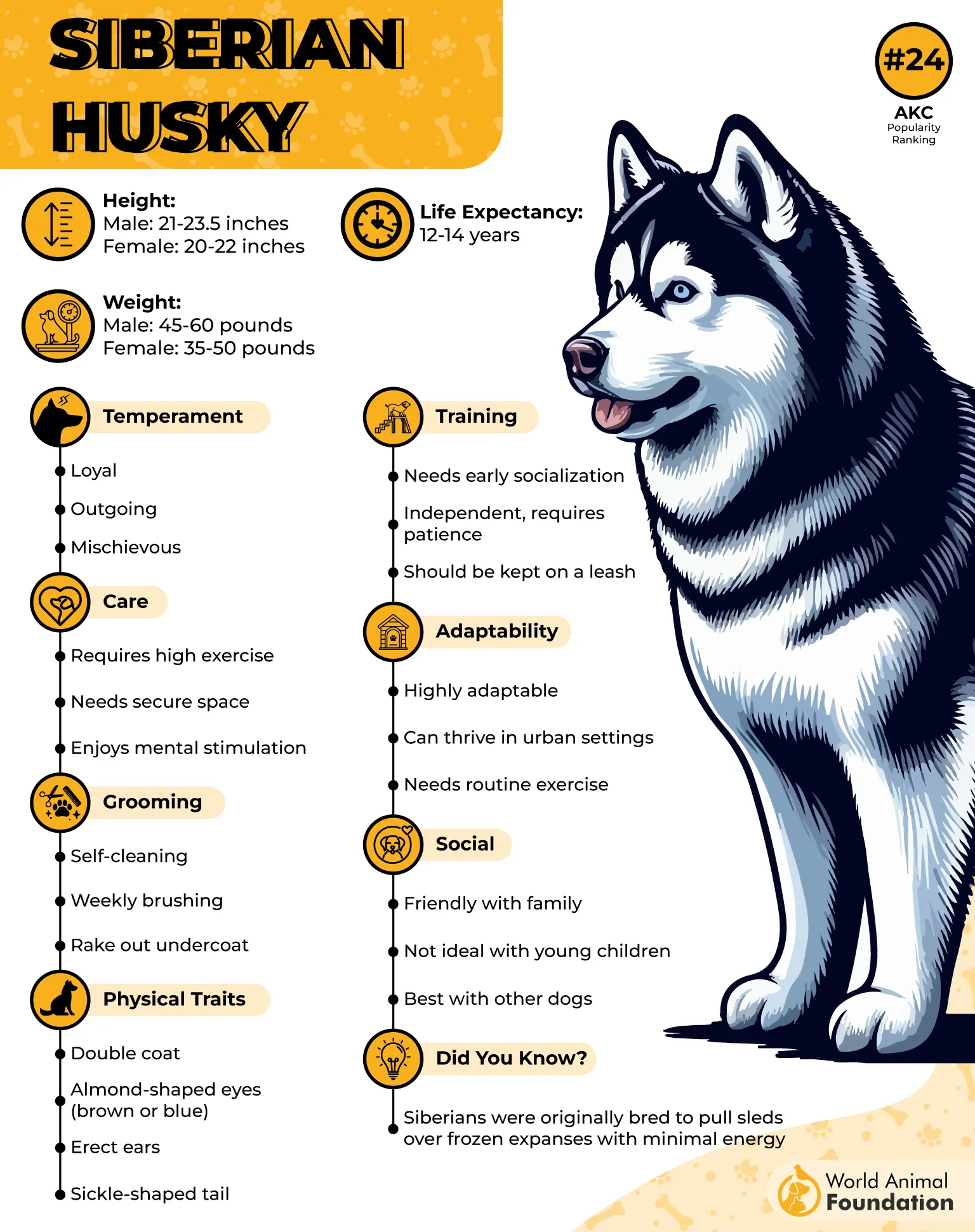
For a nomadic, adventurous life, Siberian Huskies can suit people who enjoy staying active. They thrive on running, hiking, sledding, skijoring, bikejoring, and other activities that keep them moving.
Their dense double coats are well suited to cold weather, but they can overheat in hot conditions. They also need regular mental stimulation to stay content.
Temperament and Everyday Care
Siberian Huskies are intelligent, playful, social, and often mischievous. They are usually friendly with people and other dogs, but their independent nature can make training and recall challenging. They may roam or escape, so secure areas are important.
Their thick coats need regular brushing, especially during heavy shedding seasons, while baths are usually needed only when necessary.
2. Alaskan Malamute
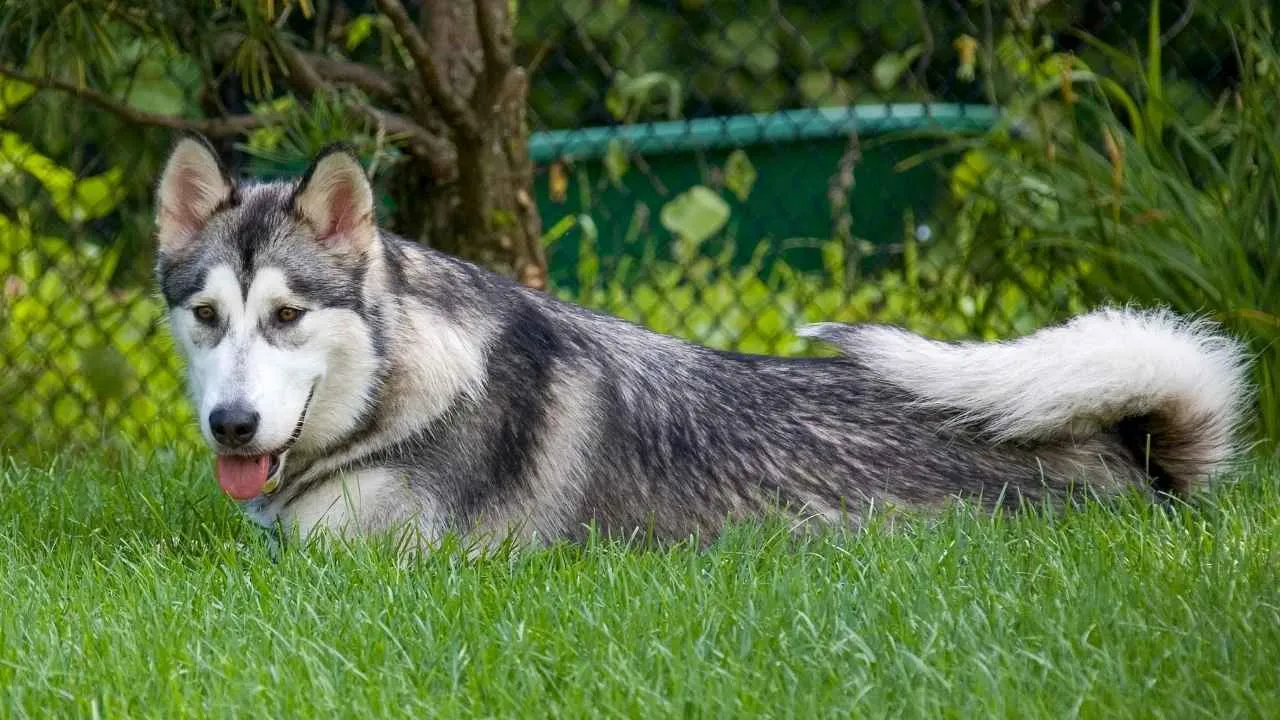
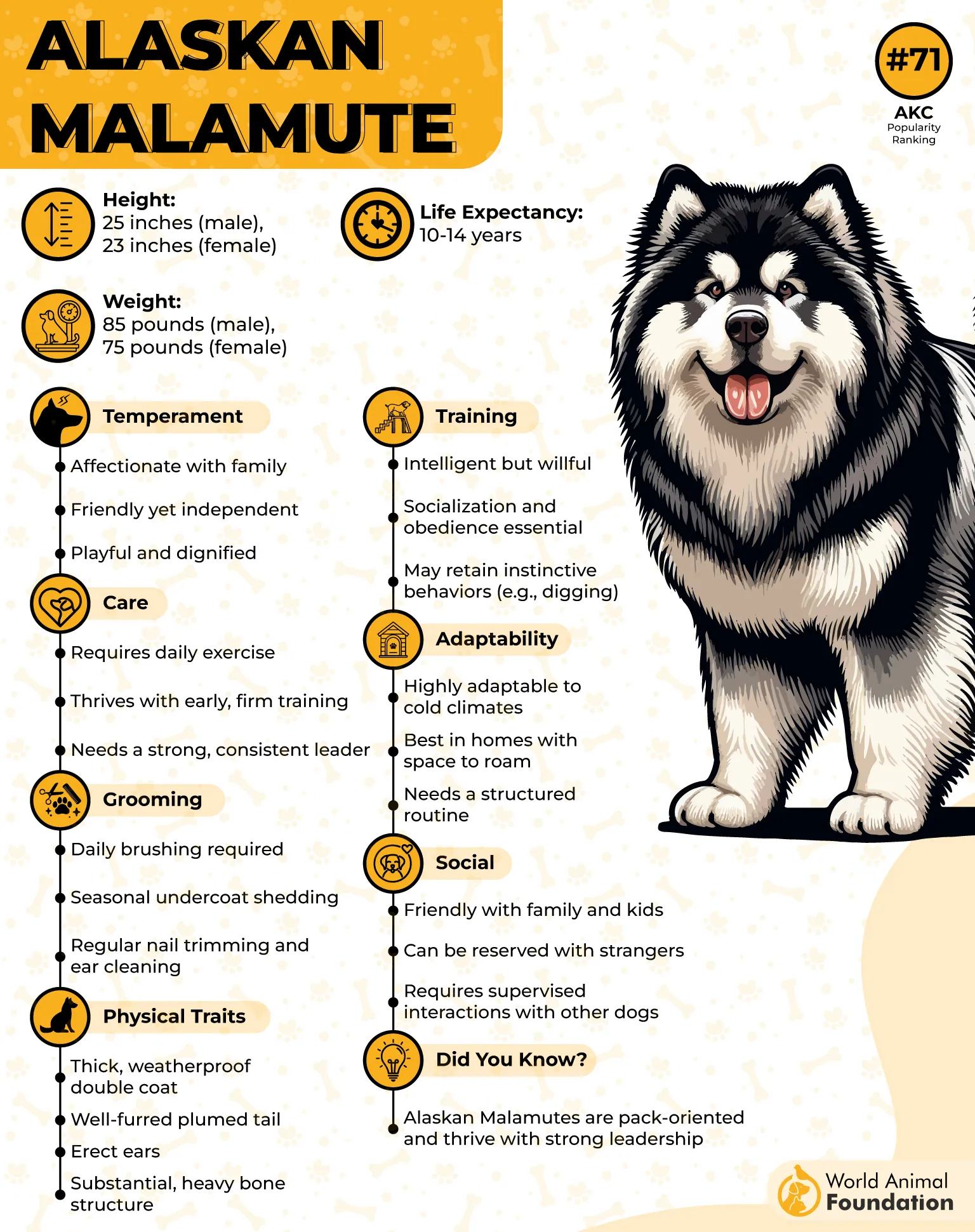
Alaskan Malamutes are athletic, powerful working dogs with a natural love for adventure. They developed alongside the native Mahlemut people of Alaska and were used to hunt, pull heavy loads, and work in harsh conditions.
Their hardworking nature later made them valuable during the Klondike Gold Rush, and they also joined expeditions to Antarctica.
Outdoor Activities and Energy
For a nomadic, adventurous life, Alaskan Malamutes need plenty of activity and time with their people. They enjoy long walks, hiking, running, biking, backpacking, sledding, skijoring, tracking, and pulling activities.
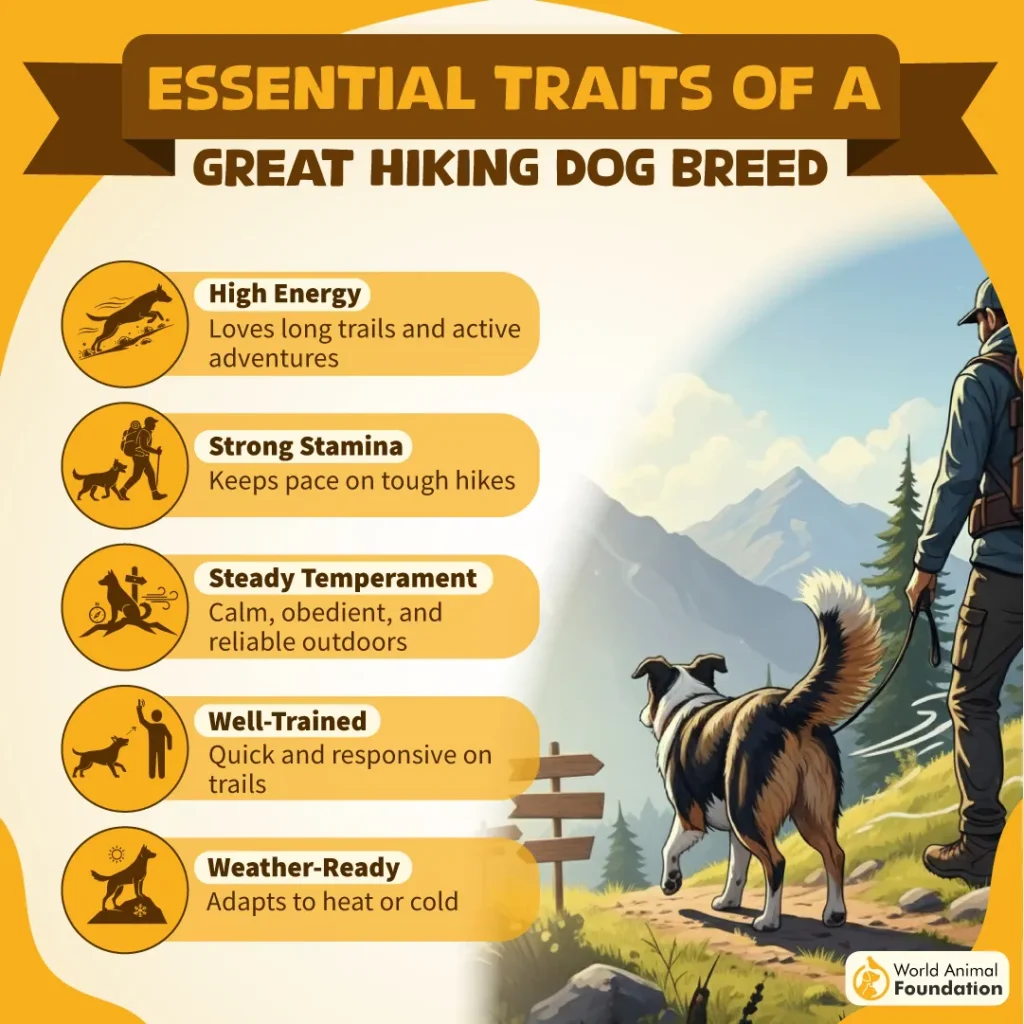
They especially enjoy cold weather, while hot conditions can cause overheating because of their thick double coat. In warmer months, early-morning outdoor activities are more suitable.
Temperament and Training
Alaskan Malamutes are intelligent, spirited, social, and affectionate with their families. They can be strong-willed and stubborn, so positive reinforcement and patient training are important. They are also vocal and may howl or make “woo woo” sounds when they have something to say.
Their problem-solving skills can lead to digging, chewing, or escape attempts when they are bored. Daily brushing is needed to manage their thick coat and heavy shedding.
3. Border Collie
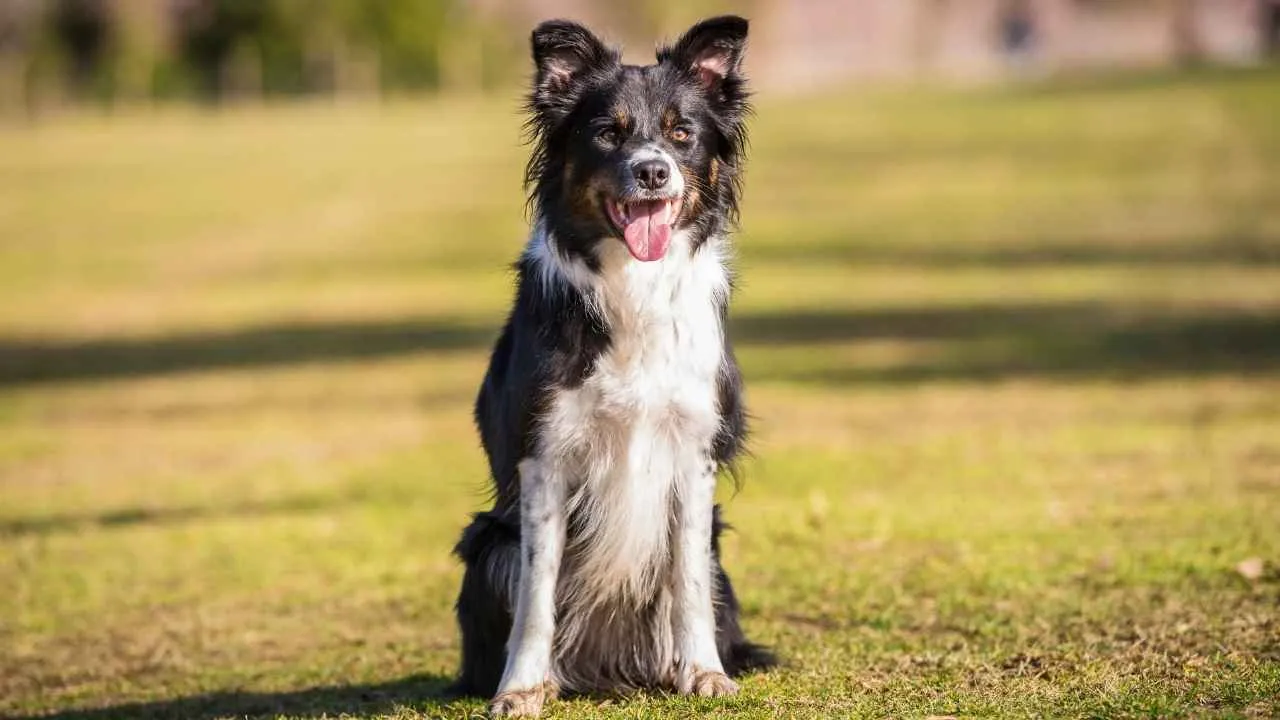
Border Collies are athletic, intelligent working dogs with a strong history of herding livestock in Great Britain. They were developed around the border of England and Scotland and remain true to their roots as hardworking dogs.
Their alert nature, agility, and ready-to-go attitude make them well suited to an active lifestyle that involves plenty of movement and new experiences.
Exercise and Outdoor Activities
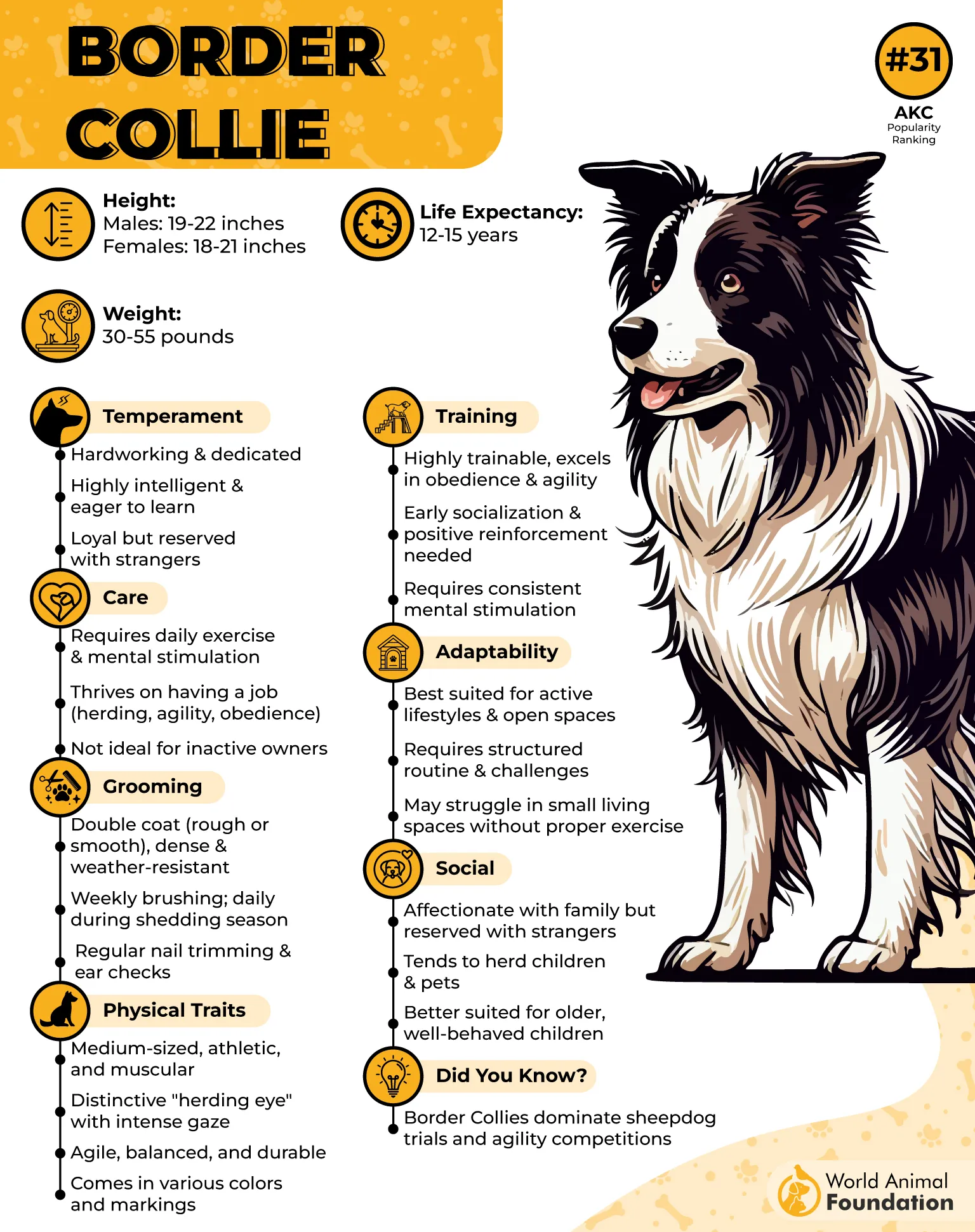
A Border Collie needs a lot of daily activity to stay happy and focused. They need about one to two hours of exercise each day, especially when young. Hiking, running, long walks, Frisbee, fetch, agility, flyball, and herding activities can keep them busy.
For a nomadic lifestyle, it is also important to give them regular mental challenges, as boredom can lead to chewing, digging, chasing, or excessive barking.
Training and Grooming
Border Collies learn quickly and enjoy both basic and advanced training. Positive reinforcement, early socialization, and consistent mental stimulation are important, especially because their herding instincts may lead them to herd children or other pets.
PetMD says they can be reserved with strangers, so exposure to different people, dogs, and situations helps. Their medium-length double coat needs regular brushing to stay free of mats, while their nails, ears, eyes, and teeth should also be checked regularly.
4. German Shorthaired Pointer
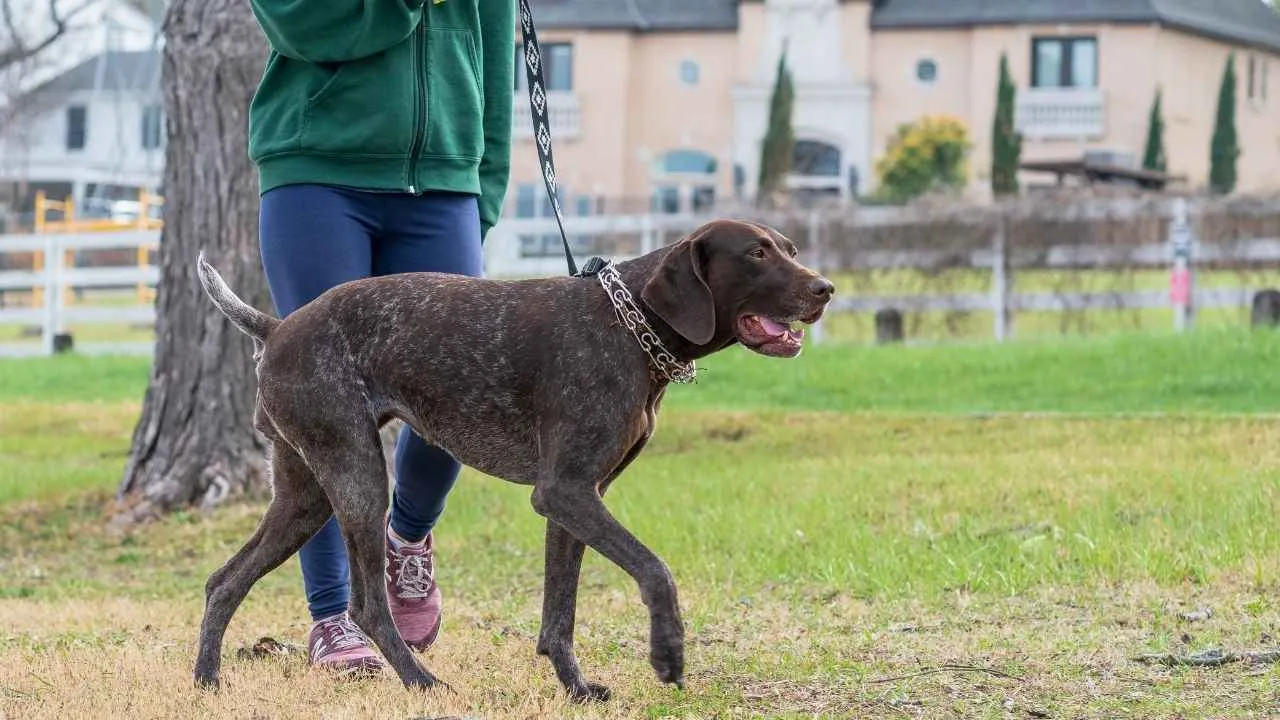
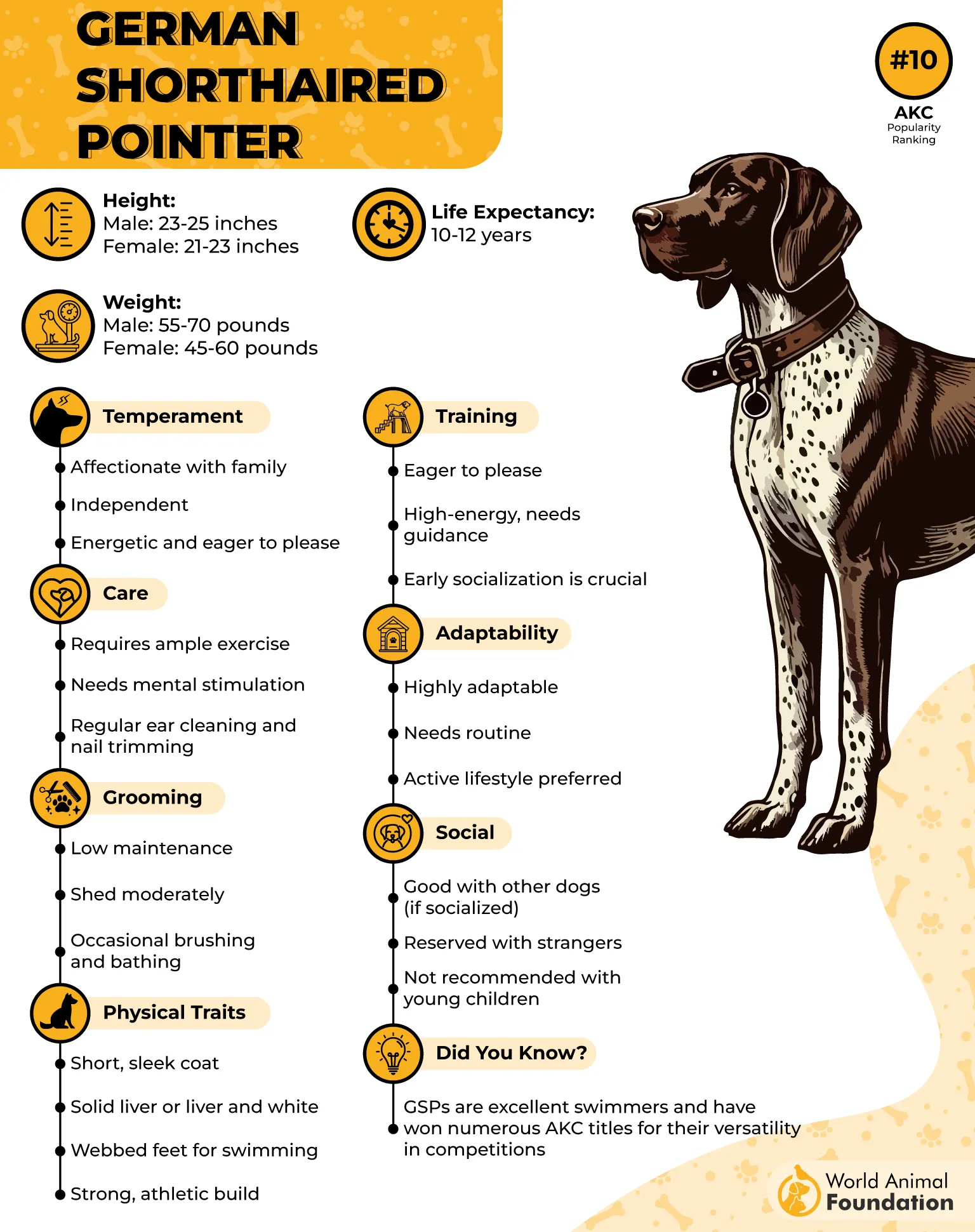
German Shorthaired Pointers are athletic, energetic dogs known for their speed, agility, and endurance. Their roots trace back to 1600s Germany, where they were developed as versatile hunting dogs able to trail mammals and point birds.
Today, they remain adventurous dogs that enjoy exploring, running, and spending active days with their families.
Exercise and Outdoor Activities
A German Shorthaired Pointer needs plenty of daily activity and is well suited to a nomadic lifestyle filled with outdoor adventures. They need about one to two hours of exercise each day, with activities such as running, hiking, swimming, fetch, hunting, and agility.
Their high energy and endurance make them strong companions for long days outside, but they also need mental stimulation to prevent unwanted behaviors. Because they naturally follow interesting scents, they should be kept on a leash or in a secure fenced area when needed.
Training and Grooming
GSPs are intelligent and learn training cues quickly, although their independent nature and outdoor distractions can sometimes make training challenging. Consistent positive training helps, while obedience and agility can provide useful mental work.
They are playful, loyal, and generally good with children and other dogs. Their short, smooth coat is simple to maintain, with weekly brushing helping reduce moderate shedding.
Bathing is only needed every few months or when they get dirty, while their ears need routine cleaning, especially after swimming or bathing.
5. Belgian Malinois
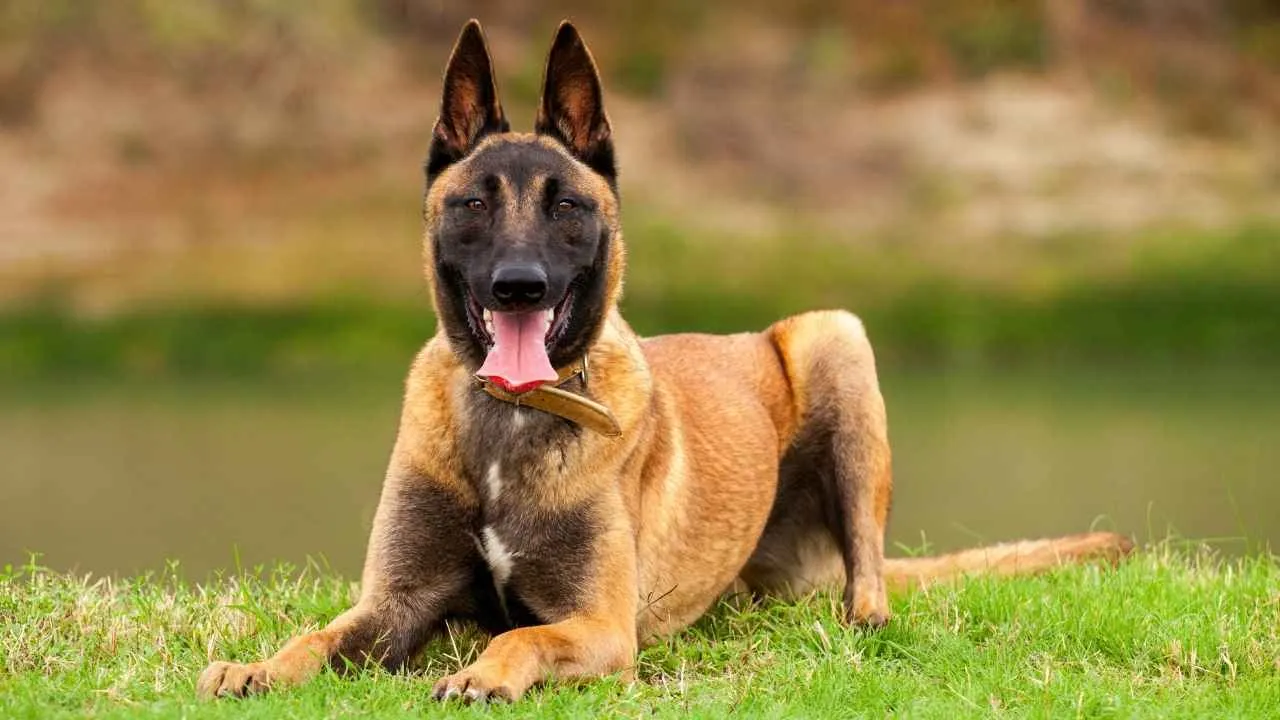
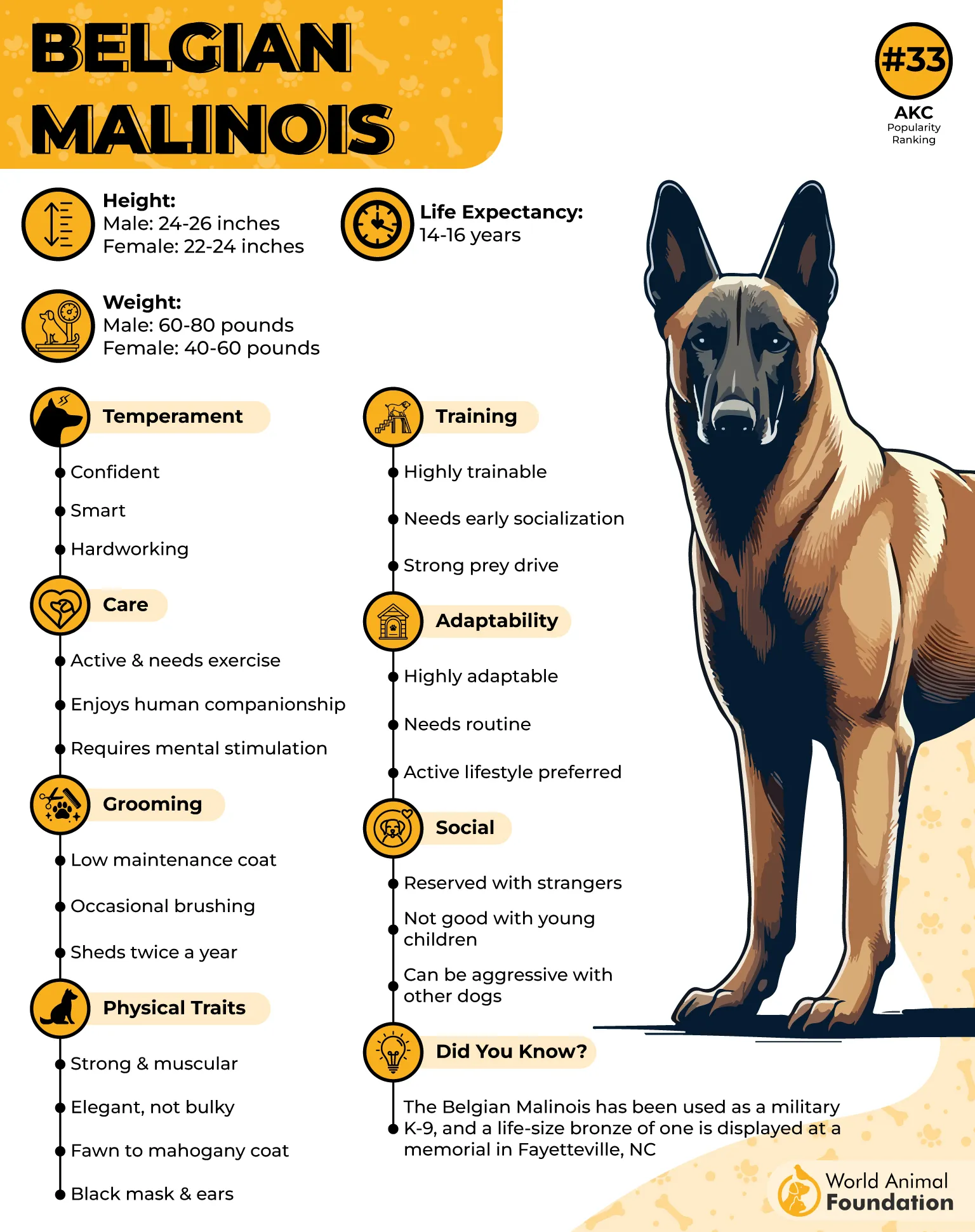
Belgian Malinois are intelligent, athletic, and hardworking dogs with a strong drive to stay active. They were originally bred near Malines in Belgium as herding dogs, but their trainability later led them into police work, search and rescue, and detection roles.
Exercise and Outdoor Activities
A Belgian Malinois needs much more than a daily walk. They need intense physical activity and mental challenges every day, with running, hiking, biking, agility, tracking, herding, obedience, fetch, and sledding among the activities they enjoy.
They also love being involved with their people, making them well suited to long outdoor days. Without enough exercise and stimulation, they may develop destructive habits such as chewing, digging, or damaging furniture.
Training and Grooming
Belgian Malinois are fast learners, but they need consistent training and socialization from an early age and throughout life. Positive training can give them a useful job while strengthening their bond with their person.
Their high prey drive means they may chase cars, animals, or children, so good obedience and supervision are important. Their short, waterproof coat is fairly easy to maintain and only needs occasional brushing, although seasonal shedding increases during fall and spring.
6. Australian Shepherd
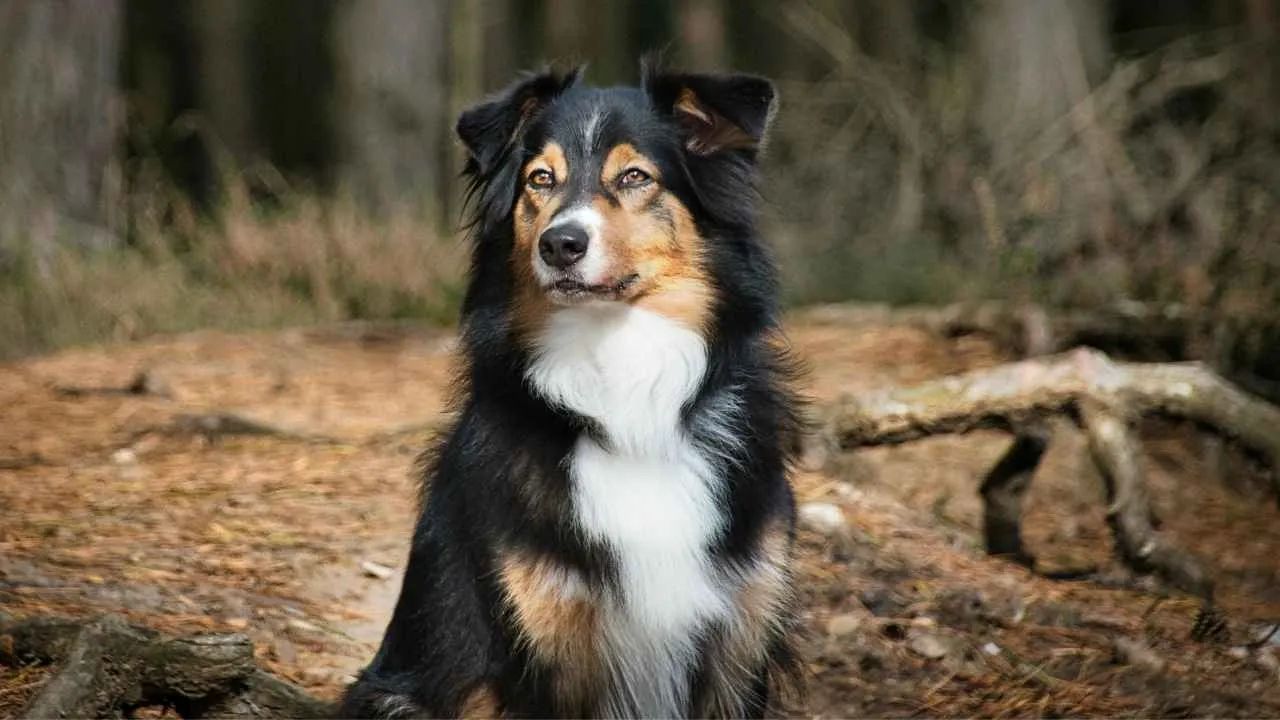
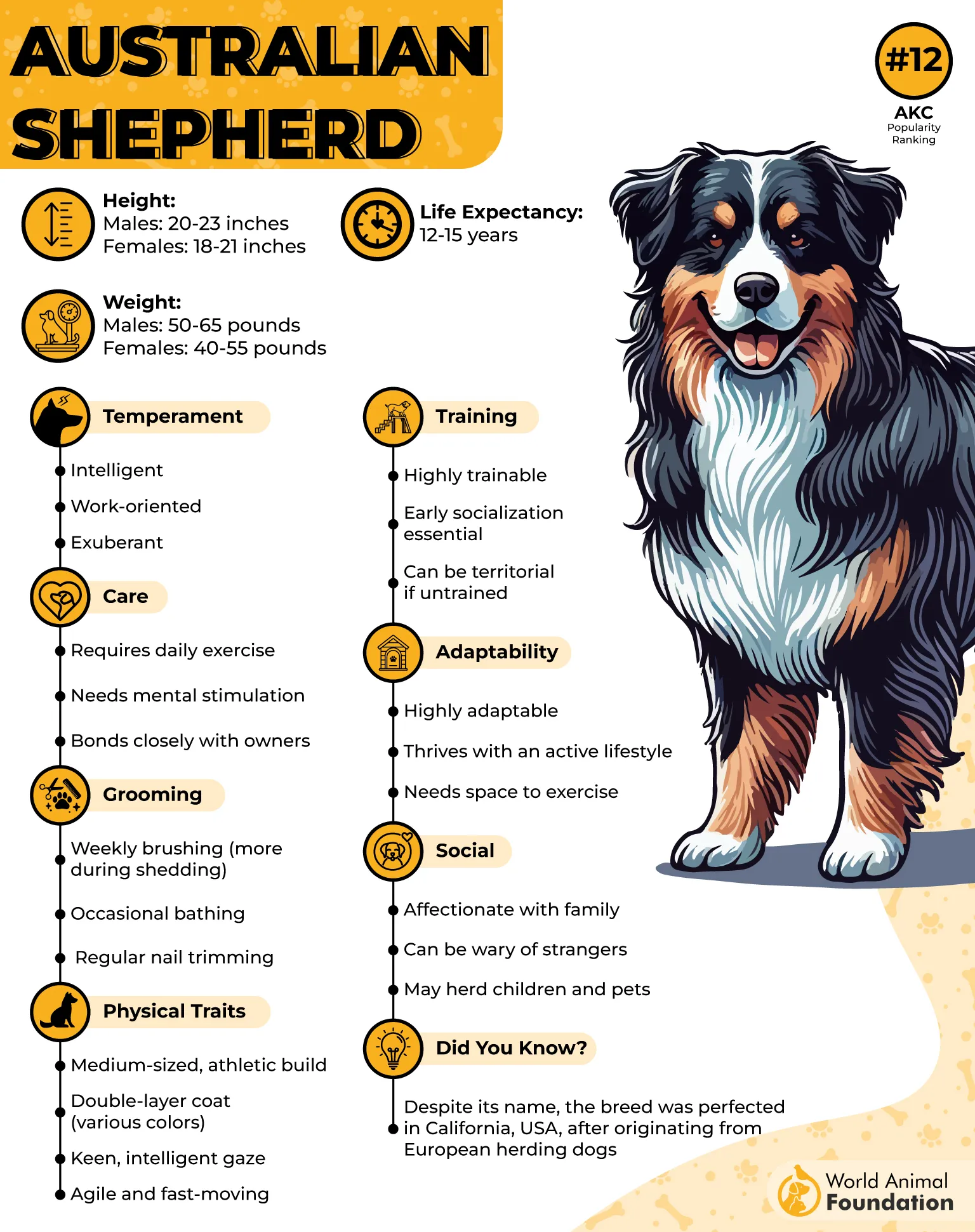
Australian Shepherds are highly intelligent, athletic herding dogs developed in the western United States in the late 1800s. Despite their name, they were developed mainly from British-derived herding dogs, with some influence from dogs brought to the American West by Basque immigrants.
Exercise and Outdoor Activities
These high-energy dogs need at least an hour of vigorous exercise or a long jog each day, along with plenty of mental stimulation. They enjoy running, hiking, swimming, retrieving, and tugging, and can also take part in agility, herding, obedience, tracking, nose work, and dock diving.
Their high energy can continue well into adulthood, so a nomadic lifestyle needs to include regular physical activity and engaging tasks to keep them occupied.
Training and Everyday Care
Aussies are responsive to commands, quick to learn, playful, loyal, and highly interactive with their people. Early socialization and positive training are important because their herding instincts may lead them to chase or herd children, cats, cars, and other moving objects.
Their medium-length, water-resistant double coat needs weekly brushing, with more frequent brushing during shedding seasons. They also prefer fairly cool weather and should have a secure, well-fenced area when not on a leash.
7. Labrador Retriever
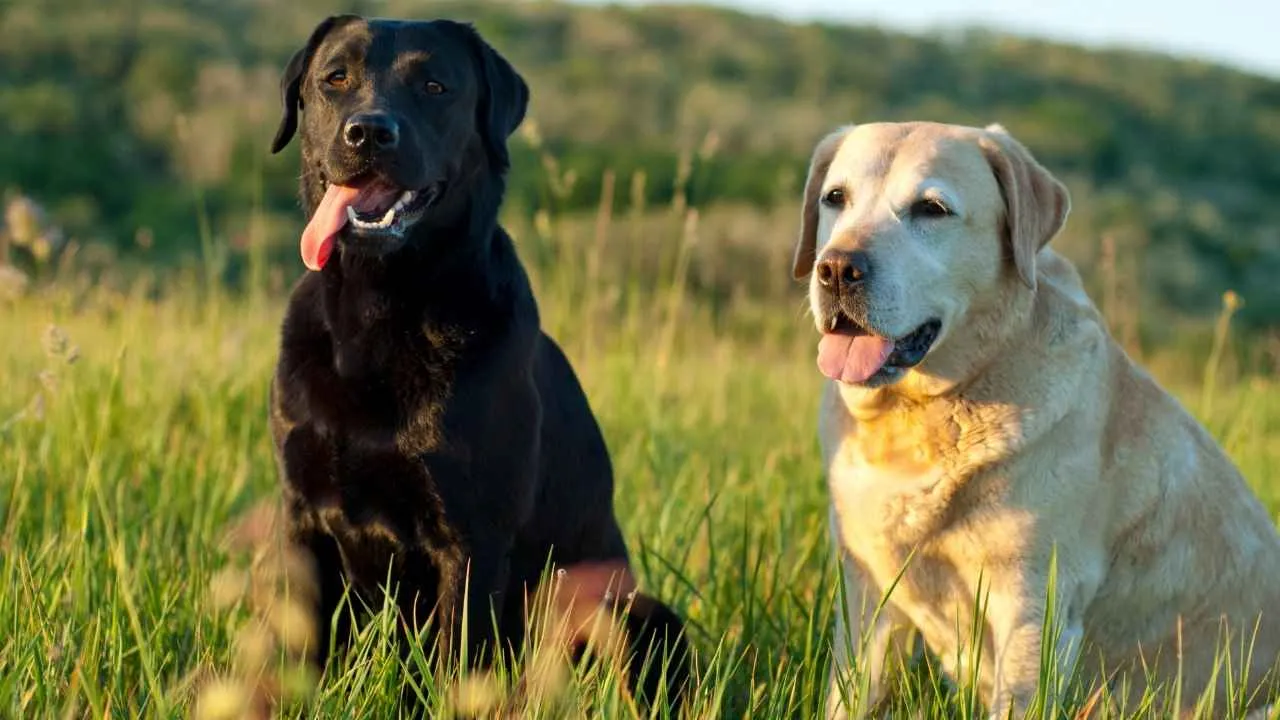
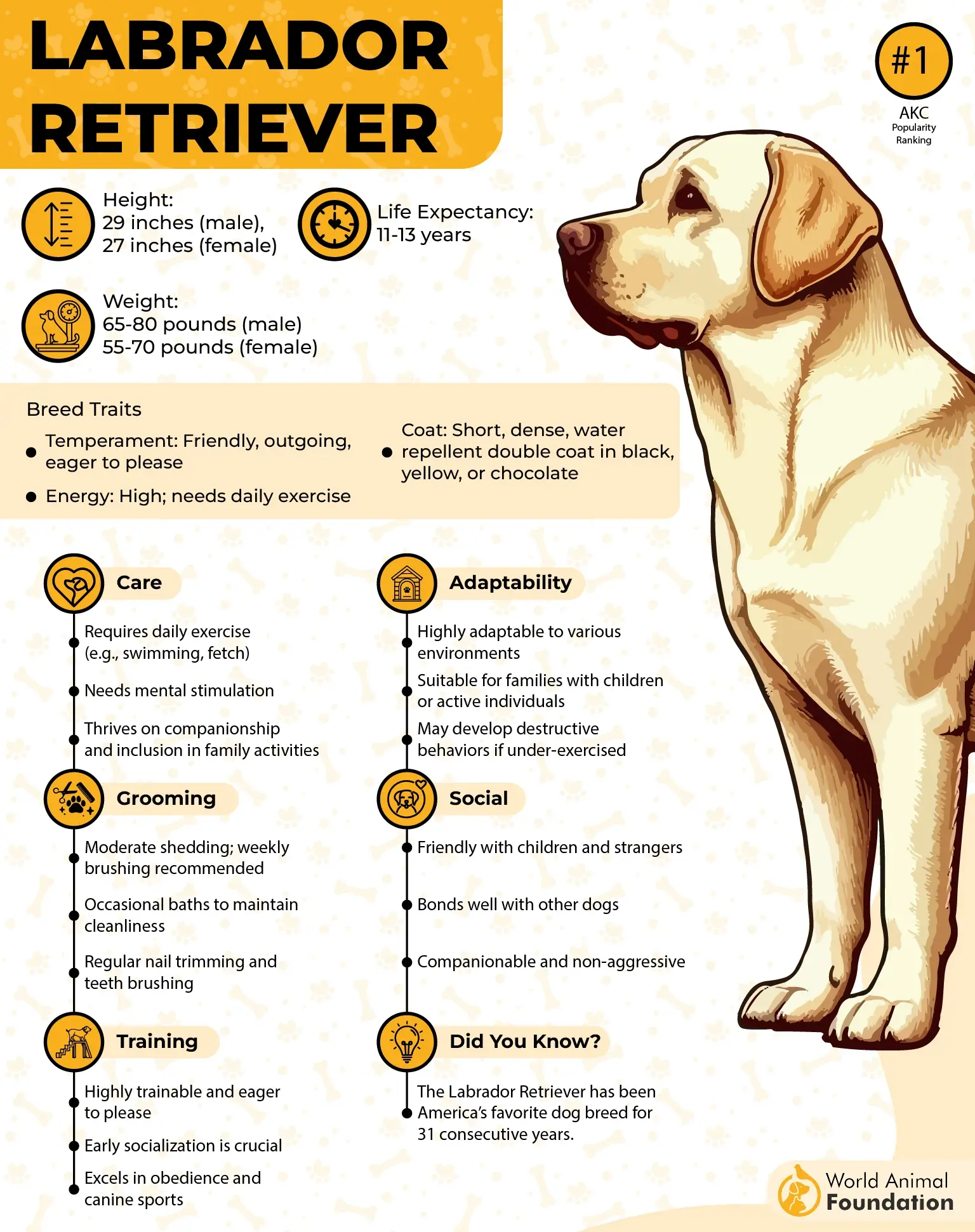
Labrador Retrievers are sturdy, athletic sporting dogs with a long history of working alongside hunters and fishermen. Their roots trace back to the water dogs of Newfoundland, including St. John’s dogs, before the breed was developed and refined in England.
Exercise and Outdoor Activities
Labrador Retrievers need plenty of exercise and attention, with at least an hour of daily activity recommended. They enjoy hiking, running, swimming, fetch, tracking, scent work, agility, and dock diving, giving an active owner plenty of ways to keep them busy.
Their water-repellent double coat and webbed feet also suit their love of swimming, while field-line Labs can have especially high energy and may be ready to stay active for long periods.
Training and Everyday Care
Labs are intelligent, eager to please, and fairly easy to train, but early obedience and socialization are important because their strength and energetic nature can lead to pulling, chewing, or other unwanted behaviors.
Purina mentions that they are generally friendly with people, children, and other animals, and they enjoy being part of their family rather than being left alone.
Their dense, short double coat needs regular brushing, with more frequent grooming during heavy shedding periods, and their ears should be cleaned routinely, especially after swimming.
Conclusion
A nomadic lifestyle calls for a dog that can keep up with long walks, hikes, runs, and changing outdoor adventures. These breeds bring different strengths, from endurance and athleticism to herding ability, intelligence, and a love of water. They also need regular exercise, mental stimulation, training, and care to stay happy and balanced.
Before choosing a travel companion, consider the activities you enjoy, the climate you will face, and how much daily time you can give your dog. With the right match and a lifestyle that keeps them active and involved, these adventurous breeds can turn everyday journeys into shared experiences.
