




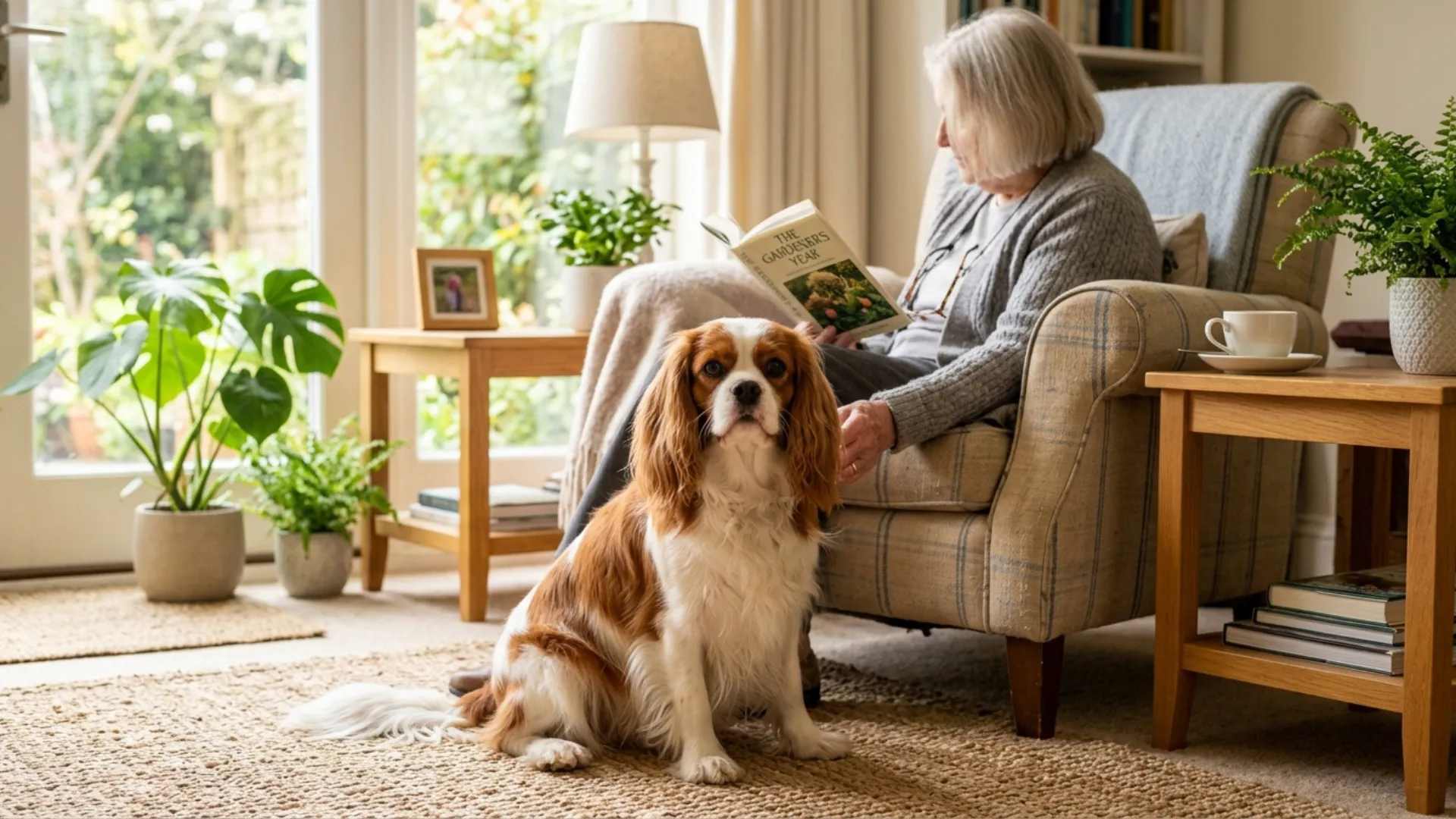
Choosing a dog during retirement can bring companionship, routine, and plenty of enjoyable moments to everyday life. However, the ideal breed is not necessarily the smallest or quietest dog available. Seniors may benefit from considering a dog’s exercise requirements, temperament, grooming needs, trainability, and ability to adapt to a calmer household.
Some dogs are naturally content with leisurely walks, indoor companionship, and relaxed family routines. Others may require considerably more physical activity or mental stimulation than a retiree wants to provide. Individual personality also matters, since dogs of the same breed can differ considerably in energy levels and behavior.
The breeds below include small companion dogs, easygoing family pets, and intelligent breeds that can adapt well to retirement living. Their needs vary, but each can bring a different type of companionship to a senior household when matched with the owner’s lifestyle.
Wonderful Dog Breeds for Seniors and Retirement Living
1. Bichon Frise
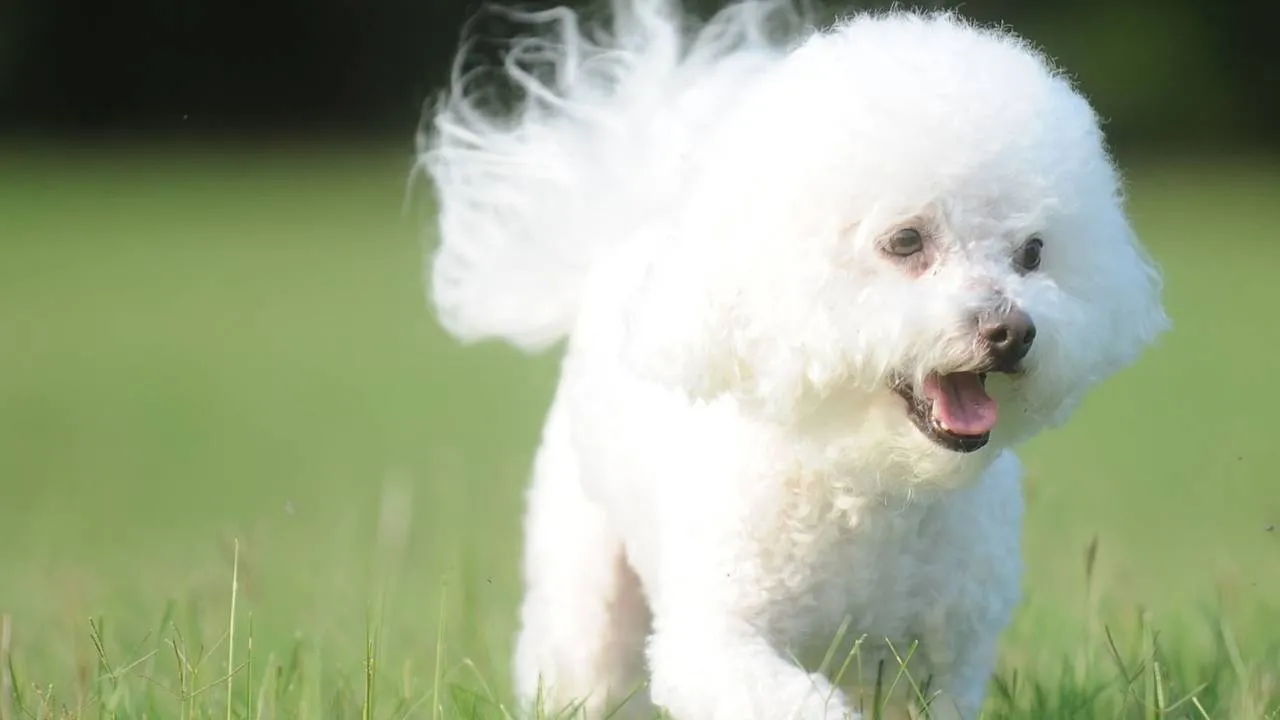
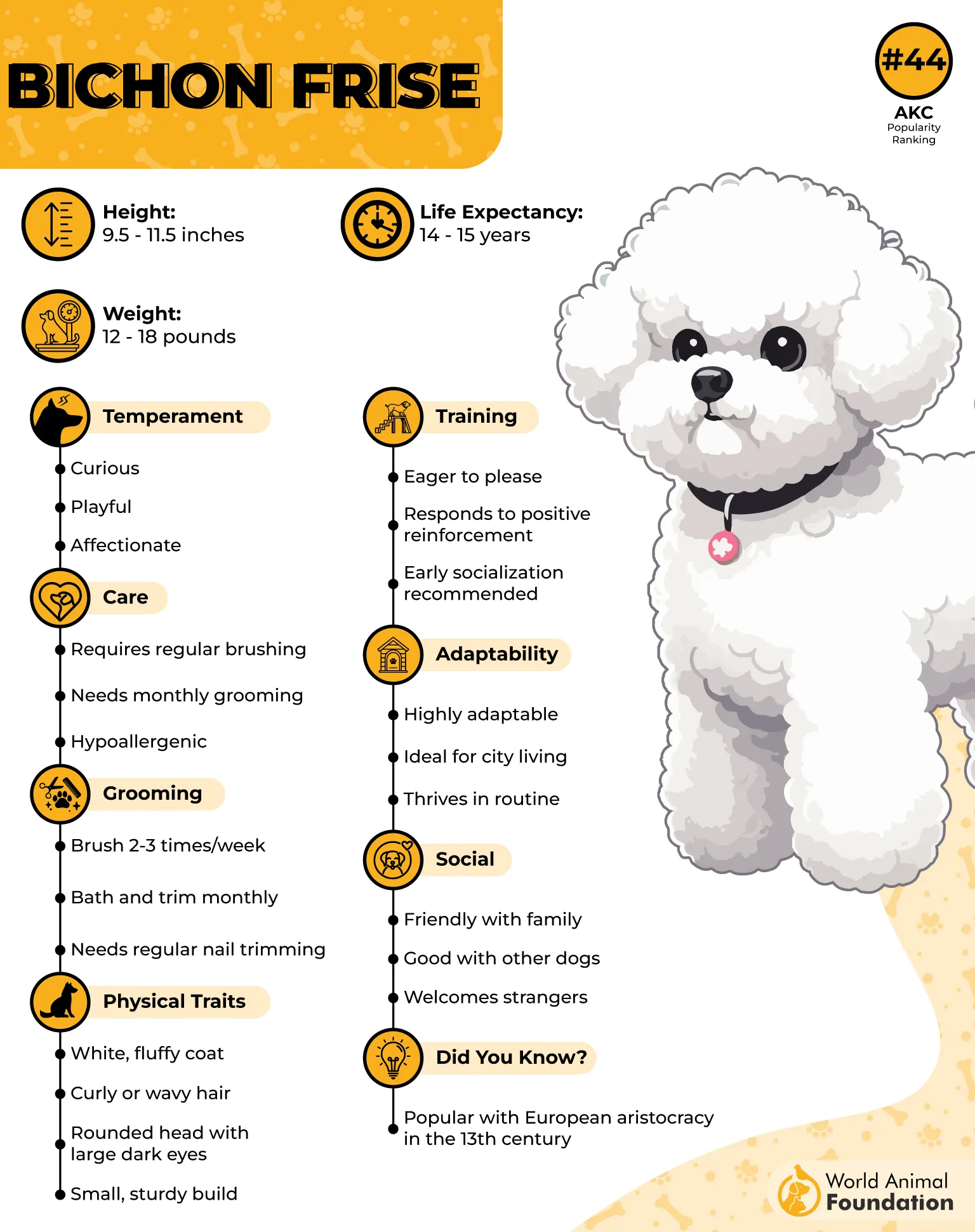
The Bichon Frise is a small companion breed known for its cheerful personality and affectionate nature. Its history is connected to Mediterranean regions, where similar small dogs became popular companions before gaining prominence among European nobility. Over time, the breed became especially valued for its friendly appearance and sociable character.
A Small Dog With a Coat That Needs Regular Attention
Bichon Frises have soft, curly coats that do not simply maintain themselves. Regular brushing is important to prevent mats, while professional grooming is often needed to keep the coat trimmed and manageable. Their compact size makes everyday handling easier, although grooming should still be considered when planning for long-term ownership.
A Cheerful Companion for Seniors and Retirement Living
The Bichon Frise can fit comfortably into a retirement routine that includes short walks, playtime, and plenty of companionship.
Its playful personality can add energy to quiet days without requiring the demanding exercise schedule associated with many larger working breeds. For seniors who enjoy having an affectionate dog nearby, the Bichon can make a lively yet manageable household companion.
2. Cavalier King Charles Spaniel
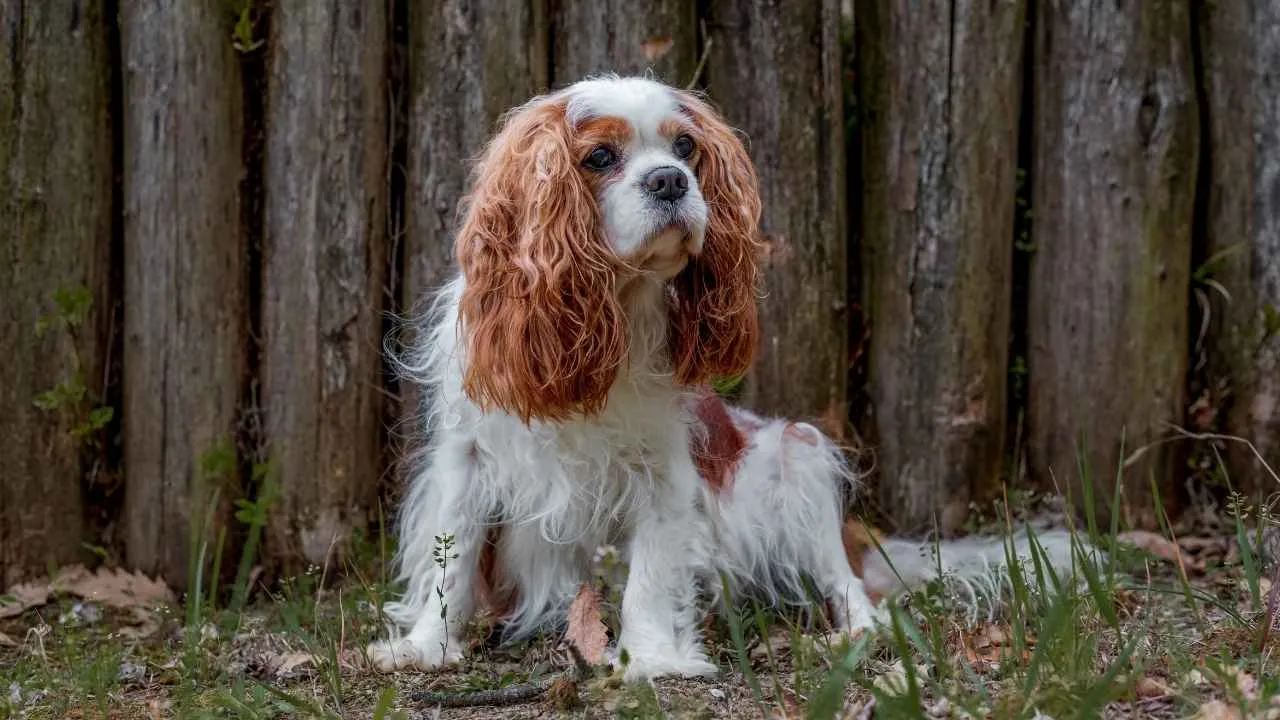
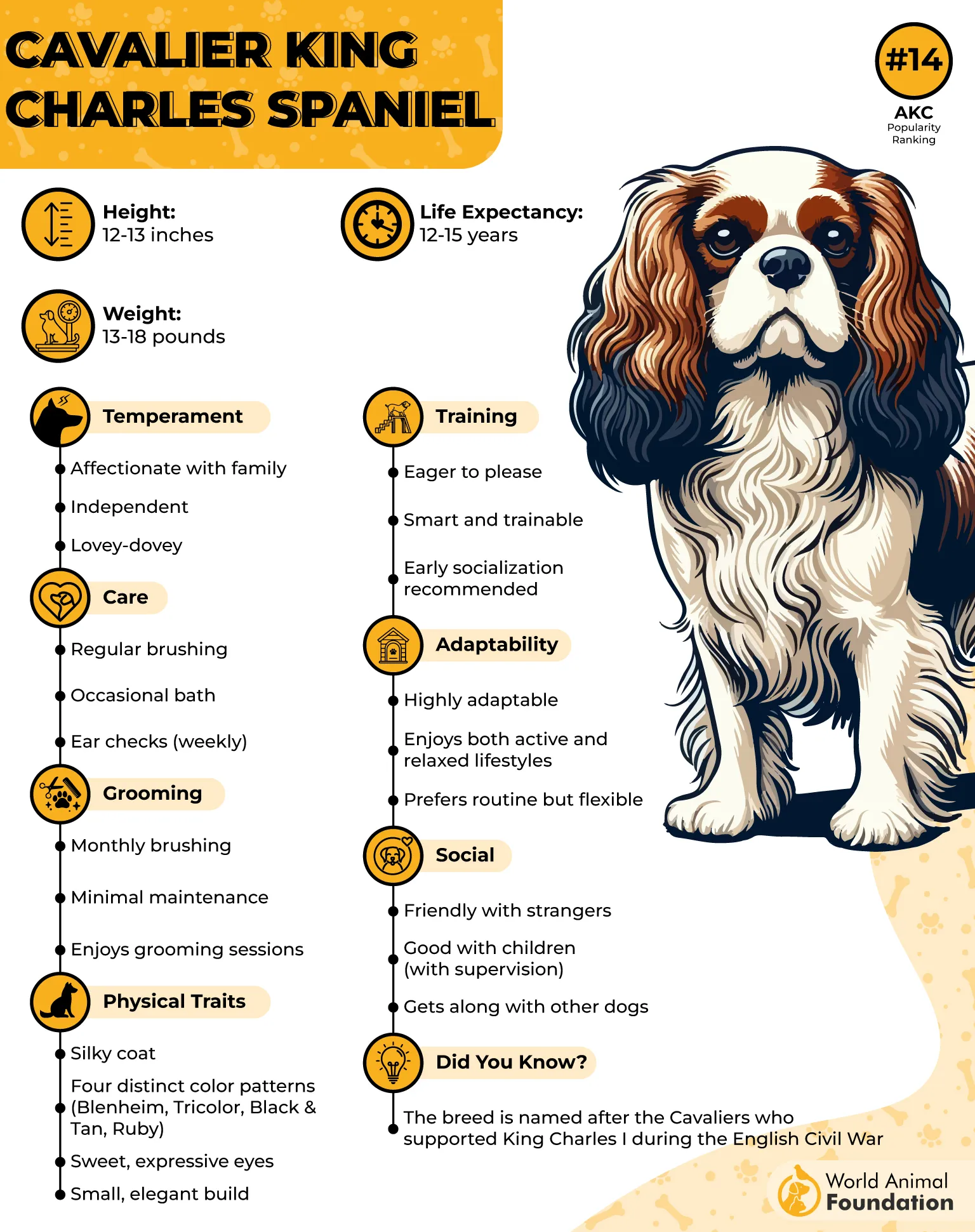
Cavalier King Charles Spaniels have a long association with British royalty and aristocratic households. The breed developed from small spaniels that were valued as companions, eventually becoming recognized for its distinctive appearance, affectionate personality, and elegant proportions. Unlike many working breeds, the Cavalier’s primary role became companionship.
Silky Fur and a Gentle Exercise Routine
The Cavalier’s long, silky coat needs regular brushing to reduce tangles and maintain its condition. Its exercise requirements are generally moderate, with daily walks and interactive play helping provide physical and mental stimulation, as per PDSA. These dogs often enjoy participating in household activities rather than spending their entire day outdoors.
Affectionate Company for a Peaceful Retirement
Cavalier King Charles Spaniels are often closely attached to their families and enjoy staying near their people. Their affectionate nature can be especially appealing to seniors who want a dog that actively seeks companionship. A routine of gentle walks, indoor relaxation, and time together can suit the breed well in a retirement household.
3. Havanese
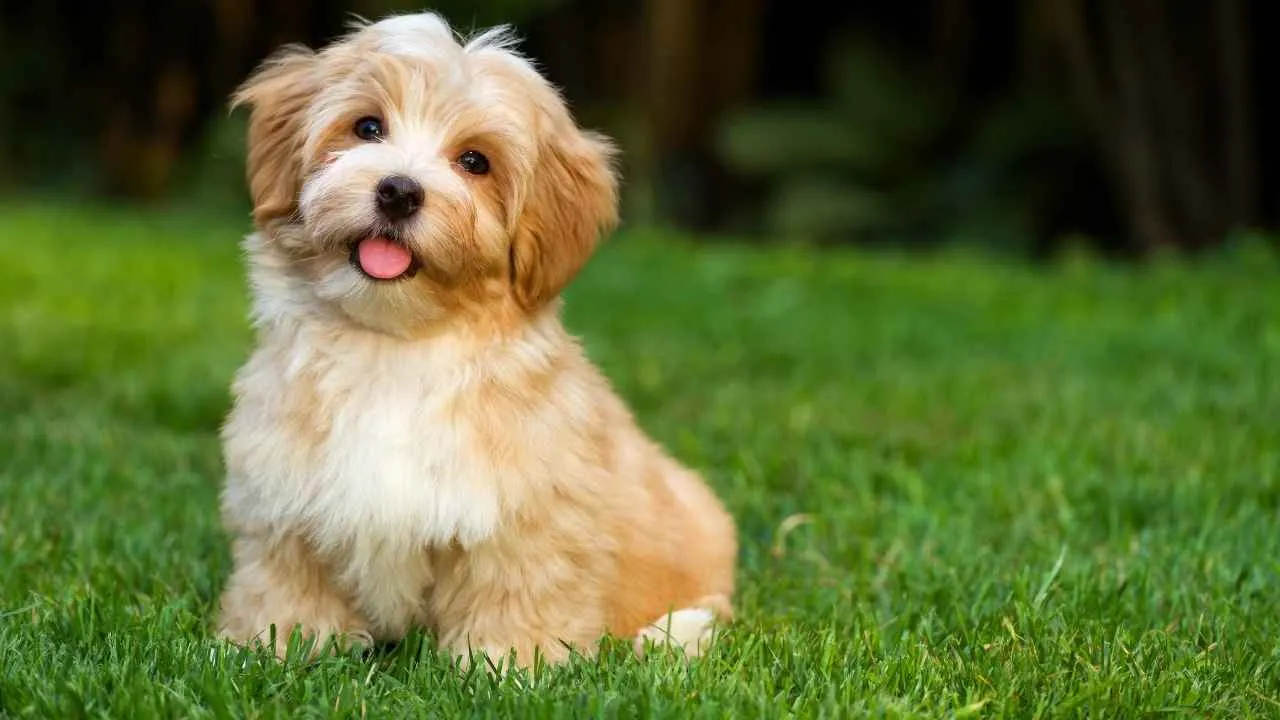
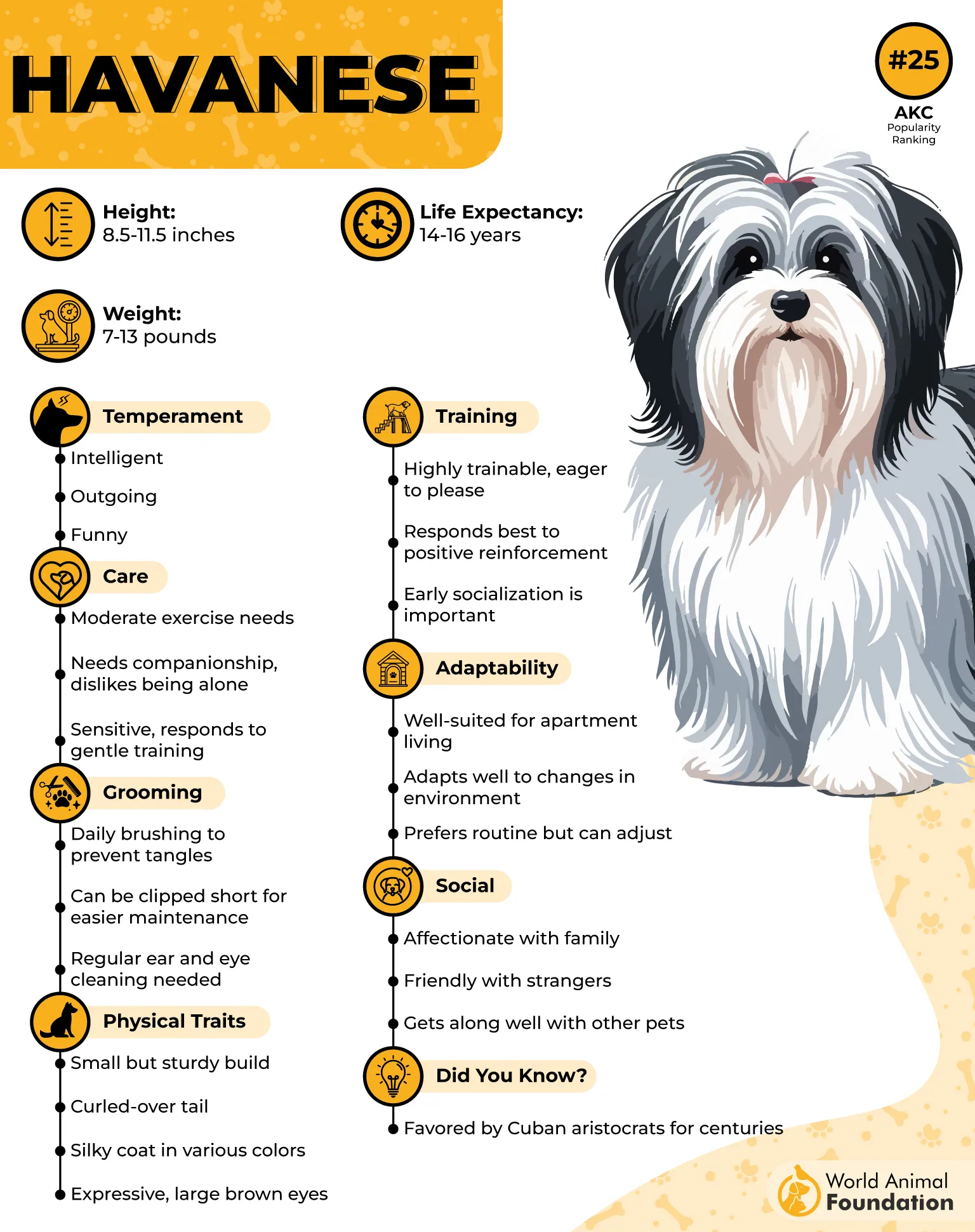
The Havanese is Cuba’s national dog and belongs to the Bichon family of companion breeds. It became especially popular among wealthy Cuban families and was bred primarily as a household companion, as per Hill’s Pet. Its small size, expressive face, and sociable personality helped establish it as a favored lapdog and family pet.
A Silky Coat and a Need for Social Interaction
Havanese have long, silky coats that require frequent brushing if kept long. Owners who prefer easier maintenance can choose a shorter trim, although regular grooming remains necessary. These dogs also tend to enjoy interaction and can become bored when left alone for extended periods.
A Sociable Breed for Seniors Who Want Constant Company
The Havanese can be a rewarding choice for retirees who spend much of their time at home. It tends to enjoy being involved in everyday activities, whether relaxing beside its owner or participating in a short walk. Its small stature also makes it practical for many indoor living situations, while its playful personality can keep retirement days engaging.
4. Maltese
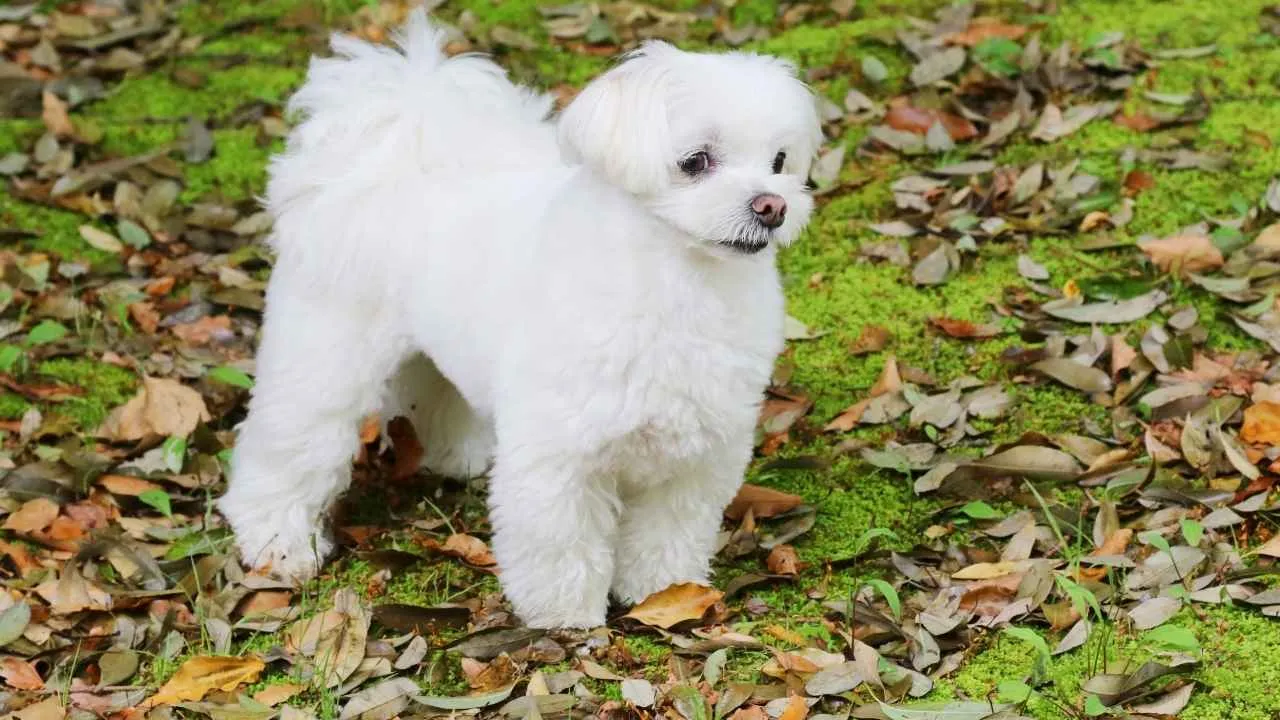
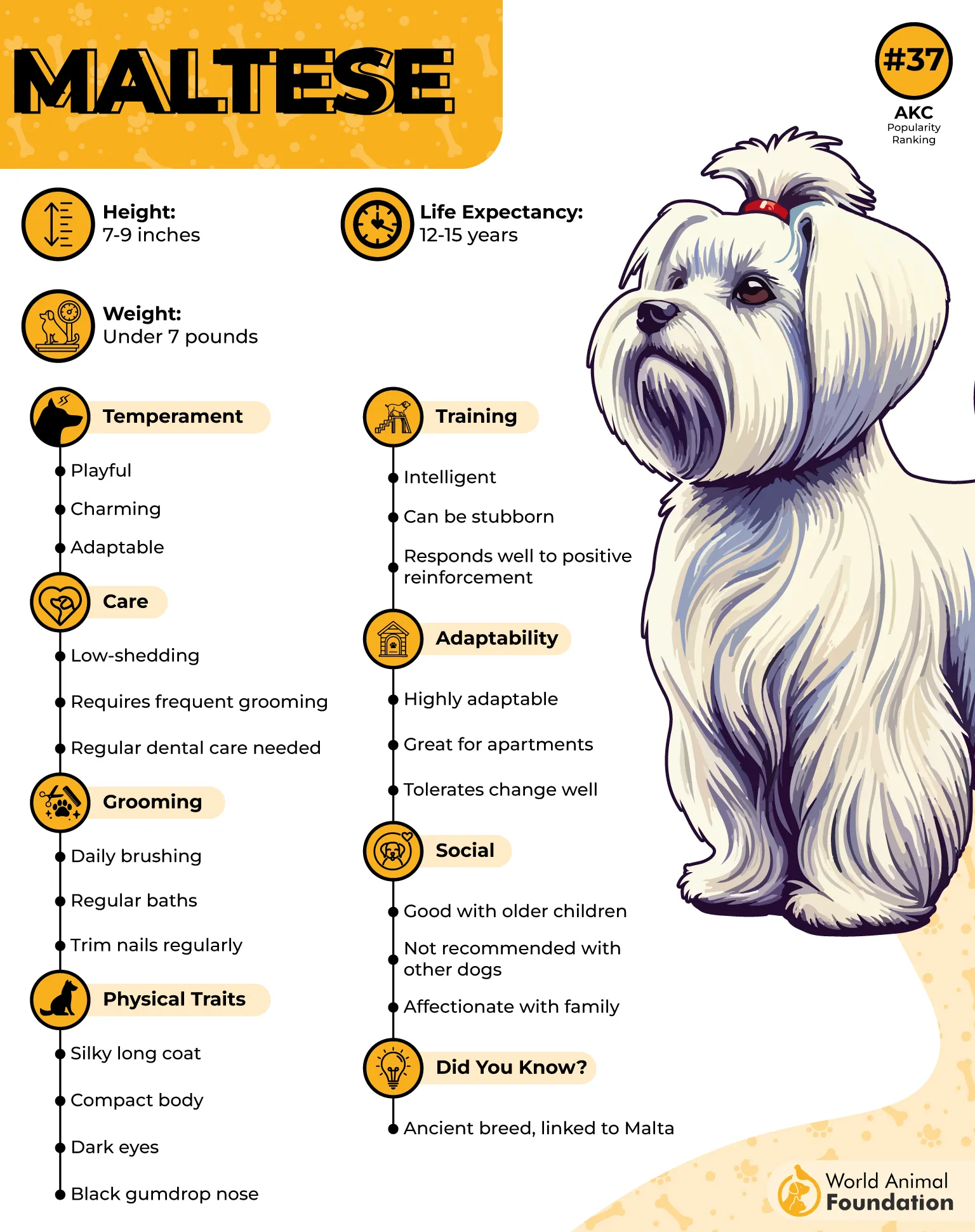
The Maltese is an ancient toy breed associated with the Mediterranean island of Malta. For centuries, small white dogs of this type were prized by aristocratic households. Rather than being developed for demanding physical work, the Maltese dog became known primarily for its companionship and distinctive white coat.
Tiny in Size With a Coat That Deserves Care
The Maltese is small enough to be relatively easy to handle, but its long coat can require considerable grooming. Daily brushing helps prevent tangles, and many pet owners choose shorter haircuts to make maintenance more convenient. Despite its delicate appearance, the breed can be lively and enjoys short periods of play.
A Compact Companion for Seniors and Retirement Living
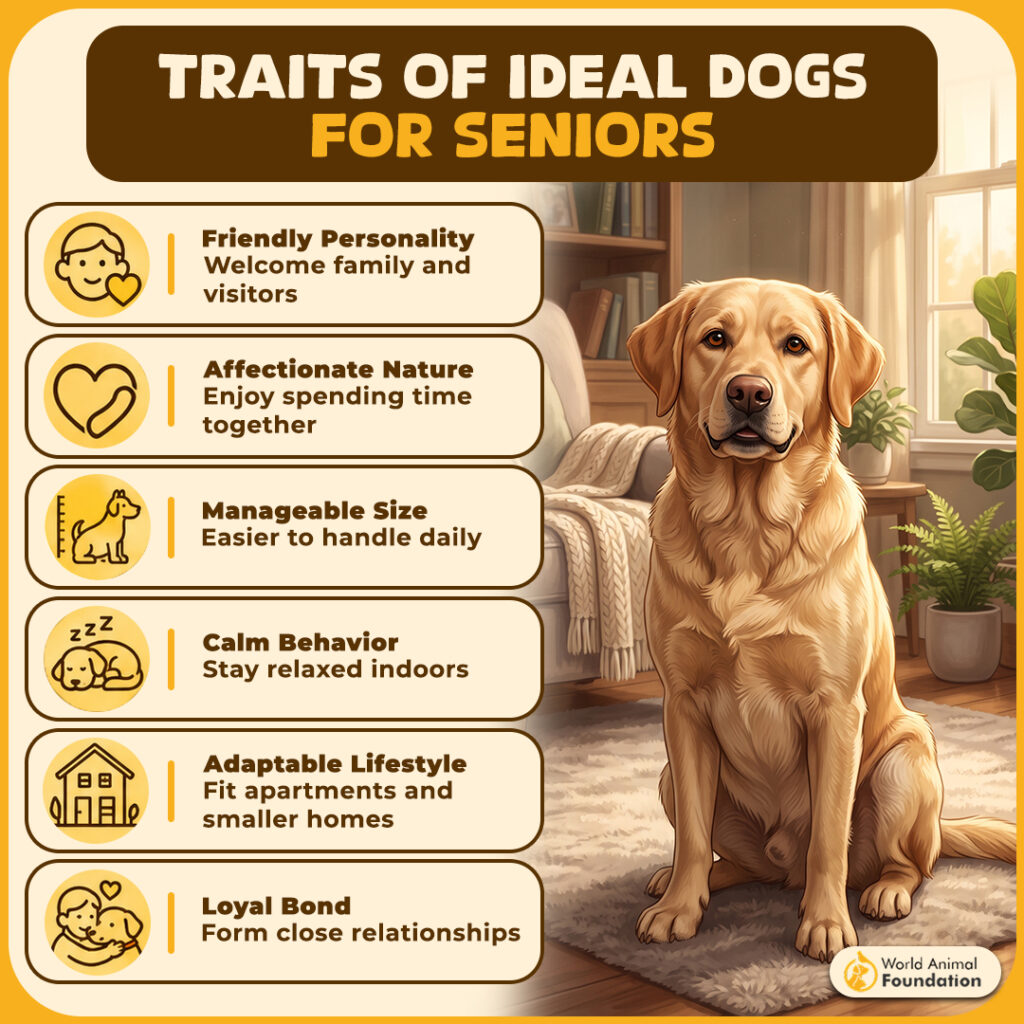
The Maltese can work well for seniors looking for a small dog that does not require long-distance exercise. Short walks and indoor play can provide plenty of activity for many individuals. Its affectionate nature and portable size can also make it appealing to retirees who prefer having a close companion throughout the day.
5. Pug
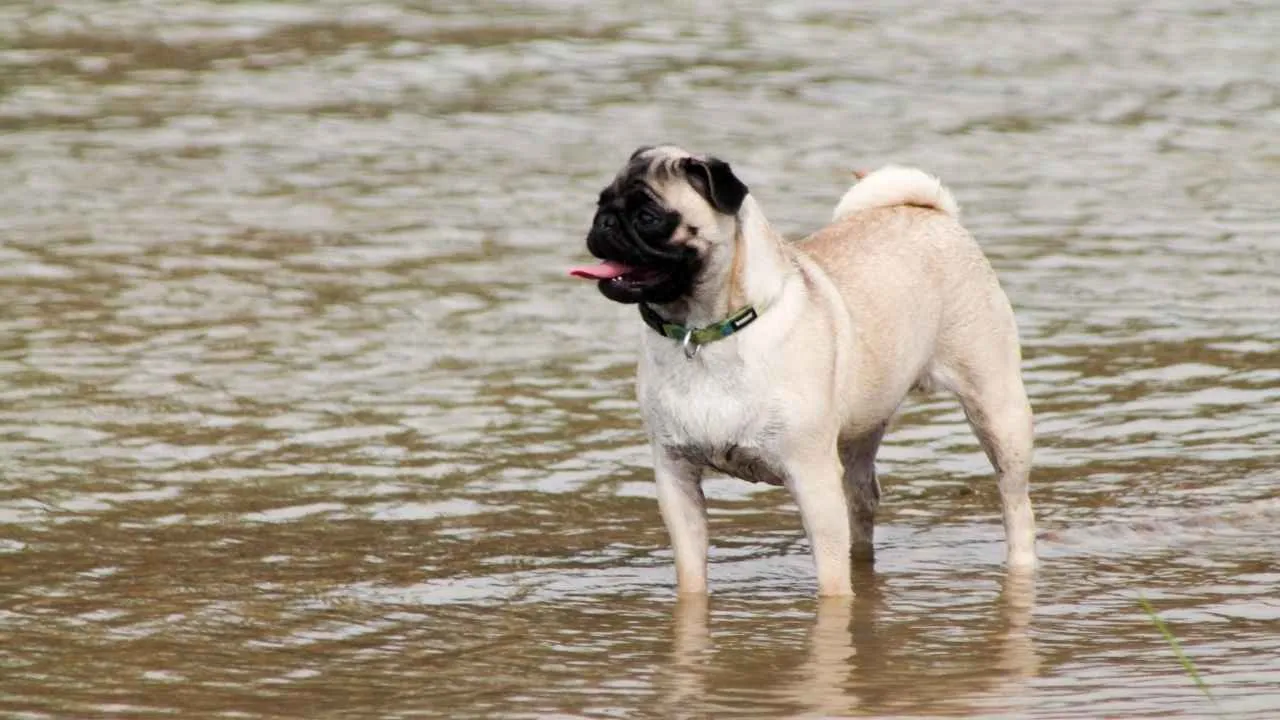
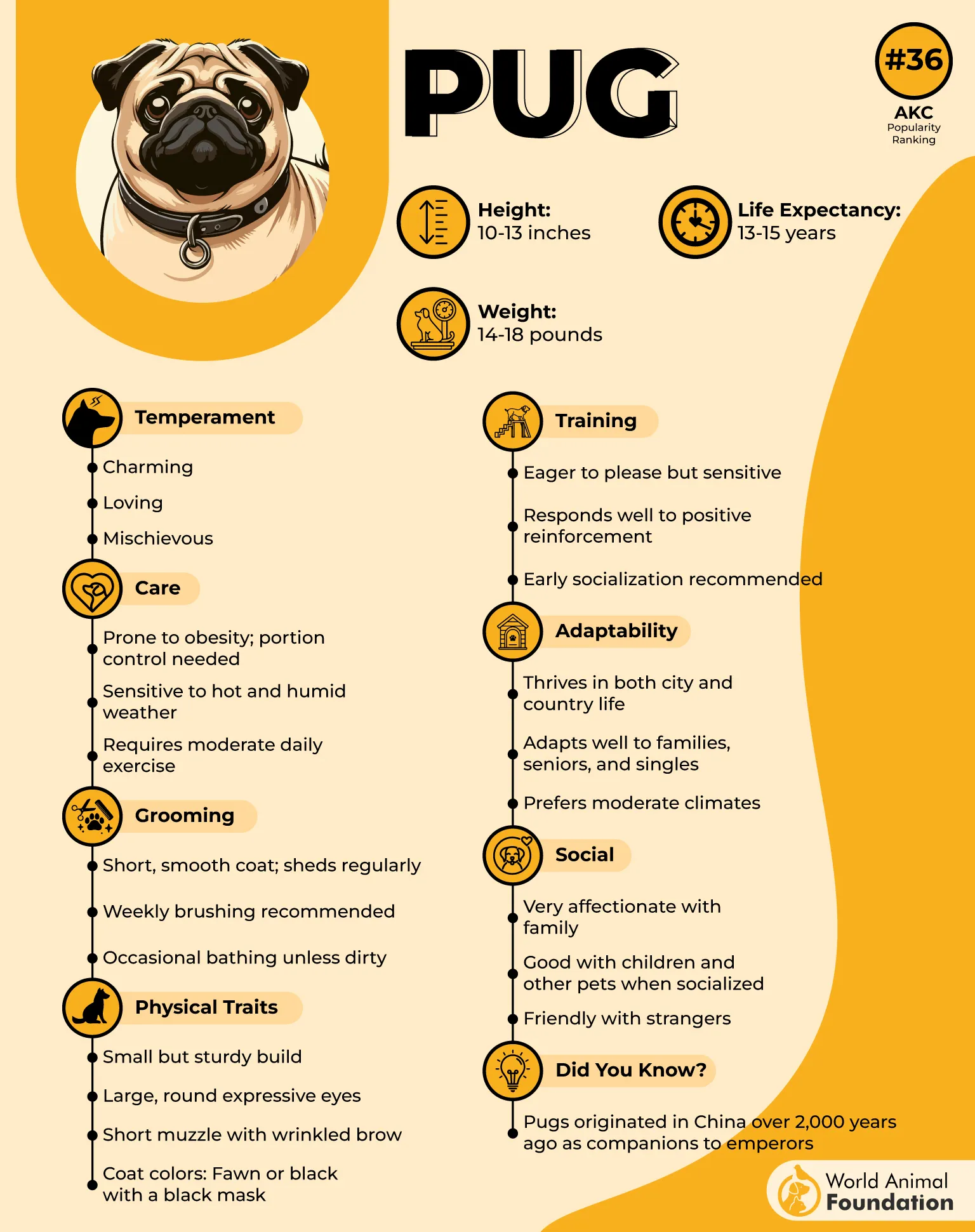
Pugs originated in China and were historically kept as treasured companion dogs by members of the imperial court, as per Britannica. Their distinctive short muzzle, curled tail, and compact body eventually became recognizable around the world. The breed was developed primarily for companionship rather than strenuous physical work.
A Short Coat With Simple Grooming Requirements
Pugs have short coats that are generally straightforward to brush, although they can shed considerably. Their facial wrinkles require regular attention to keep the skin clean and dry. Because of their short muzzles, owners should also be careful about excessive heat and strenuous exercise.
A Relaxed Personality for Comfortable Retirement Living
Pugs often enjoy lounging beside their owners as much as they enjoy short periods of activity. Their preference for companionship can make them suitable for seniors who want an indoor-oriented dog. Gentle walks and moderate play can provide activity without requiring the extensive exercise associated with highly athletic breeds.
6. Golden Retriever
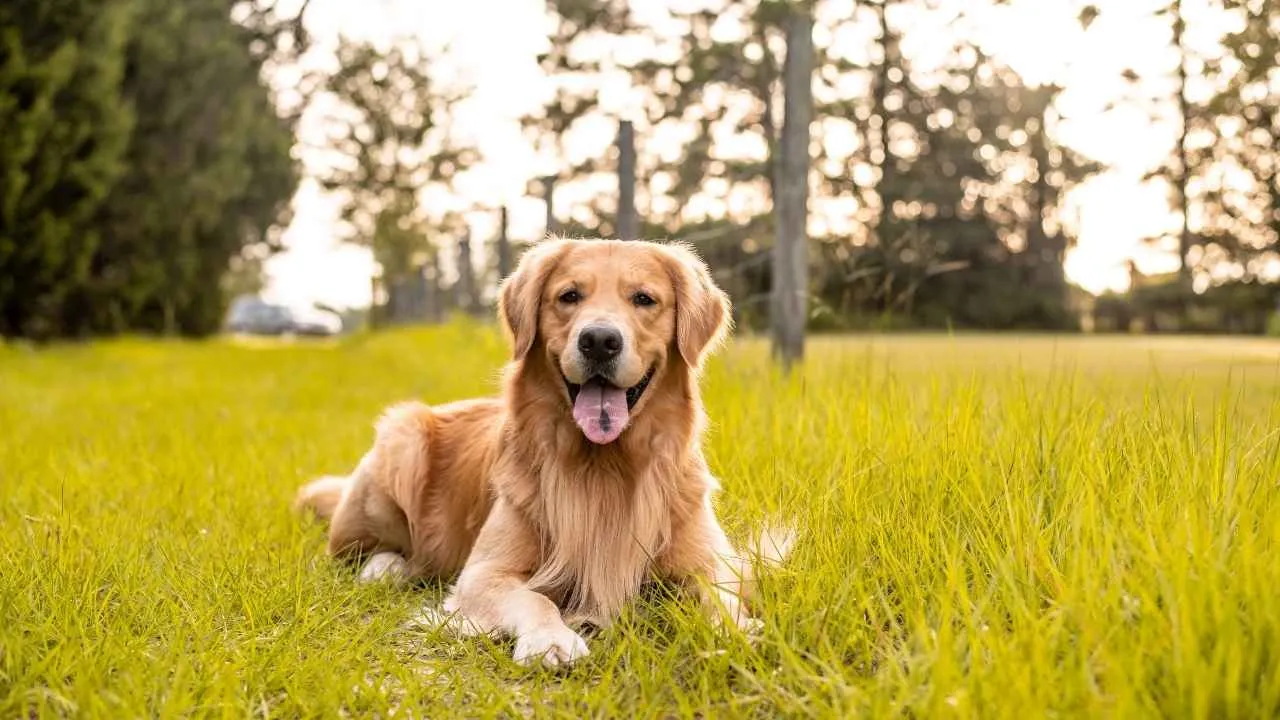
Golden Retrievers were developed in Scotland during the nineteenth century as sporting dogs capable of retrieving game for hunters. Their working background produced a breed known for cooperation, trainability, and enthusiasm for spending time with people. Today, Goldens are widely recognized as family and companion dogs as well as working animals.
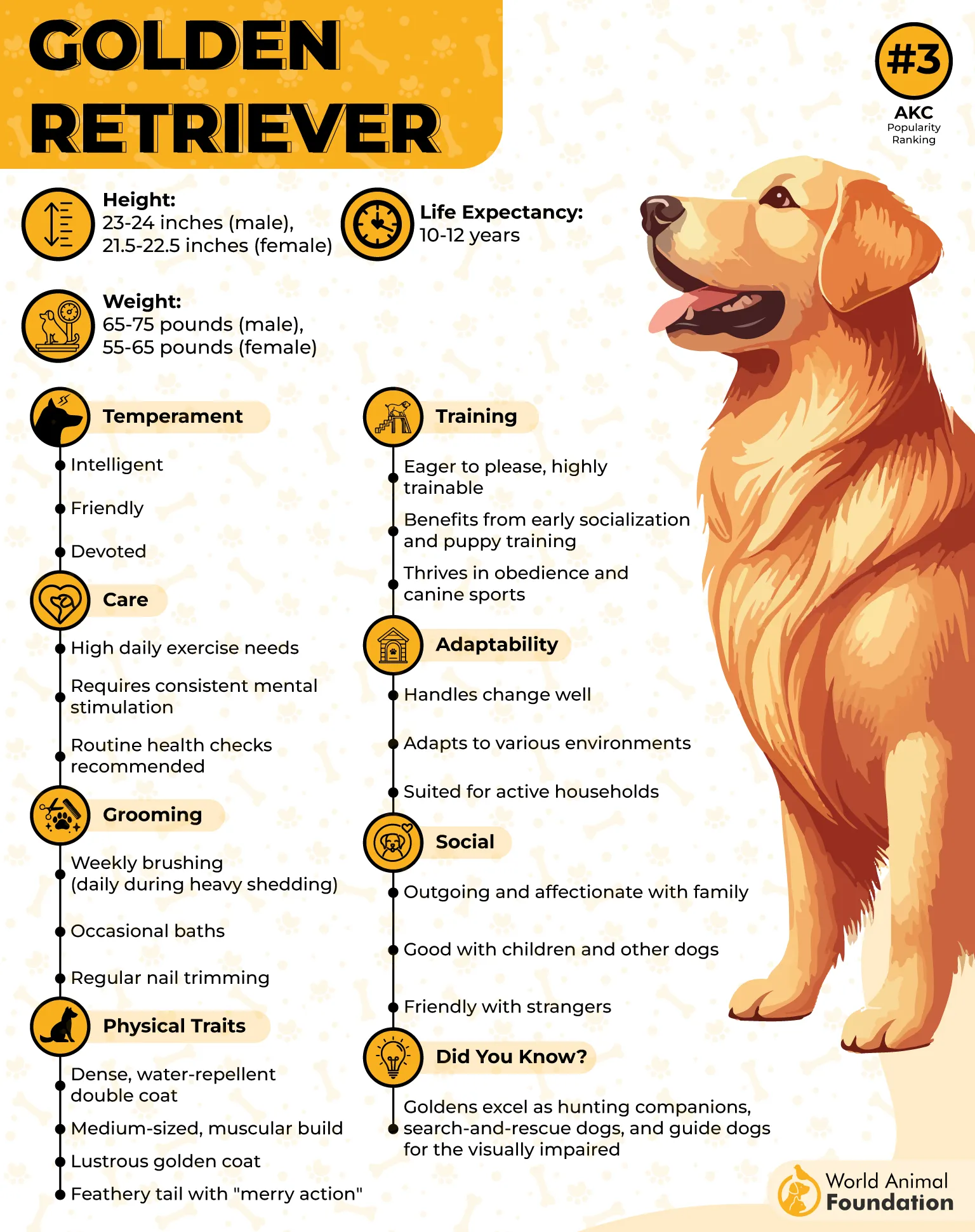
A Beautiful Coat and a More Active Lifestyle
Golden Retrievers have dense, water-repellent coats that shed regularly and benefit from frequent brushing. They also need considerably more exercise than small companion breeds. Daily walks, play, retrieving games, and mental stimulation are important for keeping an adult Golden content and well-behaved, as per Purina.
A Devoted Companion for Active Seniors
Golden Retrievers can suit retirees who remain physically active and want a dog that can accompany them on regular walks and outdoor activities. Their people-oriented nature often makes them enthusiastic participants in daily routines. For seniors capable of meeting their exercise needs, a Golden can provide an affectionate and engaging presence throughout retirement.
7. Shih Tzu
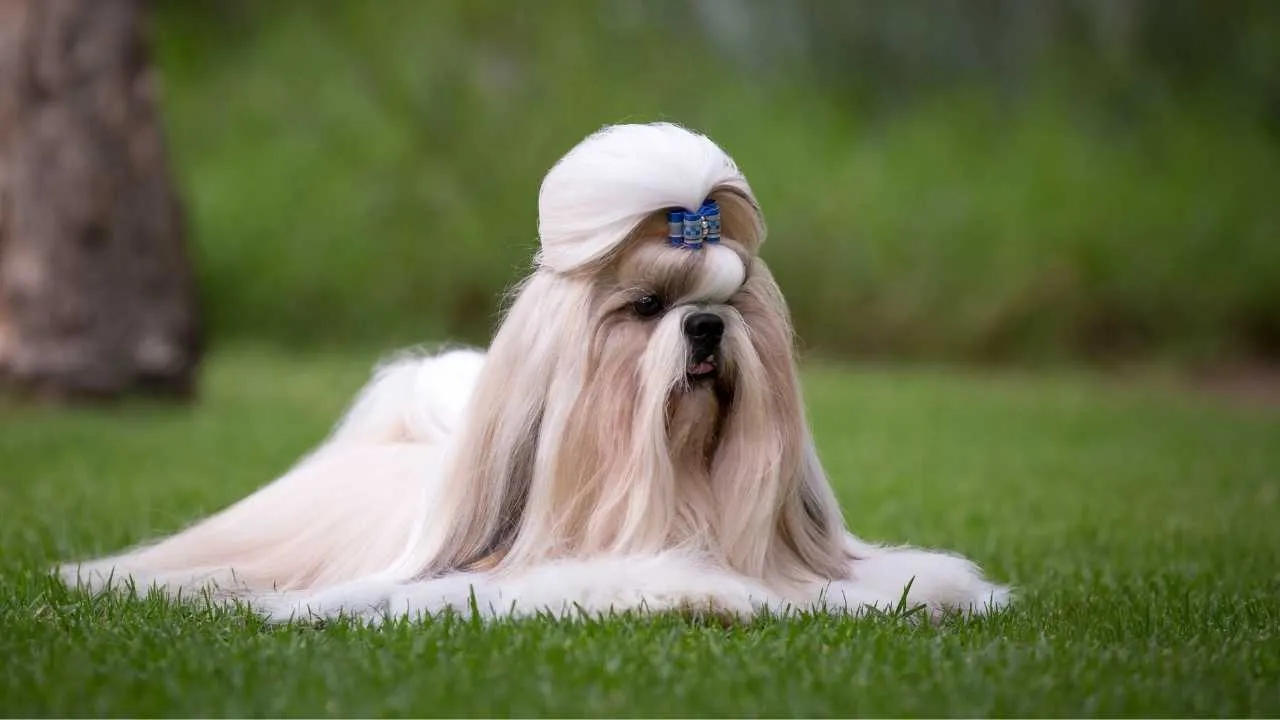
The Shih Tzu has a long history as a companion dog in China and was associated with imperial households. Its ancestors are believed to have included small dogs from Tibet and China, eventually producing the distinctive long-haired breed recognized today. Its primary purpose was companionship rather than hunting or guarding.
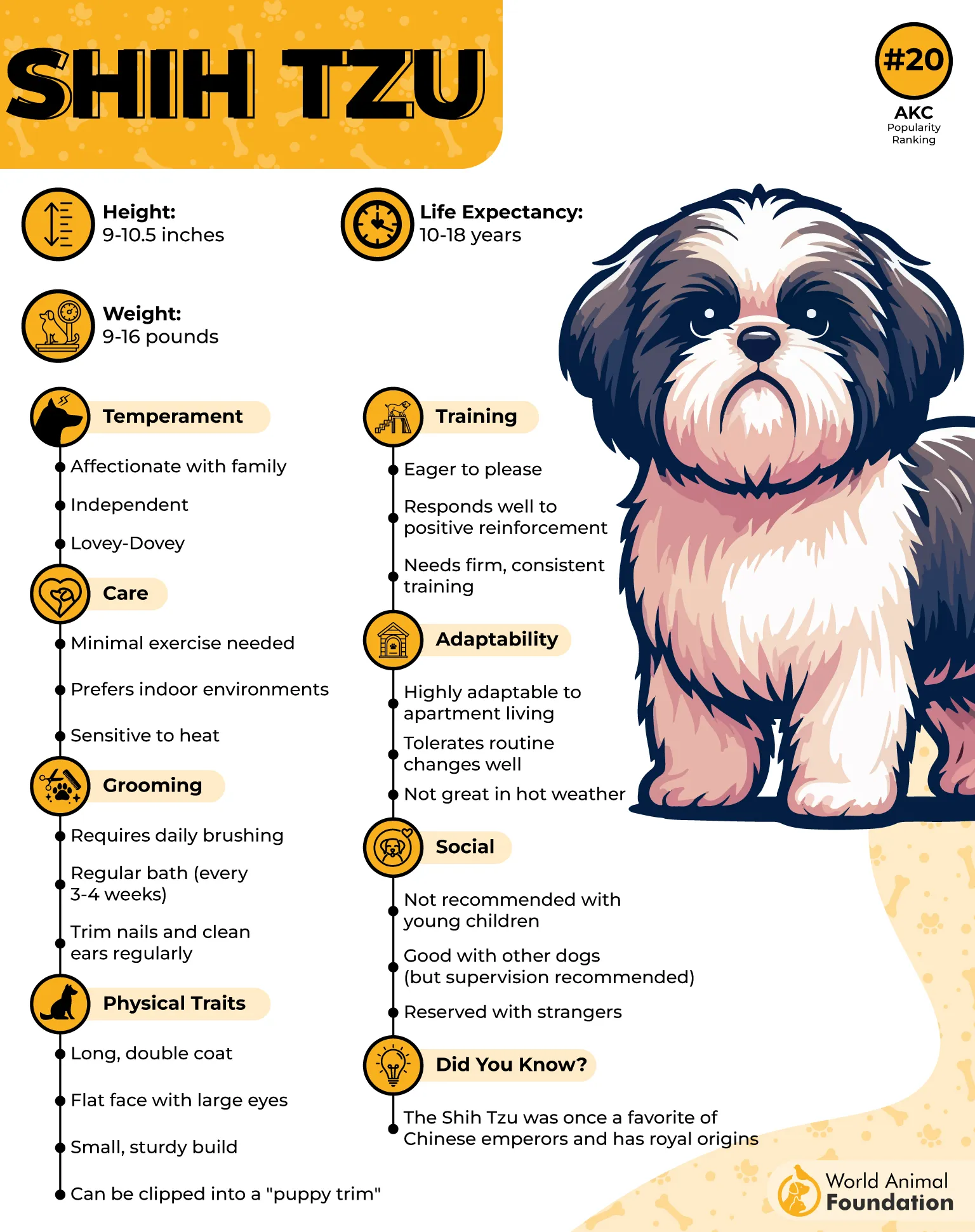
Long Hair With Relatively Modest Exercise Needs
Shih Tzus have luxurious coats that require consistent grooming when kept long. Many owners choose a shorter pet trim to simplify maintenance, although regular brushing is still useful. Their physical activity needs are usually modest, with short walks and indoor play often providing sufficient exercise.
An Easygoing Housemate for Retirement
Shih Tzus can be particularly appealing to seniors who prefer a cuddle buddy suited to a quieter indoor lifestyle during their golden years. They generally do not need lengthy daily adventures to stay occupied and often enjoy relaxing close to their owners. Their small size, affectionate nature, and manageable exercise routine can complement many retirement households.
8. Poodle
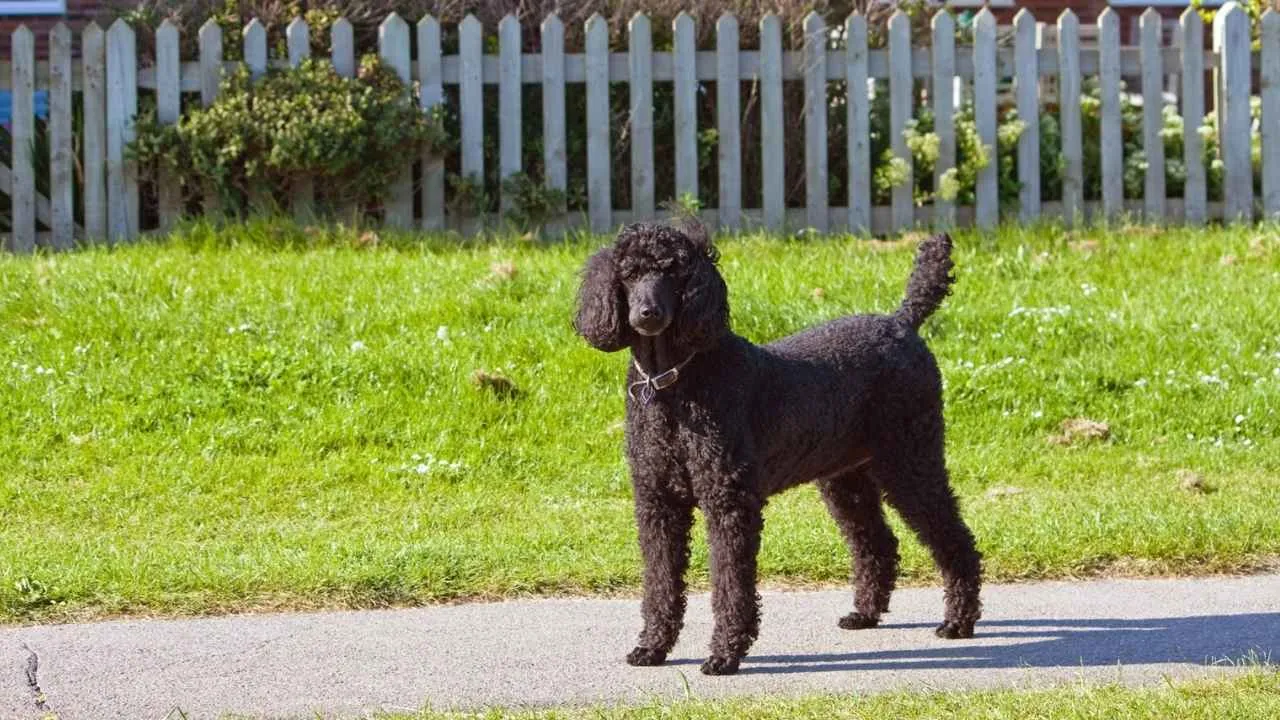
Poodles are highly intelligent dogs with a history that includes water retrieving and sporting work in Europe. Although commonly associated with elegant grooming today, their original working abilities contributed to their athleticism and problem-solving skills. Poodles are available in Standard, Miniature, and Toy varieties, offering different sizes for different households.
A Low-Shedding Coat With a Grooming Commitment
Poodles have curly coats that tend to shed less visibly than many other breeds, but this does not mean they are maintenance-free. Their hair continues growing and requires regular brushing and professional grooming. They also need mental stimulation because their intelligence can make them restless when their minds are left unoccupied.
An Intelligent Choice for Engaged Seniors
Poodles can be excellent companions for retirees who enjoy teaching tricks, practicing obedience, and incorporating mental games into daily life. Their intelligence allows them to remain engaged without relying entirely on strenuous physical exercise. Smaller varieties can also be practical for seniors seeking a compact but highly interactive companion.
9. French Bulldog
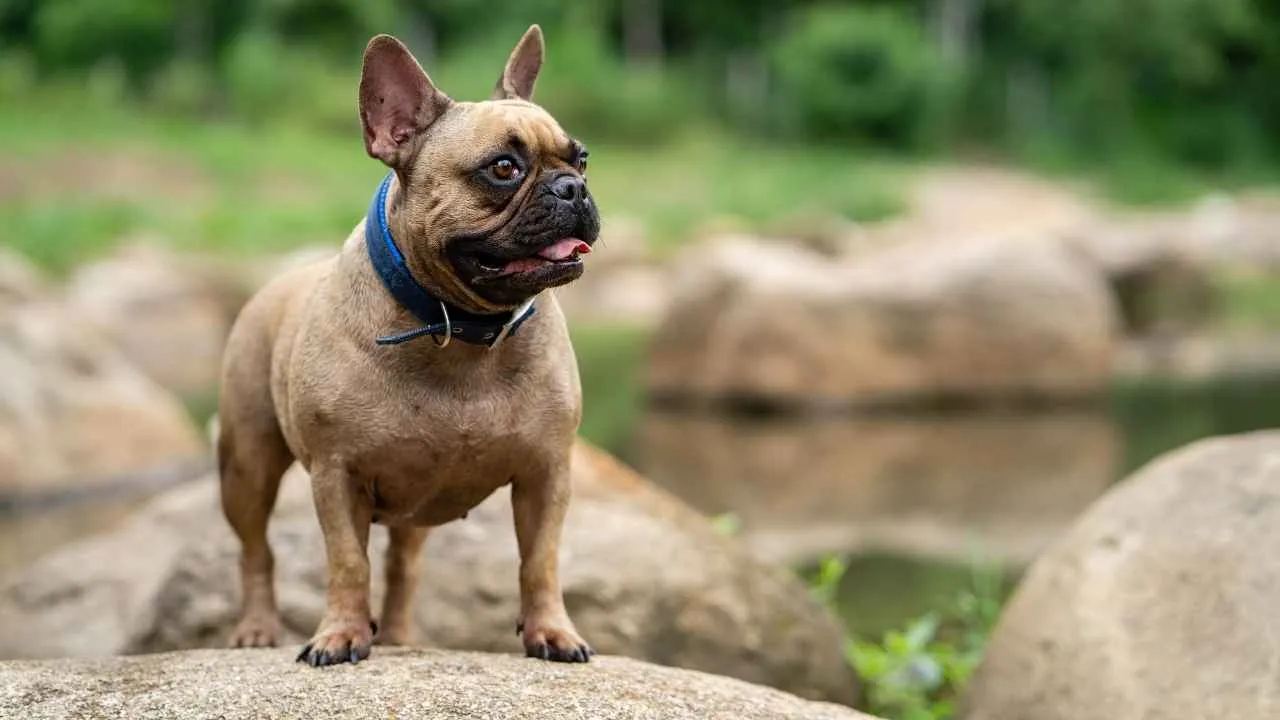
The French Bulldog developed in France from small Bulldog-type dogs that became popular companions among lace workers and later urban households. Its compact build, distinctive ears, and affectionate personality helped establish it as a wonderful companion breed. Unlike traditional sporting dogs, the French Bulldog was primarily bred for life alongside people.
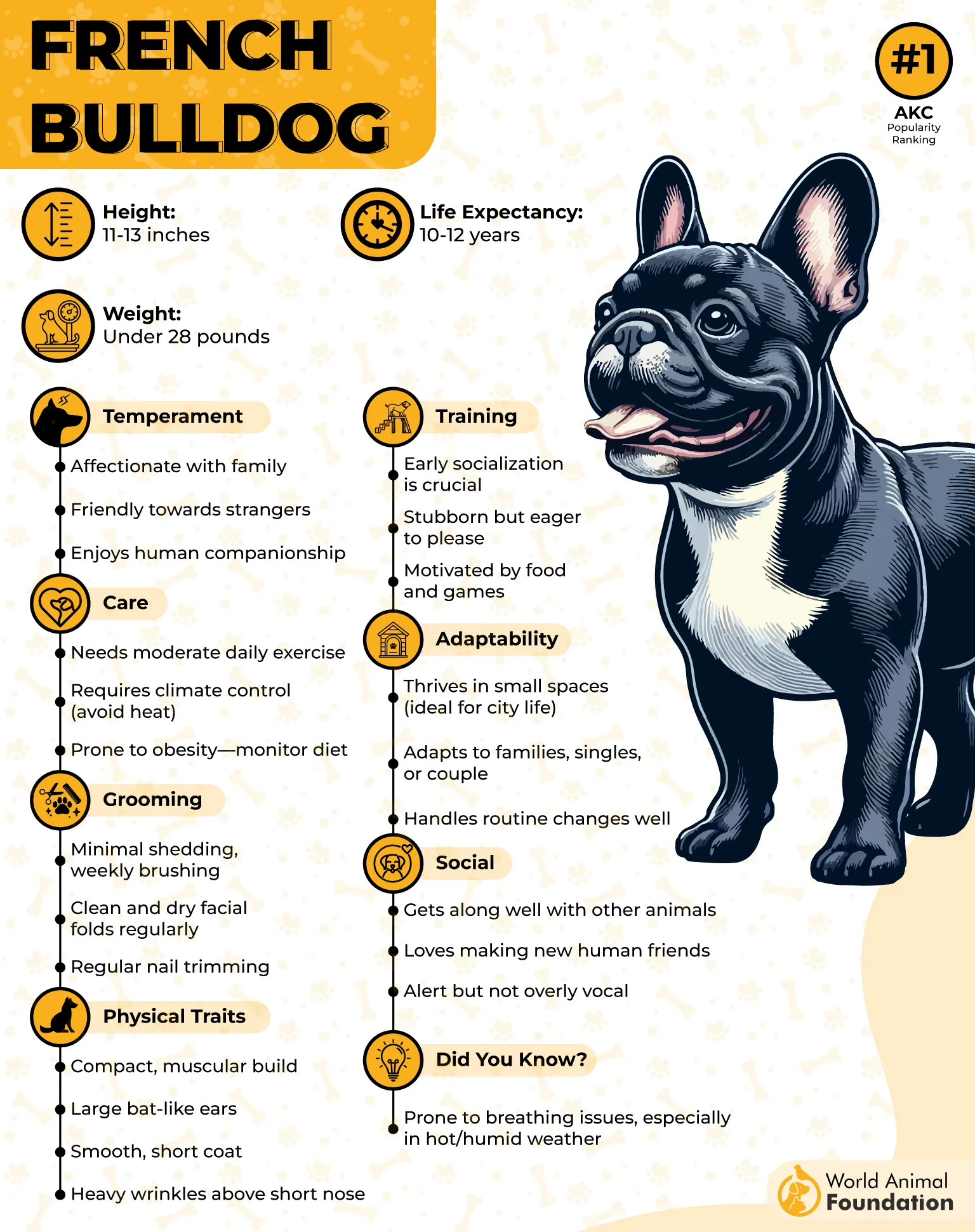
Minimal Coat Care With Important Exercise Considerations
French Bulldogs have short coats that generally require limited grooming beyond brushing and routine care. Their compact, flat-faced build means they should not be pushed through strenuous exercise, particularly in hot or humid conditions. Short walks and gentle indoor play are usually more appropriate than demanding physical activities.
A Low-Key Companion for Seniors and Retirement Living
French Bulldogs often enjoy being close to their owners and can adapt well to apartment or smaller-home living. Their exercise needs are generally modest, making them potentially suitable for retirees who prefer leisurely walks rather than vigorous outdoor activities. Their affectionate, people-focused nature can also provide plenty of companionship during quiet days at home.
Conclusion
Bichon Frises, Cavalier King Charles Spaniels, Havanese, Maltese, Pugs, Golden Retrievers, Shih Tzus, Poodles, and French Bulldogs all offer different qualities that can appeal to seniors and retirees. Some are content with short walks and indoor companionship, while others, such as Golden Retrievers and Poodles, may suit seniors who want a more active and mentally engaging routine.
Retirement living can provide plenty of time for companionship, but even choosing the best dog breed still requires an honest look at grooming, exercise, training, size, and long-term care. A small dog is not automatically easier, and a larger breed is not necessarily unsuitable for an older owner.
The right breed ultimately depends on the individual’s lifestyle and the particular dog’s temperament. When those factors are considered carefully, bringing a friendly dog into retirement can create a rewarding daily routine filled with companionship, affection, and shared activities.
