




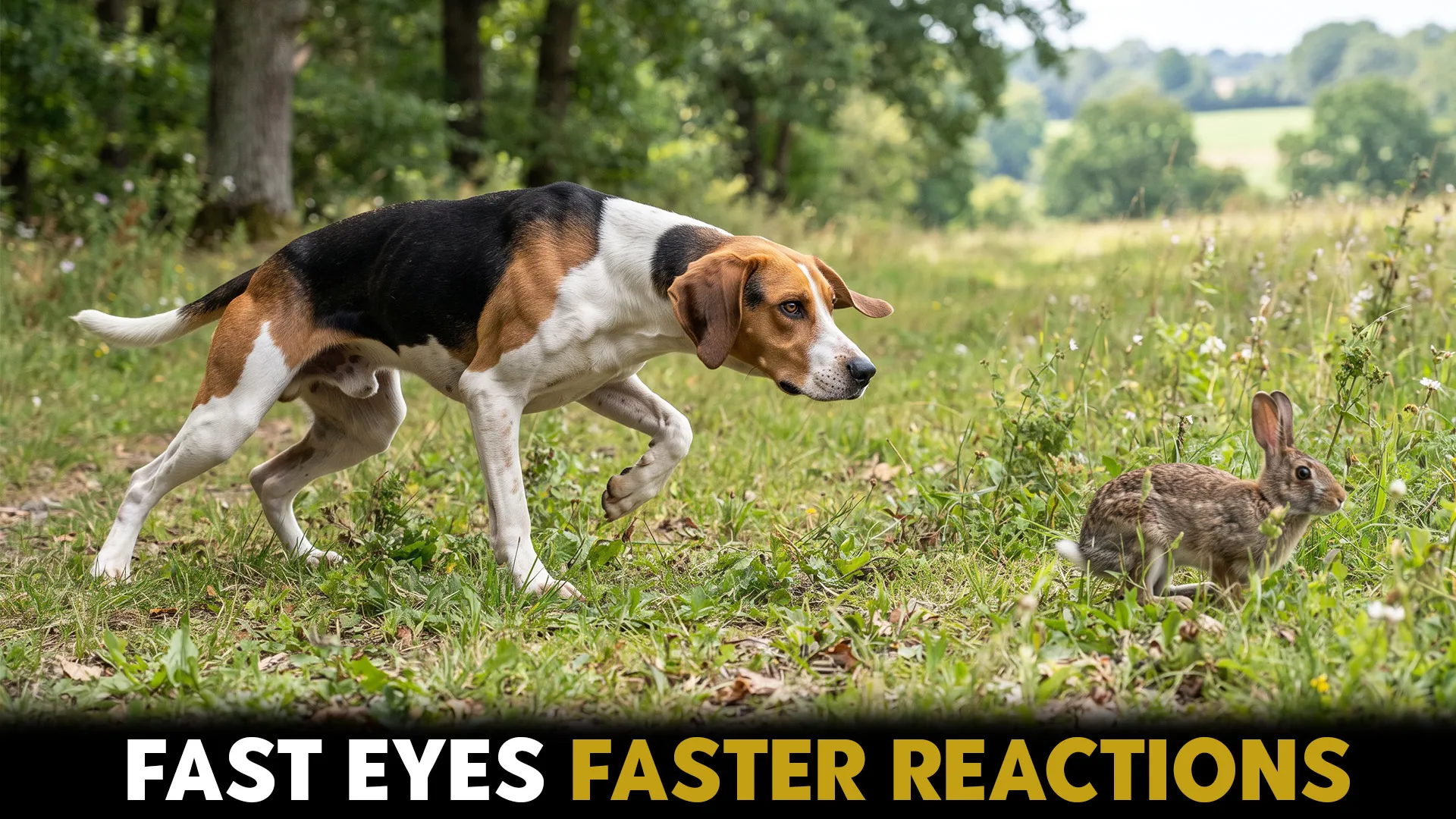
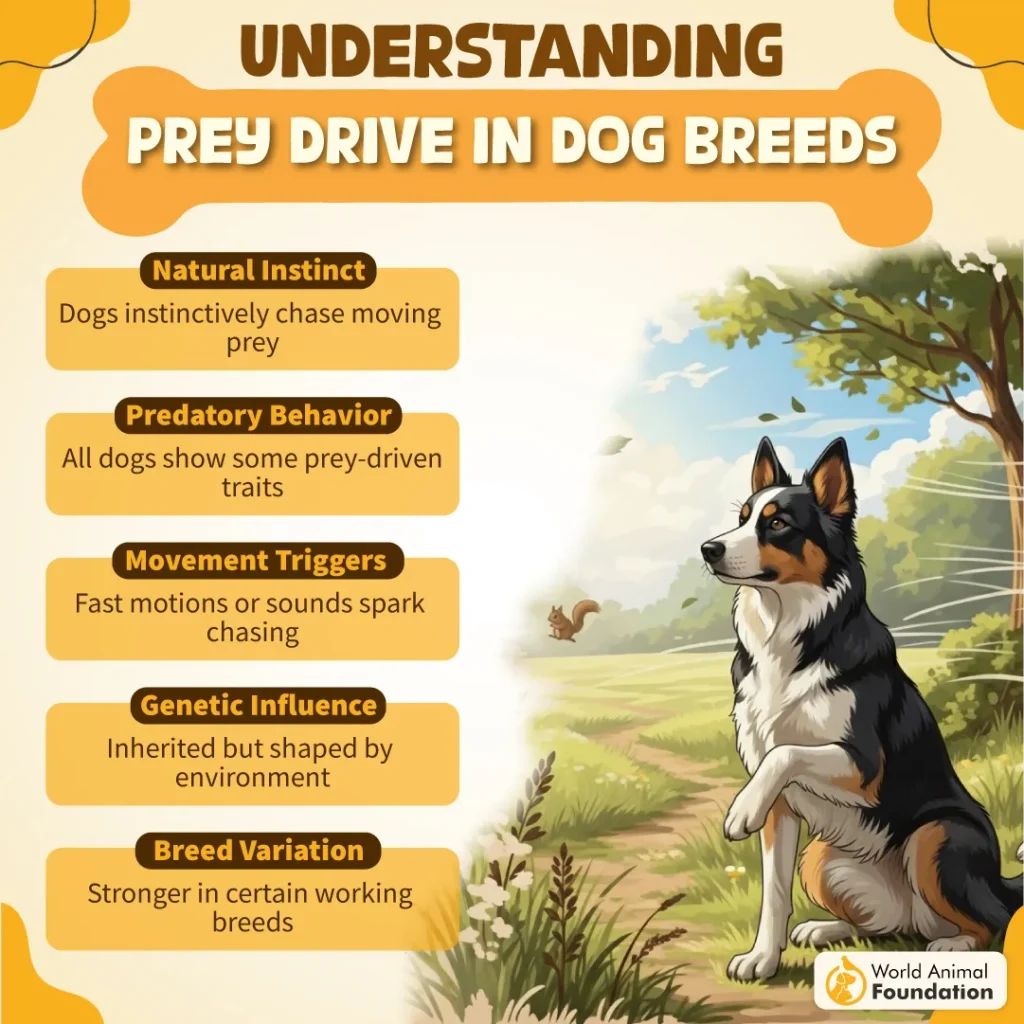
Prey drive is one of the most misunderstood traits in dogs. Too often mistaken for aggression or bad behavior, it’s actually a natural instinct: the deep-rooted urge to chase, capture, and retrieve moving objects. Far from being a flaw, this instinct is a superpower when it’s understood and channeled the right way.
Dogs with strong prey drive have shaped entire working roles throughout history. They make exceptional livestock herders, skilled hunters, and dependable working dogs, and their sharp focus even helps law enforcement teams with apprehension and search operations. Highly motivated and endlessly driven, these dogs were practically born to work.
In this guide, we’re counting down the top seven high prey drive dog breeds, along with the jobs and history that shaped their instincts. You’ll see exactly where their drive comes from and how it’s been put to good use for generations.
We’ll also share practical tips on managing prey drive at home, especially around kids, and break down what kind of owner is the best fit for these high-energy breeds.
Dog Breeds Known for Strong Prey Drive
1. Belgian Malinois
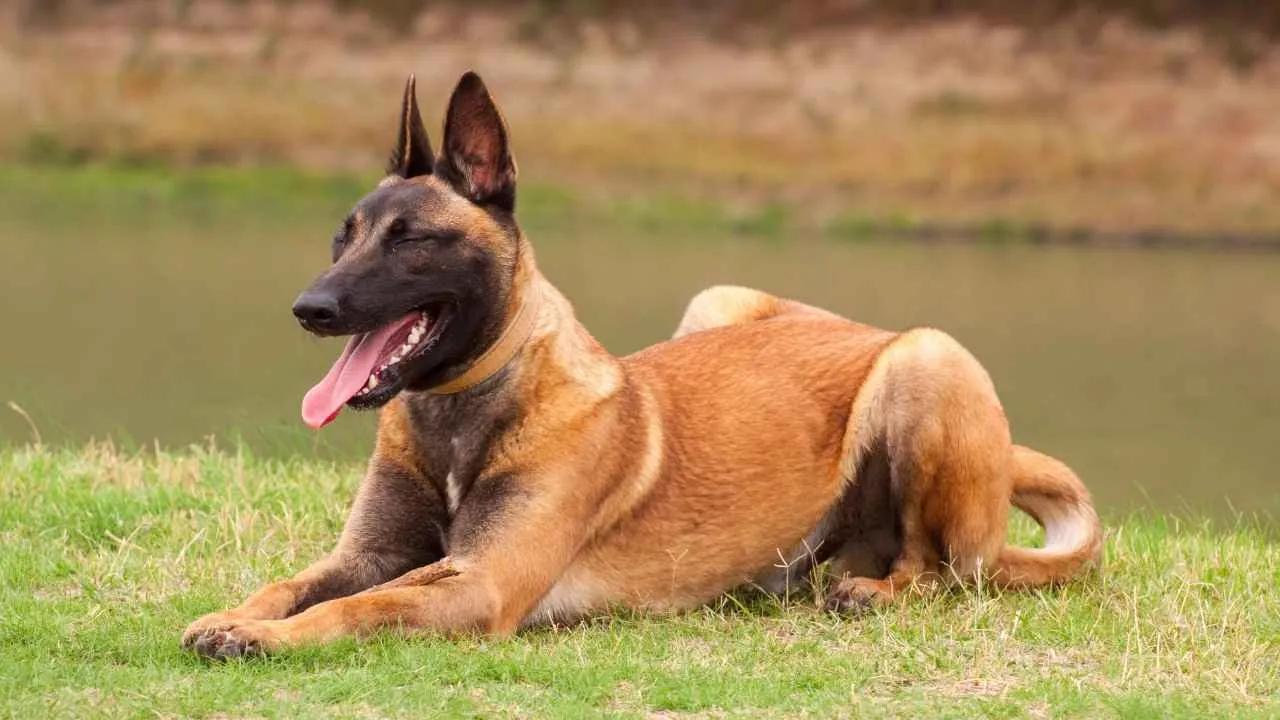
Belgian Malinois are intense, loyal, and incredibly alert dogs that form deep bonds with their handlers and always seem ready for action. Originally bred to herd and guard livestock, that background is exactly where their sharp instincts and strong prey drive come from.
These large dogs are highly attuned to movement, which makes them exceptional working dogs for owners who can channel that natural drive productively. They tend to excel at advanced obedience, agility, disc sports, and high-energy fetch sessions. Malinois are also seriously high-energy dogs, typically needing 90 to 120 minutes of exercise every day.
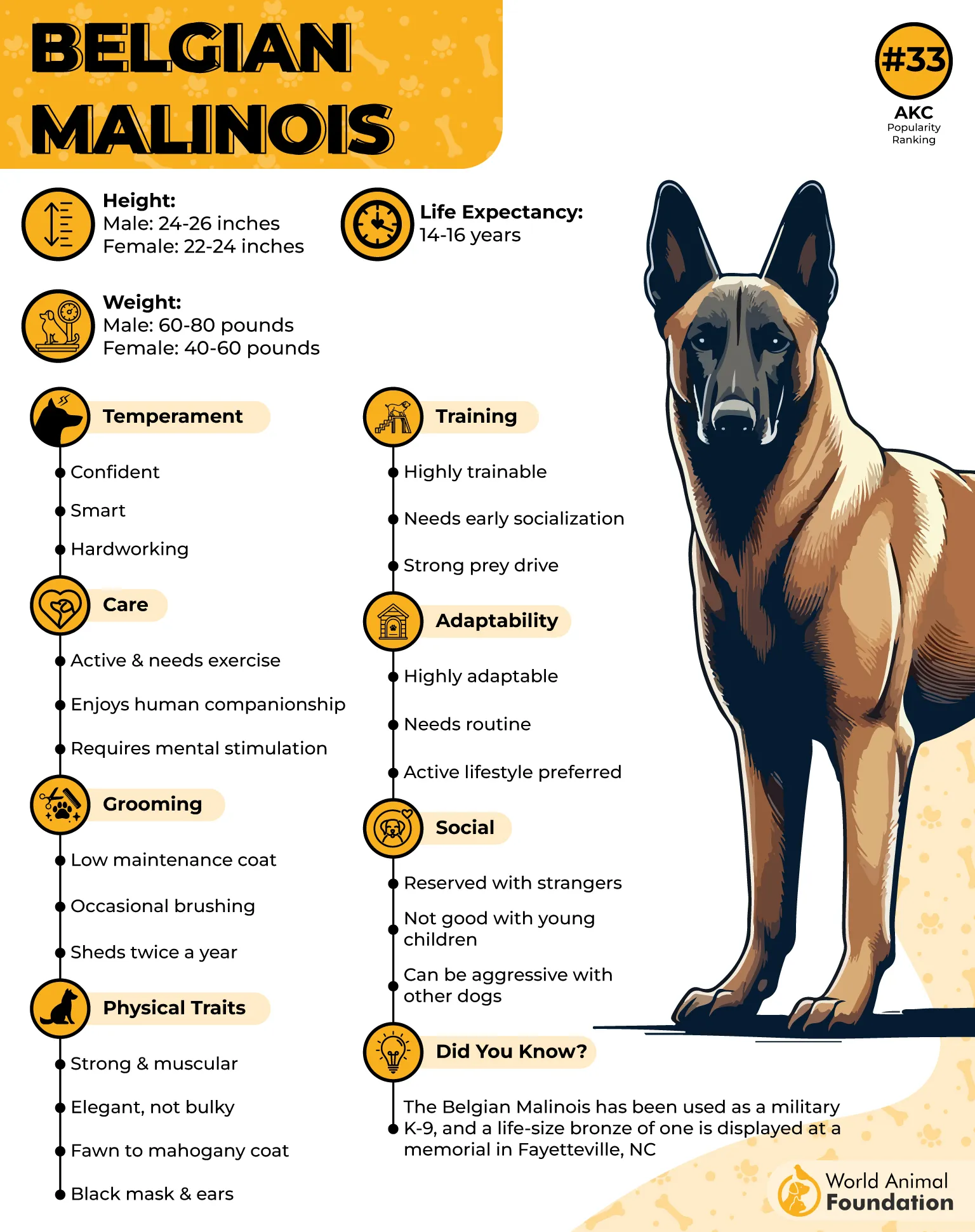
They’re widely considered one of the smartest breeds around and pick up commands quickly, though they really do best with experienced owners who understand their intensity.
Because of their strong drive, it’s also wise to keep them leashed in public spaces, since younger children or other fast-moving activity can trigger their chase instinct. As for grooming, Malinois have a short coat that sheds moderately year-round and benefits from weekly brushing.
2. American Foxhound
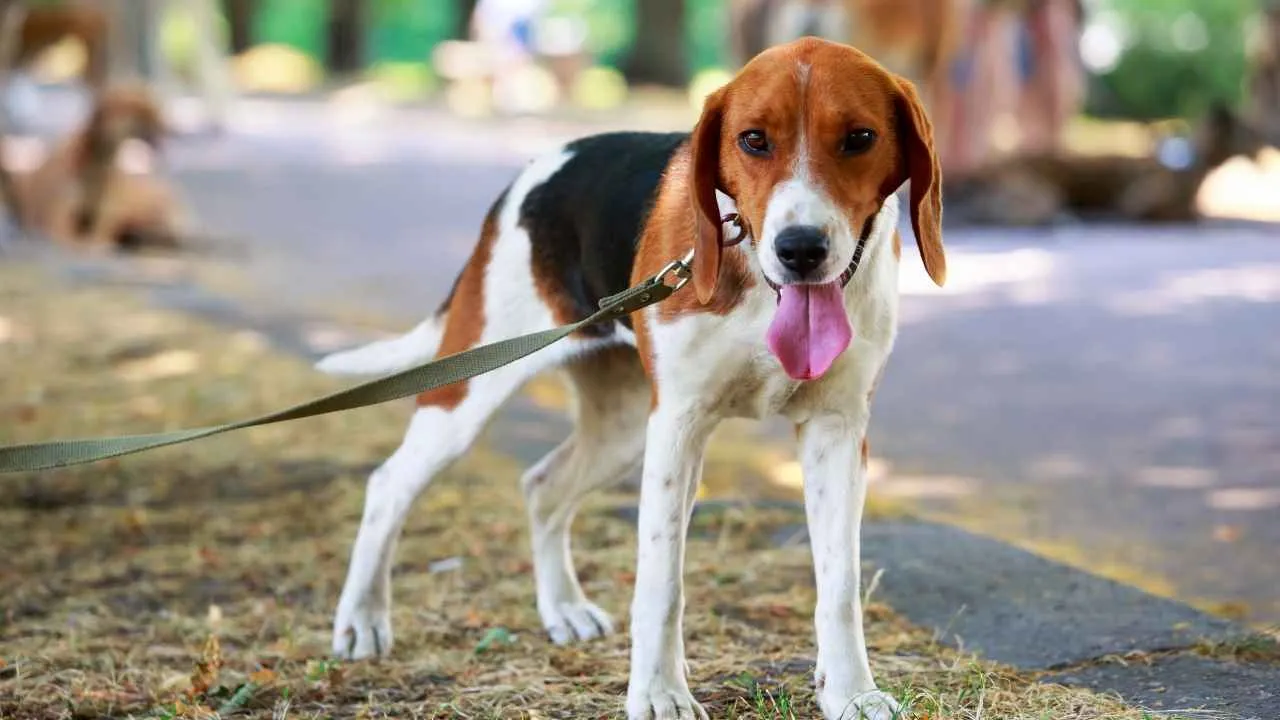
American Foxhounds are easygoing, gentle, and sweet-natured dogs, which might come as a surprise given they were originally bred to hunt foxes by scent. Despite that strong hunting background, these medium- to large hounds tend to do wonderfully with children and other dogs, even if they stay a bit reserved around strangers and carry a fairly high prey drive.
That said, once a Foxhound catches an interesting scent, its nose hits the ground and everything else, including your calls, tends to fade into the background. That instinct can actually be channeled into fun activities like hide-and-seek games, scent work, dog sports, and interactive fetch.
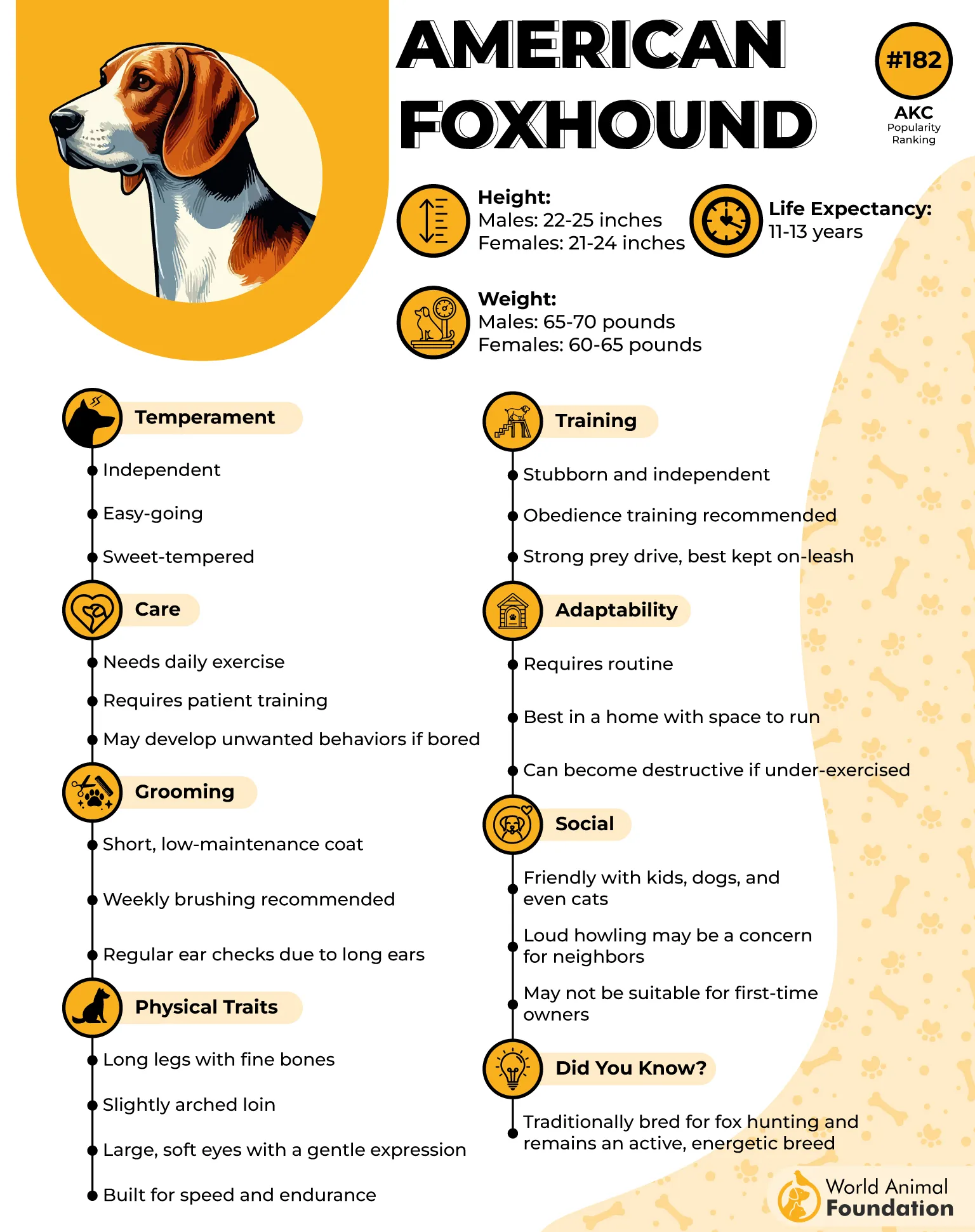
As a bonus, these dogs also have a distinctive bay they use to alert their owners when something catches their attention.
American Foxhounds are energetic dogs that need at least 1 to 2 hours of exercise daily to stay mentally balanced. They’re friendly but also independent and a bit stubborn, so confident, experienced owners tend to be the best fit. On the grooming side, their short coat is refreshingly low-maintenance.
3. Dutch Shepherd
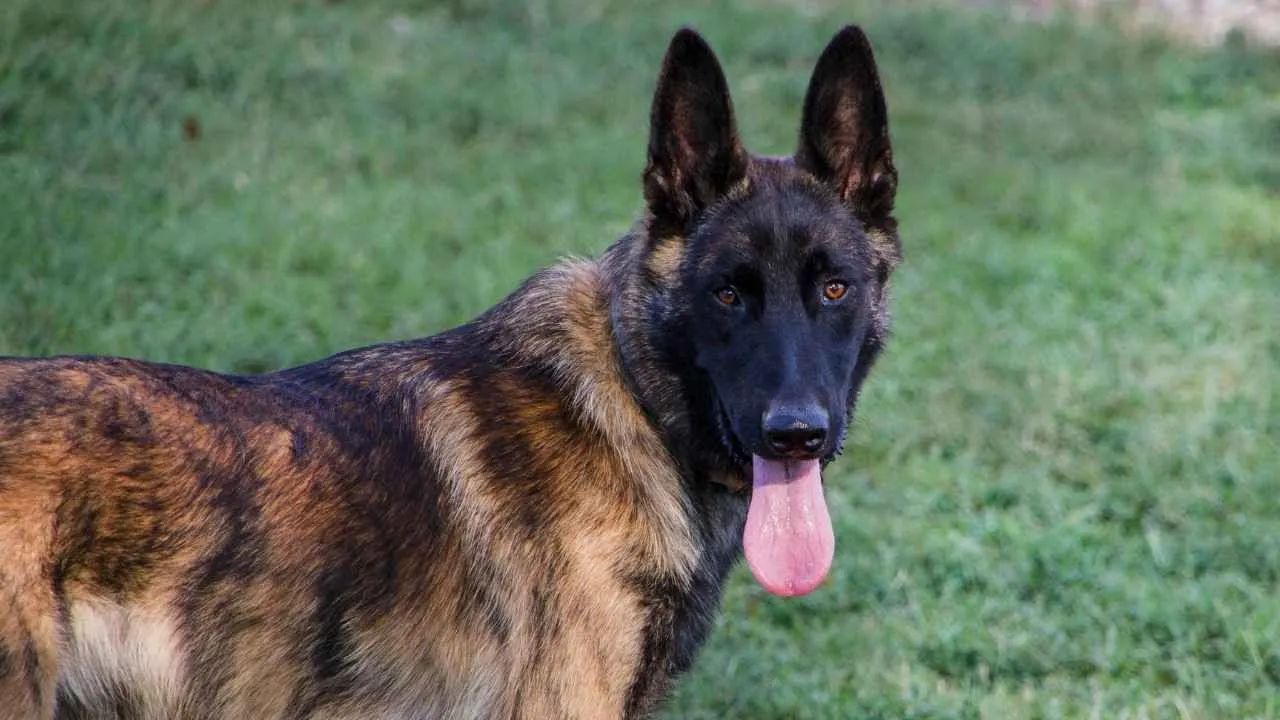
Dutch Shepherds are highly intelligent, alert, and serious working dogs that form intensely close bonds with their families while remaining naturally protective and watchful. Originally bred as versatile, all-purpose farm dogs, it’s easy to see why a strong prey drive is baked into their instincts.
Quick and sharp when it comes to tracking moving objects, this same drive is exactly why Dutch Shepherds excel as military and police dogs, often used in search and rescue work, according to PetMD.
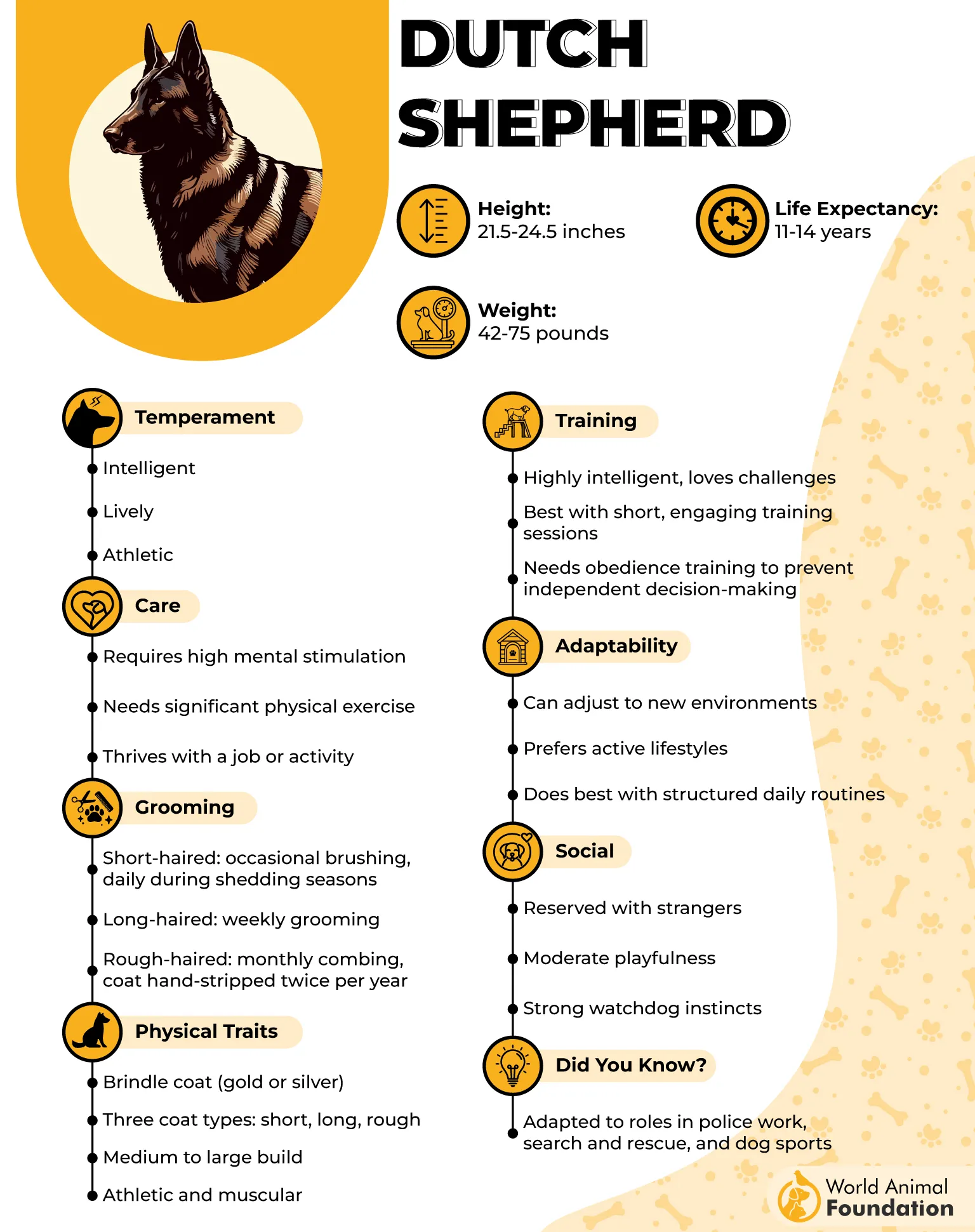
That instinct can also work in your favor during training, since chasing a favorite ball or working through agility courses and hurdle jumps tends to keep them engaged and motivated.
That said, these Shepherd dogs need 60 to 90 minutes of vigorous daily exercise to stay mentally sharp, whether that’s running, structured training, or other demanding mental work. They do best with experienced owners who understand their intensity, and their short-haired coat benefits from weekly brushing to stay in good condition.
4. Irish Setter
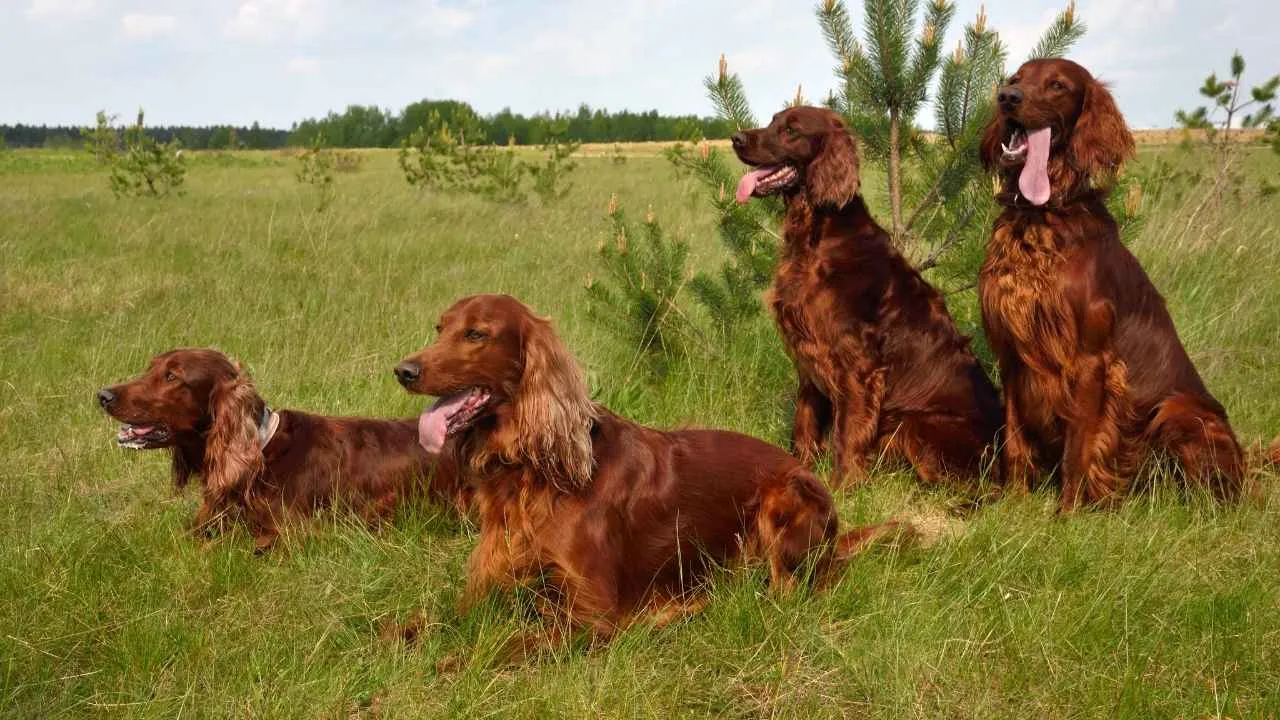
Irish Setters were originally developed as skilled bird-hunting companions, trained to track birds and then crouch low to signal hunters. Beyond their working roots, these dogs are energetic, affectionate, and outgoing, known just as much for their sweet, clownish personality and their genuine love for family life, humans and pets alike.
That instinct to chase runs deep too. Irish Setters will often fixate on birds or squirrels, freezing into that classic pointing stance the breed is famous for. This same drive fuels their love of outdoor adventures and interactive activities like scent work and agility, which they can enjoy for hours without tiring out.
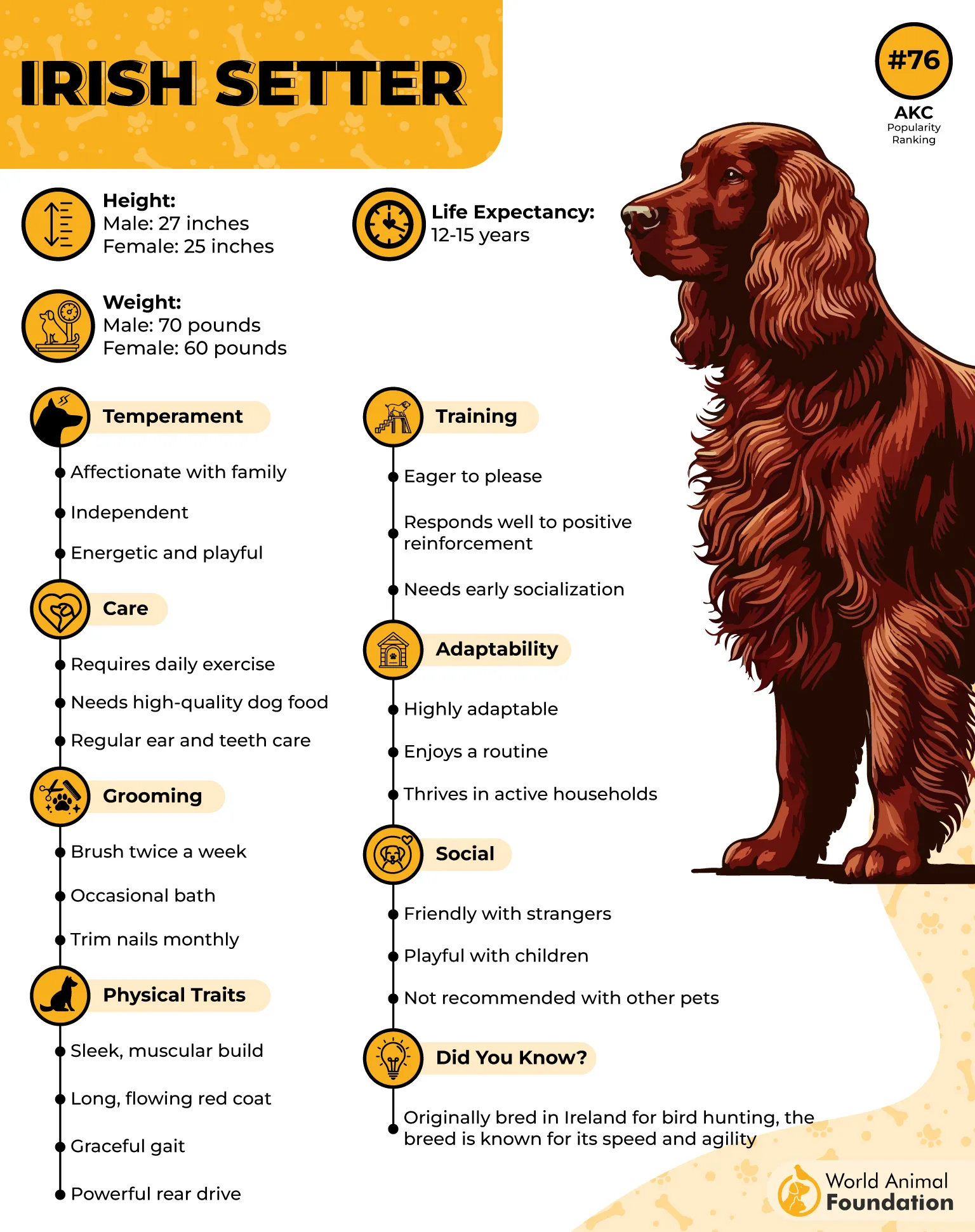
According to PDSA, Irish Setters need around 2 hours of daily activity to stay mentally satisfied. They’re intelligent but also quite sensitive, responding best to positive, encouraging training methods.
Their signature red coat needs brushing every couple of days to prevent tangles and matting, even though shedding tends to stay moderate overall.
5. Weimaraner
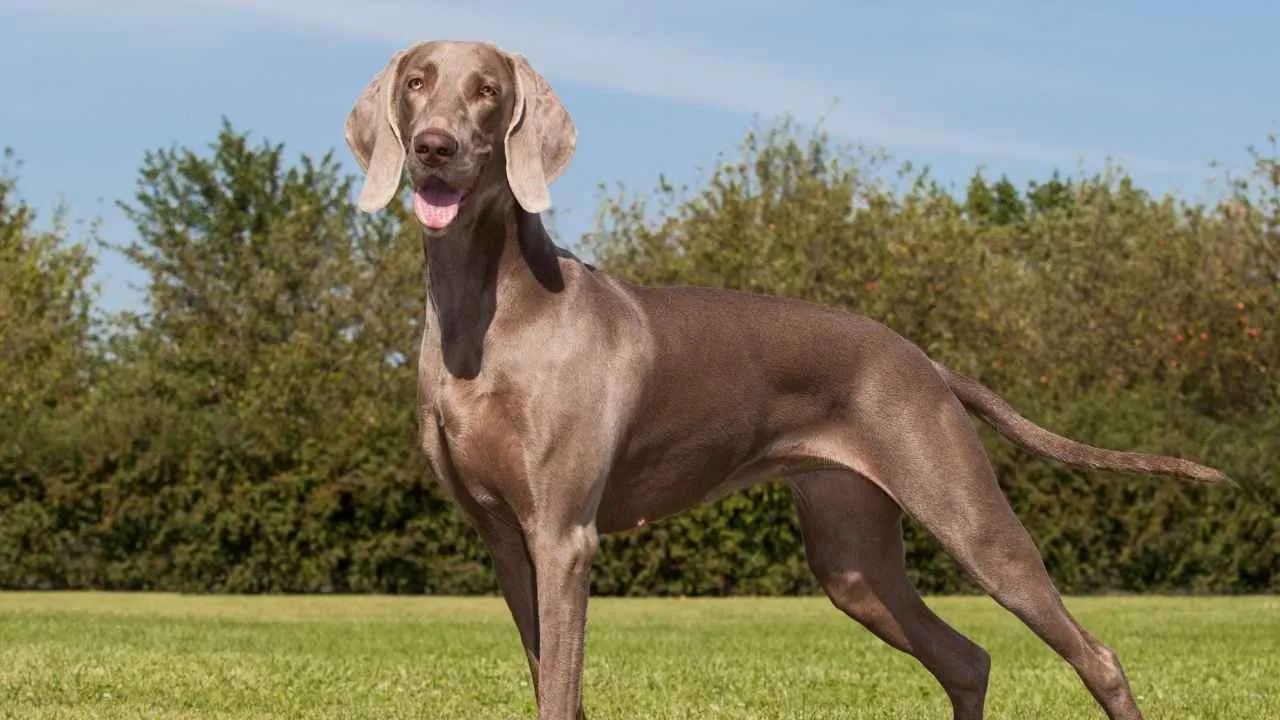
Weimaraners are energetic, fearless dogs that form deep, lasting bonds with their people. According to the AKC, their striking gray coat is exactly where the nickname “Gray Ghost” comes from. These large dogs are highly affectionate too, though they can struggle with anxiety if left alone for extended periods.
With their long legs and gray-tipped snout, Weimaraners were originally bred to hunt large game like deer and even wolves, which explains their notably high prey drive.
That same instinct can be channeled into productive activities like fetch, tracking, and endurance running, both of which help satisfy their need for vigorous daily exercise.
Given their strong drive, it’s best to keep Weimaraners leashed outdoors and make sure your yard has a tall, secure fence, since they’re capable jumpers. This breed does best with active, experienced owners who understand their intensity.
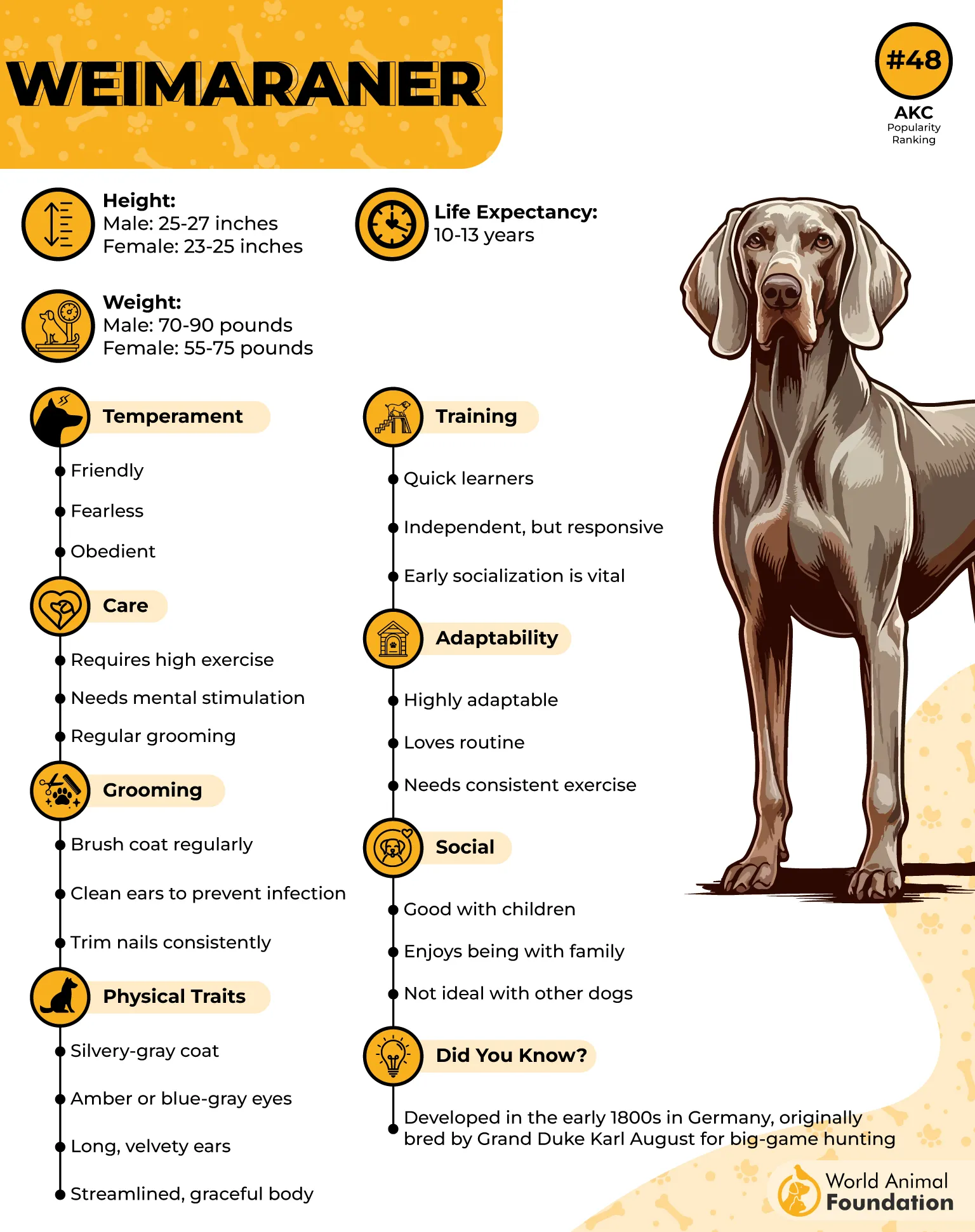
They’re smart, but also assertive and strong-willed. On the upkeep side, though, their short coat is fairly low-maintenance, needing just weekly brushing.
6. Rhodesian Ridgeback
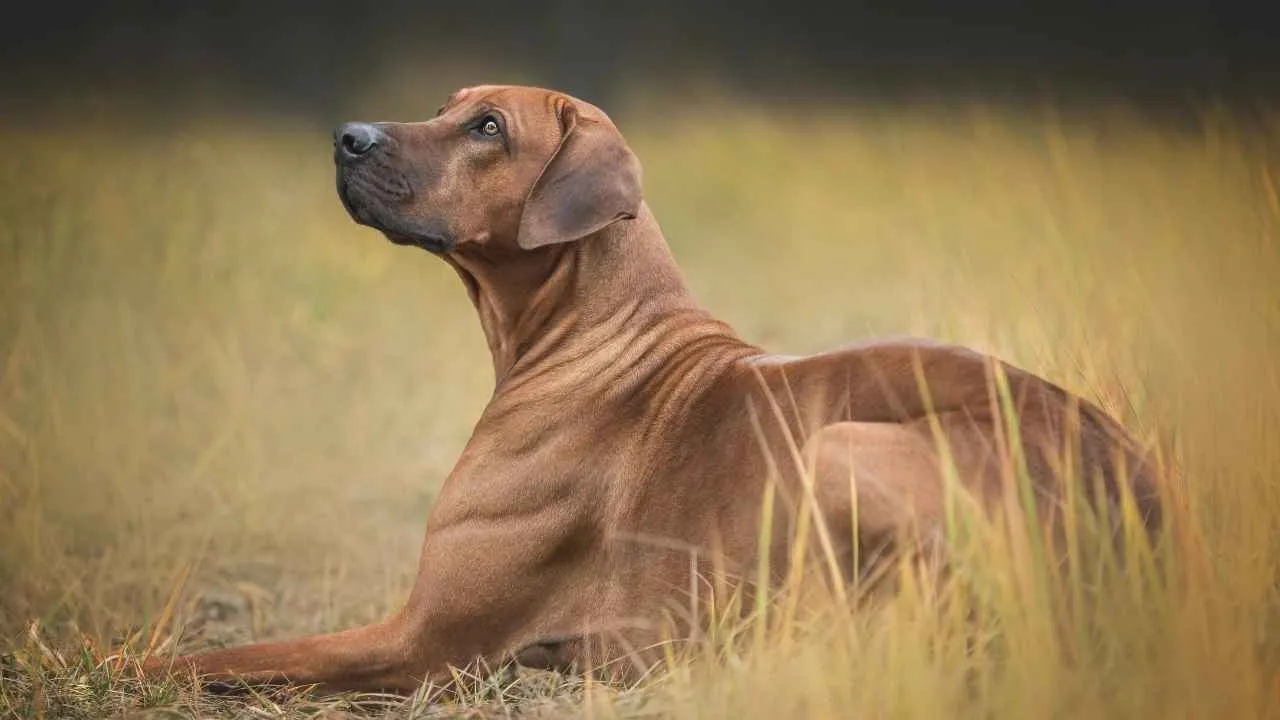
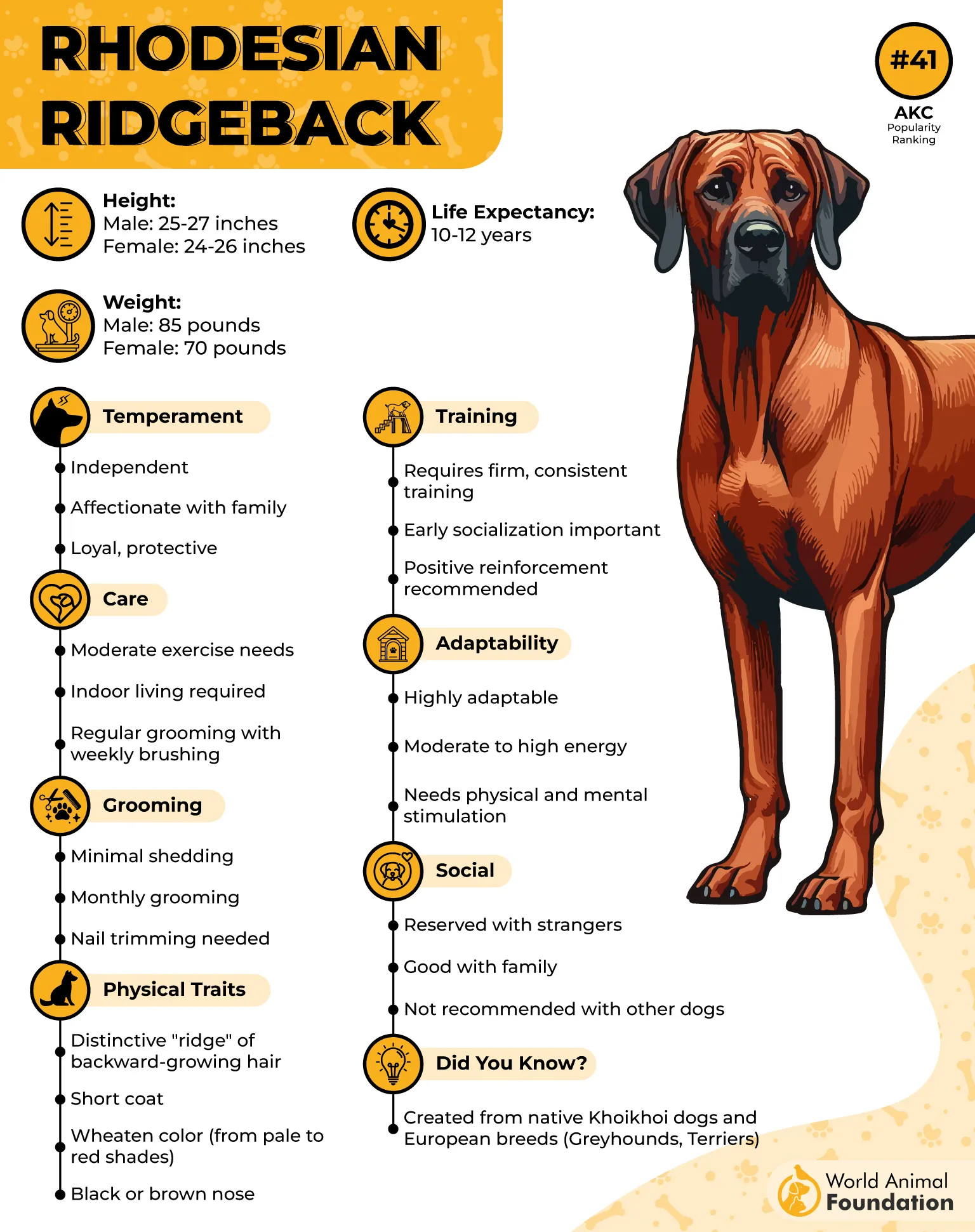
Rhodesian Ridgebacks are instantly recognizable by the distinctive ridge of backward-growing hair along their spine. Originally bred to track large game and protect farms from dangerous wildlife, they’ve also earned the nickname “African Lion Hound.” According to The Kennel Club, this breed naturally carries a high prey drive.
These strong, powerful dogs are courageous, deeply loyal, and not afraid to be vocal when something catches their attention. At home, they often come across as calm, noble, and gentle, but they tend to be more reserved and cautious around strangers.
Because of their strong prey drive, sudden bursts of energy can lead to chasing or stalking behavior around other animals if proper training hasn’t been established early on.
Ridgebacks need at least an hour of daily exercise, including long walks, to stay mentally satisfied. They’re highly intelligent but carry a notable stubborn streak, so confident, experienced owners are important for managing that natural drive. As for grooming, their short coat sheds moderately but requires only minimal upkeep.
7. Vizsla
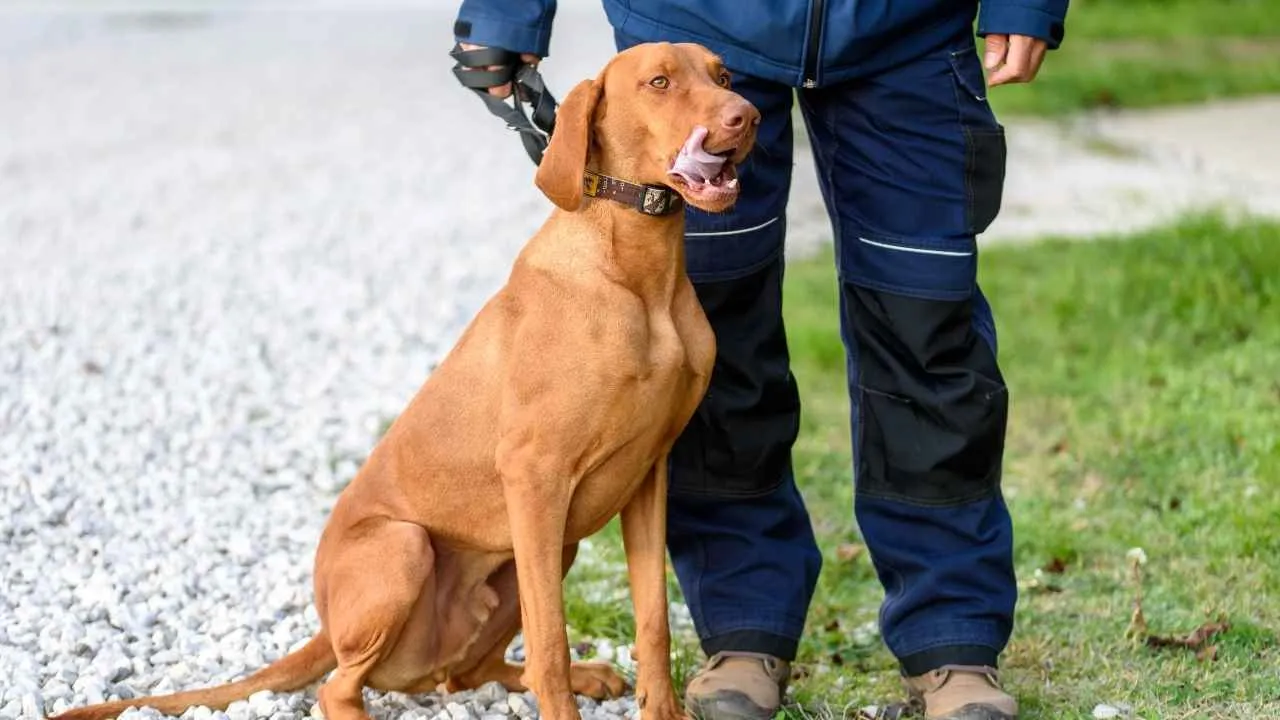
Vizslas are deeply affectionate dogs that form intense bonds with their owners, which is exactly why they’ve earned the nickname “Velcro dogs.” Developed in Hungary as versatile hunting dogs, they were bred to point and retrieve both upland game and waterfowl across long, demanding stretches of terrain.
That strong hunting background comes with a genuinely high prey drive, so a Vizsla is likely to perk up and chase the moment it spots a bird or scans a nearby tree.
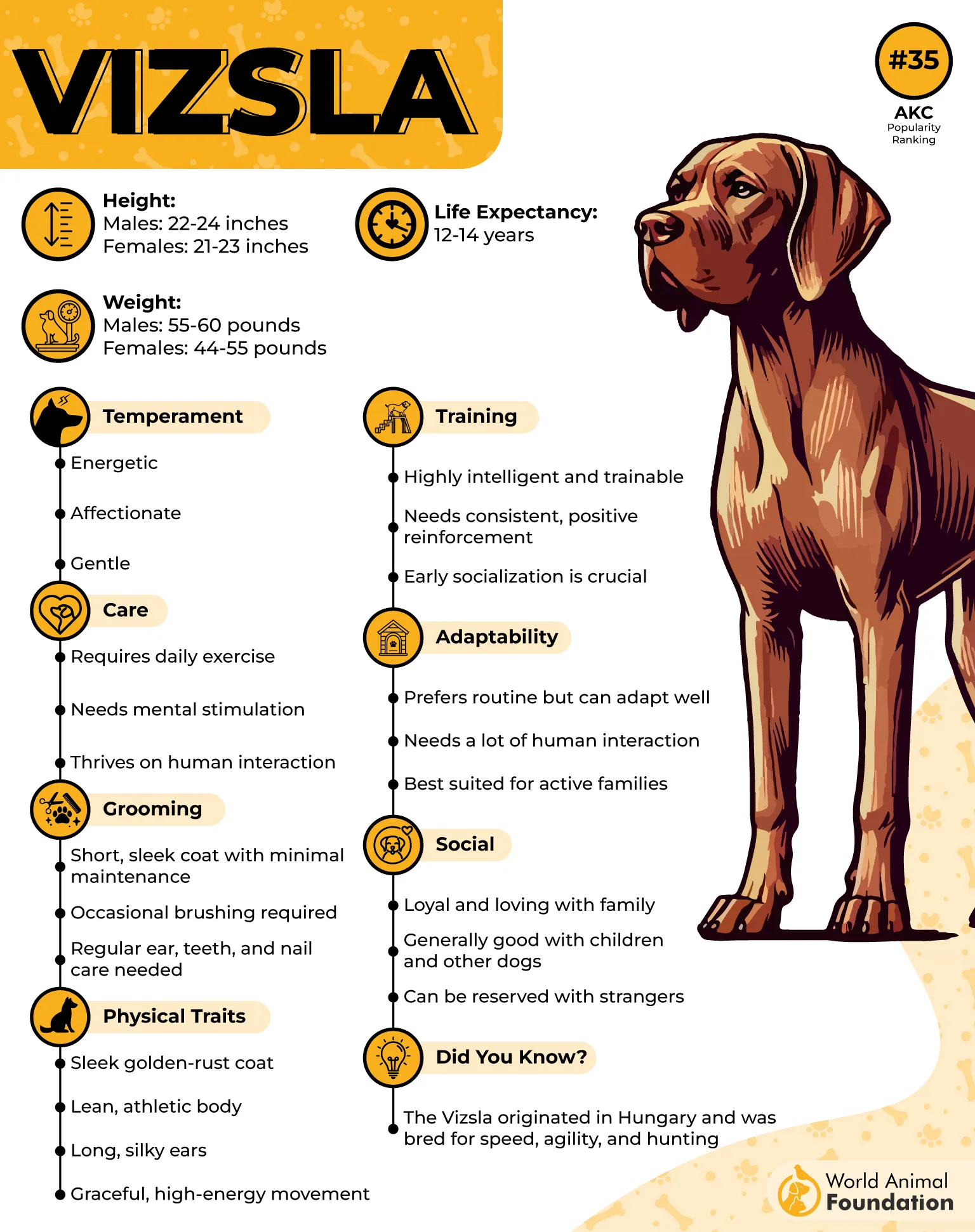
The good news is that this instinct can be channeled productively through fetch, retrieving games, scent tracking, and various dog sports. As pointers, Vizslas also come with high energy levels and need regular, vigorous exercise to stay balanced.
They’re highly intelligent and genuinely eager to please, which makes them quick learners. That said, Vizslas are also quite sensitive and can shut down under harsh corrections, so gentle, positive reinforcement training works far better with this breed. As for coat care, their short fur is easy to manage with just a quick weekly brushing.
Conclusion
The seven breeds above all share notably high prey drives, which makes perfect sense given their working histories. Most of these dogs spent centuries honing that drive for hunting or herding, so it’s really just an extension of what they were bred to do.
A dog’s prey drive isn’t a bad thing in itself. It only becomes a challenge when proper training isn’t part of the picture. Early socialization and consistent positive reinforcement make a huge difference, and when channeled well, that same natural prey instinct can be put to great use, whether that’s hunting, herding, or simply keeping an active dog happily engaged.
