




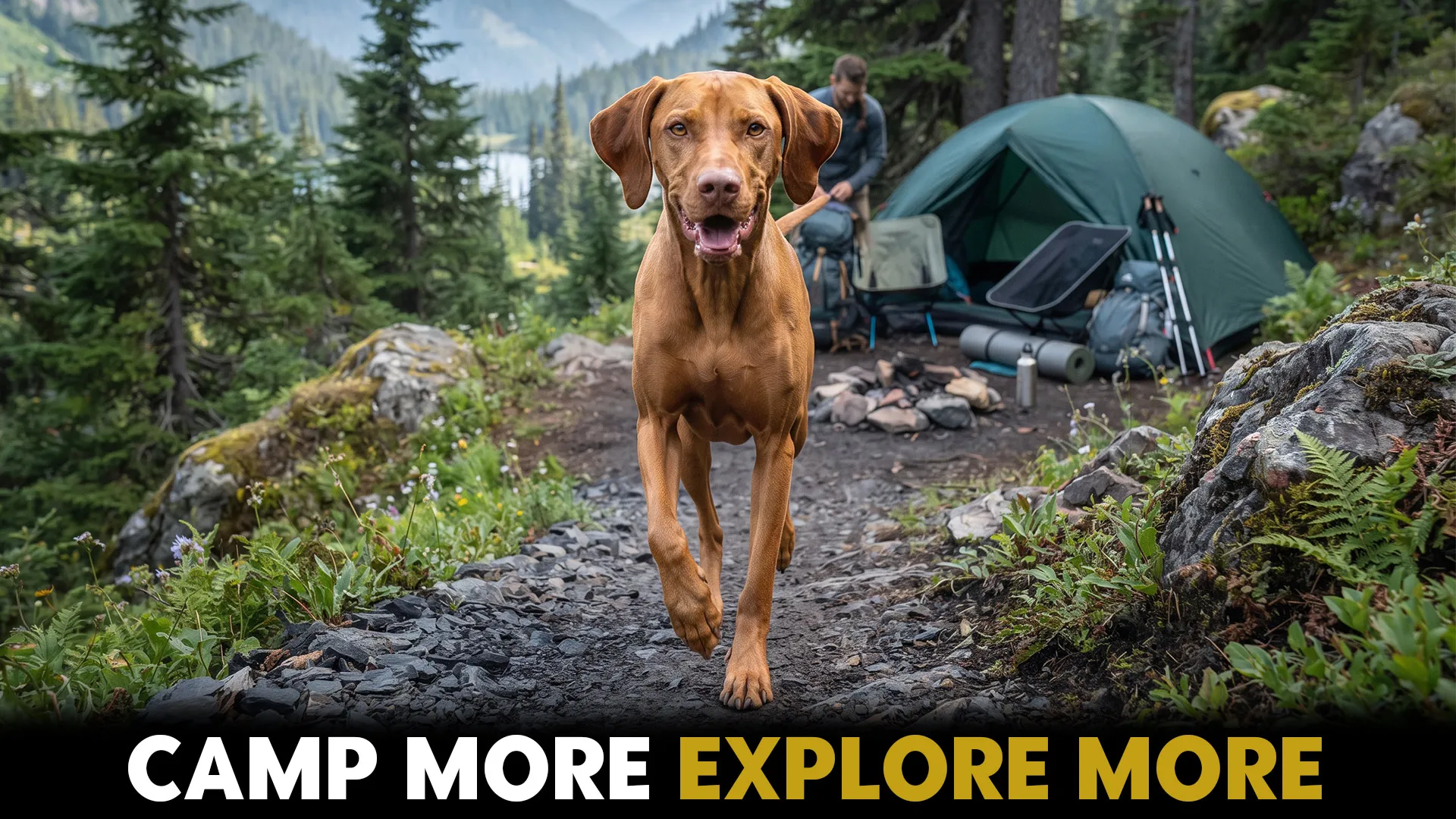
Camping can be an excellent way for dogs and their owners to spend more time outdoors. Hiking trails, open spaces, wooded paths, and new surroundings provide opportunities for exercise and exploration that many dogs find exciting.
However, not every breed is equally comfortable with the demands of outdoor travel. A good camping companion should ideally have enough stamina for physical activity, confidence in unfamiliar surroundings, and a temperament that allows it to settle when the day’s adventure is over.
The breeds below represent several different approaches to outdoor companionship. Some are endurance athletes, others are highly trainable working dogs, and a few are especially well suited to cooler mountain environments.
Regardless of breed, camping dogs need appropriate conditioning, reliable recall, identification, parasite prevention, and close supervision around wildlife and unfamiliar terrain.
Dog Breeds Ideal for Camping Adventures
1. Labrador Retriever
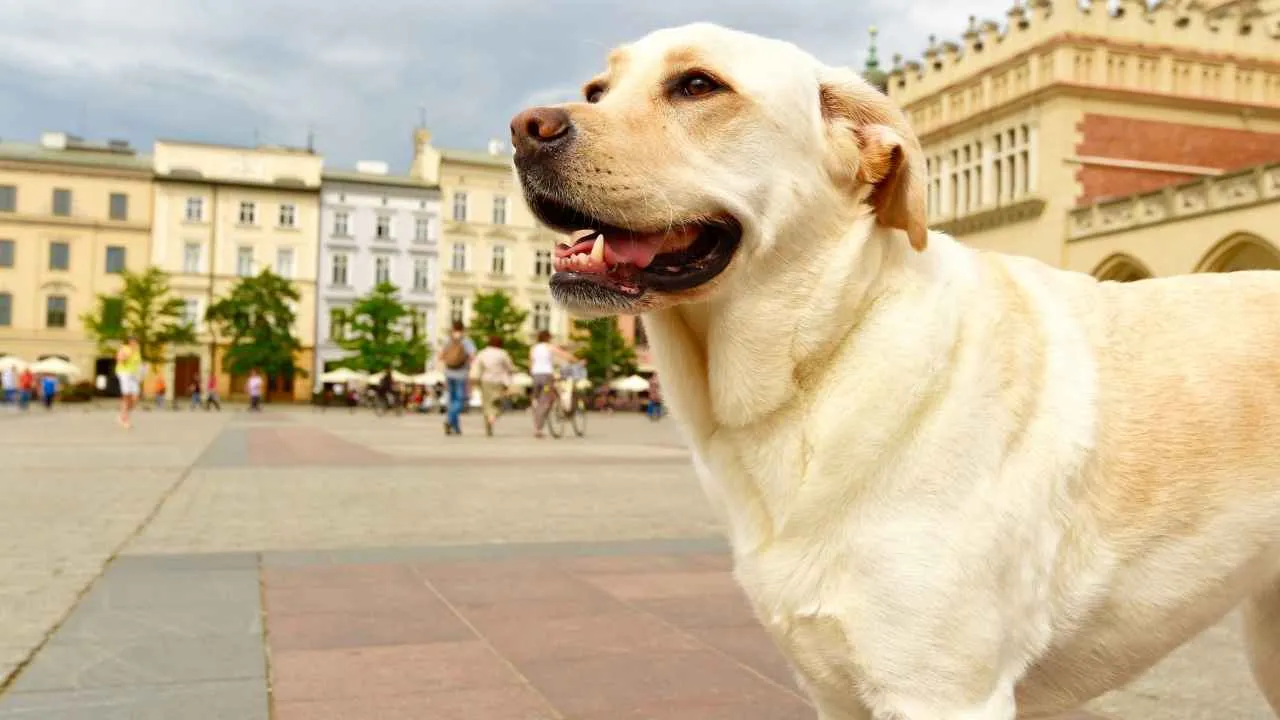
Labrador Retrievers have a long history as working dogs associated with fishermen and hunters. Their retrieving background, swimming ability, athletic build, and cooperative nature have made them versatile companions for a wide range of outdoor activities.
Modern Labradors are also known for their enthusiasm and friendly personalities, as noted by the AKC. Their combination of physical ability and willingness to participate can make them particularly enjoyable companions for people who spend considerable time outside.
Build Their Fitness Before Longer Trips
Labradors should gradually develop the endurance required for extended hikes and active camping holidays. Regular walks, swimming, retrieving games, and varied terrain can help strengthen their muscles and improve stamina.
Owners should avoid suddenly taking an unconditioned dog on a demanding trail. Paw condition, hydration, weather, and rest periods all deserve attention during longer outings.
A Versatile Partner for Outdoor Exploration
A Labrador can adapt to many camping activities, from walking beside a trail to retrieving objects near suitable water. Its sociable nature can also make it comfortable participating in family activities throughout the day.
Reliable recall remains essential in wilderness environments. A well-trained Labrador that can return promptly when called is much easier to manage around roads, cliffs, waterways, and wildlife.
2. Australian Shepherd
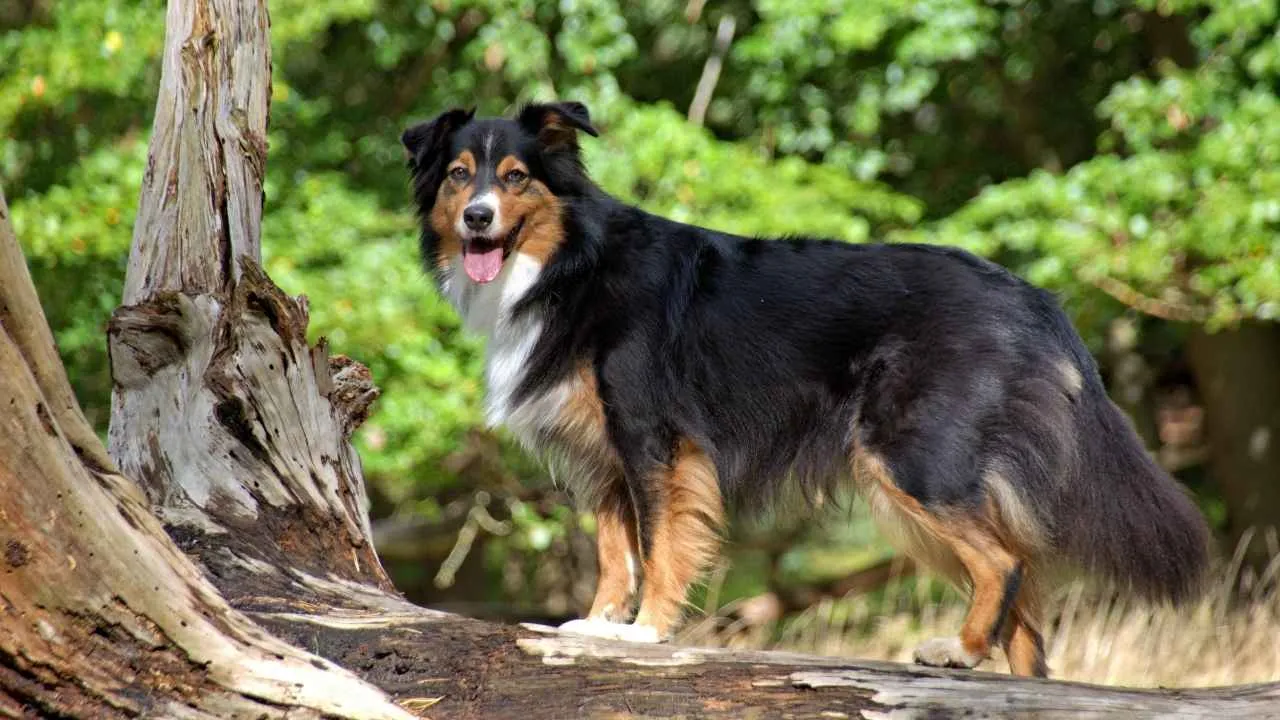
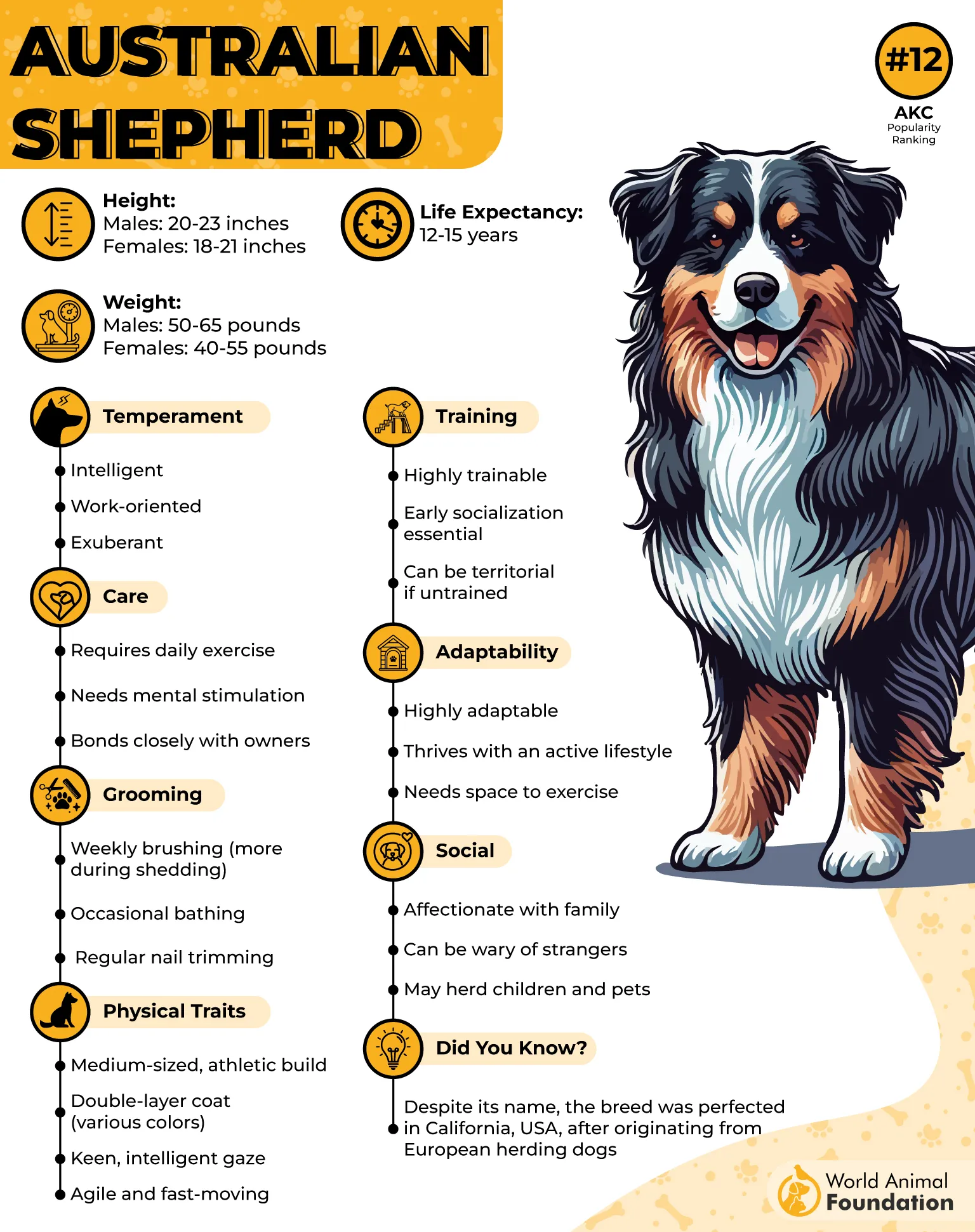
Australian Shepherds are energetic herding dogs known for intelligence, agility, and a strong desire to work with their people. Despite their name, the breed was developed primarily in the United States and became associated with ranching and livestock work, as mentioned by Britannica.
Their athletic construction and problem-solving ability allow them to handle demanding activities. They tend to enjoy having something purposeful to do rather than spending every camping trip lying around the tent.
Give Their Working Minds a Job
Australian Shepherds need both physical activity and mental challenges. Hiking, obedience exercises, scent games, and controlled exploration can provide productive outlets during a camping trip.
Training should emphasize recall, impulse control, and staying close to the handler. Herding instincts can sometimes cause an Aussie to attempt to control the movement of people, dogs, or other animals.
An Energetic Companion for Active Campsites
For owners who enjoy hiking, trail activities, and long days outdoors, the Australian Shepherd can be an excellent match. Its enthusiasm for movement can turn ordinary walks around camp into opportunities for engagement.
At the same time, these dogs need help learning to settle. After sufficient exercise, a trained Aussie should have a designated resting area where it can relax rather than continuously searching for something to do.
3. Siberian Husky
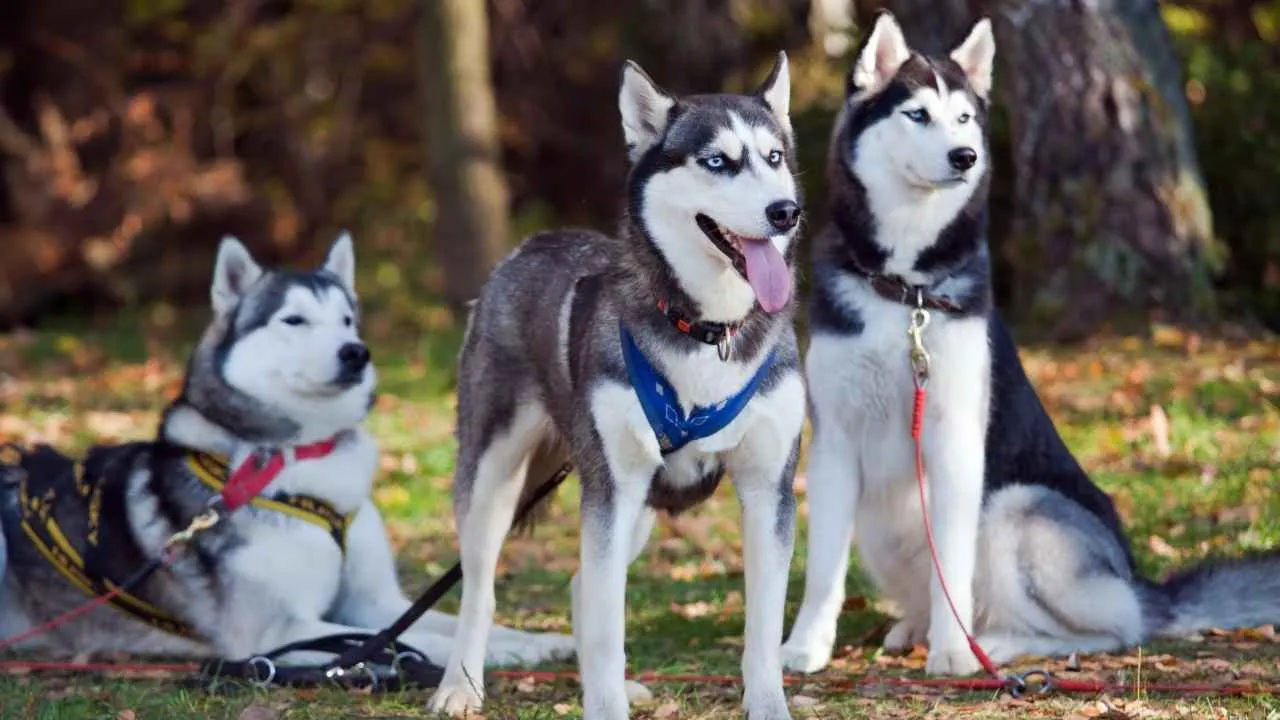
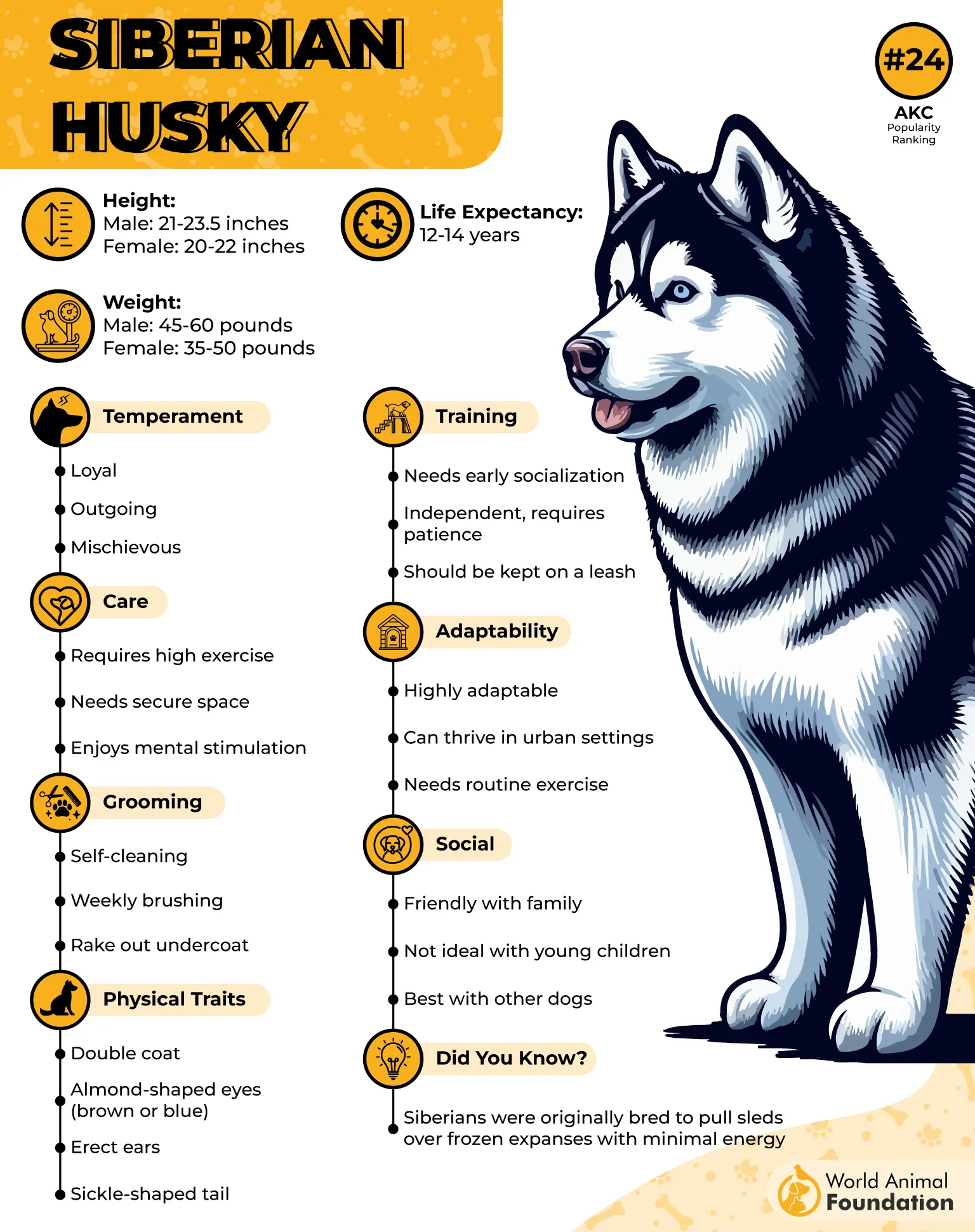
Siberian Huskies originated among the Chukchi people of northeastern Siberia, where they were developed as endurance sled dogs capable of transporting loads over considerable distances. Their history shaped a breed with remarkable stamina and a thick double coat.
Huskies are particularly suited to cool environments and often enjoy vigorous outdoor activity. Their independent personalities, however, require owners to take training and containment seriously during camping trips.
Prepare Them for Temperature and Terrain
Huskies can thrive during outdoor adventures in cool conditions, but their dense coats make hot weather much more challenging, as noted by PetMD. Camping schedules should therefore account for temperature, shade, water availability, and signs of overheating.
Regular conditioning is important before attempting long hikes. Owners should also inspect paws after rough or rocky excursions and provide appropriate rest when the terrain becomes demanding.
An Endurance Specialist for Cool-Weather Trips
The Husky’s history as a sled dog gives it an impressive capacity for sustained movement. Long walks through suitable terrain can provide the kind of physical challenge this breed often enjoys.
Their independent nature means off-leash freedom can be risky. Secure leashes, harnesses, and campsite management are particularly important because a Husky may be tempted to investigate its surroundings rather than immediately return to its owner.
4. Border Collie
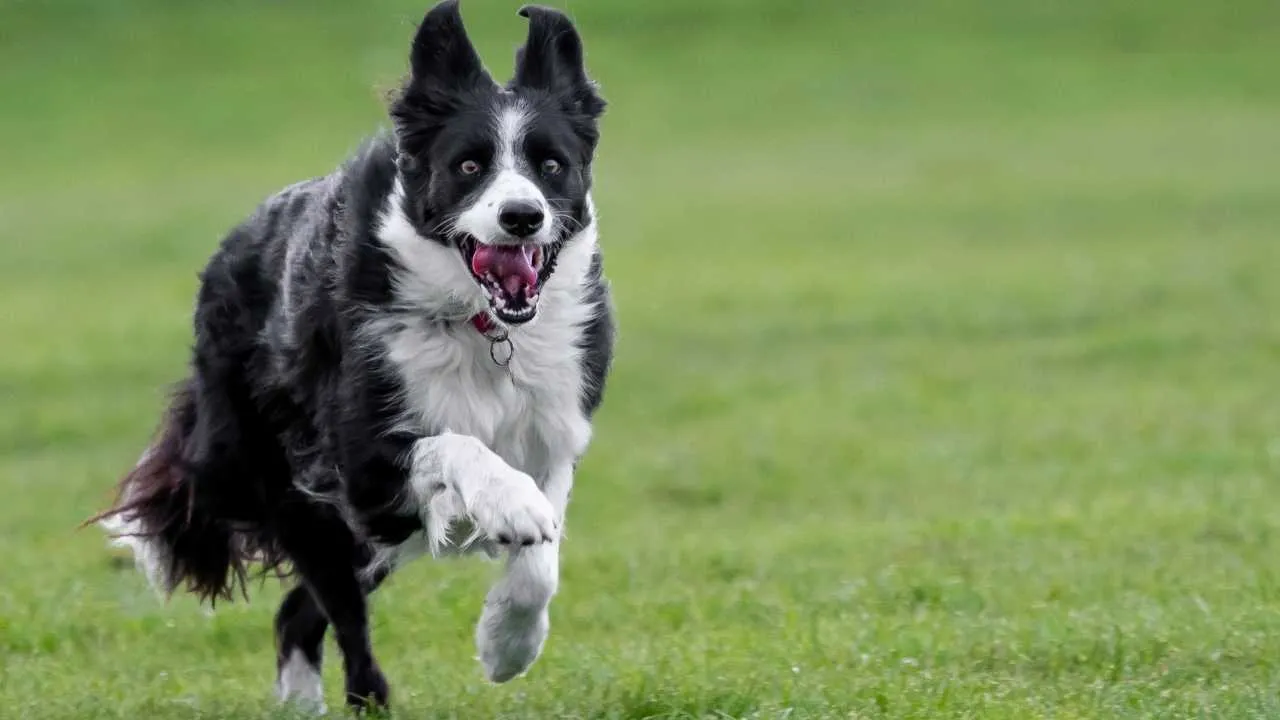
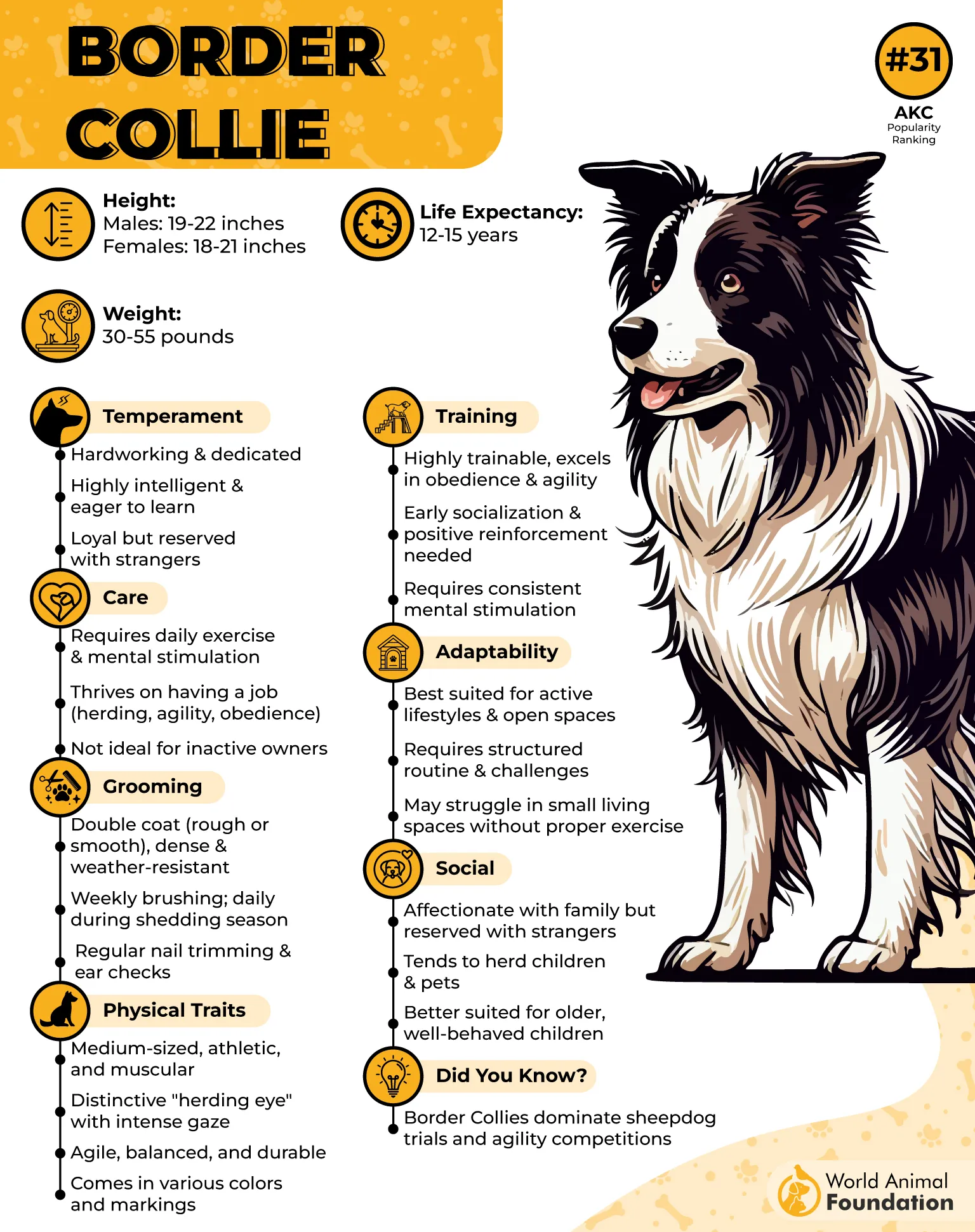
Border Collies were developed along the border regions of Britain to help shepherds manage livestock. Their work demanded extraordinary responsiveness, concentration, speed, and the ability to interpret subtle human signals.
They are among the most mentally capable dog breeds and often thrive when their owners provide meaningful challenges. Camping can offer plenty of stimulation, but simply being outdoors may not be enough for such an active mind.
Mix Physical Exercise With Mental Challenges
Border Collies benefit from hiking combined with obedience games, scent activities, trick training, and controlled problem-solving exercises. Varying activities can help prevent boredom during longer trips.
Owners should establish strong recall and emergency commands before taking their dog into remote areas. A dog that responds reliably despite distractions is much safer on unfamiliar trails.
A Focused Companion for Adventure-Filled Days
A Border Collie can be a remarkable hiking partner for an active owner. Its agility allows it to navigate varied terrain, while its attentiveness can make it responsive to changes in direction and instructions.
However, the breed may struggle if a camping trip involves long periods of inactivity. Providing structured activities followed by deliberate quiet time can help the dog enjoy both the adventure and the downtime.
5. Vizsla
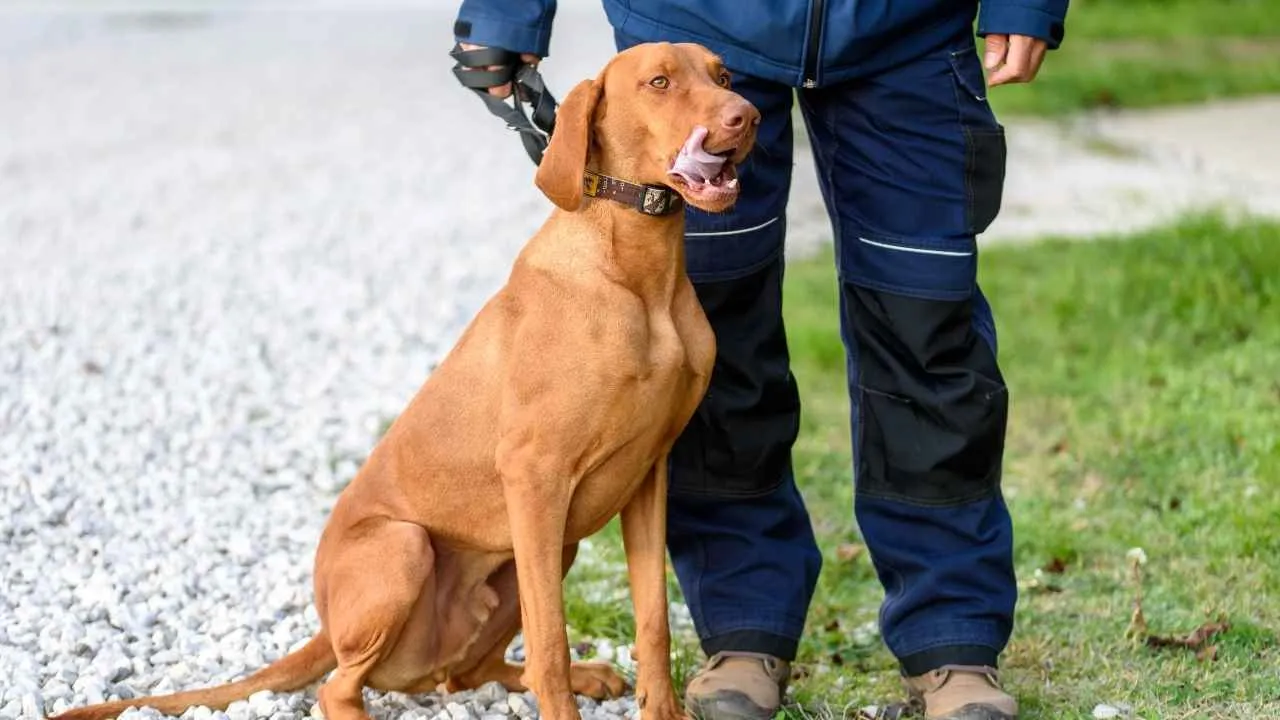
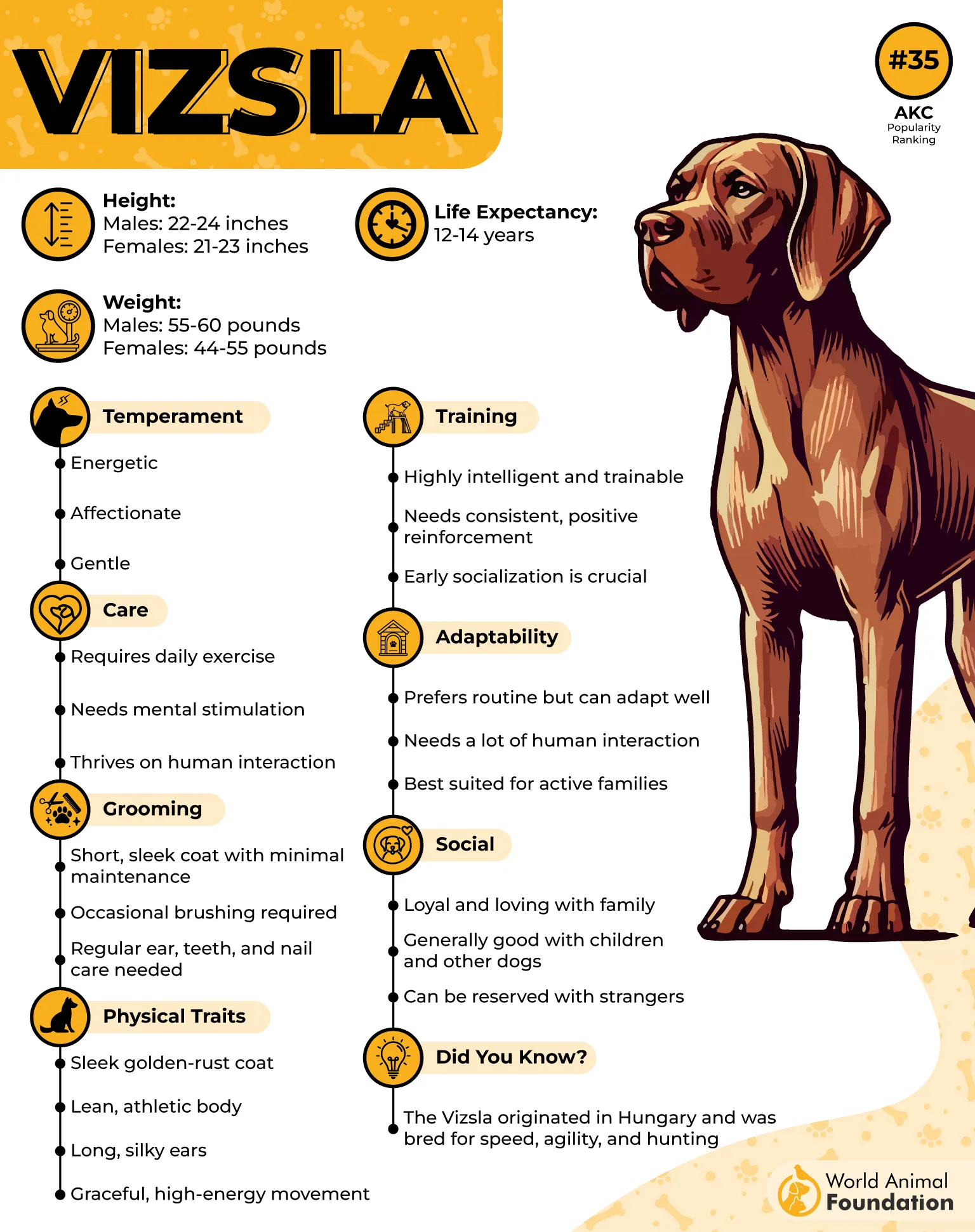
The Vizsla originated in Hungary and was developed as a versatile hunting dog capable of pointing and retrieving game. Its lean, athletic body, stamina, and close relationship with its handler make it naturally suited to active lifestyles.
Vizslas are often affectionate and people-oriented, frequently preferring to remain near their owners. Their short coat is easy to maintain, although it offers limited insulation in cold conditions.
Keep Their Athletic Needs in Mind
Vizslas require substantial daily exercise and generally enjoy activities such as hiking, running, swimming, and retrieving. Conditioning should be built gradually so the dog can handle longer trails without excessive fatigue.
Their short coat means weather protection becomes especially important in cold environments. A warm sleeping area and appropriate gear can help keep them comfortable during chilly nights.
A Close-Keeping Companion on the Trail
The Vizsla’s strong attachment to its owner can be useful during outdoor adventures. Many enjoy following their people closely, making them natural participants in hikes and campsite activities.
Their affectionate nature also means they may be less comfortable being isolated at camp. Keeping them involved while providing a secure place to rest can help satisfy their social needs without allowing them to wander.
6. Rhodesian Ridgeback
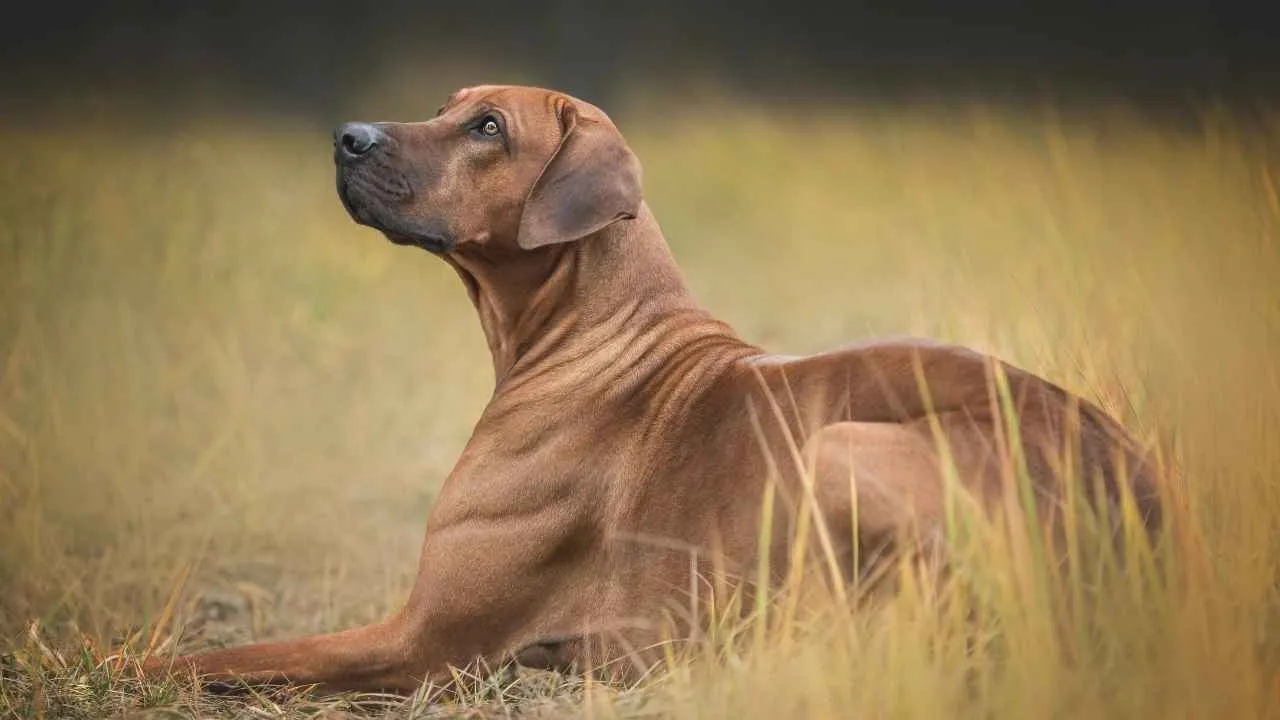
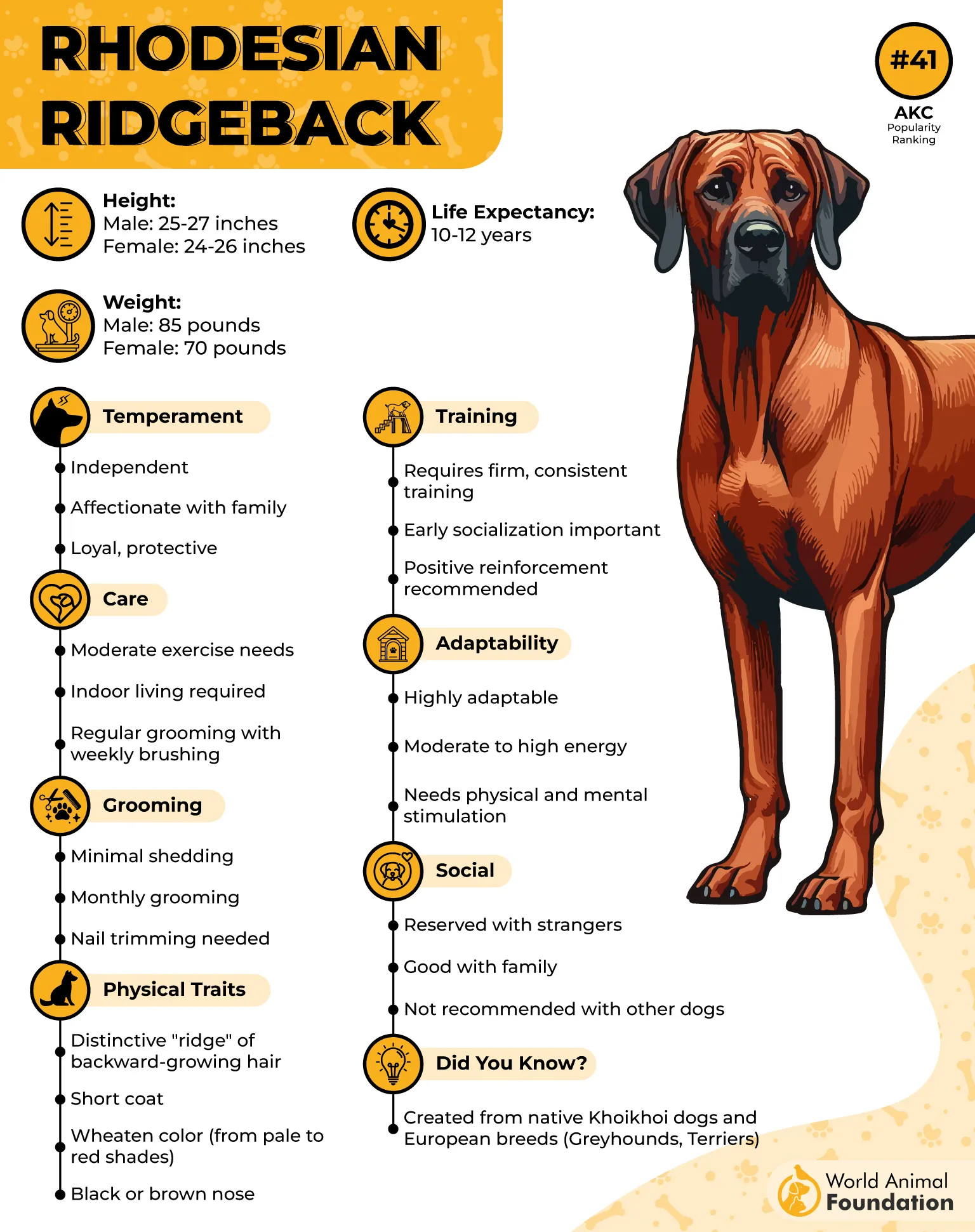
Rhodesian Ridgebacks were developed in southern Africa and became associated with hunting and protecting homesteads. Their athletic bodies, endurance, courage, and ability to tolerate warm conditions reflect their demanding historical environment.
They are powerful dogs capable of covering substantial distances, but they often have a more independent personality than highly biddable sporting breeds. Their outdoor capability makes them attractive to experienced owners who enjoy exploring less crowded environments.
Condition Their Strength for Longer Excursions
Rhodesian Ridgebacks benefit from regular exercise that includes walking, hiking, controlled running, and activities requiring focus. Their workload should increase gradually rather than jumping from short walks to strenuous mountain trails.
Because they can be independent thinkers, recall and leash training should be established before visiting unfamiliar wilderness areas. Secure equipment is especially important around wildlife and steep terrain.
A Confident Companion for Rugged Terrain
A fit Ridgeback can be comfortable covering varied ground and participating in demanding outdoor adventures. Its athletic build allows it to keep pace with active owners without requiring constant encouragement.
Their confidence can also help them remain composed in unfamiliar surroundings. Nevertheless, their curiosity and independence mean they should not be allowed to roam freely simply because they appear comfortable outdoors.
7. Bernese Mountain Dog
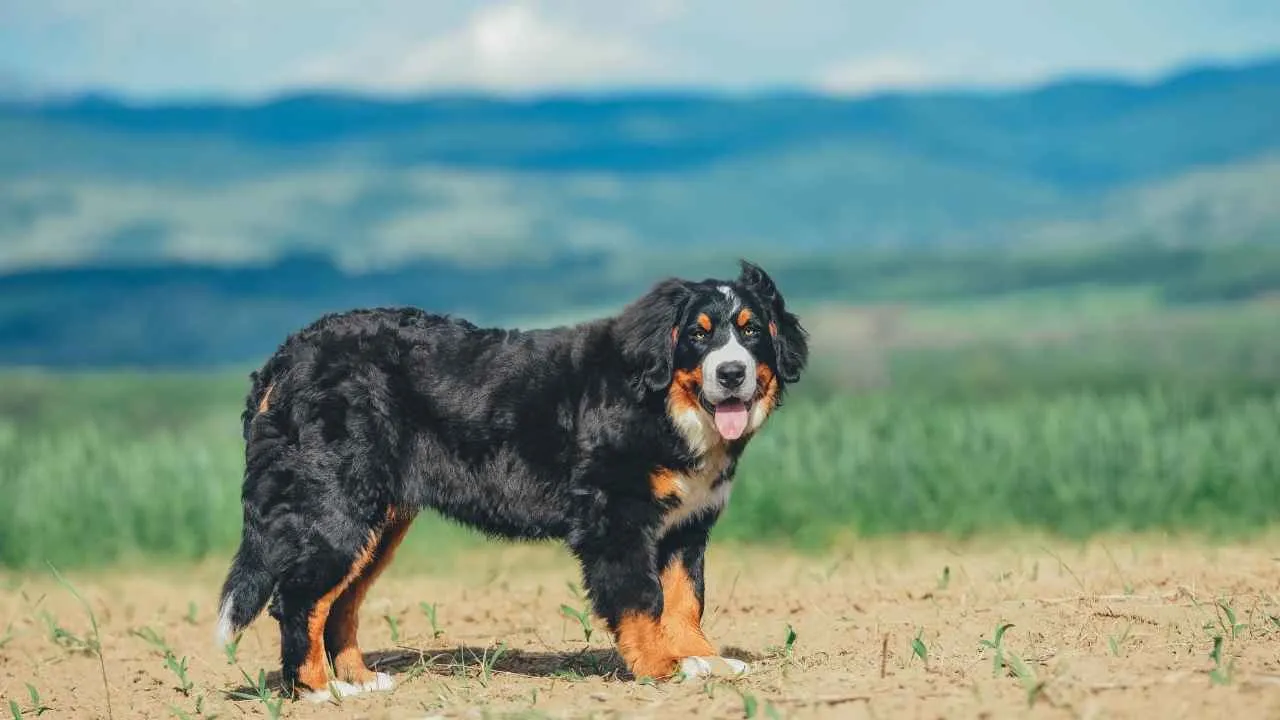
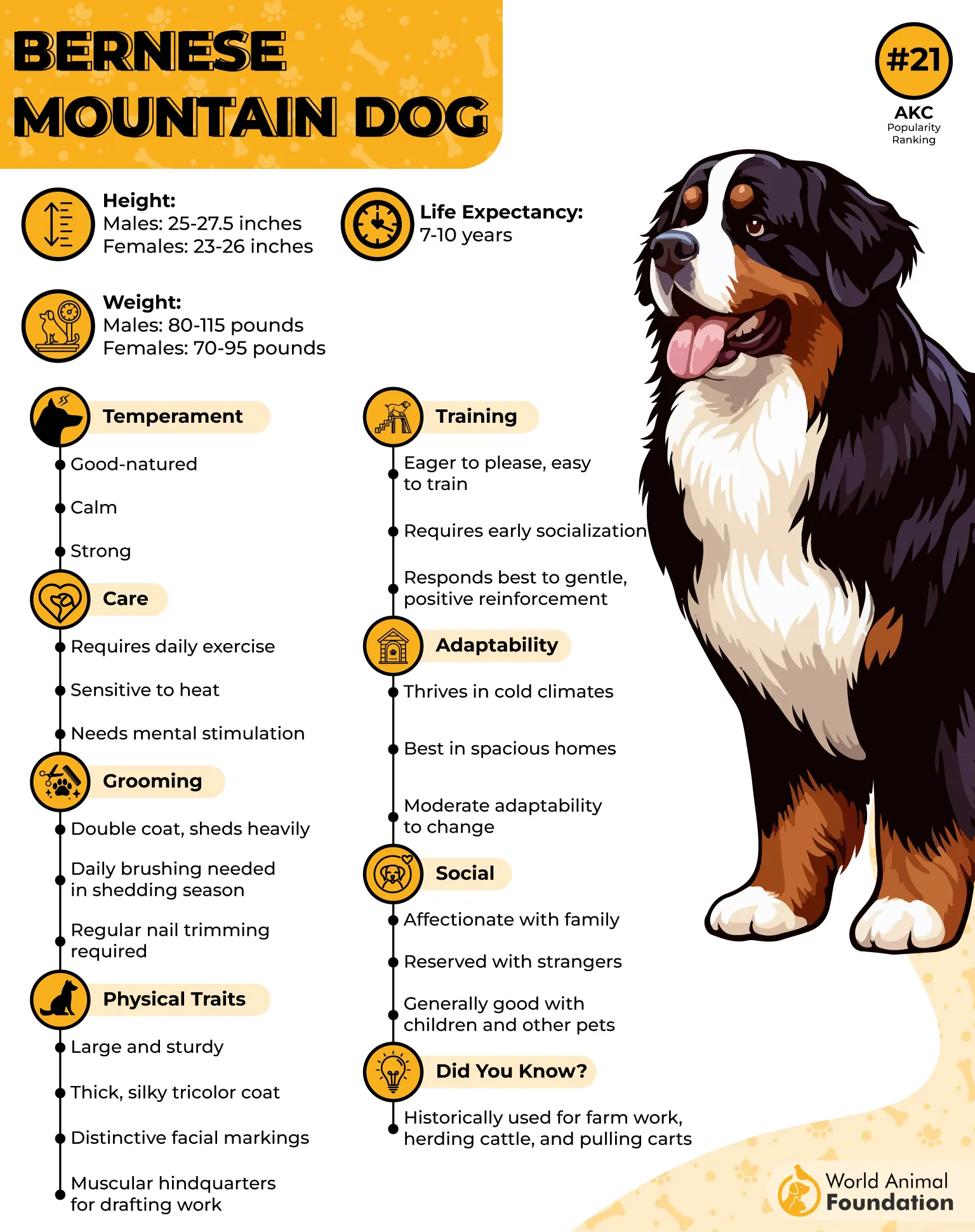
Bernese Mountain Dogs originated in Switzerland, where they served as farm dogs and helped with tasks such as pulling carts, moving livestock, and accompanying farmers around mountain properties. Their large bodies and thick coats reflect their history in cooler alpine conditions.
Despite their size, Bernese Mountain Dogs are often known for their gentle and affectionate personalities. These muscular dogs can enjoy outdoor recreation but generally prefer a moderate pace rather than extreme endurance activities.
Protect Their Joints and Manage Their Activity
Bernese Mountain Dogs need appropriate exercise that supports fitness without placing unnecessary strain on their joints. Moderate hikes, leisurely walks, and controlled outdoor exploration can be better suited to them than very long, fast excursions.
Heat deserves particular attention because their heavy coats can make warm conditions difficult. Camping plans should include shade, plenty of water, and cooler periods for activity.
A Gentle Giant for Relaxed Nature Trips
The Bernese Mountain Dog can be a wonderful match for campers who enjoy scenic walks and slower outdoor adventures. Its calm, family-oriented personality can make it comfortable around a campsite when given a peaceful place to rest.
Its substantial size may also make it a reassuring presence during remote trips. However, owners should prioritize comfort over distance and choose trails that match the dog’s physical abilities rather than expecting it to keep pace with an endurance breed.
Conclusion
All the dog breeds mentioned above bring different strengths to camping adventures. Some excel at endurance, some thrive on mental challenges, and others are better suited to relaxed exploration in cooler environments.
The best camping dog is not necessarily the breed capable of hiking the farthest. Compatibility with the owner’s preferred activities, weather conditions, terrain, and camping style matters just as much.
A dog that can exercise appropriately and settle comfortably at camp is often a better companion than one that becomes overwhelmed or restless.
Preparation is essential for every outdoor trip. Dogs should be gradually conditioned, kept hydrated, protected from extreme temperatures, and supervised around wildlife, water, roads, and unfamiliar people.
With sensible planning and responsible handling, camping can become an enjoyable shared experience that gives both dog and owner plenty of opportunities to explore the outdoors together.
