




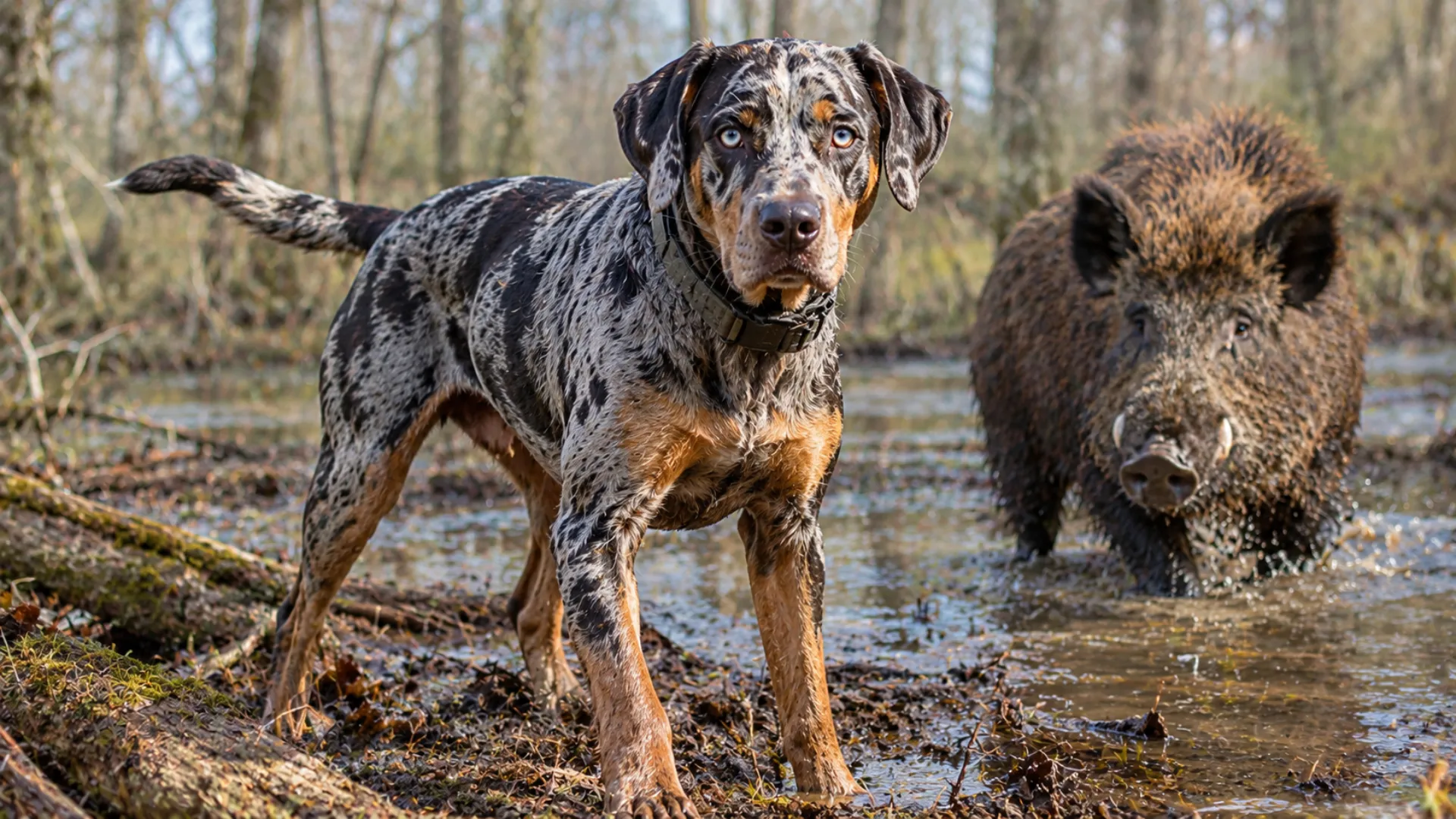
Wild boar hunting demands dogs with courage, stamina, sharp senses, and the ability to stay focused in difficult terrain. Some lesser-known breeds bring these qualities in impressive ways, even if they do not get as much attention as the more famous hunting dogs.
The USDA estimates more than 6 million wild pigs are spreading across at least 35 states, and the number keeps climbing. Every one of them is smarter and tougher than most people expect.
Chasing them down takes more than one loud, brave dog. It takes multiple dogs working different jobs across rough and varied terrain, each one built for its own piece of the hunt.
The tricky part is knowing which hunting breed excels at which job before you load the truck. Keep reading; we’ll cover seven overlooked dogs, then help you build a lineup that keeps your dogs safe.
Underrated Dog Breeds for Successful Wild Boar Hunting
1. Plott Hound
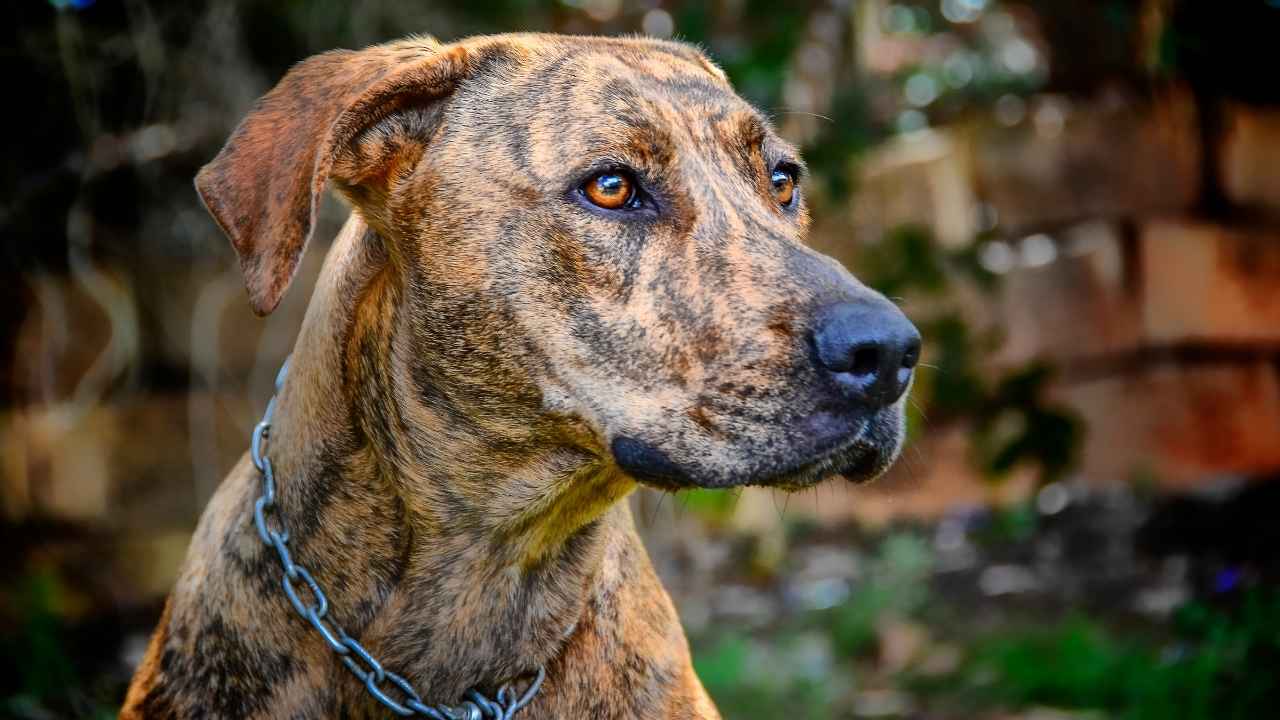
The Plott Hound crossed the Atlantic with German settlers who needed a serious hog dog for the mountains. Two centuries later, it still works the same way: trail the boar, then bay to hold it in place. No fighting, just relentless pressure until the hunter arrives.
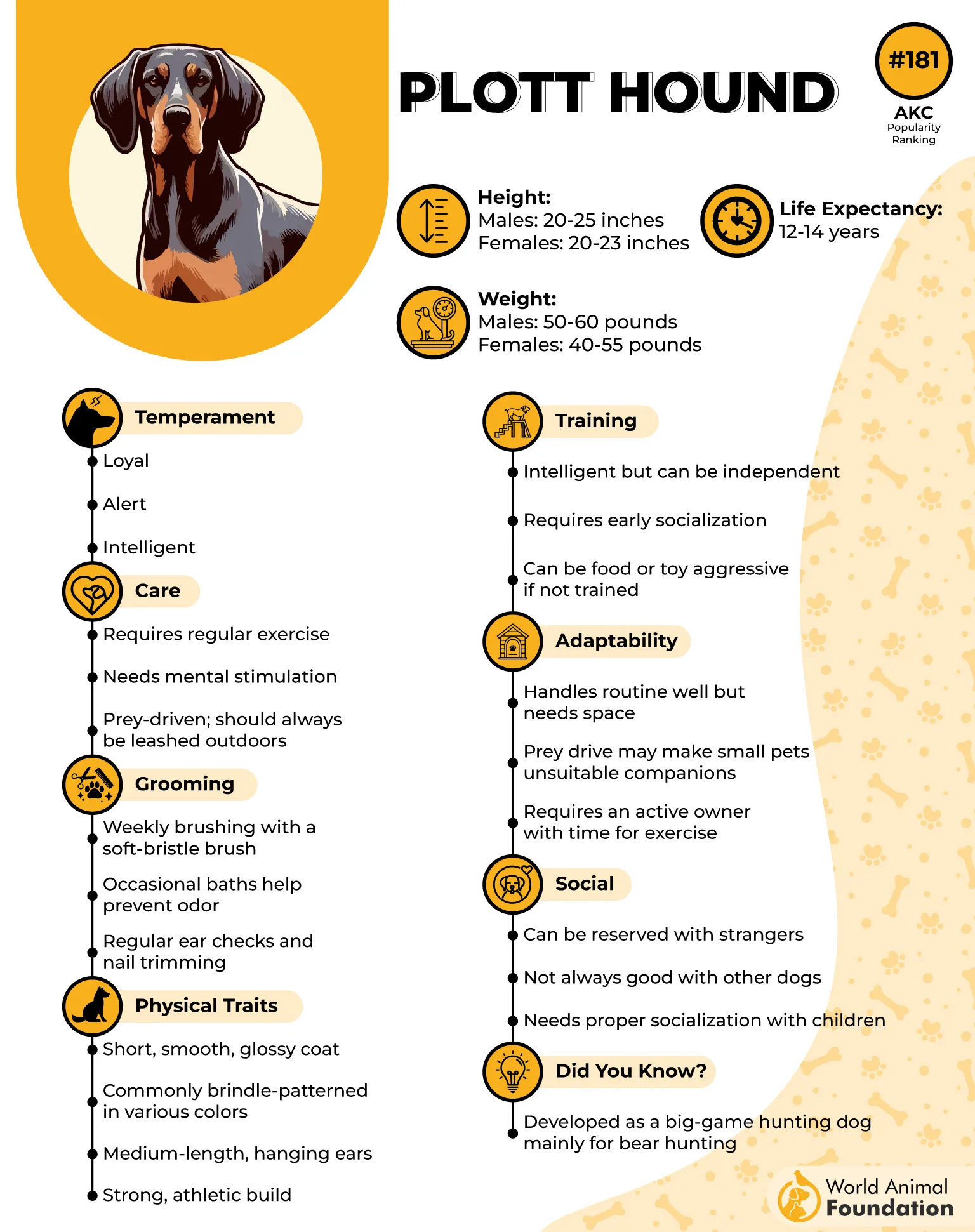
Stamina is the Plott’s real weapon, not speed. It can follow a scent trail for long distances over rough terrain and just keep going. Its short brindle coat shrugs off thick brush, and its courage makes it comfortable taking on large game.
Training needs: Firm, consistent training from puppyhood; this hound thinks for itself.
Terrain fit: Mountains, dense woods, thick brush
Handler experience: Best matched with an experienced hunting dog owner
Put on protective gear and a GPS collar before this hog dog goes near a wild boar. AKC calls the Plott a mellow gentleman at home and fearless at work, so bonding happens in the daily routine, not only on hunt day.
2. Catahoula Leopard Dog
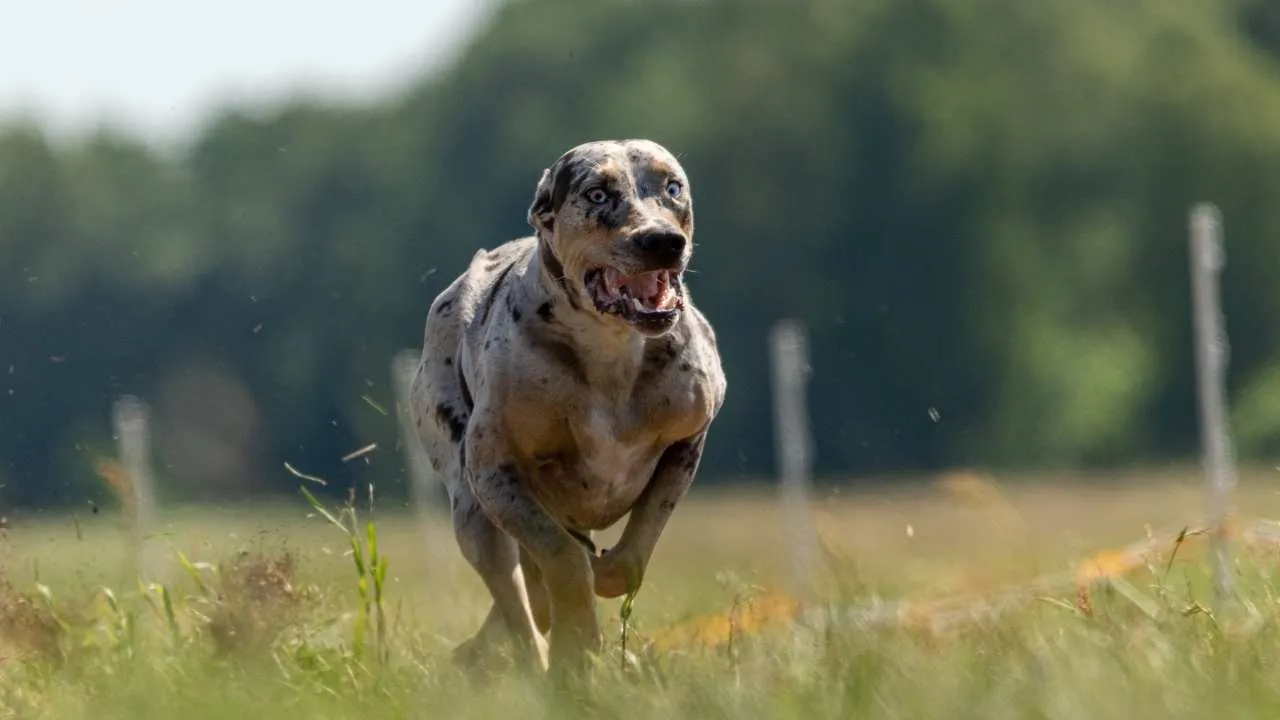
The Catahoula Leopard Dog was built in the swamps of Louisiana for one job: hunt hogs. It doesn’t wait for instructions either — this bay dog reads the boar and decides how to press it. Some Catahoulas even work as catch dogs when the moment calls for it.
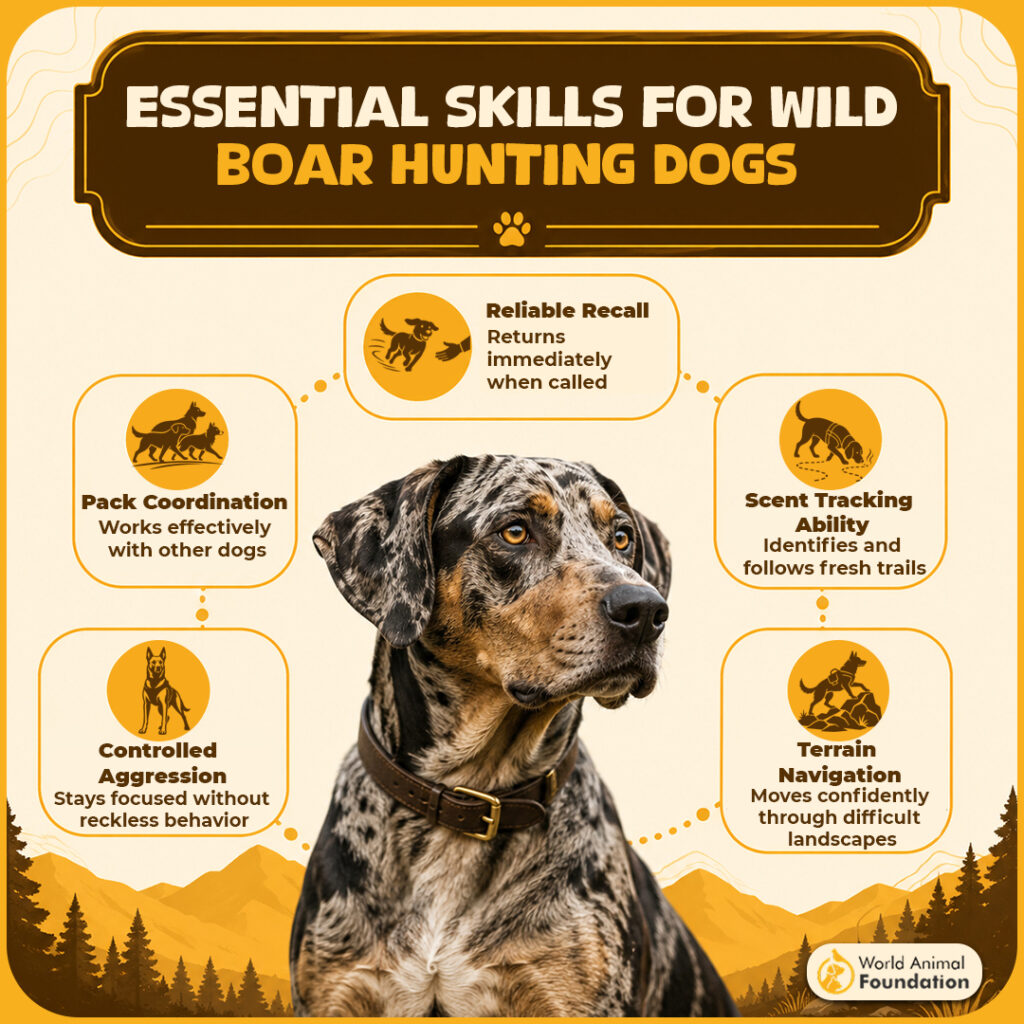
Independence is the trait to watch here. A Catahoula’s short coat sheds mud and burrs fast, letting it move through dense cover other dogs get stuck in. That same independent nature gives it courage most breeds don’t carry into a hog fight.
Training needs: Early socialization is non-negotiable; this dog makes its own calls
Terrain fit: Swamps, forests, dense cover
Handler experience: Needs a firm, experienced dog owner, not a first-timer
Protective vests matter more here than with most hunting dog breeds, since Catahoulas get close to the boar. CKC USA notes they’re still used as bay dogs and catch dogs for hogs today, so daily bonding time keeps that drive pointed the right way.
3. Bloodhound
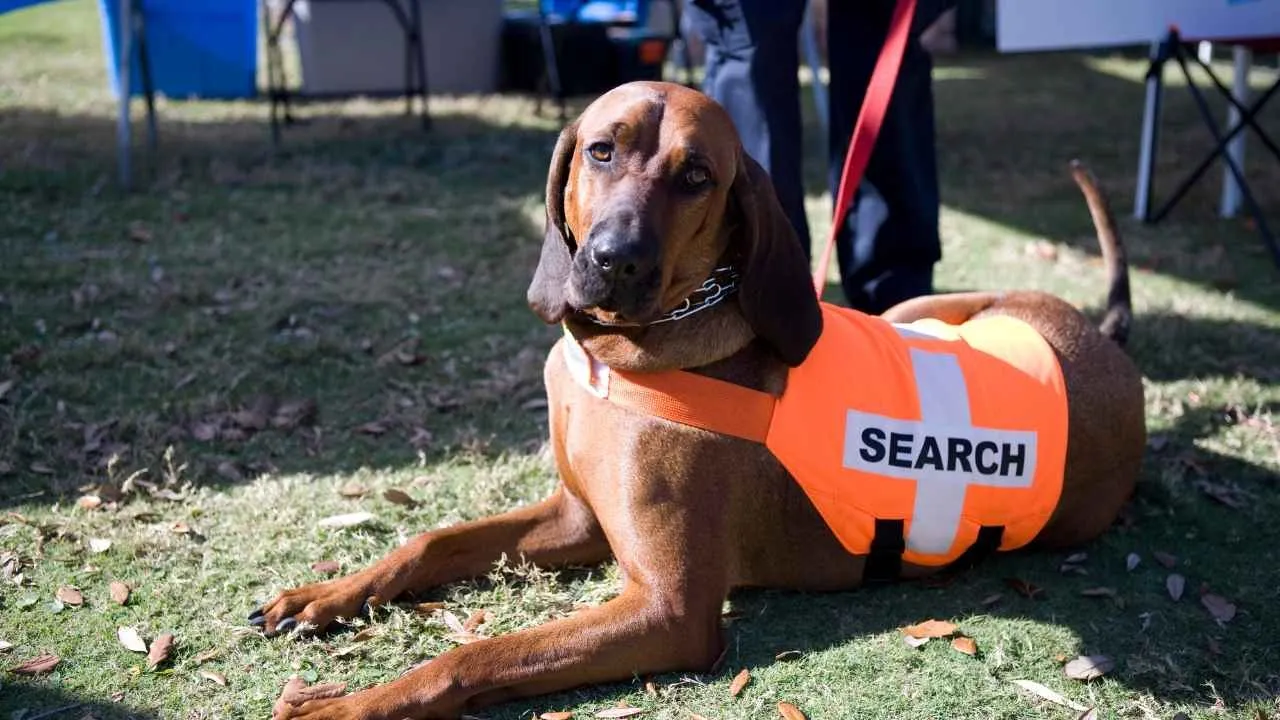
The Bloodhound isn’t built to fight a wild boar, and nobody should ask it to. Its job on a hunt is pure tracking — find the boar, or a wounded one, and don’t lose the trail. Pair it with bay dogs or catch dogs, and the team works.
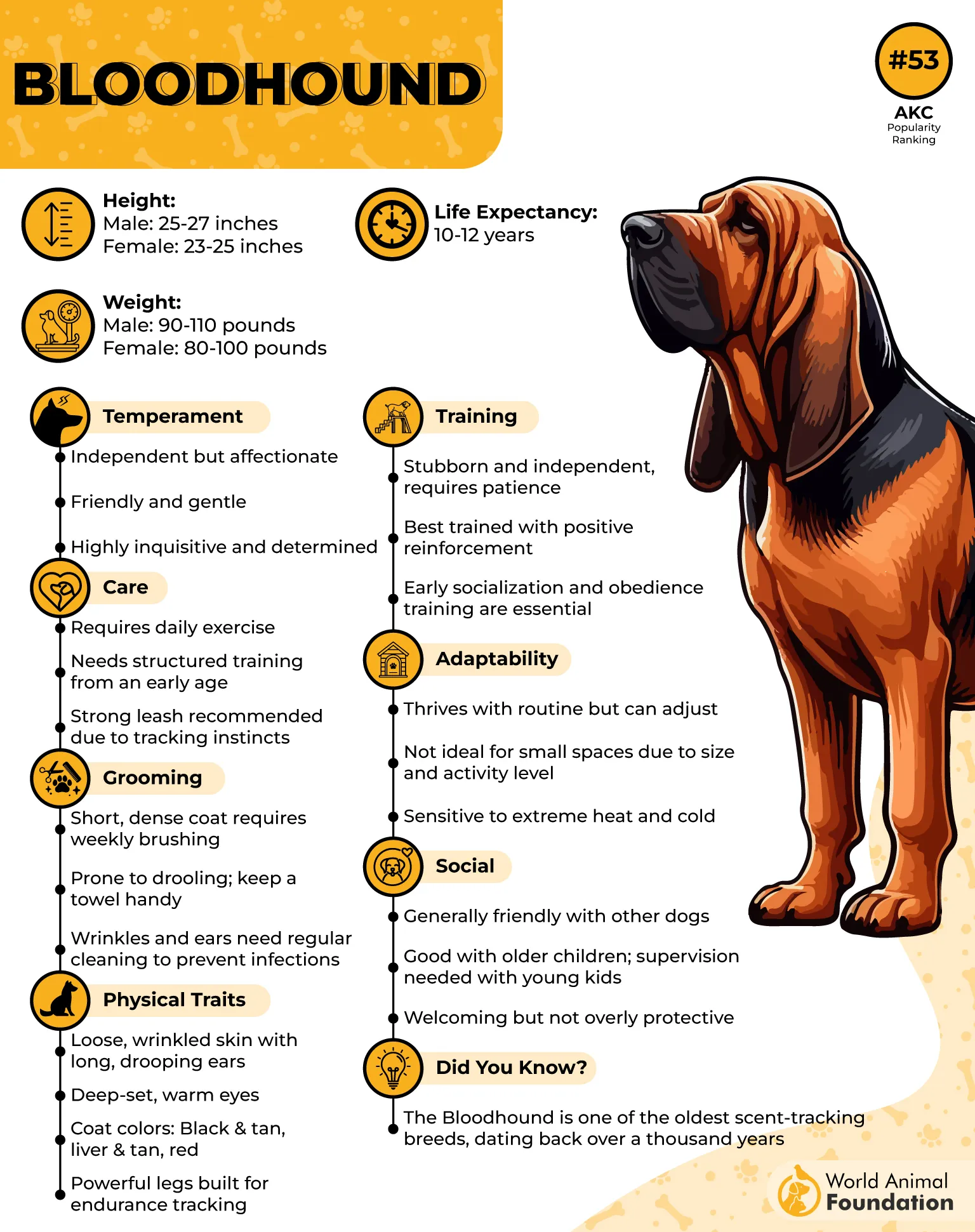
Its nose is the whole story. Britannica notes that Bloodhounds carry 230 to 300 million scent receptors, roughly 40 times more than humans, which is how they hold a scent trail for long distances after other dogs give up.
Training needs: Consistent scent training from puppyhood; reward-based training works best.
Terrain fit: Any terrain, especially rough ground and dense cover
Handler experience: Good for a patient dog owner, less so for an impulsive one
A Bloodhound doesn’t need a cut vest the way a catch dog does, but a well-fitted harness and a GPS collar are musts on long trails. Bonding happens through scent games at home — this hound trusts you more once you’ve laid a few trails together.
4. Redbone Coonhound
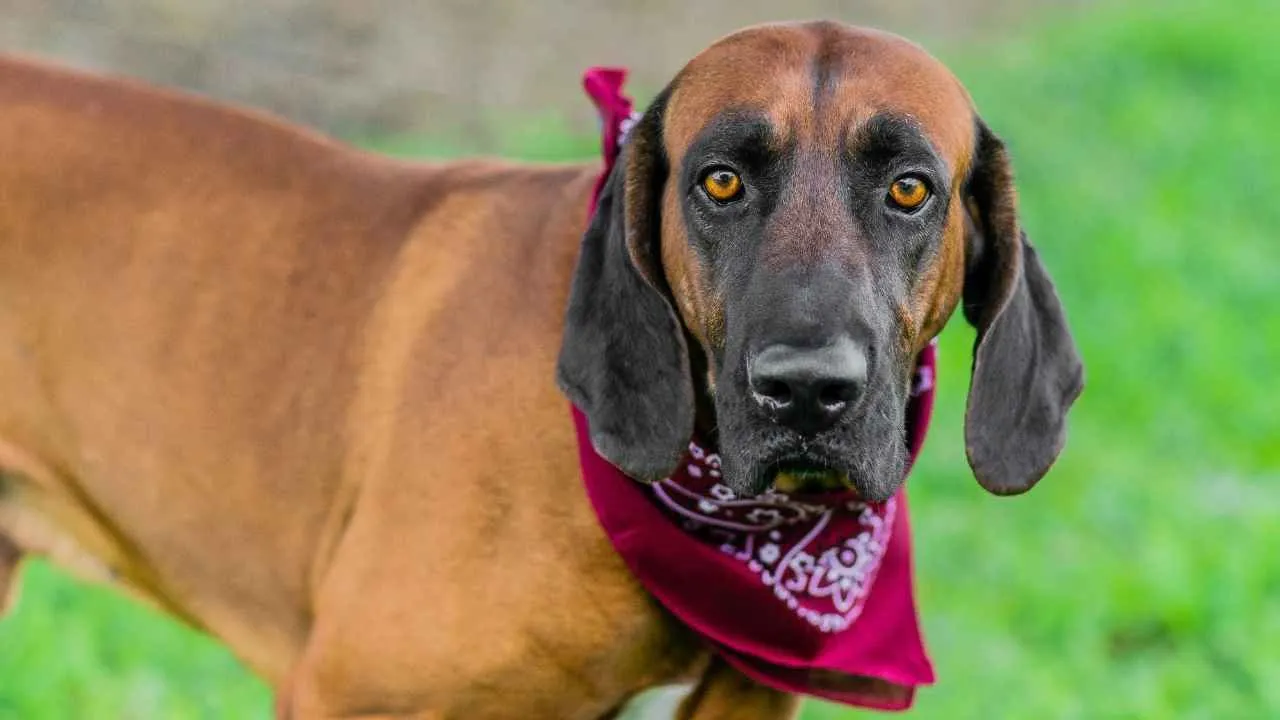
The Redbone Coonhound started out treeing raccoon, not hunting large game. But its cold nose and stamina made it a natural fit once hunters needed backup on hog trails too. Today it works mainly as a tracker, with a loud voice that carries.
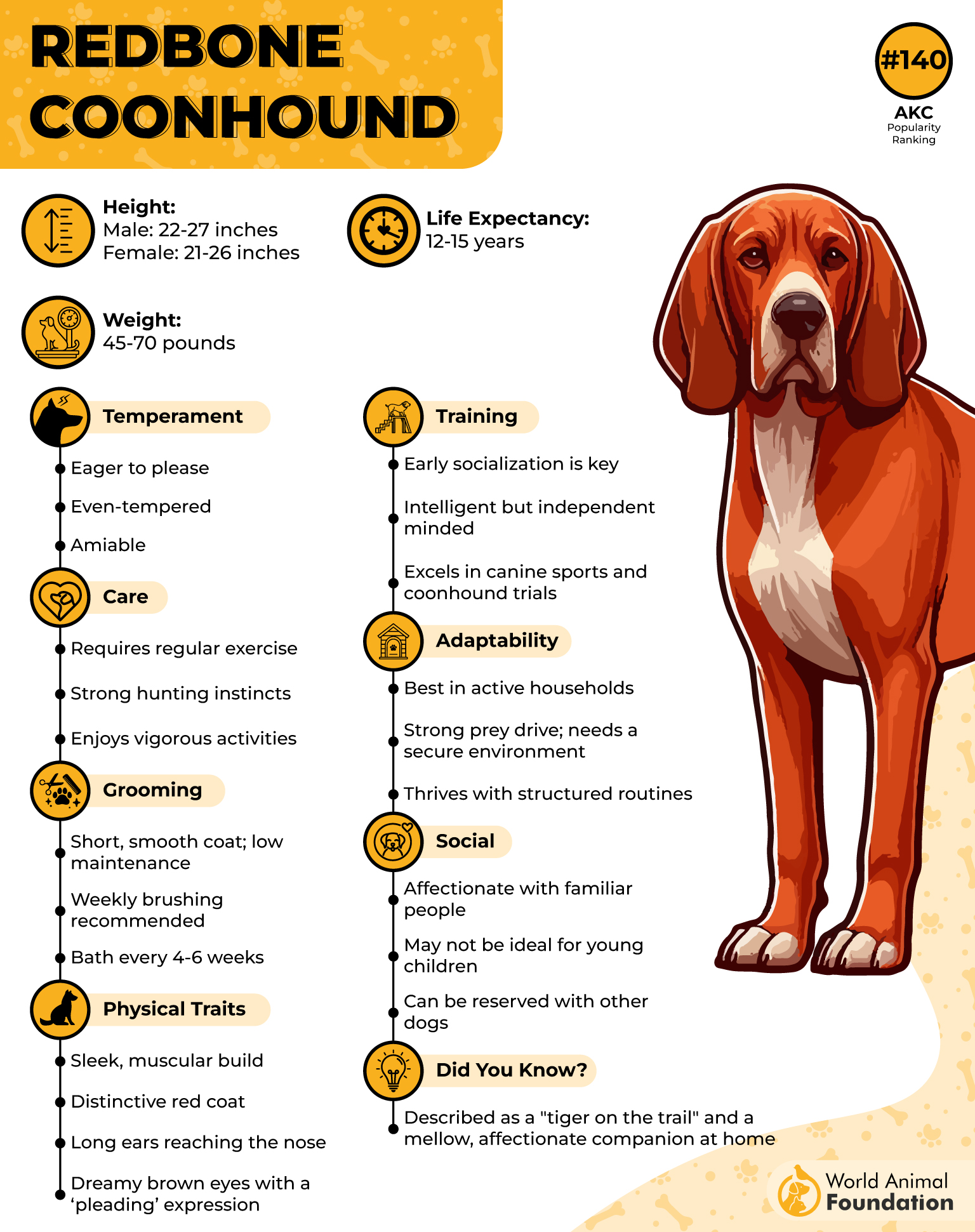
VCA describes today’s Redbone as a versatile hunter that also excels at trailing bear, cougar, and bobcat, not just raccoon. That same versatility, plus real endurance, is what makes it useful on a hog hunt too.
Training needs: Consistent training; easily distracted once a scent trail grabs it.
Terrain fit: Marsh, mountains, southern United States hunting grounds
Handler experience: Fine for a first hunting dog, given time and patience
A GPS collar earns its keep with a Redbone, since this dog will follow a trail wherever it leads. Daily exercise and simple obedience work build the bond, so it comes back when called instead of chasing the scent trail forever.
5. Black and Tan Coonhound
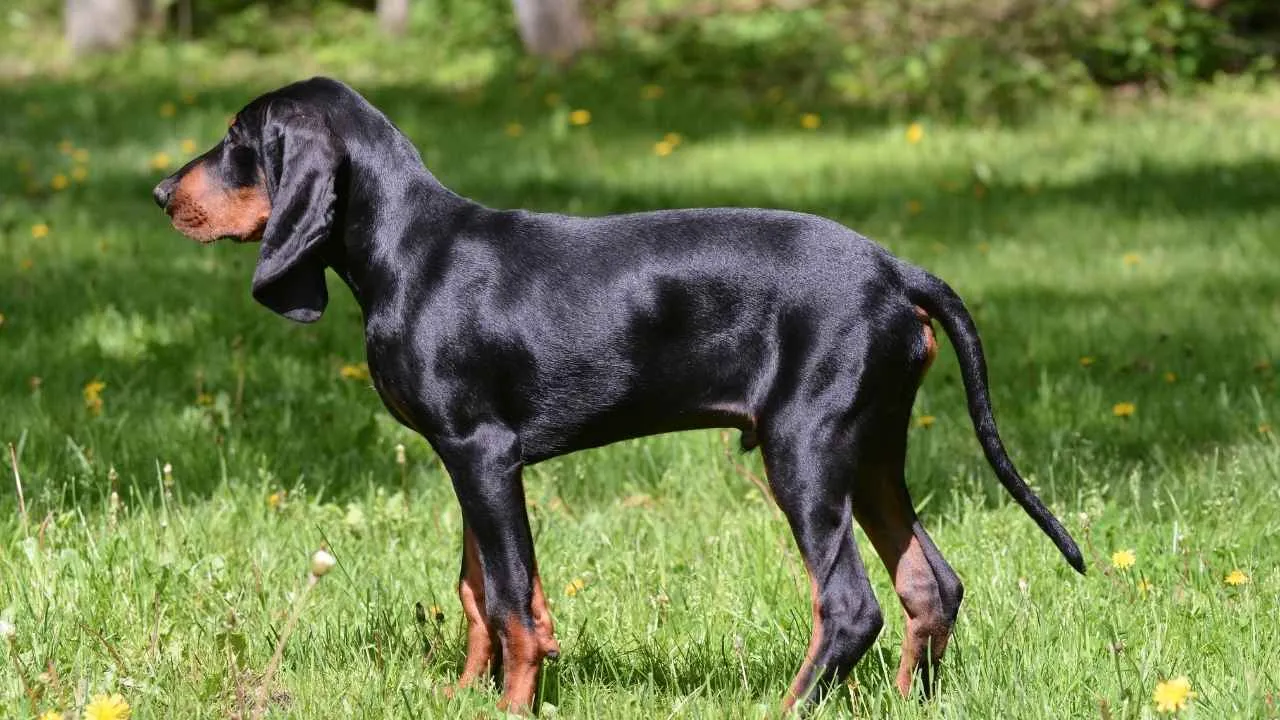
The Black and Tan Coonhound has one of the oldest hunting dog pedigrees in America, built to trail bear and deer long before raccoon hunting took over. On a hog hunt, it works as a tracker, reading the ground rather than confronting the boar.
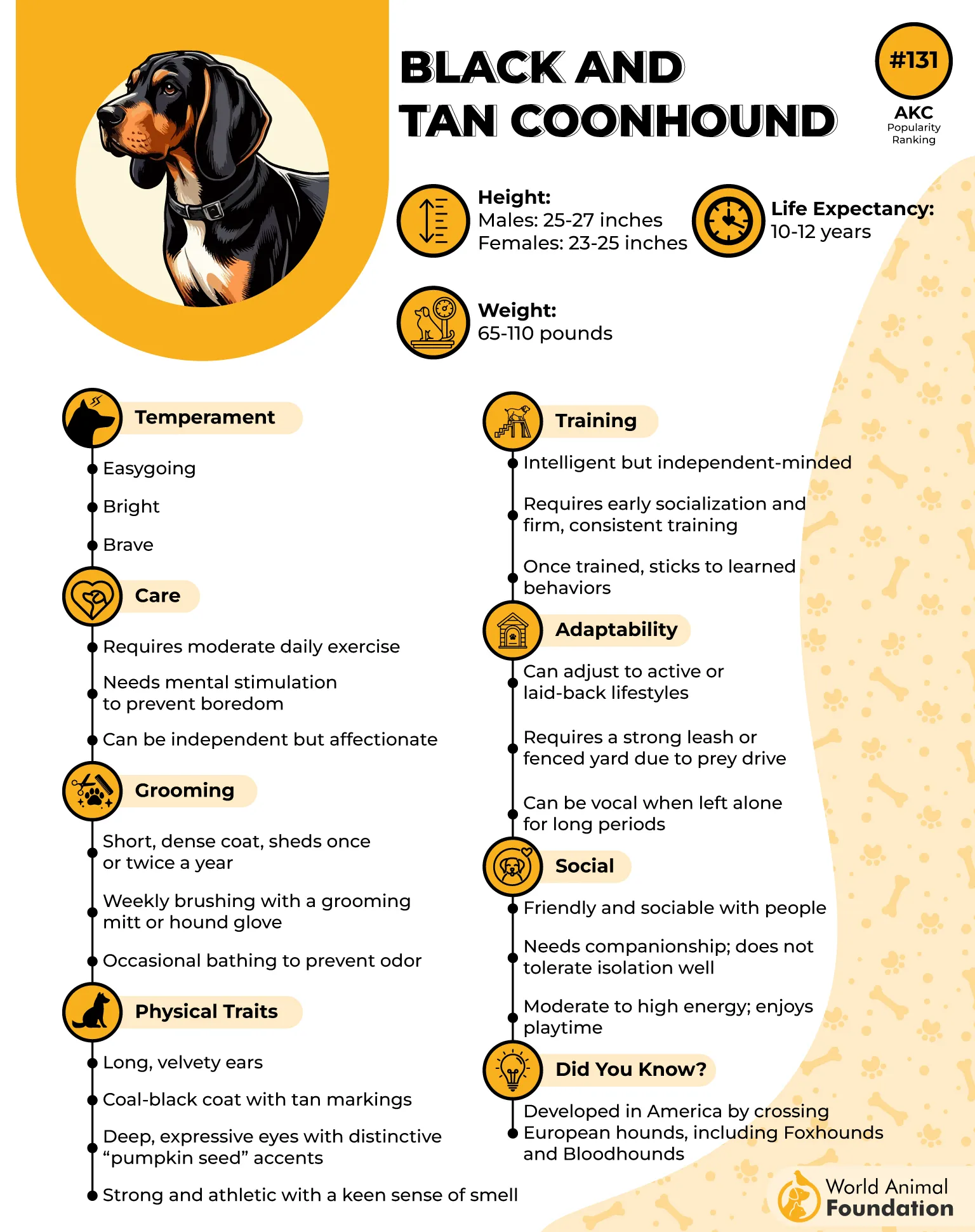
Its deep bay does the real work. Hunters can tell from the tone alone if the dog is still trailing or has the boar cornered, which keeps everyone safer in dense cover. A strong, cold nose backs up that voice on long distances.
Training needs: Patient, consistent training; independent nature slows quick fixes.
Terrain fit: Forests, swamps, rough ground
Handler experience: Suited to an experienced dog owner who won’t rush it
Cut collars protect this hound’s most vulnerable spot if it ever gets close to a boar, and a first aid kit belongs in every truck. Bonding builds slowly here — respect its independence, and the trust follows.
6. Dogo Argentino
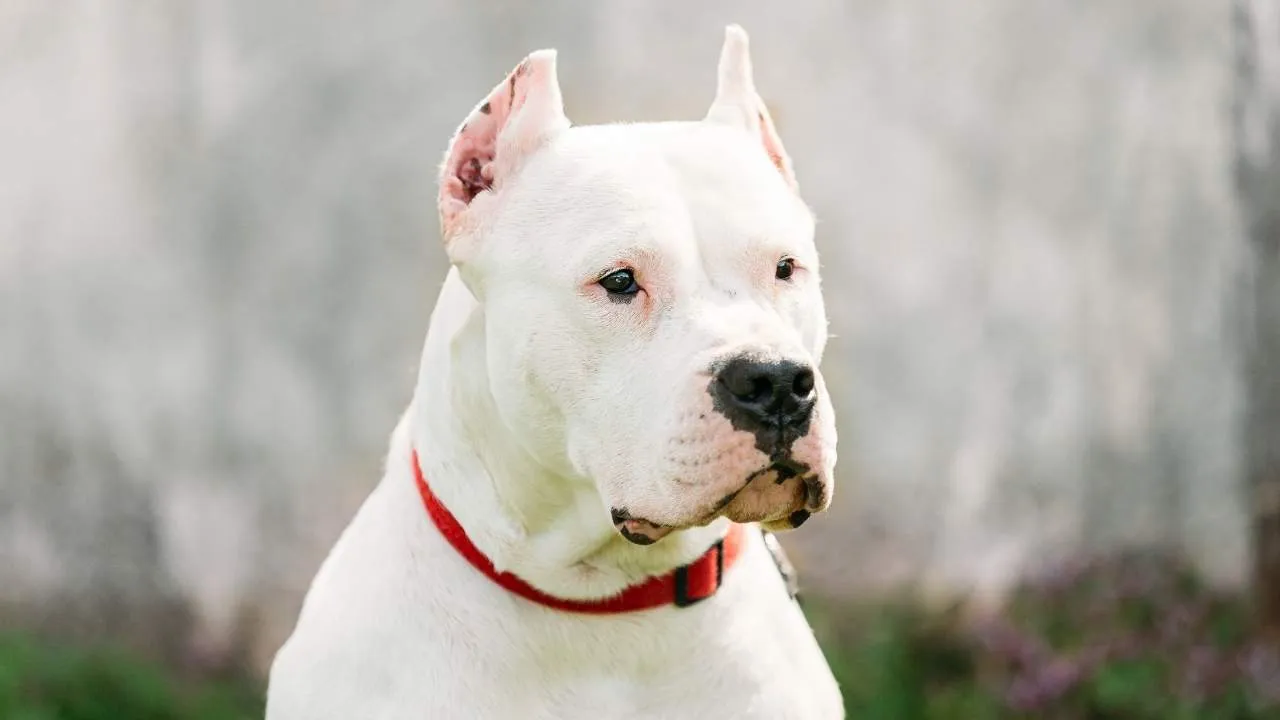
The Dogo Argentino was created for one purpose: catch big game, including wild boar, and hold it. Unlike the trackers on this list, it’s a true catch dog, closing distance and engaging the boar directly.
PetMD lists the breed as a large, muscular dog. That size, paired with real courage, is exactly what a hog dog needs when the job is contact, not just tracking.
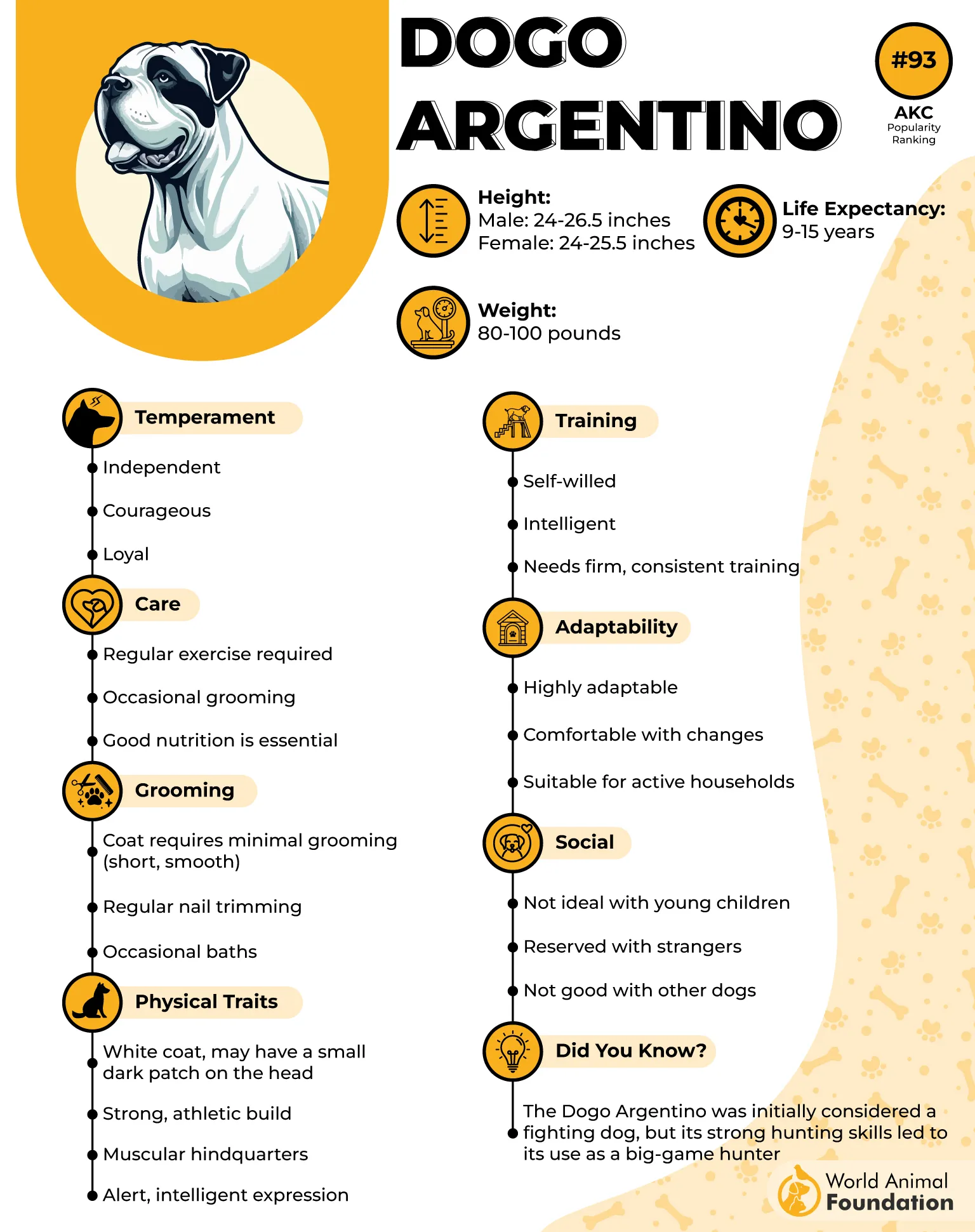
Training needs: Serious, consistent training from an experienced hunting dog owner.
Terrain fit: Open and varied terrain, built for covering ground fast
Handler experience: Not for first-timers; this breed needs a confident leader
A full catch vest is non-negotiable for a Dogo working hogs, since it takes the most direct hits of any breed here. Bonding comes through shared work and clear rules — this dog wants a job, not just a couch.
7. Airedale Terrier
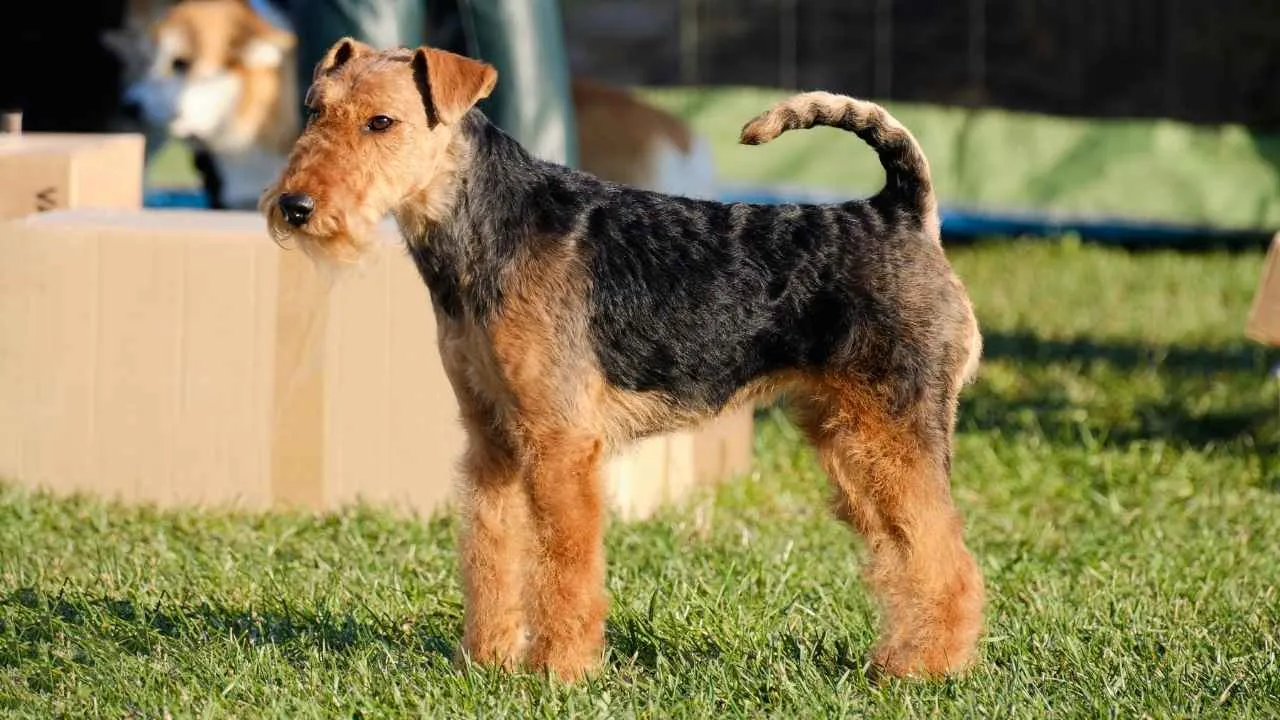
The Airedale Terrier started out hunting rats and otters in England, then grew into something bigger, tackling badgers and even boar. On a hunt, think of it as a scout: bold, quick, and independent, working ahead of the pack.
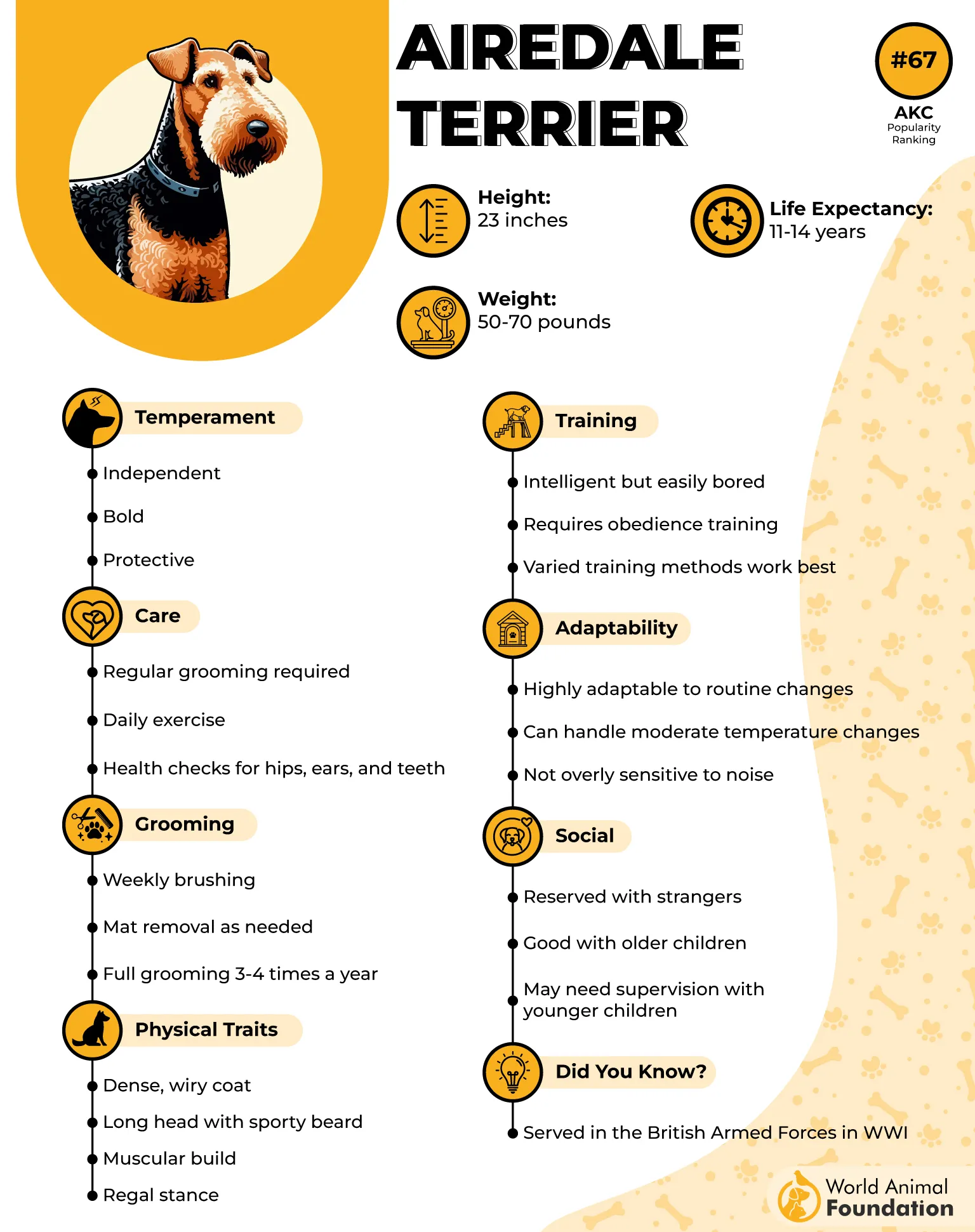
Size is the Airedale’s edge among terriers — it’s the largest of the group, with enough nerve to press large game it has no business challenging. That confidence, plus a sharp nose, makes it useful support on rough terrain.
Training needs: Early socialization plus consistent training; smart and a little stubborn.
Terrain fit: Rough terrain, brush, and water
Handler experience: Best for an active dog owner used to a strong-willed breed
Protective gear and a GPS collar keep an Airedale safe once it’s working near hogs instead of otters. Bonding comes easily if you give this dog a real job — it was built to be a hunting companion, not a bystander.
Conclusion
Hog hunters keep landing on the same lesson: wild hogs and feral hogs don’t get beaten by muscle alone — they get beaten by a keen sense of smell, a strong nose, and a voice that won’t quit. Several breeds do this job well, and other breeds could too, since none of them needed to be originally bred as a fighter to earn a spot.
Before your next hunt, walk your current pack through the three roles — tracker, bay dog, catch dog — and find the gap. Then fill it with the right dog and the right first aid supplies, so every working dog on your team can do the job safely.
