




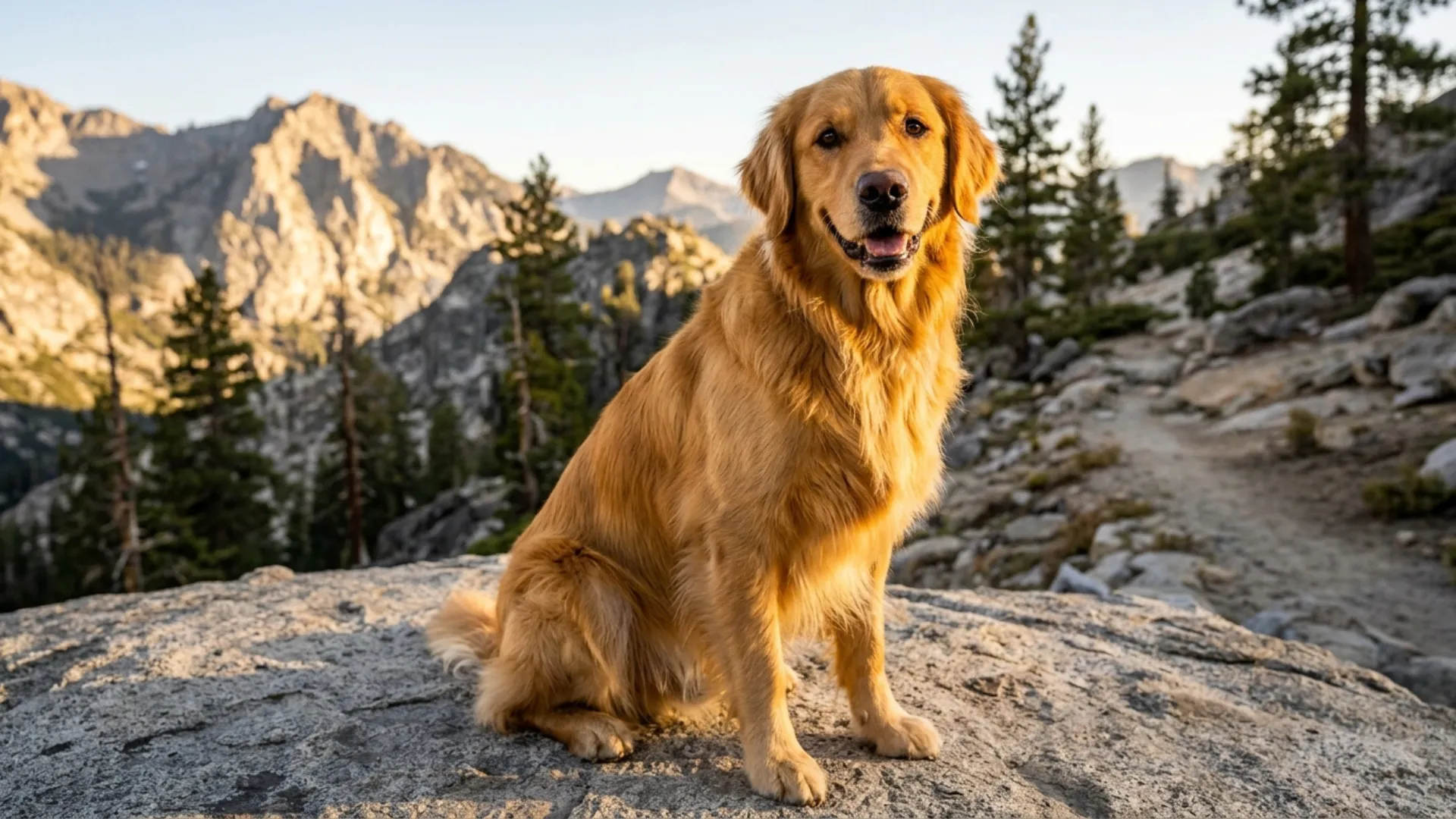
Planning a weekend around a hiking trail sounds simple until you realize your dog needs to keep up, handle changing terrain, and stay comfortable for hours outside. Not every breed is suited to that routine.
Some dogs have the stamina for long walks and challenging trails. Others prefer shorter outings and plenty of rest. Coat type matters, too, especially if you regularly hike in hot or cold weather. Training and fitness can make just as much difference as the breed itself.
If outdoor time is already part of your lifestyle, choosing a dog that can comfortably share those plans makes sense. From hardworking herders to athletic sporting breeds, these outdoor-focused dog breeds are worth considering for hiking and campfire fun.
Outdoor-Focused Dog Breeds for Hiking and Campfire Fun
1. German Shorthaired Pointer
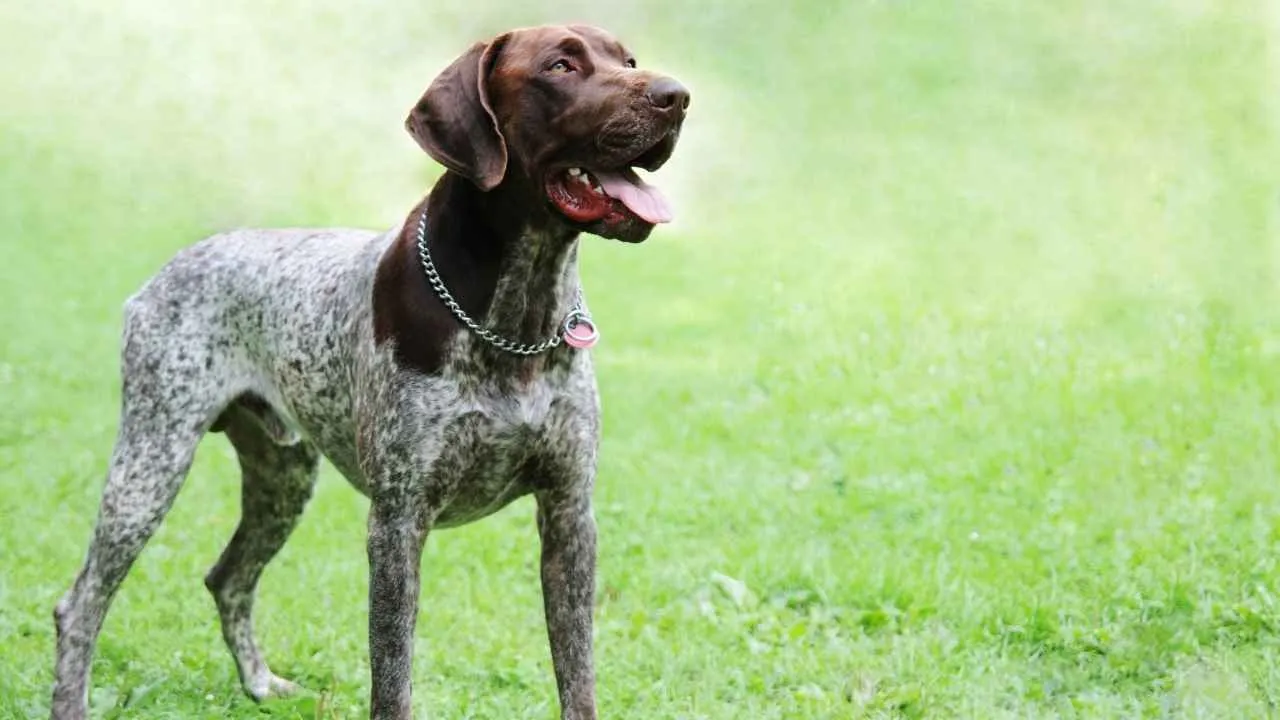
Imagine a dog spotting an interesting scent and suddenly freezing like it has received breaking news. That is classic German Shorthaired Pointer behavior. Bred as an all-purpose hunting companion, the GSP was made for speed, agility, and endurance.
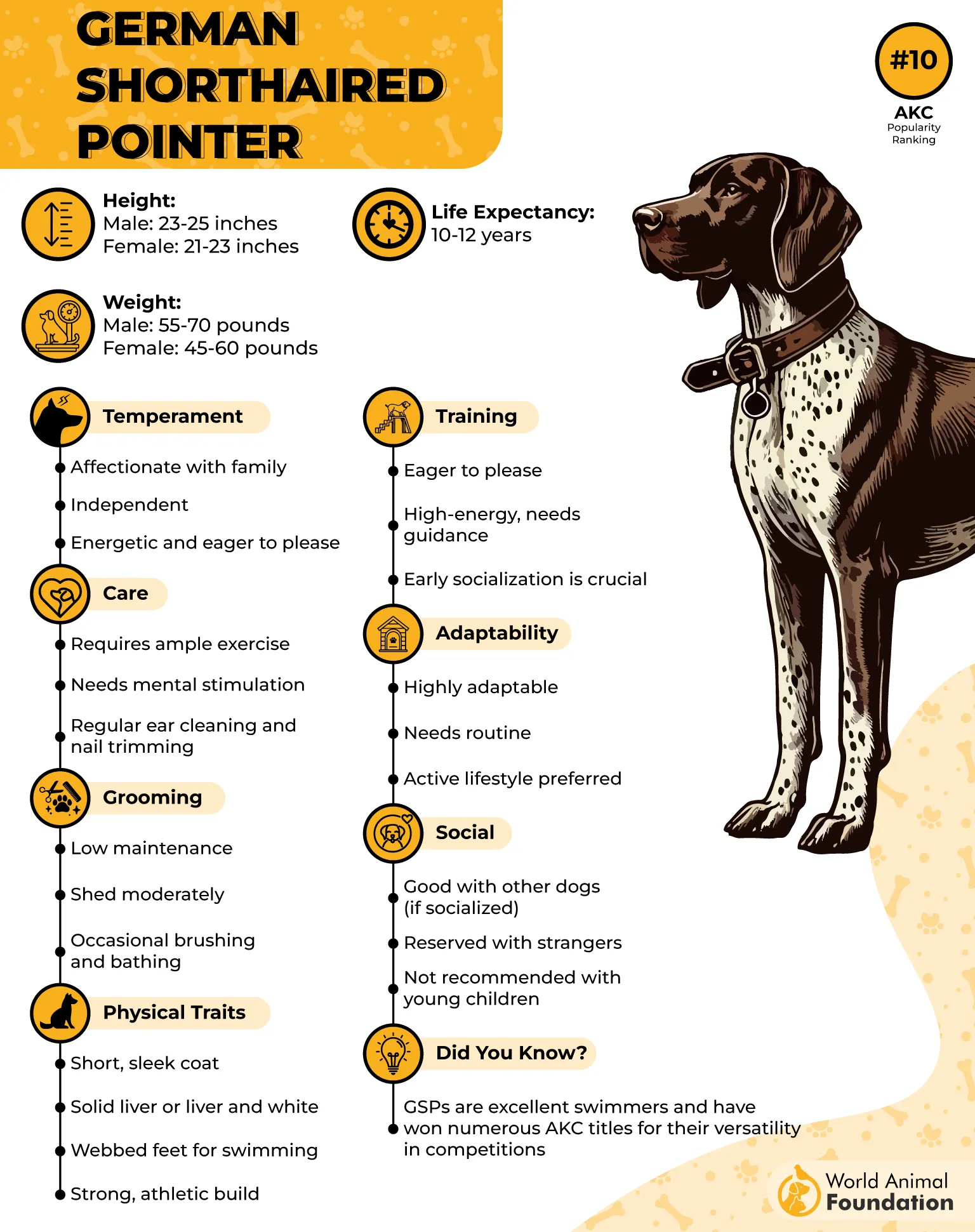
This energetic breed needs plenty of daily activity, with hiking, swimming, running, retrieving, and agility all providing useful outlets. Its short coat is easy to maintain after muddy adventures, too.
Its hunting background does mean a strong prey drive, so squirrels and birds can quickly become more interesting than you. Reliable recall and proper training are especially important on unfamiliar trails.
Give this athletic pup enough exercise and mental stimulation, and it can be a lively, affectionate hiking buddy that is perfectly happy curling up beside you once the exploring ends.
2. Border Collie
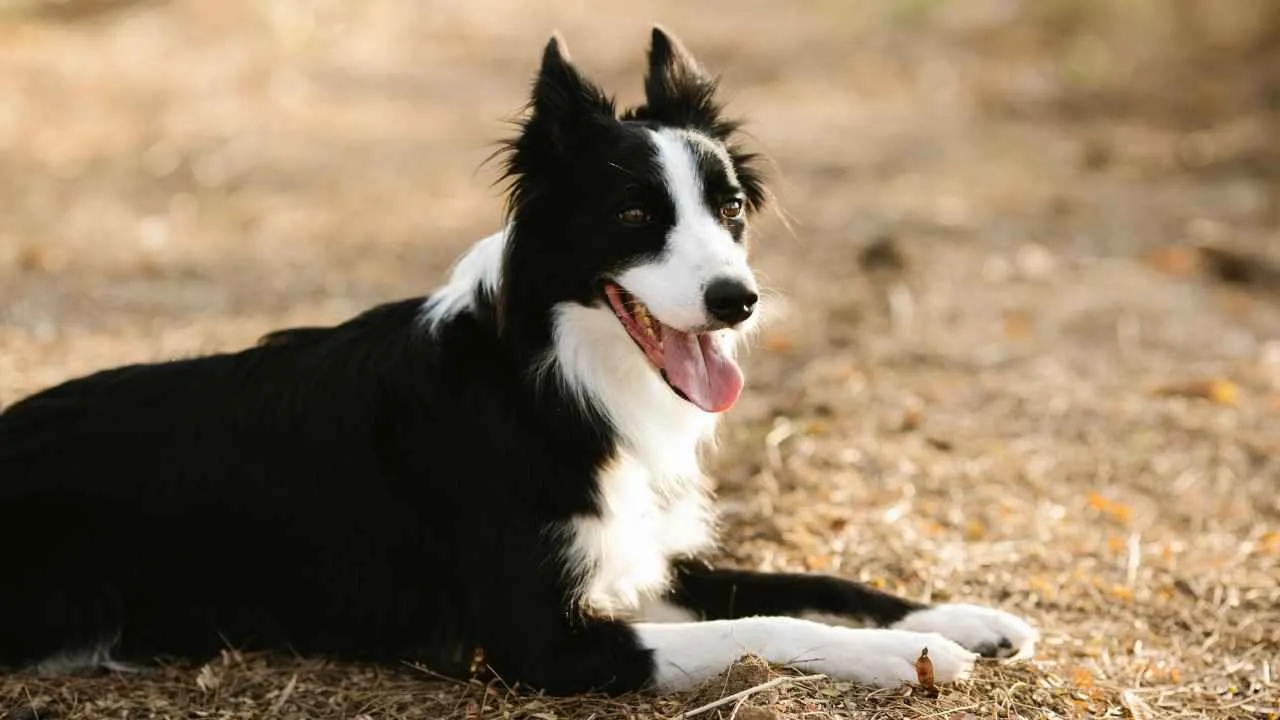
Give a Border Collie a trail, a task, and something to think about, and those bright eyes practically light up. One of the smartest herding breeds, it was developed to work closely with people and manage livestock.
This means physical activity alone may not be enough. According to Purina, the breed thrives on challenging games, obedience, agility, tracking, and active exploration. A hike becomes even more fun when you add simple training exercises along the way.
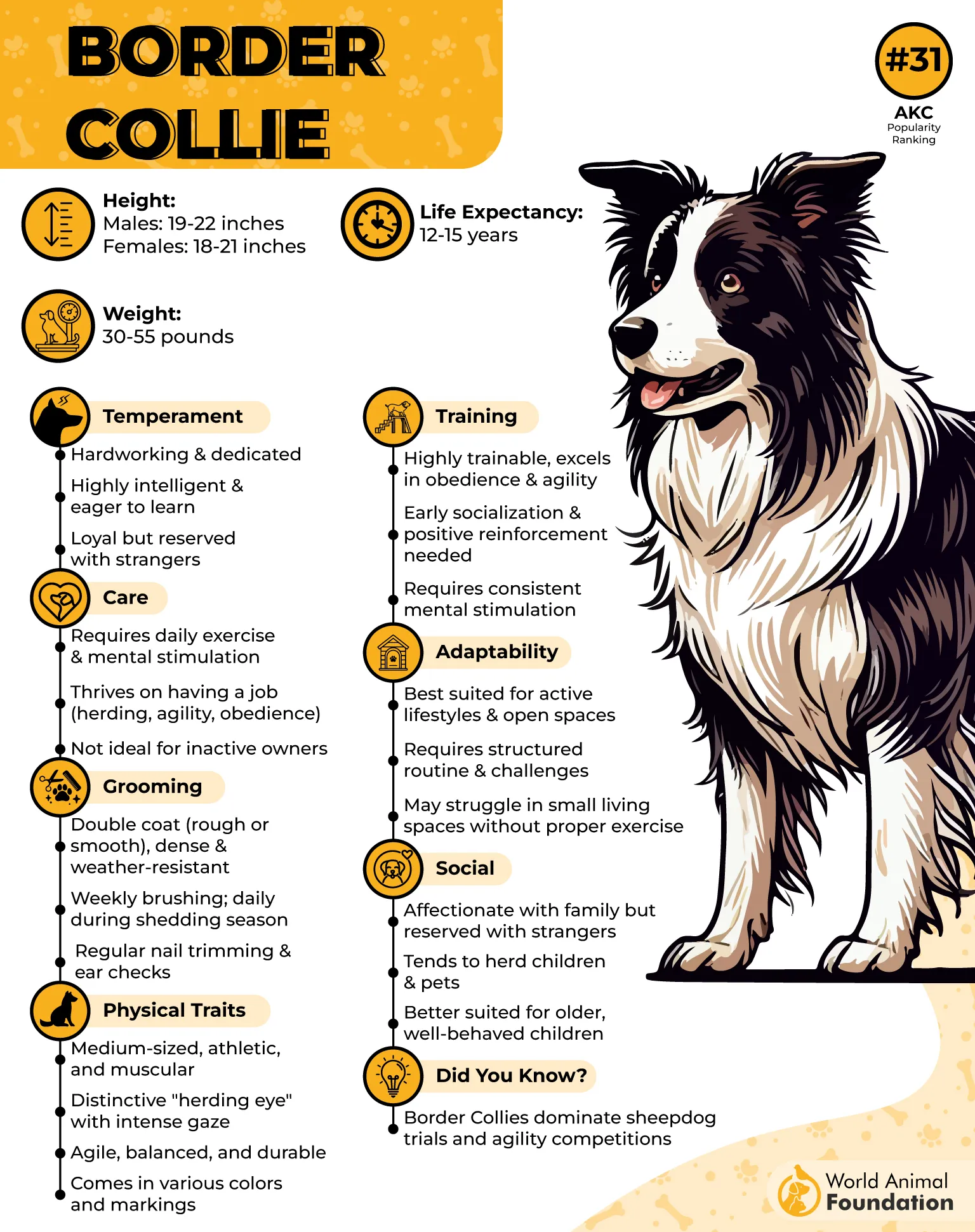
Its coat can be smooth or rough, and both varieties may pick up their share of leaves and trail debris. More importantly, this breed needs plenty of stimulation and can become bored without enough activity.
For dog owners who enjoy an active lifestyle, the Border Collie brings brains, stamina, and enthusiasm to the great outdoors. Just be prepared for that serious little stare when this intelligent dog decides it knows exactly which direction the trail should take.
3. Labrador Retriever
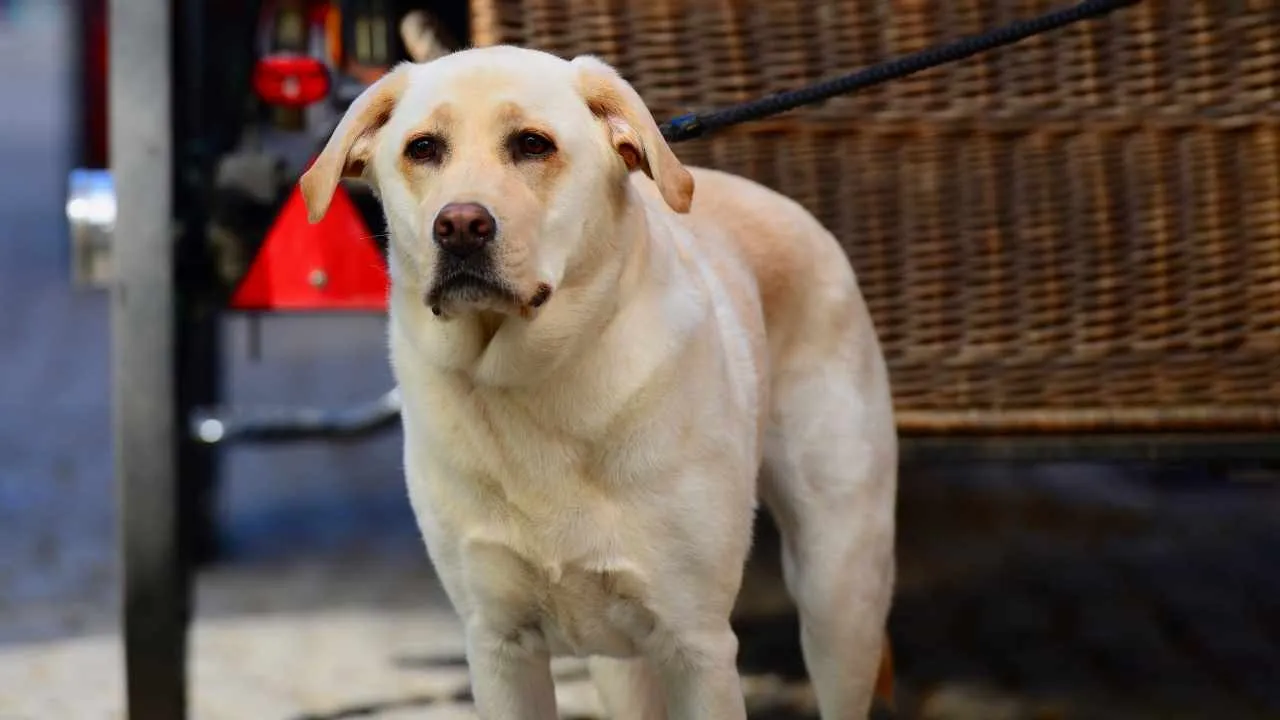
Few sights match the sheer happiness of Labrador Retrievers diving headfirst into a cool mountain stream. Originally developed as a working gundog, the breed has a strong connection with retrieving and water. Swimming, hiking, fetching, and running can all provide valuable physical exercise.

Built with a water-resistant thick double coat and an unstoppable sense of fun, these good hiking dogs are built for all-weather exploration.
While their eagerness means you’ll need to work on leash manners early around other hikers, their warm, social temperament makes them a natural fit for group trips.
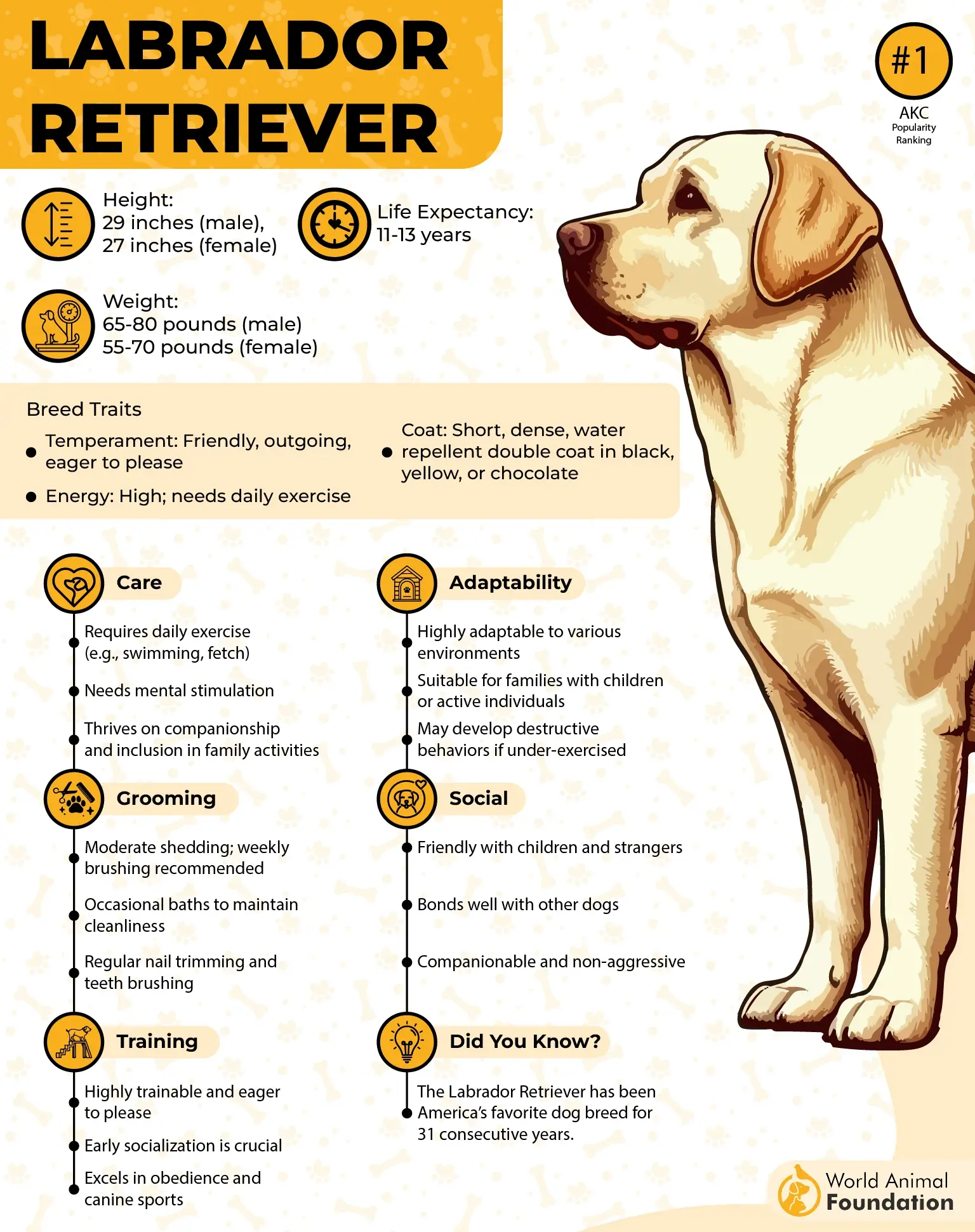
Most Labs bring boundless energy to every swim, fetch session, and steep climb, happily relaxing right by your side once the campfire is lit.
Just keep an eye on your snacks. A Labrador may consider your backpack a perfectly reasonable buffet.
4. Siberian Husky
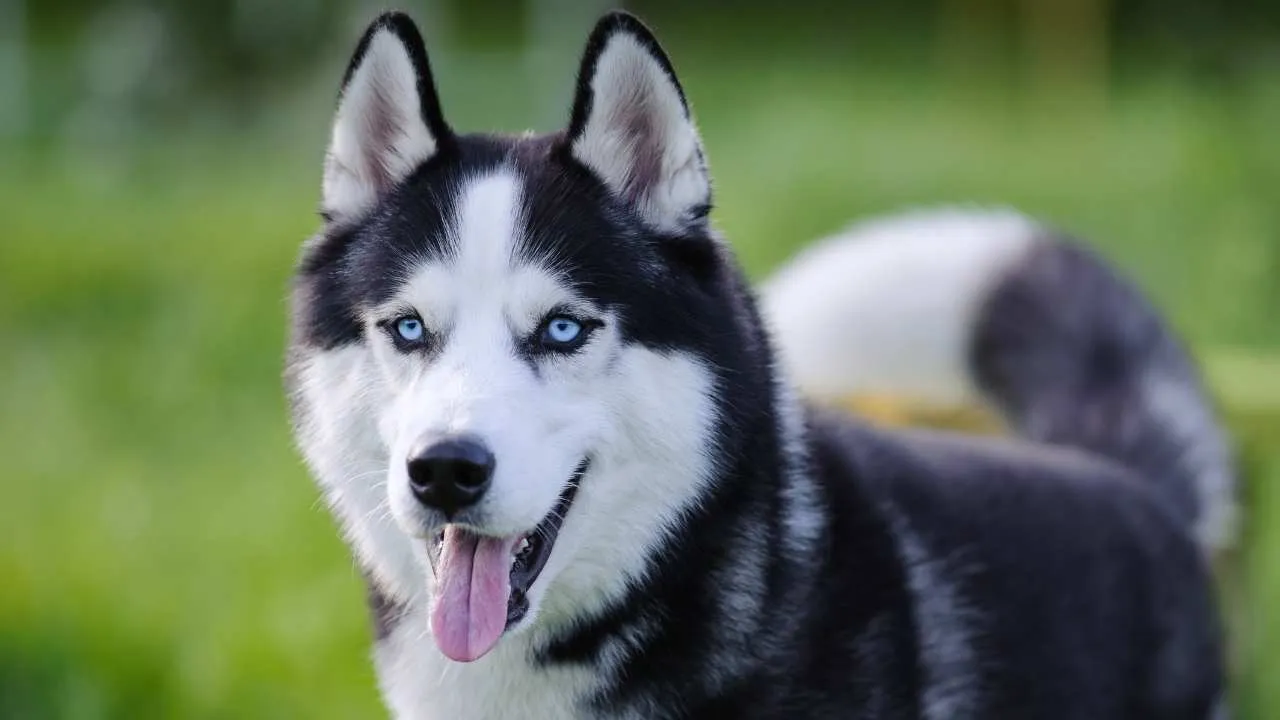
Cold air, snowy paths, and a Siberian Husky can feel like a match made in heaven. Developed for sled work in northern environments, this breed was built for endurance and sustained activity.
The Siberian Husky has a thick double coat that helps protect it in cold weather, although that beautiful fur also means significant seasonal shedding. Running, walking, and other demanding activities can help meet its exercise needs.
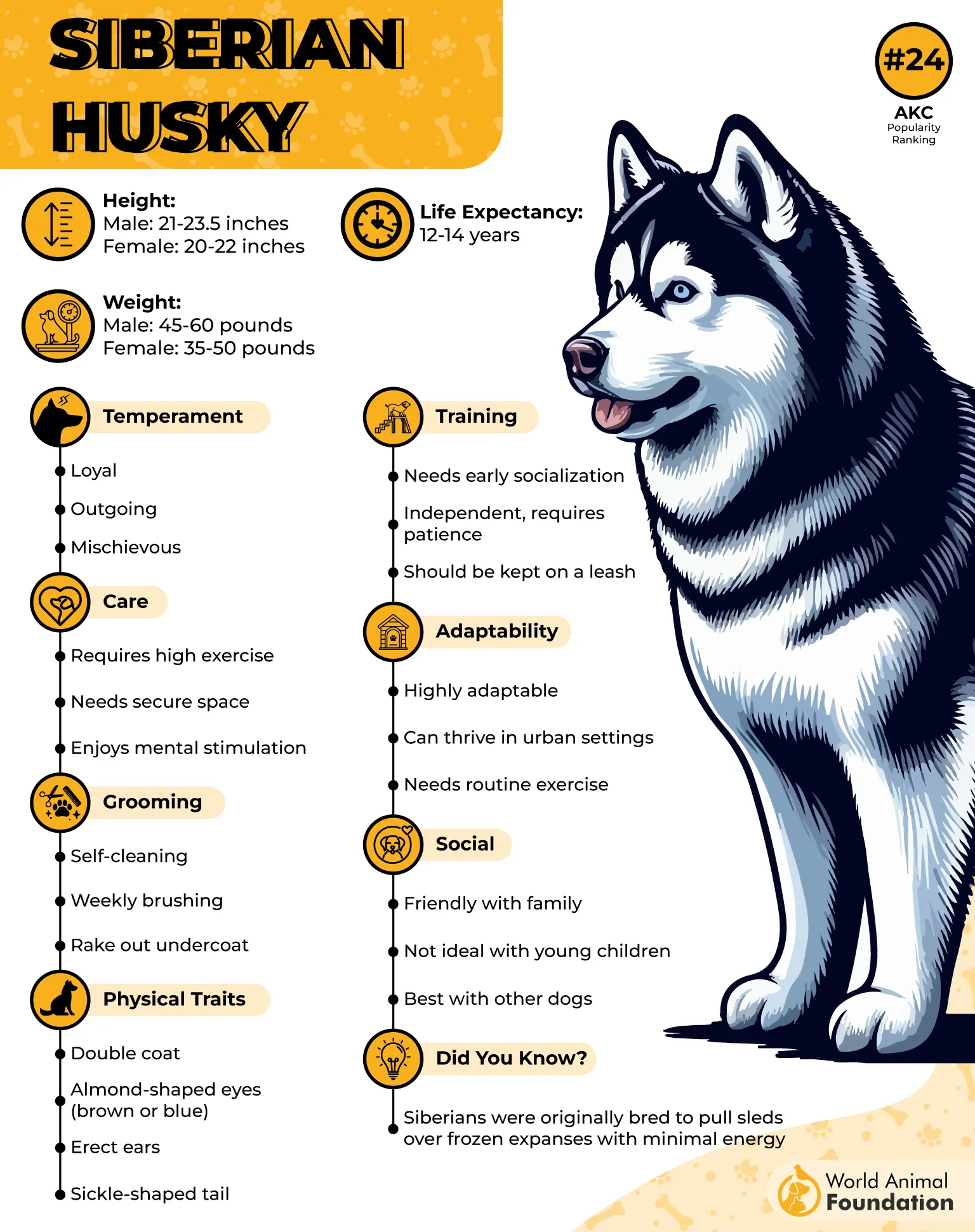
There is one important catch: Huskies are intelligent, independent, and notorious wanderers. Britannica mentions that secure management and consistent training matter, particularly around unfamiliar campsites and trails.
Their heavy coat also makes warm weather a serious consideration. Cooler conditions are far more comfortable for strenuous adventures.
If your idea of a perfect weekend involves crisp air and chilly hiking trails, the Husky will happily embrace the mission. Just don’t be surprised if your supposedly exhausted explorer suddenly decides there is another trail worth investigating.
5. Bernese Mountain Dog
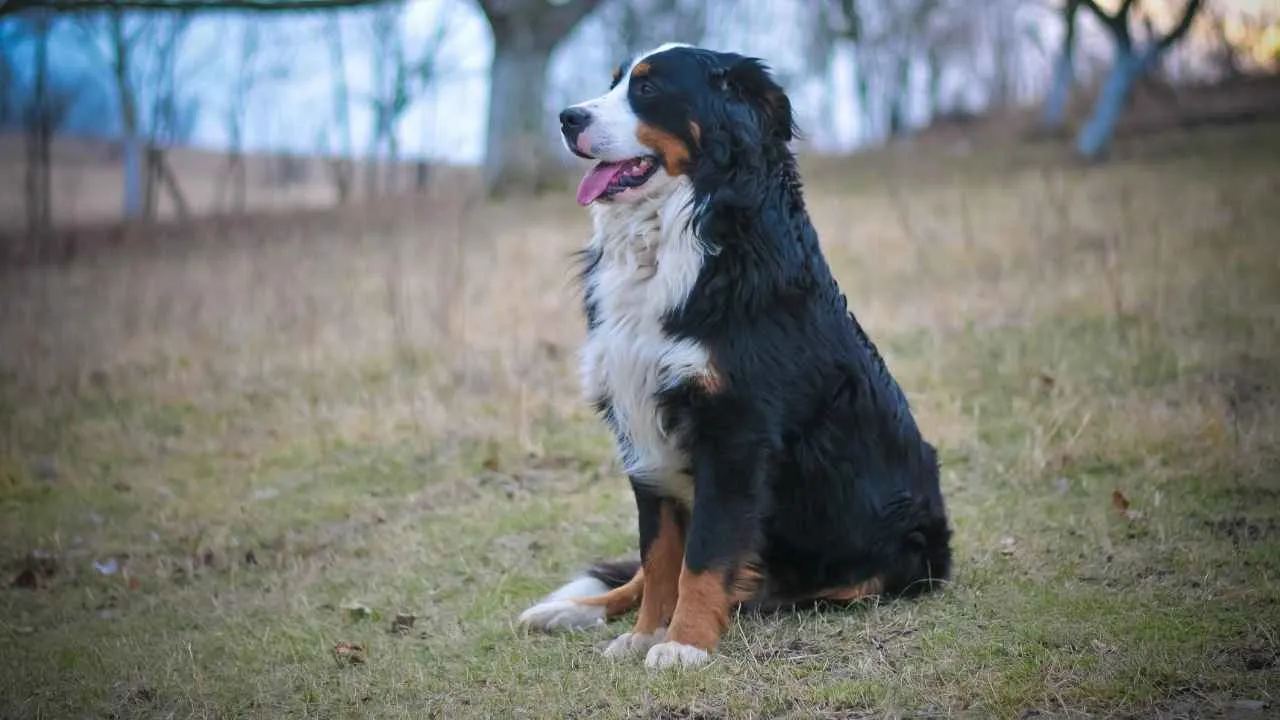
Not every trail companion needs to race toward the next hill. The Bernese Mountain Dog brings a gentler outdoor style, enjoying scenic walks and relaxed adventures with its family.
This Swiss working breed is large, affectionate, and generally calm, but it still needs regular exercise. Walking and moderate hiking can suit it well, provided the activity matches its age and fitness.
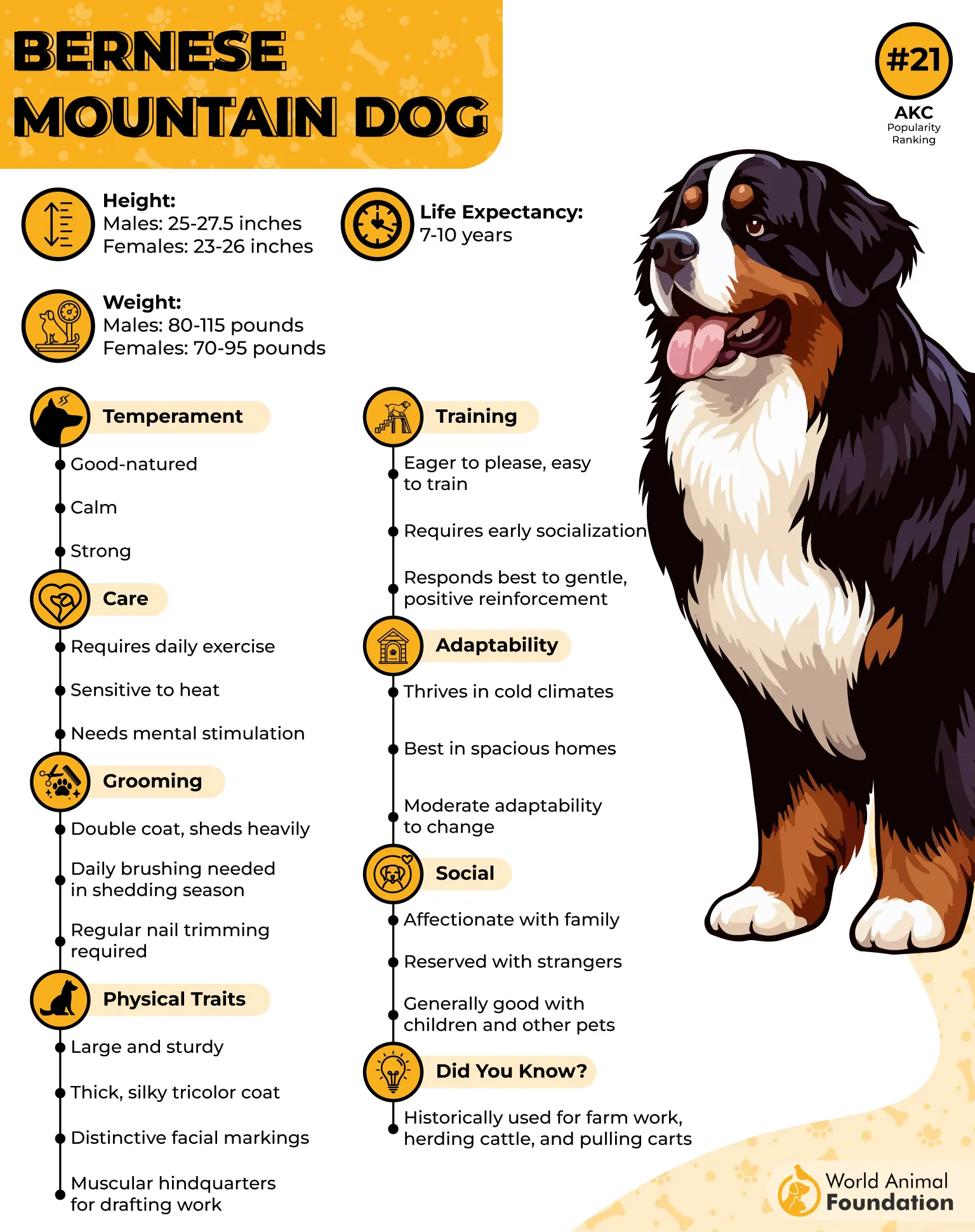
Its long, dense, thick fur is beautiful but requires regular grooming and can make heat management difficult. Hot weather calls for extra caution, shade, water, and cooler activity times.
Because this is a powerful breed, good leash manners are important. A strong dog pulling toward an exciting smell can be quite a workout for you, too.
For cooler-weather camping, gentle trails, and evenings spent relaxing beside the family, the Bernese can be one of those wonderful companions that makes the whole outing feel slower, calmer, and more special.
6. Australian Shepherd
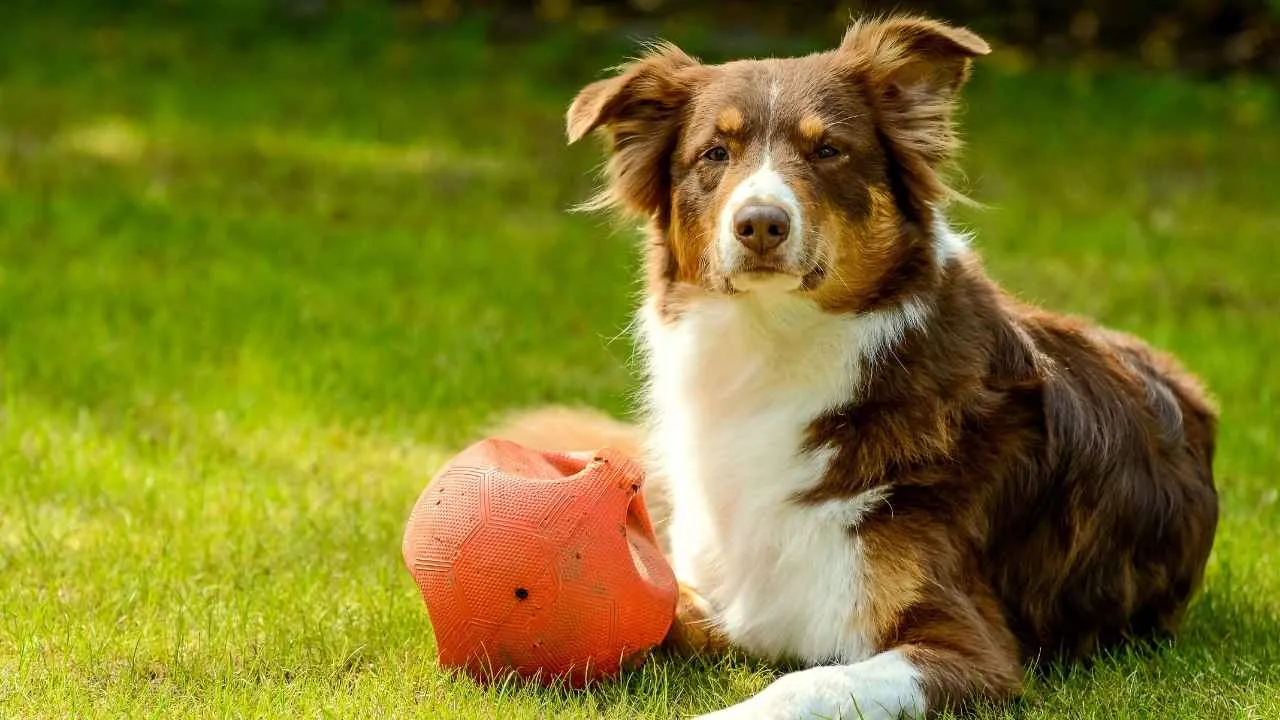
An Australian Shepherd rarely looks as if it has forgotten its assignment. Give this lively herding dog a purpose, and it is ready to get involved.
Despite its name, the Australian Shepherd was developed in the United States and became closely associated with ranch work. Its background explains its need for regular movement, engagement, and mental challenges.
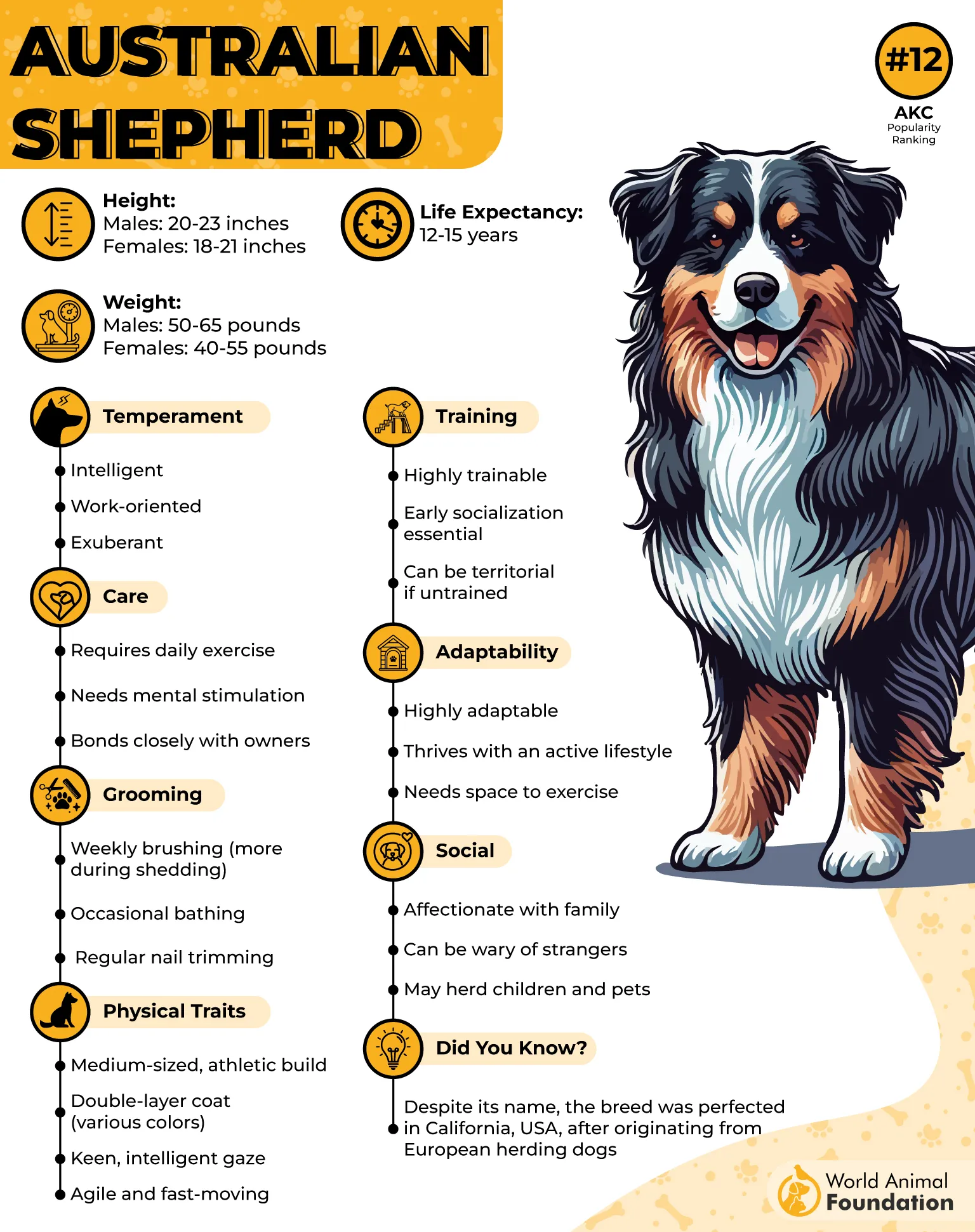
Hiking, agility, obedience, running, and interactive games can all help satisfy this breed. Simply adding more miles isn’t always enough; its sharp mind needs work, too.
That energetic nature makes it a strong match for people who enjoy frequent outdoor activities. Its coat also needs regular brushing, especially after a day spent collecting leaves, burrs, and other tiny souvenirs.
A well-trained Aussie can be an attentive and athletic trail companion. You might even find it quietly inspecting everyone at the campsite, as though it has appointed itself head of security.
For active households, this breed offers a fun combination of intelligence, movement, and enthusiasm.
7. Rhodesian Ridgeback
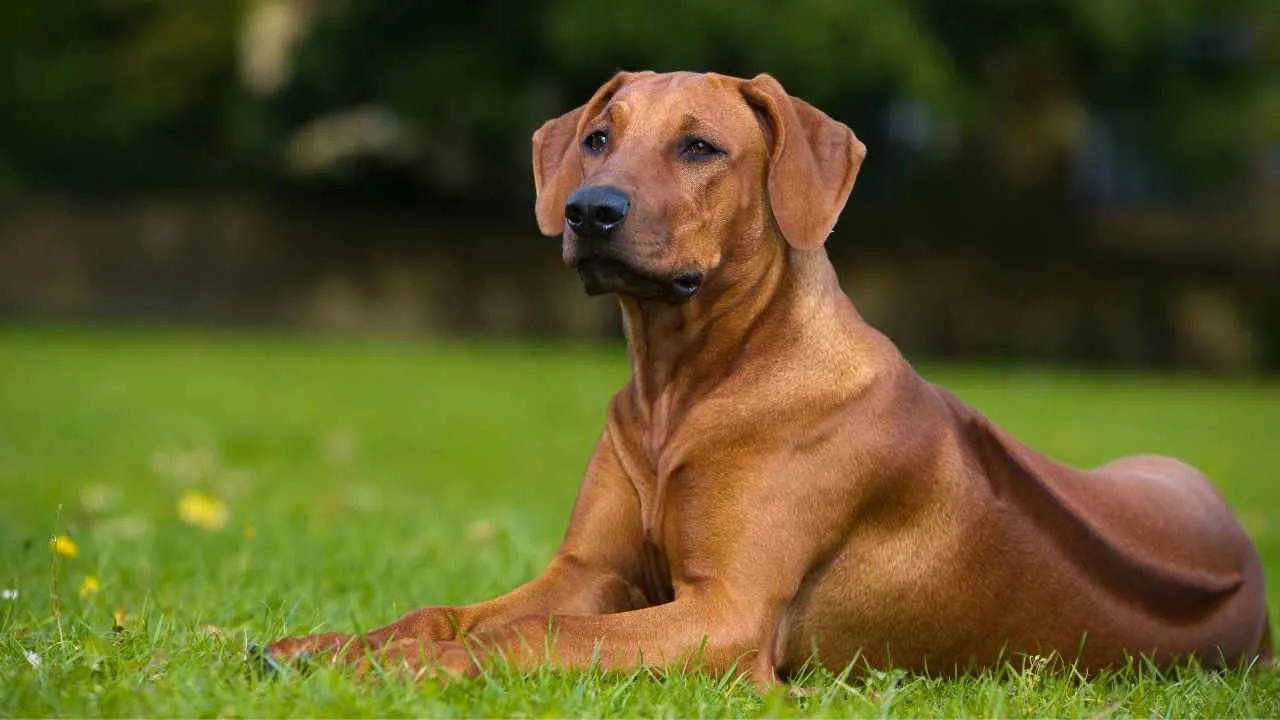
The Rhodesian Ridgeback brings a different kind of trail energy: powerful, confident, and surprisingly composed. Developed in southern Africa for hunting and tracking, this athletic breed is known for strength and impressive endurance.
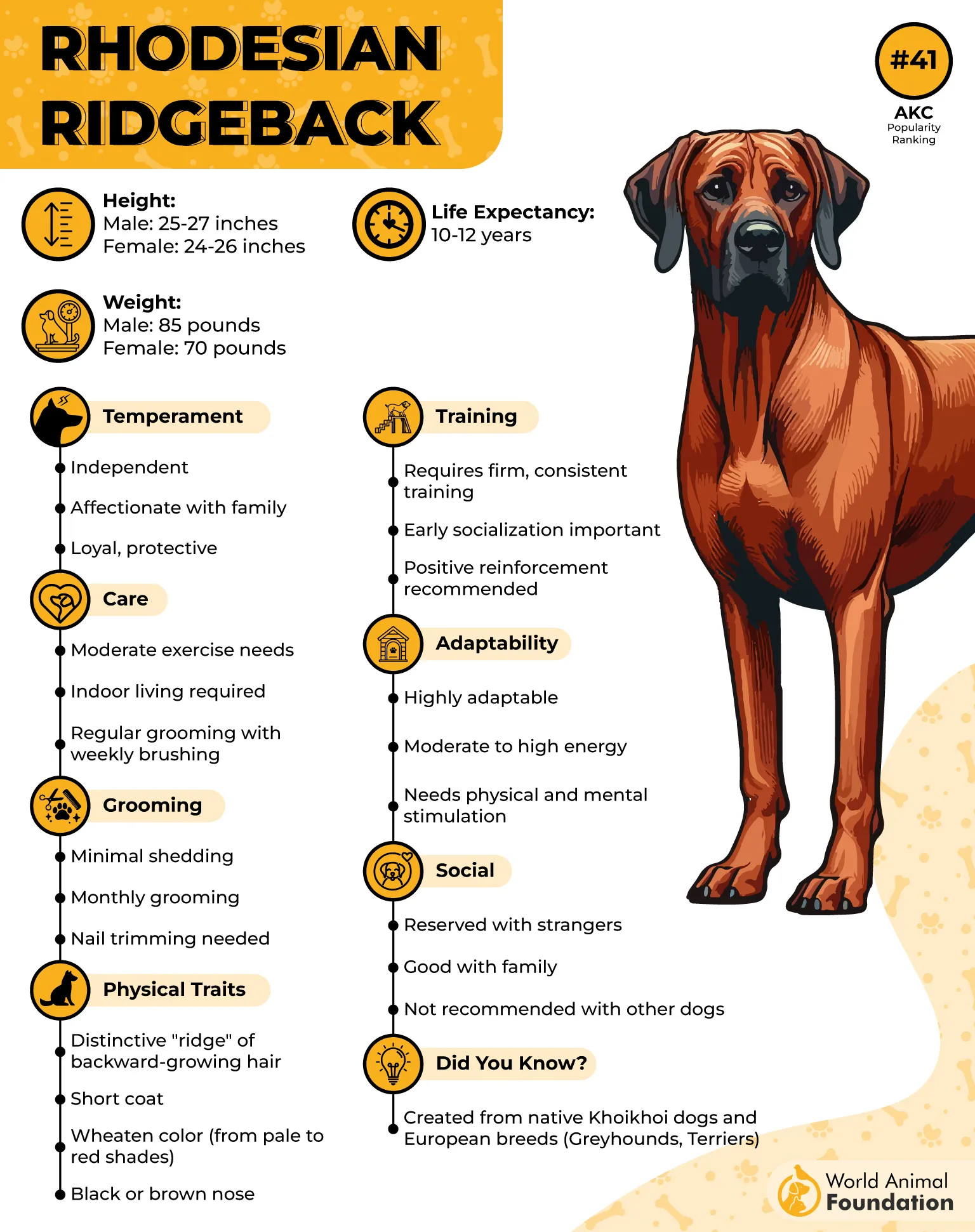
Its short coat is relatively easy to maintain, and its athletic build suits longer walks and properly conditioned hikes. A healthy Ridgeback can handle substantial distances.
Its history also matters. A high prey drive can make wildlife particularly distracting, so recall and leash skills deserve serious attention.
Although the breed can tolerate heat better than heavily coated dogs, hot weather still calls for sensible planning. Fresh water, shade, breaks, and cooler exercise times remain important.
At camp, the Ridgeback may surprise you by going from serious trail athlete to professional napper. After all that endurance, even a confident explorer needs some downtime.
If you want a strong, independent, athletic dog for thoughtfully planned outdoor adventures, this breed can be a fascinating match.
8. Weimaraner
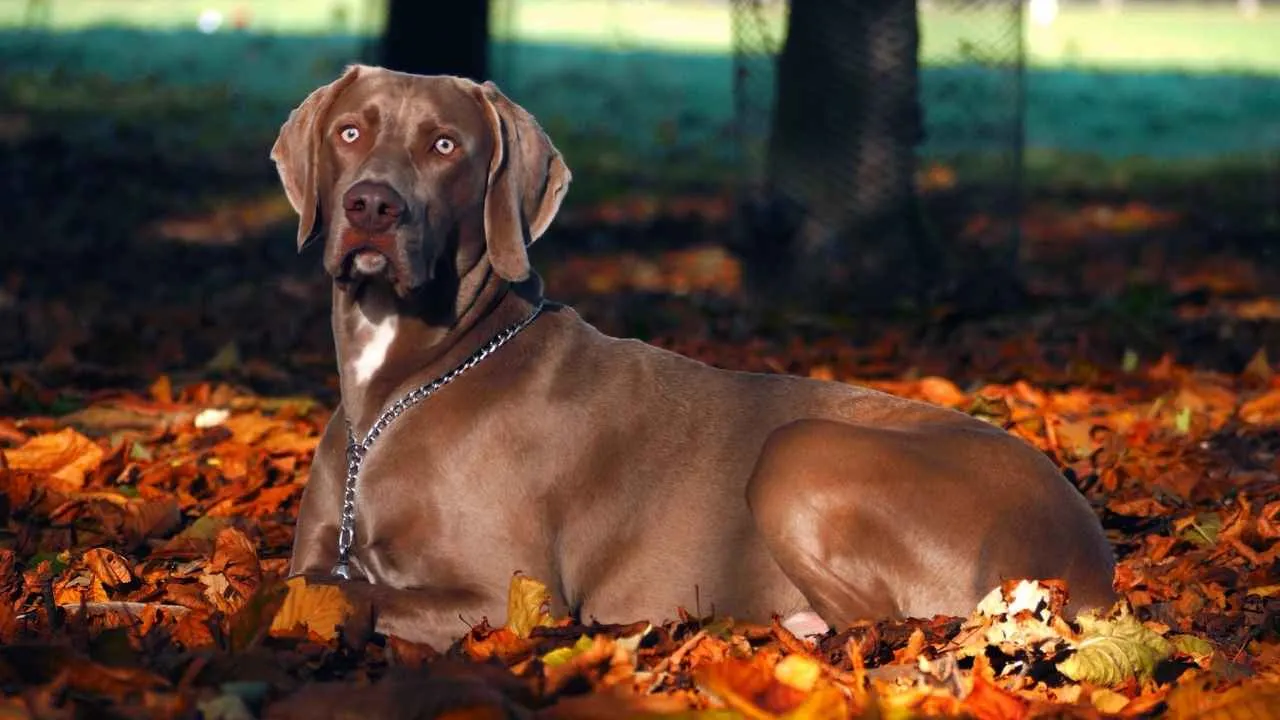
The Weimaraner looks almost too elegant for a muddy trail, right up until it starts charging happily through one. Beneath that sleek silver coat is an energetic sporting dog developed for hunting and demanding field work.
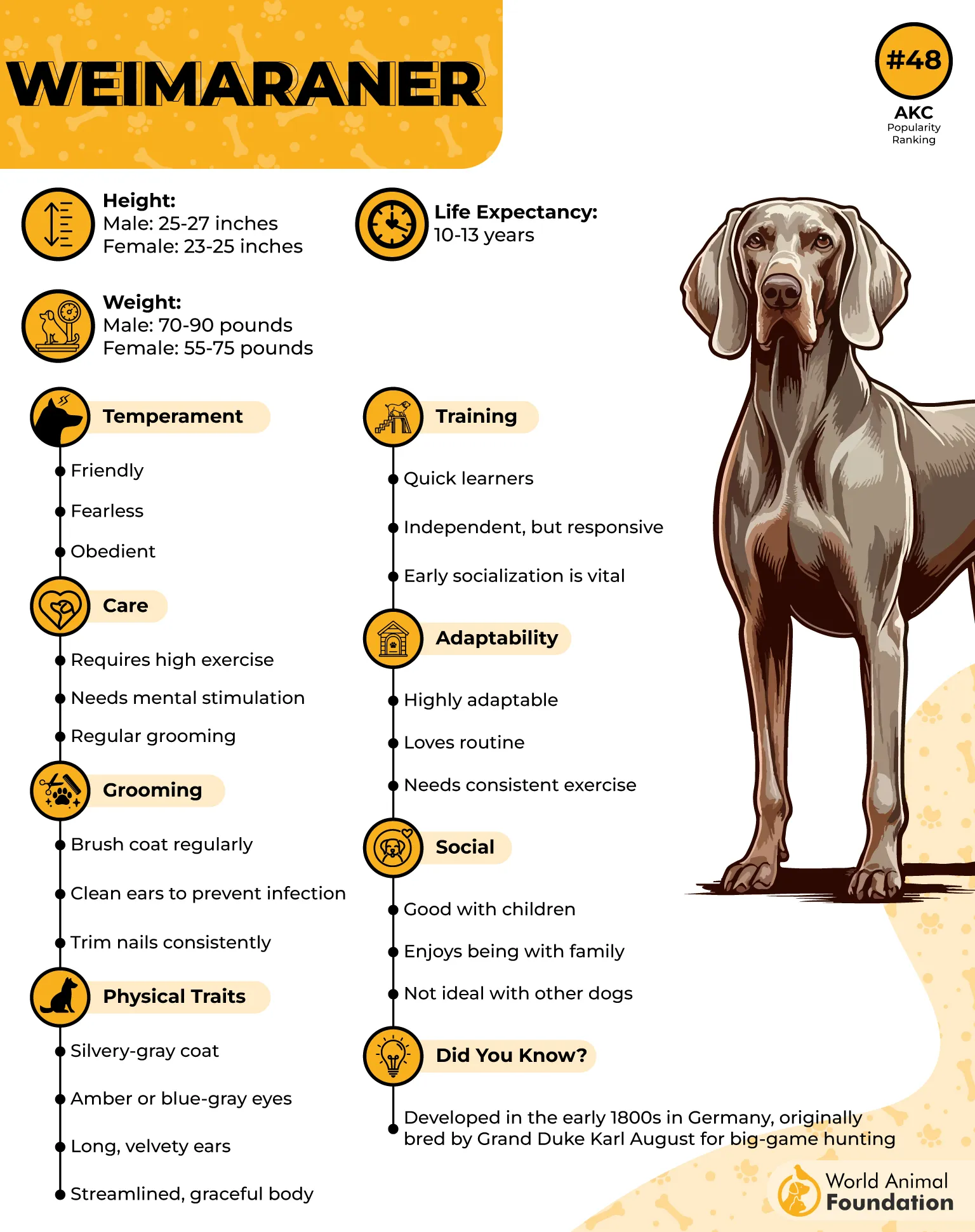
The breed needs substantial daily activity, and PetMD recommends around two hours of exercise each day. Hiking, running, fetch, agility, and other active games can help meet those needs.
Its short coat is refreshingly easy to maintain, although it offers limited protection in cold or wet conditions. Its hunting heritage also means smaller animals may trigger its chase instincts.
Weimaraners are famously people-oriented and can become extremely attached to their families, earning them a reputation as velcro dogs. They generally prefer being involved rather than left alone.
That combination of athleticism and affection makes the breed a fun choice for active households. Just keep the brain occupied as well as the body; a bored Weimaraner can become remarkably creative.
Your outdoor trip may end with a tired silver pup glued to your side, which is honestly very on-brand.
9. Portuguese Water Dog
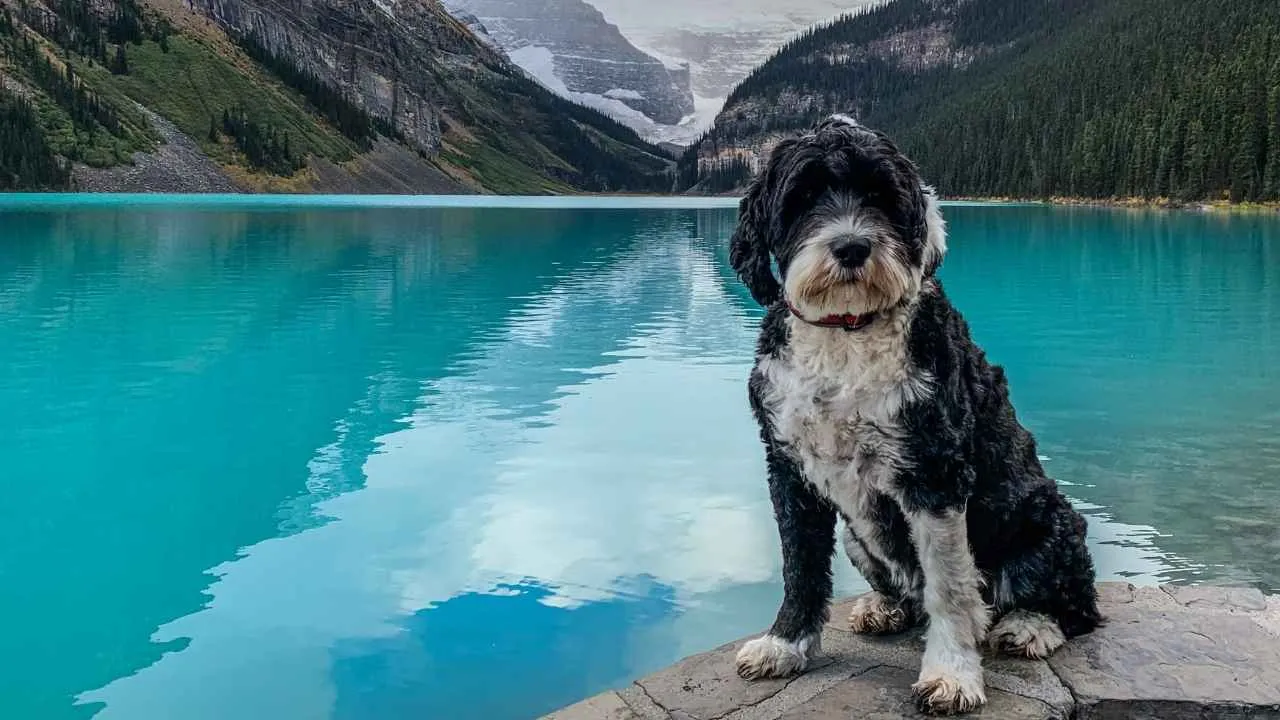
Mention a lake to a Portuguese Water Dog and suddenly your carefully planned hike may have a new main attraction. This lively working breed has deep roots in Portugal, where fishermen used it for water-related tasks and retrieving.
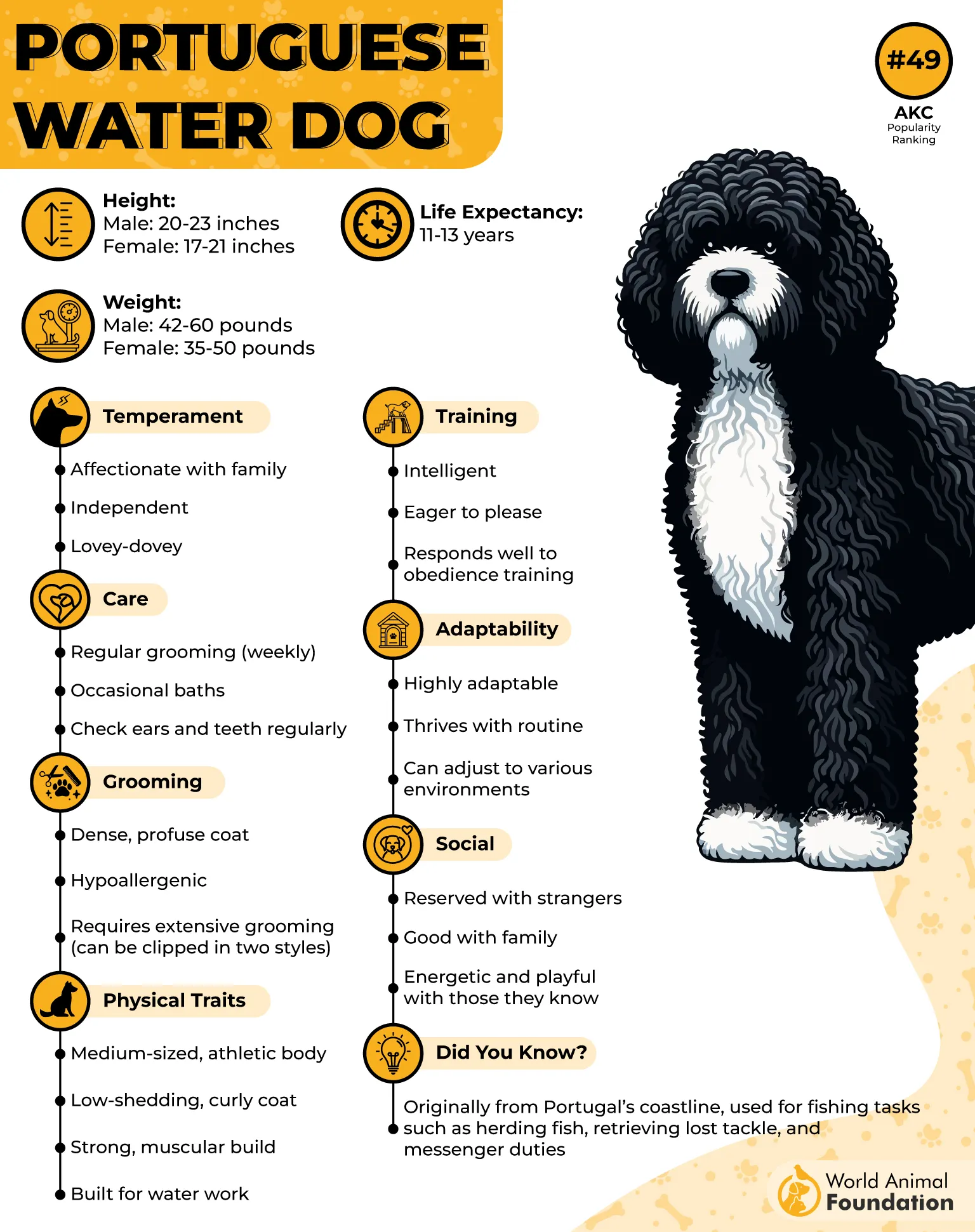
Its background helps explain its stamina, intelligence, and love of activity. Healthy adults can make excellent hiking dogs, particularly when conditioned gradually. Orvis notes that the breed can handle considerable hiking distances and benefits from daily physical and mental stimulation.
The curly or wavy coat needs regular grooming, especially after muddy trails or swimming. Weekly brushing and regular clipping help keep it manageable.
Portuguese Water Dogs are also social and enjoy participating in family activities, making them natural hiking companions for households that like staying busy.
If your ideal weekend combines woodland paths, water, games, and a dog enthusiastically joining everything you do, this breed could fit beautifully.
Just accept one thing: If there is water nearby, your dog may have already made plans.
10. Vizsla
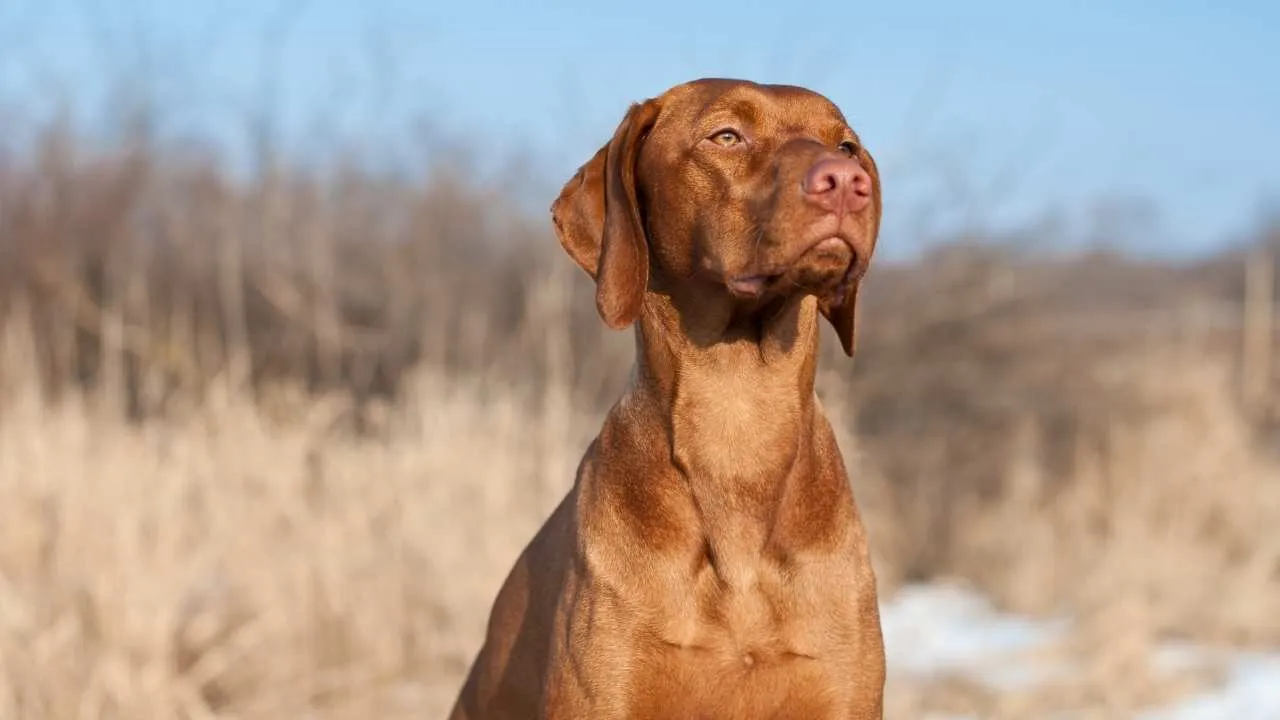
The Vizsla has a funny way of turning an ordinary walk into an investigation. One second you are strolling along; the next, your long-legged companion is intensely studying a smell that apparently contains a very important secret.
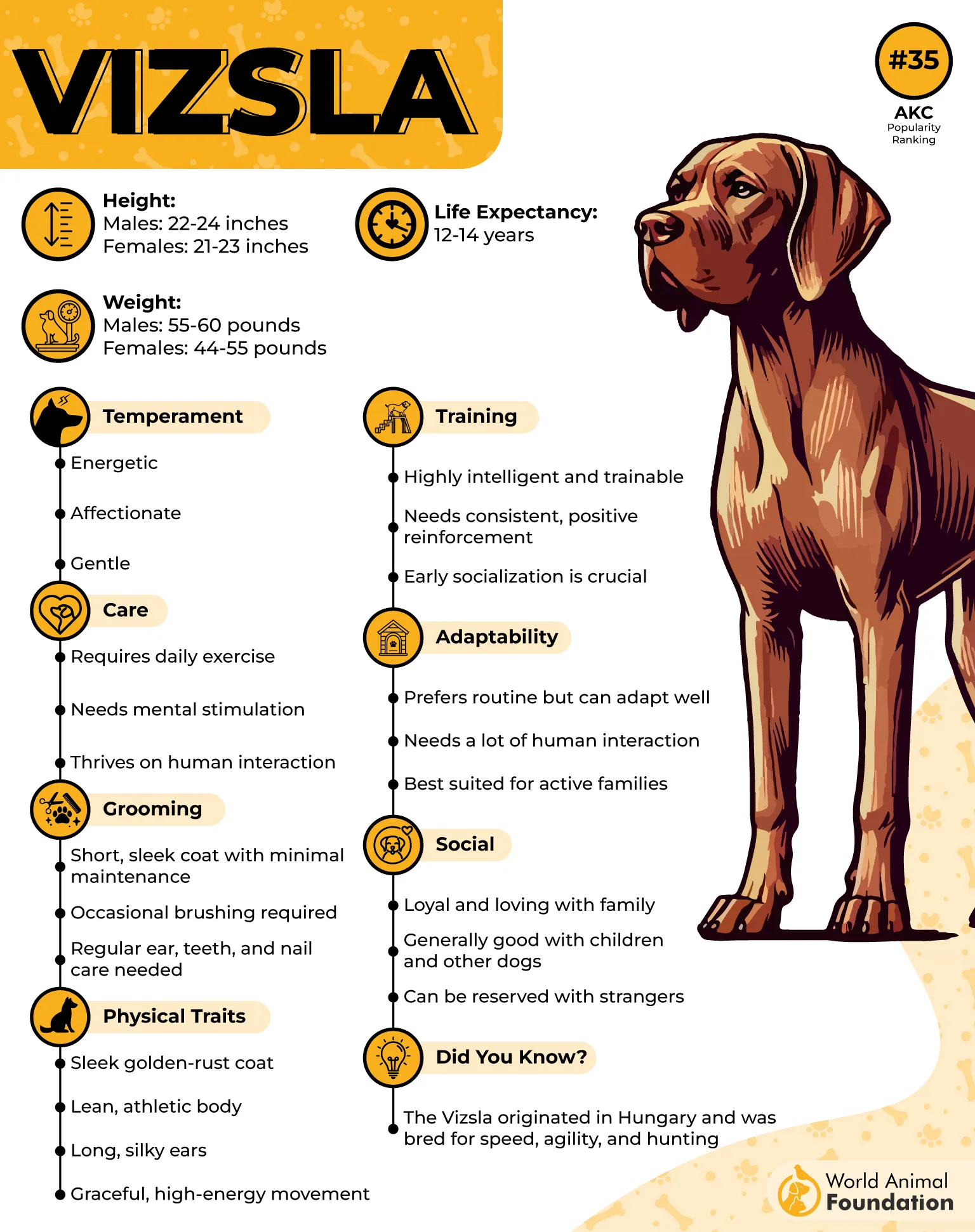
Developed in Hungary as a hunting companion, the Vizsla is athletic, energetic, and closely bonded with its people. Its stamina makes it well suited to hiking, running, and other demanding activities when properly conditioned.
Its sleek short coat is easy to care for but provides little insulation in cold or wet conditions. Comfortable weather is better suited to longer excursions.
The breed is also famously affectionate and people-focused. Many Vizslas want to stay close to their humans throughout the day, making them particularly appealing if you want a dog that participates in every part of your adventure.
With enough exercise, training, and attention, this lively sporting breed can become a wonderful outdoor partner.
And once the miles are over, don’t be surprised when your energetic explorer suddenly transforms into a sleepy shadow looking for somewhere comfortable beside you.
Conclusion
Heading out on the trail with a dog changes every trip for the better. Finding the right outdoor partner means sharing long paths, cold nights, and quiet moments by the fire.
Keep in mind that every dog is different. Take time to build up their stamina slowly, pack enough water, and watch how they handle rough ground. With a little care and preparation, your dog will stay safe, comfortable, and eager for every new trail ahead.
