




Want a dog that brings companionship without turning your home into a constant barking zone? Some dogs are naturally quieter and more content to relax, making them a great fit for apartment living, busy households, or anyone who values a little peace.
Even better, some dogs are naturally more independent and can settle comfortably when you’re busy or away for a while. Of course, no dog should be left alone for too long, and every pup still needs exercise, mental stimulation, and constant attention.
If you’re looking for a companion that enjoys your company but doesn’t need constant entertainment, these quiet dog breeds may be worth considering. So what are you waiting for? Let’s take a look at some of the best dog breeds that can handle alone time.
Quiet Dog Breeds That Thrive When Left Alone
1. French Bulldog
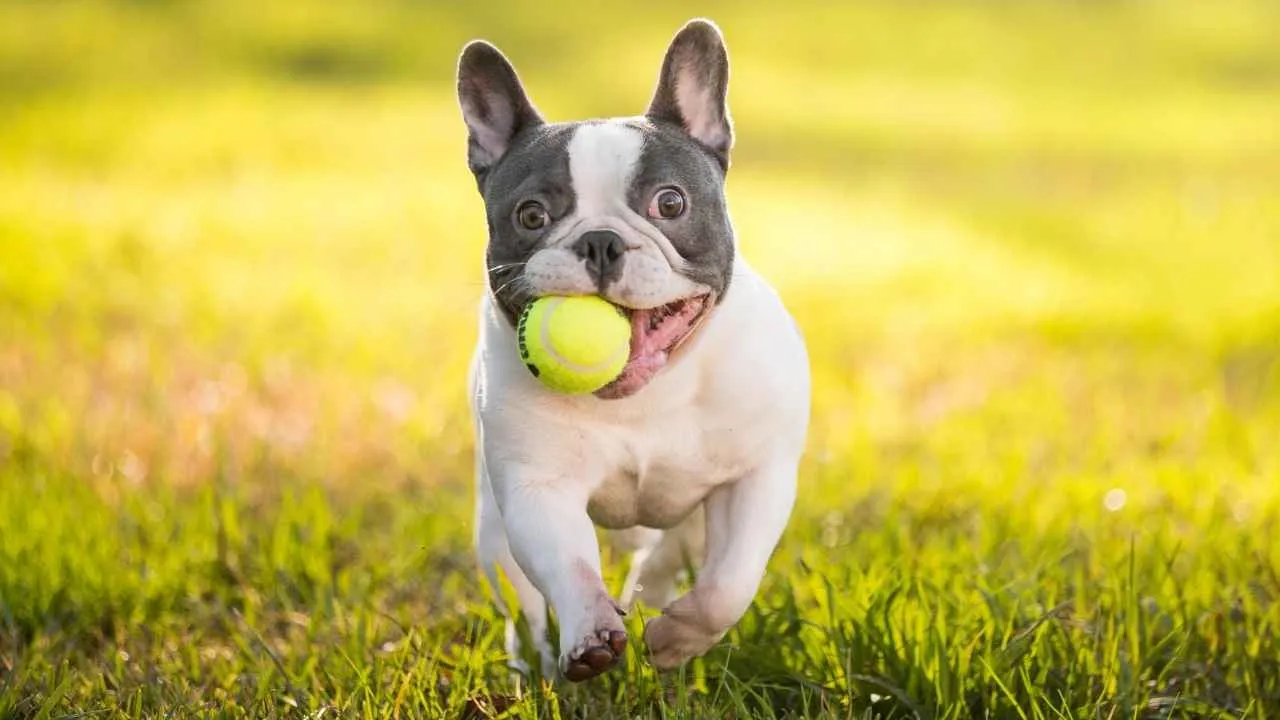
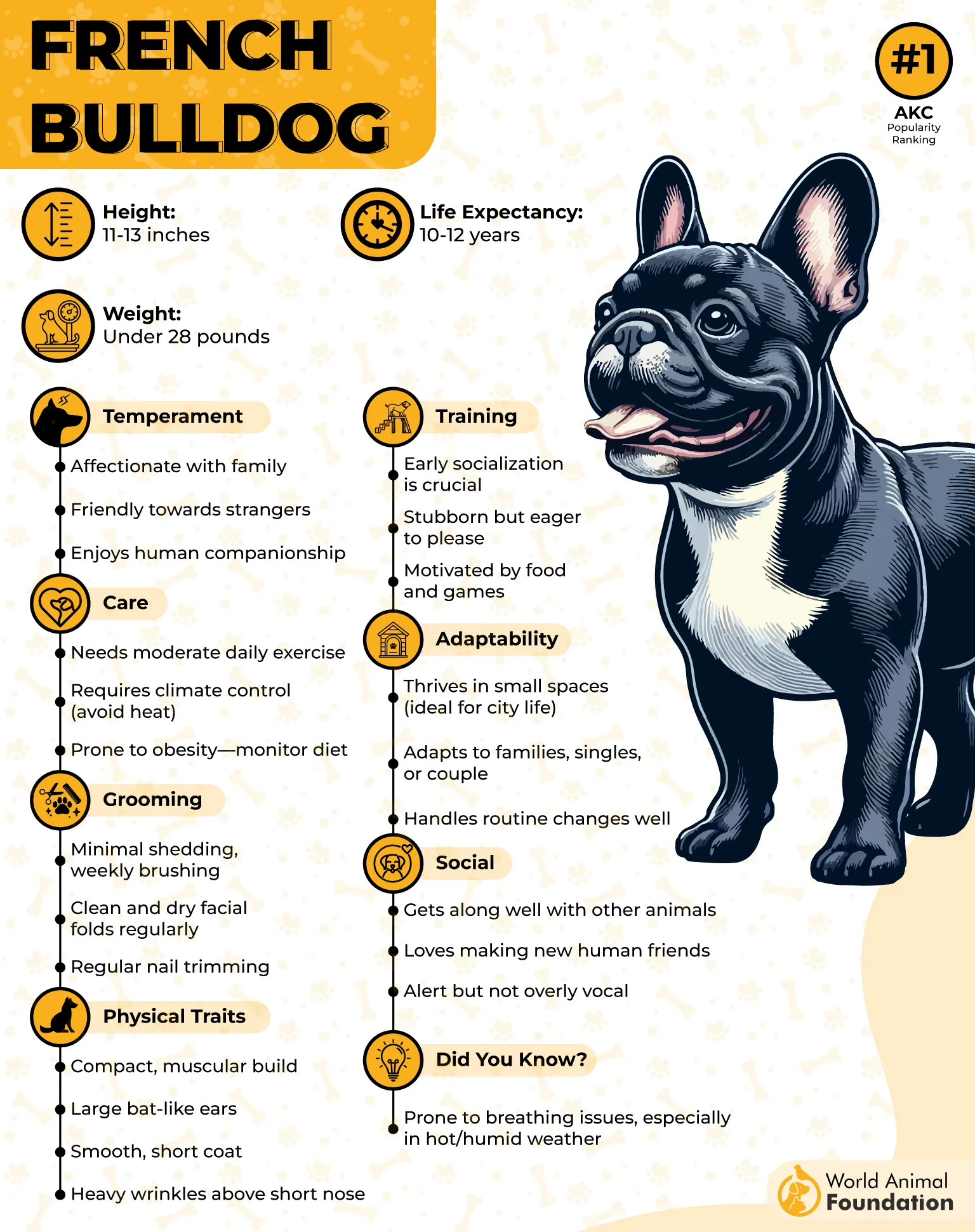
French Bulldogs, or “Frenchies,” are cheerful, affectionate dogs known for their playful personalities and bat-like ears. They are easygoing and well suited to indoor life.
Their history began in the 1800s when English lace workers brought small Bulldogs to France. The French favored those with upright ears and developed the breed further. Frenchies later became popular in America too.
Quiet and Easygoing Personalities
French Bulldogs are not big barkers and usually stay quiet unless something catches their attention. They enjoy short walks, play sessions, and plenty of rest. They adapt well to city living and generally get along with children, other dogs, pets, and strangers.
Care and Time Alone
Their short coats need little grooming, but facial wrinkles should be cleaned regularly. Frenchies can be stubborn during training, so patience and rewards work best.
They enjoy relaxing when you are busy but thrive on attention, so they should not be left alone for long. Their flat faces make them sensitive to heat, and they are poor swimmers, so they need supervision around water, as mentioned by PetMD.
2. Basset Hound
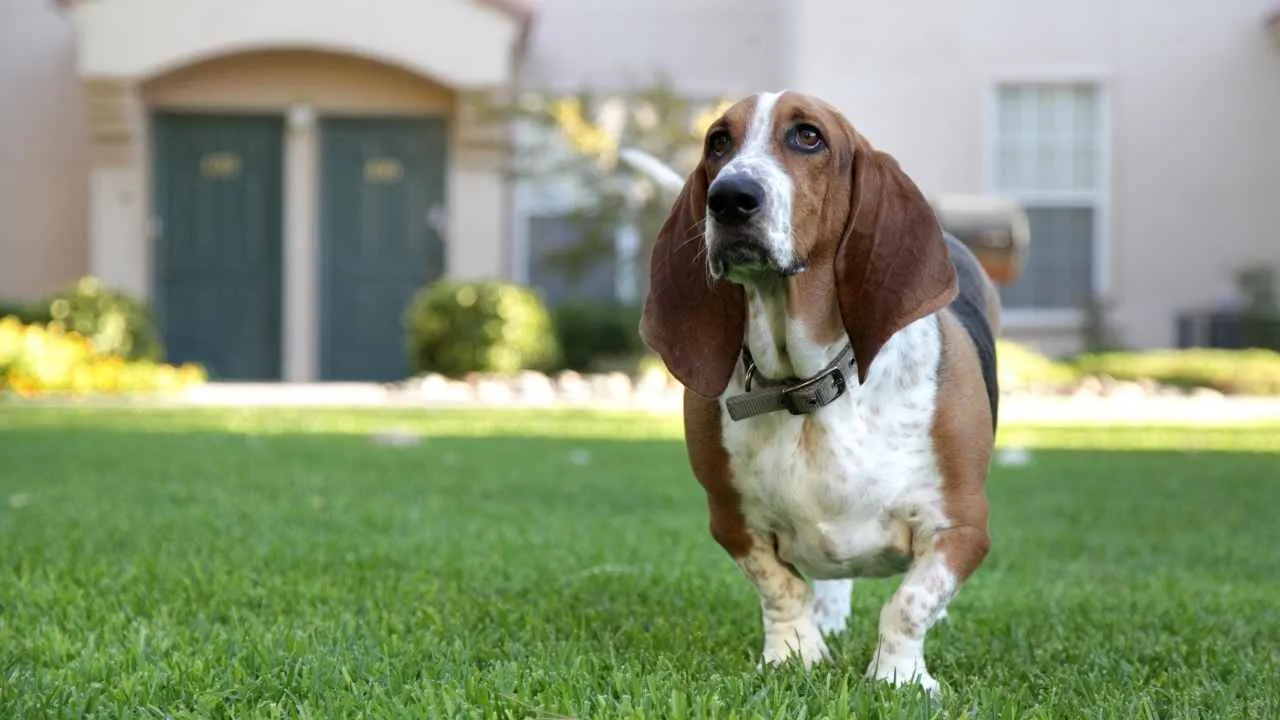
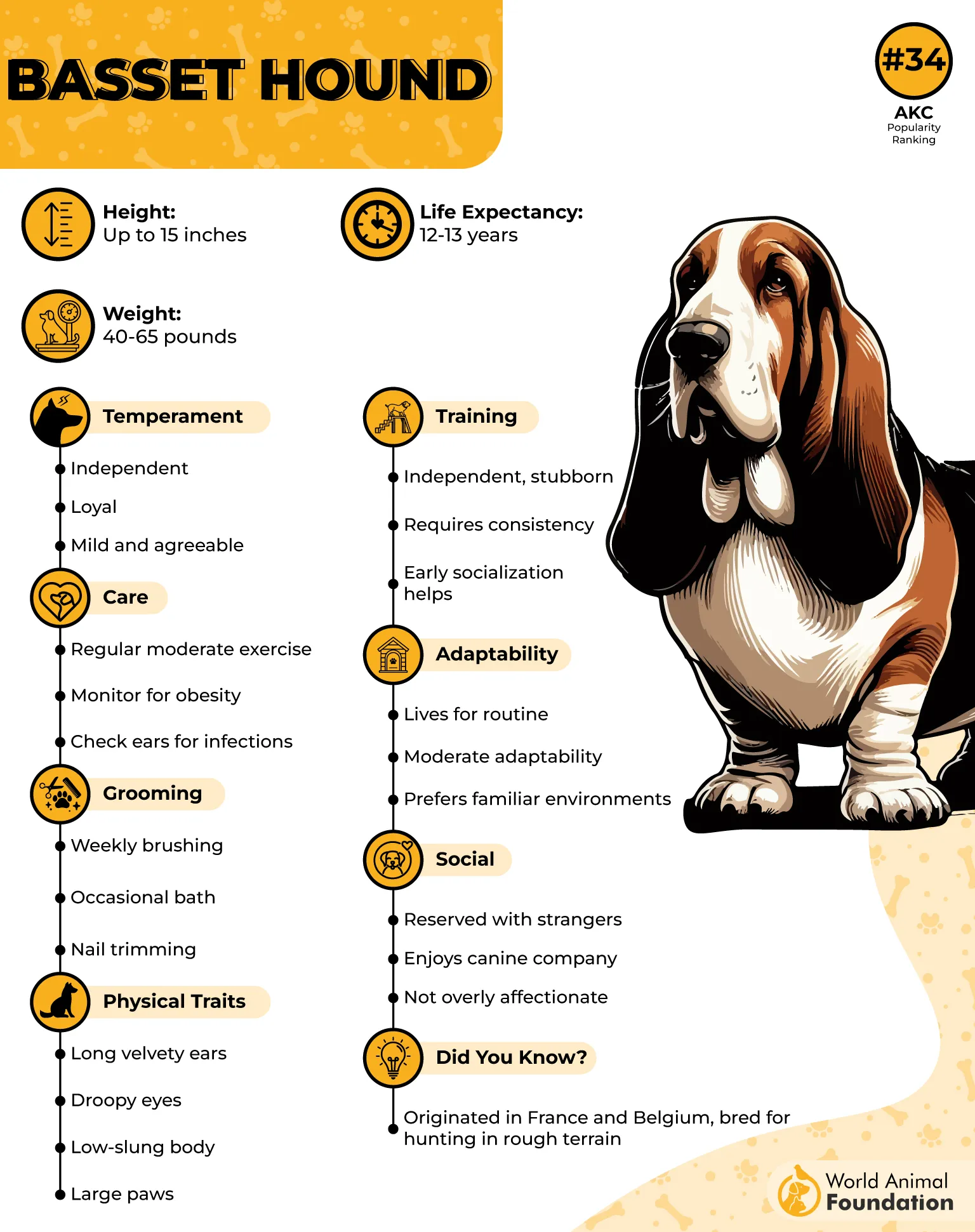
Basset Hounds are gentle, friendly dogs that originated in France. They were bred to hunt rabbits and hares by following scents close to the ground.
Their name comes from the French word “bas,” meaning low. The breed later became popular in Britain and was crossed with Bloodhounds to increase its size. Today, Basset Hounds are mostly loved as calm and affectionate dogs.
Calm and Easygoing Personalities
Basset Hounds are famously laid-back and enjoy life at their own slow pace. They usually get along well with children, dogs, cats, and other pets.
They enjoy relaxed walks and plenty of time indoors. However, they are not among the quietest breeds. Their deep bark and loud baying can be quite noticeable, especially when they catch an interesting scent.
Care and Time Alone
Their short, smooth coats need minimal grooming, but they shed regularly and may drool. Daily walks help keep them active and prevent weight gain. Their strong noses can lead them after interesting scents, so leashes and secure yards are important.
Basset Hounds can be stubborn during training, but food rewards and positive reinforcement can help. Their calm nature makes them comfortable relaxing at home, although they still enjoy companionship and should not be left alone for extended periods.
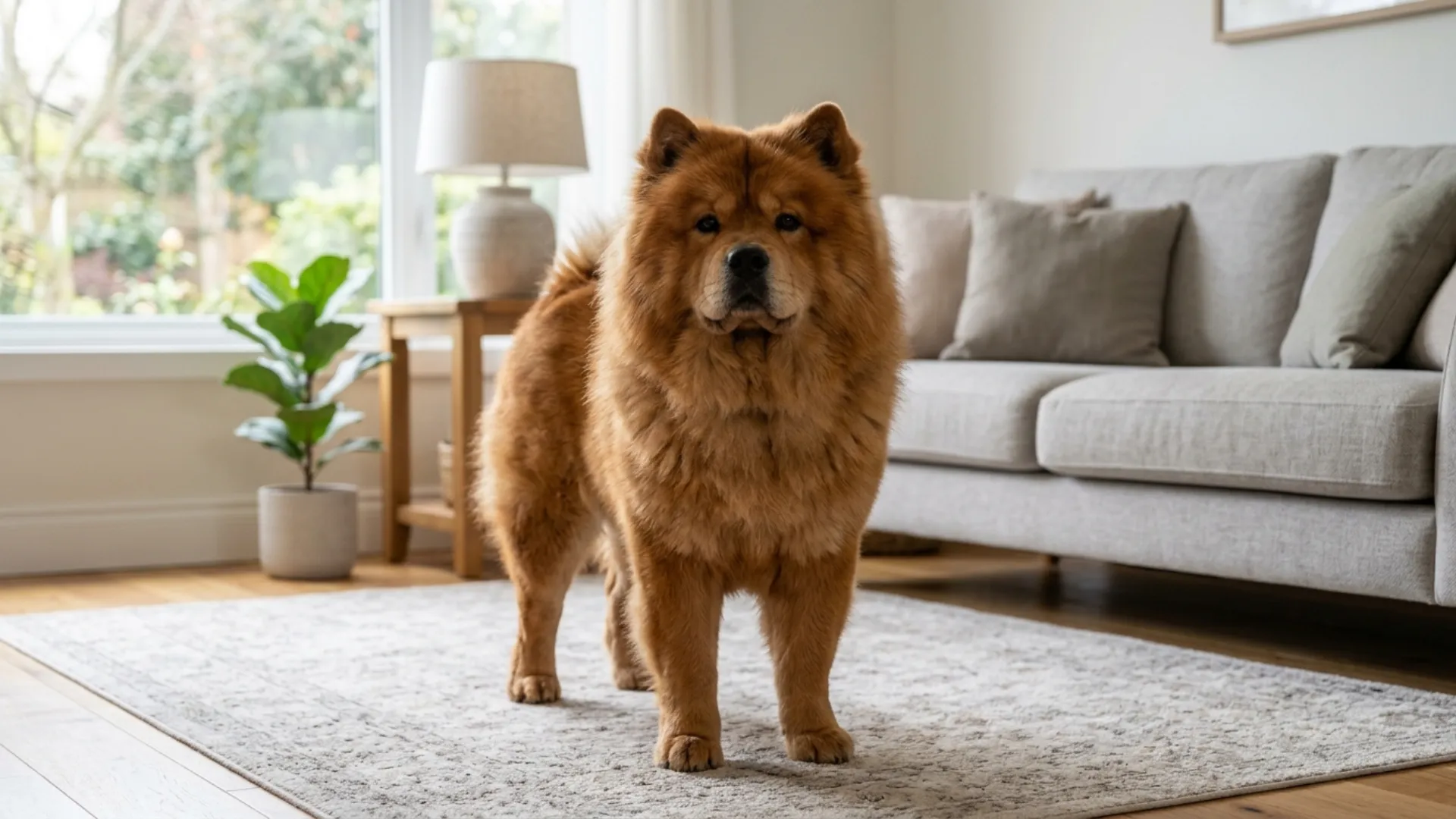
3. Chow Chow
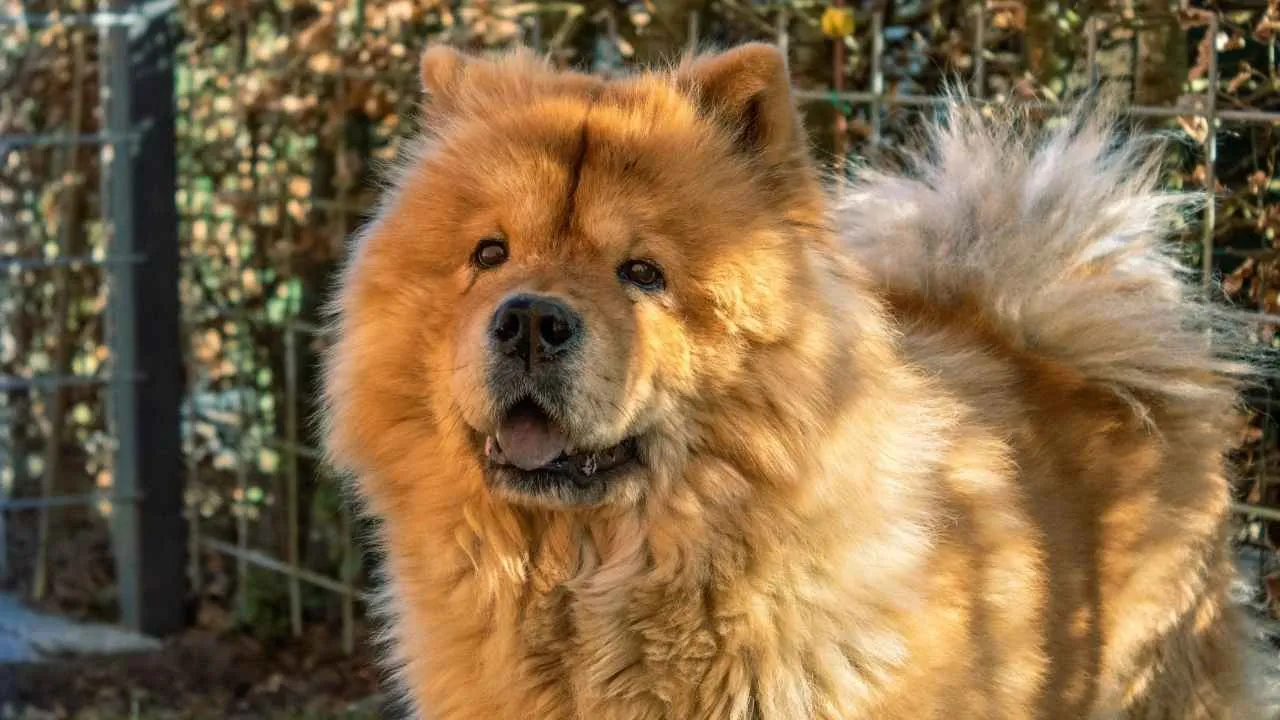
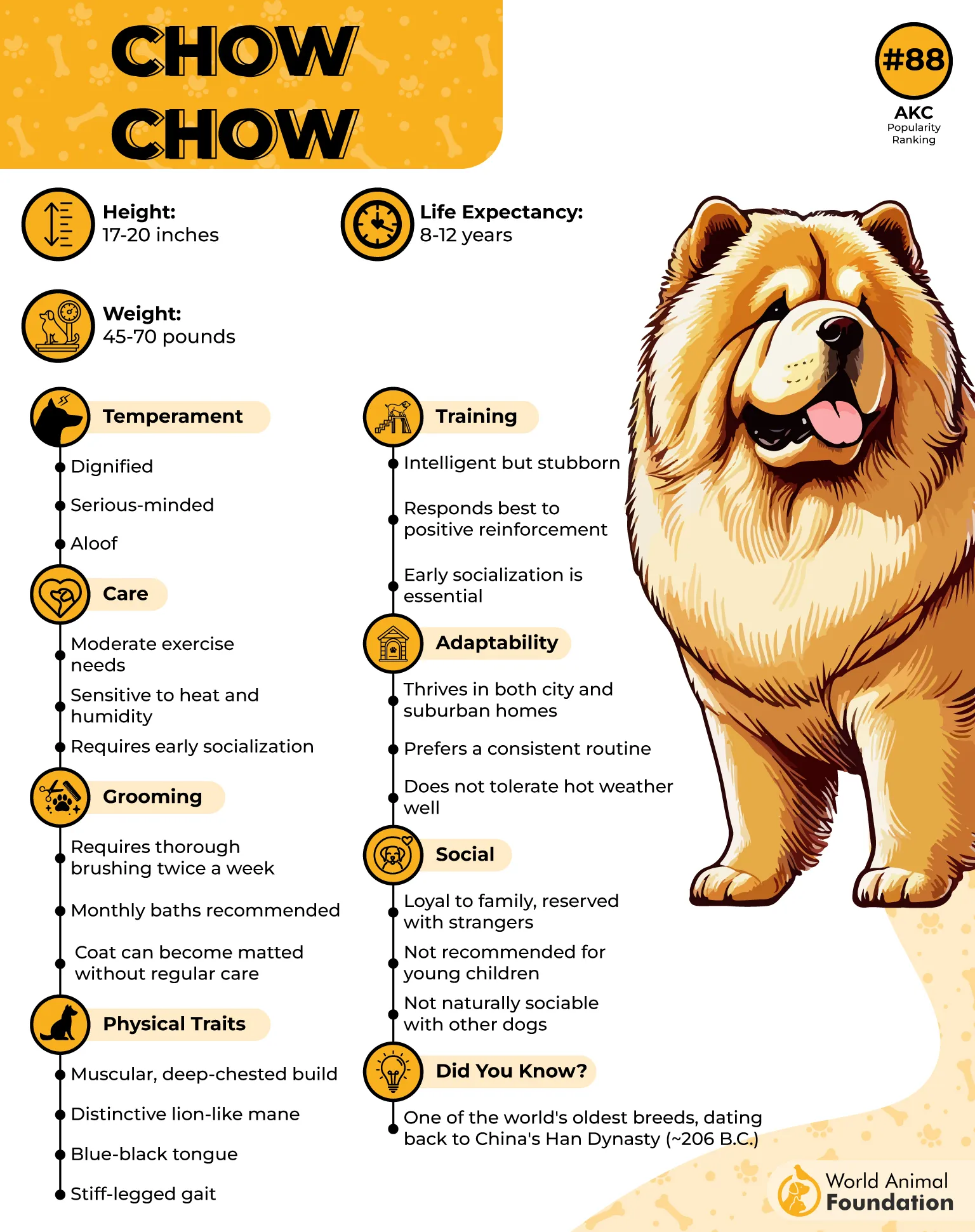
Chow Chows are one of the oldest dog breeds, with roots tracing back to China’s Han Dynasty. Over the years, they worked as hunters, guards, cart-pullers, and companions.
Their fluffy coats, curled tails, and distinctive blue tongues give them a unique look. Despite their teddy-bear appearance, Chows are independent and prefer keeping some personal space.
Quiet and Independent Personalities
Chow Chows are fairly quiet and do not bark excessively. They are also low-energy and comfortable entertaining themselves. They form strong bonds with their families but are not overly affectionate or demanding.
Britannica says they can be reserved with strangers and may be wary of unfamiliar dogs. Early socialization and proper training can help them become more comfortable around new people and pets.
Care and Time Alone
Their independent nature can make Chow Chows better suited to spending some time alone than highly dependent breeds. However, they still need companionship, consistent training, and mental stimulation.
Their thick double coats require frequent brushing and can make them prone to overheating in hot weather. They are generally better suited to families with older children who understand and respect their boundaries.
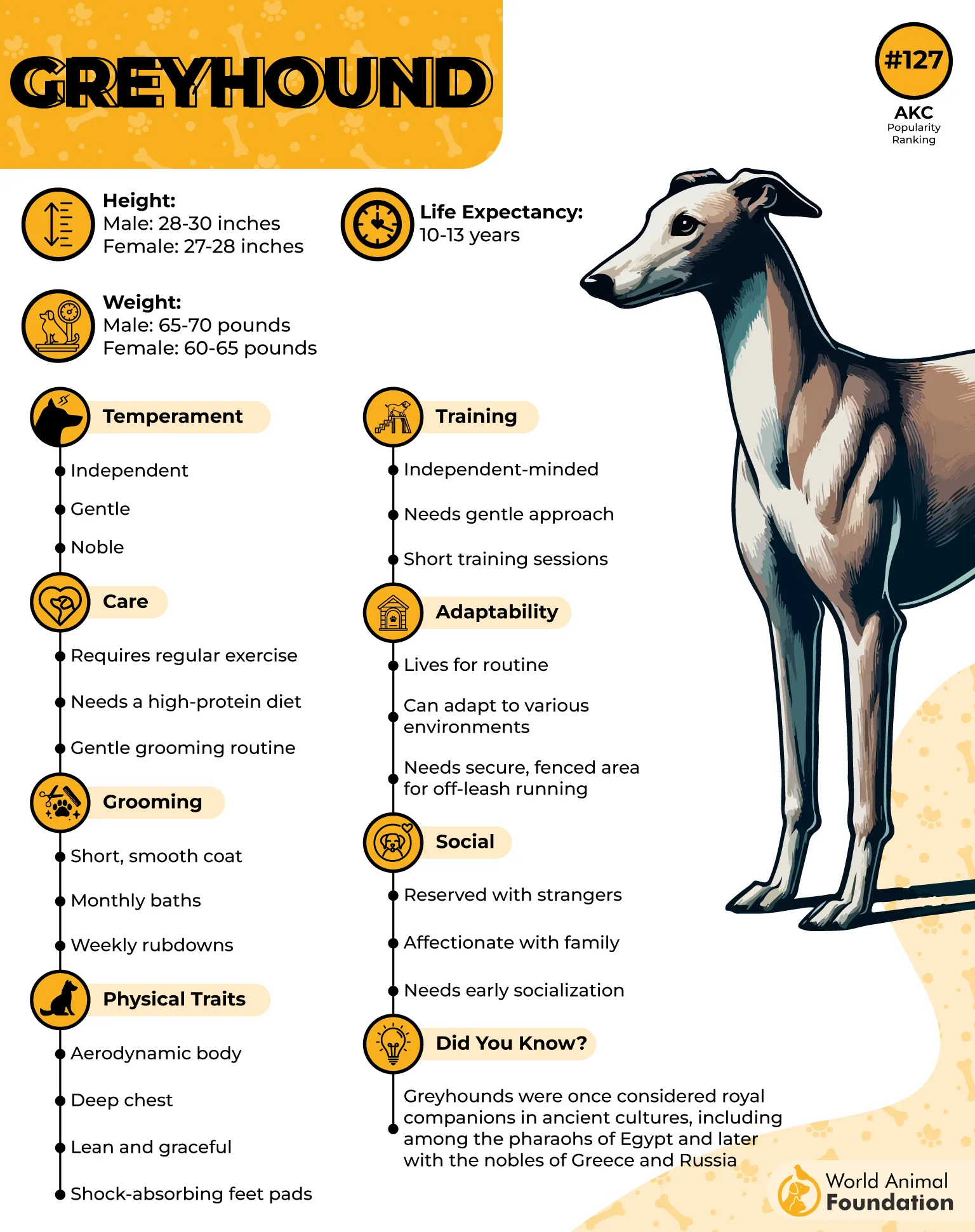
4. Greyhound
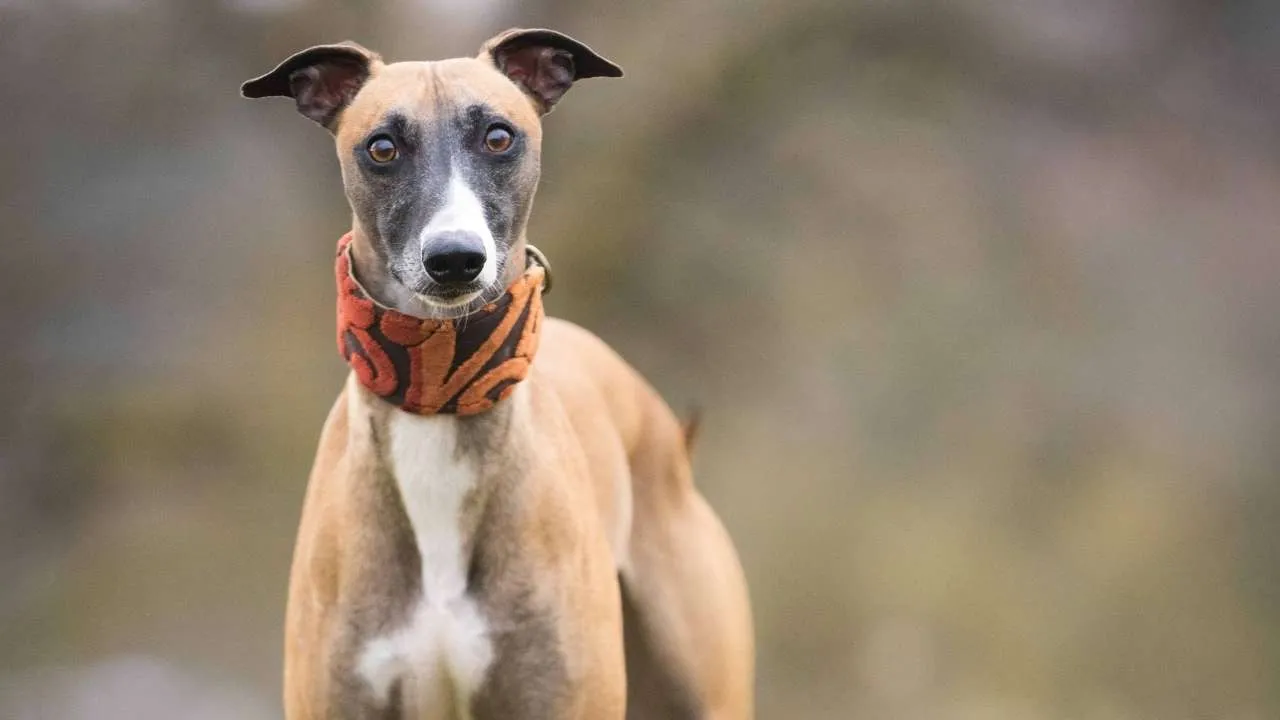
Greyhounds are graceful, gentle dogs known for their sweet nature and sleepy personalities. Despite being famous for their incredible speed, they are often called “40-mph couch potatoes” because they happily spend much of the day lounging at home.
Bred for racing and hunting in groups, they developed a strong independent spirit and a calm, non-aggressive nature.
Quiet and Easygoing Personalities
Greyhounds are naturally quiet and usually have little interest in being noisy. They are affectionate without being overly demanding and can happily settle down after a leisurely walk.
They are generally tolerant of children and often walk away when annoyed rather than reacting aggressively. Their strong prey drive means they may chase small animals, so socialization and training are important around other pets.
Care and Time Alone
Greyhounds do not need hours of exercise. They need short bursts of running and a safe place to stretch their legs, followed by plenty of rest.
Their short coats are easy to maintain, with moderate shedding. Their independent nature can help them settle when you are busy, but they are still pack-oriented dogs that enjoy being part of the family and should not be left alone for extended periods.
5. Lhasa Apso
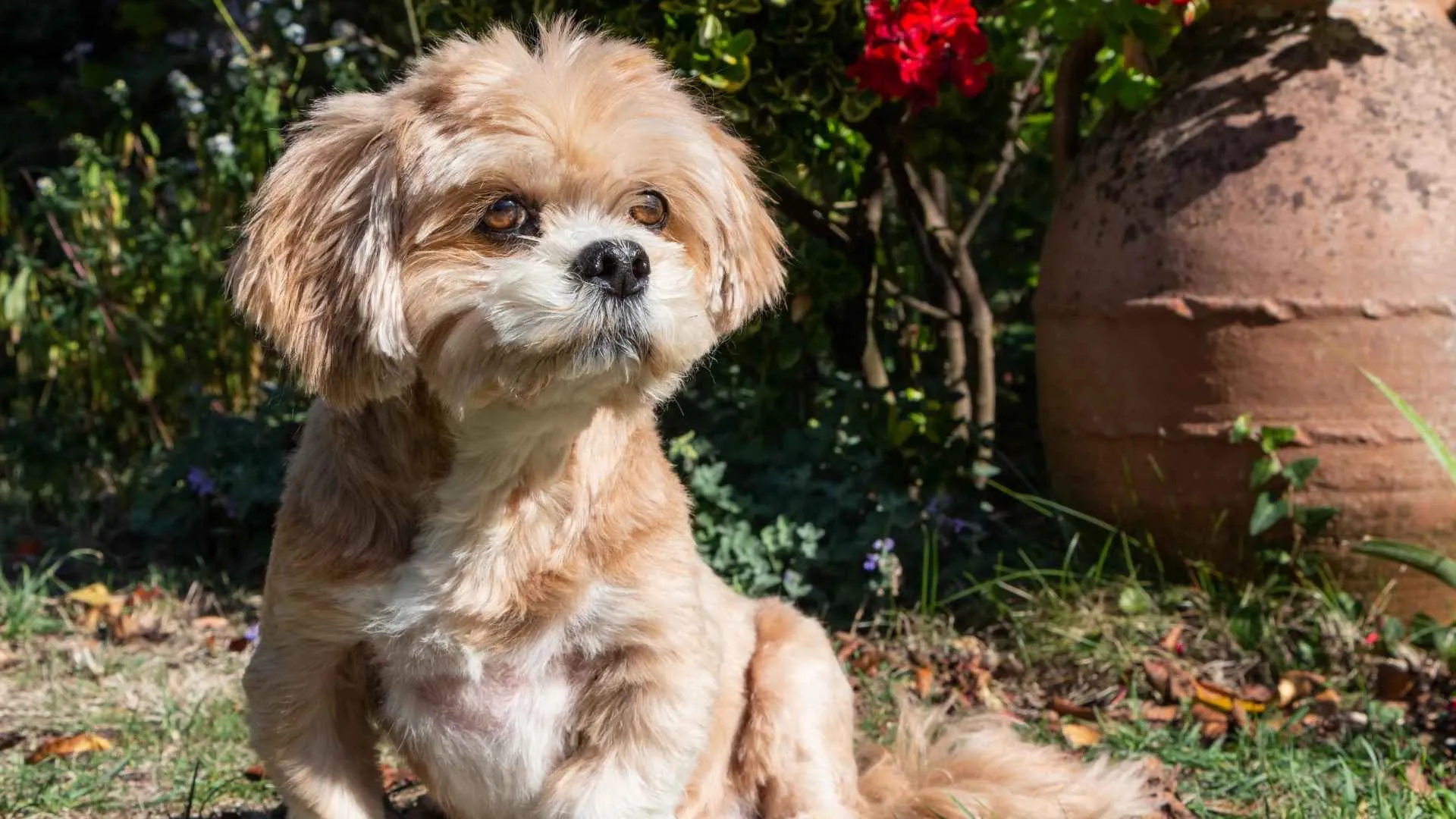
Lhasa Apsos are one of the oldest recognized dog breeds, originating in Tibet around 800 BCE. They were bred to guard Tibetan monasteries and alert monks to unfamiliar visitors. Their name is often translated as “bearded lion dog.”
Their long coats also helped protect them from the cold Himalayan climate. Today, these small dogs are loyal, intelligent companions with a confident and independent nature.
Quiet and Watchful Personalities
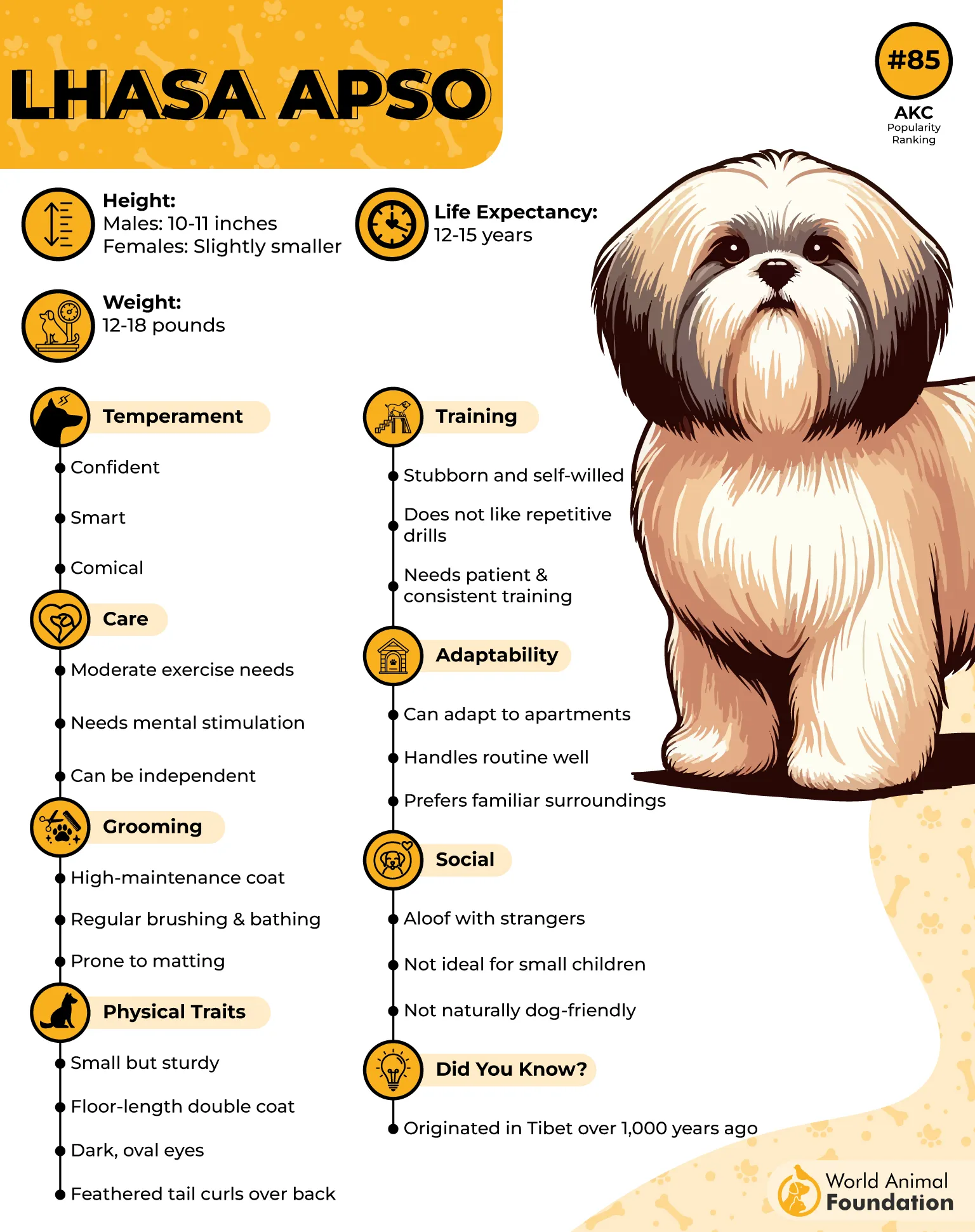
Lhasa Apsos are alert and naturally wary of strangers. While they have a strong bark for their size, they generally use it to alert their families rather than make constant noise.
They are playful, curious, and devoted to their people. Their independent nature also means they can settle on their own for short periods.
Care and Time Alone
Lhasa Apsos can do well with a short daily walk and may happily exercise themselves around the house. They are intelligent but stubborn, so training takes patience and consistency.
Their long, thick coats need regular grooming, although a shorter “puppy cut” can make upkeep easier. They enjoy affection but also appreciate having their own space, making them comfortable with some alone time.
6. Basenji
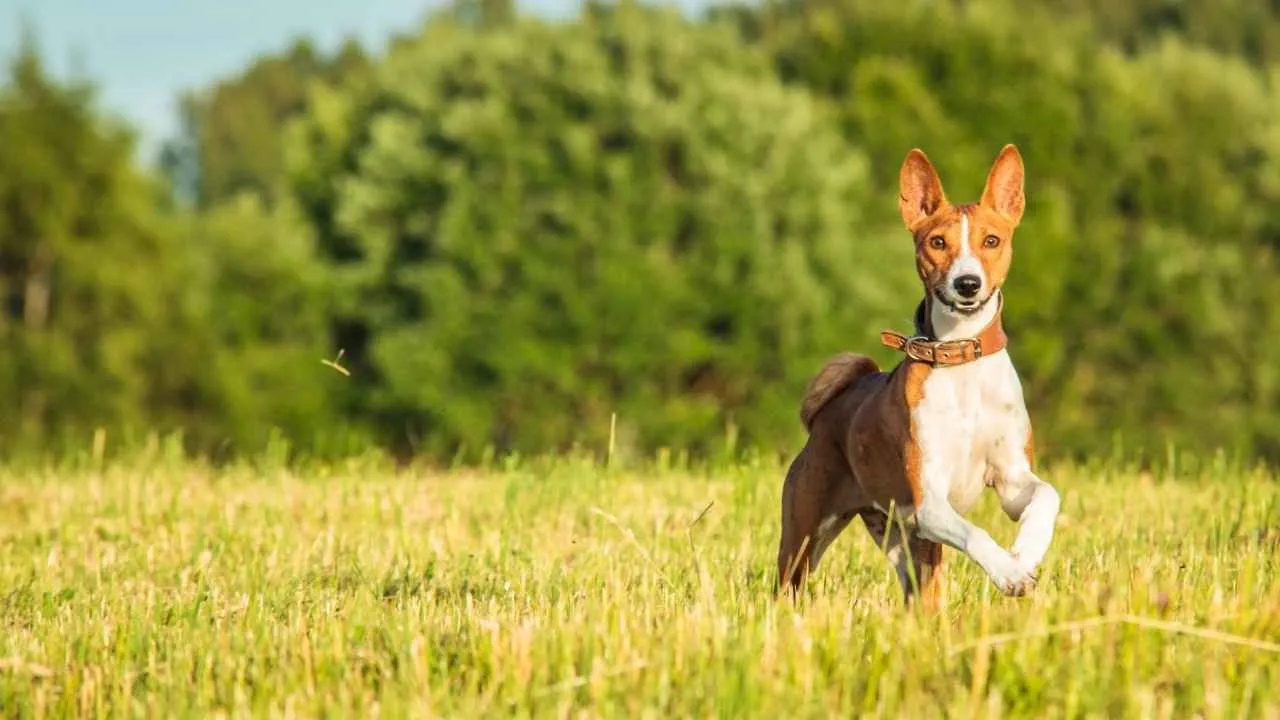
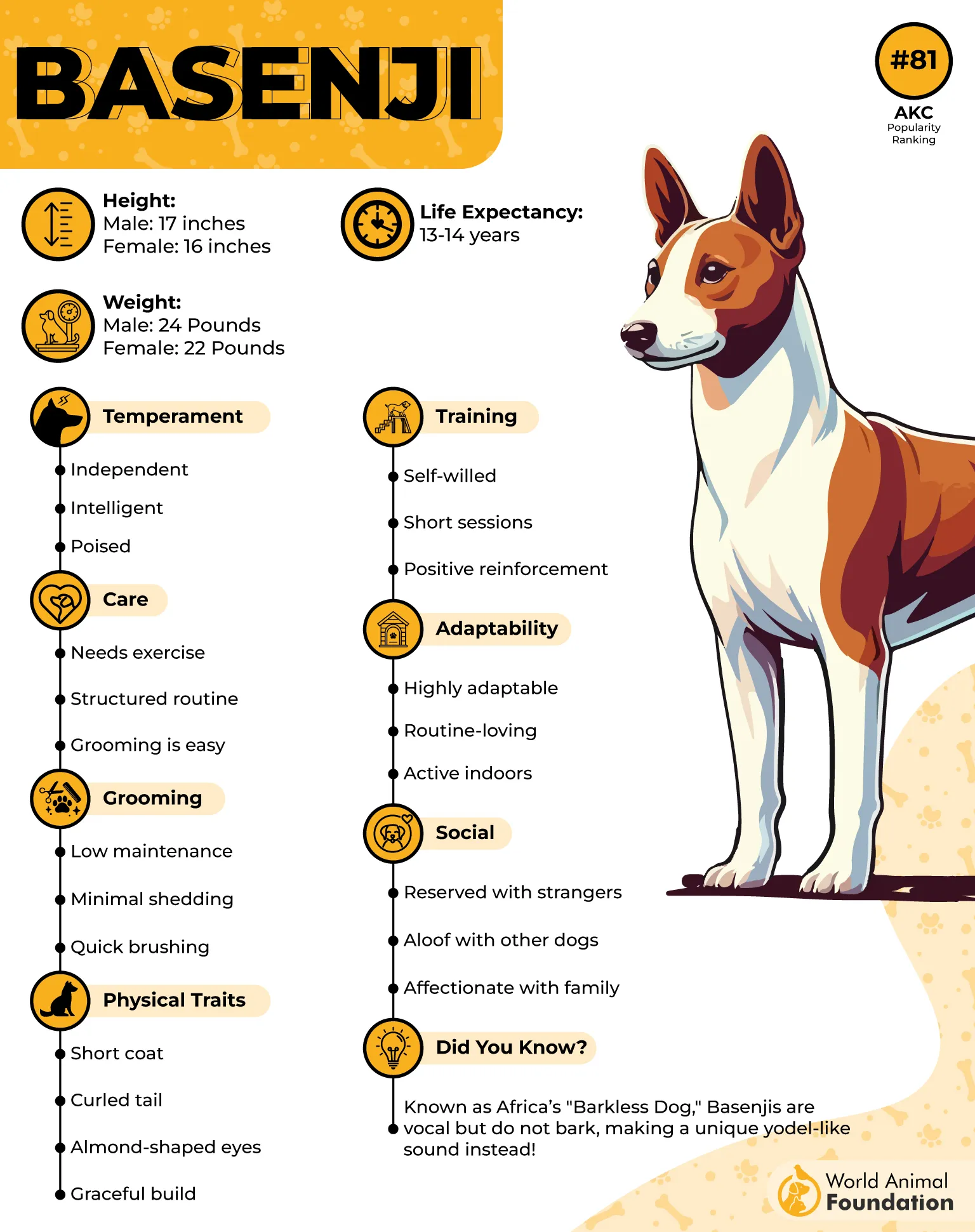
Basenjis are ancient African hunting dogs with a history dating back thousands of years. Cave paintings in Libya show Basenji-type dogs living alongside humans as hunting companions.
Often called the “barkless dog,” the Basenji rarely barks but can yodel, chortle, or crow when excited. Their cat-like habits, curled tails, and graceful nature make them one of the most distinctive dog breeds.
Quiet and Self-Reliant Personalities
Basenjis are quiet indoors and highly independent. They are clever, curious, and affectionate with their families but often reserved with strangers.
Purina mentions that they are also naturally clean and may groom themselves like cats. Their independence helps them enjoy some personal space, but they do not always handle being left alone well and can suffer from separation anxiety and resort to destructive behavior.
Care and Time Alone
Basenjis are energetic and need daily play, running, or training to stay happy. Without enough activity, they may become chewers or diggers.
They can be difficult to train because they may ignore commands, so patient and creative training works best. Their short coats are very easy to maintain. Because of their strong prey drive, they should be kept on a leash or in a secure area outdoors.
7. Shiba Inu
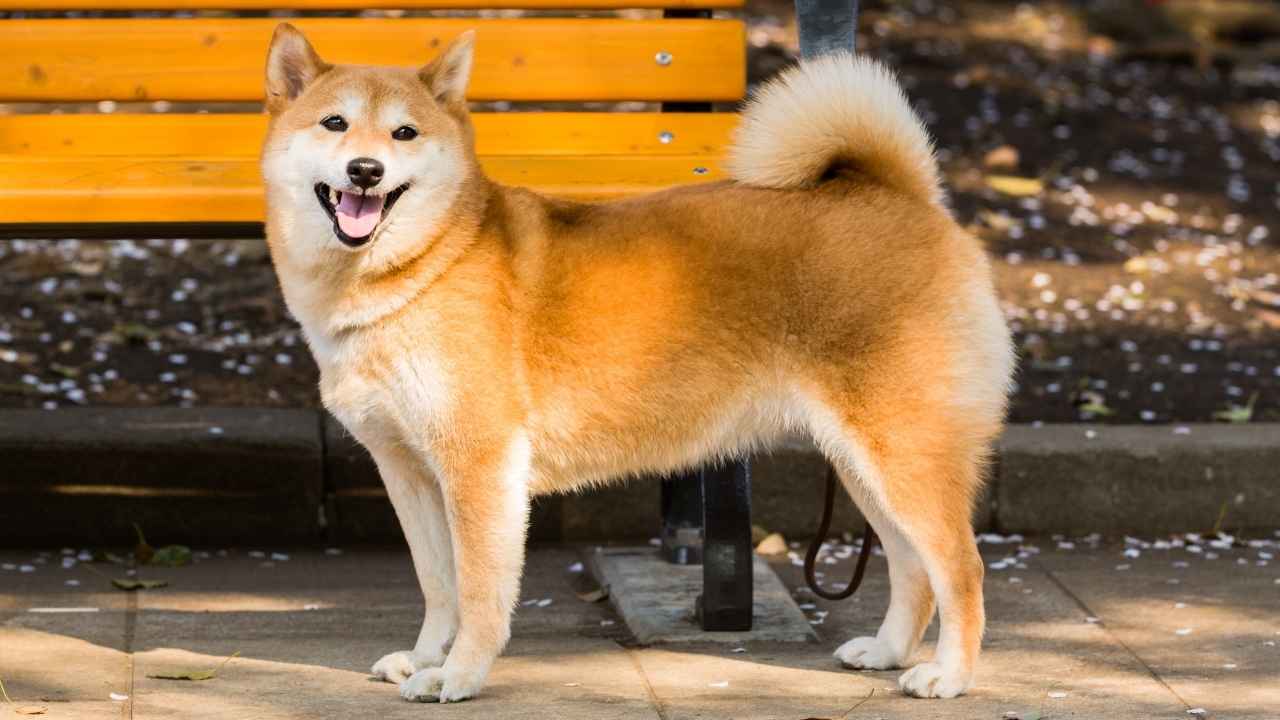
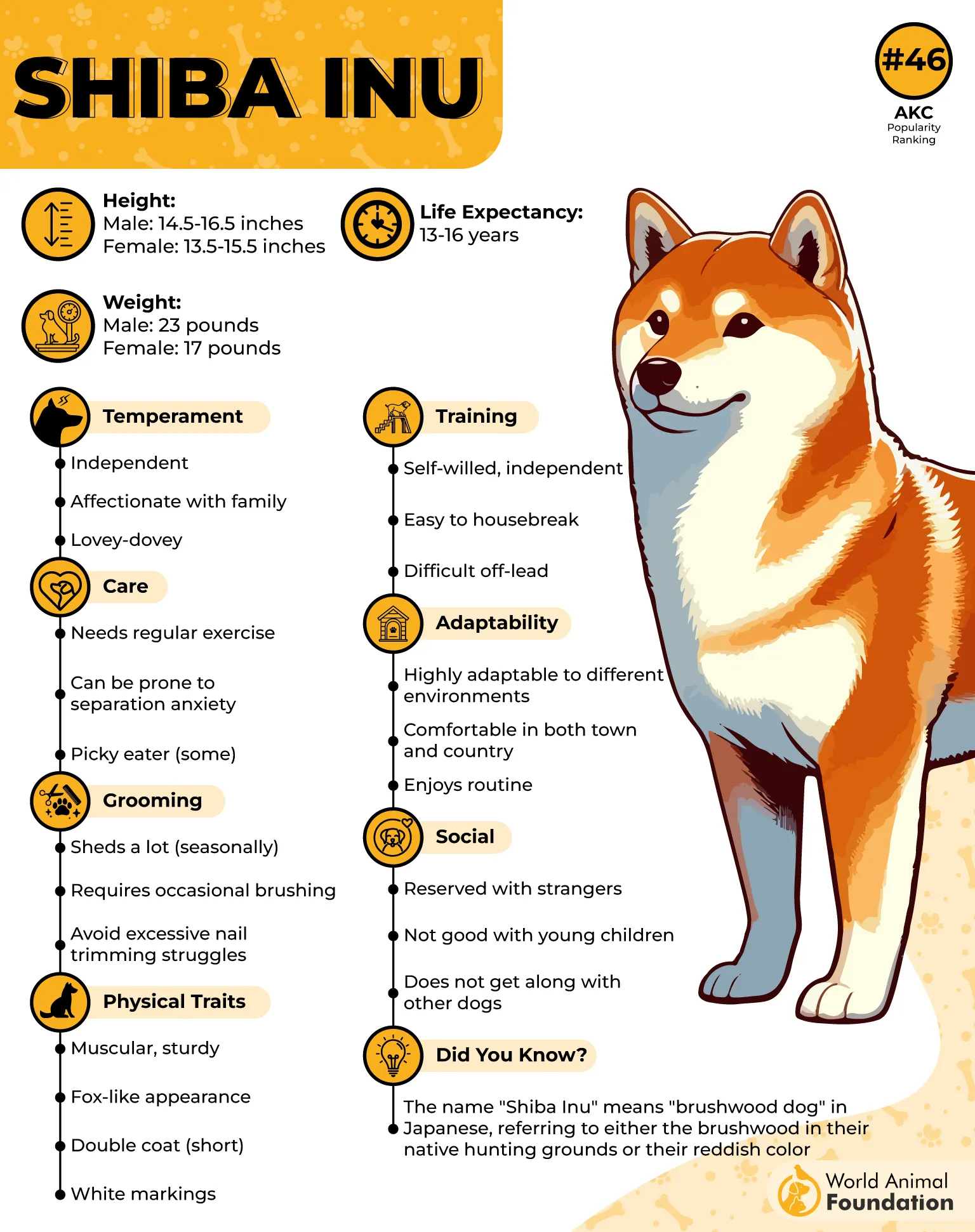
Shiba Inus are ancient Japanese dogs originally bred to hunt birds, small game, and even wild boar. They are one of Japan’s native breeds and are known for their fox-like appearance, curled tails, and alert nature. Today, these clever dogs are just as happy relaxing at home as they are exploring outdoors.
Independent and Alert Personalities
Shiba Inus are clean, confident, and highly independent. They are loyal to their families but have an opinionated side and may not always follow commands.
They can be vocal when stressed or anxious, including their famous “Shiba scream,” so they are not completely silent dogs. Their curious nature also makes them skilled escape artists and strong prey chasers.
Exercise and Time Alone
Shibas are energetic and need daily walks, play, and mental stimulation to prevent boredom and unwanted behaviors. They can adapt well to city or country living and are usually quick to housebreak.
Their independent nature allows them to enjoy some alone time, but they still need regular interaction and activity. Their thick double coats also shed heavily and require regular grooming.
8. Tibetan Mastiff
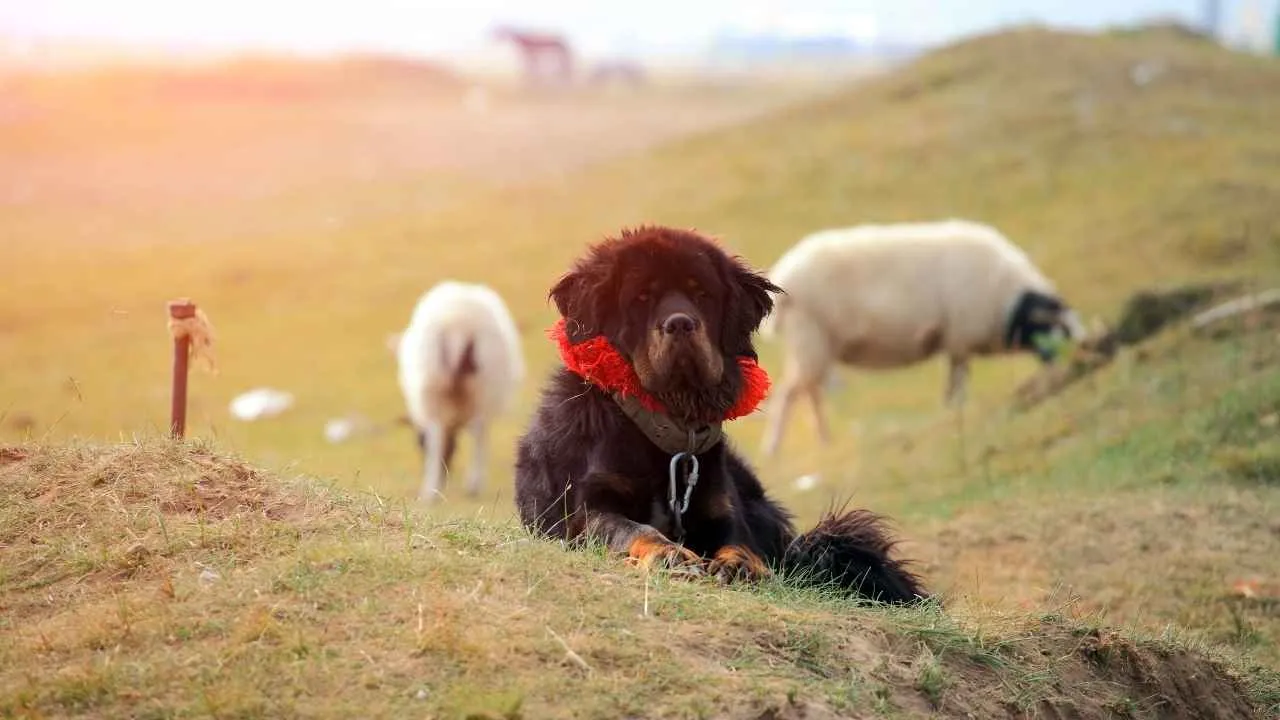
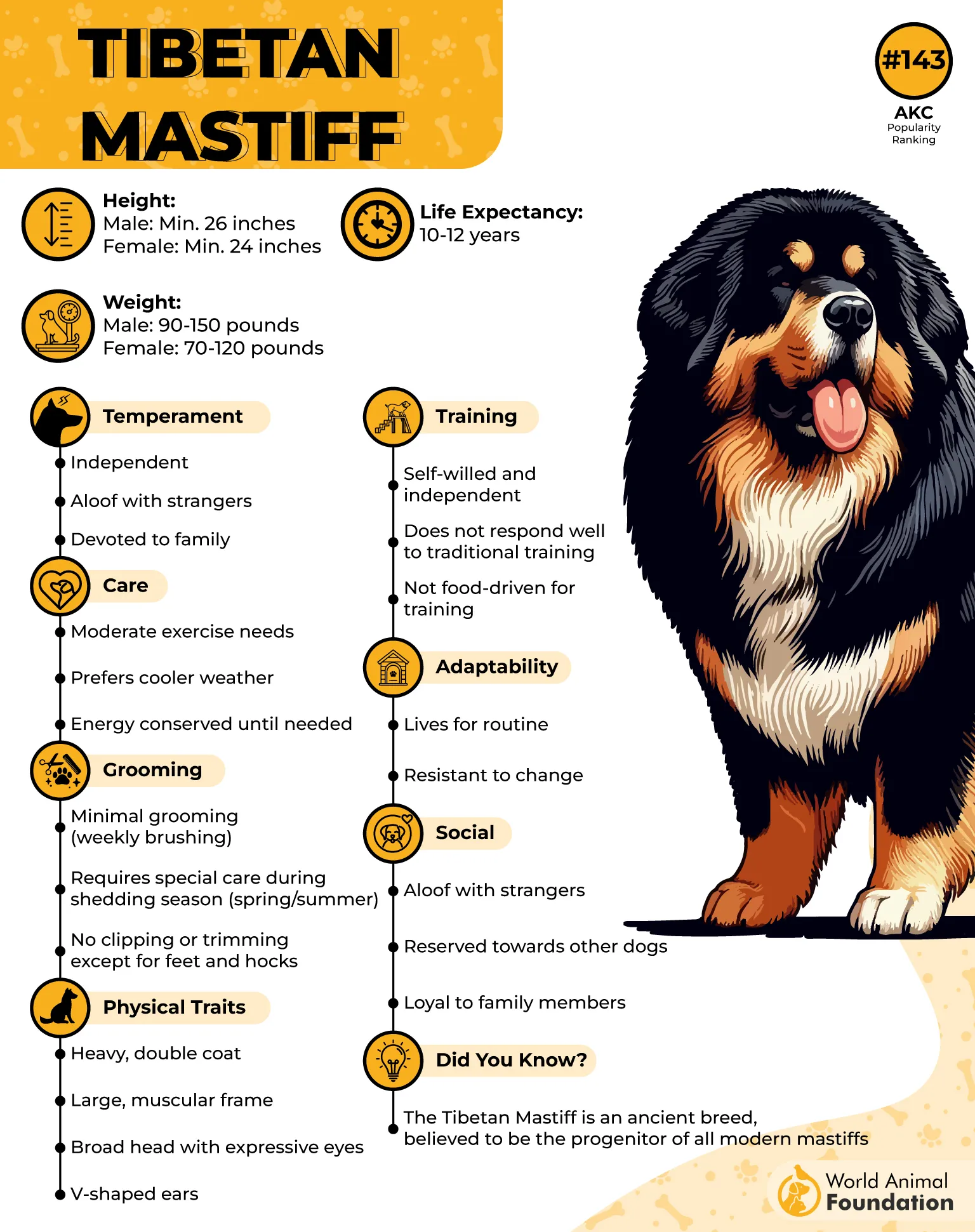
Tibetan Mastiffs are ancient guard dogs from Tibet, with written records dating back to around 1100 BCE. They were bred to protect families, homes, and property in the Himalayas.
Known as “do khyi,” meaning “home guard,” they have a noble appearance and a calm, watchful nature. Despite their powerful build, they are surprisingly agile when needed.
Calm and Protective Personalities
Tibetan Mastiffs are generally quiet, reserved, and deeply loyal to their families. They are independent and prefer to make their own decisions.
They can be loving with their people but wary of strangers and unfamiliar animals. Early socialization is important so they do not see every new person or animal as a threat.
Care and Time Alone
Their independent nature means they can handle some alone time better than highly dependent dogs. However, they still need a purpose, training, and regular interaction to stay content.
They have good agility but limited endurance, so they do not need long periods of exercise. Their thick double coats require regular brushing and can make them uncomfortable in hot weather.
9. Pekingese
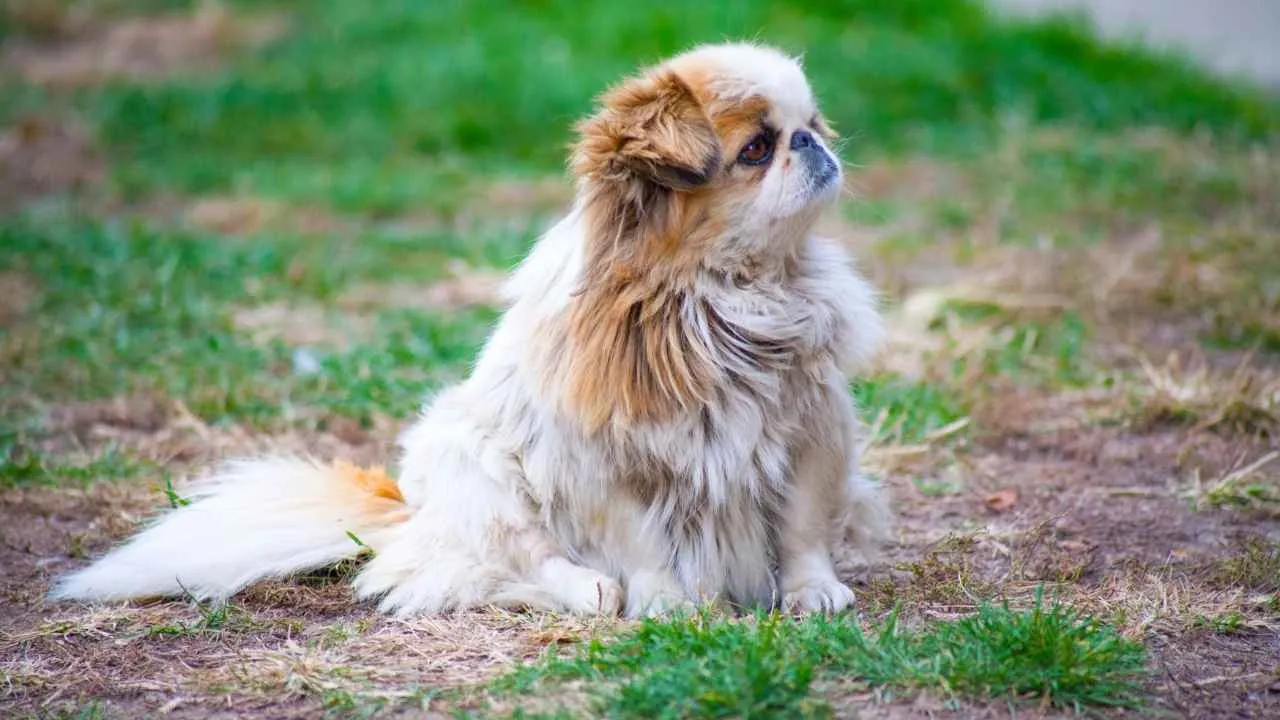
Pekingese are ancient Chinese companion dogs with a history dating back around 2,000 years. They were bred for Chinese royalty and were known as “Lion Dogs” because of their distinctive appearance.
Some smaller Pekingese were even called “sleeve dogs” because they could fit inside an emperor’s robe sleeves. The breed reached the West in 1860 and soon became popular as a companion and show dog.
Quiet and Self-Confident Personalities
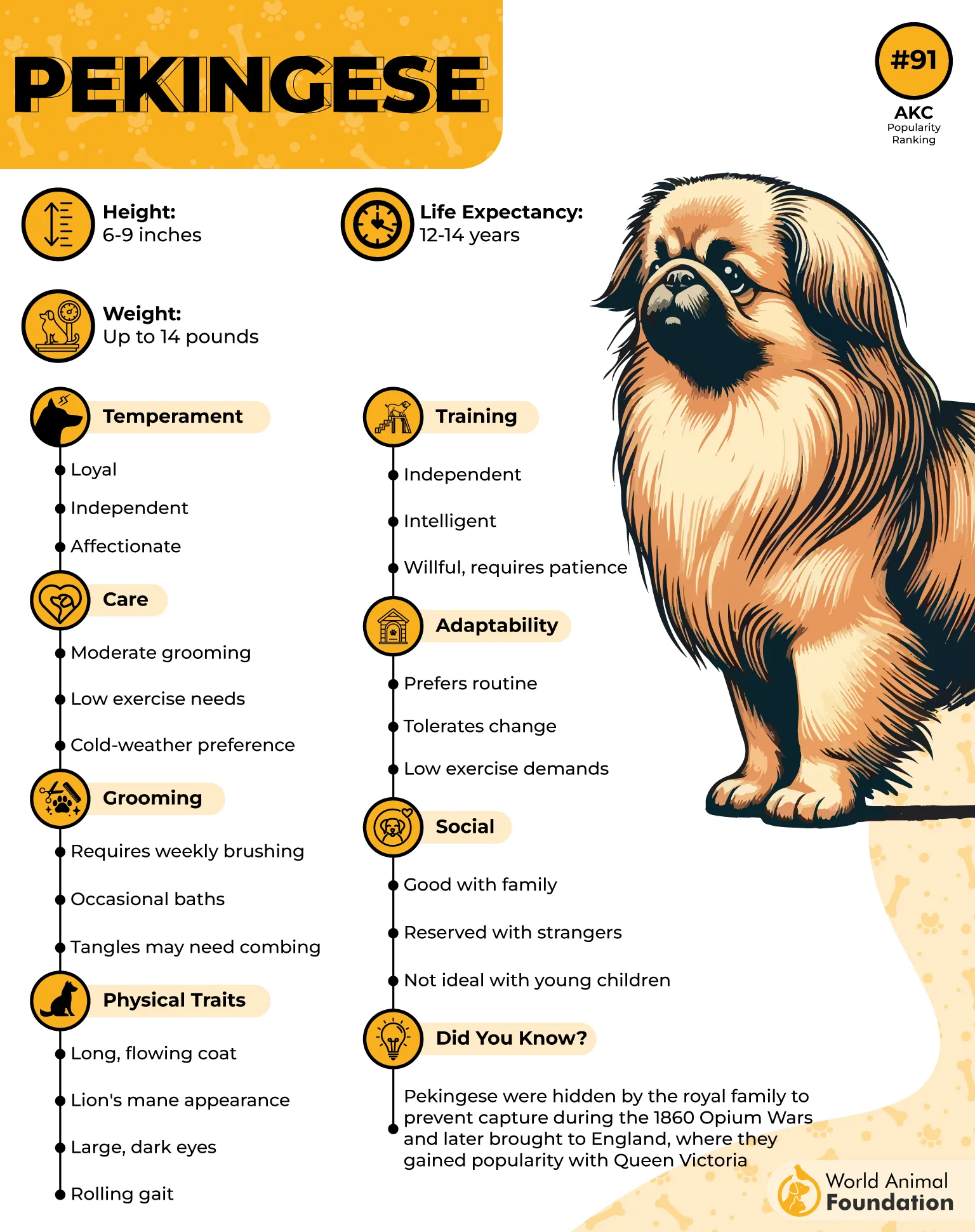
Pekingese are loyal, alert, and independent dogs that enjoy doing things on their own terms. They can be affectionate with their families but may be reserved with strangers.
They are good watchdogs and usually bark when they sense a real threat. Their stubborn nature can make training slow, so patience and early socialization are important. They can also amuse themselves with toys and play.
Care and Time Alone
Pekingese enjoy walks and indoor play but do not need demanding exercise. Their thick double coats require regular brushing to prevent mats. Their short faces also make them prone to overheating, so exercise in hot weather should be avoided.
Although their independent side helps them settle on their own, they are companion dogs that prefer being around their people and should not be left alone for long periods.
Conclusion
Choosing a quiet, independent dog breed can make life easier for busy households, apartment dwellers, and anyone who enjoys a calmer home. From dogs that happily settle on their own to those that prefer their personal space, each breed has its own personality and needs.
Remember, though, that even independent breeds still need regular exercise, mental stimulation, training, and companionship. Before bringing one home, consider how much time you can realistically give your new companion and choose a breed that matches your lifestyle.
The quietest dog is not necessarily the best fit. The real goal is finding a dog that can enjoy your company while also being comfortable in their own space. After all, the best companion is one that fits naturally into your everyday life.
