




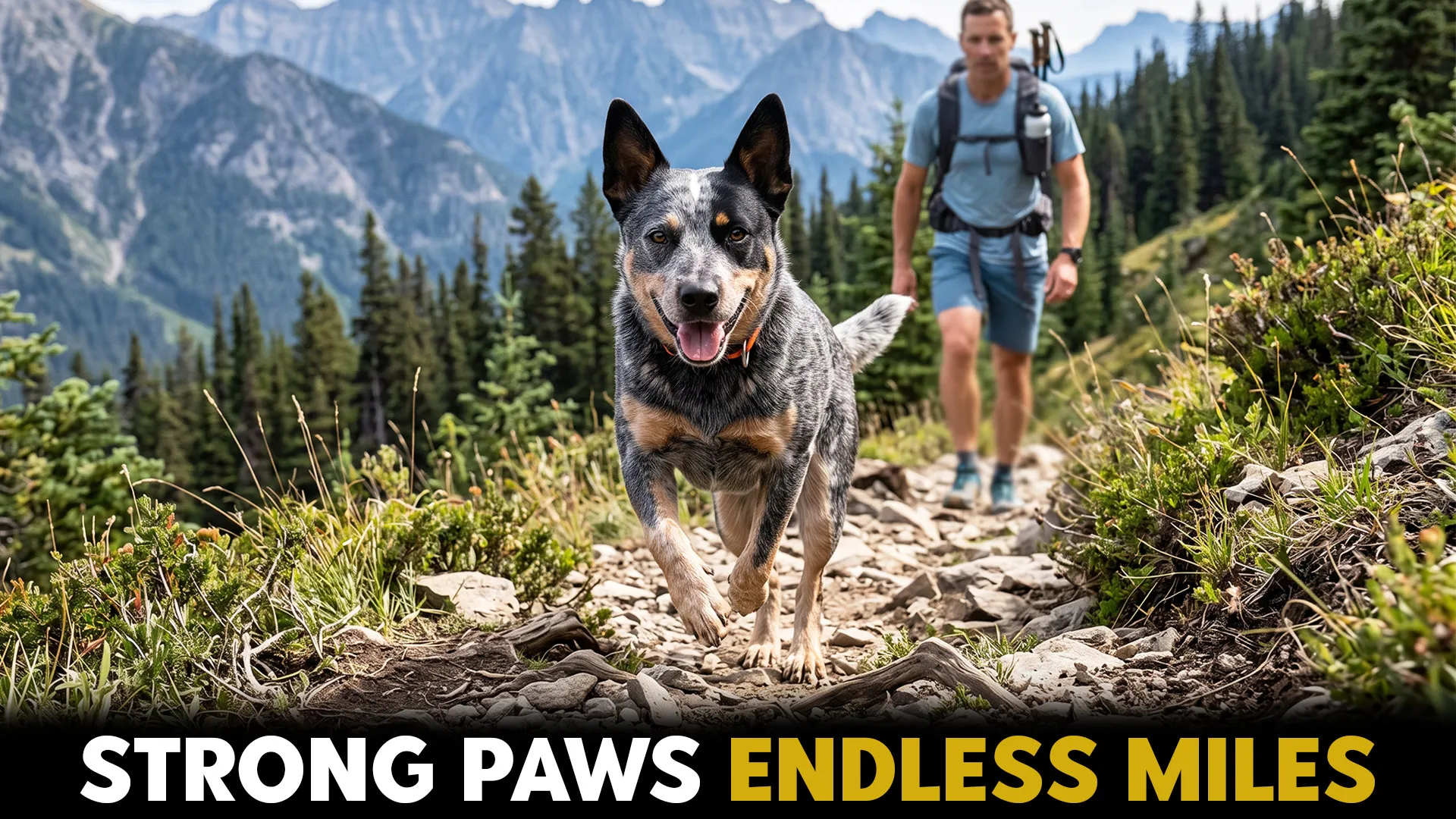
If your perfect day includes fresh air, winding trails, and a four-legged companion by your side, the right dog can make every adventure more fun. Some dogs naturally thrive on long walks, hikes, camping trips, and exploring new places.
But an outdoor dog needs more than energy. Stamina, trainability, confidence, size, and coat type can all affect how well a dog handles different activities, terrain, and weather.
Whether you love hiking, beach trips, camping, or simply spending more time outdoors, the right companion can keep up with your lifestyle. Let’s explore some of the best dog breeds for a life of outdoor pursuits.
Ideal Dog Breeds for a Life of Outdoor Pursuit
1. German Shorthaired Pointer
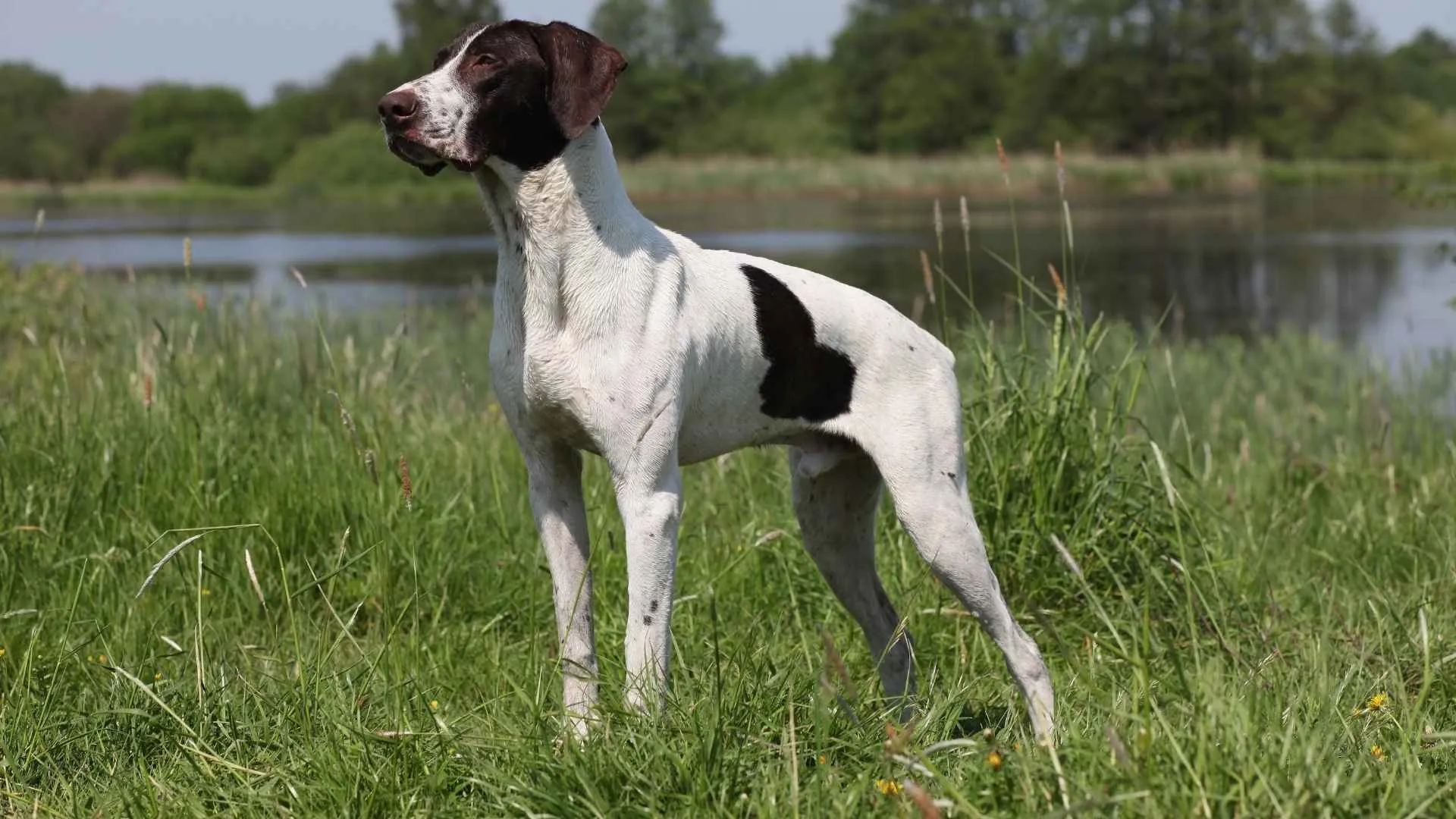
German Shorthaired Pointers are built for life on the move. Originally developed as versatile hunting dogs, they are known for their speed, agility, and endurance. Their strong noses also make them excellent bird dogs.
They can locate game, point toward its scent, and wait for their handler’s signal. This natural drive makes them especially well-suited to hiking, running, swimming, and other outdoor adventures.
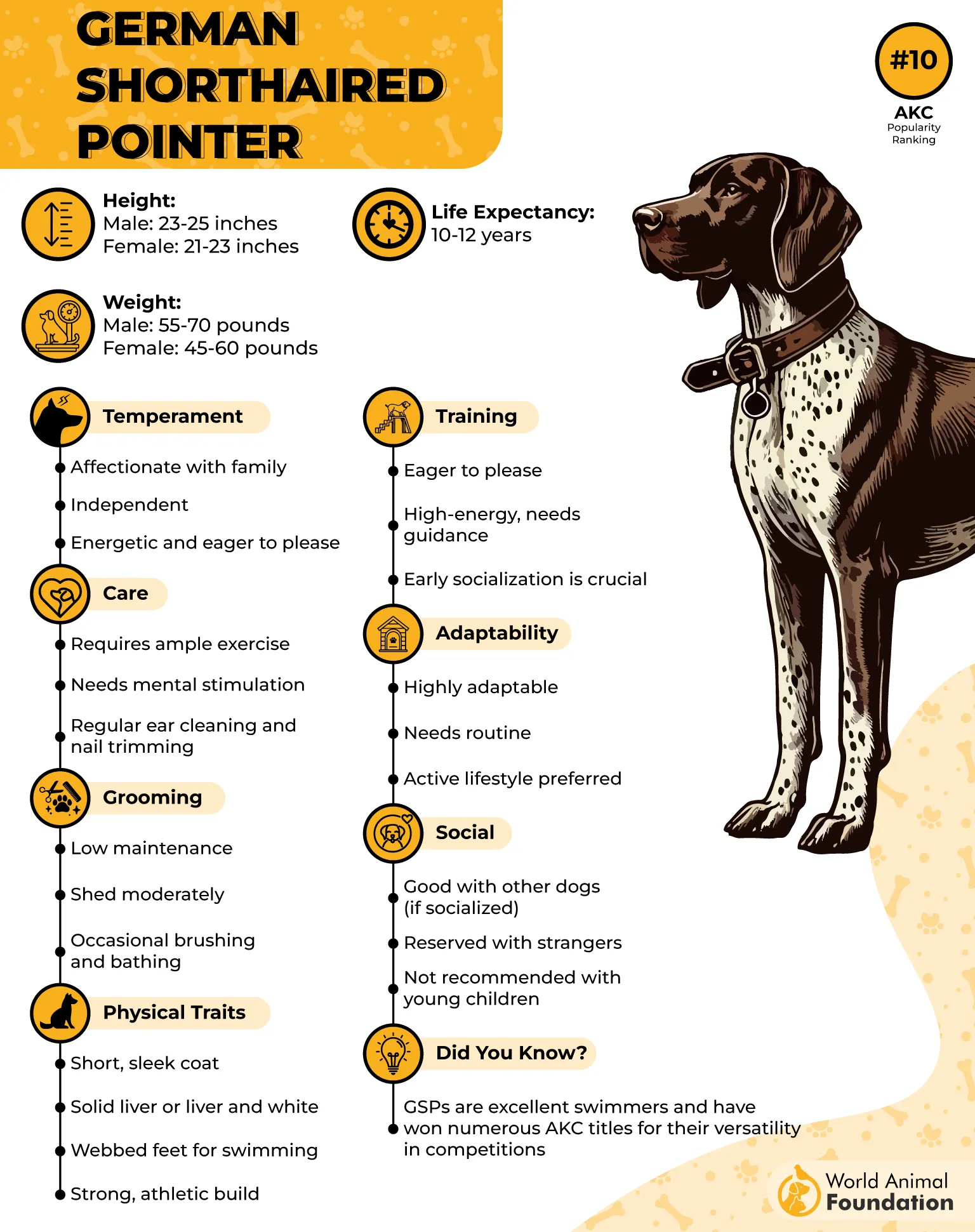
Why They Excel Outdoors
These dogs have the energy and stamina to handle long days outside. They enjoy exploring new surroundings and staying active with their families. Their short, smooth coats are easy to maintain and can be brushed weekly to control moderate shedding.
They are also intelligent and respond well to consistent, positive training. However, their hunting instincts mean they may follow interesting scents or chase smaller animals, so reliable recall and leash training are important on trails.
Active Lifestyle Needs
German Shorthaired Pointers need plenty of physical and mental activity each day. Around one to two hours of intense exercise is often needed when they are not working as sporting dogs.
Hiking, running, fetching, agility, and swimming are great ways to keep them engaged. Without enough activity, they can become bored and destructive.
2. Australian Shepherd
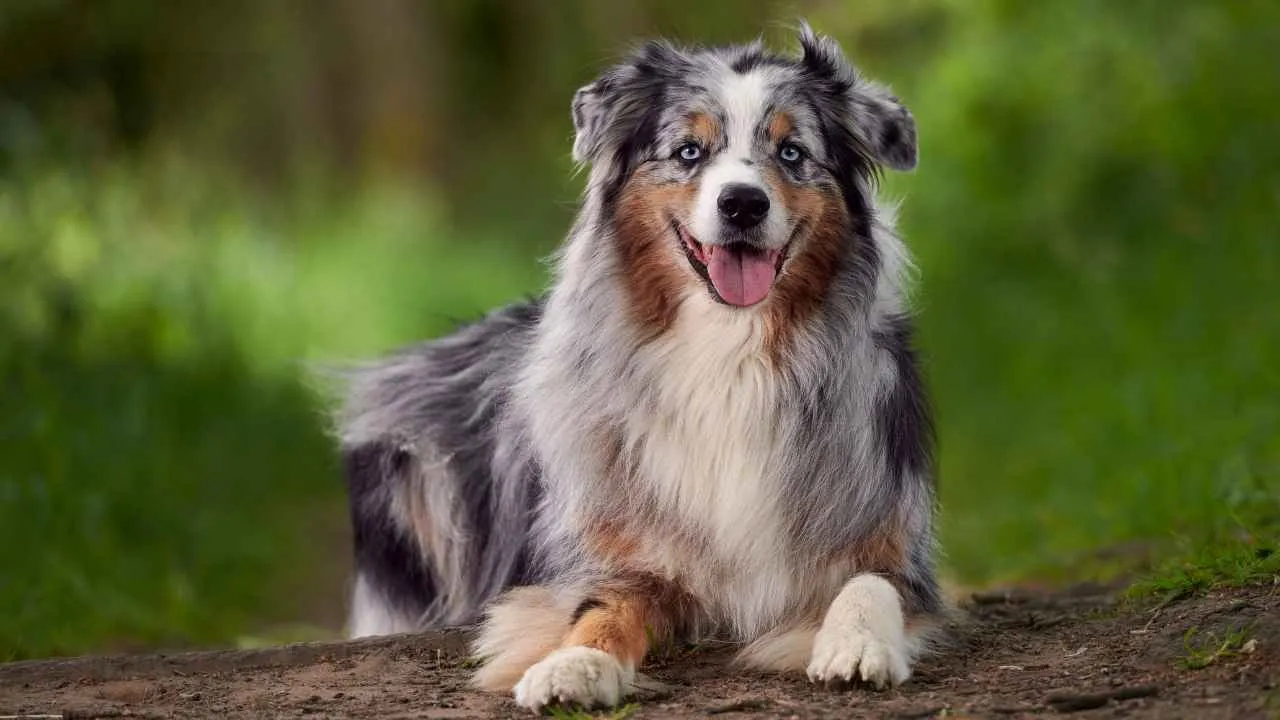
Australian Shepherds are energetic herding dogs made for active lifestyles. Despite their name, they were developed in the western United States in the late 1800s, according to Britannica.
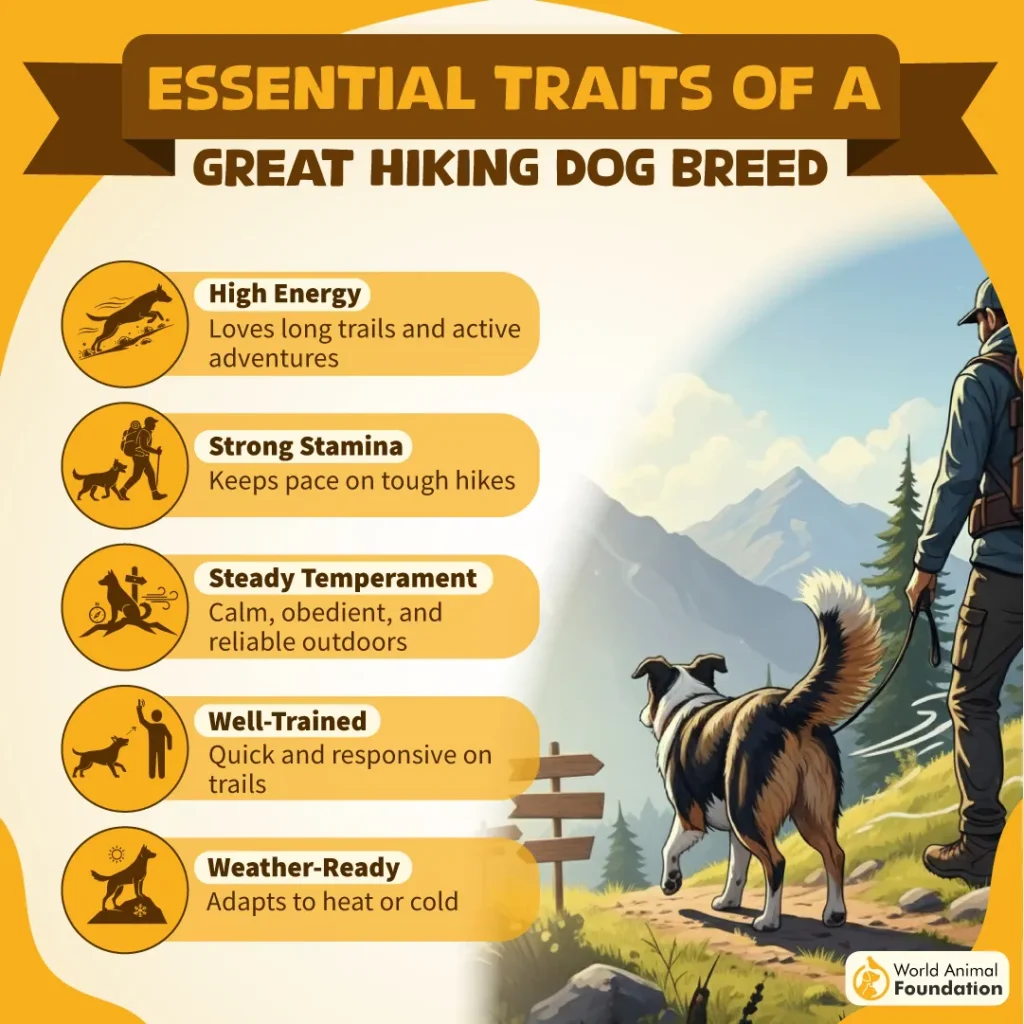
Their intelligence, agility, and strong work ethic make them excellent partners for hiking, running, swimming, and other outdoor pursuits.
Why They Excel Outdoors
These dogs need plenty of physical and mental activity. A long jog or vigorous play for at least an hour each day can help keep them satisfied. They also enjoy hiking, retrieving, swimming, agility, tracking, nose work, and other dog sports.
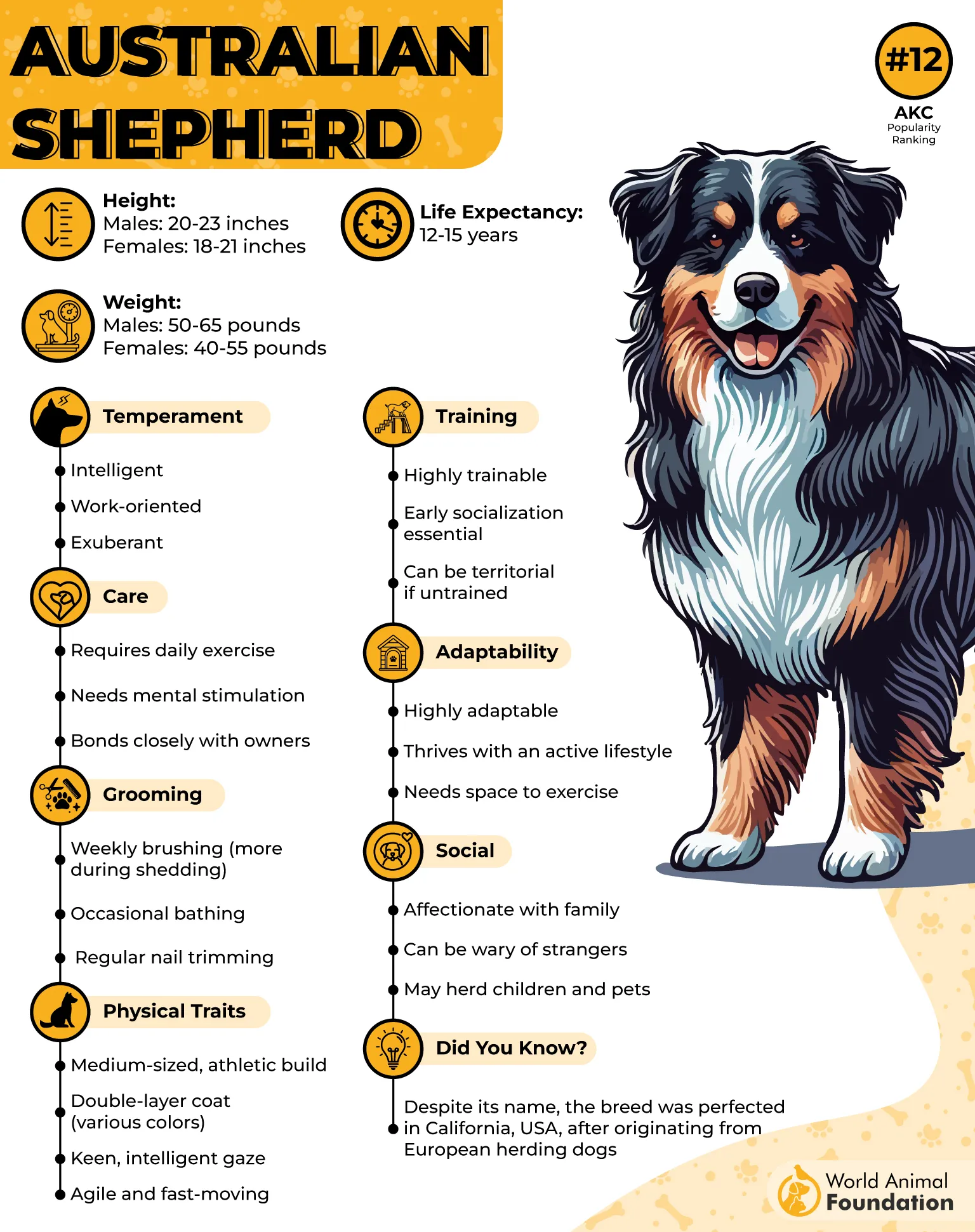
Their alert and responsive nature can make them reliable trail companions when properly trained. Early socialization and recall training are especially important because their herding instincts may lead them to chase or try to herd children, animals, bikes, or other moving objects.
Active Lifestyle Needs
Australian Shepherds thrive when they have a job or regular activities to focus on. Without enough exercise and mental stimulation, they may become destructive or try to find their own entertainment.
They generally prefer cooler weather, and their coat should not be shaved because it helps protect them from both heat and cold.
3. Siberian Husky
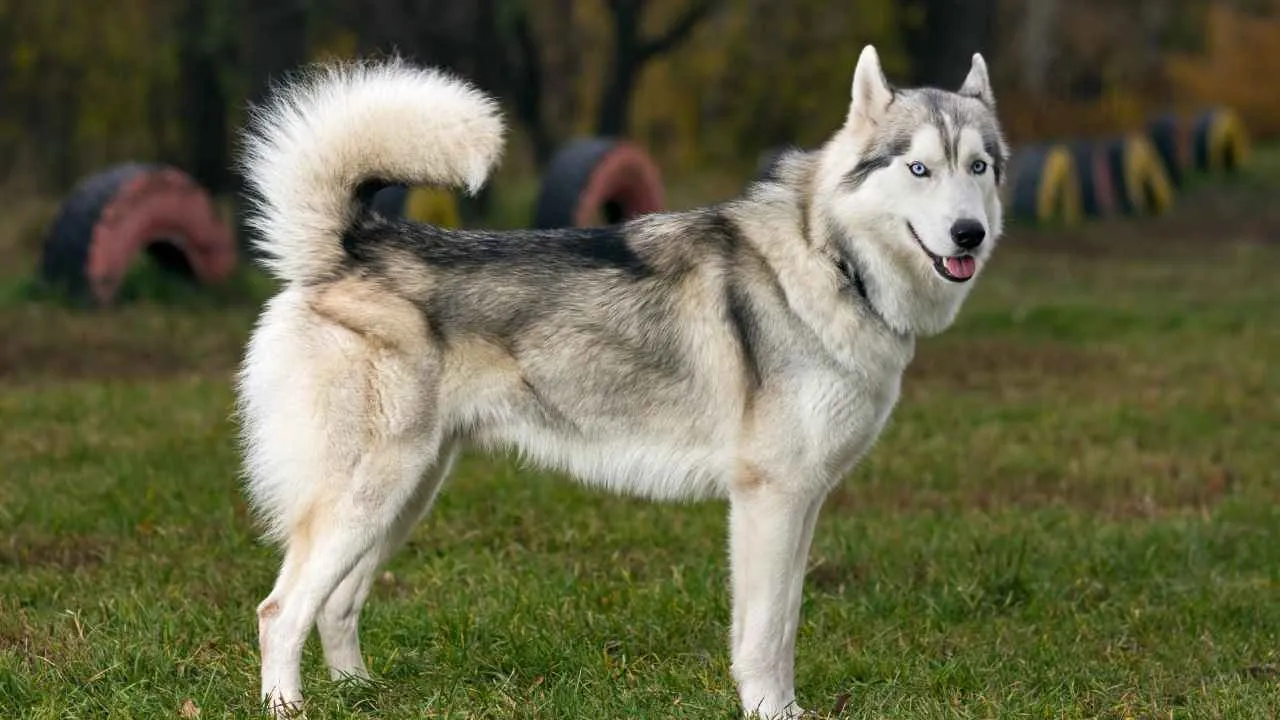
Siberian Huskies were bred by the Chukchi people of Siberia to pull sleds across long stretches of frozen land. Their history is a perfect match for outdoor life.
They are known for impressive stamina, teamwork, and a strong desire to keep moving. Their role in the 1925 Great Race of Mercy also showed their remarkable endurance in harsh conditions.
Why They Excel Outdoors
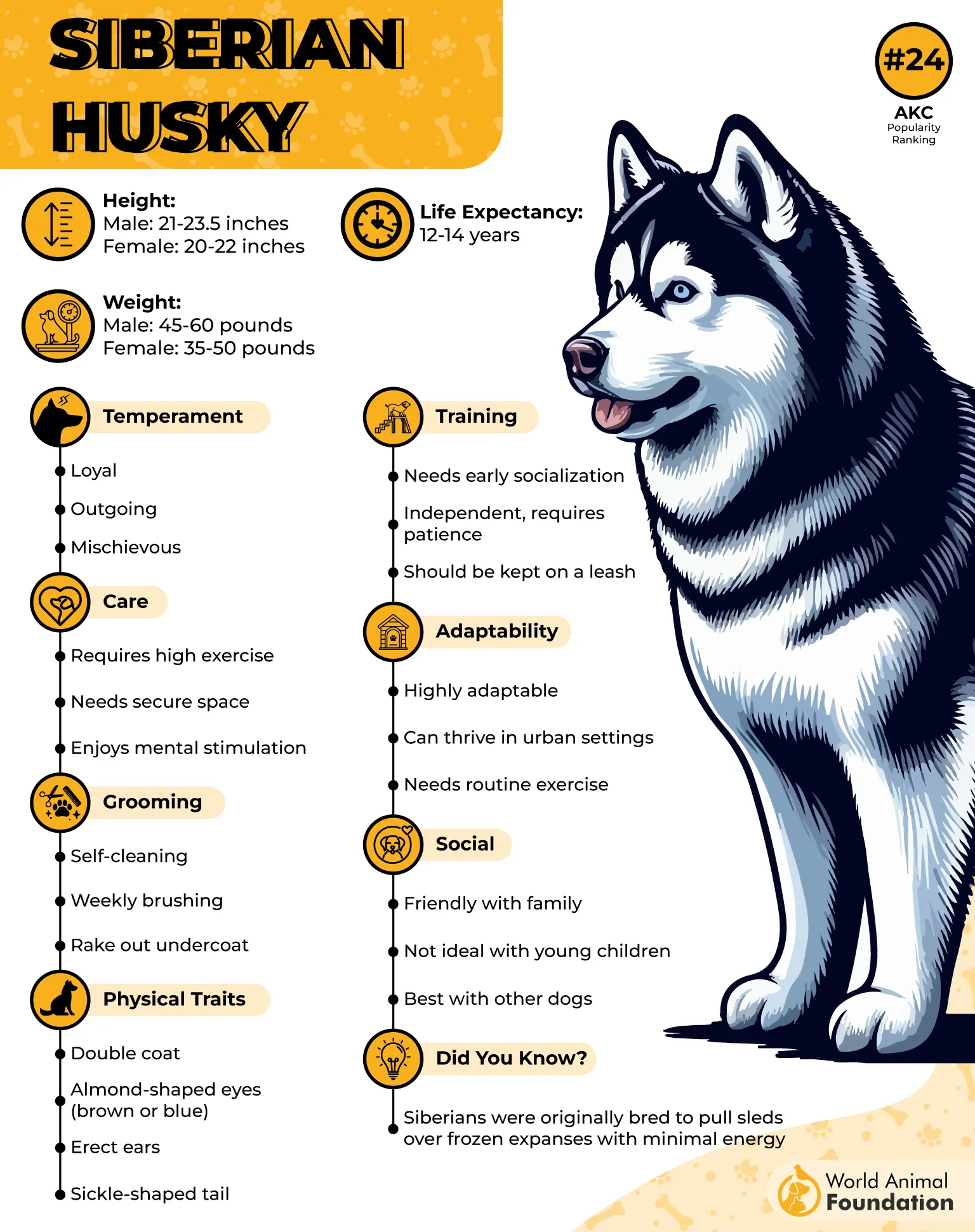
These active dogs need around one to two hours of exercise each day. Hiking, running, dog sledding, skijoring, and bikejoring are especially suitable activities.
Their thick double coats help them thrive in cold weather, but they can overheat in hot conditions. They also have strong roaming and escape instincts, so hikes should be done on a leash or in a secure area. Reliable recall can be challenging because of their independent nature.
Active Lifestyle Needs
Huskies are playful, social, and intelligent, but they can also be mischievous and strong-willed. They respond best to clear, consistent, reward-based training.
Their coats need weekly brushing and more frequent brushing during shedding seasons. They are generally self-cleaning, so frequent baths are not necessary.
4. Australian Cattle Dog
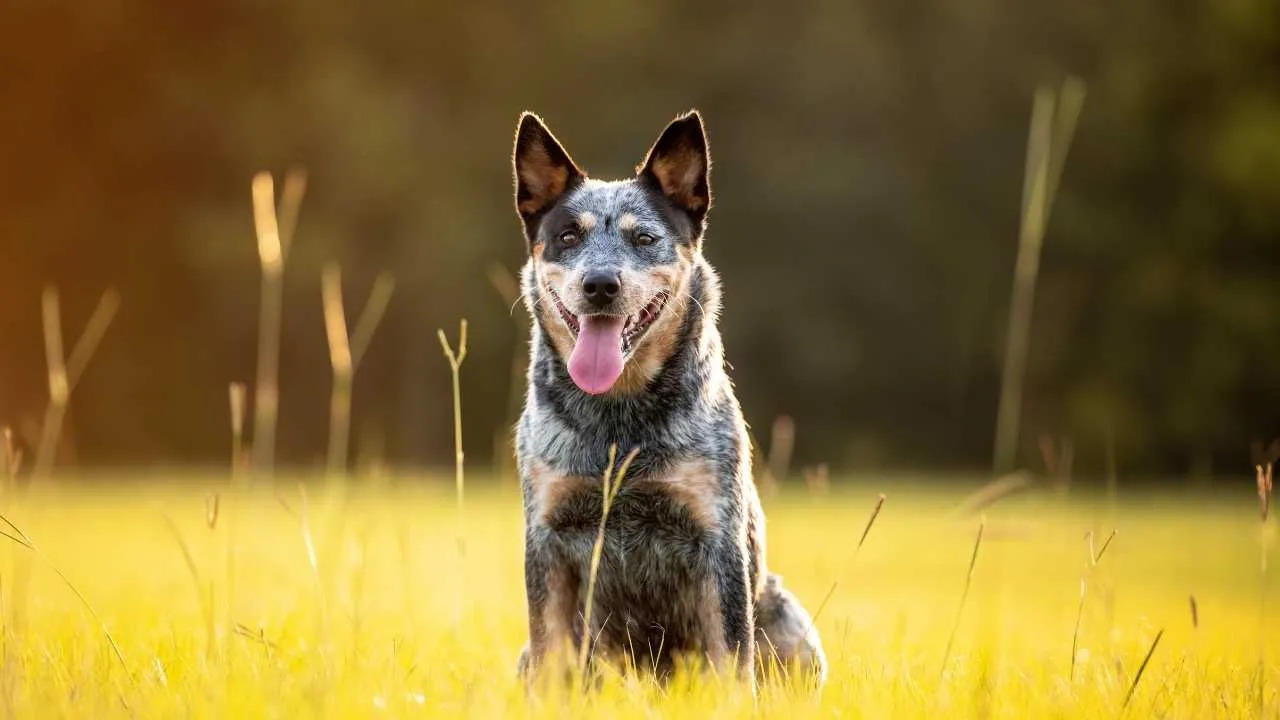
Australian Cattle Dogs are true adventure dogs that thrive when they have a job to do. Bred to herd livestock, they developed impressive strength, stamina, and determination.
Their alert and courageous nature also makes them watchful companions. For active owners, these dogs can be ready for almost any challenge.
Why They Excel Outdoors
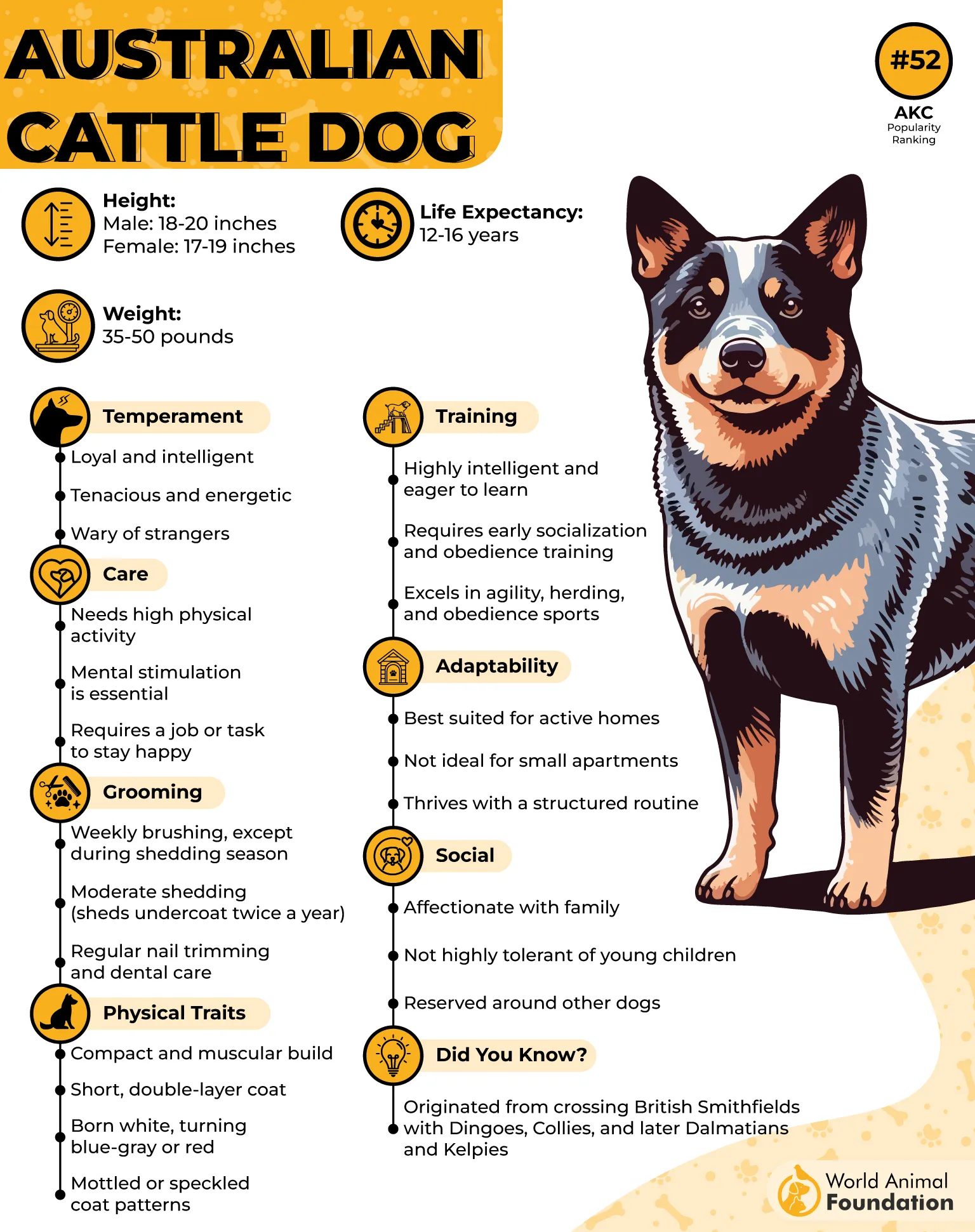
These dogs need much more than a quick game of fetch. They can benefit from up to two hours of exercise each day, including hiking, running, jogging, agility, frisbee, and long walks.
Their athletic build and ability to sprint make them excellent partners for energetic outdoor activities. They also need mental challenges, such as puzzle toys, tracking, nose work, and interactive games, to prevent boredom.
Active Lifestyle Needs
Australian Cattle Dogs are highly intelligent, independent, and loyal. They can be affectionate with their families but may be wary of strangers, according to Omlet.
Early socialization helps them live well with children and other dogs, although their strong herding instincts can cause them to chase or nip at smaller animals. Their short, dense double coats are water-resistant and suit both hot and cold conditions.
5. Border Collie
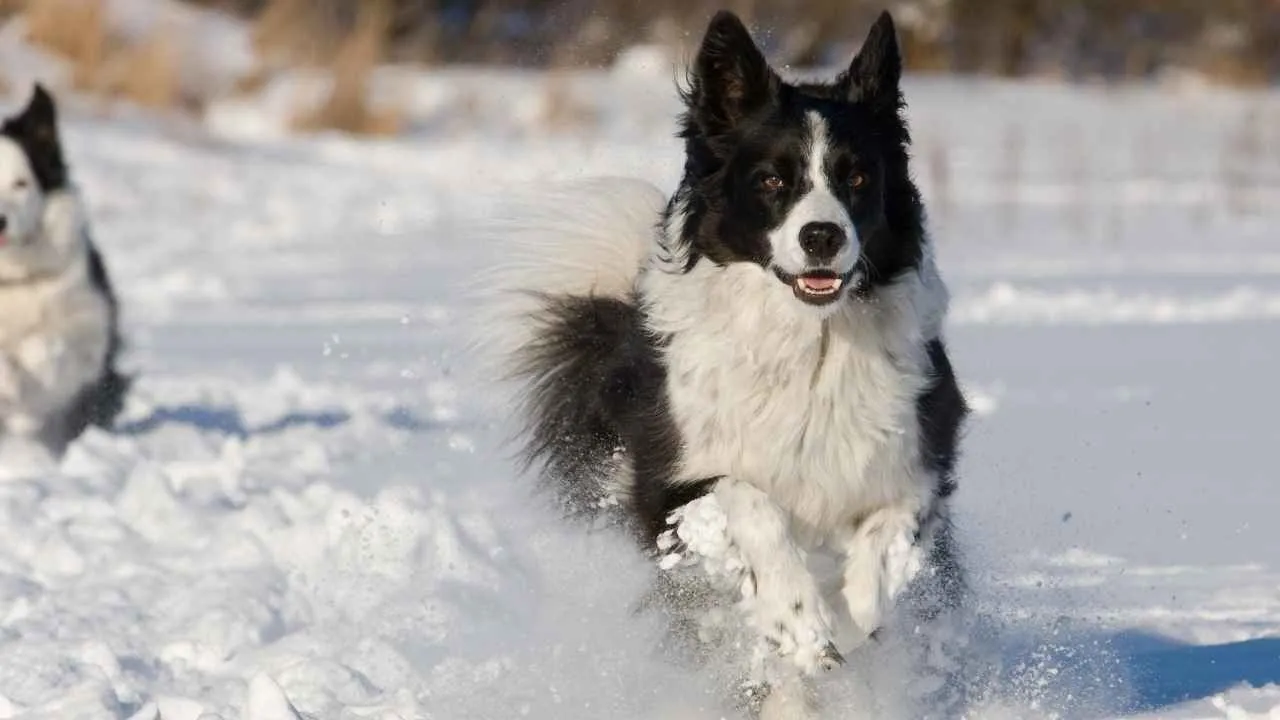
Border Collies are energetic working dogs originally bred to herd livestock in Great Britain. Their athletic bodies, sharp minds, and quick movements make them natural outdoor companions. They love having a purpose and often form close bonds with people who keep them active and involved.
Why They Excel Outdoors
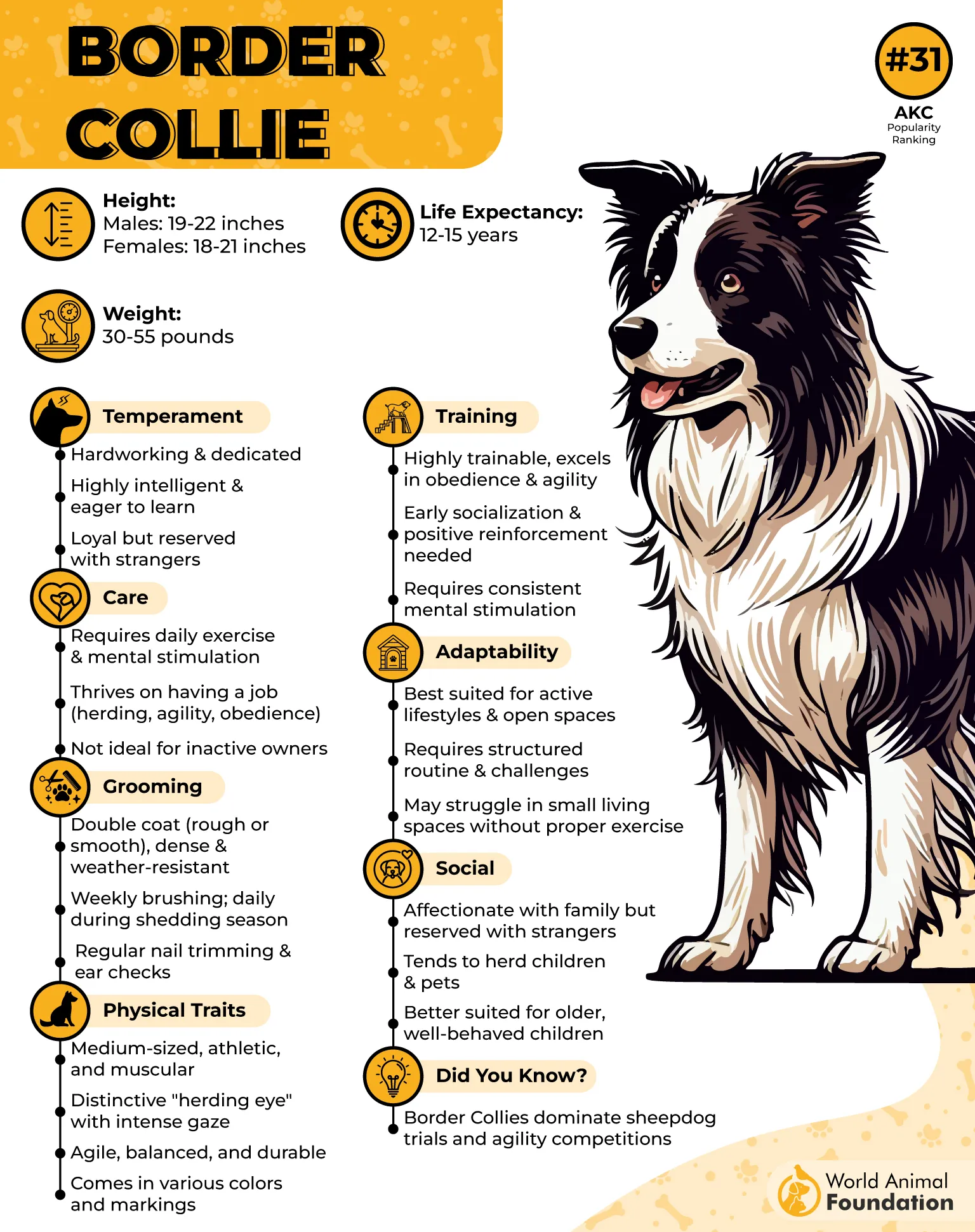
According to PetMD, these dogs need around one to two hours of exercise each day, especially when young. Hiking, running, Frisbee, agility, flyball, tracking, and herding activities can keep them busy.
Their intelligence is just as important as their physical energy, so outdoor adventures should include mental challenges too. Without enough stimulation, they may become bored and turn to chewing, digging, or excessive barking.
Active Lifestyle Needs
Border Collies are affectionate, alert, and highly trainable, but their strong herding instincts can lead them to herd children, pets, or other moving targets.
Early socialization and positive training help manage these behaviors. They can be reserved around strangers, so varied social experiences are important.
6. Weimaraner
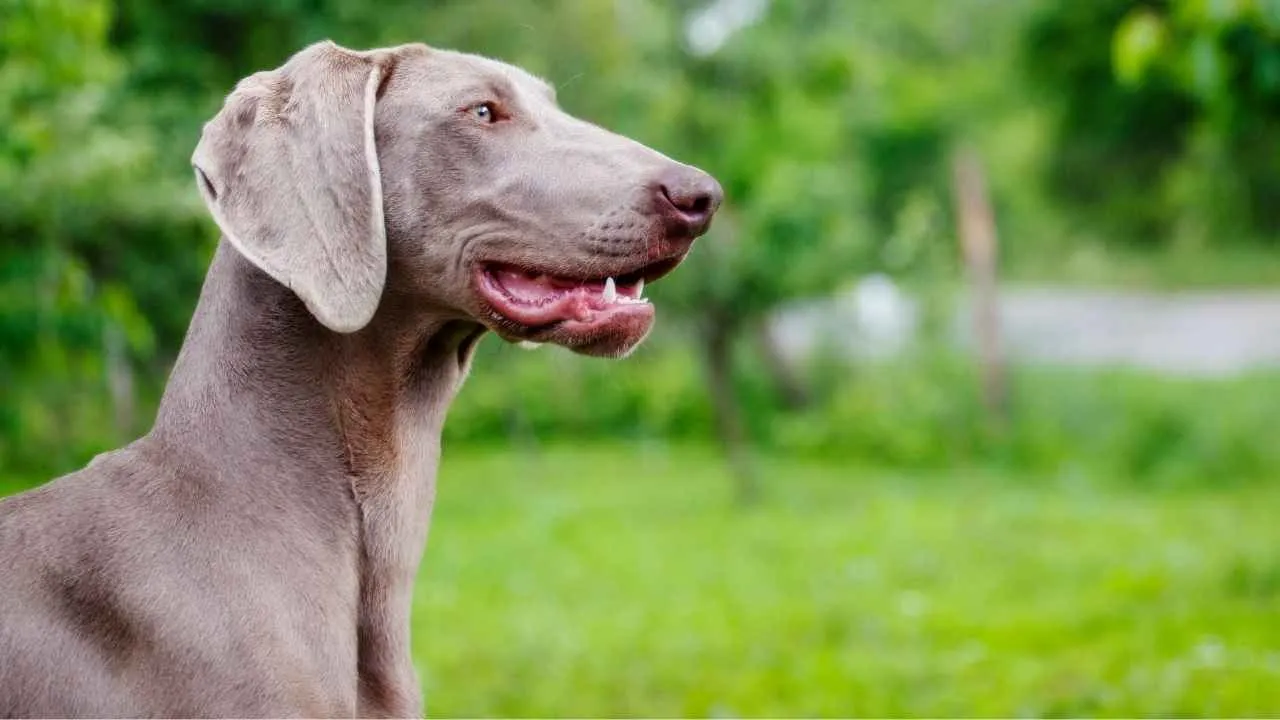
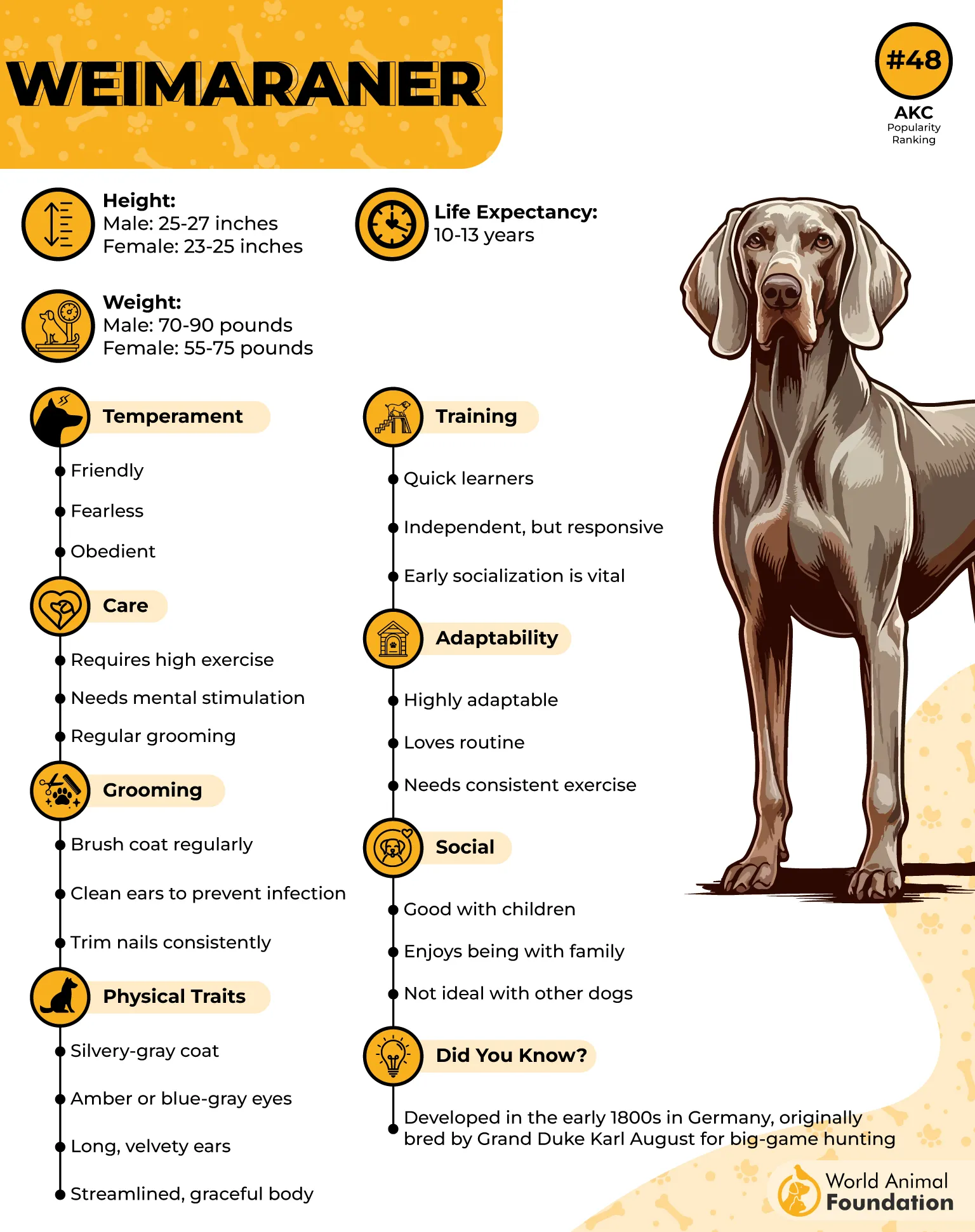
Known as the “Gray Ghost,” the Weimaraner is a friendly, fearless, and obedient sporting breed with a sleek, athletic build.
The breed was developed in 19th-century Germany by nobles who wanted a dog with exceptional tracking ability, speed, courage, and endurance. Originally used to hunt large game such as deer, bears, and boar, Weimaraners later became skilled hunters of smaller game and fowl.
Why They Excel Outdoors
Weimaraners are built for active outdoor adventures. Their long legs, lean bodies, speed, and endurance allow them to keep up with demanding activities, making them excellent companions for hiking, running, hunting, and other outdoor pursuits.
Their background as hunting dogs also gives them strong instincts, alertness, and an eagerness to explore. Their intelligence makes outdoor activities even more rewarding when they involve mental challenges.
Active Lifestyle Needs
A Weimaraner needs a very active lifestyle to stay happy and well-behaved. They require at least two hours of physical activity each day, along with regular interaction and mental stimulation.
Pet parents who enjoy running, hiking, hunting, or spending time outdoors can find an eager and energetic companion in this breed. Because Weimaraners are highly social, they can become lonely and may develop separation anxiety when left alone too often.
7. Portuguese Water Dog
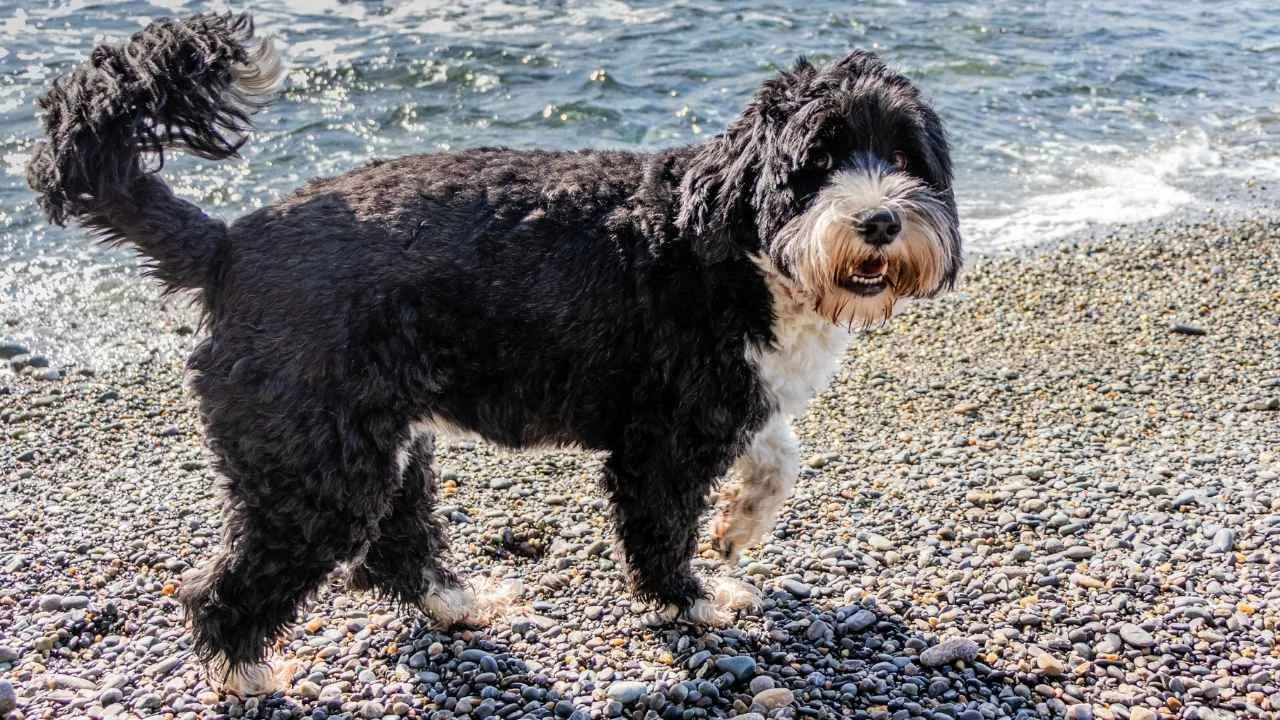
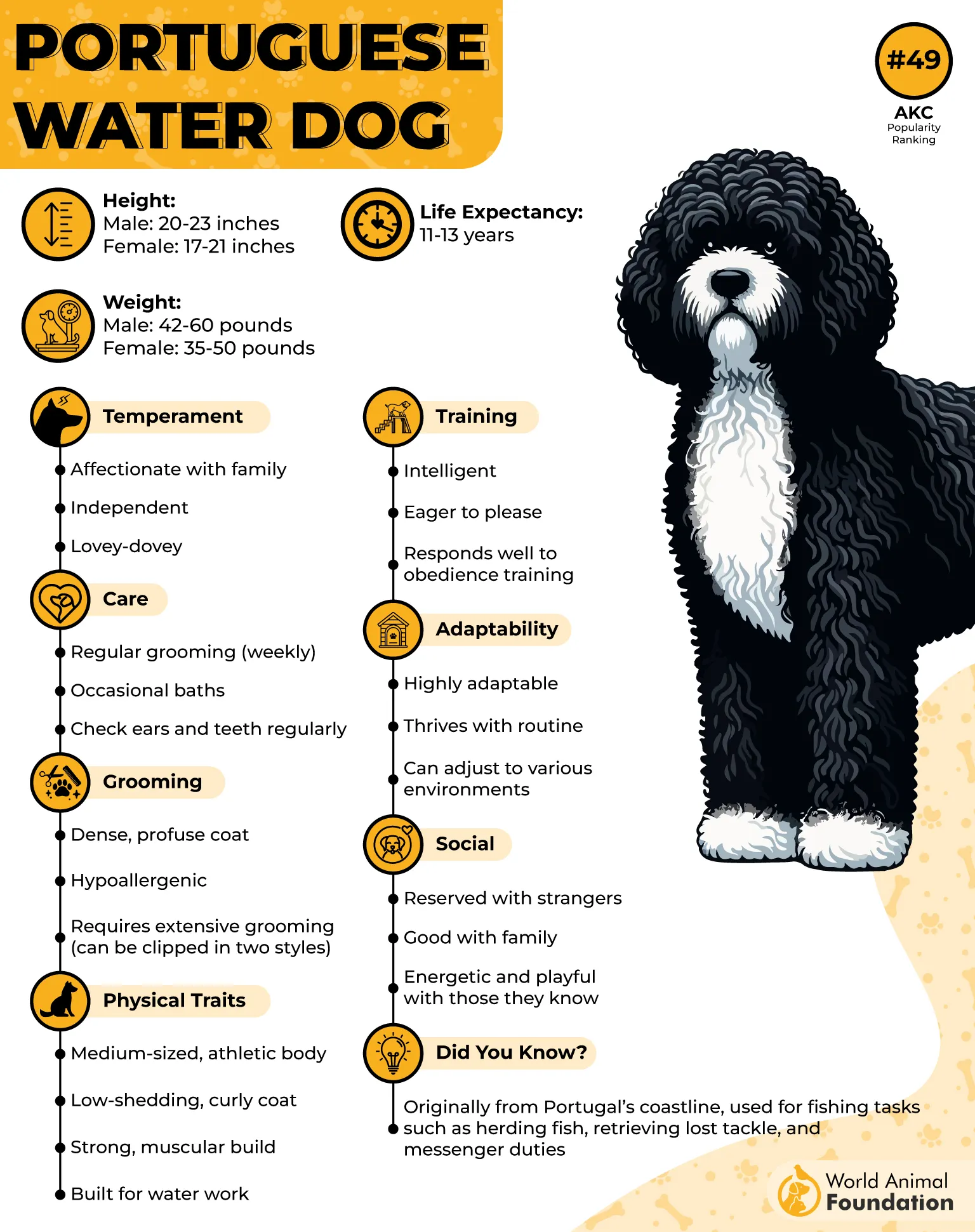
Originally bred along Portugal’s coasts to help fishermen, Portuguese Water Dogs retrieved fishing nets, carried messages between ships, and even helped rescue sailors from the sea.
Their working background shaped them into affectionate, loyal, and eager-to-please companions that enjoy staying close to their families. They are playful, curious, and independent-minded, but they thrive on companionship and do not do well when left isolated.
Why They Excel Outdoors
The Portuguese Water Dog was practically made for outdoor adventures. Their history as fishermen’s helpers gave them impressive athletic ability and a strong instinct to work around water.
Swimming is one of their favorite activities, and they are equally happy joining their families for hiking, walking, jogging, or games of fetch. Their intelligence also makes outdoor activities more engaging when they involve a purpose.
Active Lifestyle Needs
Portuguese Water Dogs need plenty of physical activity and mental stimulation to stay happy and well-behaved. Their high energy levels and working background mean they can become bored when they do not have enough to do, which may lead to destructive behaviors such as chewing and digging.
Regular exercise combined with training and mentally challenging activities helps keep their clever minds occupied. These dogs also want to spend time with their guardians, so they are not well suited to being kept as kennel dogs.
Conclusion
Choosing a high-energy dog means choosing a lifestyle filled with movement, training, play, and plenty of time together. These dogs can be wonderful companions for active families and individuals who are ready to keep their bodies and minds busy.
Before bringing one home, consider your daily routine, living space, and how much exercise and attention you can realistically provide. The right match can turn every walk, hike, game, or training session into an adventure, and with a high-energy dog, there’s rarely a dull day.
Looking for more dog breeds that are ideal for the great outdoors? You can also check out the Labrador Retriever, Jack Russell Terrier, Alaskan Malamute, Rhodesian Ridgeback, German Shepherd, Miniature Dachshund, and Great Pyrenees.
