




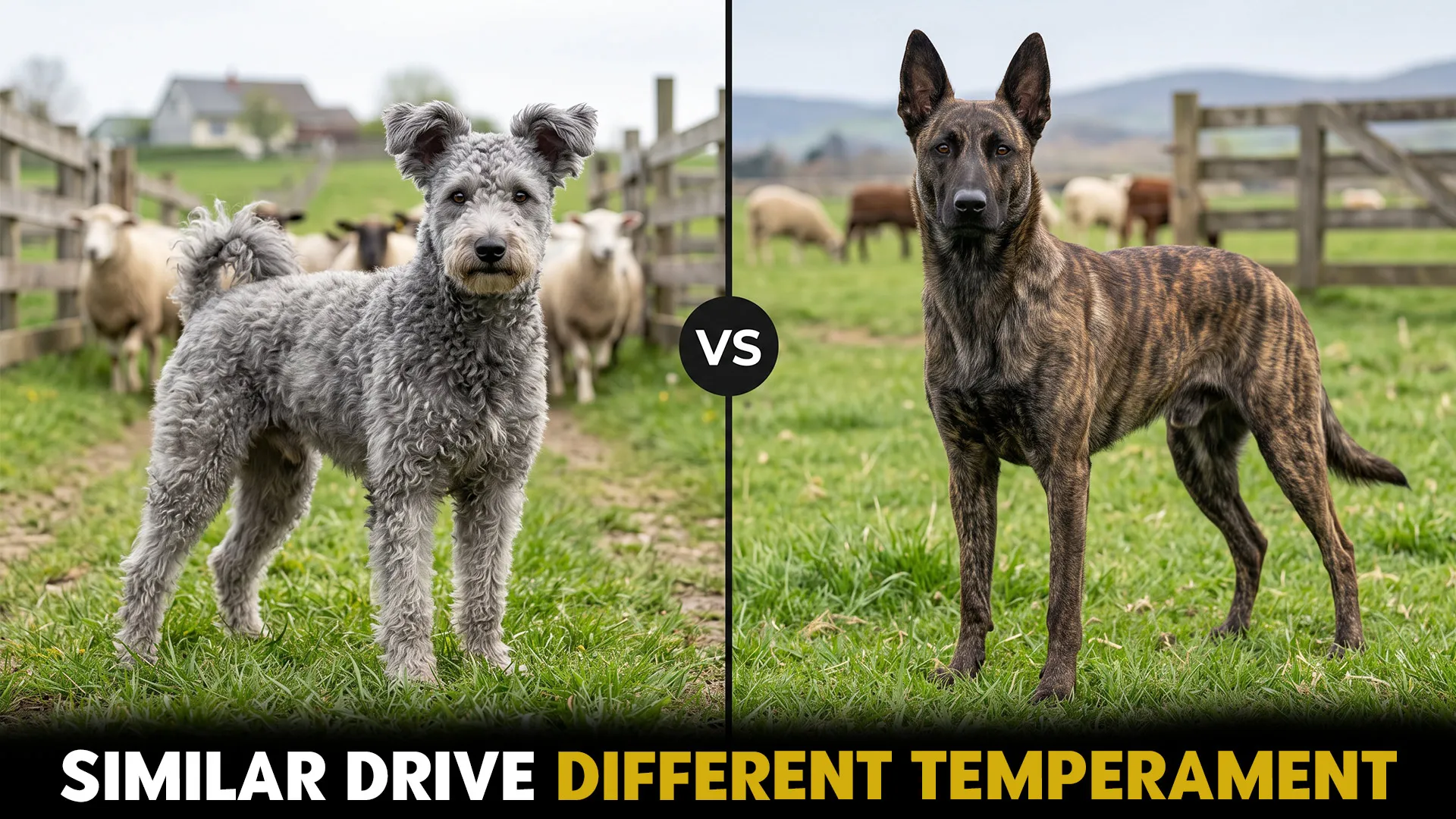
Choosing between the Pumi and Dutch Shepherd can be challenging, especially when both breeds are intelligent, energetic, and shaped by a strong working heritage. While they share herding roots, their personalities, physical traits, and care needs can differ considerably.
The Pumi was developed in Hungary as a quick, clever helper for shepherds, capable of moving livestock while working closely with people. The Dutch Shepherd also brings a versatile working background, but has its own distinctive temperament and physical characteristics.
From size and activity level to grooming, trainability, and everyday companionship, understanding these differences can make your decision easier. This side-by-side comparison explores what sets the Pumi and Dutch Shepherd apart and which may better suit your lifestyle.
Pumi vs Dutch Shepherd: Must-Know Comparisons of Versatile Herding Dogs
The Pumi and Dutch Shepherd are smart, energetic herding dogs built for active lives and serious work. This comparison looks at the key differences in temperament, training, exercise, and everyday care.
Origins & Purpose
The Pumi originated in Hungary as a compact, agile herding dog bred to help manage livestock. Its lively movement and distinctive curled coat reflect its practical working heritage.
In contrast, the Dutch Shepherd emerged in rural Netherlands during the eighteenth century as an all-purpose farm dog. It independently herded livestock while also serving as a guard and drover.
Both breeds developed versatility beyond traditional herding, with the Pumi excelling in agility and obedience and the Dutch Shepherd adapting to military and service roles. Today, the Dutch Shepherd is also valued for tracking, search and rescue, police work, and dog sports.
Size & Build
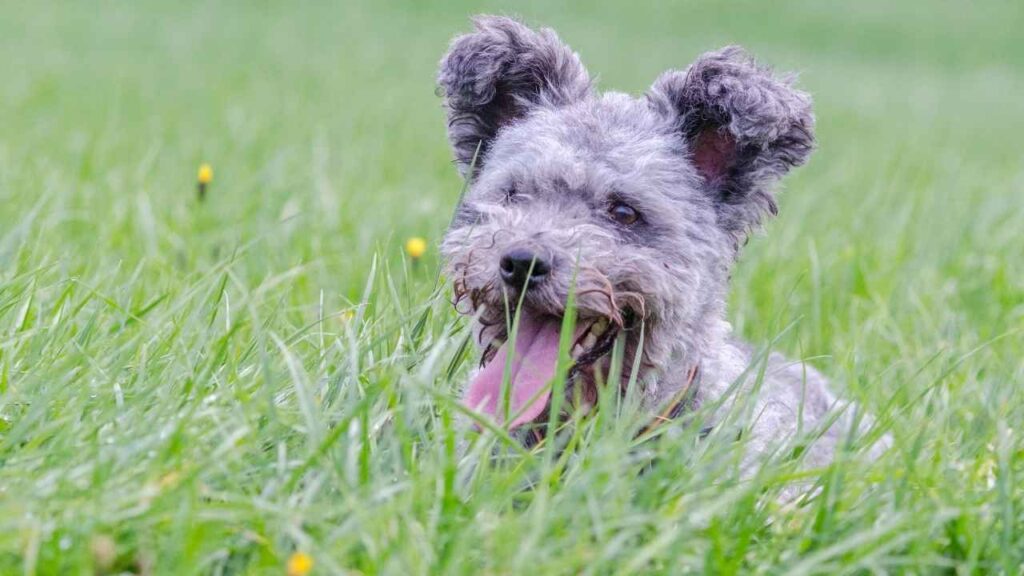
The Pumi is the smaller of the two, with a compact, square-shaped frame built for agility. Males stand about 16–18.5 inches and weigh 27–29 pounds, while females reach 15–17.5 inches and 22–24 pounds.
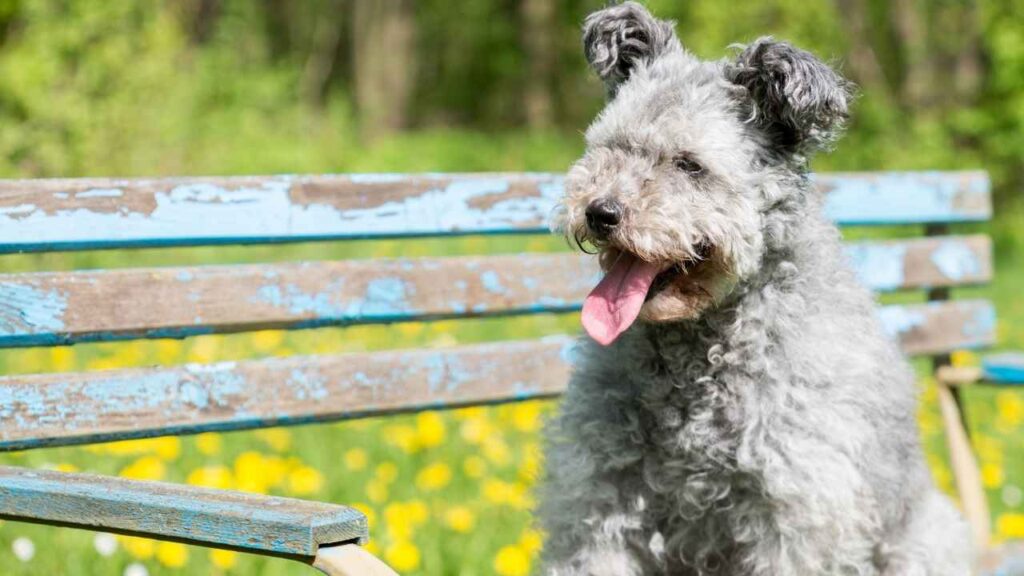
Despite its modest size, the Pumi has a muscular, athletic body that supports quick, efficient movement. Its corkscrew-curled coat, semi-erect ears, and expressive face give it a distinctive silhouette.
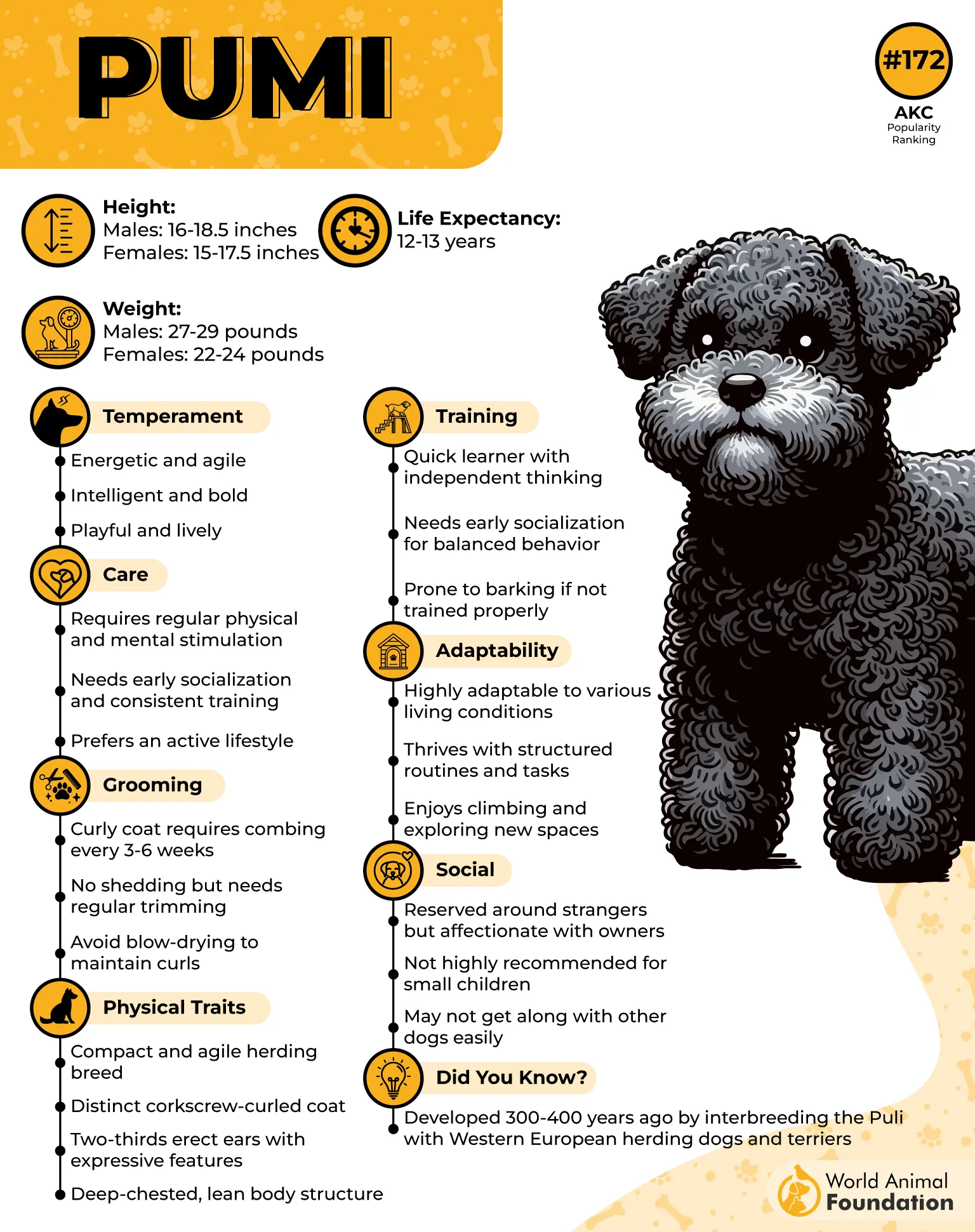
According to WebMD, Pumis have elongated heads with strong muzzles that make up roughly half the head’s length and taper toward blunt ends.
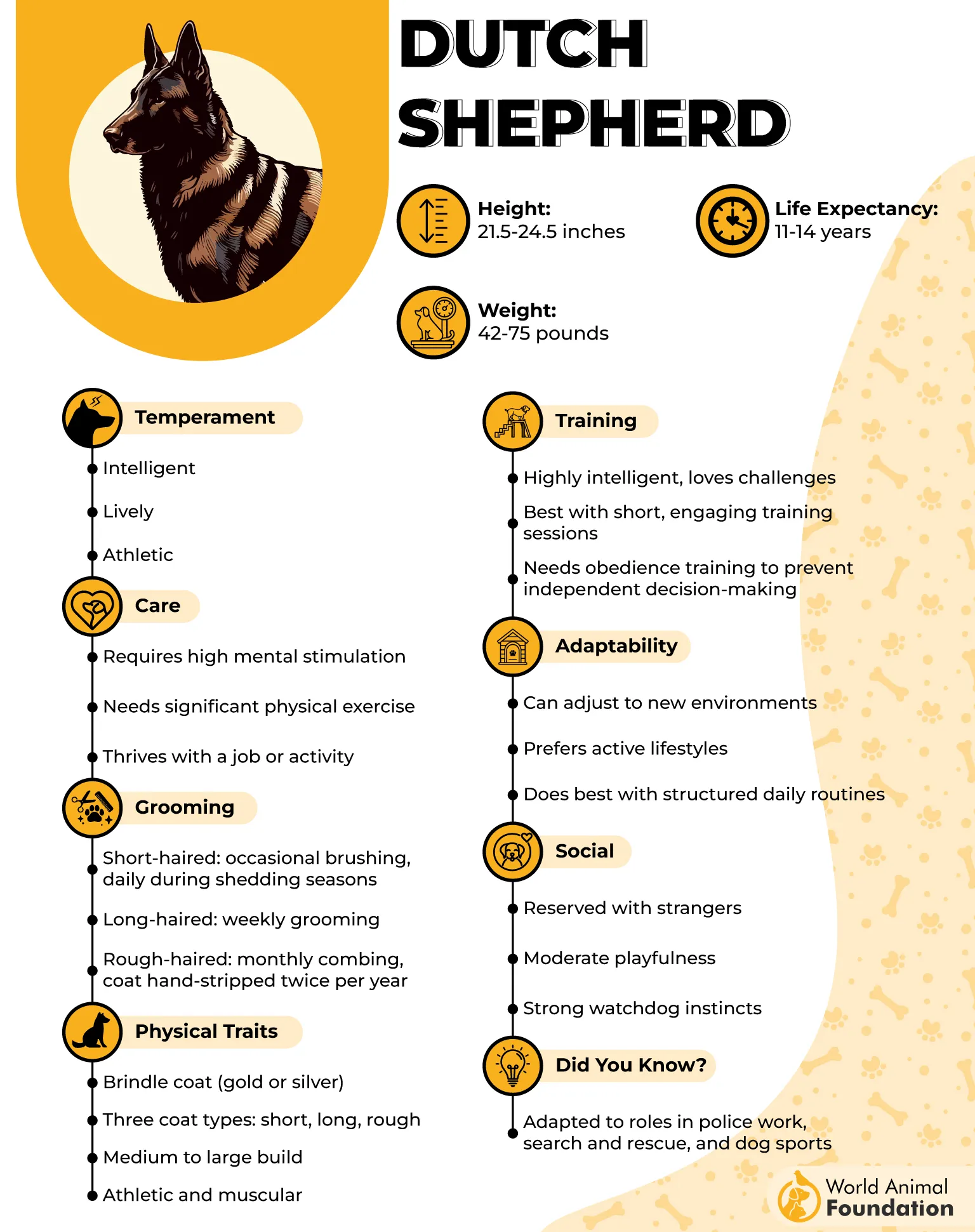
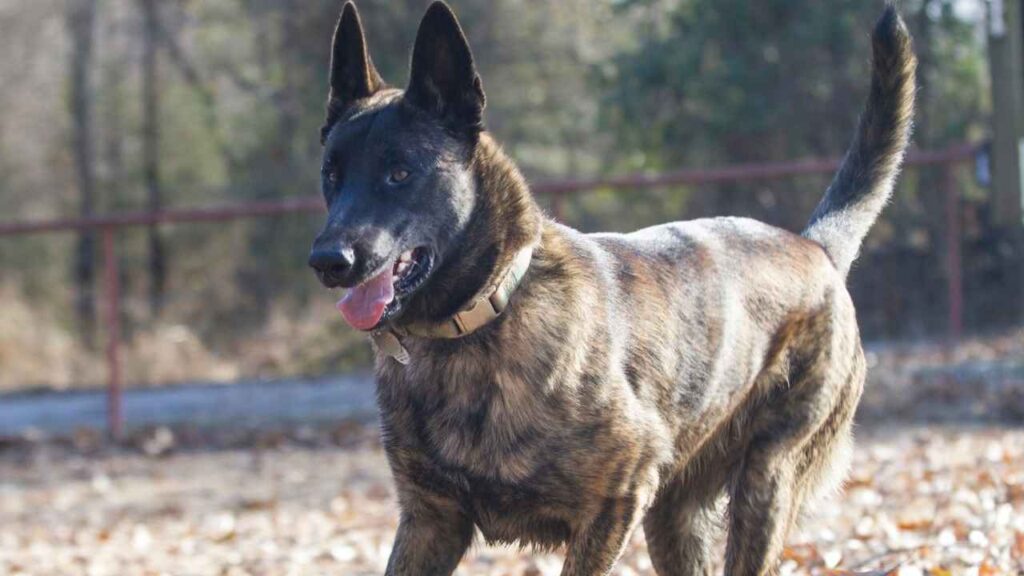
The Dutch Shepherd has a noticeably larger, more substantial physique, standing 21.5–24.5 inches and weighing 42–75 pounds. Its muscular yet balanced build combines strength with athleticism, while a wedge-shaped head, upright ears, dark eyes, and characteristic brindle coat reinforce its alert working-dog appearance.
Pricing & Availability
The Pumi typically costs around $2,000 for a puppy in the United States. Its relatively limited availability can contribute to the higher price, while pedigree and breeder factors may cause costs to vary.
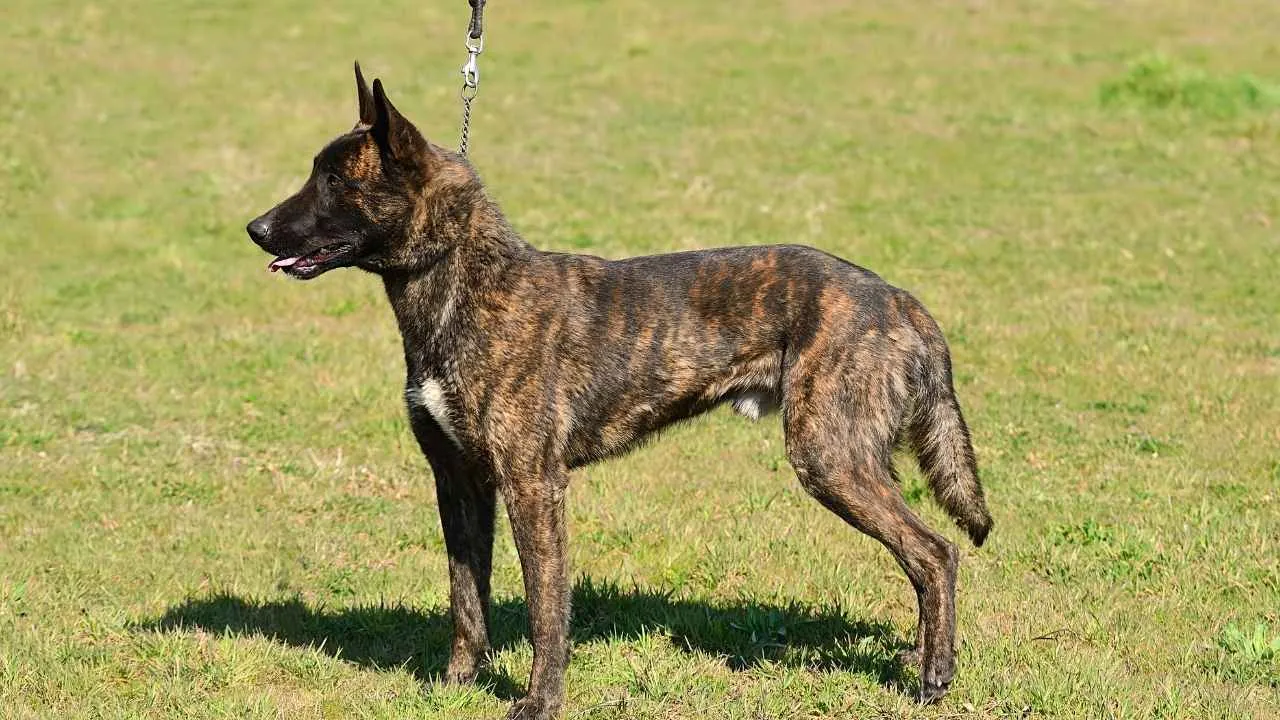
Dutch Shepherd puppies generally range from $1,000 to $4,000, with location and bloodline playing major roles in determining the final price. Reputable breeders may charge more for puppies with desirable pedigrees.
For buyers seeking a more affordable option, Dutch Shepherd adoption can cost roughly $100 to $300. However, these dogs are in high demand, so prospective adopters may need to check shelters and rescue organizations regularly for availability.
Temperament & Personality Style
The Pumi is energetic, lively, and fearless, with a strong willingness to work. Its quick, agile nature reflects its origins as a compact herder, while its intelligence allows it to respond well to consistent training.
Naturally cautious around unfamiliar people, the Pumi can be an attentive watchdog without being overly trusting. Its independent streak and bold personality give it plenty of character, particularly in active households.
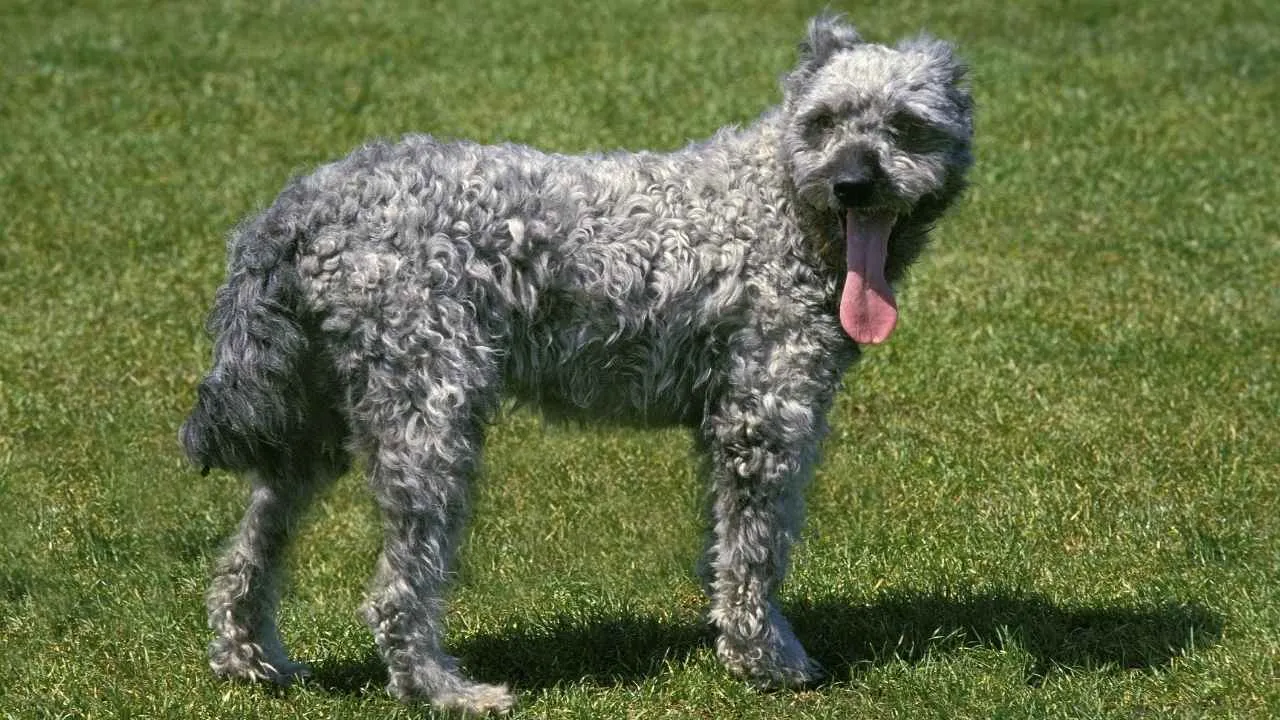
The Dutch Shepherd is similarly athletic and alert, retaining a strong herding instinct and a capable, independent mind. It may be somewhat reserved with strangers, making it naturally watchful around its surroundings.
Both breeds have substantial energy and require regular physical activity alongside mental challenges. Their lively personalities can suit experienced owners who can provide consistent structure, engagement, and training.
Exercise Needs & Energy Levels
The Pumi has high energy and thrives on both movement and mental challenges. Around two hours of daily activity, including walks, training, games, or puzzle-solving, can help keep this intelligent breed content. According to PetMD, Pumik are energetic dogs that need daily activity to keep their minds stimulated and their bodies exercised.
Agility is a natural outlet for its quick, athletic nature, while fetch, flying discs, and herding-style activities provide engaging ways to burn energy. Pumik also enjoy exploring and climbing, making varied activities especially appealing.
The Dutch Shepherd is built for demanding physical and mental work, requiring an active routine rather than long periods of inactivity. Walks, running, hiking, training, scent tracking, and agility can provide valuable outlets for its drive. According to Purina, the Dutch Shepherd has considerable stamina and high energy levels that require plenty of activity to keep them engaged.
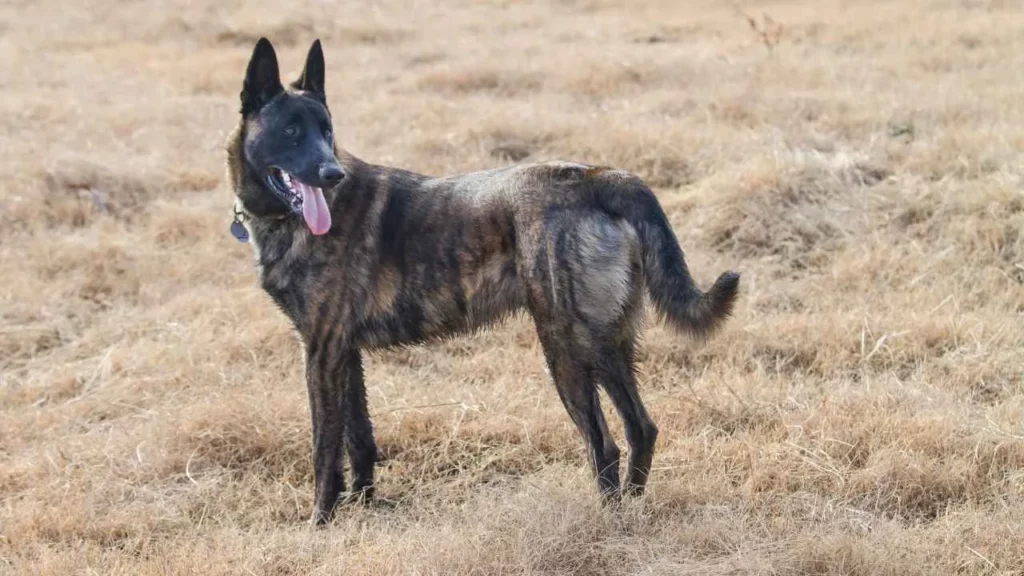
Its intelligent nature responds particularly well to challenging activities and purposeful training. Without enough stimulation, the breed may become overly independent and begin finding its own ways to stay occupied.
Trainability & Obedience
The Pumi is intelligent, eager to participate, and most responsive when training feels engaging rather than repetitive. Its independent thinking means it benefits from understanding the purpose behind commands instead of simply repeating drills.
Short, varied sessions can keep the Pumi focused, while activities such as agility, herding, and obedience provide enjoyable learning opportunities. Early socialization with people, animals, and livestock is also important for developing confident behavior.
The Dutch Shepherd is highly intelligent and capable of strong obedience, particularly when training presents meaningful challenges. Its independent nature can become more pronounced without consistent guidance, making structured obedience work essential.
Rather than relying on lengthy repetition, owners can maintain its attention through concise sessions and mentally stimulating tasks. Its versatility allows it to excel in herding, scent work, tracking, obedience, and agility.
Grooming Needs & Shedding
The Pumi has a distinctive medium-length double coat with curly or wavy tufts that needs careful, breed-specific maintenance. Rather than brushing, the coat should be combed every few weeks to remove loose hair while preserving its natural curls.
After combing, lightly wetting the coat helps the curls reform, while occasional trimming keeps the appearance tidy. Pumis generally shed very little, although loose hair is removed during grooming, and blow-drying should be avoided.
The Dutch Shepherd’s grooming needs depend largely on its coat type. Short-haired dogs need occasional brushing, with more frequent care during seasonal shedding, while long-haired coats require weekly grooming and rough-haired varieties need monthly combing plus periodic hand-stripping.
For both breeds, bathing can be done when necessary, while routine ear checks, nail care, and dental hygiene help maintain overall cleanliness and health.
Herding & Work Drive
The Pumi was developed as a Hungarian herding dog and retains a lively instinct for controlling and moving livestock. Its alert nature and agile build allow it to work quickly while staying responsive to its handler.
This spirited breed thrives when given meaningful tasks rather than being left without direction. Its willingness to work can translate well into herding, obedience, agility, and other activities that challenge both body and mind.
The Dutch Shepherd has a strong, task-focused work ethic rooted in its farm and herding heritage. It is highly alert, handler-oriented, and naturally driven to pursue moving objects, making purposeful work especially rewarding.
Its versatility extends well beyond livestock duties, with the breed performing in tracking, obedience, protection, service roles, and police work. Working lines may show particularly pronounced chase and protective instincts.
Health & Lifespan
The Pumi is generally regarded as a healthy breed, with an average lifespan of about 12–13 years. Even so, responsible breeders screen for conditions that may occur within the breed.
Potential concerns include hip and elbow dysplasia, patellar luxation, eye disorders, and degenerative myelopathy. Regular veterinary care and appropriate health screening can help identify problems early.
The Dutch Shepherd typically lives around 11–14 years and is considered a relatively robust working breed. Its active lifestyle makes maintaining healthy weight, mobility, and overall conditioning particularly important.
Possible health concerns include hip dysplasia, eye problems, goniodysplasia, thyroid disorders, and heart disease. Routine veterinary examinations and responsible breeding practices can support long-term well-being.
Pumi vs. Dutch Shepherd: Which Energetic Herding Dog Is Right for You?
Choosing between the Pumi and Dutch Shepherd largely depends on the type of companion and working partner you want. Both are intelligent, energetic herding breeds that thrive with purposeful activity and consistent engagement.
The Pumi suits owners seeking a smaller, adaptable dog with strong herding instincts and a low-shedding curly coat. Its playful, vocal personality and enthusiasm for dog sports make it a lively choice for active households.
The Dutch Shepherd is better suited to owners prepared for a more substantial athletic dog with significant exercise and training requirements. Its versatility, loyalty, and protective instincts make it particularly appealing to those seeking a capable working and sporting partner.
Conclusion
The Pumi and Dutch Shepherd are both energetic herding dogs with strong working backgrounds, but they differ in size, coat, and working style. Both require regular physical activity, mental stimulation, and purposeful training to stay balanced.
The Pumi offers a more compact build, low-shedding curly coat, and lively personality. Its agility, intelligence, and herding instincts make it well suited to owners who enjoy training and dog sports.
The Dutch Shepherd brings a larger athletic frame, versatile working ability, and strong protective instincts. Its intelligence and task-focused nature make it a capable partner for demanding activities such as tracking, obedience, and service work.
Your choice should reflect your lifestyle and ability to meet an active dog’s needs. Either breed can thrive with consistent training, socialization, exercise, and meaningful companionship.
