




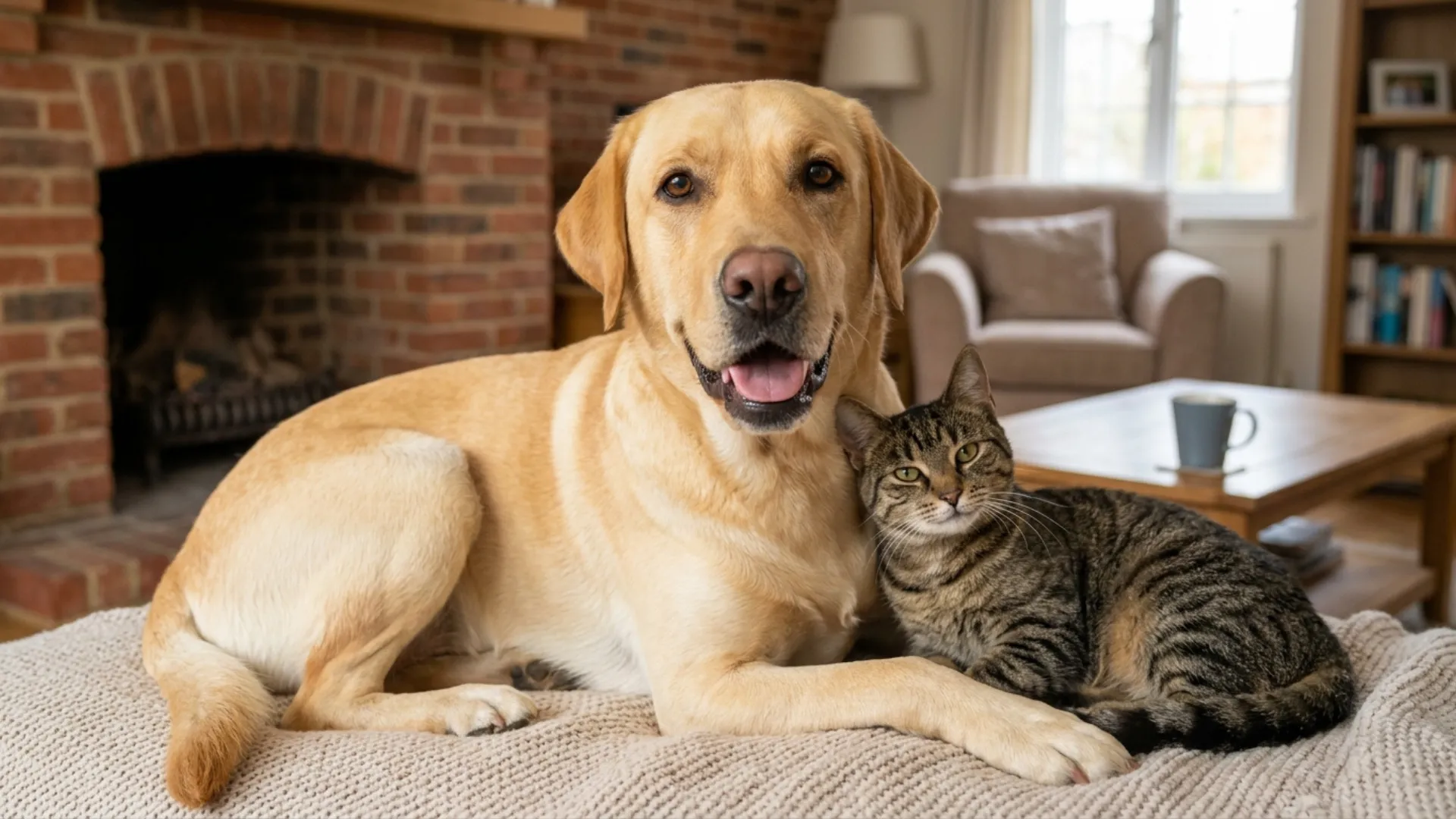
Think cats and dogs can’t get along? Think again. The right dog can become your cat’s playmate, nap buddy, or even their unexpected best friend. While some dogs may be eager to chase anything that moves, others are naturally gentle, social, and happy to share their space with a feline companion.
But choosing a dog for a cat-friendly home involves more than picking a breed with a good reputation. Temperament, energy level, prey drive, age, socialization, and training can all affect how smoothly the two pets adjust.
The good news? Certain dog breeds have the qualities that can make them get along with cats. From easygoing personalities to a willingness to learn and adapt, we’re looking at the dogs that can make sharing your home with both species feel surprisingly easy and maybe even adorable.
Key Takeaways
Meet 10 cat-friendly dog breeds, from Golden Retrievers to Boston Terriers.
See why Beagles, Labradors, and Basset Hounds can fit feline households.
Discover how Cavaliers, Pugs, Bichons, Papillons, and Collies handle life with cats.
Learn simple ways to encourage calm introductions, training, and peaceful co-living.
Dog Breeds that Pair Perfectly with Cats
1. Golden Retriever
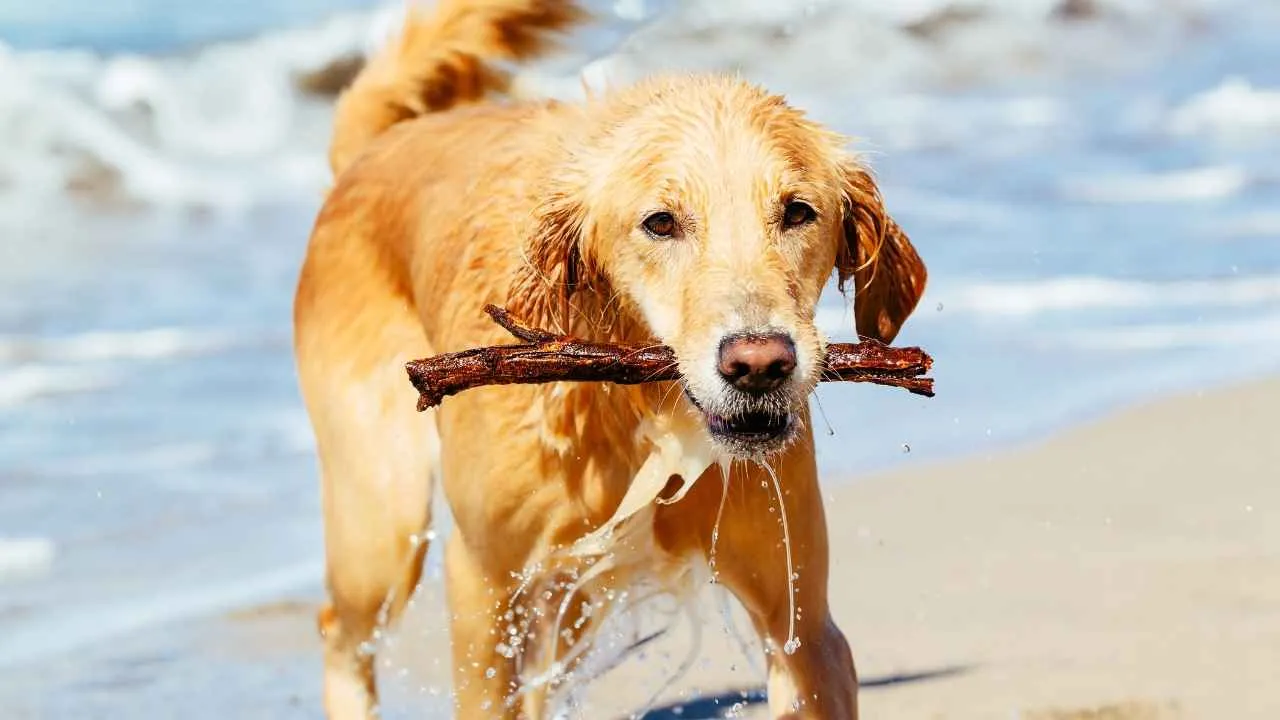
Golden Retrievers are social butterflies, making them a lovely choice for homes with cats. They are sweet-natured, affectionate, and generally friendly toward other pets. Their eagerness to please can also make it easier to teach them how to respect a cat’s space.

Smart, Active, and Trainable
These clever dogs were originally bred to retrieve birds, so they enjoy physical activity and mental stimulation. Walks, fetch, obedience training, and other activities can help keep their energy focused. They are also known for barking infrequently, although boredom may lead to unwanted behaviors.
A Good Match With Feline Friends
Early socialization and positive training can help Golden Retrievers become comfortable around feline housemates. Their intelligence and willingness to please make them quick learners.
Their thick double coats do shed heavily, though, so regular brushing is needed to reduce shedding and prevent mats, especially behind the ears and around the hind legs.
2. Beagle

Beagles are cheerful, friendly dogs that can make lively companions in homes with cats. They usually get along well with people and other animals. Their curious nature keeps them ready to play and explore, making them a fun addition to an active household.

Their Nose Leads the Way
These clever hounds were originally bred as hunting dogs, so their powerful sense of smell can sometimes take over.
They need plenty of exercise and mental stimulation, with activities such as scent work, tracking, walks, and agility helping keep them busy. Their strong nose also means they should be supervised outdoors and kept on a leash or in a fenced area, as mentioned by PetMD.
Helping Them Live Peacefully With Cats
Beagles can live well with cats, but they may need some guidance at first. Their natural hunting instincts can make a moving cat tempting to chase, so early socialization and positive reinforcement are important.
With consistent training, they can learn that their feline housemates are friends, not something to pursue. Their short coats are also simple to maintain, although weekly brushing helps manage their moderate shedding.
3. Labrador Retriever
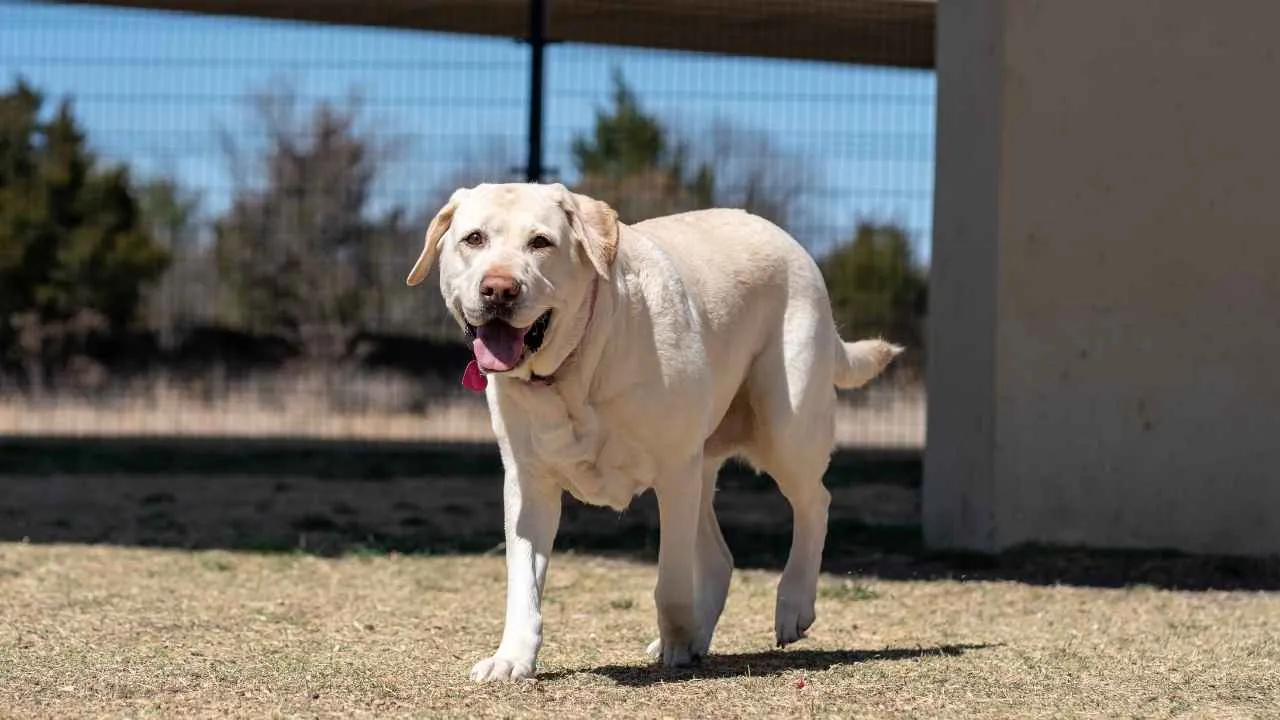
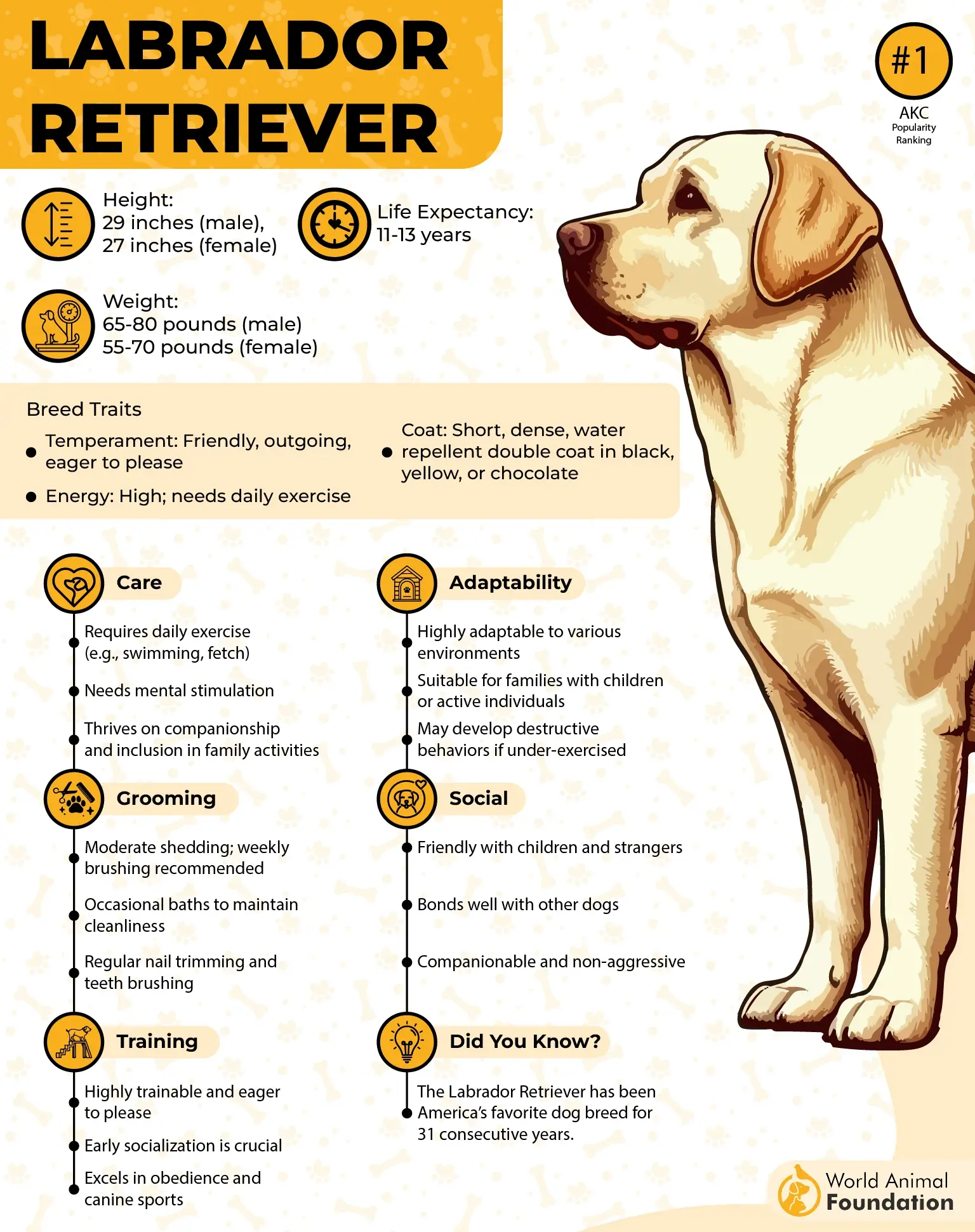
Labrador Retrievers are cheerful, affectionate dogs that can make wonderful companions in homes with cats. They generally get along well with children, other dogs, and even other pets. Their social nature and eagerness to be part of family activities make them a great fit for active households.
Their Energy Needs an Outlet
Labs were originally bred as working and retrieving dogs, so they have plenty of energy and love having something to do.
Daily exercise, training, swimming, hiking, retrieving games, and agility can help keep them physically and mentally engaged. Without enough activity, a bored Labrador may turn to chewing, digging, or other unwanted behaviors.
Helping Them Live Peacefully With Cats
Labrador Retrievers are generally friendly toward other animals, but their enthusiasm and playful nature can sometimes be overwhelming for a cat.
Early socialization, obedience training, and positive reinforcement can help them learn appropriate behavior around feline housemates. Their short, dense coat is easy to maintain, although regular brushing is important because Labs shed heavily.
4. Basset Hound
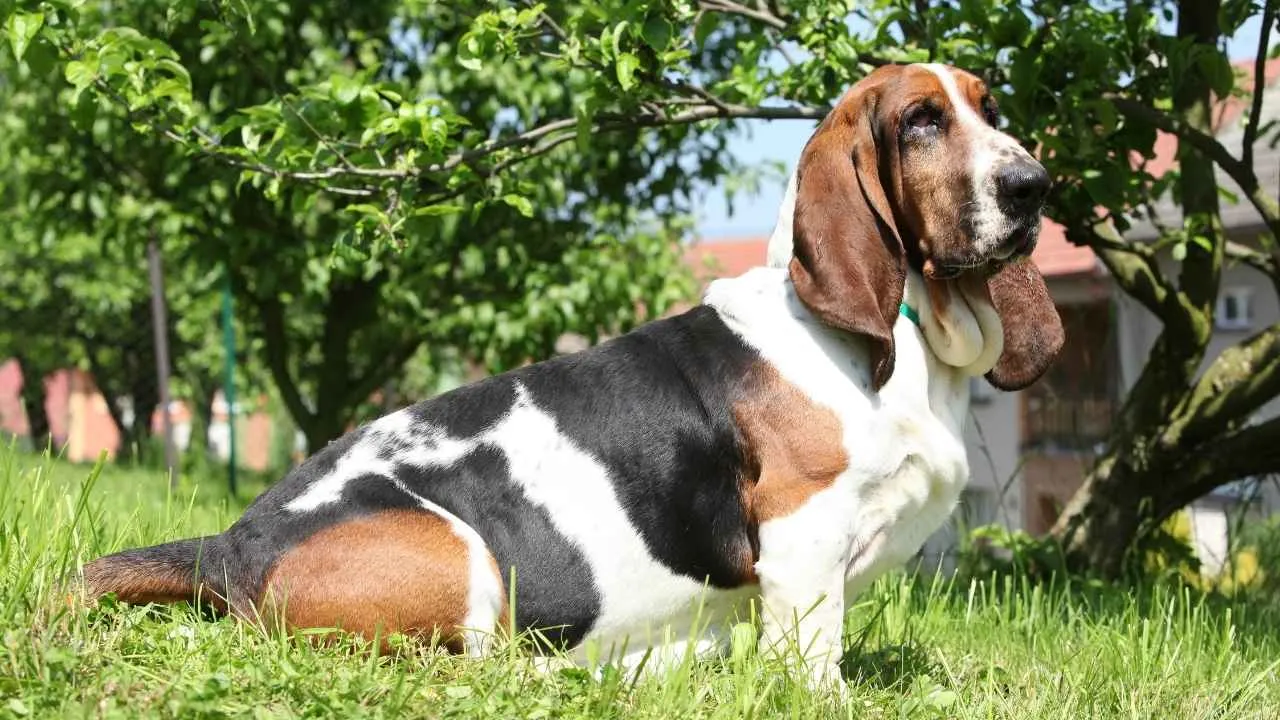
Basset Hounds have a famously laid-back attitude. They are usually content to lounge around the house, follow their people from room to room, and enjoy a comfortable routine. But their relaxed personality comes with an independent side.
A Basset may understand what you want and simply decide it would rather do something else, so patience is often more useful than trying to rush training.

Built to Follow Scents, Not Speed
Everything about the Basset Hound’s build reflects its history as a scent-tracking hunter. Its low-set body keeps its nose close to the ground, while its long ears may help stir scents as it moves. Once an interesting trail catches its attention, the outside world can quickly become secondary.
Slow-paced walks where they can sniff and investigate are often more rewarding for a Basset than demanding physical workouts.
A Distinctive Fit for Cat-Friendly Homes
Their generally peaceful and sociable nature can make Basset Hounds a good match for households with cats and other pets, according to Orvis. They are not typically confrontational and often enjoy having animal companions around.
Still, their hunting background means individual dogs may be tempted to follow a running cat, so early interactions should be supervised. Their loud, deep bay is another trait to consider. Your Basset may have plenty to say even when nothing seems particularly exciting.
5. Cavalier King Charles Spaniel
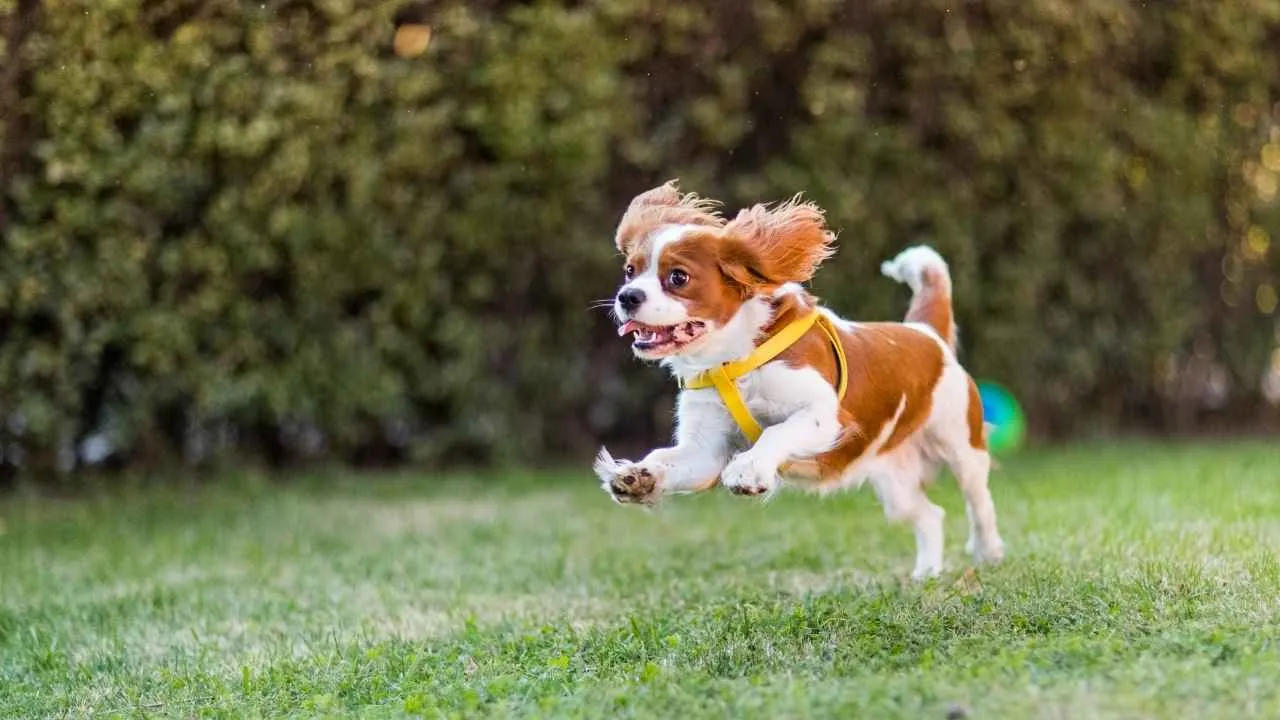
Cavalier King Charles Spaniels are naturally affectionate and tend to have an easygoing attitude toward people and other animals. Their playful but non-confrontational nature can make them comfortable around cats, especially in households where pets are introduced gradually.
Rather than wanting to dominate the room, Cavaliers often prefer staying close to their favorite people, and may eventually treat the household cat as another companion.
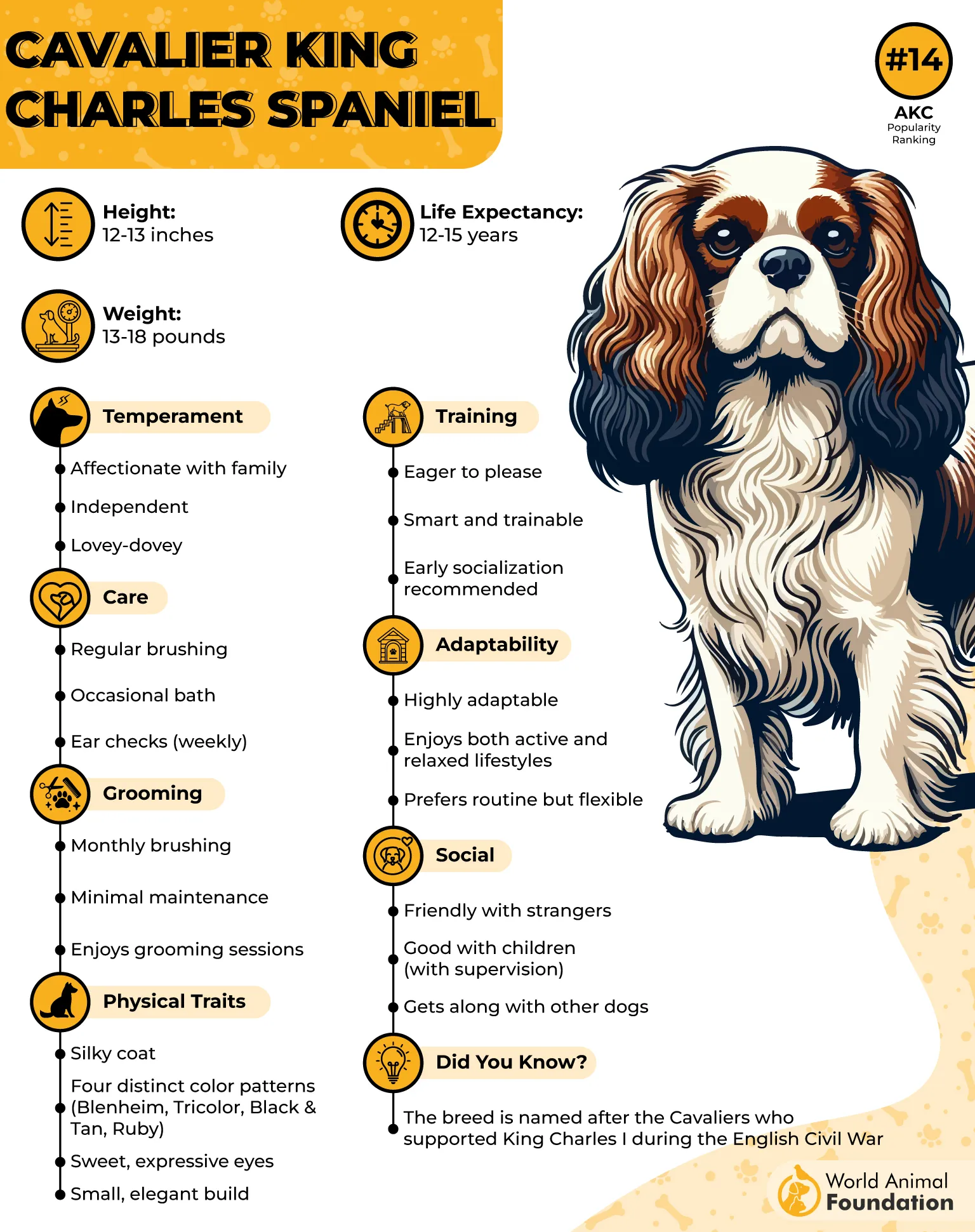
A Spaniel Who Still Has Some Sporting Instincts
Despite their lap-dog reputation, Cavaliers come from a sporting spaniel background. They enjoy exploring, retrieving, sniffing around, and investigating interesting sights and sounds. That playful curiosity can occasionally turn into following or chasing a cat that suddenly dashes across the room.
Giving your Cavalier appropriate outlets for these instincts through retrieving games, scent activities, or structured play can help keep interactions with a cat relaxed.
Building a Comfortable Cat-and-Dog Routine
Cavaliers are highly people-oriented and often respond well to gentle guidance, which can make household boundaries easier to establish. When introducing one to a cat, controlled meetings and rewarding calm behavior can help the dog learn when to engage and when to leave the cat alone.
6. Pug
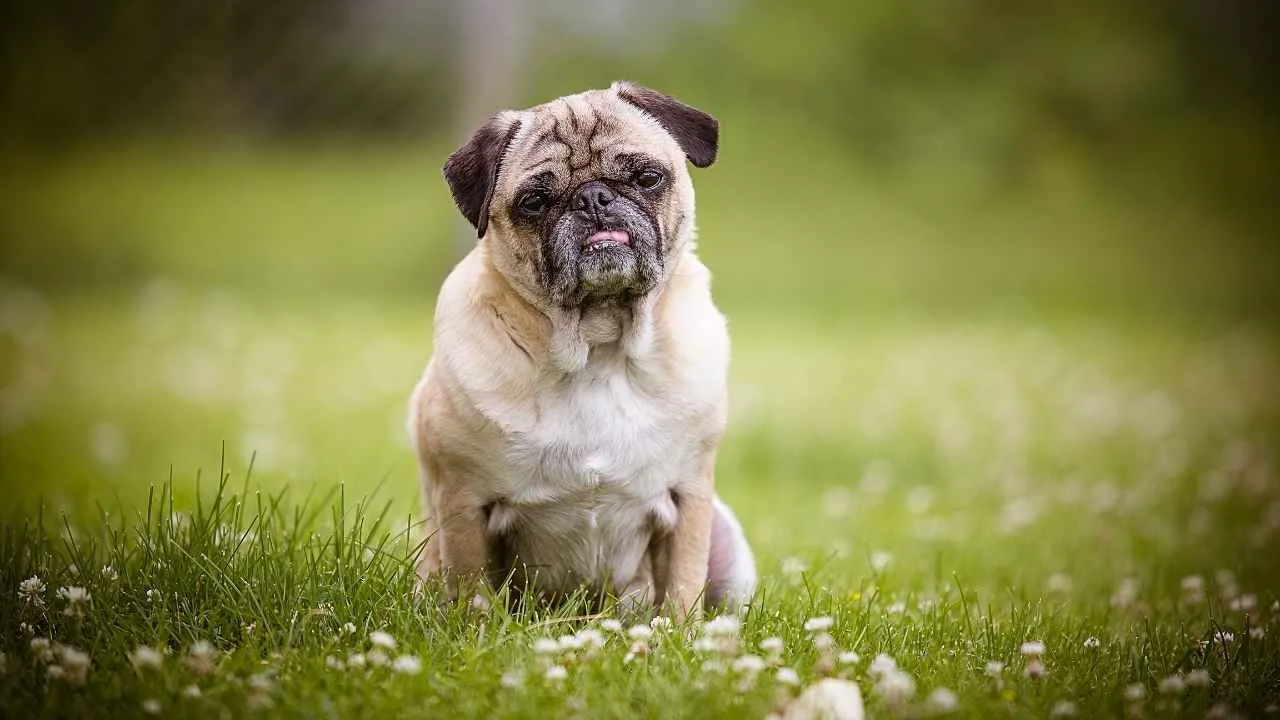
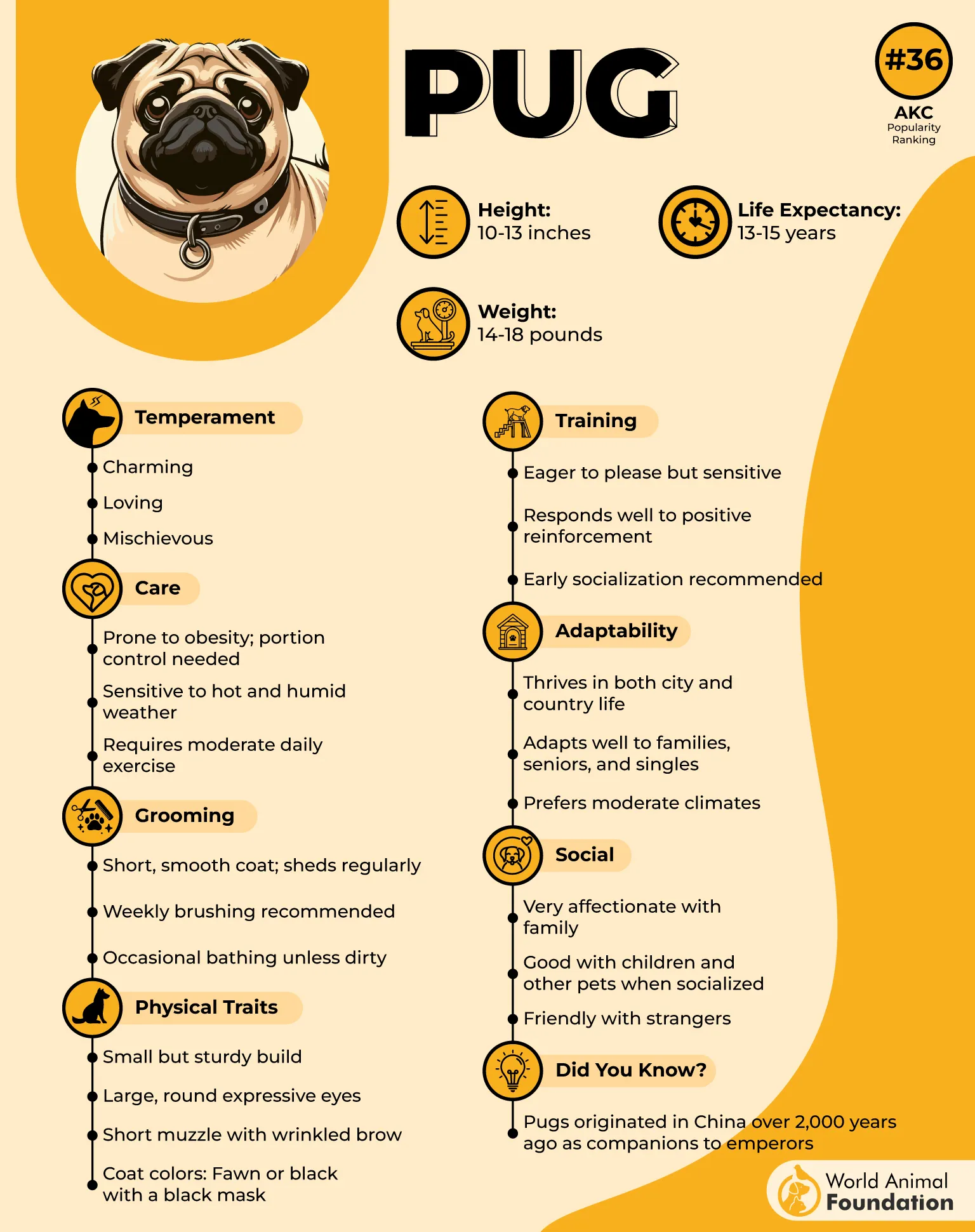
Pugs tend to enjoy being where the action is, whether that means greeting visitors, following family members around the house, or settling in wherever everyone has gathered.
Their generally accepting nature can help them adjust to living with cats, particularly when both animals are given time to become familiar with each other. A Pug may be more interested in investigating what the cat is doing than trying to establish control over it.
Playful Curiosity Without the Need for a Chase
Pugs can be surprisingly entertaining during playtime, but they are not typically built for prolonged, high-intensity activity. A cat that suddenly runs across the room may still trigger a Pug’s curiosity, especially if the dog sees the movement as an invitation to play.
Short games, interactive toys, and supervised play can give the Pug something appropriate to focus on while allowing the cat to move around without constant pursuit.
Let Both Pets Have Their Own Space
Because Pugs enjoy companionship so much, they may be tempted to follow a household cat simply because they want to be involved.
Teaching the dog to settle when the cat walks away can help prevent unwanted attention from becoming a problem. Separate feeding areas, resting spots, and escape routes for the cat also make shared living easier.
7. Bichon Frise
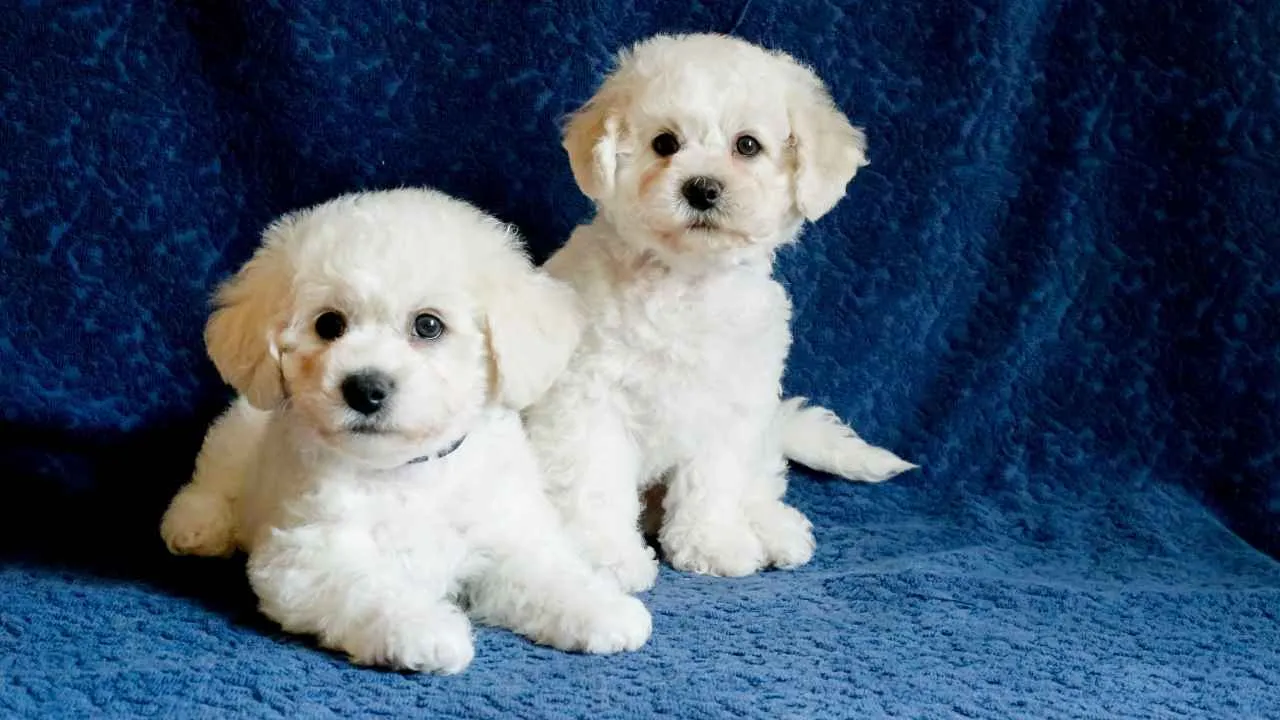
Bichon Frises are naturally sociable dogs that usually enjoy having other animals around. Their playful, calm temperament can help them adjust well to cats, especially when they are introduced properly.
A Bichon may be curious about a cat at first, but these dogs are generally more interested in making friends than causing conflict.
Playful Without Being Overwhelming
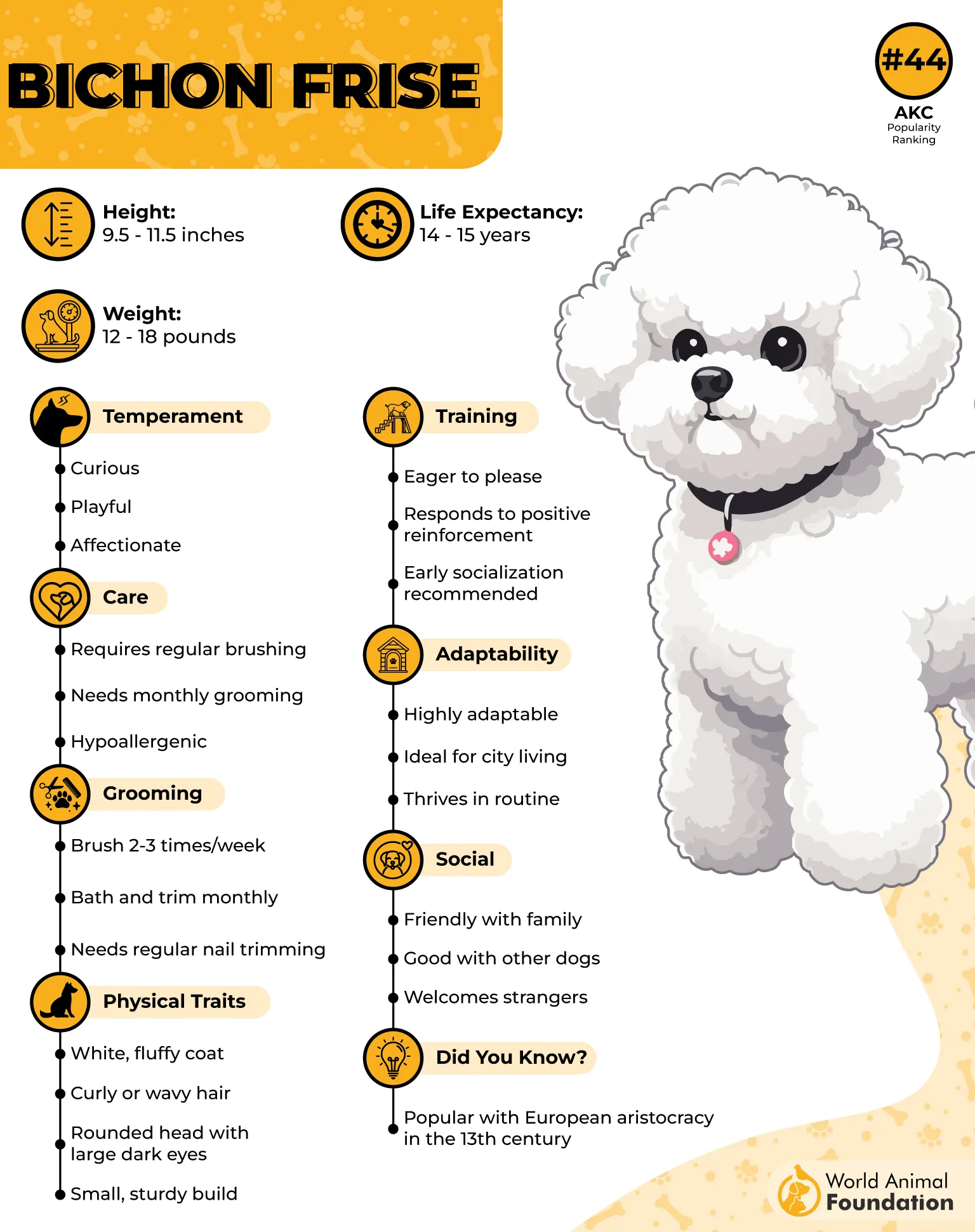
The Bichon Frise has plenty of playful energy despite its small size. These dogs enjoy chasing toys, running around, and getting involved in household activities, which can sometimes make a moving cat too tempting to ignore.
Their playful nature is usually easy to redirect, however, particularly when they have toys and games of their own. Giving the Bichon regular opportunities to play can help keep its interactions with the cat positive.
A Good Match for a Multi-Pet Home
Bichons are adaptable little dogs that can fit comfortably into households with other pets. Their affectionate nature means they often enjoy having company rather than needing to be the only animal in the home.
A cat should still have its own quiet areas where it can retreat when needed, while gradual introductions can help both pets become comfortable with one another.
8. Papillon

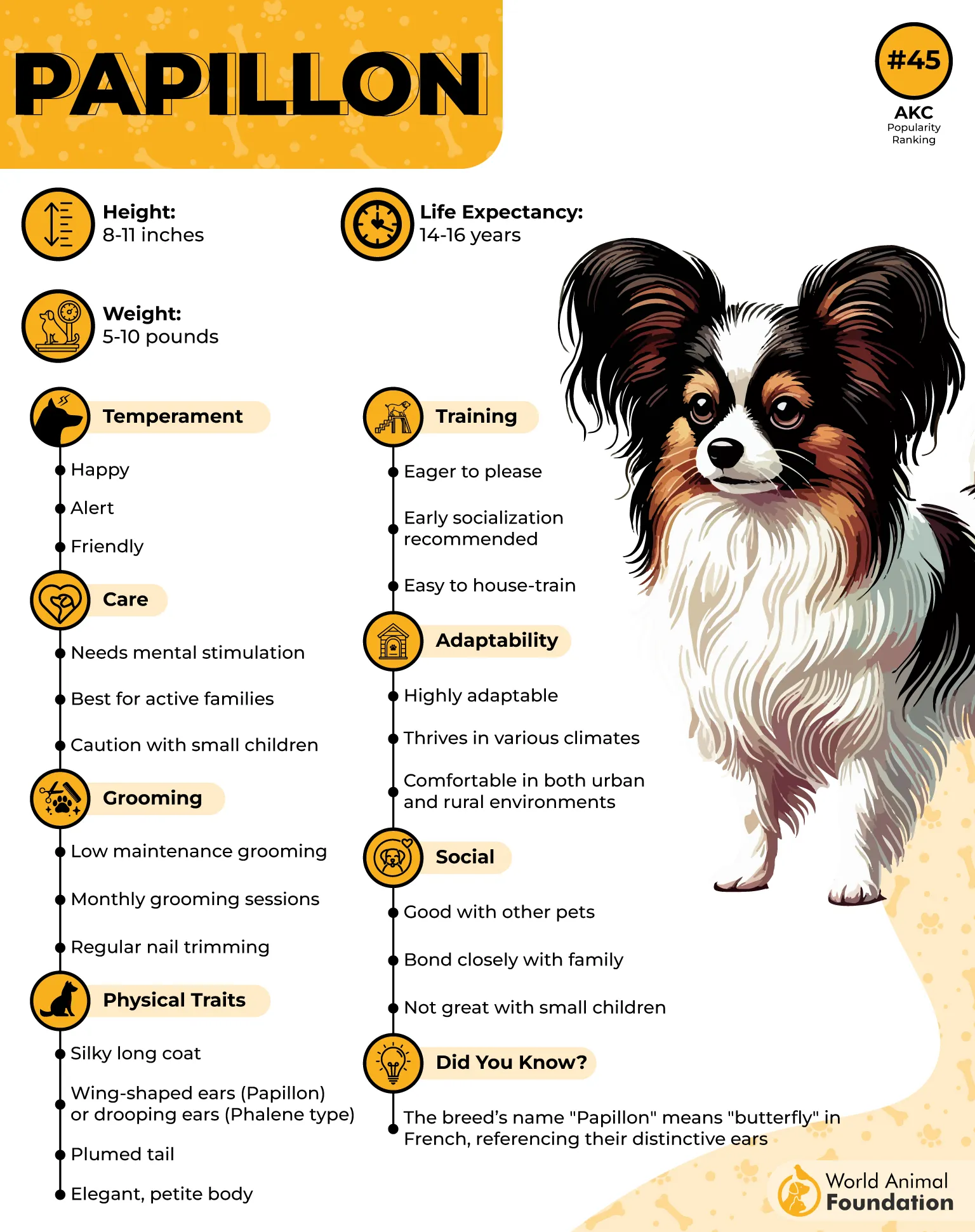
Papillons are cheerful, people-oriented dogs that often enjoy having other animals around. Their friendly nature can make them a good match for cats, particularly when they are socialized from an early age.
They are more likely to see a household cat as a playmate or another member of the family than as a threat, especially when introductions are calm and gradual.
A Tiny Dog With Plenty of Energy
Don’t let the Papillon’s delicate appearance fool you. This is an active toy breed with plenty of curiosity and enthusiasm. Their instinct to chase and investigate can sometimes make a running cat too tempting to ignore.
Giving a Papillon regular walks, indoor games, and opportunities for mental stimulation can help channel that energy so their feline housemate doesn’t become their favorite moving target.
Teaching Them to Share the Home
Papillons are highly intelligent and generally respond well to consistent, positive training. This can make it easier to teach them appropriate boundaries around a cat, such as staying calm when the cat walks past or resisting the urge to chase.
Because they are small and can be quite spirited, supervision is especially important during early interactions.
9. Collie
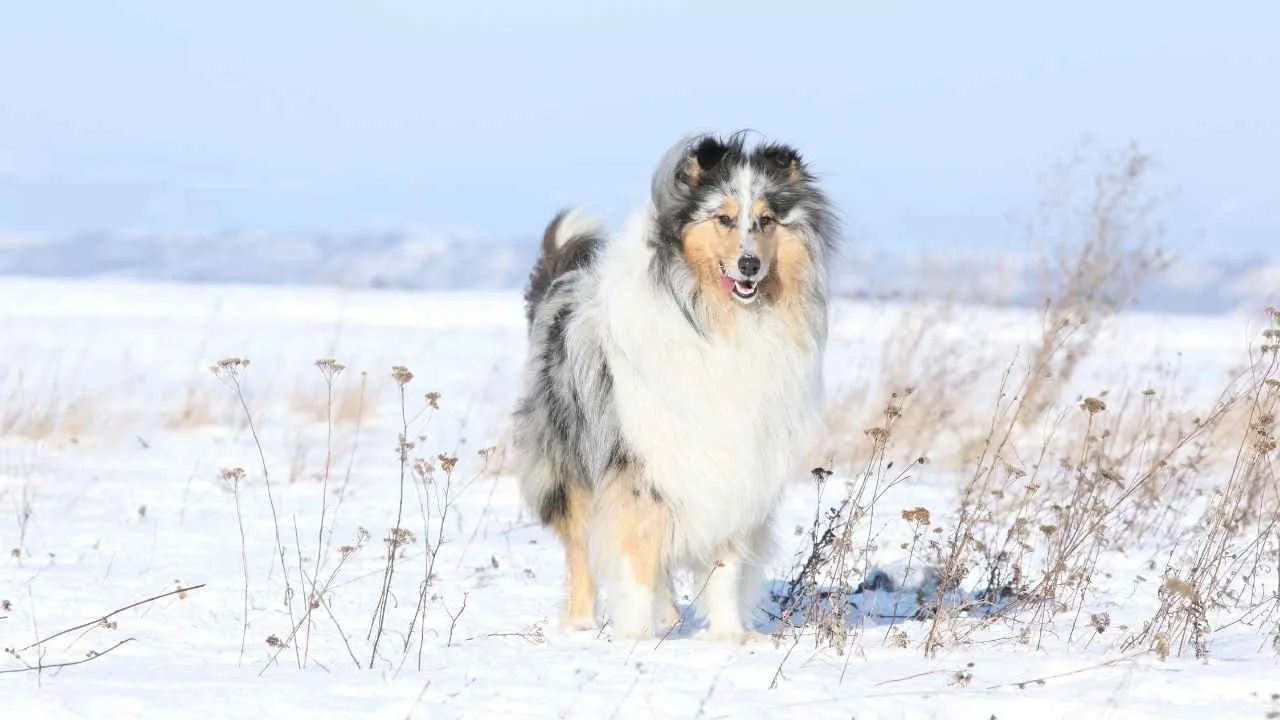
Collies are affectionate, loyal, and generally comfortable living alongside other animals. Their gentle nature and strong bond with their families can help them become good companions for cats, particularly when they are introduced carefully.
They are not typically aggressive toward other pets, but their protective instincts may make them watchful around unfamiliar animals.
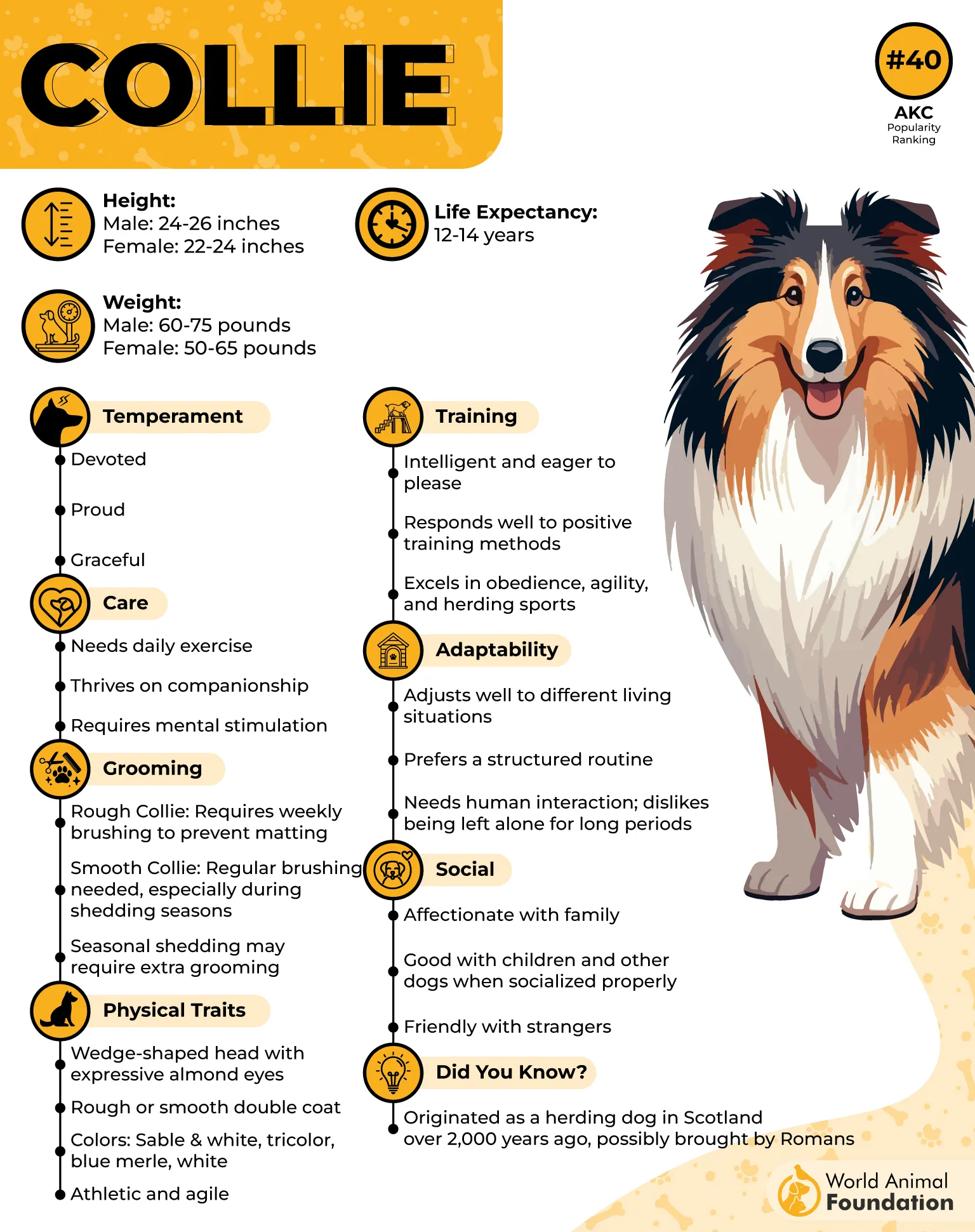
A Herding Dog With a Natural Urge to Chase
Collies were bred to herd livestock, so their instinct to watch, follow, and control movement can show up around cats. A cat running across the room may trigger a Collie’s urge to chase or nip at its heels, especially in a young or energetic dog.
Regular exercise, obedience work, and activities that provide mental stimulation can help direct these instincts in more appropriate ways.
Helping a Collie and Cat Live Peacefully
Collies are intelligent and highly trainable, making it easier to teach them boundaries around a cat. Start with gradual introductions and reward calm behavior whenever the dog ignores or politely observes the cat.
Because Collies need plenty of physical and mental activity, keeping them well exercised can also make household interactions smoother.
10. Boston Terrier
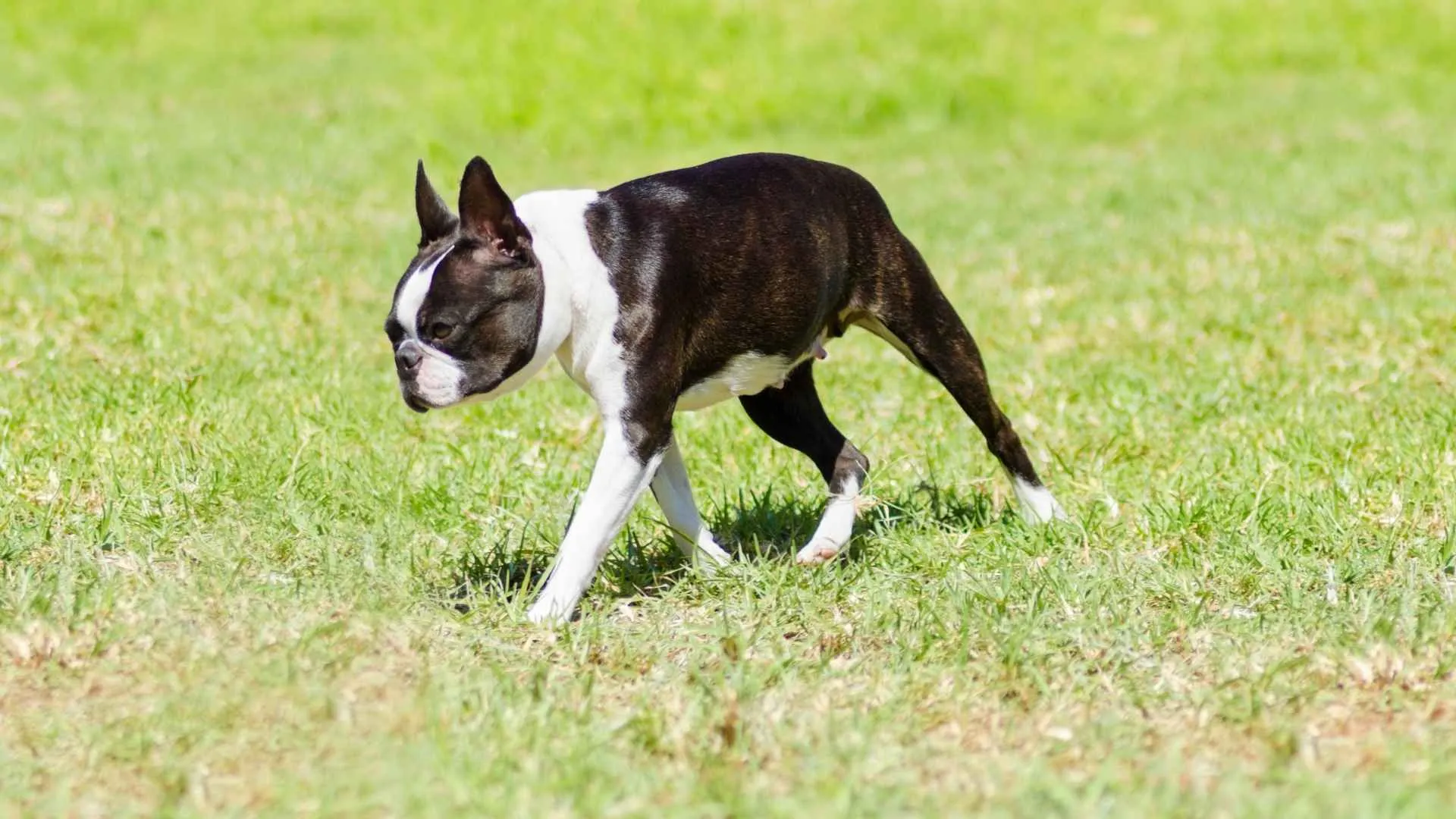
Boston Terriers are naturally outgoing, affectionate, and eager to be part of whatever their family is doing. Their friendly temperament can make them good companions for cats, especially when they grow up around them or are introduced properly.
They tend to be playful rather than confrontational, although their enthusiasm can sometimes be a lot for a timid cat.
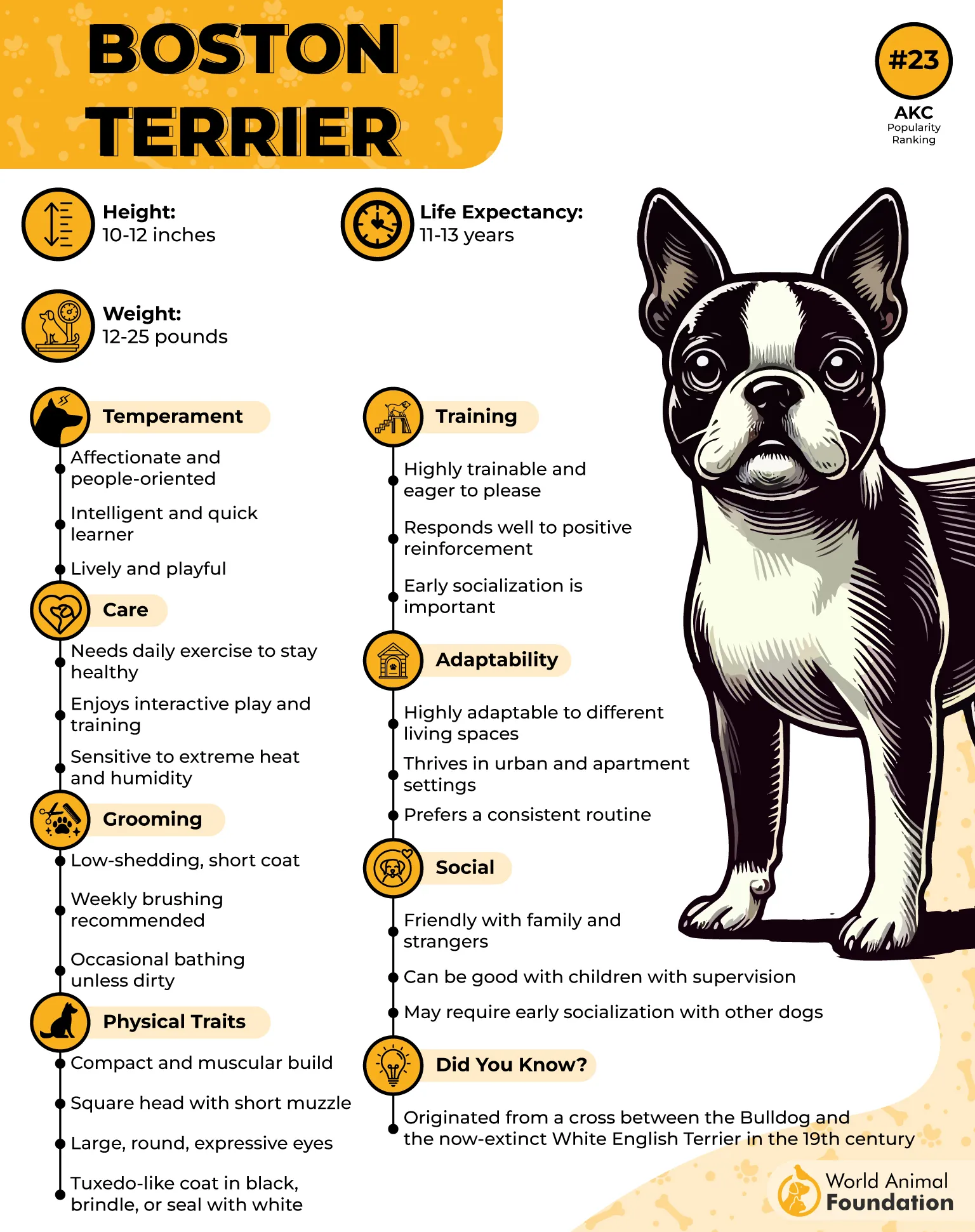
Playful Energy That Can Tempt a Chase
The Boston Terrier’s lively personality means they often want to investigate anything that moves. A cat running through the house may look like an invitation to turn the moment into a game of chase. This doesn’t necessarily come from aggression; it is often simply their playful, curious nature coming through.
Short games of fetch, interactive toys, and regular activity can give a Boston an appropriate way to burn off that excitement before spending time around the cat.
Teaching Them to Share the Spotlight
VCA says Boston Terriers are intelligent dogs and respond well to positive reinforcement, which can make it easier to teach them how to behave around a cat. Early socialization and proper introductions can help both animals become comfortable with each other without feeling overwhelmed.
Because Bostons love attention and can be quite exuberant, rewarding quiet behavior and giving the cat its own safe space can help create a more peaceful household.
Conclusion
Finding a dog that can live happily with a cat comes down to more than breed alone. The dog breeds mentioned above can all make great feline companions when their individual temperament, energy, and instincts are considered.
Before bringing a new dog home, focus on slow introductions, early socialization, positive training, and giving both pets their own space. The best dog-and-cat friendships aren’t forced. They grow naturally when both animals feel safe, respected, and comfortable sharing their home.
