




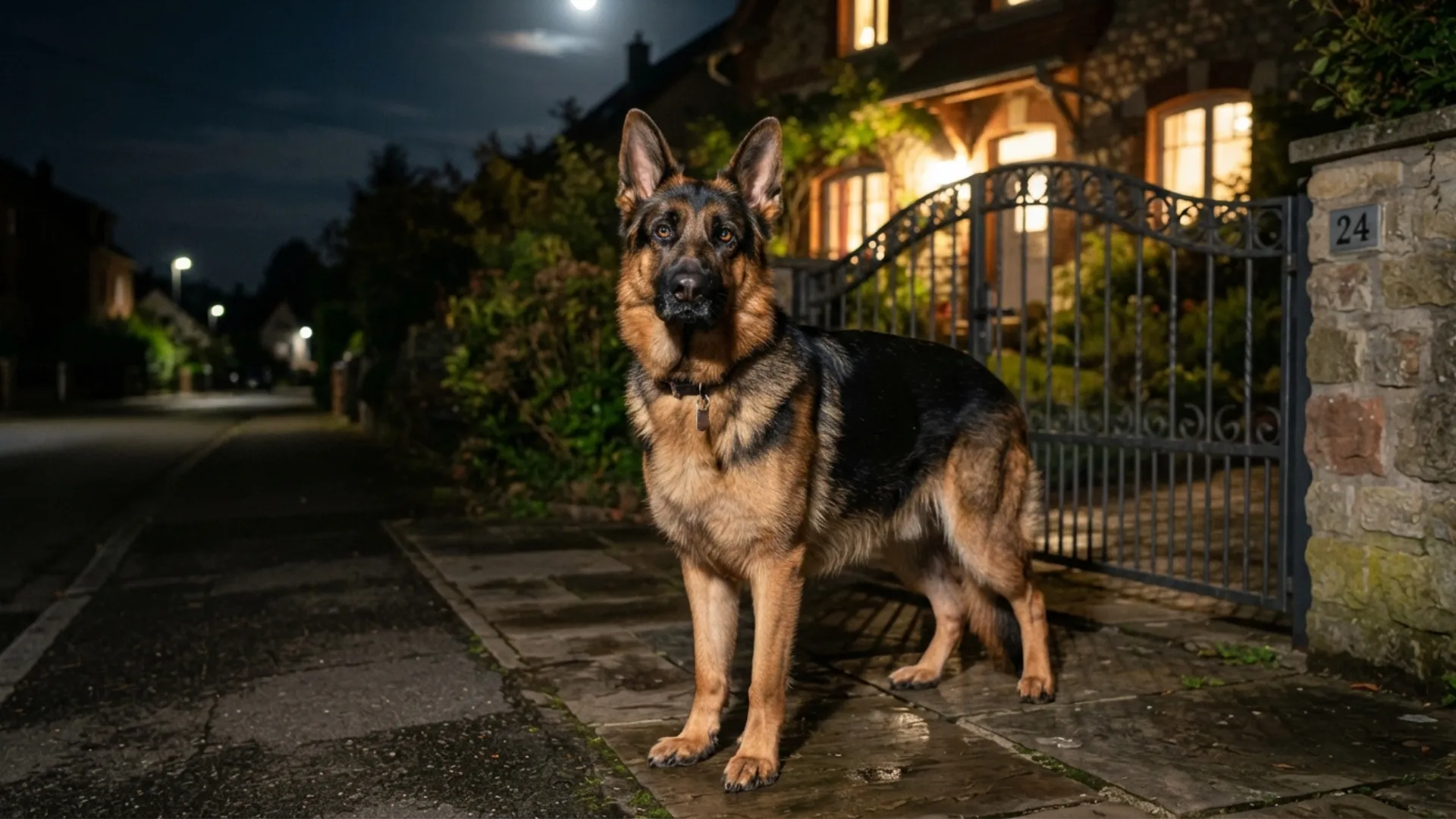
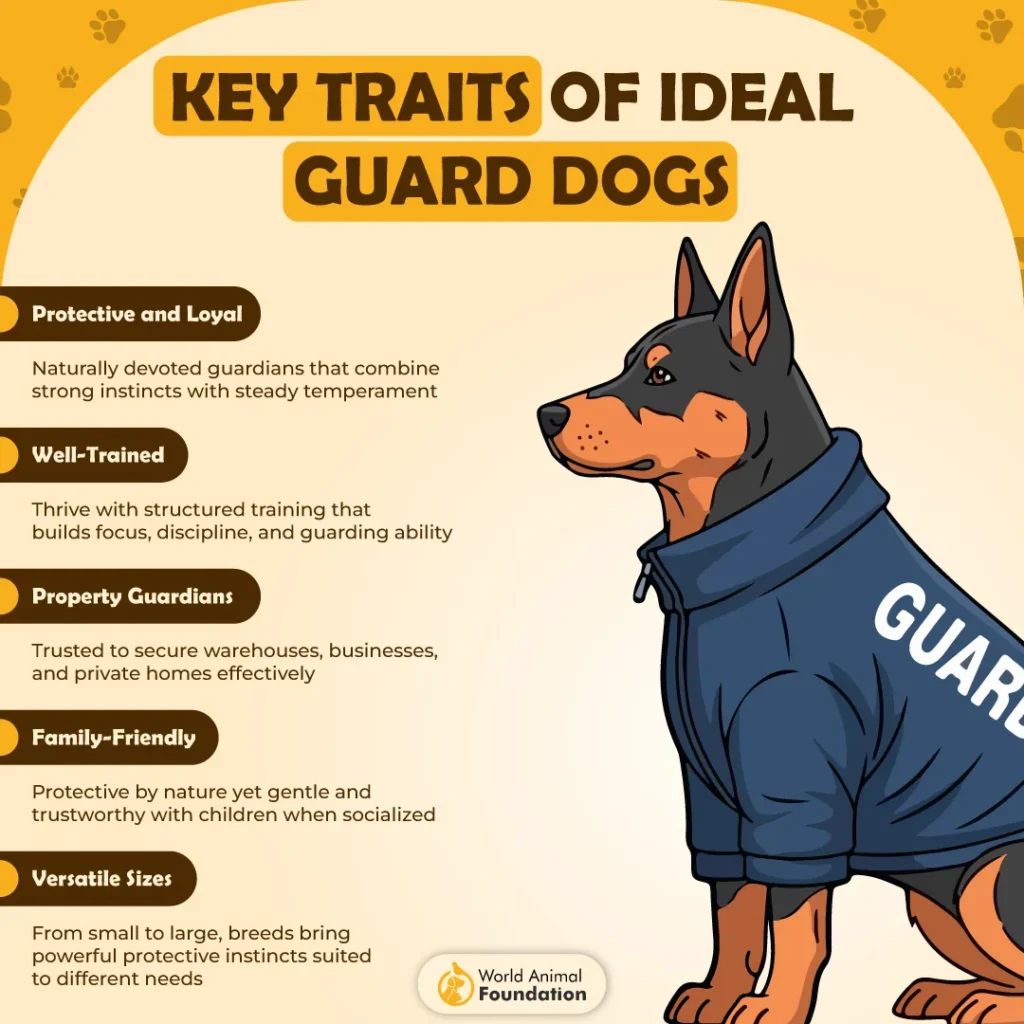
Dogs have worked alongside people as guardians for centuries, protecting livestock, farms, estates, and households from unfamiliar people or potential threats. Many excellent guard dog breeds developed for these roles often possess heightened awareness, physical endurance, confidence, and a strong instinct to monitor their surroundings.
Their ability to remain attentive can be especially valuable after dark, when ordinary household sounds may be harder for people to identify. Effective protection depends on a stable temperament, reliable obedience, appropriate socialization, and the ability to remain responsive to its owner.
Large and powerful breeds also require responsible handling because their physical strength can make poorly managed behavior particularly difficult to control.
The best guard dog breeds below come from varied backgrounds, including police and military service, livestock protection, estate guarding, hunting, and farm work. Some are highly responsive to human direction, while others were historically expected to make decisions independently. Understanding those distinctions is essential when considering any breed for a protective role.
Top Tireless Dog Breeds That Keep Guarding Hometowns Each Night
1. German Shepherd
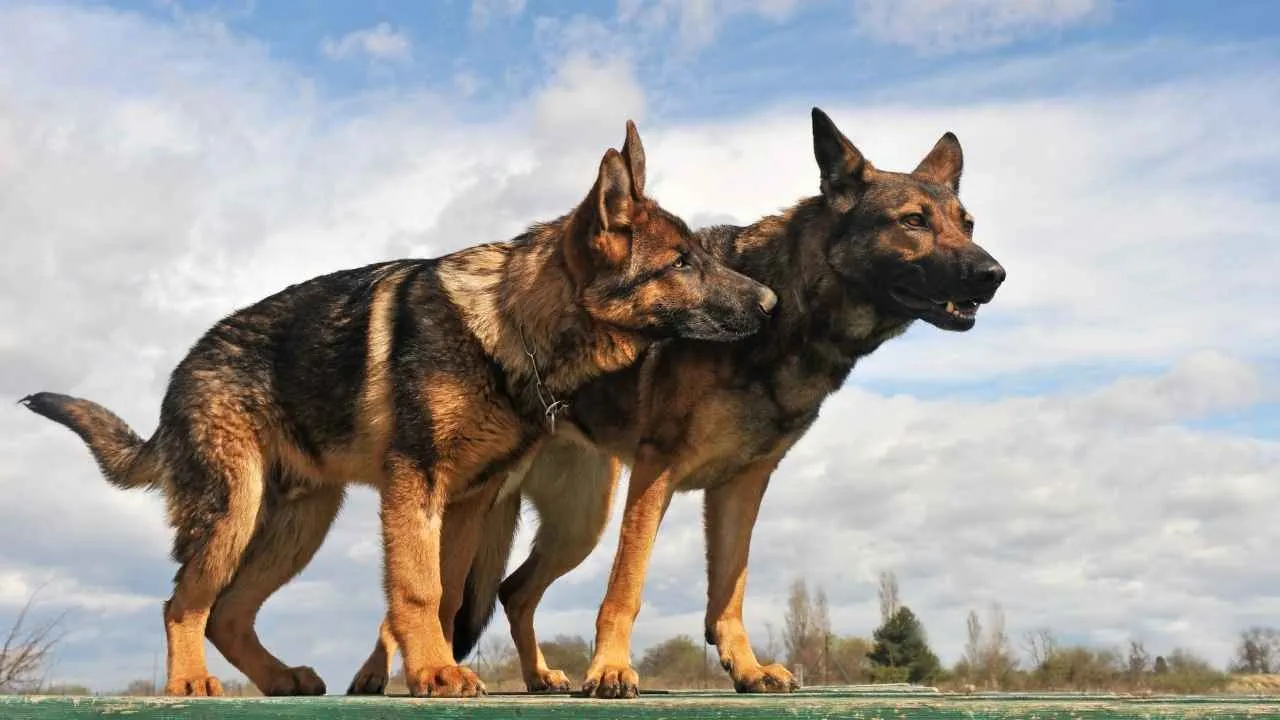
German Shepherds originated in Germany during the late nineteenth century, when breeders worked to develop capable herding dogs with intelligence, stamina, and versatility.
Their working abilities eventually extended beyond livestock management into police service, military duties, search and rescue, detection work, and assistance roles. Their broad working history has made them one of the world’s most versatile utility breeds.
Build Endurance Through Purposeful Training
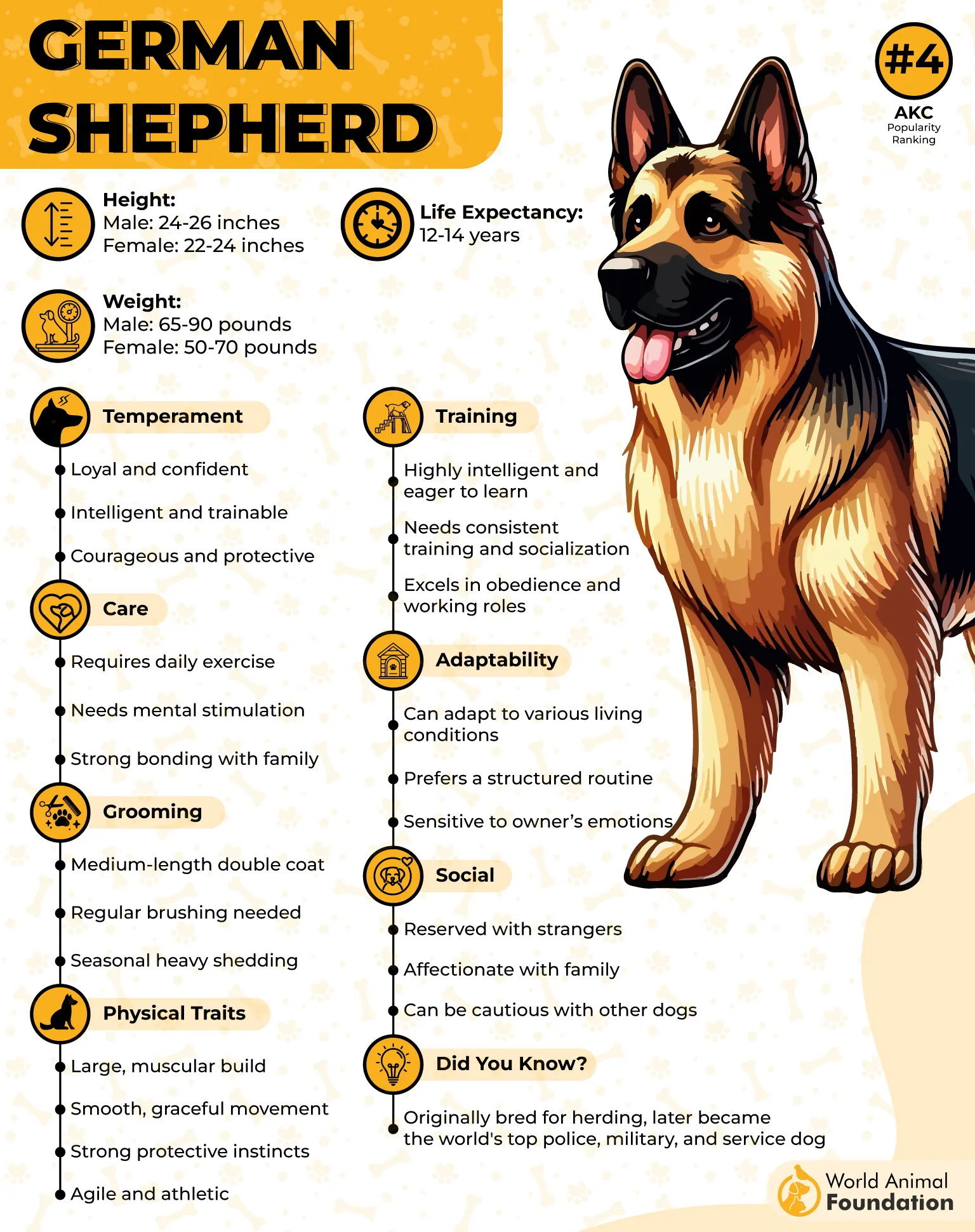
German Shepherds generally thrive when physical activity is paired with mental work. Long walks, obedience exercises, scent games, retrieving, and structured problem-solving can help prevent boredom. Training should emphasize reliable recall, impulse control, calm responses, and the ability to disengage from distractions.
A Vigilant Guardian With Strong Family Bonds
Their alert nature can make German Shepherds highly responsive to unfamiliar sounds and movement around their territory.
Many remain attentive to household activity without needing to be constantly stimulated. Their protective tendencies should be shaped through socialization and obedience so that awareness does not turn into unnecessary reactivity.
2. Rottweiler
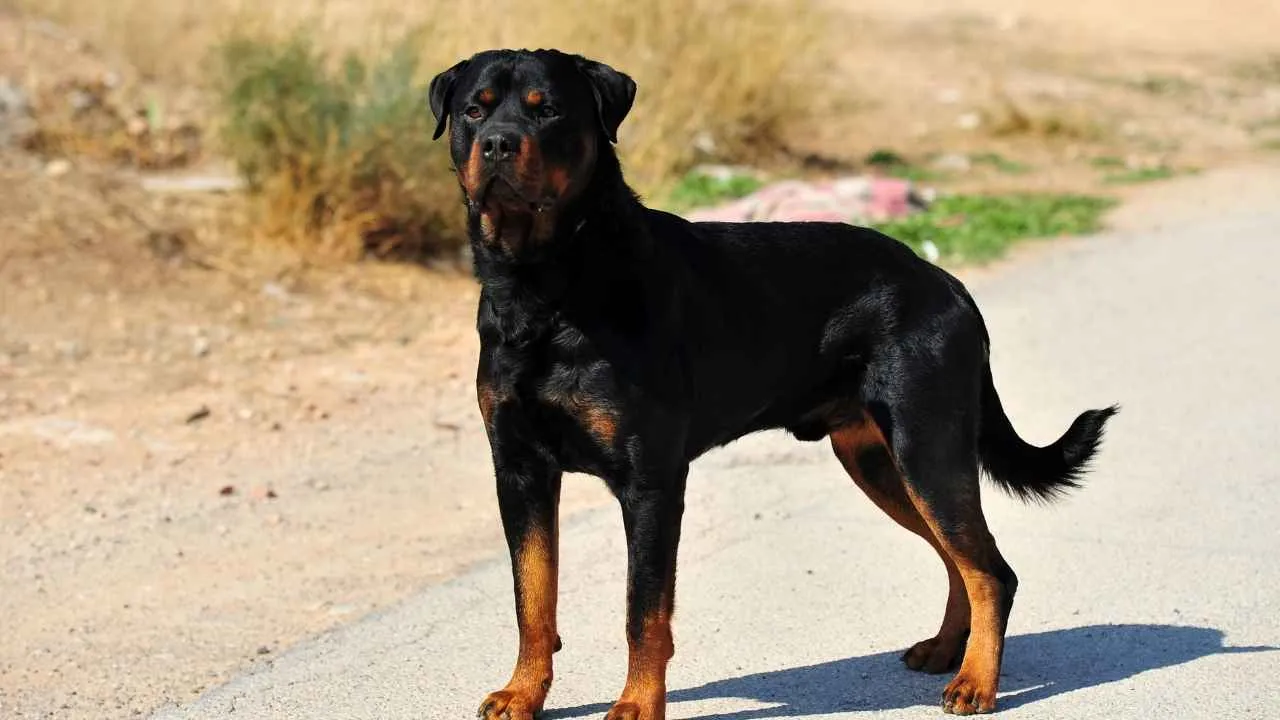
The Rottweiler traces its history to the German town of Rottweil, where its ancestors worked with butchers and livestock traders. These loyal dogs helped drive cattle, guard property, and perform other physically demanding tasks. Their working environment favored strength, confidence, reliability, and a willingness to cooperate with people.
Channel Their Strength Into Controlled Work
Rottweilers need consistent physical and mental engagement throughout their lives. Brisk walks, obedience training, tracking activities, and structured games can provide productive outlets.
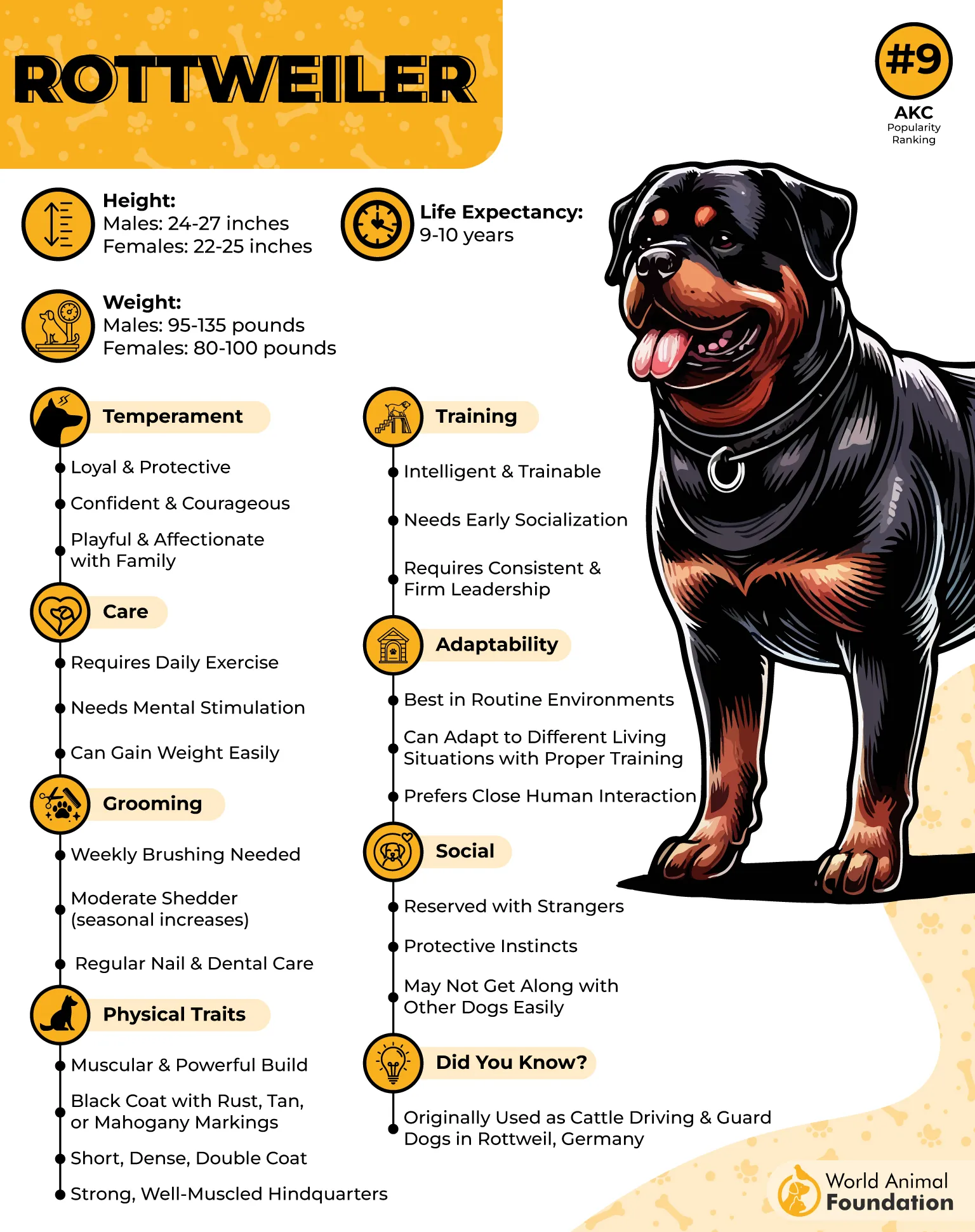
Early training should establish polite greetings, leash control, impulse management, and dependable responses before the dog reaches its full adult strength.
A Confident Presence After Sunset
A mature Rottweiler can remain observant of activity around its home without needing to patrol constantly. Its substantial build and self-assured demeanor may naturally discourage unwanted approaches. A well-socialized individual can distinguish ordinary visitors and environmental activity from circumstances that genuinely require attention.
3. Doberman Pinscher
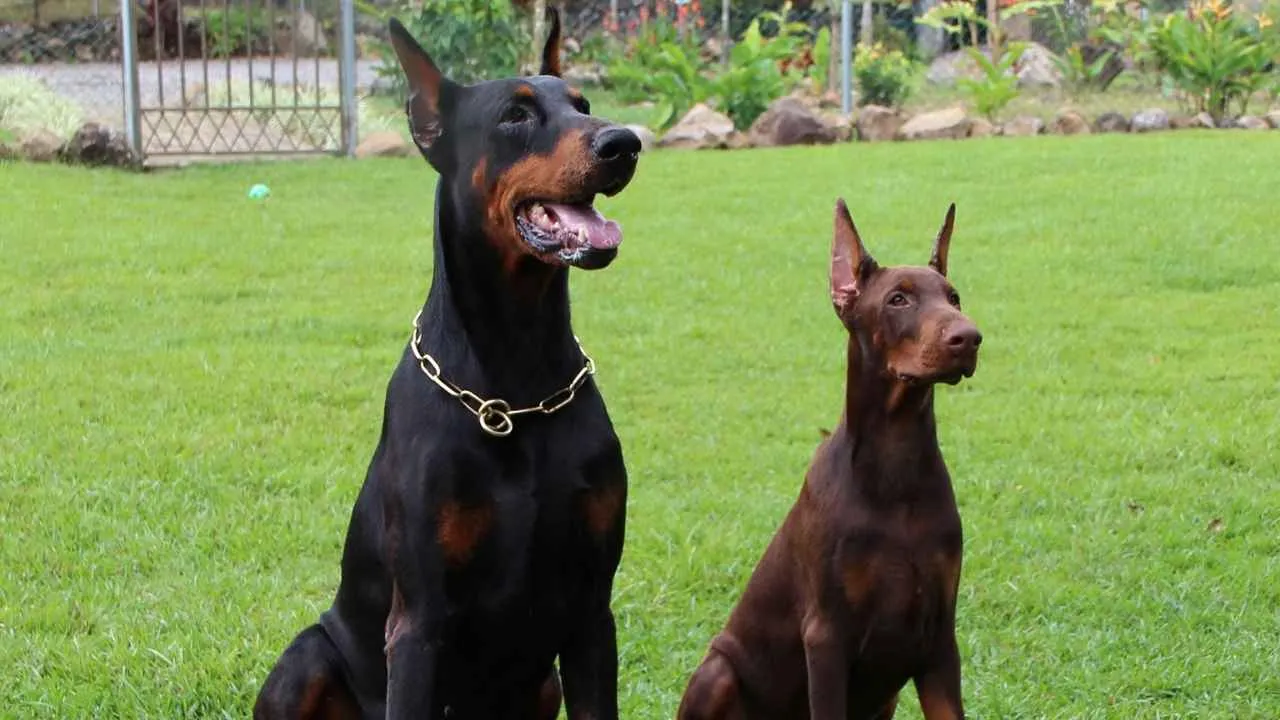
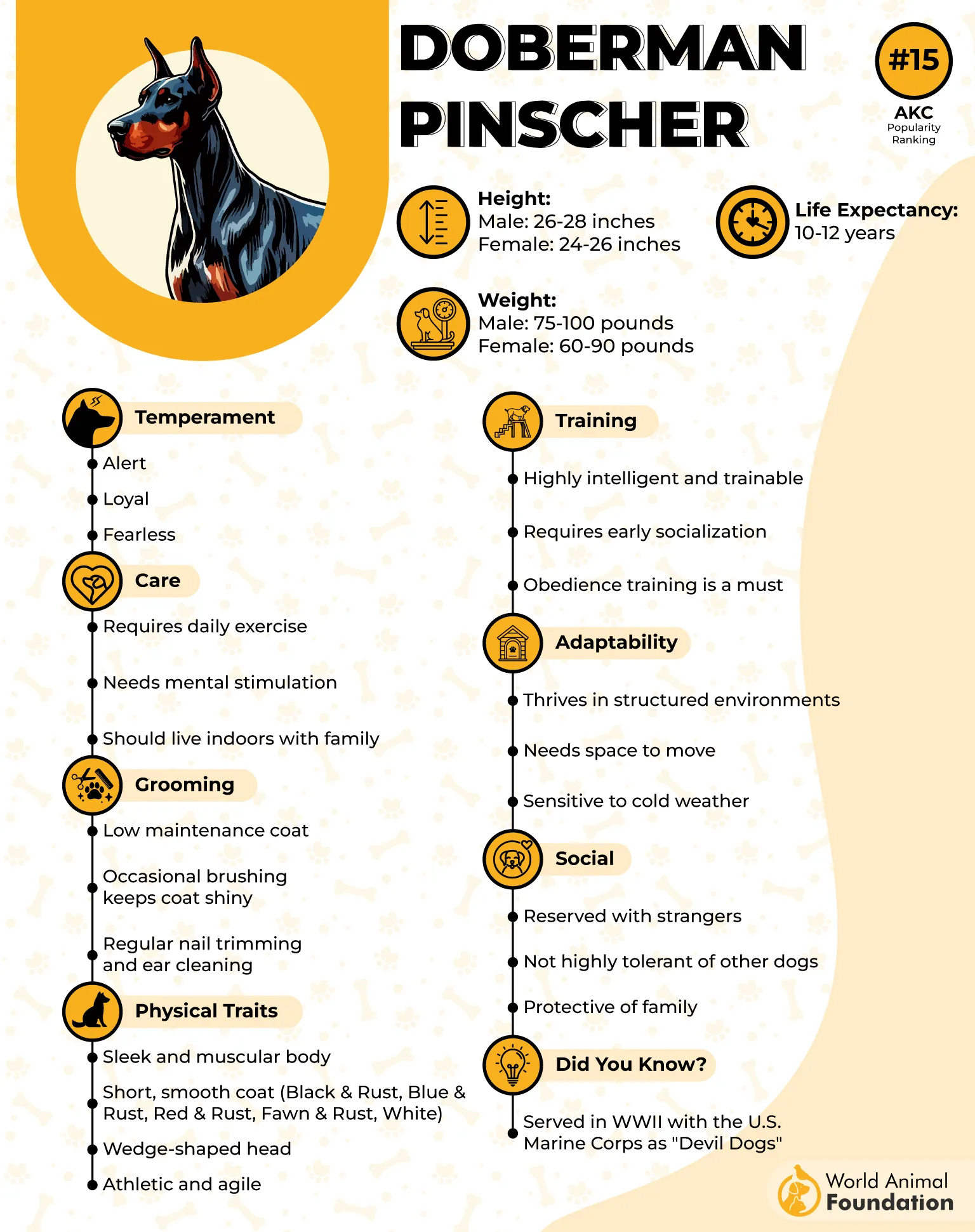
The Doberman Pinscher was developed in Germany by Karl Friedrich Louis Dobermann, a tax collector who wanted a dependable personal protection companion, according to Hill’s Pet.
Breeding drew from several dog types to create an athletic, intelligent, and responsive working animal. The resulting breed eventually became prominent in security, police, military, and other service roles.
Keep Their Fast Minds Productively Busy
Dobermans typically need regular exercise combined with challenging training. Brisk walks, running when appropriate, obedience practice, scent games, and problem-solving activities can help satisfy their physical and mental needs. They tend to respond well to clear expectations and consistent reward-based instruction.
A Sharp-Eyed Nighttime Sentinel
Their combination of alertness, athleticism, and close attachment to their owners can make Dobermans attentive household guardians.
They may quickly notice unfamiliar movement or sounds and communicate their concern. Their sensitivity makes thoughtful socialization particularly important for maintaining a balanced adult temperament.
4. Cane Corso
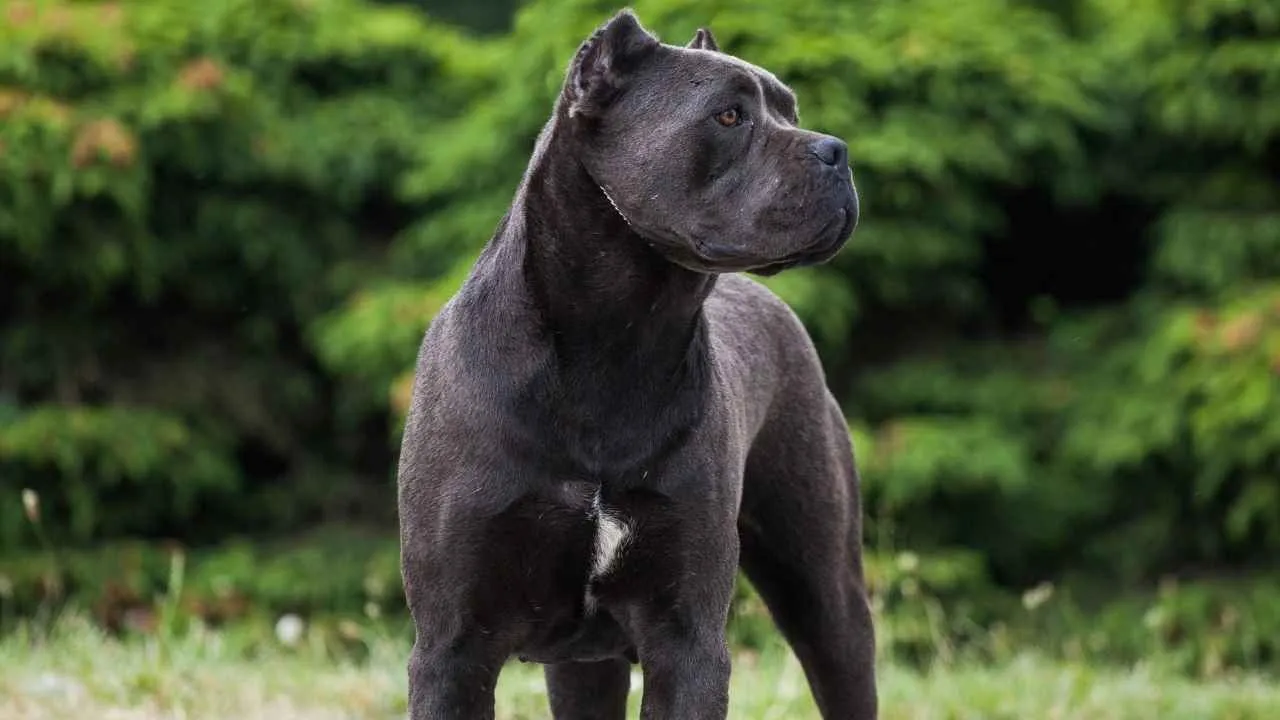
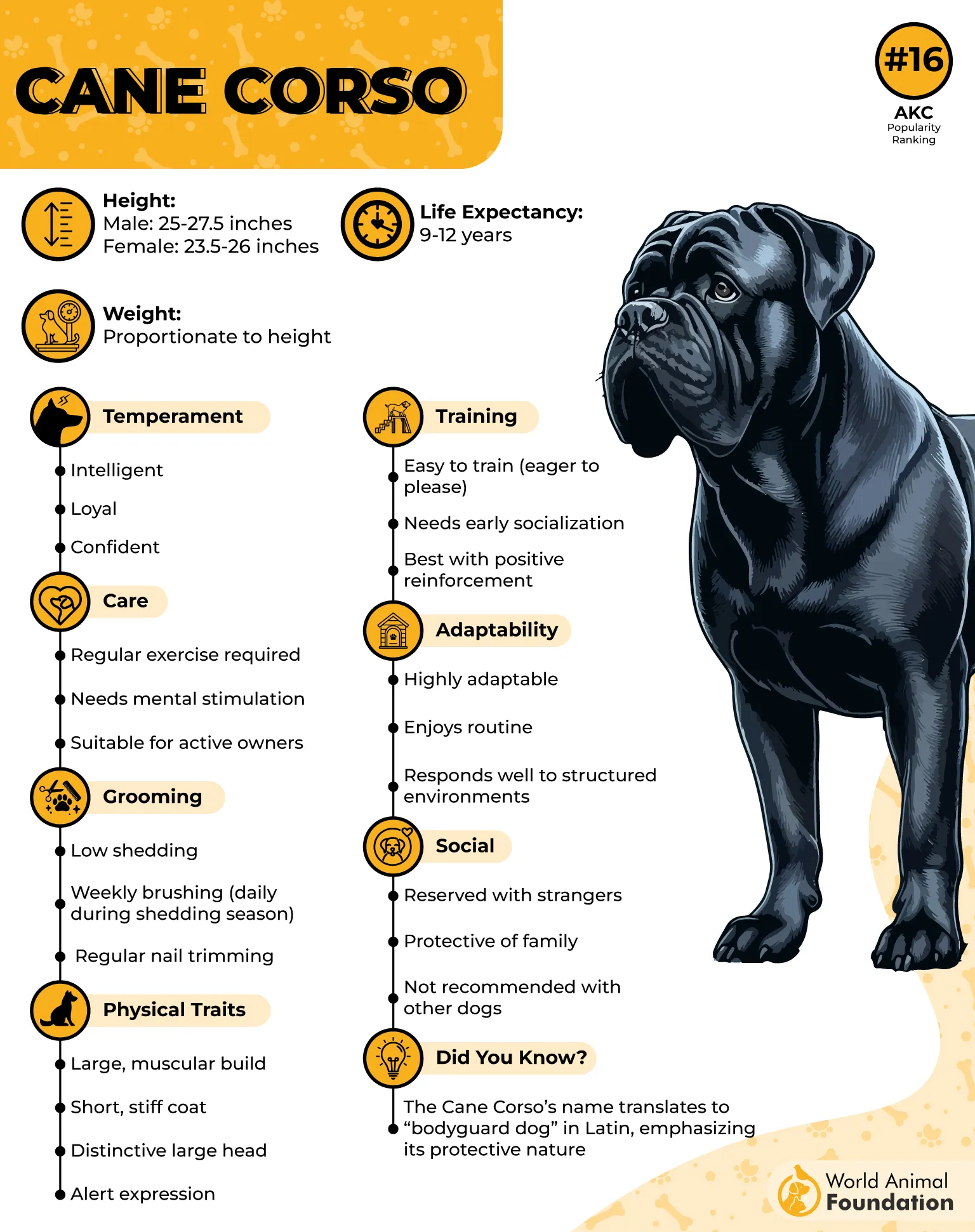
The Cane Corso is an Italian mastiff with ancient roots in rural working dogs. Historically, dogs of this type were used for property protection, livestock work, hunting, and other demanding tasks on farms and estates. Their substantial size and serious working temperament helped them become valued as multipurpose guardians.
Develop Obedience Before Their Strength Peaks
Cane Corsos require early, consistent education because an adult dog can possess considerable physical power.
Training should cover leash manners, recall, impulse control, calm greetings, and reliable responses to household commands, as per PDSA. Regular exposure to different people and environments can also help prevent excessive suspicion.
A Formidable Watcher With a Serious Demeanor
Cane Corsos often develop strong bonds with their families and can remain highly aware of what happens around their territory.
Their imposing appearance may provide a natural deterrent without requiring confrontational behavior. Responsible ownership should focus on controlled vigilance rather than encouraging the dog to act aggressively.
5. Giant Schnauzer
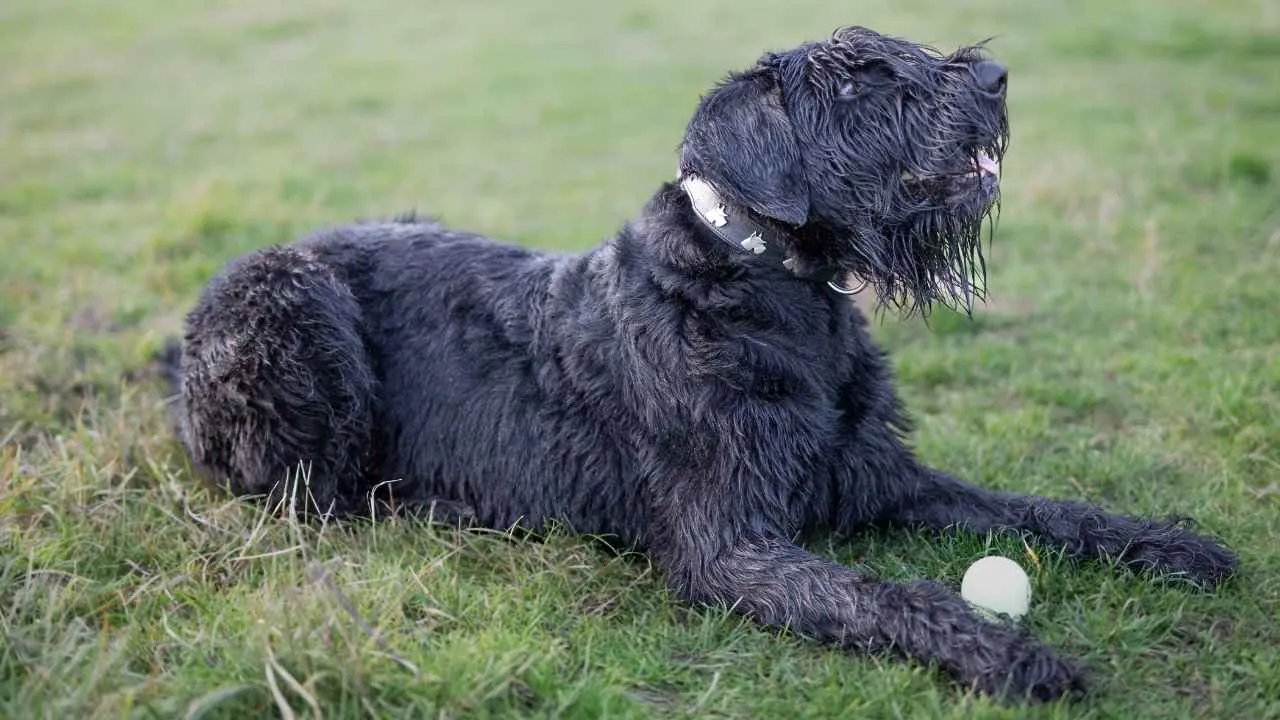
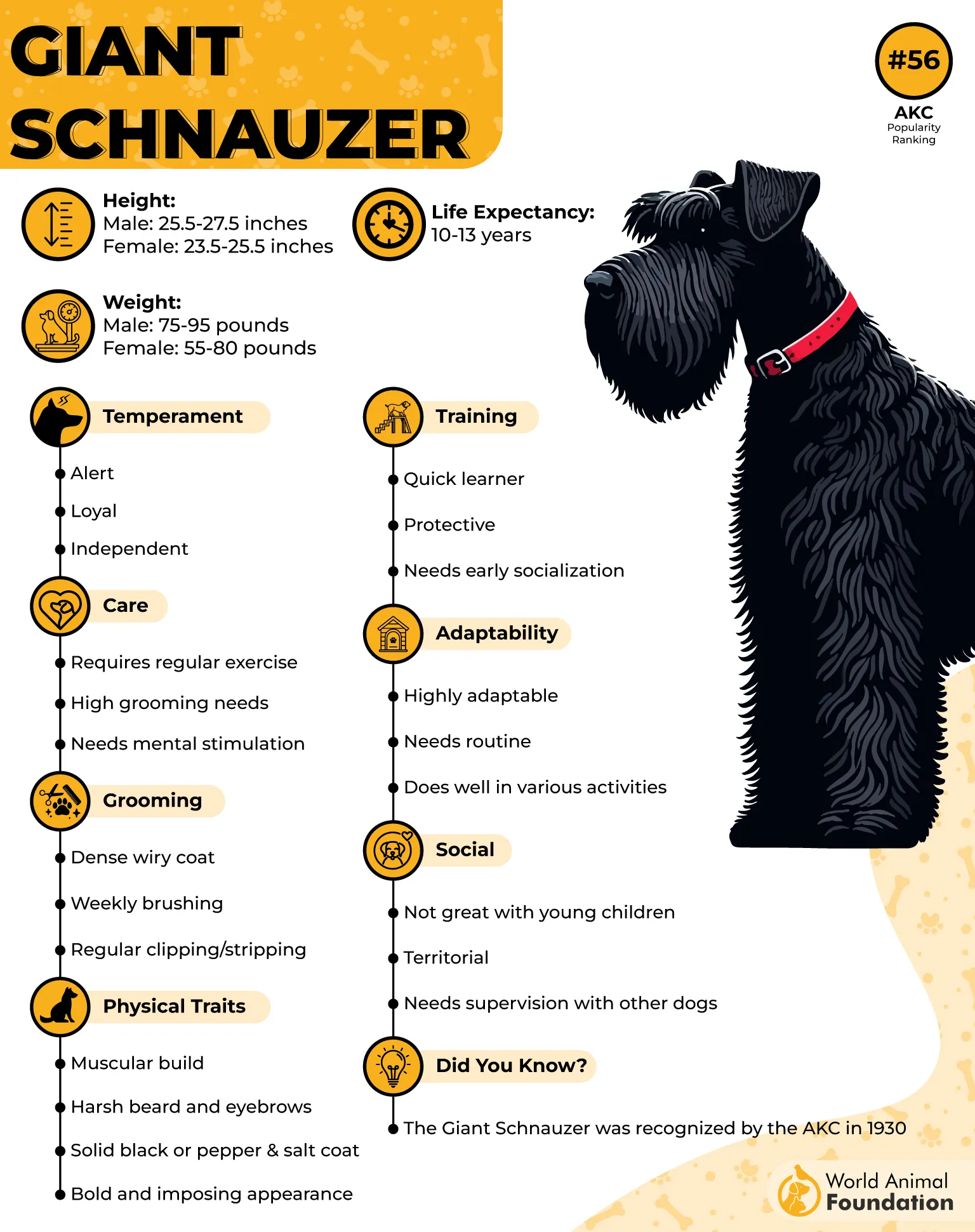
The Giant Schnauzer developed in Germany as a robust working dog used for driving cattle and performing other agricultural tasks.
As its role expanded, the breed became useful for guarding and service work. Its intelligence, stamina, and physical strength allowed it to handle demanding jobs requiring both endurance and responsiveness.
Give Their Energy a Clear Direction
Giant Schnauzers need substantial daily activity and mental stimulation. Long walks, obedience exercises, scent work, structured play, and dog sports can help provide appropriate outlets, as per the Kennel Club. Without sufficient engagement, their intelligence and energy can become difficult to manage in a household setting.
An Alert Defender With a Watchful Nature
Their working heritage contributes to a naturally vigilant personality. Giant Schnauzers may quickly investigate unfamiliar activity and remain attentive to their families and surroundings. Good socialization teaches them how to remain confident around ordinary visitors and everyday environmental changes.
6. Belgian Malinois
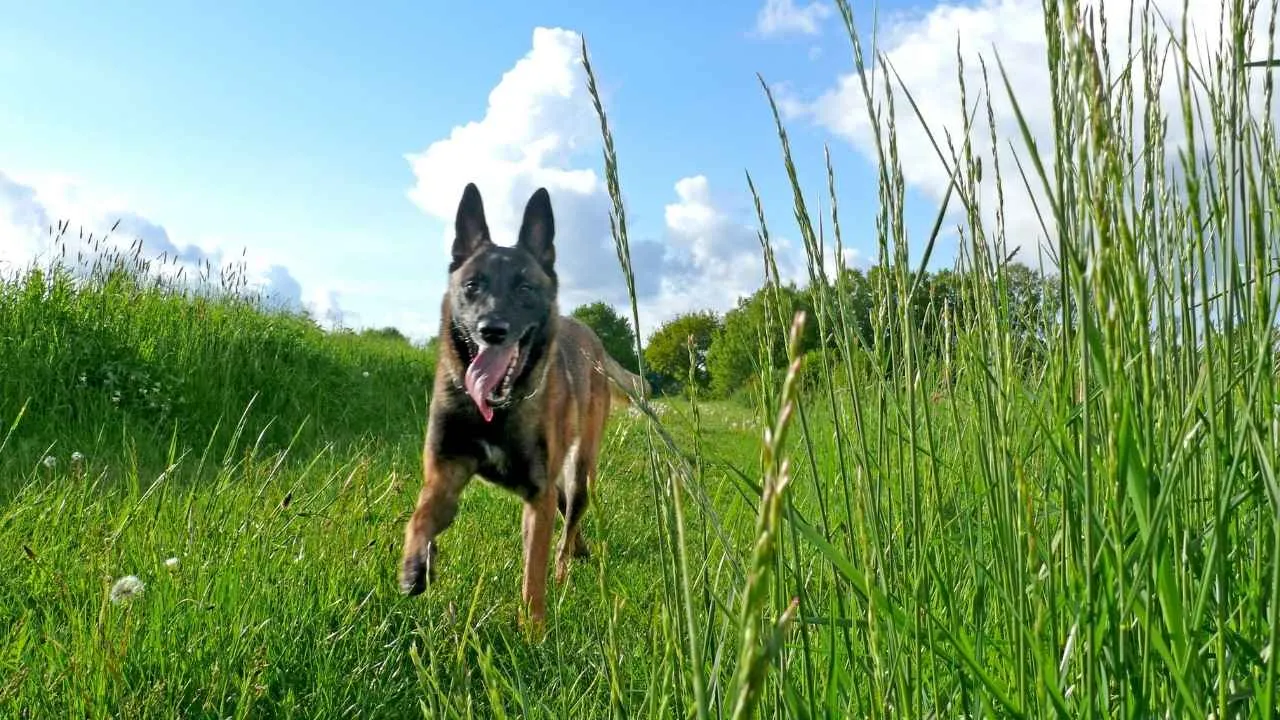
The Belgian Malinois originated in Belgium as one of the Belgian Shepherd varieties and was initially valued for herding and farm work.
Its remarkable drive and responsiveness later made it highly successful in police, military, detection, protection, and other demanding working roles. Few breeds have developed such a strong reputation for intense working ability.
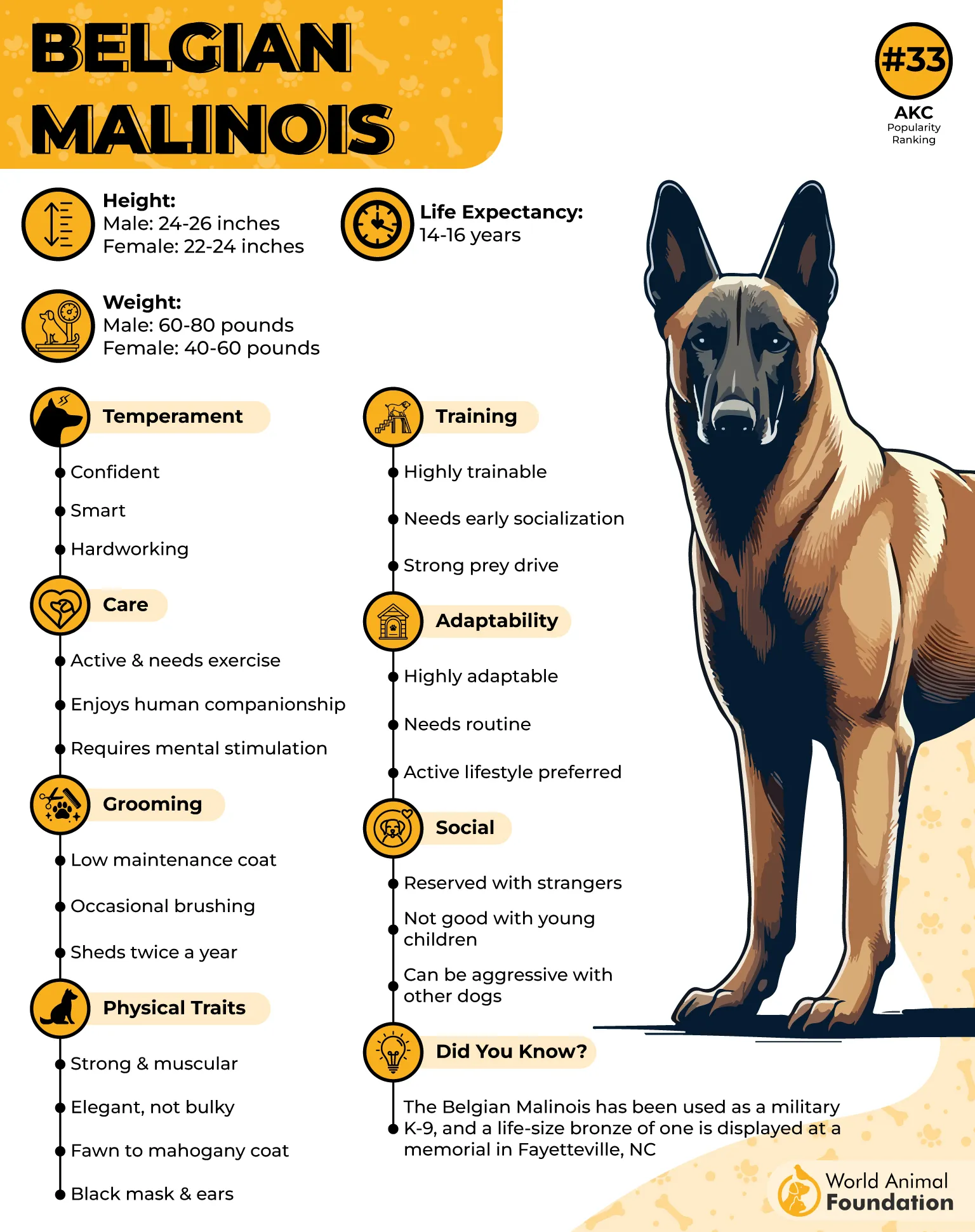
Match Their Energy With Serious Engagement
Belgian Malinois require considerably more activity and mental stimulation than many household breeds. Obedience training, scent work, structured games, athletic exercise, and purposeful tasks can help satisfy their demanding nature.
They are generally better suited to experienced owners who understand how to provide appropriate outlets without creating excessive arousal.
Constantly Tuned In to Their Environment
Their extraordinary responsiveness can make Belgian Malinois highly aware of movement, sounds, and changes around their surroundings.
They can quickly switch from rest to focused attention when something catches their notice. That intensity is an asset in experienced hands but requires careful socialization and management in a residential environment.
7. Akita

The Akita originated in northern Japan, particularly in the mountainous region of Honshu. Earlier dogs of the type were used for hunting large game, including wild boar and bear, while later generations became important cultural symbols in Japan, as per the AKC. Their historical tasks encouraged courage, physical strength, independence, and determination.
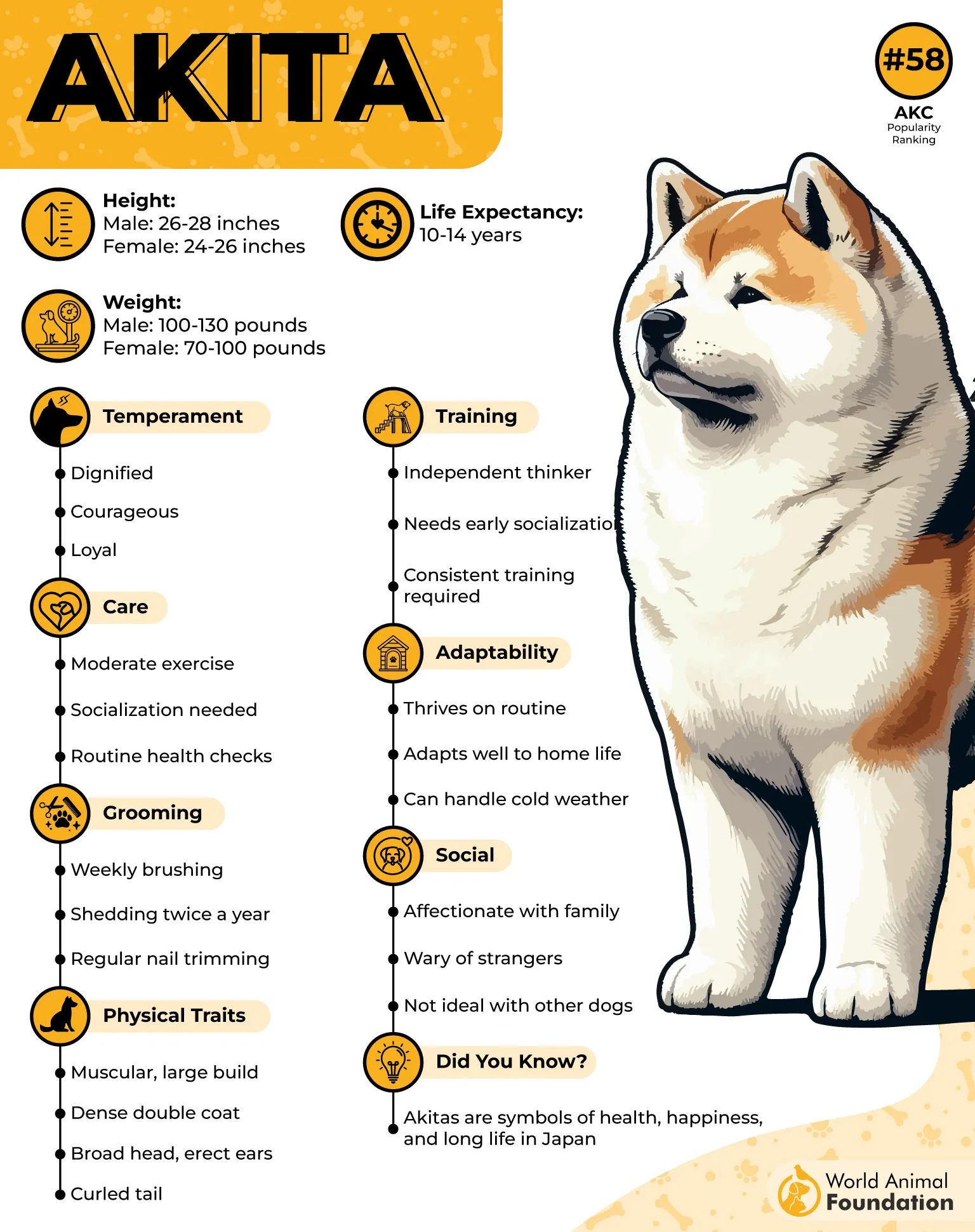
Balance Exercise With Independent Thinking
Akitas benefit from regular walks and controlled outdoor activity, along with obedience work that encourages cooperation. Training should begin early and remain consistent because this breed can be independent-minded. Safe exploration and mental challenges can provide useful enrichment without relying on repetitive drills.
A Quiet Guardian With Strong Territorial Instincts
Akitas may take their home environment seriously and remain watchful without constantly announcing every movement.
Their reserved nature can make their response to unfamiliar activity more measured than that of highly vocal breeds. Thorough socialization is essential because their natural caution should develop into stable confidence rather than excessive suspicion.
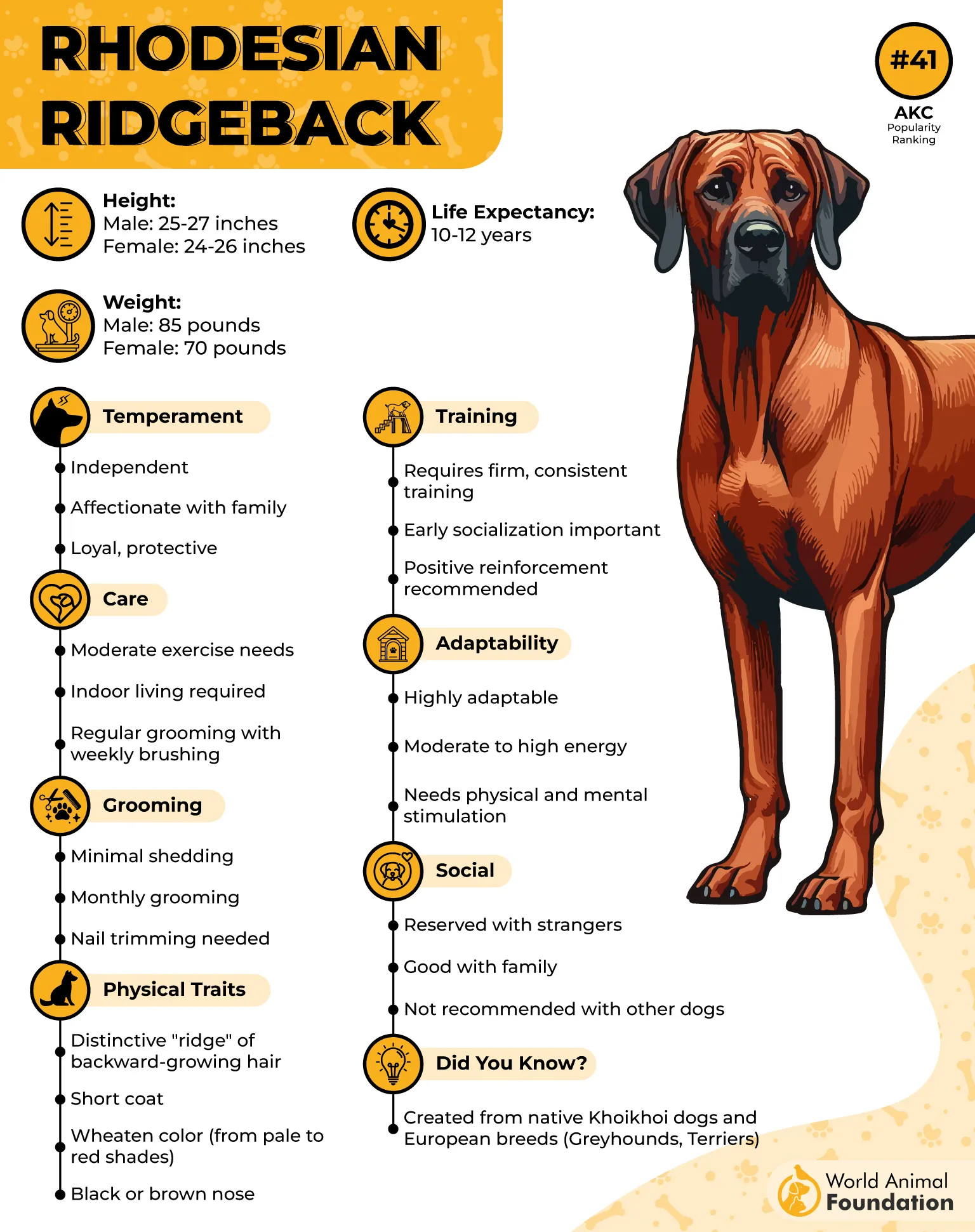
8. Rhodesian Ridgeback
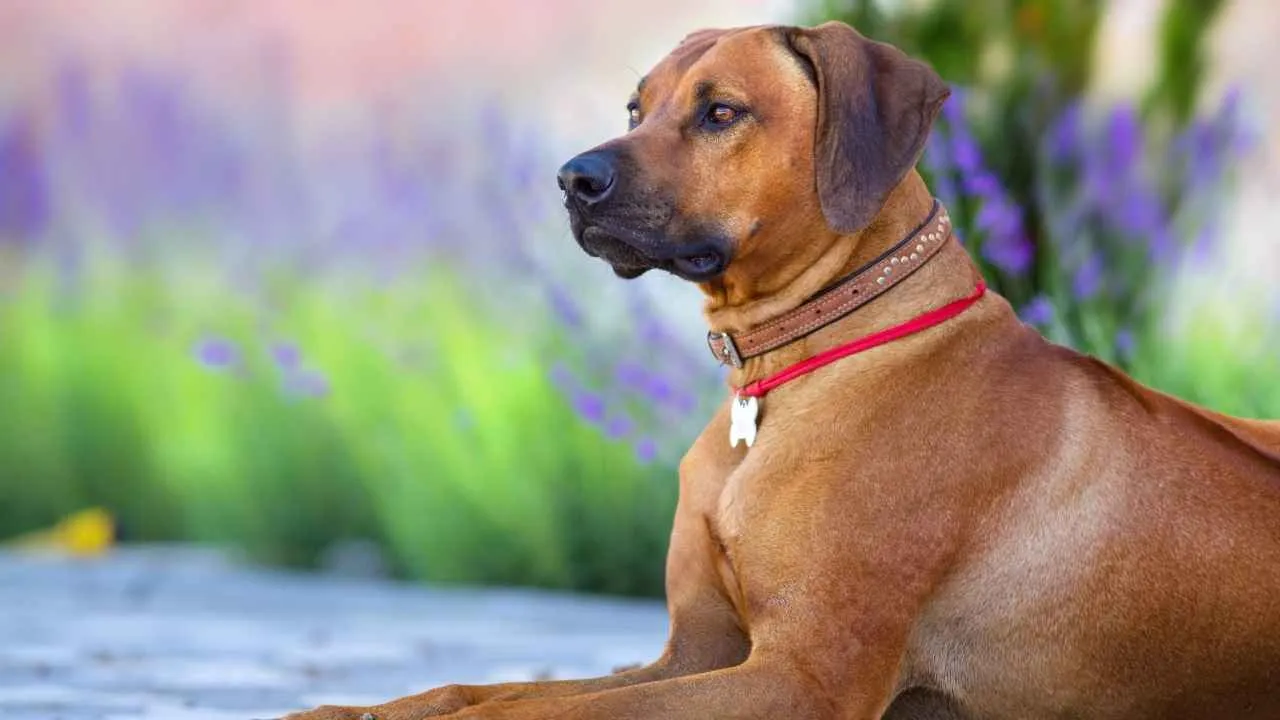
The Rhodesian Ridgeback developed in southern Africa, where European settlers bred dogs with local African dogs to create versatile hunting dogs.
The resulting dogs became known for tracking and confronting large game, particularly lions, while also helping protect farms and homesteads. Their athletic build reflects a history demanding stamina and courage.
Support Their Athletic Lifestyle
Rhodesian Ridgebacks need regular physical activity, including substantial walks, controlled running, and opportunities for exploration.
Training should combine exercise with mental challenges because simply tiring them physically is not always enough. Reliable recall and leash manners are particularly important given their athletic ability and independent tendencies.
A Composed Guardian With Natural Awareness
Ridgebacks can be reserved around unfamiliar people while remaining devoted to their families. Their hunting heritage contributes to confidence and environmental awareness, and they may become attentive when something unusual occurs around the home. Their generally composed presence can make them effective watchdogs without requiring constant vocal activity.
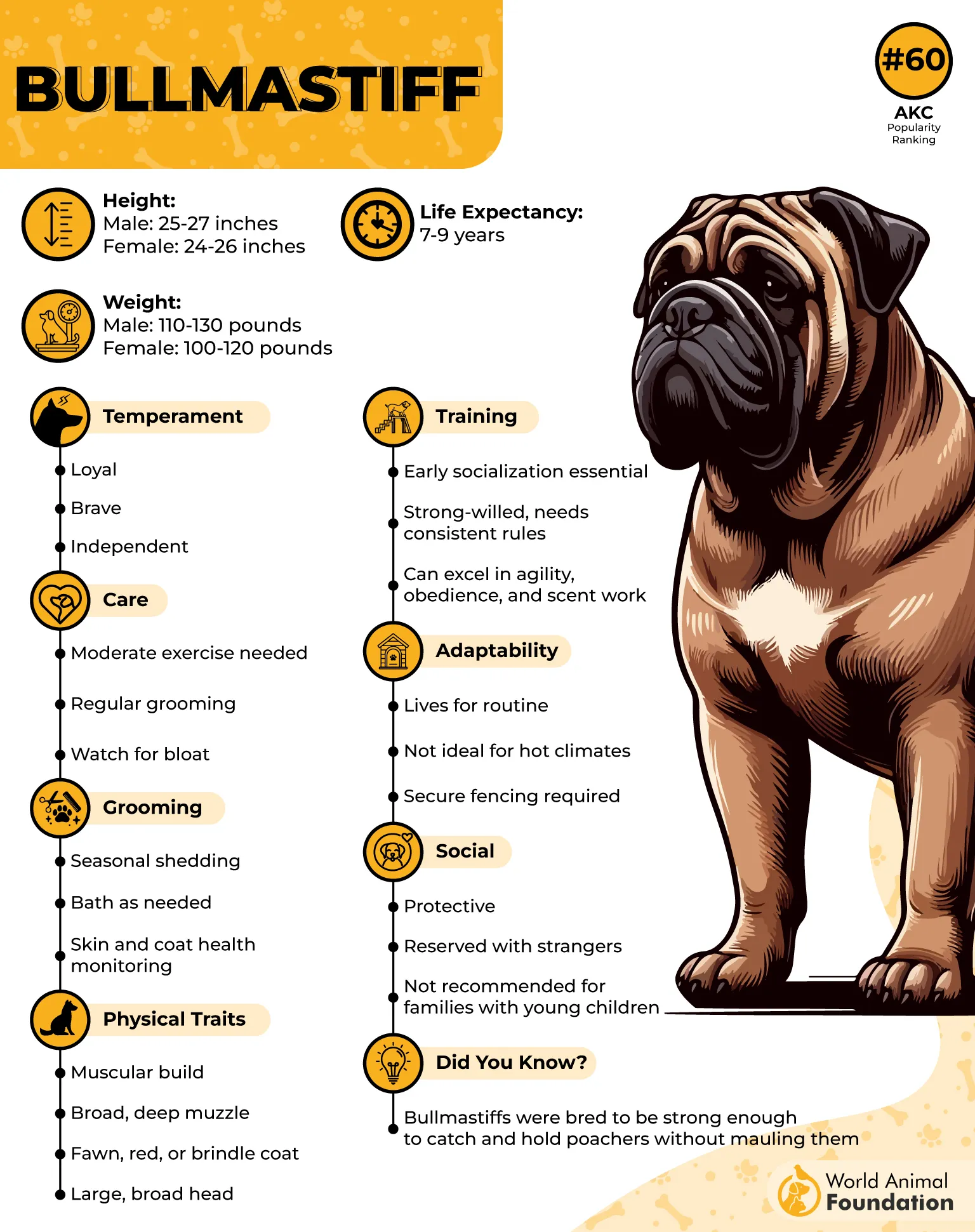
9. Bullmastiff
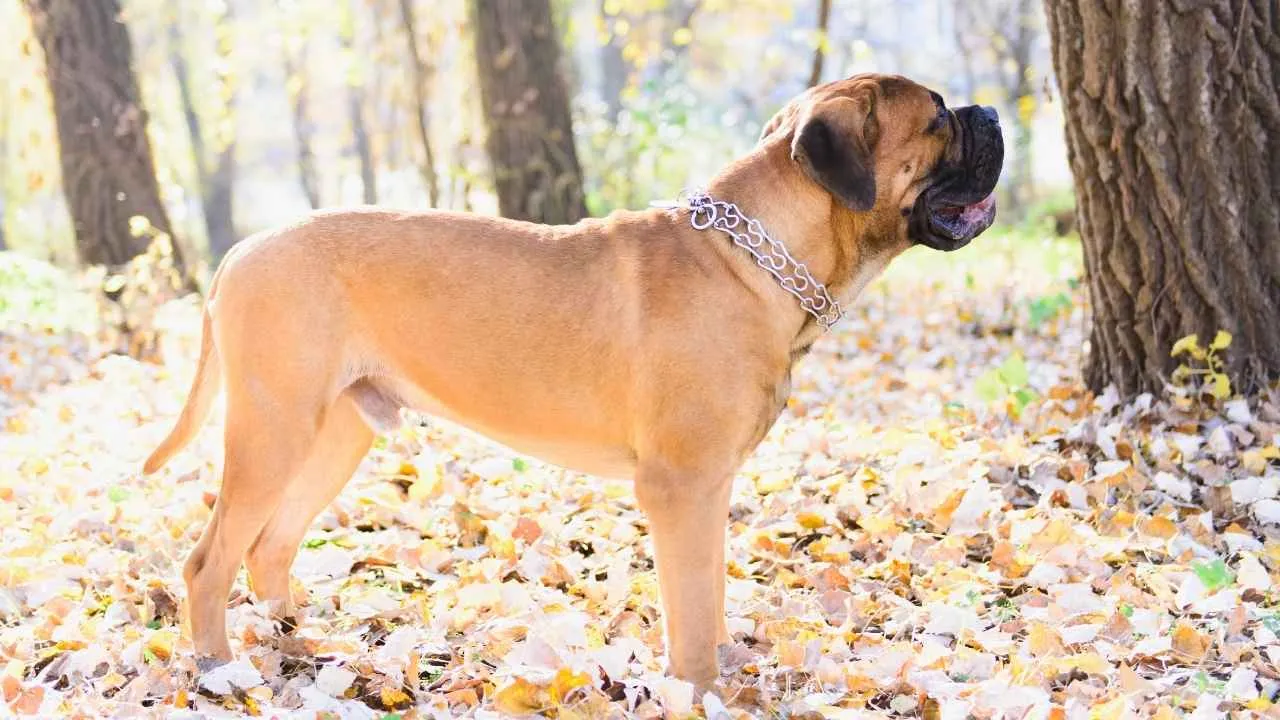
The Bullmastiff was developed in nineteenth-century Britain to assist gamekeepers in protecting large estates from poachers. Breeders combined Mastiff and Bulldog ancestry to produce a powerful dog capable of tracking intruders and restraining them. The breed was designed for practical estate protection rather than prolonged pursuit.
Favor Moderate Activity and Consistent Rules
Bullmastiffs generally need regular walks and moderate exercise rather than the demanding workload required by highly energetic working breeds. Training should begin early and emphasize calm behavior, leash control, handling, and reliable household boundaries. Their substantial size makes good manners particularly important.
A Quietly Protective Household Presence
Bullmastiffs can be naturally watchful without being constantly restless. Their size, confidence, and calm demeanor may discourage unwanted approaches, while their attachment to their families can keep them attentive to household activity. Their guarding background makes thoughtful socialization especially important.
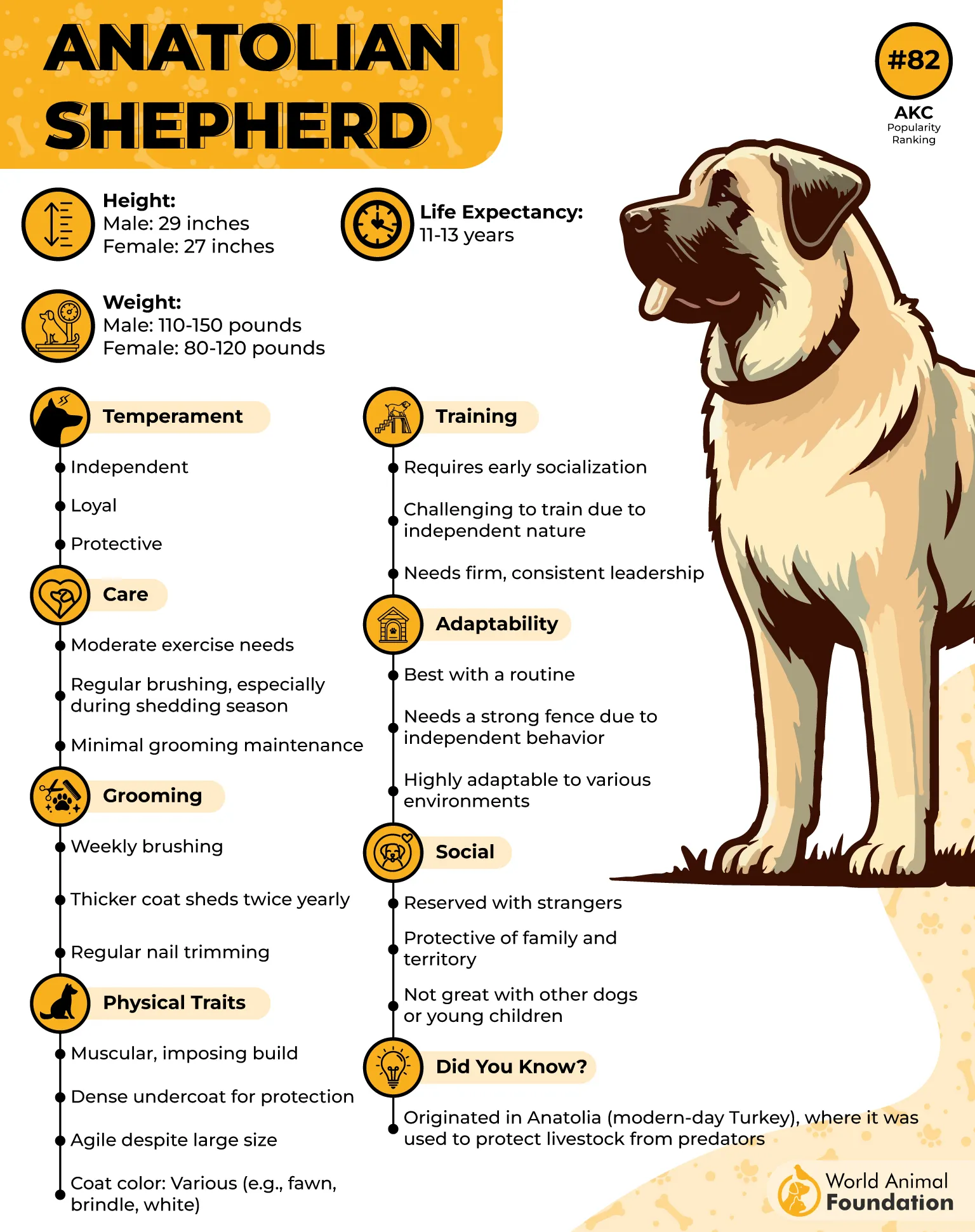
10. Anatolian Shepherd
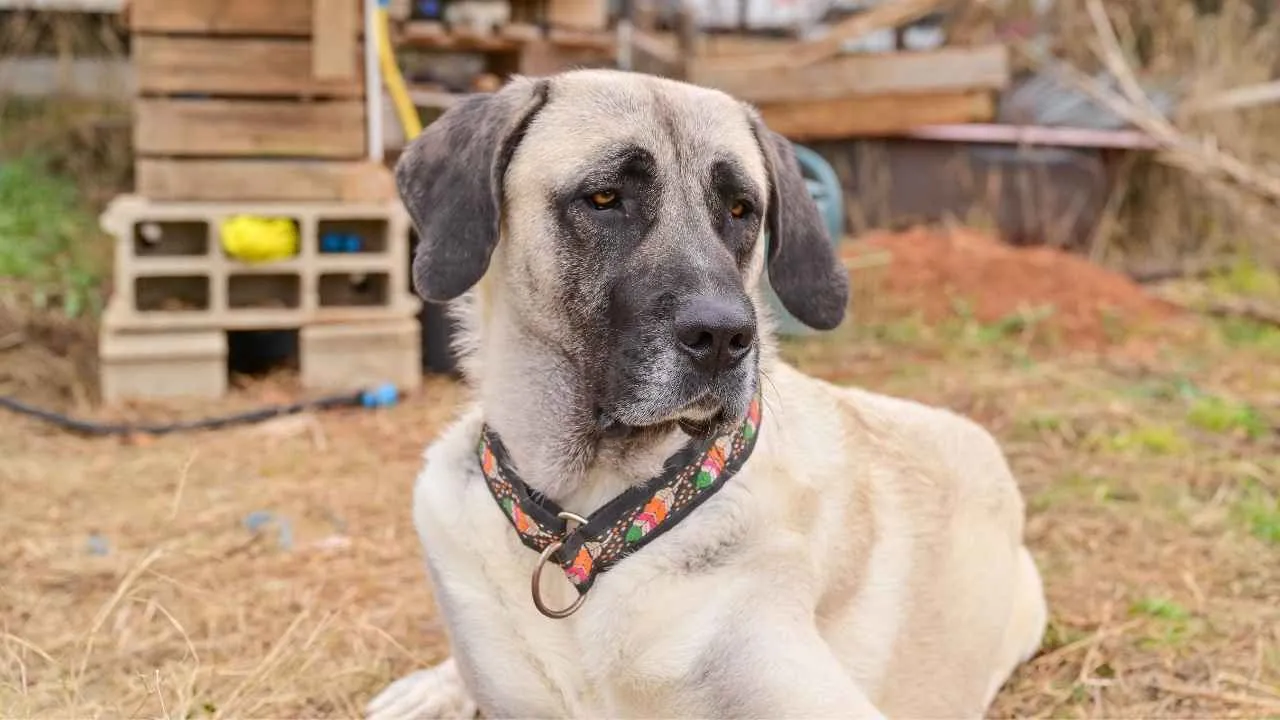
The Anatolian Shepherd descends from ancient livestock guardian dogs of Turkey, where working dogs protected flocks across expansive rural landscapes. Rather than waiting for continuous commands, these guardians were expected to observe their surroundings and make independent decisions when predators approached.
Let Their Natural Stamina Work for Them
Anatolian Shepherds are built for extended periods of movement and observation rather than short bursts of intense activity. They benefit from regular walks, secure outdoor space, and mentally engaging routines. Training should focus on boundaries, recall, cooperation, and household manners while respecting their independent nature.
An Independent Guardian After Dark
Their livestock-guardian heritage gives them a strong instinct to monitor their territory without constant direction from a handler.
They may notice distant sounds, unfamiliar movement, or changes around their property and investigate accordingly. This independence can be valuable in the right setting but requires experienced ownership and secure management.
Conclusion
German Shepherds, Rottweilers, Dobermans, and Belgian Malinois stand out for their responsiveness, working intelligence, and ability to remain highly attentive to their handlers. Cane Corsos, Giant Schnauzers, and Bullmastiffs bring impressive physical presence alongside protective tendencies, while Akitas and Rhodesian Ridgebacks offer more independent forms of vigilance.
The Anatolian Shepherd represents another style of guarding, relying heavily on its own judgment and environmental awareness. Each protective dog breed has developed through different working traditions, so their approaches to protection, activity, and human cooperation can vary considerably.
A reliable nighttime guardian should not simply be energetic or intimidating. Proper training, socialization, physical health, and an appropriate living environment are equally important. These dogs can possess remarkable protective qualities, but responsible owners should encourage confidence and obedience rather than aggression. With the right guidance, a capable guardian can remain alert while still being a trustworthy and well-mannered member of the household.
