




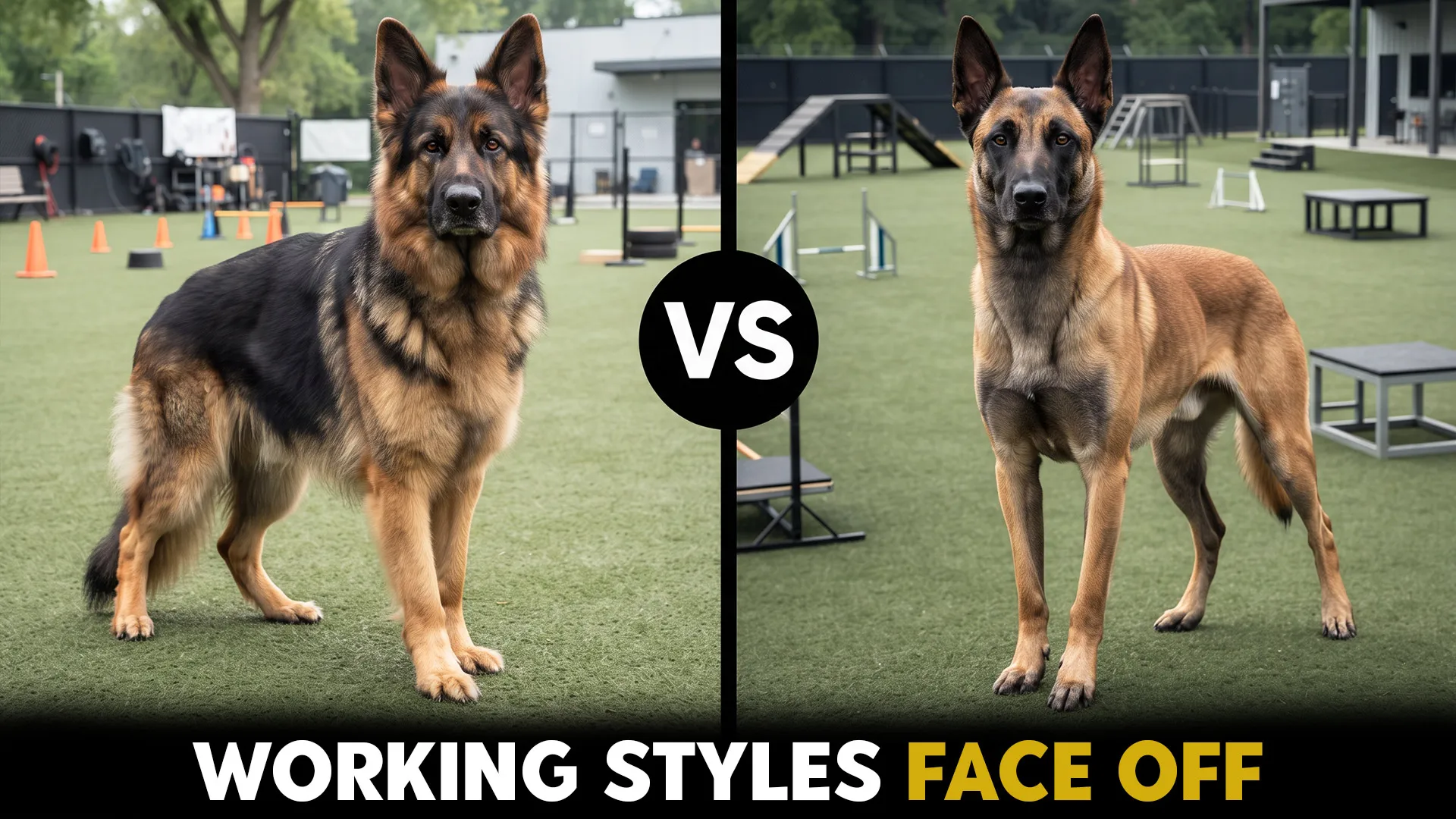
German Shepherds and Belgian Malinois both belong to the Herding Group. These dogs are valued for their intelligence, loyalty, trainability, and long history of working alongside people. Despite their similarities, the two breeds have important differences that pet parents should understand before bringing one home.
Although both breeds have a strong reputation for intelligence and working ability, they differ in areas such as physical appearance, training needs, adaptability, temperament, and cost. They also originated in different countries and followed different paths of development, which helped shape their individual characteristics. The two breeds are sometimes confused because both are widely recognized as highly capable working dogs.
Both breeds can form strong bonds with their owners, but German Shepherd dogs are often considered more manageable for experienced families, while Belgian Malinois generally suit highly active and experienced owners who can meet their demanding exercise and training needs.
Looking at their history and key traits can help new pet parents understand where these breeds overlap and what makes each one distinct.
German Shepherd vs. Belgian Malinois: Working Dog Differences Explained
Both of these iconic breeds stand out because of their loyalty, smartness, and agility. Explore the key differences between Belgian Malinois and German Shepherd and pick the one that suits you best.
Origins & Purpose
To understand these breeds better and make the right choice, it helps to start with their roots. The history of these herding dogs shows how they developed into dependable working partners capable of serving in many different roles.
Today, the German Shepherd is one of the most recognizable dog breeds in the United States. The modern breed was developed in Germany in the late 1800s by Captain Max von Stephanitz, who wanted to create a highly capable working and herding dog.
In 1899, he purchased a dog named Horand von Grafrath, who became the foundation of the breed. Over time, the German Shepherd moved from herding sheep to serving in the military, police work, detection, patrol, and search-and-rescue roles.
By the early 1900s, the breed was gaining recognition, and the AKC officially recognized the German Shepherd in 1908. During World War I, anti-German sentiment affected the breed’s name. In the United States, “German” was temporarily dropped, while in Britain the breed became known as the Alsatian. Although German Shepherd Dog is now the official name, Alsatian is still sometimes used informally.
The Belgian Malinois, known today as a hardworking and confident dog, originated in Belgium and is one of four closely related Belgian Shepherd varieties. Developed around the city of Mechelen, also known as Malines in French, the breed was originally used for herding livestock.
Its natural herding ability, intelligence, and strong work ethic soon made it valuable beyond farm work. A fitting description for this breed is “a working dog at heart,” as Malinois now serve in police, military, detection, and search-and-rescue roles.
The Belgian Malinois was officially recognized by the AKC in 1959. The breed has also become well known for military service. One famous Malinois named Cairo worked with SEAL Team Six and took part in the 2011 mission against Osama bin Laden’s compound in Pakistan. Its versatility, stamina, and strong working drive have helped the Belgian Malinois earn a respected place among modern working dogs.
Size & Build
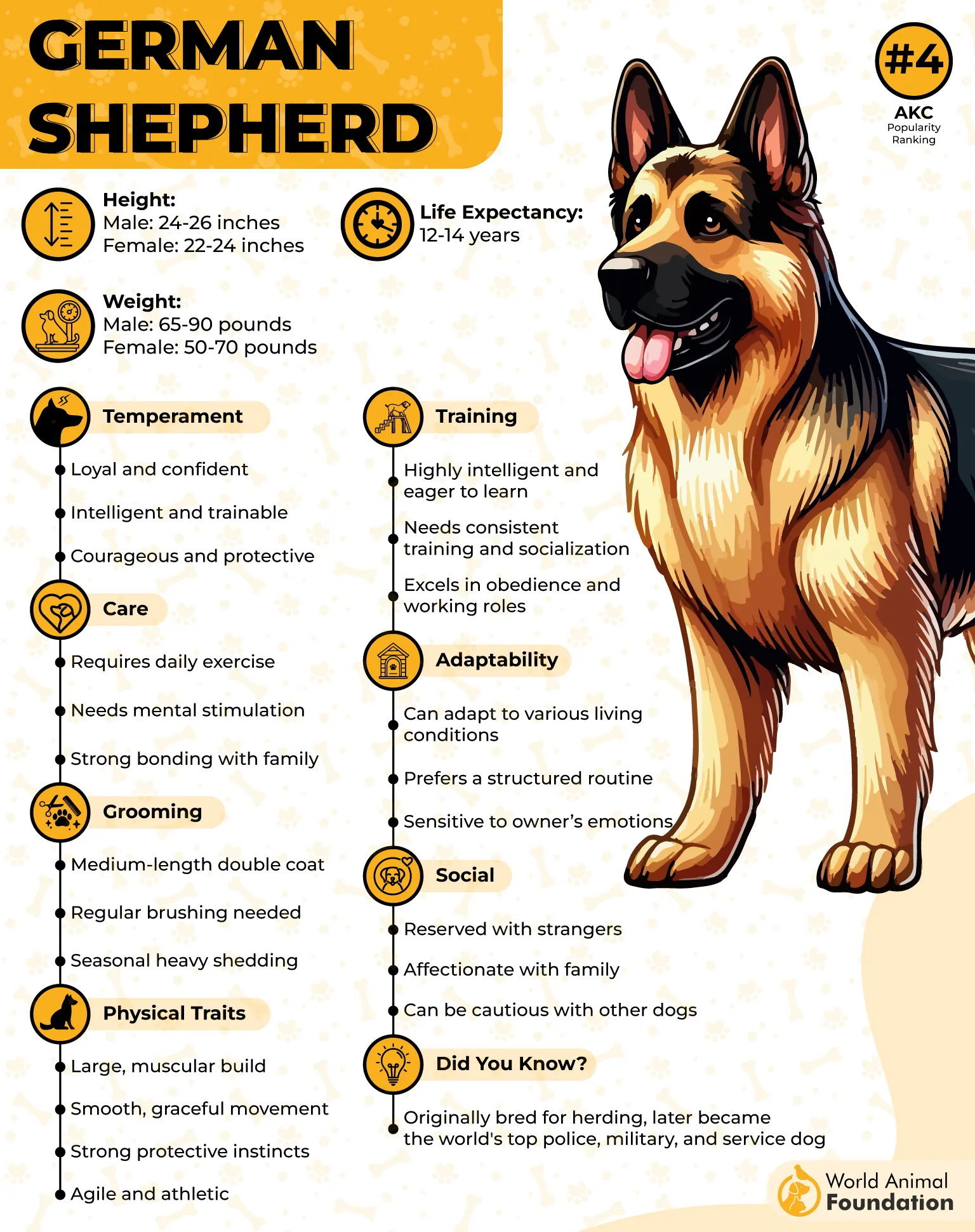
The German Shepherd has a sturdy, athletic build, while the Malinois carries a leaner, more streamlined working frame.
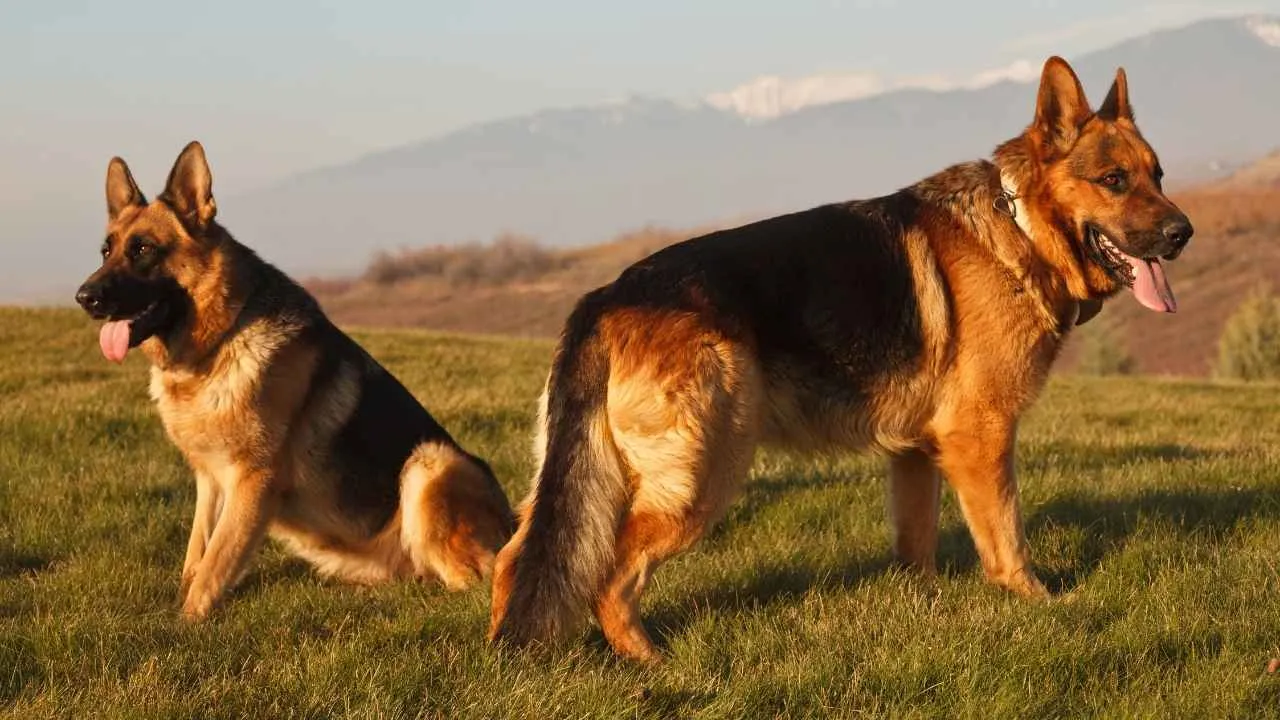
The German Shepherd is a large breed, weighing anywhere from 50 to 90 pounds and standing 22 to 26 inches tall. It’s an agile, muscular dog built for endurance and power, with erect ears, a long muzzle, a bushy tail, and a straight back. Everything about its appearance gives off a sense of authority and quiet nobility.
The Belgian Malinois, on the other hand, is a medium-to-large dog, usually weighing between 40 and 80 pounds and standing 22 to 26 inches tall.
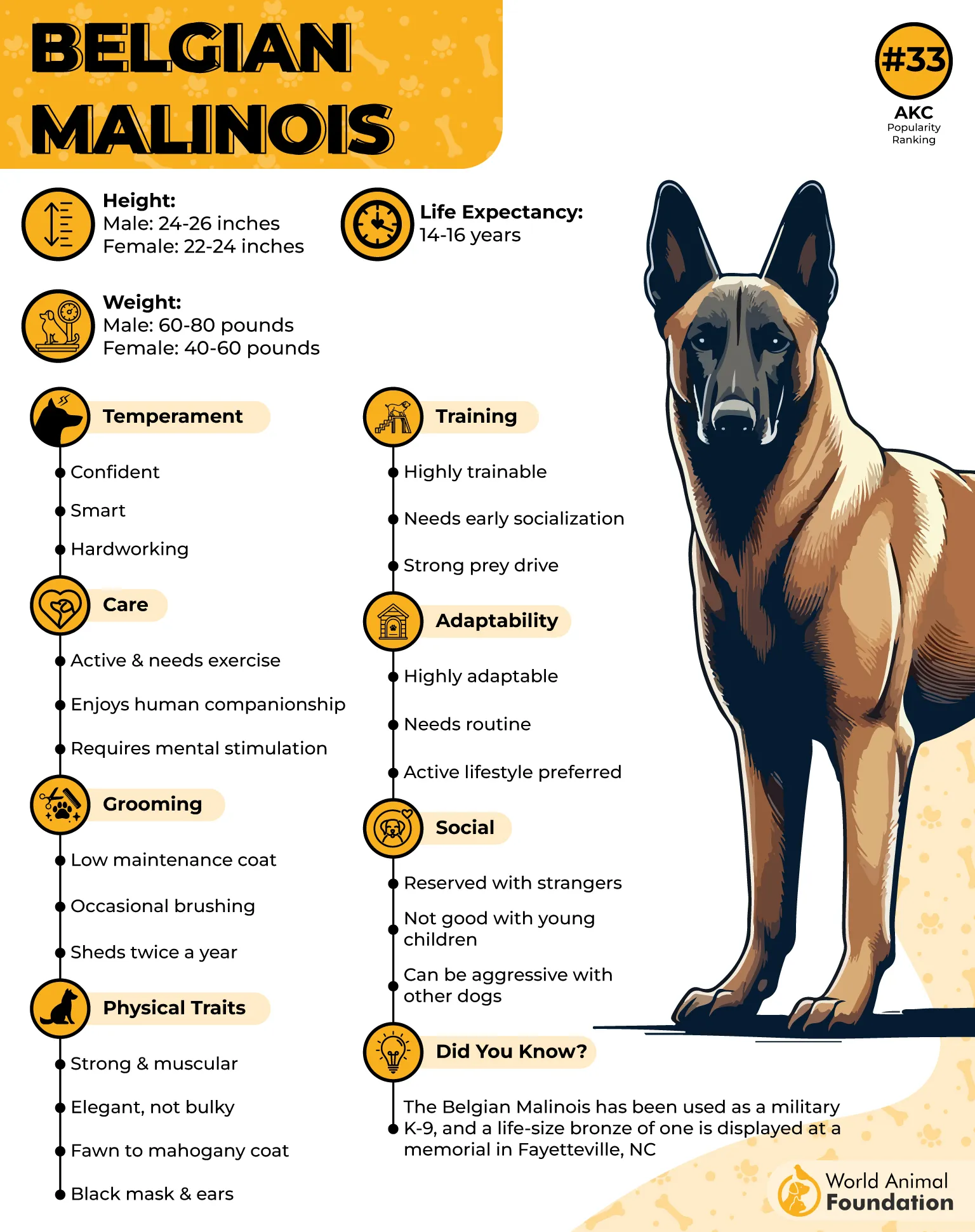
It’s one of the most confident breeds out there, with a lean, athletic, and perfectly balanced build made for speed, agility, and stamina. With its powerful frame, alert gaze, erect ears, and slightly pointed muzzle, this breed always looks ready to spring into action at a moment’s notice.
Pricing & Availability
Pricing and availability are two big factors that can influence your decision when and where you’ll actually be able to bring home the right dog for you.
A German Shepherd typically costs between $1,500 and $3,500 from breeders. If you’re looking for something easier on the wallet, local shelters and breed-specific rescue centers are a great place to start.
The Belgian Malinois, meanwhile, runs anywhere from $1,500 to $4,000, and it’s especially important to go with a reputable breeder here given how much variation there can be in temperament and working lines.
As for availability, German Shepherds are generally easier to find thanks to the number of adoption options out there. Malinois, on the other hand, take a bit more legwork to track down, since you’ll often need to go through rescue organizations rather than a simple shelter visit.
Temperament & Personality Style
Temperament is another key area to think about, and it can really help you decide which breed fits your lifestyle best. Both breeds make wonderful family dogs, but their personalities differ enough that your day-to-day needs should guide the choice.
The German Shepherd is a protective, loyal companion known for its confident, steady nature. It’s courageous and smart, deeply devoted to its family, though it tends to stay reserved around strangers.
That protective instinct makes it a watchful dog by nature, but without proper guidance, it can also turn a bit stubborn. As PetMD points out, how you raise and treat a German Shepherd shapes its personality far more than genetics alone.
The Belgian Malinois, on the other hand, is spirited and fiercely loyal, forming tight bonds with its owners. These dogs crave time and attention, and while they’re just as devoted at home, they tend to be more aloof around strangers.
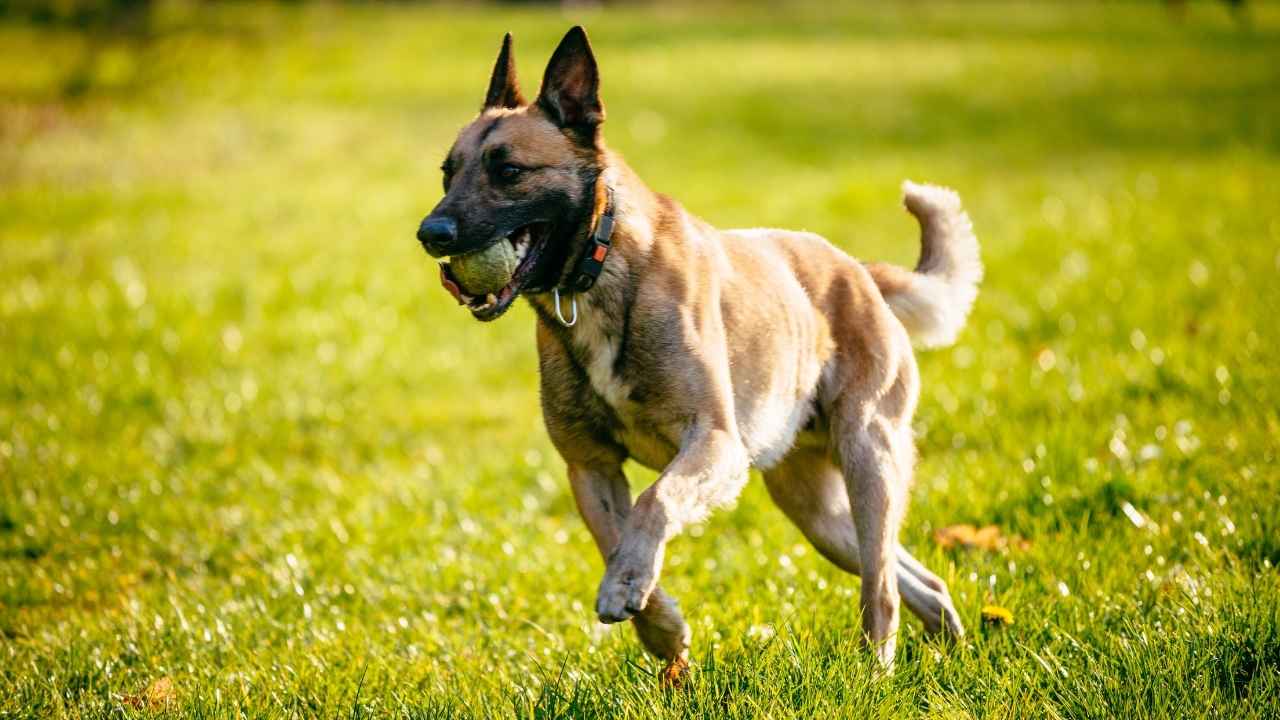
They do best in active households that love to get outdoors and explore. Keep in mind, though, that a bored Malinois is a destructive one; this breed needs regular mental and physical activity to stay happy and well-behaved.
Exercise Needs & Energy Levels
Both breeds are high-energy dogs that need regular exercise and mental stimulation to stay balanced. Skimp on either, and you’re likely to end up with some unwanted behavioral issues.
German Shepherds need about 1–2 hours of daily exercise to keep boredom (and mischief) at bay. Beyond the basics, they enjoy activities like herding, agility courses, hiking, nose work, and even dock diving.
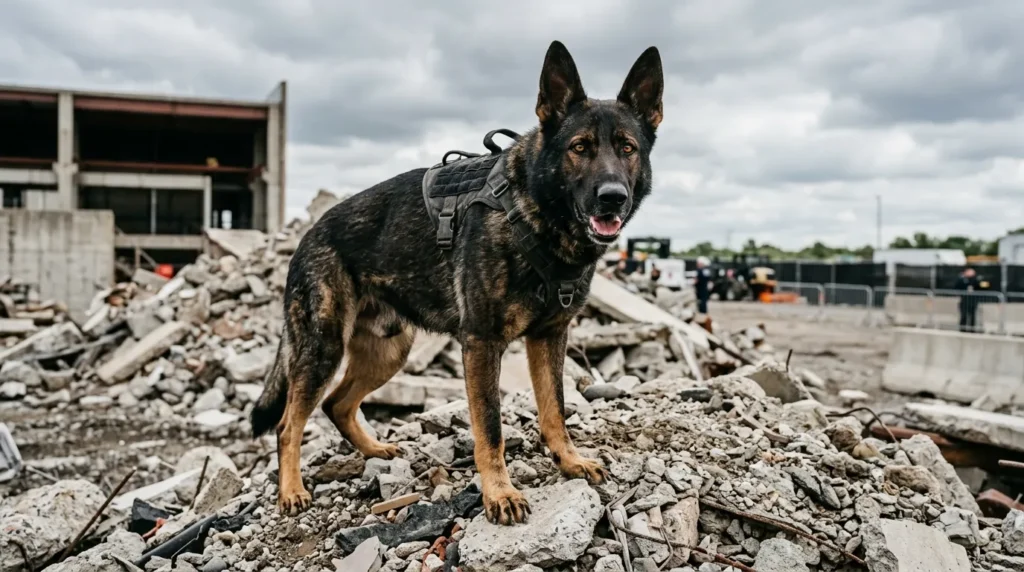
Belgian Malinois, on the other hand, need a serious amount of aerobic exercise: think along the lines of a five-mile run each morning. They make excellent hiking, running, and biking partners, and they also enjoy dog sports like sledding, fetch, and obedience training.
Trainability & Obedience
Training plays a huge role in bringing out the best in any dog, and that’s especially true for these two herding breeds. Both German Shepherds and Belgian Malinois dogs were originally bred as working dogs and are prized for their sharp intelligence, so enrolling them in obedience classes early on is always a smart move.
German Shepherds thrive with expert-level training and structured obedience work. Consistency is key to raising a confident, well-mannered dog. They’re quick learners who respond best to positive reinforcement and pick things up fast when training starts young.
Belgian Malinois need intensive, consistent training to really thrive. Like the Shepherd, they enjoy sessions built around positive reinforcement and reward-based methods, especially when the structure stays consistent. They’re natural people-pleasers and fast learners, but owners should keep in mind that this breed has a strong prey drive, which is exactly why skipping training sessions isn’t really an option.
Grooming Needs & Shedding
Shedding is just part of life with a dog, but the amount varies quite a bit between these two breeds. German Shepherds shed all year round heavily and need frequent brushing to keep up, with shedding season calling for even more grooming sessions than usual. Belgian Malinois, on the other hand, shed seasonally, typically twice a year, and get by with just a weekly brushing routine.
The German Shepherd has a double coat, with a soft undercoat and a rougher, heavier outer layer. While bathing is only needed a few times a year, daily brushing is a must to keep loose hair off your furniture and floors and to prevent tangles and matting from building up.
The Malinois, meanwhile, has a short coat that’s much lower maintenance. A simple, regular brushing routine is usually enough to keep them looking neat and feeling happy. Many pet parents also like using a hound glove, which helps distribute natural skin oils while keeping the coat looking its best.
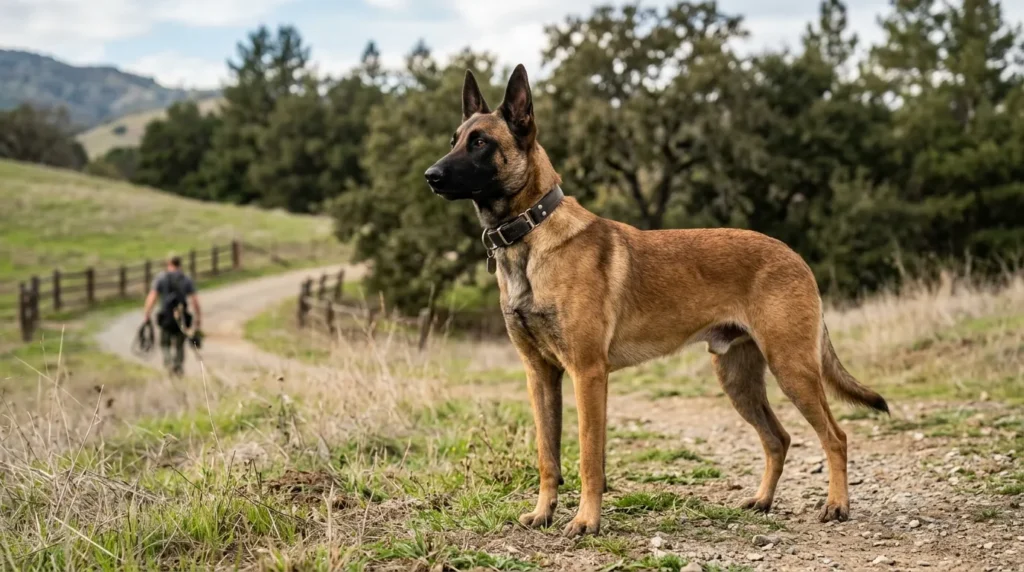
One grooming tip that applies to both breeds: don’t skip the nail trims. Keeping nails trimmed weekly is important, since overly long nails can lead to real structural and posture issues over time.
Herding & Work Drive
Since both breeds were originally bred to work hard, they genuinely thrive when given a job to do. That strong work ethic is exactly why you’ll find them serving in roles like military work, search and rescue, and protection duty.
The German Shepherd is well known for its protective, confident nature. Its strong work drive comes paired with loyalty and courage, and its natural alertness means it’s quick to notice anything out of the ordinary and respond right away.
That said, this breed also knows how to switch off; once its mind has been sufficiently stimulated, you’ll find it perfectly happy to relax.
Getting a Belgian Malinois to relax, though, is a different story, simply because this breed is so intensely driven. That same intensity and focus is what make it such an outstanding herding dog.
It’s quick, always ready for the next task, and remarkably in tune with human emotions, which is part of why, beyond the roles it shares with the German Shepherd, the Malinois also excels as a therapy dog.
Health & Lifespan
In general, both breeds are athletic and pretty healthy, but there are a few things owners shouldn’t overlook. German Shepherds typically live 10 to 12 years, while Belgian Malinois tend to enjoy a longer lifespan of around 14 to 16 years.
German Shepherds are prone to certain health issues like elbow and hip dysplasia, cataracts, and digestive problems such as bloating. That’s why, alongside regular exercise, owners need to pay close attention to diet and go easy on treats during training sessions.
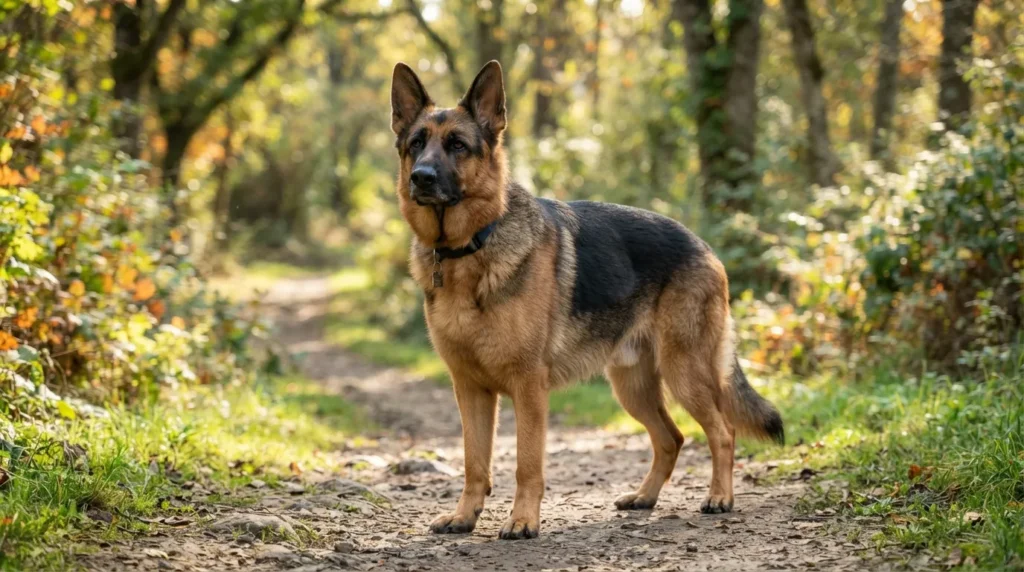
Belgian Malinois, according to Hill’s Pet, are considered a somewhat healthier breed overall. Still, a balanced diet matters just as much here, since issues like cancer, eye problems, and joint trouble can show up in this breed too.
German Shepherd vs. Belgian Malinois: Which Smart Working Dog Suits You Best?
Both of these breeds truly stand out for their courage and determination, which is exactly why the Belgian Malinois vs German Shepherd debate leaves so many owners scratching their heads if they’re not already familiar with the two. At the end of the day, both make brilliant family dogs when given proper training and socialization.
That said, if you’re a first-time owner, the German Shepherd is generally the safer bet. Experienced dog handlers, on the other hand, tend to be better suited for the Belgian Malinois, given its high prey drive and intensity.
Conclusion
This comparison really helps highlight the fine line that sets these two breeds apart. Both are incredibly smart dogs that make wonderful companions, but they truly thrive when socialized properly and given plenty of exercise and quality time with their owners. That’s true of any dog breed, really; calm or high-energy, every dog craves human attention, and when it doesn’t get enough, destructive behavior tends to follow.
At the end of the day, this comparison is here to help you choose between two incredibly capable working breeds, ones that clearly have a lot more going for them than just their size or temperament.
