




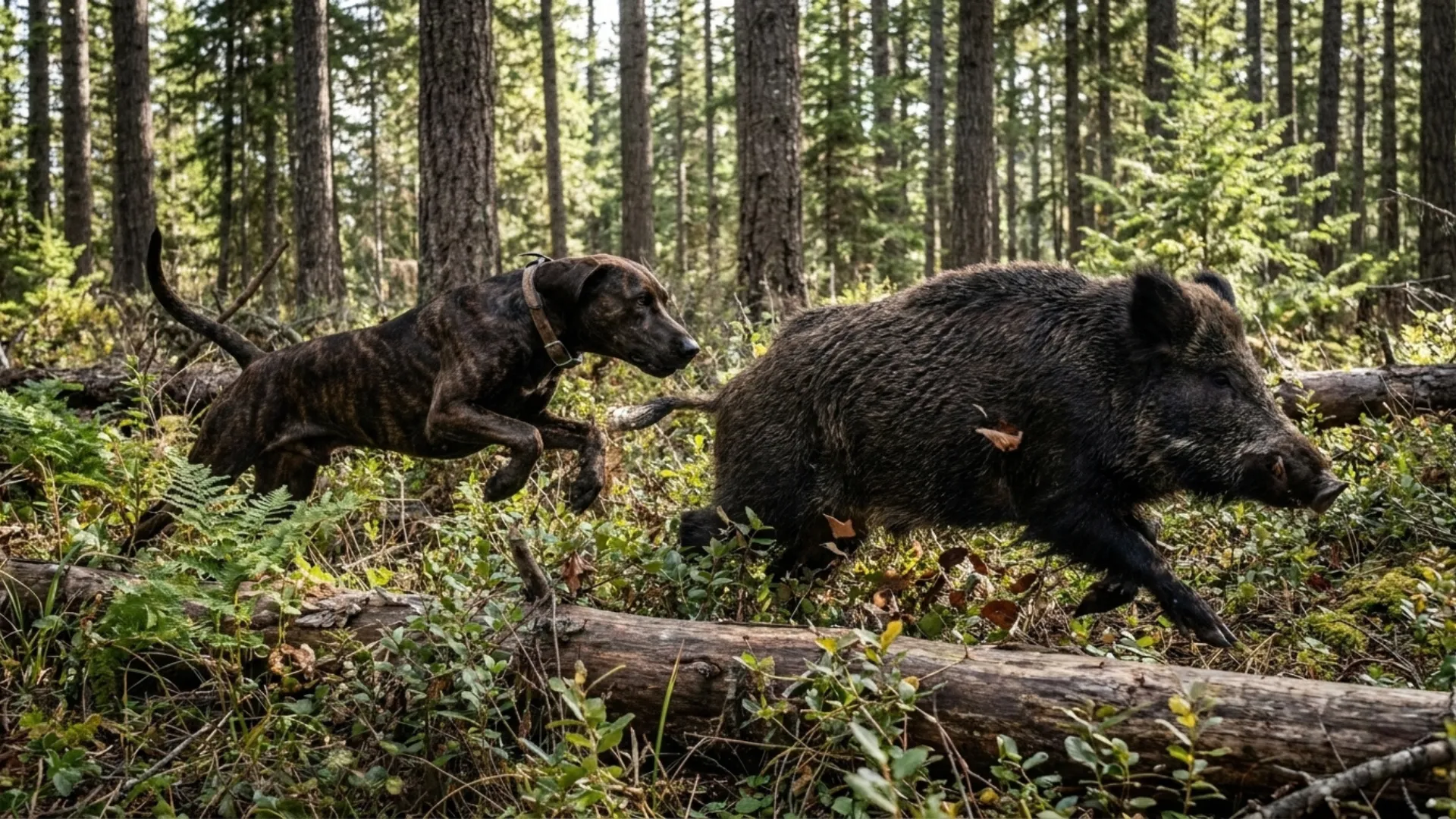
A dog that looks athletic is not automatically suited to wild boar pursuit. This type of work places demands on a dog, from following scent through dense vegetation to handling rough ground and staying focused when confronted by powerful game.
Physical strength helps, but so do endurance, courage, vocal communication, responsiveness, and sound judgment when working in the field. Wild boar can be especially dangerous when cornered, which makes reliable control an essential part of responsible hunting.
Experienced handlers value working ability over appearance, popularity, or size alone. The best candidates have traits that match the actual demands of the field and can be trained to work within a clear system with their handler. Breed selection, therefore, deserves careful thought before the hunt.
In this article, you will find expert-recommended breeds for wild boar pursuit, with the practical traits that separate capable field partners from dogs better suited to other types of work.
Key Takeaways
Wild boar hunting demands far more from a dog than speed or a strong build. Scent, courage, endurance, and good judgment all matter when the terrain gets rough.
The Catahoula Leopard Dog has a long history of pursuing wild pigs through Louisiana swamps, while the Plott Hound became known for tracking hogs across rugged mountain country.
Dogo Argentino was bred specifically for big-game hunting, and Alano Español was used as a catch dog when a hunt brought hunters face to face with powerful game.
The other breeds have their own surprising working histories, so read on to see which traits make each one stand out in the field.
Expert-Recommended Dog Breeds That Excel in Wild Boar Pursuit
1. Catahoula Leopard Dog
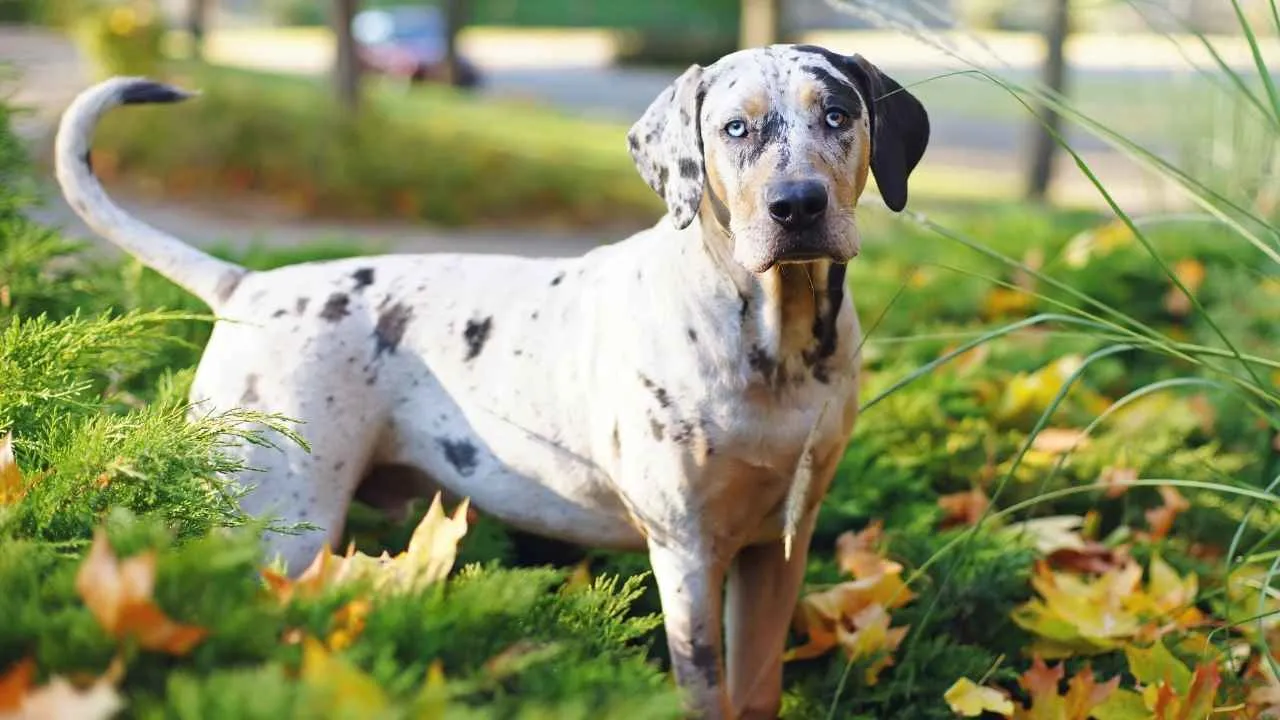
The Catahoula Leopard Dog became Louisiana’s state dog in 1979, with roots in Native American dogs and in those brought to North America by Spanish explorers. The breed was first used in Louisiana swamps to pursue large game, especially wild pigs, before taking on broader working roles.
Made for the Chase
This hunting dog breed combines a powerful build, deep chest, and strong hindquarters for efficient, ground-covering movement over long periods.
Its work with wild pigs includes baying at hogs and following blood trails, while its nose also makes them a great search-and-rescue dog.
The breed’s working range includes several demanding pursuits:
Can also hunt raccoon, squirrel, bear, and deer
Uses baying, pressure, and presence to control stock
Energetic and alert temperament
Independent by Nature
Catahoula Leopard Dog was expected to work with considerable independence, so it could make decisions without waiting for constant direction, as per the AKC.
That intelligence comes with strong opinions, making clear boundaries, consistent commands, and enjoyable training sessions especially important from an early age.
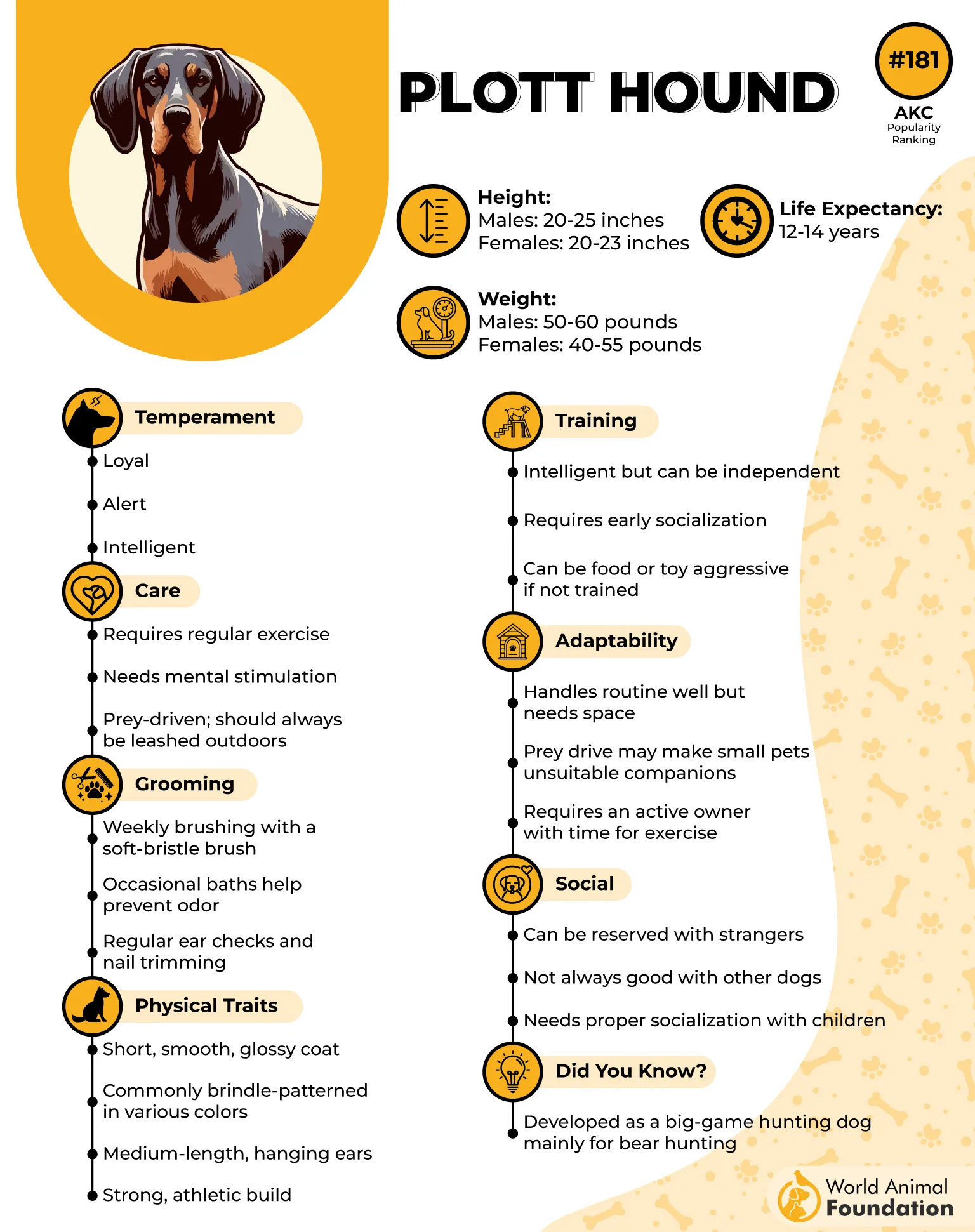
2. Plott Hound
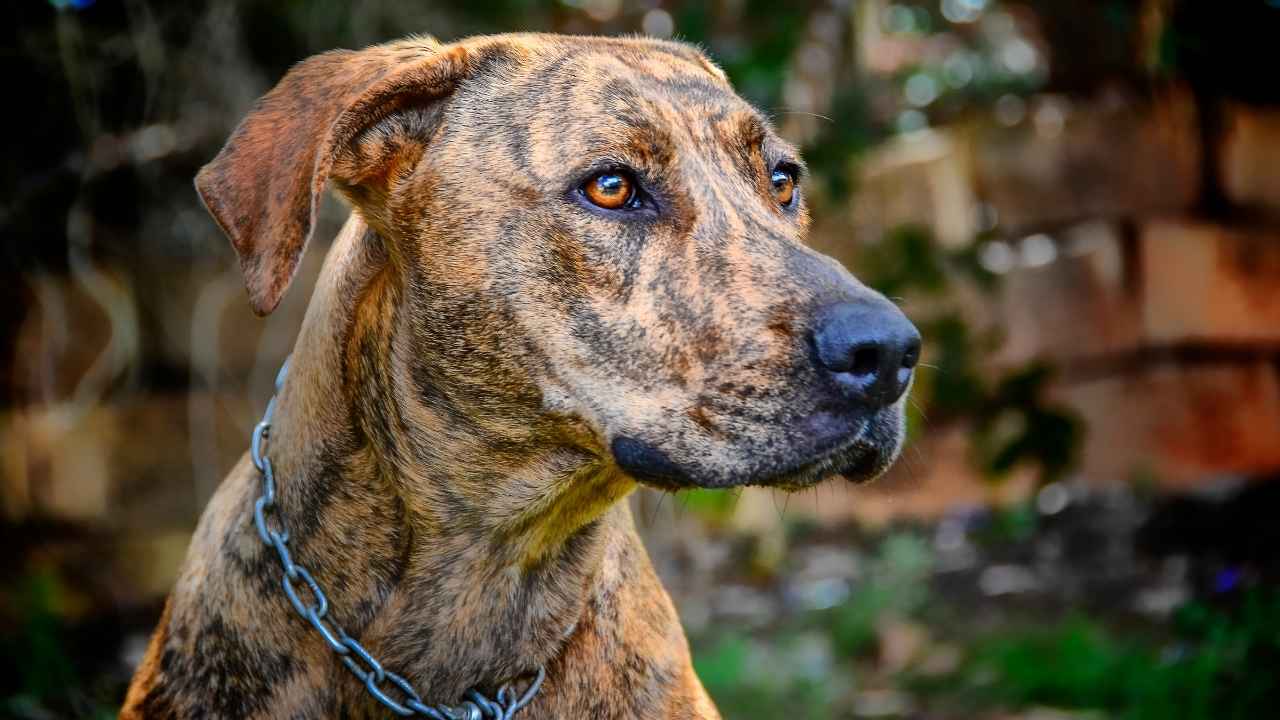
Plott Hound is the only coonhound recognized by the AKC that does not descend from the foxhound group, with a deep connection to North Carolina hunting culture, as WebMD reported. It became the state dog and earned its reputation through generations of demanding work in rugged country.
Built for Wild Boar
Plott Hound uses a powerful sense of smell and distinctive baying voice to follow wild hogs and bears across mountain terrain. Its nearly square body, with a length close to its height at the withers, gives the hound a useful combination of agility and endurance.
Its hunting range extends well beyond the largest quarry:
Tracks raccoons and deer
Follows fresh and cold scent trails
Can pursue mountain lions
Social by Nature
This athletic dog generally enjoys canine company and can be patient with young children when interactions are supervised. Long periods without human company may lead to anxiety or destructive behavior, while its hunting instincts require careful introductions around smaller animals.
3. Dogo Argentino
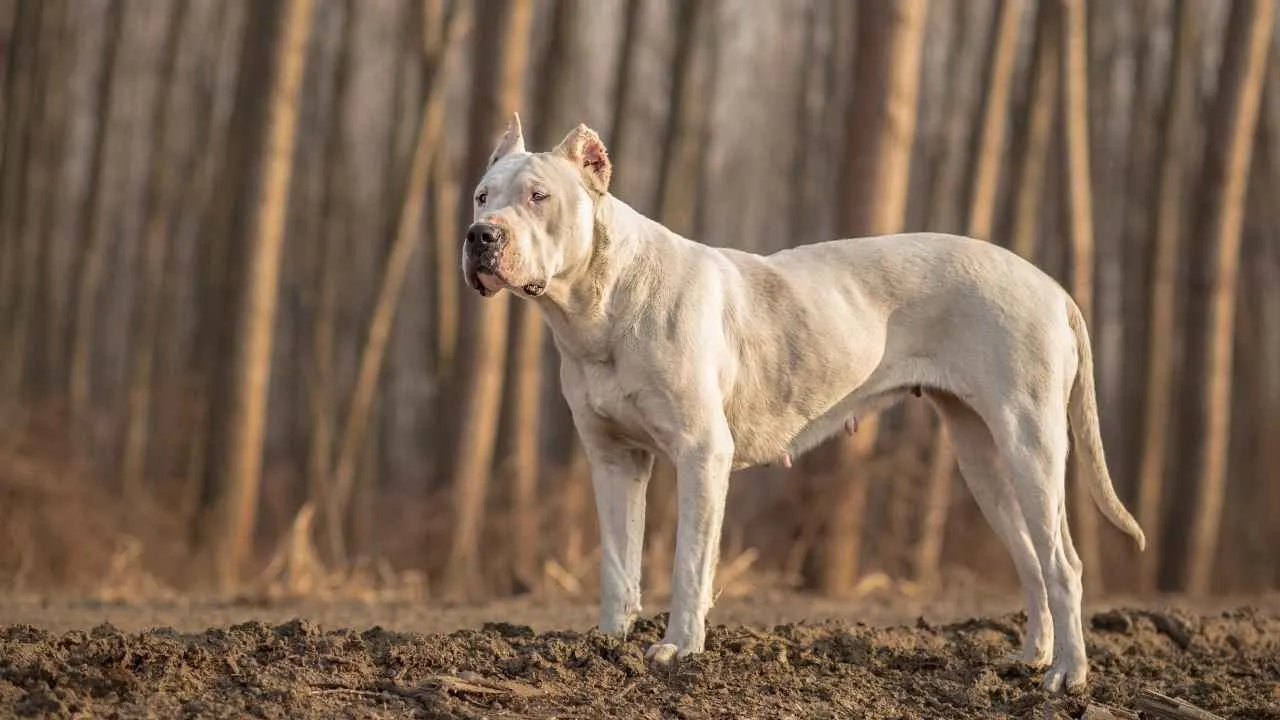
Dogo Argentino was originally bred in Argentina for big-game hunting, with wild boar and puma among its intended quarry. Its creation brought together breeds such as the Boxer, Great Dane, Pointer, Irish Wolfhound, Dogue de Bordeaux, and Spanish Mastiff.
Chasing Comes Naturally
Dogo Argentino was shaped for pack hunts that demanded a sharp nose, powerful lungs, quick responses, and an athletic body. Its physical design combines a strong head, muscular hindquarters, substantial forelegs, and the agility needed to pursue dangerous game.
A few working details add context:
A white coat improves visibility during hunts
Use their bite to seize and hold game
Can excel in swimming, hiking, and retrieving games too
Alert and Devoted
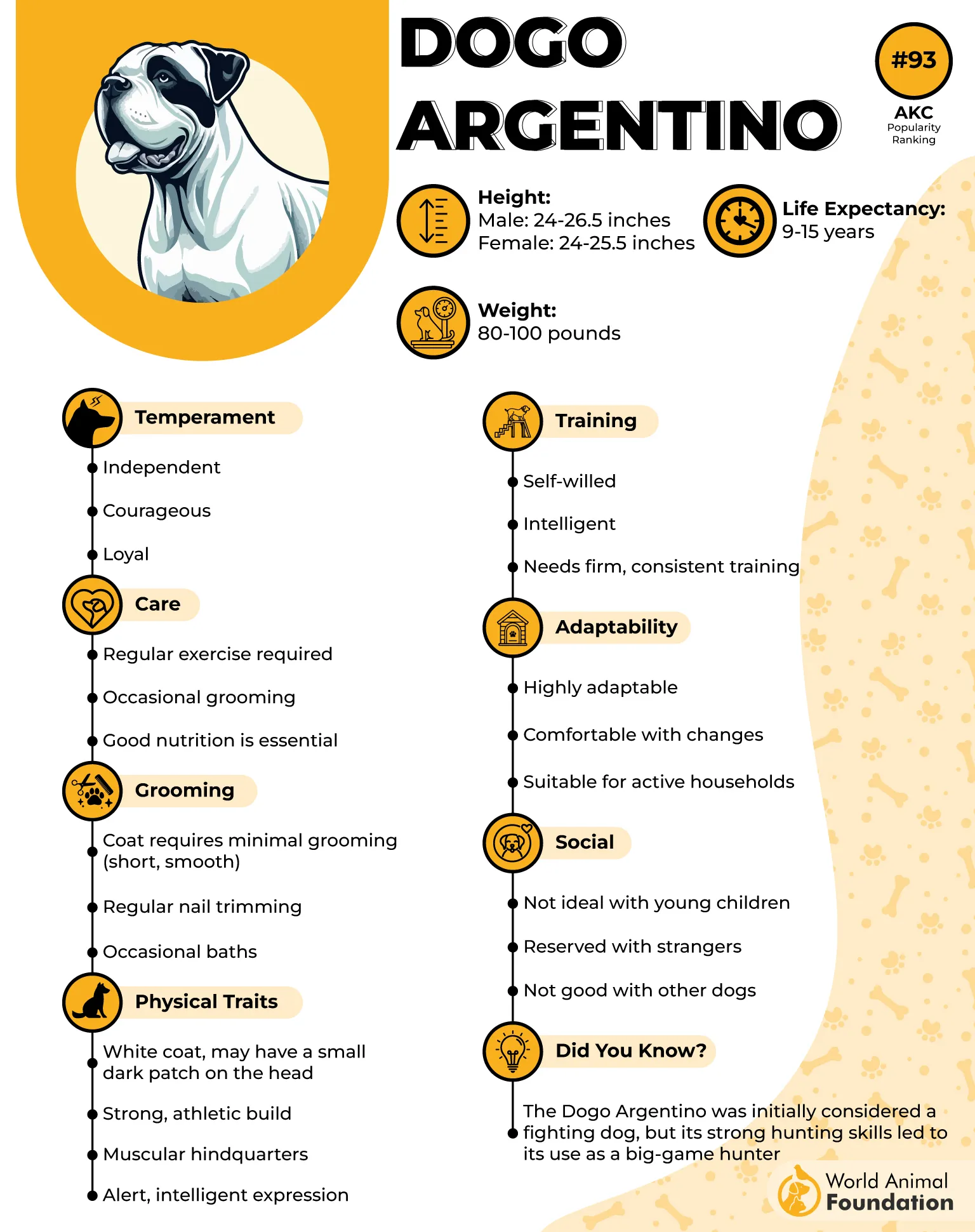
Dogo Argentino is courageous, intelligent, and strongly protective toward its family, while early socialization helps it handle unfamiliar people with greater confidence.
It can live with children and other dogs when properly raised, with unfamiliar animals requiring careful introductions and supervision, as PetMD stated.
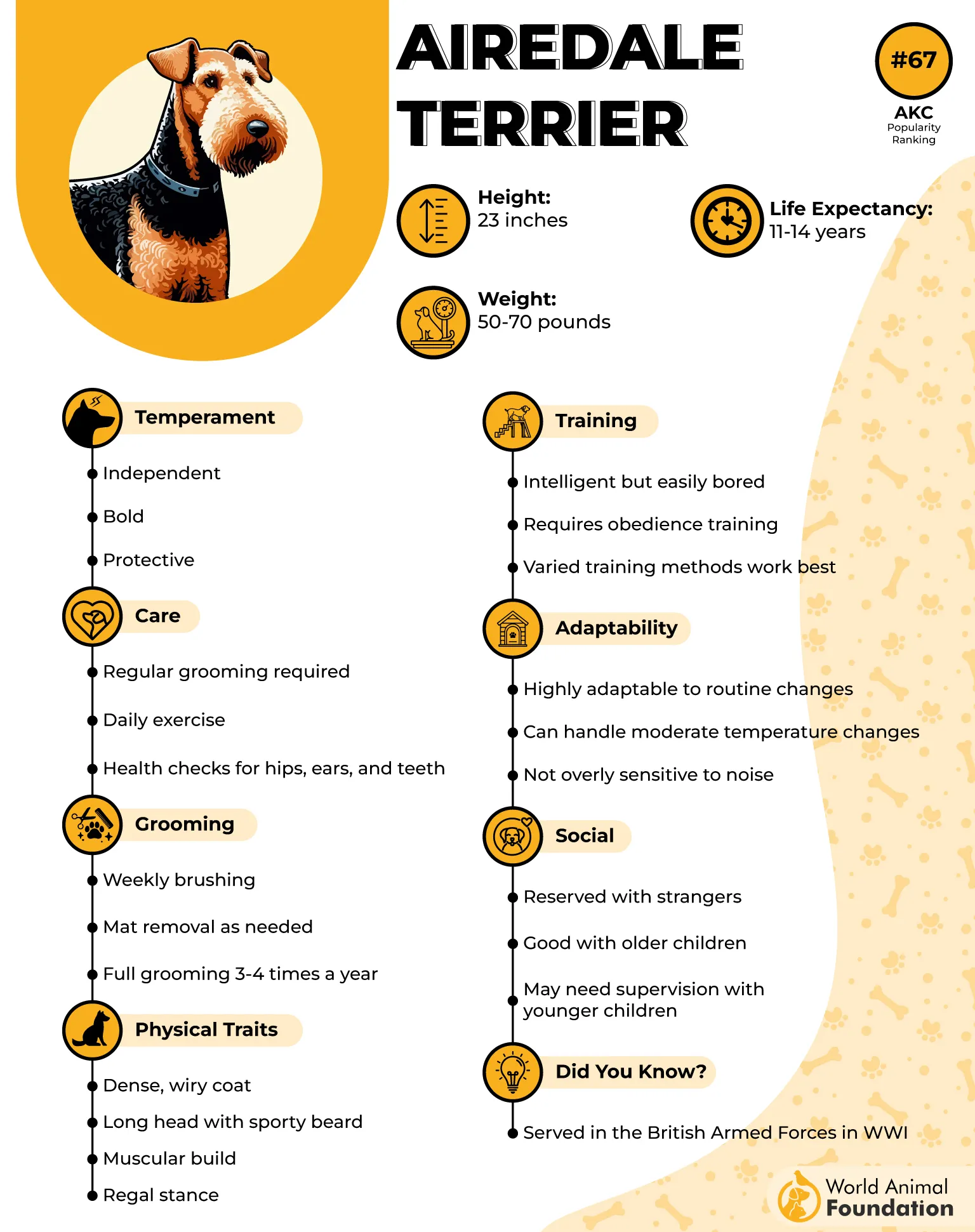
4. Airedale Terrier
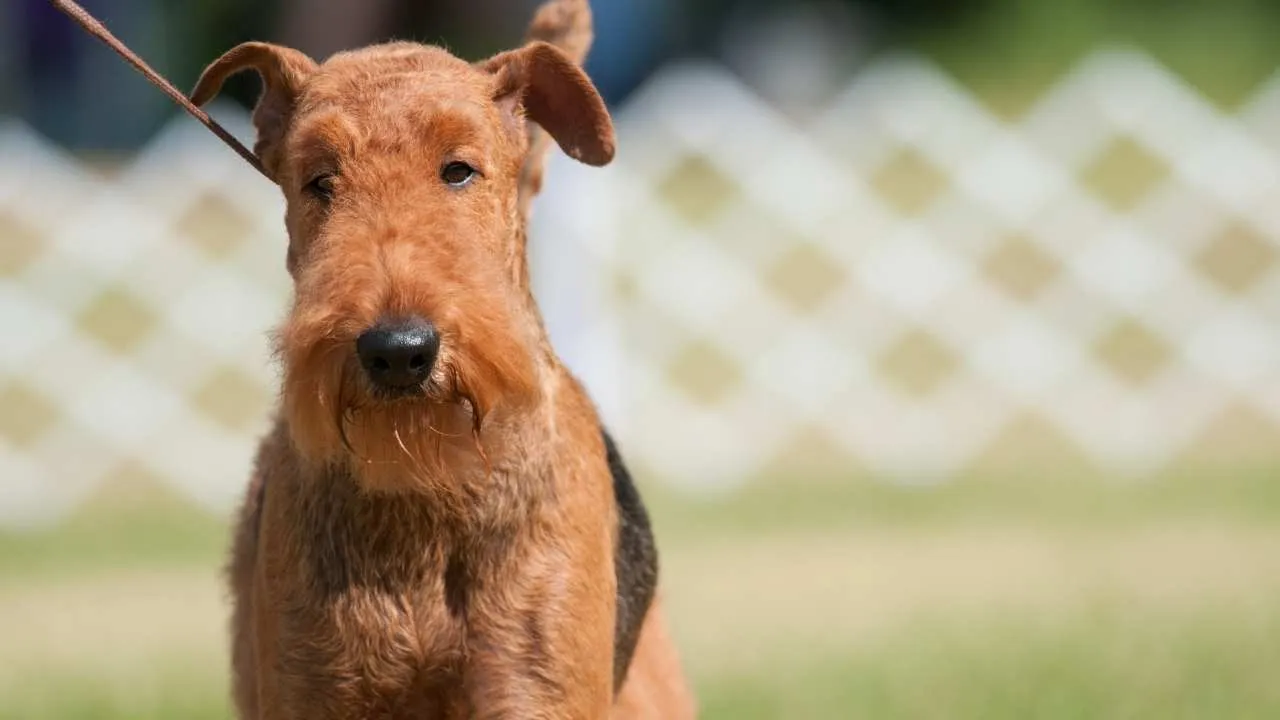
Airedale Terrier earned its “King of the Terriers” title as the largest member of the terrier group, with Yorkshire hunters once using it for foxes, rats, and otters. Crosses with Otter Hounds in the 1800s strengthened its scenting ability, particularly for work around water.
A Strong Pursuit Drive
This terrier has the size and physical strength to handle demanding quarry, while its scenting ability helps it track through rough and varied terrain. Its original work with animals that could fight back also gave the breed a fearless, persistent approach to difficult pursuits.
These working details add another layer:
Largest terrier breed
Works independently or in packs
Highly intelligent and make their decisions on their own
More Than a Field Dog
Airedale Terrier has also served as a police and messenger dog, including wartime service during World War I. Its alert expression, upright tail, and wiry coat accompany a lively personality that can turn to mischief when physical and mental activity is lacking.
5. Alano Español
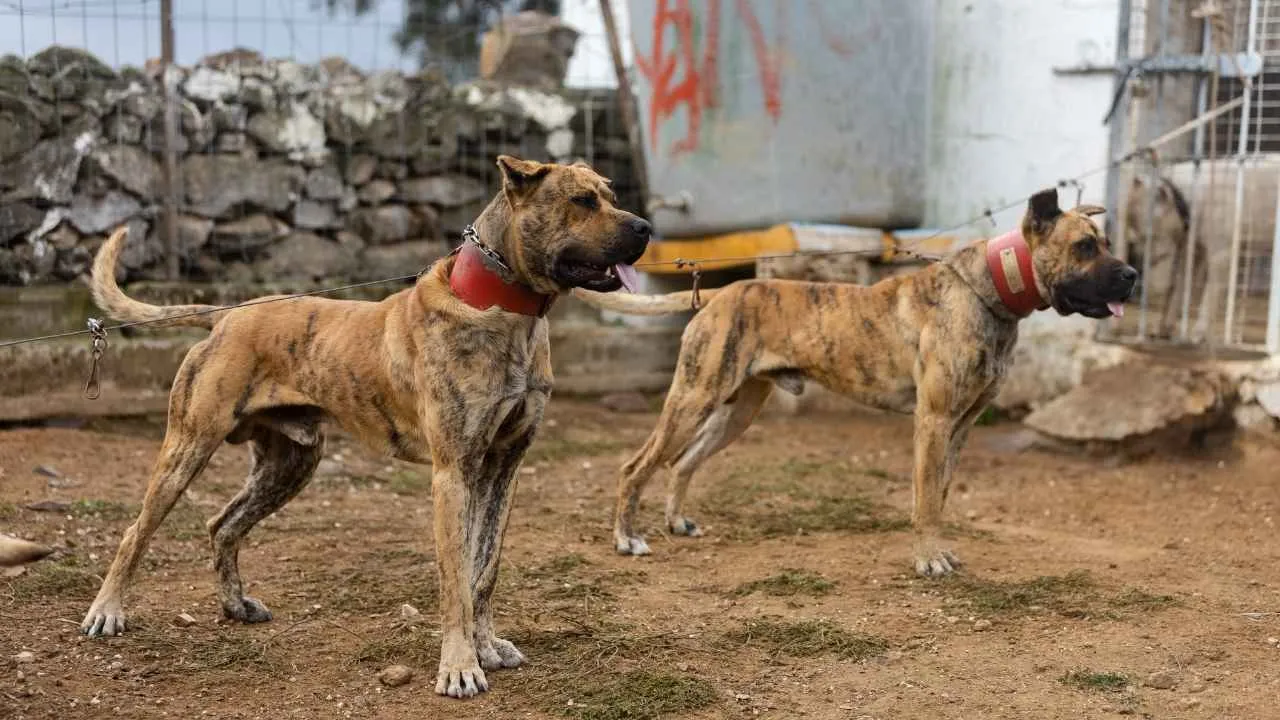
Alano Español is an ancient Spanish Molosser associated with the Alans who entered the Iberian Peninsula in 406 AD. Over the centuries, the breed served in war, big-game hunting, bullfighting, defense, cattle handling, and hunting, taking on many demanding roles.
Built for the Chase
For wild boar pursuit, Alano Español was used as a catch dog within traditional pack hunts, following the scent with lighter hounds before confronting the cornered animal. Its work required speed, fearlessness, and the ability to hold large game until the hunter arrived.
A closer look at its working equipment reveals:
Broad head with powerful jaws
Deep chest and tucked belly
Thick, loose skin around the neck
Ground-Hugging Power
Alano Español has heavily muscled front legs that help it sprint and maneuver across rough ground during intense pursuits. Its thick skin and loose neck folds also provide added protection when confronting an aggressive animal at close range.
6. Transylvanian Hound
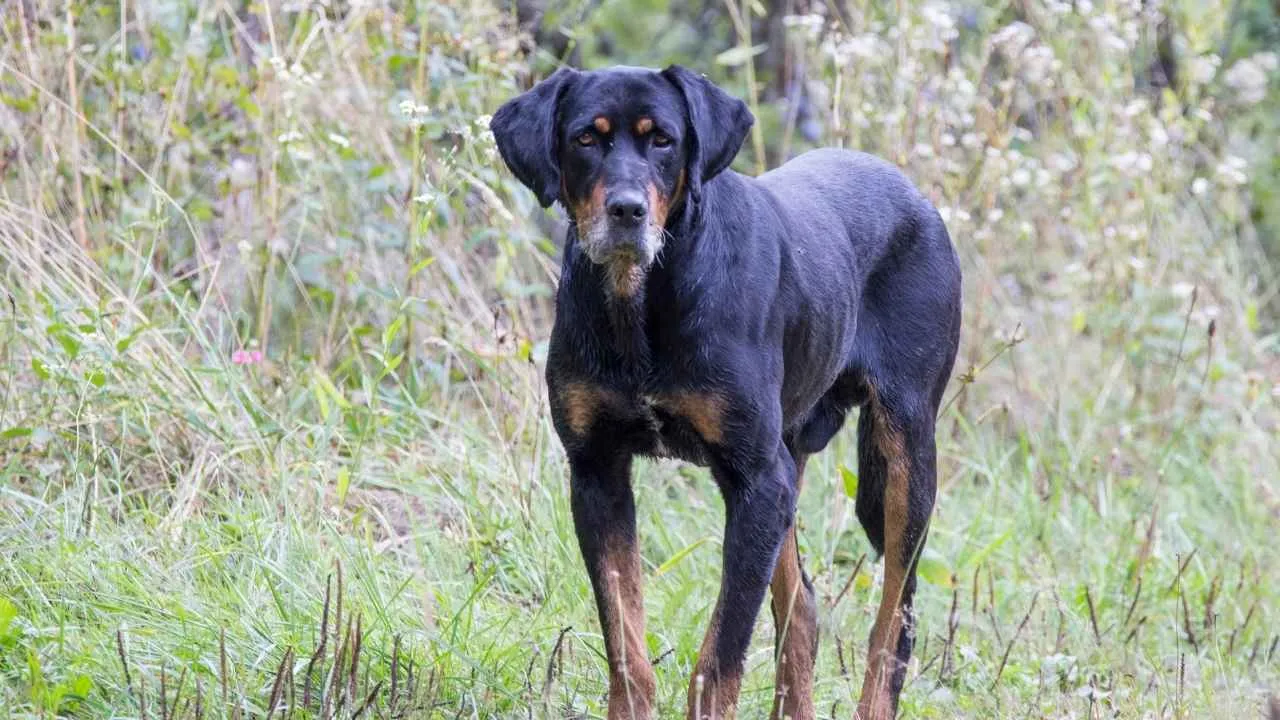
Transylvanian Hound has ancient Hungarian roots, with records placing the breed among noble hunting dogs during the Middle Ages. As agriculture and forestry changed the region, it became closely associated with the Carpathian Mountains and their demanding terrain.
Wild Boar Specialist
The larger variety was used for big game, including wild boar, bears, and lynx, while hunters used the smaller type for foxes, hares, and later chamois. In dense woodland, the breed can follow cold or rain-washed tracks for hours, relying on scent and concentration when conditions become difficult.
Its working range included some demanding quarry:
Responds well to clear, consistent training
Learns commands quickly
Can excel in agility challenges
Energy to Channel
Transylvanian Hound needs substantial daily activity, companionship, and play to keep its sharp mind occupied. Without enough engagement, boredom can lead to destructive behavior, while patience and allowing the dog to learn at its own pace can make training more productive.
7. Black And Tan Coonhound
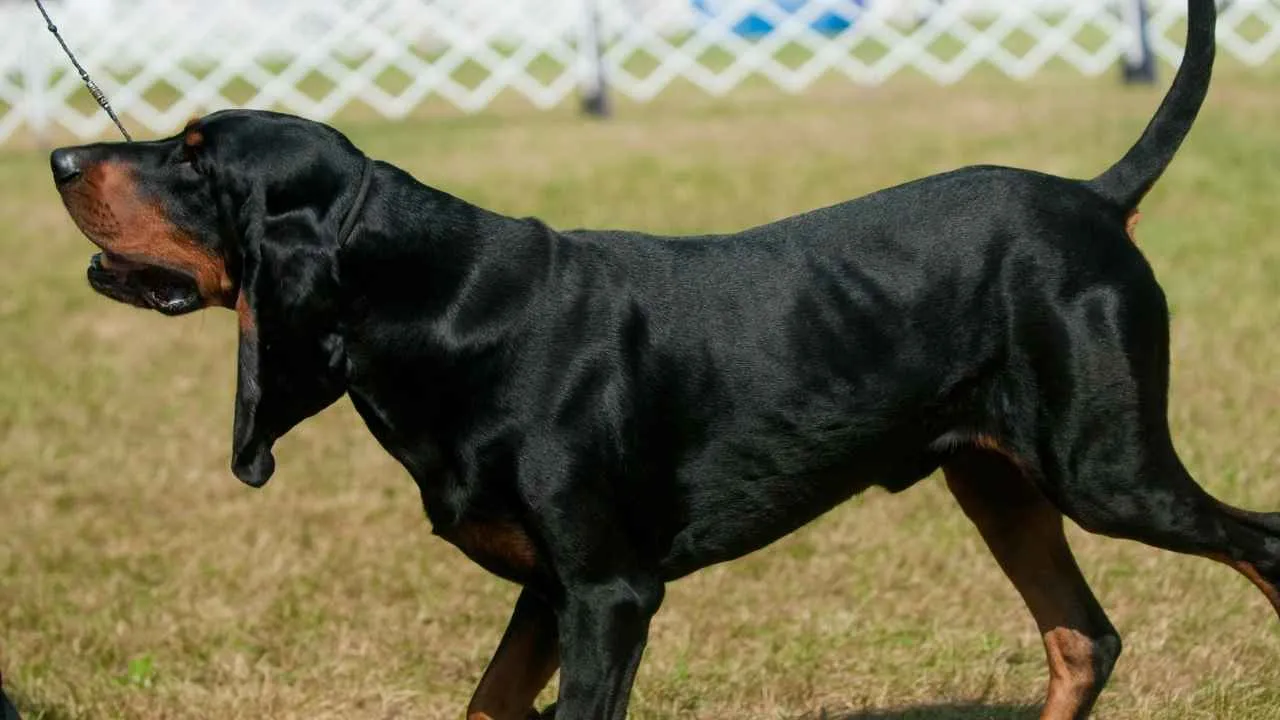
Black and Tan Coonhound emerged in the United States during the 18th century, with a lineage linked to Talbot, Irish Kerry Beagle, Bloodhound, and Foxhound ancestry. Its name directly reflects the breed’s early association with raccoon hunting in America.
Nose on the Trail
This Coonhound can follow the scent of wild boar with remarkable persistence, using its powerful nose to track animals across demanding ground. Its hunting ability also extends to deer, possums, raccoons, and even bears, giving this hound a broad working range.
Three unusual abilities add another layer to its fieldwork:
Can pursue prey into trees
Enjoys swimming and diving
Uses scent skills in rescue work
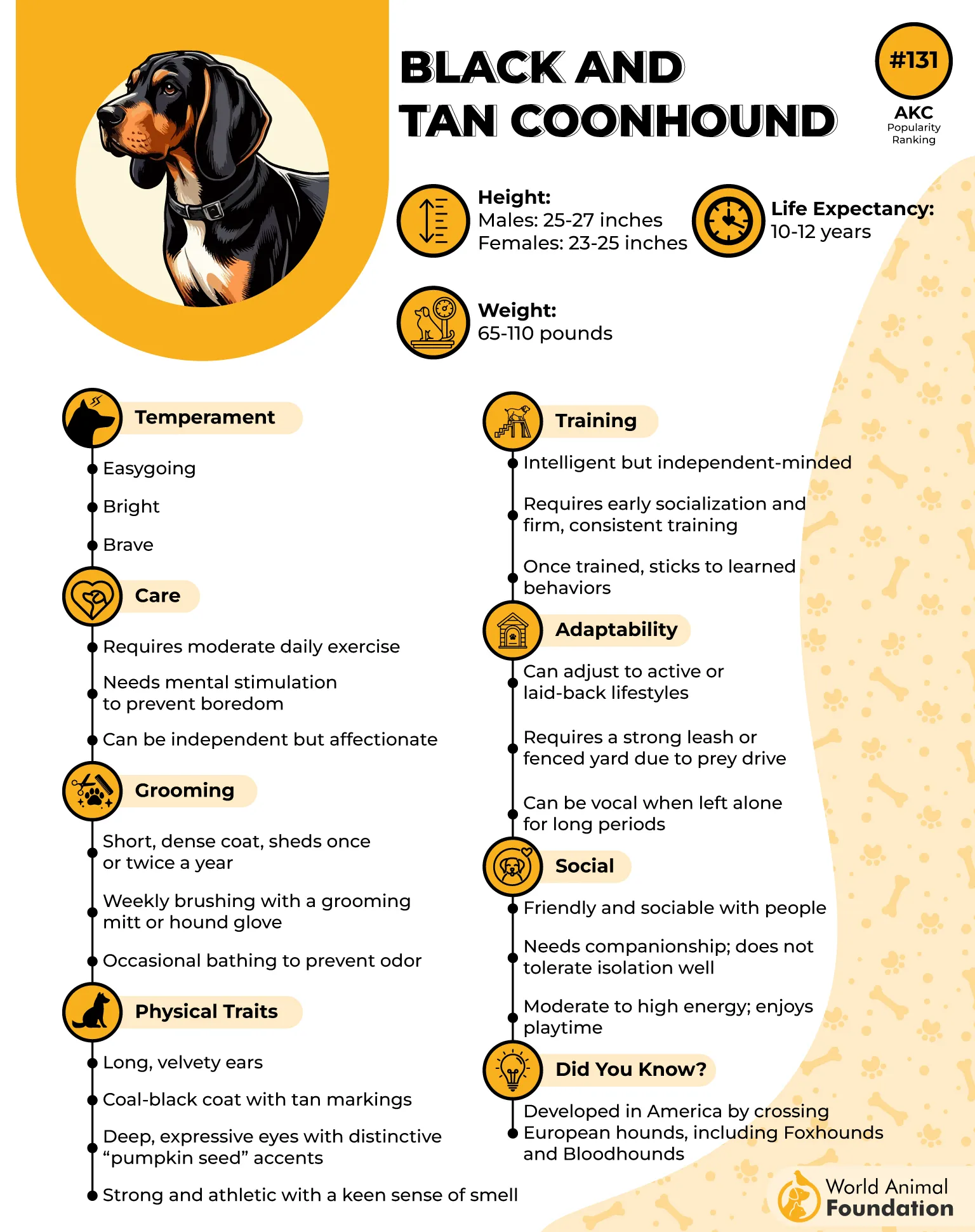
Independent Mind
This hunting companion has a calm, affectionate nature around its family, while its independent streak can make training more demanding. A patient approach works better than harsh commands, especially when this determined hound becomes focused on doing things its own way.
Conclusion
Wild boar pursuit demands more than speed or physical strength. The best dog breed for this work needs the nose to follow difficult trails, the stamina to handle rough terrain, and the confidence to work around powerful game. Control matters just as much, since strong instincts need to work within clear commands and safe handling.
Some dogs bring more independence, while others work closely with their handlers or alongside other dogs. Your hunting conditions, experience, training approach, and safety plan should guide the final choice, especially when hunting big game or recovering wounded game. The right working partner is one whose natural abilities match the demands of the field, even if it also lives as one of your family dogs.
