




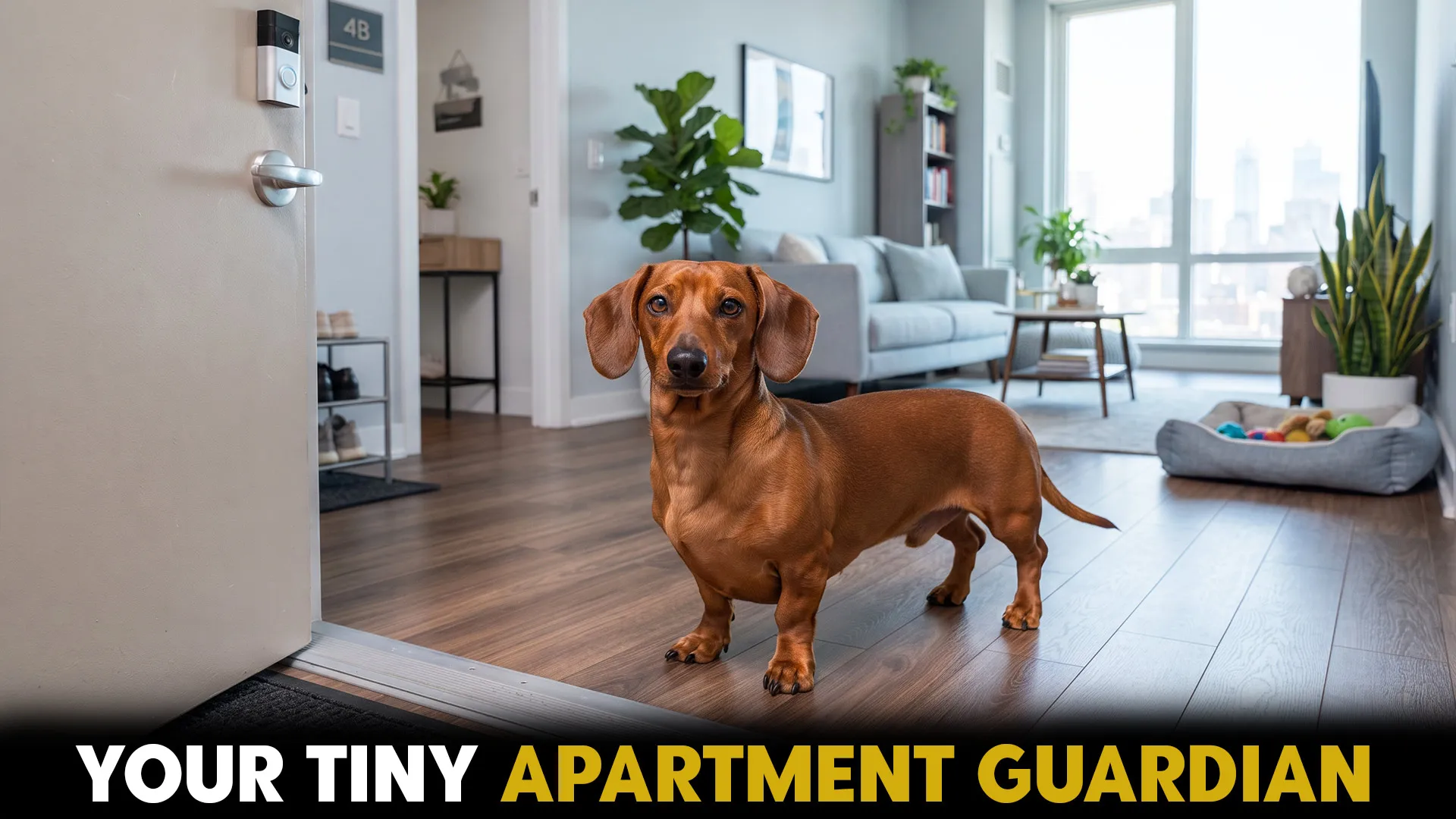
What if you could have a protective dog without crowding your apartment?
Finding the right companion can feel tough when space is limited. These 9 small guard dog breeds perfect for apartment living can offer alertness, companionship, and a sense of security without overwhelming a smaller home.
Many small dogs meet their activity needs through indoor play and short daily walks. Their compact size also helps them move through narrow layouts, hallways, and elevators with ease.
Still, apartment owners should consider energy levels, calm behavior, adaptability, and barking habits. These dogs need daily exercise, mental stimulation, socialization, and obedience work. Also, some apartment complexes have breed restrictions, so always check your lease first.
Small guard dogs mainly serve as watchdogs and alert companions. They are not large protection dogs. So, which breeds balance these needs best?
Let’s explore these nine breeds and discover what makes each one suitable for apartment life.
Small Guard Dog Breeds Perfect for Apartment Living
1. Miniature Schnauzer
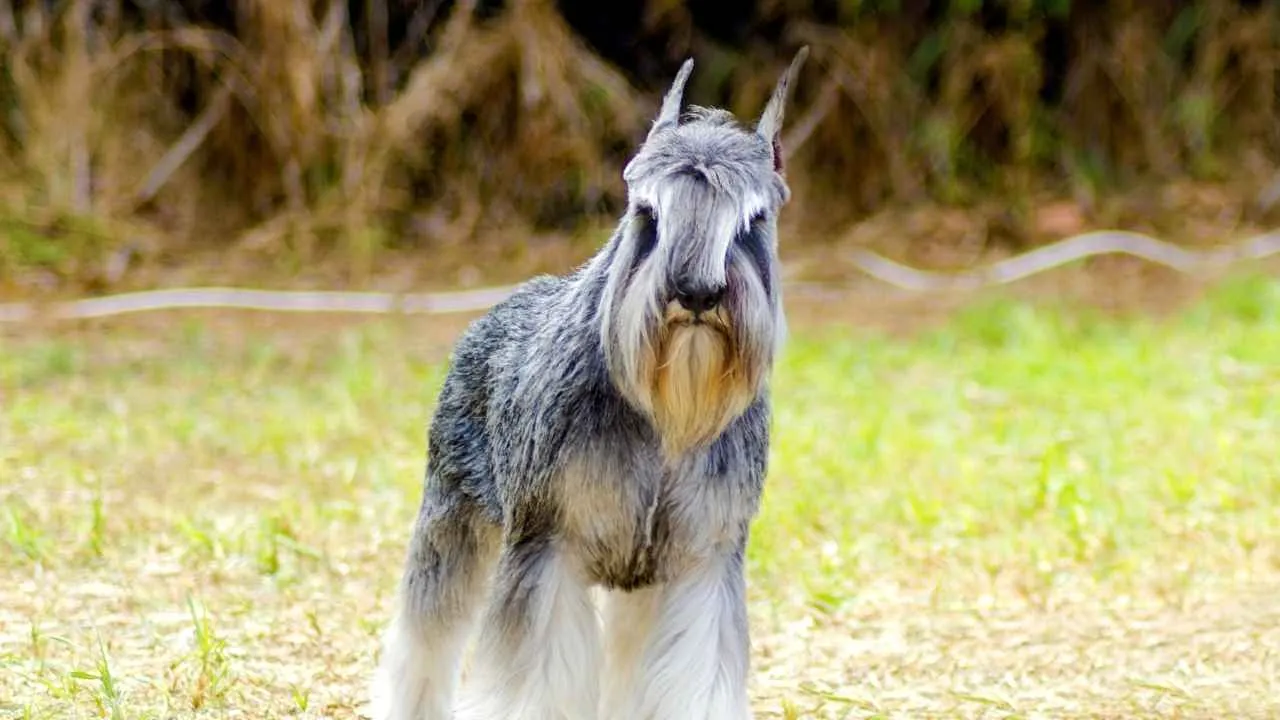
The Miniature Schnauzer is a small dog breed with a lively, watchful nature. According to Hill’s Pet, the Miniature Schnauzer is the smallest of the three Schnauzer breeds. It was bred as a farm helper and rat-catcher, which shaped its brave attitude.
Today, this friendly breed makes a capable apartment dog for the right owner. Its strong family bond can also bring out a protective instinct around the home. Miniature Schnauzers are naturally alert and quick to notice new activity. In an apartment, that can mean barking at hallway sounds or visitors.
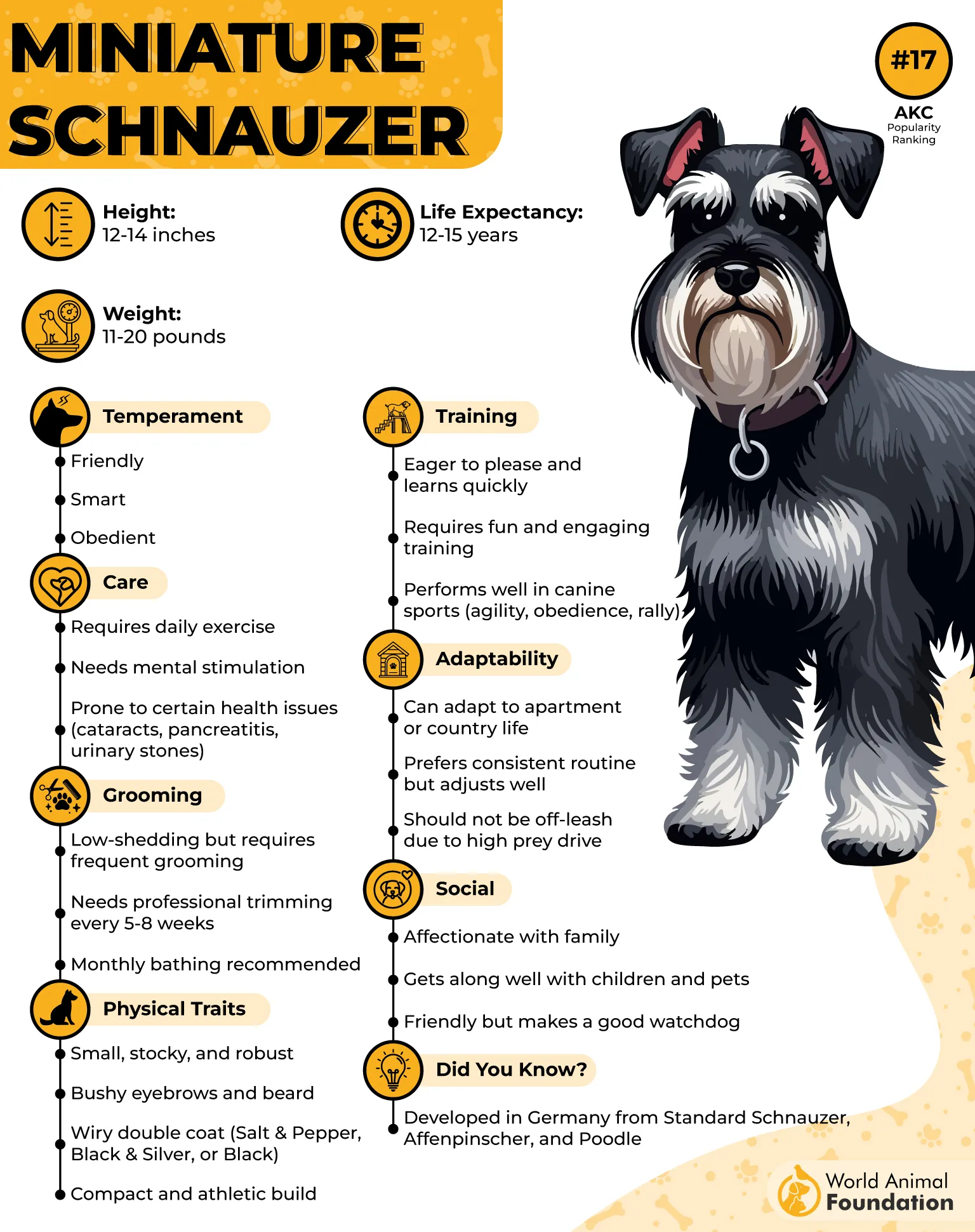
Proper training helps them learn when an alert is useful. Early exposure to neighbors, elevators, guests, and familiar sounds can also build confidence.
Owners should meet their physical and mental needs with play and regular activity. With good habits and daily exercise, this breed can live happily in a smaller home.
What Makes the Miniature Schnauzer Stand Out
Playful nature makes them enjoyable family companions.
They often do well with well-behaved children.
Their low-shedding coat can suit tidy households.
Puzzle toys provide useful indoor enrichment.
Their adaptable nature can make them a perfect match for active apartment owners.
2. Miniature Pinscher
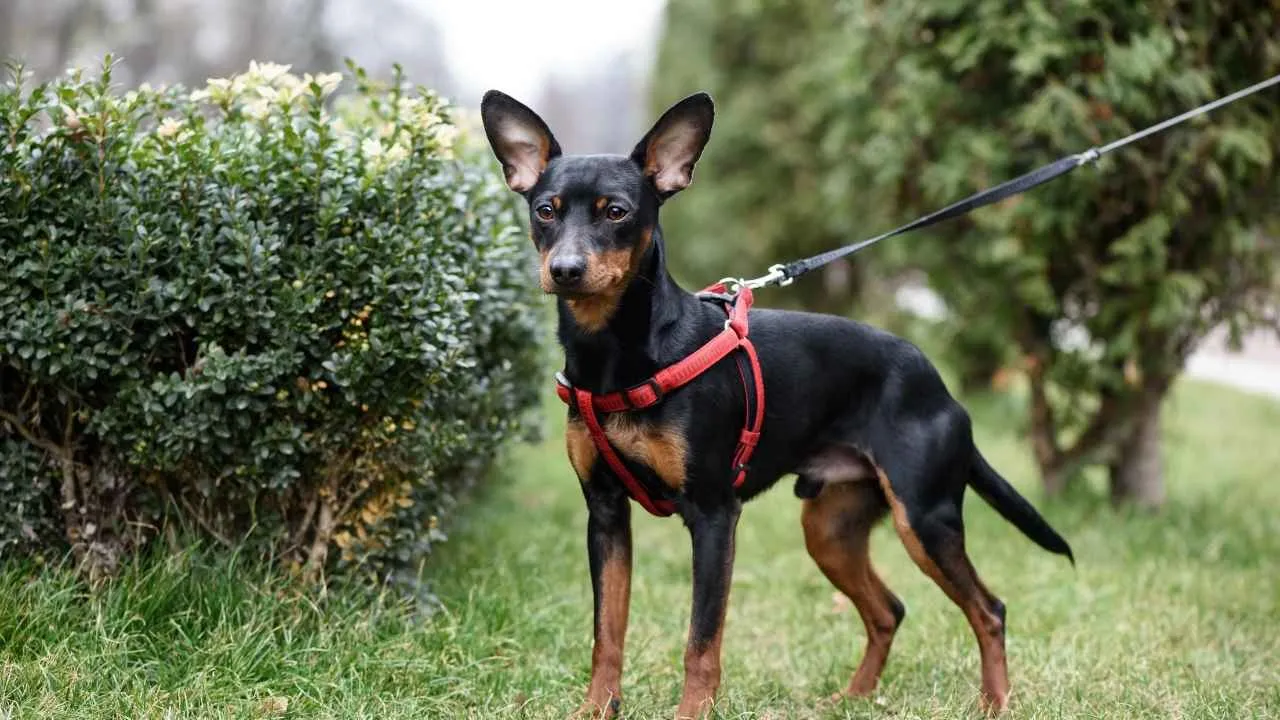
The Miniature Pinscher is a bold, lively small dog with a big personality. Fans often call this energetic breed the “King of Toys.” According to PDSA, Min Pins love to play and explore whenever they can. Their confident nature can also make them attentive to activity around the home.
They may react quickly to unfamiliar sounds, especially in a busy building. However, that does not make every Min Pin a protection dog. A calm temperament comes from good habits, socialization, and consistent training.
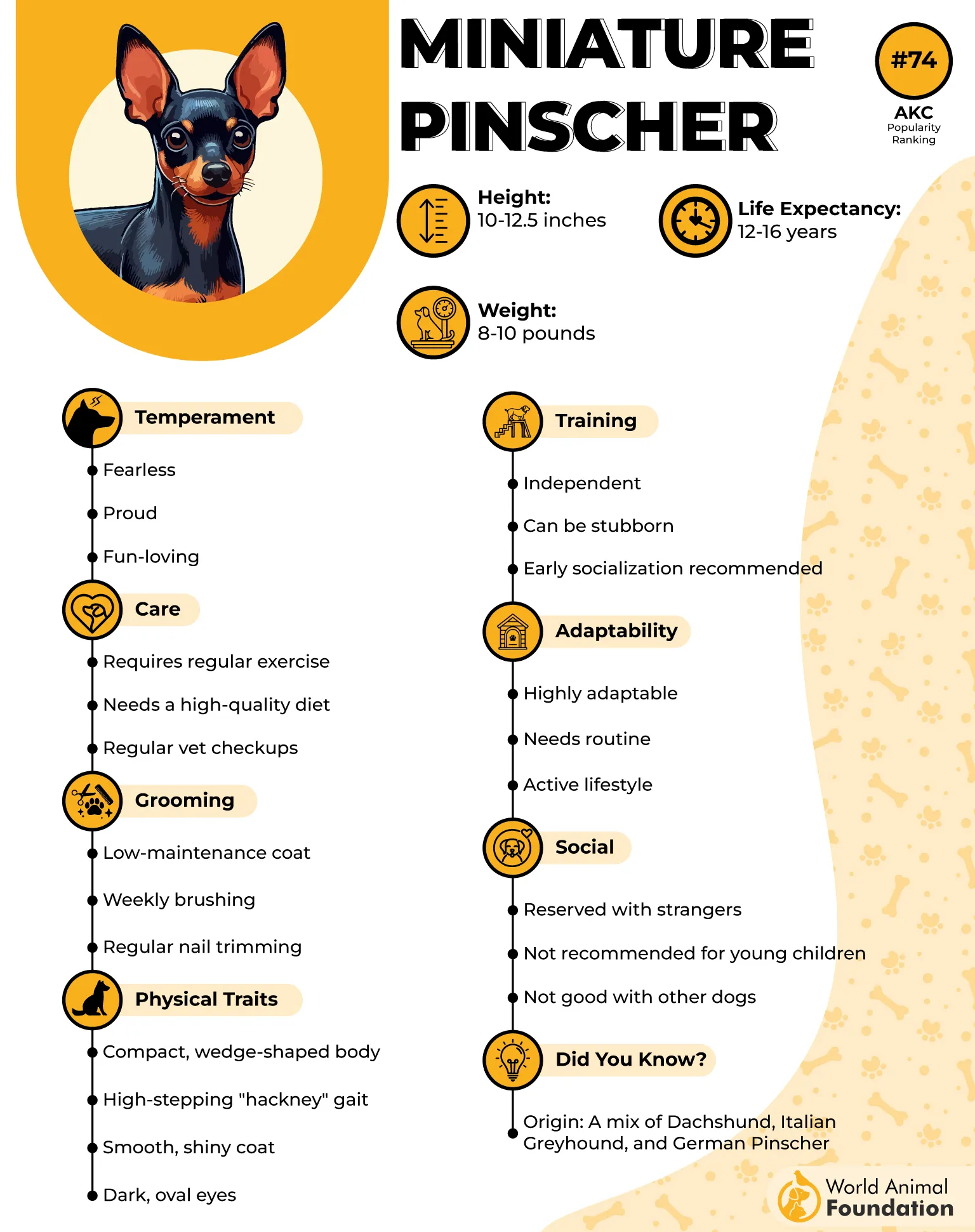
Without proper guidance, excessive barking can become difficult in an apartment. Their compact size and lively character can still make them a good apartment dog.
Short walks, indoor games, and chances to explore can keep them content. They can form strong bonds with their families and adapt well to an urban setting. For owners who enjoy an active companion, this breed can be well-suited for apartment living.
Why the Miniature Pinscher Can Suit Apartment Life
Their smooth coat needs minimal grooming.
A low-maintenance coat makes weekly brushing simple.
Their traditional pest-hunting background adds to their fearless nature.
Their high-stepping gait gives them a distinctive appearance.
Clear household rules can help prevent overly aggressive behavior.
3. Chihuahua
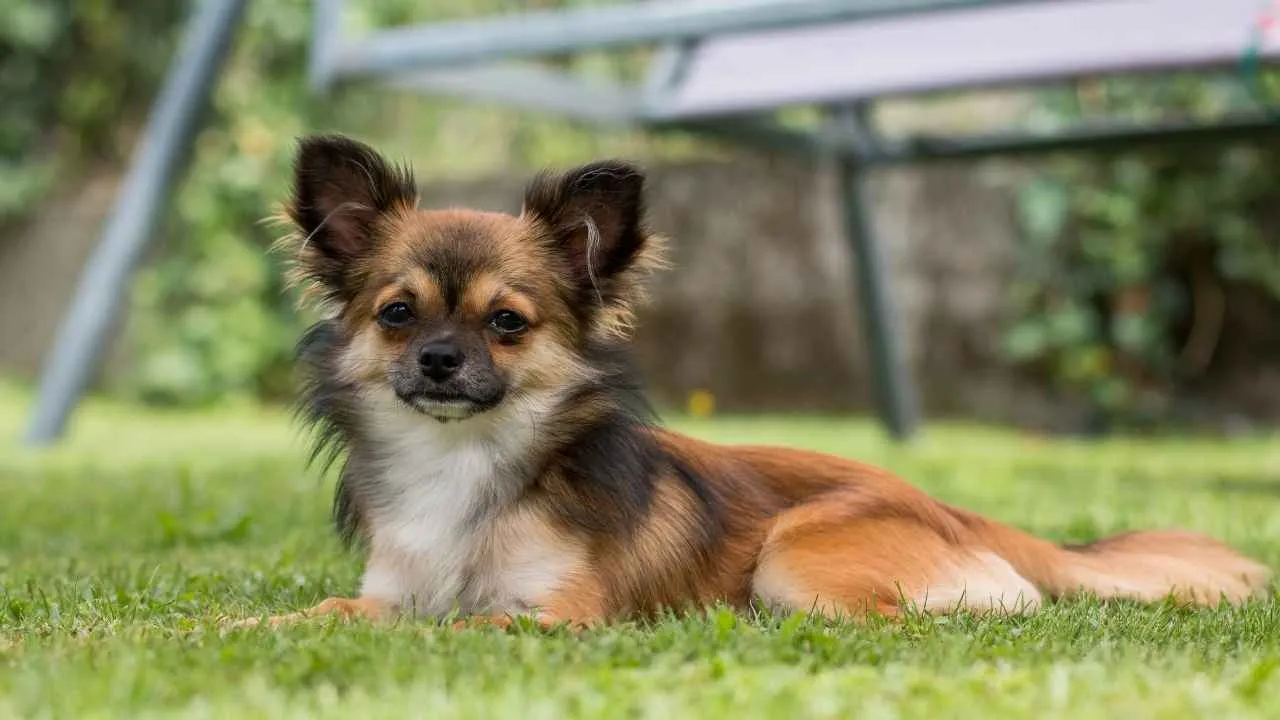
The Chihuahua may be tiny, but its personality is anything but small. According to the American Kennel Club, this ancient breed is loyal, charming, confident, and full of character. Their close bonds with their owners can make these dogs highly watchful at home.
They are naturally alert and may quickly react when strangers or unfamiliar dogs appear. This makes them an interesting apartment guard dog, although they are not a traditional protection dog.
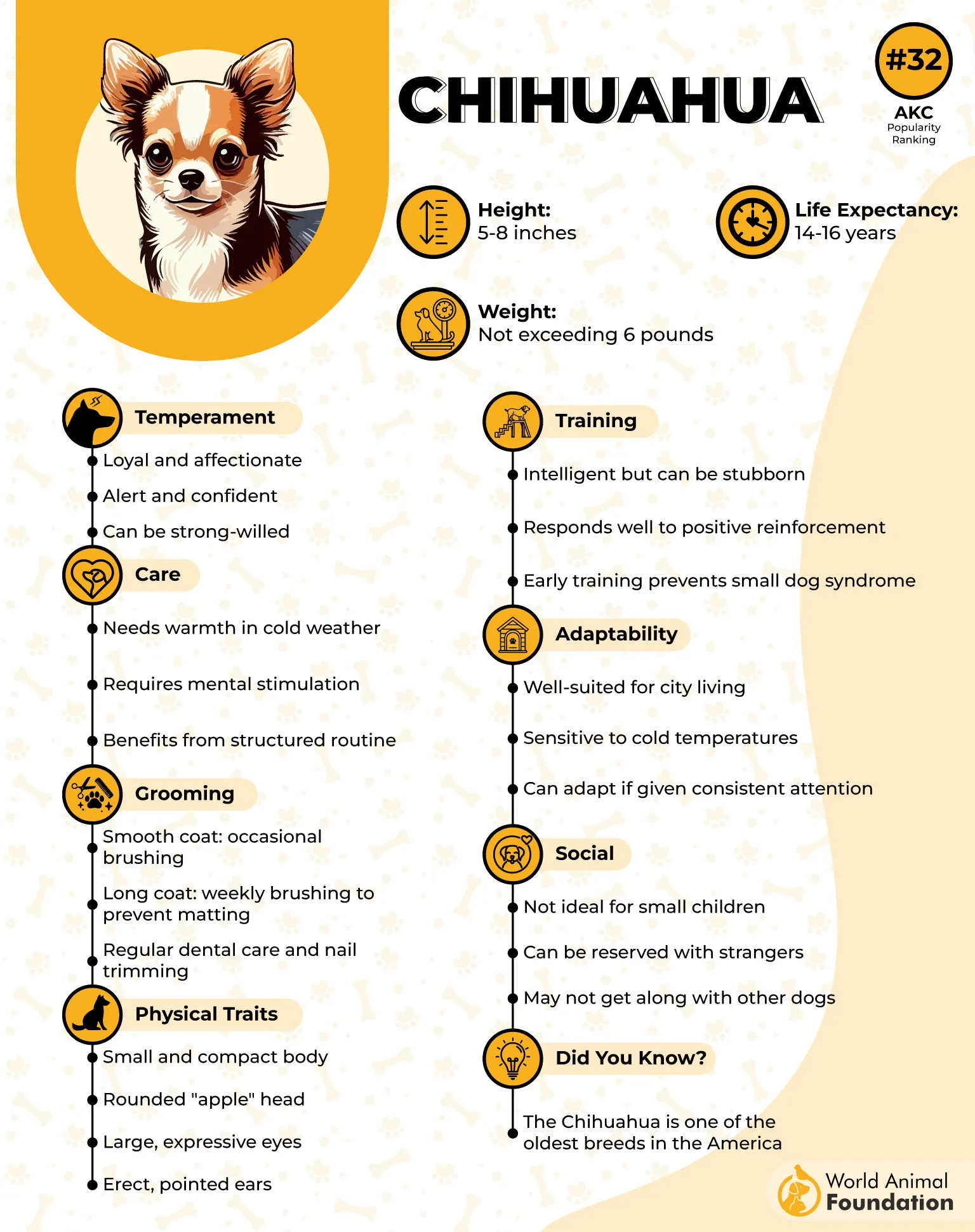
Their vocal nature can become one of the biggest apartment challenges, especially when barking may disturb neighbors. Proper training and early socialization are therefore essential from a young age. Chihuahuas can also live well with other pets when introduced carefully.
Their size makes them easy to manage in smaller spaces, while their energy levels can often be met with play and short outings. With enough mental stimulation and attention, this small dog breed can become a devoted city companion.
Tips for Apartment Chihuahua Owners
Keep greetings calm when visitors enter.
Use cozy bedding to provide a secure resting spot.
Protect them from cold weather during outdoor trips.
Supervise interactions with young children because of their size.
Create a steady routine to help them feel confident.
4. Yorkshire Terrier
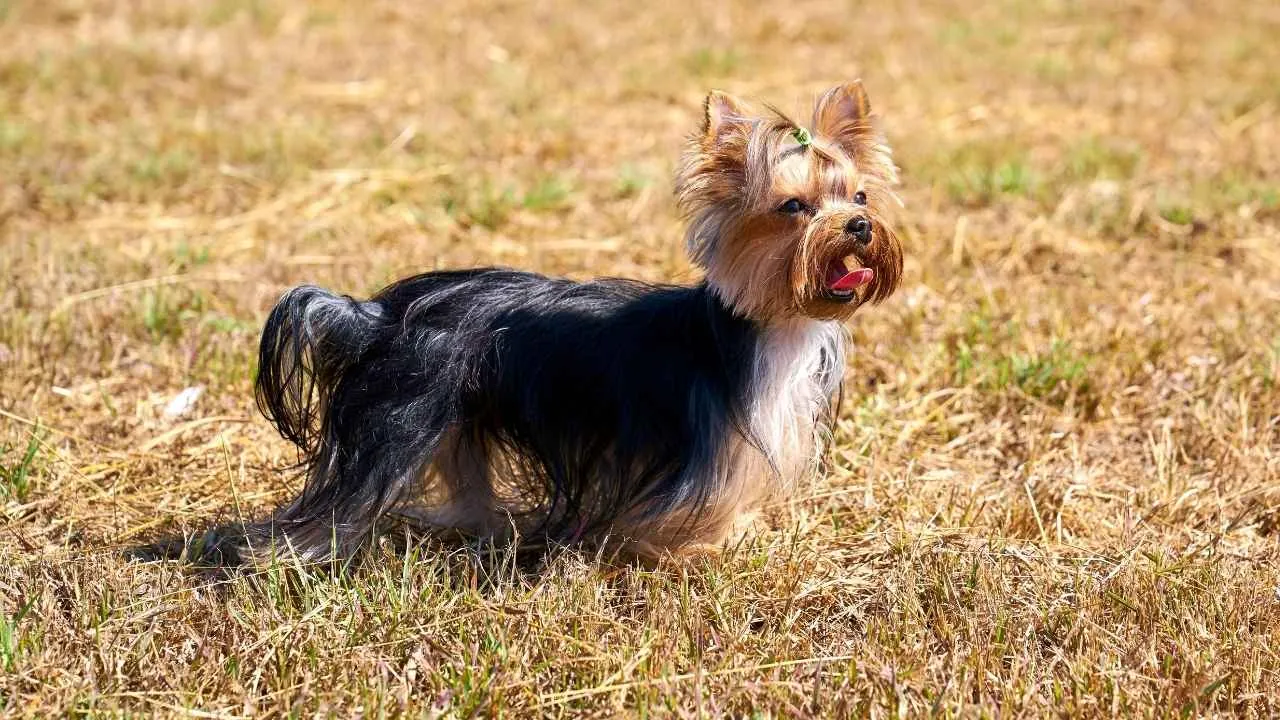
Beneath the Yorkie’s silky coat lies a true terrier spirit. According to Wikipedia, the Yorkshire Terrier is playful and energetic, and people usually keep it as a companion dog. Yet its working past gives this small dog breed more courage than its size suggests.
Yorkies were originally bred to control rats in mines and mills. Today, that bold background can make them attentive at home. They may notice visitors, footsteps, and real threats before their owners do. This guard dog breed can work well with apartment living when its needs are met.
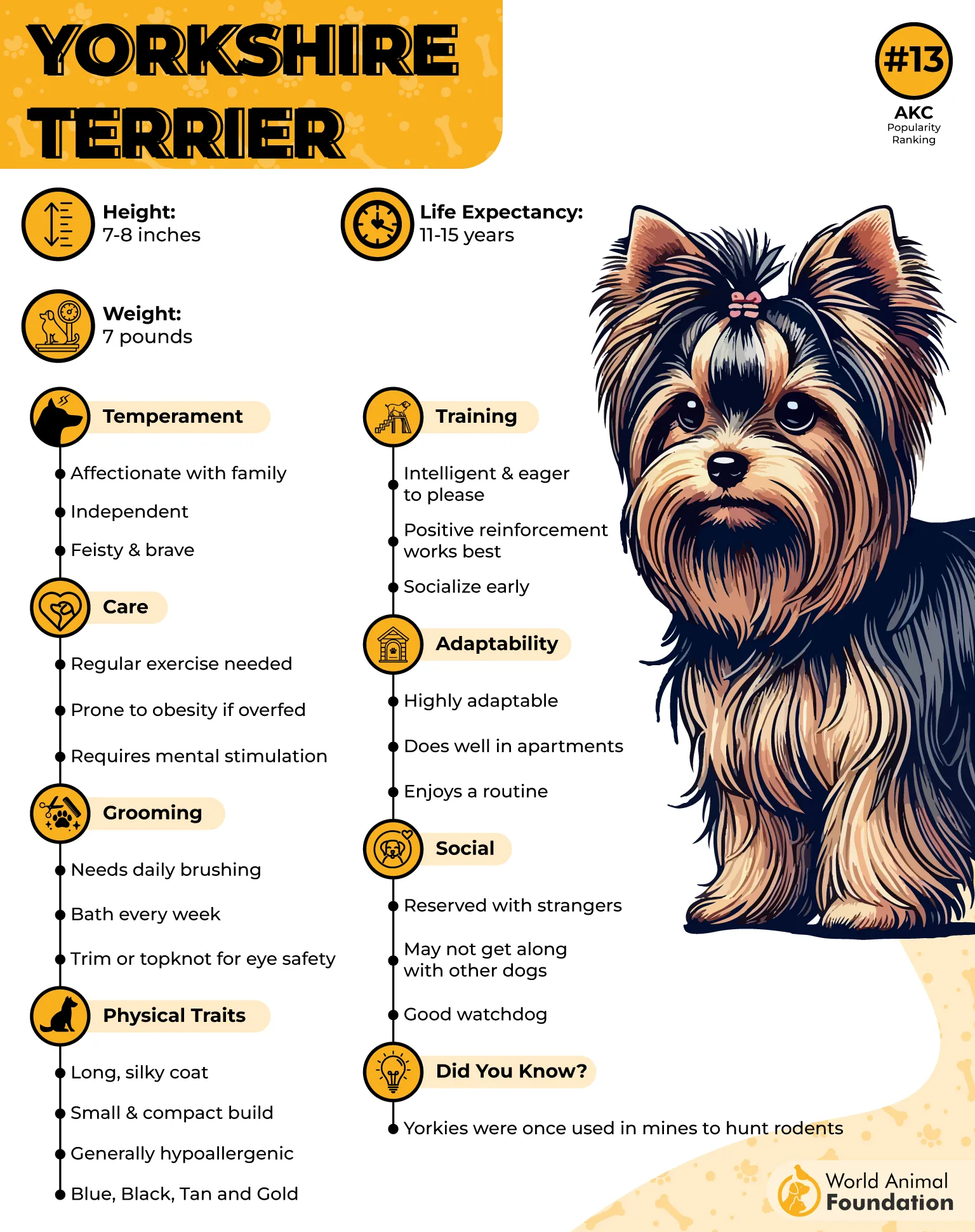
Yorkies form strong bonds with their families and can settle calmly indoors after suitable activity. Their size also makes them convenient for tighter spaces. Still, terrier instincts can bring challenges, especially without enough activity and guidance.
With regular exercise and proper training, they can enjoy apartment life while providing loyal companionship and an alert presence.
What Helps a Yorkie Succeed in an Apartment
Interactive toys can keep its busy mind engaged.
Consistent routines can support calm household behavior.
Its long coat needs regular grooming and brushing.
Supervised outdoor time helps satisfy its curious nature.
Owners should reward quiet behavior around common apartment sounds.
5. Cairn Terrier
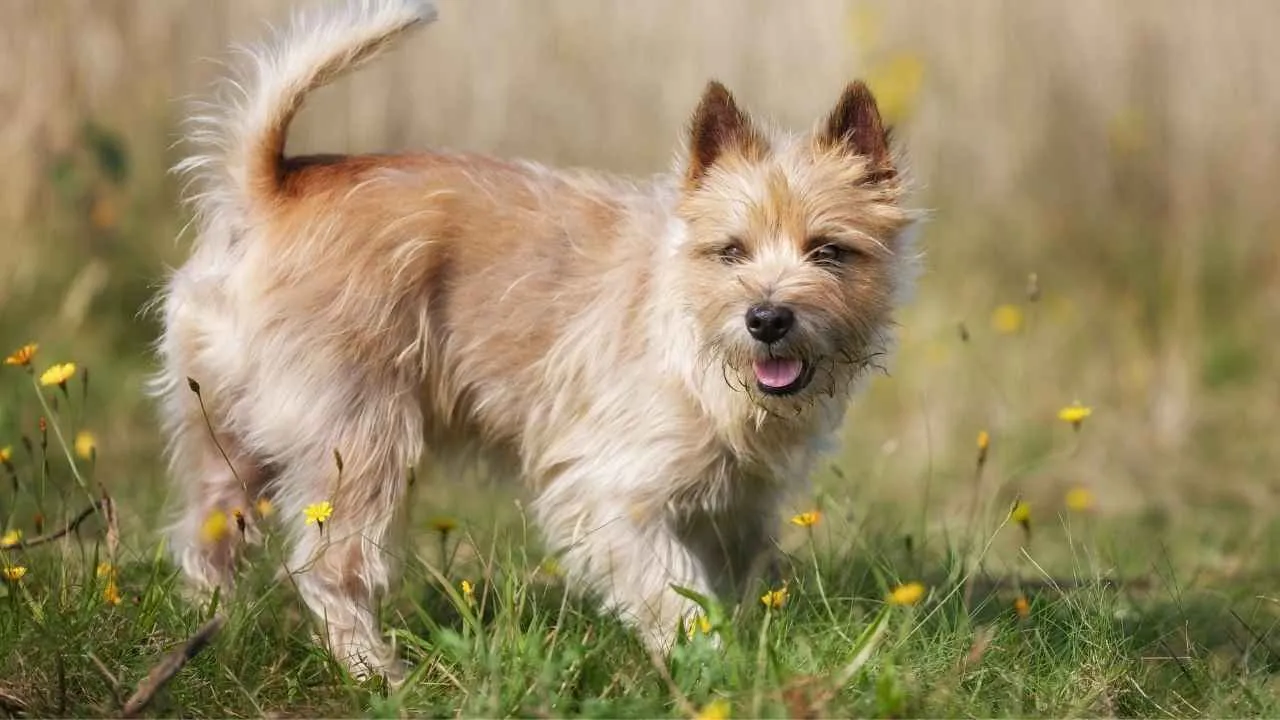
The Cairn Terrier is a cheerful dog with a fearless spirit. Originally bred to hunt small prey in Scotland, this terrier loves exploring its surroundings. According to PetMD, Cairns can feel comfortable in apartments, suburban homes, and farms.
That flexibility makes them appealing to an apartment dweller who wants an active but compact pet. Their curious nature also means they need mental stimulation throughout the day. Without enough exercise or activity, boredom can bring some challenges.
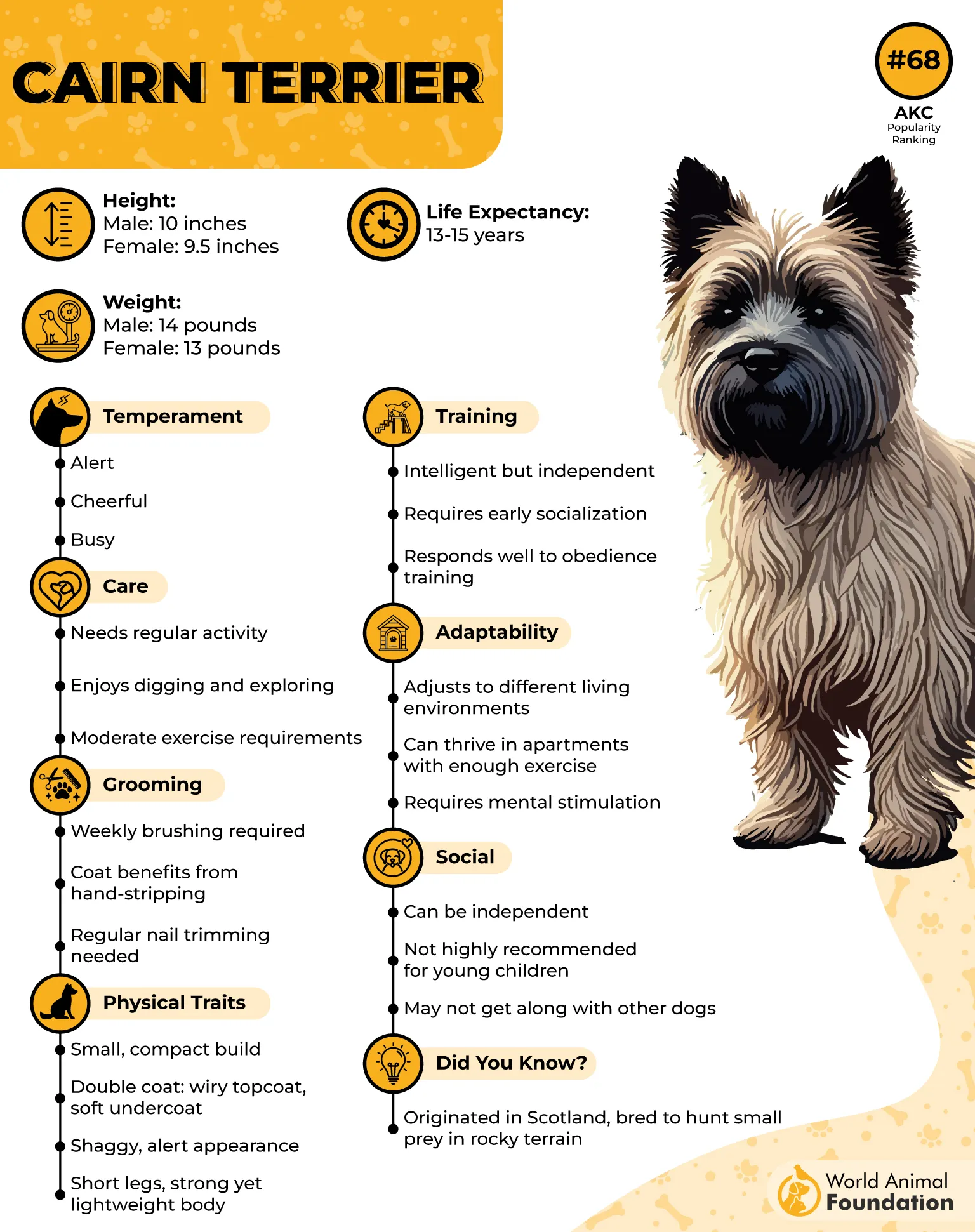
A Cairn is not a protection dog, but it can be naturally protective of its family. This loyal companion can bond closely with its people and enjoy plenty of family time. Short walks, indoor games, and regular play can provide enough exercise for many dogs.
Their manageable energy levels can work well in small apartments and other indoor environments. With consistent training, a properly trained Cairn can become a happy part of urban living without becoming anxious.
Making Apartment Life Easier for a Cairn Terrier
Give it safe outlets for its digging instincts.
Rotate toys to keep daily play interesting.
Offer quiet spaces where it can relax.
Encourage positive interactions with visitors and neighbors.
Keep daily routines steady to support a sociable nature.
6. Dachshund
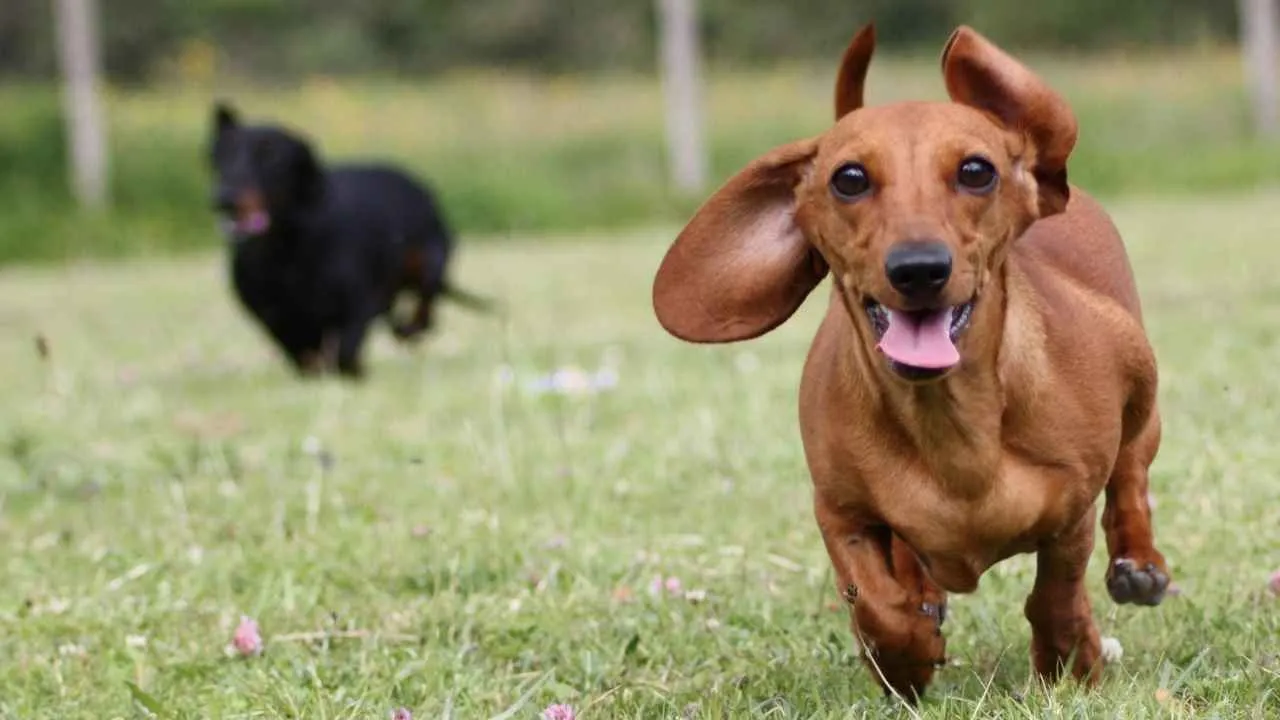
The Dachshund brings a lively spirit to apartment life. According to Britannica, this German hunting dog breed was developed to pursue badgers into their burrows. That history helps explain its bold nature and strong curiosity today.
Despite its short legs, it is not a low-energy dog. A Dachshund enjoys exploring, following scents, and taking part in family activities. Its cheerful disposition can also make it an incredibly loyal companion. In an apartment setting, however, its voice deserves attention.
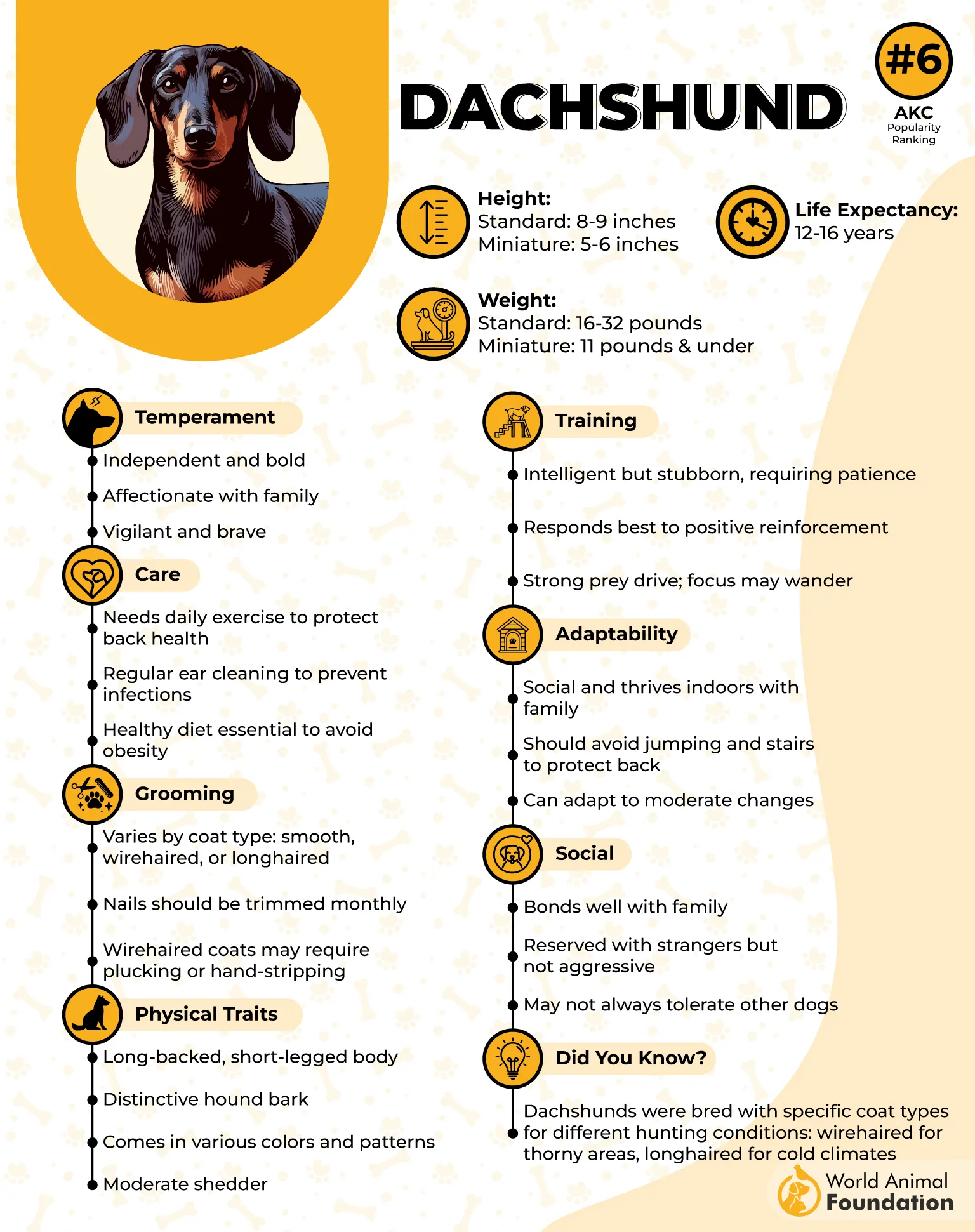
Excessive barking may bother neighbors, especially when the dog reacts to every new sound. Early socialization can help it respond more calmly to people and other dogs. Dachshunds may also show a protective instinct, but they are not a substitute for a large dog trained for protection.
With proper training, regular exercise, and suitable mental challenges, they can adapt well to compact spaces without needing a sprawling backyard.
Helping a Dachshund Thrive in an Apartment
Use scent games to channel its hunting instincts.
Avoid rough jumping activities that strain its long back.
Give it safe ways to explore different textures and scents.
Keep walks interesting rather than focusing only on distance.
Provide interactive activities when high energy makes settling difficult.
7. Lhasa Apso
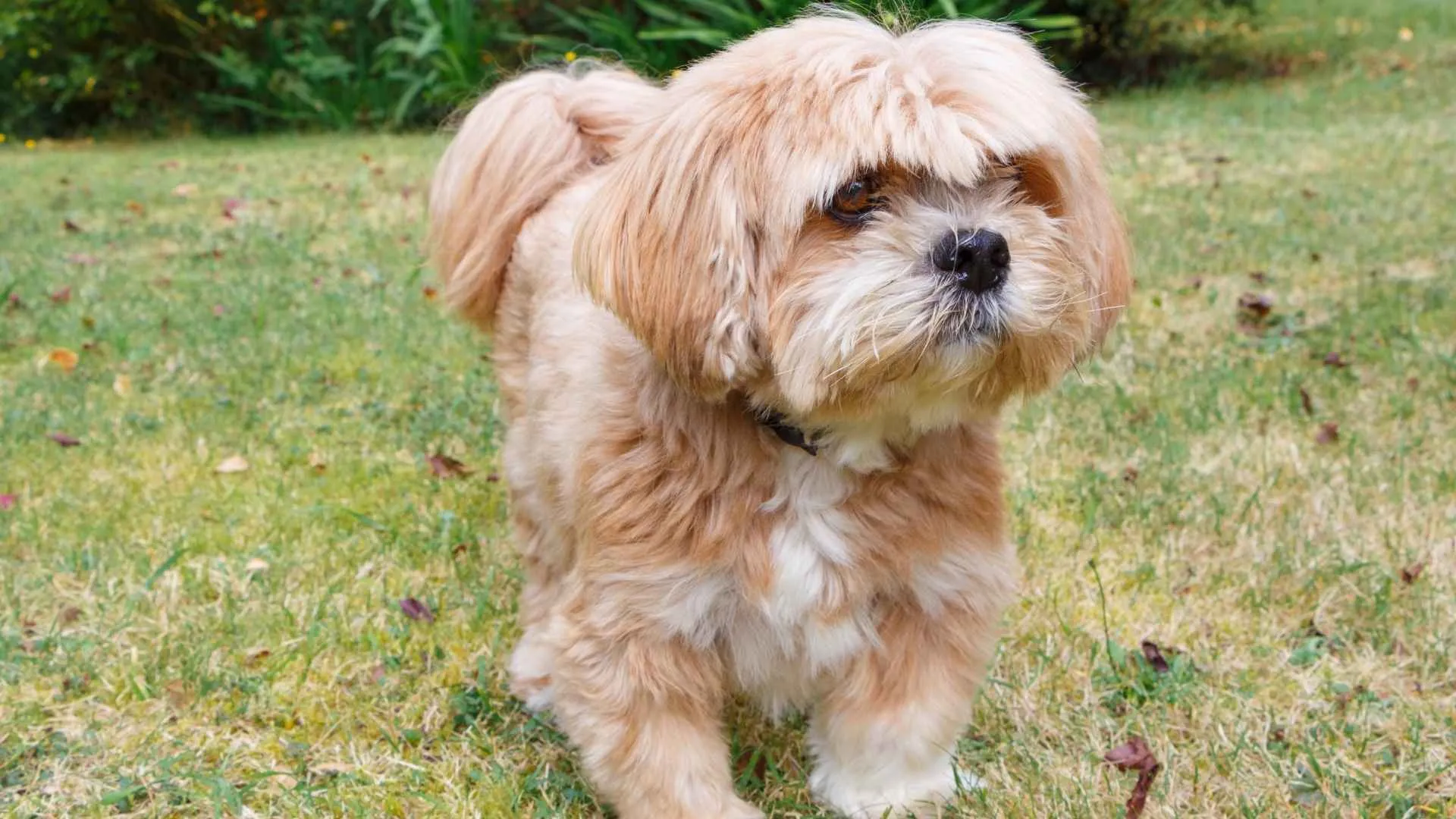
The Lhasa Apso has a remarkable history as a household sentinel. According to the American Lhasa Apso Club, this breed originated in Tibet around 800 BCE and served as a watchdog in Tibetan monasteries. That heritage helps explain why this small dog breed remains so observant today.
Purina describes the Lhasa Apso as happy, assertive, and intelligent, with sharp hearing and an instinct for telling friends from strangers. It is naturally protective, but that does not make it a formal protection dog.
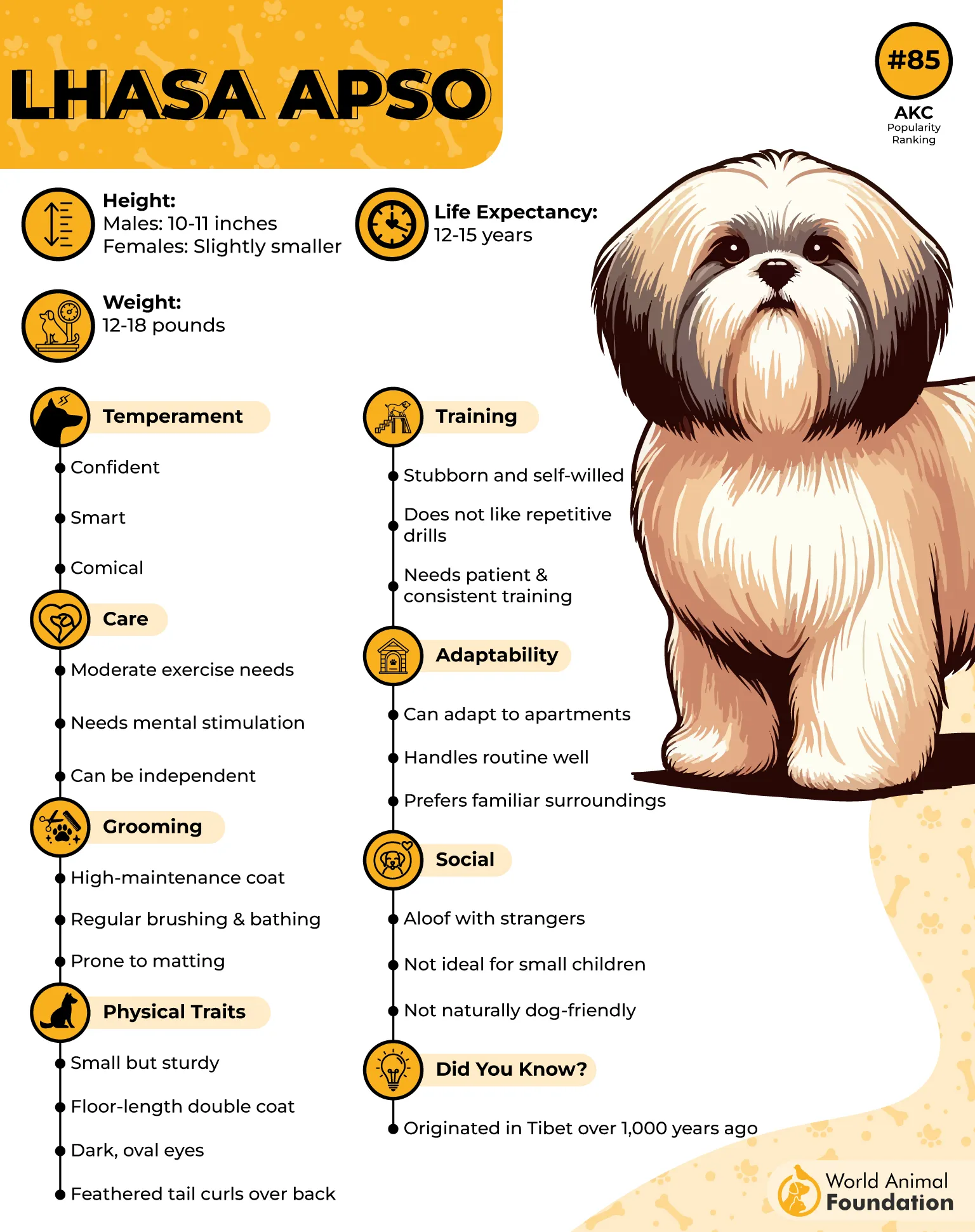
Instead, it often watches over family members and forms a close bond with their owners. Its affectionate nature can make it a deeply loyal companion as well. The breed’s small size works nicely for small spaces and apartment living.
However, owners should consider noise sensitivity, since alert barking may bother nearby neighbors. With daily exercise, calm routines, and the right guidance, a Lhasa Apso can live comfortably without constant activity or long walks.
Caring for a Lhasa Apso in an Apartment
Their luxurious coat can require regular grooming.
Owners should brush often to help manage shedding.
Mental games can prevent boredom during quiet days.
A steady routine can reduce unwanted alertness.
They should receive proper training for polite guest greetings.
8. Tibetan Spaniel
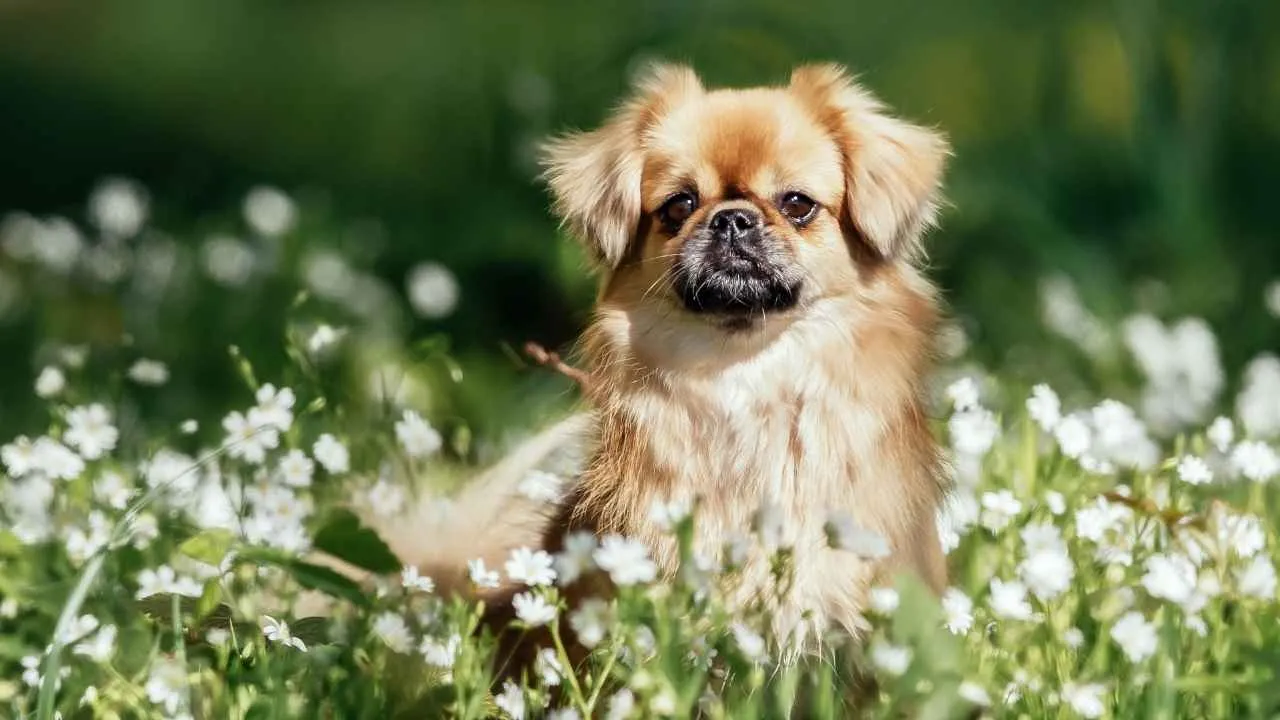
The Tibetan Spaniel is a watchful small dog breed with an ancient purpose. It once served as a sentinel on Tibetan monastery walls, where alertness mattered greatly. According to Royal Canin, these little dogs are graceful, agile, and well-balanced.
They also have a reputation as natural guardians, often staying alert even while resting. That observant nature can suit apartment living, where unusual sounds are easy to notice. Yet a Tibbie can also live peacefully at home when given a comfortable routine.
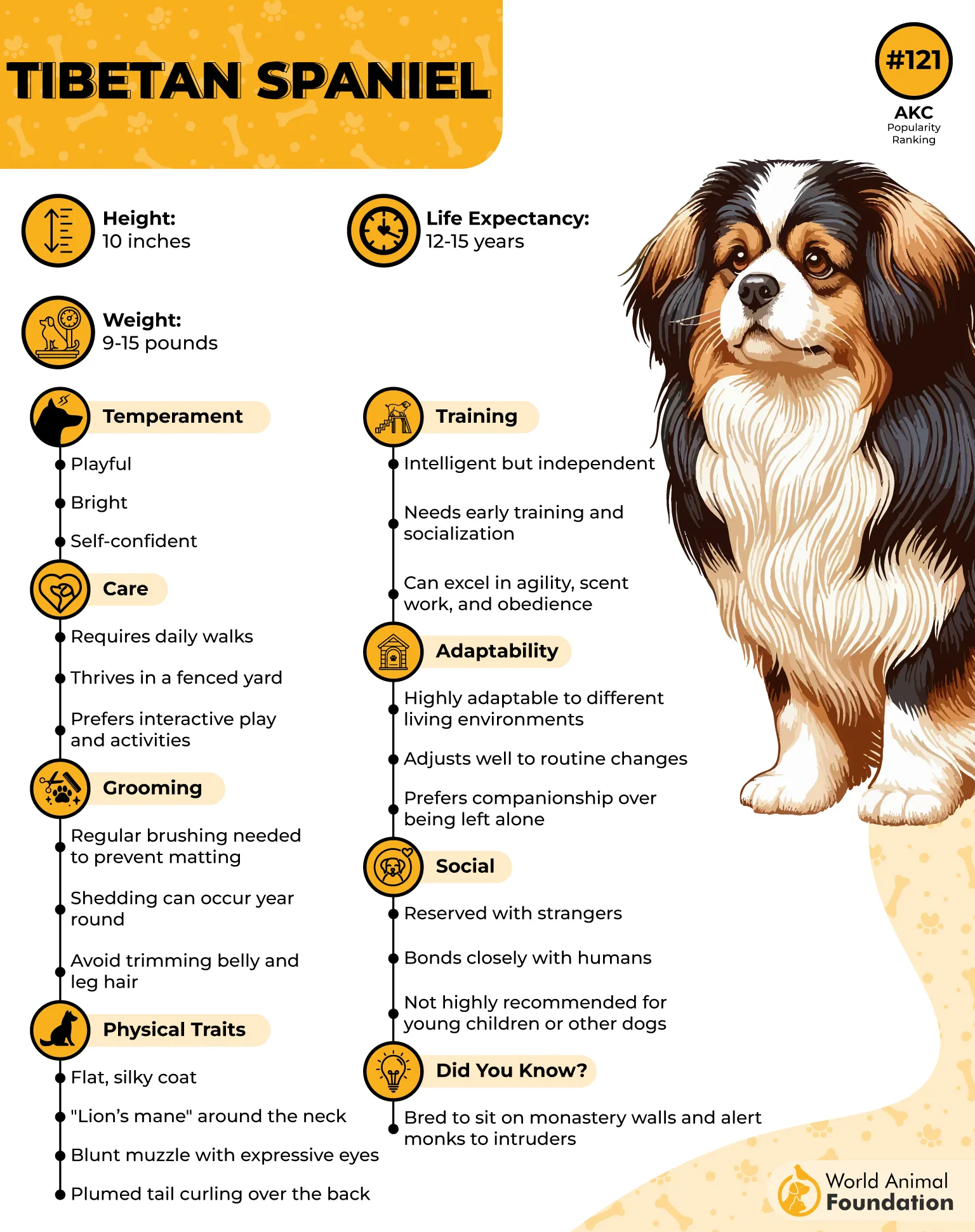
It does not require extensive exercise, but it still enjoys movement and play each day. Mental stimulation is equally important and can help prevent boredom. Puzzle toys, scent games, and brief interactive sessions can keep its clever mind engaged.
With structured training, owners can encourage polite behavior around guests and neighbors. A well-guided Tibetan Spaniel can stay calm indoors instead of developing destructive behavior or becoming aggressive. Its adaptable nature helps it adjust nicely to smaller homes.
Helping a Tibetan Spaniel Adjust to Apartment Life
Give it a raised resting spot to observe activity.
Rotate interactive toys to keep indoor time interesting.
Reward quiet behavior after alerting to unusual sounds.
Introduce visitors calmly to build confidence.
Keep daily routines predictable and easy to follow.
9. Pomeranian
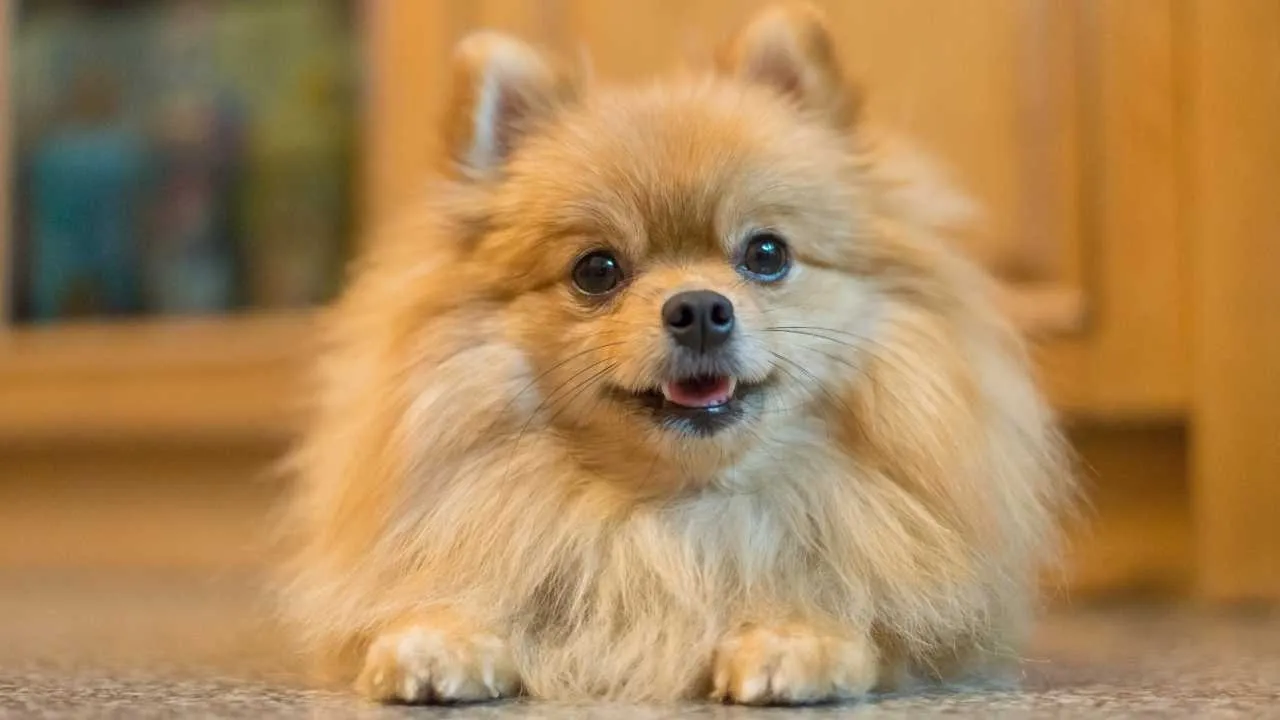
The Pomeranian may be tiny, but it carries plenty of confidence. According to WebMD, Pomeranians are petite toy dogs that have remained a popular dog breed for hundreds of years. They are friendly, inquisitive, lively, and full of personality.
Their spirited nature makes them entertaining companions, while their alertness can add a sense of protection at home. They are also highly trainable, so owners can teach useful obedience skills from an early age. For apartment owners, their ability to exercise through indoor games is a major benefit.
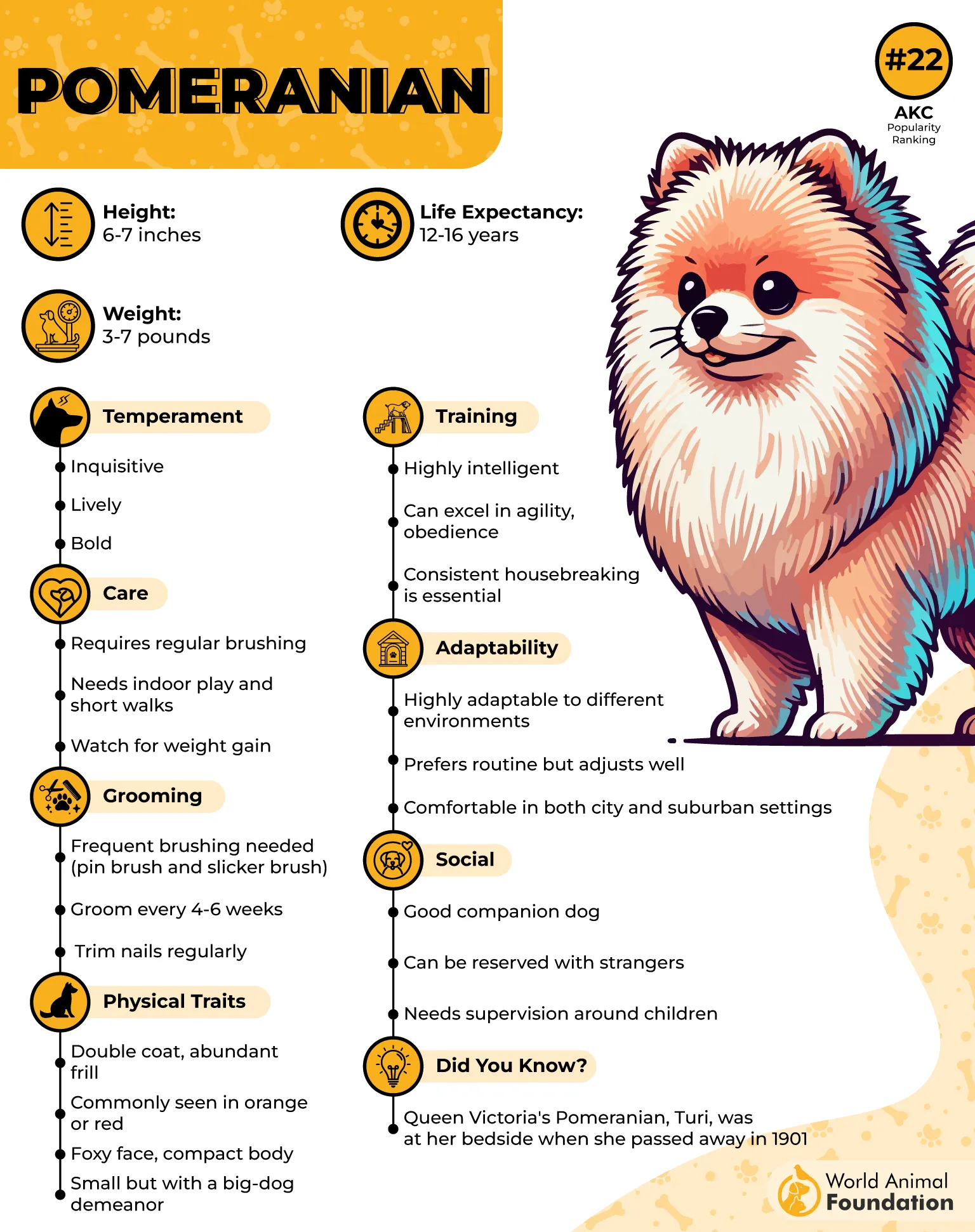
Some Poms have high energy, but regular physical activity can help them settle afterward. This makes them well suited for apartment homes. Their social nature also means owners should watch for separation anxiety when they spend too much time alone.
Consistent routines, mental stimulation, and companionship are essential for keeping this lively breed happy rather than anxious.
Helping a Pomeranian Thrive at Home
Their fluffy coat needs regular brushing despite their low-maintenance size.
Enjoy playtime through tricks, games, and interactive toys.
Teach quiet behavior alongside basic obedience cues.
Introduce children carefully because of the Pom’s tiny frame.
Reward calm behavior to build good household habits.
Conclusion
Choosing the right small guard dog means looking beyond size and appearance. Before searching for a new companion, understand how much exercise a certain breed needs and whether it can receive proper training.
Many apartments also have weight limits, breed rules, or noise policies, so these are important factors to check first. During regular training sessions, focus on socialization, calm behavior, and clear boundaries to reduce aggression and unwanted barking.
Proper care is another key responsibility, including exercise, mental stimulation, and companionship. A dog’s adaptability and sociable nature can make apartment life easier. However, these traits can be overlooked when owners focus only on appearance.
Embrace the breed’s needs, and its strengths become easier to enjoy. A manageable energy level is another key trait worth considering. Once you recognize these needs, you can choose confidently and provide a happy, respectful home.
