




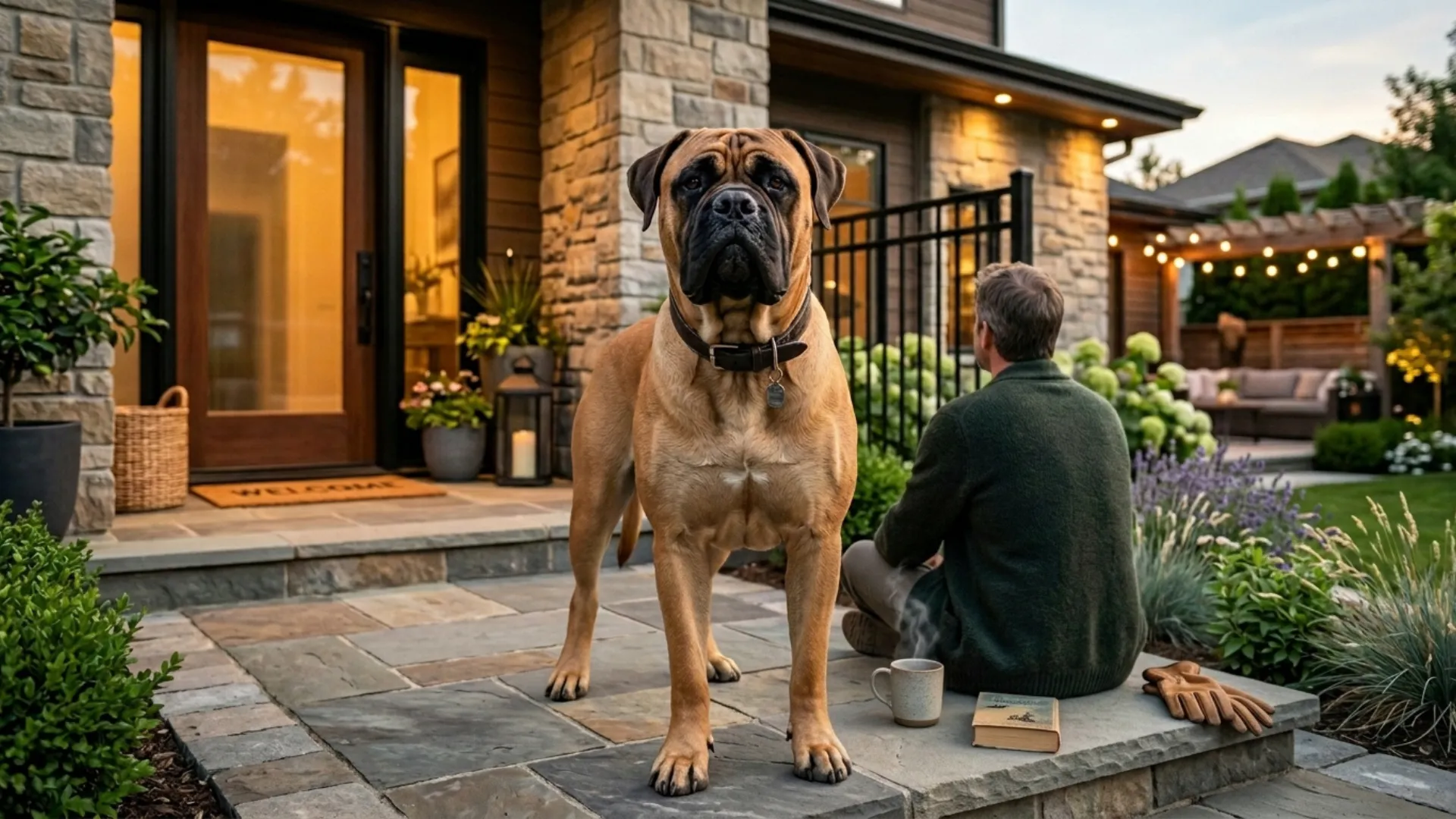
A weird truth about guard dogs nobody tells you upfront:
The scariest-looking ones are usually the laziest.
We are serious. You picture a “protective dog”, and your brain goes straight to something like a German Shepherd or a Doberman Pinscher, pacing the fence line, barking at leaves, ready to sprint at a moment’s notice.
And sure, those breeds make excellent guard dogs, no argument there. Police dogs exist for a reason.
But there’s a whole other category of guardian breeds that run on the “why stand when you can lie down” philosophy, right up until the second they decide you actually need them.
Then it’s game on.
That’s the sweet spot a lot of pet parents are actually after.
Not a dog that turns your living room into a Belgian Malinois training academy.
Something large, naturally protective, and calm enough to nap through most of the day, with the natural guarding instincts to know the difference between the mail carrier and an actual problem.
So, if “guard dog” makes you immediately think “too much work, too much noise, too much everything,” stick around.
These nine breeds might change your mind, and a few of them might just be the right dog for your family life.
Top Low-Maintenance Guard Dog Breeds for Peaceful Homeowners
1. Bullmastiff
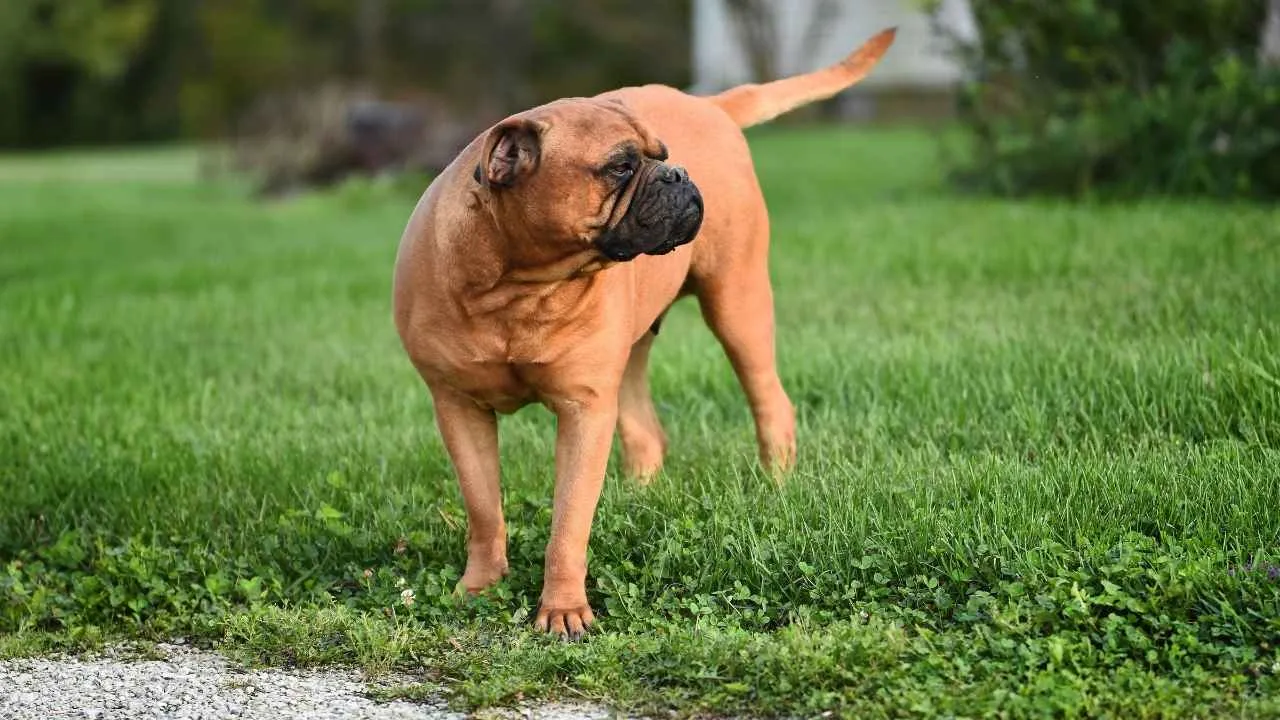
Okay, picture this.
You have got a dog snoring on your kitchen tile, drooling slightly, completely dead to the world.
That is a Bullmastiff on a random afternoon.
Now picture that same dog moving in near-total silence to pin someone to the ground. That is the Bullmastiff doing its job.
Because… this Mastiff dog breed was not originally bred to scare people off. English gamekeepers bred them to catch poachers. Not bark at them. Catch them.
That history explains the temperament.
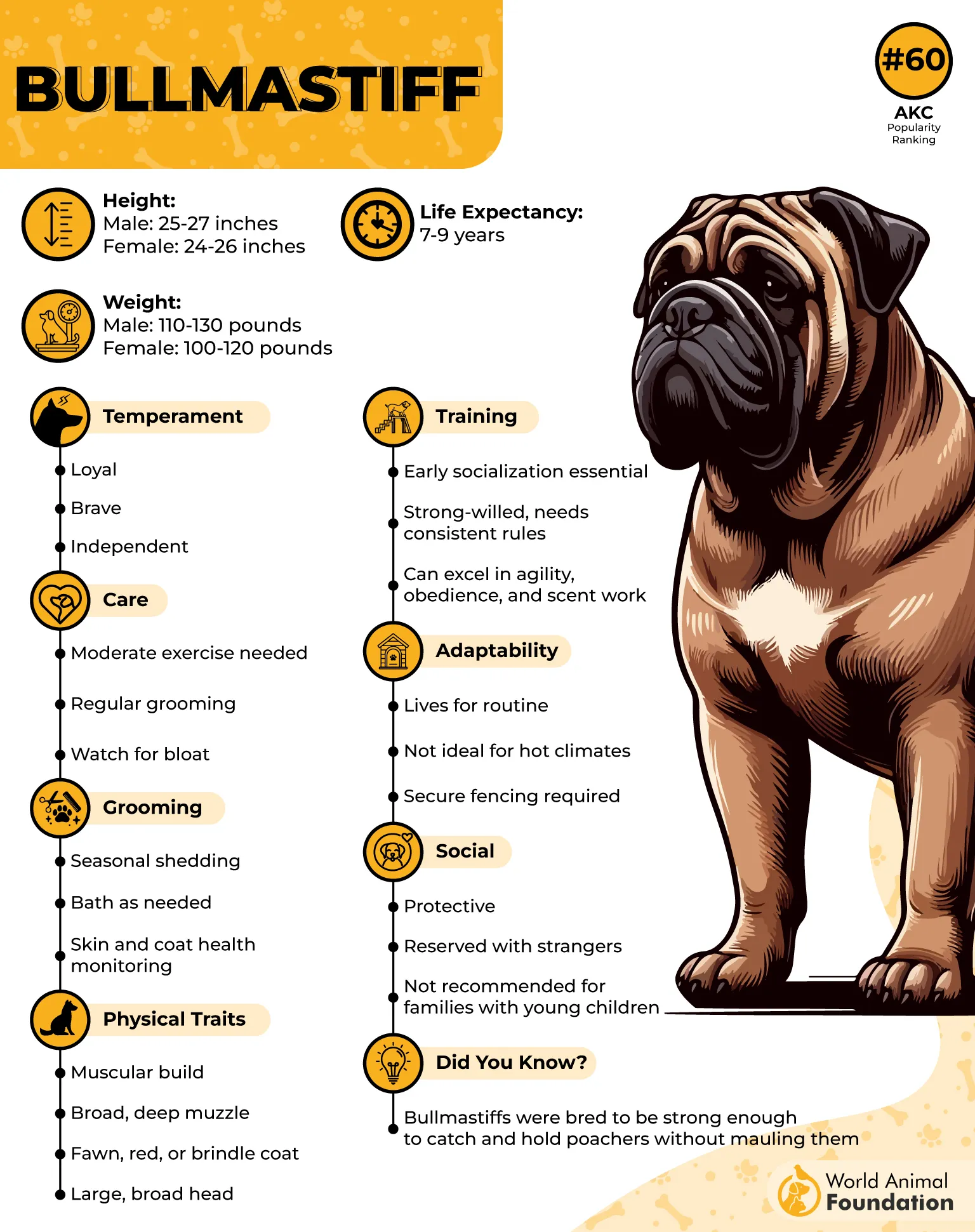
Bullmastiffs are not loud or high energy. Most of them would rather be asleep than doing literally anything else.
According to PetPlace, they need at least 50 minutes of daily exercise. Moderate exercise, yes. And some short walks.
Grooming is a breeze, too. Short coat, occasional brushing, done.
What they do need is early training and proper socialization, because a fully-grown, untrained Bullmastiff is a different animal to manage. Get that part right, and you end up with the right guard dog.
Incredibly loyal companion for the family members.
2. Rhodesian Ridgeback
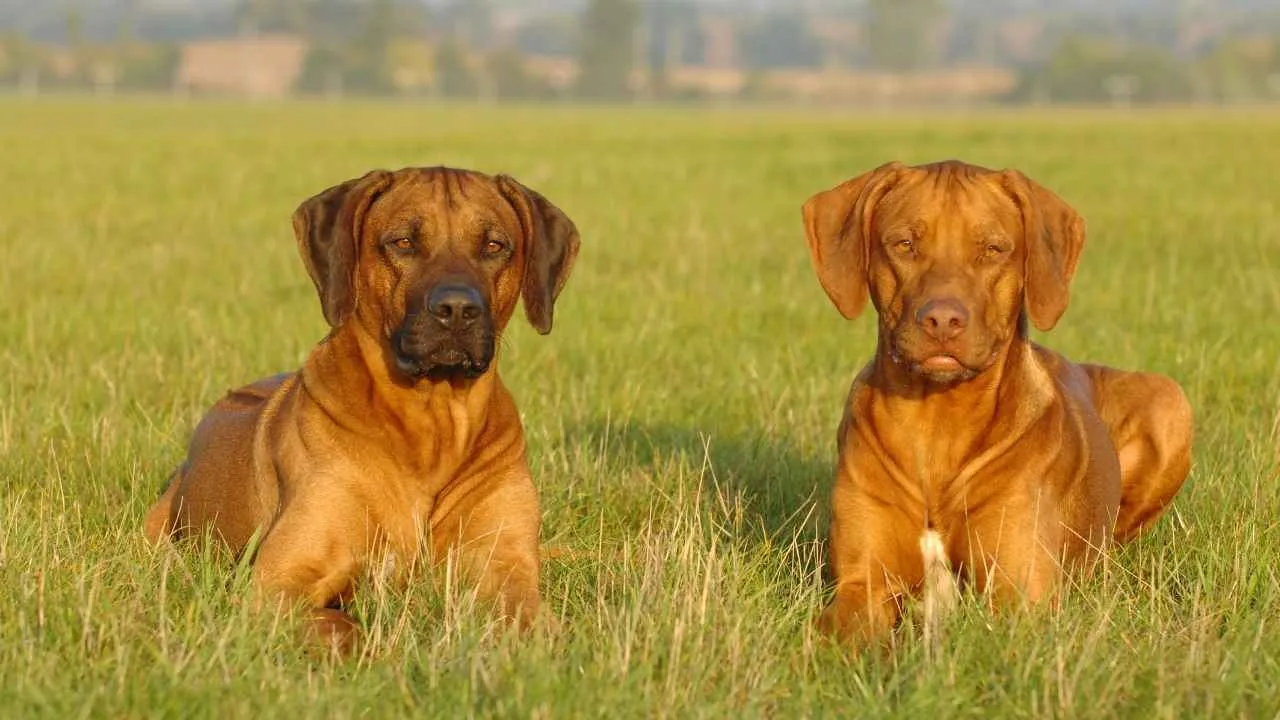
Rhodesian Ridgebacks were originally bred in Africa to hunt lions.
Not “chase off.” Hunt. As in, pack up with a few other Ridgebacks and track down actual lions across open terrain, corner them, and hold them there until the human hunters caught up.
That’s the resume this hunting dog breed is walking around with.
And yet, weirdly, Ridgebacks at home are chill.
A little distant with strangers, naturally wary until they decide you are okay. But mind you, they are not barking machines, not pacing the house looking for trouble.
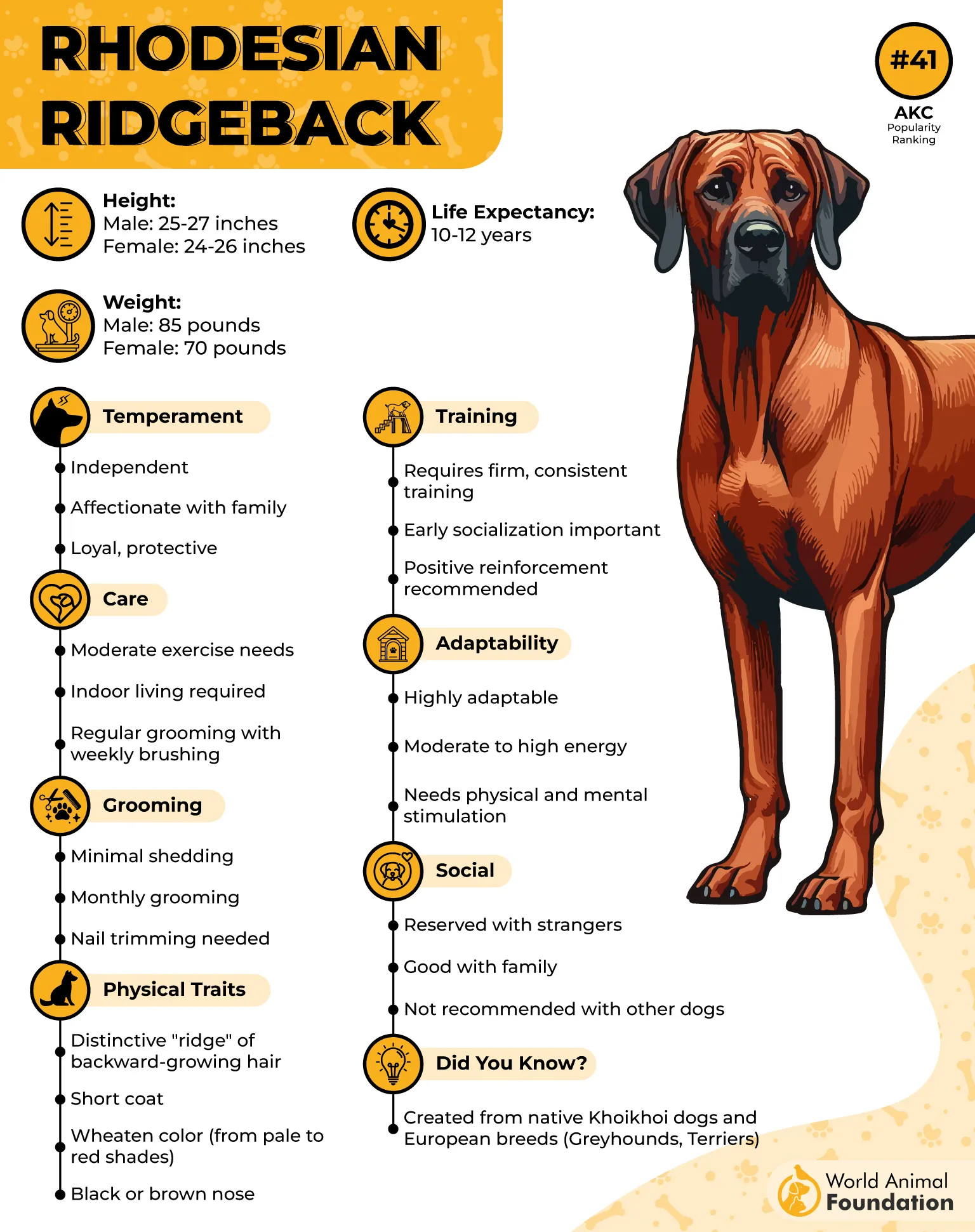
They do need regular exercise because there is real muscle behind this breed.
A daily walk or jog keeps them balanced. Skip that, and you will notice fast. PetMD recommends giving them 45 minutes of daily exercise and mental stimulation.
Beyond that, upkeep stays minimal. Short coat, occasional brushing, and a dog with an instinct to protect without tipping into unpredictability.
They make great guard dogs once you provide them with proper training.
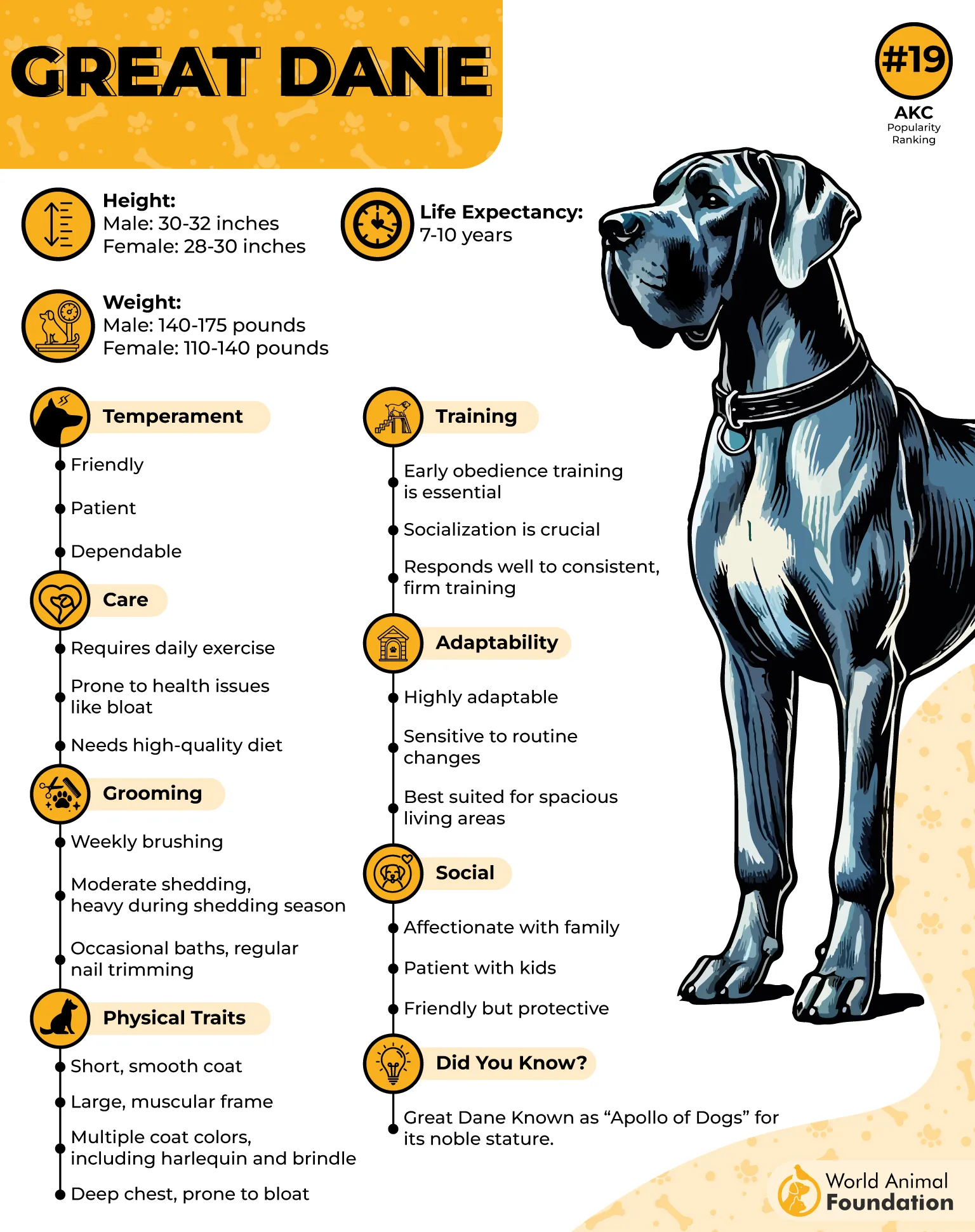
3. Great Dane
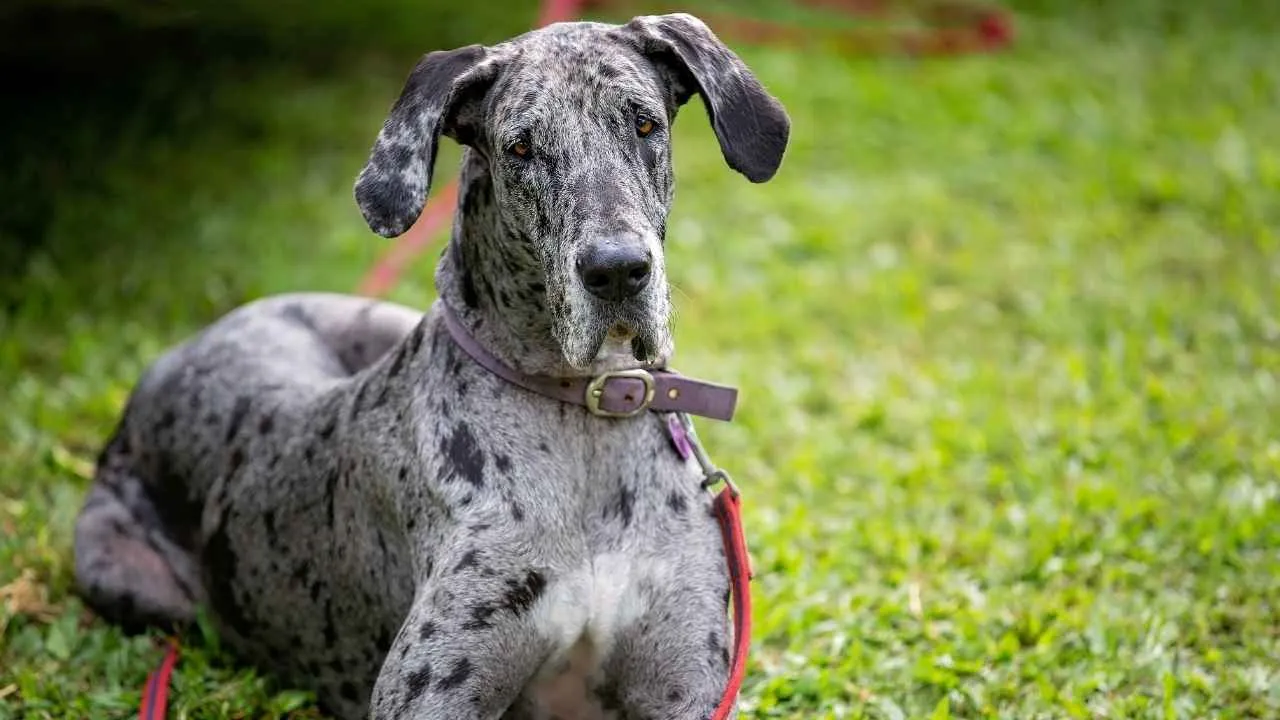
Nobody is breaking into a house with a Great Dane standing in the hallway. It doesn’t matter how sweet the dog actually is. Sheer size does most of the deterring here.
What genuinely surprises first-time dog owners is how little energy these dogs have indoors.
Oh, and mind you, these are one of the tallest dog breeds.
But, still… full-blown couch potato behavior. Short walks, some lounging, maybe a burst of zoomies if you are lucky. Coat care is basically nonexistent too. Short coat, minimal shedding.
The real work with a Great Dane happens early, and it’s proper socialization more than obedience work.
You want a large dog breed that’s been around kids, other pets, other dogs, weird noises, strangers, all of it, before it is fully grown.
Skip that step and even the gentlest Great Dane becomes a liability just by being clumsy and huge. Do it right, and you have one of the sweetest large breeds a person could ask for.
This is a genuine loving family pet hiding inside a horse-sized body.
4. Mastiff
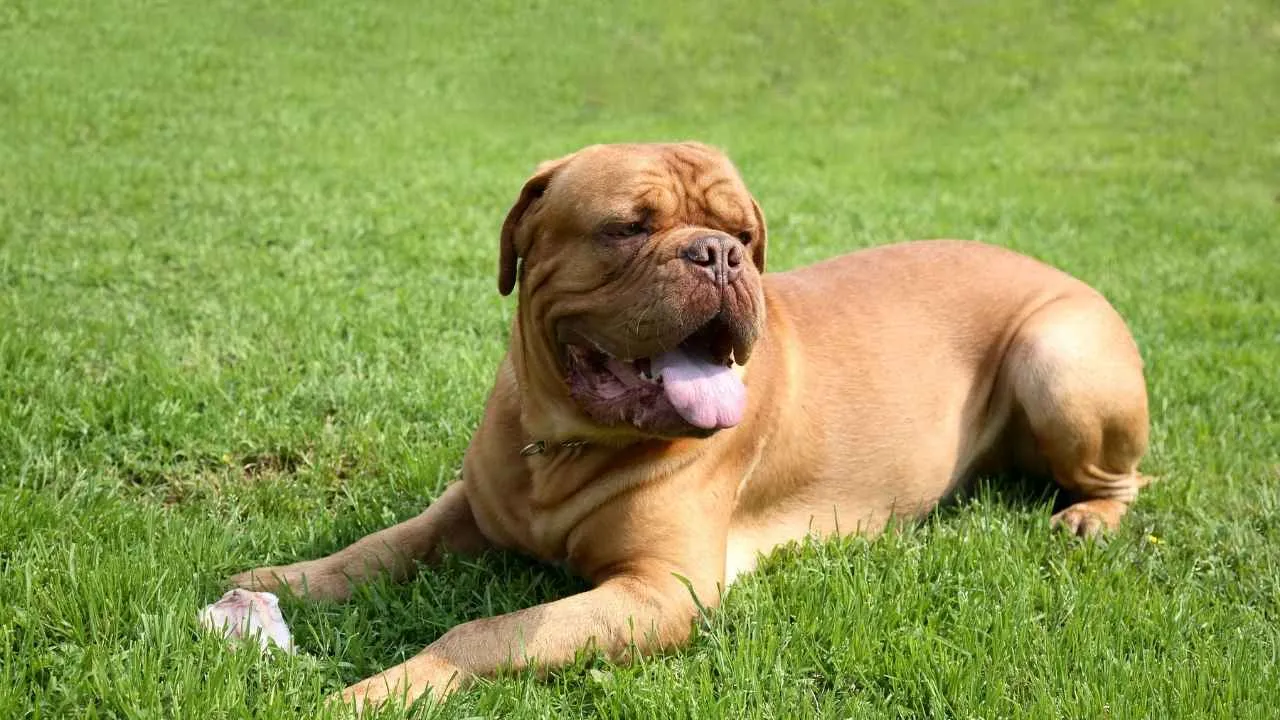
Mastiffs are large guard dogs that don’t guard by doing anything, but by simply being there.
English estates keep Mastiffs for exactly this reason.
No, the dogs are NOT that aggressive. This is a large, 200+ pound dog with a confident attitude, standing perfectly still in a doorway. It sends a message no amount of barking ever could.
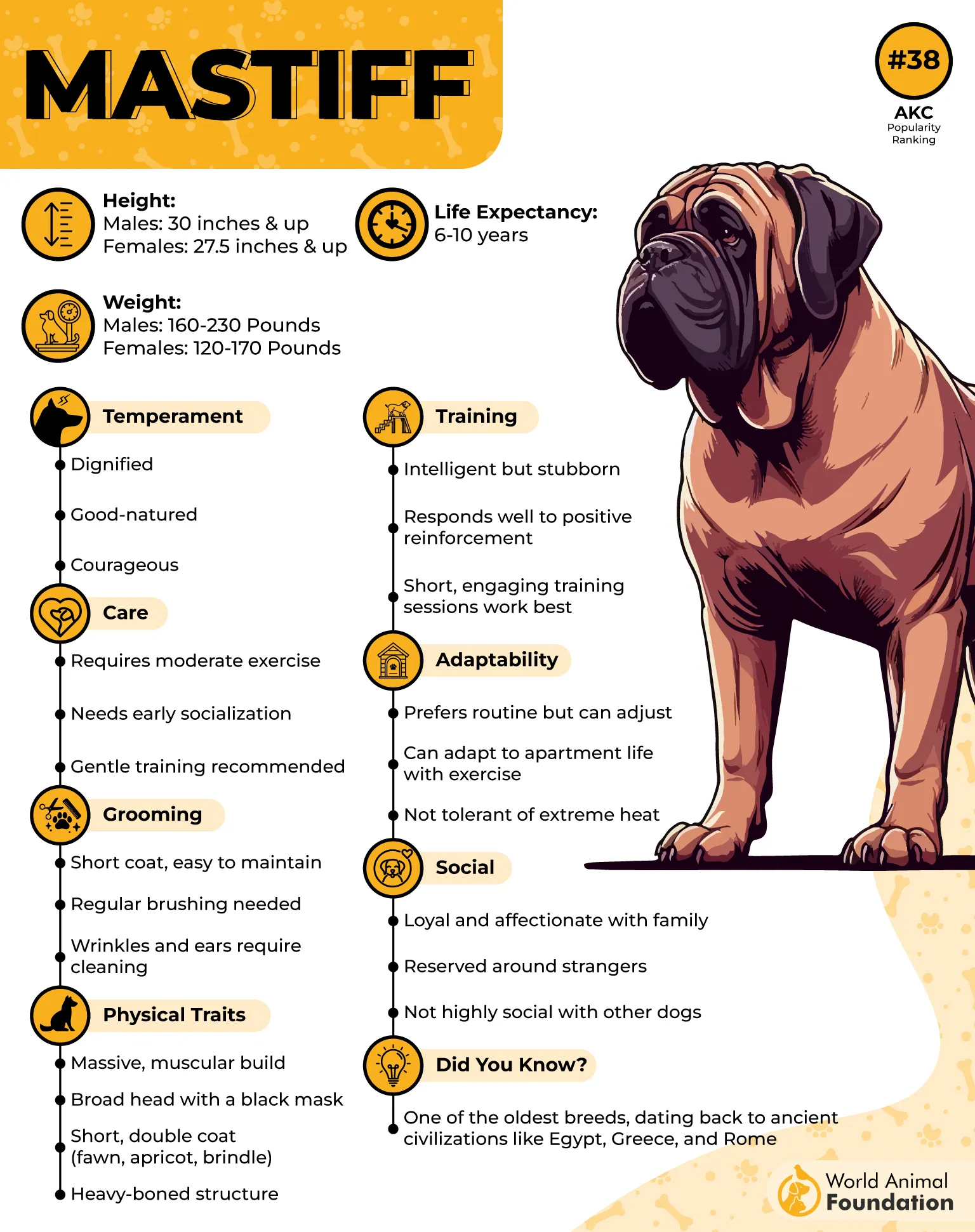
At home, Mastiffs are shockingly low-key. Moderate exercise, minimal grooming, and a general attitude that suggests they’d rather be doing anything except moving quickly.
That, honestly, is relatable.
Consistent training is still important. The American Kennel Club mentions that these dogs read your body language and expressions, so positive reinforcement works.
An untrained adult Mastiff is difficult to manage. A well-trained dog settles into family life effortlessly, calm around respectful children, tolerant of other animals, and only ever “on” when warranted.
This is one of the best guard dogs for people who want a personal protection dog without the drama.
5. Newfoundland
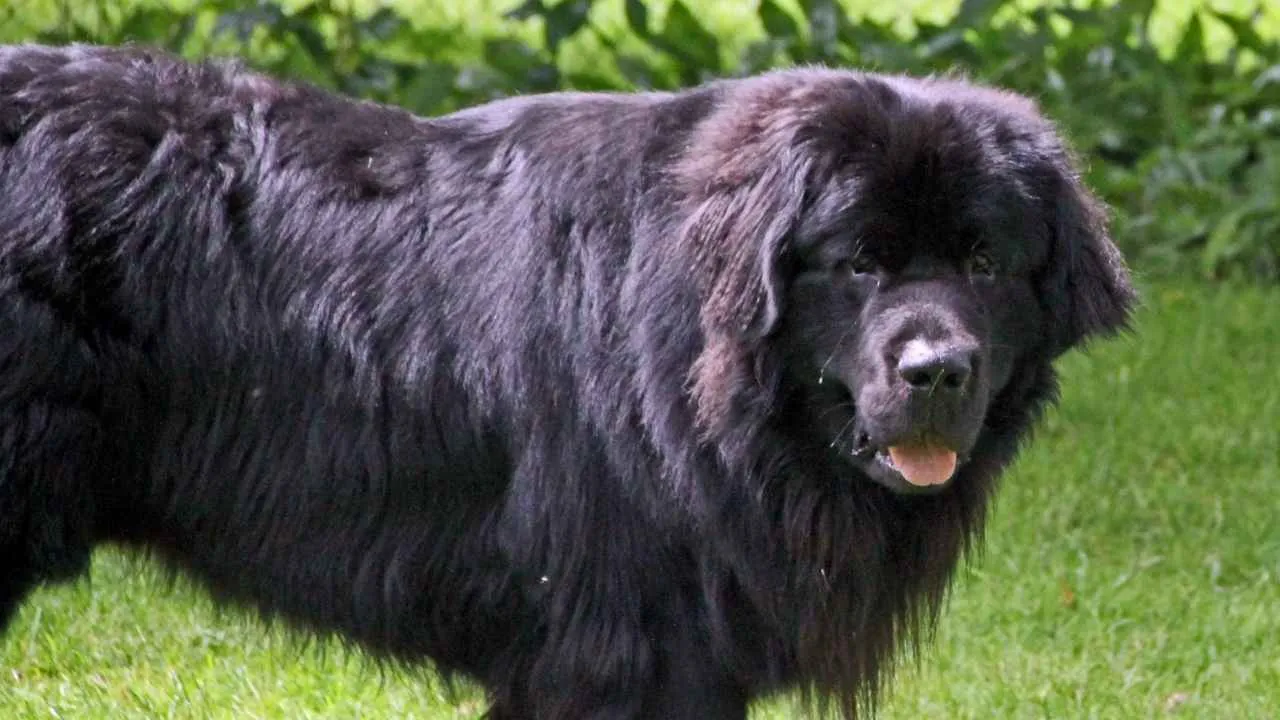
One of the most reliable guard dogs on this list is also famous for being so gentle that people let toddlers climb all over it.
YEP! This gentle giant is called “nanny dog” because of this reason.
Newfoundlands were originally bred to work alongside fishermen in freezing Canadian waters, hauling nets, pulling people out of the water, generally being heroic in a very wet, cold way.
That work ethic does not disappear because most Newfies these days live in suburban houses.
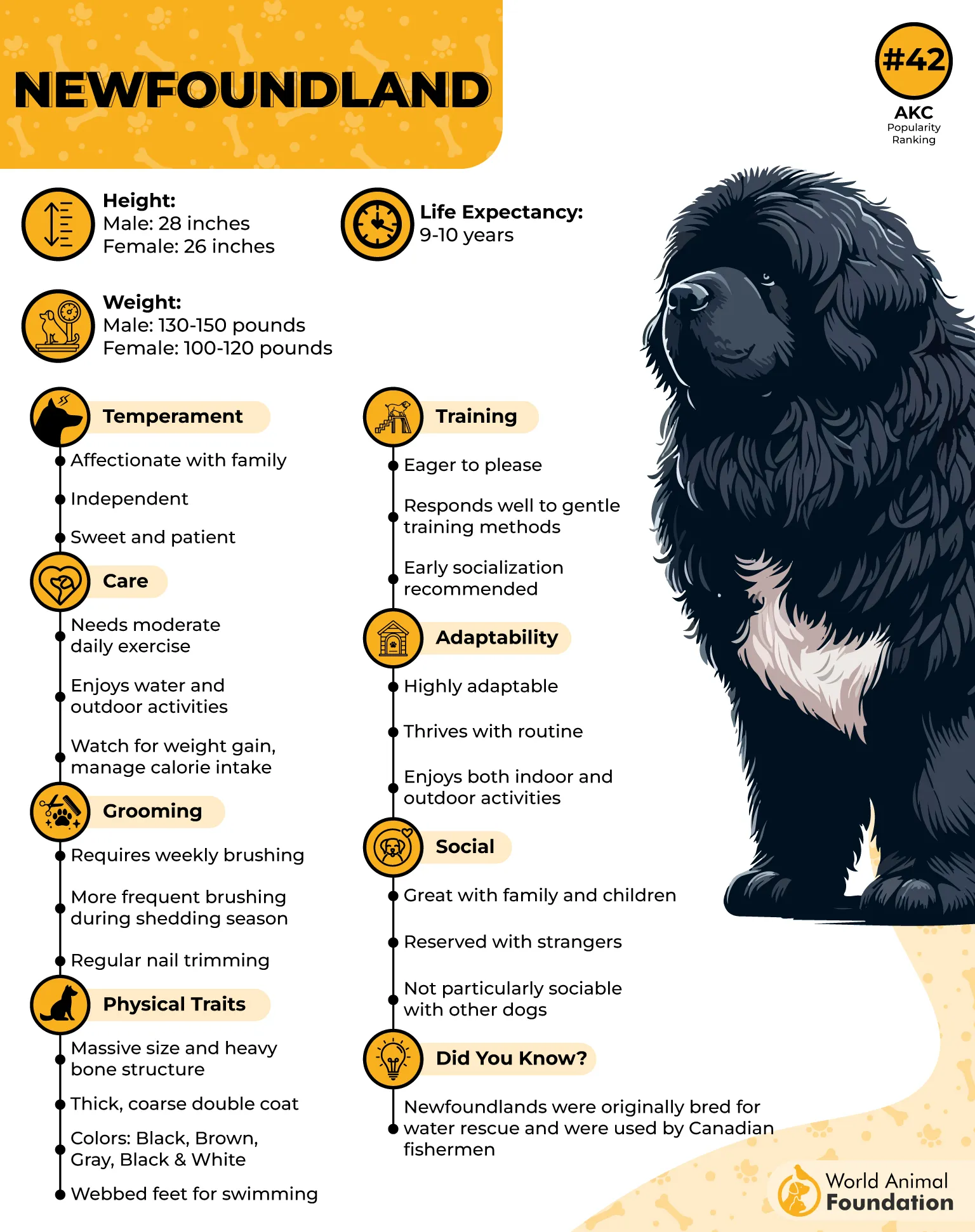
These big, fluffy dogs have loyalty so unshakably deep that if something threatened their family, this famously gentle nature would give way to sheer, immovable, 150-pound devotion in a heartbeat.
Day-to-day, they are low-maintenance in temperament but not hands-off in grooming. Their thick coat needs a few solid brushings a week, or you will be finding fur everywhere.
Beyond that, these dogs are patient and extremely loyal.
A furry friend first, and a guard dog when it is important.
6. Saint Bernard
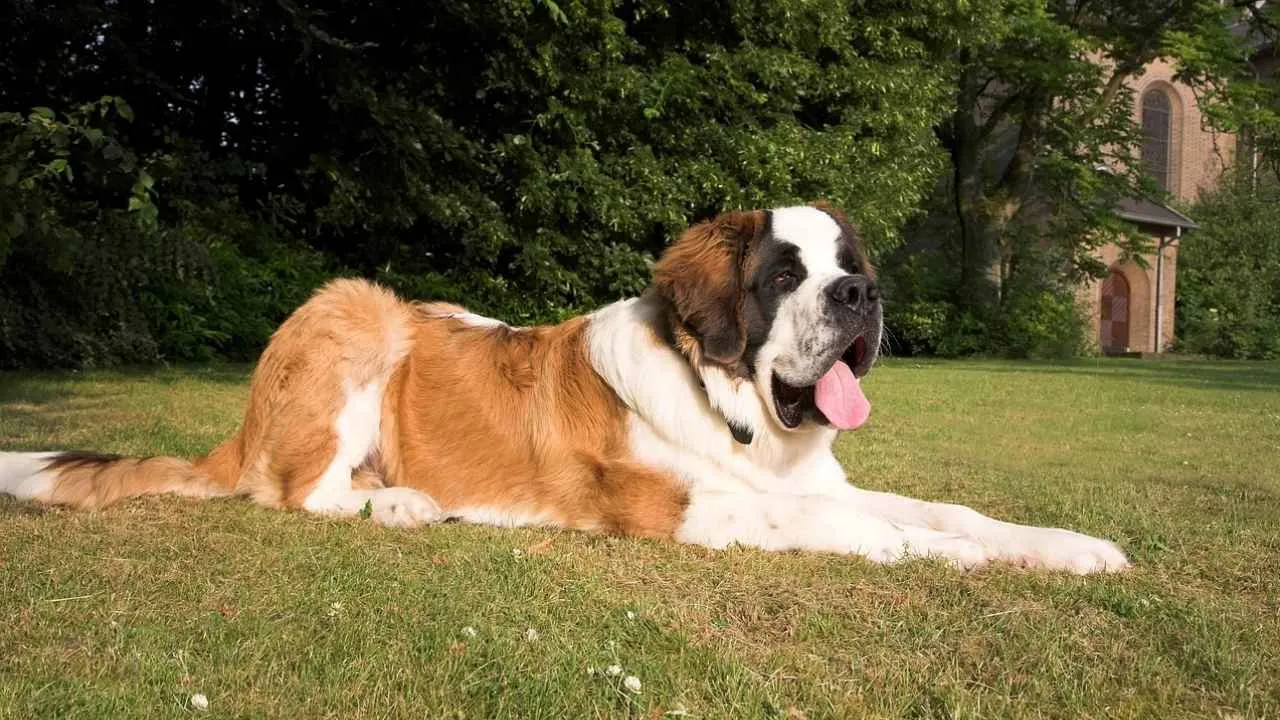
Giant dog, snowy mountain pass, little wooden barrel around the neck.
Monks in the Swiss Alps bred these dogs to find and rescue travelers lost in blizzards.
It is funny that most modern Saint Bernards spend their days doing the exact opposite.
You can find most of them horizontal on a couch, taking up way more room than seems physically possible.
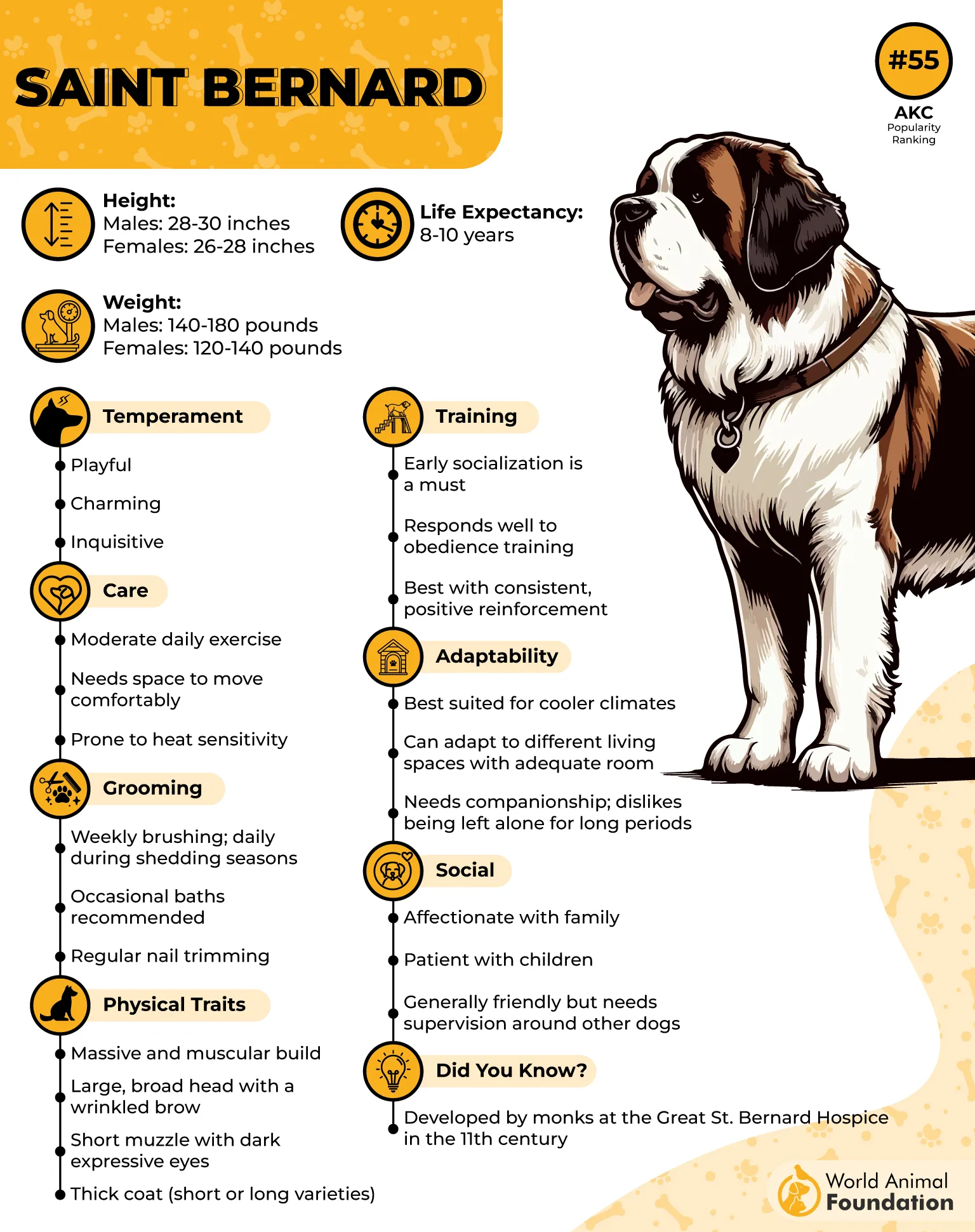
Indoors, these mountain dogs are about as mellow as large breed dogs get. Moderate exercise satisfies them, and their patience runs so deep it borders on saintly (sorry, had to).
The thick coat needs regular brushing during shedding season. But overall maintenance stays manageable.
Their size does most of the guarding. Their deep bonds with family and natural protective instincts handle the rest with little effort.
7. Great Pyrenees
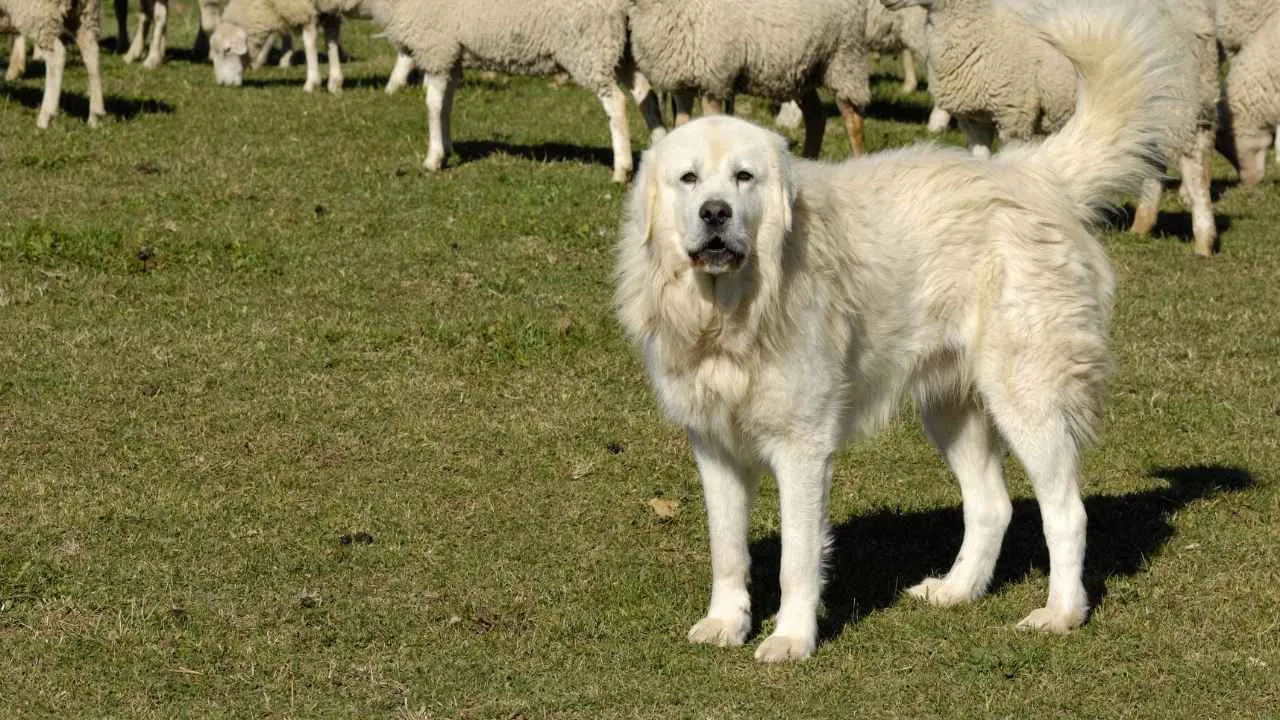
Great Pyrenees were left alone with flocks for hours, sometimes overnight, with zero backup.
These beautiful white dogs have natural guarding instincts. These were developed over centuries of guarding livestock against wolves.
Today’s Pyrenees don’t look at you for direction.
They watch, assess, and make their own calls. Many dog breeds on this list do so. Don’t get frustrated if you are used to a dog that responds instantly.
That’s what makes them such capable guarding breeds.
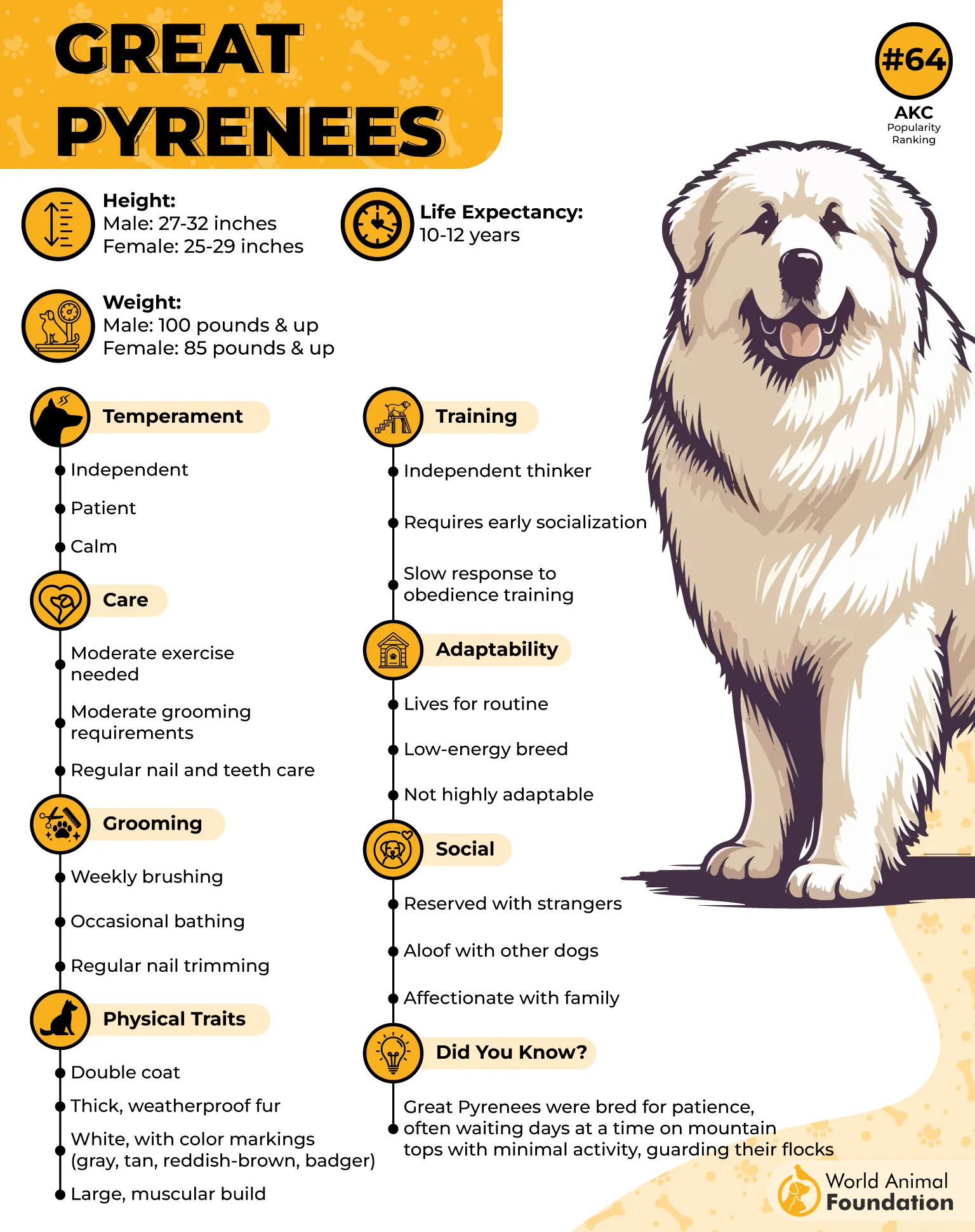
Most of the day, these flock guardians are content lounging. The real commitment is the coat. It’s thick and weather-resistant.
Weekly brushing is important, or this coat will turn into a matted mess.
Bond with this livestock guard dog early, and you have a watchful dog with sheer protective instincts and a balanced temperament.
8. Boerboel
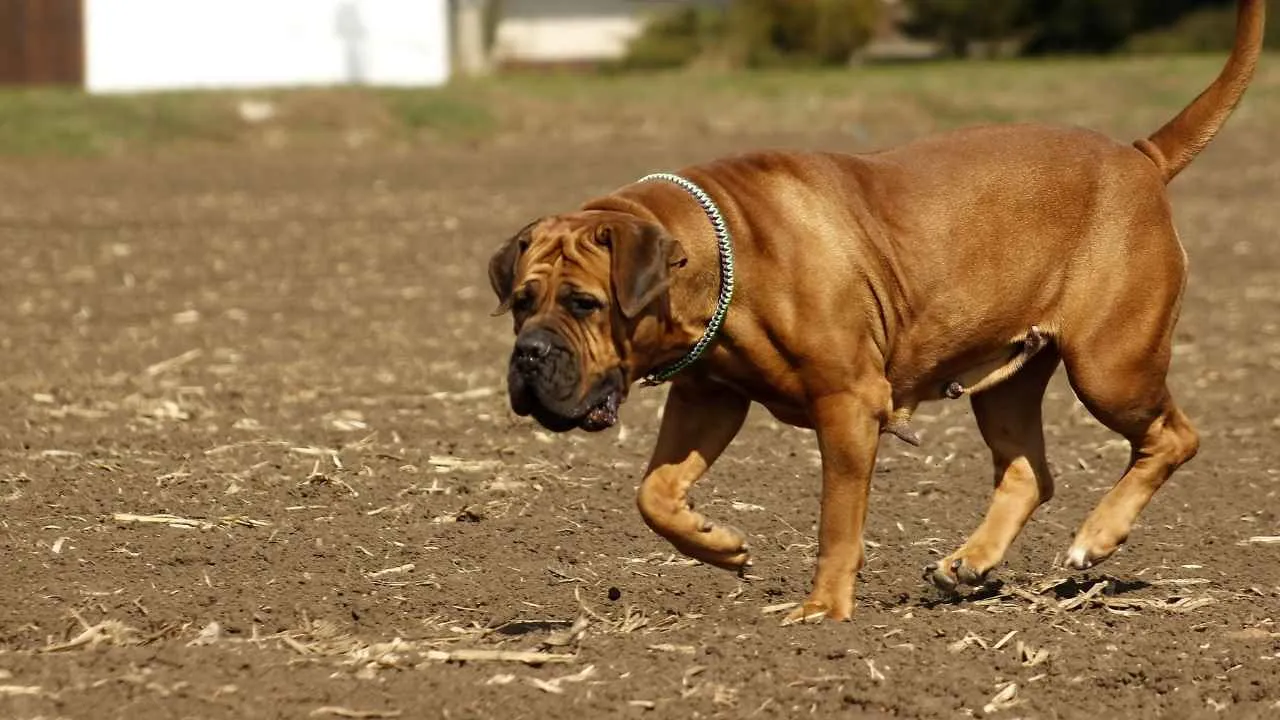
South African farmers weren’t messing around when they bred this one. According to VCA Animal Hospitals, these dogs were bred in the 1650s, and they are probably the most agile Mastiff-type dogs.
The Boerboel exists because farms needed a dog capable of fighting off actual leopards.
So yeah, real muscle and real nerve went into this breed, and it shows.
Boerboels build strong bonds with their families, and that loyalty comes with confidence.
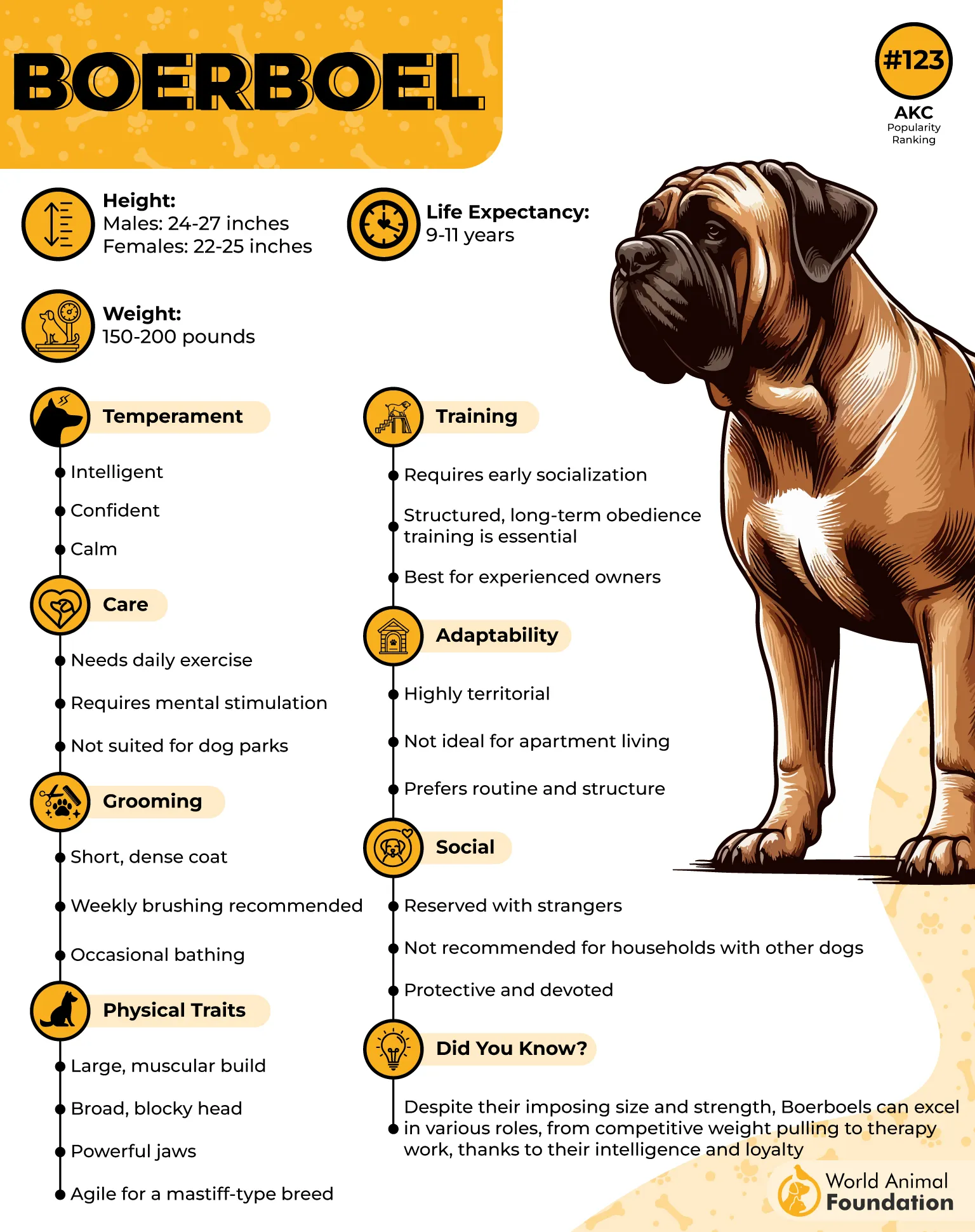
These large dogs need more daily exercise than some of the other dogs here.
But it’s manageable, not extreme.
Coat care is minimal. Training absolutely is not optional, though. This is a breed for active households and active families who understand structure. Early socialization is also important, like many guardian breeds here. Once they are trained properly, you will have one of the most devoted guardian breeds.
9. Rafeiro do Alentejo
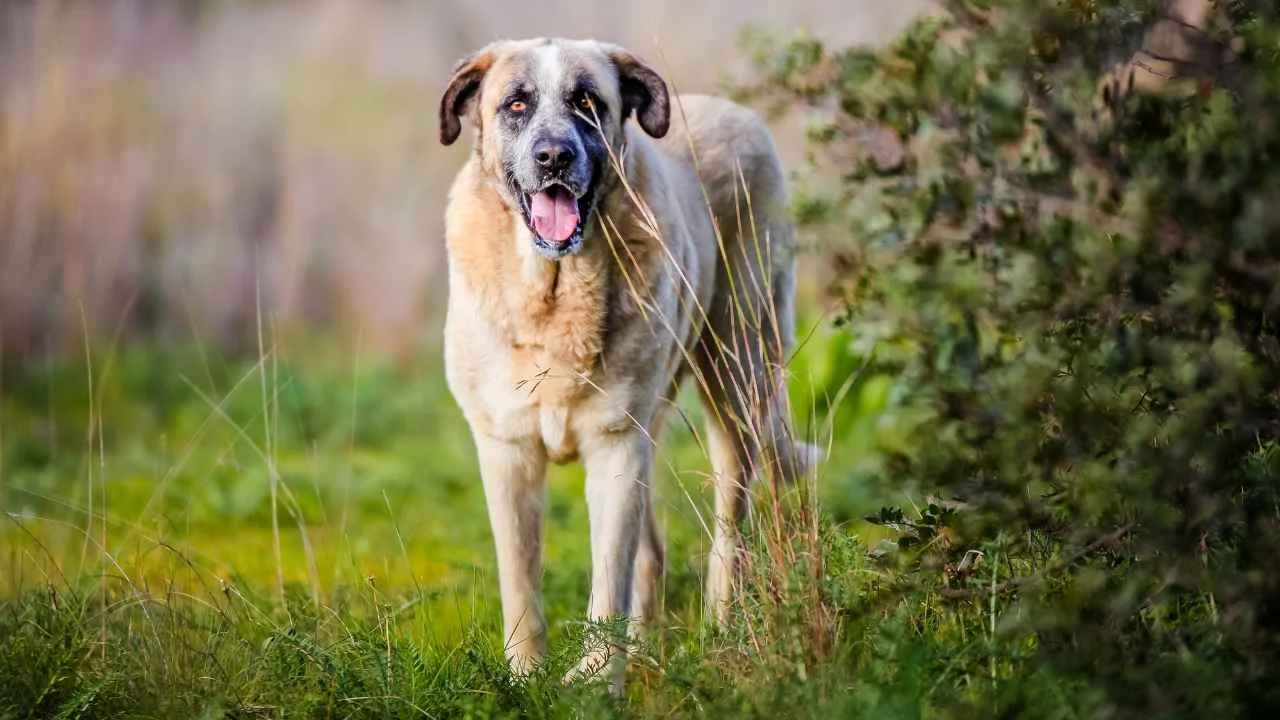
Alright, we will be honest.
You have probably never heard of this one, and neither have most people until they go down a very specific internet rabbit hole.
The Rafeiro do Alentejo comes from Portugal, where for centuries it guarded livestock across stretches of rugged land.
These guard dogs are naturally protective and wary of strangers.
But they are warm and affectionate with family members. Plus, they are only moderately demanding in terms of exercise.
That thick coat needs regular brushing.
But beyond the grooming, this is one of the smartest breeds. They are highly capable, fiercely loyal companions.
Conclusion
Total peace and protection are not actually opposite.
That is the whole point of the right guard dog.
These are some of the calmest dogs in the world, dogs that would rather nap through an entire afternoon than do anything else. They also happen to be some of the best guard dogs with a muscular build.
So pick the right breed for your pace of life, whichever of these gentle giants speaks to you.
Put in the early training. And then let the dog handle the watching, and you handle everything else.
