




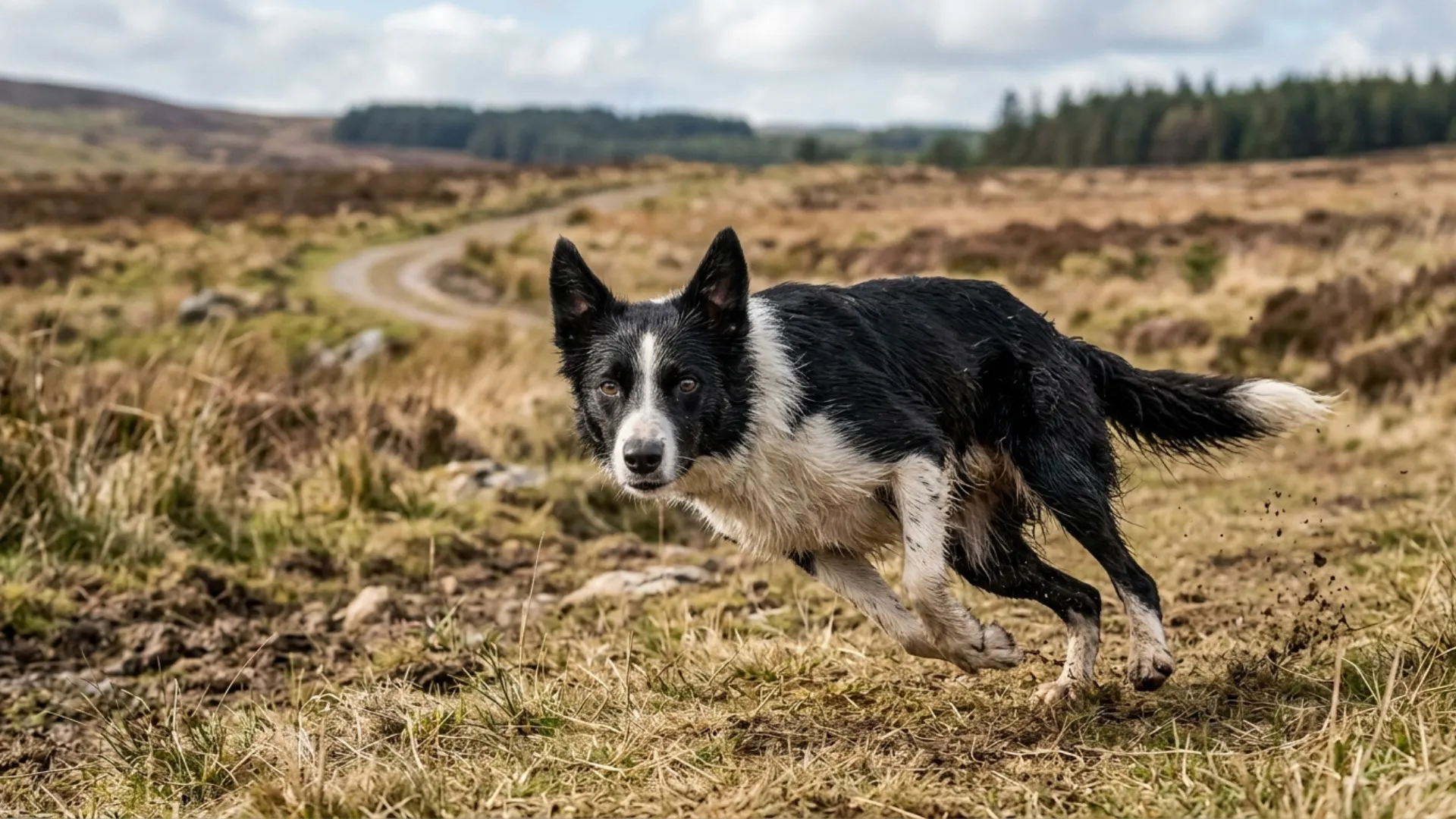
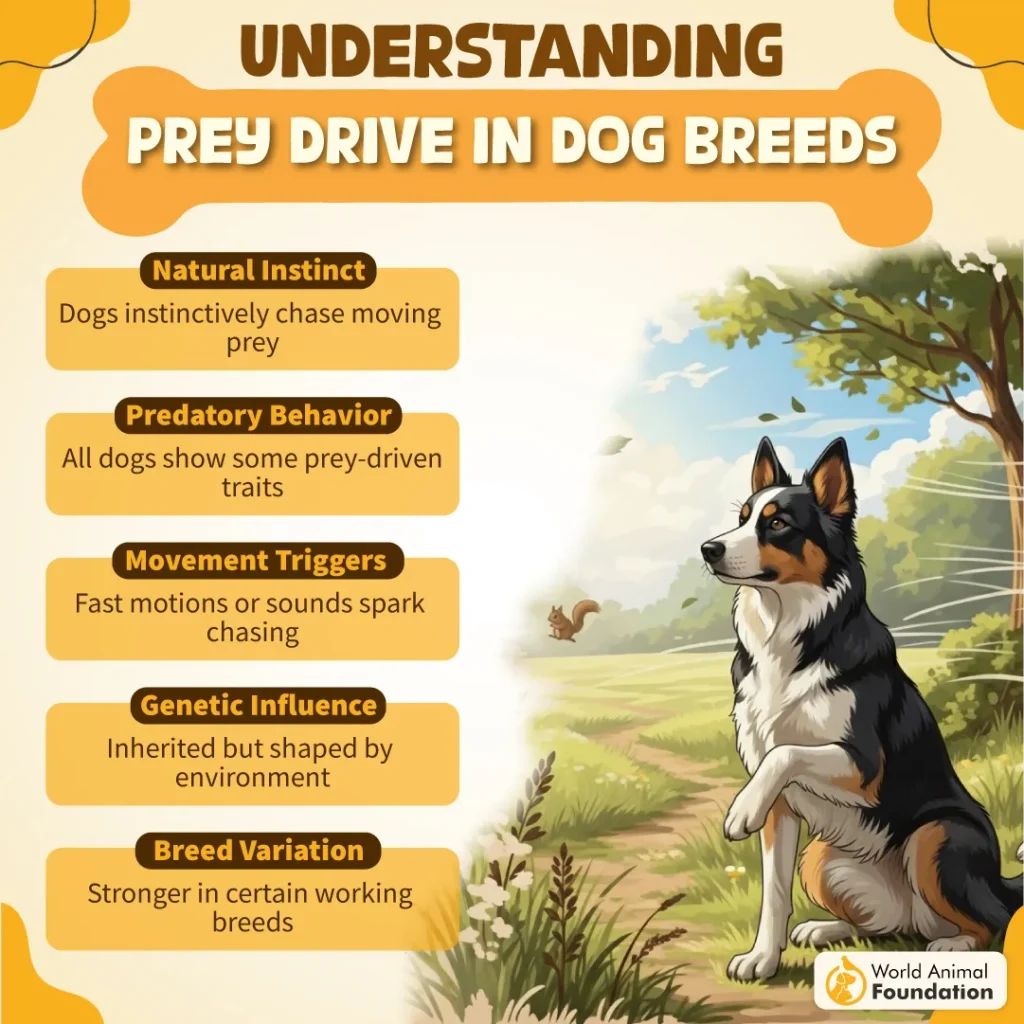
Having predators as their ancestors, all dogs have a natural desire to chase or pursue prey. However, some breeds have a higher prey drive compared to others. Prey drive is a sequence of events from orienting and stalking to chasing, grabbing, and killing.
Strong prey drive can lead to numerous positive traits like keen focus, intelligence, and athleticism. However, some pet parents find it undesirable because a dog’s prey drive can be a bit hard to manage at times. Dogs with high prey drive often end up chasing small animals, including cats and rodents.
Remember, prey drive is something that cannot be completely turned off even in the most domesticated dogs. But proper training, early socialization, and regular exercise can lead to a well-behaved and well-mannered dog.
Here are the top dog breeds with a natural drive to pursue prey.
Dog Breeds with a Natural Drive to Pursue Prey
1. Border Collie
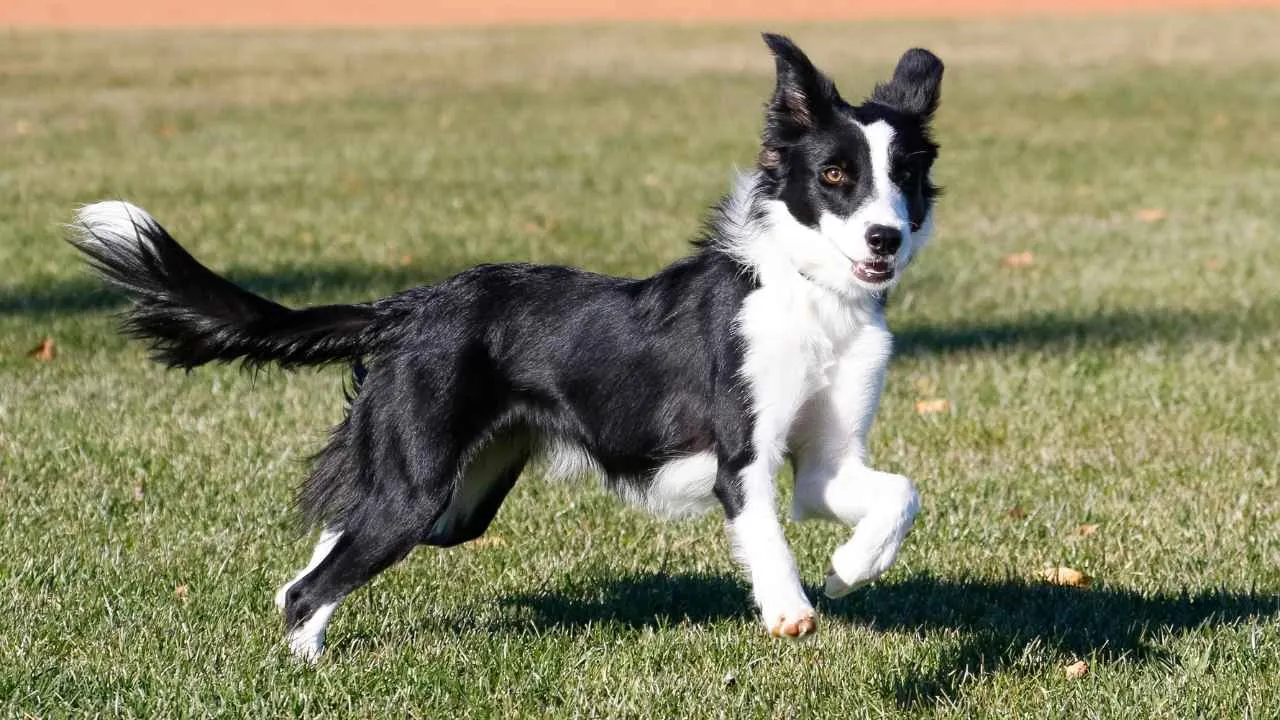
With boundless energy and exceptional intelligence, Border Collies are medium-sized herders. They are famous for their intense gaze or the ‘herding eye.’ Originally bred to herd sheep, they are known for their athleticism, work ethic, and a strong prey drive.
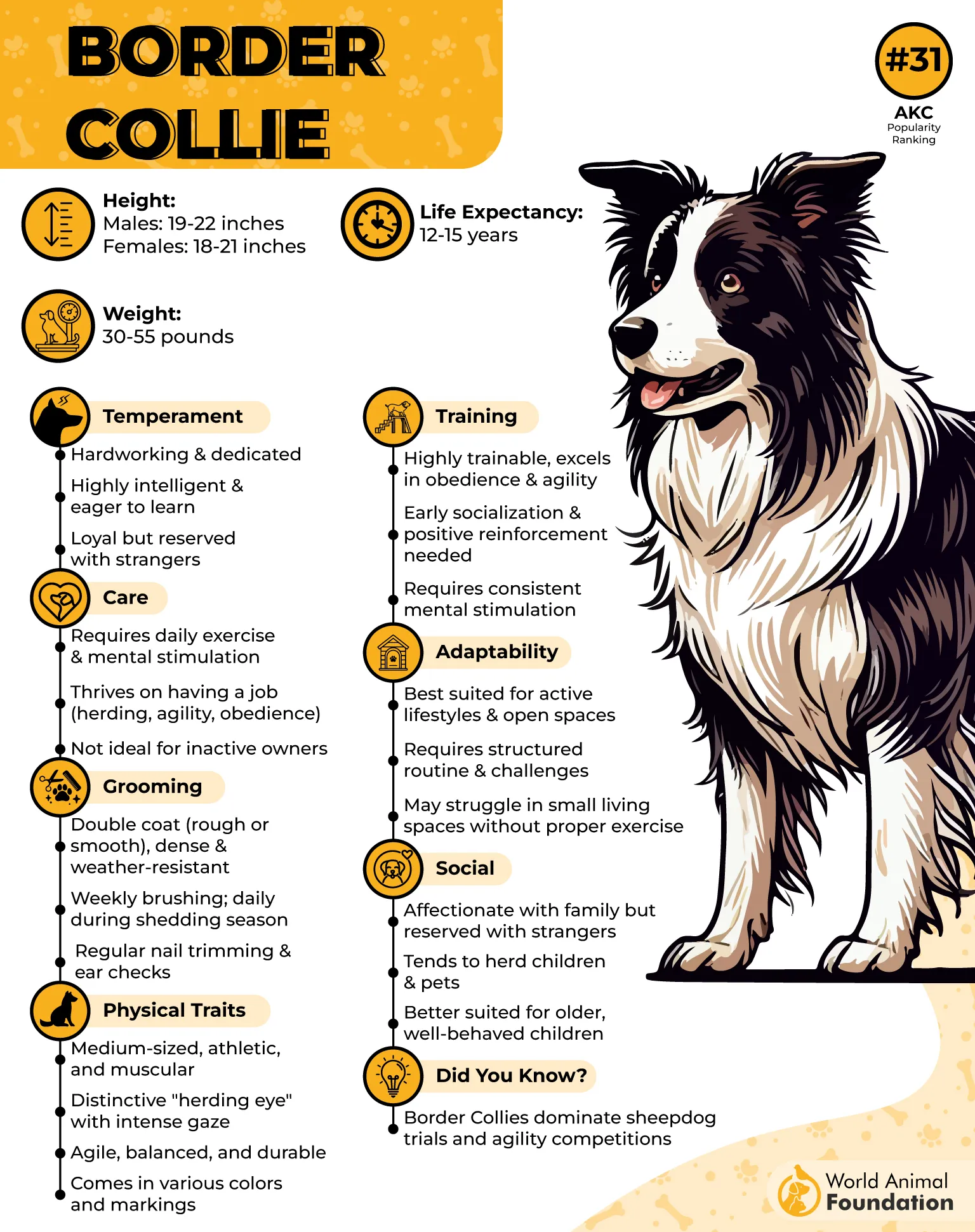
Border Collies are the brainiacs of the dog world. They excel at tasks that require concentration and precision. Their herding instincts and natural drive urge them to follow every moving object. While this trait benefits them as herding dogs, it makes them a bit unsuitable for multi-pet homes.
The American Kennel Club describes Border Collies as highly athletic and extremely energetic dogs. They require plenty of daily exercise for physical and mental stimulation. Border Collies also enjoy participating in canine sports.
They are the champions of agility competitions, rally, tracking, and other sports like flying disc and flyball.
2. Greyhound
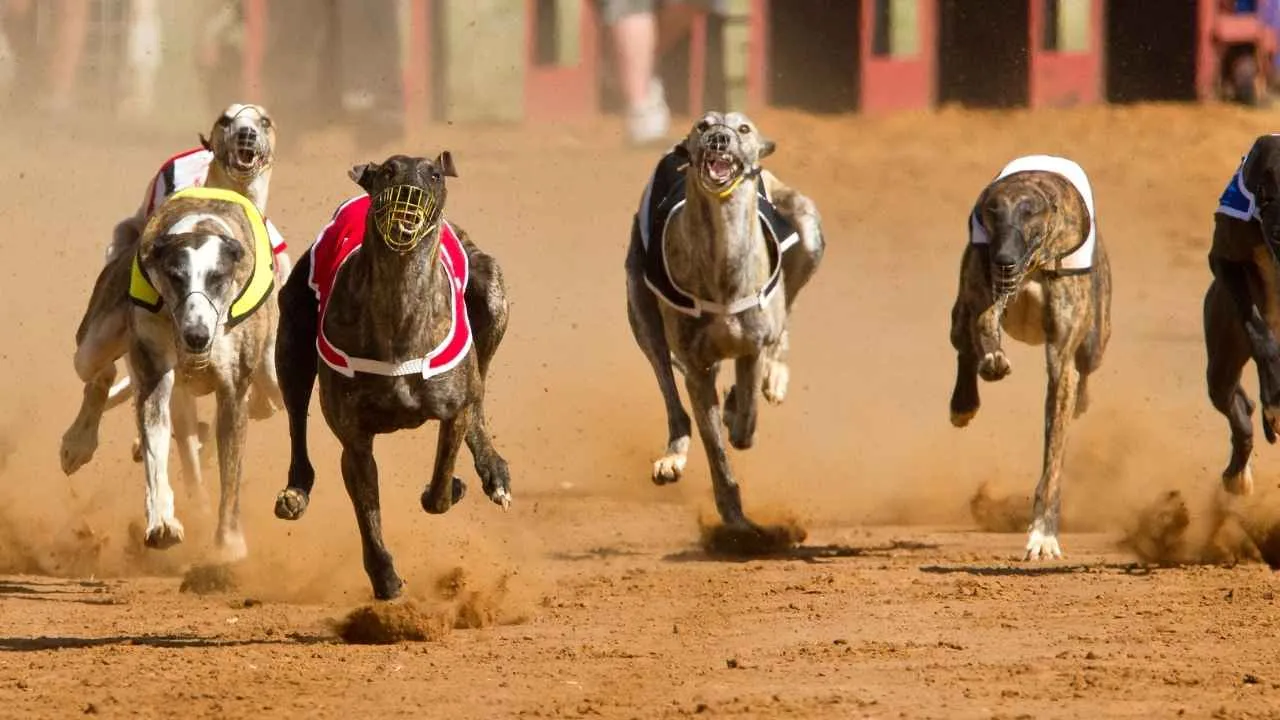
Built for speed, Greyhounds have streamlined and muscular bodies. They were bred to hunt in packs, and that is why they are not aggressive towards other dogs. Greyhounds make gentle and quiet companions, but have a high prey drive.
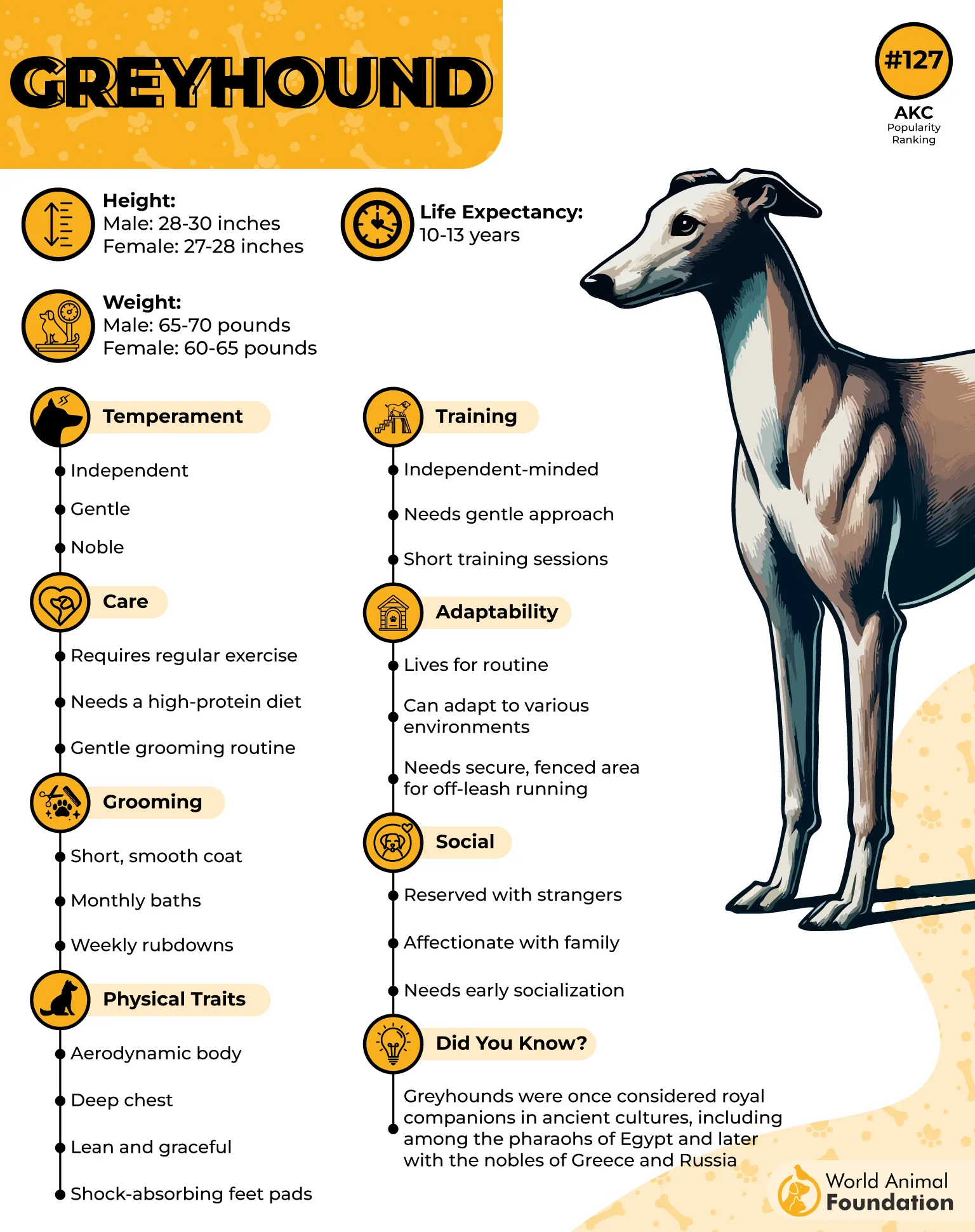
It means they may not be suitable for homes with smaller animals like rabbits, explains Hill’s Pet. Greyhounds lack endurance and may not need regular exercise for physical and mental stimulation. Once exercised properly, they can spend their day snoozing on a sofa.
Their keen sense of sight makes them highly responsive to movement, which can make them hard to handle in areas with squirrels or rabbits. Greyhounds are the cheetahs of the dog world. They should only be allowed off leash in a securely fenced yard.
Greyhounds are affectionate towards their family members, but can be reserved towards strangers. They prefer doing things with you instead of doing them ‘for’ you.
3. Jack Russell Terrier
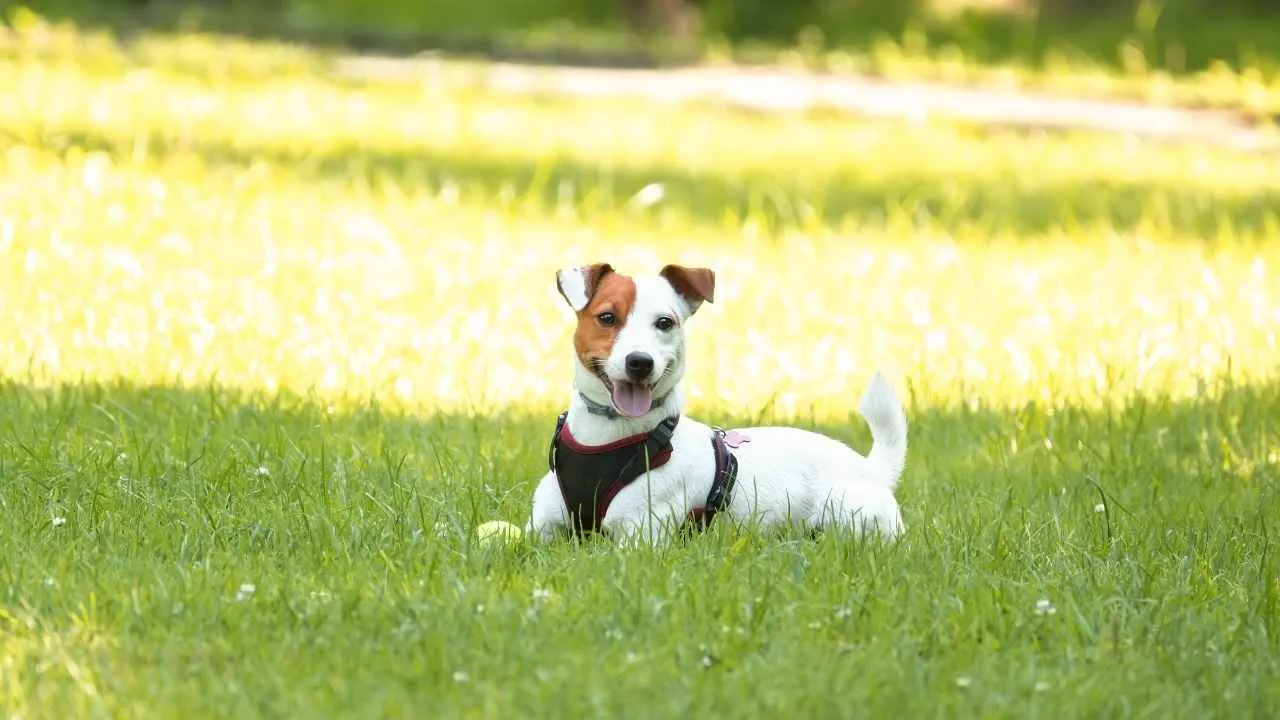
Small yet fierce, Jack Russell Terriers are highly intelligent dogs. Having bundles of energy and intense stamina, they can hunt tirelessly for hours. Being hunting dogs, they have an intense prey drive and a desire to chase small animals. JRTs are known for their almost obsessive focus on prey.
Jack Russell Terriers are loyal and agile and make better companions for outdoorsy owners. They are clever, playful, and cheeky. Early socialization and proper training are the key to managing their high prey drive.
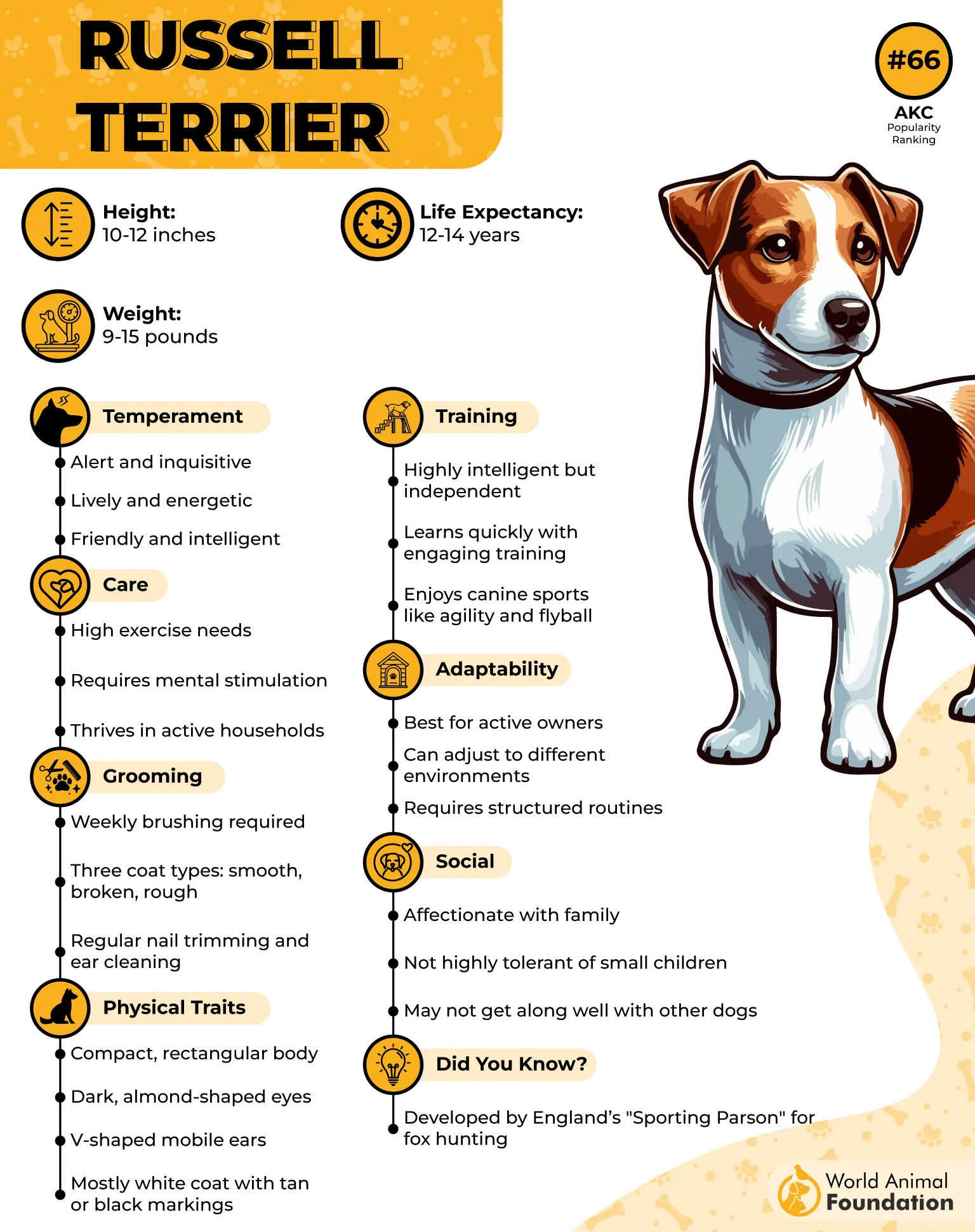
Like all terrier breeds, their desire to dig, chase, and ‘kill’ things should be satisfied. Otherwise, they will become destructive. Regular exercise is needed for this purpose. Jack Russell Terriers are intelligent dogs with an ability to learn quickly.
However, their independent nature makes them a bit challenging for first-time owners. JRTs thrive with positive reinforcement training methods.
4. Weimaraner
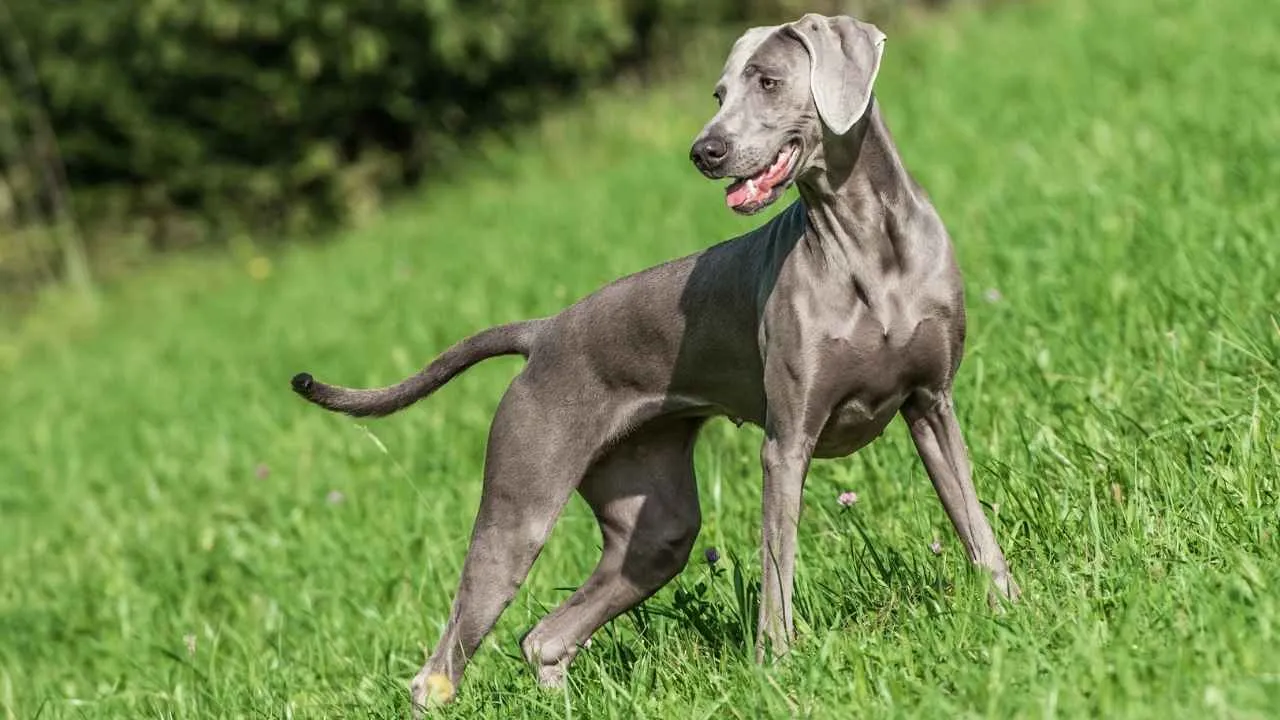
Weimaraners are highly alert, obedient, and trainable dogs, a perfect fit for family life. They were originally bred to hunt large game in Germany. These athletic canines can be instantly recognized by their steel gray coats and soulful eyes.
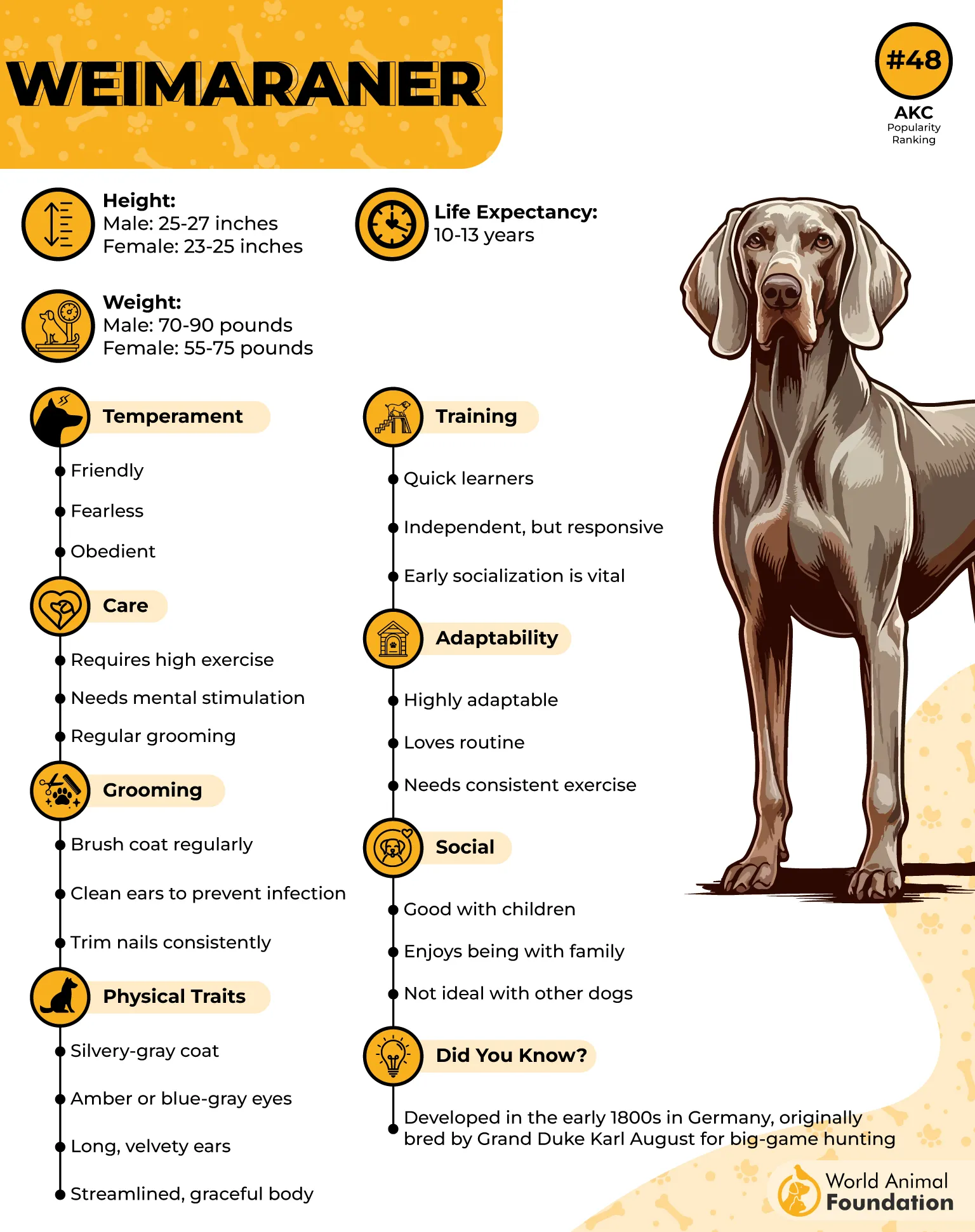
Weims are highly affectionate to their humans and thrive in the hunting field. They are incredibly intelligent and know when and where to use their brainpower. Dog owners should provide regular exercise and mental stimulation to their Weims.
Weimaraners have a very strong prey drive. They get along nicely with other dogs, but it is important to socialize them well from an early age. Many also live well with cats and other household pets, but their innate prey drive may cause them to chase small animals.
Do You Know? Movie star Grace Kelly received a Weimaraner as a gift on her wedding with Prince Rainier III of Monaco, mentions Purina.
5. Afghan Hound
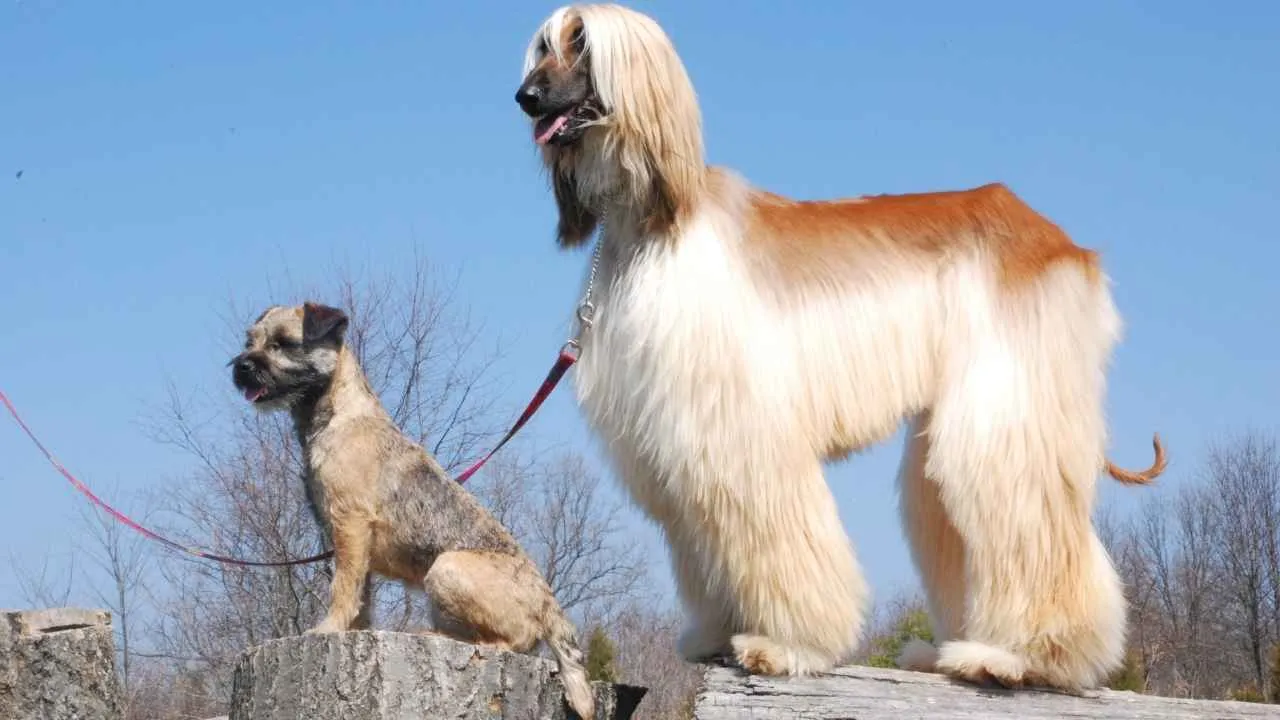
Dignified and aloof, Afghan Hounds were originally bred to hunt in the mountains of Afghanistan. They have strong hunting instincts and a high prey drive. Afghan Hounds are powerful and agile dogs built for long days of hunting.
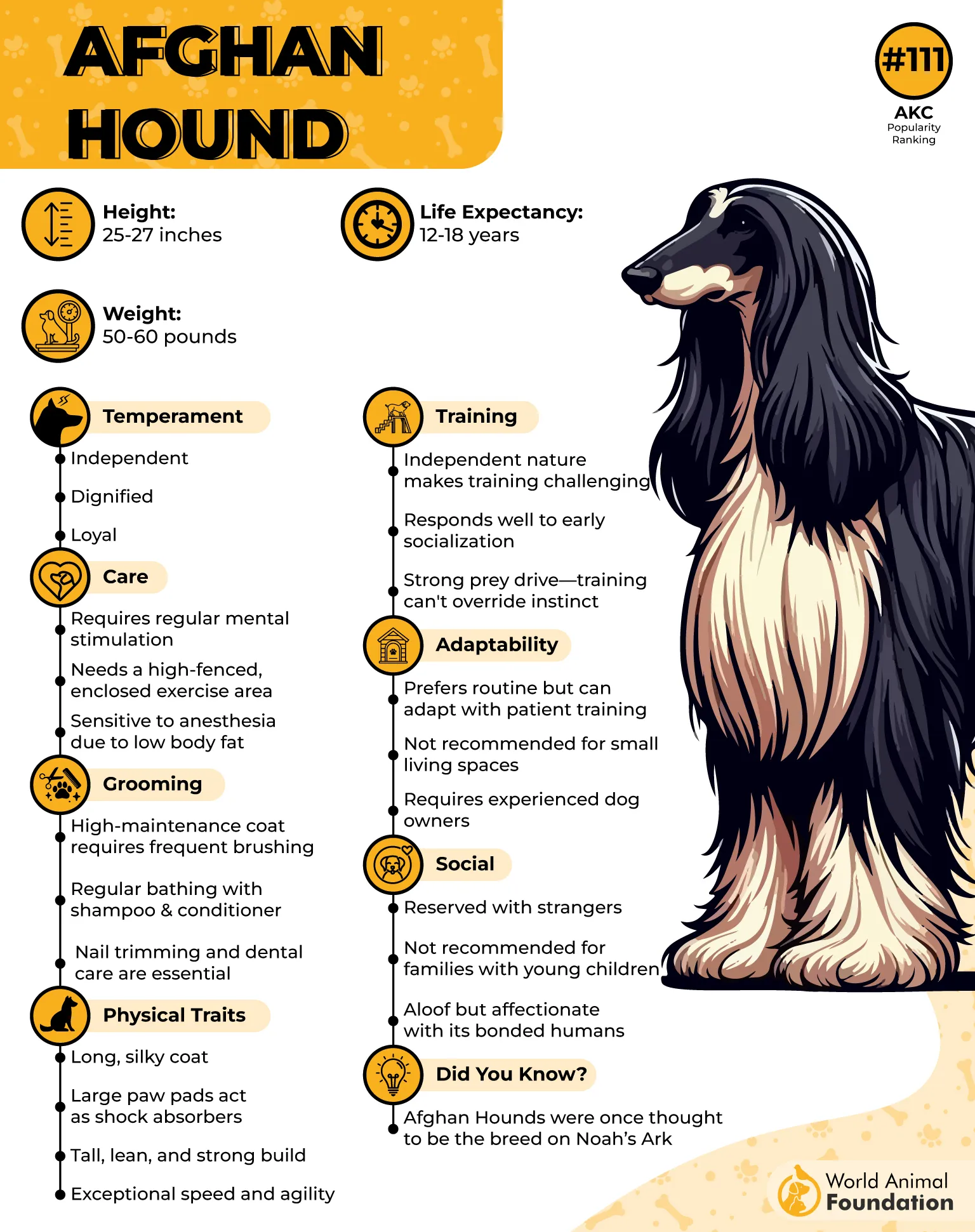
Their huge paw pads act as shock absorbers on their homeland’s punishing terrain. Since they were bred as sighthounds, Afghan Hounds have a strong instinct to run off in pursuit of prey. Daily exercise and regular training are required to manage this behavior.
It is recommended to give your Afghan Hound a chance to run off-leash in a fenced area once or twice a week. Afghan Hounds are also valued by dog lovers for their long and silky coats. Their hair should be brushed regularly to avoid mats and tangles.
Their aloof and stubborn streak makes training a bit challenging. Afghan Hounds do best with positive reinforcement training methods.
6. German Shorthaired Pointer
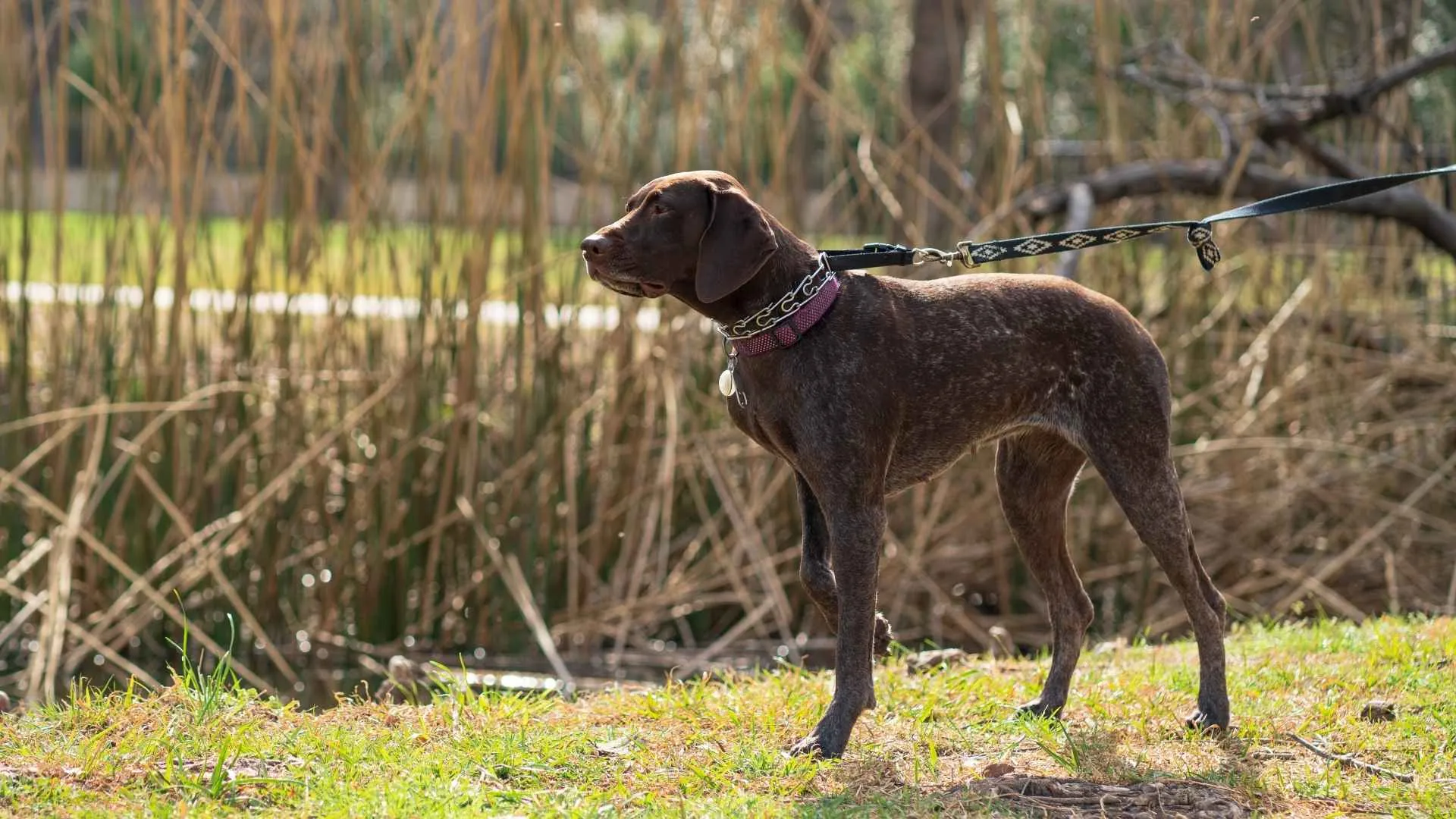
German Shorthaired Pointers were originally bred as hunting dogs. Having a busy, excitable, and loyal personality, they are known for their speed and endurance. GSPs are known as ‘bird dogs.’ They have a distinctive prey drive.
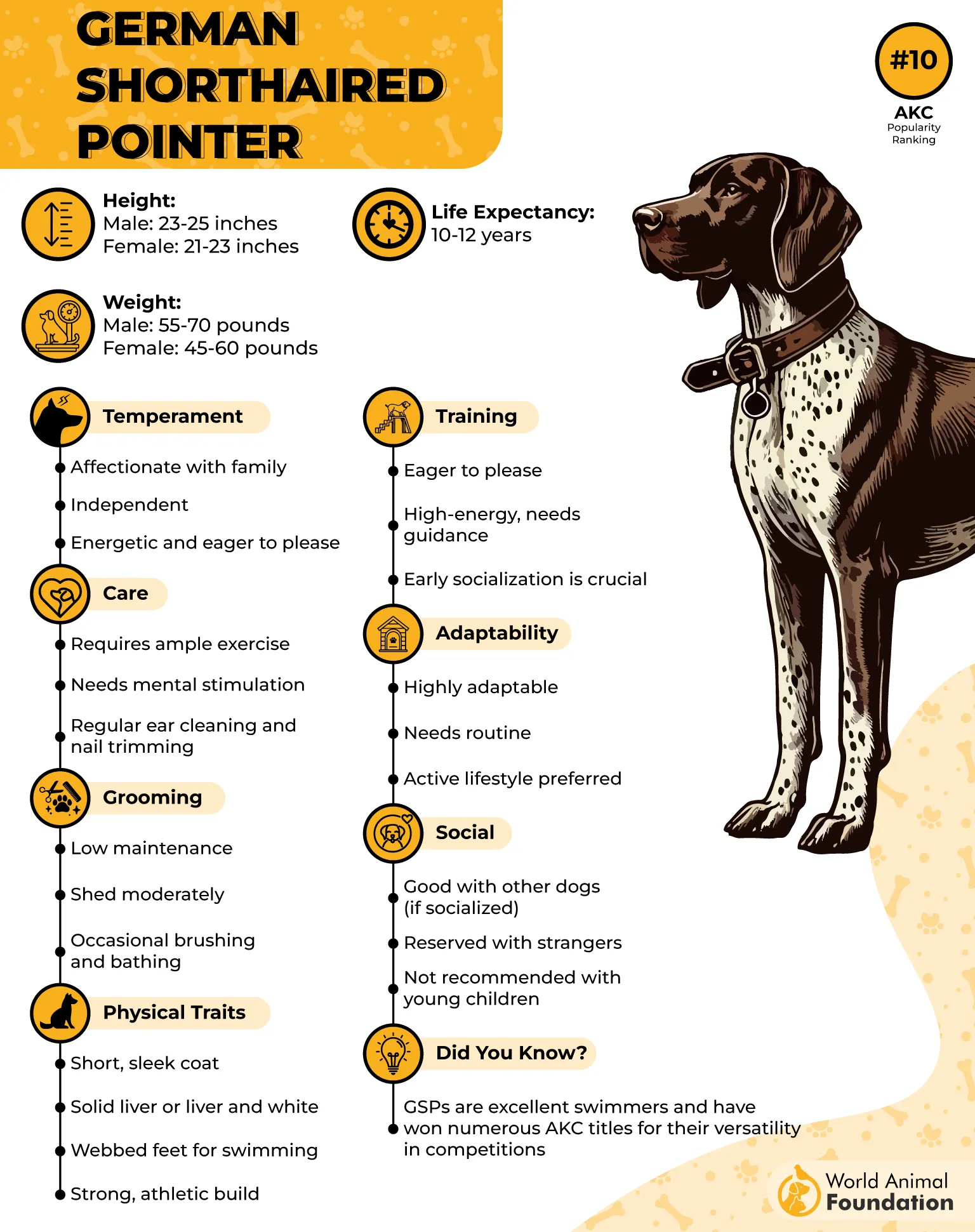
German Shorthaired Pointers point and signal by stopping and signalling by pointing their nose in the direction of the prey. Their rich history as hunters is responsible for their high prey drive. Homes with smaller animals, especially birds, may not be the right fit for them.
These energetic and athletic dogs require lots of daily physical activity and mental stimulation. They also excel in a variety of dog sports like agility, obedience, and dock diving. As long as their energy needs are fulfilled, they love snuggling with their owners in the evening.
7. Airedale Terrier
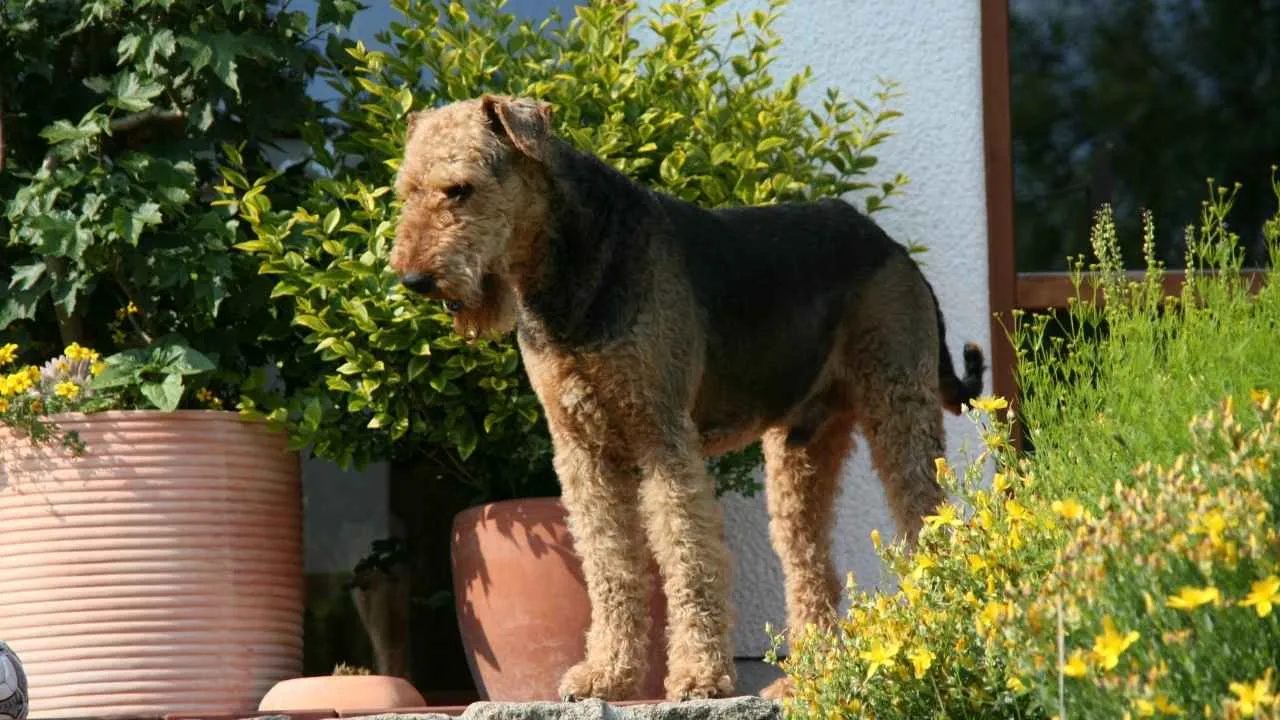
The largest of all terrier breeds, Airedale Terriers are recognized as ‘the King of Terriers.’ These intelligent, active, and clever canines are known for their versatile working roles. Airedale Terriers are loyal, affectionate, and form deep bonds with their owners.
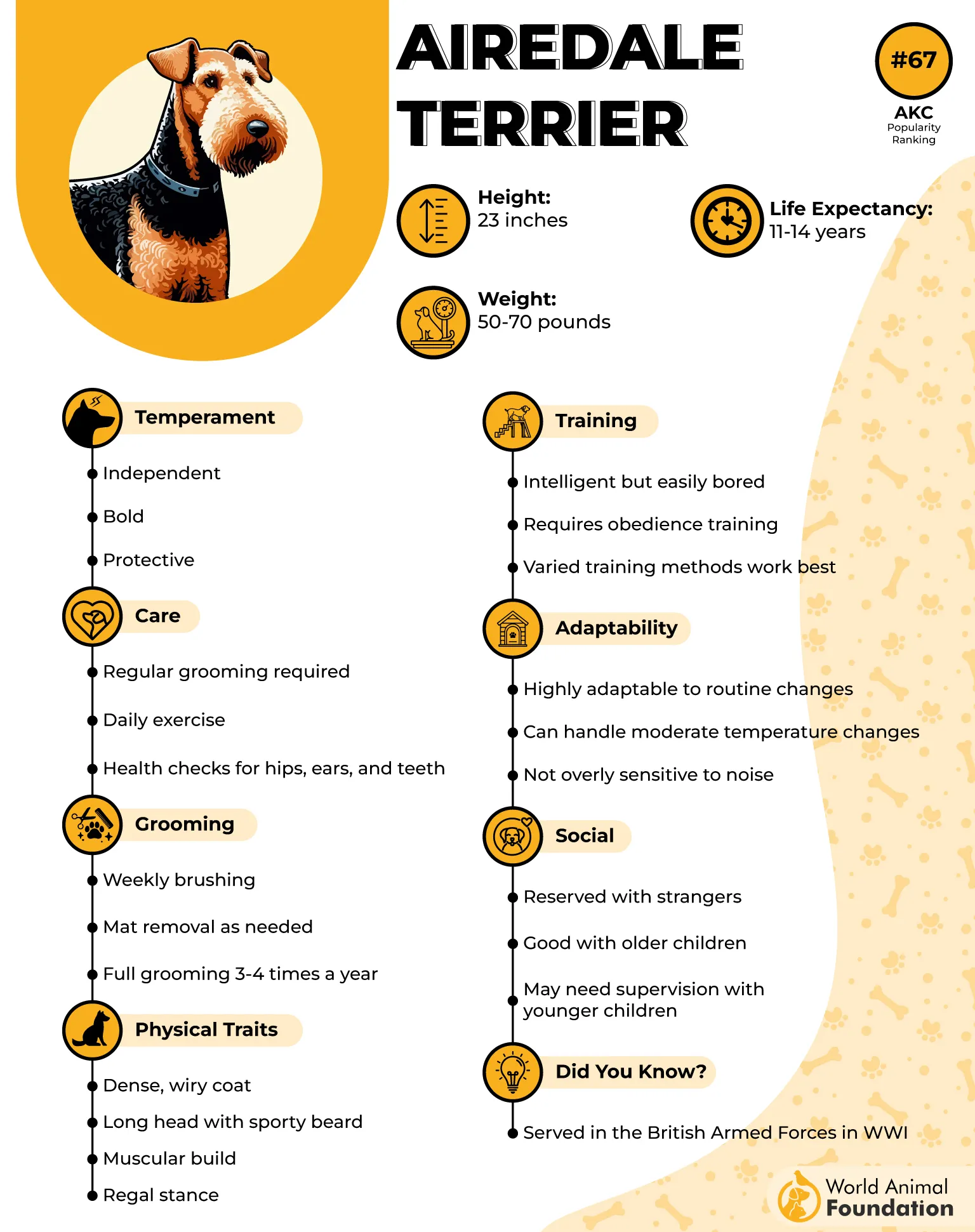
Terrier instincts run deep in their blood, so they have a high prey drive. Don’t be surprised if your Airedale Terrier keeps the squirrel in your backyard on high alert. Early socialization and impulse control training help channel their instincts in a positive direction.
Engaging them in scent games and fetch games is also a good way to channel their prey drive. Airedale Terriers are generally good with other dogs if raised together. However, cats, rabbits, and pocket pets may not be a good choice.
Conclusion
Several dog breeds (including hunting breeds, sporting breeds, and herding breeds) are known for having a high prey drive. High prey drive dogs have a natural desire to chase small animals and moving objects due to their historical roles.
While this trait may be highly desired by some owners, other pet parents find high prey drive undesirable. Fortunately, this behavior can be managed with regular exercise and mental stimulation. With proper training and early socialization, high prey drive dogs can make loving and disciplined family pets.
