




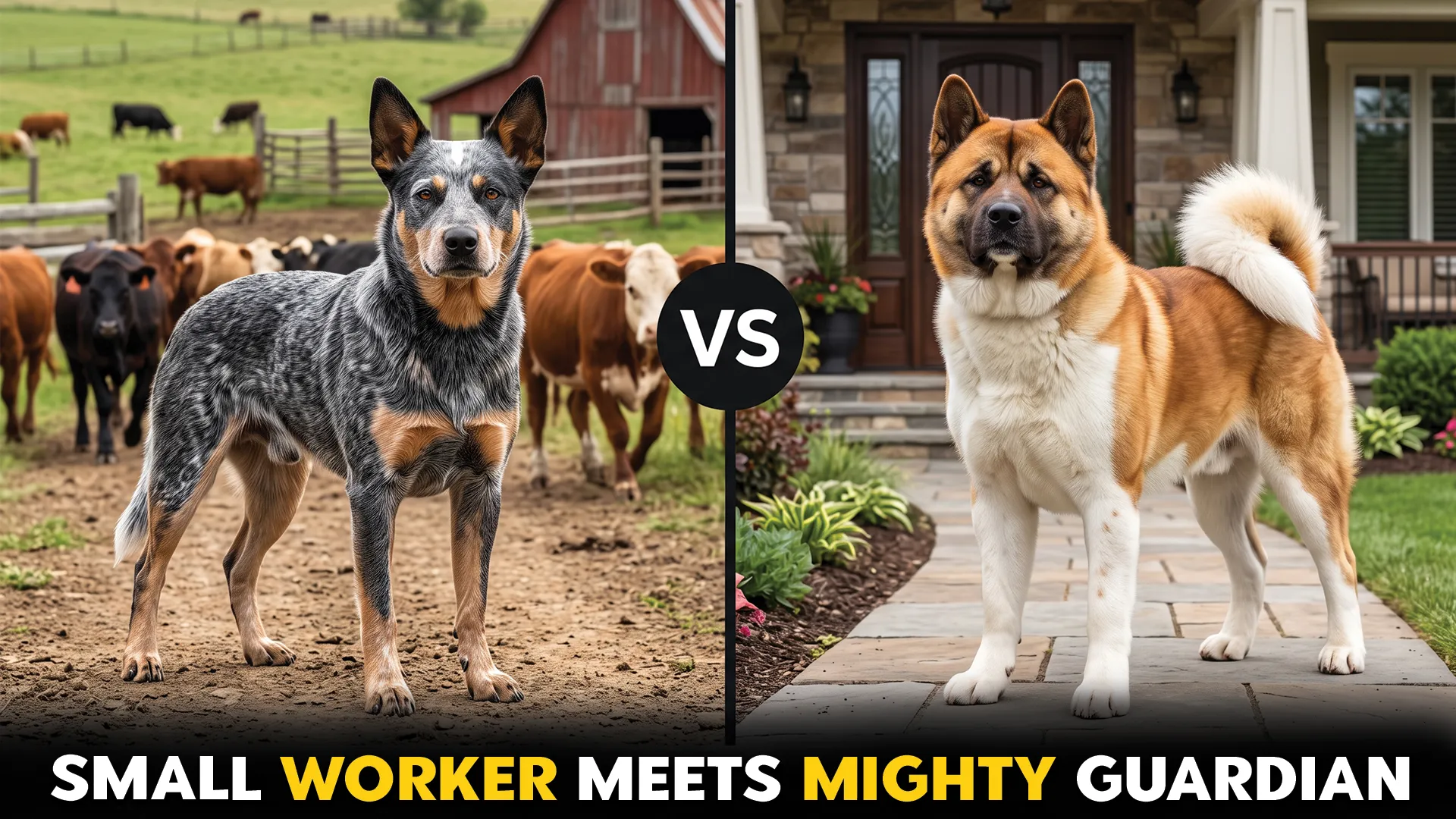
Choosing between an Australian Cattle Dog and an Akita is a bit like deciding between a marathon runner and a quiet bodyguard. Both are loyal, intelligent, and impossible to forget, but they were bred for completely different jobs.
One thrives on nonstop action and teamwork, while the other values calm confidence and strong family bonds. If you’ve ever wondered which breed fits your lifestyle better, this comparison breaks down their biggest differences in simple terms, so you can make a smart, informed decision before bringing one home.
Ways Australian Cattle Dog vs. Akita Dog Breeds Stack Up Against Each Other
While both breeds are fiercely loyal working dogs, their exercise needs, guarding instincts, and daily care couldn’t be more different—here is how they stack up.
Origins, Background & Purpose
Both breeds have working roots, but their origins, history, and jobs couldn’t be more different.
Australian Cattle Dog: Bred in 19th-century Australia, this medium-sized herder was built to drive cattle across brutal, long stretches of rugged terrain. Breeders crossed British herding dogs with the Dingo to create a dog with sharp herding instincts and a natural urge to take charge, as PetMD notes.
Akita: Hailing from 17th-century Japan, the Akita was originally a hunting dog, used to track down deer, boar, and even bears. Over time, it earned a reputation as a guardian breed closely tied to the Samurai, and today it’s seen as a symbol of good fortune and prosperity in Japanese culture.
Size, Weight & Physical Appearance
The ACD is a compact, medium-sized herding breed, while the Akita is a large, Spitz-type hunting dog.
Australian Cattle Dog: This breed stands 17-20 inches tall and weighs around 30-50 lbs. There are two lineages of the breed: a refined 20th-century strain and the original 19th-century line. The modern ACD has a short coat, a well-proportioned head, pricked ears, and a black nose.
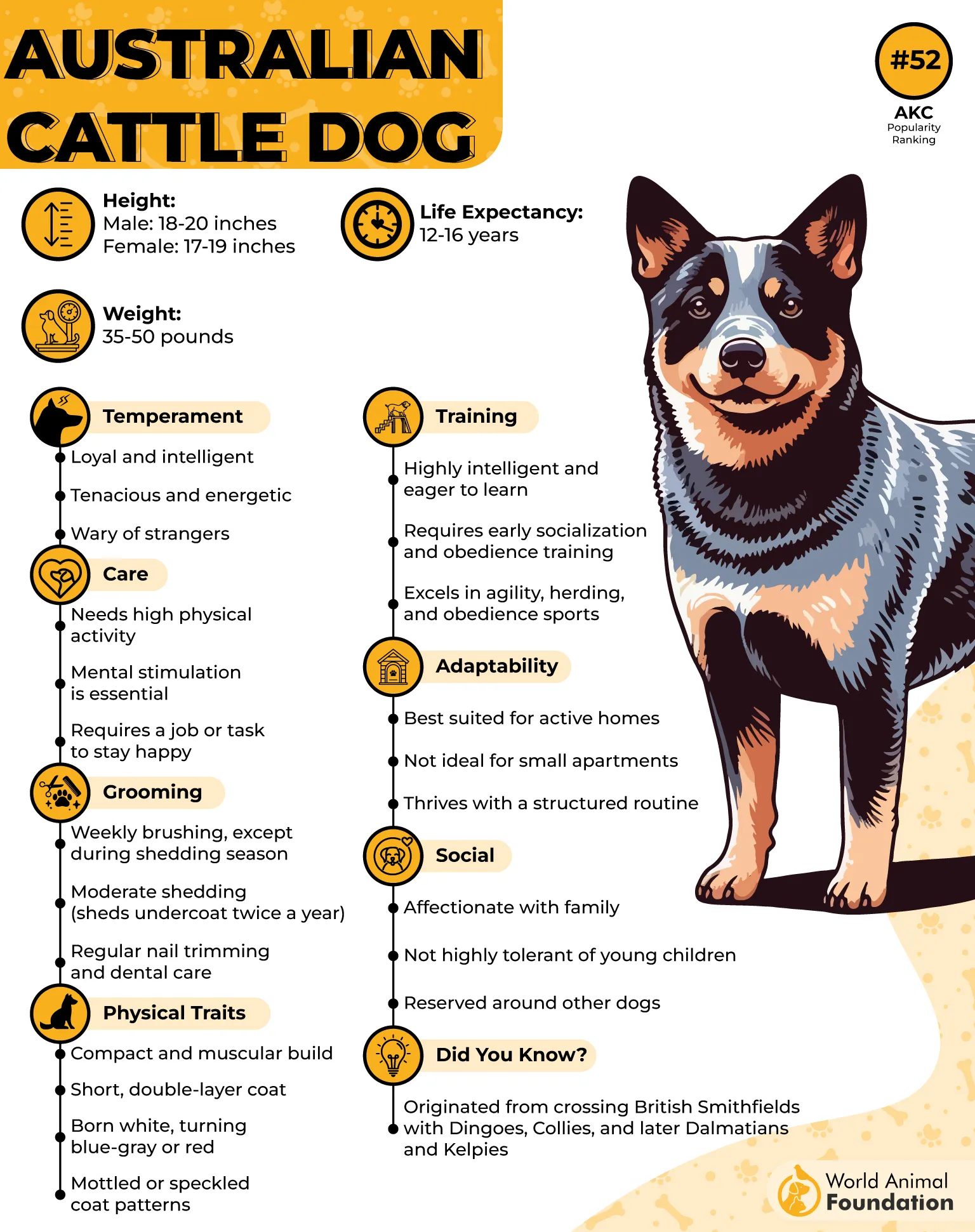
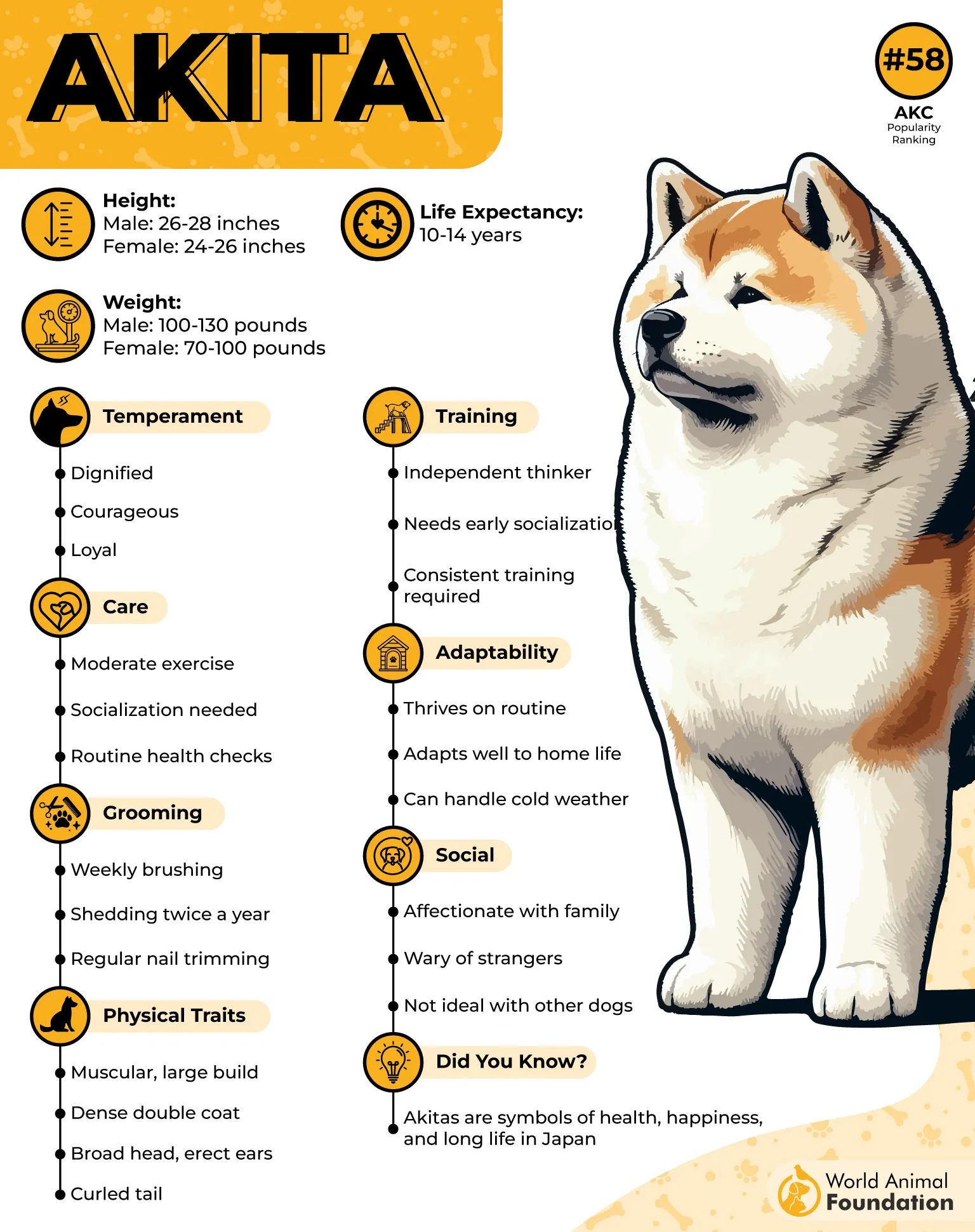
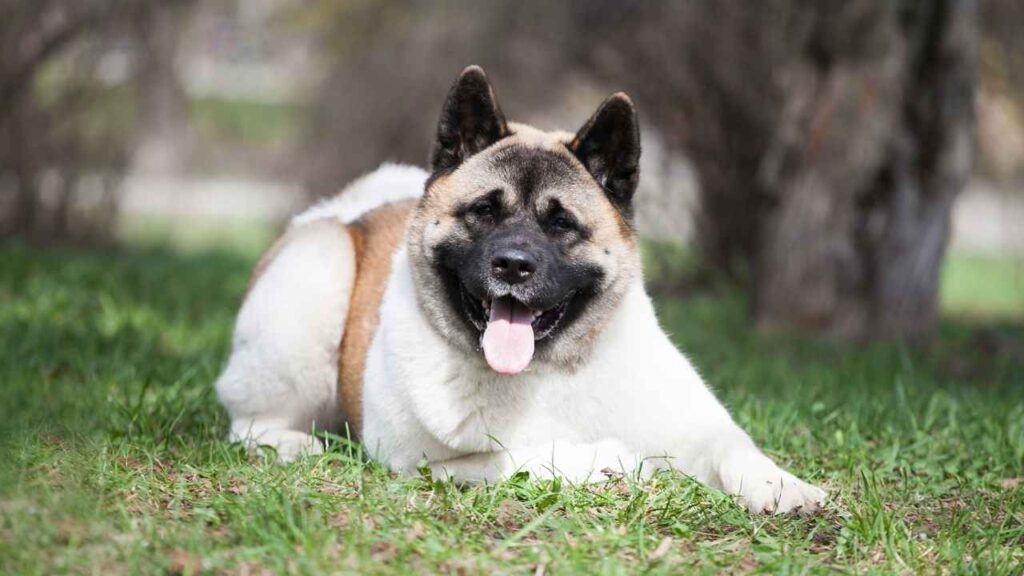
Akita: It stands 24-28 inches tall and weighs between 70 and 130 pounds. The breed has a curled tail, tall and erect ears (rounded triangle), small, dark brown, triangular eyes, a black nose, and a weather-resistant double coat.
Coat Types, Grooming & Maintenance
Both breeds have weather-resistant coats, but they differ in coat type, grooming needs, and shedding patterns.
Australian Cattle Dog: It has a short coat that comes in two colors: blue and red, which is why the breed is often called the ‘Blue Heeler’ or the ‘Red Heeler.’ It has a dense undercoat and a straight outer coat, making it well-suited to harsh climates.
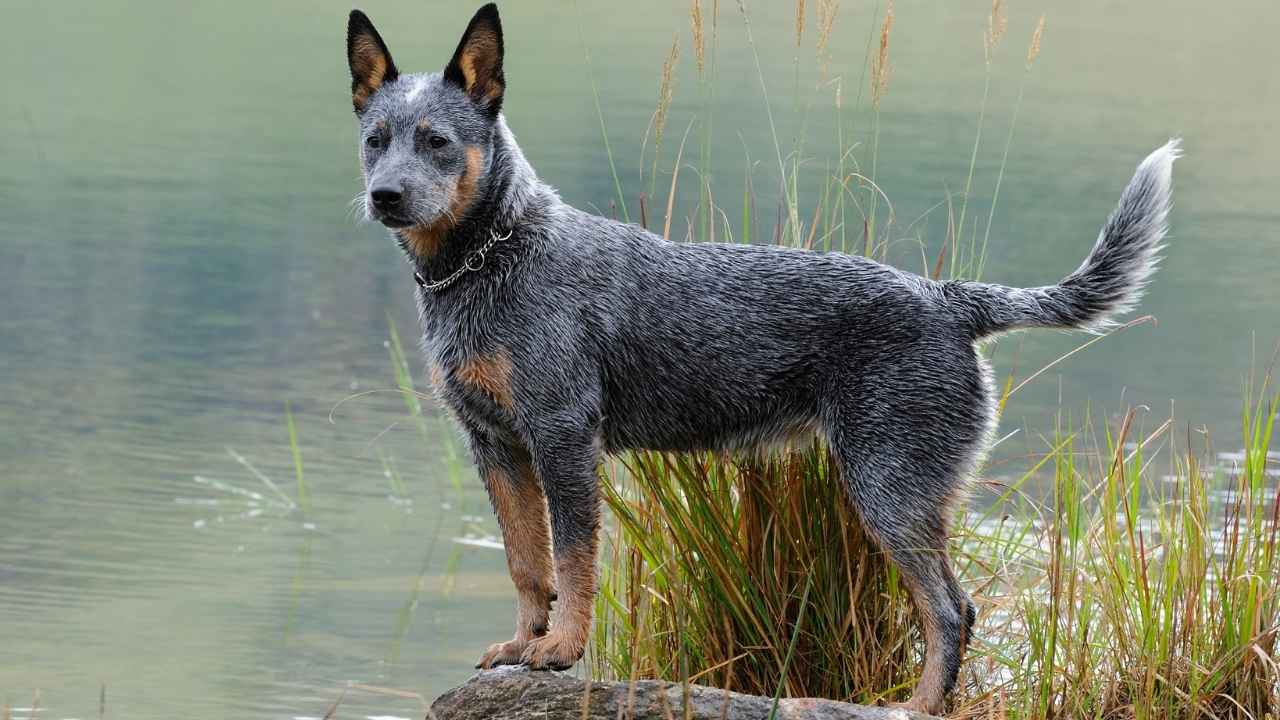
This breed sheds moderately to heavily and needs daily brushing along with occasional baths. Professional grooming is recommended twice a year, according to UKC.
Akita: Despite its thick double coat, the breed has little to no doggy odor. Shedding stays fairly manageable most of the year, but the coat ‘blows’ twice a year during shedding season (spring and fall). Daily brushing is a must during this time; otherwise, weekly brushing does the job.
Temperament, Personality & Behavior
Both breeds have completely different personalities. The Australian Cattle Dog is a highly energetic herding breed, while the Akita is a quiet, powerful, and large one.
Australian Cattle Dog: It’s one of the smartest breeds around and has a strong independent streak. Great for active families, this dog has a tendency to nip at heels, a leftover instinct from its herding days.
It has a strong desire to control the herd, whether that’s cattle or your kids. The breed also makes an excellent guard dog, thanks to its controlled protective instincts.
Akita: Best suited to experienced dog owners, the Akita typically makes a deeply loyal companion. The breed has a quirky habit called ‘mouthing,’ where it likes to carry random objects around in its mouth.
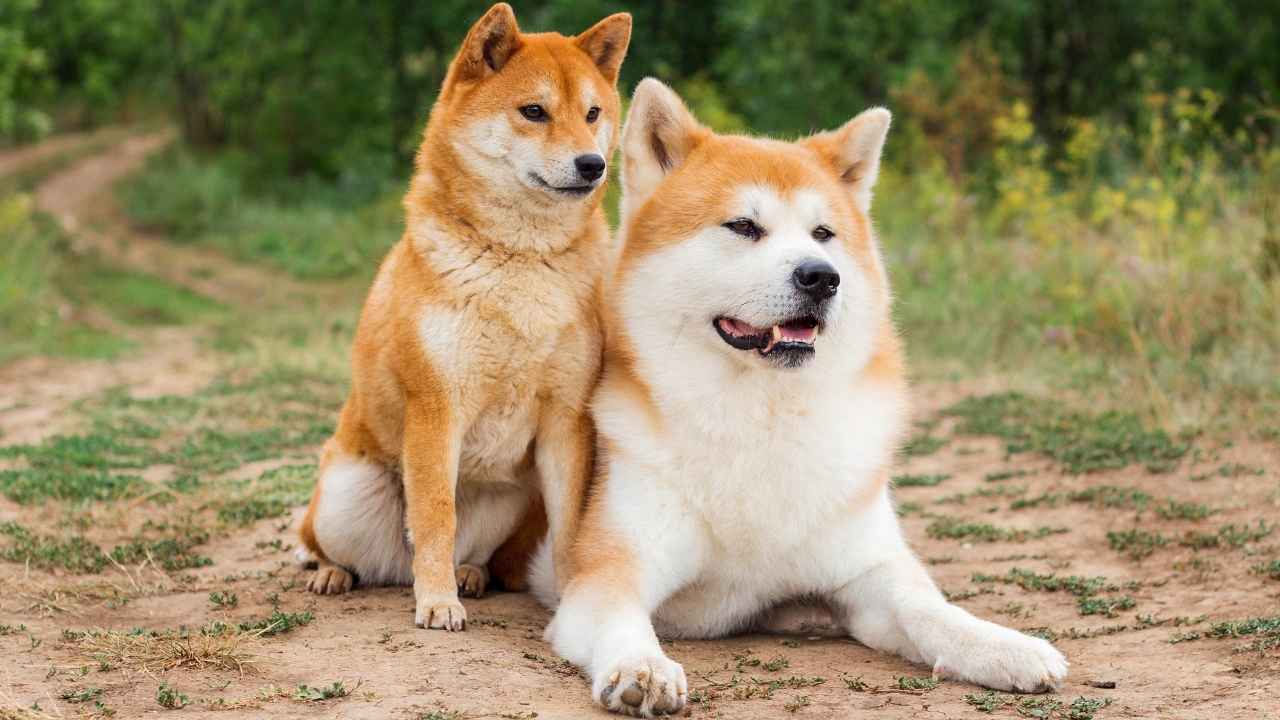
It tends to be aloof with strangers and isn’t the type to warm up to just anyone. It’s also quick to bark and alert its owner to anything that seems off.
Intelligence, Trainability & Adaptability
The ACD is highly intelligent, eager to please, and full of energy, while the Akita is a dignified, independent-thinking protector.
Australian Cattle Dog: This breed has serious work drive and lives to control and move livestock, real or imagined. It’s a great fit for active families who can keep up with it.
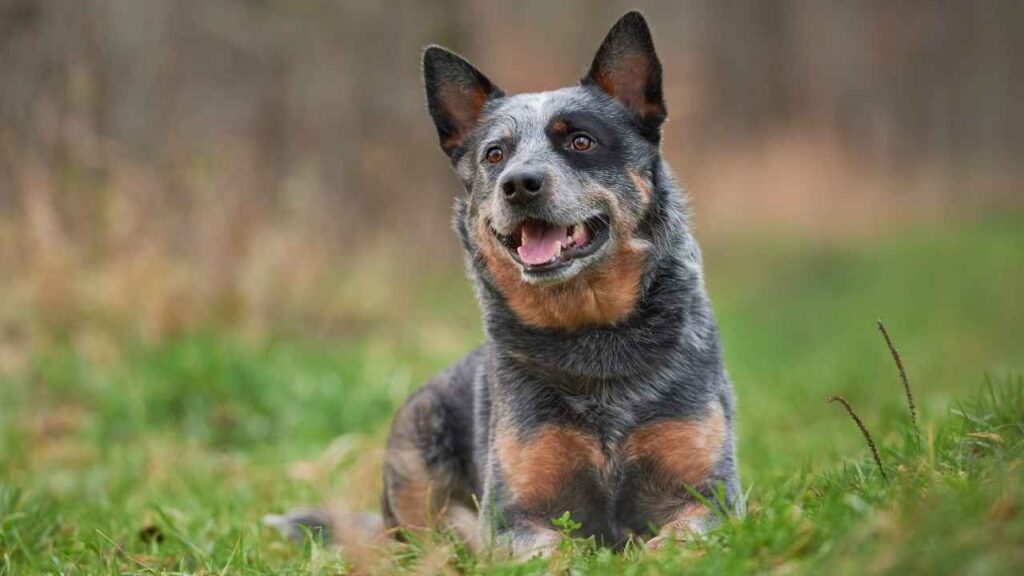
Obedience training and early socialization aren’t optional here; they’re essential. A bored Australian Cattle Dog can quickly turn destructive.
Akita: This breed carries itself with a quiet demeanor and stays wary of strangers, thanks to strong protective instincts. Despite its independent streak, the Akita forms deep bonds with its human family.
Proper socialization as a puppy is a must, since the breed can show aggression toward strangers and other dogs, according to the American Kennel Club.
Energy Levels, Activity Needs & Work Style
While both breeds have a strong work ethic, the ACD is more demanding and needs high-intensity activity. The Akita has a calmer demeanor and is happy to relax on the couch once its daily exercise needs are met.
Australian Cattle Dog: Thanks to its herding heritage and high prey drive, the breed needs high-impact daily exercise (1.5-2 hours): fetching, playing frisbee, agility, farm work, herding, jogging, running (45 minutes daily), and other canine sports. The breed can also be trained for farm work or as a protection dog.
Akita: This athletic hunting breed needs plenty of exercise (60 minutes daily) along with mental stimulation: 2-3 brisk walks, hikes (around 3 miles), running, and other dog sports. Since it has a thick double coat, the breed handles cold climates well but can struggle in warm or hot temperatures.
Health Issues, Average Lifespans & Durability
The Australian Cattle Dog is a compact, long-living breed with strong herding instincts, while the Akita is a heavier-boned guard dog with a shorter lifespan and some unique autoimmune risks.
Australian Cattle Dog: The oldest dog ever recorded was actually an ACD named Bluey, who lived to be 29. That said, the average life expectancy for the breed is 12-16 years. The ACD is prone to certain health issues, including eye problems (PRA), deafness, and orthopedic issues like hip and elbow dysplasia.
Akita: The average lifespan for this breed is 12-14 years, and it’s predisposed to joint issues. Major health concerns include hip dysplasia, hypothyroidism, eye problems, sebaceous adenitis, and bloating. Regular medical screening and vet checkups go a long way in catching these early.
Working Roles, Expertises & Specialized Skills
The Australian Cattle Dog and the Akita differ significantly in their historical working roles, areas of expertise, and how they carry out specialized tasks.
Australian Cattle Dog: Agility, tracking, herding, and advanced training all tap into the ACD’s natural desire to work. Known for its power and speed, this breed is happiest when it has a job to do alongside its human family. It also tends to nip at the heels of a potential threat as a way of protecting its people.
Akita: Originally developed as a hunting dog, the Akita was used to flush out boar and bark persistently until its owner arrived. Today, it’s widely kept as a companion dog and also shows up in therapy work, dog competitions, agility shows, tracking trials, and weight pulling.
Lifestyle Fit & Ideal Home Environment
The Akita prefers a quiet home, a structured routine, and plenty of space, while the ACD is a highly energetic dog that needs an active lifestyle to match.
|
Features |
Australian Cattle Dog |
Akita |
|---|---|---|
|
Home environment |
Large, securely fenced yard. Not recommended for small apartments. |
Structured indoor settings with secure perimeters; homes that can handle cold climates well. |
|
Social & Family Fit |
Forms strong bonds with one or two people. Wary of strangers and prone to nipping. |
Highly territorial; may show aggression toward other dogs and same-sex housemates. |
|
Ideal Owner |
Dog-sport enthusiasts and people with an active lifestyle. |
Strong-willed owners with firm leadership and a patient nature. |
Conclusion
The Australian Cattle Dog and the Akita are both remarkable breeds, but they shine in different situations. If you love outdoor adventures, daily training, and an active routine, the Australian Cattle Dog can be an incredible partner that keeps you moving. If you’d rather have a calm, confident companion who forms deep family bonds and naturally watches over the home, the Akita might be the better match.
Neither breed is better than the other; it all comes down to your lifestyle, experience, and how much time you can dedicate to training and care. When a dog’s natural instincts line up with your everyday life, both you and your four-legged friend get the best shot at building a lasting, rewarding relationship.
