




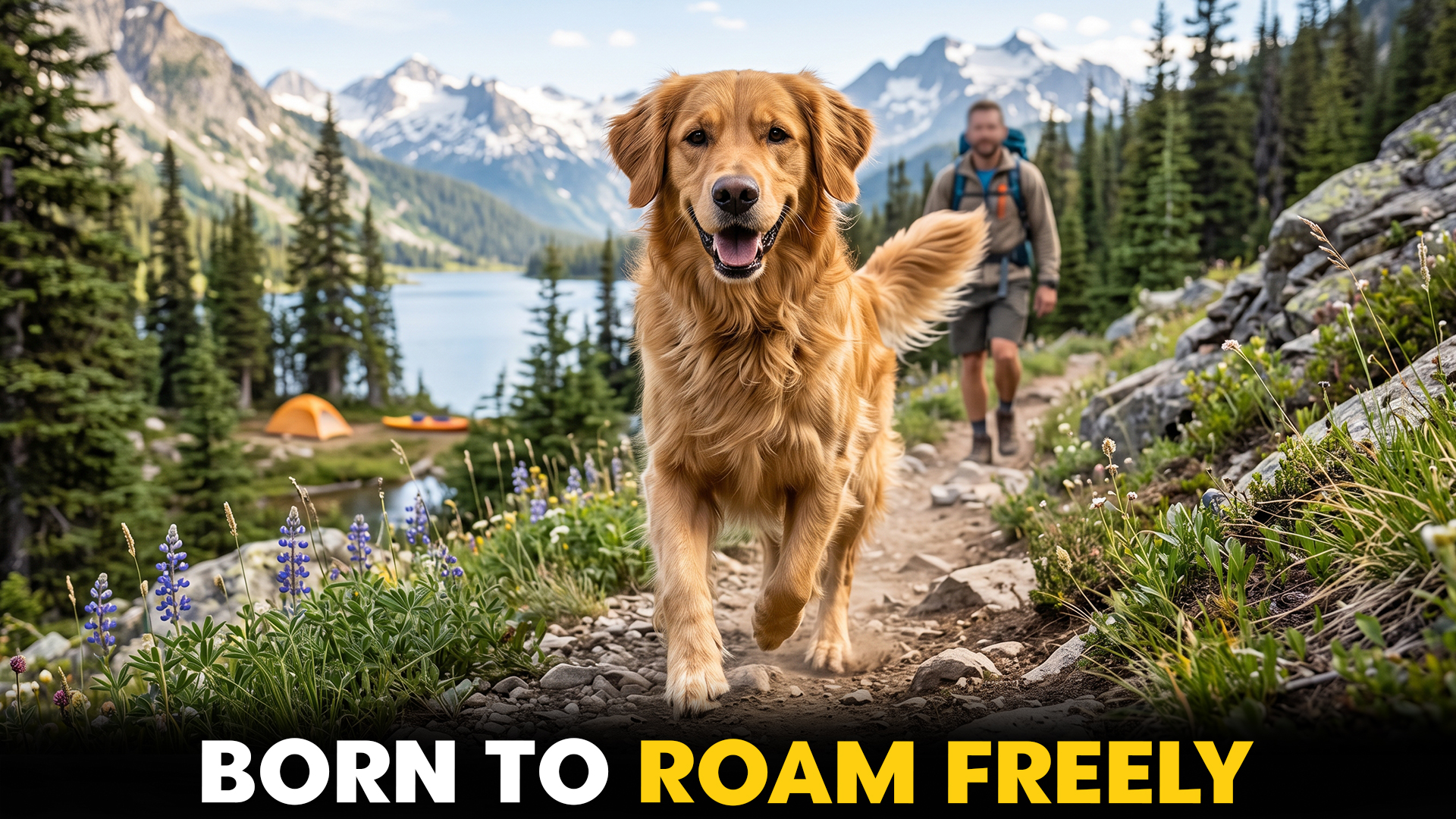
Some dogs are happiest on the couch. Others hear the sound of hiking boots and think, “Finally, the fun begins!” If your weekends are filled with trails, camping trips, lakes, or road adventures, the right dog can become your favorite travel partner.
As adventurer and author John Muir once said, “The mountains are calling, and I must go.” Some dogs seem to live by that same motto.
These energetic companions love exploring new places, meeting new people, and staying active beside their humans. Choosing a breed that matches your lifestyle makes every trip safer and more enjoyable.
Let us meet nine incredible dog breeds that are always ready to pack their invisible backpacks and hit the trail with you.
Dog Breeds Perfect for a Life of Adventure
1. Australian Shepherd
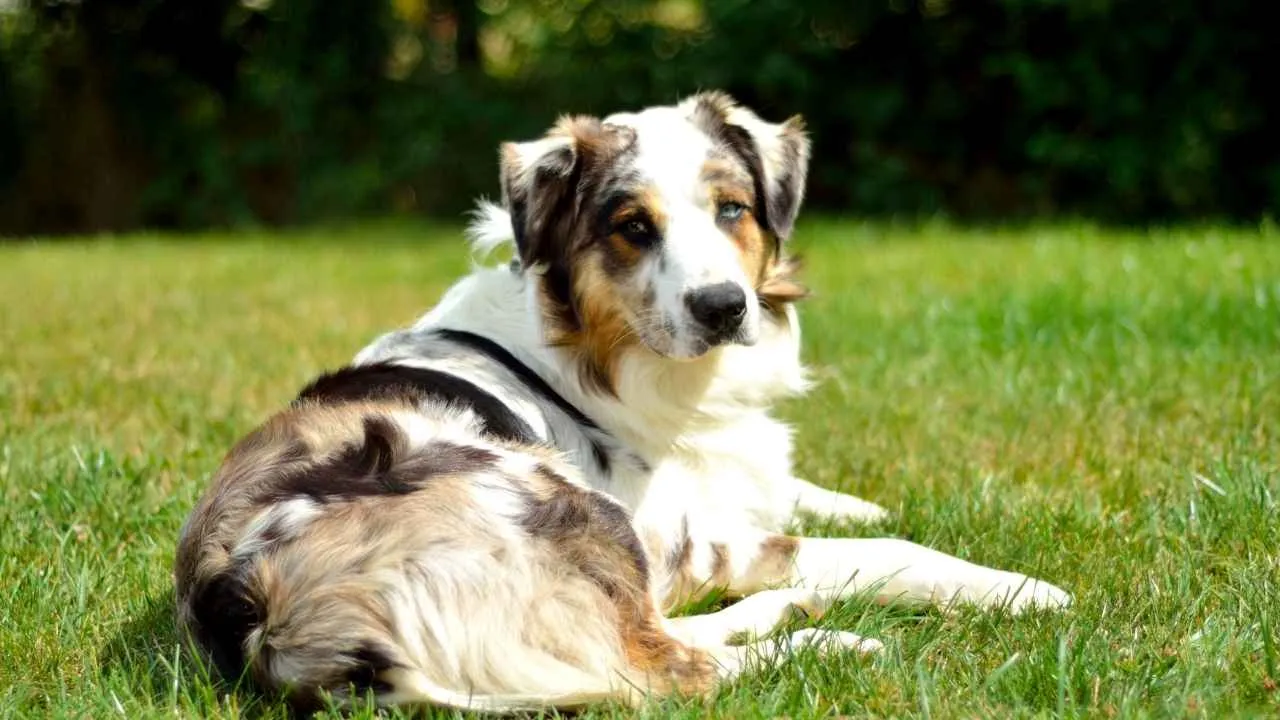
Popular herding breeds in ancient Spain and Besques are credited with being the ancestors of the modern-day Aussies. The history began in the Pyrenees Mountains and continued in North America. Favored by ranchers because of high intelligence and strong prey drive, it was used as a messenger during World War II, says Orvis.
The dog is widely used in many fields, such as narcotics detection, search and rescue operations, police departments, and also serves as a service dog. The fluid gait is because of the compact feet that provide superb coordination while running over rugged terrain. The breed uses its sharp eyes and quick reflexes to observe and respond to external stimuli.
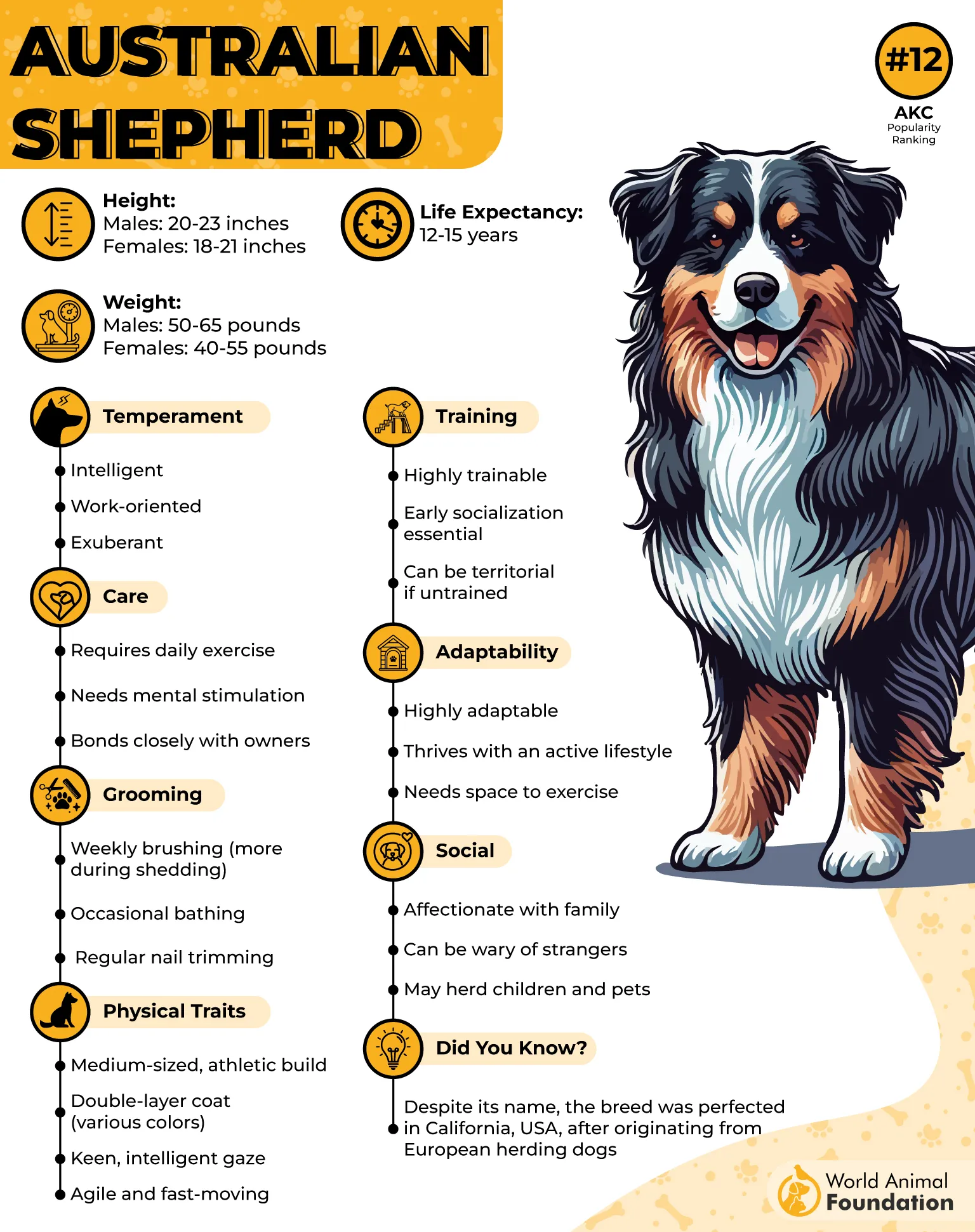
Because of the herding instincts, it can learn flushing with minimal effort. The breed has a ‘soft mouth’ as it can retrieve objects without physically damaging them. Since it has a double coat that gathers dirt, it needs extensive grooming.
2. Labrador Retriever
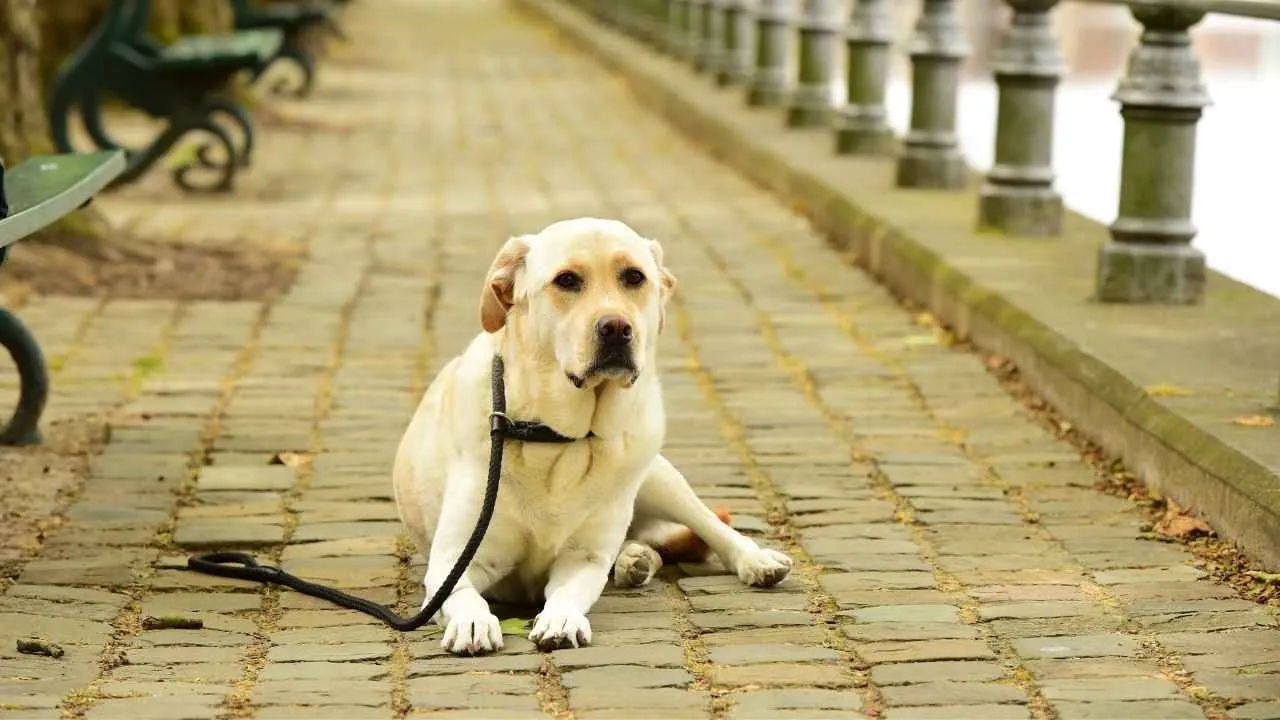
St. John’s Water Dog, also known as the lesser Newfoundland, is considered to be the ancestor of the Labrador Retriever. This ancient dog was used to retrieve nets from the water in the 19th century. British brought this dog to their country, and after using it as a gun dog, they interbred it with local dogs, resulting in the Labrador.
Because of its history as a water dog, it excels in swimming and dog sports like dock diving, fetching, and other canine jobs. The ‘otter tail’ acts as a rudder to provide balance while swimming. Since it has a high energy level, it needs a constant job, or it can become hyperactive and destructive.
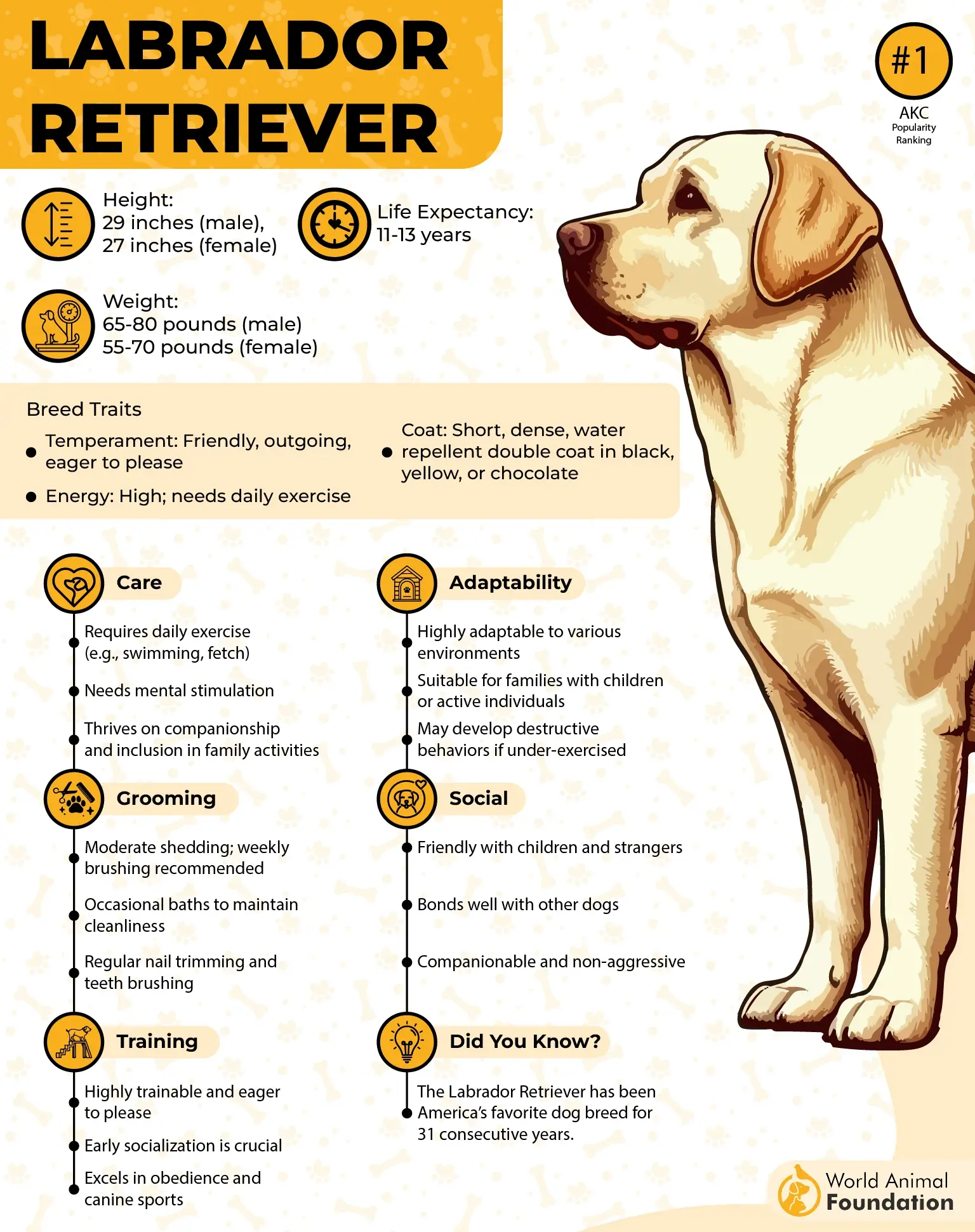
The breed also serves as an excellent therapy dog and a service dog. It needs high-impact exercise and mental stimulation with positive reinforcement. It is mostly friendly and sees other animals as its prey if not properly trained.
3. Golden Retriever
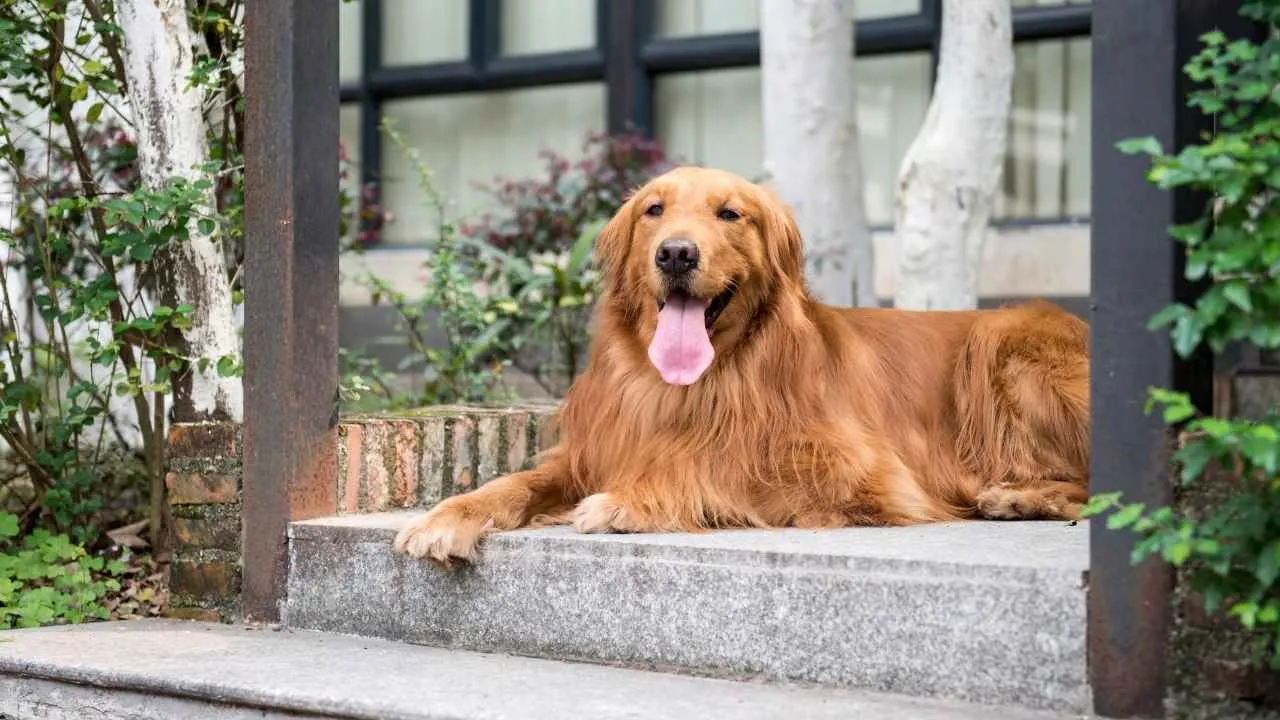
The powerful dog breed was developed in Scotland in the 19th century as a hunting dog that was used to retrieve wild birds from both water and land in extreme weather. Today, it is widely used in dog sports, including agility, obedience training, and field trials.
This breed has webbed feet that act like natural paddles. The double coat has two layers: the outer coat protects the breed from the external environment, and the undercoat acts as a thermoregulator. The well-angulated forequarters and hindquarters provide excellent speed.
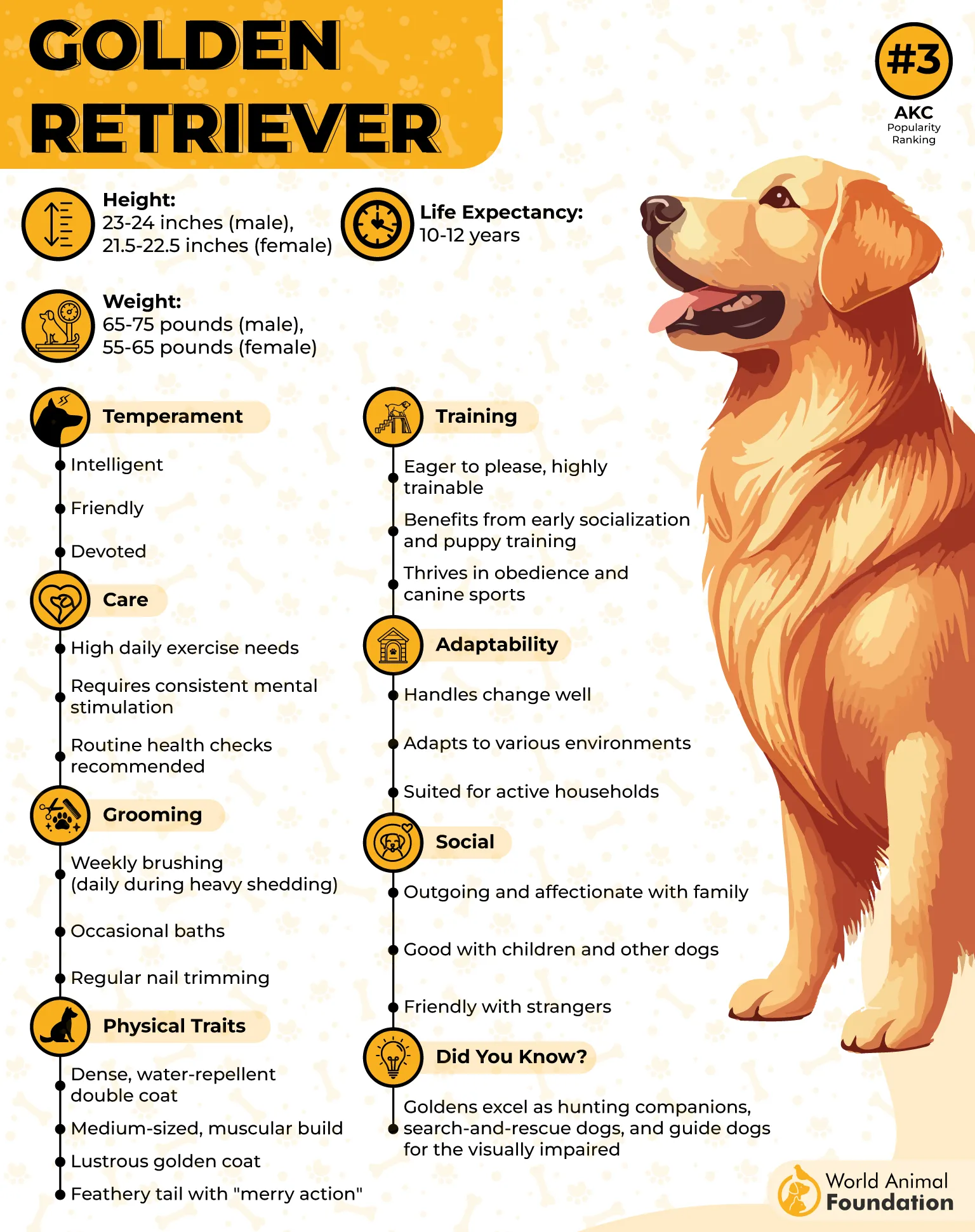
This dog enjoys an active lifestyle and thrives in outdoor adventures, such as trail hikes, dock diving, backpacking, fetching, camping, backyard agility, and retrieving games.
4. Border Collie
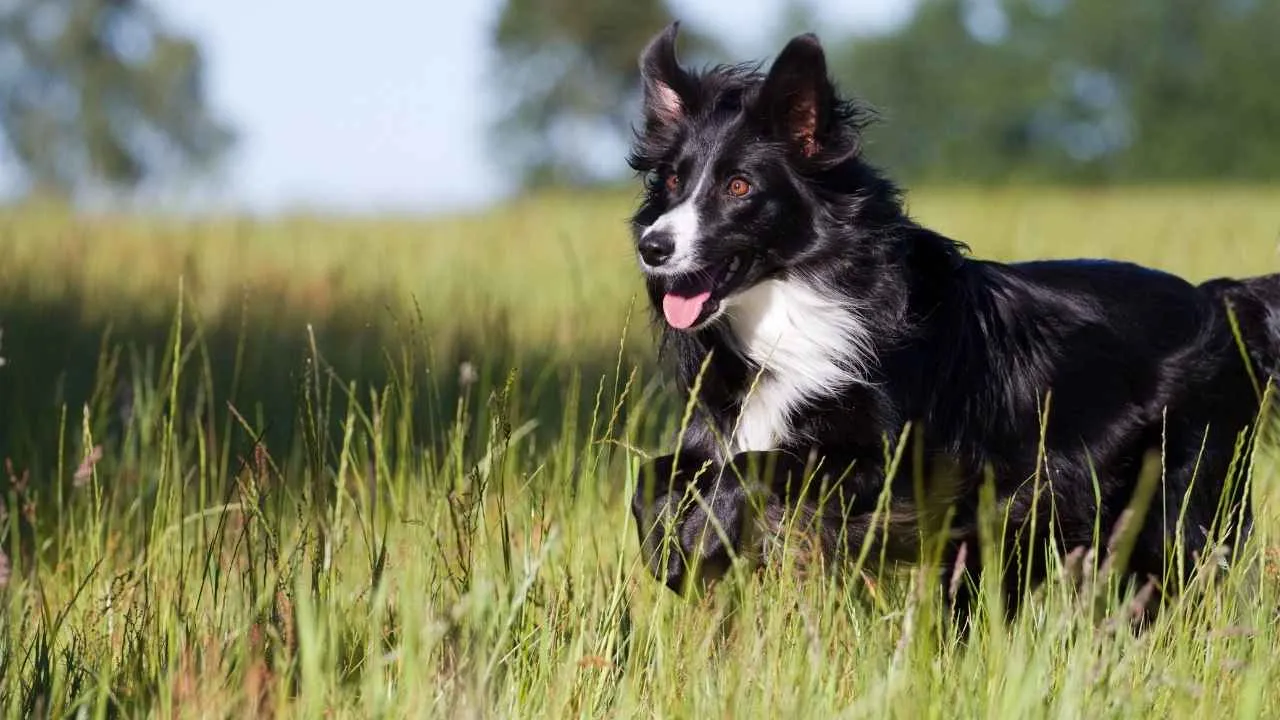
This medium-sized British herding dog originated at the Anglo-Scottish border. It is the descendant of the British sheepdog and is widely kept as a sheep herding dog and a family companion. The high-energy dog is considered to be the most intelligent breed in the canine world, as per Wikipedia.
One of the most popular dogs in agility competitions, the Collie excels at showmanship, flyball, tracking, sheepdog trials, and herding events. This active dog breed jumps so high that in competitions in England, it brings extinctions. It also dominates in dog activities like disk dog competitions and flyball.
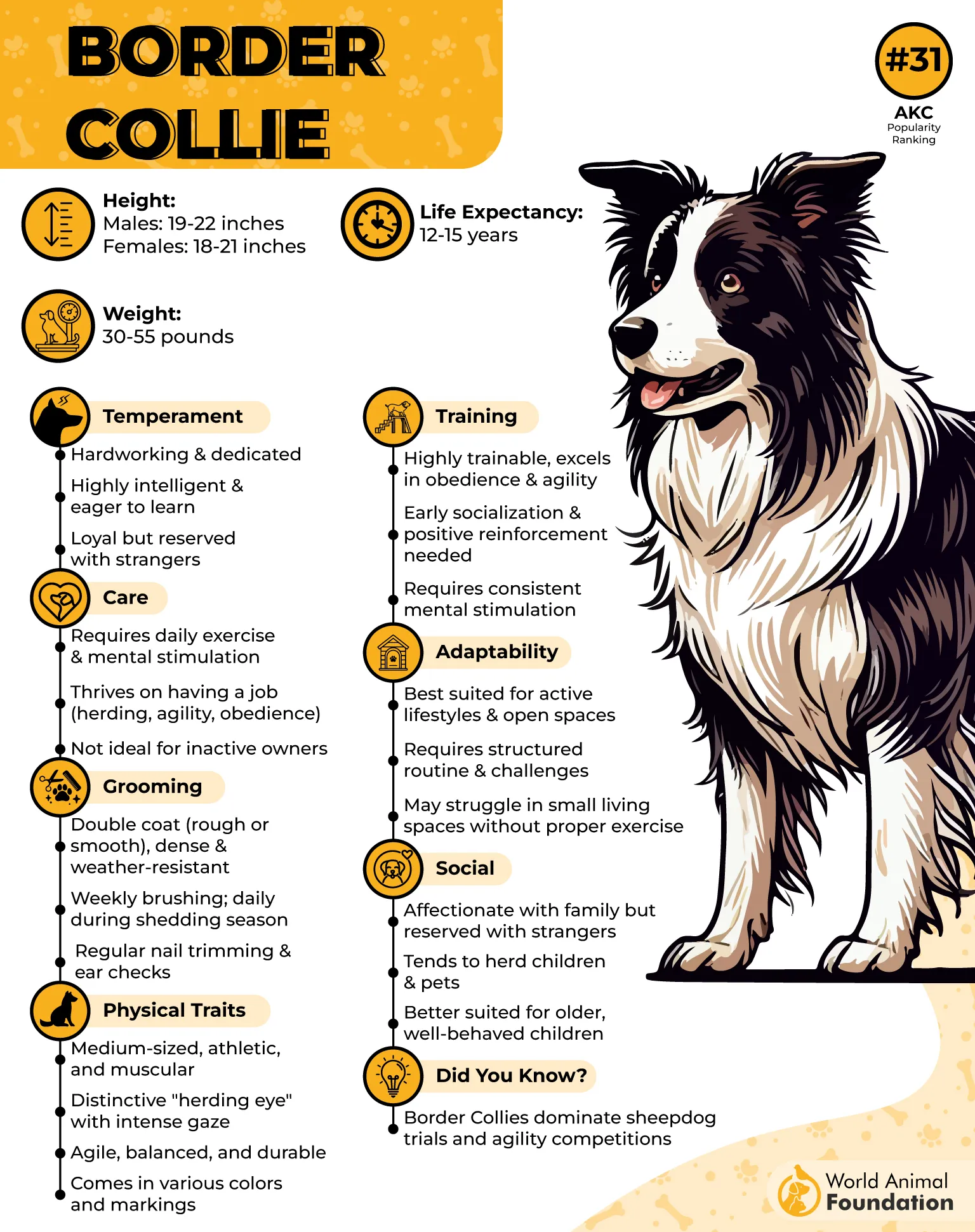
Because of its high prey drive and strong sense of smell, it is highly suited for tracking trials. These instincts open its doors in the fields of search and rescue, police and military, and livestock protection departments.
5. Siberian Husky
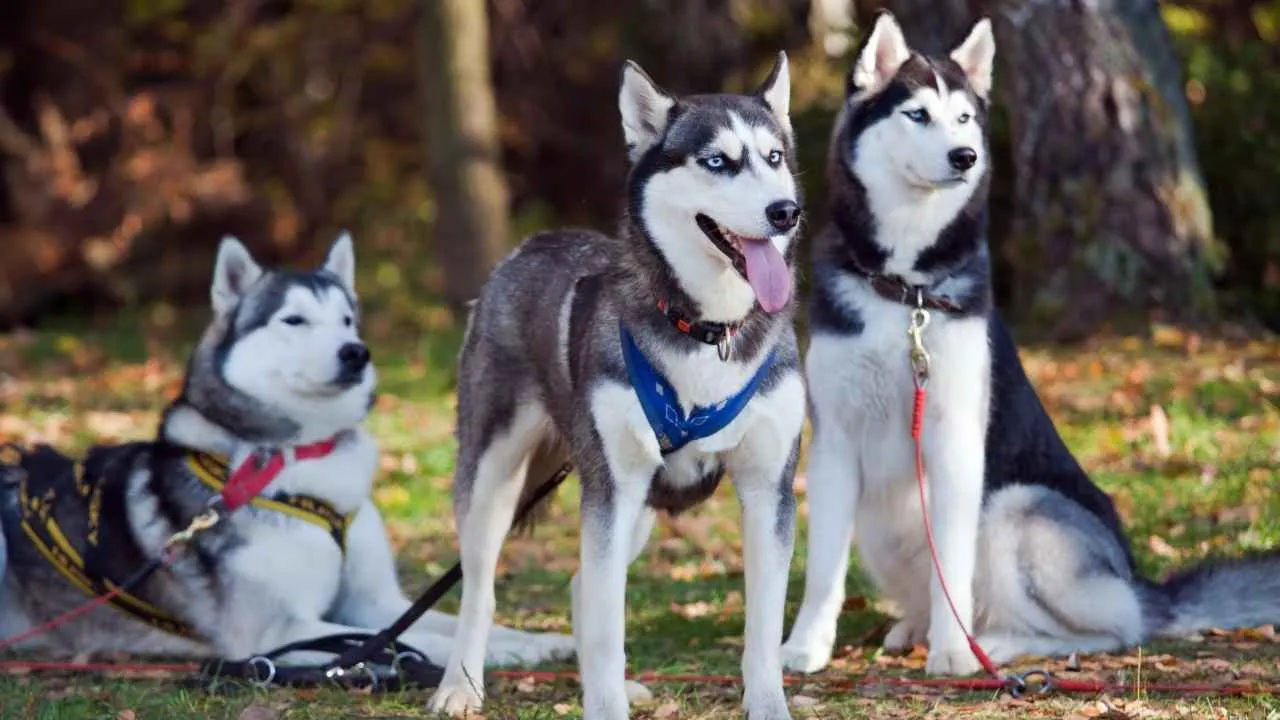
The breed was brought to the USA by the Russian fur trader, William Goosak, in 1908. The gentle giant is best known for its boundless energy and talkative personality. It is suitable for first-time dog owners and loves to stay indoors when it has no job.
It has tough, padded feet, and there is fur between the toes that provides natural insulation and traction on snow. It has a lean and muscular build that combines with a high metabolic rate and enables the breed to run for hours without tiring. The triangular ears are less prone to frostbite.
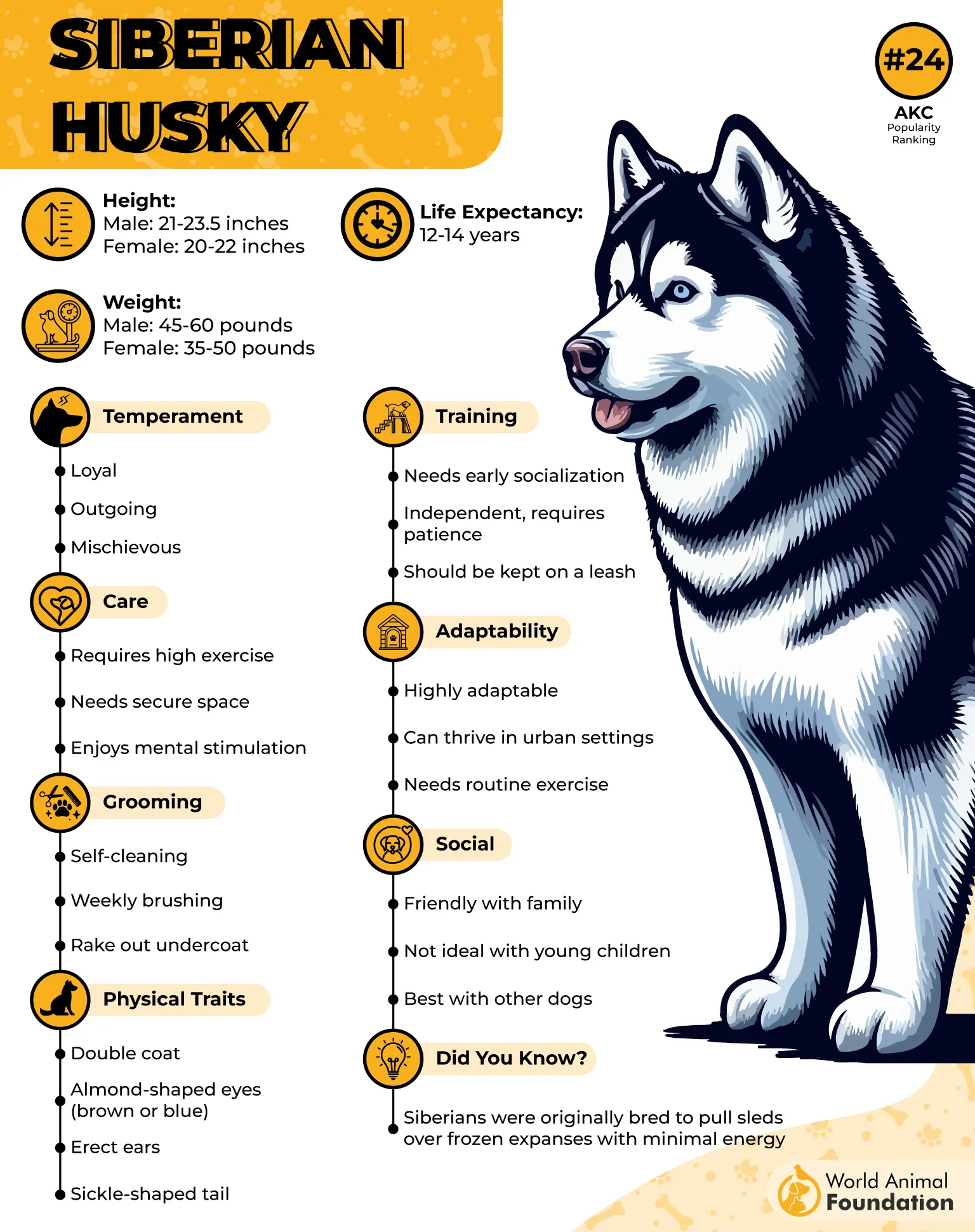
Built for cold climates, the Siberian Husky has high stamina. This dog excels in outdoor sports, such as canicross, backcountry hiking, cold-weather camping, sanctioned digging, and long walks.
6. Bernese Mountain Dog
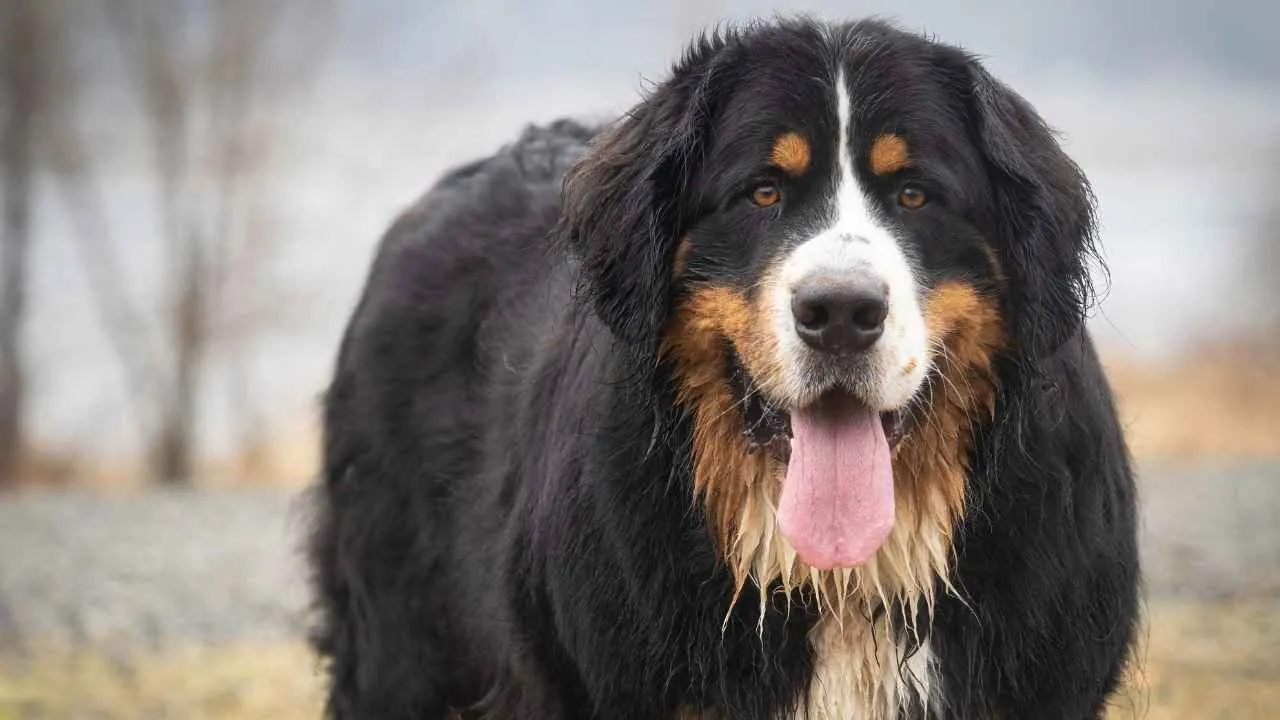
Originally bred as a drover and a farm dog in the Swiss Alps, it is the largest of all 4 Swiss mountain dog breeds. The history started in Rome some 2,000 years ago when the Mastiff-type dog was brought to the region. The primary goal of this dog was to pull carts and herd livestock.
It is a great candidate for tracking training. It can learn advanced training and excels in obedience competitions. Advanced training provides mental stimulation that prevents destructive behaviors, such as chewing and digging. Because of its friendly and affectionate nature, it is used in therapy sessions and SAR operations.
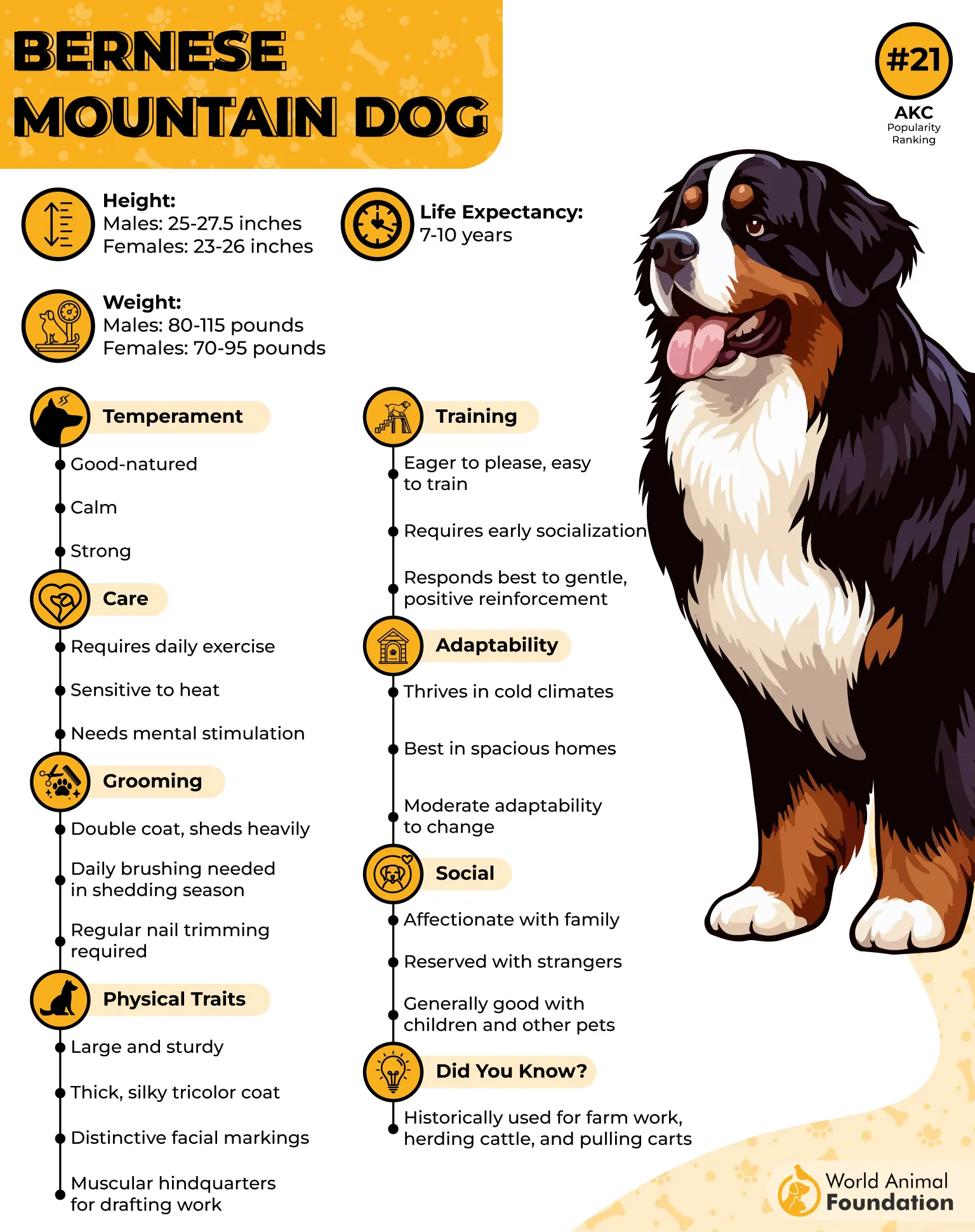
The large dog also participates in cart pulling and draft testing. It is also trained to watch over farm animals and herd cattle. The breed matures late in life; thus, agility training should be undertaken at a slow pace.
7. Portuguese Water Dog
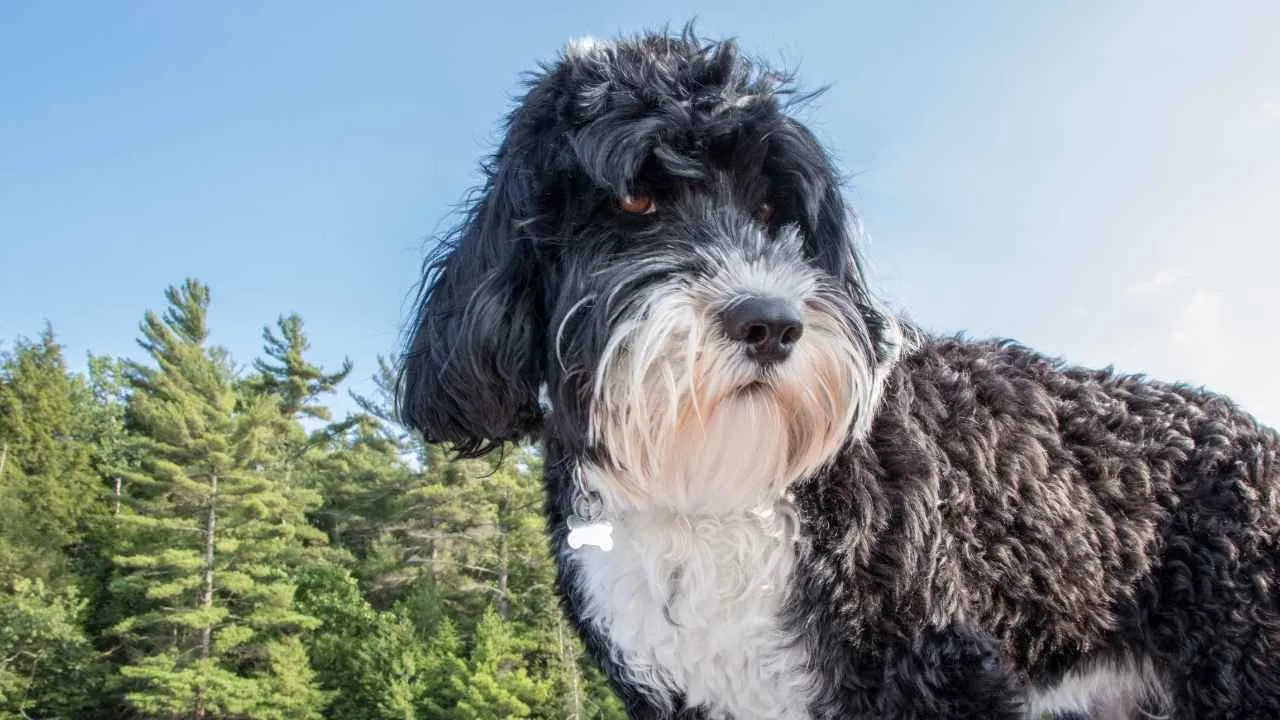
This working dog breed was originally developed for search and rescue operations and guarding property. It makes an excellent family pet as it responds well to obedience training. This confident and sociable dog needs early socialization to get along well with other dogs and strangers passing by, as per PDSA.
It has a well-muscled body and a broad chest that give the breed exceptional endurance. As it was historically used alongside fishermen, it has a large lung capacity to dive underwater. The thick tail provides balance while swimming.
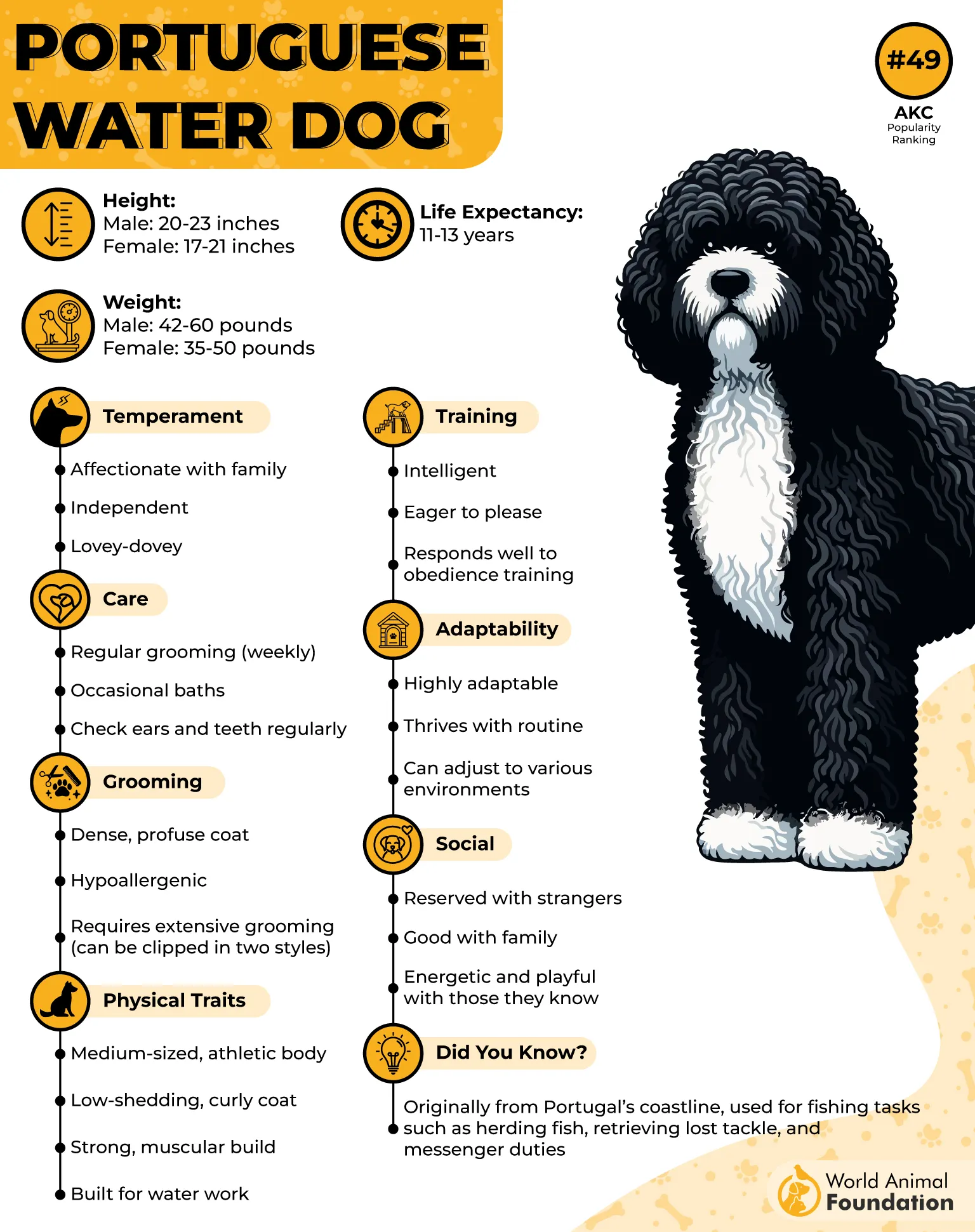
This dog thrives in physical exercise outdoors, such as hiking trails, swimming, canine agility, flyball, scent work, tracking, and retrieving games.
8. Nova Scotia Duck Tolling Retriever
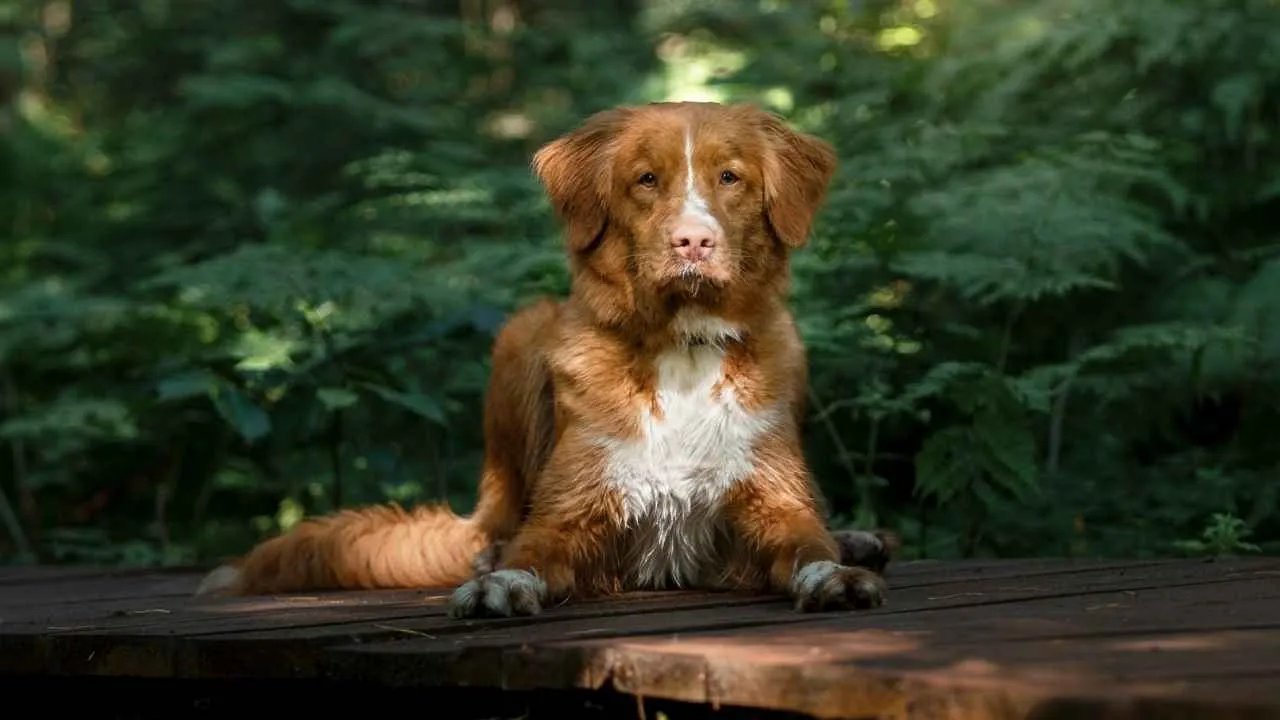
The breed was originally bred in Yarmouth County in Nova Scotia in the 19th century as a hunting dog. It tends to move quickly and attracts the attention of the prey, luring it out in an open space. The breed was officially recognized by the Canadian Kennel Club in 1945.
This breed needs at least 1 hour of daily vigorous exercise to remain fit and healthy. It enjoys dog sports, such as flyball and agility training. This dog has a water-resistant, thick double coat that keeps it warm and dry in freezing water.
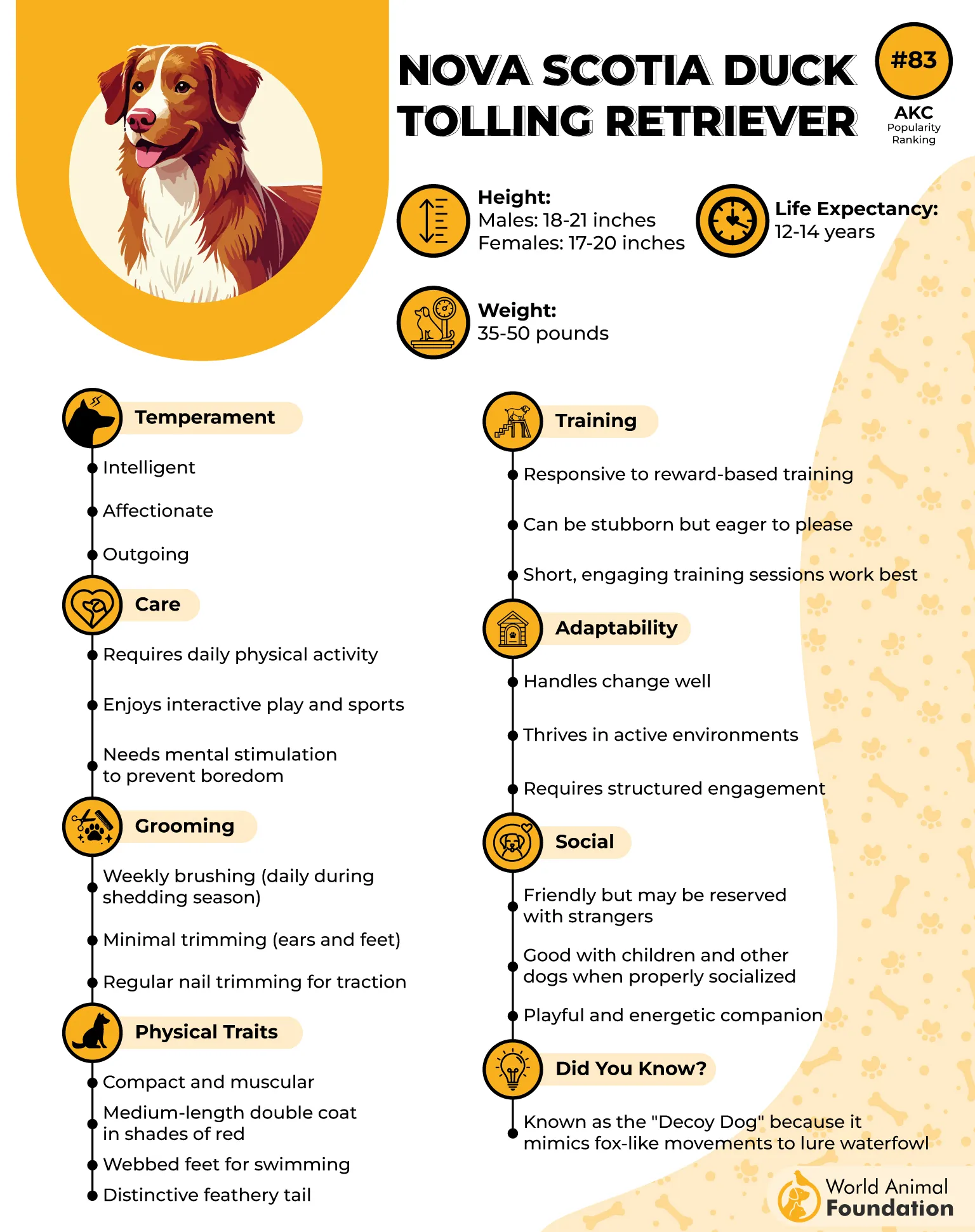
The crimson-to-copper coat has white markings, acting as camouflage in autumn brush. The energetic breed excels in dock diving, swimming, waterfowl hunting, and canine sports.
9. Vizsla
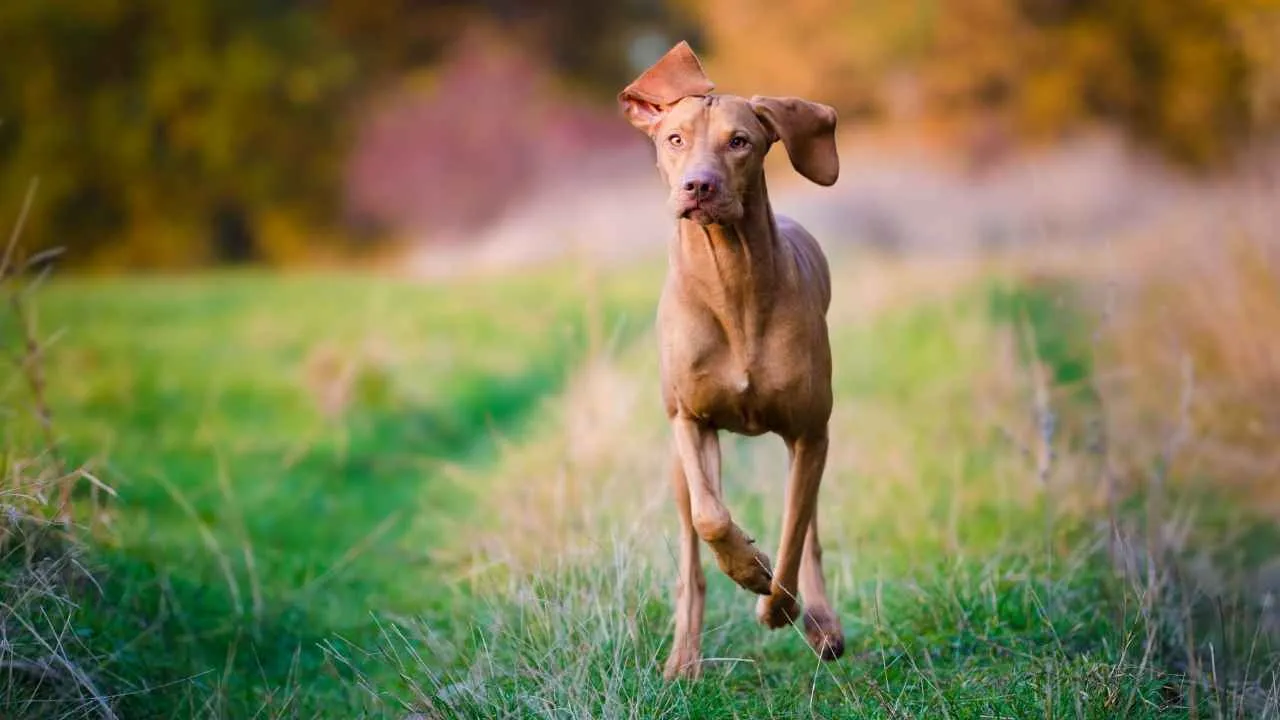
The history of this ancient dog breed dates back to the 10th century. It was bred by the Magyar tribes of Hungary as a versatile hunting companion. It excels at both pointing and retrieving. It was a well-established dog by the early 20th century.
The dog has high trainability and intelligence that make it extremely versatile. This athletic dog excels in hunting and SAR operations because of its sharp focus. Since it has an independent streak, it may develop stubbornness. Reward-training and a gentle approach are recommended to train the breed.
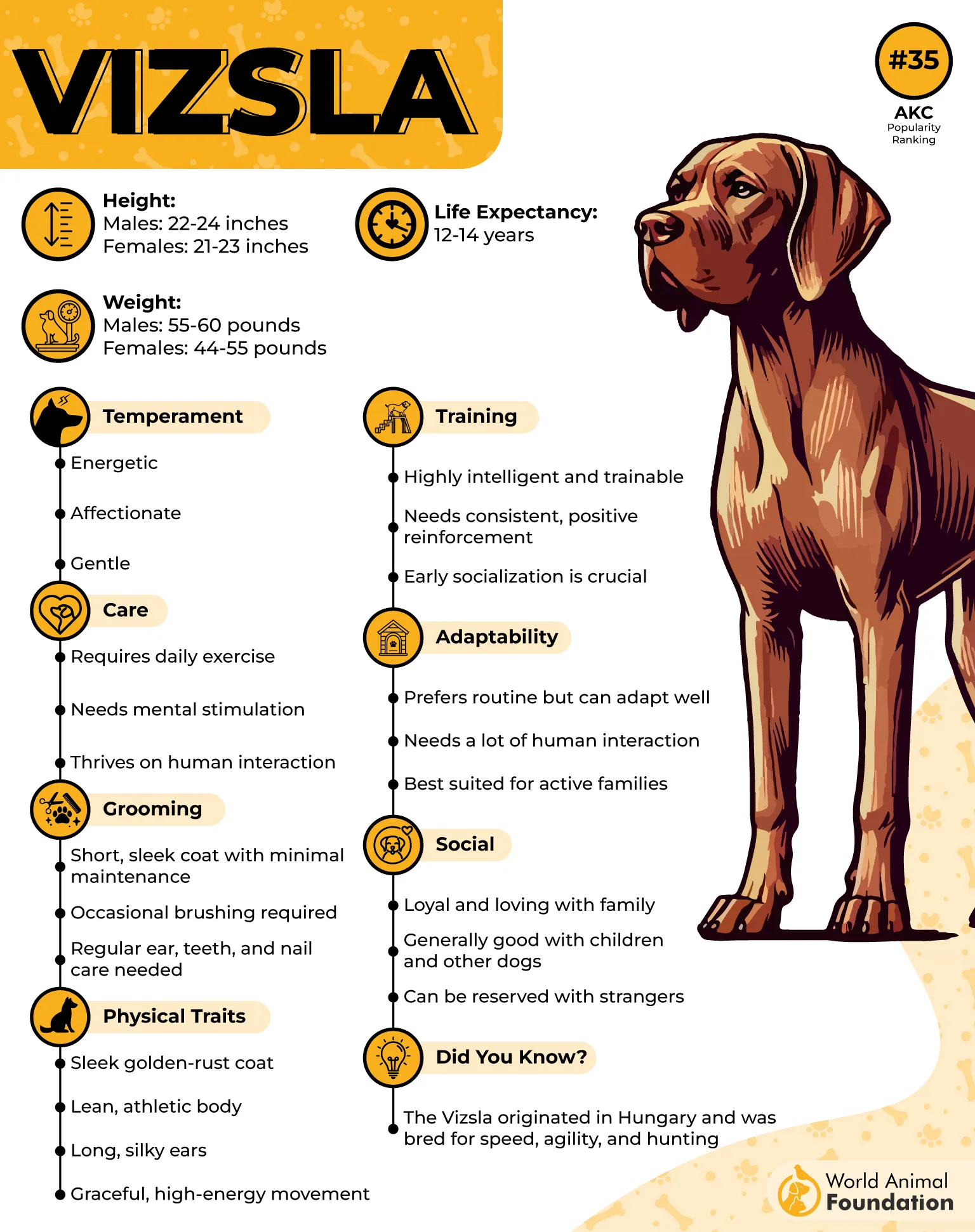
It has a ground-covering trot that helps it navigate rough terrain. The coat is short and single-layered and does not trap dirt inside. It is a part of the HPR group; thus, it has exceptional scent glands and a fine-tuned facial structure for tracking.
Conclusion
Adventures look different for everyone. It might mean climbing mountain trails, kayaking across the quiet lake, or simply discovering a new park every weekend. The best adventure dog is not always the fastest or strongest. It is the one whose personality matches your lifestyle and energy level.
With proper training, regular exercise, good nutrition, and routine veterinary care, these breeds can become dependable partners for years of outdoor memories.
Every muddy paw print, scenic sunrise, and winding trail becomes more meaningful when shared with a loyal dog by your side. Pick the breed that fits your pace, prepare for every outing, and enjoy the journey together. The greatest adventures are often the ones experienced with a happy tail wagging beside you.
