




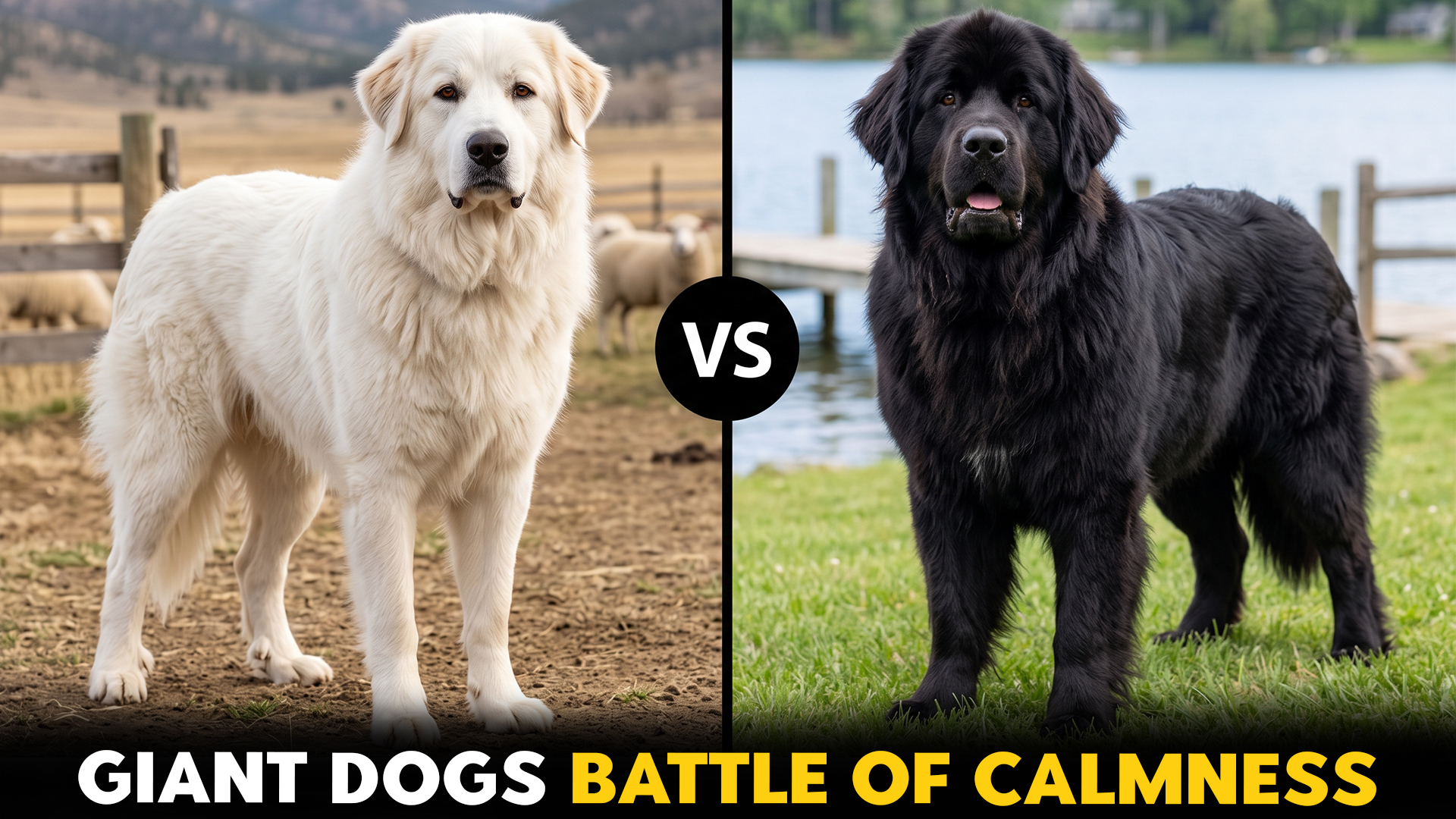
Okay, let’s talk about the two biggest gentle giants in the dog world.
Great Pyrenees vs. Newfoundland.
Two majestic, big-boned breeds. Two dogs that basically look like they walked out of a snowy mountain postcard.
And two dogs that will absolutely take over your couch, your yard, and your entire personal space without asking permission.
But this is the thing people get wrong all the time.
These two giant breeds are NOT the same dog in a different coat.
One was bred to guard sheep alone on a mountainside, no human supervision required.
The other was bred to pull carts, haul fishing nets, and jump into freezing water to save people.
One is an independent thinker who tolerates strangers. The other treats every stranger like a long-lost best friend.
Same fluff level. Very different personalities underneath it.
Fun Fact!
The Great Pyrenees actually looks a LOT bigger than it really is. Most Pyrs weigh around 100 pounds, but that thick double coat creates an optical illusion of a much heavier dog. Newfoundlands, meanwhile, are usually the real heavyweights, often tipping past 150 pounds.
So visually? Pyrs win the “looks massive” category.
Actual scale numbers? Newfoundlands usually take it.
Great Pyrenees vs. Newfoundland: Calm Giant Dogs Compared
While both of these gentle giants are famous for their calm, loving nature, they bring very different instincts to a household. From guarding styles to grooming needs, here is how the Great Pyrenees and Newfoundland compare side by side.
Origins & Purpose
Let’s start with the “why” behind these breeds, because it explains basically everything else on this list.
The Great Pyrenees comes from the mountains between France and Spain. These mountain dogs were originally bred to guard sheep against wolves and predators. Alone, at night, with ZERO human backup.
That independent streak is NOT an accident.
That was literally their job description.
The Newfoundland dog has a totally different origin story. Bred in, you guessed it, Newfoundland, this water dog breed helped fishermen with cart pulling, hauling nets, and rescuing people from icy water.
Cooperation with humans was the whole point.
So right off the bat, one dog was bred to think for itself. The other was bred to work WITH you.
Size & Build
Big dog breeds, obviously. But not identical big dogs.
Great Pyrenees are big boned and built for mountain endurance, typically landing around 85 to 100+ pounds, with no strict upper limit in the American Kennel Club standard.
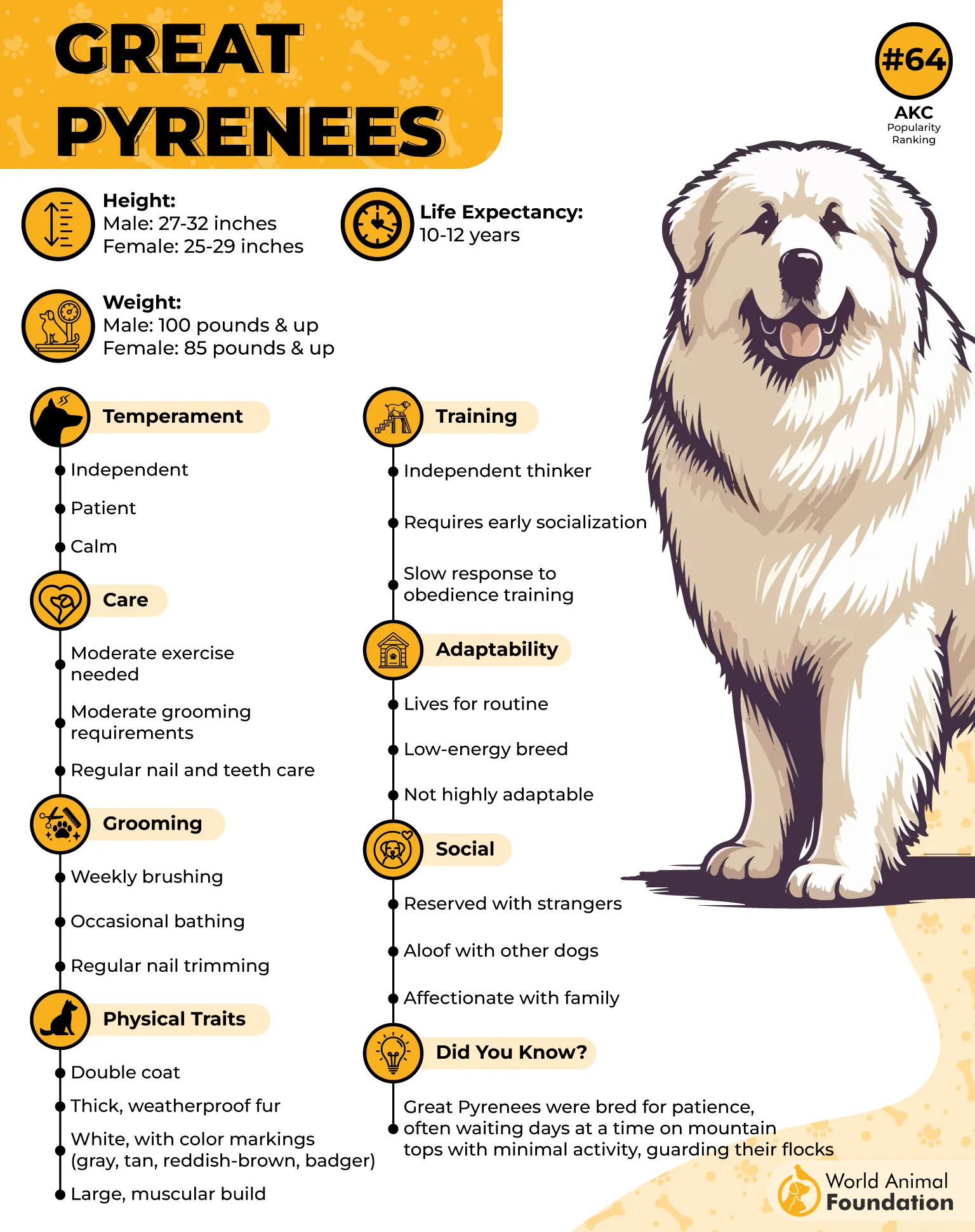
Their thick, water-resistant coat adds serious visual bulk on top of that.
Newfoundland dogs run heavier and stockier, and usually reach 100 to 150 pounds in average weight, according to Britannica. They are built more like swimming powerhouses than a mountain trekker.
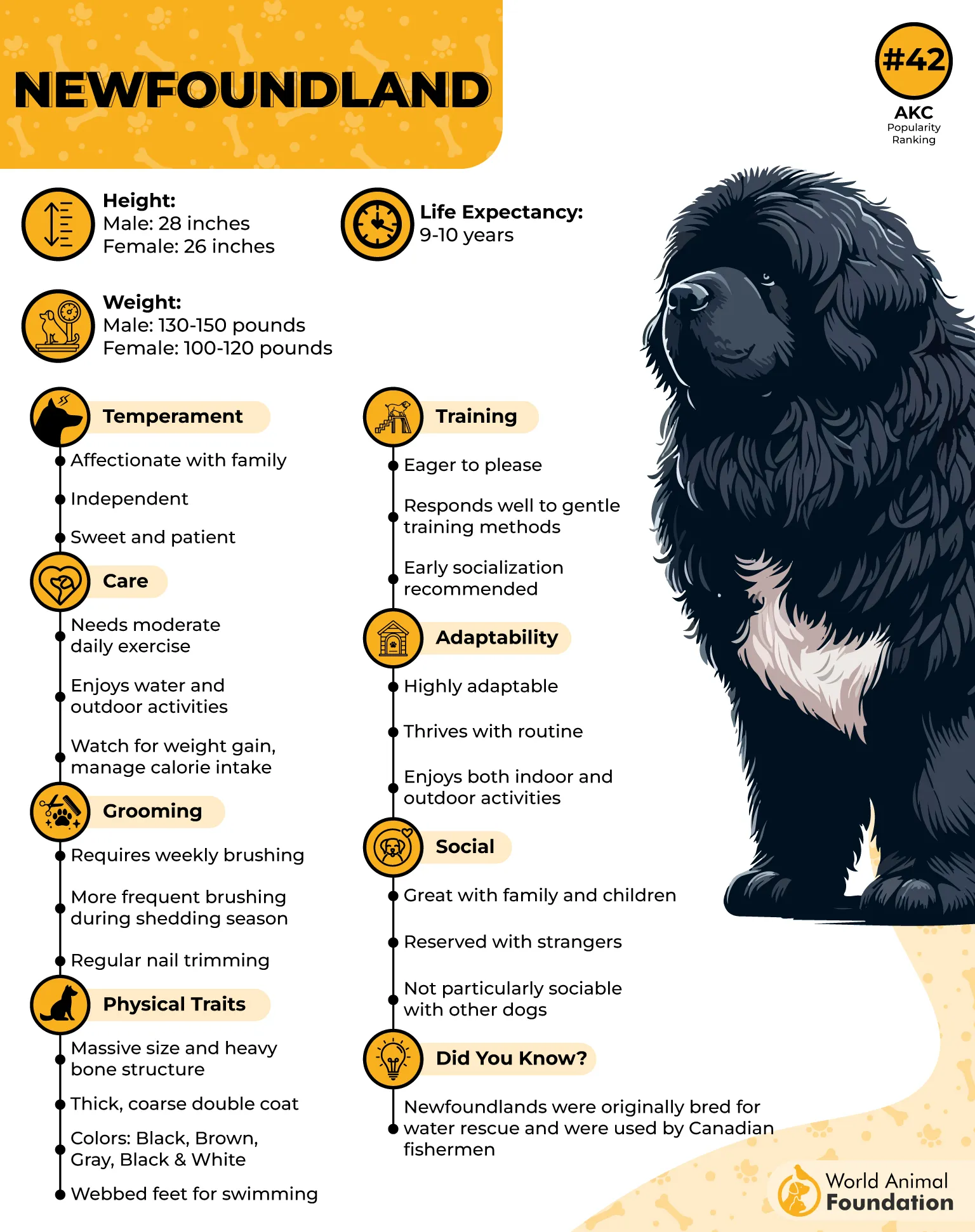
BOTTOM LINE!
If you want the dog that looks like a snowdrift come to life, Pyrenees. If you want the dog that could probably tow a small boat, Newfoundland.
Pricing & Availability
Neither of these breeds is a budget decision.
Newfoundland puppies from a reputable breeder often start around $1,500 and climb from there depending on lineage and color pattern, according to PetMD.
Great Pyrenees pricing lands in a similar territory, though it varies more depending on region and breeder reputation. As a general idea, Chewy mentions $1,750 to $2,500 for a Great Pyrenees puppy.
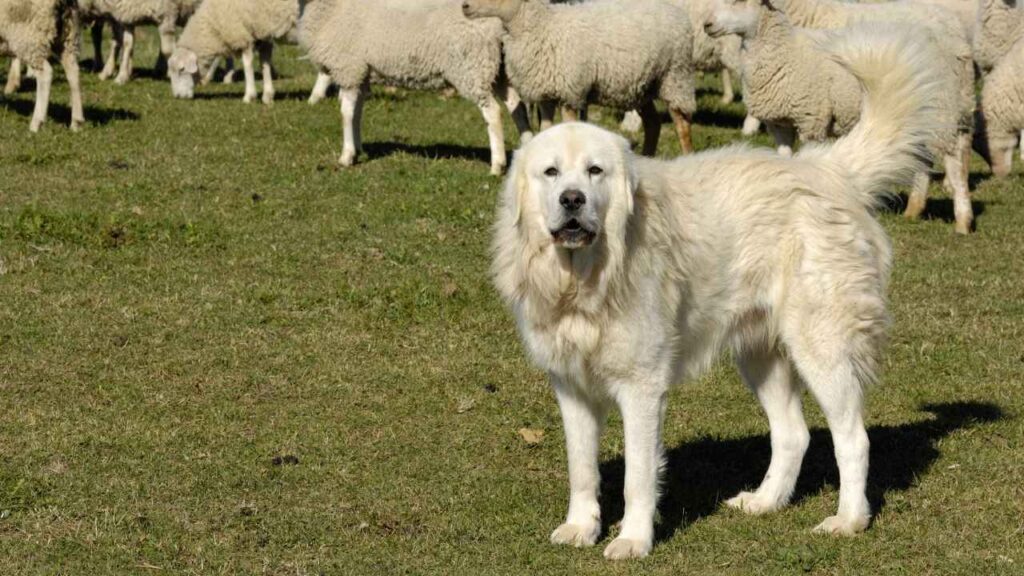
Rescue is worth checking too.
Working giant breeds like these sometimes end up needing new homes when owners underestimate the space, grooming, and daily exercise needs.
Temperament & Personality
Great Pyrenees dogs are protective and a little aloof with strangers. They love their own family fiercely but take their sweet time warming up to new people.
That guarding instinct never fully clocks out, even at 2 am.
Newfoundlands are basically the opposite.
These big fluffy dogs are friendly with everyone, humans and other dogs included. Their gentle nature and patience have earned them a reputation as nanny dogs around kids. They are too soft and will love your children like anything.
One dog silently patrols the perimeter.
The other just wants to be involved in literally everything, including your bathroom breaks.
Exercise Needs & Energy Levels
Neither breed needs to run marathons, but their energy shows up in different ways.
Great Pyrenees are not THAT active, even with all that mass. They tend toward low energy levels indoors and are happy lounging most of the day.
Outdoors is a different story though. They need a securely fenced yard, because that guarding instinct can end them to wander after anything that looks like a threat. Make sure these beautiful white dogs have 20-30 minutes of daily exercise.
Newfoundlands need moderate exercise too, and many genuinely LOVE water thanks to that fishing and rescue background. A pond, a lake, honestly even a kiddie pool will make a Newfie’s whole year. Omlet mentions you’d mostly need to drag them out for a walk if they are napping.
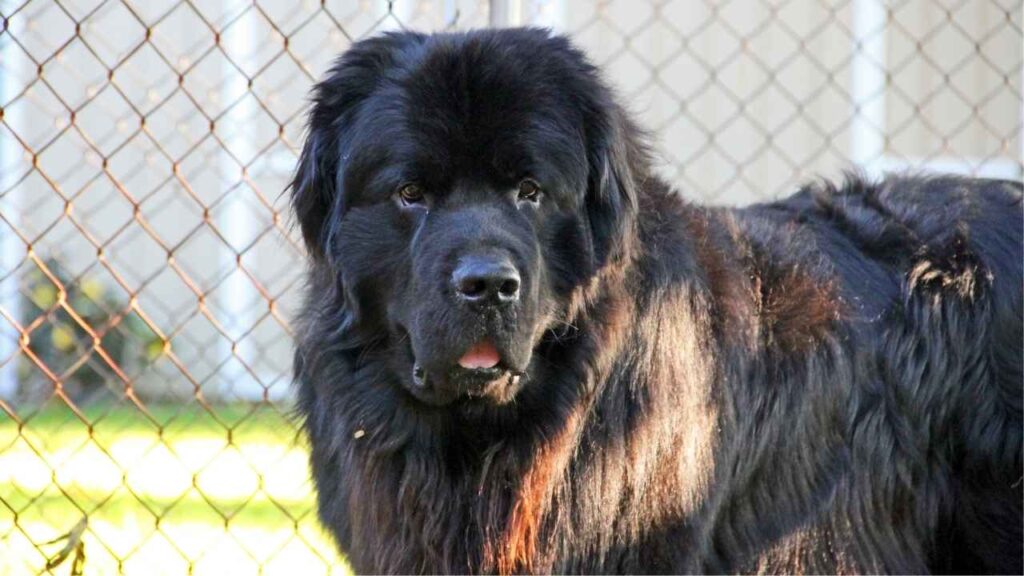
Yep, they are quite lazy for such a large dog.
Both need daily exercise and mental stimulation. Neither is built for apartment living. Not even close.
Trainability & Obedience
Newfoundlands generally win this category.
Their eager-to-please, cooperative nature makes obedience training smoother, and this breed responds well to consistent, positive reinforcement from puppyhood.
Great Pyrenees are smart, genuinely. But that centuries-old independent streak makes them more stubborn in training situations. Early training, early socialization, and a LOT of patient back-and-forth is important, because a Pyr left to make its own decisions absolutely will.
Neither breed is impossible to train.
One just makes you work harder for it.
Grooming Needs & Shedding
Both breeds shed. A lot. Prepare accordingly.
The Great Pyrenees carries a thick double coat that needs regular brushing during seasonal shedding phases. The texture is somewhat weather-resistant and self-cleaning.
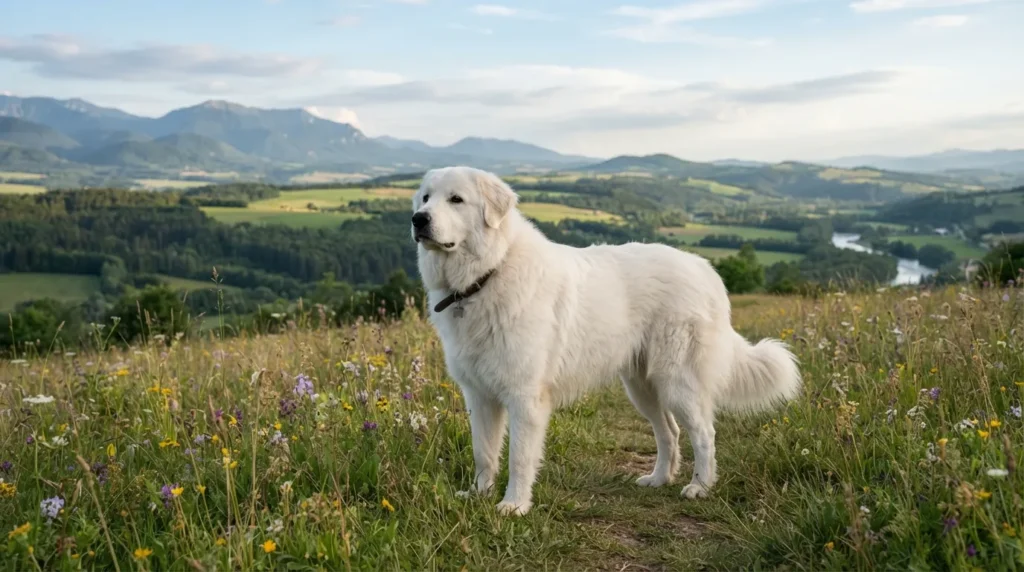
The Newfoundland’s coat is naturally tangle-resistant but sheds heavily and needs frequent brushing to stay manageable. Plus, regular face cleanups are a MUST thanks to this long-haired breed’s tendency to drool a lot.
Neither dog is low-maintenance in the fur department. Invest in a good vacuum either way.
Outdoor Suitability & Weather Tolerance
Both breeds were born for cold climates, and it shows.
Great Pyrenees genuinely thrive outdoors in snowy, mountainous conditions and were bred to guard livestock through brutal winters.
Newfoundlands share that cold tolerance and add serious water skills into the mix, given their fishing and rescue roots.
Hot, humid weather is tougher on both breeds because of that thick fur, so shade, water, and caution during summer matter no matter which giant you choose.
Health & Lifespan
Large dogs generally come with shorter lifespans than smaller breeds. Both of these giants deal with hip dysplasia and other joint issues common in heavy-boned dogs. Both Great Pyrenees and Newfoundland need a breed-appropriate diet for their good health. But the Pyr does eat less than other large dogs.
The Great Pyrenees typically lives around 10 to 12 years; Newfoundlands usually land closer to 8 to 10 years, and they carry a higher risk of heart-related health issues on top of typical large breed joint concerns.
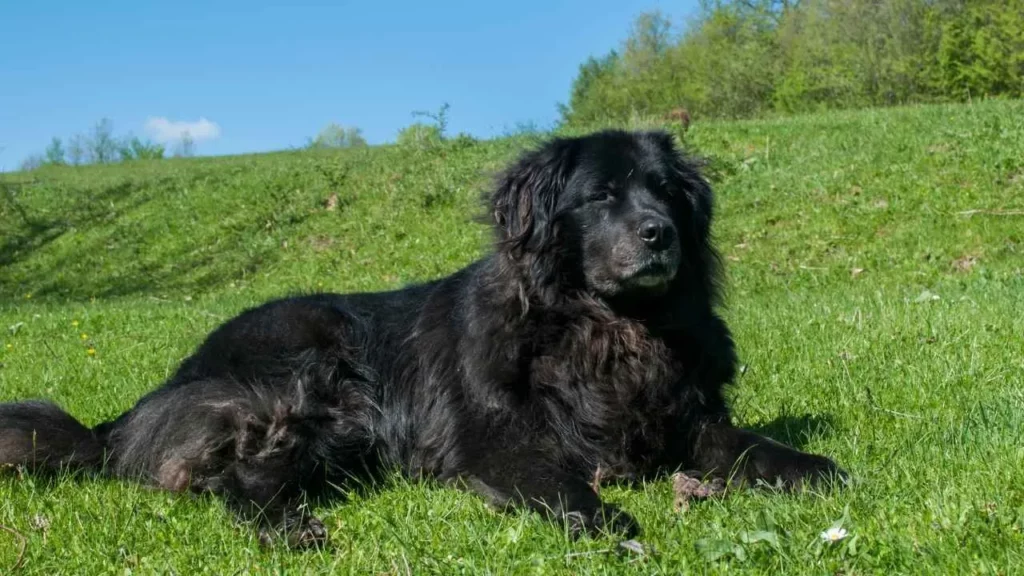
Both breeds are prone to bloat. Take care of their mealtime and needs.
Proper care, regular vet visits, and a reputable breeder who screens for these conditions make a real difference for either dog.
Pet parents! Take notes.
Great Pyrenees vs. Newfoundland: Which Gentle Giant Is Right for You?
Alright. The BIG question.
If you want a calm, protective guardian who’s happiest keeping watch over your property and family, the Great Pyrenees fits that role naturally.
Best for pet parents with space, a fenced yard, and patience for an independent personality.
If you want a social, affectionate giant who treats every stranger like a new best friend and doesn’t mind a little pool time, the Newfoundland is your dog.
Great for families with kids who want an easy-to-train, endlessly loyal companion with a protective nature.
Conclusion
When it comes to Great Pyrenees vs Newfoundland, there’s no universal winner here.
Both are beautiful companions. Both are ridiculously gentle for their size. And both will absolutely convince you they are lap dogs despite weighing more than most adults.
The right choice comes down to compatibility, not popularity. Pick the giant breed that matches your space, patience level, and how much you enjoy vacuuming.
Either way, you are getting a best friend. A great companion.
A very, very large one.
