




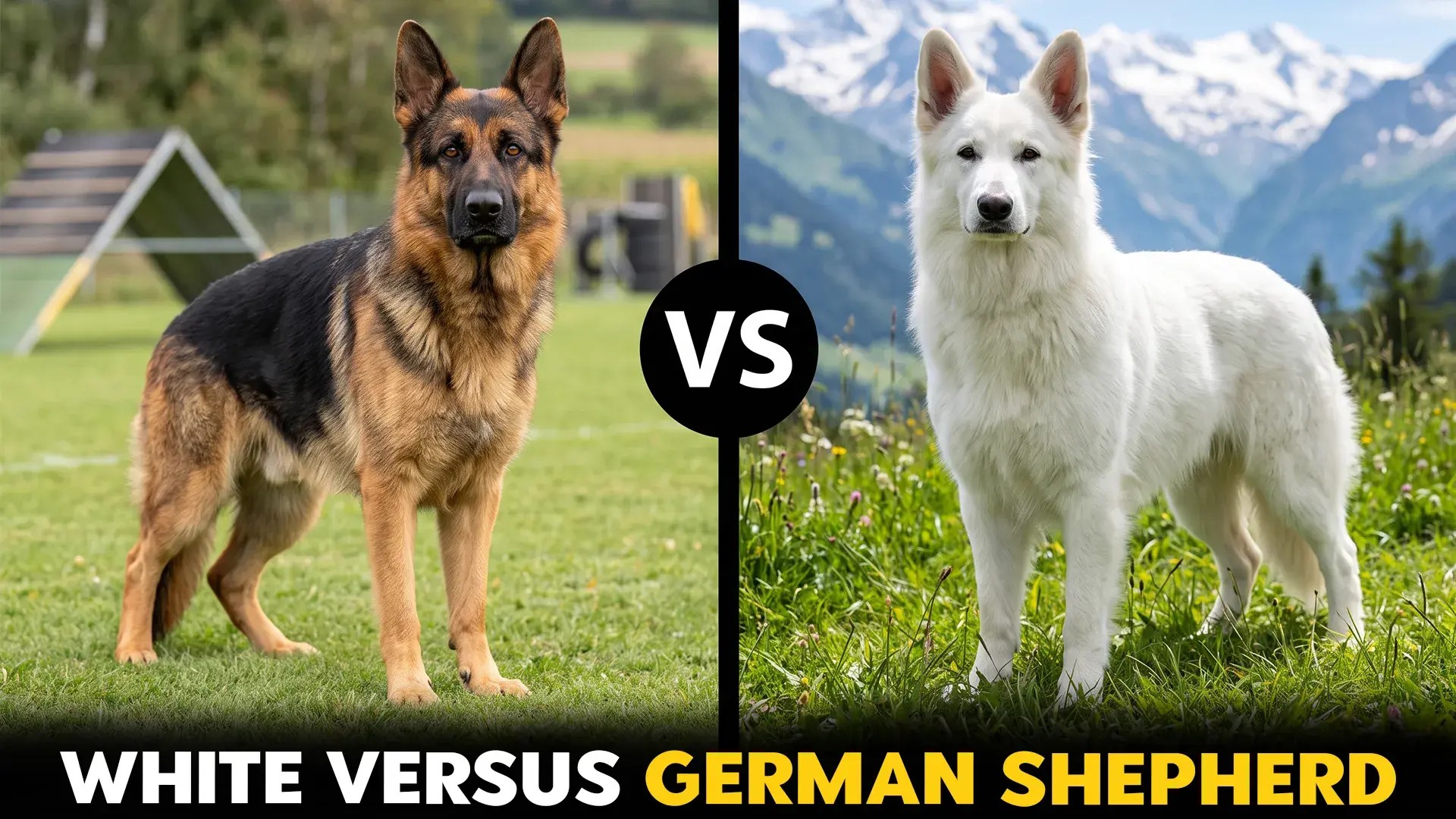
Wait, aren’t White Swiss Shepherds just German Shepherds with a different coat color? It’s a fair question, and honestly, a lot of people are surprised to learn the answer isn’t quite that simple.
The two breeds look so similar at first glance that it’s easy to assume they’re just color variations of the same dog. But there’s actually a lot more history behind that white coat than most people realize.
Yes, they share a good chunk of the same DNA, which explains the resemblance, but White Swiss Shepherds have carved out their own distinct identity over time. Both breeds have fascinating histories and differ when it comes to personality, physical build, coat, and more.
So whether you just settled a debate with a neighbor over whether they’re the same breed, or you’re simply curious about what sets them apart, stick around. We’ll break down why they look so alike, where each one came from, how their traits differ, and which one might be the better fit for your lifestyle.
German Shepherd vs. White Swiss Shepherd dog
German Shepherds and White Swiss Shepherds may look closely related, but their personalities and working styles are quite different. Let’s compare their appearance, temperament, training needs, and family suitability.
Origins & Purpose
German Shepherds were developed in the late 1800s when Max von Stephanitz set out to create the ideal German herding dog. His goal was an all-purpose working breed that was intelligent, loyal, and powerful, and that vision is exactly what gave rise to the German Shepherd we know today.
Interestingly, white-coated GSDs were actually considered a fault back then, even though they were widely bred between 1917 and the 1970s and were recognized as part of the standard breed until 1968. After that, white German Shepherd dogs were disqualified from the show ring entirely.
These white dogs eventually made their way to Switzerland in the 1970s, and one dog in particular, known as “Lobo,” became the foundation of what we now know as the White Swiss Shepherd. According to the Royal Kennel Club, the breed has been officially recognized as separate since 1990.
As for temperament, German Shepherd dogs tend to be true all-rounders, capable of herding, police work, protection, and more. White Swiss Shepherds, on the other hand, are generally known for a gentler, softer personality. That said, both breeds share the same underlying intelligence and strong work ethic.
Size & Physical Build
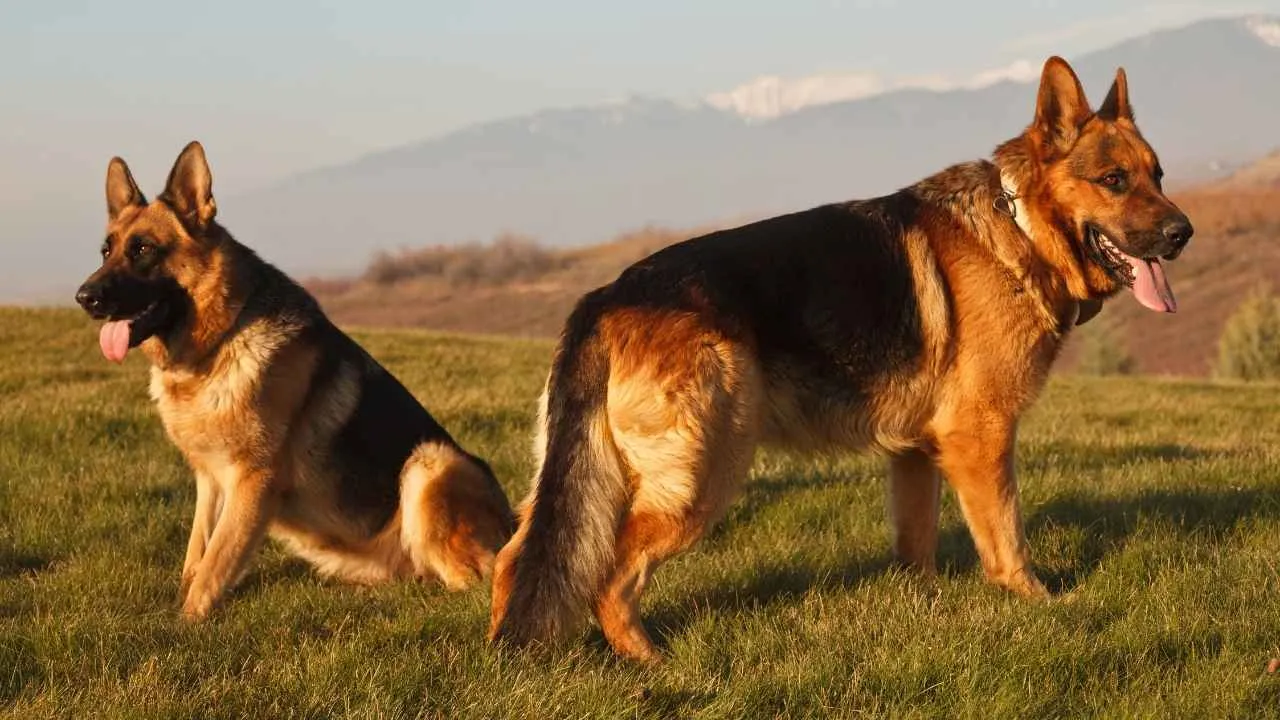
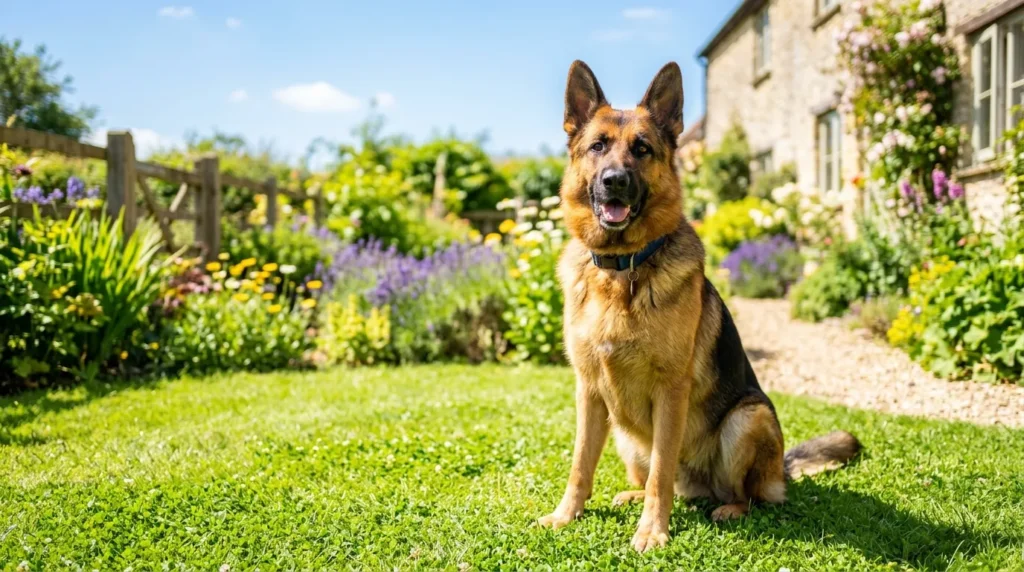
German Shepherds and White Swiss Shepherds are both strong, large breeds, but their physical builds set them apart in a few noticeable ways. German Shepherds were bred for work and agility, which is why they typically have that signature sloping back, built to support a smooth, low-to-ground gait while trotting.
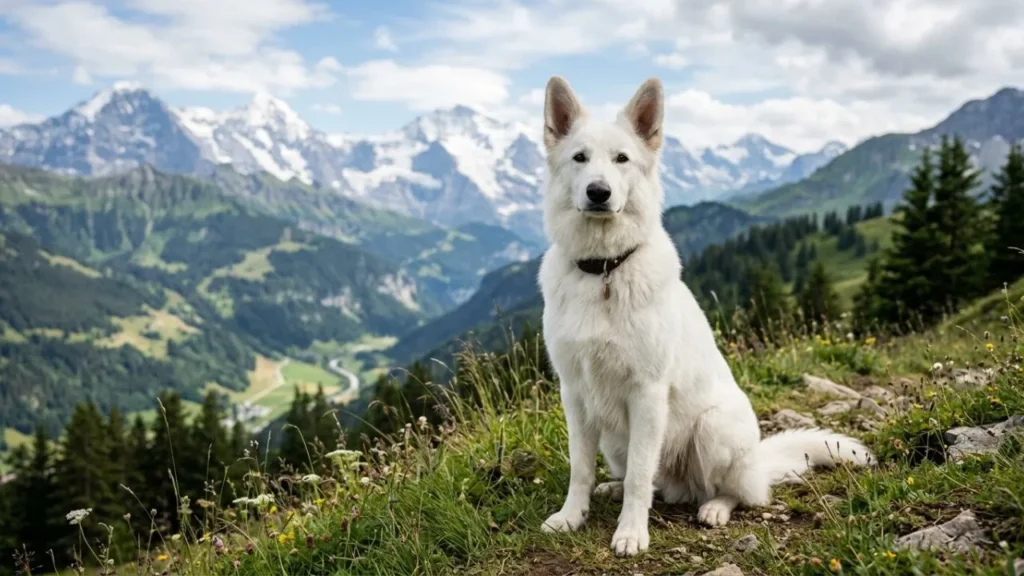
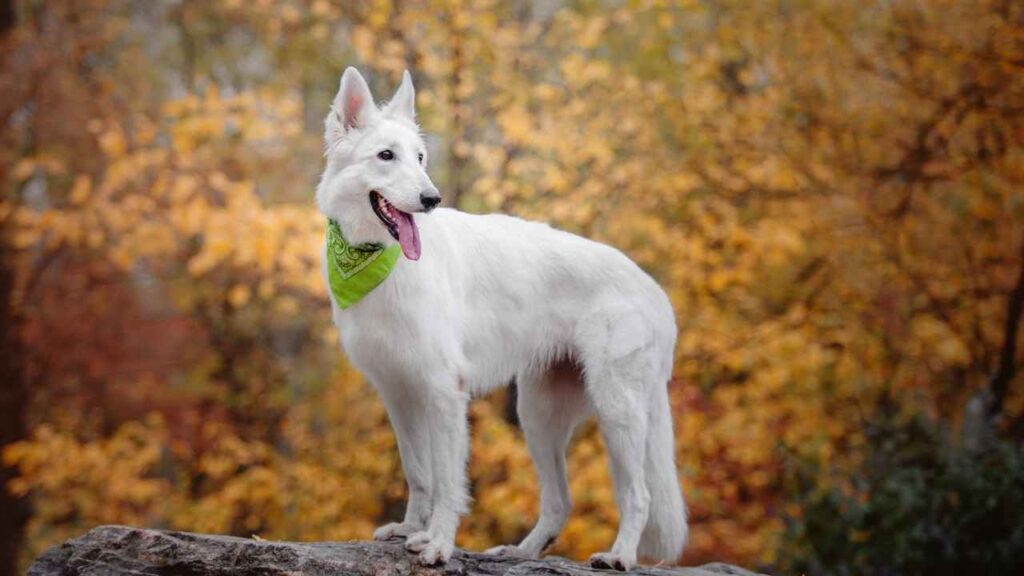
White Swiss Shepherds, on the other hand, have a more square, balanced build with a level back line, giving them a symmetrical, evenly proportioned look. These striking white dogs are just as sturdy and strong, but they simply weren’t bred for that same sloped posture found in GSDs.
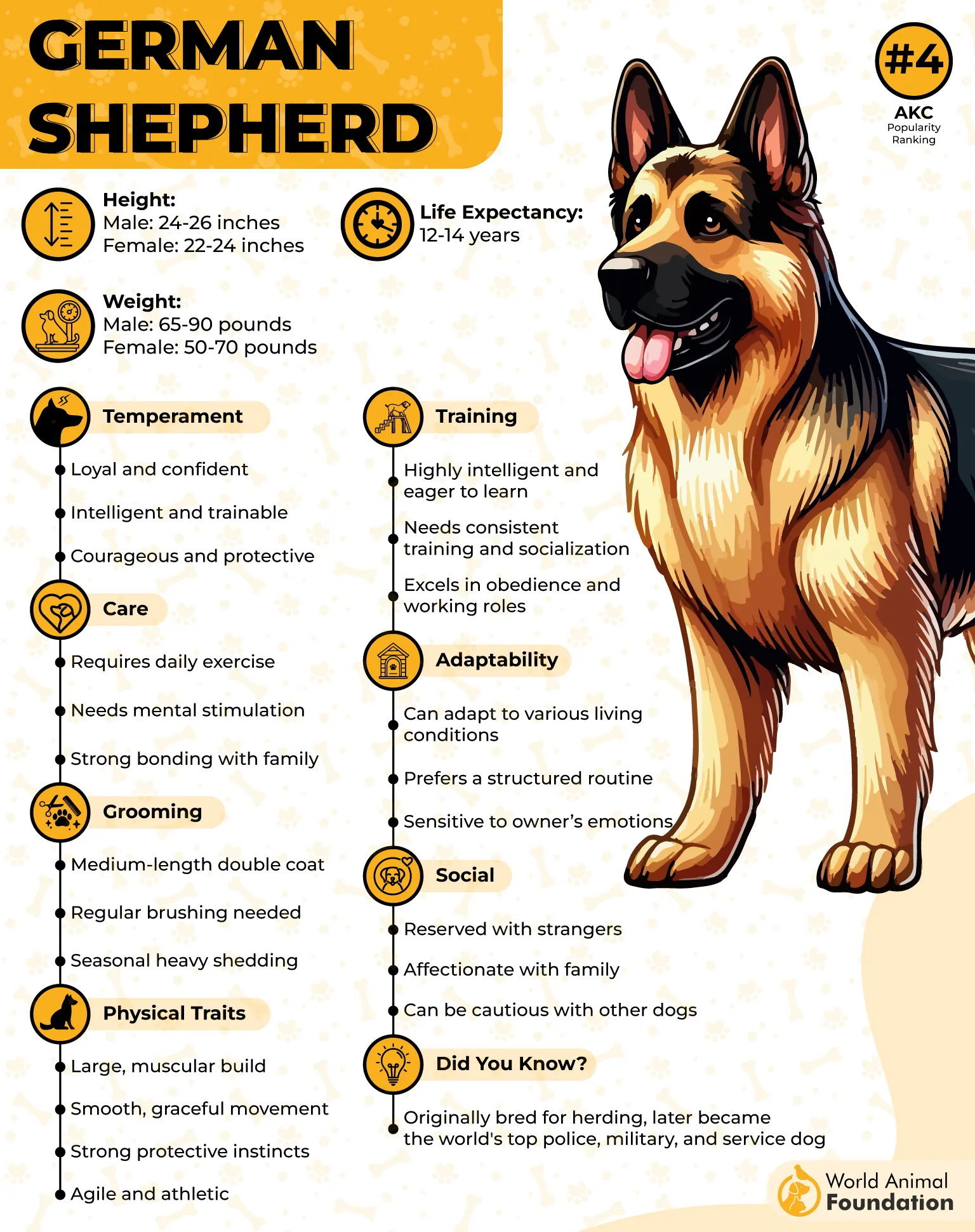
Size-wise, the two breeds are fairly close, though not identical. High-performance male German Shepherds typically stand 24-26 inches tall and weigh between 50-90 pounds, while females tend to run about 22-24 inches and 50-70 pounds.
White Swiss Shepherd males, meanwhile, stand around 23-27 inches and weigh 55-88 pounds, with females measuring 21-25 inches and weighing 55-77 pounds.
Temperament & Personality
German Shepherds are incredibly focused, alert, and loyal dogs, almost always in “work mode.” According to PetMD, they tend to be happiest when given a job to do, and their strong protective instincts make them excellent guard dogs. White Swiss Shepherds, by comparison, carry a softer, more easygoing temperament.
According to Purina, White Swiss Shepherds tend to be friendlier toward strangers than their German Shepherd relatives, though they’re still every bit as clever and quick-thinking as any working breed.
These dogs are also lively and often form an especially close bond with one particular person in the household. Their generally stable, gentle, laid-back nature makes them wonderful family dogs. German Shepherds, on the other hand, tend to be a bit more reserved and wary around strangers.
Both breeds do well with kids when properly socialized early on, and thanks to their strong work ethic and protective nature, both can also excel as therapy or service dogs. That said, supervision is still important with both breeds, simply given their size and, in the German Shepherd’s case, their working heritage.
Exercise & Energy Levels
Both breeds are highly energetic and generally need around 1.5 to 2 hours of daily exercise to stay mentally satisfied. With such high mental energy, they get bored quickly without enough challenge, so a quick stroll around the block simply won’t cut it for either breed.
That said, White Swiss Shepherds usually don’t carry the same on-edge intensity that German Shepherds are known for. They tend to be more focused on simply being close companions rather than needing a specific job or task at all times.
Both breeds enjoy vigorous activities like running, fetch, agility training, and long hikes. German Shepherds, in particular, can develop unwanted behaviors like excessive barking, restlessness, or anxiety if they don’t get enough exercise. Swiss Shepherds, on the other hand, tend to settle down and relax more easily once their energy needs are met.
Both breeds are best suited to active families or experienced owners who can genuinely keep up with their exercise demands.
Training & Intelligence
Both German Shepherds and White Swiss Shepherds are sharp, quick-learning breeds, but they don’t necessarily respond to the exact same training approach. German Shepherds tend to thrive on complex, high-stakes tasks, while Swiss Shepherds, with their high emotional intelligence, respond especially well to a gentler touch.
Because GSDs were originally developed for demanding roles like police and military work, they generally need firm, consistent, and structured training. These capable guard dogs do best with owners who can provide clear direction and keep them mentally challenged.
White Swiss Shepherds are a bit more sensitive by comparison, but they still benefit from a confident handler, just paired with a softer, gentler tone. Both breeds respond well to positive reinforcement- think treats, praise, and plenty of encouragement.
Beyond basic training, it’s worth enrolling either breed in obedience classes and prioritizing early socialization, introducing them to family members, kids, and other pets as early as possible. And if any unwanted behaviors pop up along the way, bringing in a certified dog trainer can make a real difference.
Health & Lifespan
Given their close shared history, German Shepherds and White Swiss Shepherds are prone to many of the same health conditions, though there is a notable difference in average lifespan. German Shepherds typically live around 7-10 years, while White Swiss Shepherds tend to have a slightly longer lifespan of 10-12 years.
Both breeds commonly face issues like hip and elbow dysplasia (a genetic joint malformation), bloat (GDV), and degenerative myelopathy, a progressive spinal cord disease that can eventually lead to hind leg paralysis.
Beyond these shared concerns, each breed also has its own set of breed-specific health risks tied to its development. German Shepherds may be more prone to cauda equina syndrome (spinal nerve compression in the lower back), perianal fistulas, certain cancers, and EPI (a digestive enzyme deficiency).
White Swiss Shepherds, meanwhile, tend to be more susceptible to skin allergies, malabsorption issues, eye problems, and Von Willebrand disease, a blood clotting disorder. The best way to reduce these risks is by choosing a reputable breeder who conducts proper genetic health testing, paired with regular vet checkups and a high-quality diet throughout the dog’s life.
German Shepherd vs. White Swiss Shepherd: Suitability as Family Pets vs. Guard Dogs
Both breeds are natural protectors at heart, but their approach to protection looks pretty different. German Shepherds were bred to be naturally wary of strangers, with strong territorial instincts baked in. That’s exactly why they’re such capable, active guard dogs and a natural fit for police work.
As family pets, though, GSDs need heavy socialization and training starting from puppyhood; otherwise that protective instinct can tip into over-defensiveness. They’re deeply devoted to their families, but they also need a job or purpose to stay mentally fulfilled, which can be a real commitment for some owners.
White Swiss Shepherds, by contrast, function more like an alert system than a true guard dog; they’ll happily let you know when someone’s at the door, but they don’t carry that same hardwired suspicion or fight instinct that German Shepherds do. Their affectionate, sensitive, and laid-back nature makes them wonderfully easygoing family companions.
So if you’re after an intense, dedicated protector, the German Shepherd is likely your dog. But if you want a loyal, relaxed, and active family partner instead, the White Swiss Shepherd might be the better fit.
Conclsion
At the end of the day, the German Shepherd and the White Swiss Shepherd (Berger Blanc Suisse) really are two sides of the same coin. They share a similar history and largely overlapping training and exercise needs, but where they diverge is in physical build and temperament.
So the right choice ultimately comes down to your lifestyle and what you’re looking for in a companion. German Shepherds are unmatched when you need a serious guard dog, while White Swiss Shepherds make wonderful, loyal family watchdogs with a gentler edge.
Both breeds share that same protective instinct at their core, just expressed a little differently, so it’s worth revisiting the details above to see which one truly fits your life best.
