




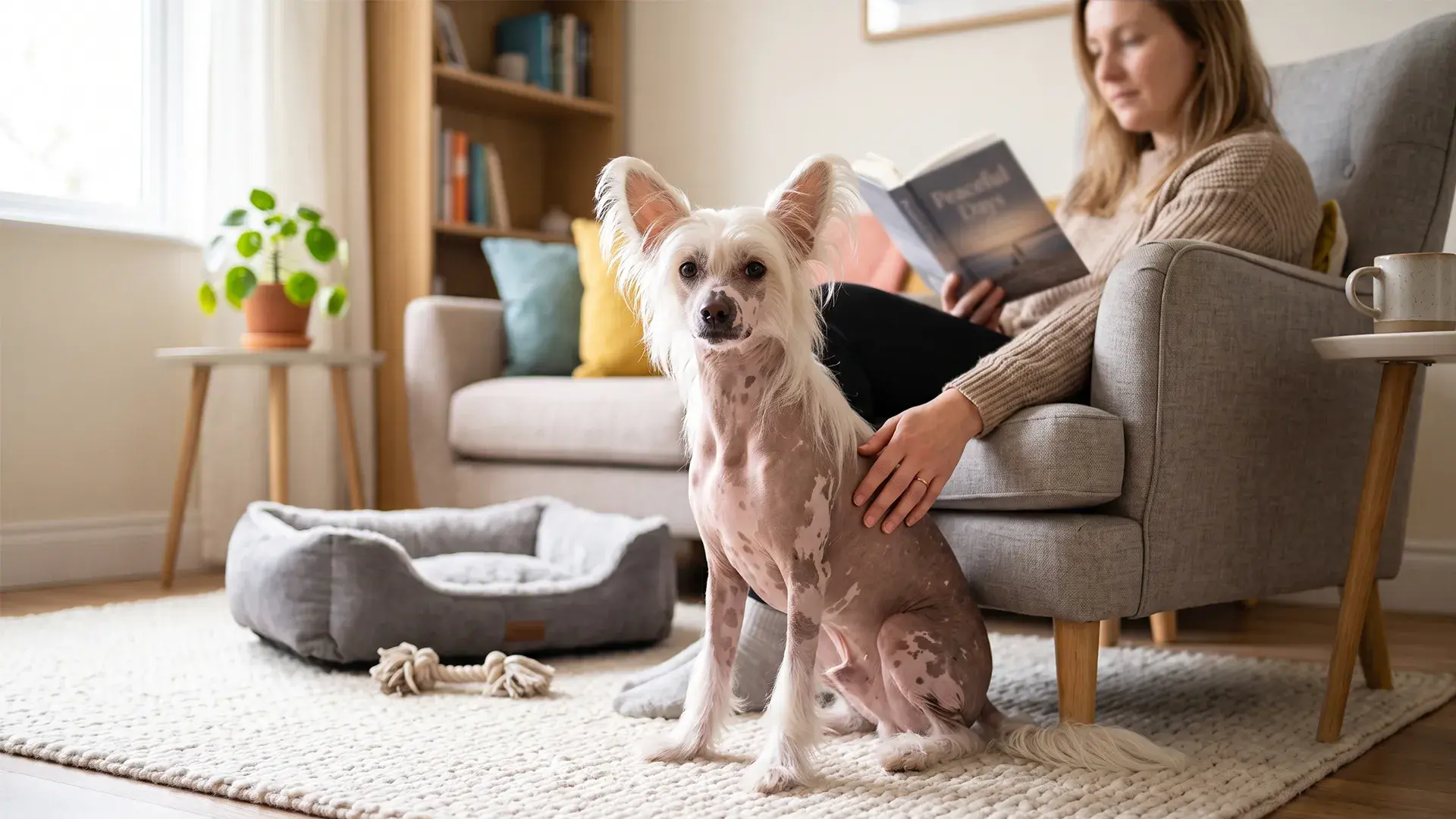
Life gets busy. Between work, family, and the endless pile of laundry that somehow never disappears, caring for a high-maintenance pet is not always realistic.
The good news?
Some dogs are naturally easier to care for without giving up the love, loyalty, and companionship every owner hopes for. As actress Betty White, a lifelong animal lover, once said, “Once you have had a wonderful dog, a life without one is a life diminished.”
That does not mean your dog has to demand hours of grooming or nonstop activity. The breeds in this guide are known for their manageable coats, adaptable personalities, and simple care routines.
If you want a faithful companion that fits comfortably into everyday life, these low-maintenance dogs deserve a closer look.
Low‑Maintenance Dog Breeds for Easy Living
1. Cavalier King Charles Spaniel
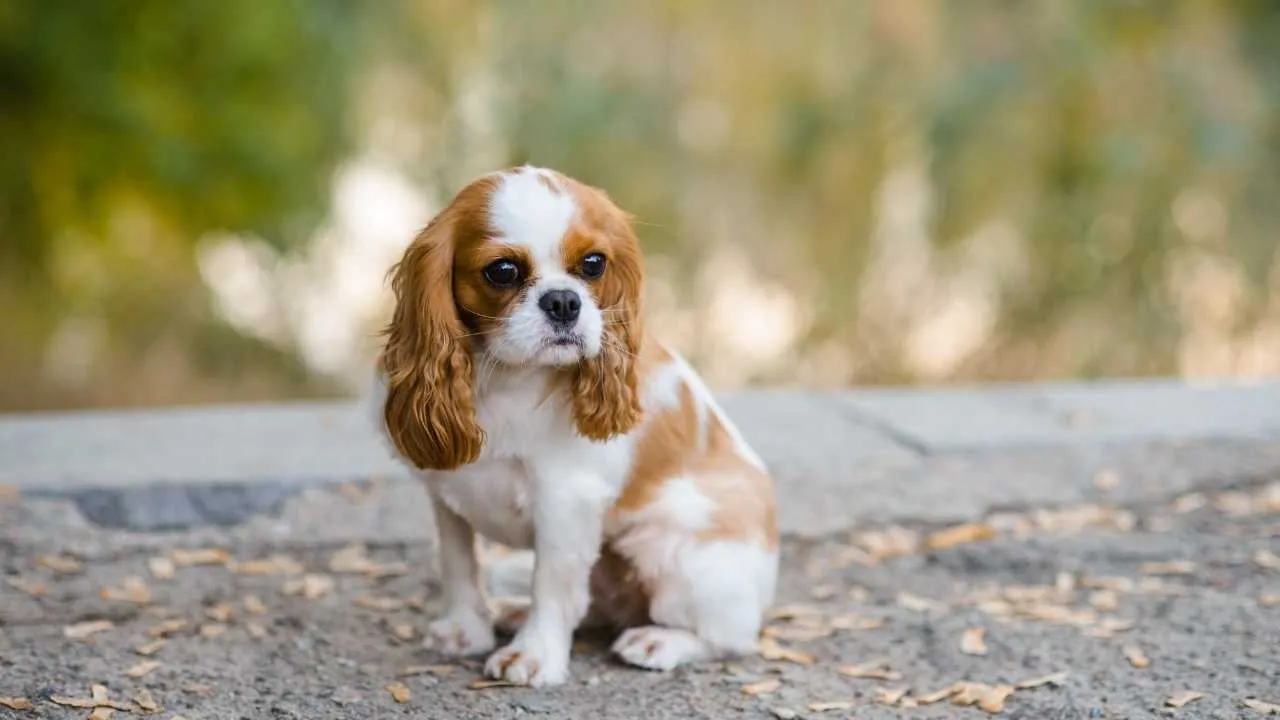
This British toy dog breed changed dramatically in the late 17th century when it was interbred with the flat-nosed breeds. The small dog shared the same history with the King Charles Spaniel till the 19th century. It was then attempted to re-breed to its ‘original configuration,’ a dog similar to the King Spaniel, says Wikipedia.
The dense single coat is either straight or slightly wavy with a silky and lustrous texture to the touch. It is heavily feathered at the feet, giving it a slipper-like tread. There are 4 recognized colors of the breed: tri-color, ruby, black and tan, and blenheim. There is natural oil production to keep the coat weather-resistant.
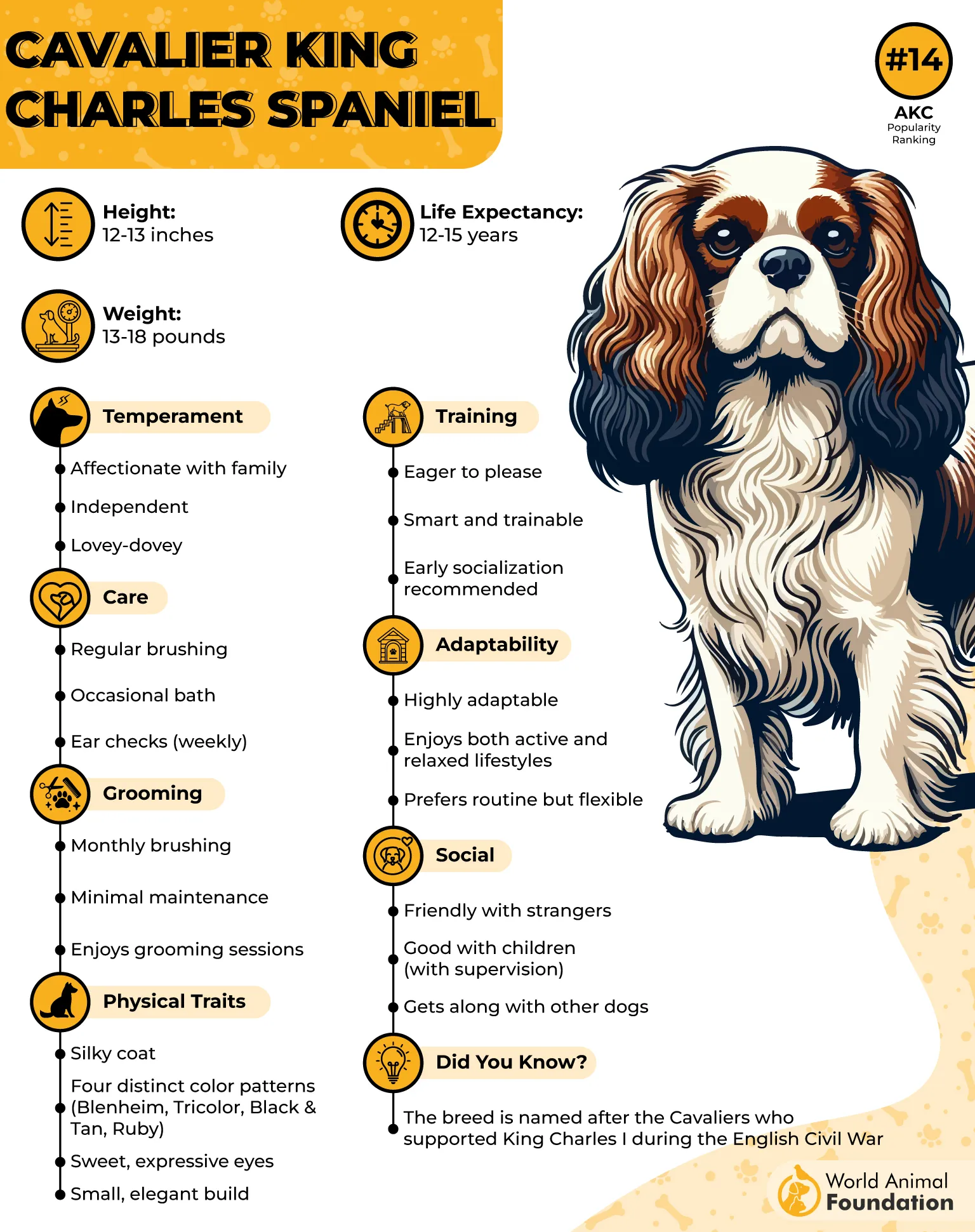
The Cavalier has minimal grooming needs: 2-3 weekly brushing sessions using a slicker brush and a stainless steel dog comb. Check and wipe ears weekly to prevent infection. Opt for a short ‘puppy cut’ for warm weather instead of clipping it entirely.
2. Chihuahua
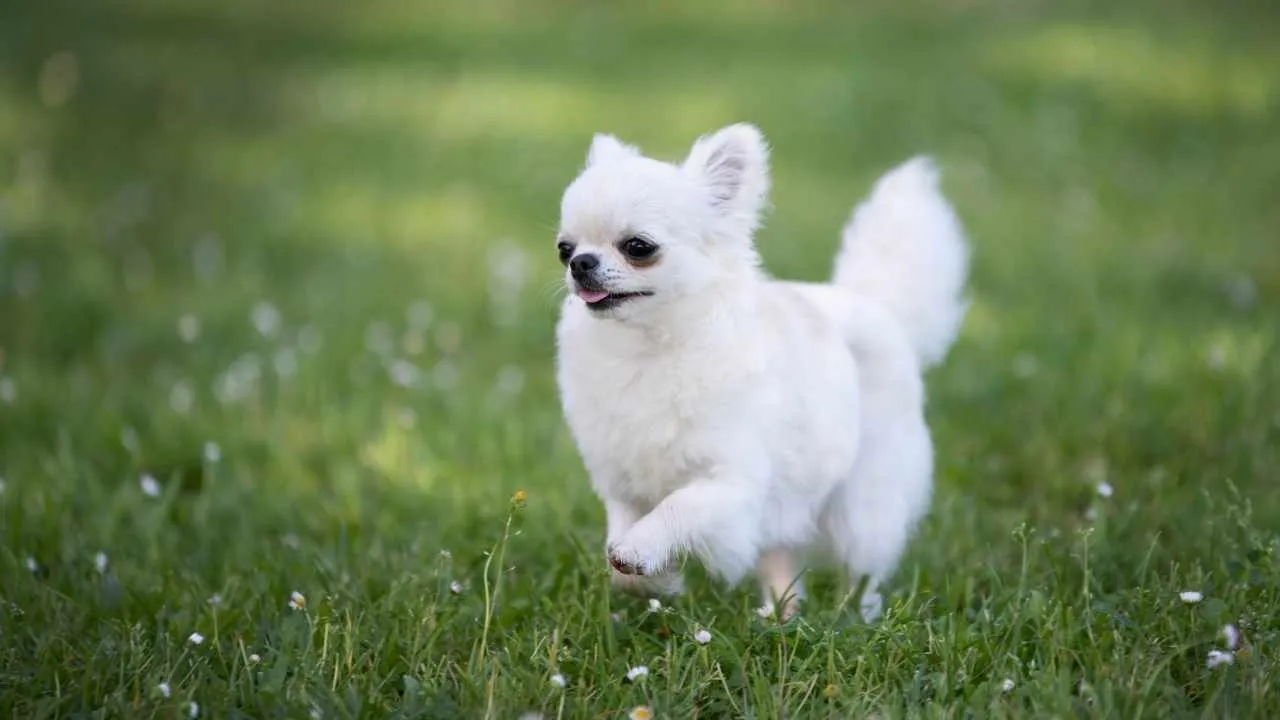
This is the smallest dog breed in the world. It is a Mexican toy dog and is mostly kept as a companion dog. With its compact size, large erect ears, and rounded skull, it gives a cute expression. The breed has a small proportion of pre-Columbian indigenous American dog ancestry.
The coat comes in two distinct varieties: the long-haired coat and the short coat. The short-haired coat is smoother, flatter, glossier, and lies close to the skin. It has a longer length on the tail and around the neck. The long coat is slightly wavy and has feathering on the ears, feet, and legs, a ruff on the neck, “pants” on the hindquarters, and a plumed tail.
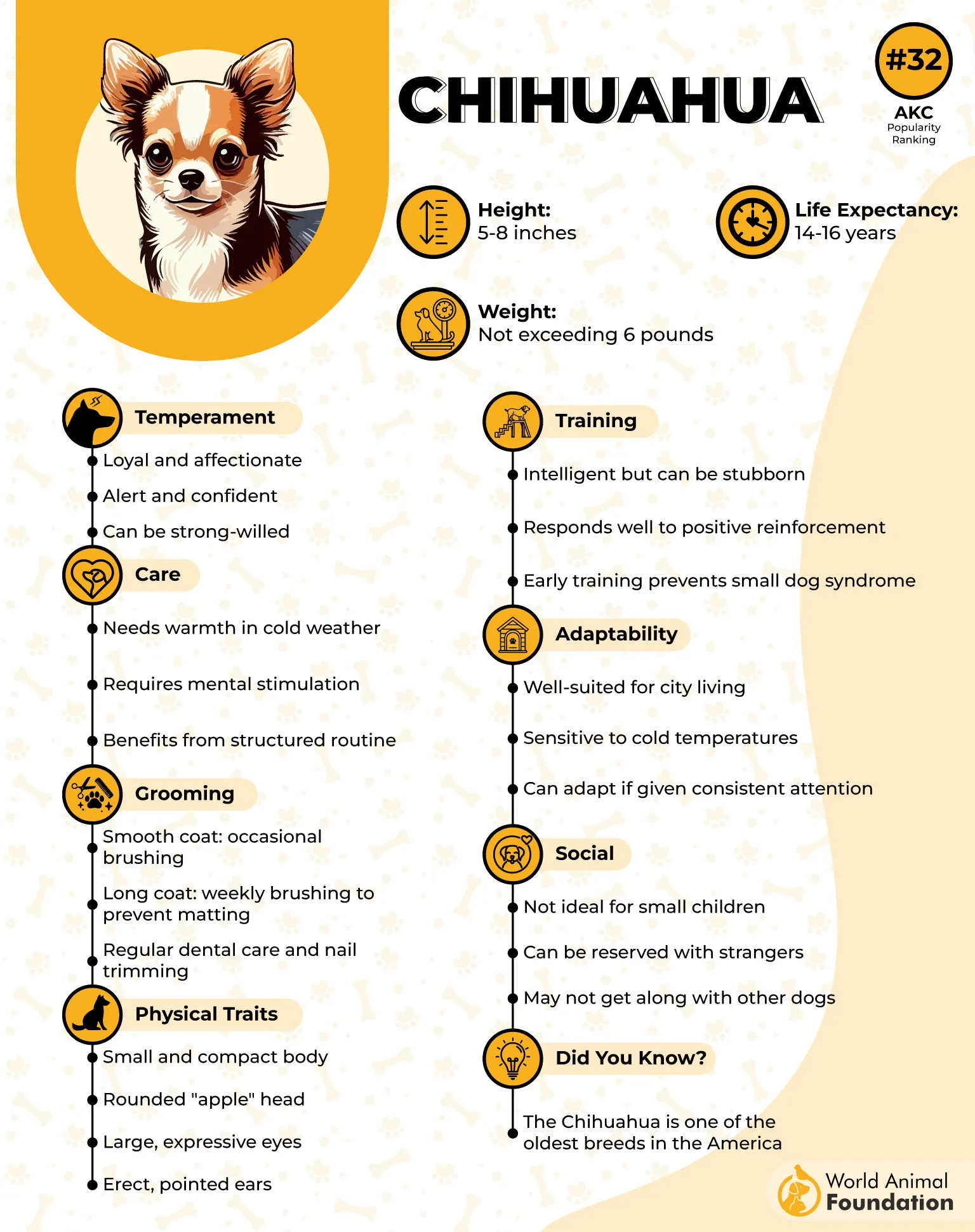
The coat comes in solid colors (fawn, black, chocolate, red, cream, and white) and has patterns (sable, brindle, spotted, and tricolor). The breed requires weekly brushing (3 times for the long coat and once for the shorter coat) to remove loose hair and evenly distribute natural oils.
3. Pug
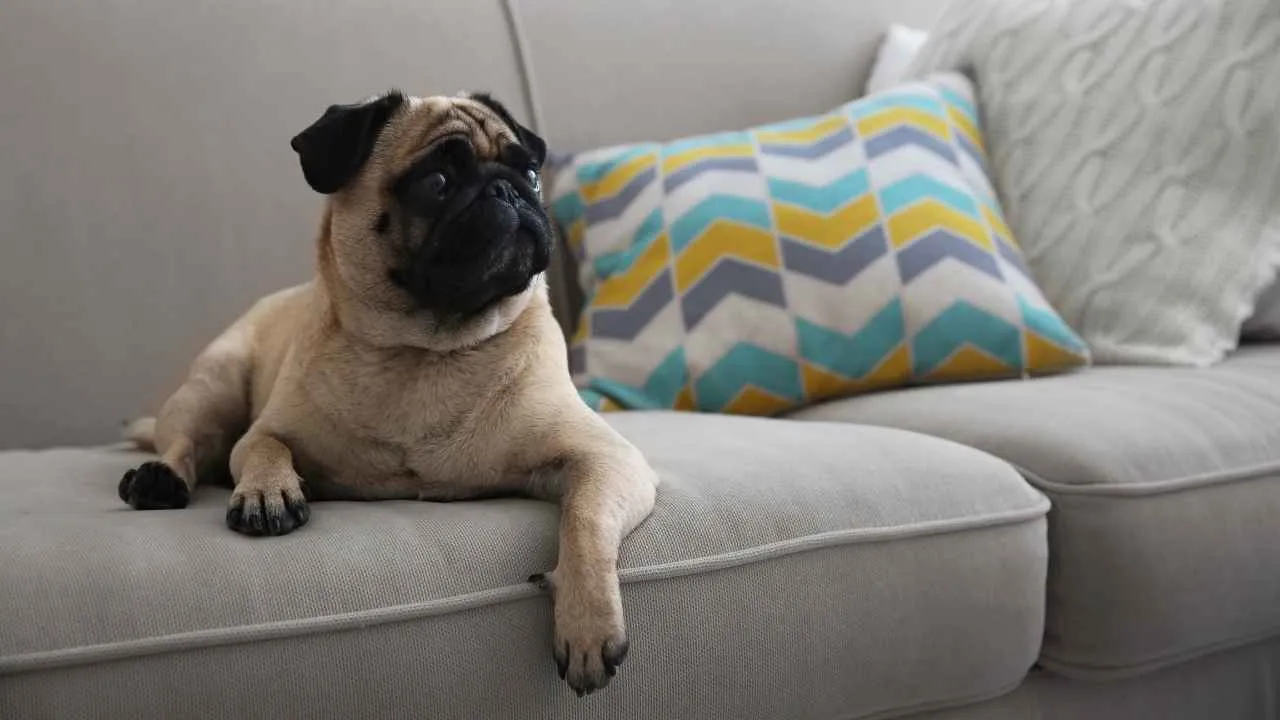
One of the oldest dog breeds in the world, the Pug has a history dating back to 400 BC. It is believed that it was originally bred in China and is closely related to the Pekingese. It spread around the world at the start of the 15th century.
The double coat consists of a smooth, glossy topcoat and a long undercoat, and the undercoat is shorter and denser. The uppercoat acts as a guard coat against weather and water, and the undercoat is a natural thermoregulator. It has 4 recognized distinct coat colors: fawn, apricot fawn, silver fawn, and black.
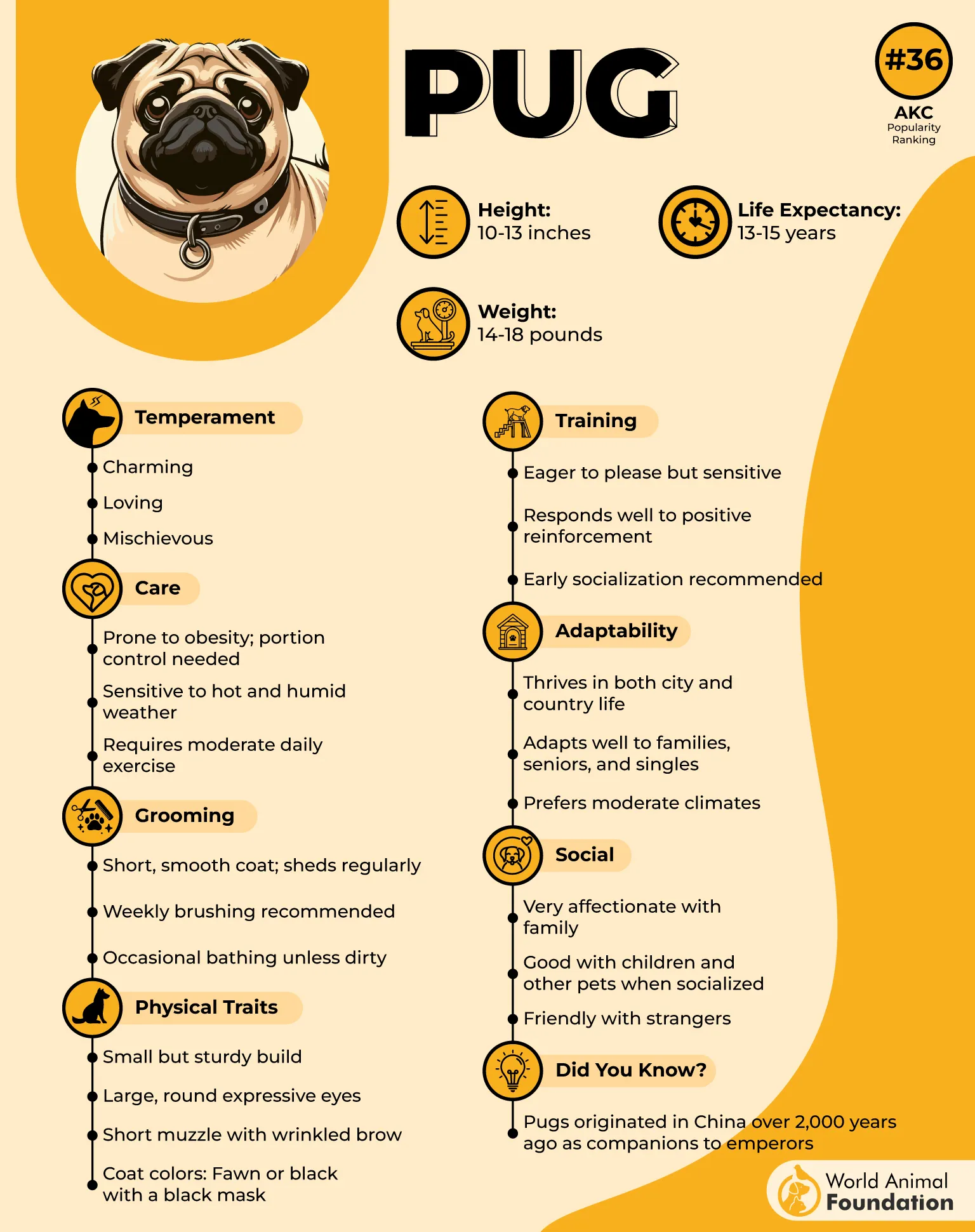
Use a rubber curry brush for weekly brushing (2-3 times a week). Daily brushing is required during shedding seasons (spring and summer). Use a deshedding rake for the undercoat and a soft-bristled brush or a rubber curry brush on the face and head.
4. Dachshund
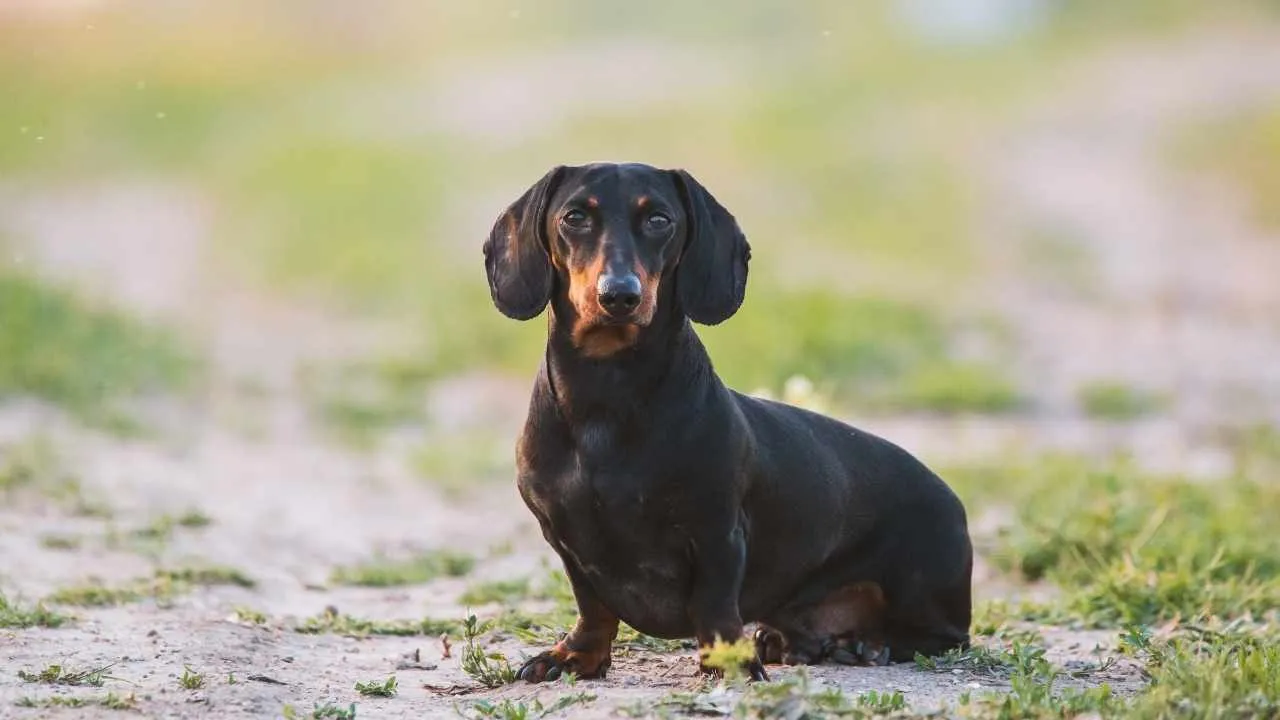
Developed in Germany in the Middle Ages, the breed’s primary role was as a hunting dog (dach: badger, hund: dog). The Dachshund’s elongated body, short legs, and sharp claws made it an ideal digger and underground hunter who could navigate tight and rough spaces easily, as noted by Purina.
The short and shiny coat lies flat and closer to the skin. The tail tapers to a point. The long coat is straight or slightly wavy, and the fur is longer on the ears, neck, chest, underbelly, behind the legs, and the tail. The third type is the wiry coat with a wiry outer layer and a softer inner layer.
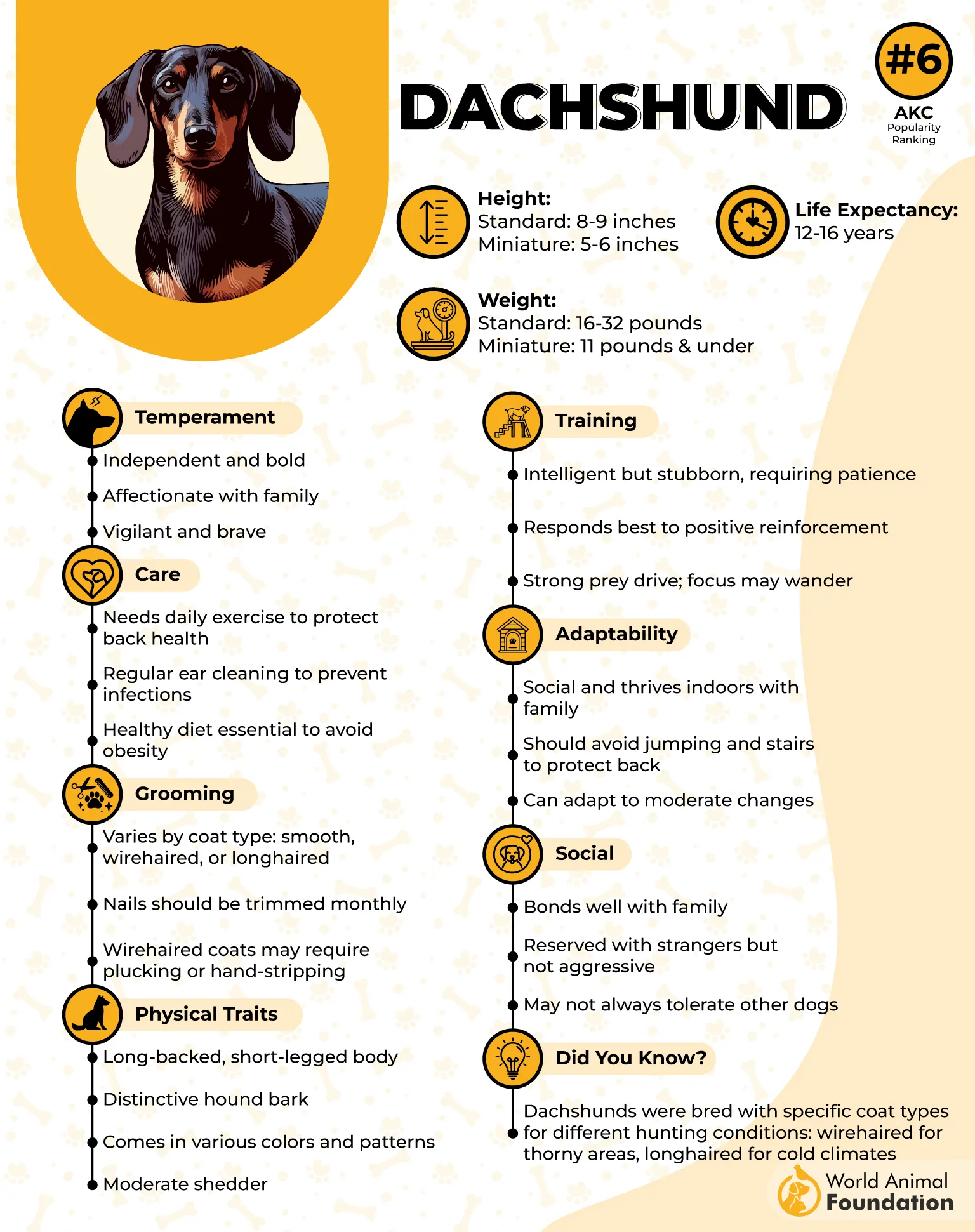
The grooming highly depends on the coat type. The smooth-haired Dachshund requires minimal grooming: weekly brushing using a rubber grooming mitt. The longhaired Dachshund requires brushing on alternate days using a slicker brush and pin comb. The wiry Dachshund needs to be hand-stripped 2 to 3 times a year rather than clipped.
5. Boston Terrier
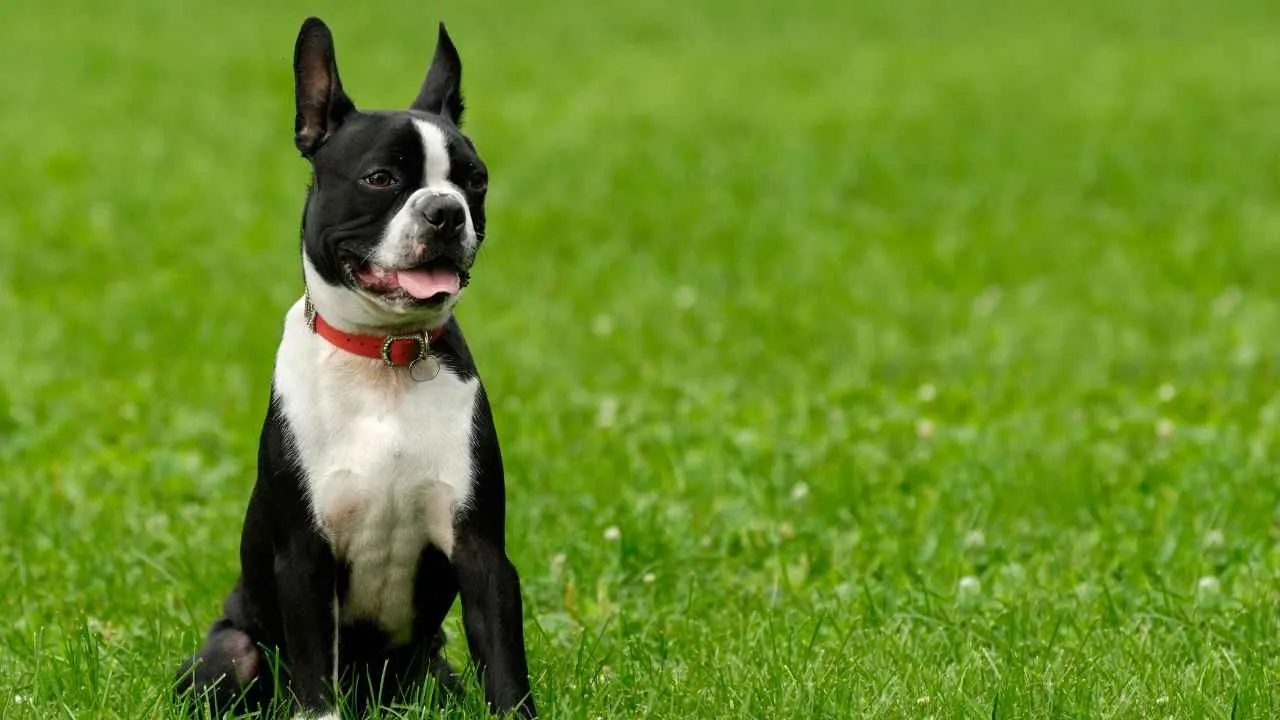
The ‘American Gentleman’ is the descendant of a dog breed designed specifically for blood sports popular in 19th-century England. The modern breed is relatively non-aggressive and makes a great family dog.
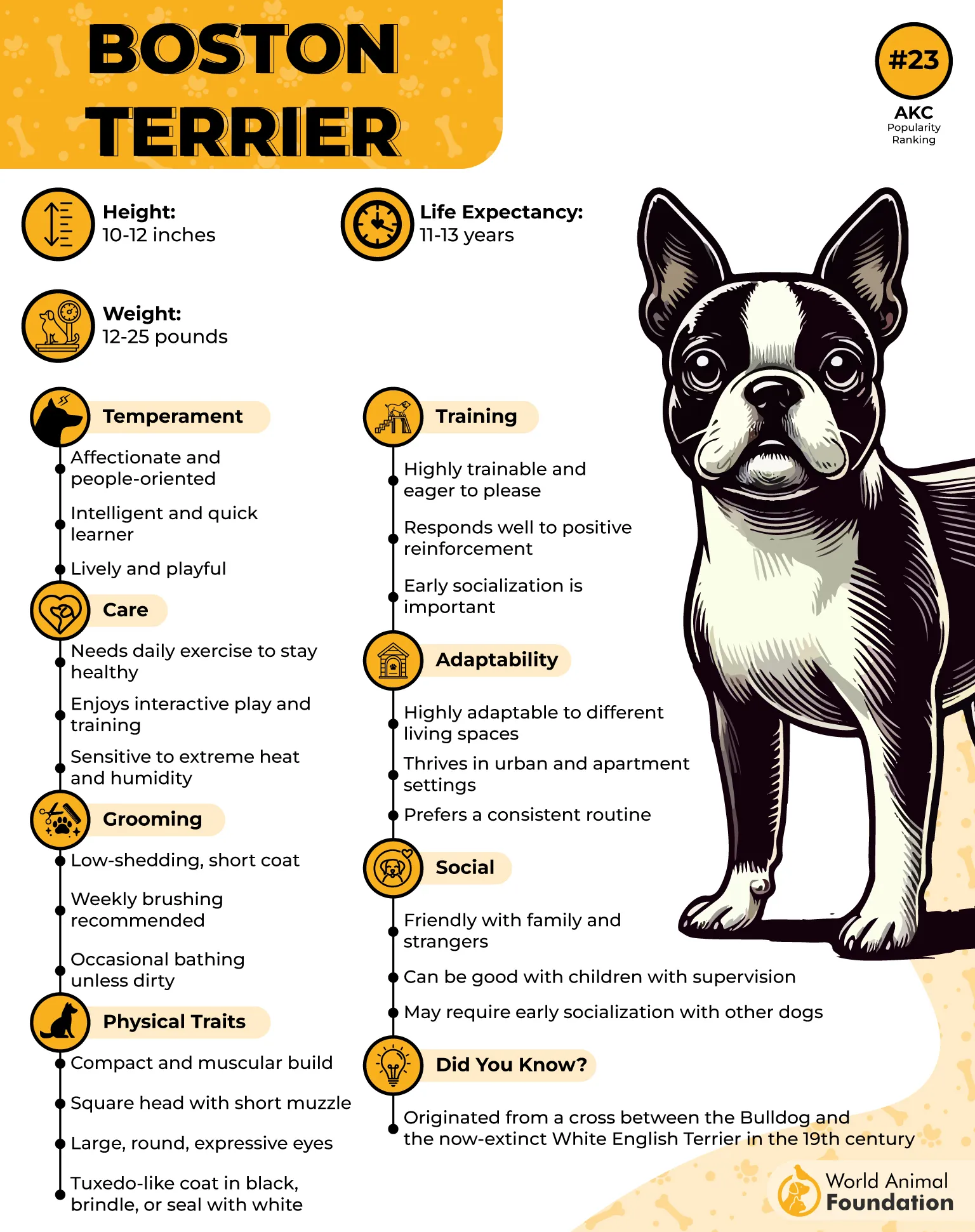
It has a short, smooth, and single-layer coat that lies flat against the skin. The recognized colors include solid colors, brindle, and seal. The coat is characterized by white markings on the chest, giving it a ‘tuxedo’ look. Markings come in two categories: required (white: muzzle band, chest, and blaze between the eyes) and desired (white: collars and on the front legs).

It does not require extensive grooming: weekly brushing using a soft-bristle brush, a hound glove, or a rubber mitt is enough. Bathe the breed occasionally with a moisturizing shampoo to avoid dry skin. Clean the wrinkles around the nose and neck daily with an unscented cotton ball.
6. French Bulldog
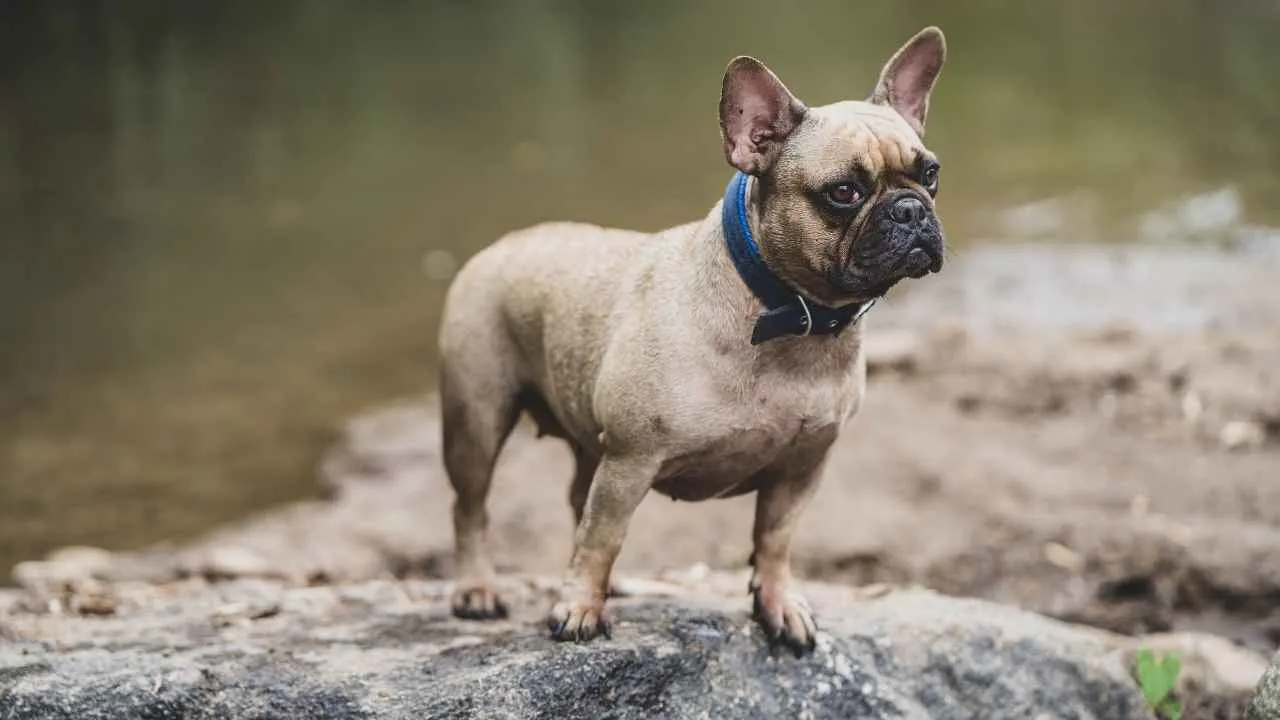
The English lace makers bred the toy Bulldog as a lap dog in the 1800s and moved to northern France during the Industrial Revolution. Over the years, this Bulldog underwent selective breeding, resulting in a breed with erect ears, called the French Bulldog. It became popular among the French Royalty.
The Frenchie is a single-layered breed that lacks an undercoat. Traditionally, the breed has smooth hair; there is a recessive long hair gene responsible for fluffy Frenchies. The standard colors are white, cream, and fawn, and the patterns include brindle (dark stripes), piebald (mostly white with spots of color), and black masks.
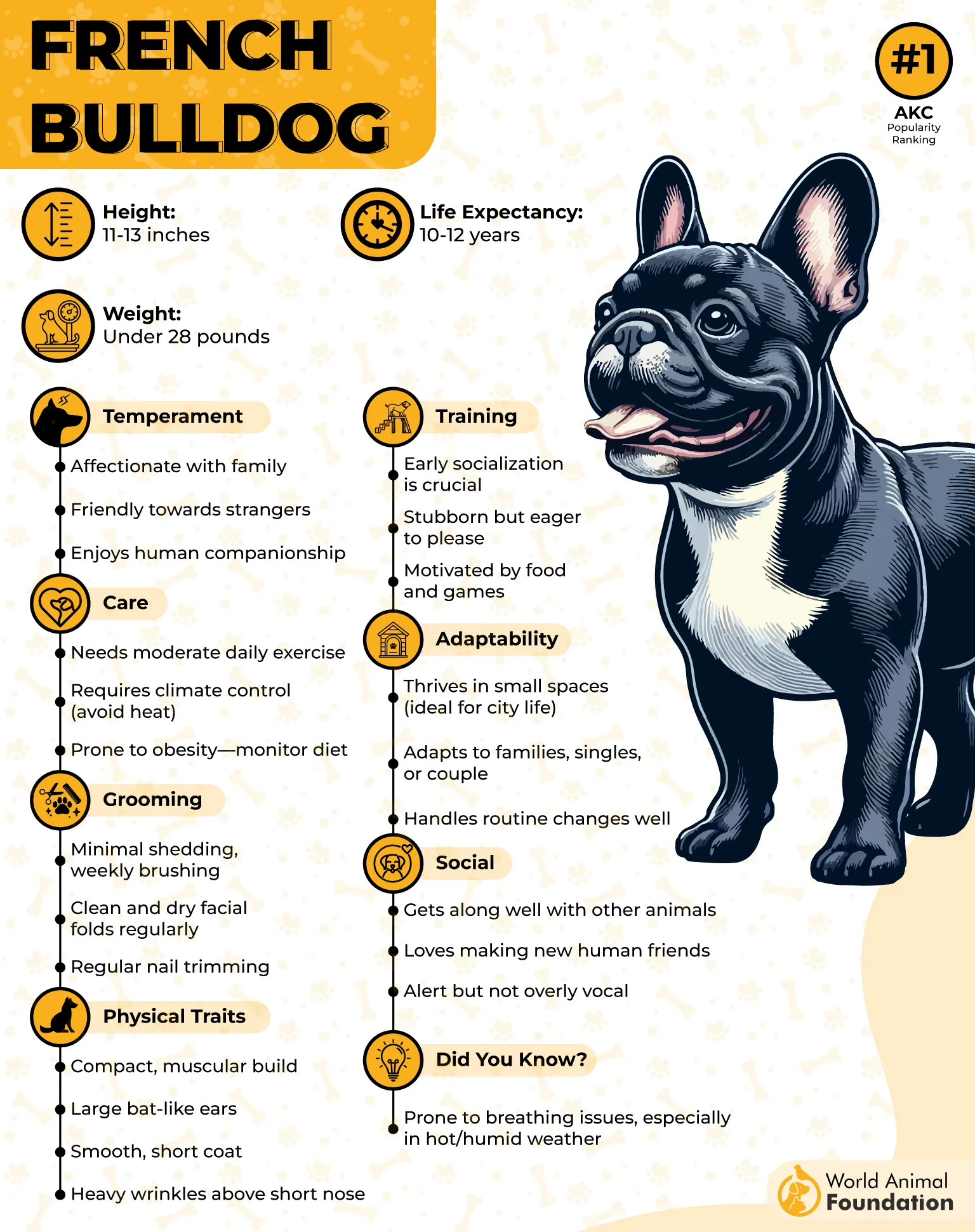
The affectionate dog does not require endless grooming: weekly brushing using a soft-bristle brush, rubber grooming mitt, or hound glove to avoid irritating the skin. Wrinkle cleaning and drool cleaning are required at least 2-3 times a week.
7. Chinese Crested
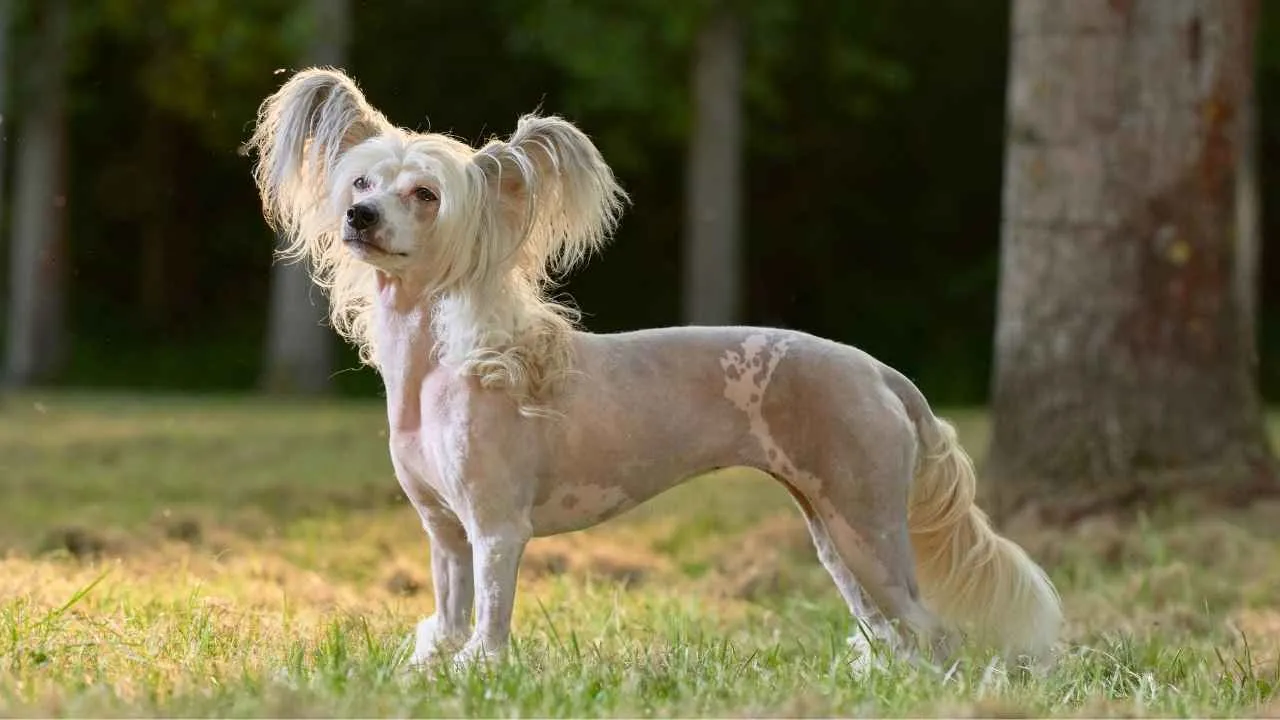
The roots of this ancient hypoallergenic dog breed date back to the hairless breed in Africa, and some genetic studies also revealed that the hairless breed from Mexico has contributed to the development of the Chinese Crested. It was modified as a smaller breed when it arrived in China and was used to hunt small animals like rodents, says Orvis.
The tiny dog comes in two different coats: the hairless (smooth skin mimicking human skin; there are tufts of smooth hair: a “crest” on the head, “socks” on the paws/ankles, and a “plume” on the tail), and the powderpuff (a double coat completely covering the body).
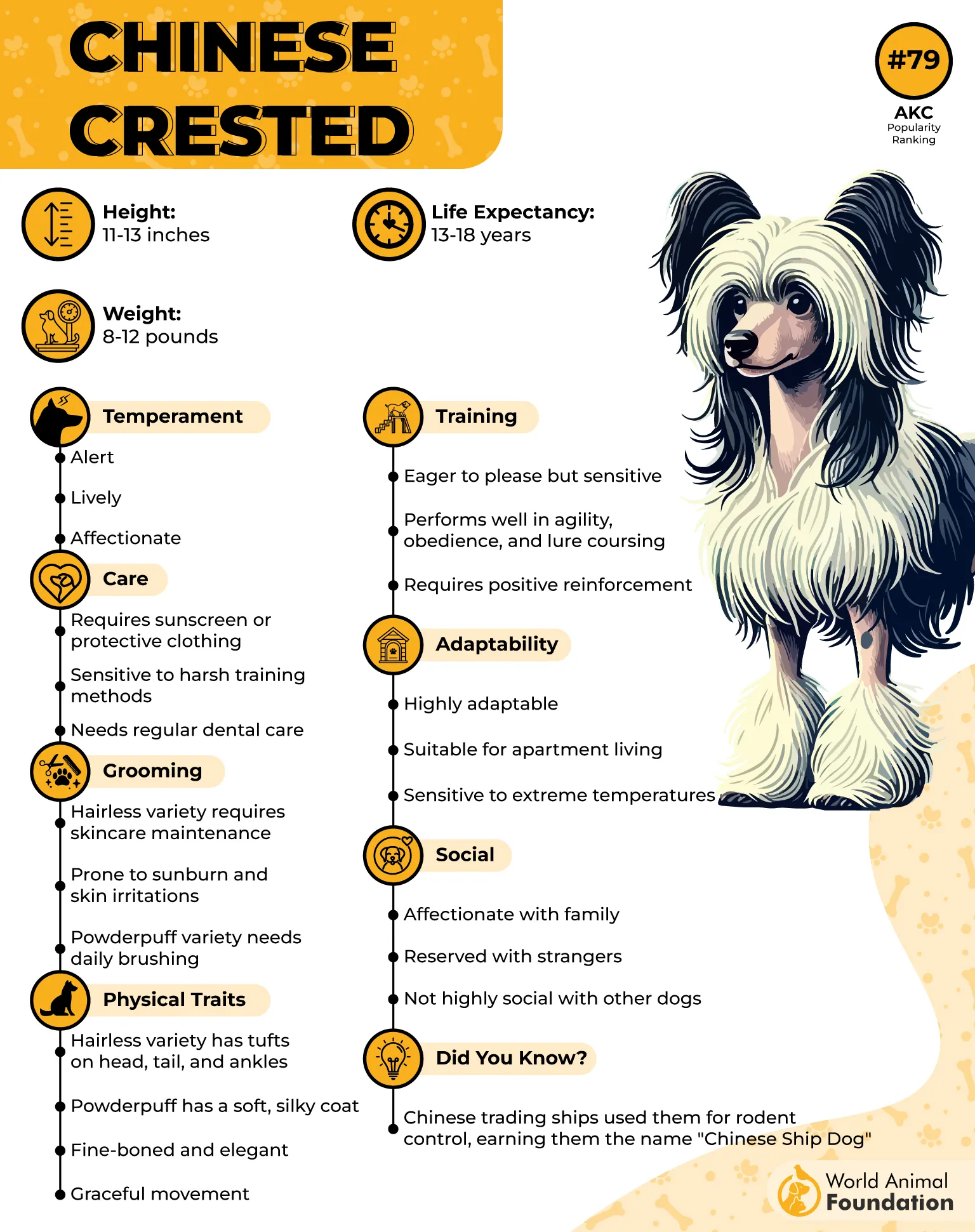
The hairless breed is prone to dryness and sunburn. Bathe the breed gently with a hypoallergenic shampoo and apply a dog-friendly moisturizer to prevent cracking. The powderpuff Crested requires regular grooming. Never brush the dry coat.
8. Beagle
Hounds began to be classified on the basis of their purpose in the 16th century, such as sighthound, scent hound, etc. At this time, a small dog bred to hunt rabbits and hares was called a ‘Basset,’ a French word that literally means ‘gape throat.’ This was because the dog tends to use its tongue during hunting, i.e., bay, as a pack.
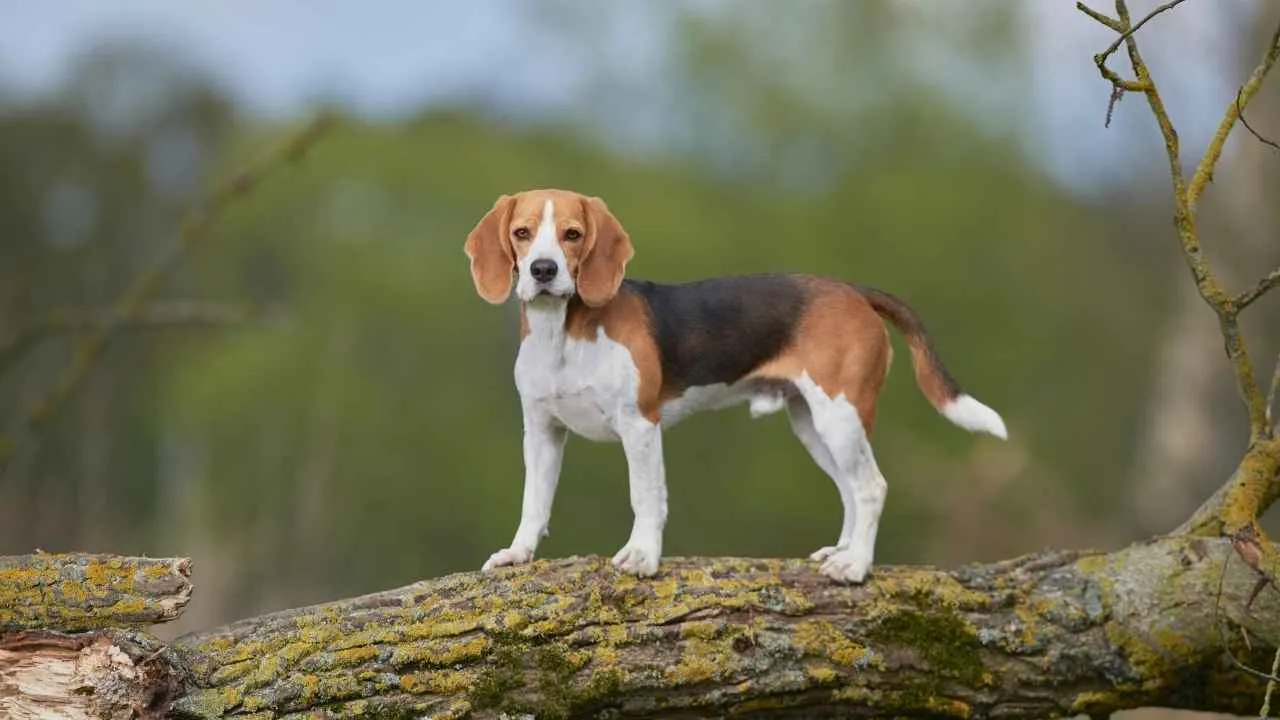
The right breed has a short and weather-resistant double coat. The outer coat is hard and has medium length, while the undercoat enables thermoregulation. There are three recognized colors: bicolor (white combined with lemon, red, or tan), tricolor ( a black saddle combined with black, tan (or brown), and white, and motted
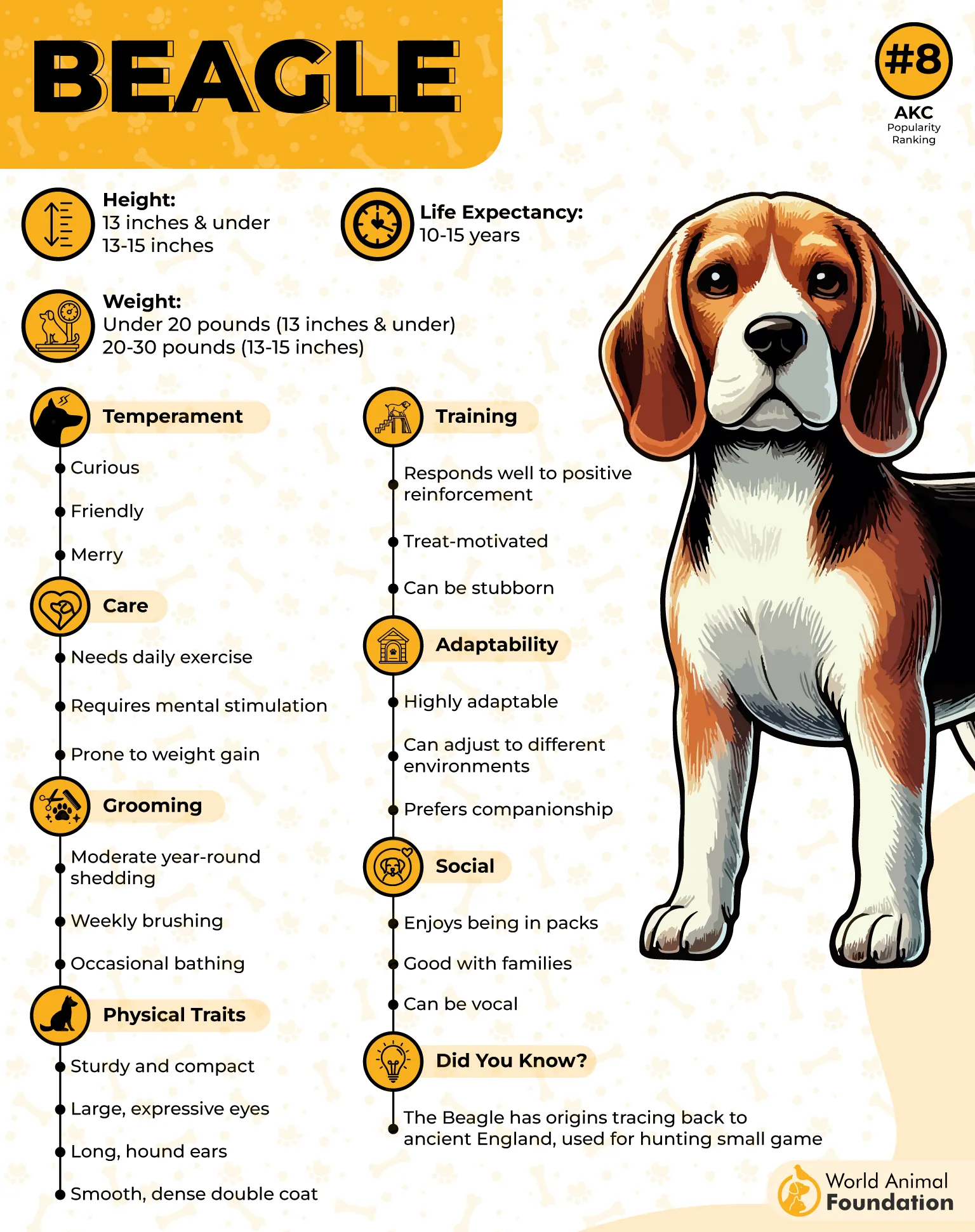
Monthly baths are enough for the breed. Brush the coat 1-2 times a week using a hound glove, a rubber grooming mitt, and a bristle brush. The floppy ears trap moisture and are prone to infection. Hence, regular checking and weekly wiping are suggested.
9. Basset Hound
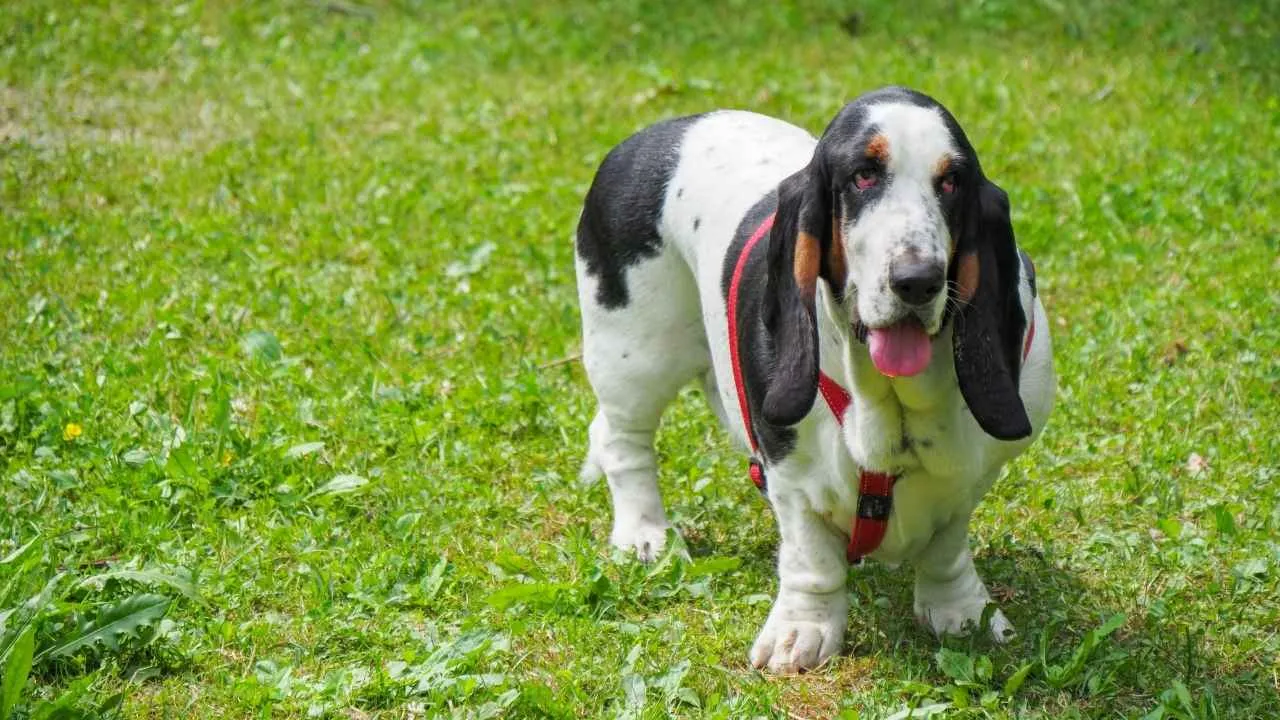
Originally bred in France to hunt rabbits, the breed got its name because of its low stature; ‘basset’ means ‘low,’ since it tends to keep its nose to the ground to track the prey. The breed has a calm nature with short legs and an elongated spine. The breed-specific health concerns are related to the long back (such as IVDD).
It has a short and dense weather-resistant double coat lying flat against the skin. The coat comes in all hound colors: lemon, white, mahogany, bicolor (red and white), and tricolor (black, white, and tan). It has elastic, supple skin that forms pronounced wrinkles around the head and brows. The loose skin hanging at the throat is called the dewlap.
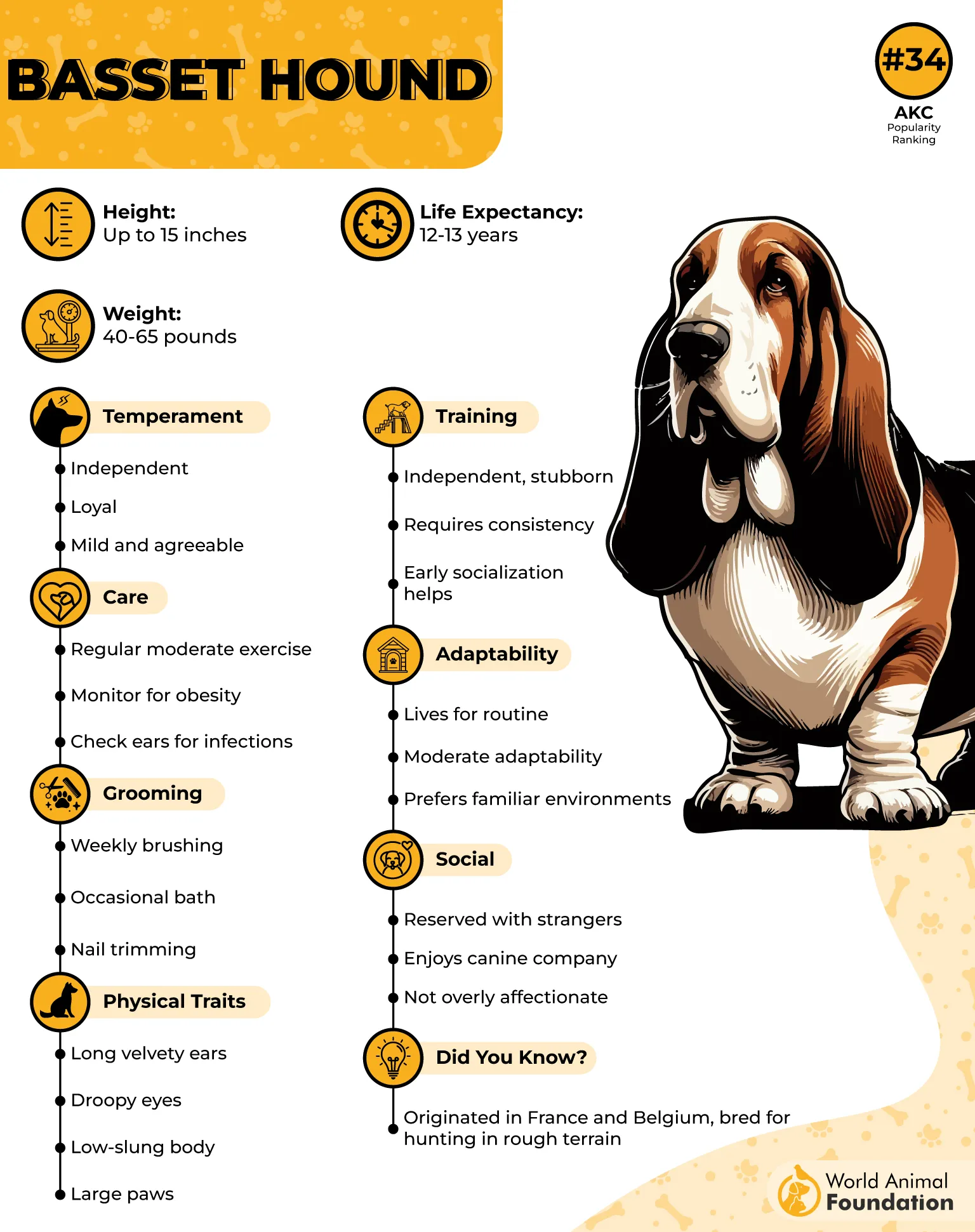
Weekly brushing using a shedding tool or bristle brush is recommended to control loose hair. Clean the wrinkles with gentle wipes regularly. The dog requires minimal exercise and mental stimulation: daily walks, sniff work, and interactive puzzle toys.
10. Whippet
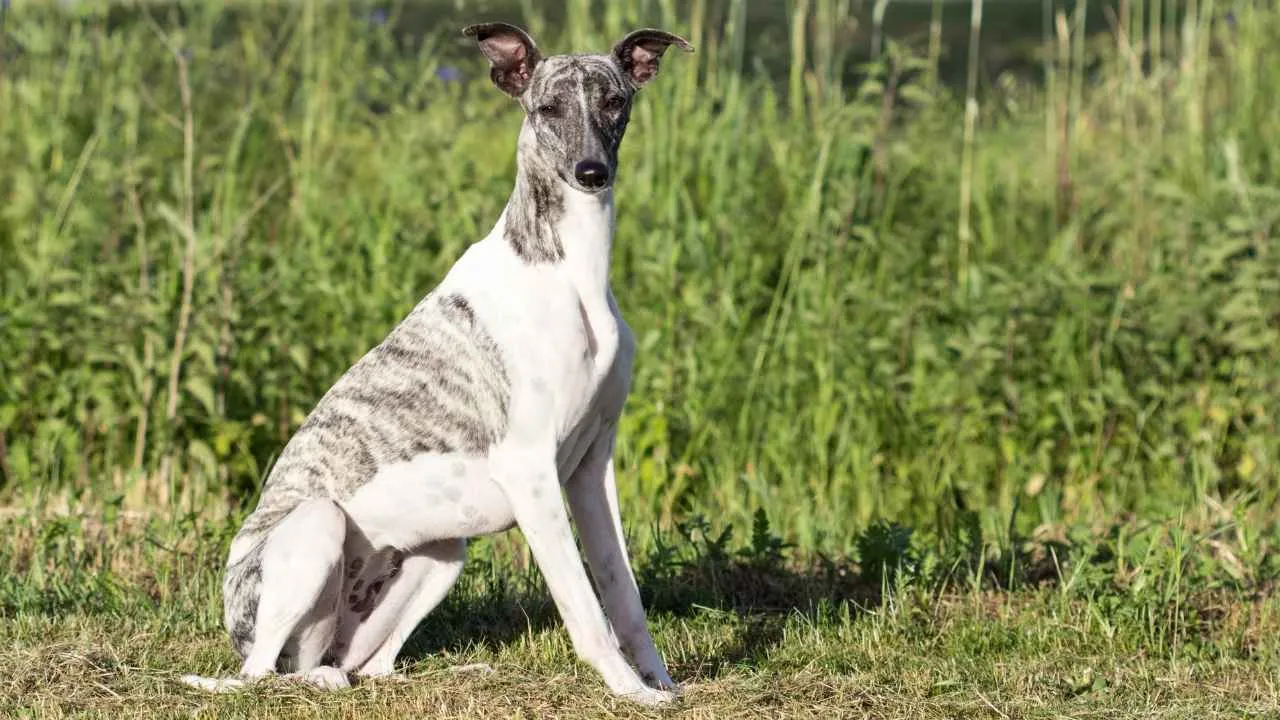
The Whippet is the crossbred of the Greyhound and the English Terrier, because of which it is called the ‘Miniature Greyhound.’ The breed was once used by the English as a hunting breed for small game, such as rabbits; it is now adapted as a family dog and a racing dog because of its gentle temperament.
The ‘wash and wear’ sleek coat has no undercoat and is silky to touch. The solid colors include: white, black, blue (gray), fawn, red, cream, and tan. The merle pattern is considered a disqualification in dog sports.
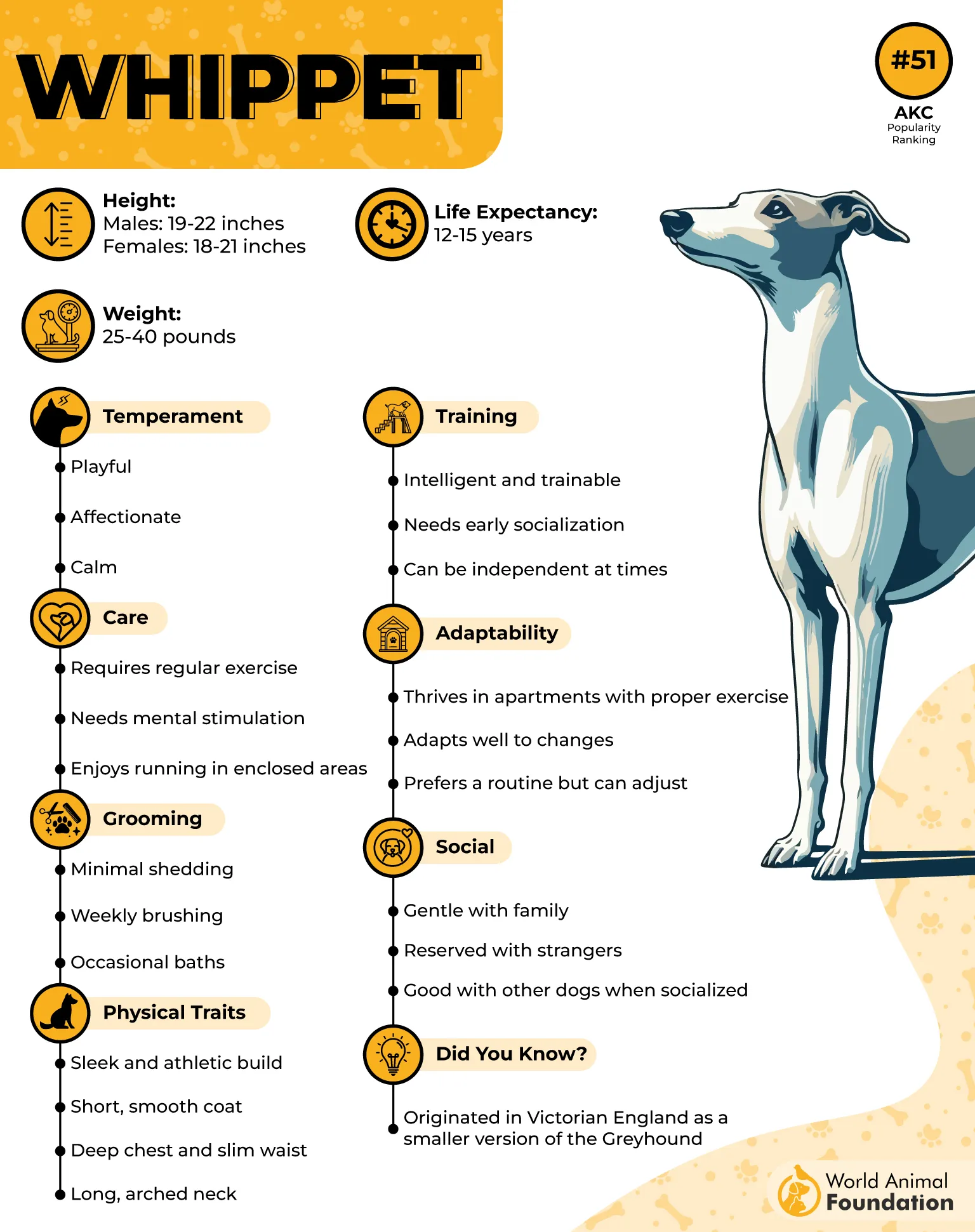
A rubber curry mitt and a soft hound mitt weekly are enough to remove the hair and keep the coat healthy. It has fewer oil-producing glands; thus, it has minimal or zero dog odor. So, bathing after 4-5 weeks is suggested.
Conclusion
Finding the right dog is about matching a breed to your lifestyle, not chasing trends. A low-maintenance dog can still fill your home with affection, funny moments, and unwavering loyalty while requiring less grooming or complicated care. That does not mean they need less love, attention, or responsible ownership.
Every dog deserves proper training, regular exercise, quality food, routine veterinary care, and plenty of companionship.
When those needs are met, even the easiest breeds become incredible lifelong friends. Whether you prefer a playful little shadow or a calm couch companion, one of these ten breeds could be the perfect fit for an easier, happier life together without adding unnecessary stress to your daily routine.
