




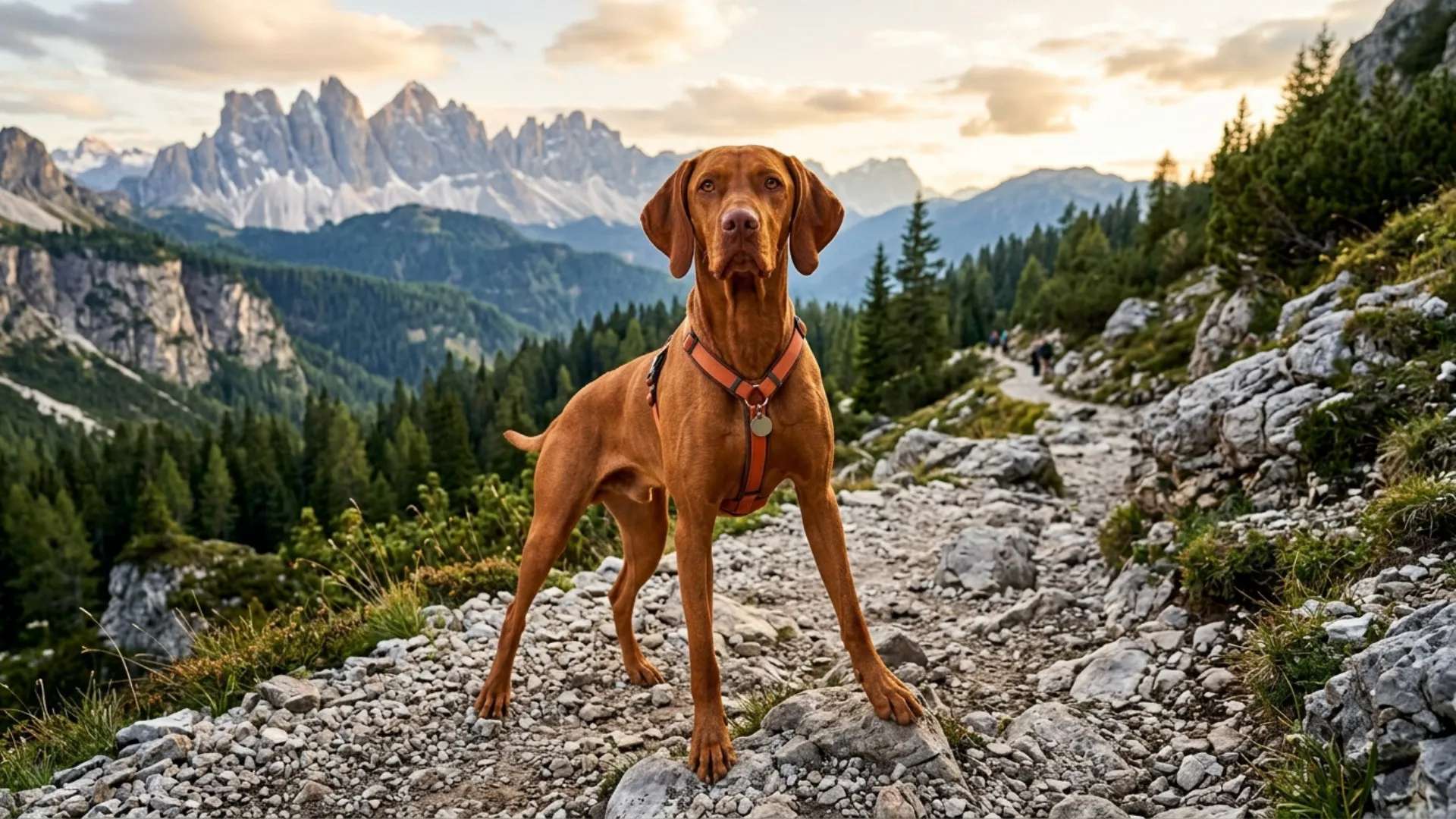
Fresh air, muddy trails, mountain views, and a loyal dog by your side; a situation that you often imagine. This dream can come true if you bring an outdoor-loving dog breed into your life, as some dogs are simply built for life beyond the backyard.
They have the energy to hike for miles, the confidence to explore rough terrain, and the heart to stick with you through every adventure.
If you have ever watched Bear Grylls tackle the wild, you know that success outdoors depends on endurance, courage, and teamwork. The same idea applies to many working dog breeds.
According to the American Kennel Club, sporting, herding, and working breeds generally require significantly more daily exercise than the average companion dog. The athletic background makes them excellent outdoor partners.
As the famous quote says, “The journey is best measured in friends rather than miles.” For many people, that friend has four paws and a wagging tail.
Amazing Dog Breeds Ready for Outdoor Challenges
1. Siberian Husky
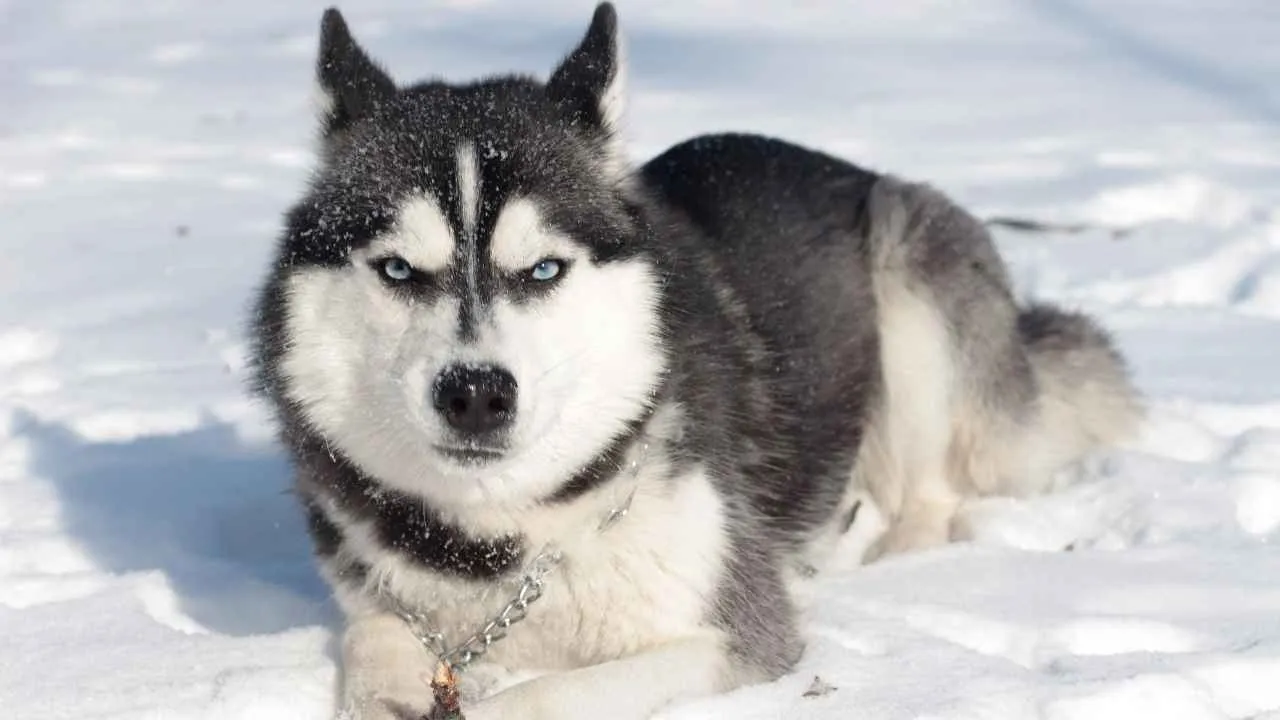
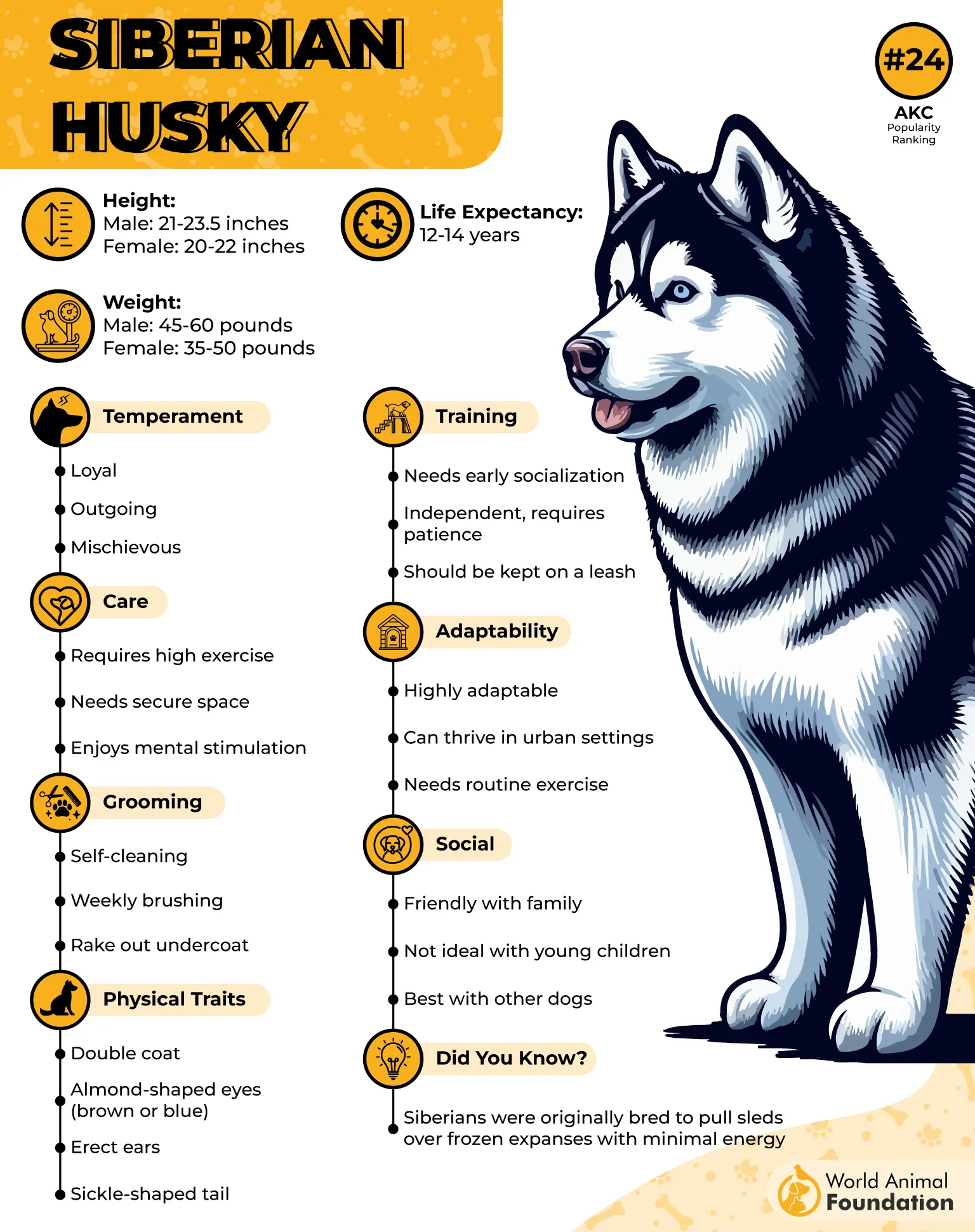
This medium-sized working dog breed was bred in Siberia (Russian Far East). It was developed by the Chukchi people for companionship and sled pulling. Its ancestors used to live in the harsh cold weather in the Siberian Arctic. Because of this, it has a thick double coat and webbed feet, according to Wikipedia.
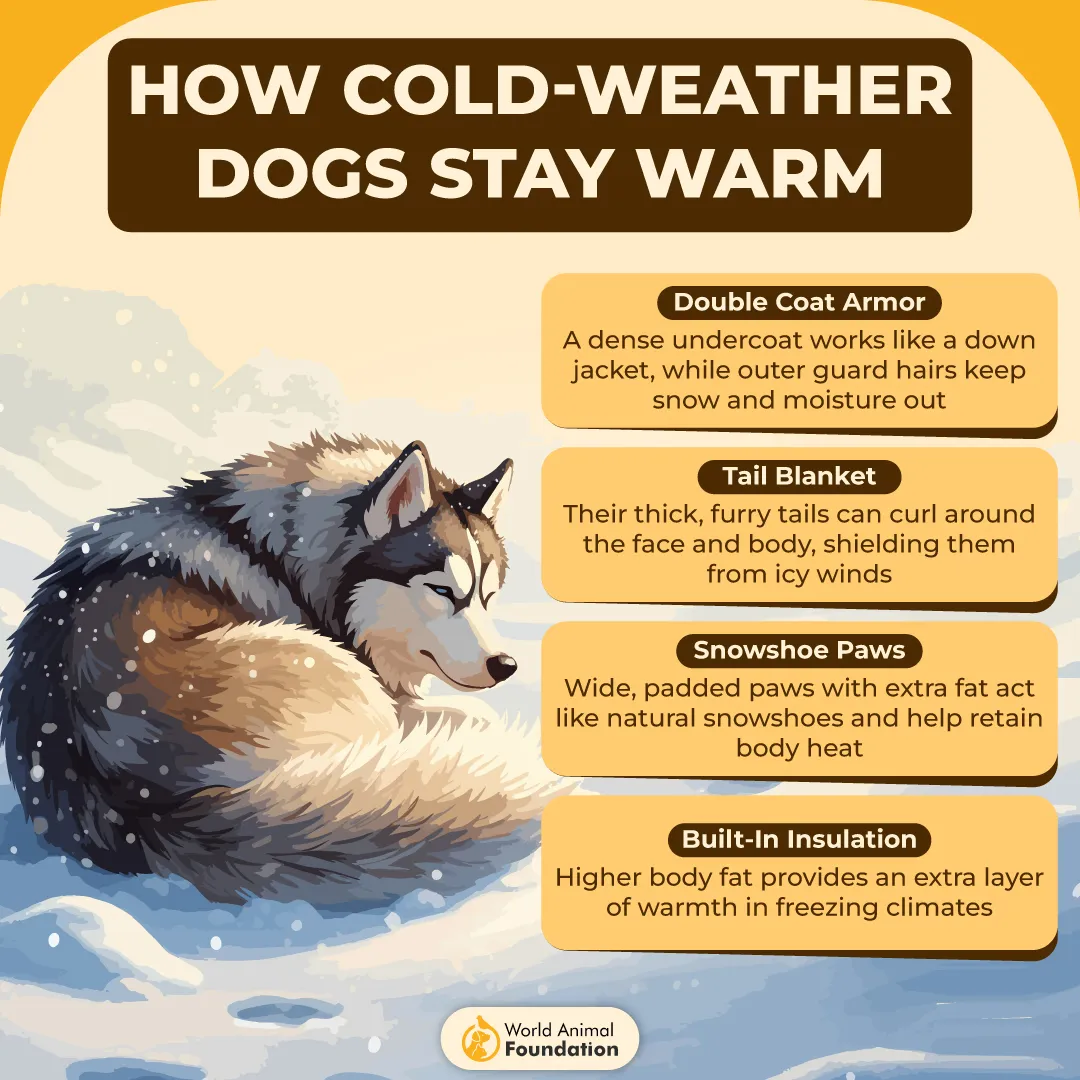
The woolly coat traps the air inside, acting as a personal thermal shield. It can tolerate temperatures below -50°C. The unique metabolism switches from burning glycogen to burning fat during prolonged exertion. The erect ears block out cold air and snow. It curls up into a tight ball and covers the nose with its bushy tail, trapping exhaled warm air.
It is widely used in pulling sleds across snow, urban mushing, backpacking, canicross, skijoring, and swimming. The Siberian Husky needs regular exercise for 1.5-2 hours daily: walking, jogging, hiking, and carting. Keep the training sessions short and non-repetitive.
2. Vizsla
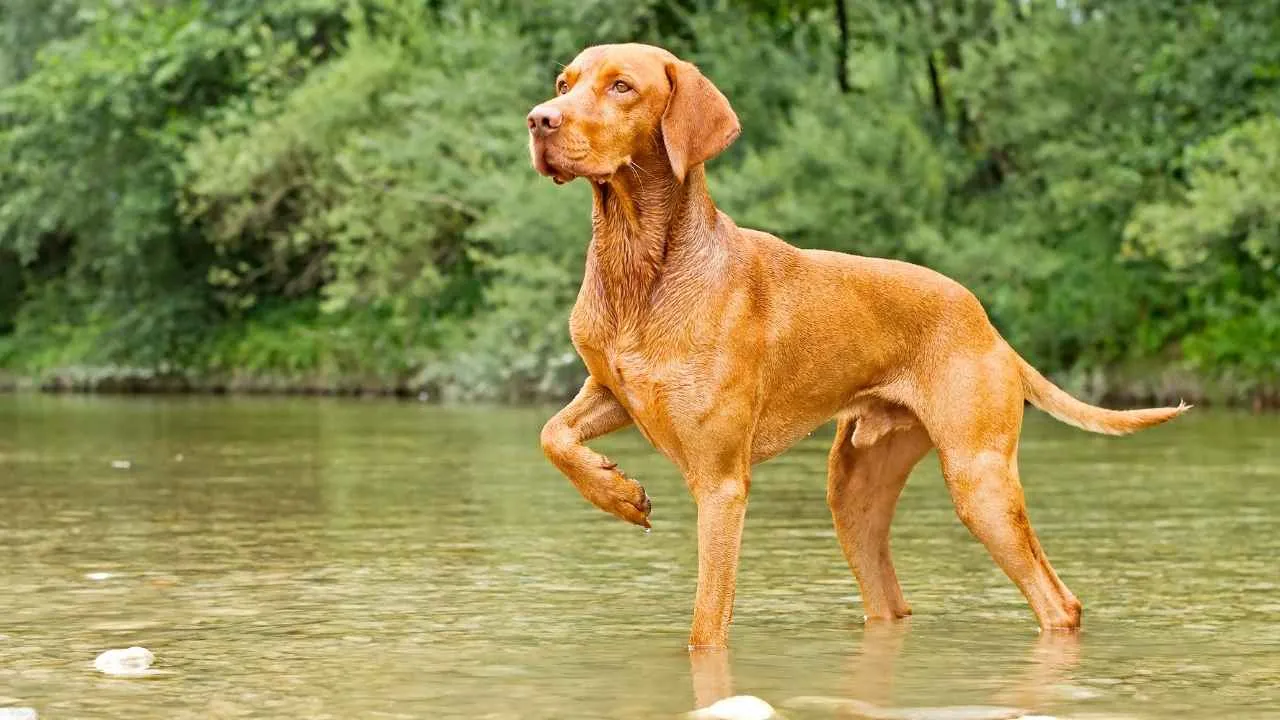
Originally bred in Hungary as a sporting dog and a loyal companion, the Vizsla is a medium-sized breed that is used to hunt fowl and upland game with hunting, pointing, and retrieving strategies. It has strong protective instincts despite being affectionate and gentle.
It is a high-running breed with a tucked-up abdomen, reducing wind resistance. It has a low fat-to-muscle ratio, allowing it to jump, sprint, and change directions while hiking and running. It excels in ‘sniff walks’ because of its strong sense of smell.
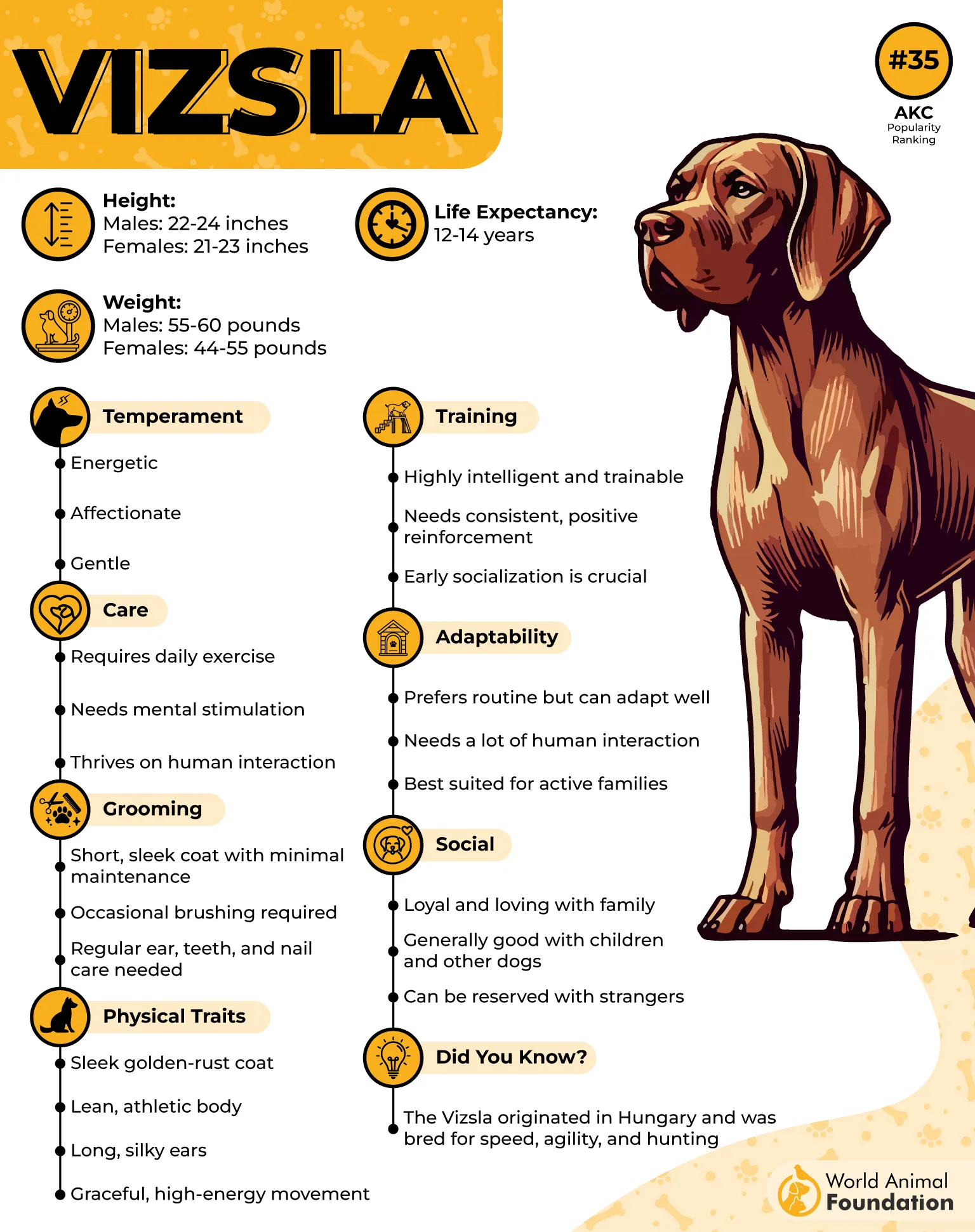
This hunting dog is widely used in small game hunting with its zigzag search, distant running, hiking, water fowling, and tracking. It excels in all of these field activities because of its thick coat and webbed feet. This sensitive and athletic dog needs 1-2 hours of regular exercise for physical and mental stimulation.
3. Australian Shepherd
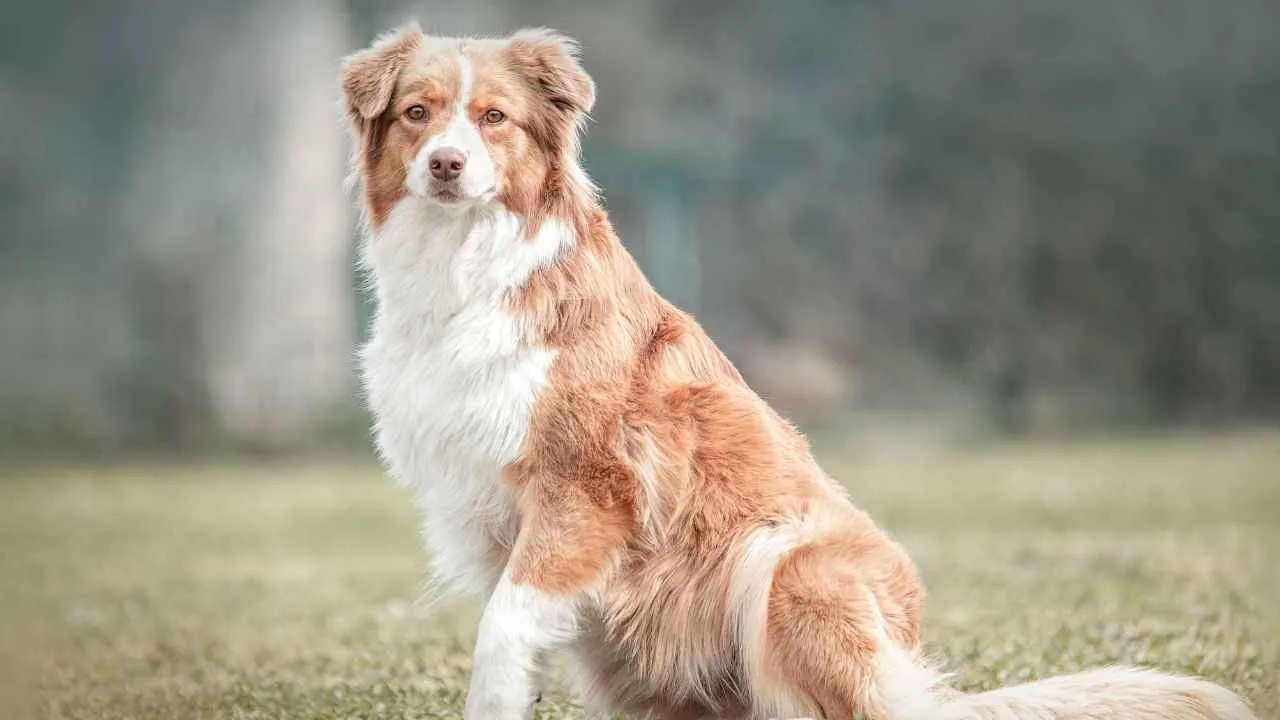
Also known as Aussie, the dog was developed in the United States as a herding dog in the 19th century. Despite being used only as a herding breed, it is now used as a family dog in North America. It has a low center of gravity and a powerful stride, allowing it to reach a high speed of 35-40 mph.
The strong breed can comfortably manage up to 15 miles on a hike because of its efficient metabolic system. The strong hind legs with low hocks give it powerful spring, allowing it to jump up to 4 feet in the air. It is widely used in SAR operations to track lost trackers or detect scents in vast areas.
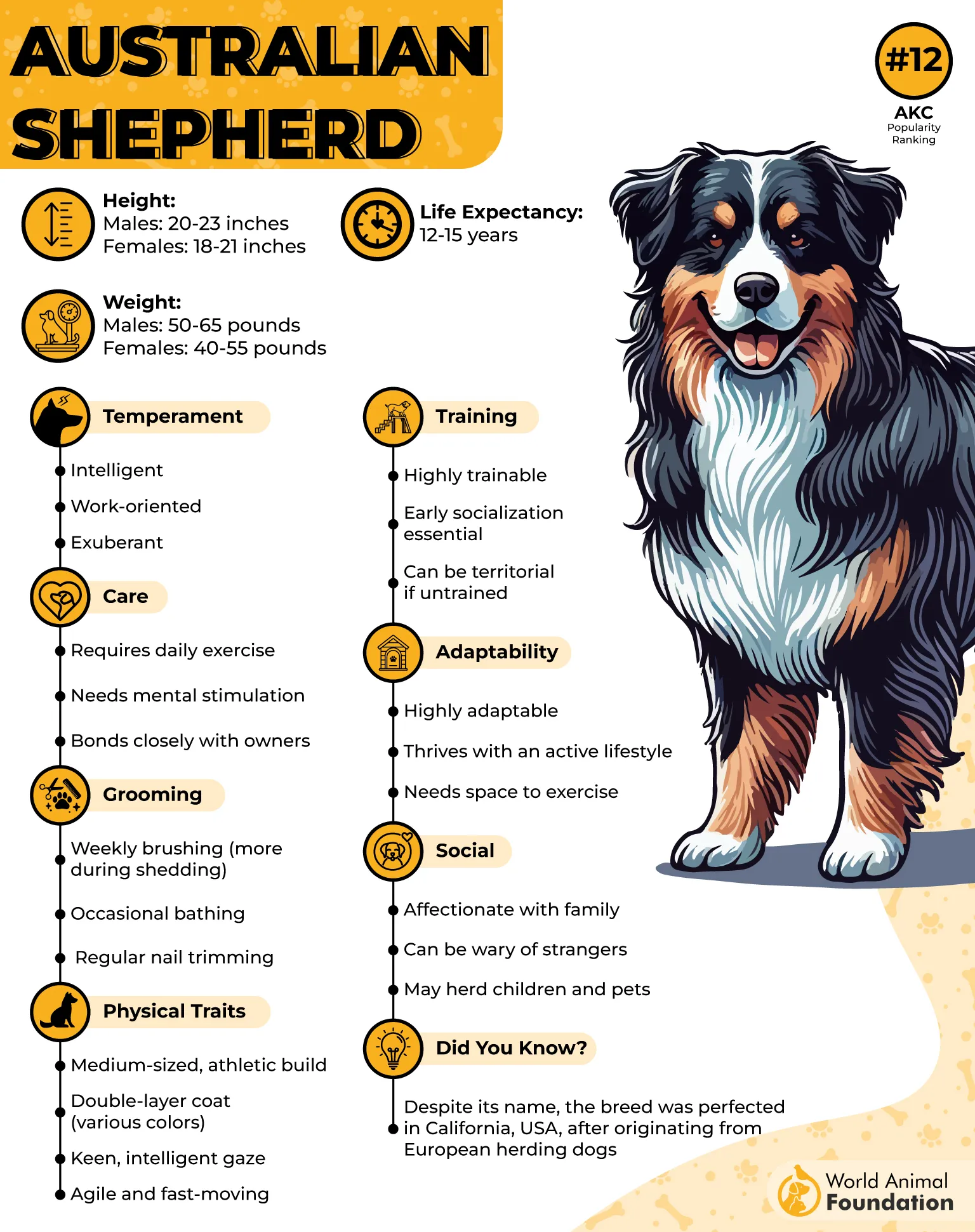
This high-energy working breed needs 1.5-3 hours of daily exercise. Adults (1-7 years) need vigorous physical activity, hiking, flyball, agility, dock diving, and trail runs. The puppies (8-12 months) need basic obedience training and sniffari walks.
4. German Shorthaired Pointer
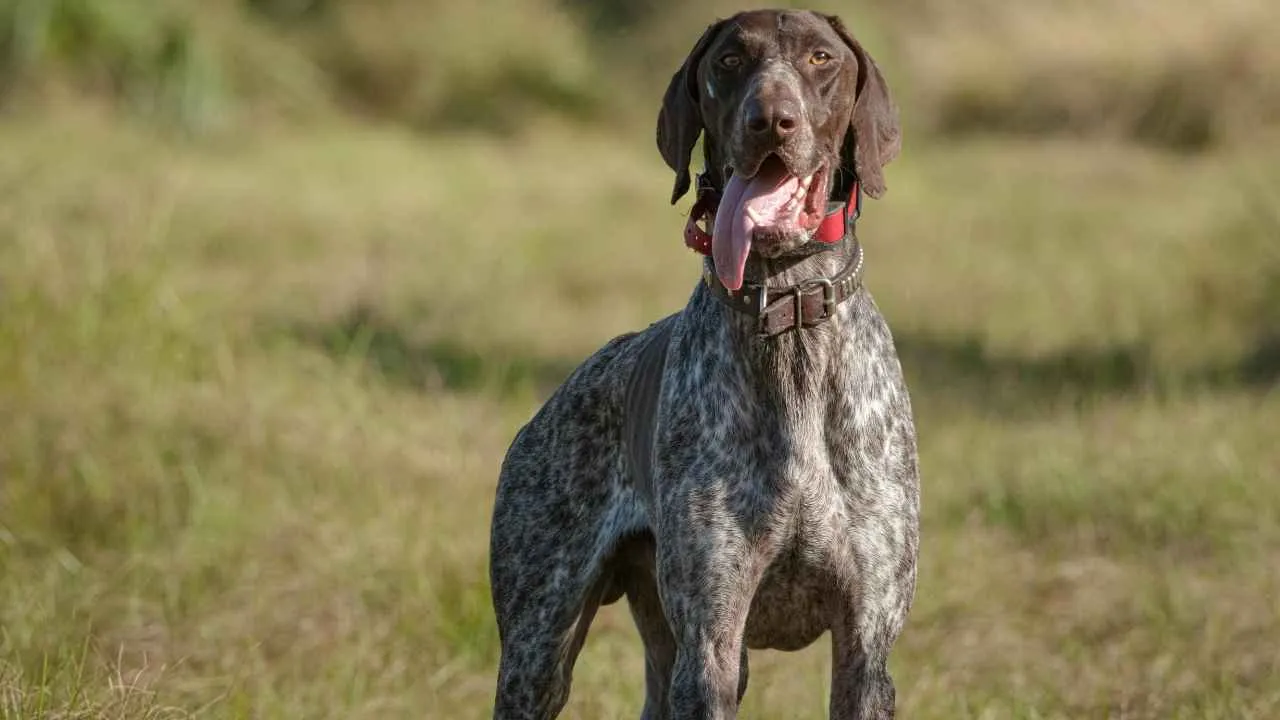
Also known as a ‘bird dog,’ the breed was bred as a hunting dog. The dog works by pointing and signalling with its nose. It also makes a great family pet with an active lifestyle for outdoor adventures. It is identified with its patched and ticked coat that is often black or liver, as per PetMD.
It has sloping shoulders and powerful hindquarters, allowing it to single-track and cover vast distances. The unique skull shape and olfactory system make it a highly alert creature. The breed has a strong prey drive and is highly motivated to explore off-leash adventures.
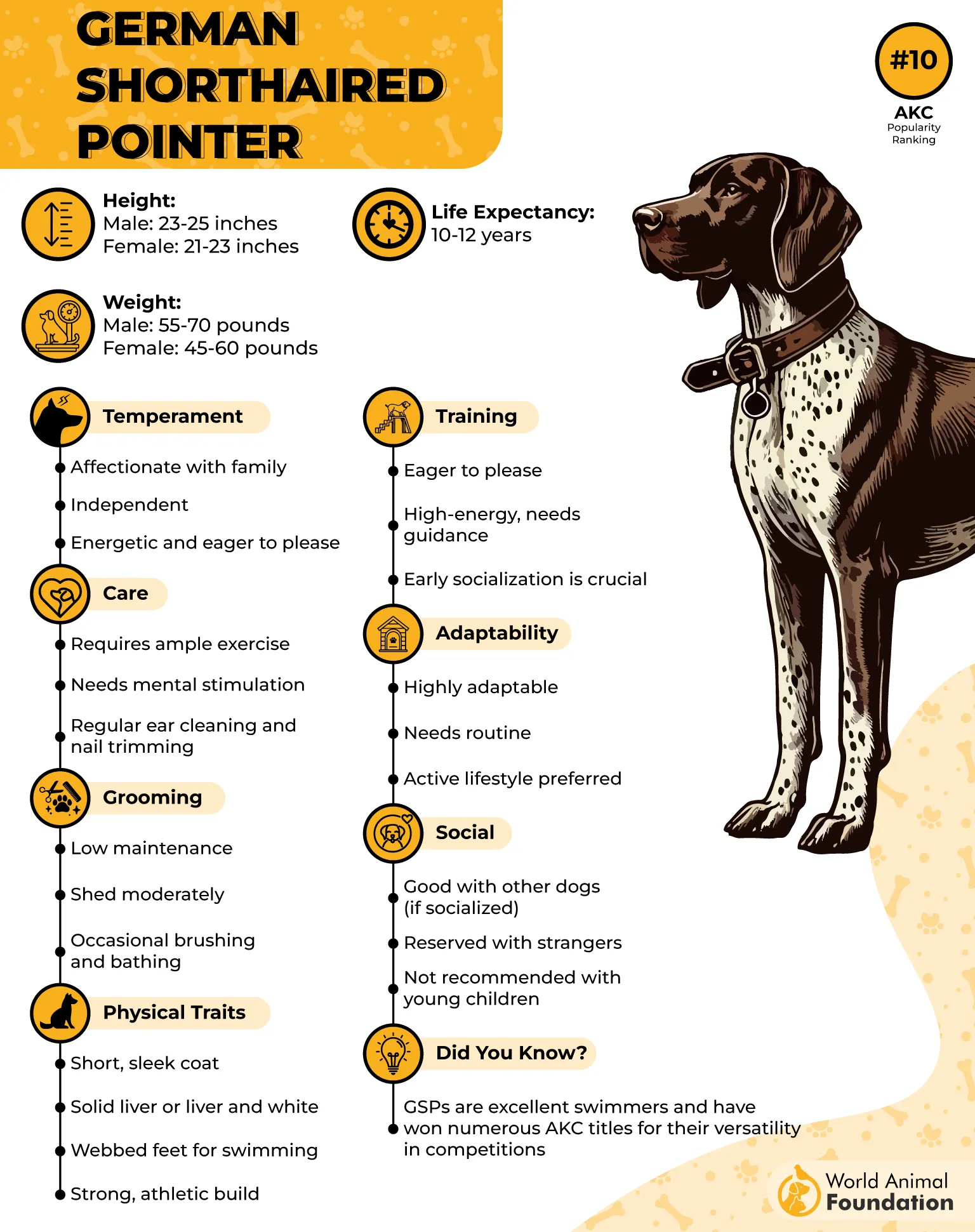
This outdoor dog breed is ideal for hiking and trail running. Harness-based pulling is the ideal way to utilize its endurance. It also excels in dog sports, such as agility courses, dock diving, tracking, and flyball. Vigorous exercise for 1-2 hours is highly recommended.
5. Border Collie
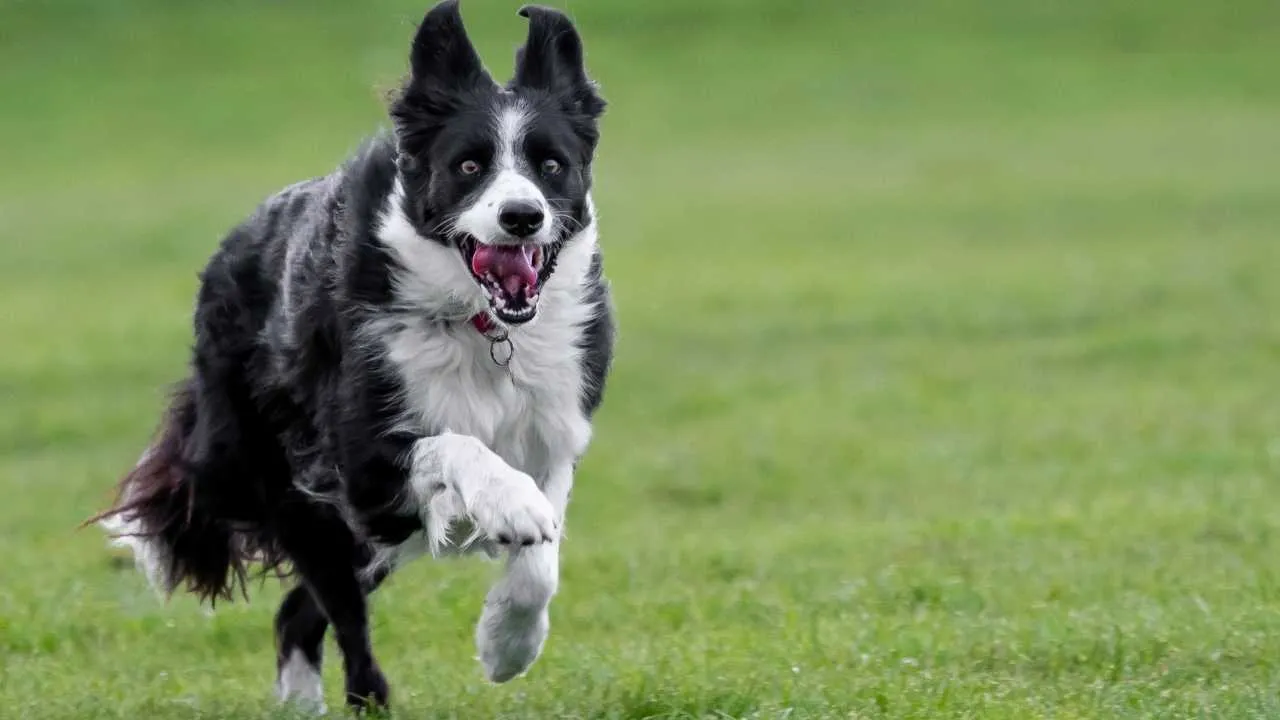
This medium-sized dog originated in Britain as a herding dog. It is ranked as the most intelligent breed in the dog kingdom. The ‘Collie’ is an old Celtic word, which literally means ‘useful.’ The well-defined muscles and aerodynamic build enable rapid changes in direction, agility, and steep inclines.
It has cat-like pads and is designed to absorb shocks and grip rugged terrain. With its fast-twitch muscles, it is more likely to exhibit short bursts of energy rather than endurance. The breed is also used in farm monitoring and guarding because of its alert and territorial nature.
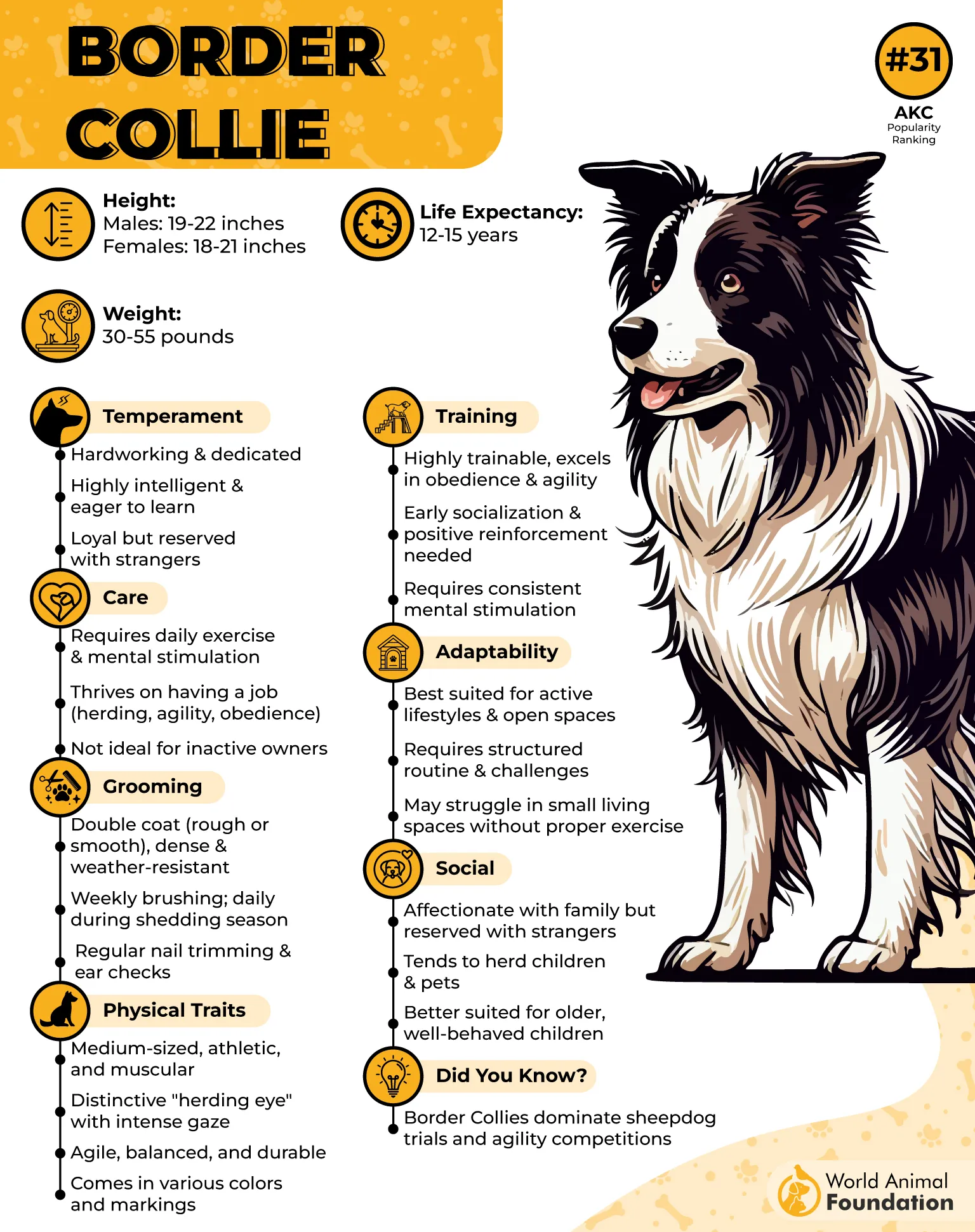
This highly trainable and energetic breed needs 1.5-3 hours of daily exercise. Since it is smart and has an independent nature, it can adopt a stubborn nature and destructive behavior. Thus, proper training and early socialization are non-negotiable.
6. Alaskan Malamute
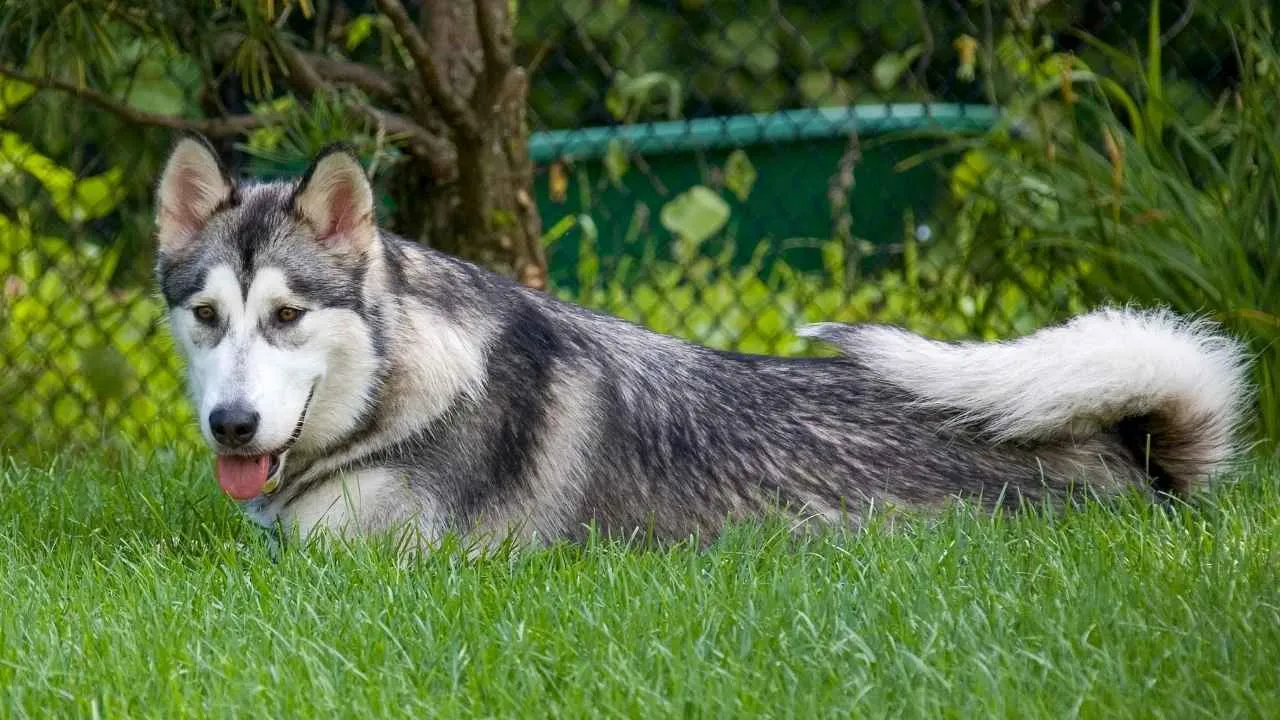
This large dog breed was originally bred as a sled dog because of its strength and endurance. Descendants of the dog breeds that lived in the Mahlemuts, this great outdoor dog is closely related to the wolves. Many native Alaskan dogs were crossed with the dogs brought during the Gold Rush in the 19th century.
The thick double coat has a woolly and oily undercoat with a coarse and water-resistant outer guard coat. It acts as an excellent thermoregulator by trapping body heat in sub-zero temperatures. Because of the immense jaw structure, it is also known as ‘Freight Trains of the North.’
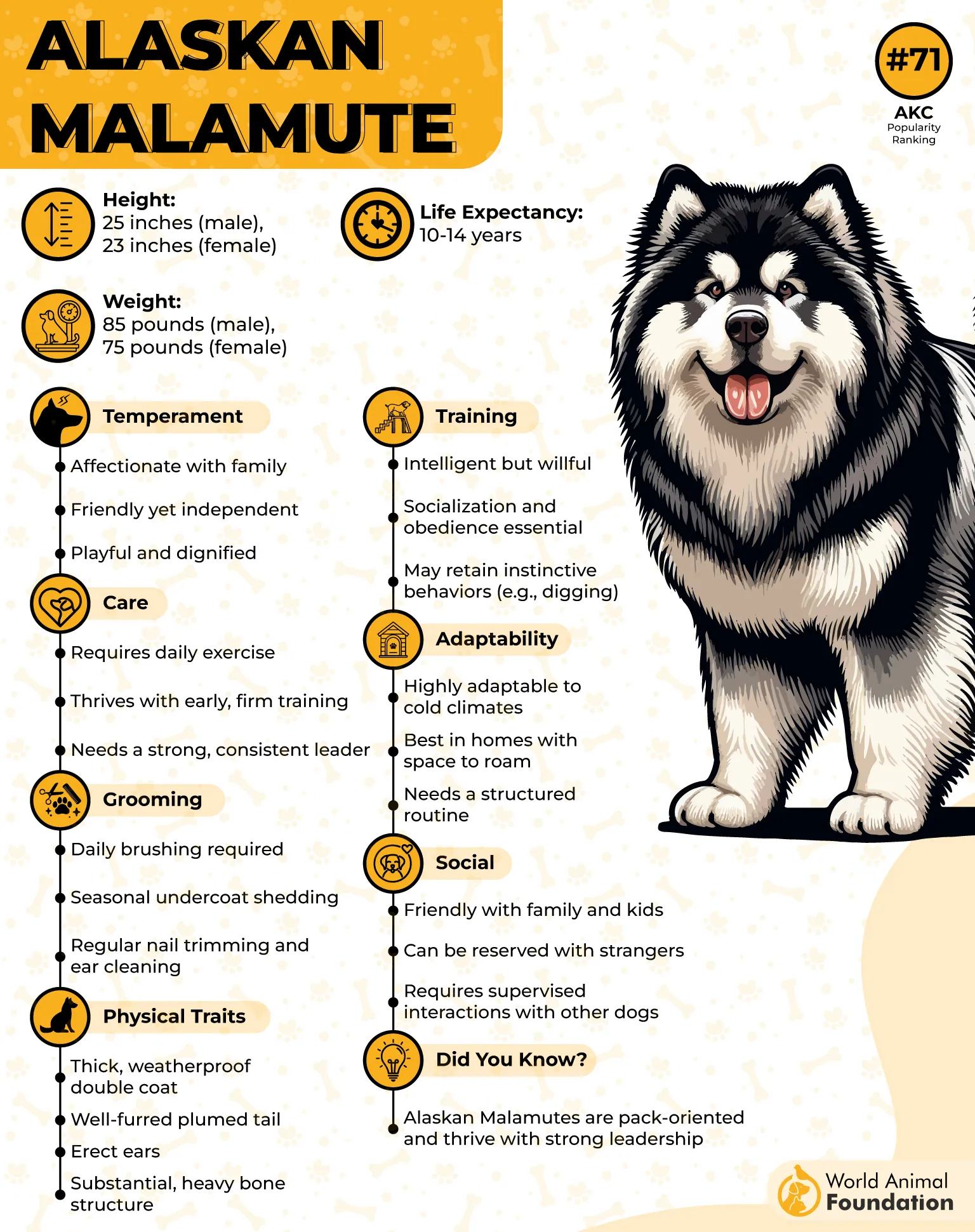
The breed can comfortably carry up to 20% to 30% of its total body weight to pack supplies. This dog requires at least 2 hours of daily exercise: dog-powered sports, jogging, long hikes, skijoring, backpacking, and weight-pulling.
7. Bernese Mountain Dog
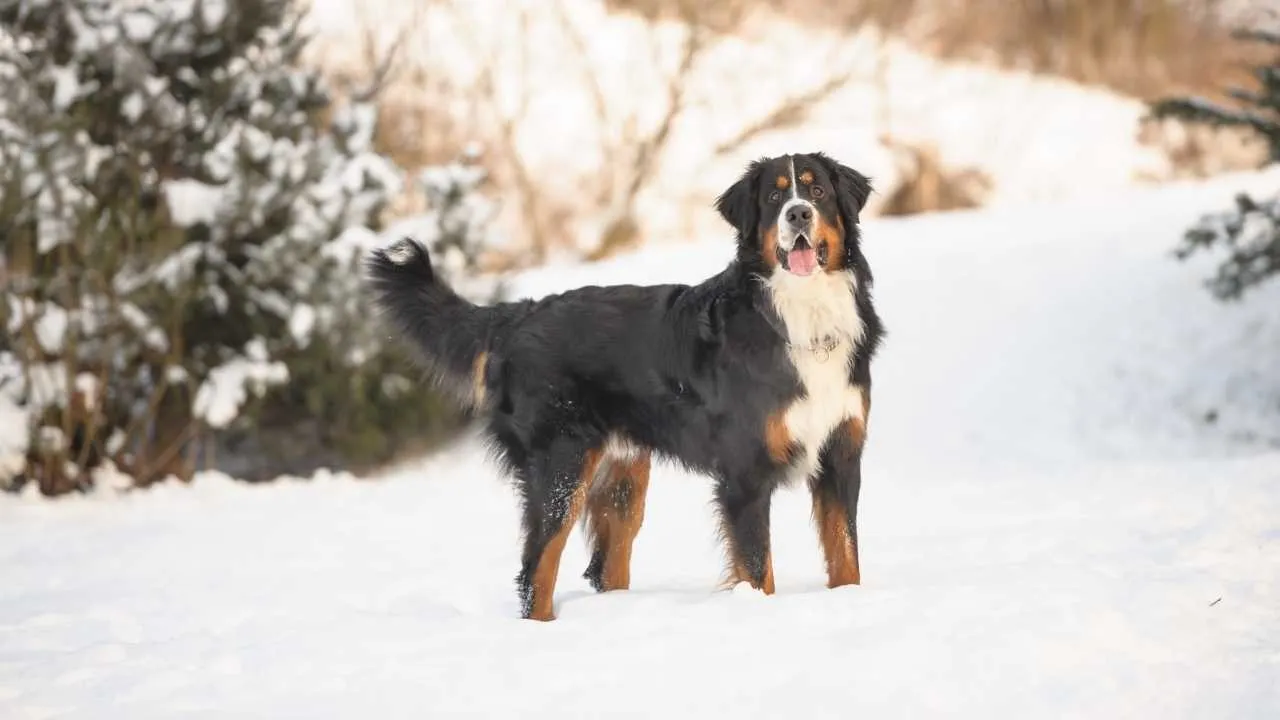
This large dog breed was developed in the canton of Bern, Switzerland, and the Swiss Alps. It has ancestral roots with the Roman Mastiffs. It was originally used as a general farm dog, but is also used to pull heavy carts as a draft animal. The breed has a scissor bite; the upper incisors overlap perfectly over the lower incisors.
It tends to store energy and maintains an active metabolism in cold weather. It has a natural inclination towards light drafting and working tasks. It is widely used in tracking and search tasks because of its exceptional scent work.
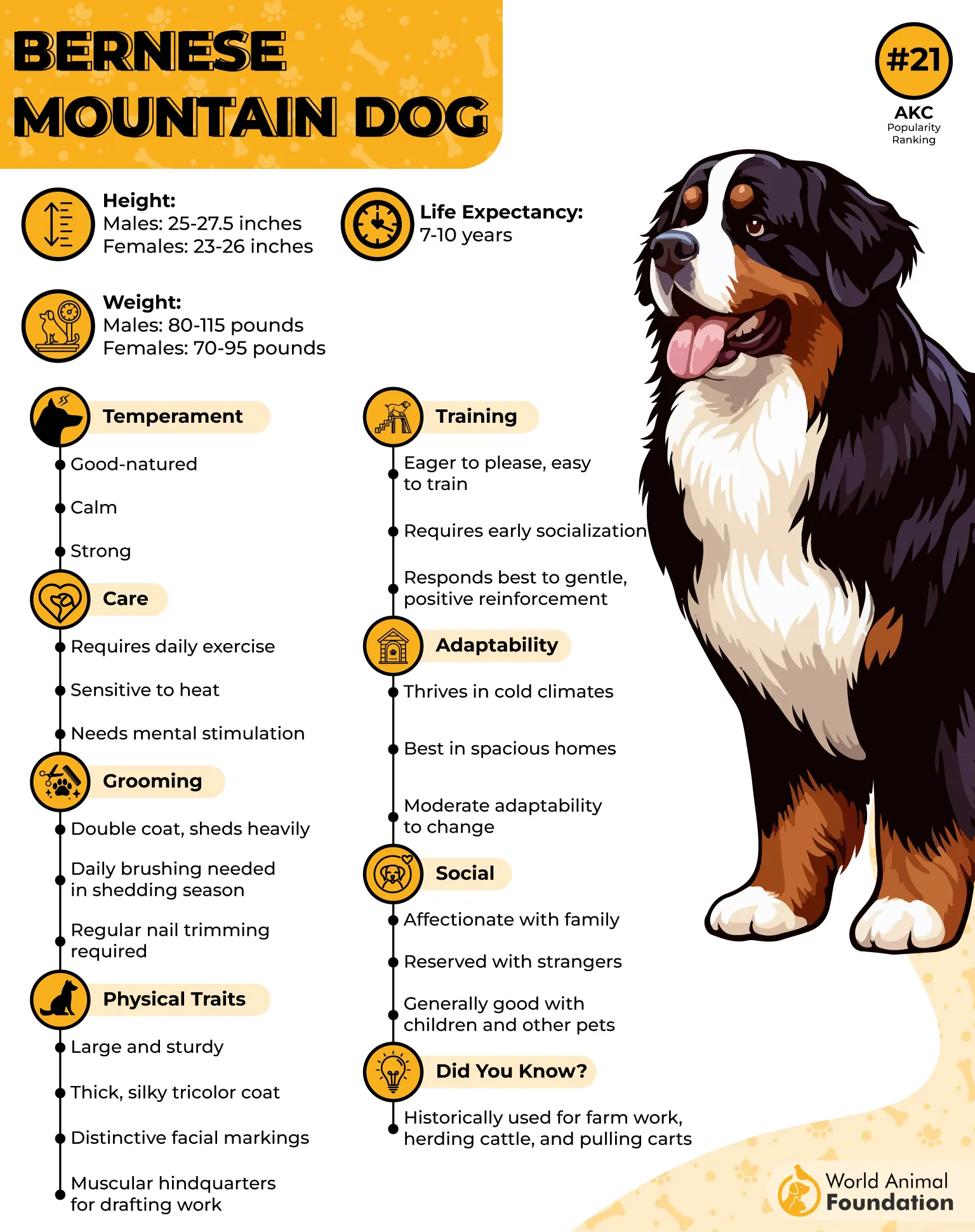
It needs regular exercise for 30-60 minutes daily: brisk walks, swimming, gentle hikes, and carting. Puppies under the age of 15-18 months have growing plates; thus, they must not be exposed to high-impact exercise.
8. Labrador Retriever
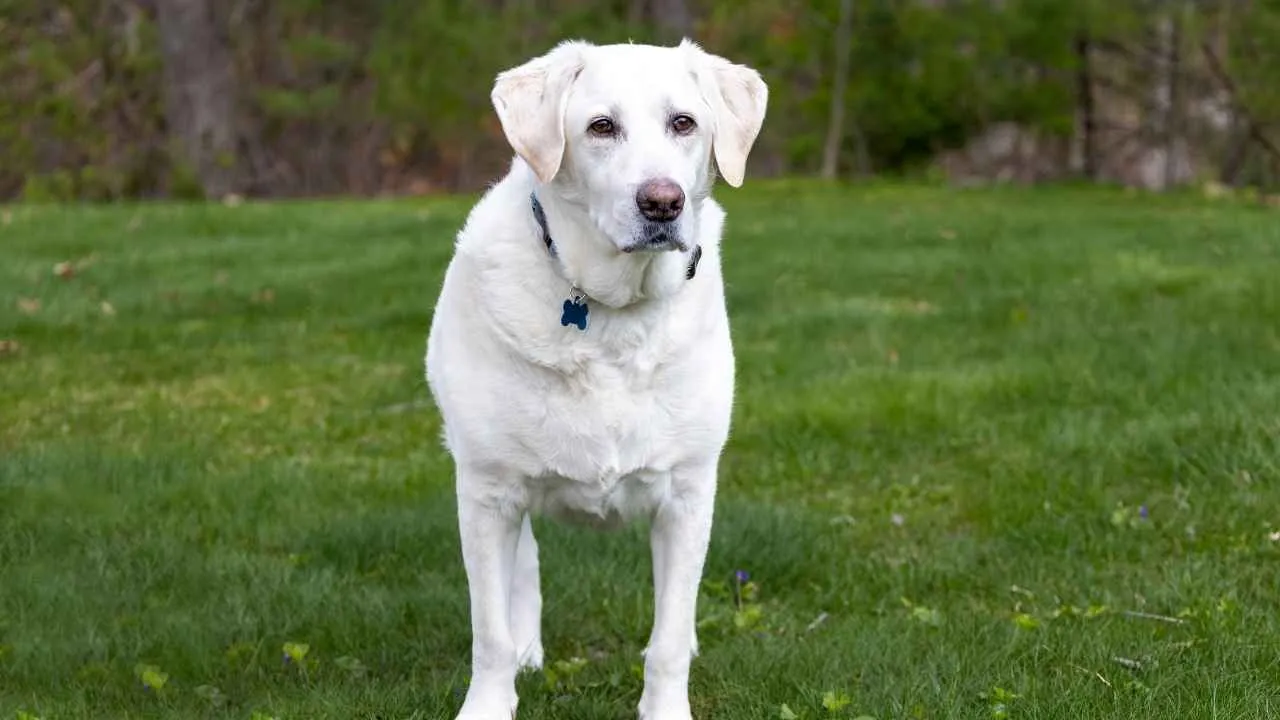
This medium-to-large working dog was specifically developed as a retriever dog. Being a sporting breed, it actively participates in outdoor adventures. It was developed by St. John’s Water Dog, which was imported from Newfoundland, Canada. Its primary goal was to retrieve nets for fishing boats, says Orvis.
The ‘otter tail’ has a thick base and is tapered at the tip, acting as a heavy-duty rudder for balancing during aquatic and agility activities. The sturdy dog has a ‘soft mouth’ and can retrieve the prey without physically damaging them.
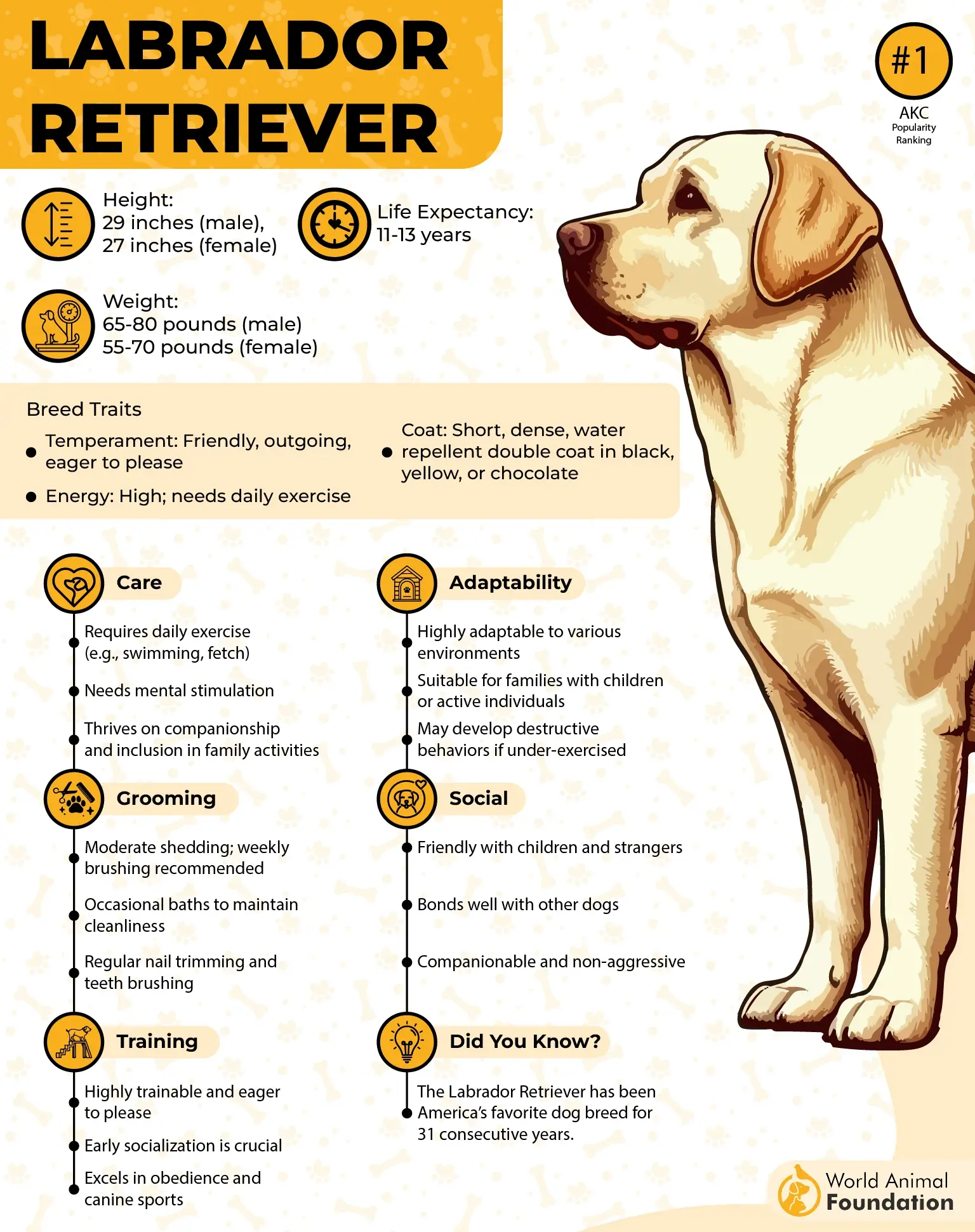
It is widely used in shed hunting, foraging, outdoor gear carrying, SAR operations, and tracking. The dog has moderate exercise requirements (60-90 minutes daily): canine sports, 2-3 walks, hiking, fetching, jogging, and swimming.
9. Rhodesian Ridgeback
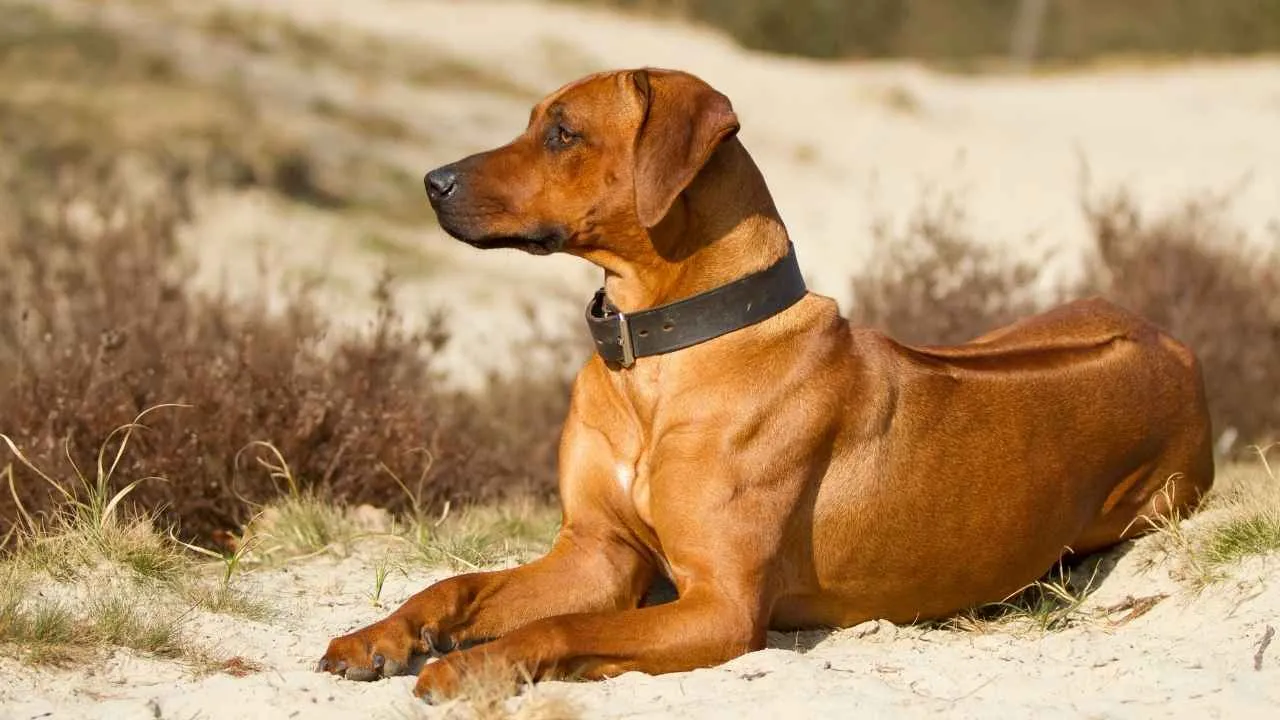
This breed is also known as the African Lion Dog. The Europeans brought their dogs (a mixed breed of Mastiffs, scent hounds, and Great Danes) to Africa in the 17th century. These dogs were used to protect farms. But the breed was not suitable for the hot and rough terrain of Africa. Thus, these dogs were interbred with the local dogs, resulting in the Rhodesian Ridgeback.
It has a strong sense of smell and excellent visual tracking; thus, it can easily spot wildlife. It was used to track and corner large game and reached a high speed of 36 mph. It is a formidable yet great watchdog: naturally territorial and alert to approaching predators.
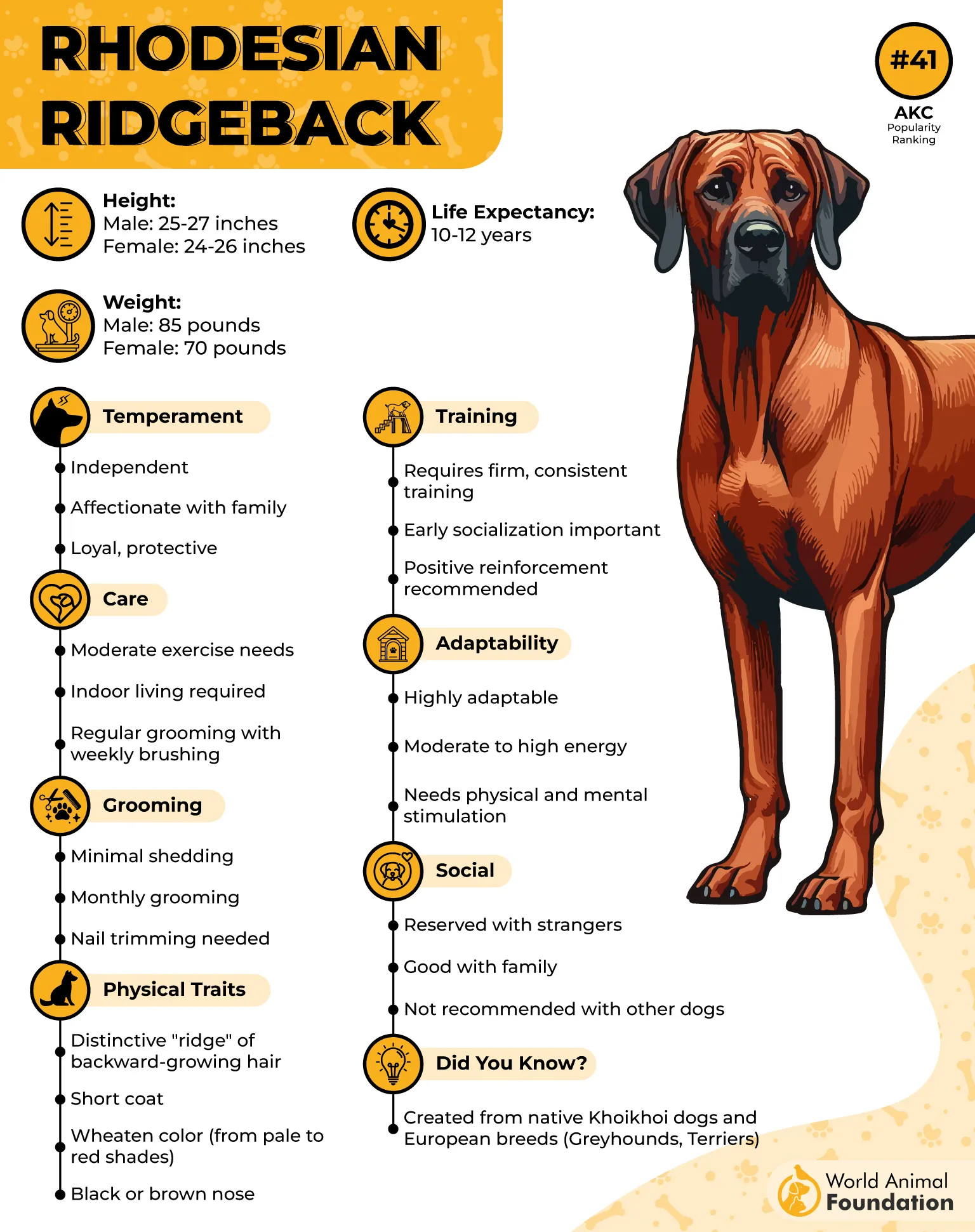
This athletic dog breed has boundless energy and excels in vigorous activities for 1-2 hours, making this canine companion ideal for active families. It loves hiking, extended fetch sessions, jogging, running, lure coursing, and long walks.
Conclusion
Every outdoor dog brings something unique to the trail. The Siberian Husky thrives in snowy landscapes while the Vizsla sticks close during long runs. The Australian Shepherd enjoys solving challenges, the German Shorthaired Pointer excels in versatile adventures, and the Border Collie turns every outing into a learning experience.
At the end of the day, the best adventure is not measured by the height of the mountain or the length of the trail. It is measured by the loyal companion walking beside you, happily wagging its tail, reminding you that every journey becomes richer when shared.
