




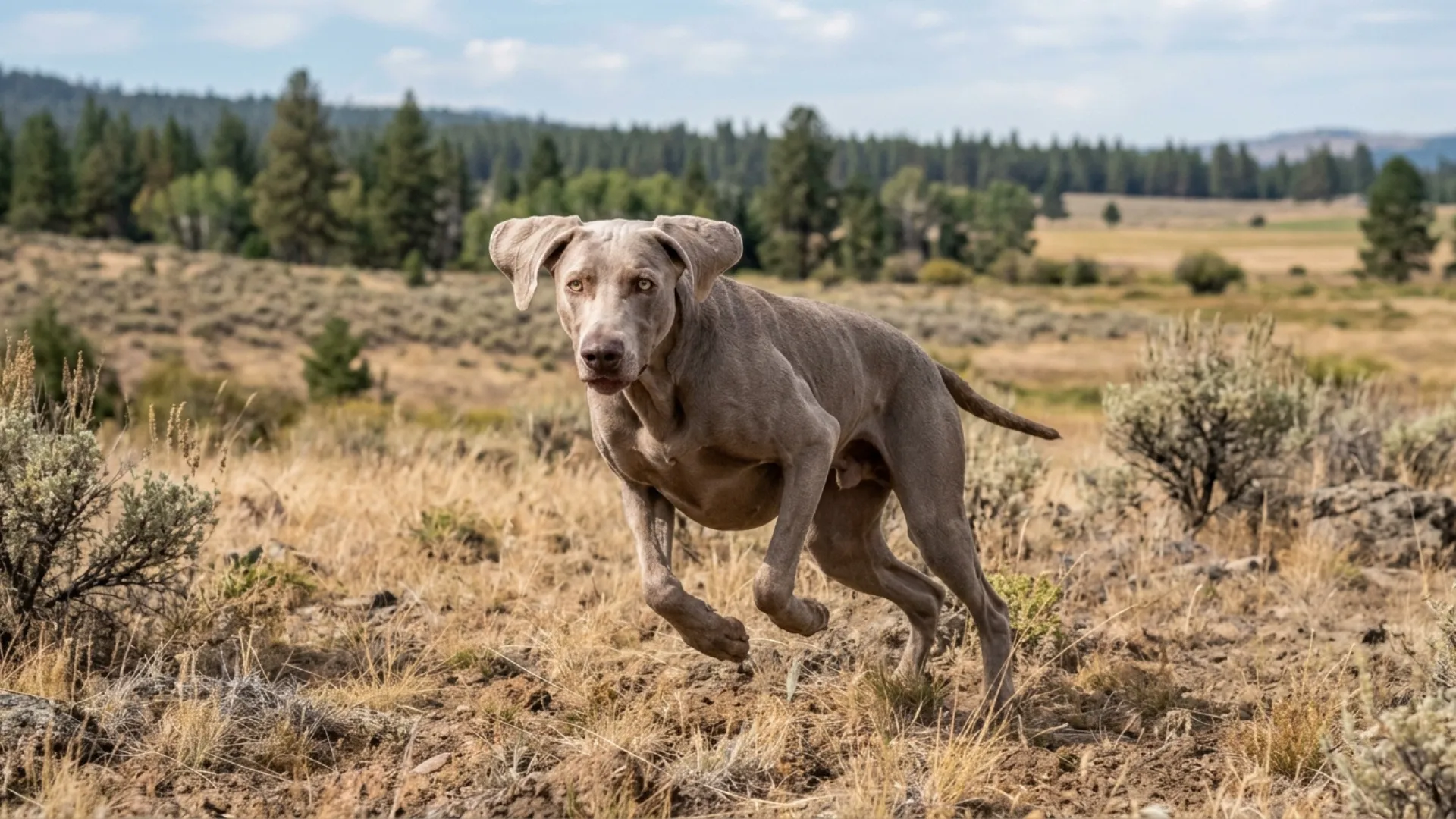
“Why did my dog suddenly take off after that squirrel?”
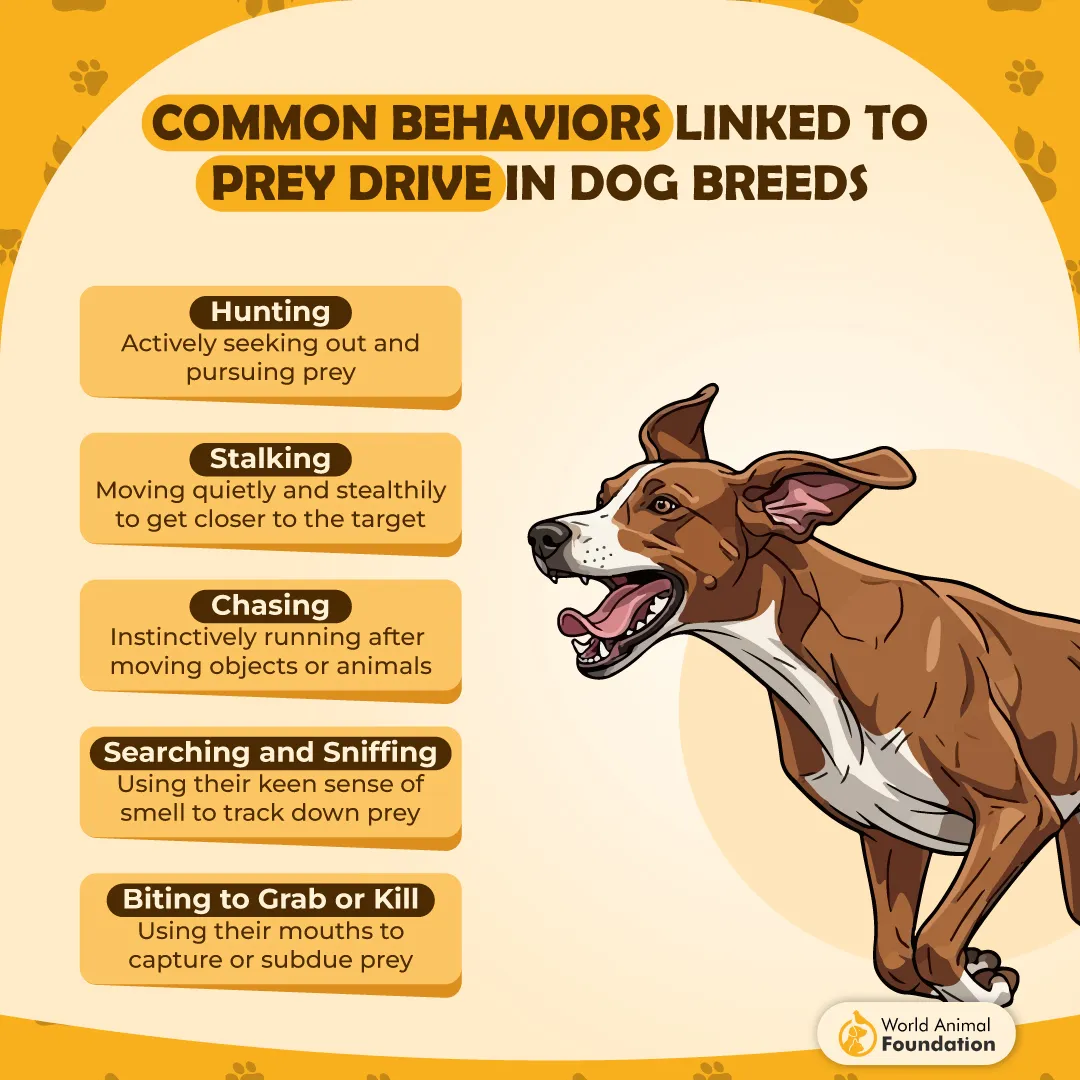
If you’ve ever asked yourself that question, you’ve witnessed prey drive in action. Prey drive is an instinct that comes from dogs’ wolf ancestors and was later strengthened through selective breeding. For generations, humans bred certain dogs to hunt, herd, track, or retrieve, making them quicker to notice and chase moving animals than others.
That doesn’t mean these dogs are aggressive or badly behaved.
In fact, many are loving family companions. They simply have instincts that tell them to lock onto movement and give chase.
Understanding why this happens can help you choose the right breed, protect small pets, and channel your dog’s energy into safe, rewarding activities instead of frustrating behavior.
Key Takeaways
Beagle & Jack Russell Terrier: Small in size but big on instinct, these breeds need daily exercise, training, and mental stimulation to manage their strong prey drive.
Rhodesian Ridgeback & Weimaraner: Athletic hunting dogs with powerful chase instincts that thrive with active owners, structured training, and secure outdoor spaces.
Saluki, Afghan Hound & Irish Setter: Fast, graceful breeds bred for pursuing game, they excel with plenty of exercise, safe off-leash areas, and positive, consistent training.
Dog Breeds Known for Their Strong Prey Drive
1. Beagle
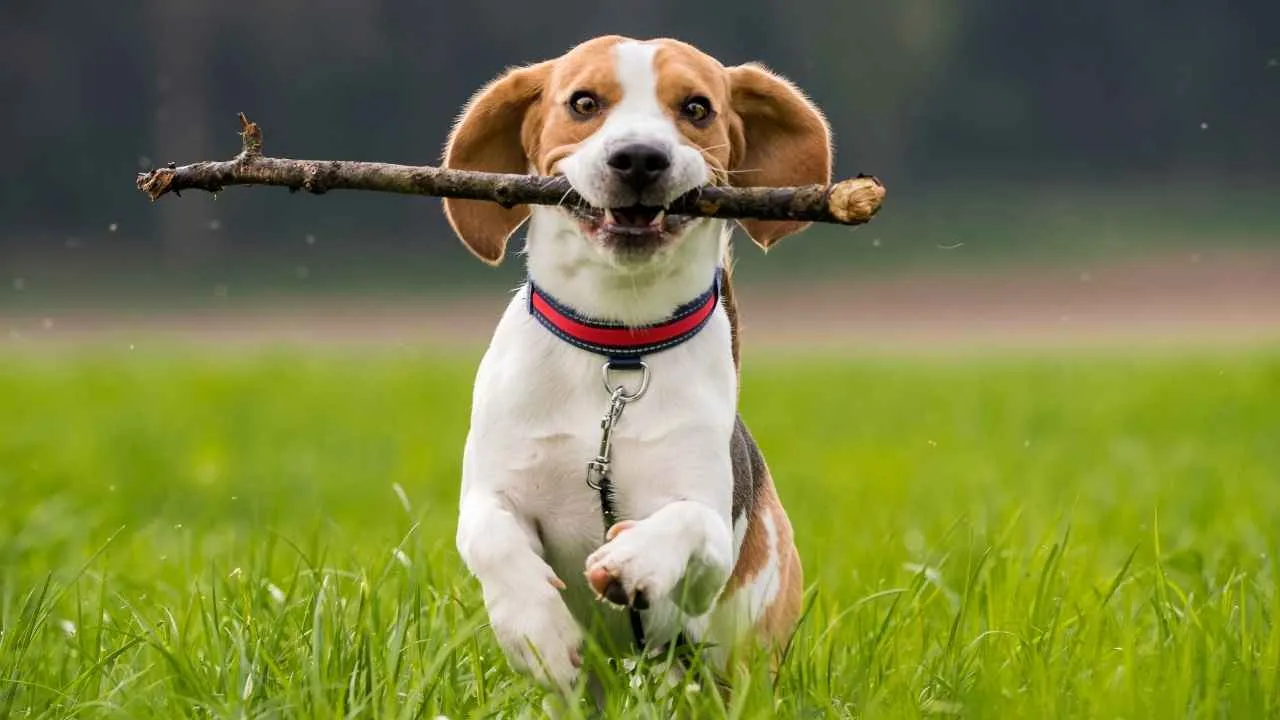
Beagles may look innocent, but their noses can take over the moment they catch an interesting trail. Bred as scent hounds, they are dogs with high prey drive and a natural urge to follow smells wherever they lead. That instinct can send them after rabbits, squirrels, or other small animals, so a leash and secure fencing are important, as per WebMD.
These dogs are also cheerful, affectionate, and eager to be part of family life. They do best with plenty of exercise, play, and mental challenges to keep their busy minds occupied. A consistent routine and positive reinforcement help them stay focused, especially in homes where wildlife or tempting scents are nearby during daily walks outside.
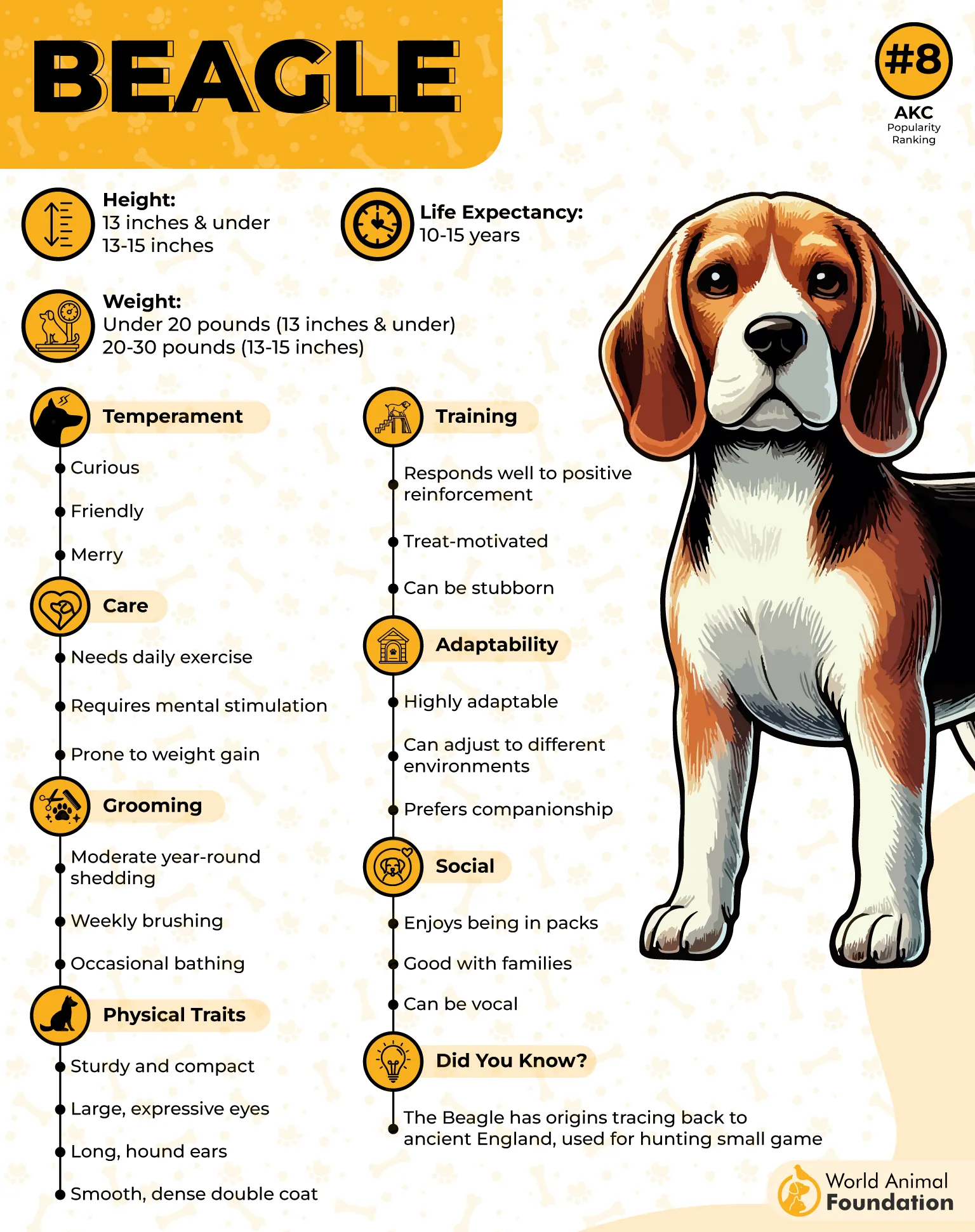
Their powerful sense of smell drives much of their behavior.
They may ignore commands when a scent becomes irresistible.
Daily walks and games help reduce boredom and restlessness.
Without enough stimulation, they can become noisy or destructive.
Early training makes it easier to manage their chasing instincts.
2. Jack Russell Terrier
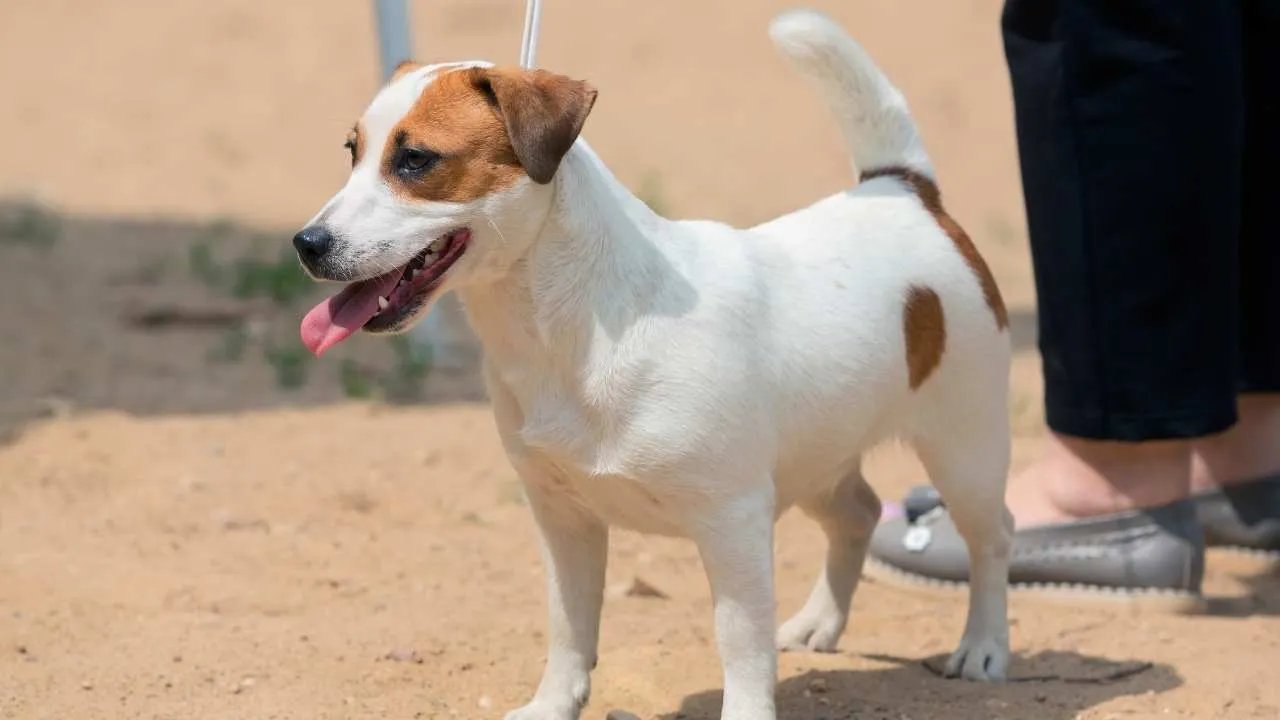
If you think a small dog means a quiet life, a Jack Russell Terrier will happily prove you wrong. Originally bred to hunt foxes, this fearless little athlete has a remarkably high prey drive and endless energy packed into a compact body.
Quick, clever, and always ready for action, Jack Russells love having a job to do. Without enough physical activity and mental stimulation, they’ll happily invent their own entertainment—and you might not appreciate their ideas.
They can be wonderful companions for active families, but their high prey instincts mean homes with cats or other small pets require careful introductions, early socialization, and consistent training. Positive reinforcement works best with this intelligent breed, helping channel its determination into good habits rather than mischief.
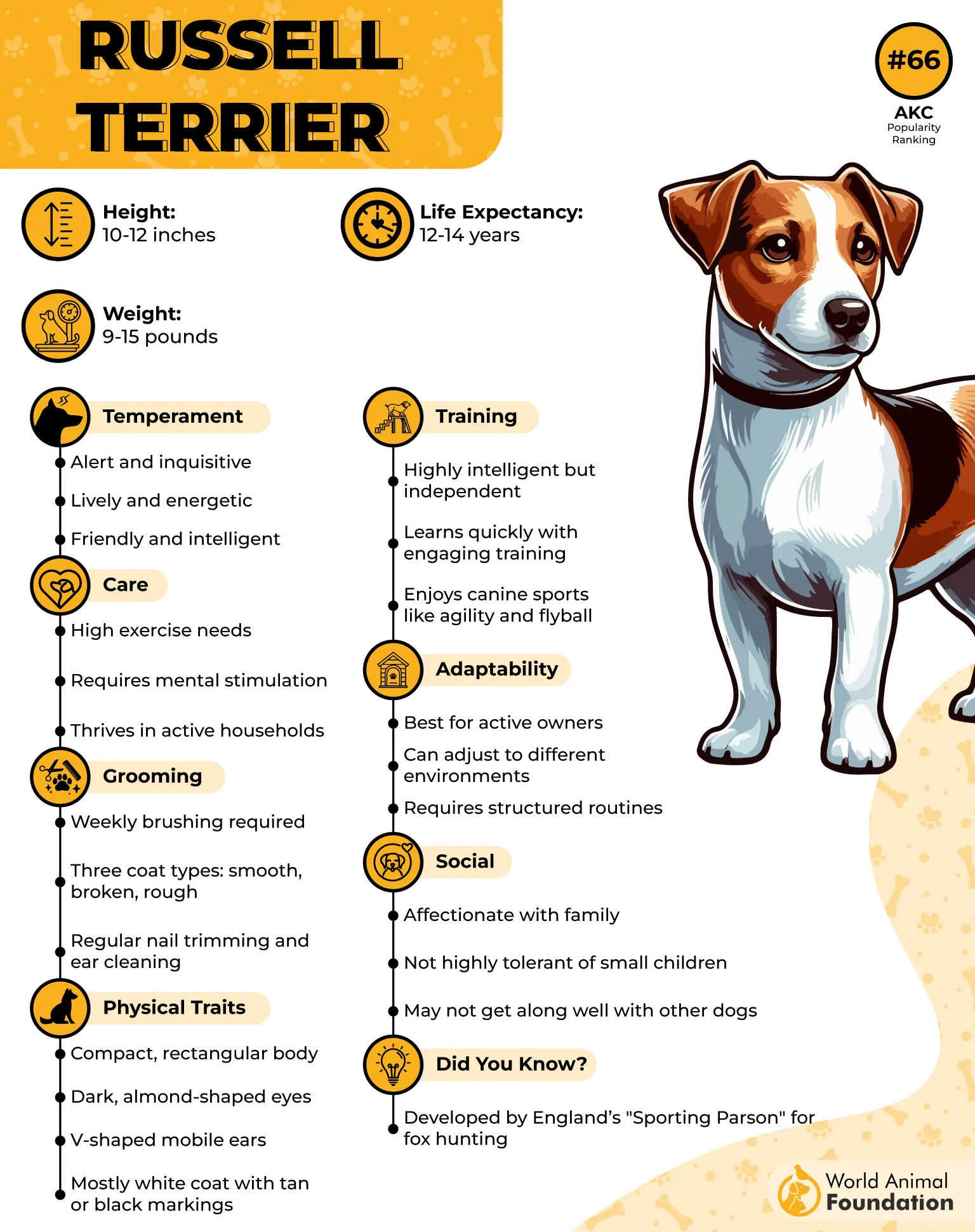
Needs around 90 minutes of vigorous daily exercise.
Excels at agility, flyball, rally, and other dog sports.
Famous for jumping surprisingly high and digging escape tunnels.
Learns quickly but needs firm, consistent boundaries from an early age.
Best suited to active pet owners who can match its nonstop enthusiasm.
3. Rhodesian Ridgeback
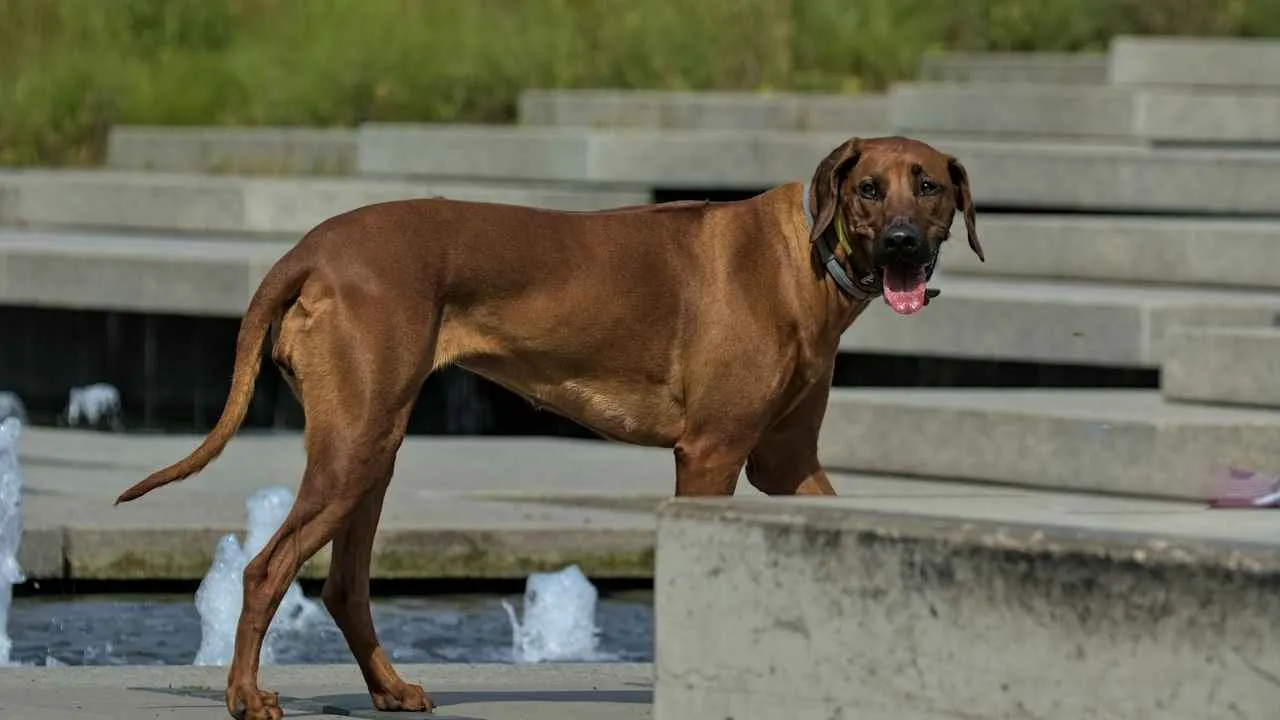
Not every dog with a high prey drive is constantly bouncing off the walls. The Rhodesian Ridgeback is a perfect example. Originally lion hunters in South Africa, these powerful hounds were bred to track and corner dangerous game with courage and remarkable endurance, as per Purina.
Today, they’re calm, loyal family companions, but that instinct to chase moving animals still runs deep. Their independent nature means they’re happiest with experienced owners who understand the value of structured training and secure outdoor spaces.
Despite their imposing size, Ridgebacks are affectionate with their families and often gentle with children. However, because of their high prey drive, off-leash adventures should only happen inside a fully fenced area where they can’t pursue wildlife or other small animals.
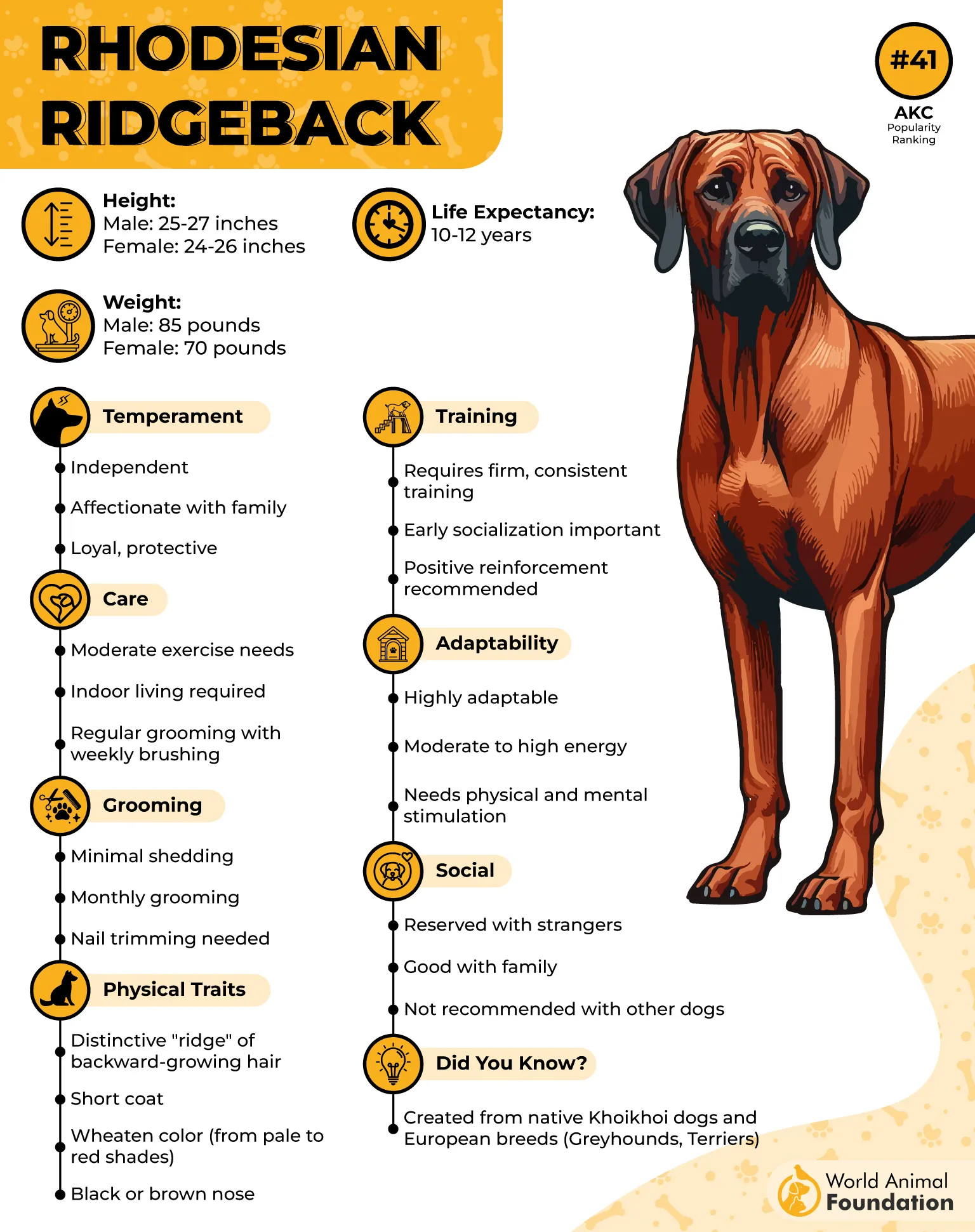
Instinctively tracks and chases fast-moving animals.
Combines quiet confidence with strong protective tendencies.
Needs vigorous daily exercise, such as running or long hikes.
Independent thinker that responds best to patient, consistent handling.
Recognizable by the distinctive ridge of backward-growing hair along its back.
4. Weimaraner
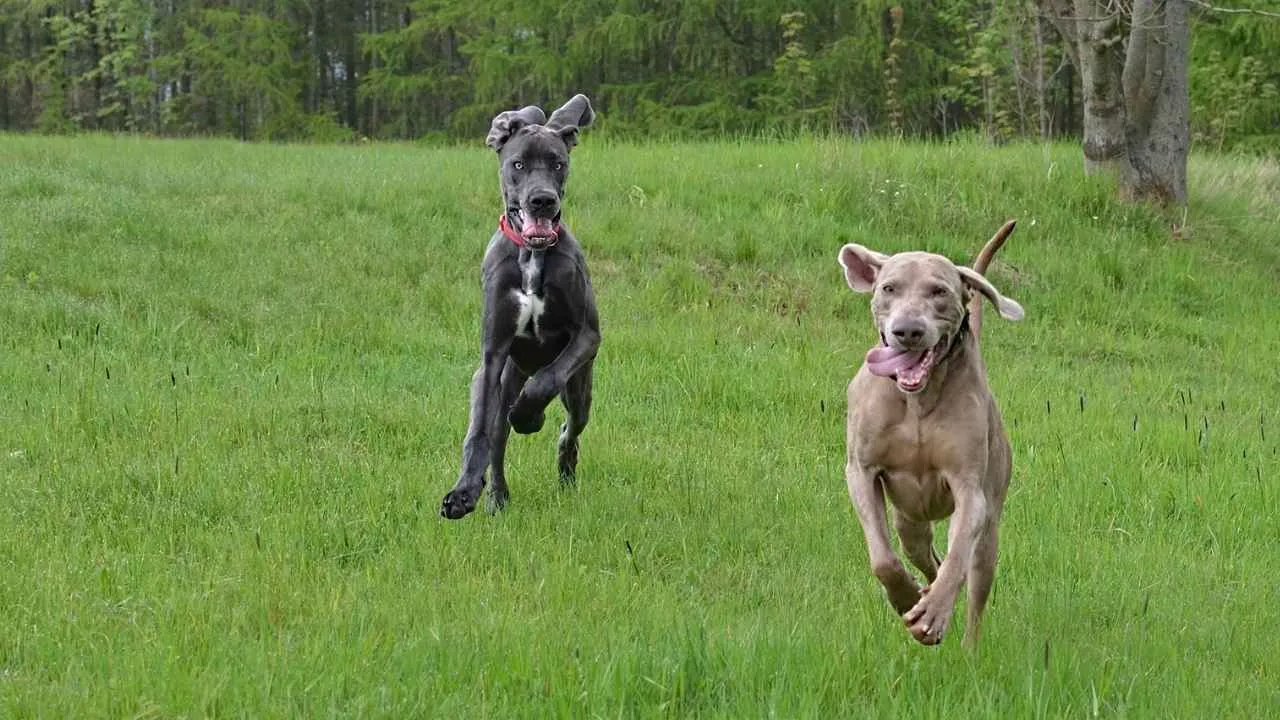
Built for speed and endurance, the Weimaraner is the kind of dog that loves having a mission. Originally bred to track large game before later hunting birds, this athletic breed has a naturally high prey drive and an instinct to pursue anything that catches its attention.
Whether it’s a rabbit darting across a trail or an unfamiliar scent drifting through the air, a Weimaraner is always ready to investigate. Their intelligence makes them highly trainable, but they also need an active lifestyle to stay balanced and fulfilled.
These loyal companions thrive with owners who enjoy outdoor adventures and can provide plenty of exercise, mental stimulation, and consistent guidance. With the right routine, they become affectionate family dogs while keeping their hunting instincts under control.
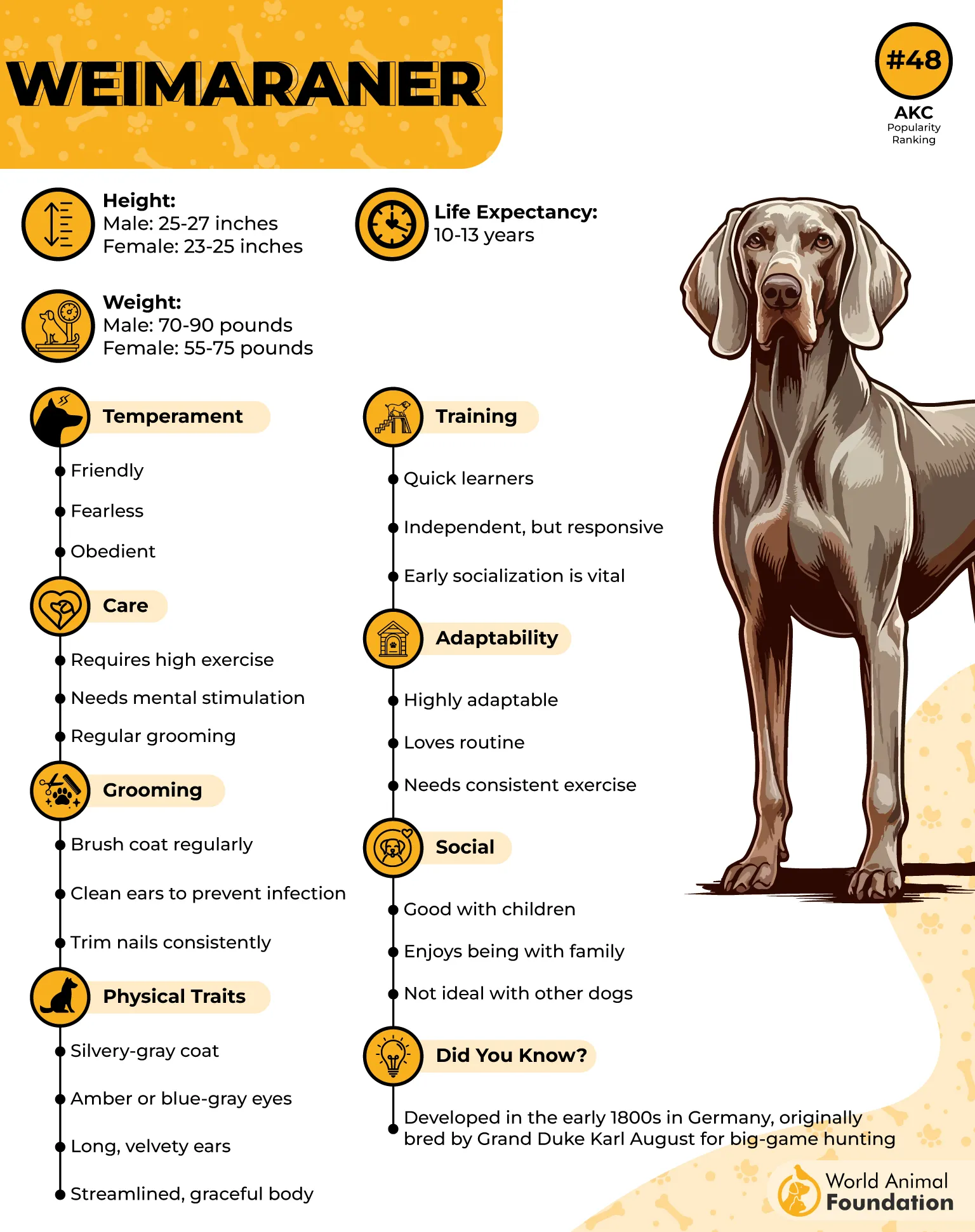
Excels in tracking, scent work, and other instinct-based activities.
Highly alert and quick to react to fast-moving animals.
Requires vigorous daily exercise to prevent boredom.
Positive reinforcement produces the best training results.
Secure leashes and fenced-in yards help manage their urge to chase wildlife.
5. Saluki
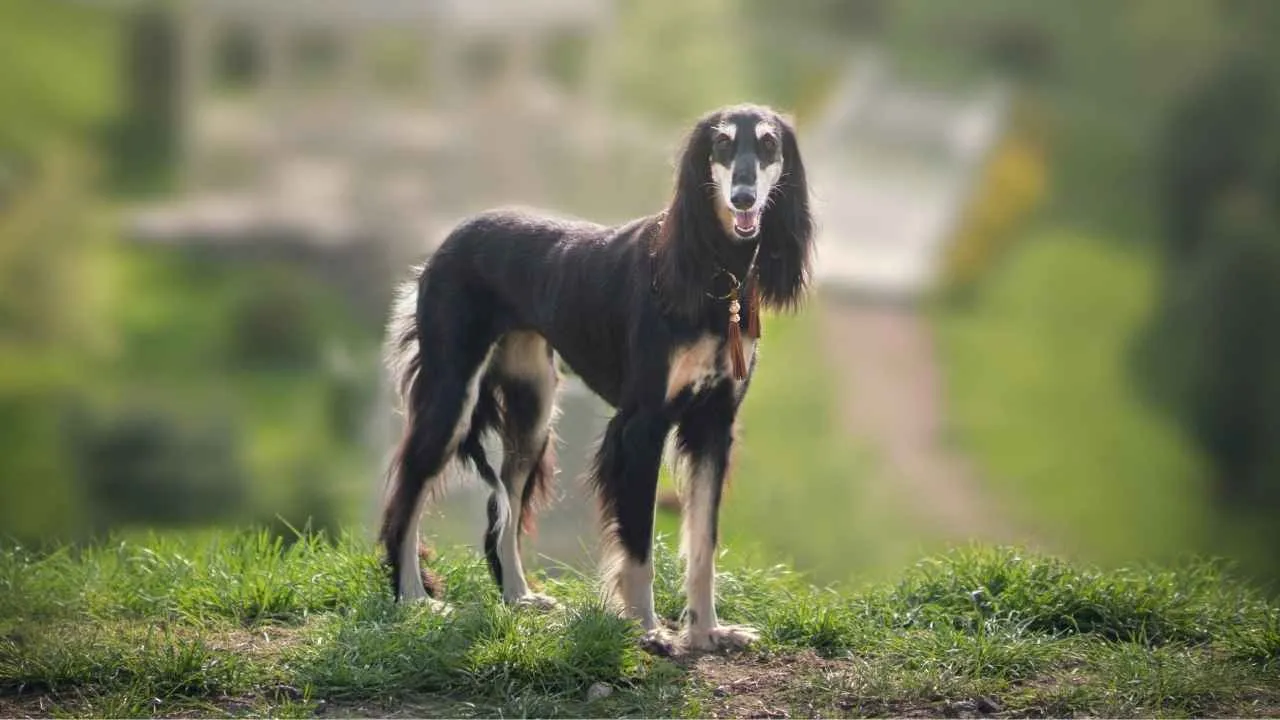
Graceful, elegant, and unbelievably fast, the Saluki is an ancient sighthound that hunts with exceptional eyesight and blistering speed.
Once favored by royalty for chasing swift game across open deserts, Salukis still have a powerful prey drive that can send them sprinting after anything that suddenly moves. Despite their athletic ability, they’re surprisingly gentle and calm indoors, forming quiet but devoted bonds with their families.
Because of their independent nature, training requires patience rather than force. They thrive with owners who appreciate both their athleticism and their dignified personality while providing safe places to run without risking an unexpected chase.
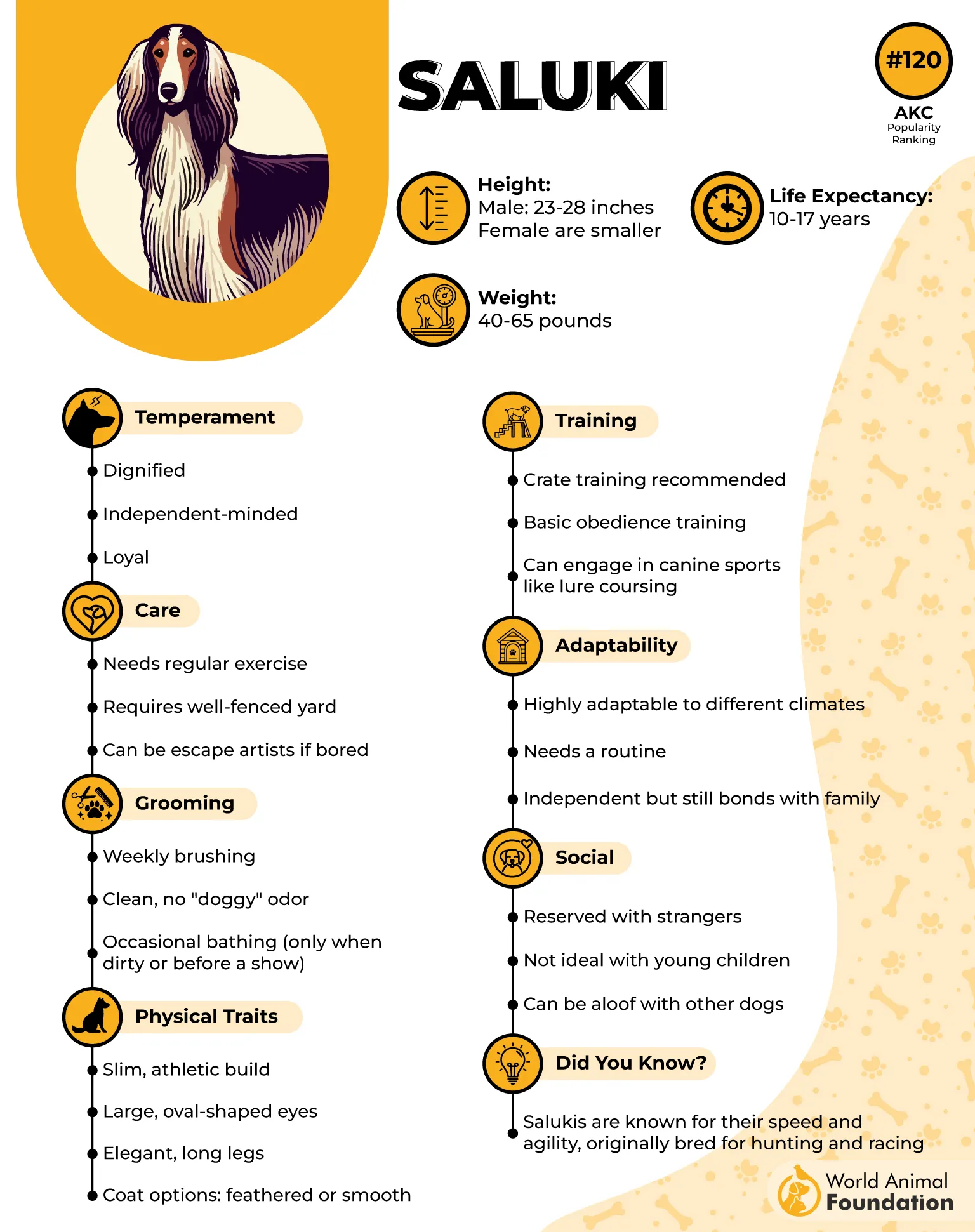
Uses keen vision rather than scent to spot moving prey.
One of the fastest dog breeds, built for explosive speed.
Needs daily exercise and secure, high-quality fencing.
Excels at lure coursing, agility, and other running sports.
Responds best to calm, positive, and consistent training from an early age.
6. Afghan Hound
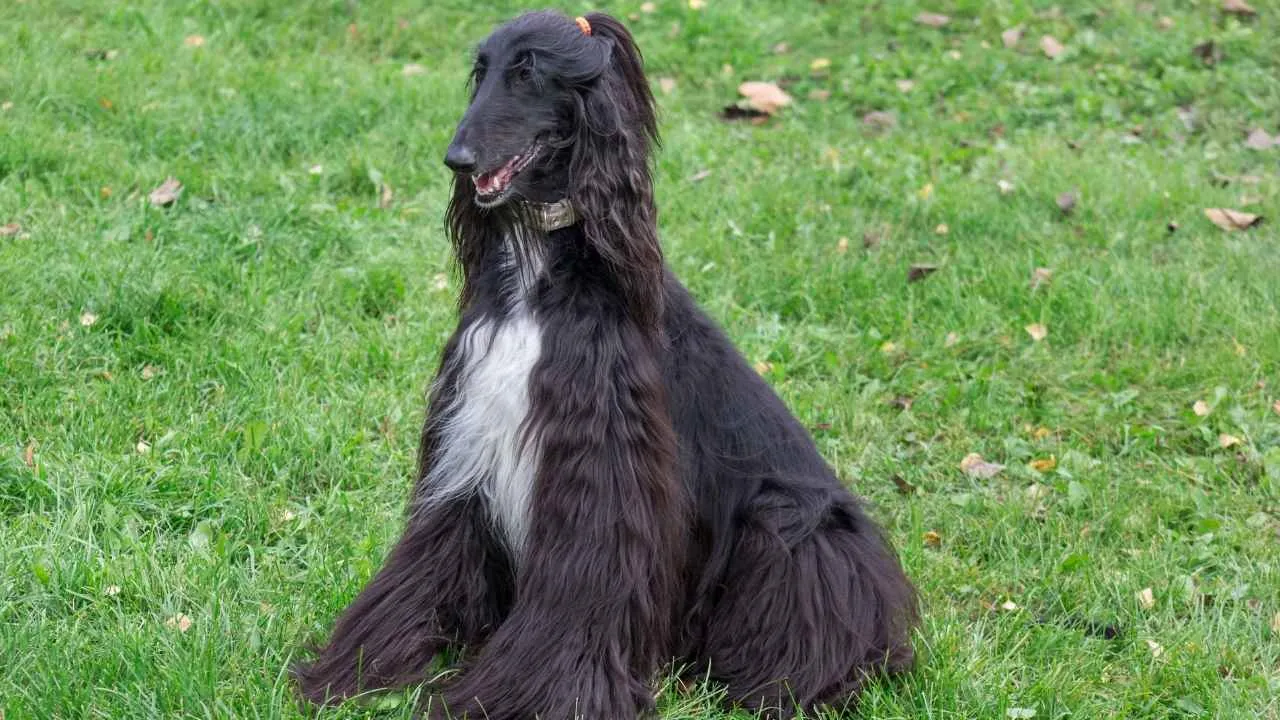
With its flowing coat and graceful stride, the Afghan Hound might look like it belongs on a fashion runway, but don’t let that elegance fool you. Beneath the glamorous appearance is an ancient sighthound with an exceptionally high prey drive.
Bred to hunt using keen eyesight rather than scent, Afghan Hounds instinctively lock onto moving animals and can accelerate with incredible speed. Once they spot something worth chasing, their independent nature often takes over, making reliable recall a real challenge.
At home, they’re affectionate with their families and surprisingly calm after enough exercise. However, their natural hunting instincts mean they should only run off leash in securely enclosed areas where they can safely stretch their long legs.
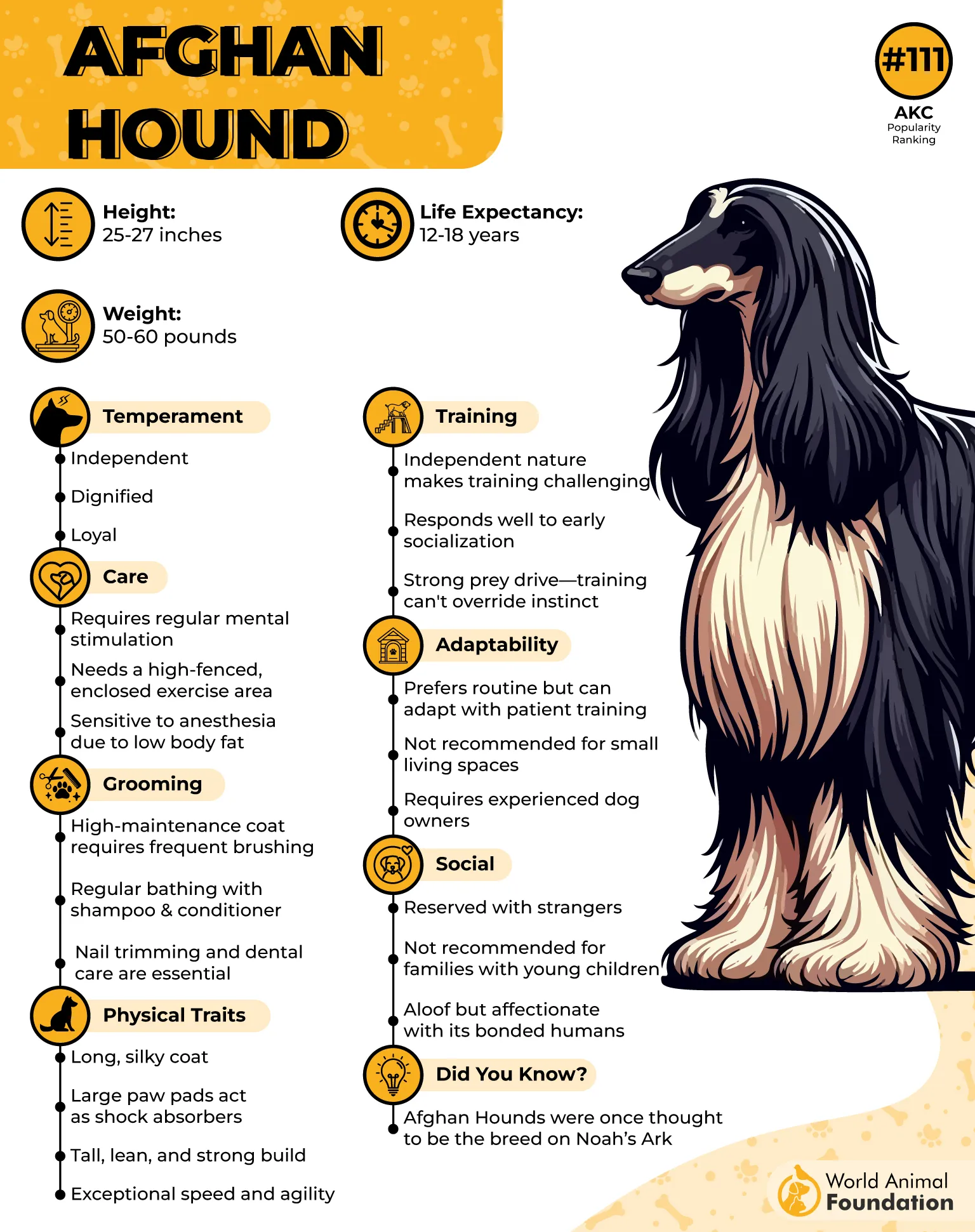
Hunts primarily by sight instead of following scents.
Lightning-fast sprinter with remarkable agility and endurance.
Independent personality requires patient, consistent training.
Reserved with strangers but deeply loyal to loved ones.
Needs secure spaces to run safely without chasing wildlife or other small prey.
7. Irish Setter
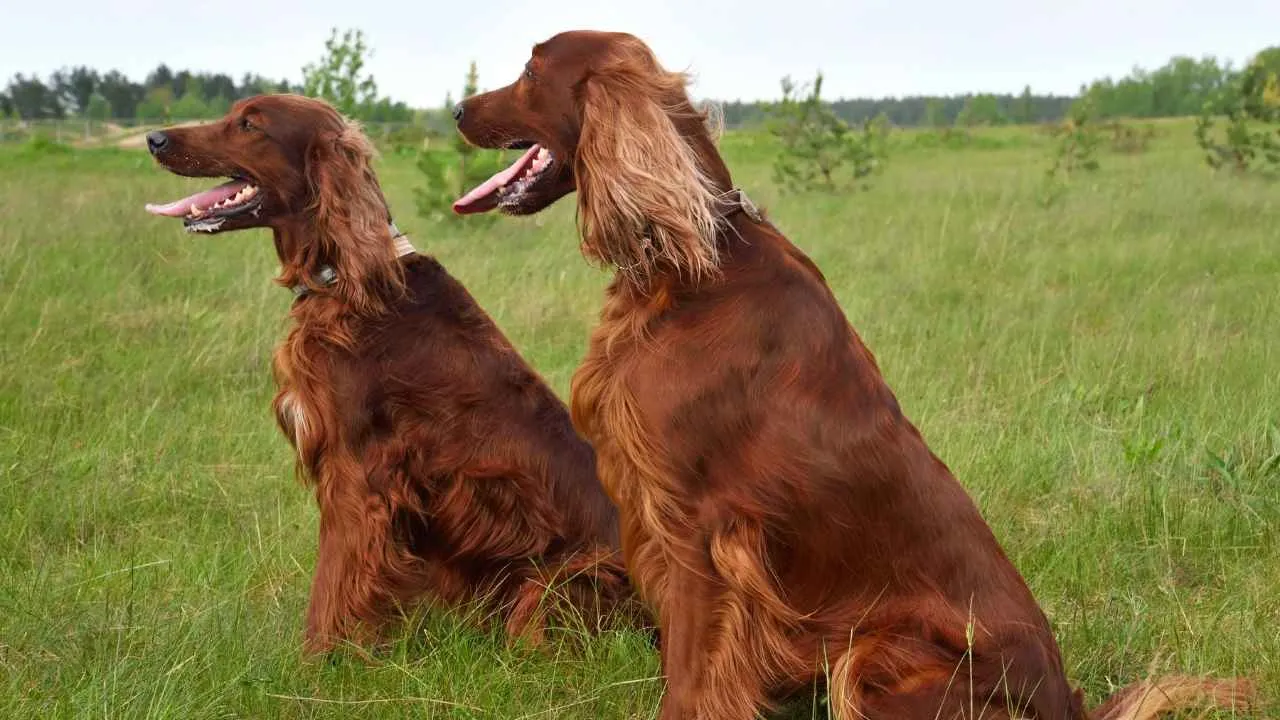
The Irish Setter is proof that a hunting dog can also be the life of the party. Famous for its stunning red coat and outgoing personality, this sporting breed was developed to locate and flush game birds across open fields.
That hunting background gives it a noticeably high prey drive, especially when birds or other fast-moving animals grab its attention. Unlike more independent hounds, Irish Setters are highly people-oriented and happiest when they’re included in every family adventure.
Their playful spirit lasts well into adulthood, so regular exercise and engaging activities are essential. When their energy has a healthy outlet, they become affectionate, social companions that get along well with children and many other pets after proper introductions, as per PetMD.
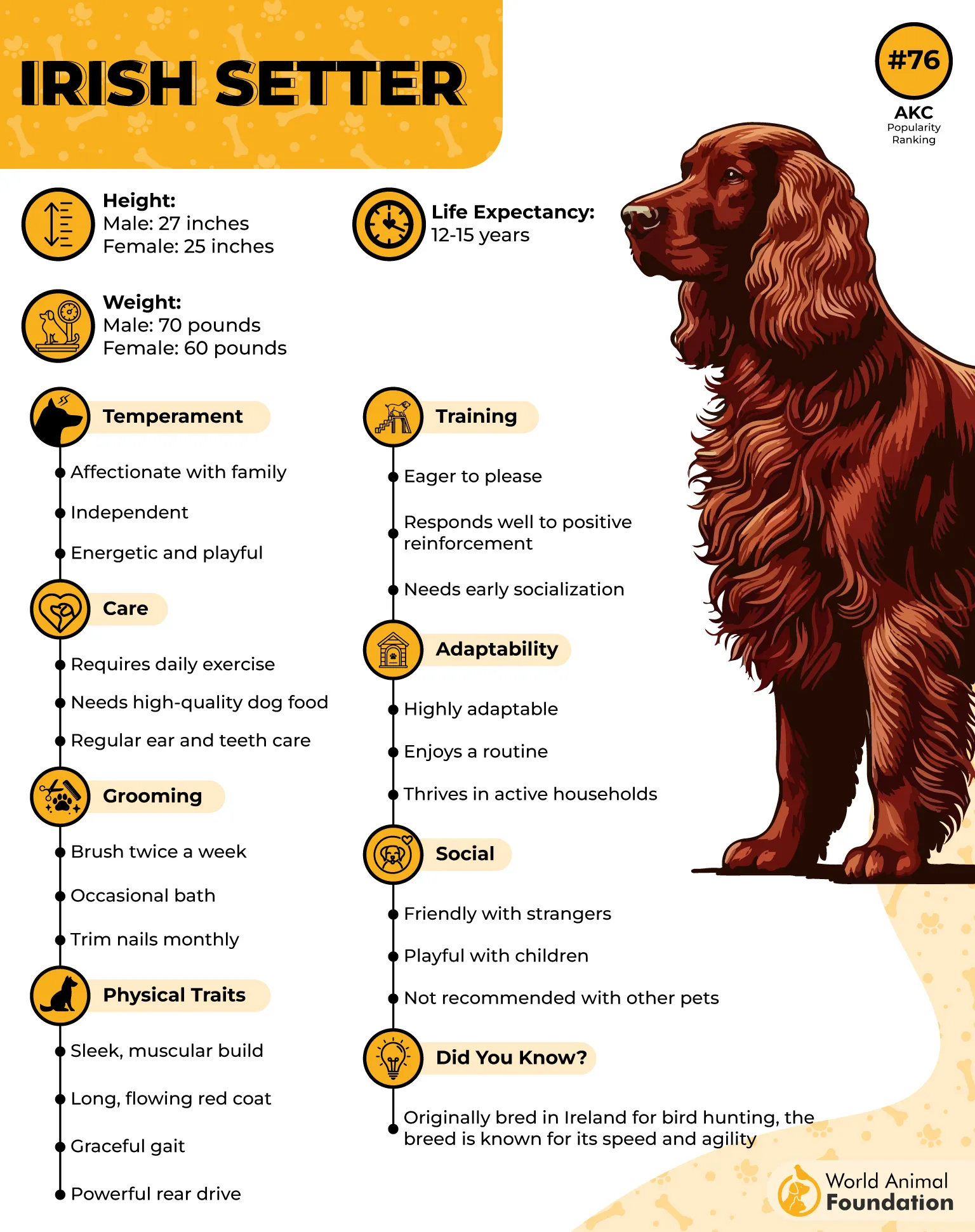
Bred to locate and flush birds for hunters.
Thrives with hiking, jogging, swimming, and outdoor games.
Learns quickly but responds best to fun, reward-based training.
May become destructive if left alone without enough activity.
Best suited to active families who can match its energetic lifestyle.
Conclusion
A strong prey drive isn’t something to fear—it’s simply part of what makes certain dog breeds unique. Whether they’re following a scent, spotting movement from a distance, or chasing with incredible speed, these instincts reflect the jobs they were originally bred to do.
With early training, plenty of mental stimulation, regular exercise, and safe management, dogs with high prey drive can become loyal, well-balanced companions. Before bringing one home, take an honest look at your lifestyle, other pets, and activity level.
Choosing a breed whose instincts match your daily routine is one of the best ways to build a happy, rewarding relationship that lasts for years.
