




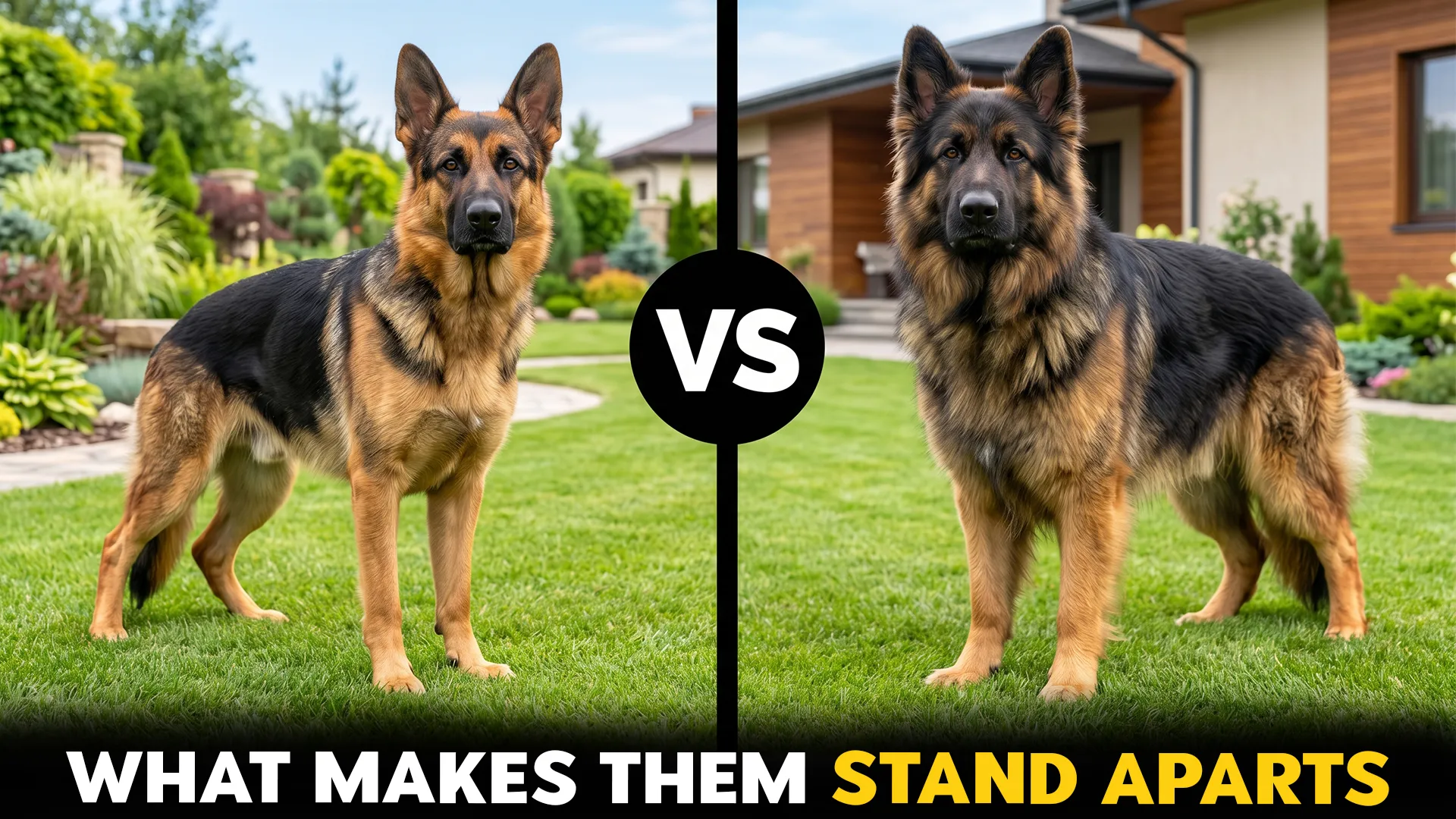
Two dogs. Same working roots. Completely different animals in practice.
One is a compact, sharp, and battle-tested machine that has spent over a century proving itself in police departments, military units, and homes across the world. The other is a deliberate upgrade, larger in frame, calmer in nerves, and built for the kind of family environment where size and steadiness matter more than street-level aggression.
But the differences go far deeper than just body weight or breed origin. It comes down to temperament under pressure, health vulnerabilities, trainability ceiling, and the specific role each dog is actually bred to perform. Both are intelligent. Both are loyal. Both demand serious ownership. But they are not interchangeable, not even close.
Choosing the wrong one for your lifestyle is a mistake that affects you both for the next decade. Here, you will learn exactly what separates them.
Key Takeaways
Two shepherd-type dogs, one lineage of purpose-built working history, the other a modern attempt at a larger and calmer version.
German Shepherds carry the legacy of structured intelligence and sharp agility, while King Shepherds bring a heavier frame with a more composed temperament.
From exercise needs to training response, the contrast becomes clearer when you see how each handles daily life and routine.
Read through to understand which of these two fits better depending on space, energy, and lifestyle.
Unique Factors of German Shepherd vs King Shepherd Dog Breeds
Origins & Purpose
German Shepherd Origins & Early Purpose
German Shepherds began as practical farm and herding dogs in Germany, valued for helping people manage livestock and stay useful in daily rural work.
According to the Royal Kennel Club, in 1899, Captain Max von Stephanitz shaped these existing farm dogs into a structured breed, focusing on intelligence, control, and working ability rather than appearance.
By the early 1900s, the breed had already spread far beyond Germany, earning recognition from the American Kennel Club in 1908. During the World Wars, the name “German Shepherd” was often replaced with “Alsatian” in some regions, but the working identity of the breed stayed unchanged.
King Shepherd Origins & Modern Development
King Shepherds are a much newer direction in shepherd-type dogs, created in the United States during the 1990s to build a larger, more robust variation of the German Shepherd with fewer inherited health concerns. Early breeding efforts combined German Shepherd lines with Shiloh Shepherd influence to strengthen structure and temperament.
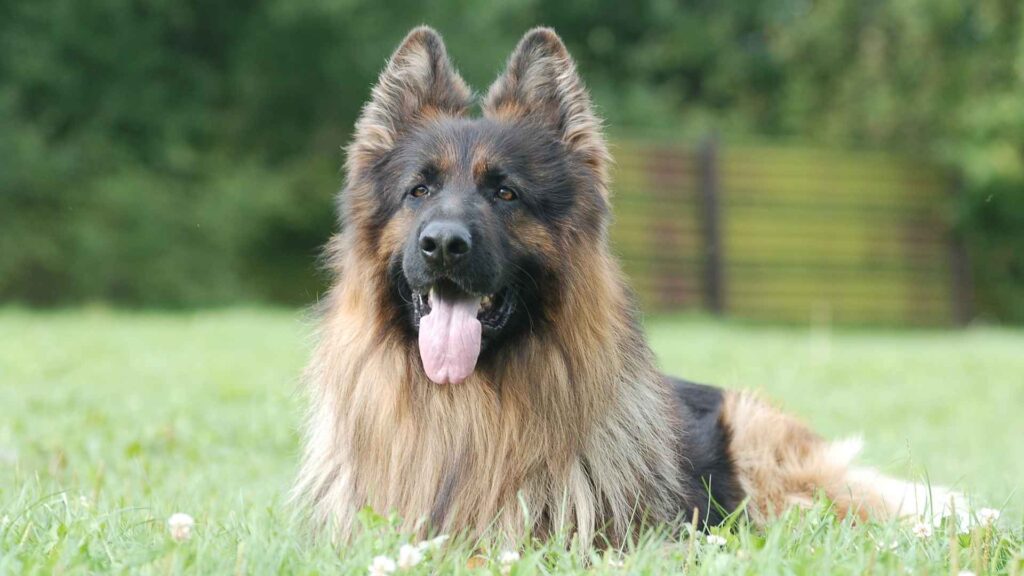
To refine appearance and improve genetic diversity, long-haired European German Shepherd lines were also introduced, shaping the breed’s fuller coat and more varied bloodline. While still not recognized by the AKC, the King Shepherd is acknowledged by several rare breed organizations, reflecting its status as a developing and less standardized type.
Size & Physical Build
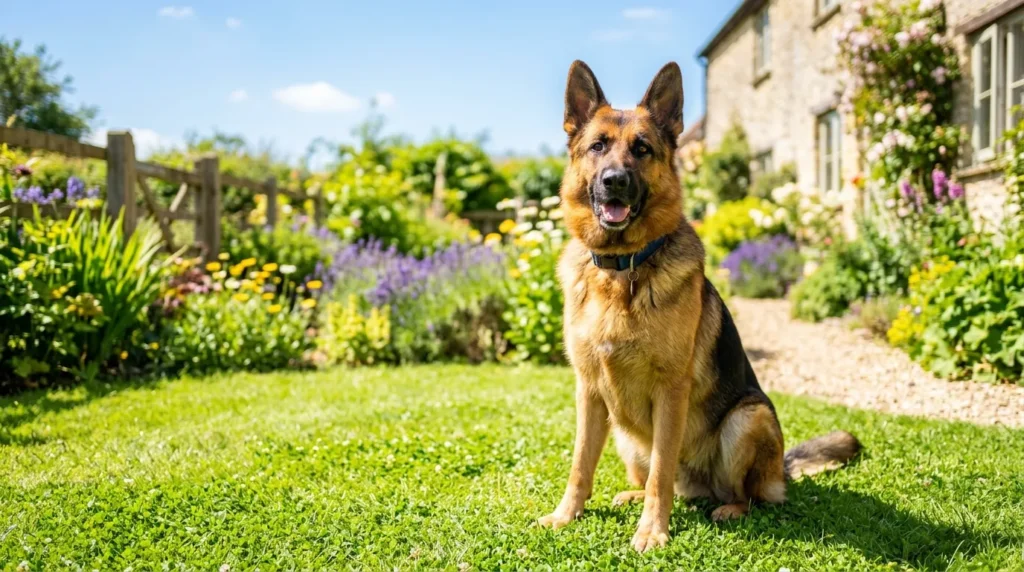
German Shepherd Size & Athletic Structure
German Shepherds typically stand around 22 to 26 inches tall and weigh between 50 and 90 pounds, depending on sex, giving them a large but still highly athletic frame, as mentioned by the AKC.
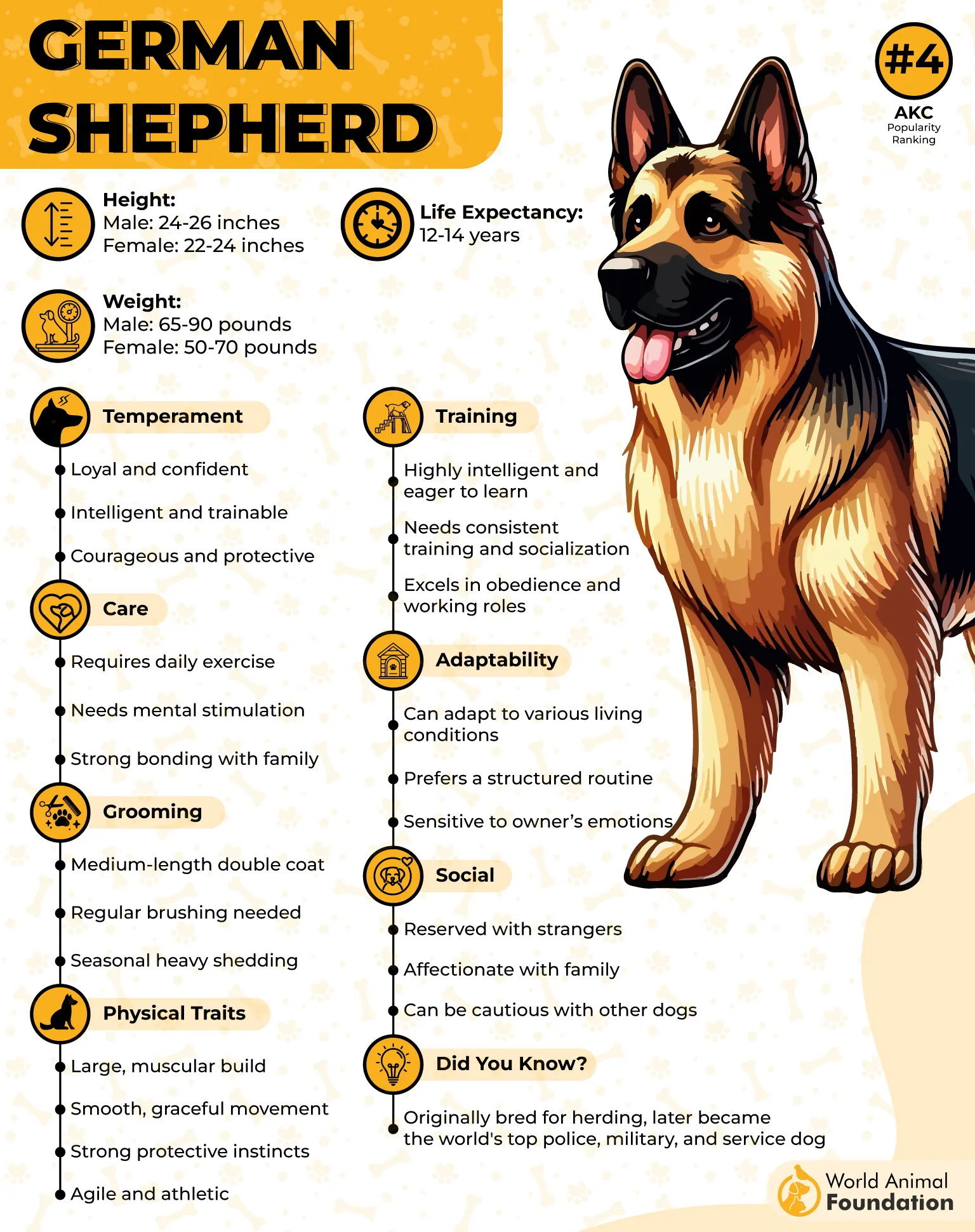
Their body is built with clear balance in mind, combining strength with flexibility rather than bulk, which supports smooth and efficient movement in working conditions.
Their structure shows a deep chest, long body line, and firm musculature that supports endurance-based activity. Even with their power, the overall build stays agile, allowing them to move with a controlled, flowing gait that reflects their role as a versatile working dog.
King Shepherd Size & Powerful Frame
King Shepherds are noticeably larger, standing around 25 to 31 inches tall and weighing between 75 and 150 pounds, depending on sex, giving them a much heavier and more commanding presence. Their frame is built for mass and strength, with a broad chest, long back, and strong bone structure that sets them apart visually from the German Shepherd.
The overall impression is more about size and substance than agility alone, with a denser, more imposing body style. While they still retain working ability, their physical build leans toward a sturdier, more powerful presence that feels closer to a heavy-duty working guardian.
Exercise & Energy Levels
German Shepherd Activity & Energy Needs
German Shepherds carry a naturally high energy level that needs regular physical outlets to stay balanced, both mentally and physically. Without enough movement or structured activity, they can easily become restless and start showing unwanted habits at home, especially during their earlier stages.
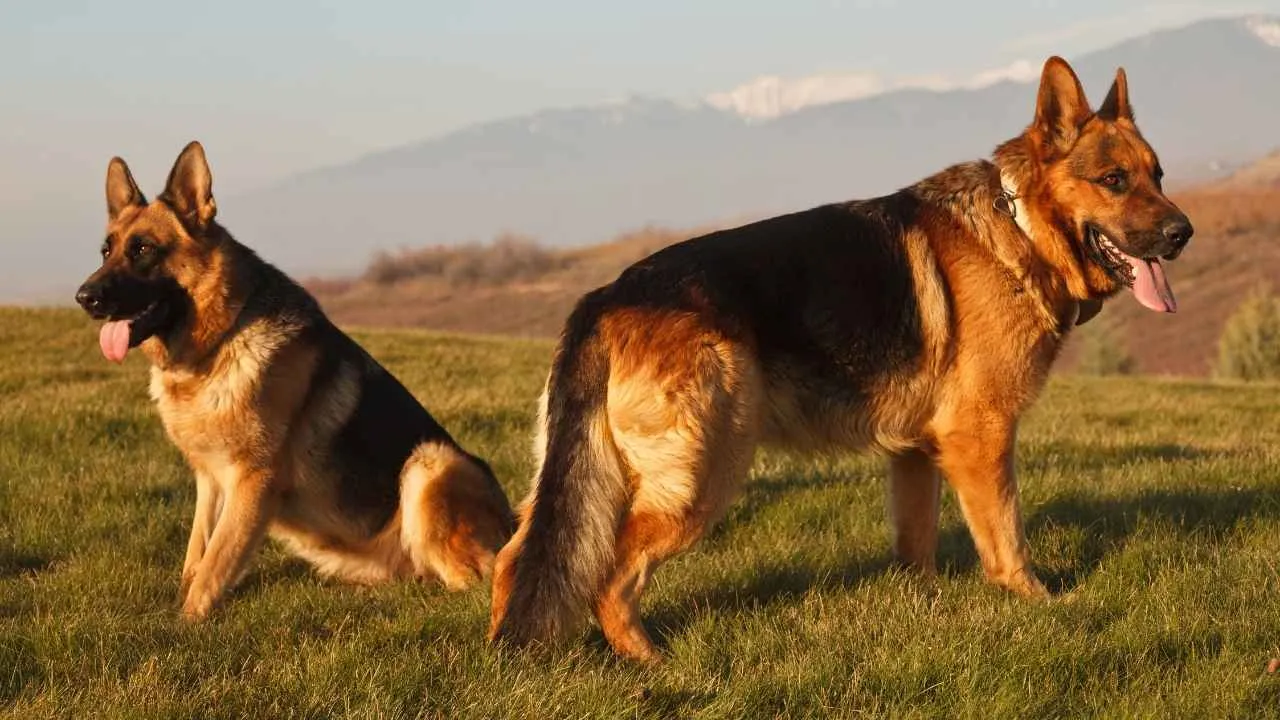
Even in daily life, this large dog does better with consistent walks, short play sessions in safe spaces, and controlled outdoor time rather than free roaming. Activities like agility, tracking, herding work, or dock diving suit their sharp focus and give them a productive way to use their energy instead of letting it build up indoors.
King Shepherd Activity & Stamina Level
King Shepherds push the energy requirement even further, needing long and steady exercise sessions every day, often around an hour or more, to stay settled. They are better suited to homes where space is available for running, exploring, and active play rather than confined living environments, as noted by CKCUSA.
Games like fetch, tug-of-war, or hide and seek help keep them engaged, but they also need mental stimulation alongside physical movement to avoid boredom setting in quickly. Without that balance, their energy can turn into restlessness, so consistent activity becomes a key part of managing their daily behavior.
Training & Intelligence
German Shepherd Training Mindset
German Shepherds respond best when training starts early and stays consistent, especially during puppyhood when structure and exposure shape their long-term behavior.
They pick up commands quickly, but what really defines them is how deeply they bond with their handler, which makes them more focused when they feel included in everyday family routines.
Their intelligence shows most clearly when training is structured and reward-based, where repetition and clarity bring out strong results. They are not the type of dogs that do well when left out of household life, since their confidence and behavior improve when they stay mentally engaged with people.
King Shepherd Learning Style
King Shepherds also show high intelligence, but their learning style feels a bit more relaxed and cooperative when compared to the sharper working intensity of German Shepherds. They tend to pick up basic obedience early in life, especially between 8 and 16 weeks, and respond well when obedience training stays steady and engaging over time.
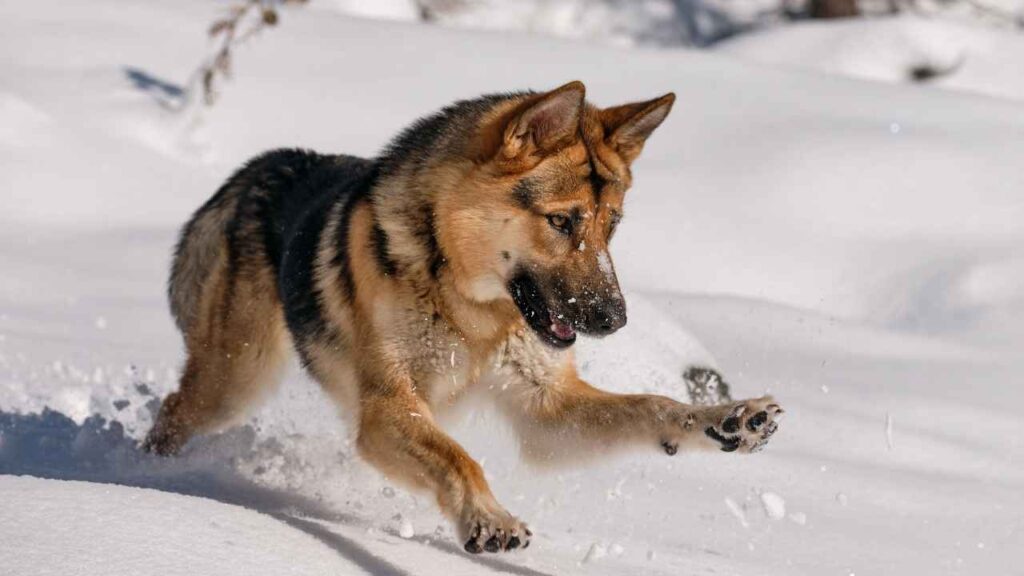
Social exposure from the start plays a big role in shaping their behavior, helping them stay calm and well-mannered around strangers and other animals. Their eagerness to please makes them easier to guide in everyday training, especially when consistency is maintained throughout their growth stages.
Health & Lifespan
German Shepherd: Strength with Known Health Watchpoints
German Shepherds typically live around 12 to 14 years and are widely considered a generally healthy breed when responsibly bred. Their long history of service roles has made health screening a key part of preservation rather than guesswork.
Hip and elbow structure is a major focus, along with neurological risks like degenerative myelopathy that breeders actively test for. They can also face bloat, a sudden stomach condition that can turn serious quickly if symptoms are missed.
Hip and elbow screening is standard in responsible breeding
Degenerative myelopathy risk requires careful lineage tracking
Bloat awareness is essential due to the rapid onset
Alongside these concerns, structured testing helps maintain working ability while reducing inherited risks across lines.
King Shepherd: Broader Genetics, Wider Health Considerations
King Shepherds tend to have a lifespan of about 10 to 14 years and benefit from a broader genetic mix, though they still share several large-breed health concerns. This mix can reduce some inherited issues, but does not remove the need for careful health planning.
Joint stress, thyroid imbalance, and clotting disorders are among the conditions seen in the breed. Eye-related issues and skin allergies also appear in some lines, especially in larger or rapidly growing individuals.
Hip and elbow dysplasia remain common concerns
Von Willebrand disease affects blood clotting ability
Hypothyroidism can impact metabolism and weight control
Even with genetic diversity, large-frame structure means long-term joint and organ care stays central to their well-being.
German Shepherd vs. King Shepherd Dog Suitability as Family Pets vs. Guard Dogs
German Shepherds usually bring a sharper, more reactive kind of awareness into a home. They stay tuned in to everything around them and often form a strong “this is my people” mindset with one household. That makes them naturally protective, but it also means they need steady direction so their alertness does not turn into an overreaction in everyday situations.
King Shepherds feel a bit more settled in comparison, with a calmer presence that is easier to live around in a busy home. They still notice strangers and will respond if something feels off, but their approach is more controlled and less intense. In a family setting, they tend to blend into the routine more smoothly, especially where there is space, consistency, and a quieter rhythm to daily life.
Conclusion
Selecting between these two dogs often comes down to lifestyle rather than appearance alone. One offers a traditional working background built around versatility and engagement, while the other brings additional size and a calmer presence. Though both belong to the shepherd breed category, their differences become clear in daily life.
Both require commitment, training, and regular activity to thrive. The difference lies in how that energy is expressed and how much space a household can provide. For the right owner, either can become a loyal companion. Early socialization remains important, particularly for those considering them instead of certain hybrid dogs.
