




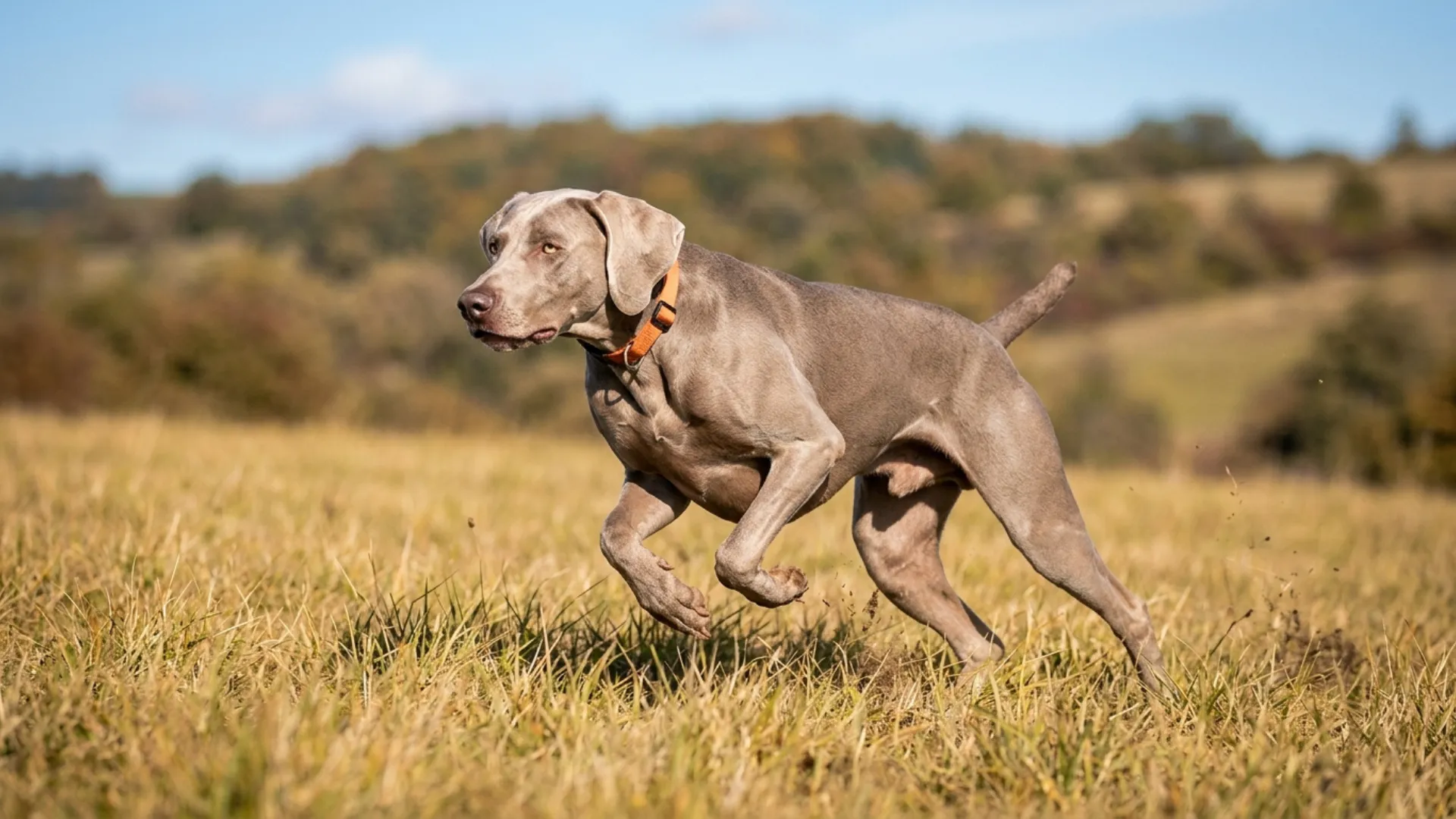
One of the most fascinating characteristics in the canine world is an intense prey drive: the innate instinct to spot, chase, pursue, and capture moving objects. This behavior traces directly back to dogs’ wild ancestors, and it remains a deeply rooted trait in many of our modern breeds.
A high prey drive isn’t a bad thing at all. In fact, it is the exact reason why certain breeds excel as outstanding hunters, herders, working dogs, and star athletes. However, owners must understand that these driven dogs require dedicated training, plenty of mental stimulation, and regular, structured exercise to channel that energy positively.
For centuries, various hunting, tracking, and herding dogs have relied on this powerful drive. Their intense focus on movement and unwavering determination have made them invaluable working companions throughout history.
If you want to understand how this instinct shapes a dog’s personality, these 7 breeds are the ultimate examples of high prey drive in action.
Best Dog Breeds Displaying a Robust Prey Drive
1. Bluetick Coonhound
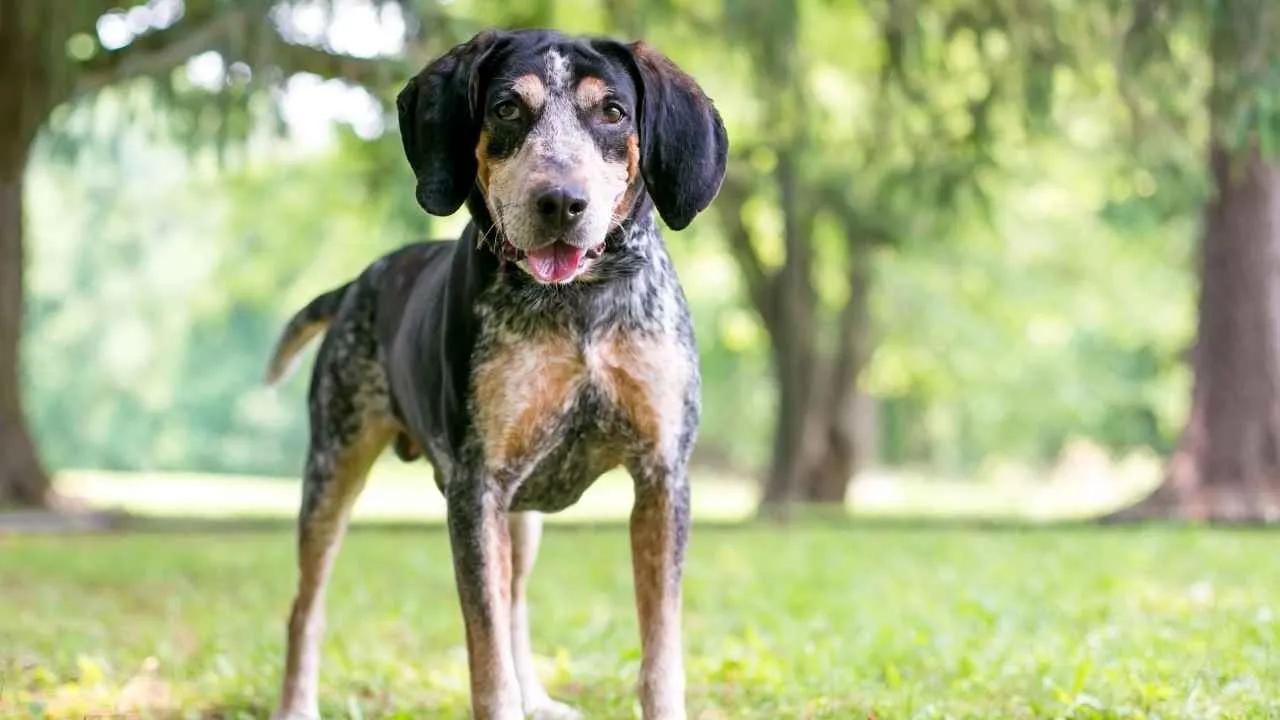
The Bluetick Coonhound is legendary for its unmatched tracking skills and relentless pursuit of scent trails. Developed in the United States to hunt raccoons and other fast-moving game, this breed stands out as one of the most capable and driven scenthounds in the canine world.
The key to the Bluetick’s success is its remarkable ability to lock onto a cold scent trail for extended periods without losing the track. Once it catches a scent, its focus is absolute. This unwavering tenacity has made the breed a favorite choice among hunters for generations.
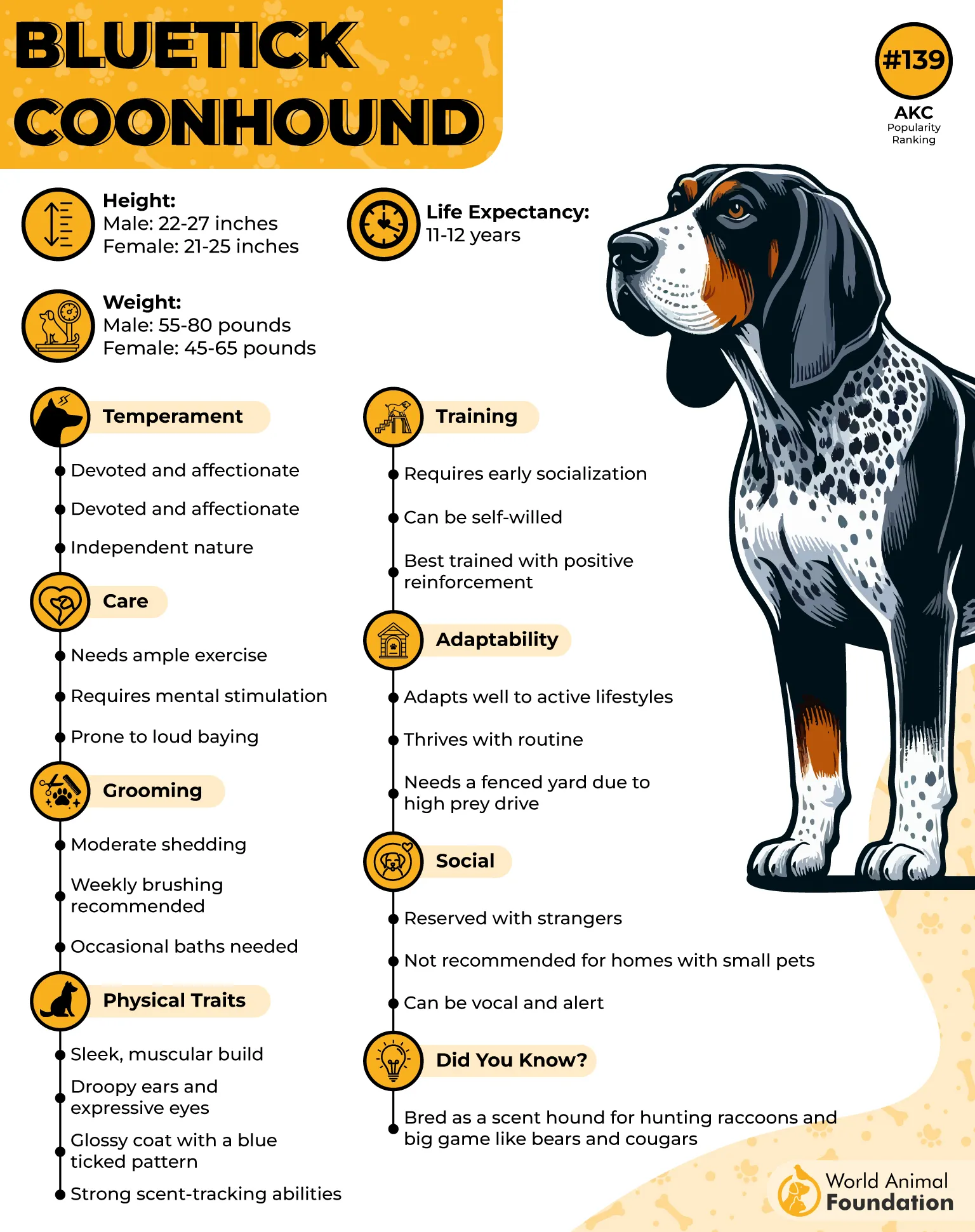
While they are hard-working athletes in the field, Bluetick Coonhounds are surprisingly sweet, gentle, and good-natured family dogs at home. They seamlessly balance a fierce working drive with a friendly, easygoing temperament.
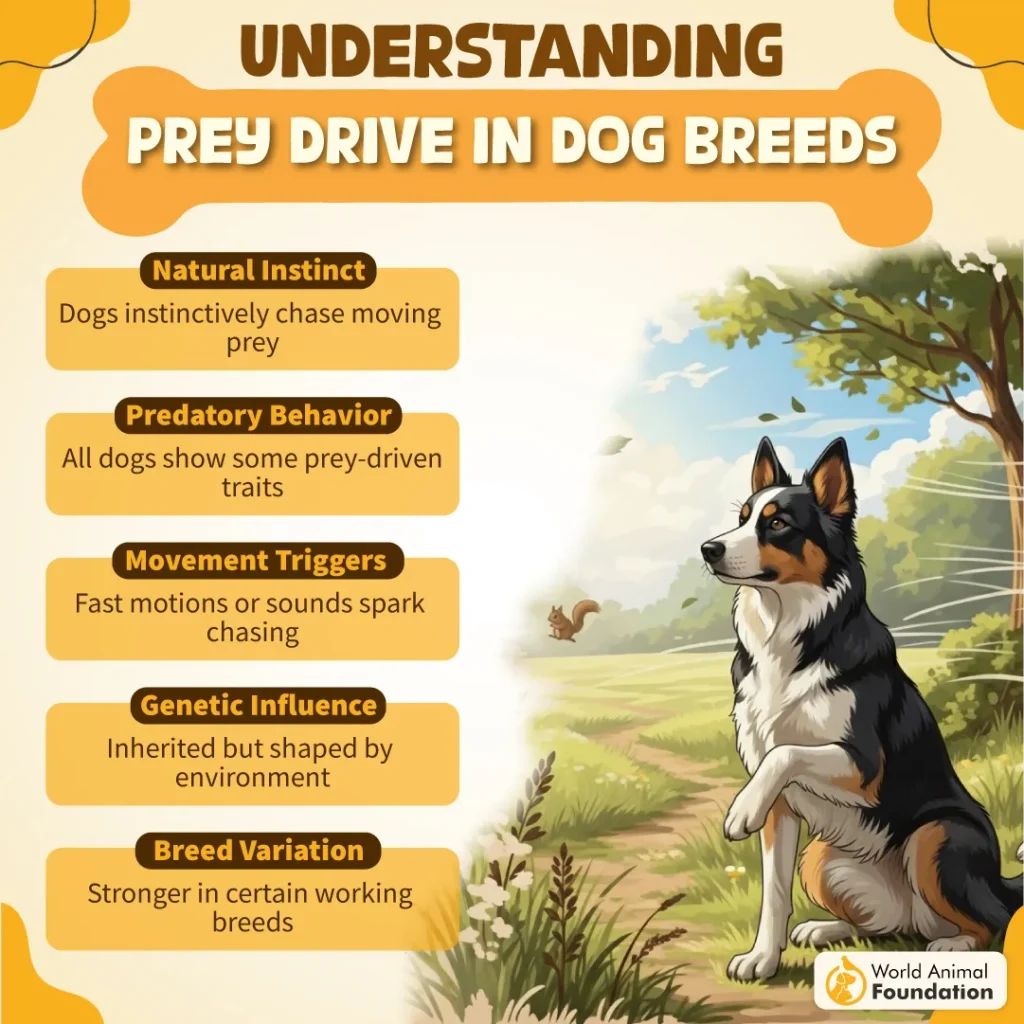
Because of their robust prey drive, owners should provide these hounds with long daily walks and implement early socialization. Teaching them these boundary skills early on is essential for helping them live safely and comfortably around smaller dogs and other family pets.
2. Rhodesian Ridgeback
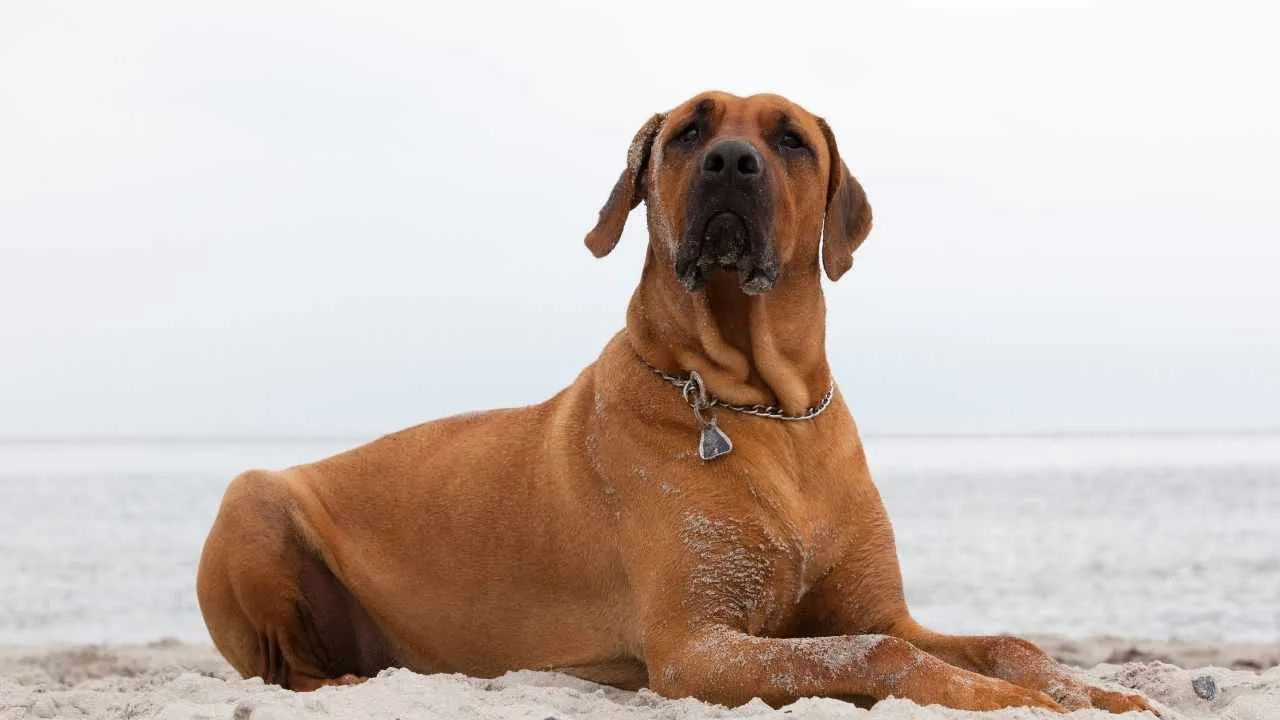
The history of the Rhodesian Ridgeback is a fascinating one, rooted in Southern Africa where they were originally bred to track and confront large game, including lions. Blessed with remarkable eyesight and athletic endurance, these dogs possess an innate instinct to chase and corner prey over vast distances.
According to the American Kennel Club, modern owners must be fully prepared to handle the breed’s strong prey drive and independent streak. Ridgebacks are renowned for their incredible stamina, allowing them to travel long distances while maintaining an absolute, unshakeable focus on a single target.
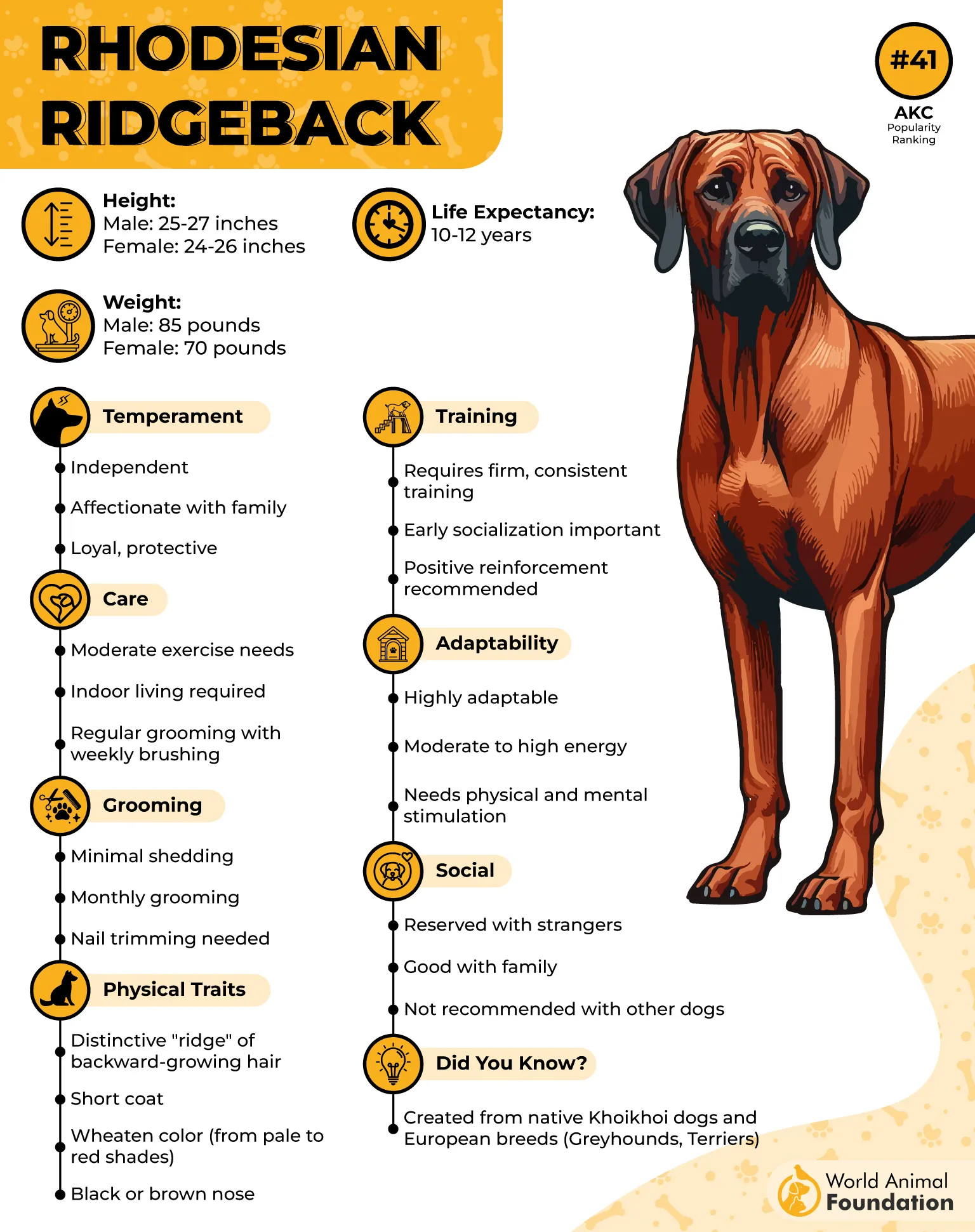
Fortunately, unlike many hunting breeds that struggle to settle down indoors, the domesticated Ridgeback is famous for its calm, gentle demeanor around the house. However, that tranquility can vanish in an instant; if they catch sight or scent of a fleeing animal, their hunting instincts kick in immediately.
Because they are highly intelligent and independent thinkers, Rhodesian Ridgebacks require consistent training and early socialization. Owners should always remember that this breed is a natural hunter at heart. If allowed to roam off-leash without proper boundaries, their deep-seated instinct can easily cause them to chase after smaller animals and neighborhood pets.
3. Weimaraner
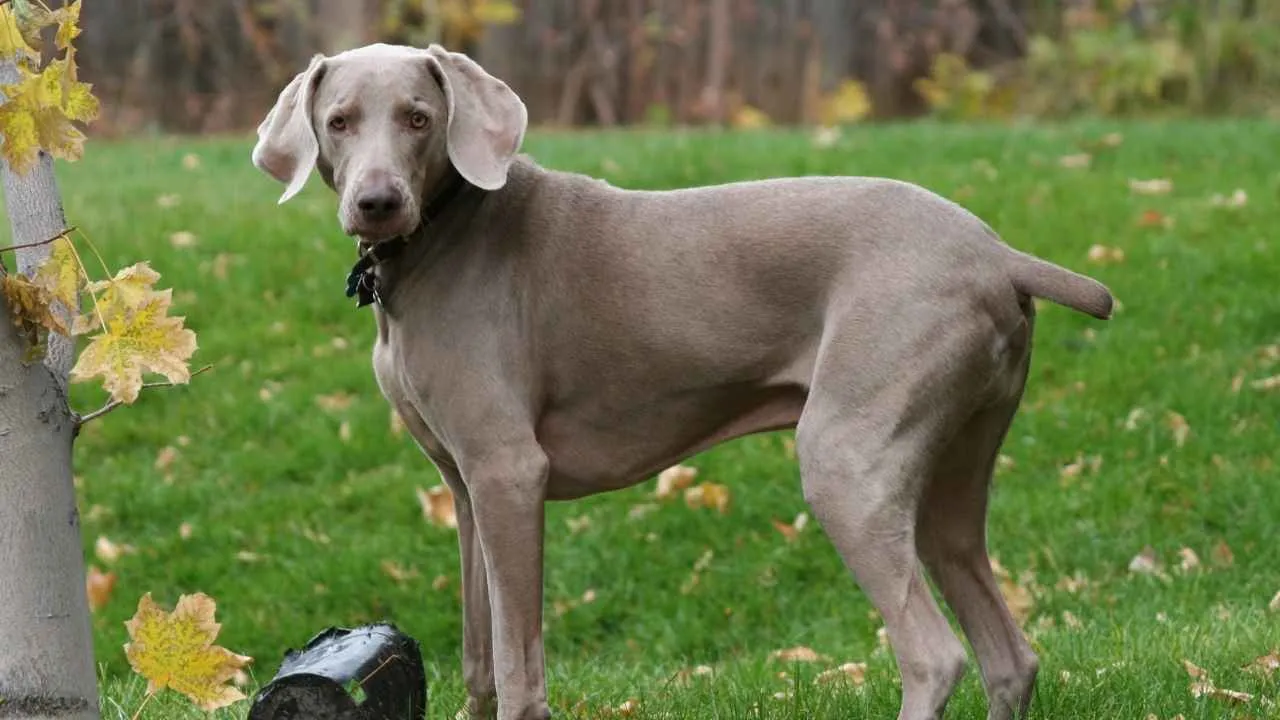
The Weimaraner, often called the “Gray Ghost,” was originally bred in Weimar, Germany, to hunt big game like deer, boar, and bear before later transitioning into a popular bird dog.
Thanks to this versatile hunting heritage, it comes as no surprise that this striking breed possesses an incredibly robust prey drive. Armed with elite athleticism and boundless stamina, Weimaraners are natural-born hunters that will instantly lock onto the scent or sight of any moving wildlife.
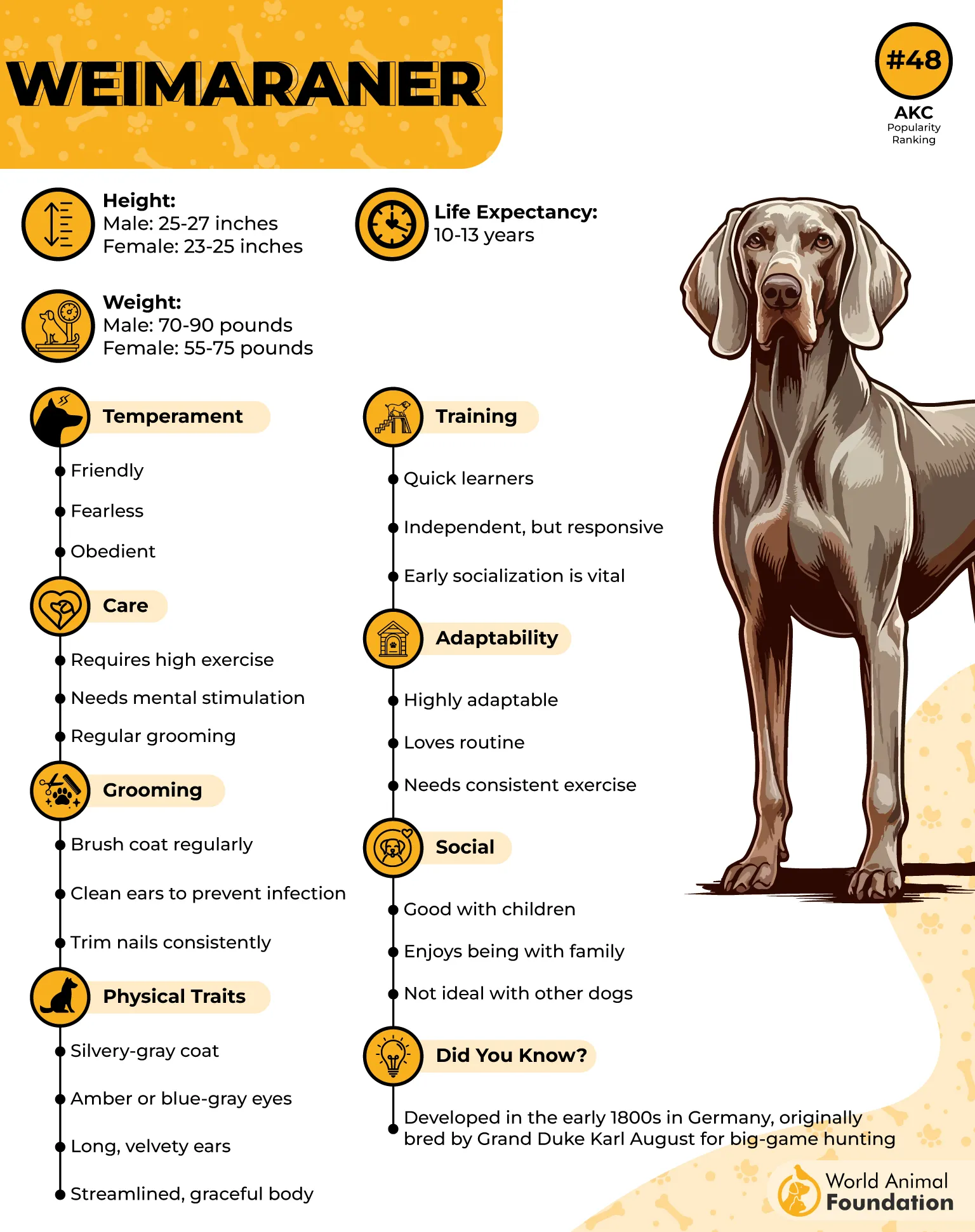
Unlike pure companion breeds, the Weimaraner combines outstanding agility and high intelligence with its powerful hunting instincts. Because they love having a job to do, these dogs excel beautifully in structured canine sports such as tracking, agility, advanced obedience, and scent work.
At home, Weimaraners are deeply family-oriented and thrive on human companionship. However, because their predatory instincts are so strong, consistent training and active management are absolute necessities, especially if you live in an area with a high population of neighborhood wildlife or small pets.
4. Irish Setter
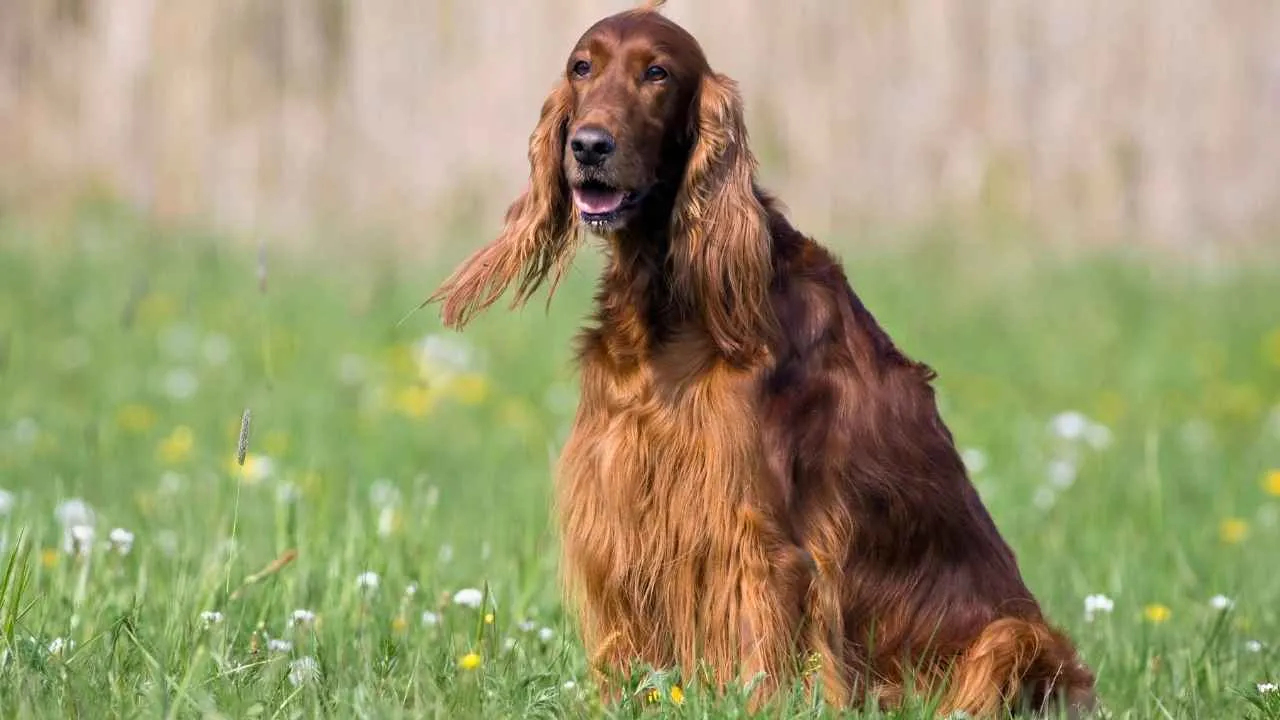
Famous for its stunning, rich red coat and exceptionally friendly nature, the Irish Setter is also a talented hunter with a robust prey drive. The ancestry of this athletic breed dates back to a time when they were meticulously bred to locate and point game birds, a demanding role that required a keen nose, tireless stamina, and a natural curiosity to track down wildlife.
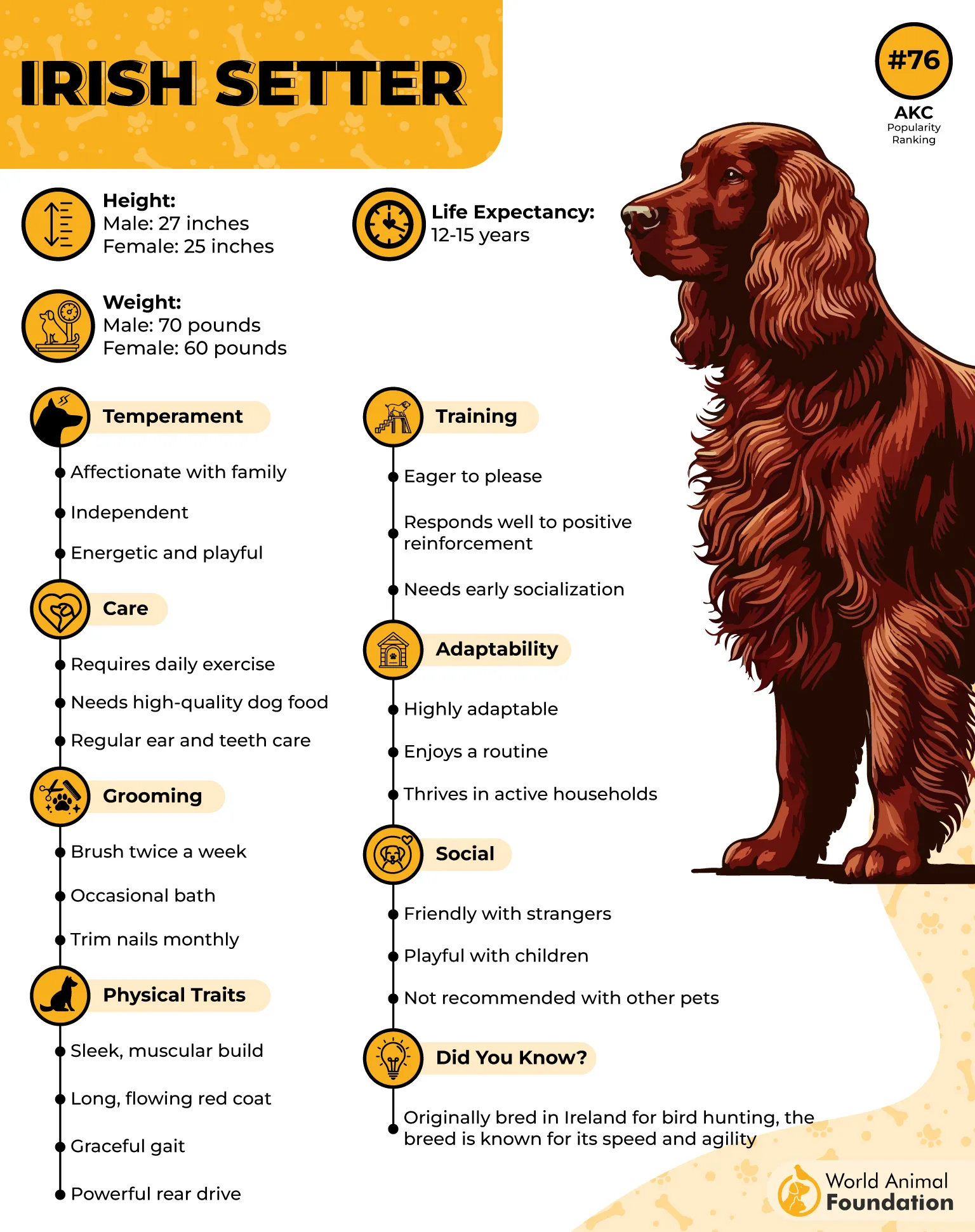
Unlike some sporting breeds that can be a bit reserved, Irish Setters are incredibly sociable and affectionate. They thrive on human interaction and bring an unmatched enthusiasm to family life, all while retaining the sharp alertness of their gundog past.
As a large and athletic breed, Irish Setters love nothing more than galloping over wide, open spaces, as noted by the UKC. Because of this, they thrive best in active households that can provide them with plenty of daily physical activity and structured outlets for their high-drive energy.
5. Border Collie
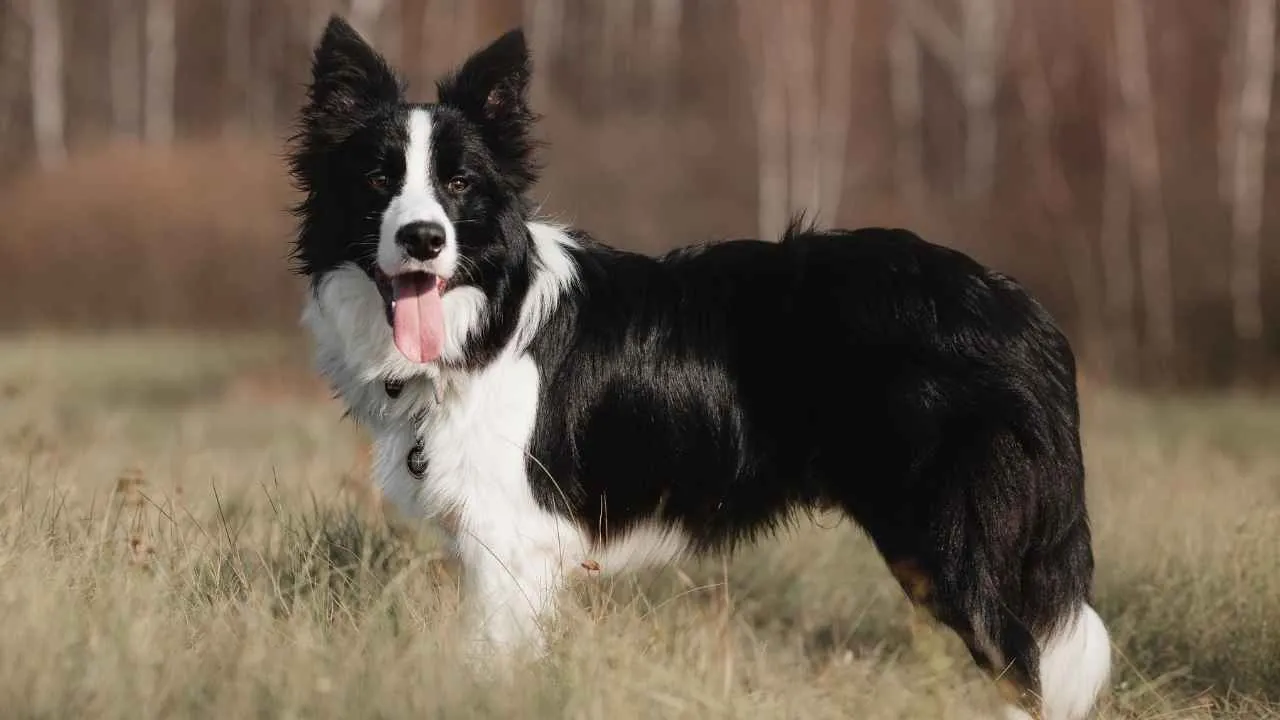
Many people associate a high prey drive exclusively with hunting breeds, but the Border Collie perfectly demonstrates the power of this instinct within the herding group.
Because they were bred to manage livestock, Border Collies possess a modified version of the traditional predatory sequence, allowing them to control sheep and other animals without harming them. Omlet UK states that their famous intense stare, low-profile stalking, and explosive speed all stem directly from this deeply rooted instinct.

Recognized as one of the most intelligent and trainable dog breeds, the Border Collie’s unparalleled focus truly sets them apart. When engaged in a task, they exhibit a level of concentration that is quiet, intense, and far beyond the capabilities of most other breeds.
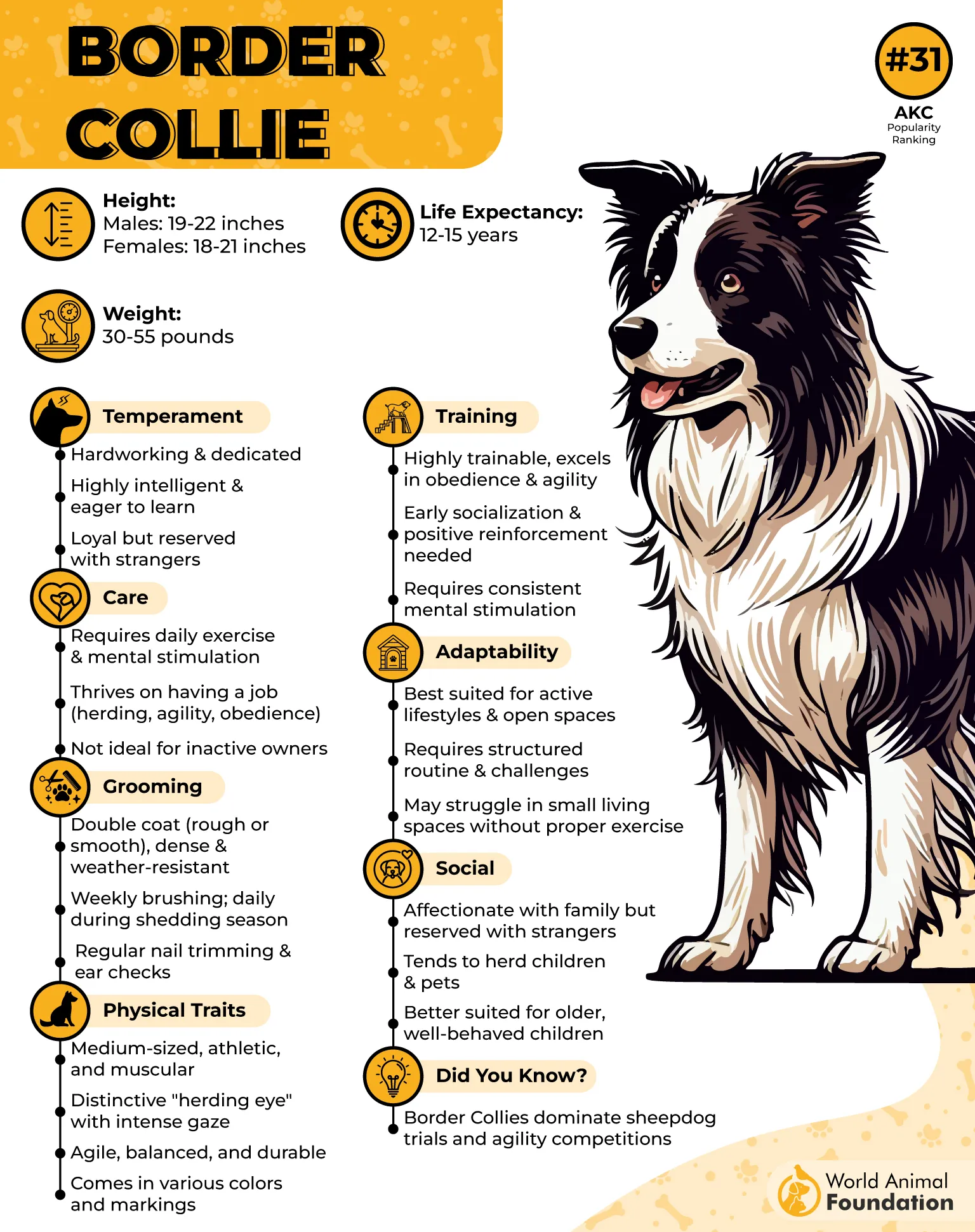
While their strong desire to please makes them exceptionally rewarding to train, it also means these brilliant dogs require an immense amount of mental stimulation, structured activity, and a clear job to do to keep their sharp minds happy.
6. Greyhound
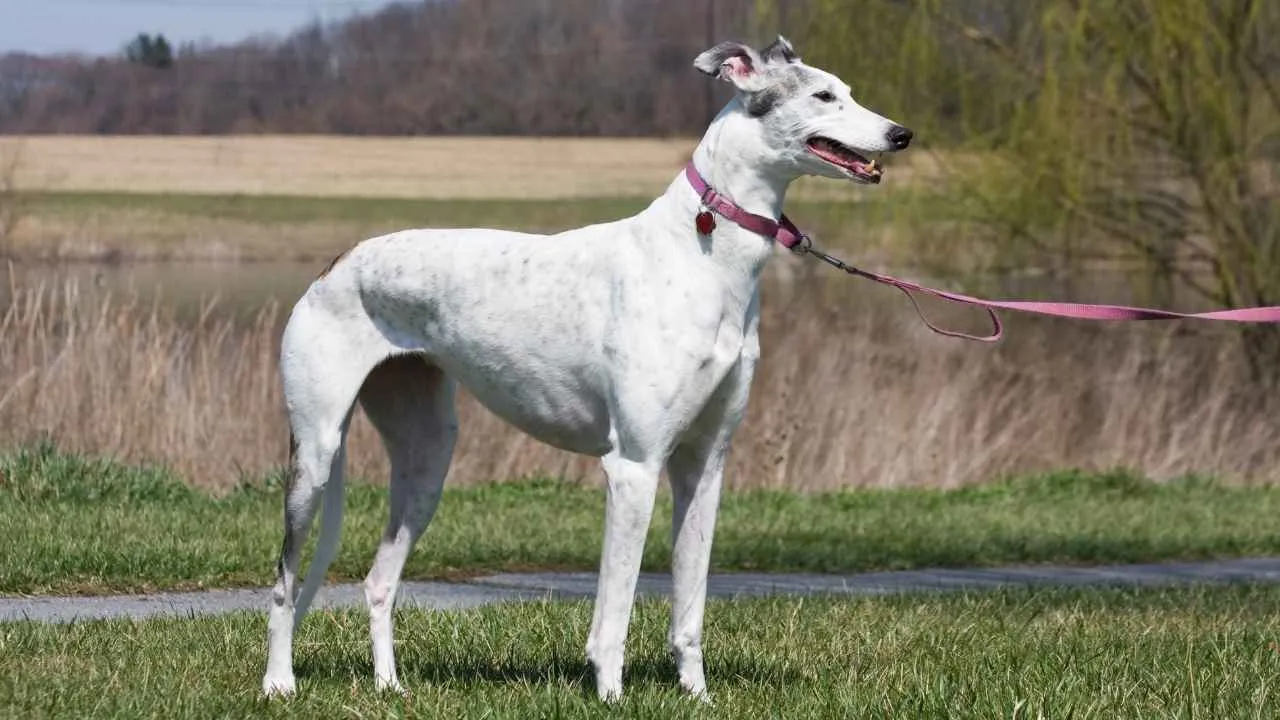
As one of the oldest hound breeds in existence today, the Greyhound is the ultimate example of raw, driven athleticism. For centuries, these dogs have been meticulously bred to spot fast-moving prey and cut off its escape route, relying on their razor-sharp eyesight rather than scent to hunt.
This historical specialization created a canine athlete capable of reaching incredible, explosive speeds while maintaining laser-like precision on a target.
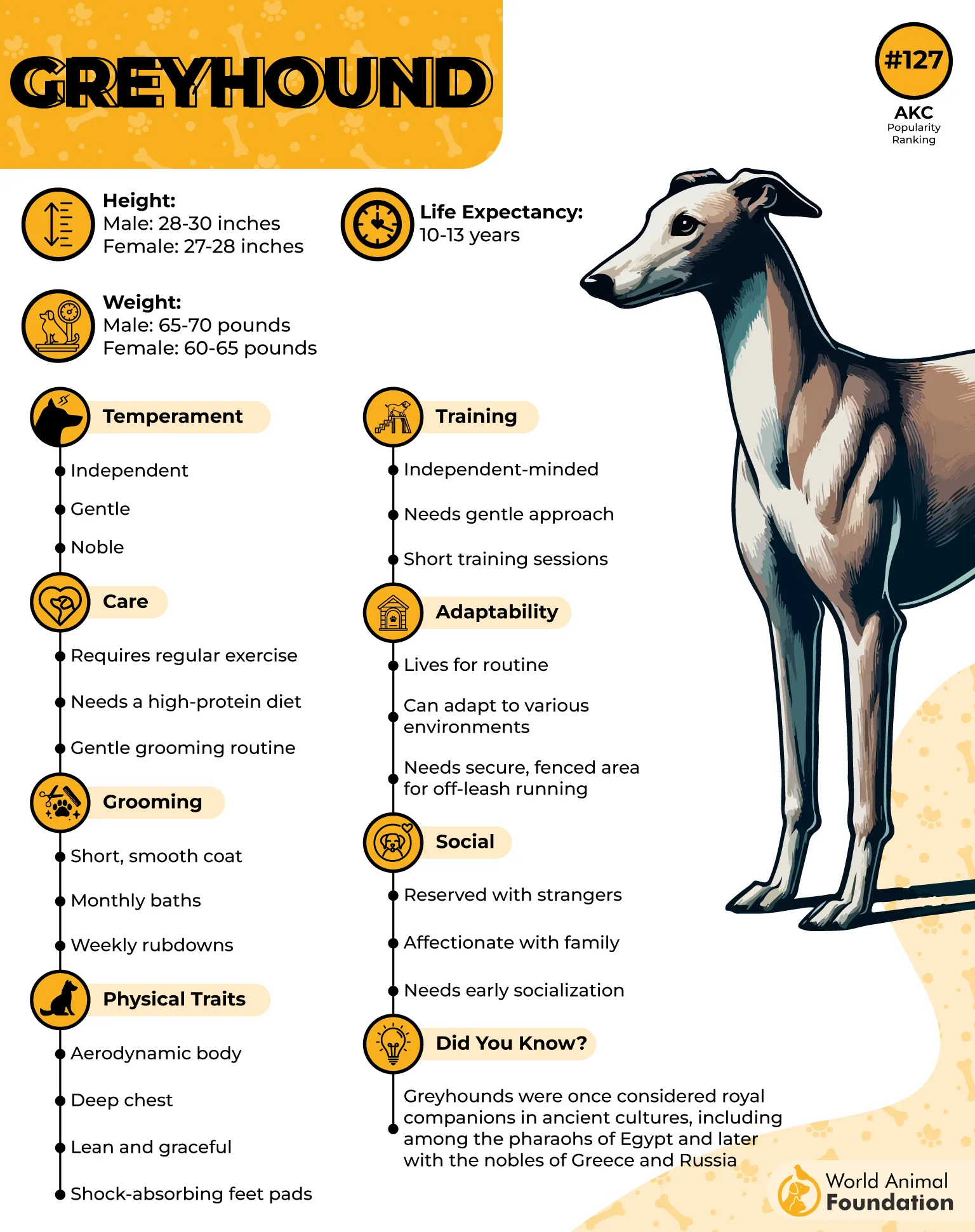
Despite their top-notch competitive drive in the field, Greyhounds are famously relaxed and quiet when indoors. In fact, when they aren’t active, these elegant dogs are known to be gentle, affectionate “couch potatoes” that make wonderful house pets.
Ultimately, the Greyhound remains one of the most fascinating high-prey-drive breeds in the world, beautifully balancing remarkable visual awareness and a fierce hunting instinct with a sweet, calm demeanor at home.
7. Siberian Husky
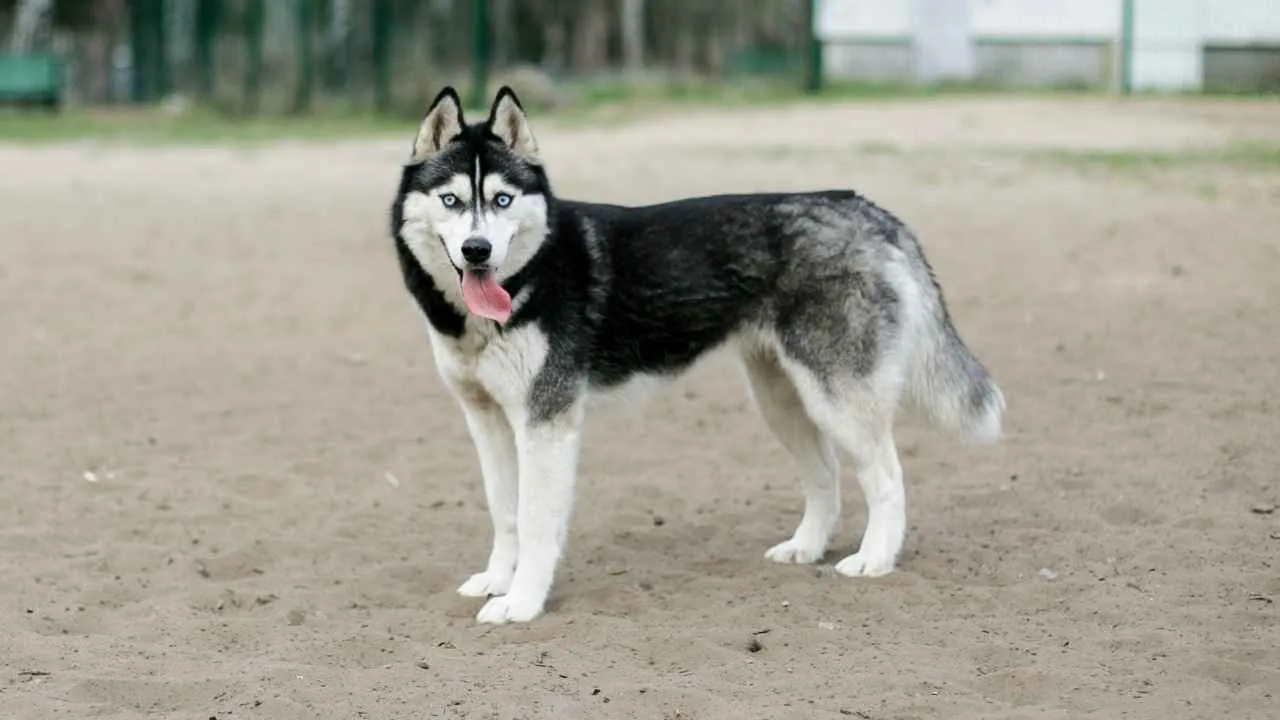
The Chukchi people of northeastern Asia originally raised the Siberian Husky to pull sleds across vast, frozen expanses. While the Husky’s most famous trait is its remarkable endurance running capability, the breed also possesses an incredibly strong prey drive.
Historically, these dogs were often left to free-roam and hunt for their own food during the off-season, a practice that cemented their instinct to chase and capture small animals.
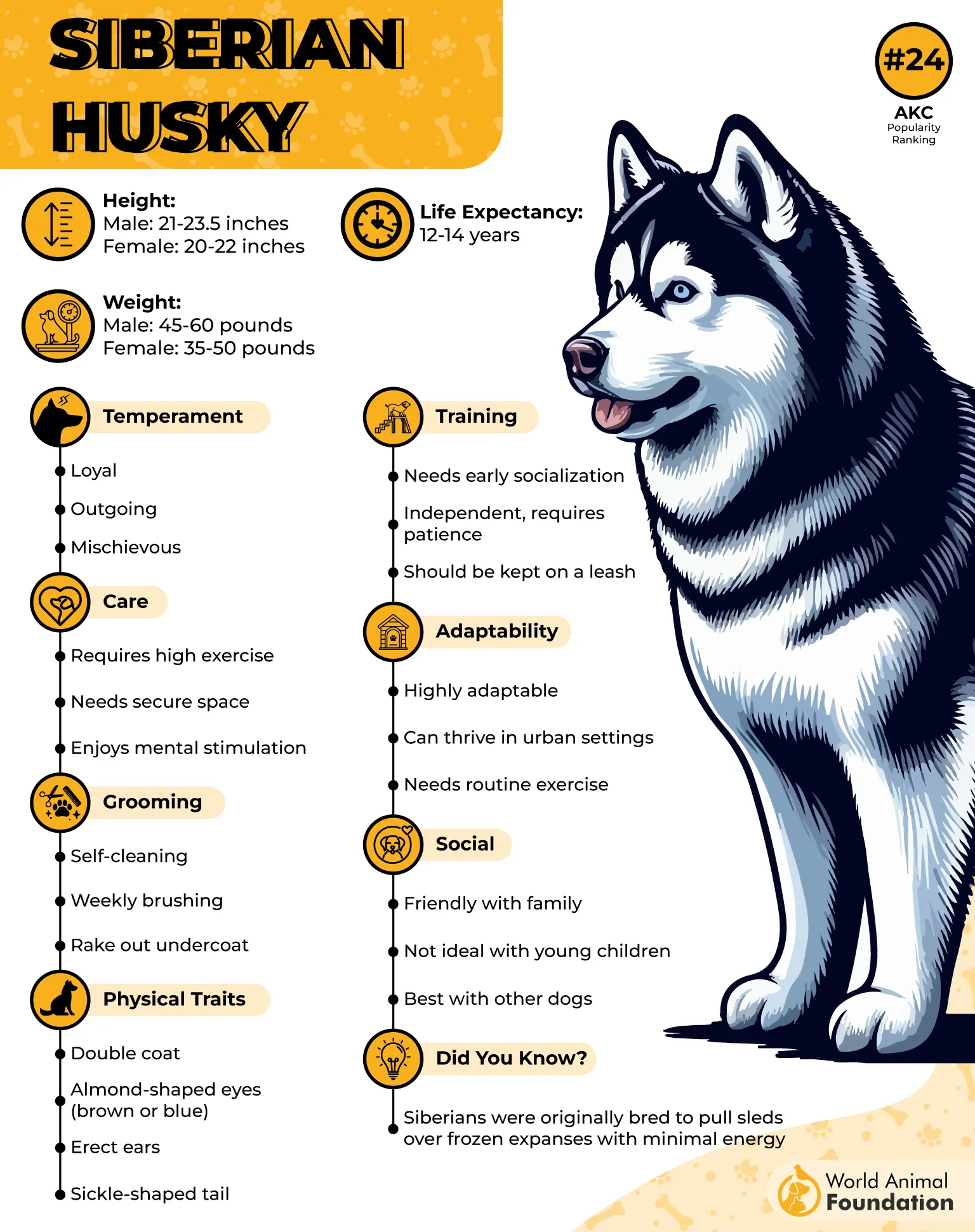
Huskies are notoriously independent, free-spirited, and curious, which can pose a fun but rewarding challenge for inexperienced pet owners. Because of their intense focus on moving targets, a Husky can instantly develop “selective hearing” if they spot a rabbit or a squirrel, often ignoring commands entirely in favor of the chase.
To manage this high-drive energy, Huskies require a massive amount of daily physical activity and mental stimulation. Engaging them in structured outlets like hiking, jogging, or urban mushing and sledding sports is the perfect way to help them safely release that pent-up athletic energy.
Conclusion
Whether tracking game through deep woods, managing livestock in wide-open pastures, or sprinting across a field at breathtaking speeds, these high-prey drive dog breeds are superb examples of what dogs are truly capable of achieving. Their historical role as invaluable working partners spans centuries, and the dogs’ prey drive remains one of their most impressive and defining attributes.
However, bringing a high-drive dog into your life requires a deep commitment to responsible ownership. Through consistent training, proper mental stimulation, and close supervision, these powerful instincts can be channeled so that these dogs can become your greatest asset rather than a liability.
Possessing a thrilling combination of intelligence, spirit, and raw instinct, these breeds offer an incredibly rewarding experience for the active enthusiast who truly appreciates the power of a working dog.
