




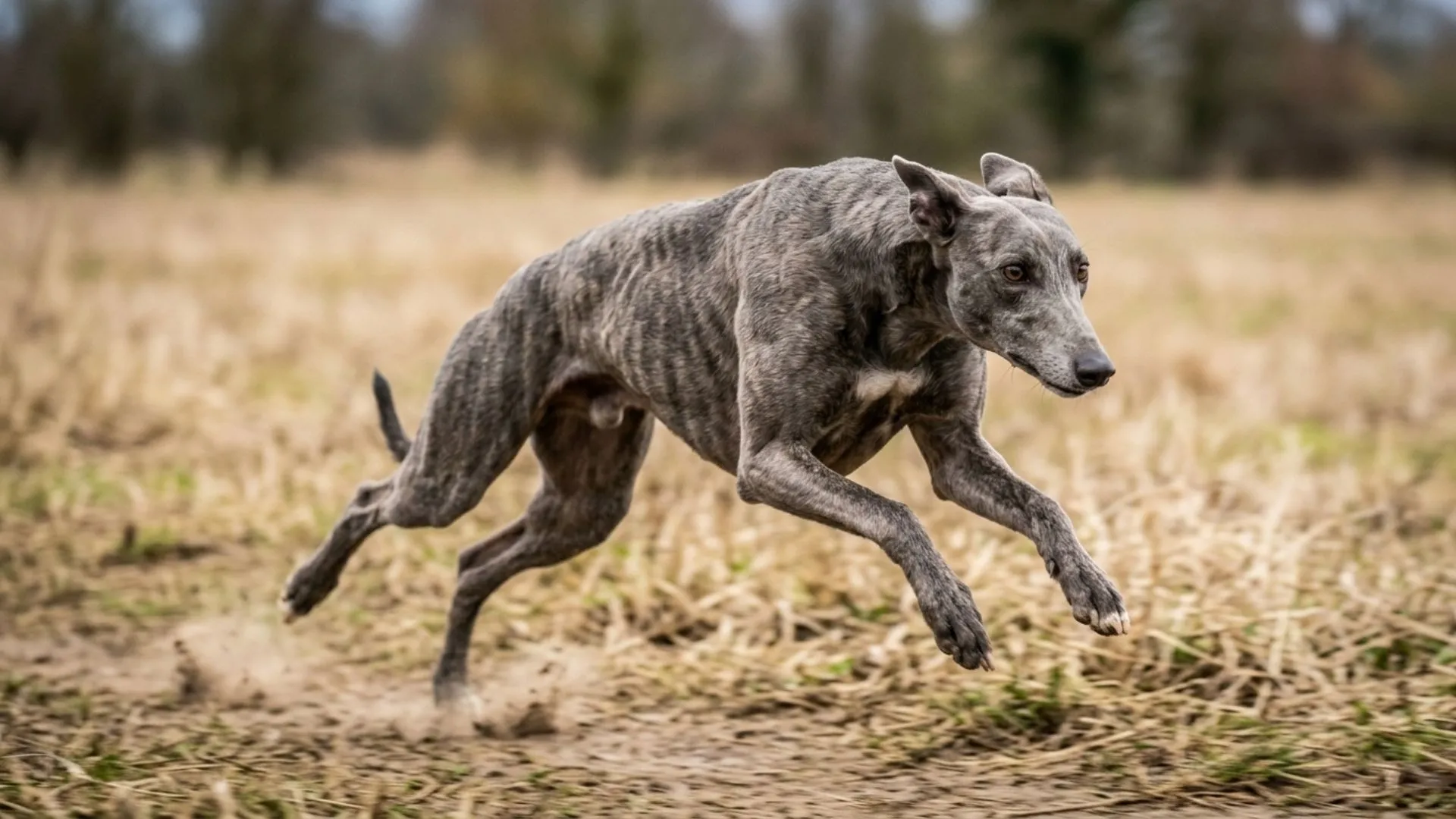
What if the sweetest-looking dog at the park is secretly ready to chase anything that moves? A squirrel twitches its tail. A rabbit appears in the distance. Even a drifting leaf seems to audition for an action movie. Suddenly, your calm afternoon walk turns into an Olympic sprint—with a leash attached to your shoulder.
Welcome to the world of dogs with high prey drive. These are the breeds that spot movement before you do, genetically wired to chase, stalk, herd, or hunt with laser-focused determination. Some of them even seem convinced that every backyard bird is personally insulting their family.
The funny thing is, many of these dogs look completely innocent. Soft eyes, a happy grin, and a tail wagging like a tiny helicopter. Then a squirrel appears, and in an instant, their brain flips from “cuddly companion” to “professional wildlife investigator.”
But prey drive isn’t a bad thing. In fact, it’s one of the traits that made many breeds legendary hunters, workers, and athletes. It’s tied to instinct, intelligence, speed, and centuries of careful breeding.
So, which dog breeds are famous for their unstoppable chase instinct, and what makes them so intense about it?
Dog Breeds Known for Their Intense Prey Drive
1. Jack Russell Terrier
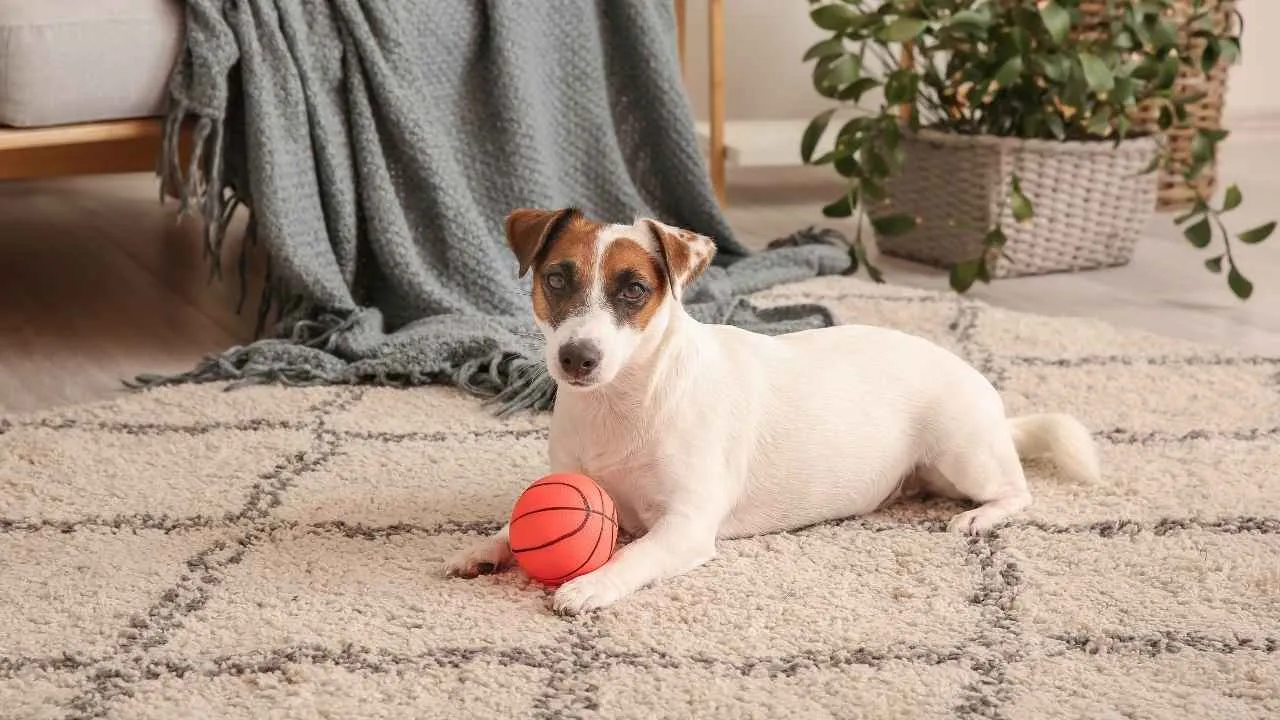
The Russell Terrier may be small enough to tuck under your arm, but this fearless little hunter acts like it owns the entire backyard, as stated by Hills Pet.
Originally bred in 19th-century England for fox hunting, the Russell was designed to chase prey through tight underground tunnels, keep up with horses during hunts, and alert hunters with an unbelievably loud bark for such a tiny dog.
That intense hunting background still shapes the breed today.
A fluttering bird, running squirrel, or fast-moving cat can instantly trigger the Russell’s chase instinct. One second, it’s calmly walking beside you… The next it’s pulling hard toward whatever caught its attention.
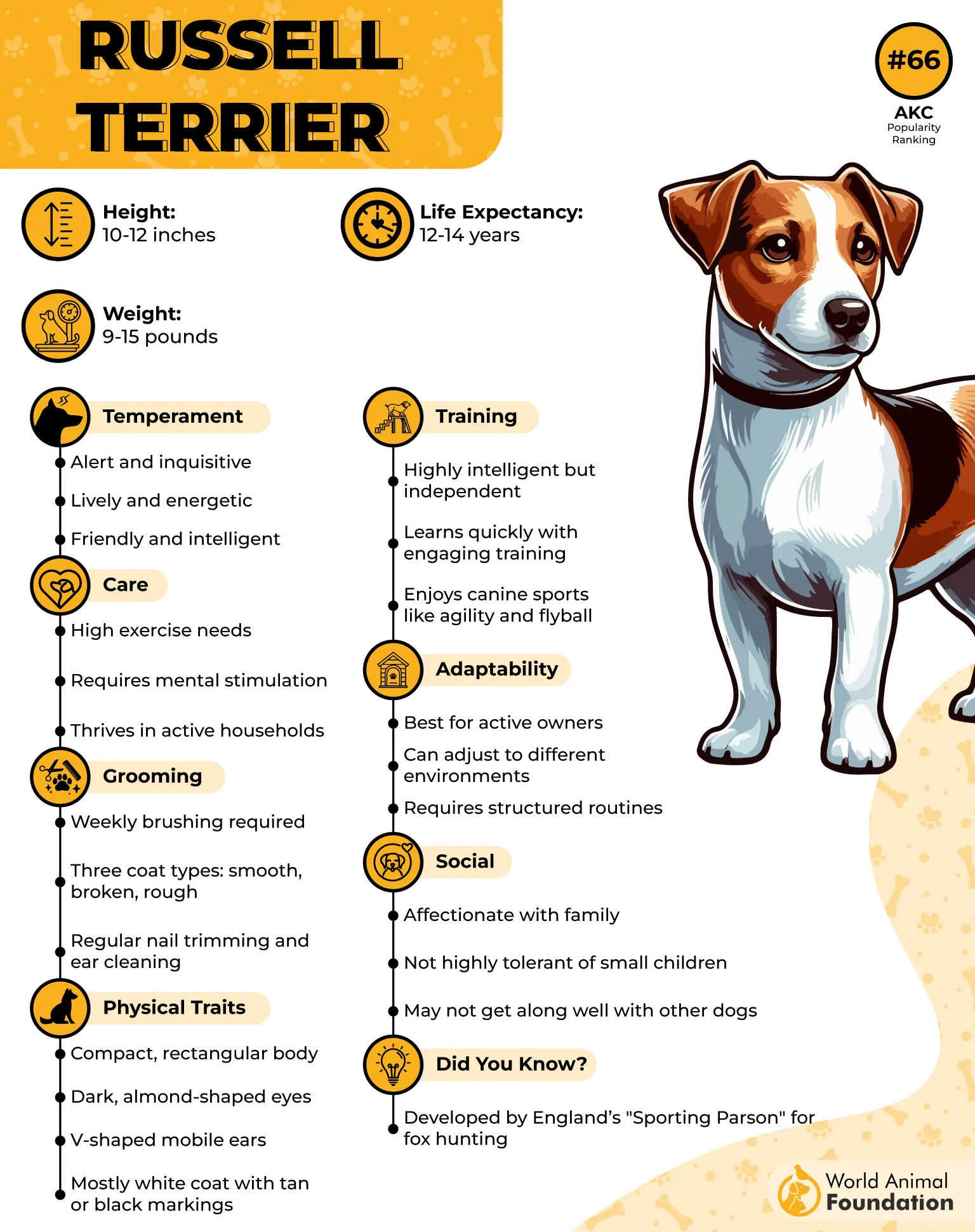
Their quick reflexes, sharp nose, and nonstop energy make them one of the most determined prey-driven terriers around.
Because they were bred to work in packs, many Russells do well with other dogs, but smaller pets are usually another story.
Daily exercise is non-negotiable, and many owners rely on agility games, scent work, and puzzle toys to channel all that explosive energy before the furniture pays the price.
2. Greyhound
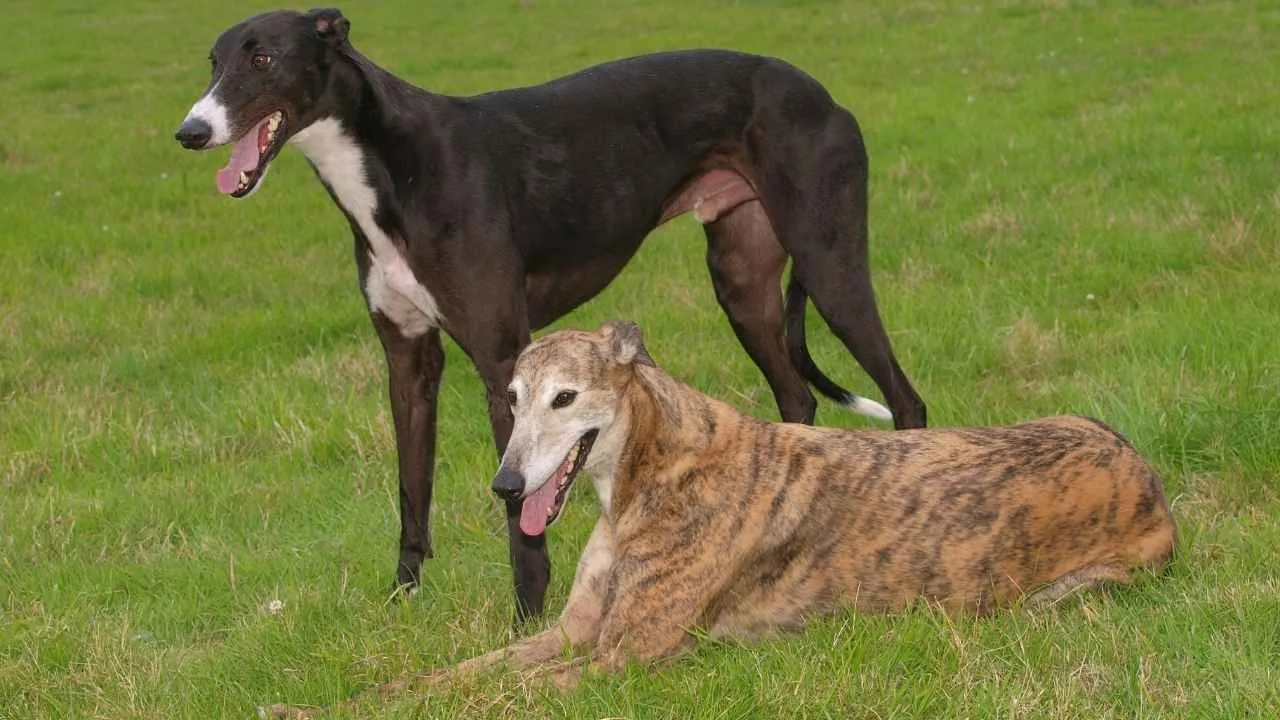
The Greyhound looks elegant and almost fragile standing still, but the moment something darts across its path, the transformation is instant.
A rabbit sprinting across a field or a squirrel cutting through a park can trigger a chase response so powerful that this breed seems to launch like a racing arrow.
Built as a sighthound, the Greyhound tracks movement with sharp eyesight instead of relying on scent, which is why fast motion grabs its attention immediately.
For thousands of years, Greyhounds were admired by nobles, hunters, and artists for their sleek “inverted S” body shape designed purely for speed.
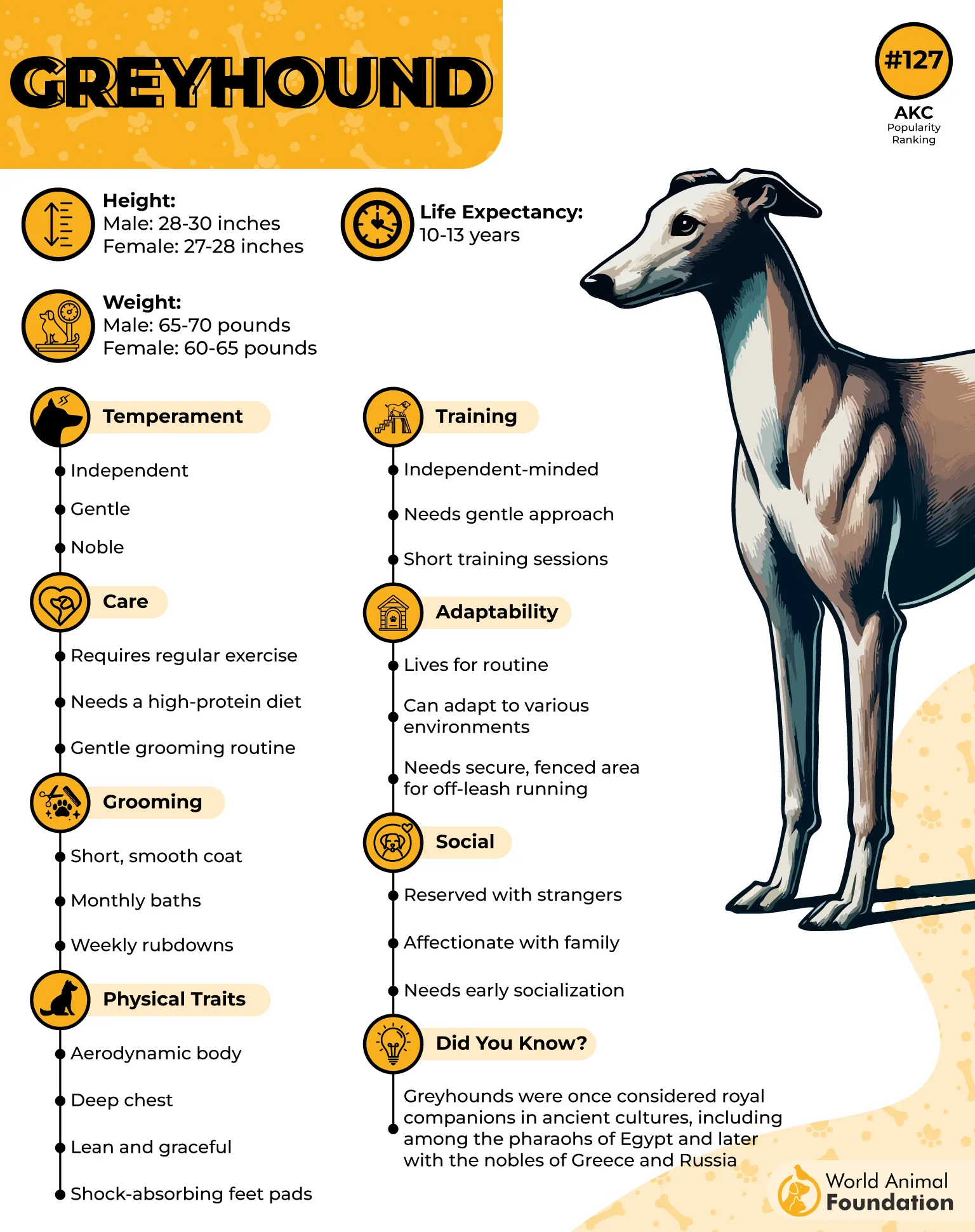
That aerodynamic frame allows them to explode into action within seconds, reaching incredible speeds while staying surprisingly graceful.
Despite the intense chase instinct outdoors, Greyhounds are famously calm and gentle inside the home. Many are perfectly happy lounging for hours after a good run.
Still, secure fencing and leash control are essential because once a Greyhound locks onto movement, calling it back becomes extremely difficult. Their deep chest and long, spring-like stride make their running style unmistakable.
3. Afghan Hound
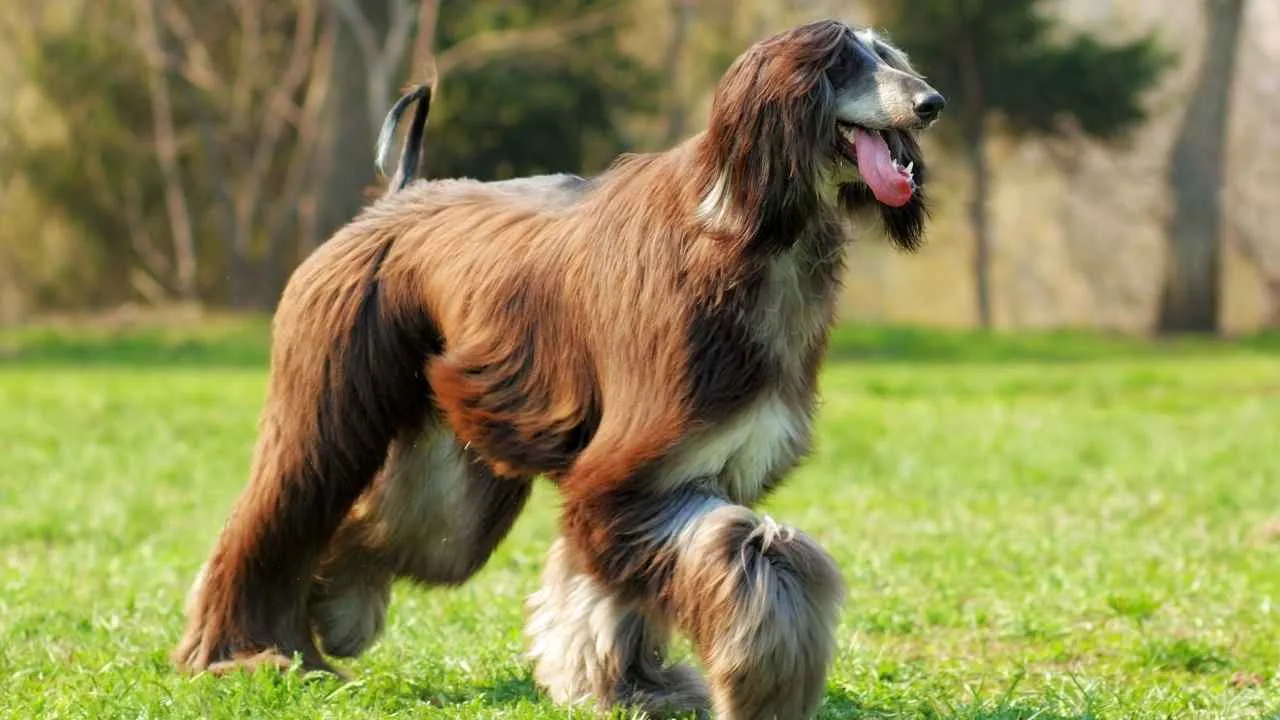
The Afghan Hound may look like a glamorous show dog with flowing hair and elegant posture, but underneath all that beauty is a powerful hunter built to chase at incredible speed.
Originally developed in the mountains of Afghanistan to pursue fast prey across rough terrain, this breed reacts instantly to movement.
A running rabbit, a stray cat, or even a plastic bag blowing across a field can trigger the Afghan’s instinct to sprint after it without hesitation.
Unlike dogs that track with scent, Afghan Hounds rely heavily on sharp eyesight and lightning-fast reflexes. Once focused on something moving, they become surprisingly difficult to redirect, which is why secure fencing and leash control are essential.
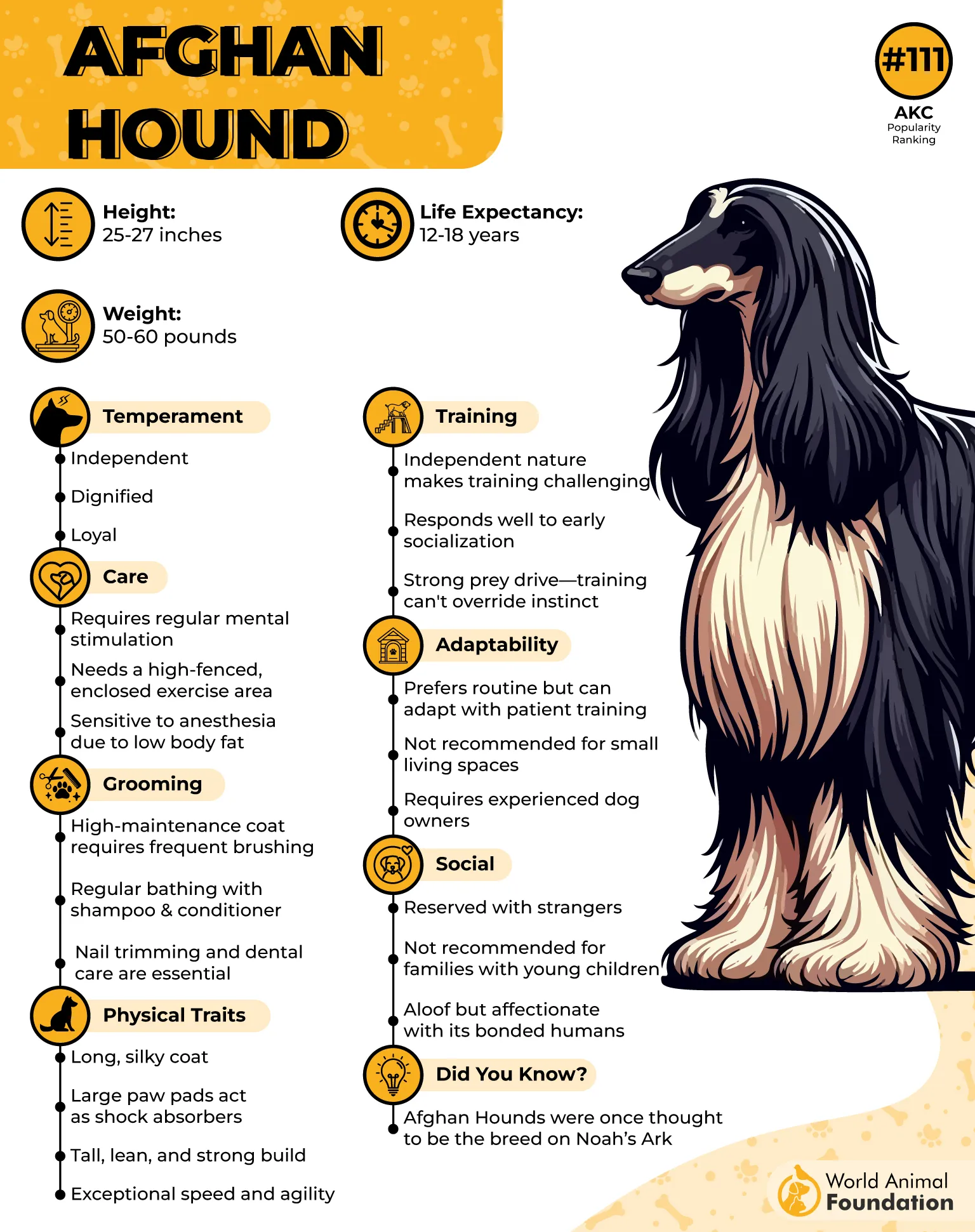
Many owners discover quickly that a normal backyard fence is not always enough because this breed can leap impressively high when excited.
Afghans also need far more exercise than their calm appearance suggests. Long runs, active play, and open space are important for keeping them mentally satisfied.
One thing owners never forget is the breed’s dramatic independence — highly intelligent, deeply loyal, and stubborn enough to ignore commands when something catches its eye.
4. Bluetick Coonhound
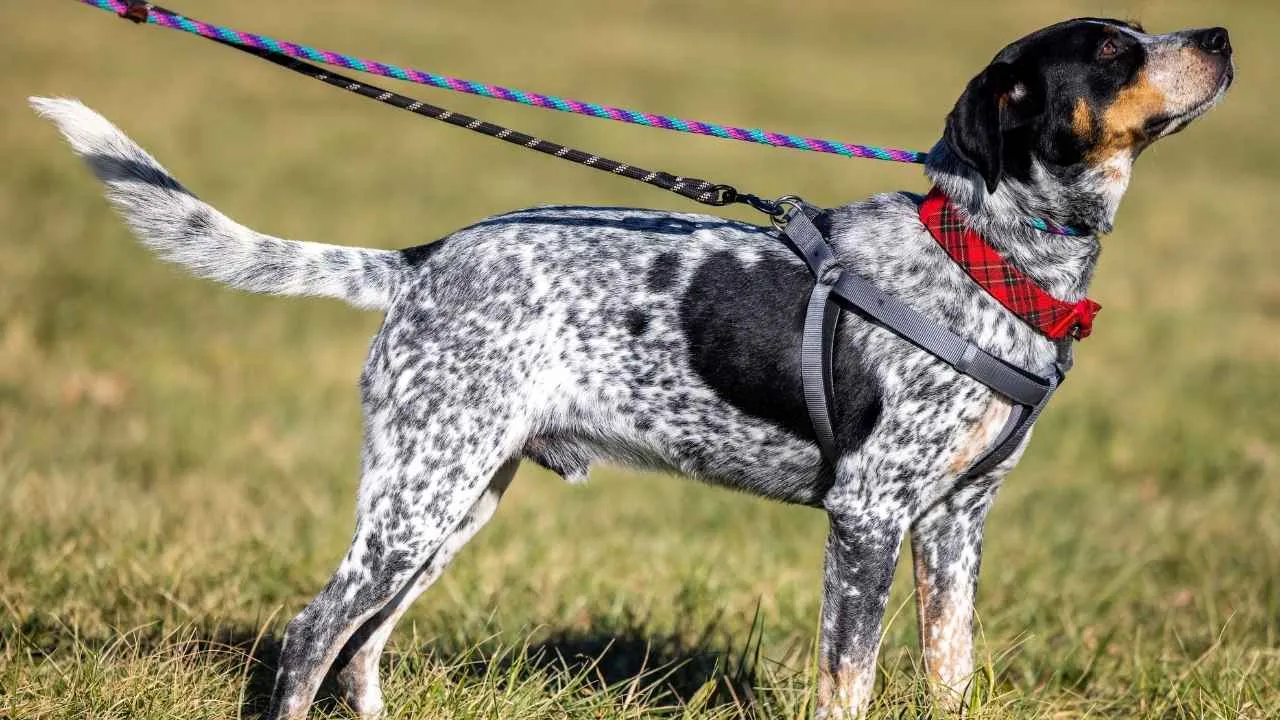
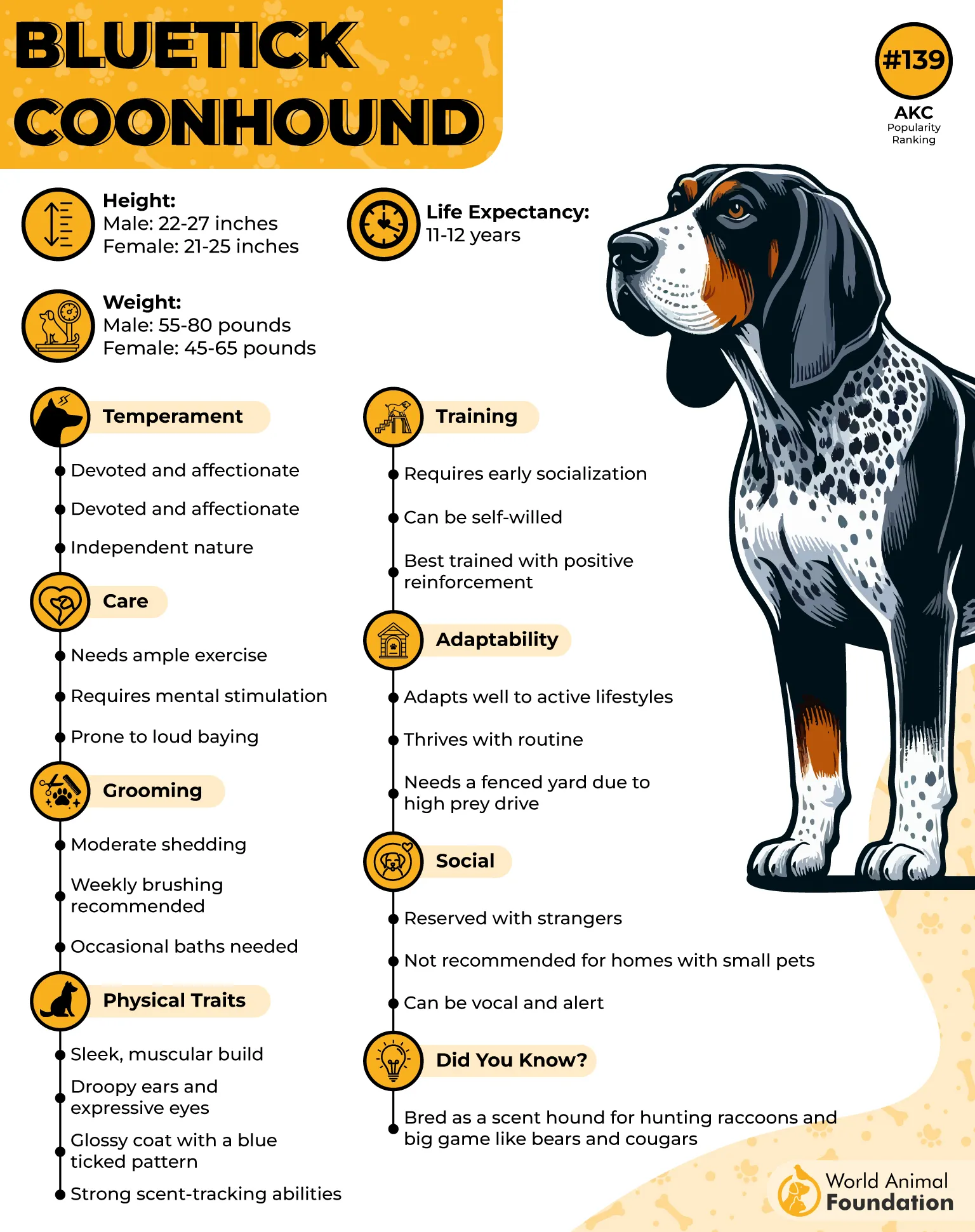
The Bluetick Coonhound can seem calm and affectionate at home, but the moment it catches an interesting scent outdoors, everything changes.
This high prey drive dog was developed to track raccoons and other game across forests for hours without giving up, and that determination still runs deep today.
A single squirrel trail through the yard can suddenly become the most important mission of the day.
Unlike dogs that quickly lose interest, Bluetick Coonhounds are famous for staying locked onto one scent trail with incredible focus.
Many owners learn fast that an off-leash walk can turn into a long search party if the dog picks up an animal track.
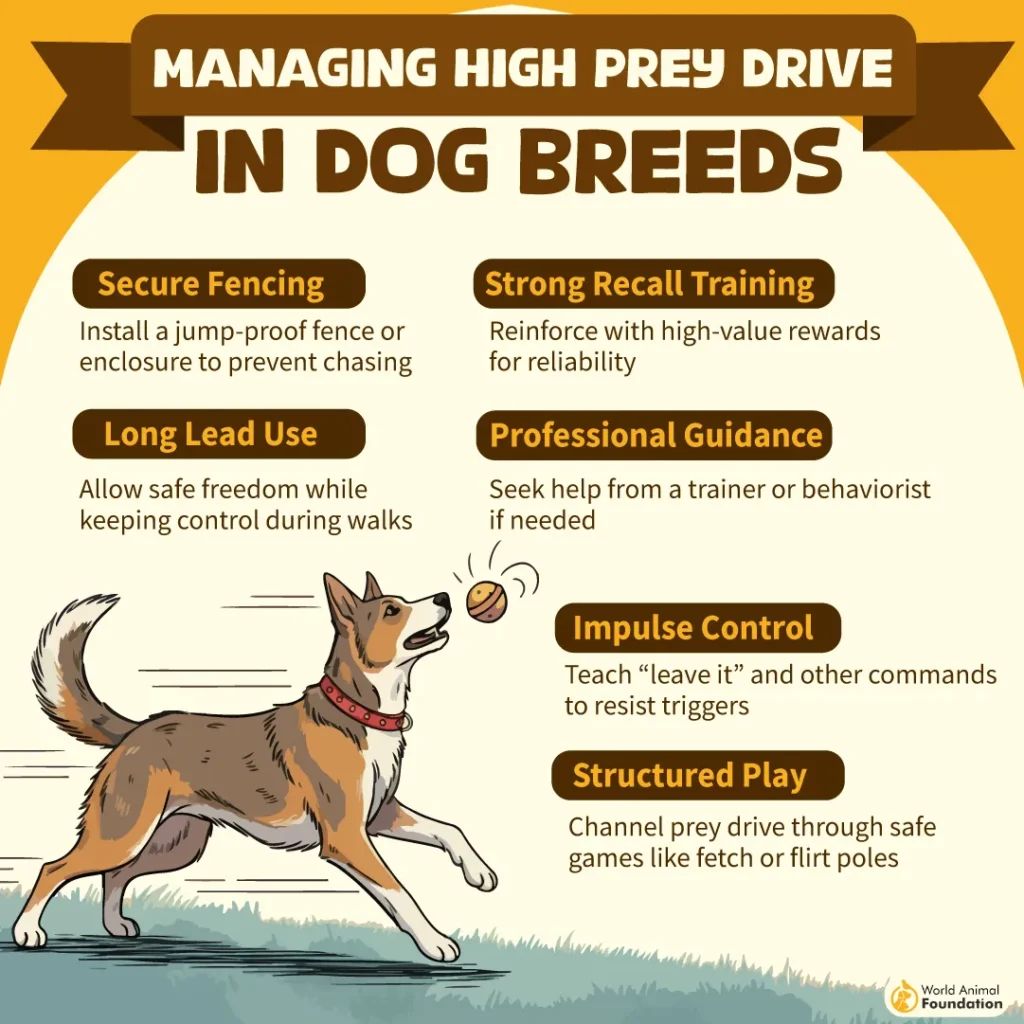
Secure fencing and consistent leash use are usually essential because once this hound starts tracking, ignoring commands comes naturally.
They also need regular activity to stay balanced, especially scent games, tracking sports, and long outdoor adventures.
One thing people instantly recognize is the breed’s loud, musical baying call. While hunting, the bark rolls through the woods in long bell-like tones that help hunters follow the dog’s location even from far away.
5. Borzoi
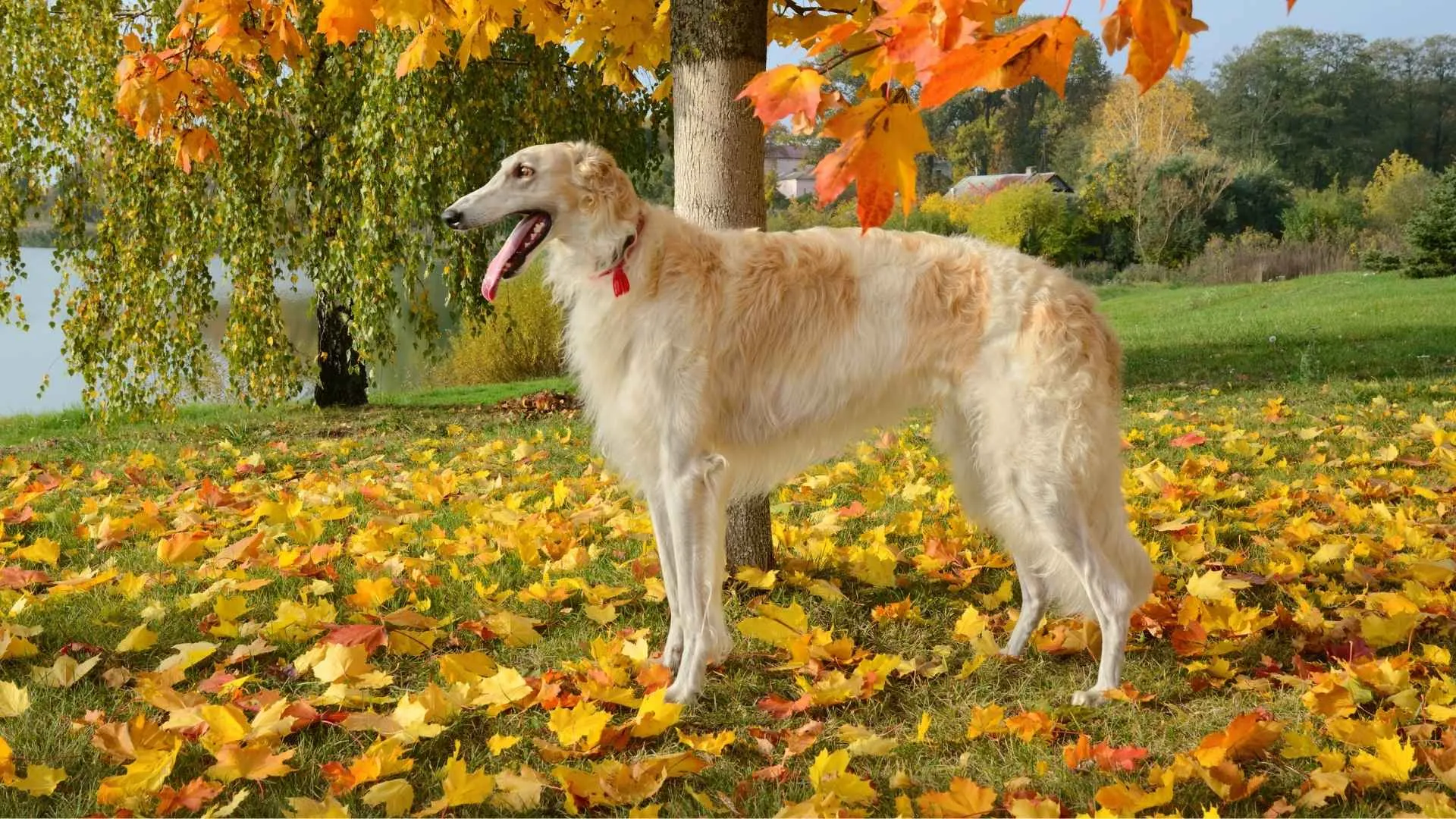
The Borzoi may carry itself like royalty, but underneath that graceful appearance is a powerful hunter bred to chase wolves across the Russian countryside.
Calm and quiet indoors, this elegant sighthound can switch instantly into pursuit mode the second it spots movement in the distance. A squirrel darting across a park or a rabbit crossing a trail can awaken instincts that are centuries old.
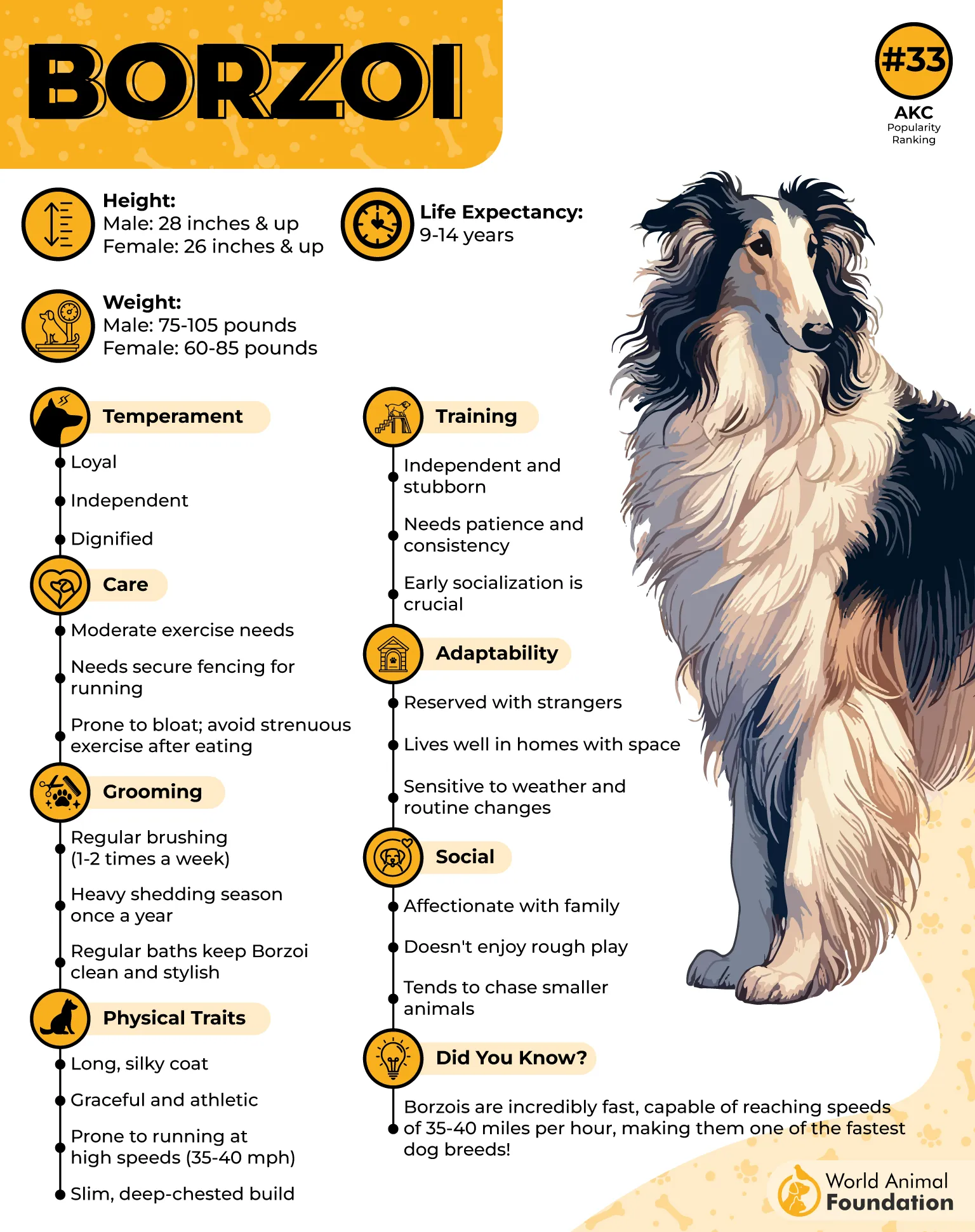
Built for speed, the Borzoi can sprint up to 40 miles per hour with long, floating strides that almost look effortless.
Unlike scent-driven hunting dogs, this dog’s prey drive relies heavily on vision, reacting quickly to anything fast-moving.
That’s why secure fences and leash control are so important. Once a Borzoi decides to chase, stopping mid-run is rarely part of the plan.
Despite their athletic ability, Borzoi are usually gentle and surprisingly quiet around the house, often compared to cats because of their calm and independent personality. Their long, silky coat flowing behind them while running gives the breed an unmistakable look, especially when they stretch into full speed across an open field.
6. Siberian Husky
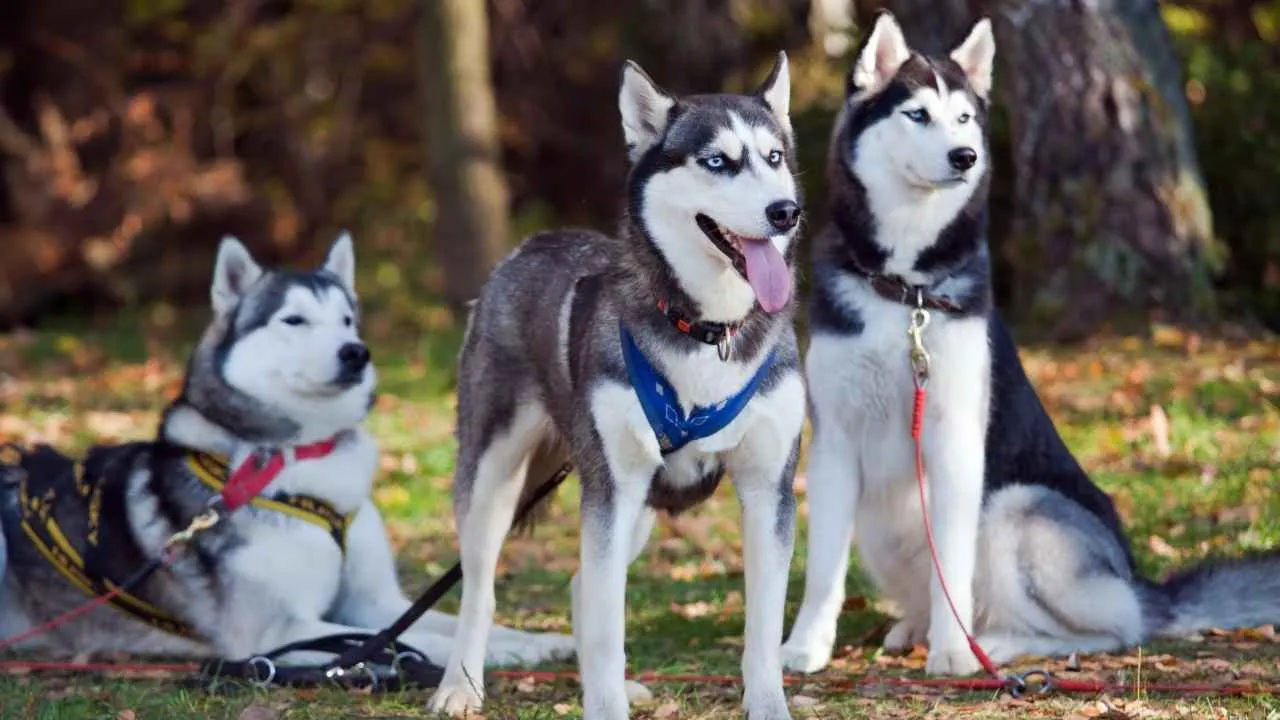
The Siberian Husky might look like a smiling snow dog straight out of a winter postcard, but its hunting instincts are far stronger than many people expect, as noted by Orvis.
Originally bred to survive and work in the harsh conditions of Siberia, Huskies developed a strong prey drive that still shows up today.
A squirrel racing across the street or a rabbit darting through the grass can trigger an immediate chase before the owner even reacts.
This high prey drive breed is fast, athletic, and incredibly determined once focused on movement. That’s why experienced Husky owners rarely trust them off-leash outside secure areas.
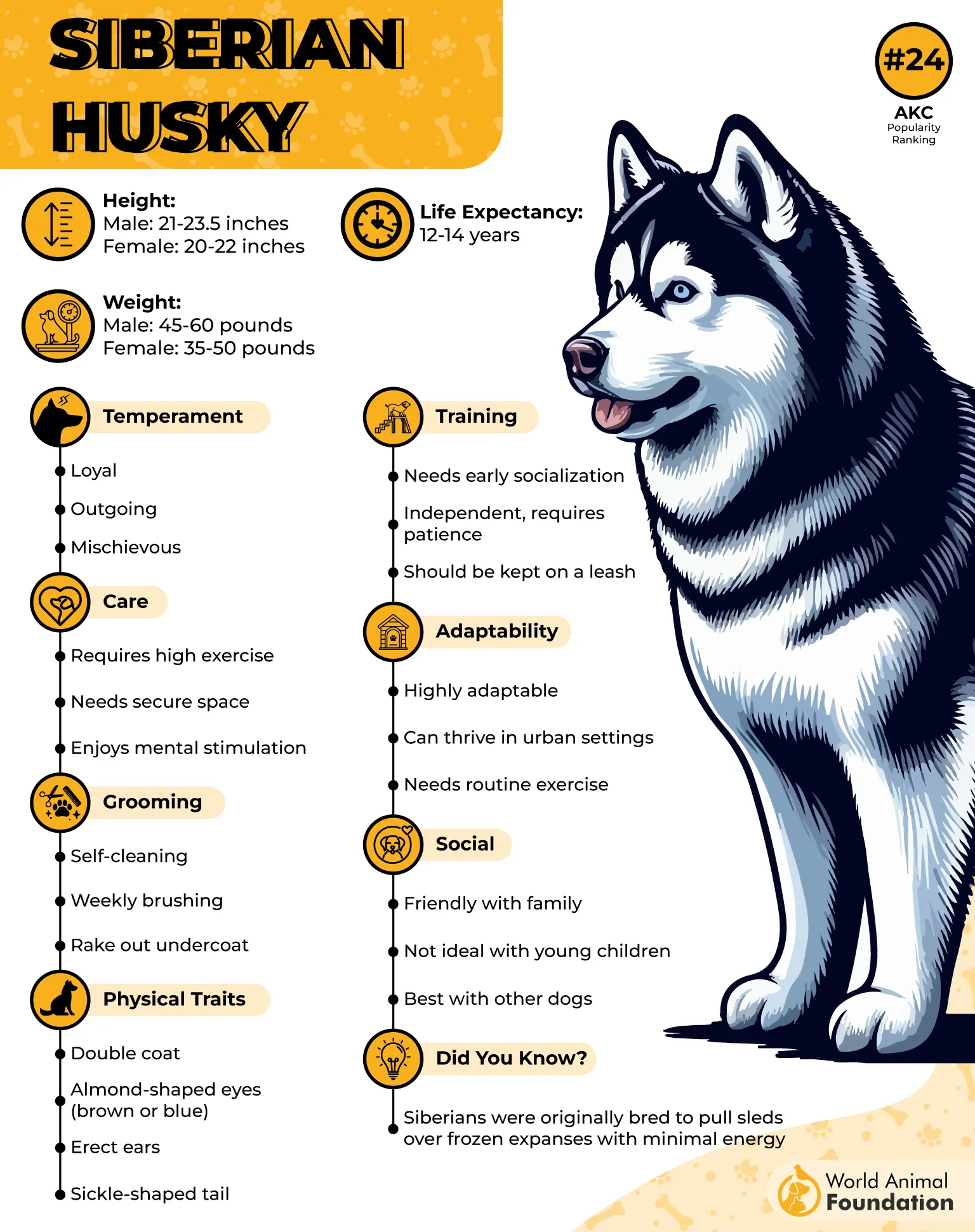
Many have stories of their dog spotting something small, taking off at full speed, and disappearing far beyond the neighborhood within seconds.
Huskies are also known for their independent thinking, which can make training challenging. They often understand commands perfectly but choose whether responding feels worthwhile at the moment.
Their thick double coat, built to handle freezing Arctic temperatures, makes them especially comfortable in cold weather, where they seem happiest sprinting through snow while pulling with high energy.
7. Weimaraner
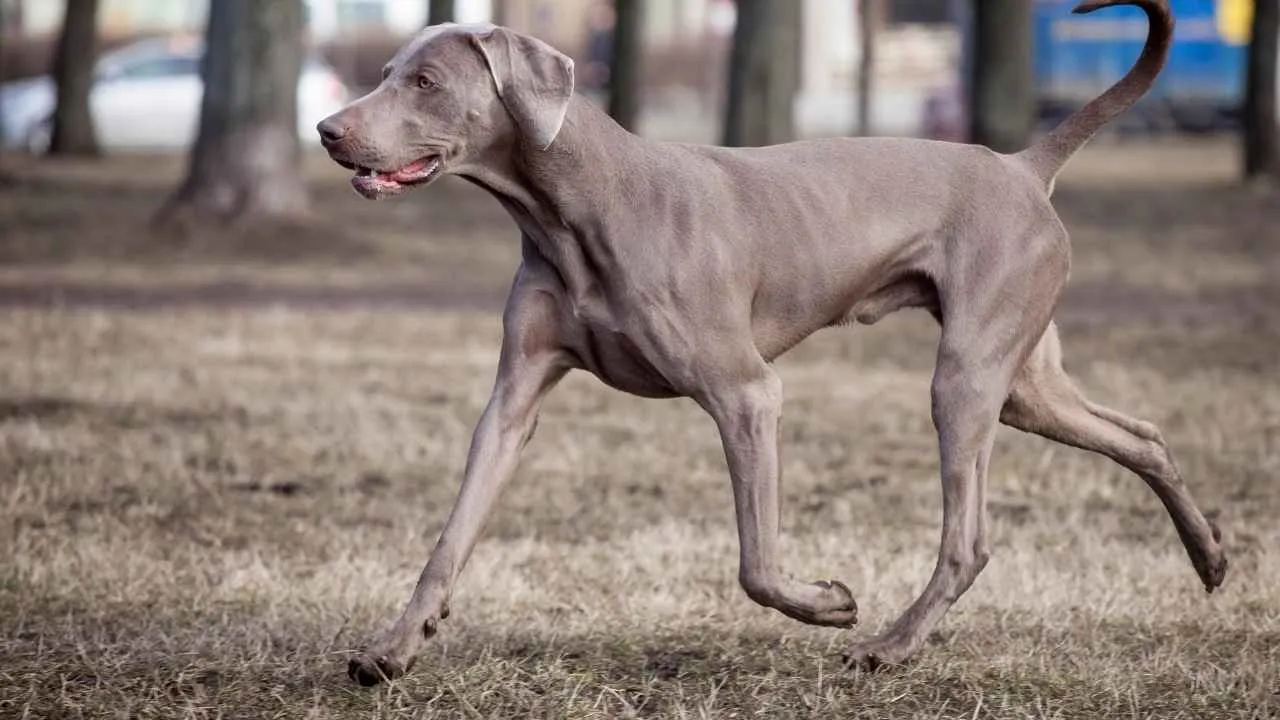
Weimaraners, known for their sleek gray coats, were bred for hunting and have a powerful prey drive that makes them quick to notice and pursue movement.
A bird fluttering through the trees or a squirrel cutting across the yard can instantly switch this sleek hunting breed into full pursuit mode.
Originally developed in Germany for tracking large game, the Weimaraner still carries the intense prey instincts that made it such a valued hunting companion generations ago.
Fast, athletic, and highly alert, these dogs rarely enjoy sitting still for long.
Many owners quickly learn that a bored Weimaraner can become destructive, especially when its energy and hunting drive have nowhere to go.
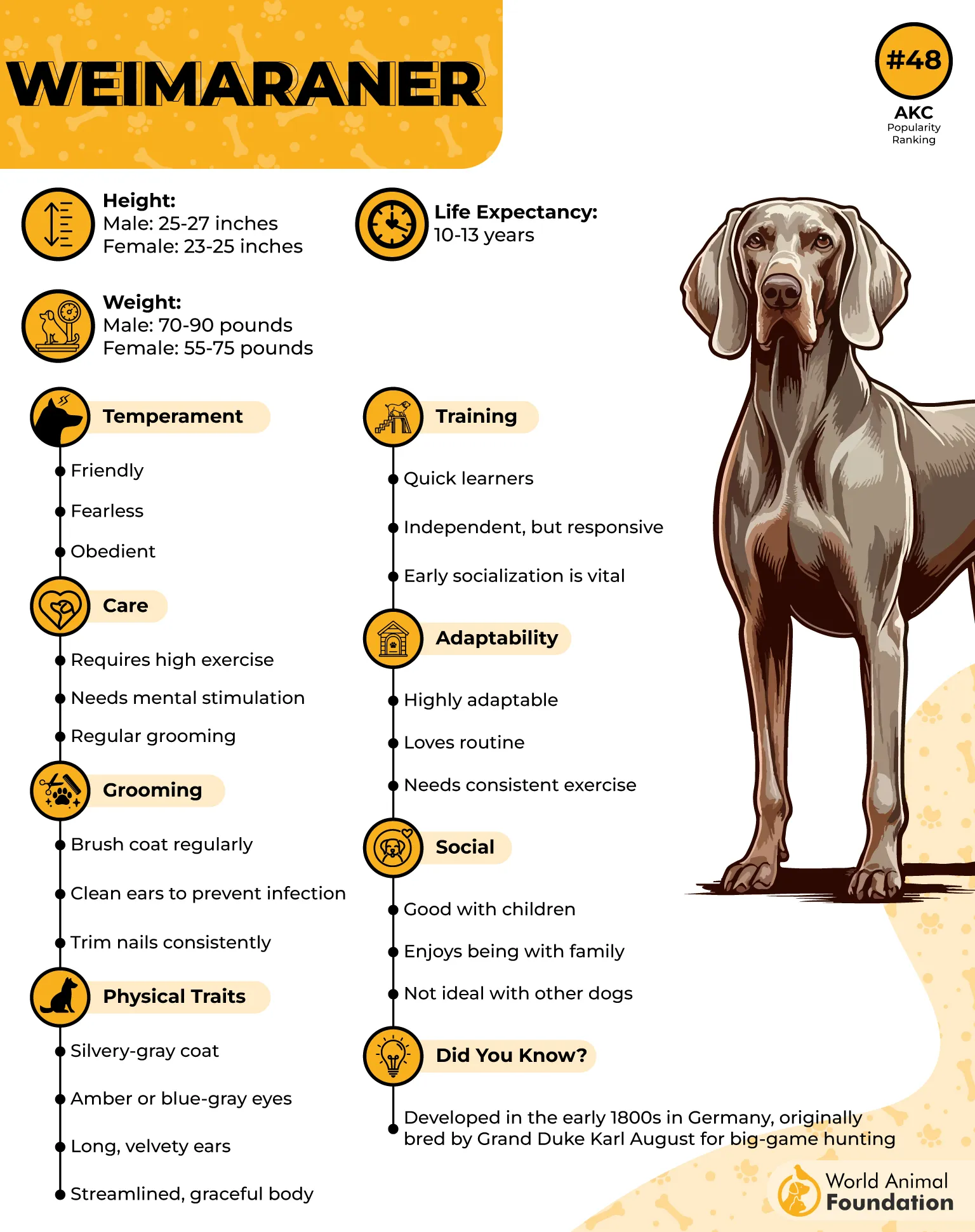
Long runs, advanced obedience work, scent games, and outdoor adventures help keep this breed mentally satisfied.
Their strong instinct to chase smaller animals means caution is important around cats, rabbits, and tiny dogs, especially if they were not raised together from puppyhood.
One thing people never forget about the breed is its striking silver-gray coat paired with pale amber or blue-gray eyes, giving the Weimaraner an almost ghost-like appearance when moving through open fields at high speed.
8. Australian Cattle Dog
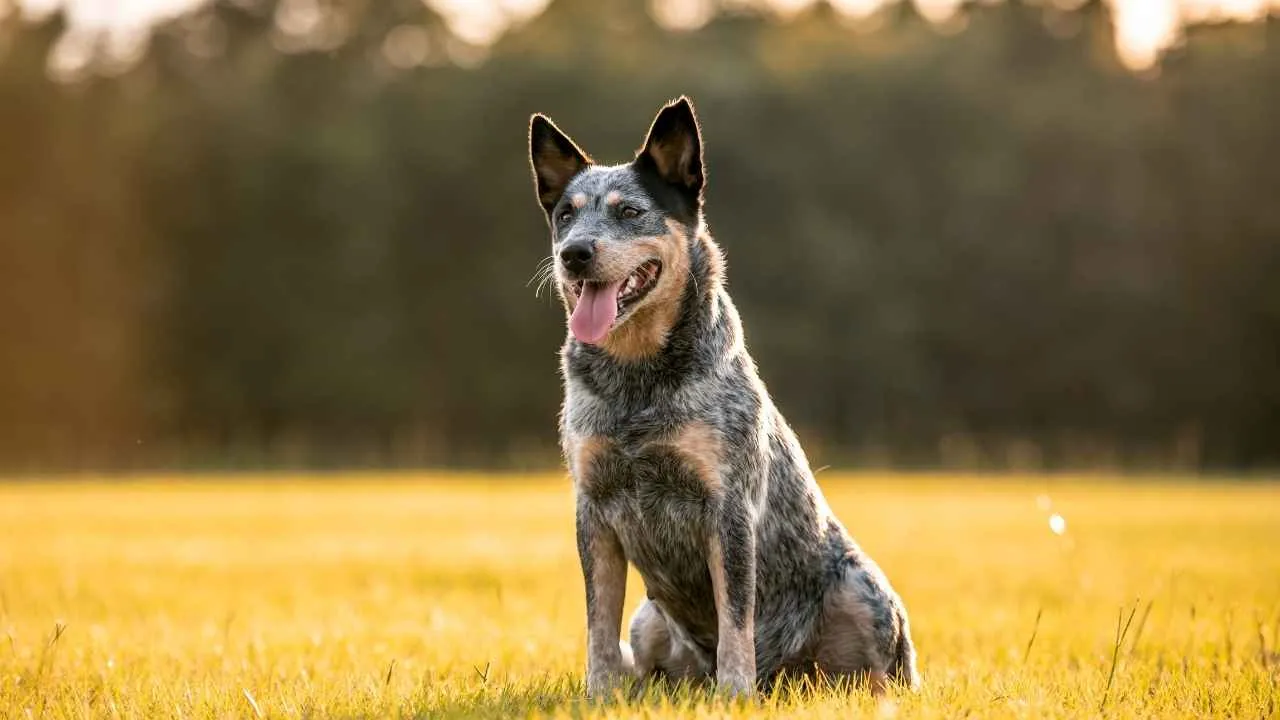
The Australian Cattle Dog doesn’t just enjoy chasing movement — it was practically built for it.
Originally developed to drive stubborn cattle across huge stretches of rough Australian land, this compact powerhouse has lightning-fast reflexes, nonstop stamina, and an intense instinct to control anything that moves.
A jogger passing by, kids running through the yard, or a squirrel darting across a trail can quickly trigger the breed’s chase response.
Unlike many herding dogs that rely mostly on barking or circling, the Australian Cattle Dog is famous for working close to livestock and nipping at heels to keep animals moving.
That fearless, high-pressure working style still shows up today, especially when the dog becomes bored or under-stimulated.
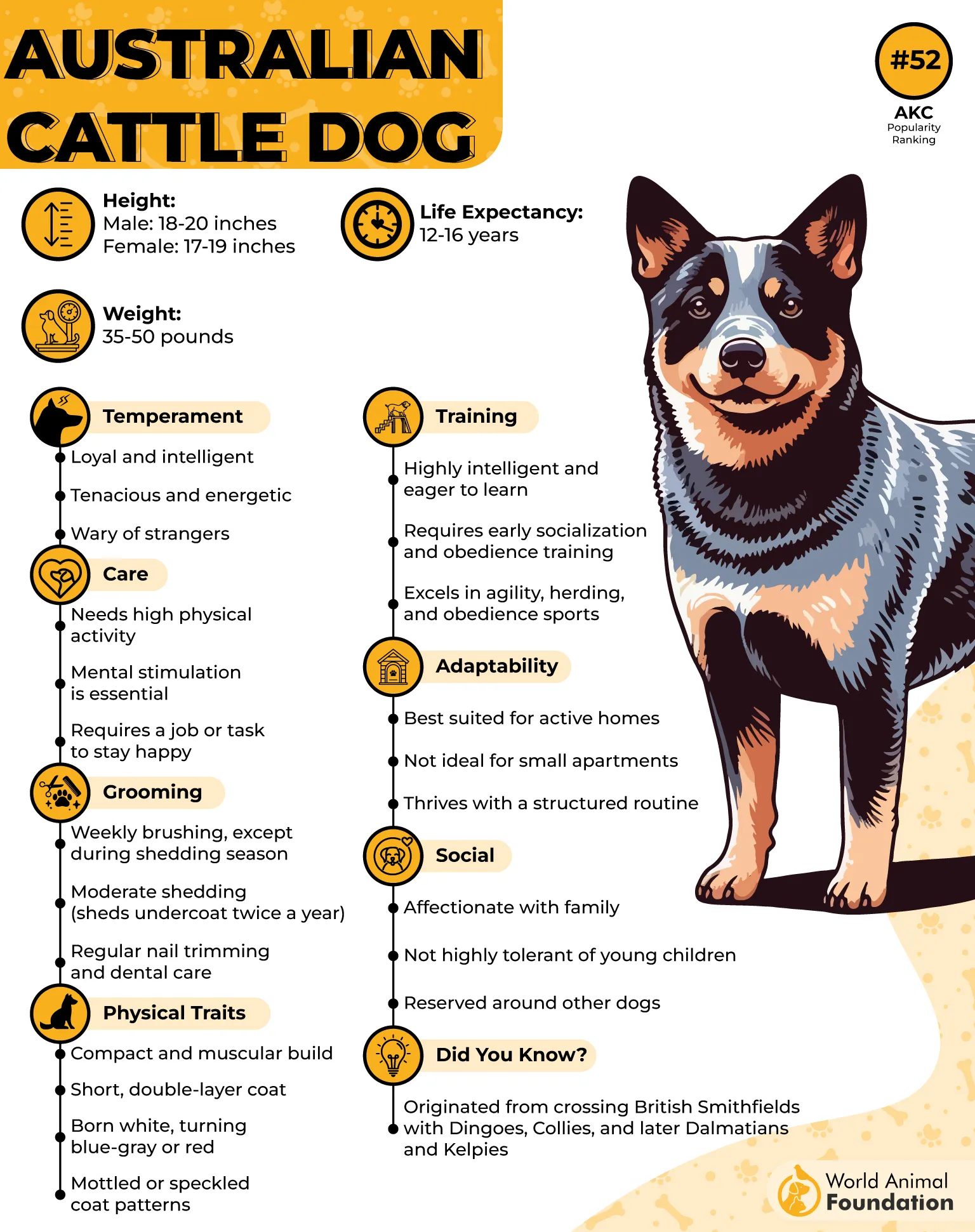
These dogs are incredibly intelligent and often clever enough to outsmart inexperienced owners.
Without daily exercise, advanced training, or mentally demanding activities like agility and herding games, they can become destructive fast. Their smooth, tireless gait also makes them exceptional running partners for active people.
One thing that immediately stands out is the herding breed’s unique speckled blue-gray or red coat, which develops as the puppy grows older after being born completely white.
9. Rhodesian Ridgeback
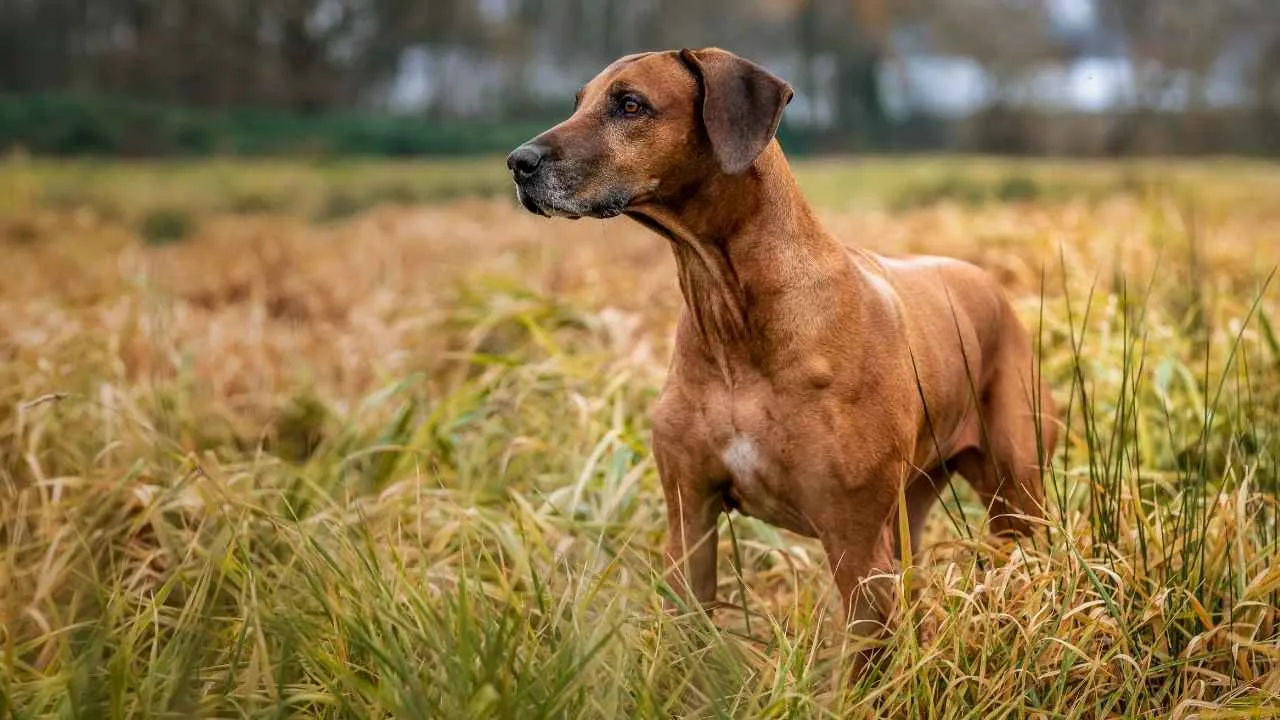
The Rhodesian Ridgeback has the calm confidence of a dog that knows exactly how powerful it is.
The Rhodesian Ridgeback was originally bred to track and bring down large game, showcasing a strong prey drive that requires supervision around smaller pets, as mentioned by PDSA.
A rabbit bolting across a field or a stray cat racing past the fence can instantly grab the Ridgeback’s full attention.
Strong, fast, and surprisingly agile for its size, the Ridgeback was bred to work long hours outdoors in harsh conditions.
That hunting background makes early training and careful early socialization especially important, particularly in homes with smaller pets.
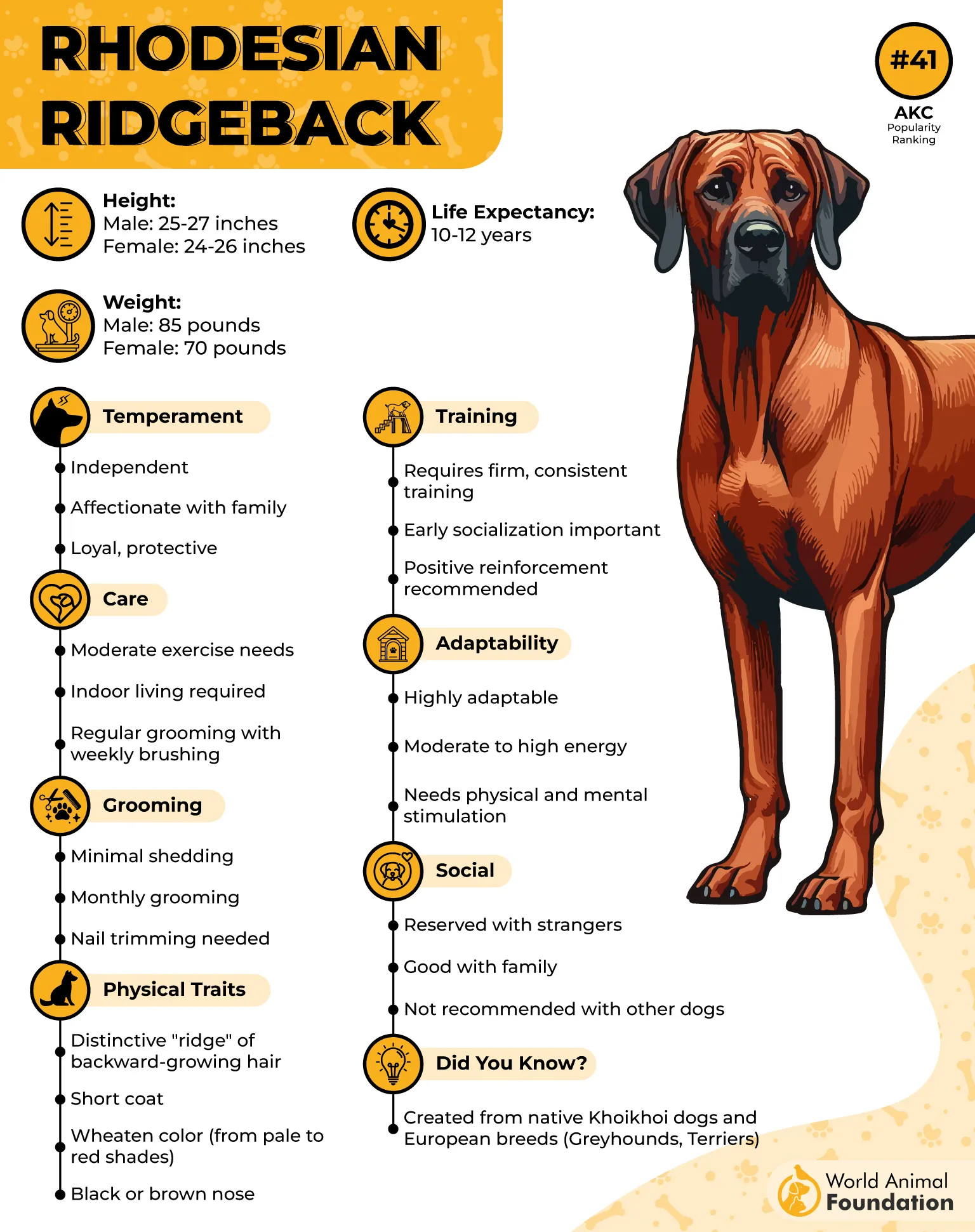
While some Ridgebacks can peacefully live with cats they were raised beside, unfamiliar small animals often trigger their natural chase instinct.
At home, they are usually calm and deeply loyal to their families, but they stay highly alert to their surroundings. Many owners notice how quickly the breed reacts to unfamiliar sounds or movement near the house.
One thing that makes the Ridgeback unforgettable is the narrow strip of hair along its back that grows in the opposite direction from the rest of the coat, creating the famous “ridge” the breed is named for.
10. German Shorthaired Pointer
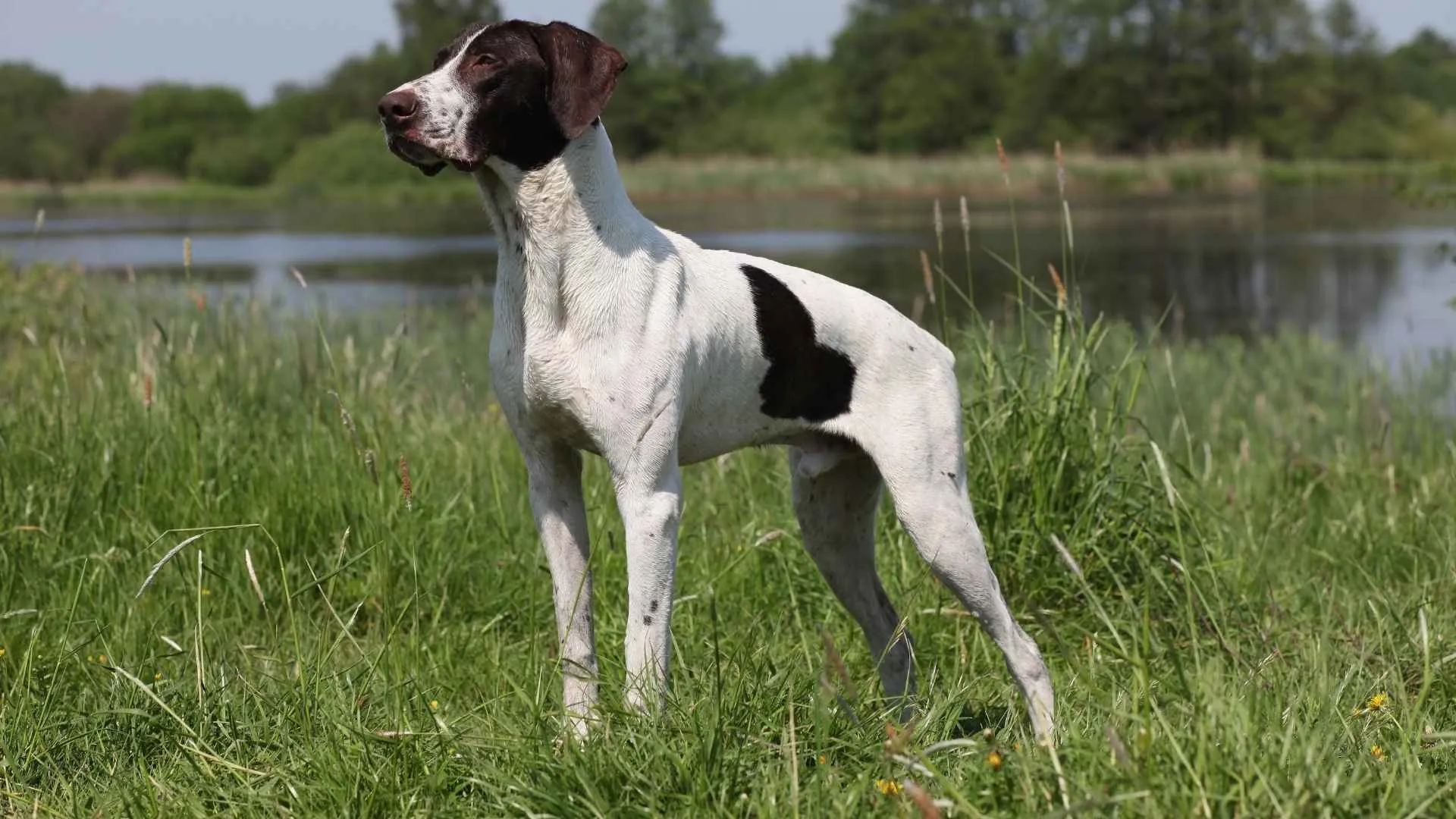
The German Shorthaired Pointer is the kind of dog that treats every hike, lake trip, or open field like the start of an exciting hunting adventure.
Originally bred in Germany as an all-purpose gundog, this athletic breed was designed to track, point, retrieve, and pursue game for hours without tiring. That powerful hunting background still fuels the breed’s intense prey drive today.
A bird taking off from tall grass or a rabbit darting across a trail can instantly grab the GSP’s attention. Their sharp instincts, explosive speed, and nonstop energy make them highly focused outdoors, especially when movement is involved.
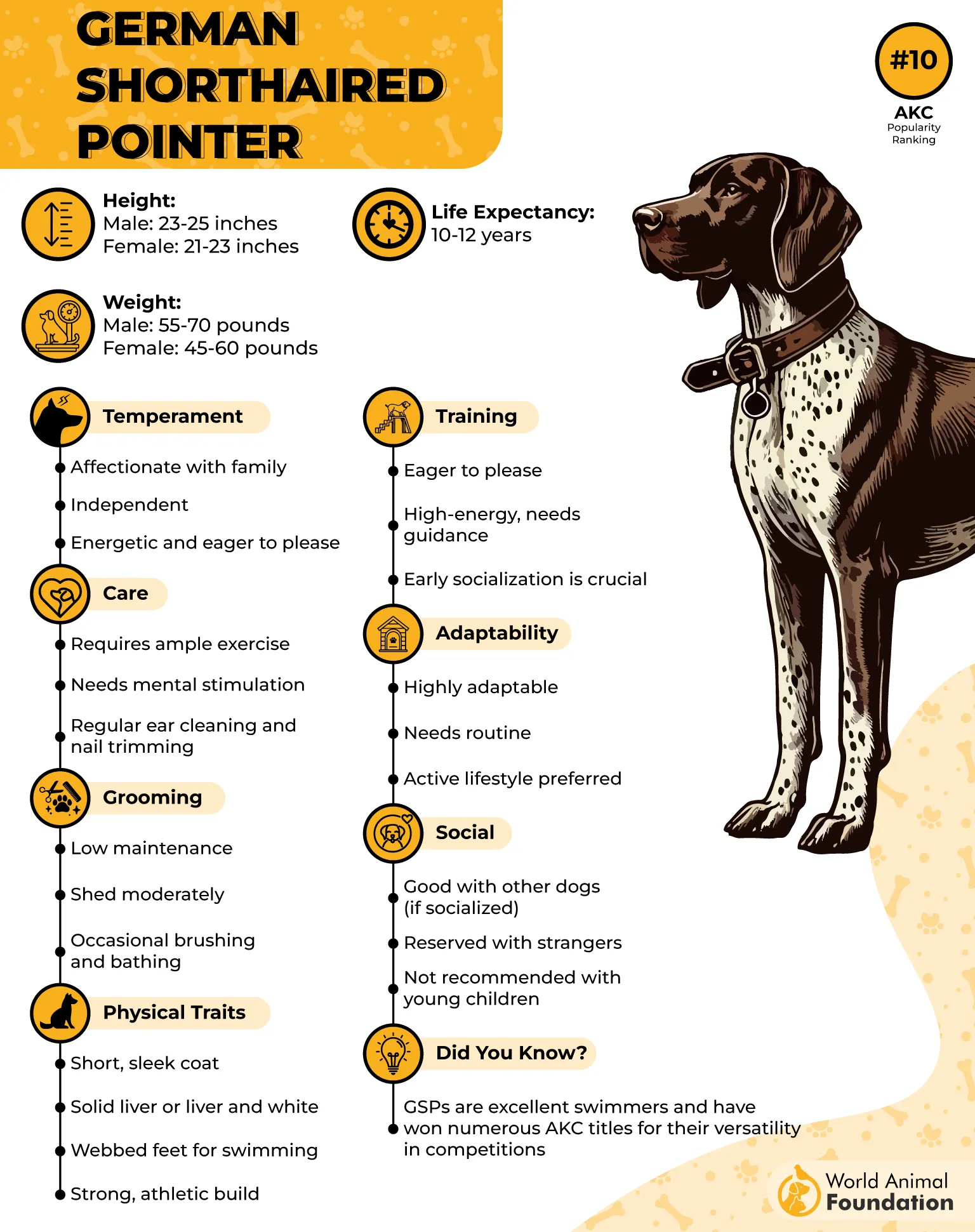
Owners often discover quickly that a quick walk around the block is nowhere near enough for this breed.
German Shorthaired Pointers thrive when they have challenging activities like field training, scent work, swimming, agility, or long-distance running with their people.
Without enough exercise and mental stimulation, boredom can turn into chewing, digging, or nonstop chaos around the house.
One thing that makes the breed unforgettable is its natural pointing stance — freezing perfectly still with intense focus, often with one paw lifted, the moment it detects hidden game nearby.
Conclusion
Living with a dog that has a powerful prey drive can feel exciting, exhausting, and hilarious all at once.
One second you’re enjoying a peaceful walk… the next you’re apologizing to strangers while your dog tries to investigate every moving leaf, bird, or squirrel in sight.
But these instincts are not flaws. They’re the result of generations of selective breeding for hunting, tracking, herding, and survival.
With proper training, secure spaces, daily exercise, and mental challenges, these energetic companions can thrive in active homes and form incredibly loyal bonds with their families.
