




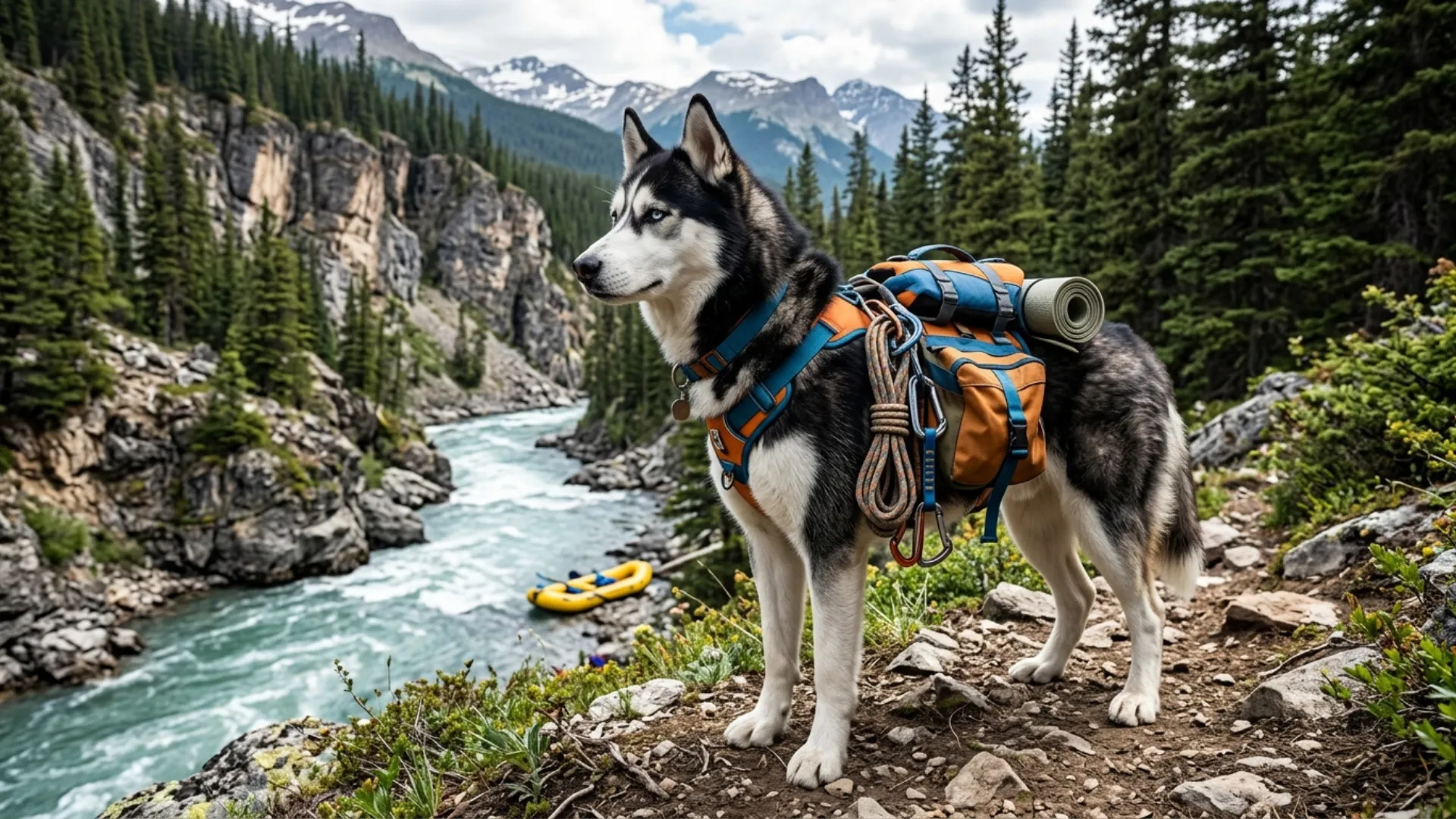
Camping, climbing, rafting, and long trail days call for a dog that can keep pace and adapt quickly. For active owners, the right breed is more than a companion; it is a capable partner in changing outdoor conditions.
Energy, endurance, and trainability all matter when paths get rugged and weather shifts without warning. Not every dog is suited for this kind of lifestyle, but certain breeds are naturally built for work, exploration, and teamwork.
In this guide, we look at 7 high-energy, versatile dog breeds that are well known for thriving in outdoor adventures and staying engaged when the terrain gets challenging.
Versatile Dog Breeds Ready for Camping, Climbing, and Rafts
1. Vizsla
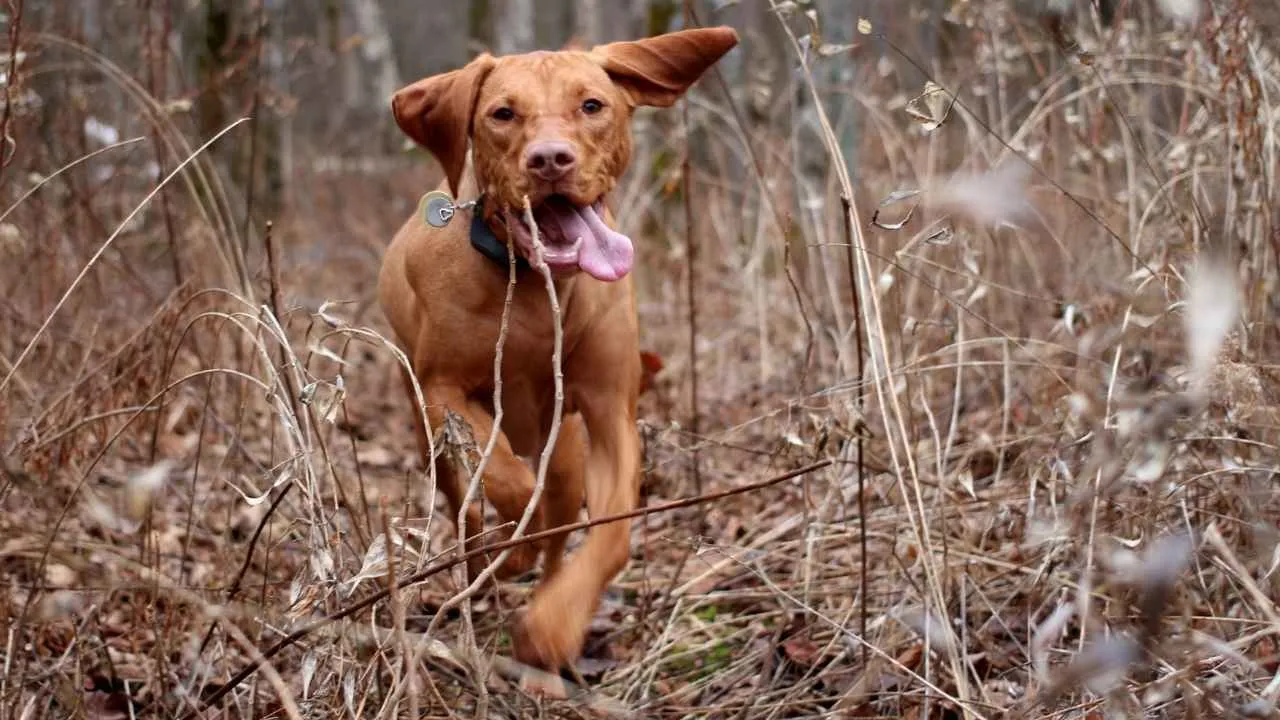
The Vizsla is a Hungarian hunting breed developed as a close-working gun dog known for tracking, pointing, and retrieving. Built with a lean, athletic frame, it is fast, agile, and comfortable working through dense cover while staying close to its handler. Its short, sleek coat reflects its field heritage and active lifestyle needs. It also works closely in partnership with its owner and performs well in water retrieves.
It is famously affectionate and people-oriented, often forming a strong attachment to its family and preferring not to be left alone for long periods. Known as a Velcro-style companion, it tends to stay near its owner throughout daily routines. According to the AKC, early socialization helps it interact smoothly with children and other pets, especially in busy households or outdoor environments.
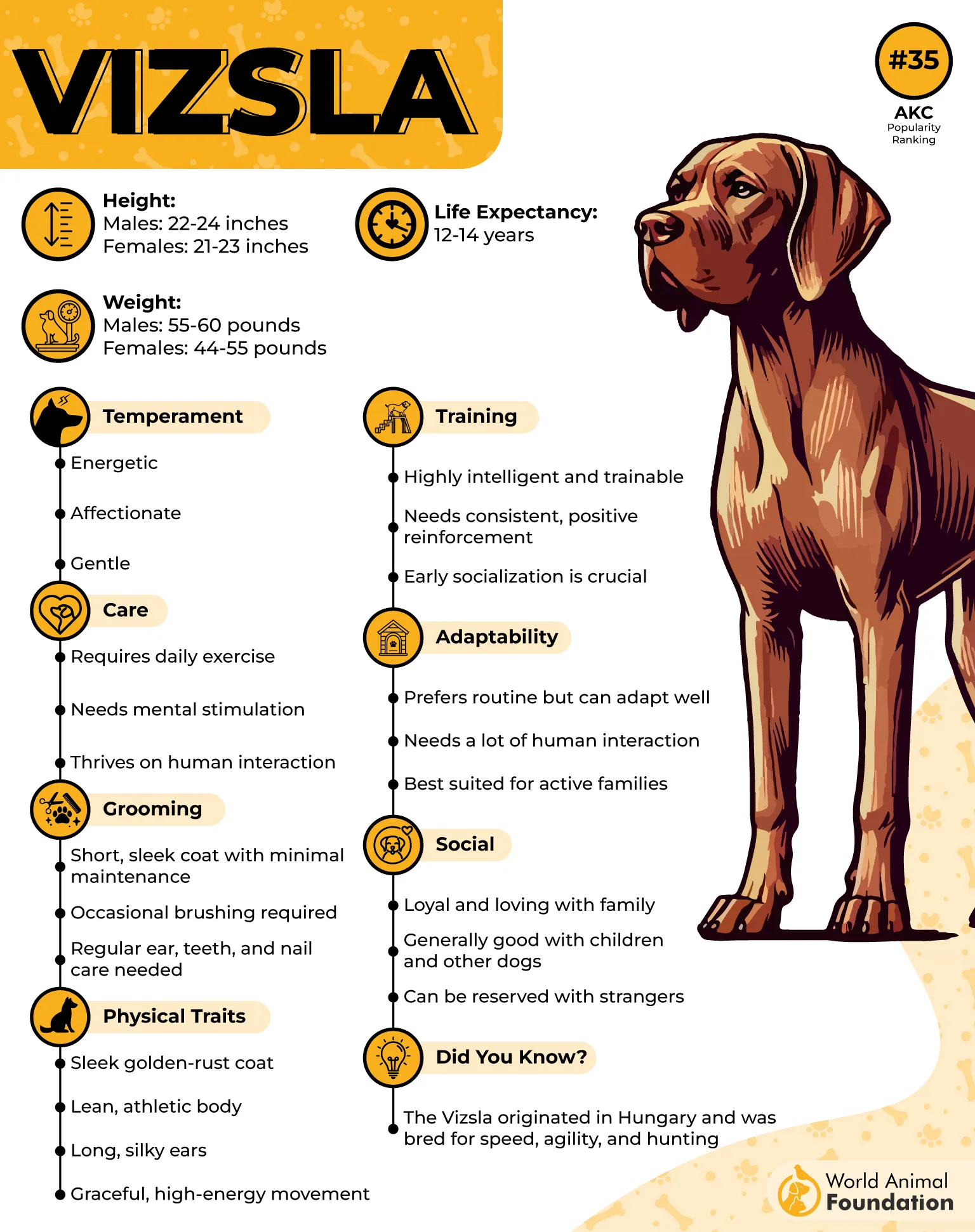
It enjoys vigorous outdoor activity, including running and swimming, making it well-suited to active owners who spend time outside. Regular exercise and mental engagement help maintain balanced behavior. Its short coat is easy to care for with brushing, and its active nature makes it a natural match for long trail days.
Why This Breed Is a Good Fit
Naturally built for sustained movement across varied terrain
Comfortable around water, useful for rafting-style adventures
Stays close to handlers, helpful in open outdoor spaces
2. Weimaraner
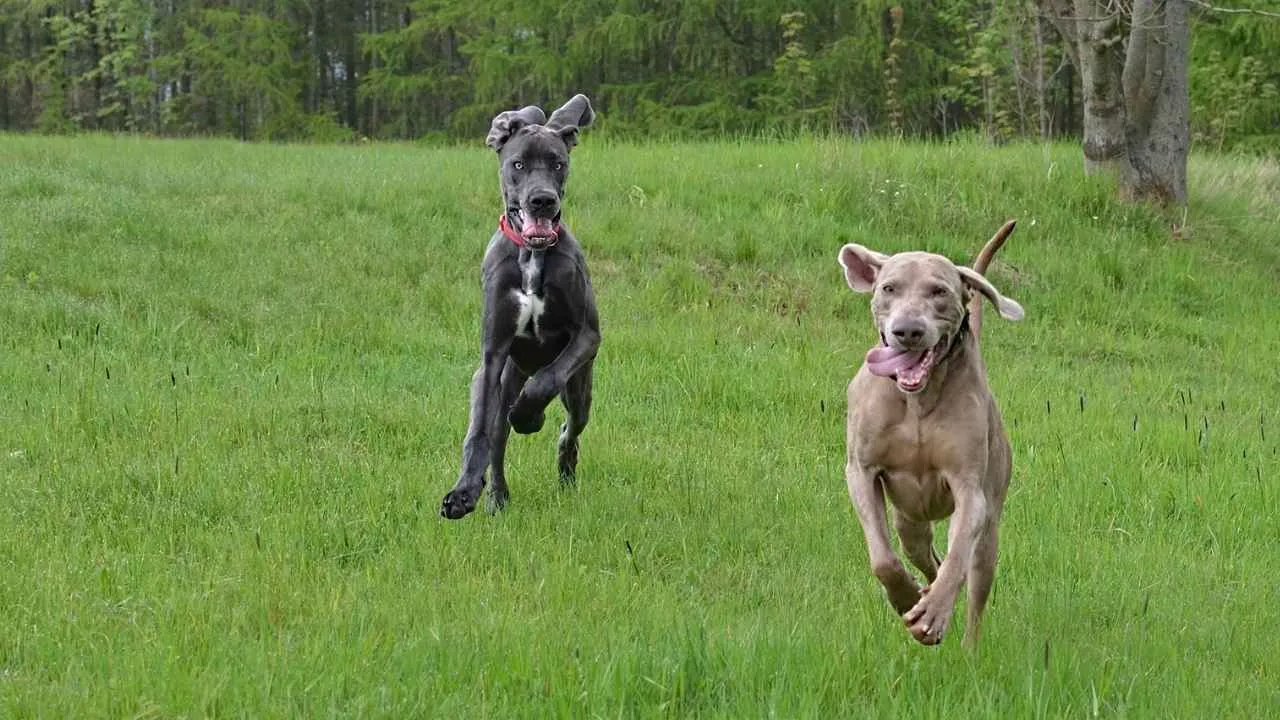
Originally developed in 19th-century Germany for hunting large game, the Weimaraner is a strong and elegant sporting dog. Over time, it adapted to smaller game but kept its stamina and drive. Its silver-gray coat and athletic build give it a striking, alert appearance suited to long outdoor activity.
It is known for a friendly, affectionate personality and strong attachment to its family. The breed enjoys interaction and tends to do best in homes where it receives regular attention. High energy levels make it naturally drawn to exercise and outdoor movement, especially in active environments.
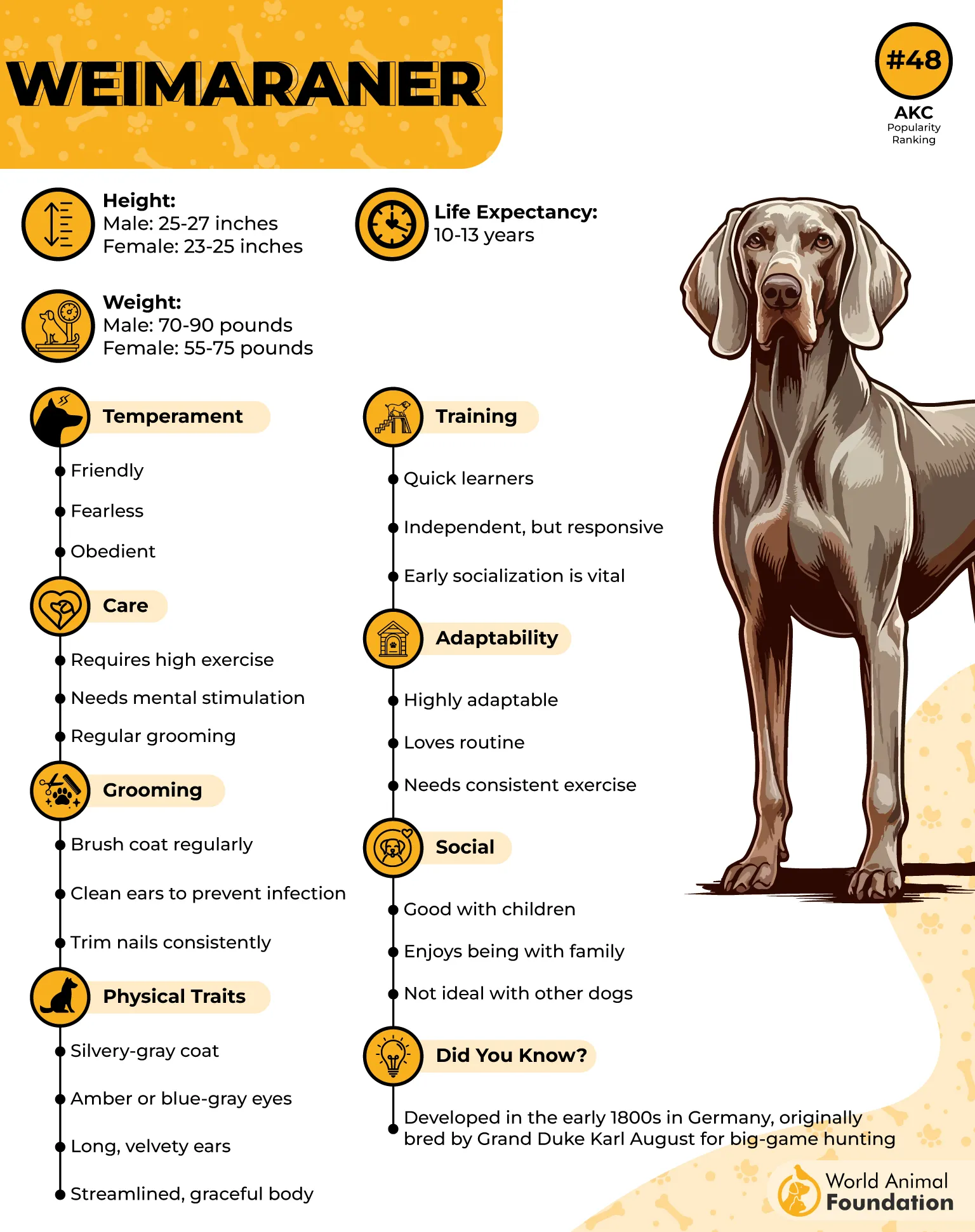
As per the WebMD, it is highly intelligent and learns quickly, though this also means it can pick up unwanted habits without steady guidance. Mental stimulation is important alongside physical exercise to prevent boredom. Its short coat is low maintenance, but ear care matters, and it may be less reliable with other dogs without early socialization.
Why This Breed Is a Good Fit
High endurance supports long hikes and climbing days
Learns outdoor routines quickly with consistent training
Thrives in active settings with constant movement and engagement
3. Border Collie
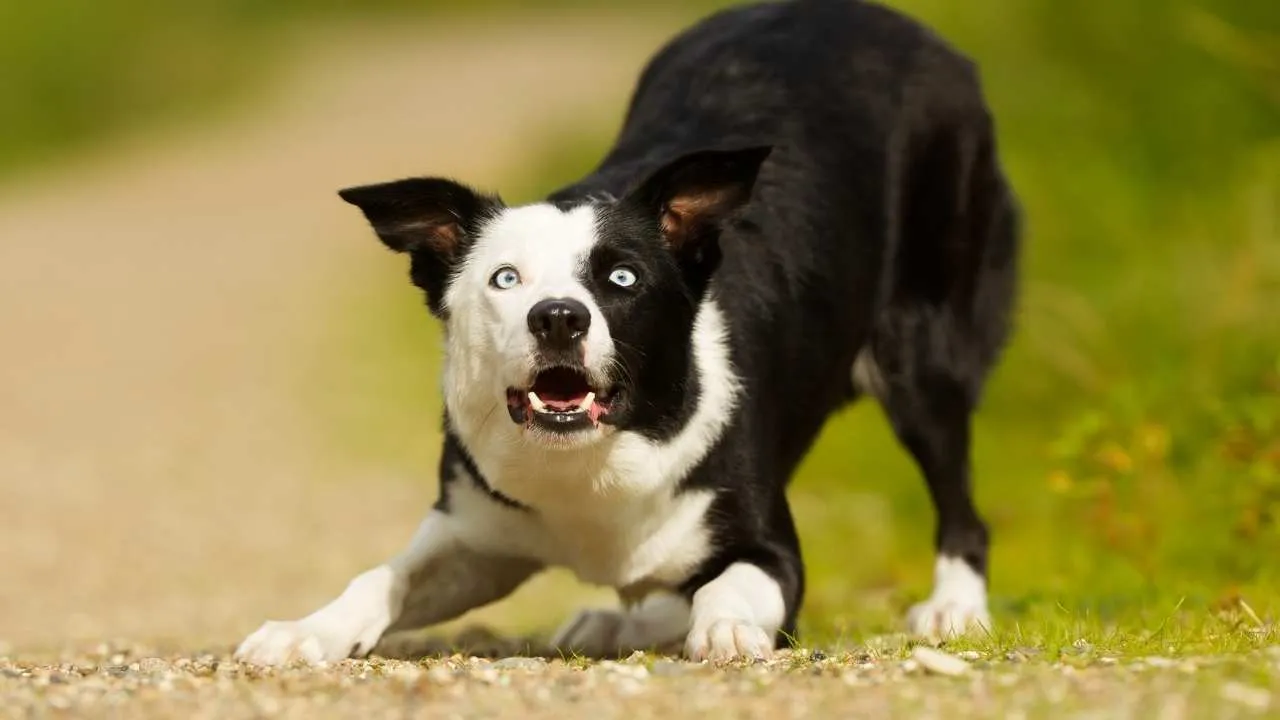
Border Collies are highly energetic working dogs originally bred in Great Britain for herding livestock. Known for intense focus and agility, they are built for fast, precise movement and structured work. Even today, many remain active on farms or in performance-based environments.
This breed is extremely intelligent, which makes training rewarding but also demanding. Without enough activity, they may develop behaviors like barking or attempting to herd people and pets. They tend to be reserved with strangers but form strong bonds with their family when well socialized.
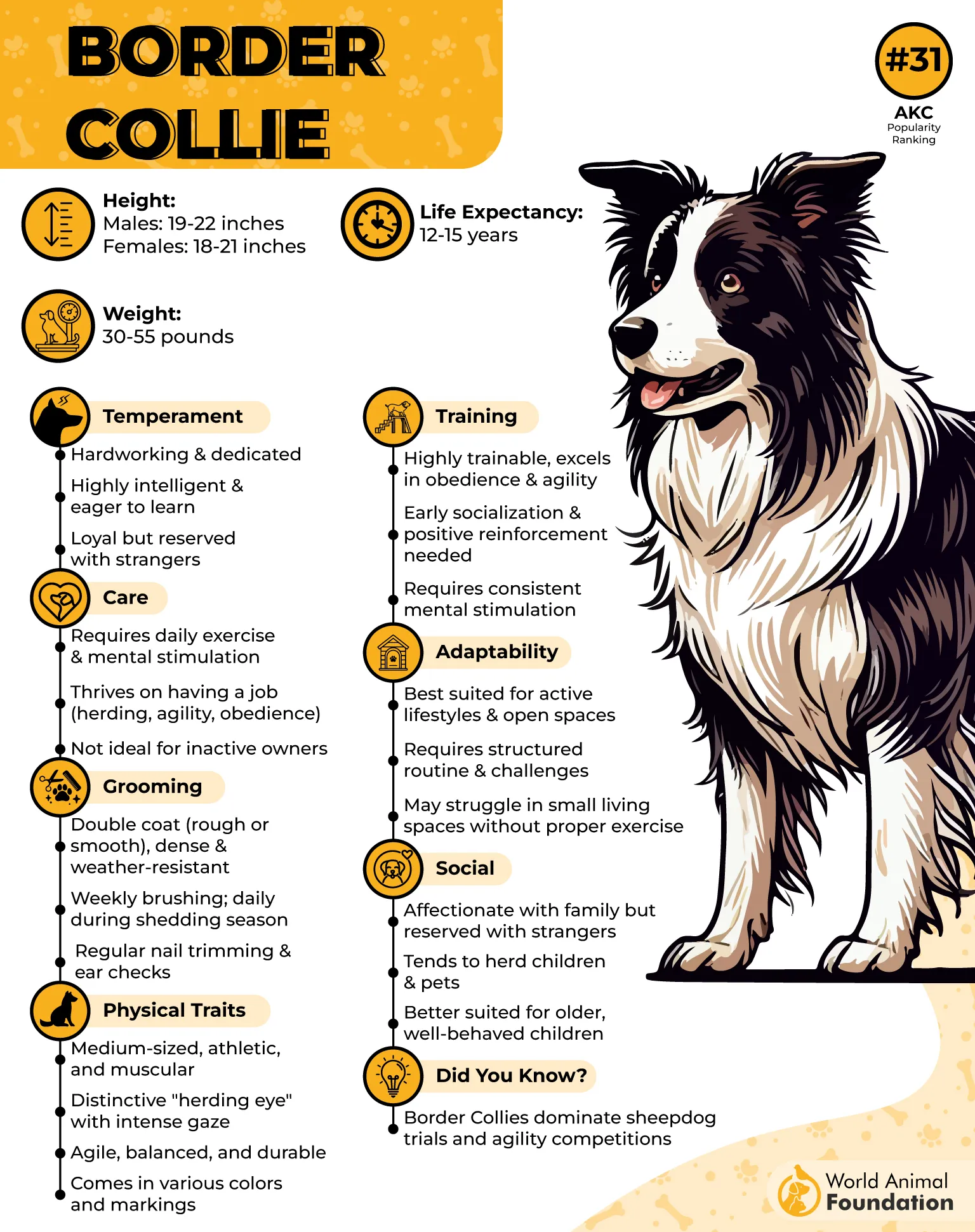
PetMD states that they require significant daily exercise along with mental challenges to stay balanced. Their double coat sheds year-round and needs regular brushing to stay manageable. While generally active and resilient, they can be prone to certain genetic conditions, making routine care and monitoring important.
Why This Breed Is a Good Fit
Excels in agility-style outdoor activities and trail movement
Handles long physical sessions with strong endurance
Highly responsive to training in changing outdoor environments
4. Siberian Husky
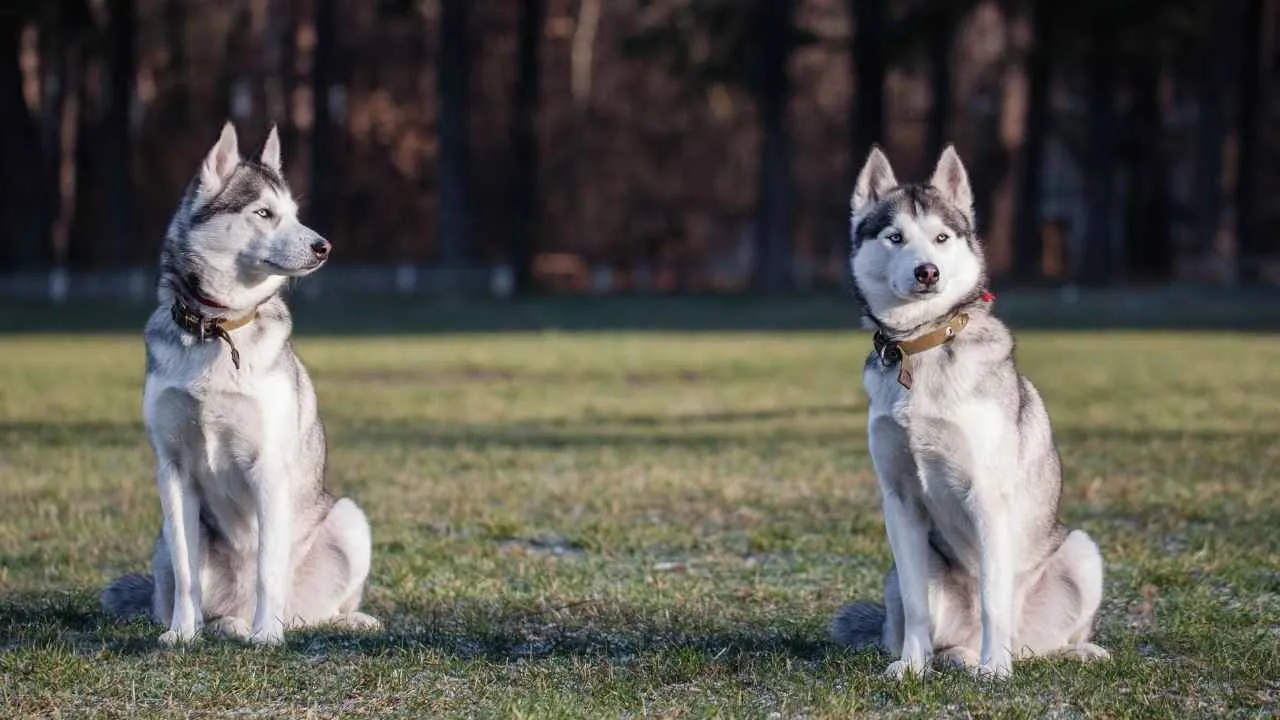
Siberian Huskies are northern working dogs developed by the Chukchi people for sled pulling and long-distance endurance. Built for cold environments, they have a strong frame and dense double coat. Their appearance often includes striking eye colors and a wolf-like expression that reflects their heritage.
They are generally friendly with people and enjoy social interaction, though they also show an independent nature. Their strong instinct to run means they need secure environments and consistent activity. Without proper outlets, they may become restless or difficult to manage.
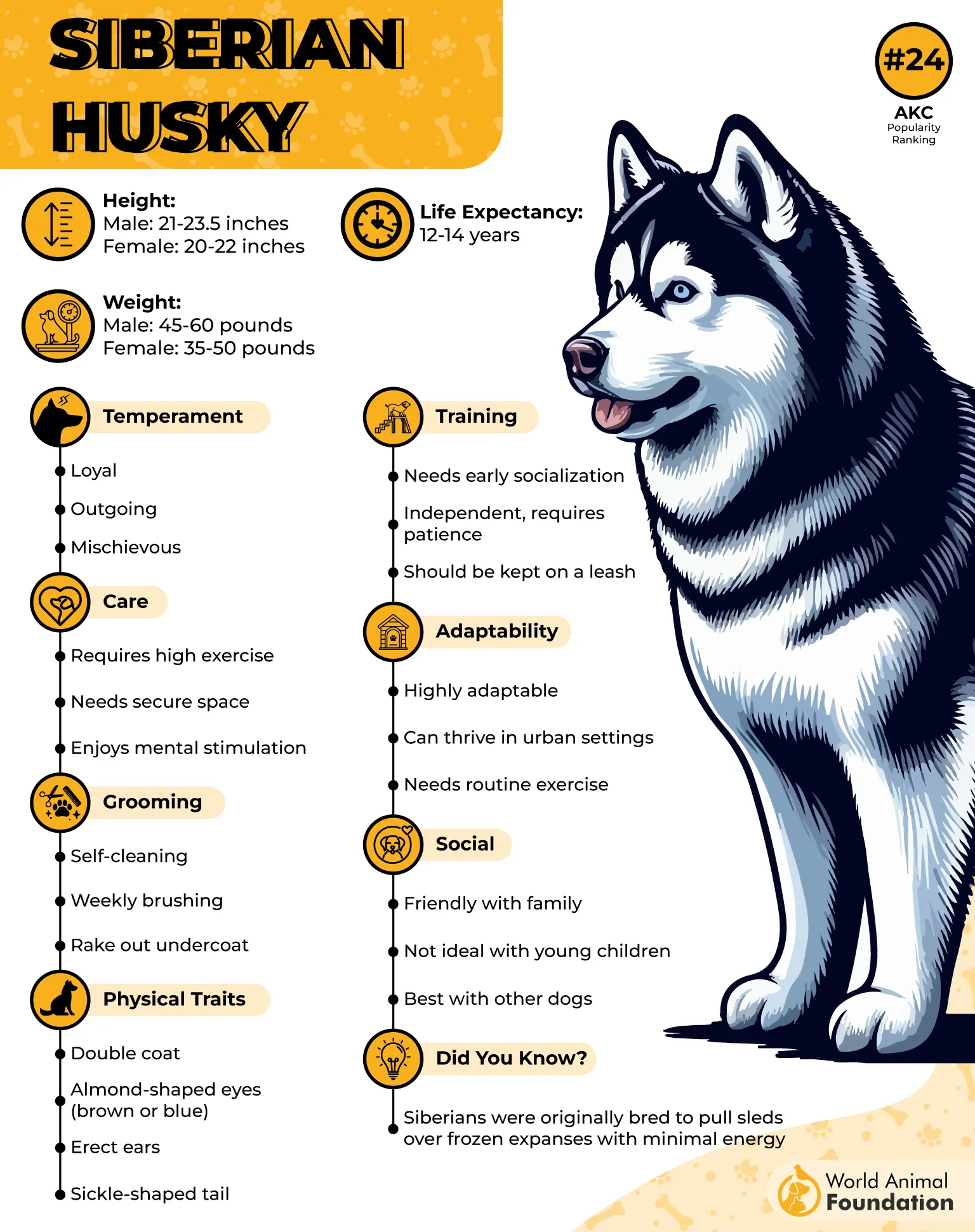
They shed heavily during seasonal changes and need regular grooming to manage their coat. They are more likely to howl than bark, especially when bored. Activities like sled-style sports or long-distance exercise suit their natural endurance and keep their energy well directed.
Why This Breed Is a Good Fit
Built for endurance over long distances and tough terrain
Performs well in cold-weather outdoor adventures and travel
Strong stamina supports extended active outdoor days
5. German Shorthaired Pointer
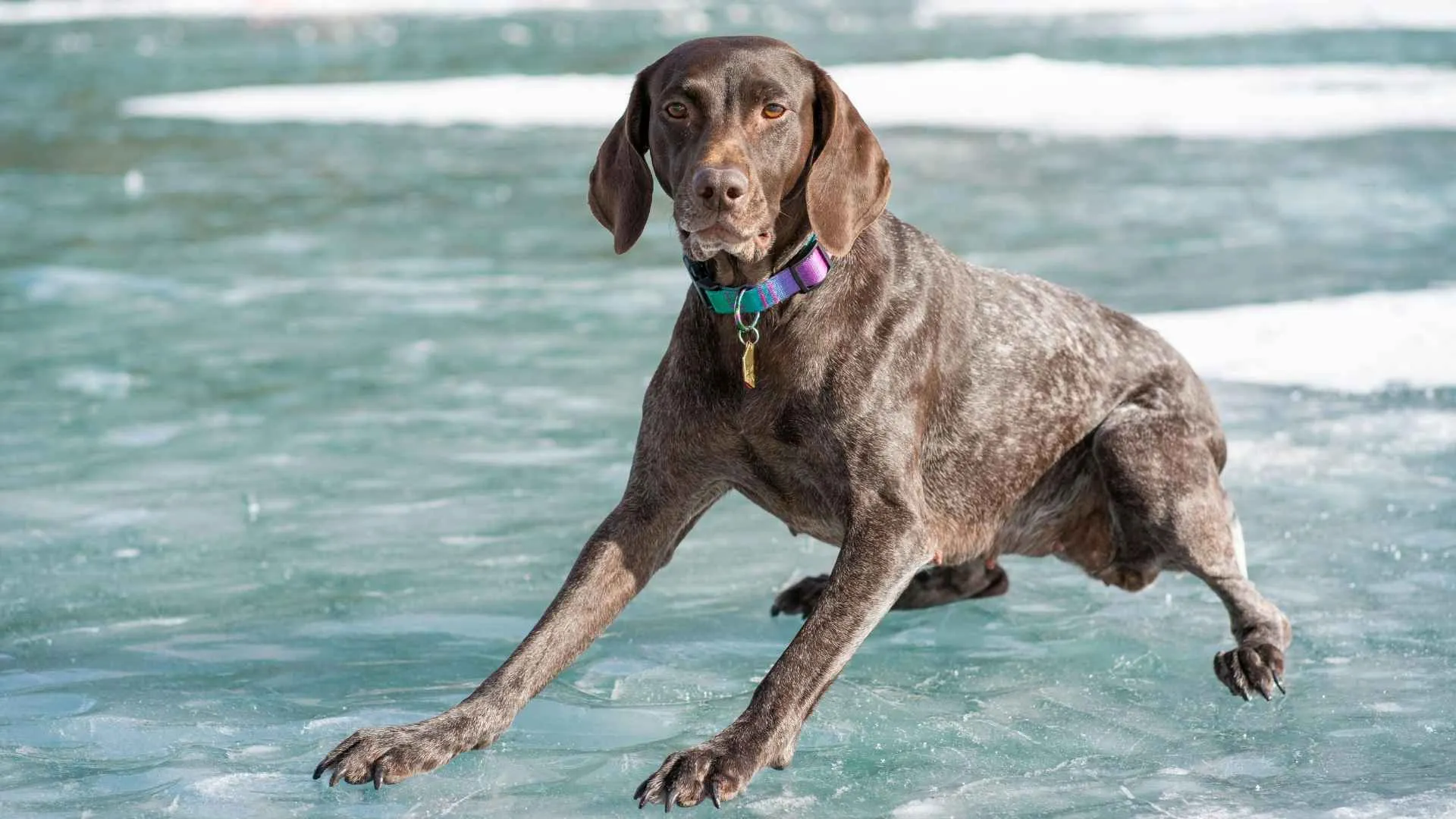
The German Shorthaired Pointer is a versatile sporting breed developed in Germany as an adaptable all-purpose hunting companion. Built with a streamlined and athletic body, it is designed for speed, endurance, and efficient movement across land and water. Its short, dense coat supports outdoor work, and its webbed feet reflect its ability to handle swimming tasks as well as fieldwork.
This breed is known for being social, energetic, and highly engaged with its environment. It forms strong bonds with people and tends to work best when included in daily activities rather than left alone. Its natural alertness makes it quick to notice changes in surroundings, especially during outdoor adventures.
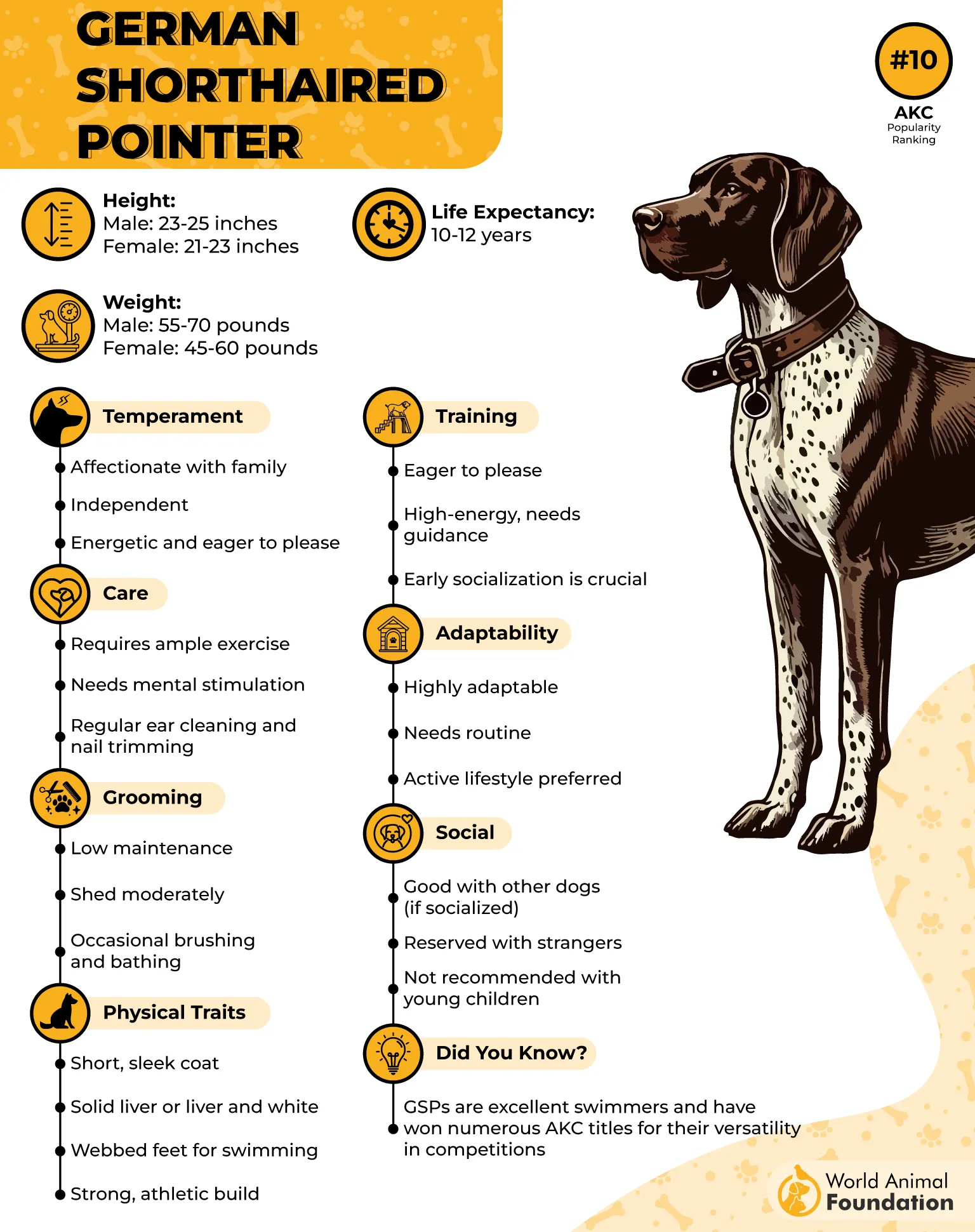
Training comes easily due to its eagerness to cooperate, but its high energy level requires consistent physical and mental outlets. Without enough stimulation, it can become restless or overly excitable. Regular outdoor exercise, such as running or swimming, helps maintain balance, and routine care like nail trimming and ear cleaning, supports an active lifestyle.
Why This Breed Is a Good Fit
Built for endurance across land and water environments
Responds well to training during active outdoor exploration
Handles physically demanding adventures with strong stamina
6. Australian Shepherd
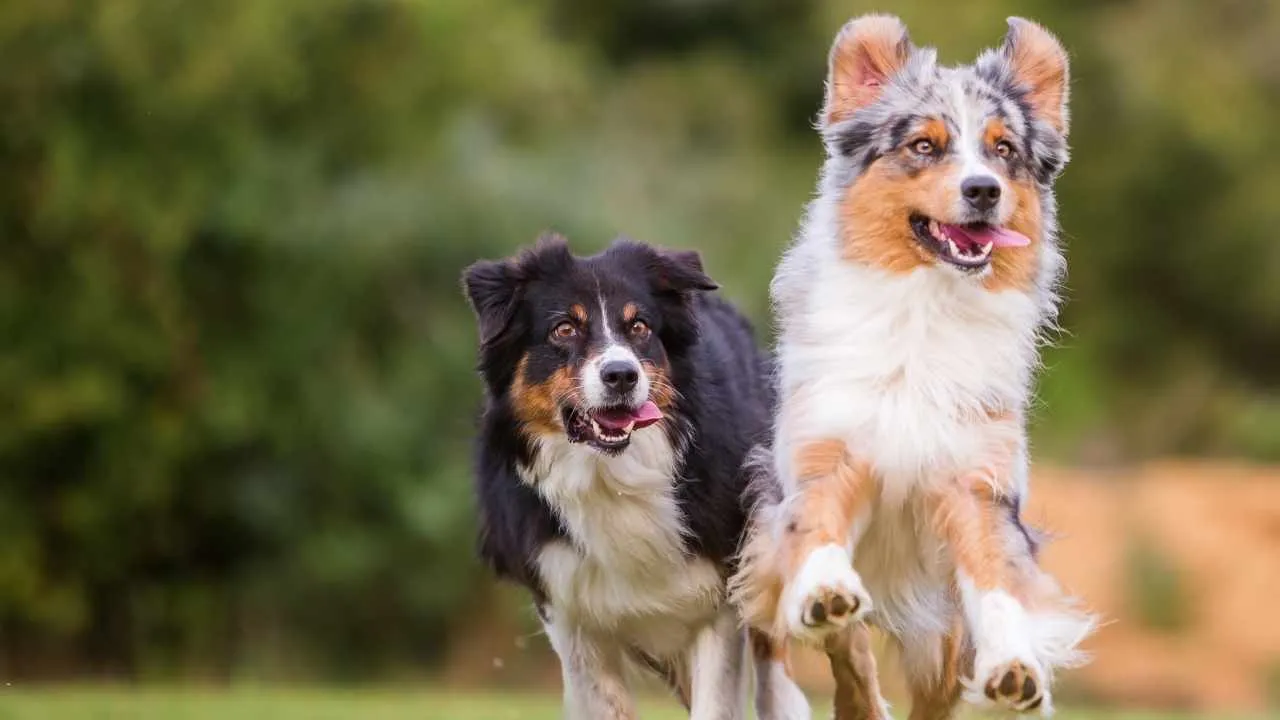
The Australian Shepherd is a working herding breed that developed in the United States despite its name. It traces back to European shepherd dogs brought through Australia before becoming refined in American ranch environments. Known for versatility, it has long been valued for handling both livestock and demanding outdoor work.
This breed is highly intelligent and driven, often showing strong focus when given a task. It tends to be protective yet playful, and it forms close connections with its family. However, it may try to herd people or animals, especially in active or chaotic environments.
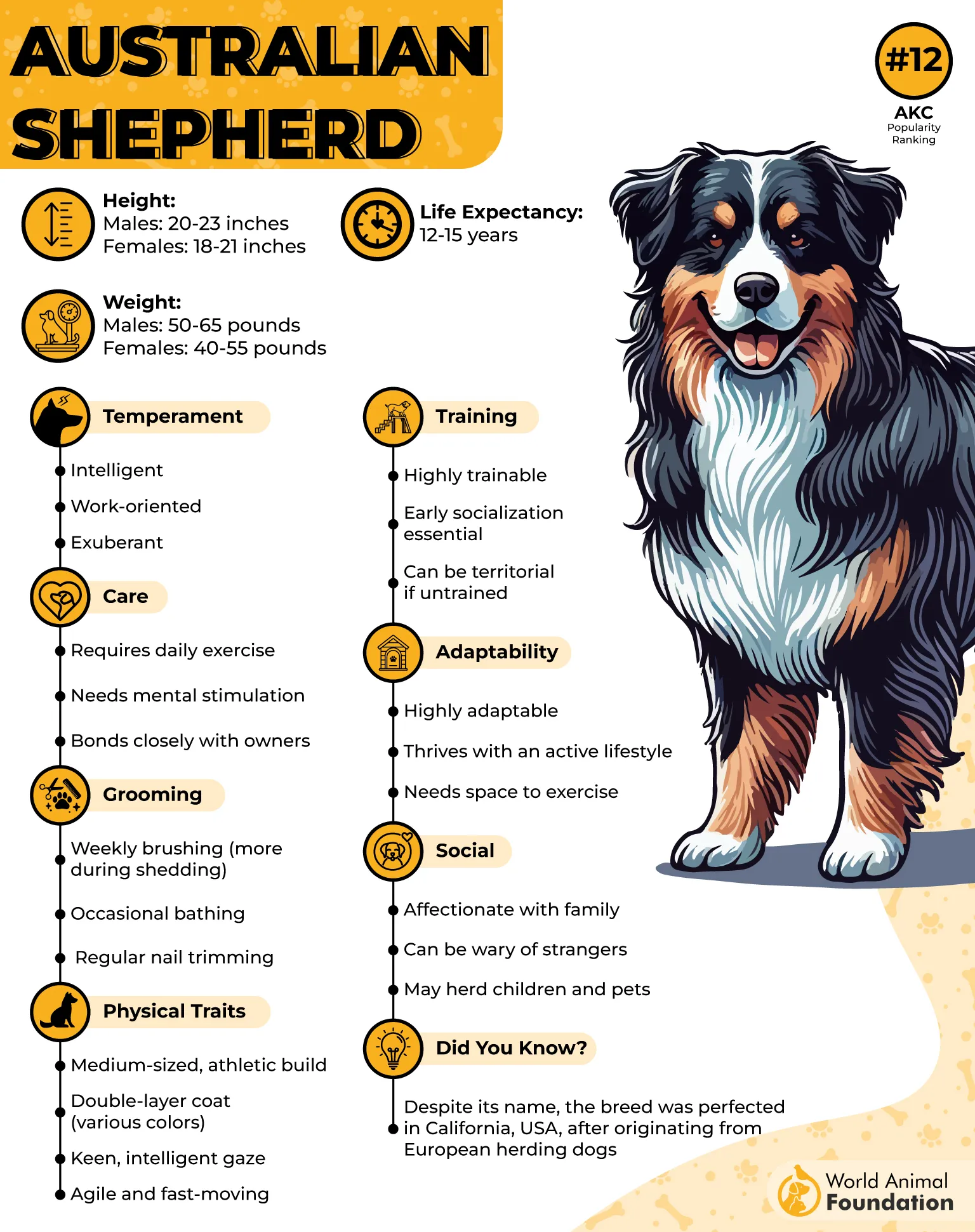
It thrives on constant engagement, both physical and mental, and does best when given structured activities or jobs. Regular exercise is essential to prevent frustration or unwanted behaviors. Its medium-length double coat needs routine brushing, especially during seasonal shedding periods when grooming demands increase significantly.
Why This Breed Is a Good Fit
Strong herding instincts translate well to controlled outdoor movement
High energy level supports long days of hiking and trail work
Quick learner that adapts to changing outdoor routines
7. Labrador Retriever
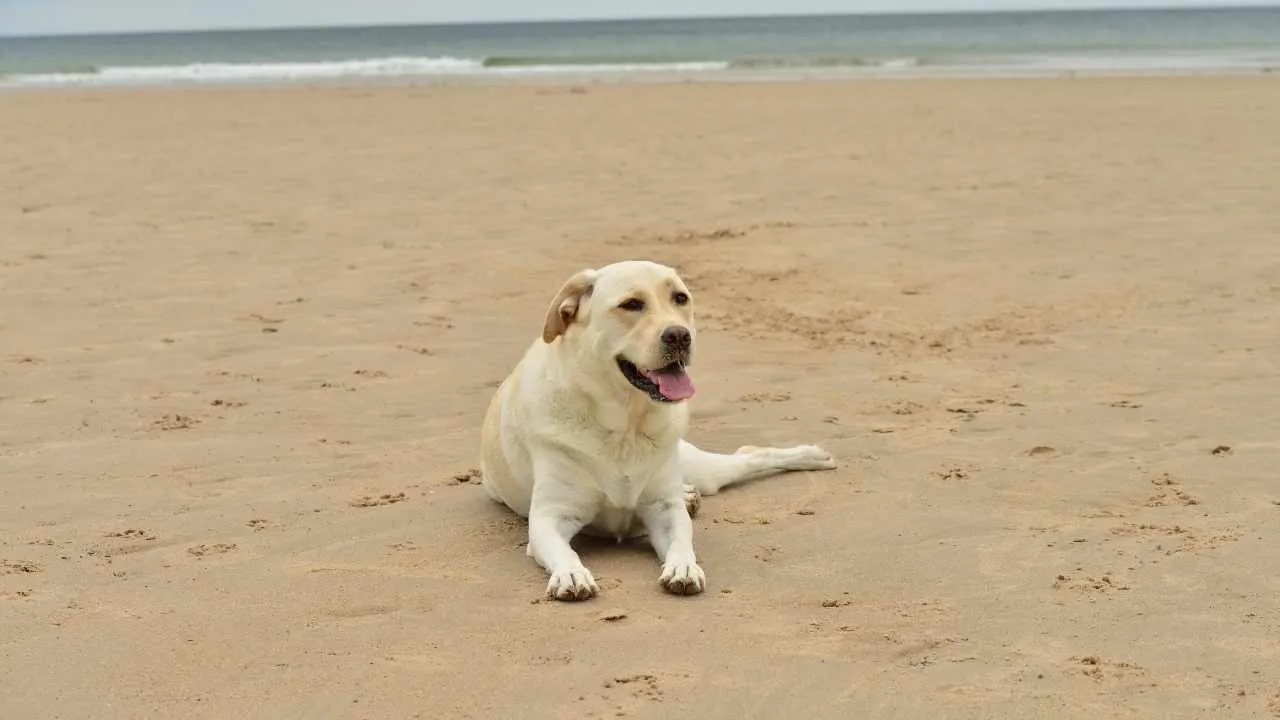
The Labrador Retriever is a Canadian-origin sporting breed developed from St. John’s water dogs and refined in England for retrieving work. It is strongly built with a broad head, sturdy frame, and a water-resistant double coat. Physical traits like its otter-like tail and webbed paws make it especially suited for swimming and water-based activities.
It is widely known for its friendly, social, and people-oriented nature. Labs tend to be highly affectionate and eager to engage with both family members and strangers. Their strong desire to interact and retrieve makes them naturally drawn to play and outdoor activities.
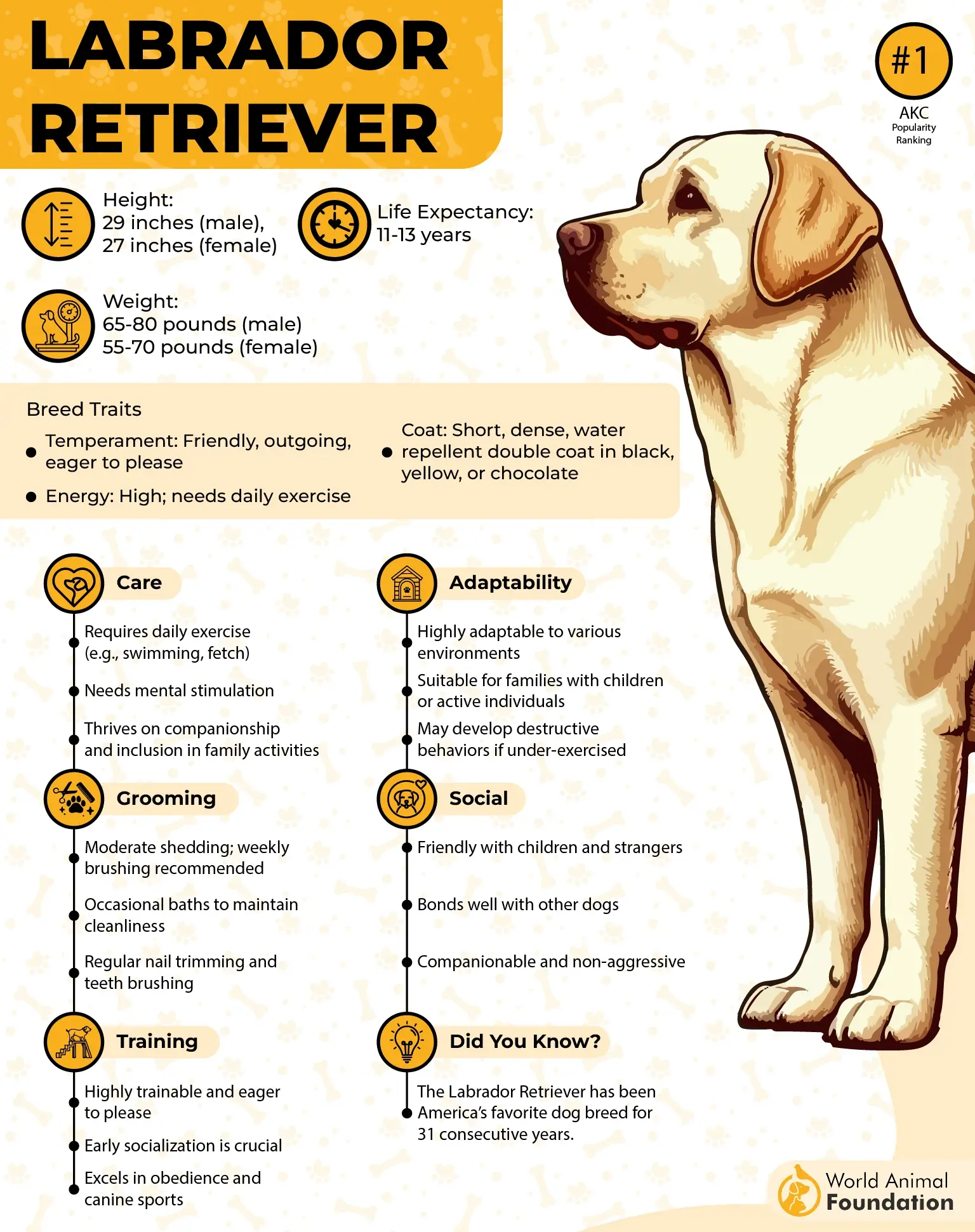
This breed is highly trainable and responds well to consistent guidance, especially when introduced to proper training early. It requires regular exercise to stay balanced, as a lack of activity can lead to boredom or destructive habits. Grooming needs are simple, with weekly brushing usually enough to manage shedding.
Why This Breed Is a Good Fit
Excellent swimmer, ideal for rafting and water adventures
Strong retrieving drive supports active outdoor play
Friendly temperament makes it reliable in group outdoor settings
Conclusion
Choosing the right dog for outdoor adventures comes down to matching energy, temperament, and training needs with your lifestyle.
The breeds in this guide are known for their stamina, intelligence, and willingness to stay active through long hikes, climbs, and water trips. While each has its own personality, all of them thrive when given space to move, tasks to focus on, and consistent guidance from their owner.
With the right preparation, these dogs can become dependable trail companions who enjoy every step, splash, and summit as much as you do, making outdoor experiences more rewarding and a lot more fun.
