




Imagine a dog so tied to human life that it worked beside us, followed our rituals, guarded our homes, helped feed our families, and then simply disappeared.
That’s the strange, bittersweet story behind dog breeds lost forever. These weren’t fantasy animals or forgotten legends. They were real dogs that once had a clear place in the world—until human habits changed, old jobs vanished, wars disrupted communities, or newer breeds slowly replaced them.
Some were bred for highly specific tasks, some were part of cultural traditions, and some simply fell out of fashion when people stopped needing them.
Here’s the surprising part: the idea of a “dog breed” as we know it today is actually fairly modern. Before organized dog shows and breed standards became popular in the 1800s, many dogs were grouped more by what they did than by how perfectly they looked.
When society changed, many of those old working lines had no place left to go.
So, what happened to these vanished dogs—and why will we never see them again? Let’s step back into history and meet the lost breeds that time left behind.
Key Takeaways
- Extinct dog breeds often vanished because human needs, traditions, and lifestyles changed.
- Many lost dogs were once used for hunting, guarding, rituals, food, or hard daily work.
- Crossbreeding, strict laws, and changing breed fashions helped push several dogs out of existence.
- Their legacy still lives on in modern breeds, old records, artwork, and canine history.
You’ll Never See Them Again: Dog Breeds Lost Forever
1. Talbot Hound
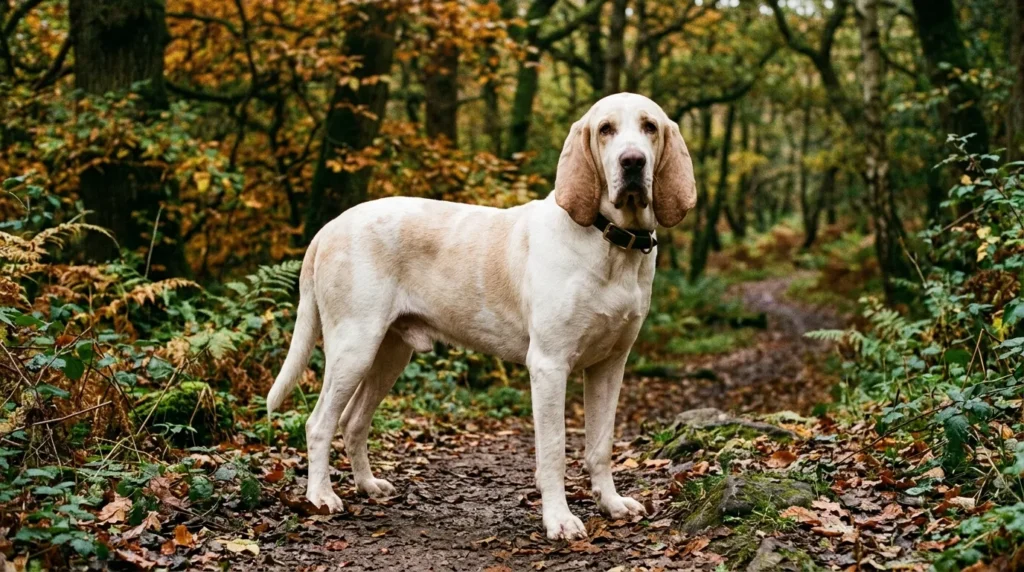
The Talbot hounds were once common hunting dogs in England during the Middle Ages. They were also linked to the name St. Hubert Hounds.
These dogs are now lost forever, but their story still remains in old art, records, and heraldry. Many believe they helped shape modern Beagles, Bloodhounds, and Coonhounds.
What They Looked Like
These hounds were usually shown as white dogs with short legs, long drooping ears, large, powerful feet, deep chests, slim waists, and very long, curled tails.
In one famous image at Haddon Hall, they were even shown with a fierce expression. People are still unsure exactly how they hunted. They may have been scent hounds, sight hounds, or dogs used to dig out quarry.
Why They Vanished
The origin of their name is uncertain, too. The Talbot hounds may have begun as emblematic or heraldic dogs, because they appeared often in coats of arms. Along with Greyhounds, they were among the only hounds used in English heraldry.
Over time, these slow but careful scent hounds were likely absorbed into other breeds, especially the Bloodhound. That is why you will never see true Talbot hounds again.
2. St. John’s Water Dog
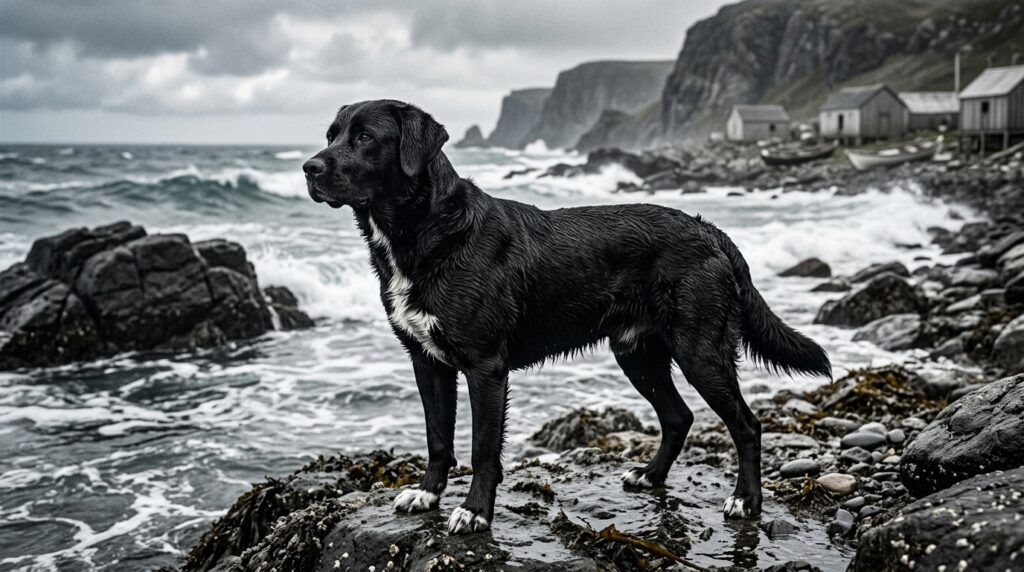
The St. John’s Water Dogs were also known as Lesser Newfoundlands, St. John’s Dogs, or St. John’s Newfoundlands. They came from Newfoundland and were closely linked to the fishing life there.
These dogs loved water, worked outdoors, and were known for their loyalty, intelligence, and strong desire to please their owners.
What They Looked Like and Did
These dogs were strongly built, with muscled chests, long snouts, thick tails, and short, thick coats that helped protect them in cold water. They were usually black with white markings on the chest, feet, chin, and snout.
Fishermen used them to retrieve fish, carry ropes, and help pull nets back to shore. Some larger ones were even used for hauling wood and pulling sleighs.
Why They Were Lost Forever
Their decline began after strict dog laws were introduced in Newfoundland, including the Newfoundland Sheep Act of 1780. Later taxes, especially on female dogs, made breeding harder. The British Quarantine Act of 1895 also limited their export to England.
Over time, many were crossed into other breeds, including modern Labradors, Newfoundlands, and retrievers. The last known St. John’s Water Dogs were two males photographed in the 1980s, meaning the true breed could not continue.
3. Molossus
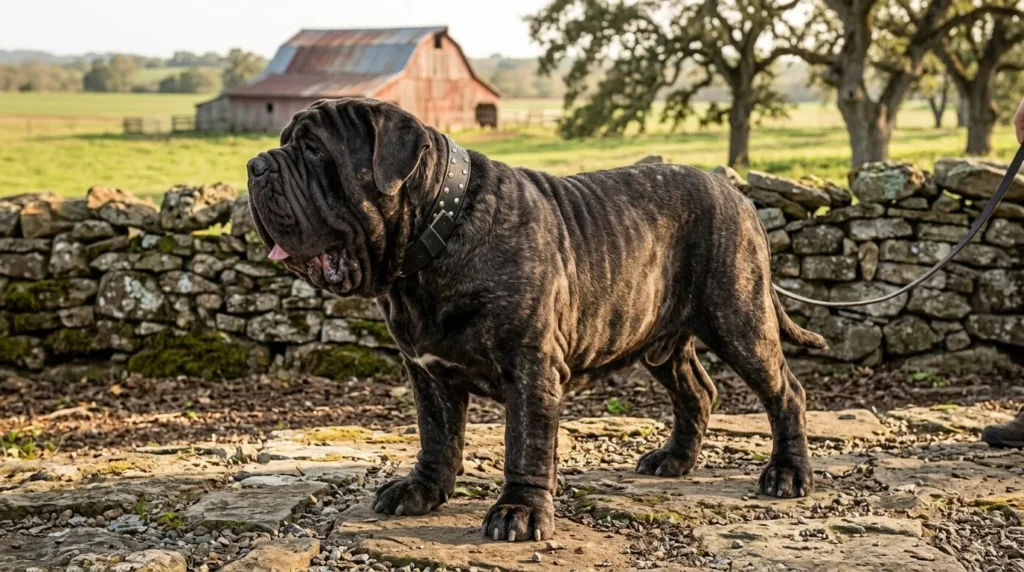
The Molossus dogs were ancient Greek dogs named after the Molossi people of Epirus, in what is now north-west Greece. They were also called Molossian Hounds, Molossans, or Molossus dogs.
They were mainly used as guard dogs, but some accounts also connect them with hunting, livestock protection, and even army life.
Were They Giants or Hunters?
Their true appearance is still debated. Many writers describe them as fierce, powerful dogs and possible ancestors of mastiff-type breeds. Ancient authors also mentioned them in Greek and Roman literature, which shows how famous they once were.
But other descriptions say the Molossus dogs may have been lighter, faster, and more like tall hunting dogs. Aristotle even suggested that Molossian hunting dogs were different from the larger dogs used with sheep.
Why They Were Lost Forever
The most likely answer is that the Molossus dogs were not just one simple breed. They may have included more than one type: some heavy guard dogs and some quicker hunting dogs.
Their bloodline was later mixed, changed, and absorbed into other working dogs across Europe. Today, the original Molossus dogs are gone, but their legend still lives on in the word “Molosser,” used for many strong guardian-type dogs.
4. Paisley Terrier
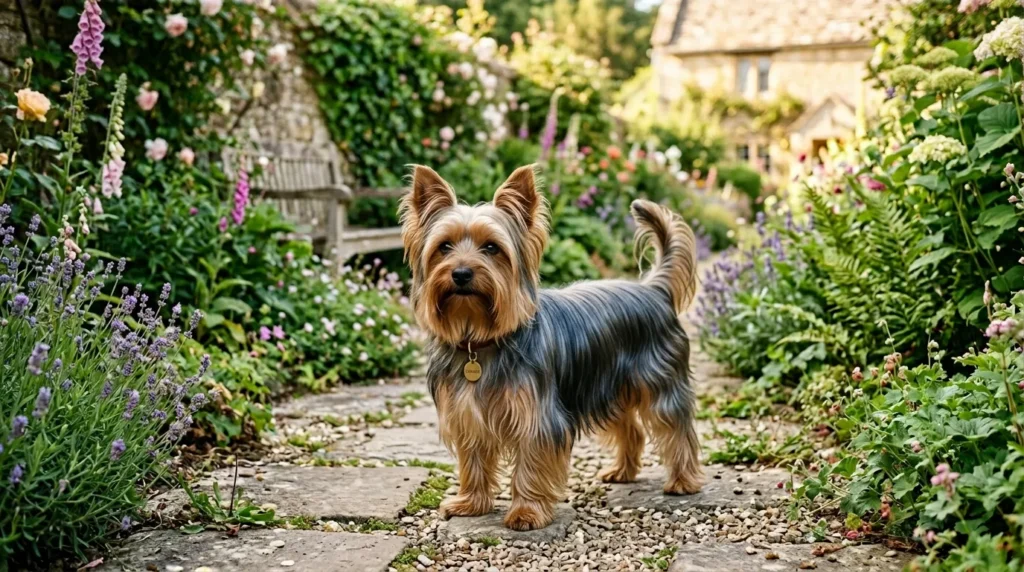
The Paisley Terriers were small Scottish dogs that are now lost forever. They were also known as Clydesdale Terriers, Glasgow Terriers, Pet Skye Terriers, or Show Skye Terriers. They came from the Skye Terrier line and were mainly bred as companions and show dogs, not serious working terriers.
Silky Coats and Sweet Nature
These dogs were known for their very long, silky coats that often covered their eyes and reached the ground. Their hair was usually tied back or trimmed so they could see.
They had short legs, long bodies, small heads, and slightly shorter snouts than many other terriers. Although they could kill rats, they were more relaxed, affectionate, and laid-back than most terriers. They loved their owners deeply and could become anxious when left alone for too long.
Why They Disappeared
Their beauty made them popular in dog shows, especially in the late 1800s. Judges admired their long coats, and breeders kept focusing on that look. But their high grooming needs made them harder to keep as everyday pets.
Over time, newer terriers became more popular, especially the Yorkshire Terrier, which came from Paisley Terrier bloodlines. By the early 1900s, the Paisley Terriers had almost vanished, and by the end of the 1930s, they were extinct, according to Worldly Dogs.
5. Kuri
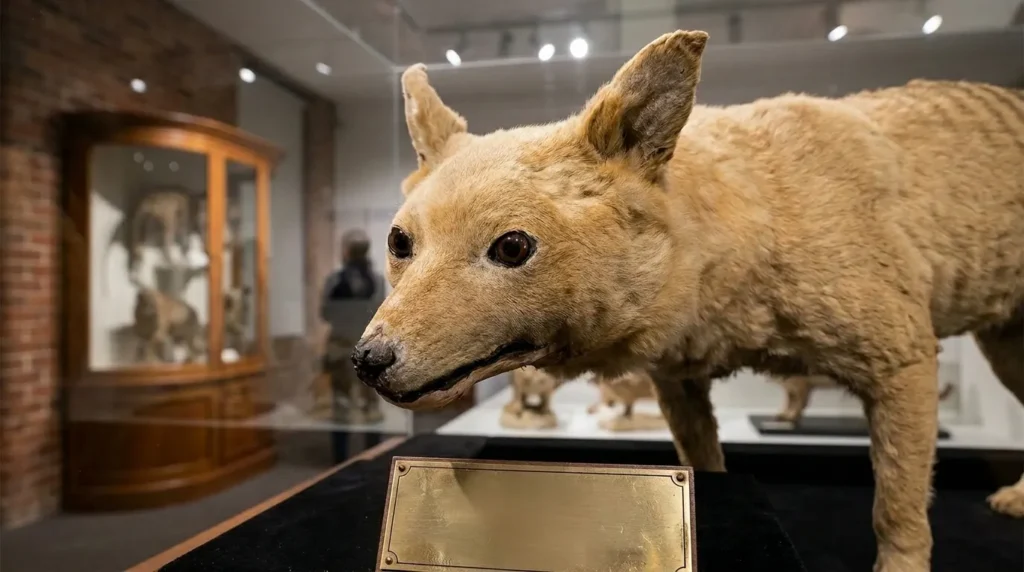
The Kurī dogs were ancient Polynesian dogs brought to New Zealand by the ancestors of Māori in the 13th century. They arrived by canoe and became an important part of Māori culture.
These dogs were not just companions. They also appeared in traditional stories, rituals, and daily life. Their guardian deity was Irawaru, and legends also connect them with Māui and the explorer Kupe.
How They Looked and Lived
The Kurī dogs were small, long-haired dogs with short legs and bushy tails. They came in black, white, or mixed colors. Unlike many dogs, they did not bark. According to the Te Ara Encyclopedia, they howled instead, and the Māori word for their sound was “auau.”
They were used for hunting birds such as kiwi and pūkeko. Their meat was eaten, their skins were made into cloaks, and their bones and teeth were used for hooks, necklaces, and ornaments.
Why They Were Lost Forever
The Kurī dogs were deeply valued, and archaeological research on their teeth suggests many were well cared for. Still, they could not survive the changes that came later. From the early 1800s, European dogs arrived in New Zealand and began mixing with them.
Over time, true Kurī dogs became rare and then disappeared. Today, they are gone forever, but their place in Māori history and tradition remains powerful.
6. Cordoba Fighting Dog
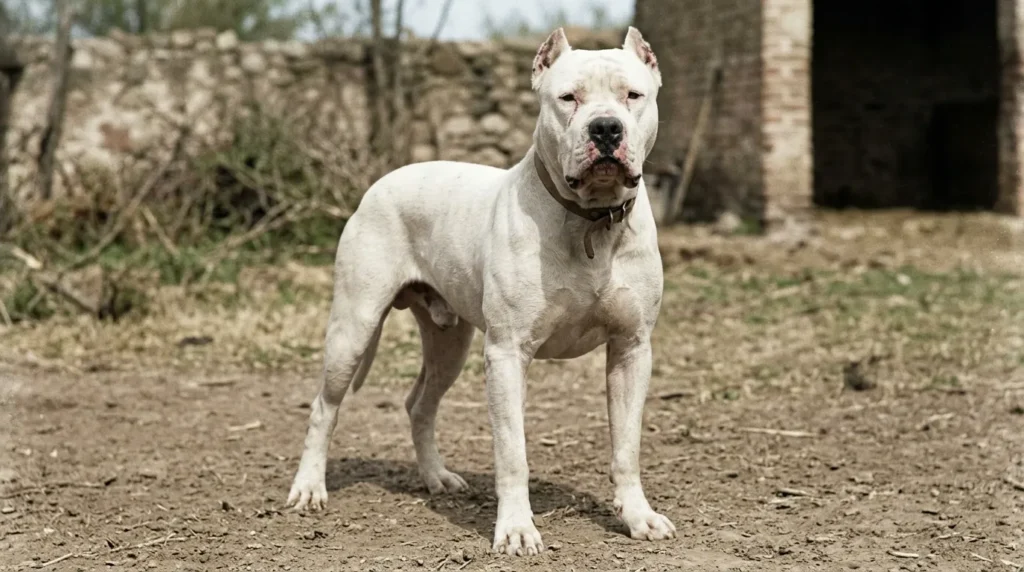
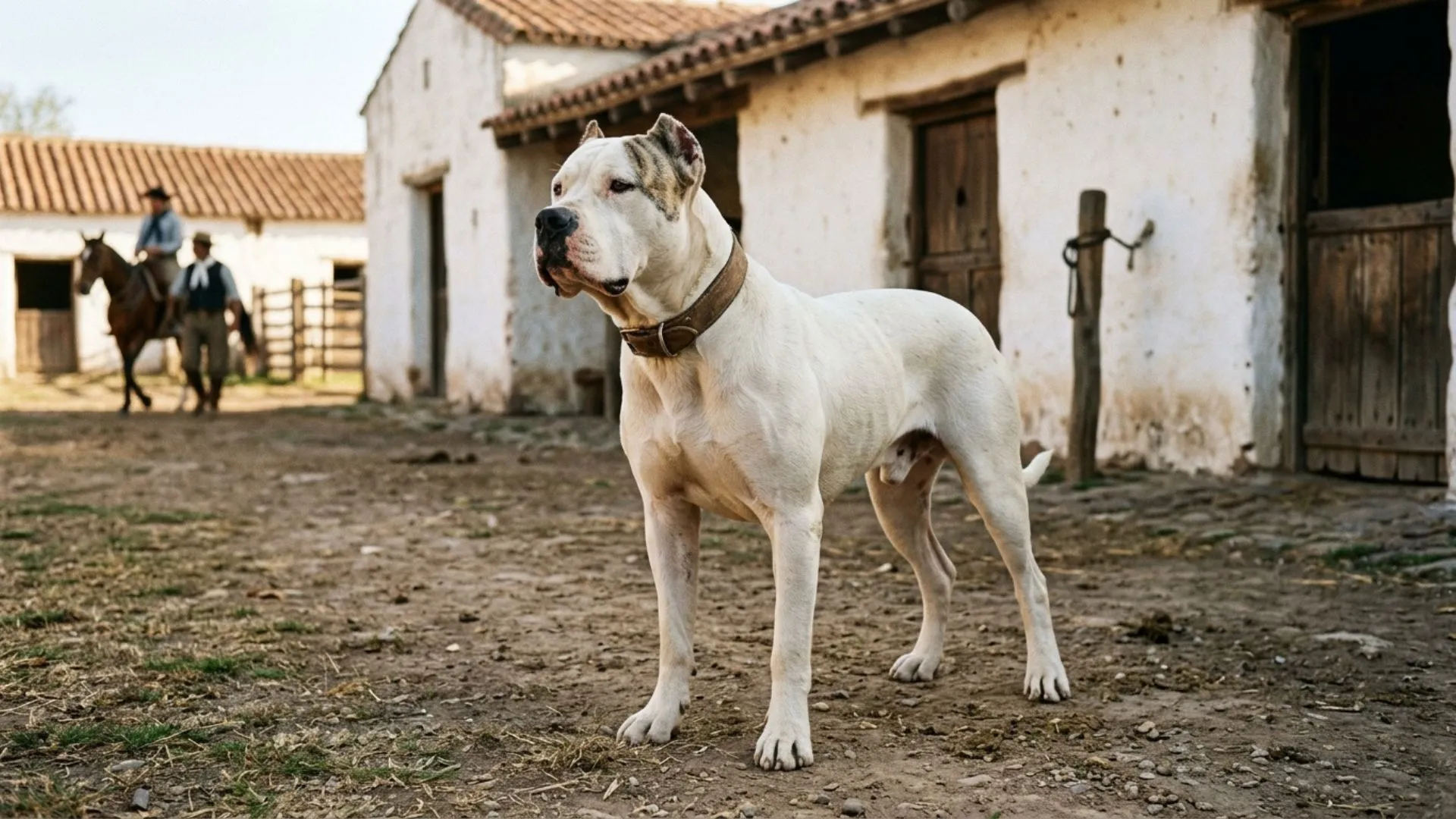
The Cordoba Fighting Dogs were extinct fighting dogs from Cordoba, Argentina. They were also known as Argentine Fighting Dogs, Cordoban Fighting Dogs, Dogs of Cordoba, and Perro de Presa de Cordoba. They were created for dog fighting and were also used to hunt dangerous wild animals, especially boar.
Strong, Fierce, and Hard to Control
These dogs were lean, muscular, and powerful, with short coats and strong jaws. White dogs were the most popular in fighting circles, though they also came in fawn, brindle, and other colors.
Their ears were often cropped to protect them during fights. They were known for courage, stamina, and a very high pain tolerance, but they were also extremely aggressive and unstable.
Why They Disappeared
The Cordoba Fighting Dogs were bred so heavily for aggression that even breeding them became difficult. Males and females often fought instead of mating. Their inbreeding also caused health issues such as skin problems, rashes, and deafness.
In 1925, Antonio Nores Martinez and his brother Agustin used them to help create the Dogo Argentino, a dog that could hunt in packs and was less aggressive. Over time, the Dogo Argentino replaced them completely, and the Cordoba Fighting Dogs vanished by the mid-20th century.
7. Hawaiian Poi Dog
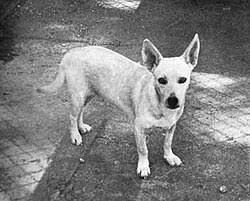
The Hawaiian Poi Dogs are an extinct breed once known in Hawaii as ʻīlio, according to Grokipedia. They came with Polynesian settlers more than 1,000 years ago and became part of daily life in the islands.
These dogs lived among the tribes, slept near children, and were sometimes given to babies as protective companions. If a child died, the dog could be buried with them, showing how deeply they were tied to family and belief.
Slow, Friendly, and Unlike Most Dogs
These dogs were short-coated, low-bodied, and barrel-shaped, with short legs and large, flat heads. Their coat came in many colors. They were friendly, playful, and rarely barked.
Because they were fed mostly poi, a paste made from taro root, they became overweight, slow, and lazy. Their soft diet may also have changed the shape of their skulls over time, since they did not need to chew much.
Why They Were Lost Forever
The Hawaiian Poi Dogs were kept as companions, but they were also fattened and eaten as part of traditional life. As Hawaiian culture changed, eating dog meat became less common. In the early 1800s, foreign dogs arrived and mixed with them, so the original dogs slowly disappeared.
A Honolulu Zoo program tried to recreate them in 1967, but it failed after several years. Today, “poi dog” usually means a mixed-breed dog in Hawaii, while the true Hawaiian Poi Dogs are gone forever.
Conclusion
These lost dog breeds remind us that dogs have always changed with human life. Some vanished because their work was no longer needed.
Others disappeared through crossbreeding, changing traditions, strict laws, or shifting fashion. Still, their stories live on through old records, artwork, museum specimens, and the modern breeds they helped shape.
Their extinction also reminds us to value the dogs we still have today. Every breed carries a piece of history, culture, and human connection. By learning about these forgotten dogs, supporting responsible breeding, and giving loving homes to dogs in need, we help protect the rich canine legacy that remains.
