




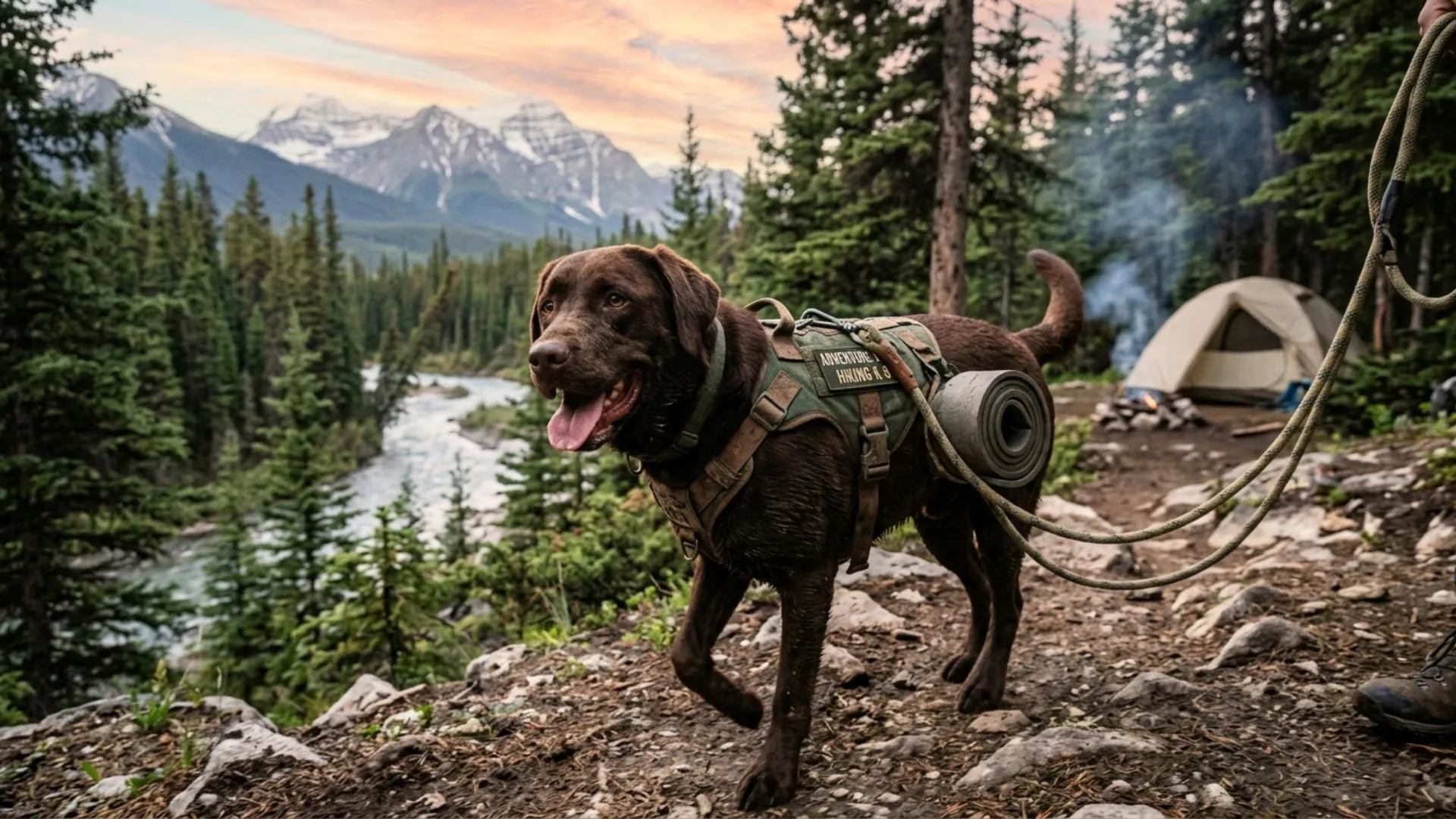
There’s a different kind of freedom that comes with hitting the trail alongside a dog built for the outdoors. Through muddy paths, steep climbs, chilly campsites, and endless miles of wilderness, some dogs don’t just keep up — they come alive.
Their powerful stamina, sharp instincts, and fearless energy make every hike feel less like exercise and more like a true adventure shared between loyal explorers.
But great trail dogs offer more than endurance alone. The best outdoor companions are intelligent, responsive, adaptable, and eager to stay close to their humans in unpredictable environments.
Whether you’re trekking through forests, setting up camp beneath the stars, or chasing sunrise views on rugged peaks, the right dog turns every outdoor trip into an unforgettable experience. So what are you waiting for? Let’s take a look at some of the best dog breeds that make great hiking companions.
Key Takeaways
Some dogs aren’t made for comfort—they’re built for trails, climbs, and nonstop outdoor adventure.
Border Collie, Siberian Husky, and Labrador Retriever bring unmatched energy, stamina, and drive.
From running and hiking to swimming and working, these breeds turn every trip into an experience.
The right dog doesn’t just join your life—it pushes you into a more active, adventurous one.
Top Rugged Dog Breeds That Thrive on Hiking and Camping
1. Alaskan Malamute
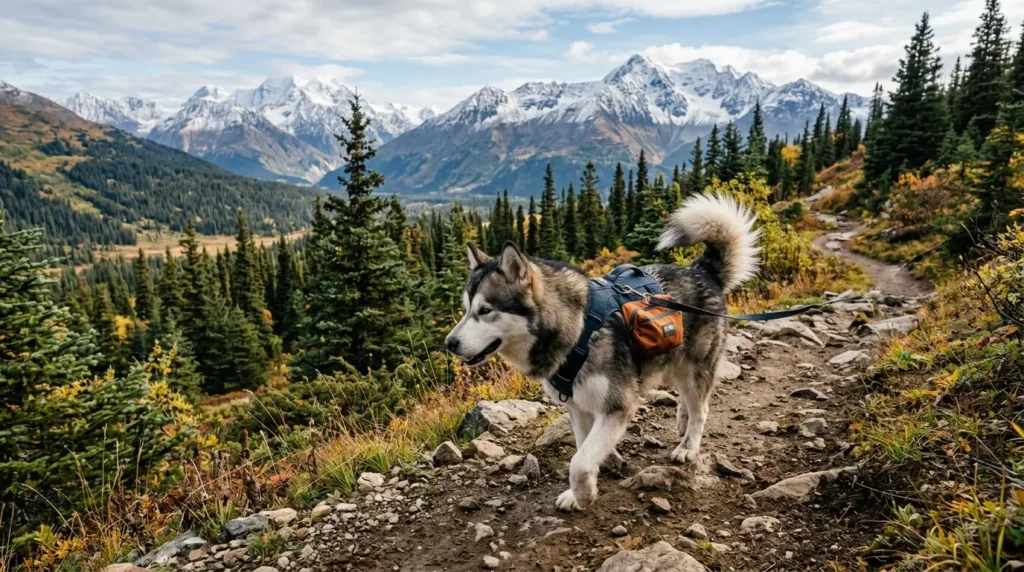
Built for frozen trails and heavy work, Alaskan Malamutes are one of the toughest outdoor dog breeds in the world.
Originally developed by the ancient Mahlemut tribe of Alaska, these powerful dogs were used to pull sleds, carry supplies, hunt seals, and even help guard camps from polar bears, as mentioned by PetMD.
Their thick waterproof coats, incredible endurance, and love for physical activity make them great hiking partners for snowy adventures.
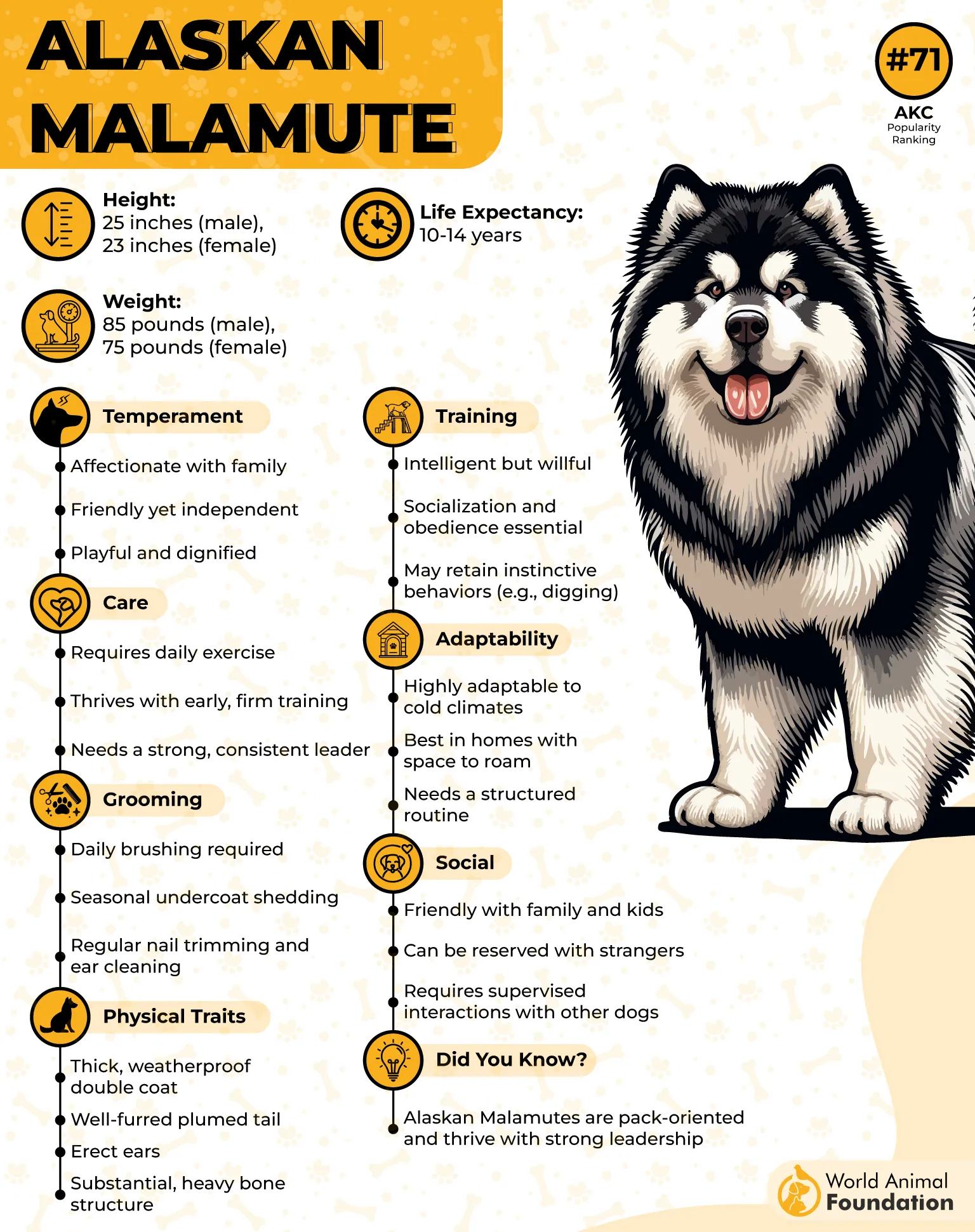
Why They Thrive Outdoors
Strong and athletic with excellent stamina
Thick double coats protect them in harsh weather
Love hiking, running, swimming, and pulling activities
Loyal pack dogs that enjoy staying close to their families
Quiet dogs that rarely bark, though they often howl
Malamutes are affectionate, playful, and friendly, especially with children. But they are also independent and stubborn at times, so early training and socialization are important.
They respond best to firm but patient leadership. These dogs need daily exercise and plenty of space to move around. Without activity, they can become destructive or start digging around the yard.
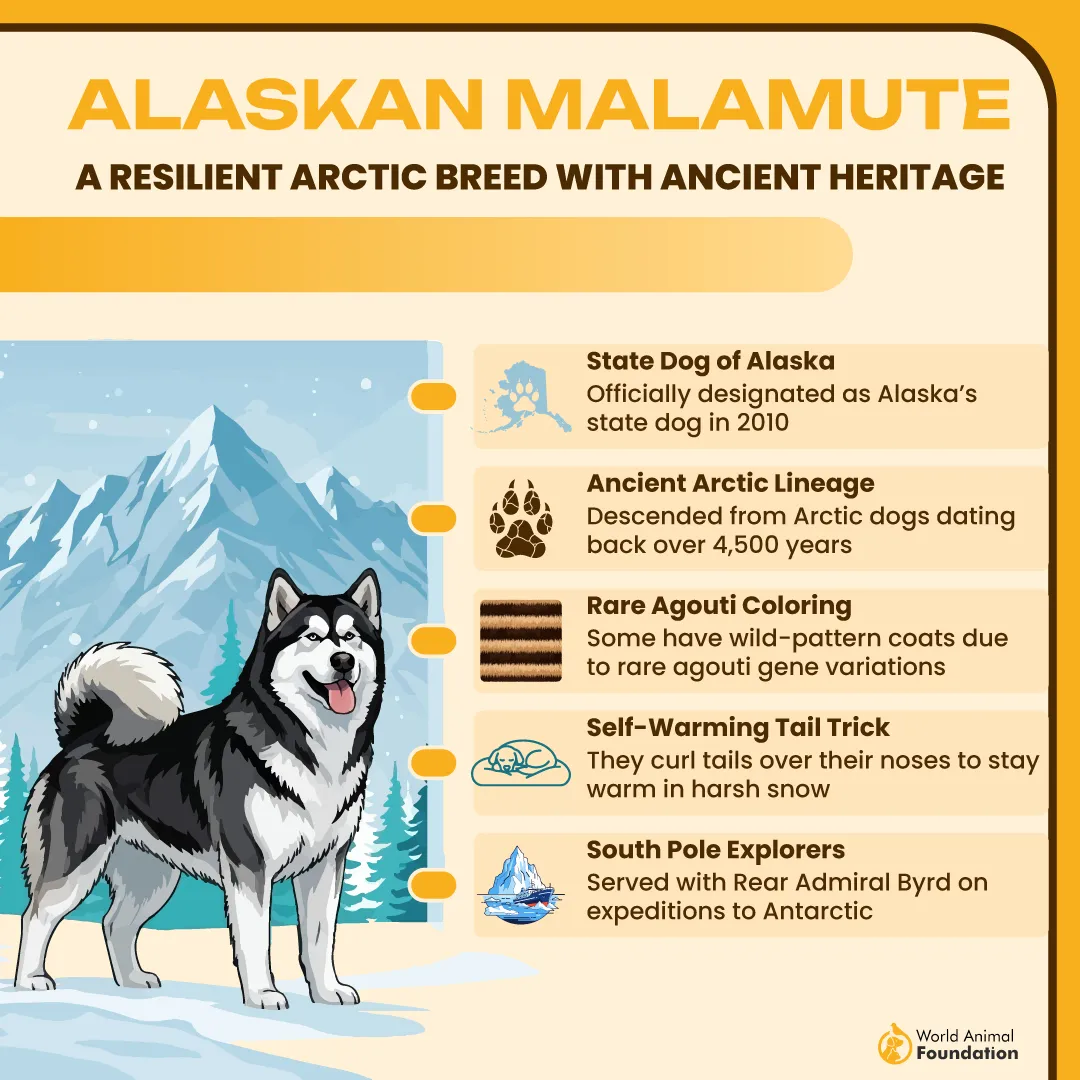
Alaskan Malamutes are highly intelligent but have strong prey instincts, so they may chase smaller animals if not trained properly. They are usually friendly with strangers, which makes them poor guard dogs despite their wolf-like appearance.
Their heavy coats also need regular brushing, especially during shedding seasons. While they can adapt to different environments today, they are happiest in colder climates where they can comfortably enjoy the outdoors without overheating.
🎧 Dogcast
Episode 37 — Why Dogs Stay Close without Touching
If you don’t hear sound, tap the button above to enable audio.
2. Labrador Retriever
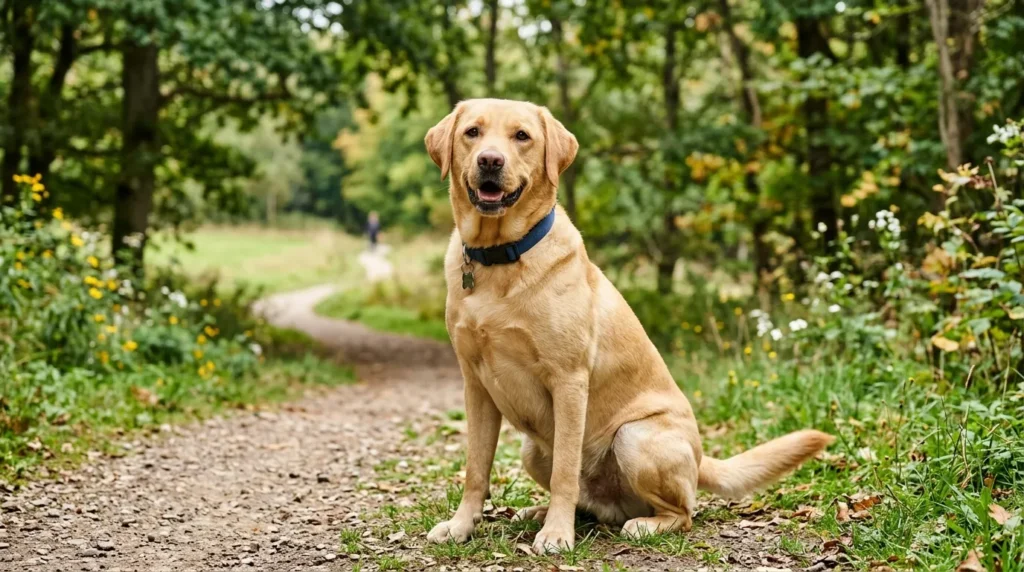
Labrador Retrievers are one of the most dependable outdoor companions for active families. Originally bred to work alongside fishermen, these energetic sporting dogs love water, adventure, and constant activity.
Their athletic build, webbed feet, water-resistant coats, and endless enthusiasm make them excellent partners for hiking, camping, swimming, and long trail walks.
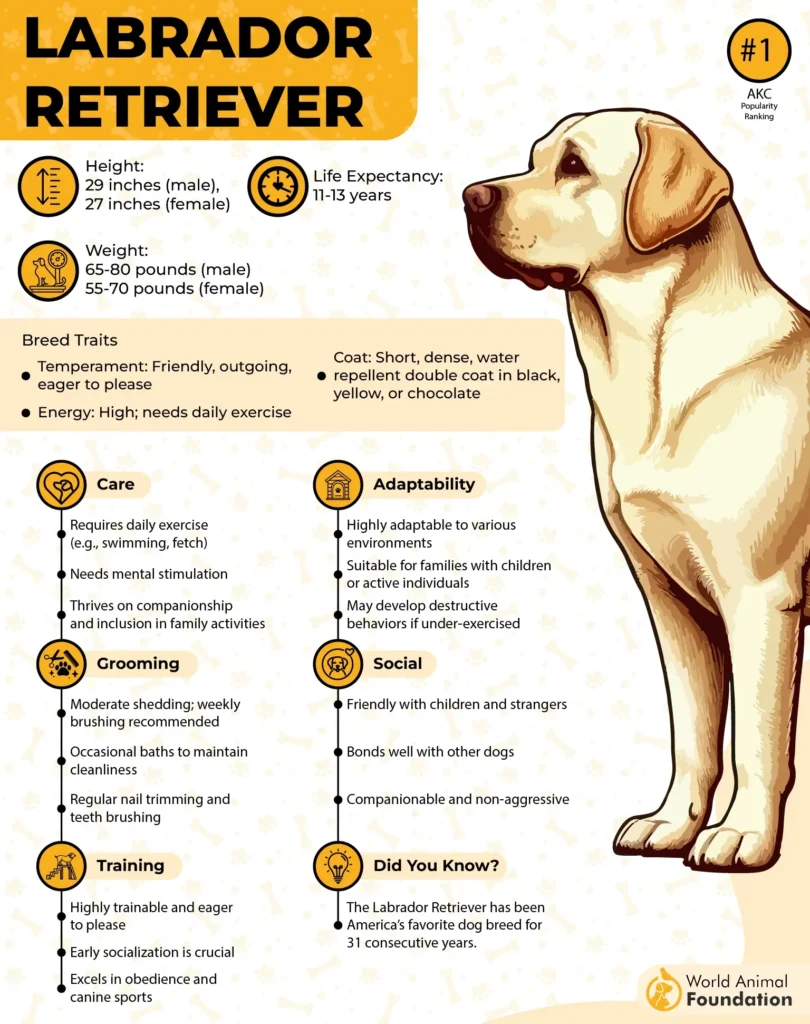
Why They Thrive Outdoors
High energy and excellent stamina for long adventures
Strong swimmers with water-repellent double coats
Intelligent and eager to learn new tasks
Friendly and social with people, kids, and other pets
Great at activities like hiking, tracking, dock diving, and fetch
Labs are affectionate, outgoing, and happiest when included in family activities. They love being around people and enjoy exploring new places with their owners.
Their intelligence and willingness to please also make them highly trainable. Many Labs work in search-and-rescue, service, therapy, and detection roles because of their sharp minds and reliable nature.
Labrador Retrievers need daily exercise and mental stimulation to stay happy. Without enough activity, they can become hyperactive or destructive.
As puppies, they may chew furniture, eat random objects, or get into trash if not trained early. Their thick double coats also shed heavily, so regular brushing is important.
3. German Shorthaired Pointer
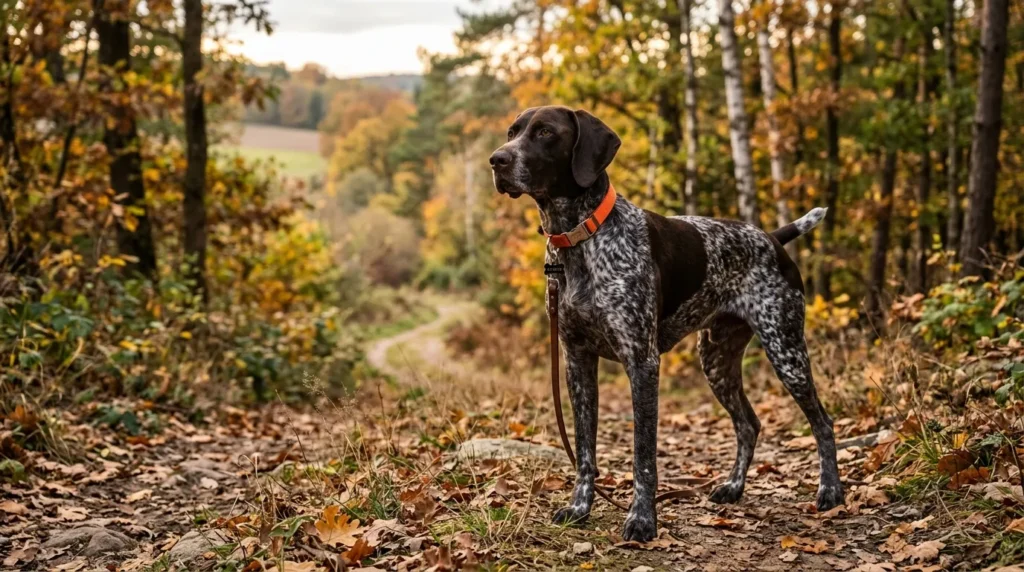
German Shorthaired Pointers are energetic outdoor dogs built for nonstop adventure. Originally bred as hunting companions, these athletic dogs are known for their speed, endurance, agility, and sharp instincts.
Whether it’s hiking rugged trails, swimming in lakes, running through forests, or camping outdoors, GSPs thrive when they have space to move and a job to do.
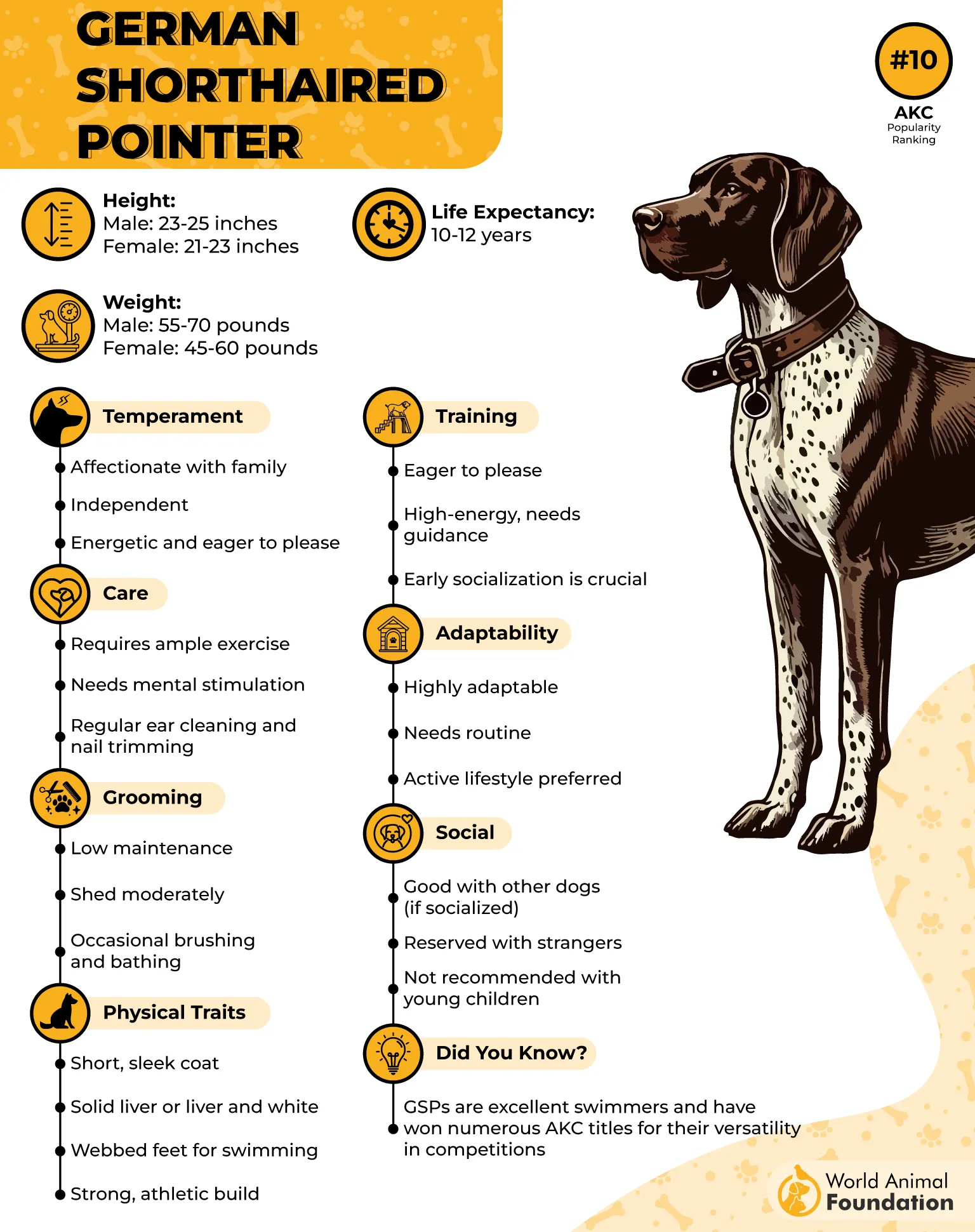
Why They Thrive Outdoors
Excellent stamina for long hikes and active trips
Fast, agile, and highly athletic in all terrains
Love running, swimming, fetching, and outdoor sports
Intelligent and quick learners with strong working instincts
Loyal companions that bond closely with active families
GSPs are friendly, affectionate, and always eager to join outdoor activities. They are often called “bird dogs” because of their natural pointing and tracking abilities while hunting.
Their short coats are easy to maintain, making them lower-maintenance than many other rugged outdoor breeds. After a long day of activity, they also enjoy relaxing and cuddling with their families.
German Shorthaired Pointers need intense daily exercise and mental stimulation to stay happy. Without enough activity, they can become destructive and difficult to manage.
Early training and socialization are very important because of their high energy and strong prey drive. They may also chase smaller animals if left off-leash. These dogs do best with adventurous owners who can match their active lifestyle and keep them engaged every day.
4. Vizsla
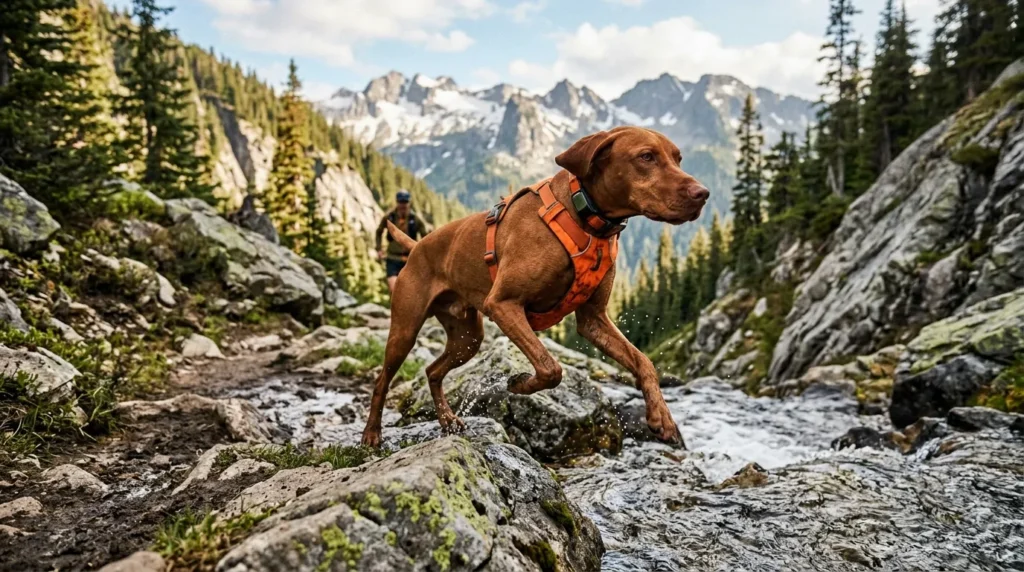
Vizslas are sleek, athletic dogs built for nonstop outdoor adventures. Originally developed in Hungary as hunting companions, these energetic dogs were bred to work alongside hunters for long hours across fields and forests.
Their speed, endurance, agility, and strong sense of smell make them excellent partners for hiking, trail running, camping, and active outdoor lifestyles.
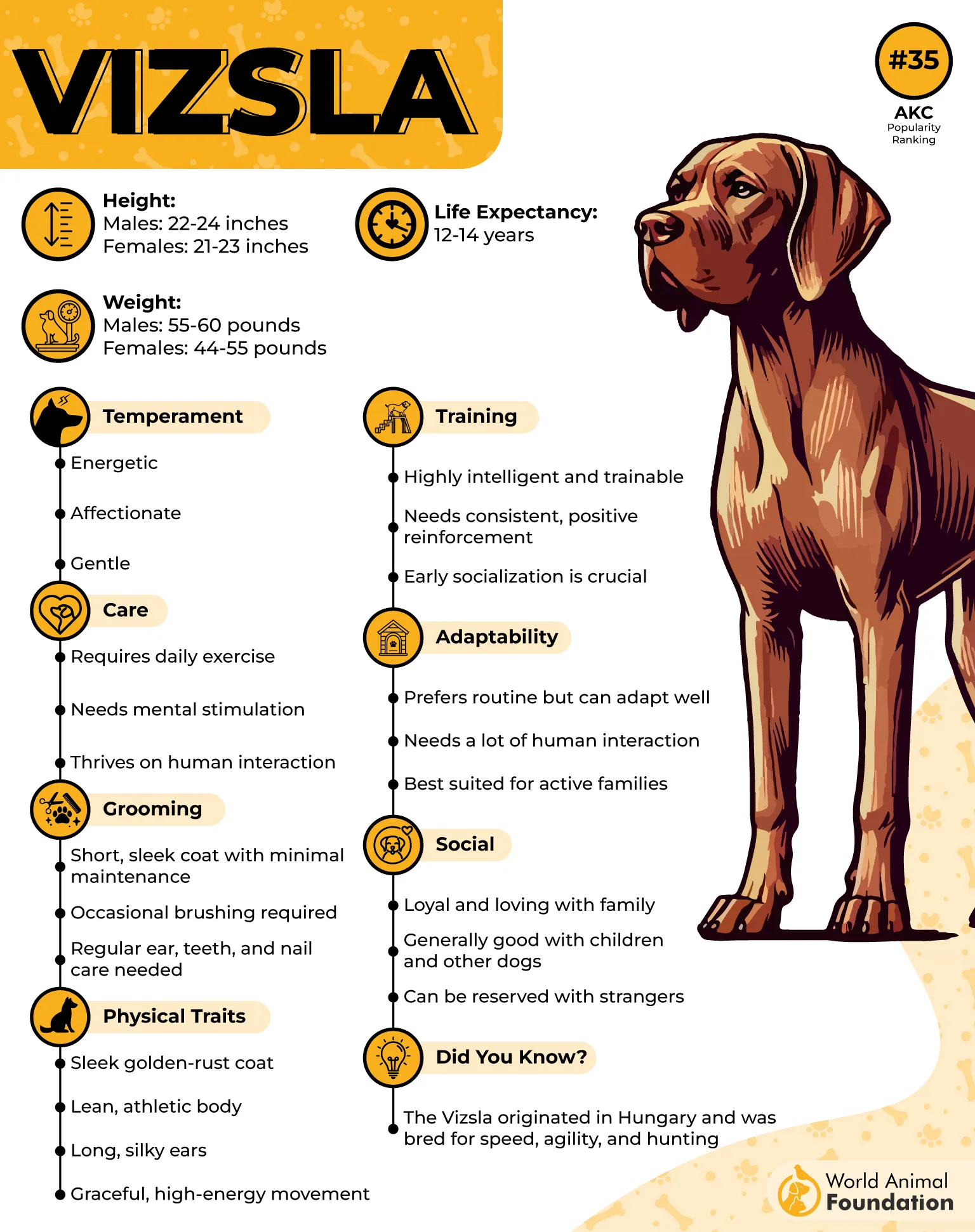
Why They Thrive Outdoors
High stamina and energy for long adventures
Excellent running, camping, and hiking dogs
Intelligent and eager to stay close to their owners
Agile, fast, and naturally athletic
Low-maintenance coats with very little grooming needed
Often called “Velcro dogs,” Vizslas form extremely strong bonds with their families and love being involved in daily activities.
They are affectionate, gentle, and happiest when spending time outdoors with their humans. Their history as hunting and falconry dogs also gives them sharp instincts and impressive focus during outdoor activities.
Vizslas need a lot of exercise and attention every single day. Without enough physical and mental stimulation, they can become destructive or develop behavioral problems. They do best with active owners who enjoy hiking adventures in all kinds of weather.
Their sensitive nature responds best to patient, positive training rather than harsh correction. Because they have short single coats and no undercoat, they are less suited for cold weather and should not be left outside for long periods in winter.
5. Weimaraner
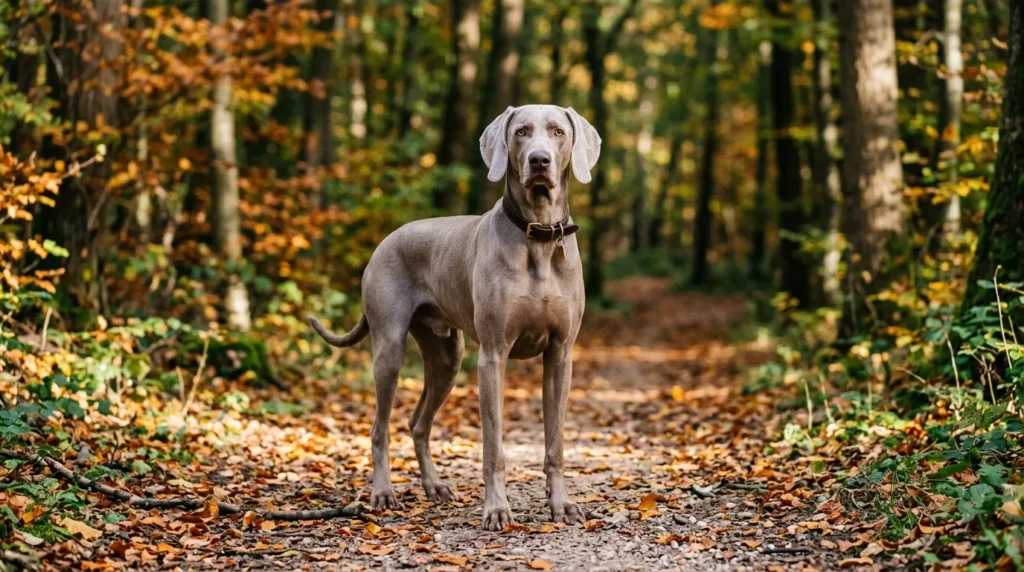
Weimaraners are fearless and energetic sporting dogs built for nonstop outdoor action. Originally developed by German nobles in the 19th century for hunting large game, these athletic dogs are known for their speed, endurance, intelligence, and tracking skills.
Their sleek silver-gray coats and powerful bodies have earned them the nickname “Gray Ghosts,” especially when moving quickly through forests and open trails.
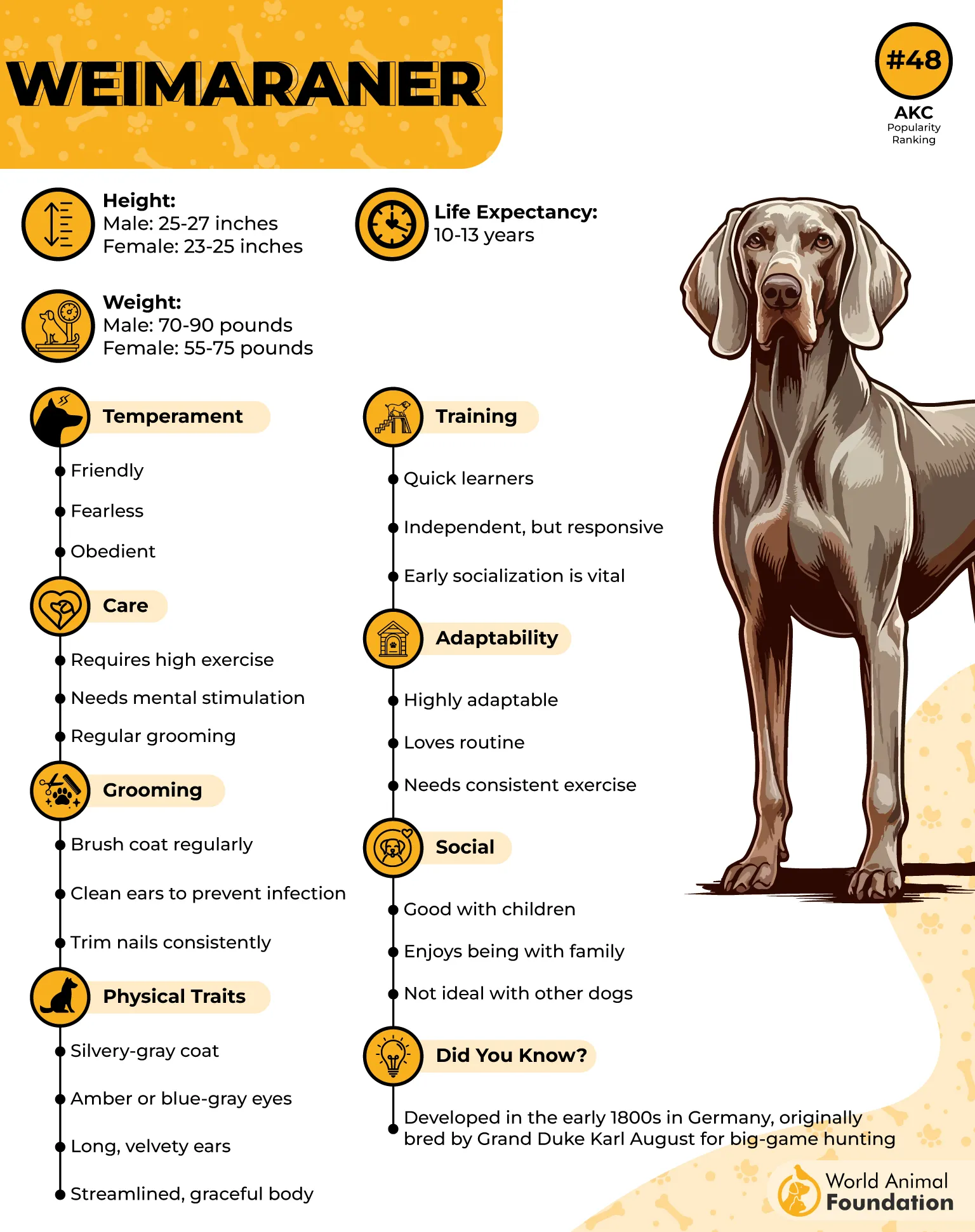
Why They Thrive Outdoors
Excellent endurance for hiking, running, and hunting
Intelligent and highly trainable with active owners
Strong athletic build made for outdoor adventures
Love activities like fetch, dock diving, agility, and trail walks
Loyal and affectionate companions that enjoy staying close to family
Weimaraners are friendly, obedient, and happiest when they have plenty of activity and human interaction. They enjoy outdoor challenges that keep both their minds and bodies busy.
Their short, smooth coats are also easy to maintain, making grooming simple after muddy hikes or camping trips. When properly socialized, they get along well with people and other dogs.
Weimaraners need a large amount of daily exercise and mental stimulation. Without enough activity, they can become destructive, anxious, or develop habits like chewing, digging, barking, and escaping.
Early training and socialization are essential because these highly intelligent dogs learn quickly, both good and bad behaviors. They do best with active owners who can include them in outdoor adventures and avoid leaving them alone for long periods.
6. Siberian Husky
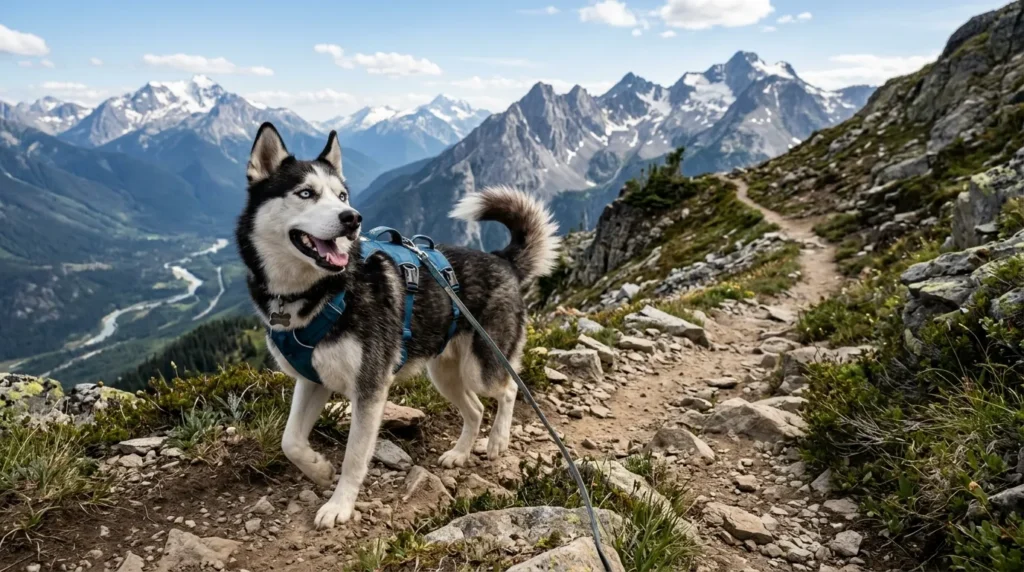
Siberian Huskies are legendary adventure dogs built for endurance, speed, and harsh outdoor conditions. Originally bred by the Chukchi people of Siberia to pull sleds across frozen landscapes, these energetic working dogs are famous for their resilience and ability to travel long distances in extreme weather.
Their thick double coats, athletic builds, and tireless nature make them excellent companions for hiking, camping, trail running, and snowy adventures.
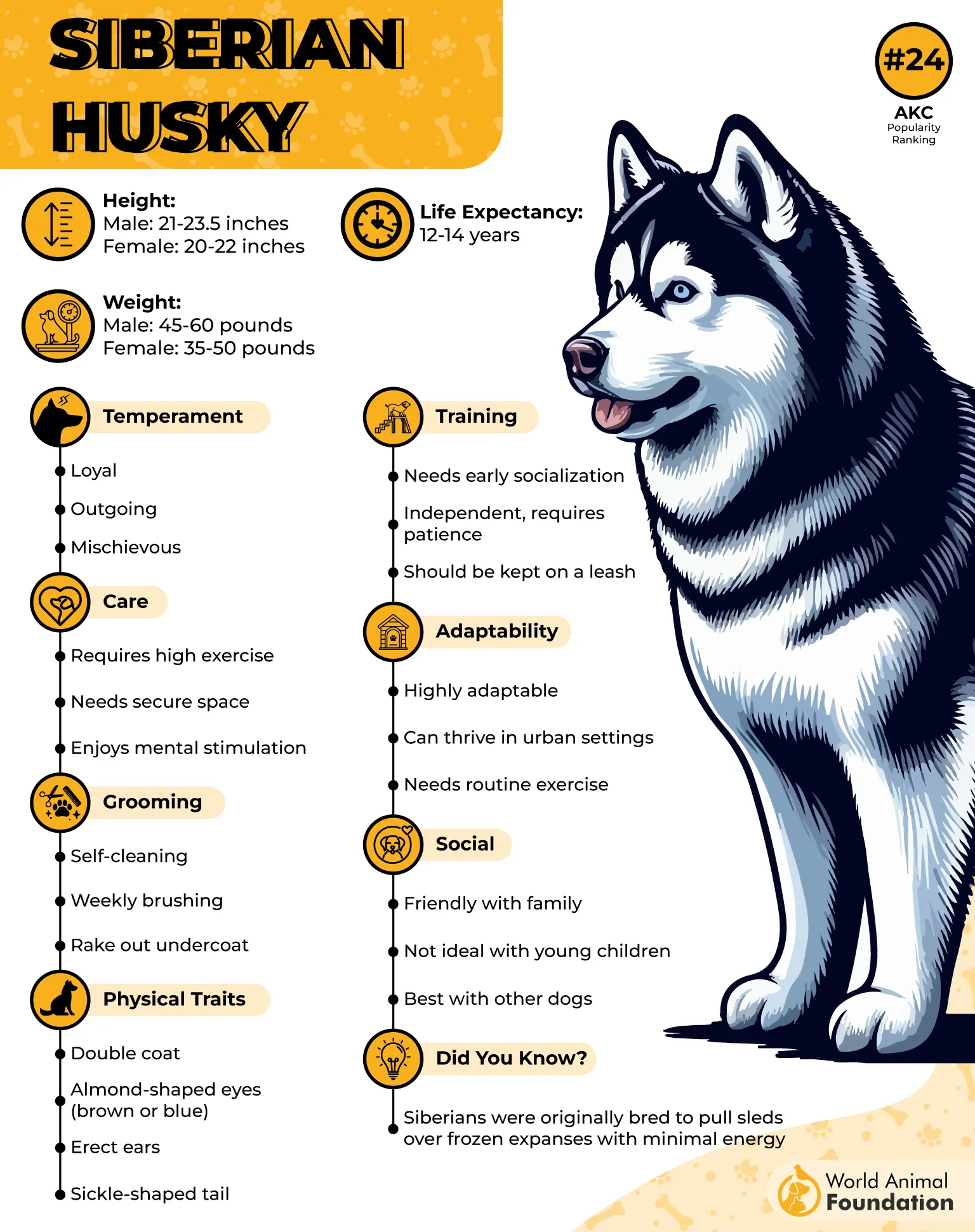
Why They Thrive Outdoors
Incredible endurance for long-distance activities
Thick double coats protect them in cold weather
Agile, fast, and naturally athletic
Friendly and social with families and other dogs
Love running, exploring, and active outdoor lifestyles
These dogs are intelligent, playful, and happiest when they have regular activity and companionship. They also enjoy dog sports, agility, and outdoor group activities that keep them mentally engaged.
Huskies need a lot of daily exercise and can become destructive if bored or left alone for too long. They are known escape artists and should always be kept in secure fenced areas or on a leash because of their strong urge to run.
Their prey drive also makes them likely to chase smaller animals. While friendly and affectionate, Huskies are independent thinkers and can be stubborn during training, so consistency and patience are important. Their thick coats also require regular brushing, especially during shedding seasons.
7. Whippet
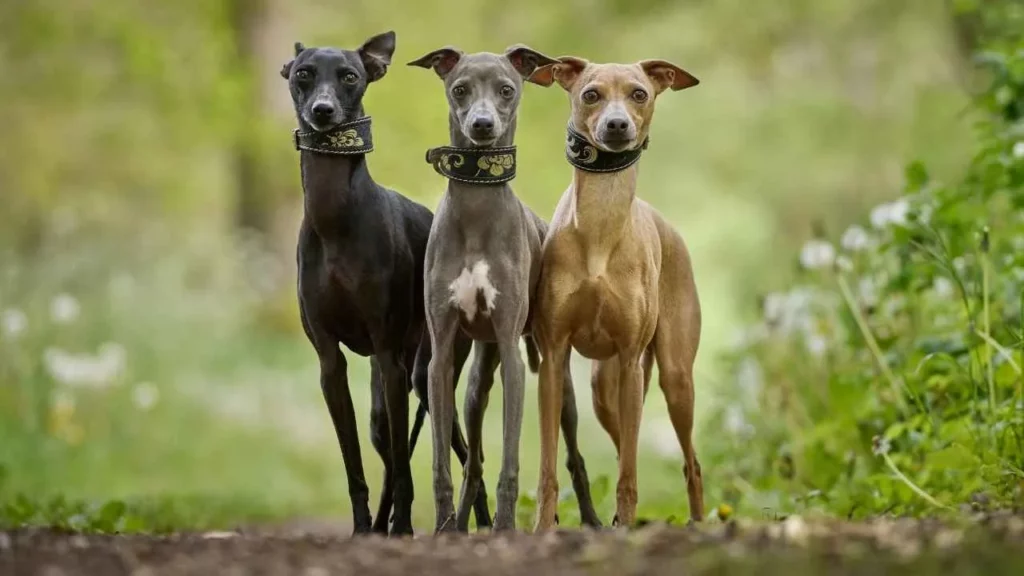
Whippets are sleek and athletic dogs known for their incredible speed and graceful movement. These agile sighthounds can run up to 35 miles per hour, making them one of the fastest dogs of their size, as stated by Purina.
Their slim bodies, powerful legs, and explosive bursts of speed make them excellent companions for active owners who enjoy hiking, trail walks, and outdoor play.
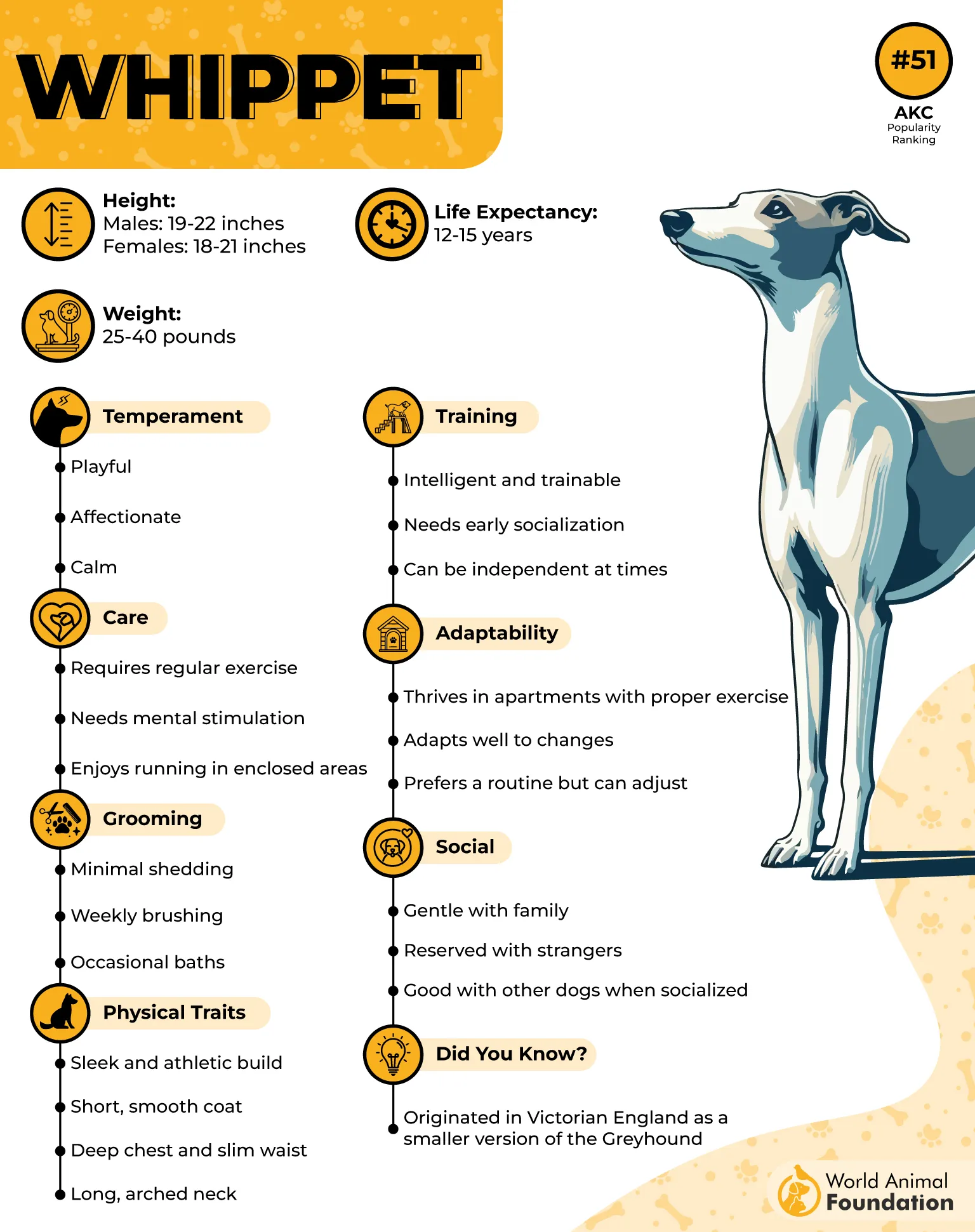
Why They Thrive Outdoors
Extremely fast and agile with strong athletic ability
Love running, chasing, and outdoor games
Quiet and calm indoors after exercise
Low-maintenance coats that are easy to groom
Friendly, affectionate, and adaptable companions
Whippets enjoy outdoor adventures where they can safely stretch their legs and burn energy. Activities like lure coursing, agility, fetch, and fenced trail runs help keep them physically and mentally stimulated.
Whippets have a strong chase instinct and should always be kept on a leash or inside a secure fenced area. Once they spot something moving, they may run after it without returning. Young Whippets can also be mischievous and surprisingly good climbers or jumpers.
While they need regular exercise, they are calmer than many other active breeds indoors. Their short coats and low body fat make them sensitive to cold weather, so they may need extra warmth during colder camping trips or winter hikes.
8. Border Collie
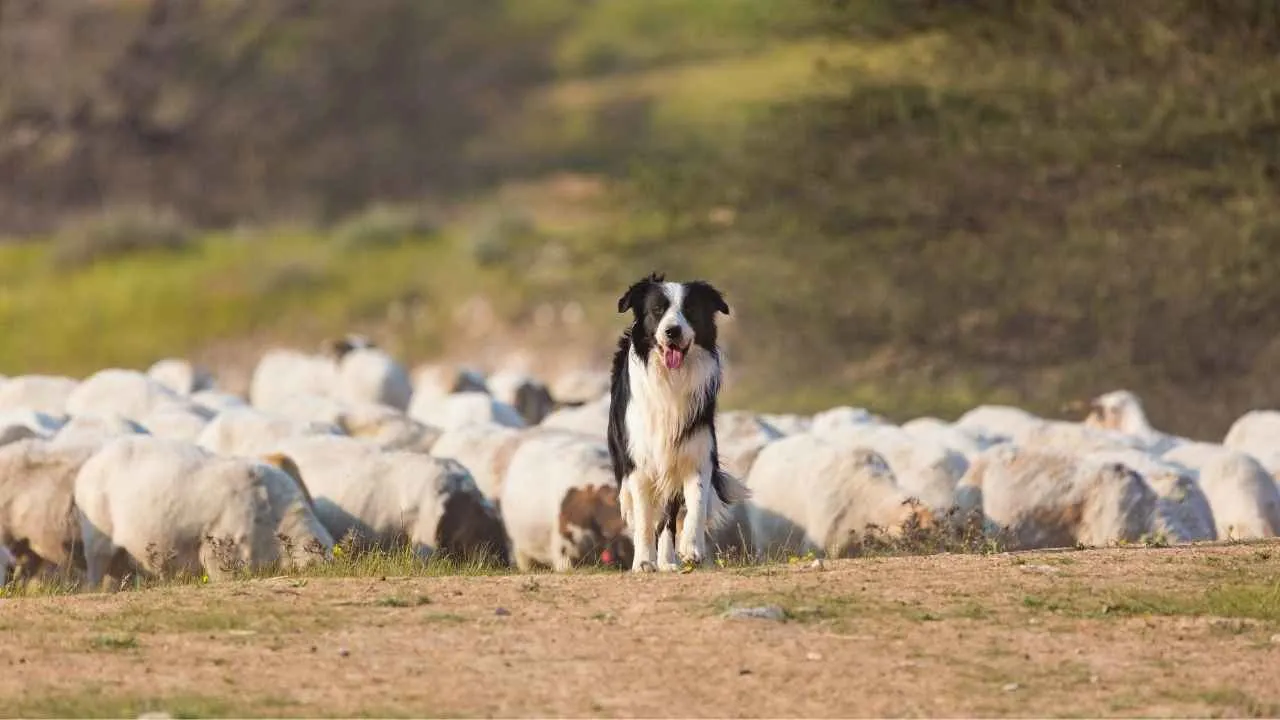
The Border Collie is widely regarded as one of the smartest and most driven dog breeds in the world, originally developed in the border regions of Scotland and England for herding sheep with precision and control.
The intense focus, quick learning ability, and unmatched work ethic of the Collies make them exceptional working dogs, but also a serious commitment for any owner who cannot match their boundless energy and mental demands.
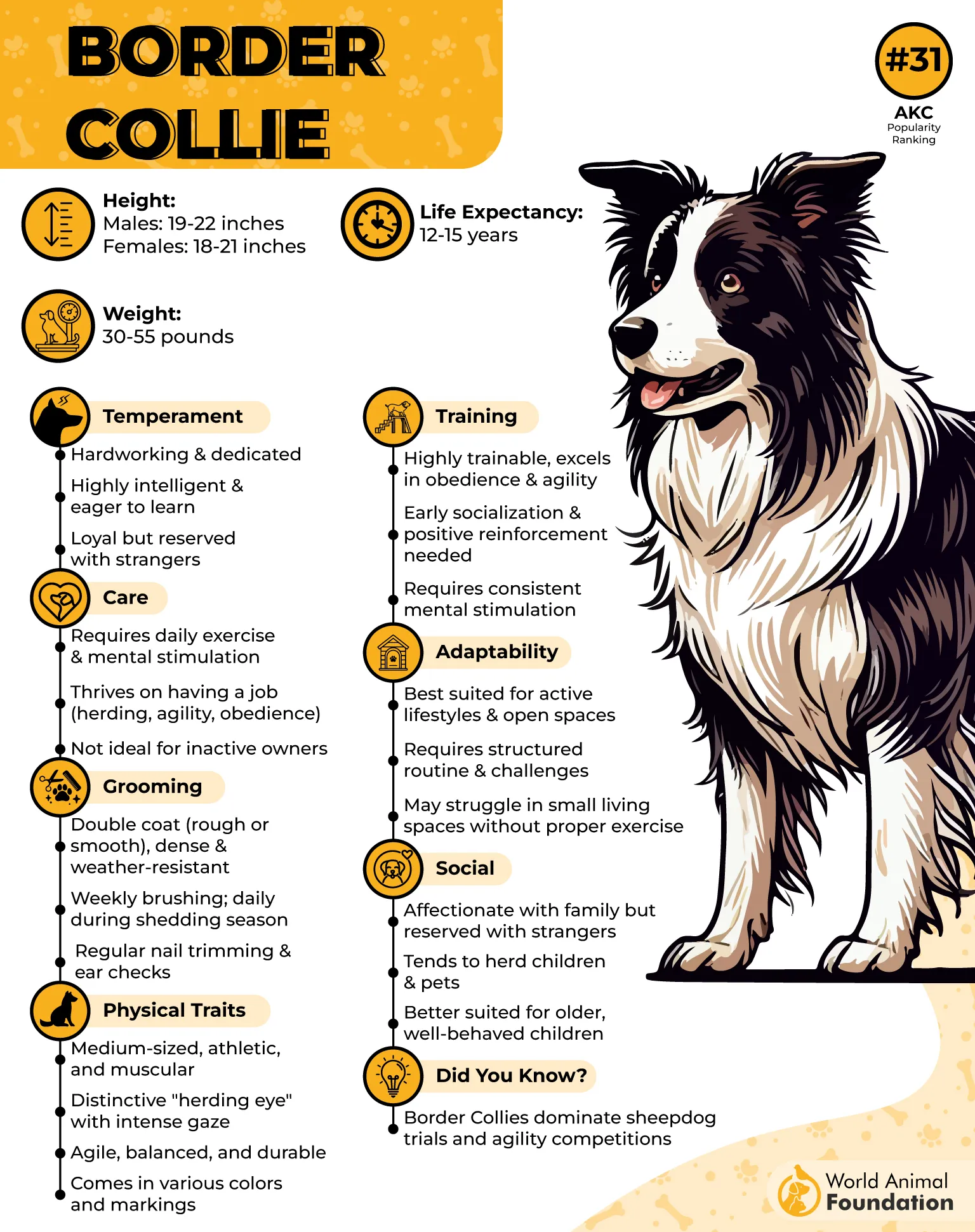
Why They Thrive Outdoors
Highly intelligent “problem-solving” herding breed
Exceptional stamina and speed for long working hours
Thrives on structure, routine, and clear tasks
Needs several hours of daily physical + mental stimulation
Excels in agility, obedience, flyball, and search & rescue
Border Collies are not just physically active—they are mentally relentless. They need constant challenges like training sessions, puzzle toys, learning tricks, or advanced sports. Without a “job,” they will create their own, which often leads to unwanted behaviors like chasing, digging, or obsessive herding.
Despite their intensity, they are deeply loyal and form strong bonds with their families. With proper guidance, they become highly obedient, affectionate, and incredibly reliable companions who love working alongside their humans.
These dogs are best suited for experienced, active owners who can dedicate time every day to training, exercise, and engagement. When their needs are fully met, the Border Collie becomes one of the most impressive, capable, and rewarding dogs you can ever own.
9. Rhodesian Ridgeback
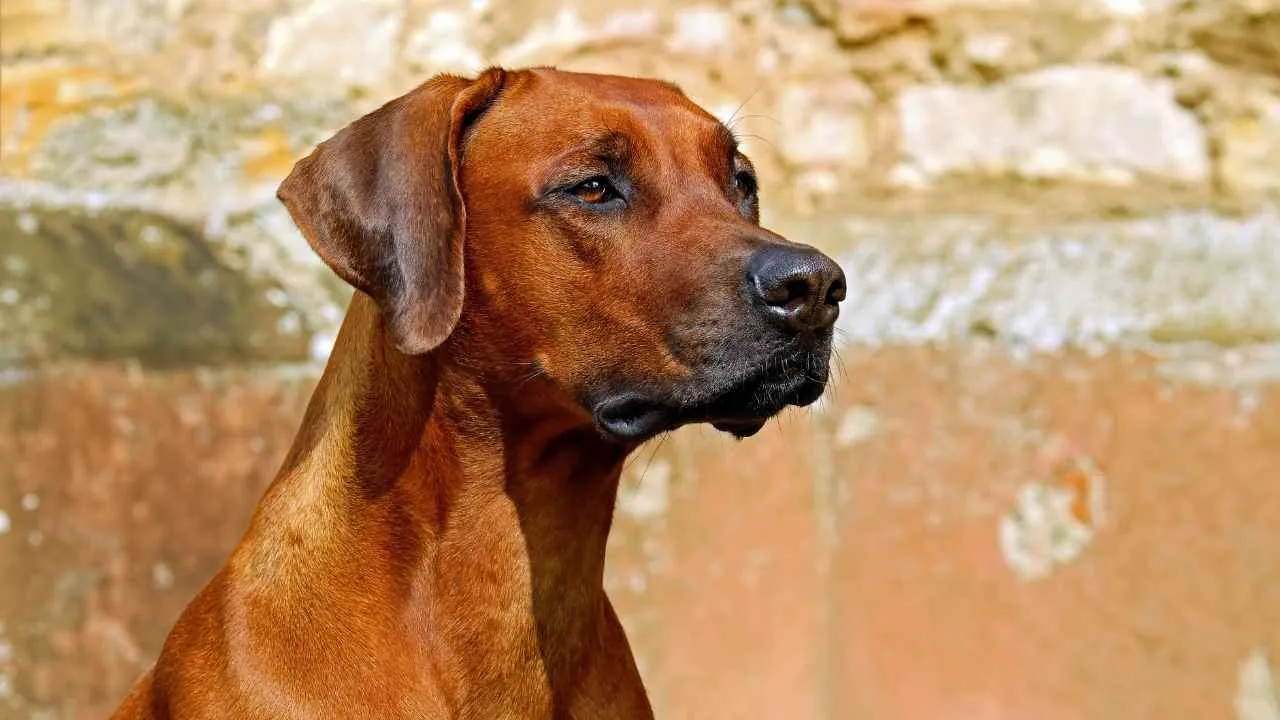
The Rhodesian Ridgeback is a strong, athletic “lion-hunting” breed known for the distinctive ridge of backward-growing hair along its back.
Originating in Africa, they were developed to track and corner game without attacking it, which explains their courage, intelligence, and controlled temperament, as mentioned by Britannica. Today, they are valued as loyal family guardians, but their independence and strong prey drive require experienced handling.
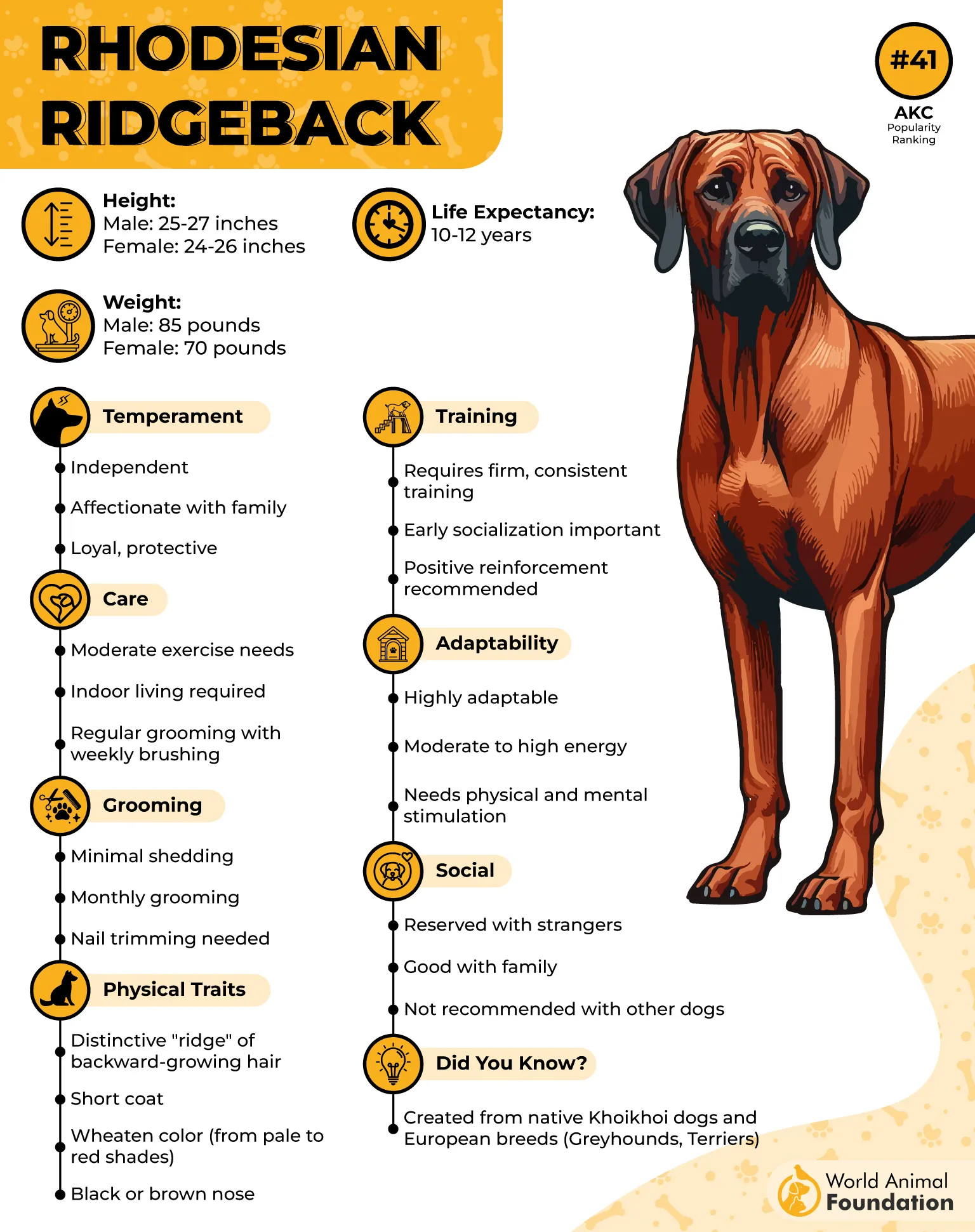
Why They Thrive Outdoors
Strong prey drive and natural tracking instincts
Independent, confident, and sometimes stubborn nature
Loyal, protective, and devoted to family
Requires firm, consistent, positive training from puppyhood
Needs daily physical exercise and mental stimulation
Rhoesian Ridgebacks are not overly demanding in grooming, but they do need regular physical activity such as long walks, running, or canine sports. Without enough stimulation, they can become bored and may develop destructive behaviors, especially due to their intelligence and independence.
With proper training, early socialization, and an active lifestyle, they become calm, affectionate, and highly reliable companions. They are best suited for confident owners who can provide structure, leadership, and plenty of outdoor activity.
10. Jack Russell Terrier
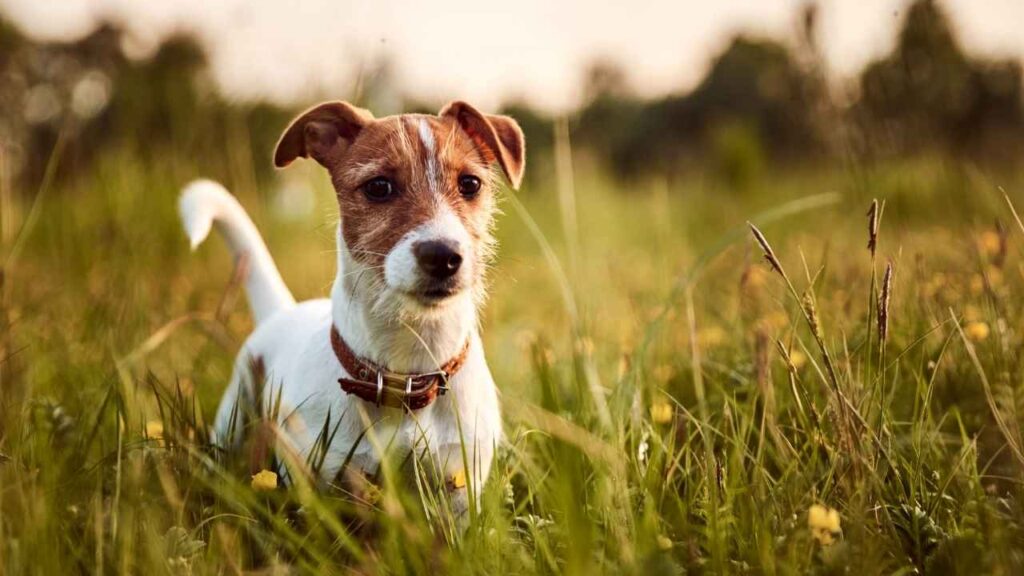
The Russell Terrier is a small but highly energetic working terrier originally developed for fox hunting in England.
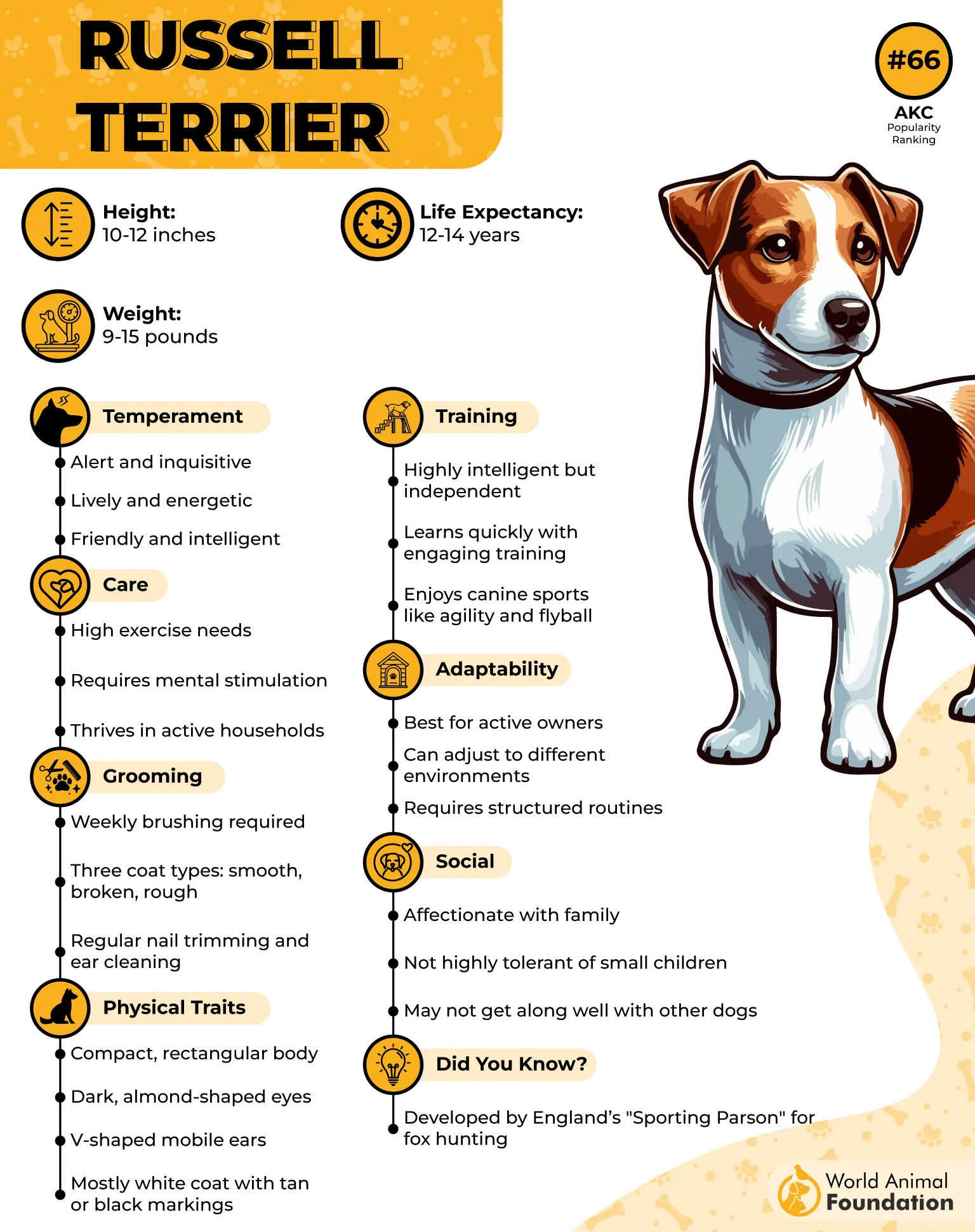
Despite its compact, toy-like appearance, it is bold, intelligent, and full of drive, with a strong instinct for chasing and problem-solving, as noted by the AKC. This breed thrives on activity, interaction, and mental challenges.
Why They Thrive Outdoors
Small, athletic terrier (10–12 inches tall) with high energy levels
Extremely intelligent, curious, and quick to learn
Strong prey drive and natural hunting instincts
Excels in agility, flyball, obedience, and interactive games
Easily bored, requiring constant mental and physical stimulation
Russell Terriers require active engagement throughout the day, including structured play, training, and outdoor exercise. Without enough stimulation, they may become mischievous or destructive, as their intelligence pushes them to find their own entertainment.
With proper training, early socialization, and an active lifestyle, they become affectionate, entertaining, and highly responsive companions. They are best suited for energetic owners or families who enjoy outdoor activities and can match their lively, playful nature.
Conclusion
Across all these breeds, a clear pattern stands out: each dog brings a unique mix of intelligence, energy, and instinct shaped by its original working purpose. Whether it’s herding, hunting, sprinting, or retrieving, these dogs are at their best when they have structure, exercise, and a strong bond with their humans.
Choosing the right dog isn’t just about appearance—it’s about matching lifestyle with temperament and energy level. If you’re ready for daily activity, training, and genuine companionship, one of these breeds can become an incredible partner for years to come.
The right match doesn’t just change your routine—it reshapes your entire relationship with life outdoors, activity, and connection.
