




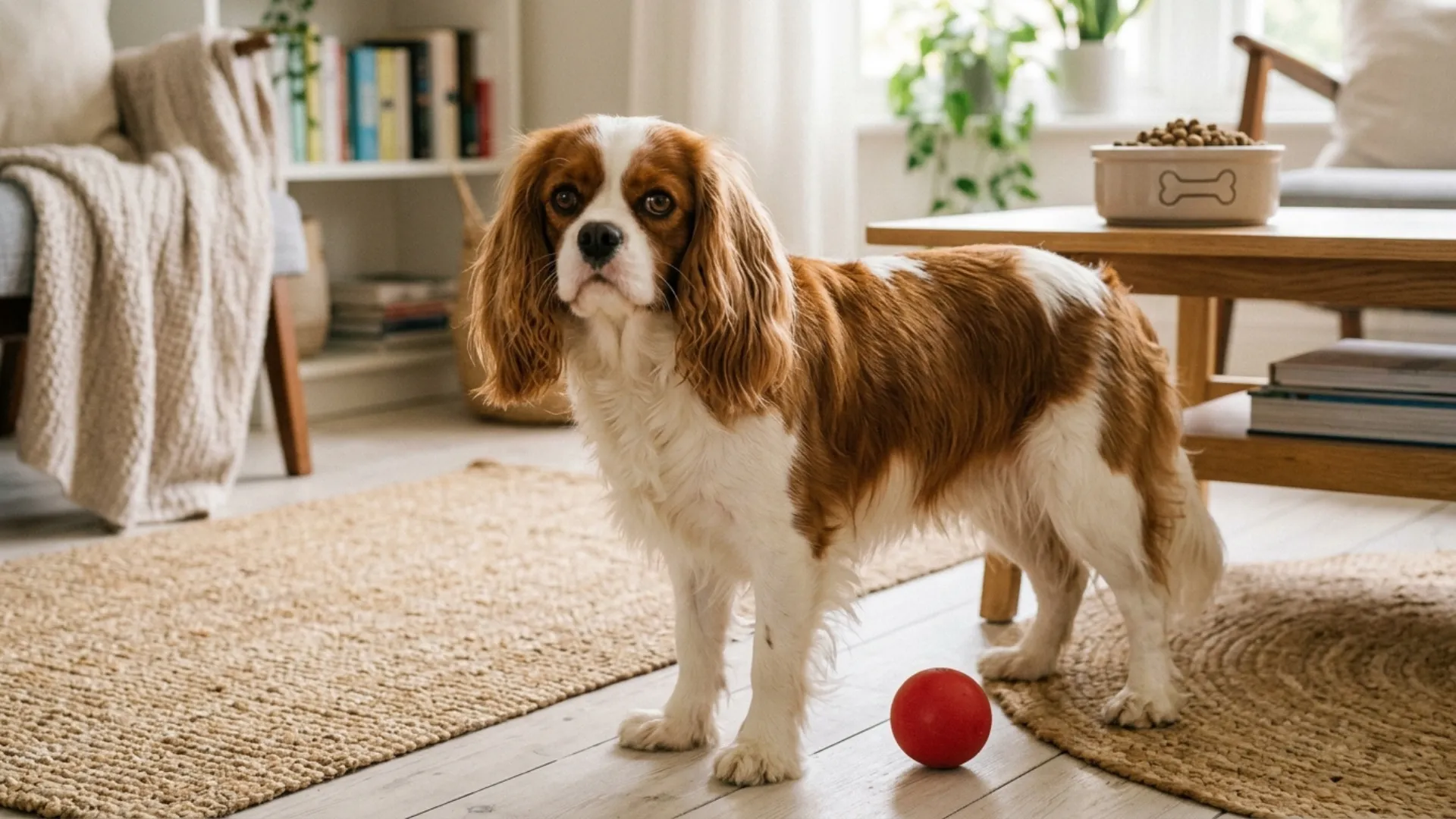
Bringing a dog into your life is exciting—but choosing the right one can feel overwhelming, especially if it’s your first time. It’s not just about picking a cute companion; it’s about finding a dog that fits your daily routine, your home, and your energy level.
The right match can make dog ownership joyful and easy, while the wrong one can quickly become stressful. A calm, trainable dog is usually much easier to handle than one that’s highly energetic or stubborn—no matter how big or small it is.
That’s why understanding behavior, not just appearance, is key when making your choice.
In this article, we’ll keep things simple and help you discover the best dog breeds for first-time owners—friendly, manageable, and perfect for getting started.
Key Takeaways
Find out which dogs truly suit first-time owners without making life complicated.
See how breeds like Golden Retriever, Pug, and Shih Tzu bring the right mix of ease and affection.
Discover which dogs fit apartments, families, or calm lifestyles without expert-level experience.
Learn why Cavalier King Charles Spaniel, Bichon Frise, and Maltese are simple, loving, beginner-friendly choices.
Best Dog Breeds for First-Time Owners: Simple Choices
1. Golden Retriever
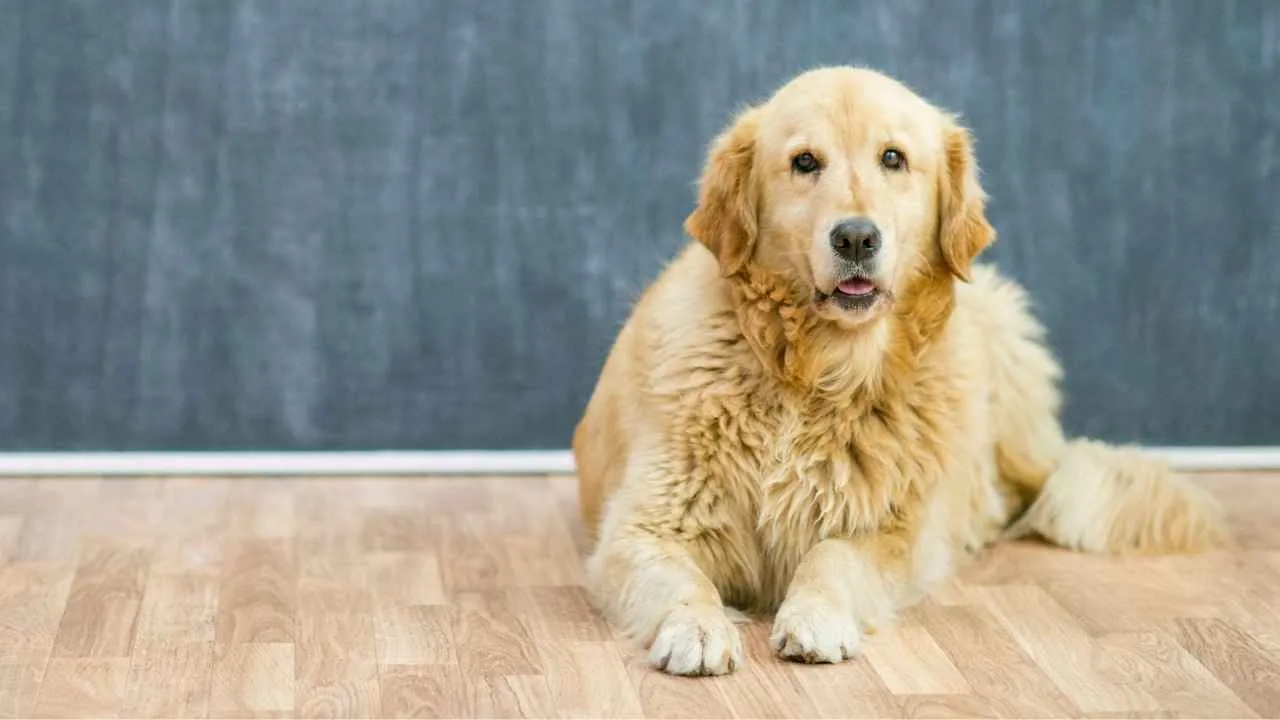
The Golden Retriever is one of the easiest and most loved choices for first-time dog owners—and for good reason. Originally bred in Scotland as gundogs, this breed was designed to work closely with humans, which explains their friendly and cooperative nature today.
They are known for their gentle temperament, intelligence, and strong desire to please. AKC says that Goldens are outgoing, trustworthy, and full of life, making them wonderful dogs for families or individuals. They love attention and will happily be part of every activity, whether indoors or outdoors.
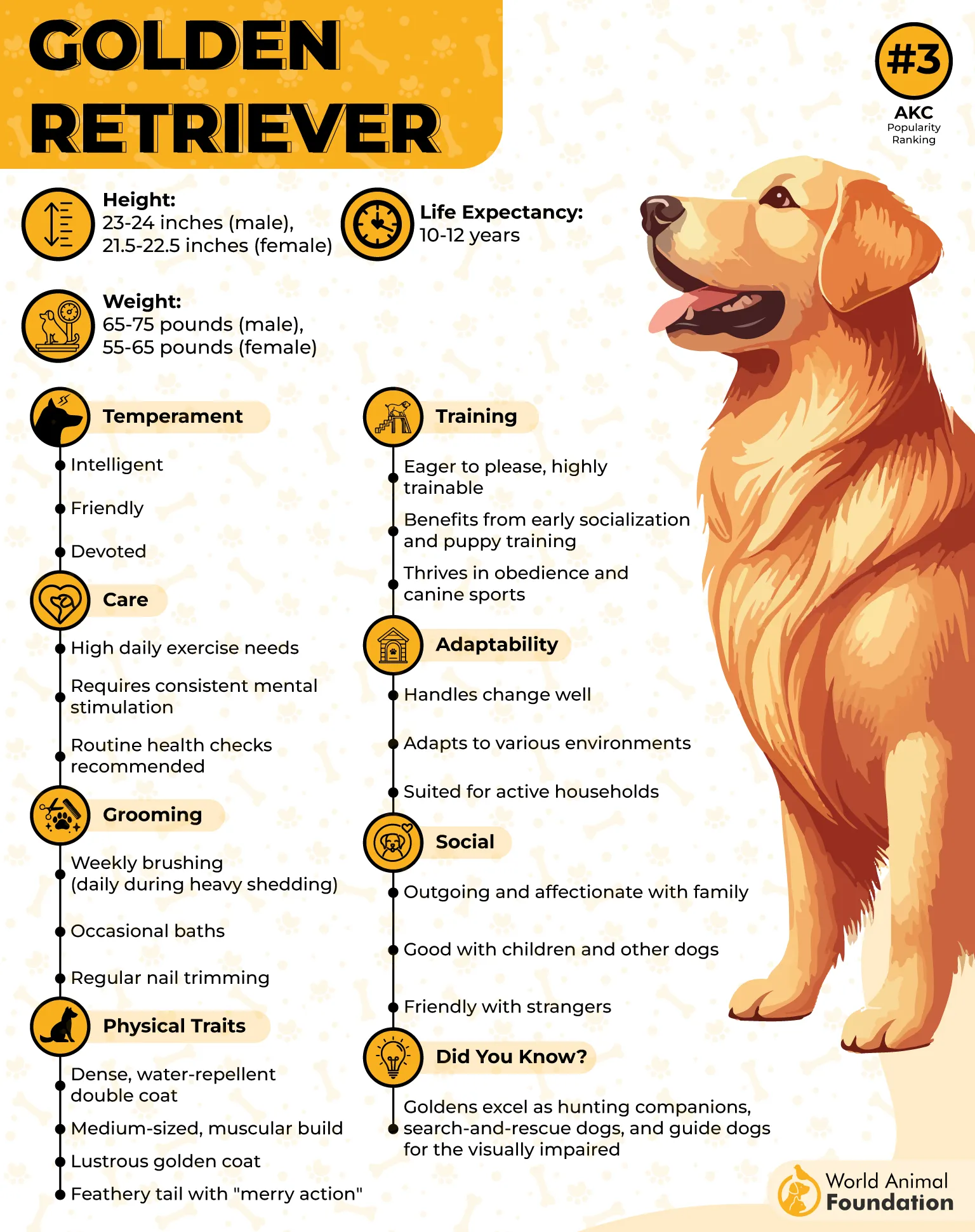
Why They’re Great for Beginners
Golden Retrievers are easy to train because they genuinely enjoy learning and pleasing their owners. They respond best to positive, gentle training and benefit from early socialization. Introducing them to new people, places, and situations at a young age helps them grow into well-mannered adults.

They are naturally friendly—even with strangers—so they are not ideal guard dogs, but they excel as loving family pets. Their playful nature often stays with them into adulthood, which makes them fun and engaging companions.
What You Should Know
This breed is active and needs regular exercise every day. Long walks, playtime, and games like fetch or swimming keep them happy and prevent unwanted behavior. Goldens also need mental stimulation, as they are intelligent dogs at heart.
Without enough activity, they can become bored or destructive. They have a thick coat that sheds and requires regular grooming. They are also sensitive dogs, so harsh training methods should be avoided.
2. Cavalier King Charles Spaniel
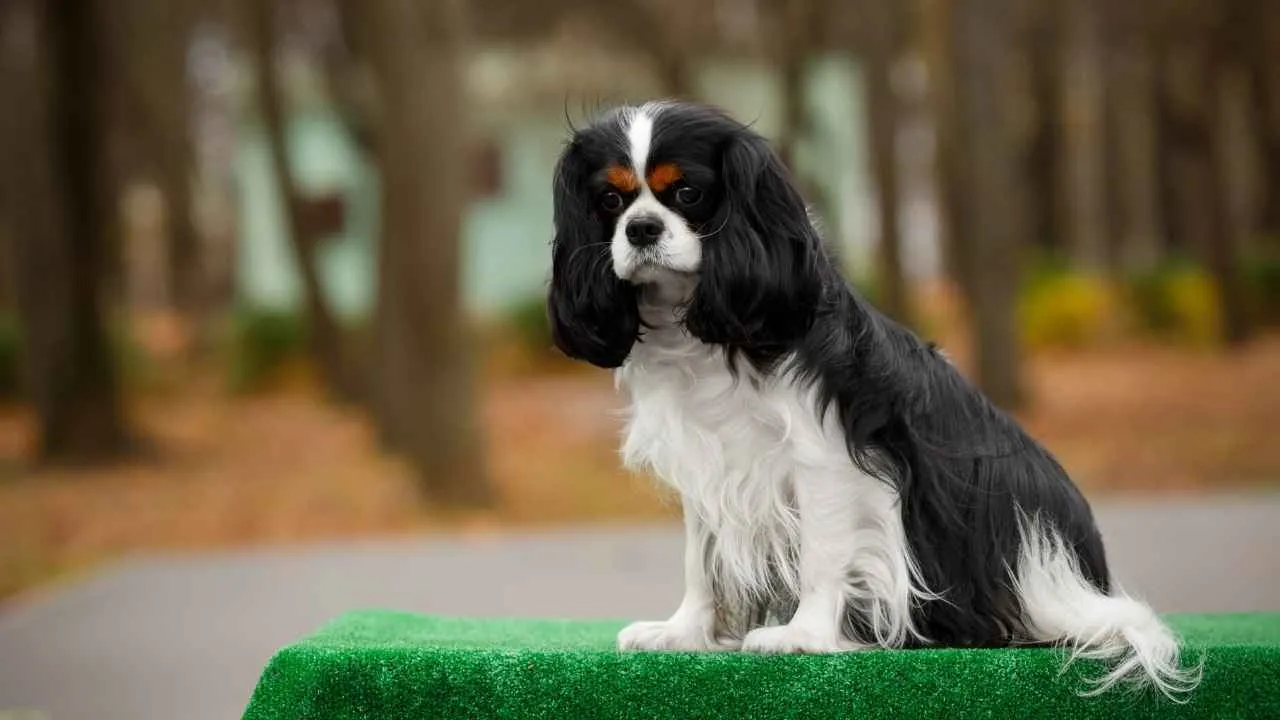
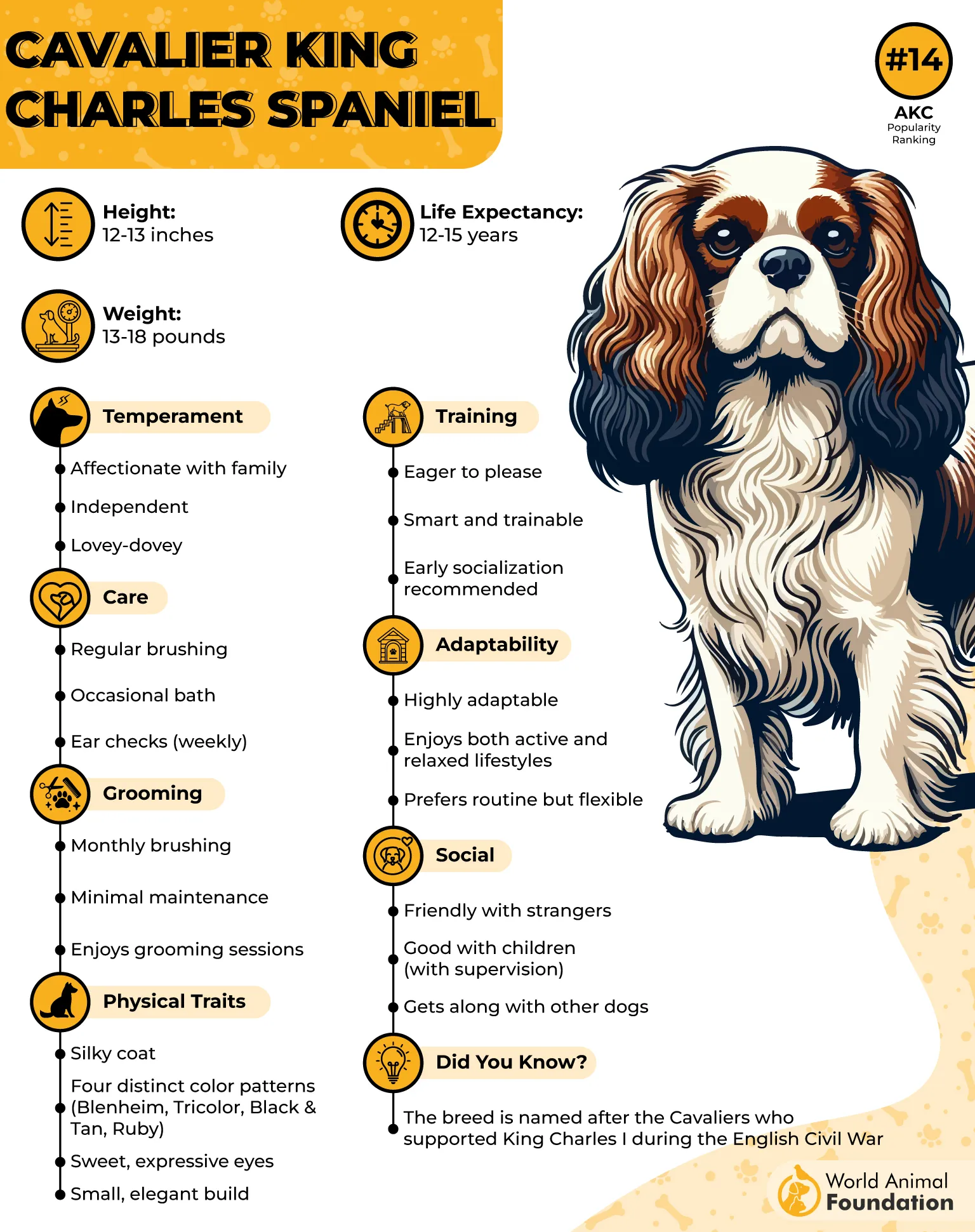
The Cavalier King Charles Spaniel is a perfect mix of affection and adaptability, making them one of the best choices for first-time owners. Originally bred as a lap dog with roots in sporting breeds, they combine calm companionship with a playful side.
They are gentle, friendly, and love being around people. Cavaliers get along well with children, strangers, and even other pets. Their sweet expression and loving nature make them excellent family dogs, and they are also known to work well as therapy dogs due to their emotional sensitivity.
Why They’re Great for Beginners
Cavaliers are intelligent and eager to please, which makes training simple and enjoyable. They respond best to positive reinforcement and short, fun training sessions. Early socialization helps them grow into confident and well-mannered adult dogs.
These dogs are highly adaptable—they can enjoy outdoor walks and playtime, but they are just as happy relaxing on the sofa. Whether you’re active or prefer a quieter lifestyle, they adjust easily, making them ideal for many types of homes, including apartments.
What You Should Know
Despite their calm nature, Cavaliers still need daily exercise and mental stimulation to stay happy. Regular walks and playtime are usually enough. They should not be left alone for long periods, as they thrive on human companionship and may develop separation anxiety.
Because of their hunting instincts, it’s best to keep them on a leash or in a fenced area outdoors. Their long, silky coat requires regular brushing and occasional grooming. With proper care, attention, and love, this breed is an easy, affectionate, and rewarding choice for first-time dog owners.
3. Bichon Frise
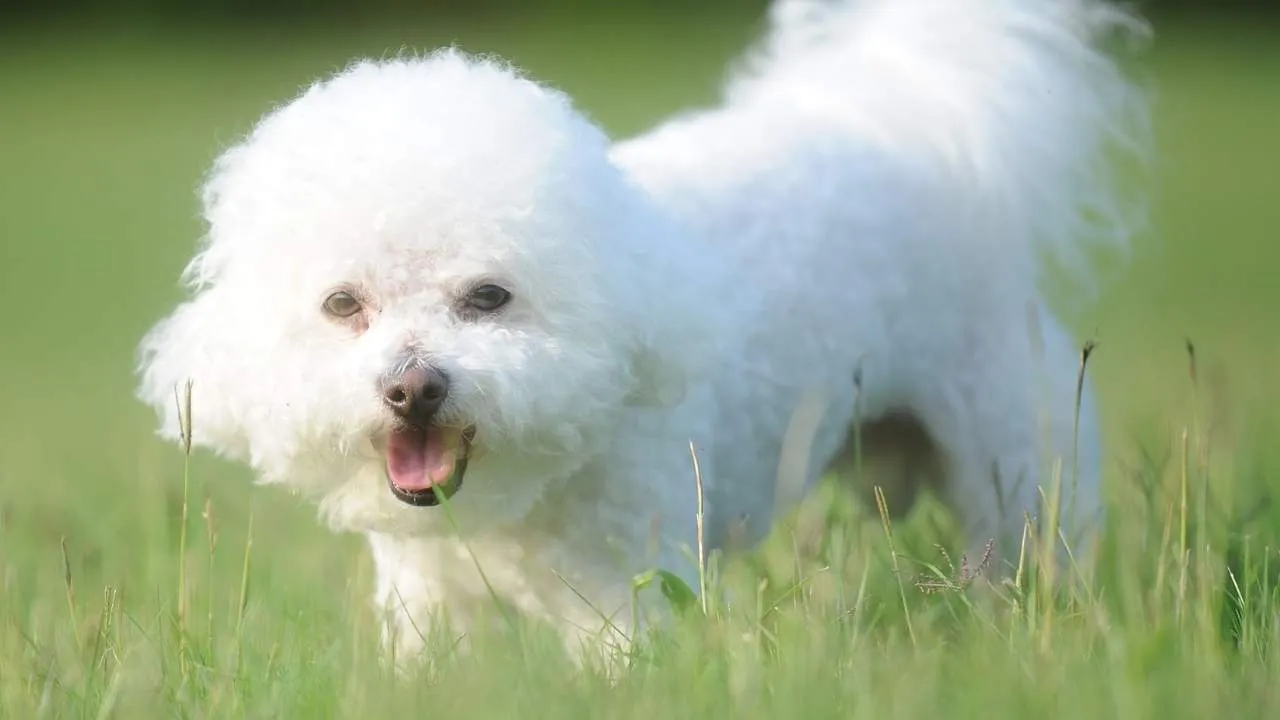
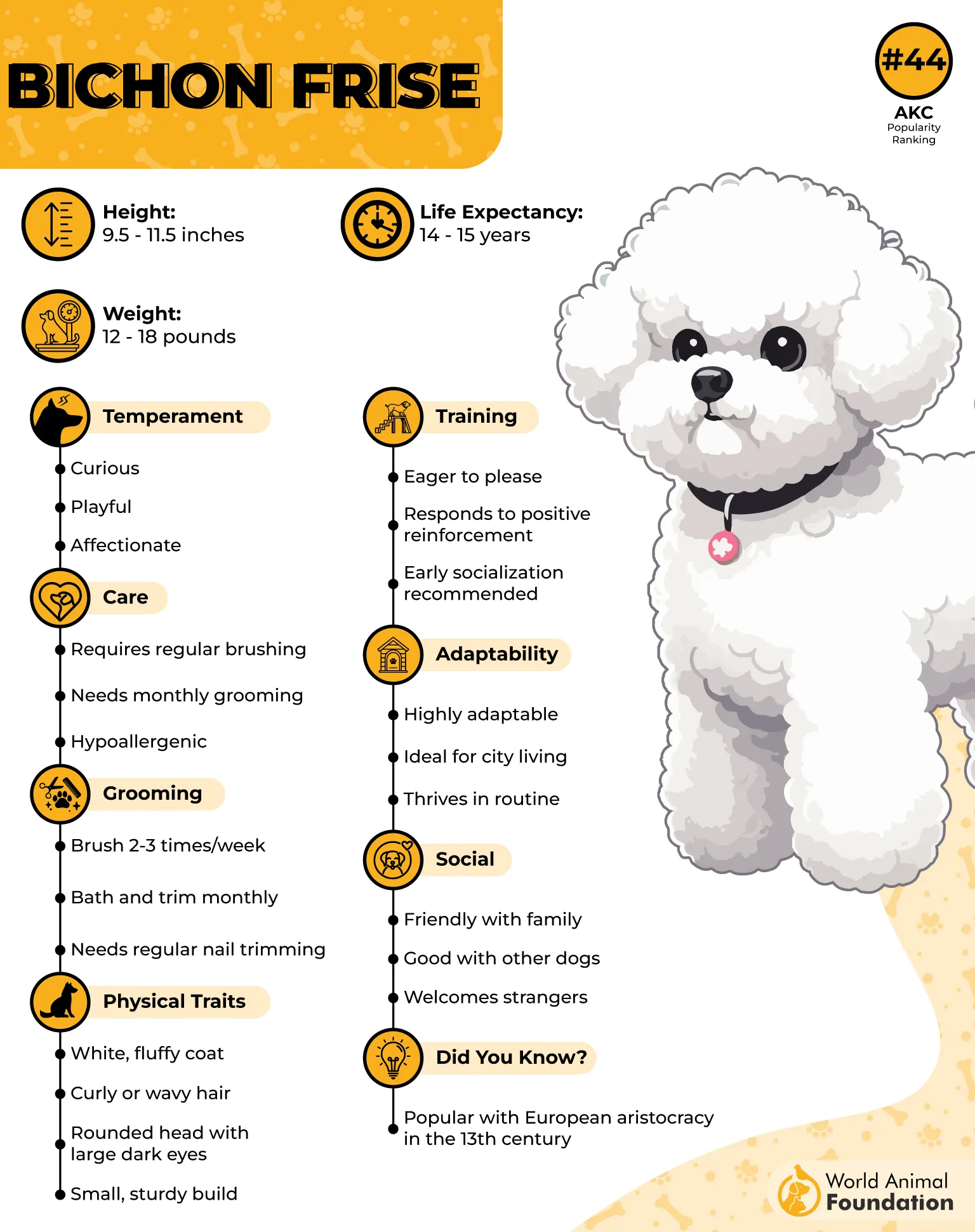
Bichon Frises are small, sturdy dogs with a big personality, making them a fantastic choice for first-time owners. Known for their soft, white, fluffy coat and bright, expressive eyes, this breed looks like a living teddy bear. But it’s their cheerful and affectionate nature that truly stands out.
Bichons are friendly with everyone—strangers, children, and other pets—and they love being the center of attention. They are confident, curious, and naturally charming, which is why they’ve been popular companions for centuries, even performing as circus dogs in the past.
Why They’re Great for Beginners
Bichons are intelligent and enjoy learning, especially when training feels like play. They respond well to positive reinforcement and love performing tricks, which makes training fun and rewarding. They are adaptable and do well in apartments or smaller homes.
Their energy comes in short bursts, so they don’t need excessive exercise—daily walks and playtime are enough. According to PetMD, they are also known for being low-shedding, which can be helpful for people with mild allergies (though grooming is still essential).
What You Should Know
While Bichons are easy in many ways, they do need regular grooming. Their coat grows continuously and requires brushing several times a week, along with routine trimming and bathing. They can sometimes be difficult to house-train, so patience and consistency are important.
Bichons also don’t like being left alone for long periods and may develop unwanted behaviors if they feel neglected. With proper care, attention, and companionship, the Bichon Frise is a happy, loving, and beginner-friendly dog that brings joy wherever it goes.
4. Shih Tzu
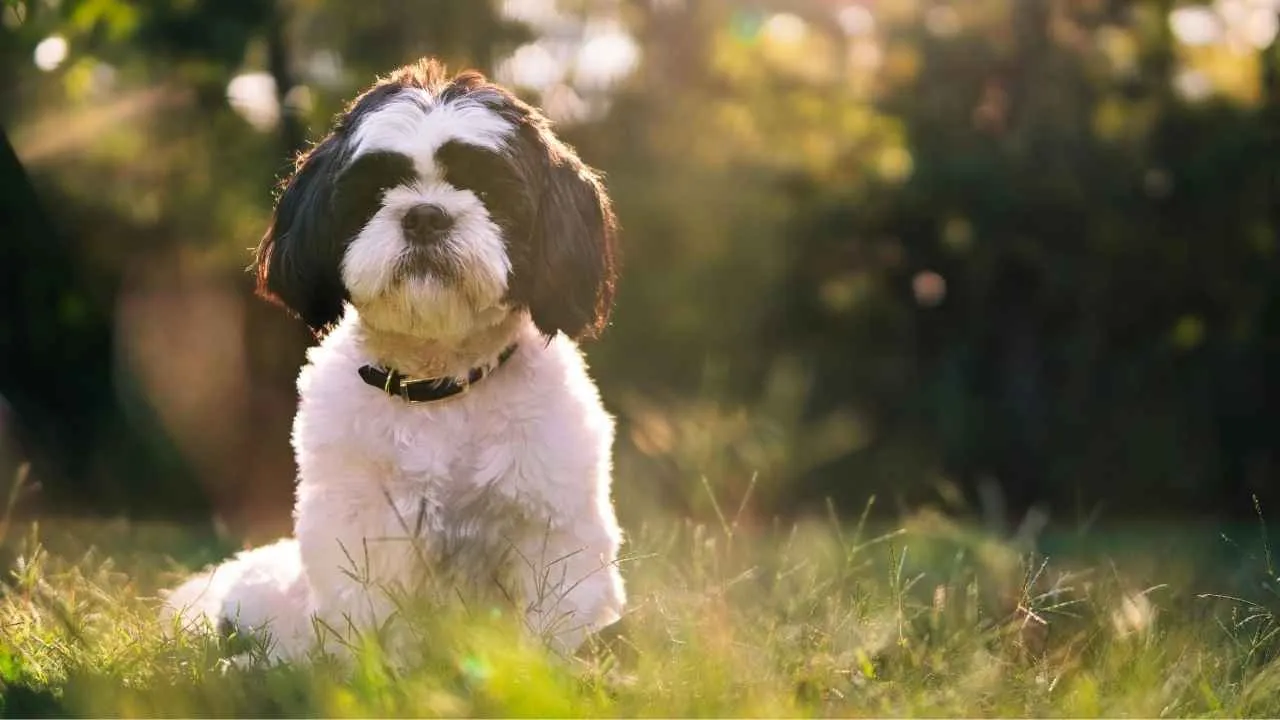
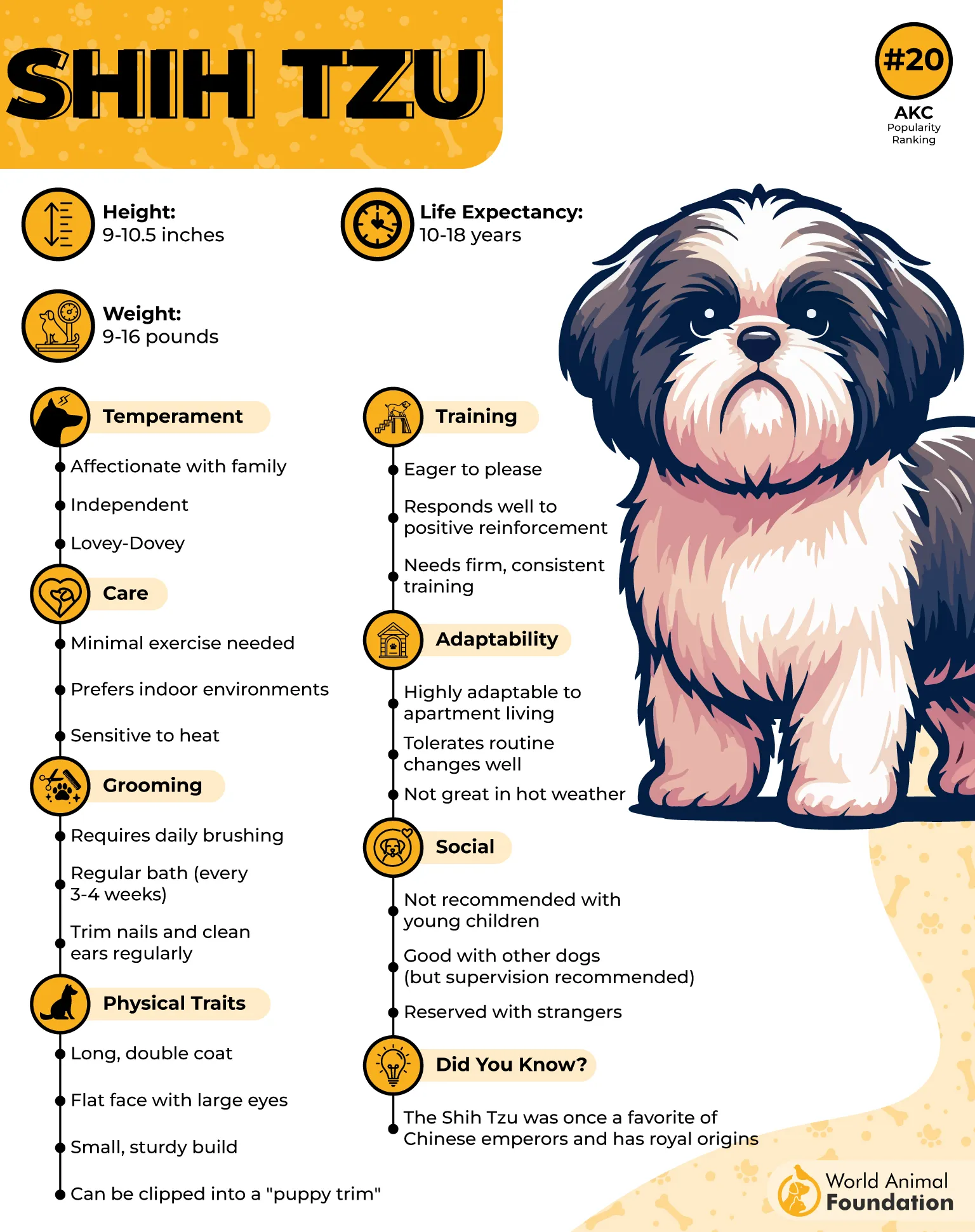
The Shih Tzu is a charming little companion known for its sweet dog face and loving personality. Originally bred as a royal lap dog, this breed thrives on human attention and enjoys staying close to their family. They are friendly, playful, and especially affectionate with children and other pets.
Shih Tzus are social dogs who don’t like being alone and prefer to be part of everyday life. Their cheerful nature and love for cuddling make them a perfect choice for apartment living or homes without large outdoor spaces.
Why They’re Great for Beginners
Shih Tzus are easygoing and adaptable, which makes them ideal for first-time owners. They don’t need a lot of exercise—short daily walks and indoor playtime are enough to keep them happy. They are also eager to please and can learn quickly with positive reinforcement.
Their calm temperament means they fit well into both active households and relaxed lifestyles. They are naturally friendly and enjoy meeting new people, making them great companions in almost any setting.
What You Should Know
Despite being low-shedding, Shih Tzus need regular grooming due to their long, silky coat, which can tangle easily. Many owners choose a shorter “puppy cut” to make maintenance easier. They may bark to alert you of new people and can develop separation anxiety if left alone for long periods.
Early socialization and gentle training help prevent unwanted behaviors. With consistent care, attention, and affection, the Shih Tzu is a loving, low-maintenance, and beginner-friendly dog that brings warmth and joy to any home.
5. Pug
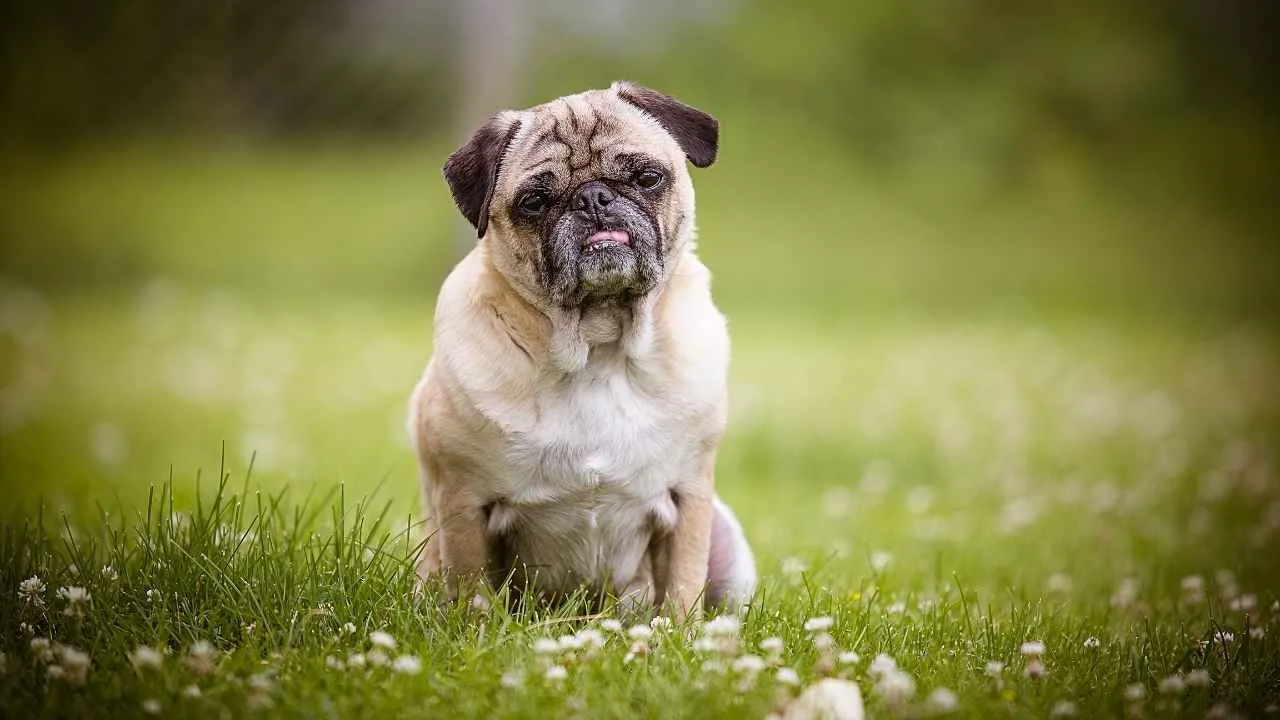
The Pug is a small dog with a big personality, known for its wrinkled face, round eyes, and adorable expressions. Once a companion of Chinese emperors and European royalty, this breed has always been loved for their affectionate nature.
Pugs are friendly, playful, and love being around people. They get along well with children, strangers, and other pets, making them excellent family dogs. Their motto, “a lot in a little,” perfectly describes their mix of charm, loyalty, and fun in a compact size
Why They’re Great for Beginners
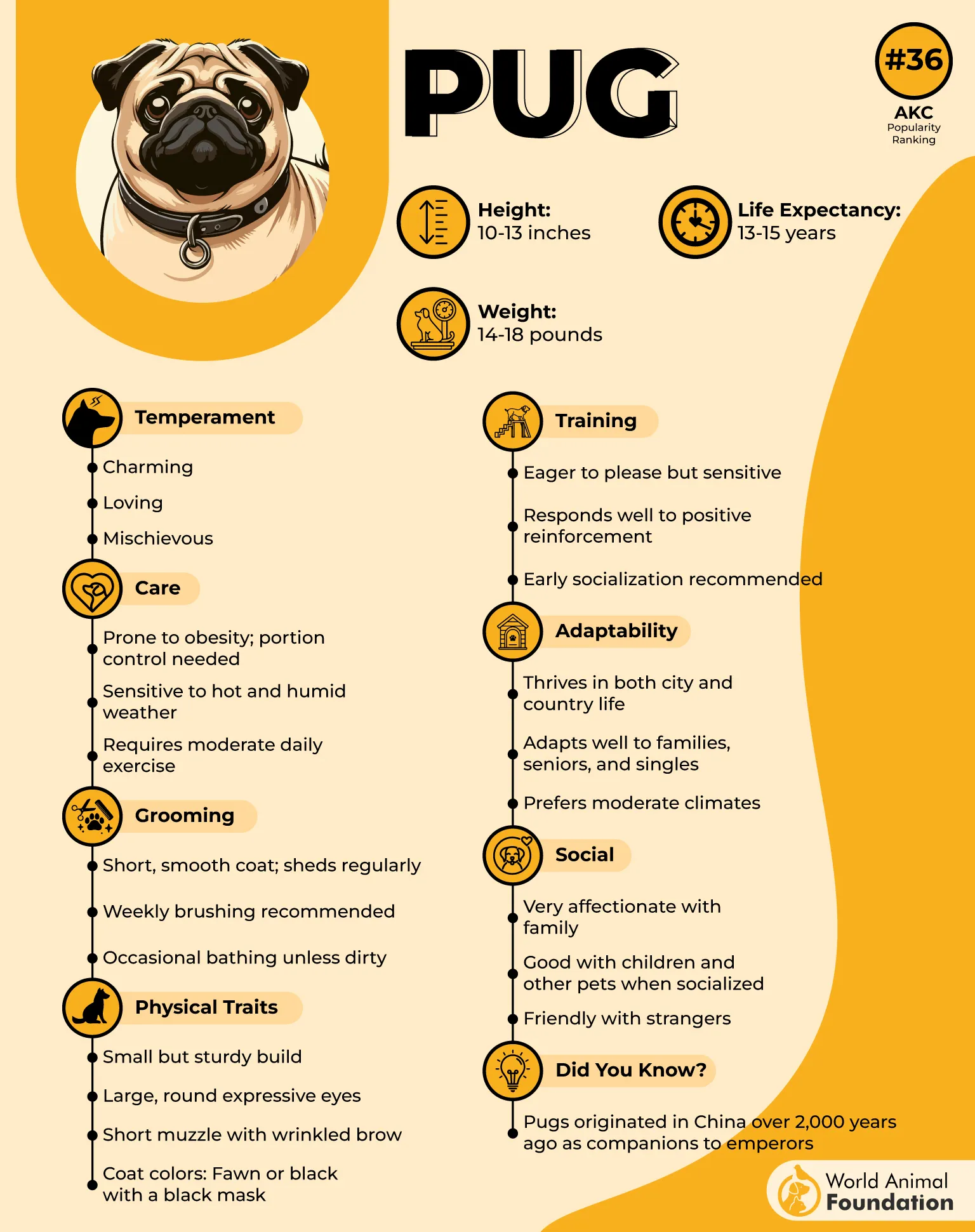
Pugs are easygoing and thrive as companion dogs. They love attention and enjoy being part of daily activities, whether it’s playtime or relaxing on the couch. They are generally easy to train, especially with positive reinforcement, as they like to please their owners.
Their exercise needs are low to moderate—short walks and light play sessions are enough. They also adapt well to apartments or smaller homes, making them ideal for different lifestyles.
What You Should Know
Pugs need regular care to stay healthy. They love food, so weight gain can be an issue if not managed properly. Their short, flat face makes them sensitive to heat, so they should avoid hot weather and heavy exercise. They may snore and have noisy breathing due to their anatomy.
Their coat sheds moderately and needs regular brushing, while their facial wrinkles should be kept clean. Pugs also don’t like being left alone for long periods.
6. Maltese
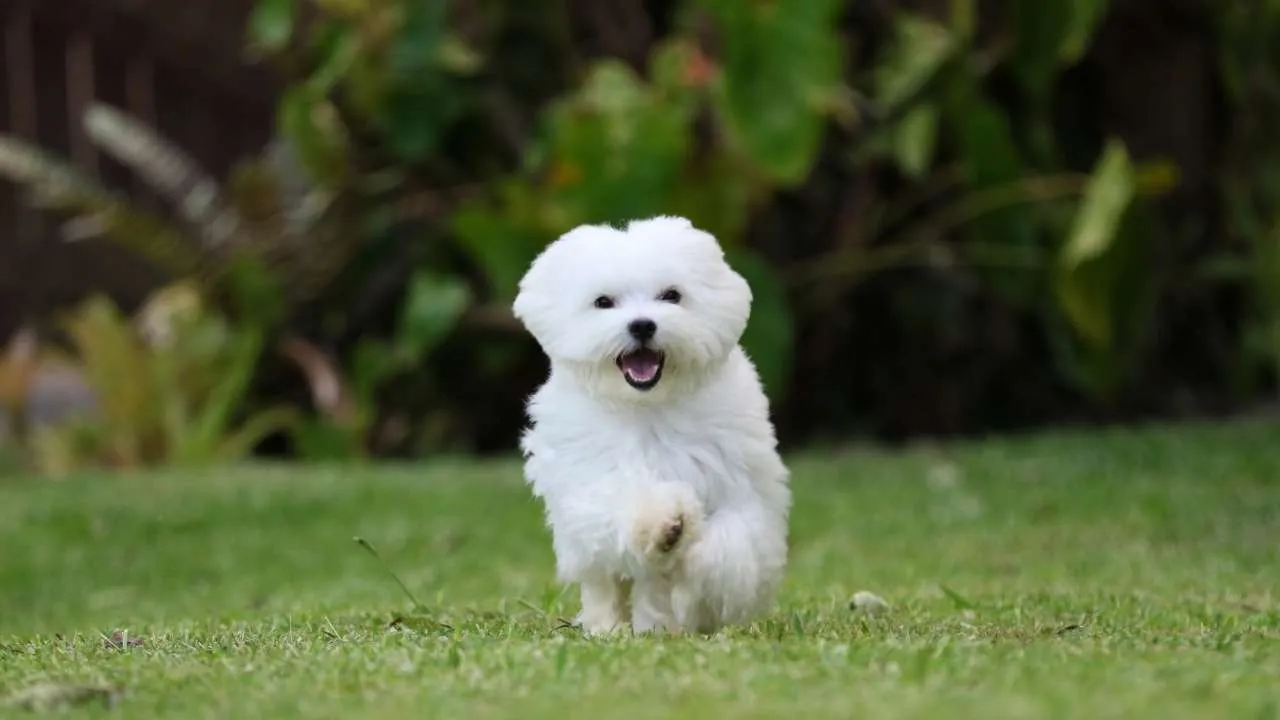
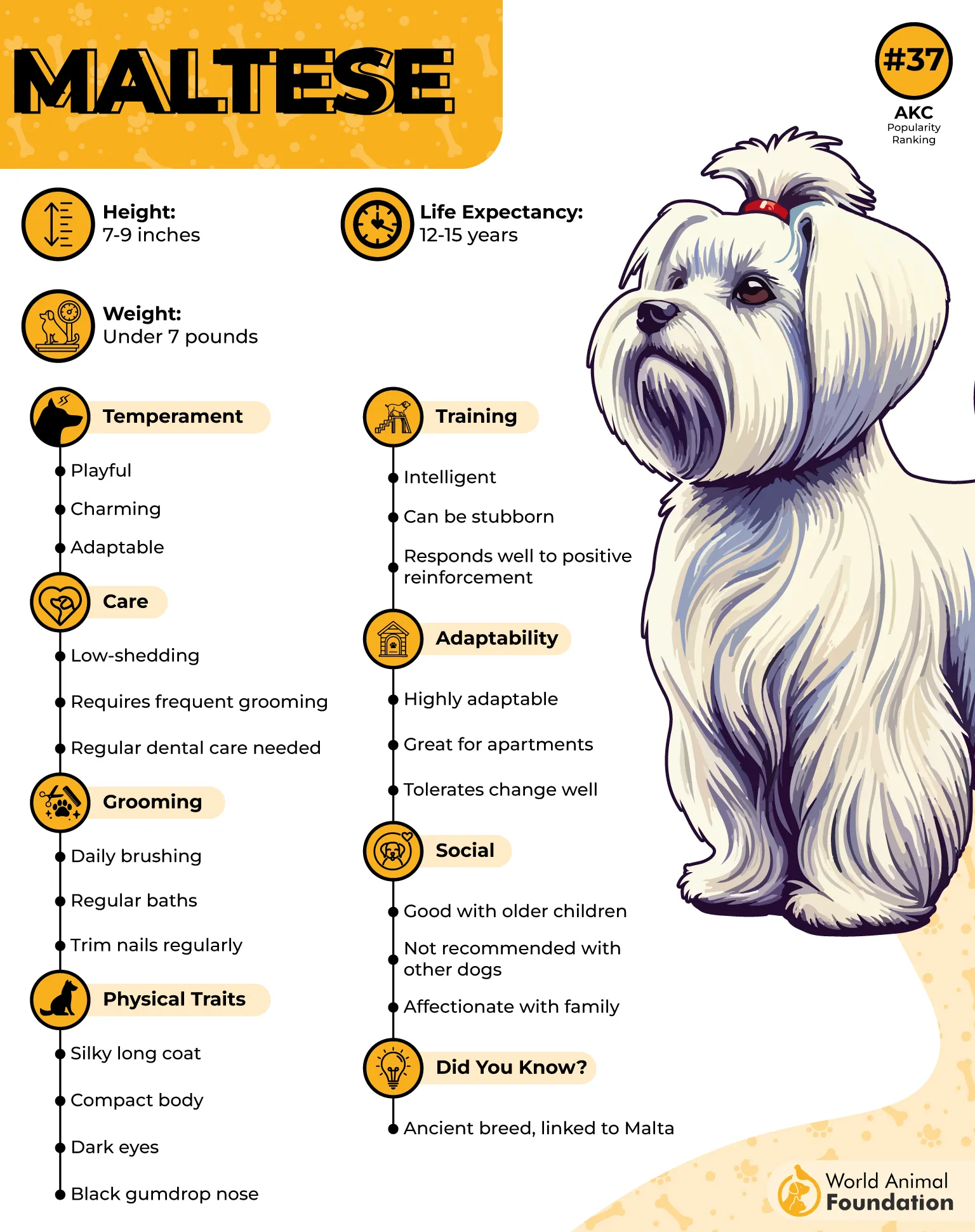
The Maltese is a tiny yet elegant companion that has been loved for centuries. Known for their long, silky white coat and expressive dark eyes, this breed combines beauty with a lively personality. Despite their delicate appearance, the Maltese are surprisingly sturdy, playful, and full of energy.
They are affectionate, friendly, and love being close to their owners, often forming strong bonds. Their adaptable nature makes them ideal for apartments and smaller homes, and they easily get along with people of all ages.
Why They’re Great for Beginners
Maltese dogs are an intelligent breed and enjoy learning, especially when training is fun and reward-based. They are eager companions who respond well to positive reinforcement and short training sessions. Their exercise needs are low—daily walks and indoor play are usually enough.
They are also low-shedding, which can suit people with mild allergies. Their friendly and social nature makes them easy to live with, especially for first-time pet parents looking for a loving and manageable pet.
What You Should Know
The Maltese requires regular grooming to maintain its long coat, including daily brushing and routine bathing. They can be a bit stubborn and sometimes difficult to house-train, so consistency is important.
These dogs don’t like being left alone for long periods and may develop separation anxiety or excessive barking. They are small and delicate, so care is needed around young children.
7. Havanese
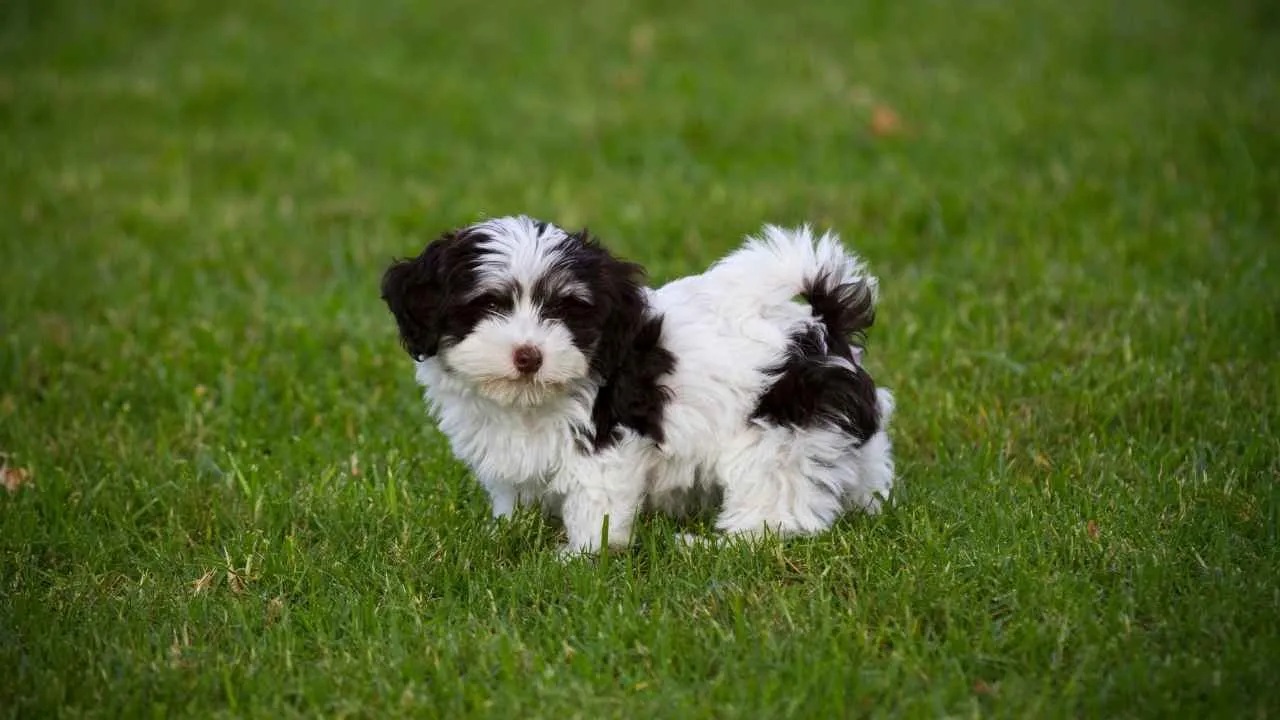
The Havanese is a lively and affectionate dog breed from Cuba, known for its cheerful personality and strong bond with people. These dogs are naturally social, playful, and full of charm, often described as little “clowns” because of their funny and entertaining behavior.
They have expressive eyes, a soft, silky coat, and a curled tail that adds to their adorable appearance. Havanese are people-oriented dogs who love attention and are happiest when they are included in daily family life, making them especially popular in city homes and apartments.
Why They’re Great for Beginners
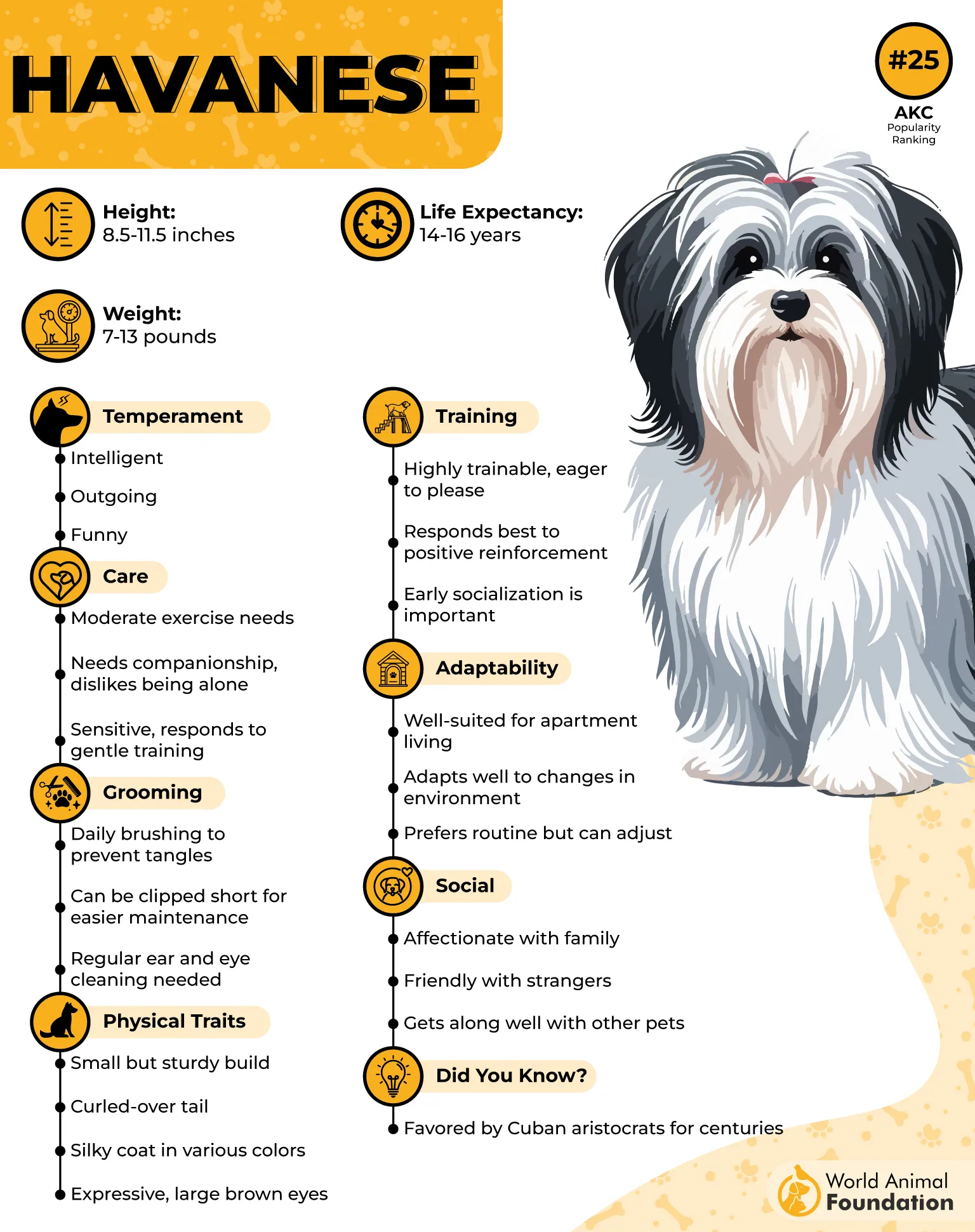
Havanese are highly intelligent dogs and eager to please, which makes training smooth and enjoyable for first-time owners. They respond best to gentle, positive reinforcement and learn quickly when training is kept fun and calm. Early socialization is important to help them become confident and well-adjusted.
VCA mentions that they are friendly with children, strangers, and other pets, making them easy to integrate into most households. Their moderate exercise needs mean a daily walk and some indoor playtime are usually enough.
What You Should Know
This breed thrives on companionship and does not like being left alone for long periods, as they can become anxious or unhappy. They need regular grooming because of their long, silky coat, though some owners keep it trimmed short for easier care.
They are sensitive dogs, so harsh training should be avoided. Havanese also make alert watchdogs, but are not excessive barkers when well-trained.
Conclusion
Choosing your first dog is less about picking the “perfect” breed and more about finding a companion that fits naturally into your everyday life.
At the end of the day, the right dog isn’t just a pet—it becomes part of your routine, your comfort, and your happiest moments at home. Take your time, be honest about what you can realistically offer, and choose with both heart and responsibility.
The best match will not only make your journey easier but also turn your first experience of dog ownership into something truly unforgettable.
