




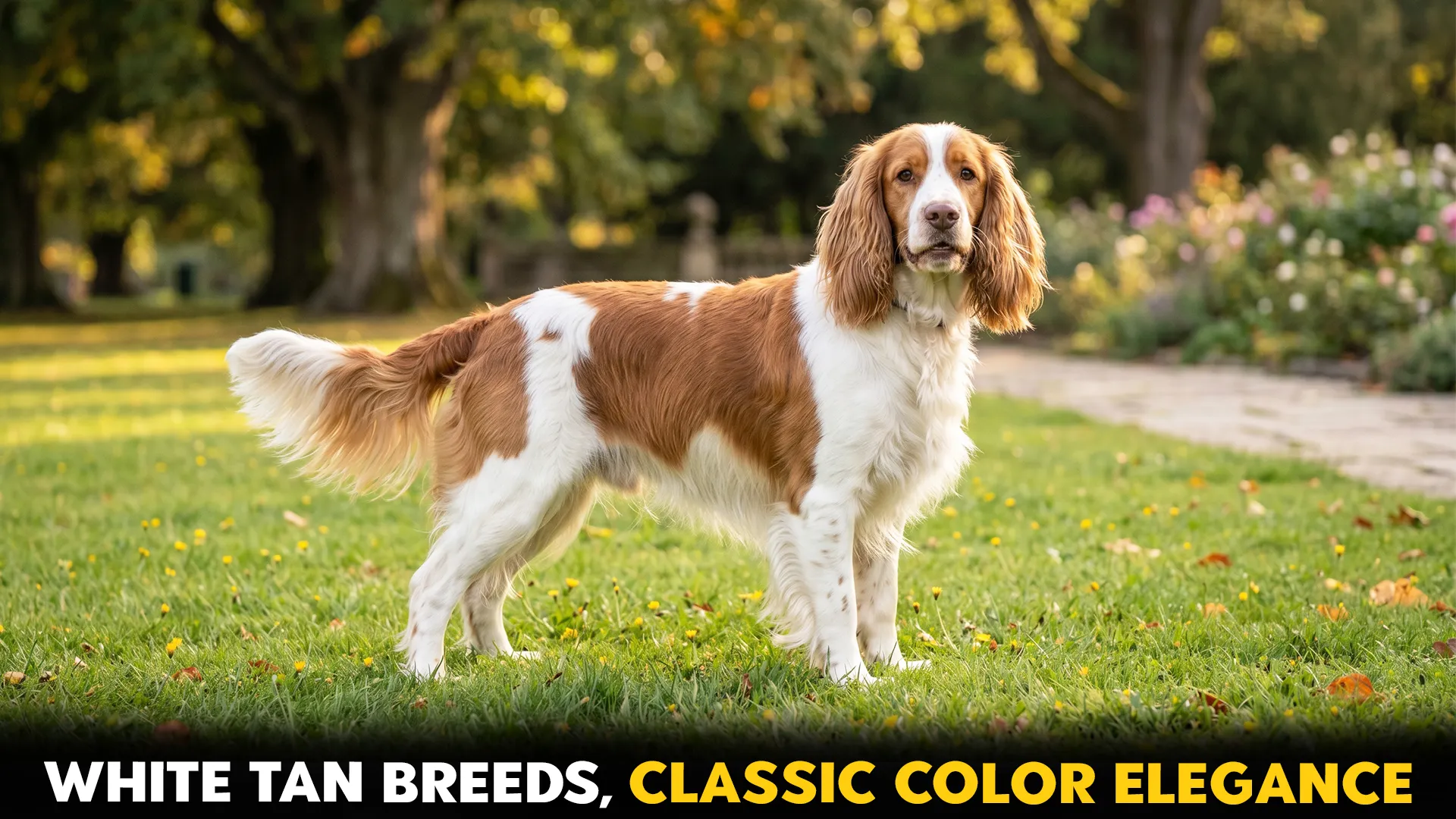
The first thing people noticed was the coat. A clean mix of white and tan that looked almost too perfect to be natural, catching light in a way that made the dog stand out without effort.
It felt like the kind of presence that would bring calm into a home rather than noise. At first, it was all about appearance, how well that elegant coloring fit into her space and routine. But over time, she started noticing more than just how the dog looked.
The way it carried itself, the quiet confidence in its movement, and the way it settled into daily life without creating disruption. That’s when the appeal started to feel deeper than surface level. It wasn’t just about color anymore. It was about how everything came together.
Up ahead, you will discover white and tan dog breeds that carry this same balance of visual charm and everyday compatibility.
Key Takeaways
A white-and-tan coat often stands out first, but what holds attention longer is the way these dogs move and settle into everyday life.
English Springer Spaniel and Beagle balance energy and ease, one built for motion and the other for steady everyday companionship
Basset Hound and Saint Bernard bring calm strength, both grounded in a way that fits quietly into home life and outdoor work.
Keep reading till the end to see how these popular white dog breeds with a touch of tan tie appearance, temerament, and lifestyle together naturally.
Elegant White and Tan Dog Breeds to Admire
1. English Springer Spaniel
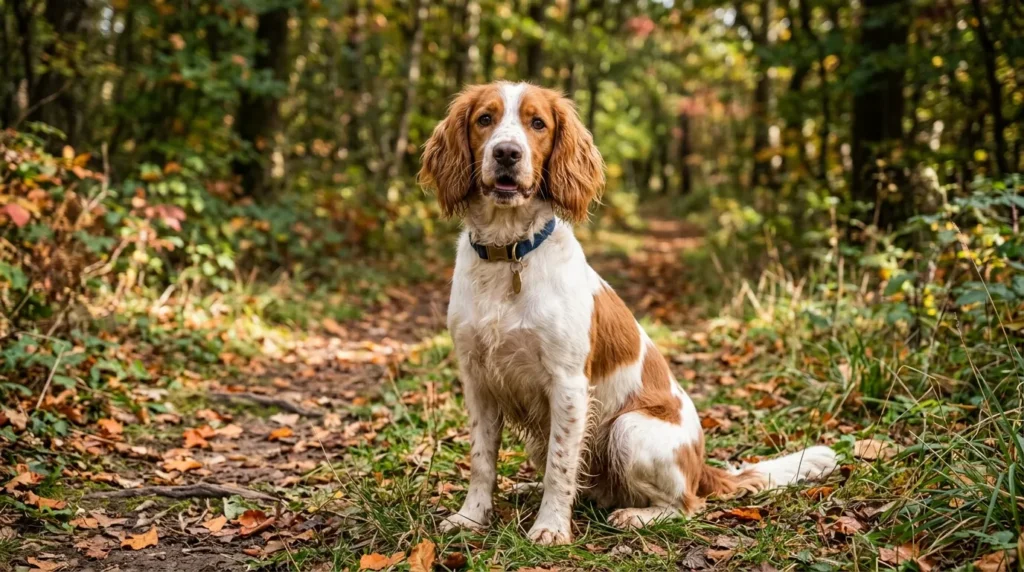
English Springer Spaniel shows a strong working frame shaped for long hours outdoors, with a muscular build and smooth stride that covers ground efficiently. Its thick double coat pattern blends white with black, tan, or liver tones, paired with long ears and a soft, expressive face.
Working behavior in action
They respond to direction with eagerness, staying engaged during tasks that involve movement, search, or retrieval work. Its role in hunting settings reflects a breed that works closely alongside people rather than independently.
This behavior becomes clear through practical patterns:
Covers ground with a steady, controlled stride
Engages in chase-based retrieval activities
Responds quickly to huma-led direction
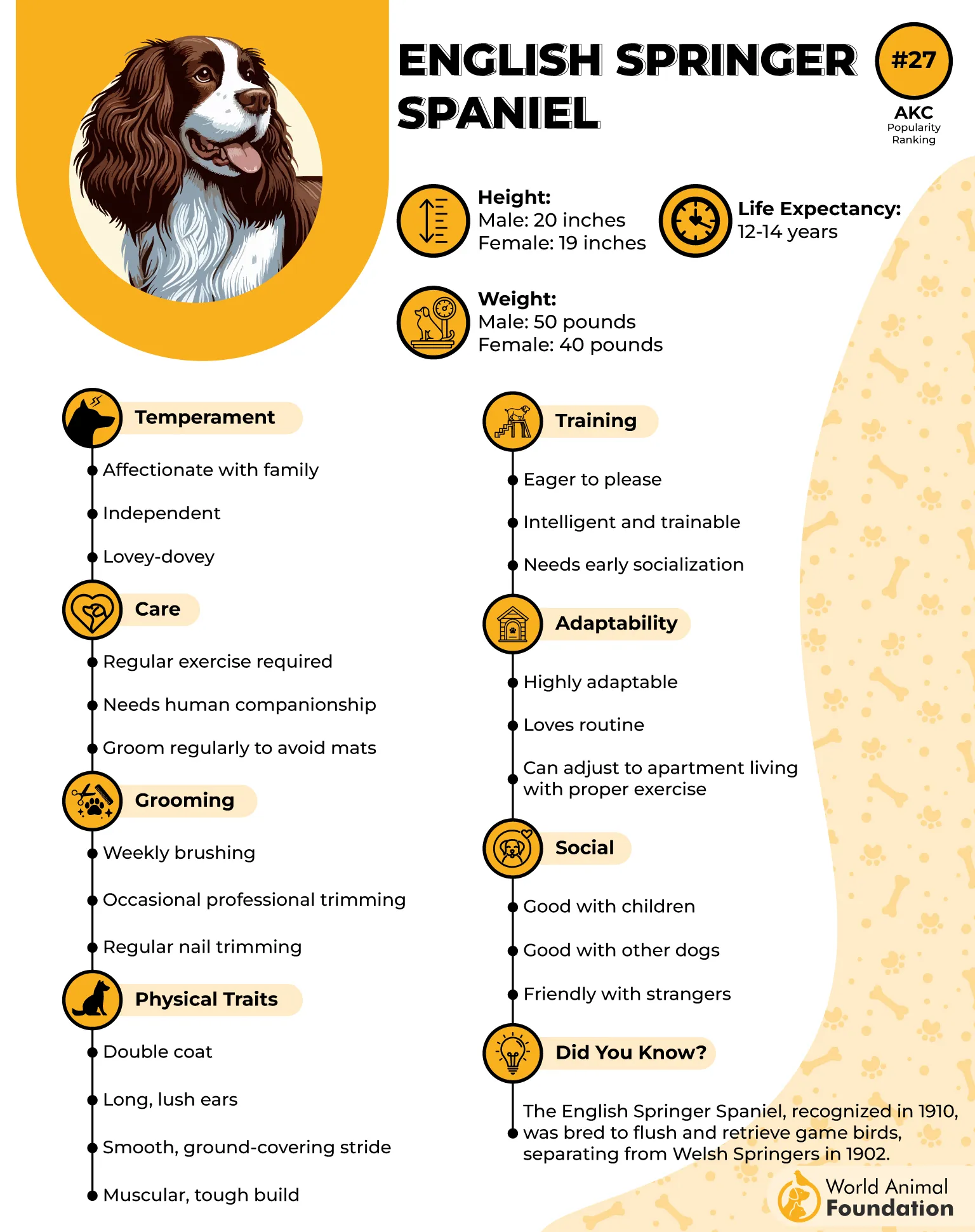
Social energy in daily life
These spaniels bring a lively presence into shared spaces, often seeking involvement in group activity rather than staying separate, as stated in Petplan. Its temperament reflects a strong interest in companionship, especially within family settings where interaction is frequent.
2. Beagle
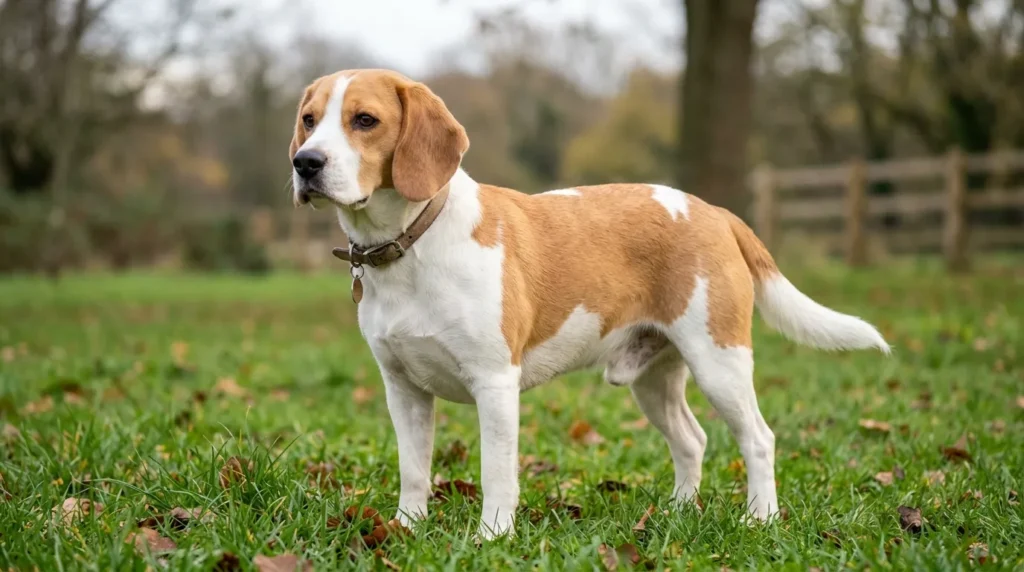
Beagle shows a sturdy, “big-for-its-size” frame paired with a soft, expressive face that immediately draws attention. Its broad head, low-set long ears, and warm eyes give it a distinct hound appearance. Color patterns vary widely, often seen in tricolor combinations like black, tan, and white.
Social hunting pack behavior
This white dog functions comfortably in groups, shaped by pack-oriented hunting work that influences their ease around company. Its cheerful nature blends curiosity with steady interaction, making it responsive in shared spaces.
These traits appear clearly in everyday patterns:
Prefers company rather than isolation
Engages actively in play-based interaction
Responds with curiosity to new surroundings
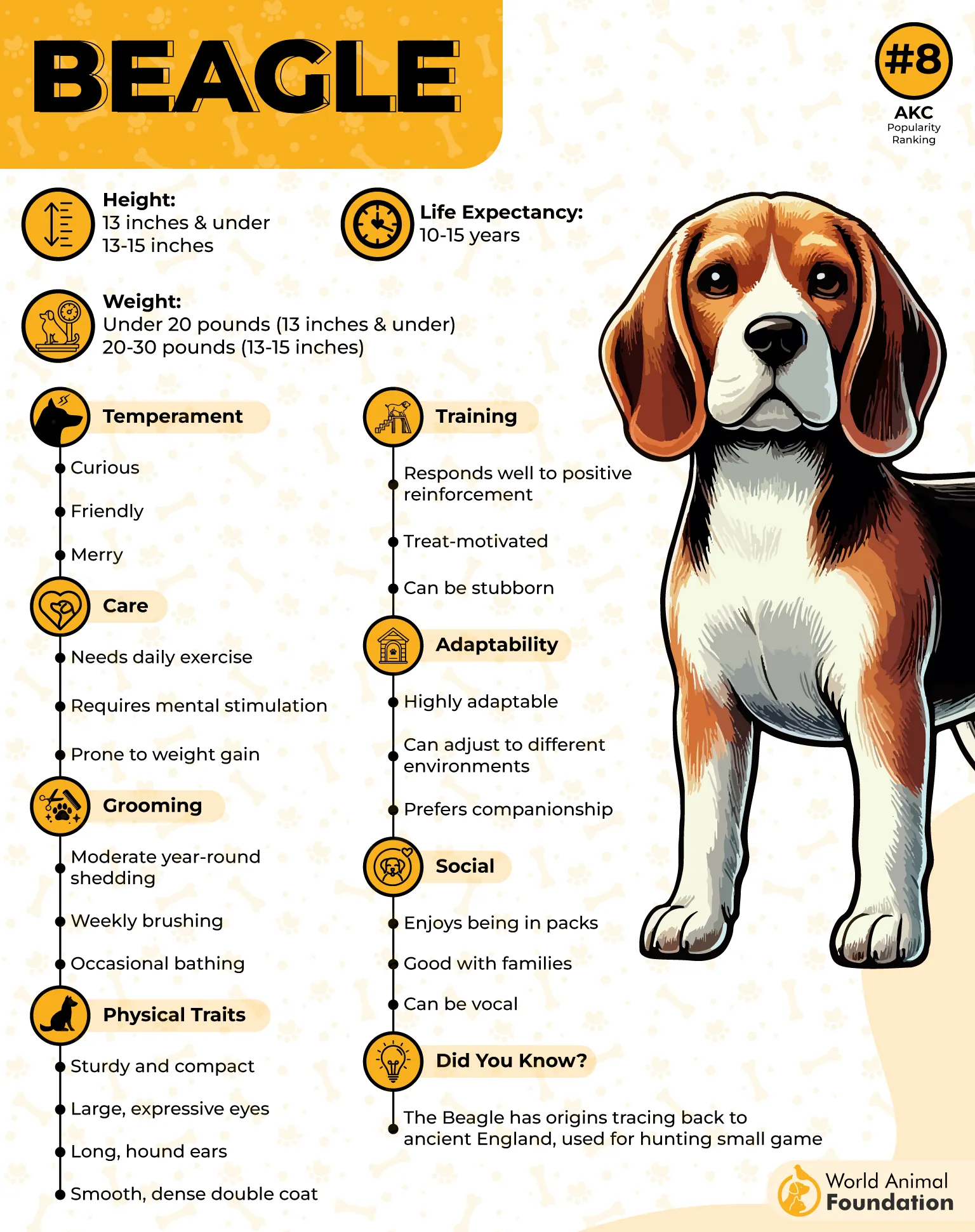
Care rhythm and daily upkeep
They have a smooth double coat that sheds more during seasonal shifts, especially in spring when loose hair increases, as noted by PetMD.
Weekly grooming helps manage coat density and supports new growth while keeping texture even. Its maintenance routine fits naturally into simple, consistent care habits.
3. Basset Hound
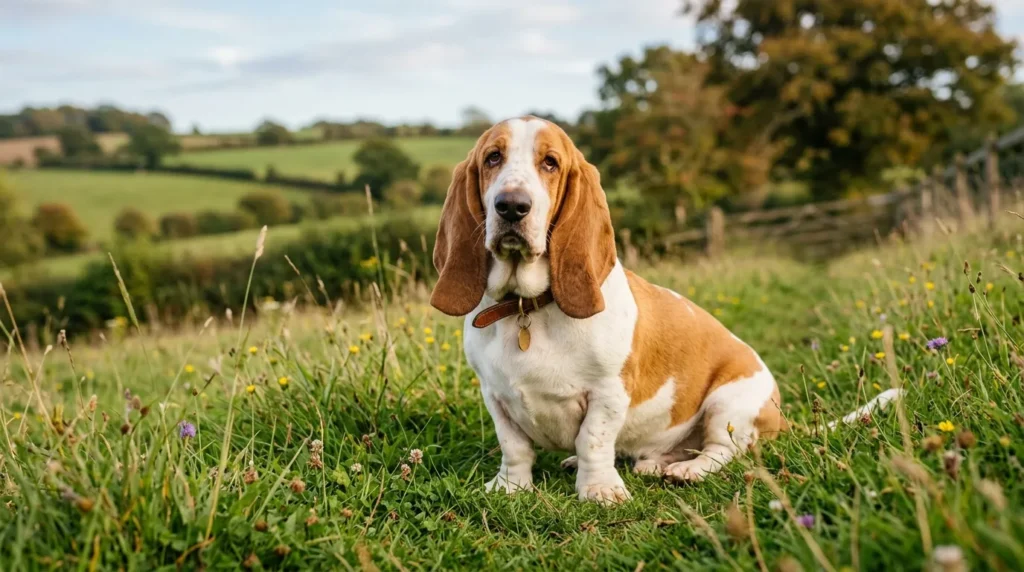
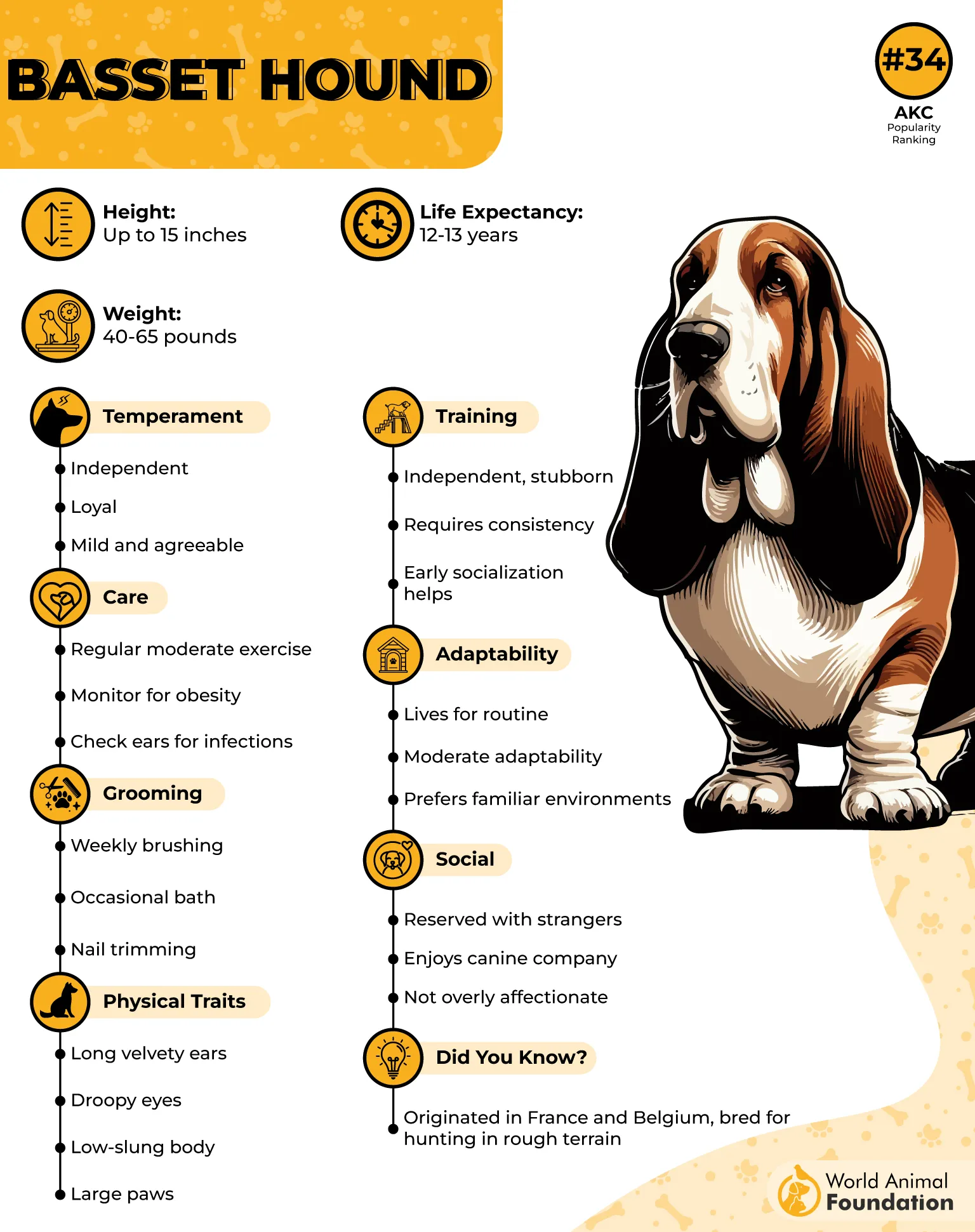
Basset Hound is instantly recognized through its long ears, heavy bone structure, and low-slung build that gives it a grounded, deliberate presence.
Its face carries deep wrinkles and drooping eyes that create a naturally expressive, almost reflective look. This structure supports steady, endurance-based movement rather than speed.
Scent ability paired with physical design
They work through scent with remarkable precision, often relying more on smell than visual cues when tracking. Its body is built with powerful legs and large paws that support long hours of ground coverage.
Key physical and working elements include:
Short smooth coat in white, tan, and black combinations
Massive paws supporting steady tracking movement
Long ears aid scent collection close to ground trails
Behavior between the field and the home
This elegant dog shows a calm and easygoing nature indoors, often appearing relaxed and steady in familiar surroundings, as mentioned in Britannica.
On scent trails, its focus shifts sharply, showing determination that contrasts with its gentle indoor presence. The loud, ringing bark becomes part of its communication during tracking.
4. Saint Bernard
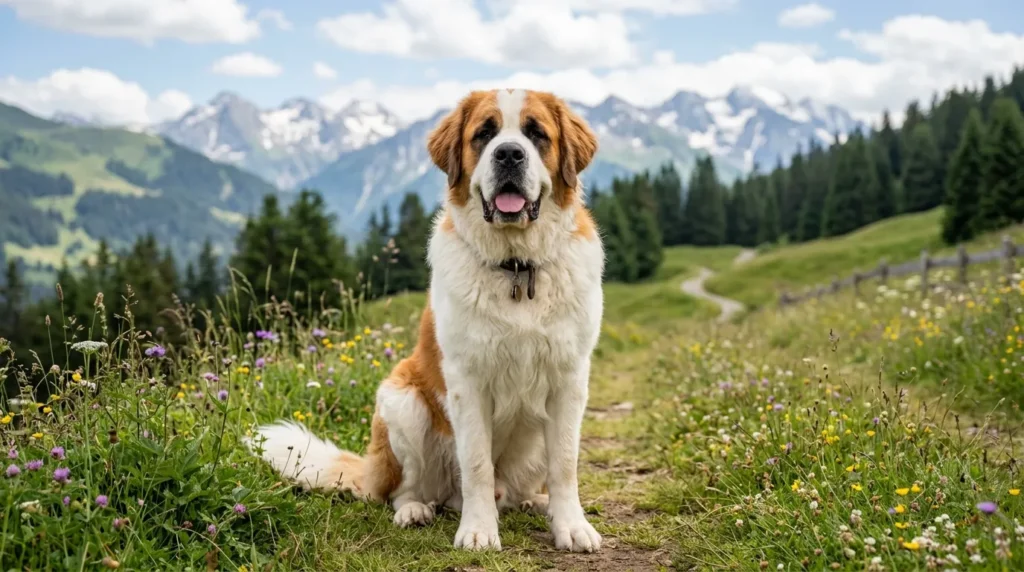
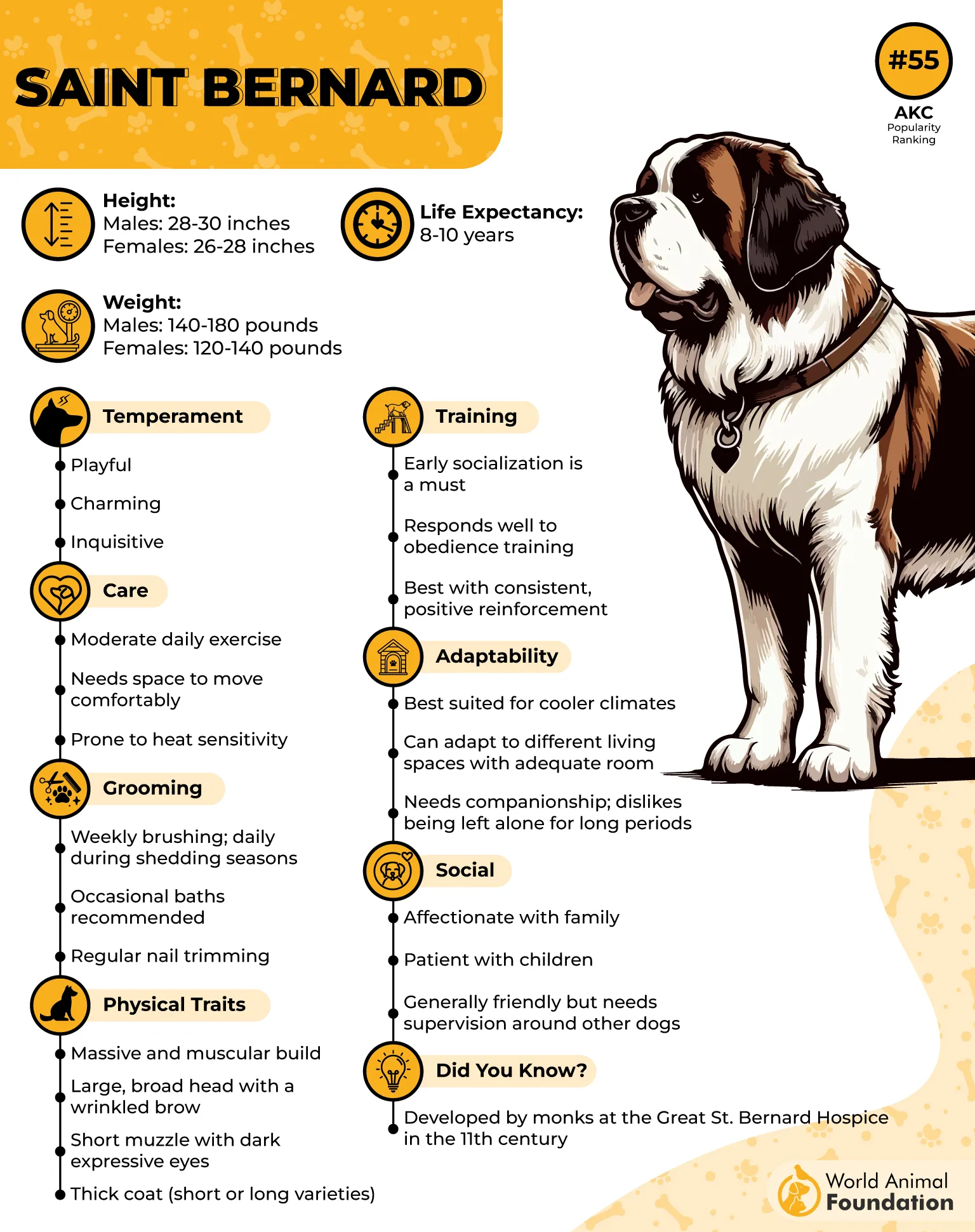
Saint Bernard appears as a massive Alpine working breed, known for its heavily muscular frame and powerful structure. Its expression is formed by a wrinkled brow, short muzzle, and deep-set eyes that reflect calm awareness. The overall build signals strength paired with a steady, composed demeanor.
Physical structure and coat detail
This working dog shows two coat types, long-haired and short-haired, both dense and built for protection in cold conditions. Its coloring appears in white with markings that vary in tan, red, mahogany, brindle, and black combinations.
This structure becomes clearer in specific traits:
Dense coat designed for harsh mountain climates
Massive head with expressive, intelligent facial features
Strong bone structure supporting a heavy frame
Everyday rhythm and energy balance
They operate with a moderate activity level despite their large frame, requiring only steady daily movement such as walks or short play sessions.
Its pace in daily life remains controlled, without demanding constant physical engagement and mental stimulation. This balance allows it to function comfortably in calm household environments.
5. Smooth Fox Terrier
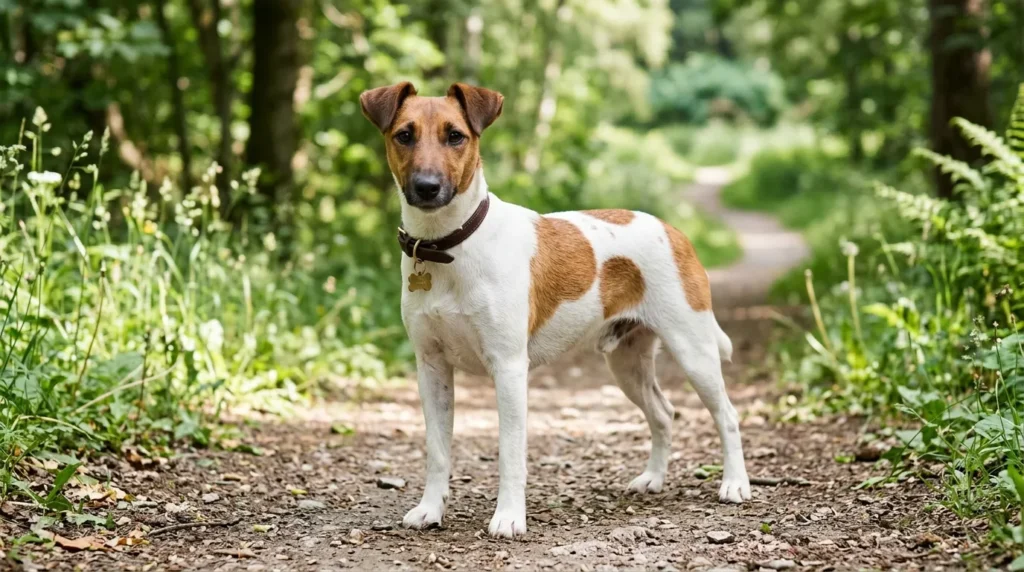
Smooth Fox Terrier is a compact terrier shaped for traditional foxhunts in Britain, combining strength with a light, balanced frame. Its movement feels controlled and rhythmic, supported by a short back and symmetrical structure. The V-shaped head sets it apart from wire-coated relatives.
Appearance and grooming detail
These loving companions have a flat, dense coat that is mostly white, marked with black, tan, or black-and-tan patterns. Its clean outline and tight build give it a sharp, refined look rather than bulk.
These traits become clearer in specific features:
Predominantly white coat with black or tan markings
V-shaped head is distinct from the wire-coated type
Dense, flat coat requiring weekly grooming care
Energy expressed through action
These white dog breeds show constant activity levels, often engaging in running, digging, or chasing movement in open areas. Its body structure supports quick direction changes, making it effective in fast-paced outdoor play. Regular activity helps channel its natural hunting drive.
6. Borzoi
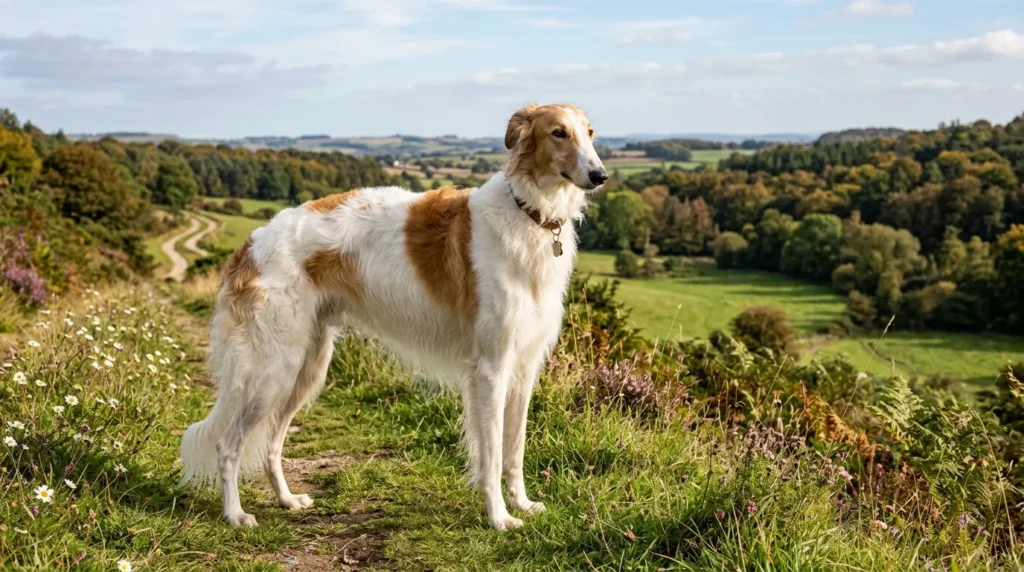
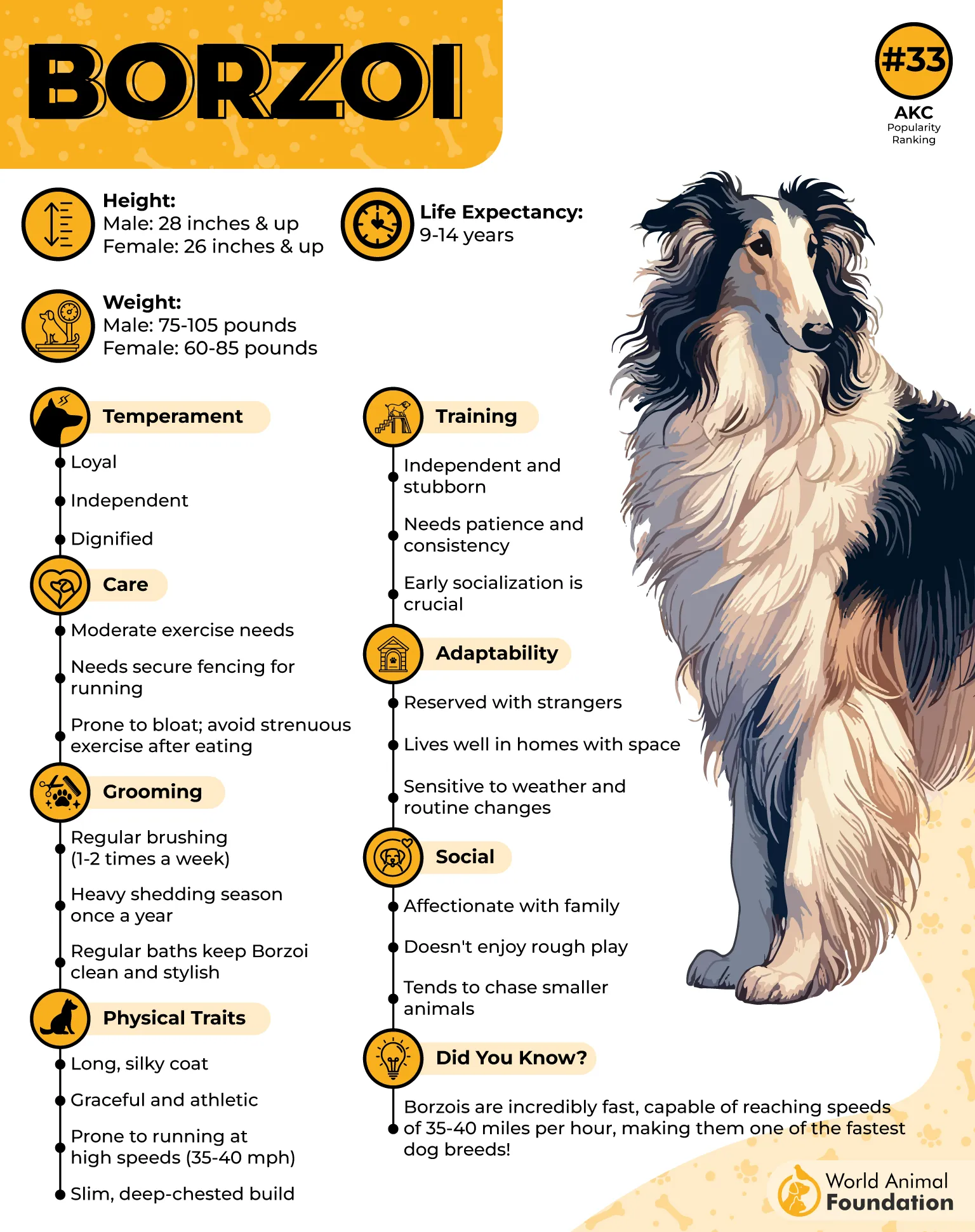
Borzoi presents a long, narrow frame covered in a silky coat that blends white, tan, cream, black, and brown in soft transitions.
Its outline follows the classic Greyhound form, giving it a stretched, refined appearance. The overall look feels composed, with elegance rooted in structure rather than decoration.
Built for speed and pursuit
This charming dog reaches high speeds across open ground, shaped for chasing fast-moving quarry with strength and precision. Its body combines reach and flexibility, allowing extended strides during pursuit.
That physical design reveals itself through key elements:
Long legs supporting wide, ground-covering strides
Lean frame built for sustained chase
Silky coat flowing along its extended outline
Instinct shaped by visual triggers
They react strongly to movement, especially when spotting small animals like squirrels or cats at a distance. Its hunting response activates through sight rather than scent, focusing attention quickly on motion. Open running space enclosed by fencing becomes essential in daily environments.
7. Dalmatian
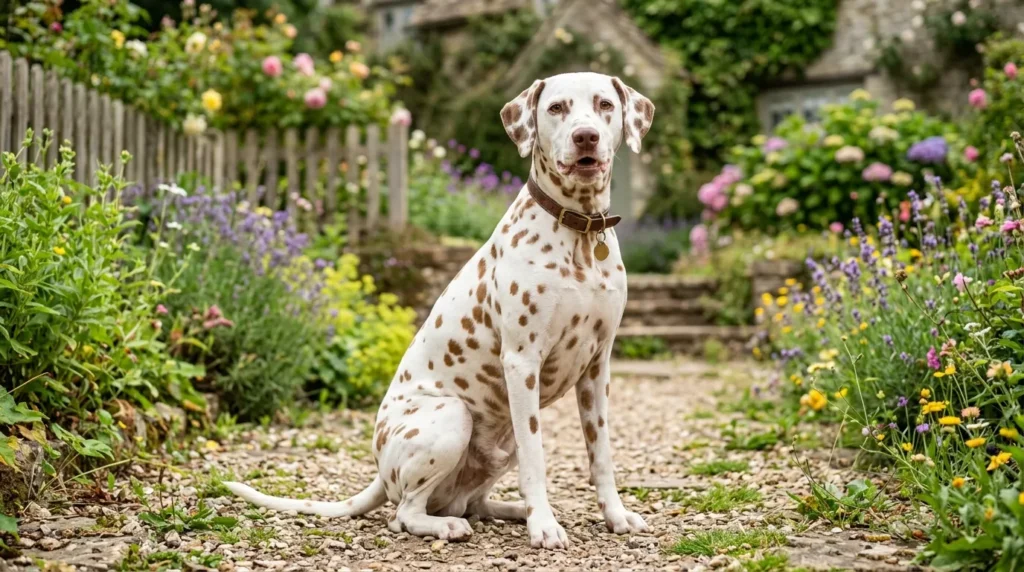
Dalmatians catch attention for their spotted coat, shaped into a tricolor variation of white with black and tan patches in some individuals.
Its body is built for smooth, extended trotting, with strong hindquarters supporting long-distance movement. This combination of structure and pattern creates a visually striking yet functional presence.
Distinct coat and working role
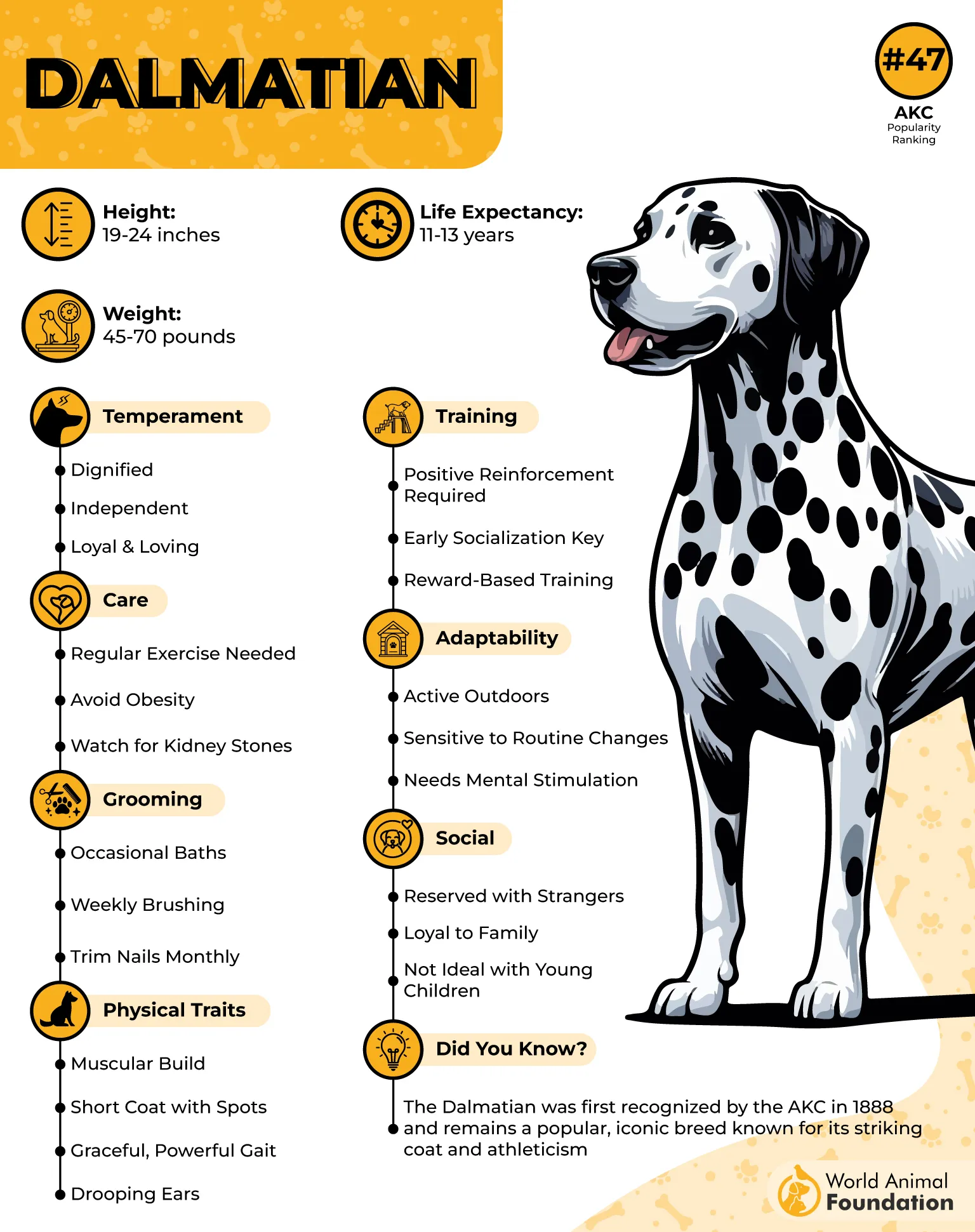
They are often associated with horse-drawn coaches, where they ran alongside carriages and later worked near firefighting teams. Its alert nature and stamina made it suitable for long routes rather than short bursts of activity.
That working identity is reflected in key features:
Black or liver spotting across a white base coat
Muscular frame supporting endurance over distance
Smooth gait driven by strong hindquarters
Energy and lifestyle balance
They thrive in active routines where movement is part of daily life, often matching runners’ or hikers’ step for step. Its stamina requires regular exercise to channel energy in a structured way rather than scattered activity. Despite its athletic build, care routines remain relatively low maintenance when its physical needs are met.
Conclusion
At first, the appeal often settles on the fluffy white coat, something that feels visually complete on its own. But living with a fluffy white dog reveals more than surface charm. The way it moves, responds, and quietly fits into daily life starts to matter more than appearance.
Even regular grooming becomes less of a task and more of a rhythm that blends into routine. Over time, these small details reshape the experience. What stays with you is not just how the fluffy coats of these dogs look, but how naturally they belong. In the end, presence outweighs appearance in ways that feel steady and lasting.
