




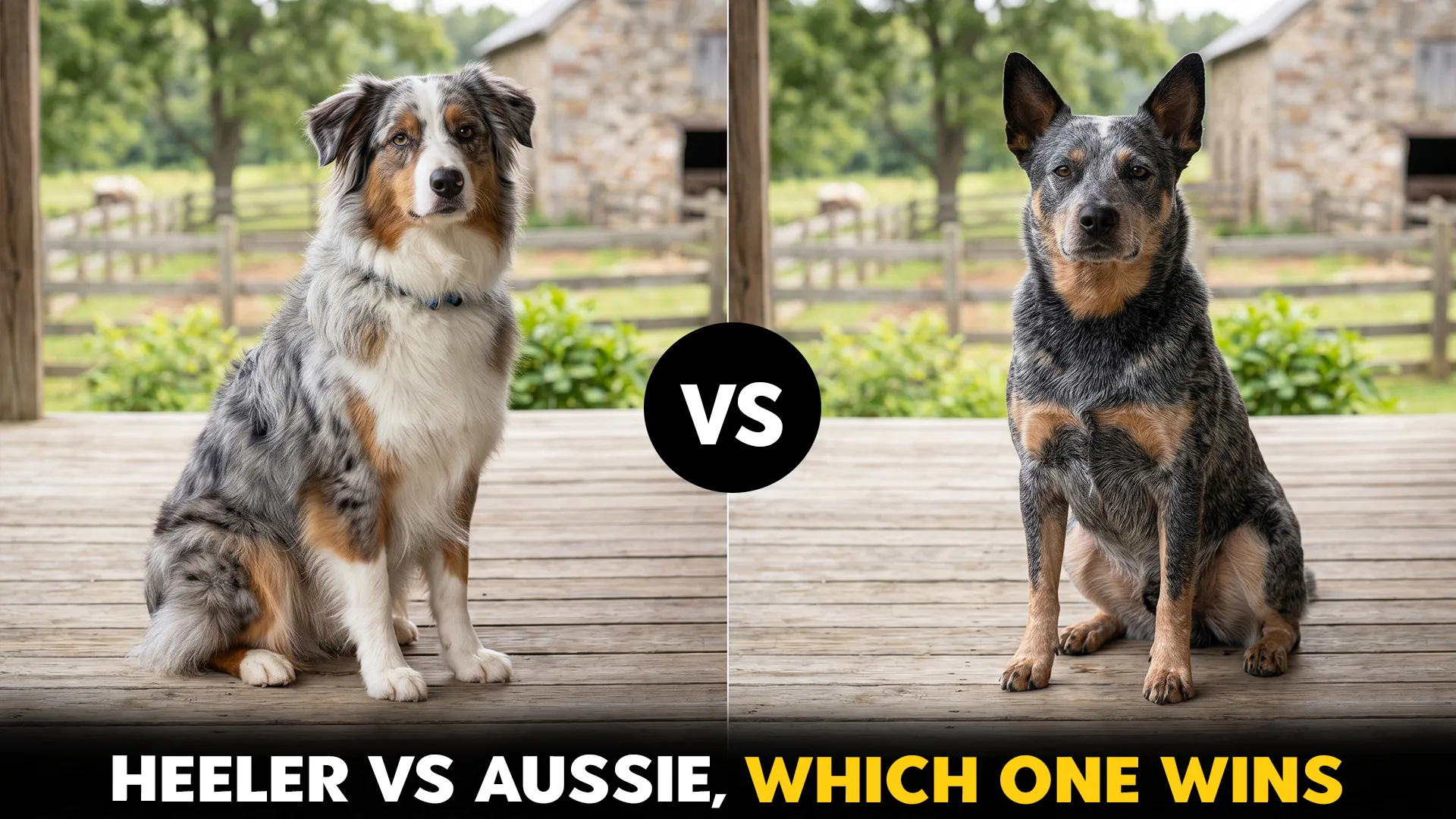
Choosing the right herding dog can shape your daily life. These dogs are smart, active, and always ready to work. Many families love them for their loyalty and energy.
The Australian Shepherd has strong roots in Australia, while the Australian Cattle Dog, often called the Blue Heeler, is widely known for its working drive, and its origin story is tied to tough farming environments.
Some lines trace its development through cross-bred herding dogs, and later it spread globally, even reaching places like California, where it became popular as a result of ranch work and livestock control.
Both breeds were shaped by farmers to manage animals across wide land, almost like drawing order from chaos. Over time, they also became loving pets in busy homes.
Each breed has its own style, strengths, and habits. Some people prefer one for family life, while others need a tough worker. So, understanding their differences can help you make a better choice.
Now, let’s explore what truly sets these two amazing breeds apart.
Australian Shepherd vs Blue Heeler: Which Dog Breed Should You Choose?
Size and Strength
Body build shapes how each dog performs in daily life. These two breeds differ in how they use strength and movement.
Australian Shepherd
The Australian Shepherd shows a balanced, medium frame that supports quick and smooth motion. Its body allows sharp turns and steady control during tasks. This breed reflects a natural strong work ethic through its active and focused movement style.
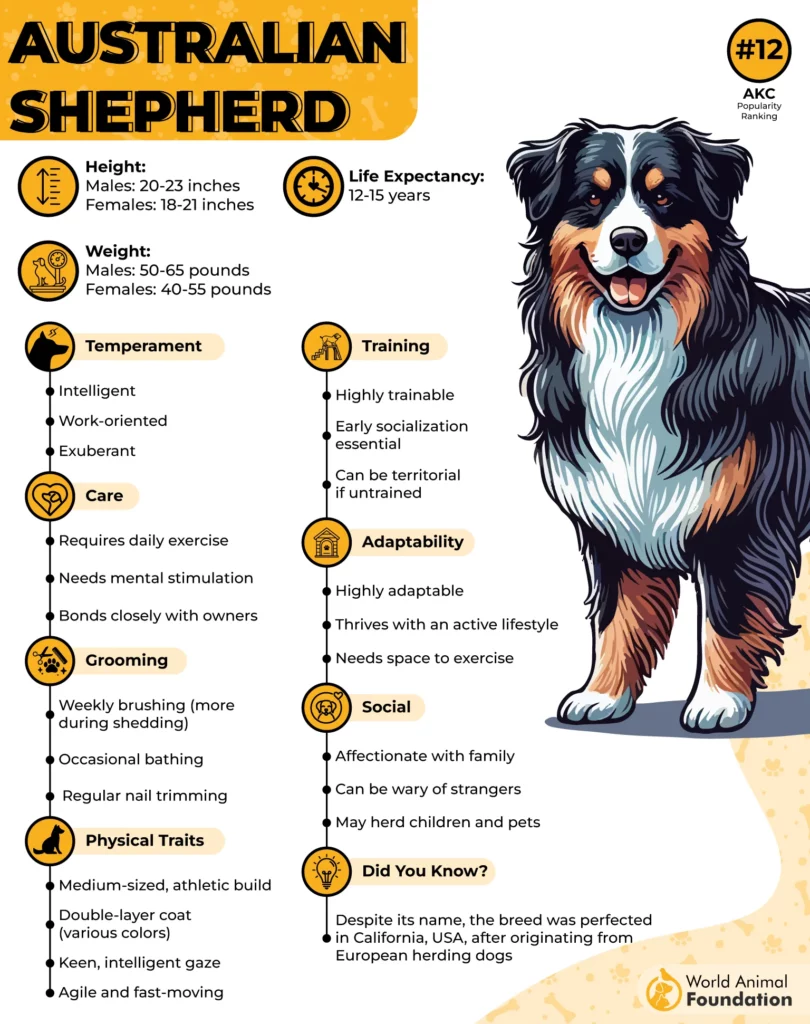
Height and weight
Males: 20–23 inches, 50–70 pounds
Females: 18–21 inches, 35–55 pounds
Body type: Lean, athletic, and well-proportioned
Movement style: Fast and controlled
Strength focus: Agility and flexibility
Blue Heeler
(Also called Australian Cattle Dog, Australian Heeler, Red Heeler, Queensland Heeler)
The Blue Heeler has a compact, muscular body built for demanding conditions. Its lower stance and powerful legs give it a strong ground grip during work. This hardworking breed handles pressure and long tasks with steady strength.
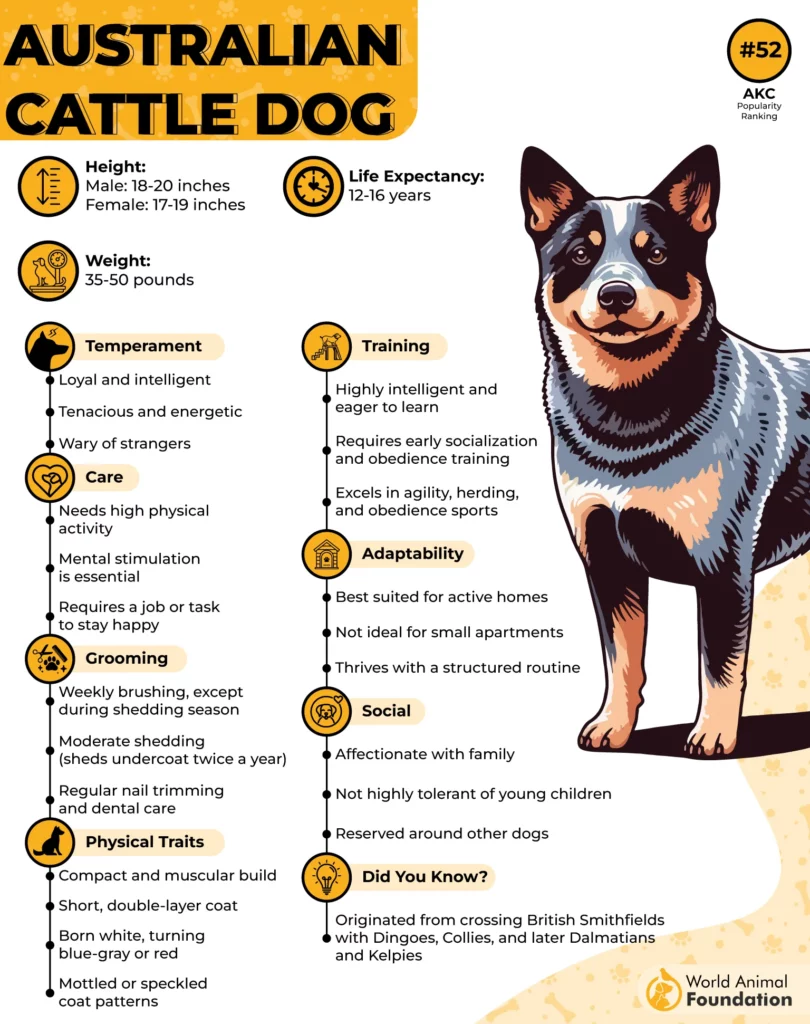
Height and weight
Males: 18–20 inches, 35–50 pounds
Females: 17–19 inches, 30–45 pounds
Body type: Stocky, dense, and sturdy
Movement style: Firm and grounded
Strength focus: Endurance and power
Key Takeaway
The Australian Shepherd suits fast-moving home environments. The Blue Heeler fits better in tough farm settings that need lasting strength.
Temperament and personality
Temperament shapes how a dog connects with people and behaves in daily life. These two breeds show a clear difference in emotional style and social needs.
Australian Shepherd
The Australian Shepherd is highly social and strongly people-focused. It loves sharing quality time and quickly becomes an excellent companion for families. This breed is sensitive and eager to please, which makes it easy to bond with and train.
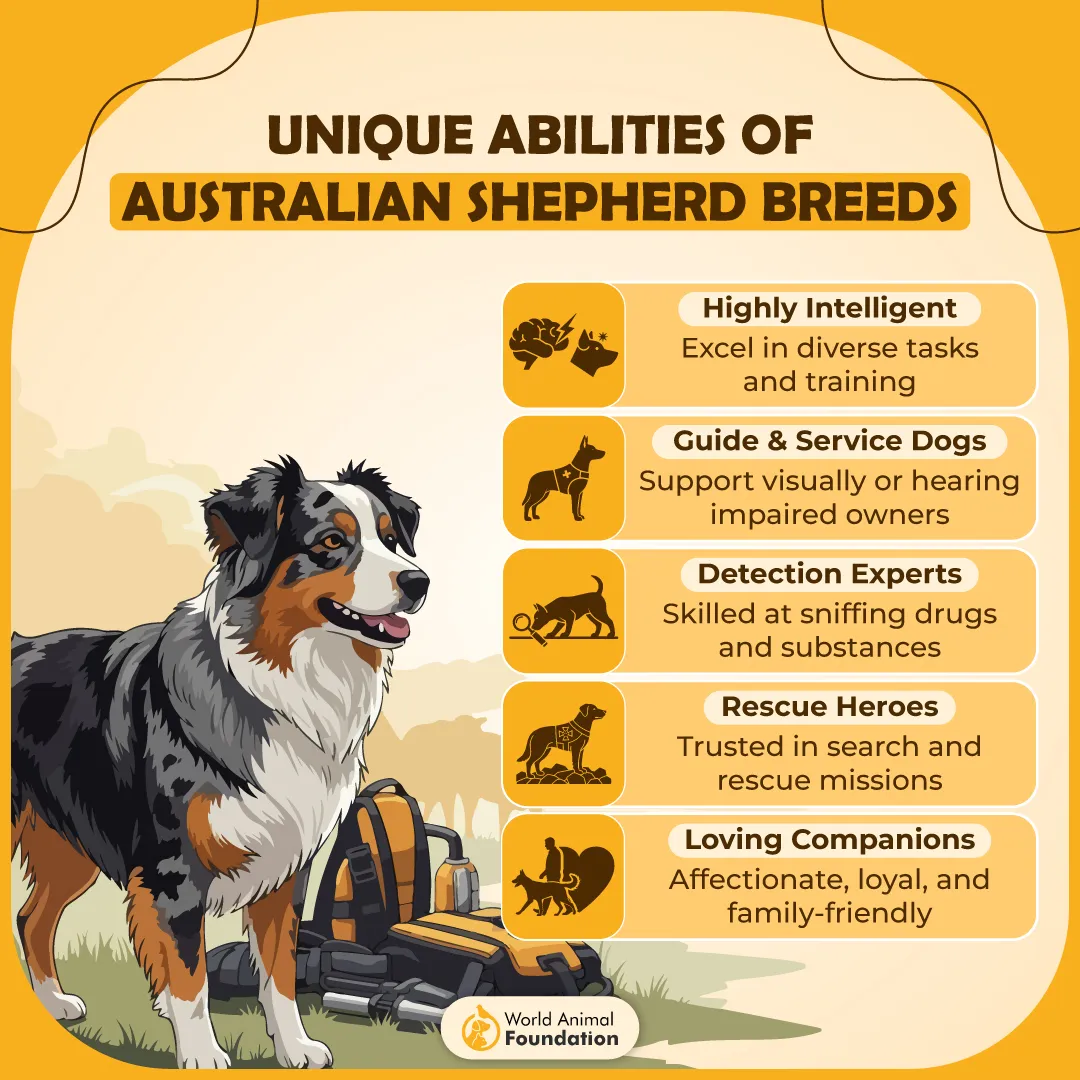
According to Wikipedia, it is intelligent, loyal, playful, and generally even-tempered. Many still carry natural herding instincts, so they may try to guide children or other pets.
The breed also shows a protective side while staying friendly with familiar faces, making it a well-rounded choice for close companionship.
Australian Cattle Dog
The Blue Heeler shows a different temperament, with a more independent, strong-willed mindset.
It forms a loyal bond with its family but often stays wary of strangers. This breed thinks for itself and acts with confidence, exhibiting a bold, steady personality.
It does not always seek constant attention, but it remains deeply devoted in its own way. This creates a clear difference when comparing the blue heeler and the Australian Shepherd.
Key Takeaway
In the Blue Heeler vs Australian Shepherd comparison, one breed seeks closeness and attention, while the other values independence with quiet loyalty.
Health and Lifespan
In the blue heeler versus Australian Shepherd comparison, both breeds are generally strong, but their health patterns and long-term risks show clear differences in care needs.
Australian Shepherd
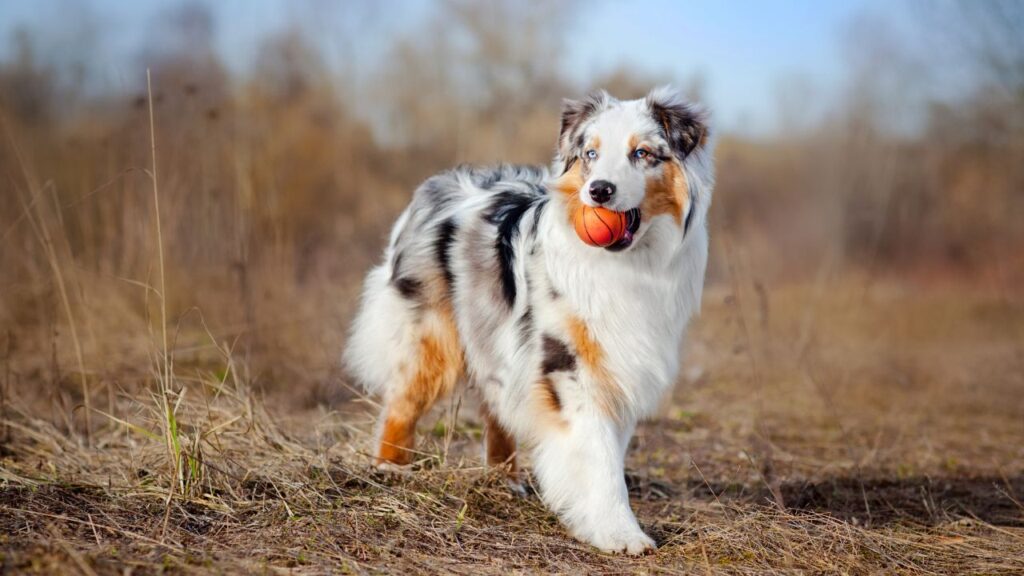
According to Purina, the Australian Shepherd is a generally healthy dog breed, but it has some potential health concerns owners should be aware of. These issues mainly affect the joints, eyes, and nervous system, so regular veterinary checkups are important for early detection and care.
Hip dysplasia
Elbow dysplasia
Eye problems such as cataracts
Epilepsy
Certain genetic forms of cancer
These health issues may not appear in every dog, but monitoring helps reduce risks and improve long-term well-being.
Lifespan
The Australian Shepherd has an average lifespan of 12 to 15 years, depending on care, genetics, and overall health management.
Blue Heeler (Australian Cattle Dog)
According to PDSA, the Australian cattle dog is a strong and hardy breed with fewer potential health concerns, but some conditions can still occur. It is generally more durable, yet responsible care is still needed to maintain health over time.
Deafness
Eczema (skin inflammation and itching)
Hip dysplasia
Elbow dysplasia
Portosystemic shunt (abnormal blood flow around the liver)
Luxating patellas (kneecap slipping out of place)
Urolithiasis (urinary stone formation)
These conditions highlight important health issues that may affect some dogs, especially with age or genetics.
Lifespan
The Blue Heeler typically lives 12 to 16 years, often slightly longer than many similar working breeds.
Key Takeaway
In the Blue Heeler vs Australian Shepherd comparison, the key differences lie in durability and long-term care needs.
The Australian Shepherd may be more prone to eye problems and joint concerns, while the Blue Heeler is often tougher but is not completely free from genetic conditions.
Training and Exercise
Training style and exercise needs strongly shape how both the Australian Shepherds and Blue Heelers behave in daily life. Their intelligence and working drive make them stand out among herding canines.
Australian Shepherd
The Australian Shepherd is extremely intelligent and responds best to proper training using positive reinforcement, noted by PetMD. This means rewards, praise, and encouragement work better than harsh methods.
It thrives on mental challenges and quickly picks up new commands. Its high intelligence helps it perform well in various dog sports, especially agility and obedience.
This breed also needs mental stimulation to stay balanced and focused. It is very loyal and often stays close to its family, showing strong attachment in daily life. Because it is athletic, it also needs regular exercise, but long distances should be avoided in young dogs until fully developed.
Without proper training, it may develop unwanted habits like chasing or escaping. Its agility and sharp mind make it quick to learn both good and bad behaviors, so consistent guidance is important.
Blue Heeler
The Australian Cattle Dog is also a smart dog breed, but it learns best with firm structure and clear rules. It requires consistent handling and responds well to experienced owners who understand working breeds. This dog is strong-willed and focused, so training must be steady and confident.
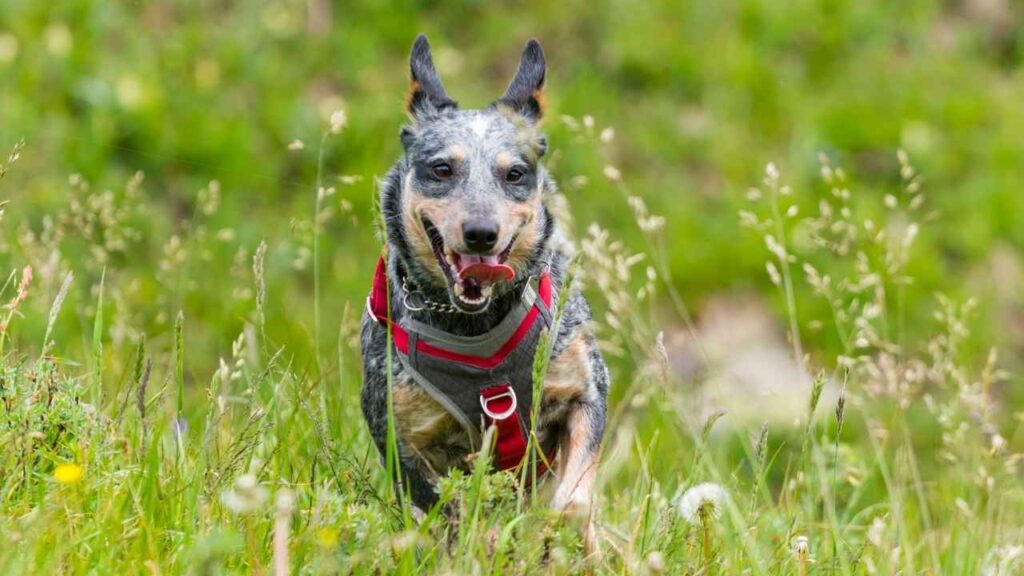
It enjoys canine activities that give it a job to do, as it was bred for real working roles. It especially benefits from purposeful tasks that keep its mind active. Its instincts and strong agility make it quick, alert, and always ready to work.
When trained well, it becomes reliable, obedient, and deeply focused on its handler.
Key Takeaway
In Blue Heelers vs Australian Shepherds, intelligence plays a huge role in behavior.
The Australian Shepherd responds best to positive learning and mental games, while the Blue Heeler needs firm leadership and structured work. Both breeds are highly intelligent, but their training style must match their natural drive.
Grooming Needs
In the Blue Heeler vs Australian Shepherd comparison, grooming is one of the clearest key differences, especially in coat type, shedding, and maintenance level.
Australian Shepherd
The Australian Shepherd has a medium-length coat with a thick, flowing appearance that sheds throughout the year. This breed is well known for coat colors and patterns like blue merle and red merle, often mixed with white markings and brown hairs, giving it a striking look.
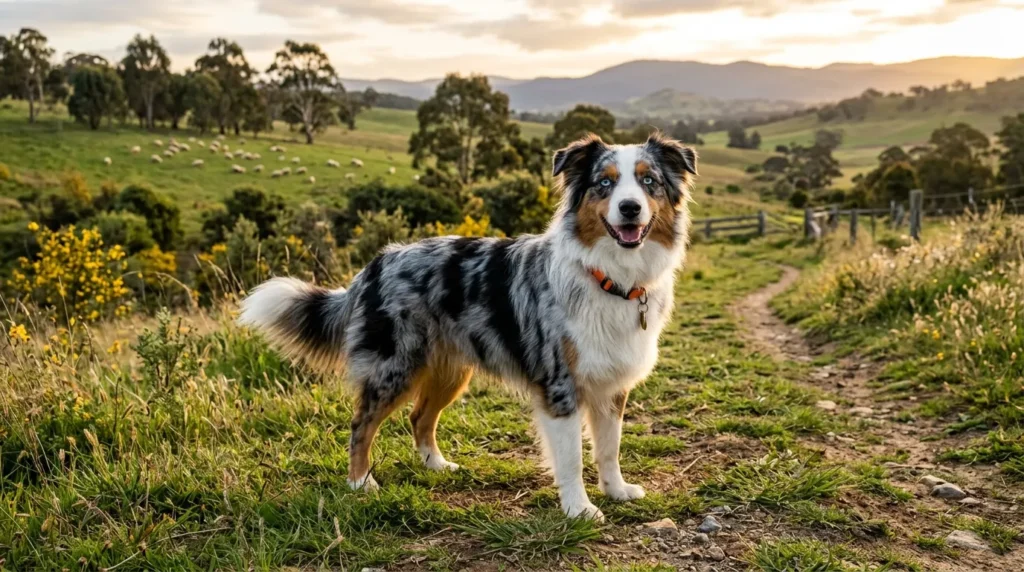
Its coat type includes a dense undercoat, which helps protect it in different weather conditions but also increases shedding.
Thick, flowing furs that shed
Needs frequent regular brushing
Seasonal grooming required
In general, weekly brushing helps keep the Australian Shepherd’s coat healthy and clean. During heavy shedding seasons, more dog hair comes loose, so brushing every few days is needed.
An undercoat rake helps remove loose fur, followed by a wire brush for a final finish. Bathing is only needed occasionally unless the dog gets very dirty. Regular nail trimming is also important for overall care.
Blue Heeler (Australian Cattle Dog)
The Australian Cattle Dog, also known as the Blue Heeler, usually comes in a typically blue coat with speckled patterns. Its short coat is dense and practical, built for outdoor work. The coat type is low maintenance and designed for durability rather than styling.
Short, dense fur with low maintenance
Minimal grooming routine
Easy to manage for busy owners
This breed sheds seasonally, but grooming is still simple. According to Britannica, occasional brushing helps remove loose hair, especially in spring and fall. Overall, its coat is easier to manage than the Australian Shepherd’s.
Key Takeaway
The Australian Shepherd requires more grooming due to its long, flowing coat and heavy shedding. The Blue Heeler is easier to maintain because of its short, dense coat and simple care routine.
Energy Level
In the Blue Heeler vs Australian Shepherd comparison, both dogs are part of the herding group and are known for their energy, strong drive, and stamina.
Australian Shepherd
This breed is a high-energy dog with a playful and active nature. It enjoys games, training tasks, and long outdoor activities, which help it stay happy and mentally balanced. This energetic breed is athletic and agile, and is considered one of the most high-energy dogs in the working group.
According to the American Kennel Club (AKC), they are smart, work-oriented, and exuberant, reflecting their high energy levels throughout life. They remain active even as they grow older and may develop unwanted habits if not given plenty of mental direction.
Without a proper outlet, they may exhibit destructive behavior, such as chewing or digging, so owners must provide structure and obedience training for a stable lifestyle.
Blue Heeler
The Australian Cattle Dog is extremely energetic and tireless, built for long working hours and constant physical engagement. This breed carries boundless energy and stays focused on tasks for long periods without losing drive.
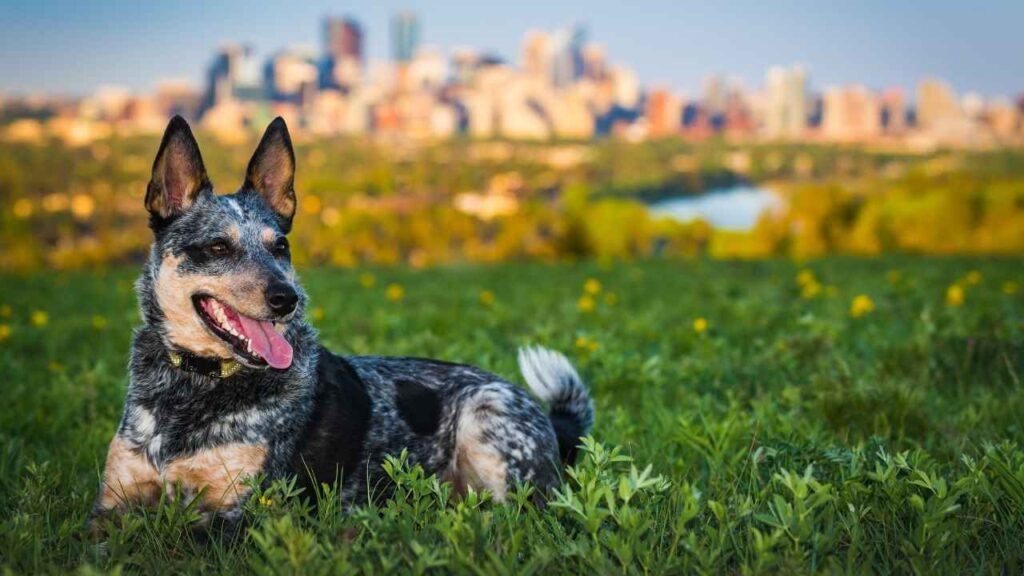
Even as puppies, they are known for strong stamina and intense drive, as noted by the Policy Advisor. Unlike softer working dogs, this breed has a firm mindset and may show behaviors like biting people during herding instincts if not guided properly.
Its high-energy nature demands a firm structure and clear direction to stay balanced and controlled.
Key Takeaway
In Blue Heeler vs. Australian Shepherd, both dogs show very high energy levels, but their expressions differ. One is more playful and flexible, while the other is more intense and work-driven, making lifestyle match the perfect fit for different owners.
Natural Guard Instincts
In the blue heeler vs Australian Shepherd dog comparison, both breeds show strong awareness, but their guarding styles reflect their roles as herding breeds.
Australian Shepherd
This breed is alert and watchful, always quick to notice small changes in its surroundings. It often uses barking as a warning signal rather than direct action. As a herding dog breed developed to herd sheep, it carries a strong herding instinct that shapes its behavior.
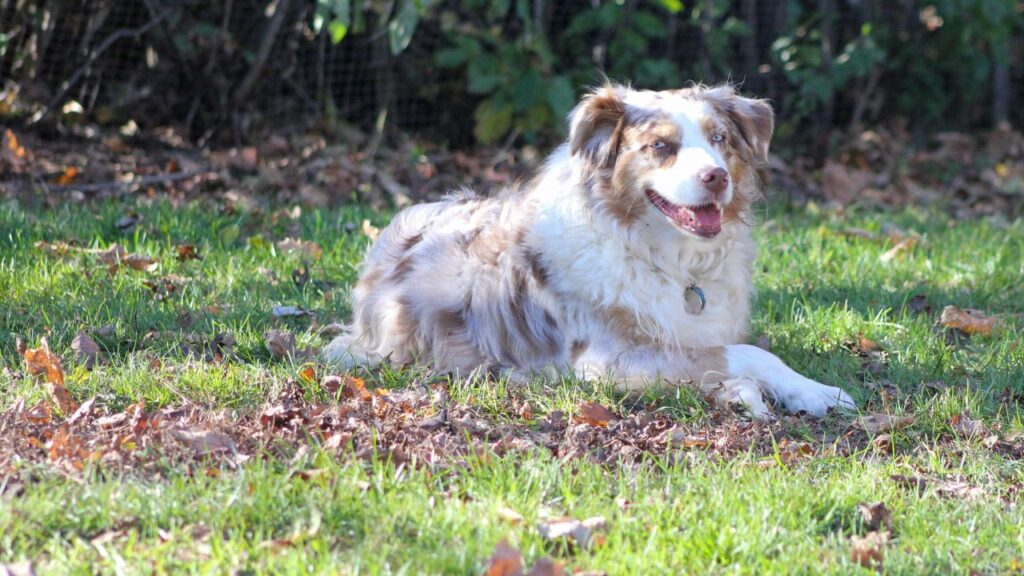
Royal Canin states that these instincts may lead it to guide children, other dogs, or even adults in the home. This breed means no harm; it simply follows its natural role as a worker. It performs well in herding trials and shows focus when given a task, acting more like an organizer than a guard dog.
Blue Heeler
The Australian Cattle Dog, known as a skilled cattle herder, shows a stronger and more direct guarding instinct. Bred to herd cattle, especially by controlling cattle heels, it reacts quickly to protect its space and family.
This breed is naturally protective of its territory and does not hesitate to defend it when threatened. Its guarding style is firmer and action-based, making it reliable in tough environments.
Key Takeaway
The main difference is that the Australian Shepherd alerts and manages through instinct, while the Blue Heeler takes a more direct, protective role, shaped by its cattle-herding background.
Protective Temperament
When comparing two dog breeds, their protective nature helps a person choose the right fit from various herding dog breeds.
Australian Shepherd
It is protective but friendly, showing a balanced approach to safety and sociability. It stays alert yet remains welcoming toward familiar faces.
This breed can easily distinguish between normal situations and real concern, which adds to its calm behavior. Its natural versatility allows it to adjust well in homes with regular visitors, making it a good choice for families seeking both security and warmth.
Blue Heeler
The Blue Heeler, also known as the Australian Cattle Dog, shows a more serious and defensive nature. According to Hill’s Pet, it is extremely alert, watchful, and courageous, often reacting quickly if it feels threatened.
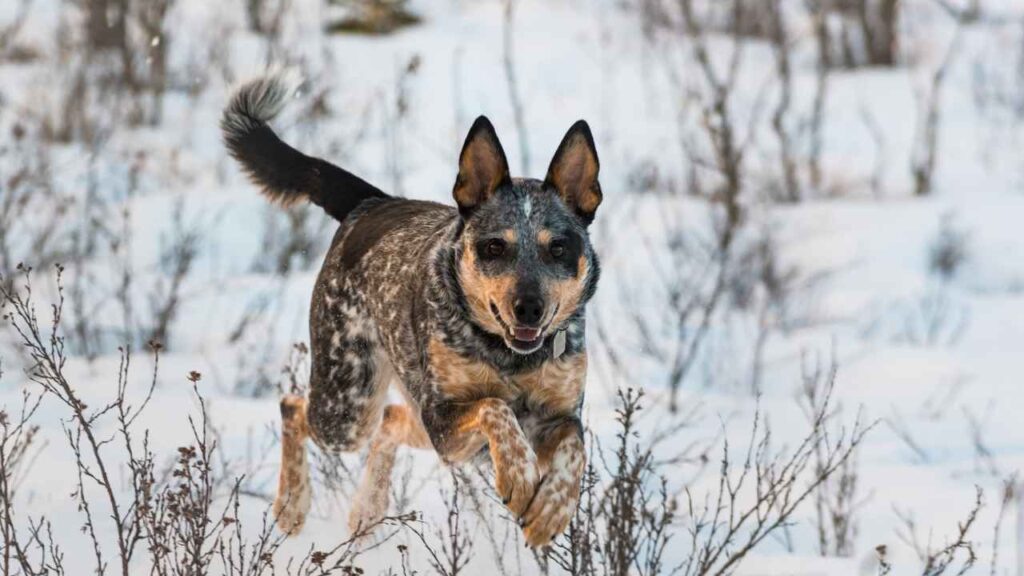
This breed may display dominance or herding behavior toward children and can be aggressive toward other dogs. Early socialization helps manage this strong instinct and improves behavior across a variety of situations.
Key Takeaway
The Australian Shepherd offers friendly protection, while the Blue Heeler provides stronger defense, showing clear differences in family safety roles and behavior.
Conclusion
The choice between the Australian Shepherd and the Australian Cattle Dog comes down to your lifestyle, experience, and expectations from a companion. Both breeds are exceptionally intelligent and energetic, but they express these traits in different ways.
The Australian Shepherd leans toward being more people-oriented, affectionate, and adaptable within an active family setting, making it a better fit for owners who want a trainable and engaging companion.
On the other hand, the Blue Heeler is more intense, independent, and work-driven. It thrives in structured environments where it has a clear purpose and plenty of physical challenges. This makes it ideal for experienced owners or those living in rural areas who can match its stamina and strong instincts.
Ultimately, neither breed is “better”—they simply suit different kinds of homes. Matching the dog’s natural drive with your daily routine is what truly determines long-term success and a happy companionship.
