




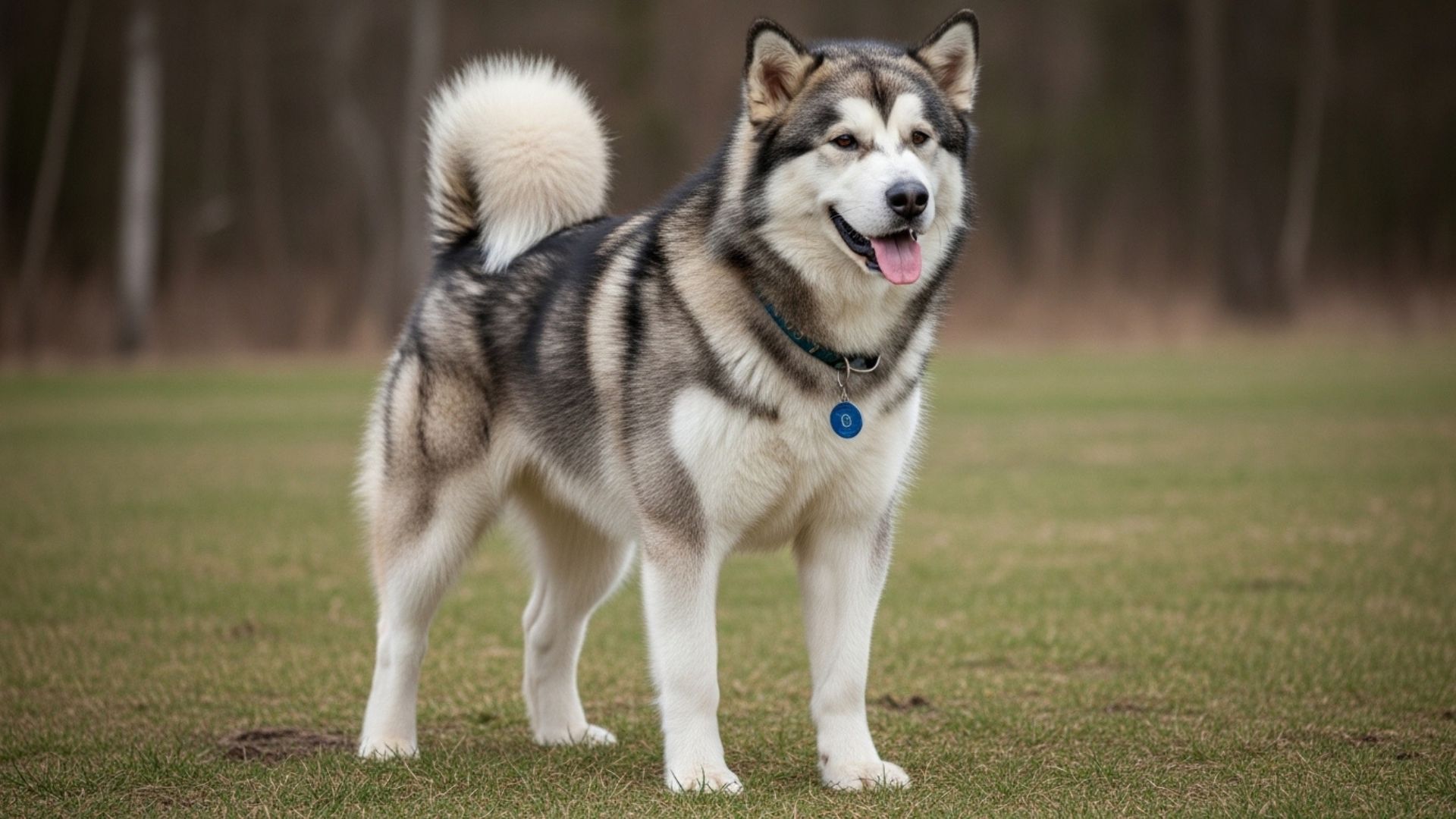
Ever spotted a dog that made you do a double-take, wondering what kind of canine it could be? Beyond the familiar mixed breeds and popular pets, there are dog breeds so rare that most people have never met them.
With over 200 breeds recognized by the American Kennel Club, it’s easy to overlook the hidden gems. While Labradors and French Bulldogs steal the spotlight, many extraordinary breeds remain under the radar, each with fascinating histories, unusual appearances, or surprising skills.
These rare dog breeds prove that popularity isn’t everything. From ancient working breeds to hairless dogs with cultural significance, these pups are living reminders of the diverse and remarkable world of dogs.
Top Unique Dog Breeds From Across The Globe
Some energetic dogs are famous—but these rare dog breeds are unforgettable.
1. Dogo Argentino
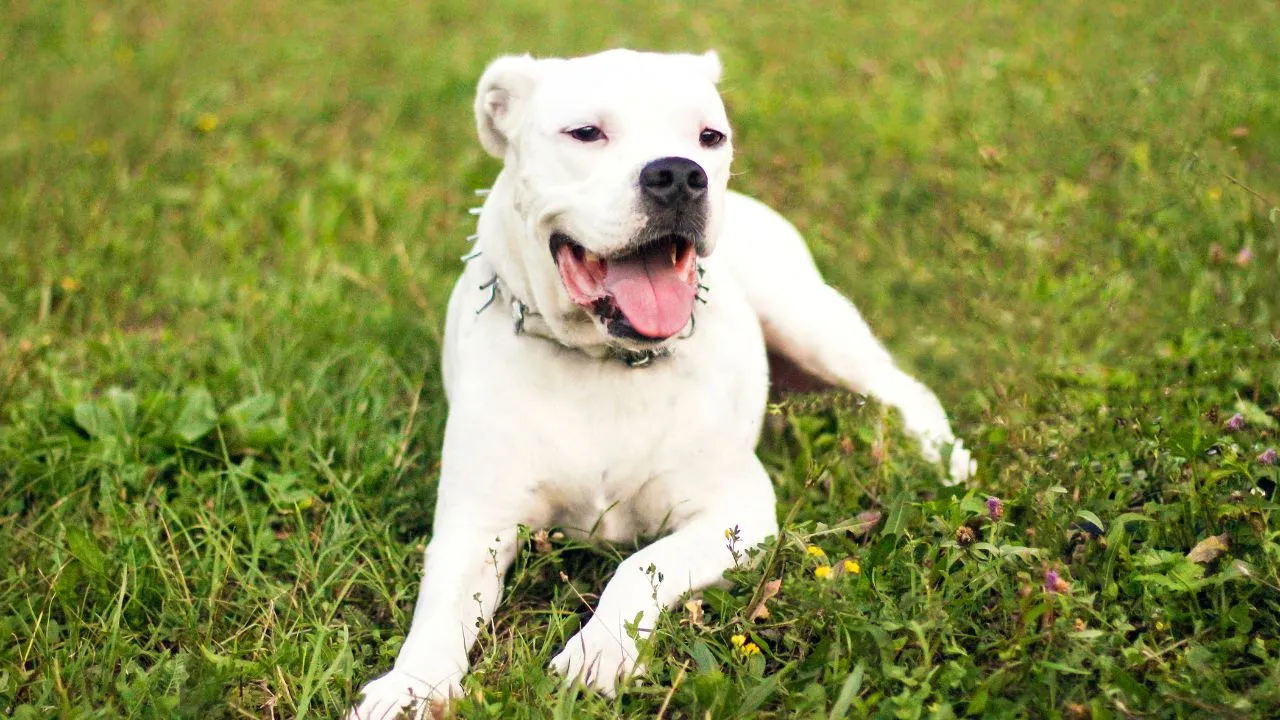
Hailing from the province of Córdoba, Argentina, the Dogo Argentino was carefully crafted by Dr. Antonio Nores Martinez in the 1920s. Originally designed for big-game hunting, this hunting breed combines strength, intelligence, and agility, making it a powerful companion for wild boar and puma pursuits.
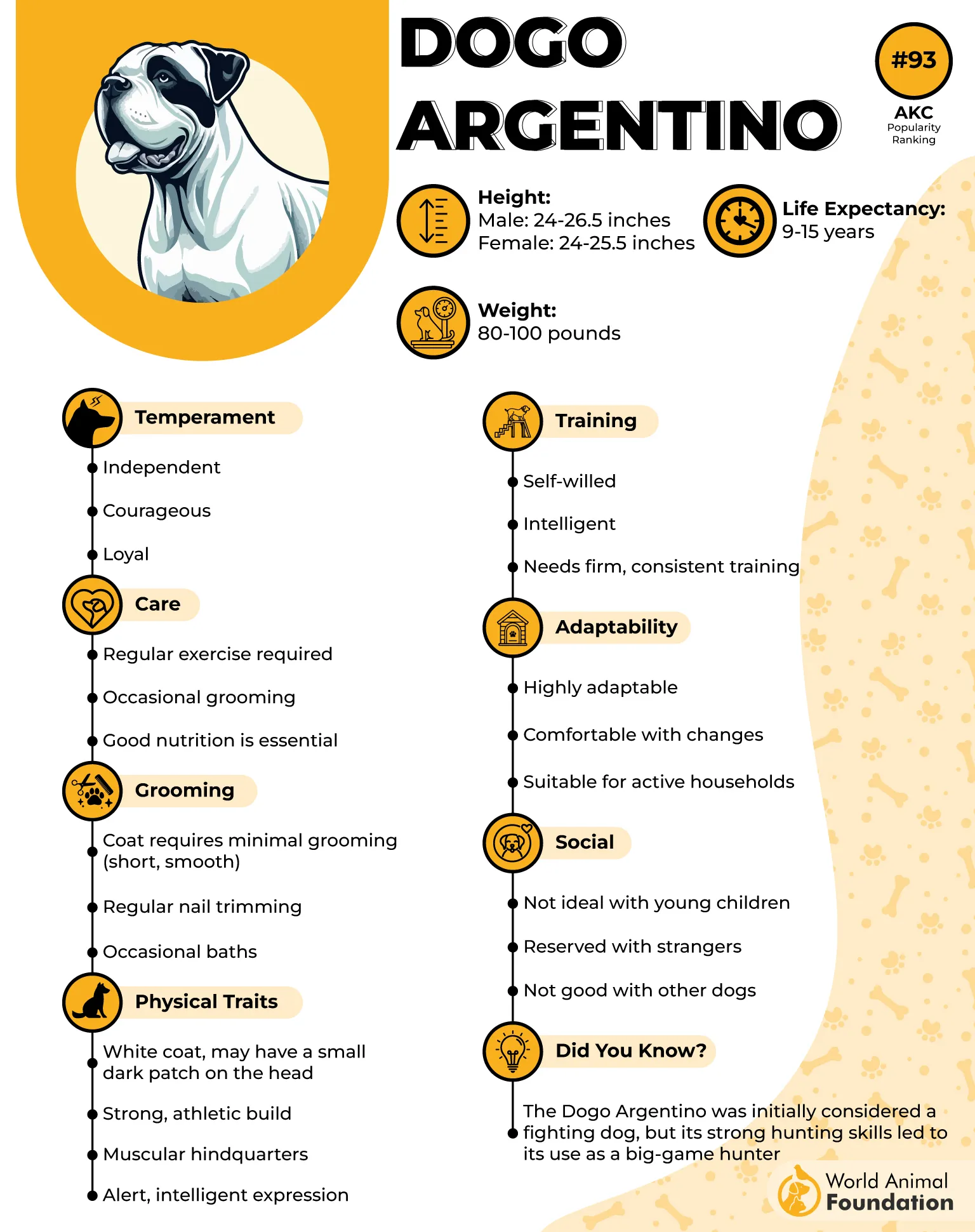
Personality of a Hunter, Heart of a Friend
Energetic, loyal, and courageous, the Dogo Argentino thrives on activity and mental stimulation. While naturally reserved around strangers, early socialization transforms them into friendly, confident family members.
Training a Tenacious Companion
Smart yet independent, Dogos respond best to patient, positive reinforcement training. Their hunting heritage gives them a strong prey drive, so secure spaces and leashed walks are essential. Daily exercise and structured routines keep them physically and mentally engaged, preventing mischief and ensuring a happy, well-adjusted companion.
What Makes the Dogo Argentino Truly Unique
Completely white, short coat with an optional minimal dark patch
Exceptional strength and athleticism built for endurance
Keen nose and hunting dog instincts for tracking big game
Loyal, protective, and deeply bonded with family
Independent yet trainable with consistent positive reinforcement
2. Cane Corso
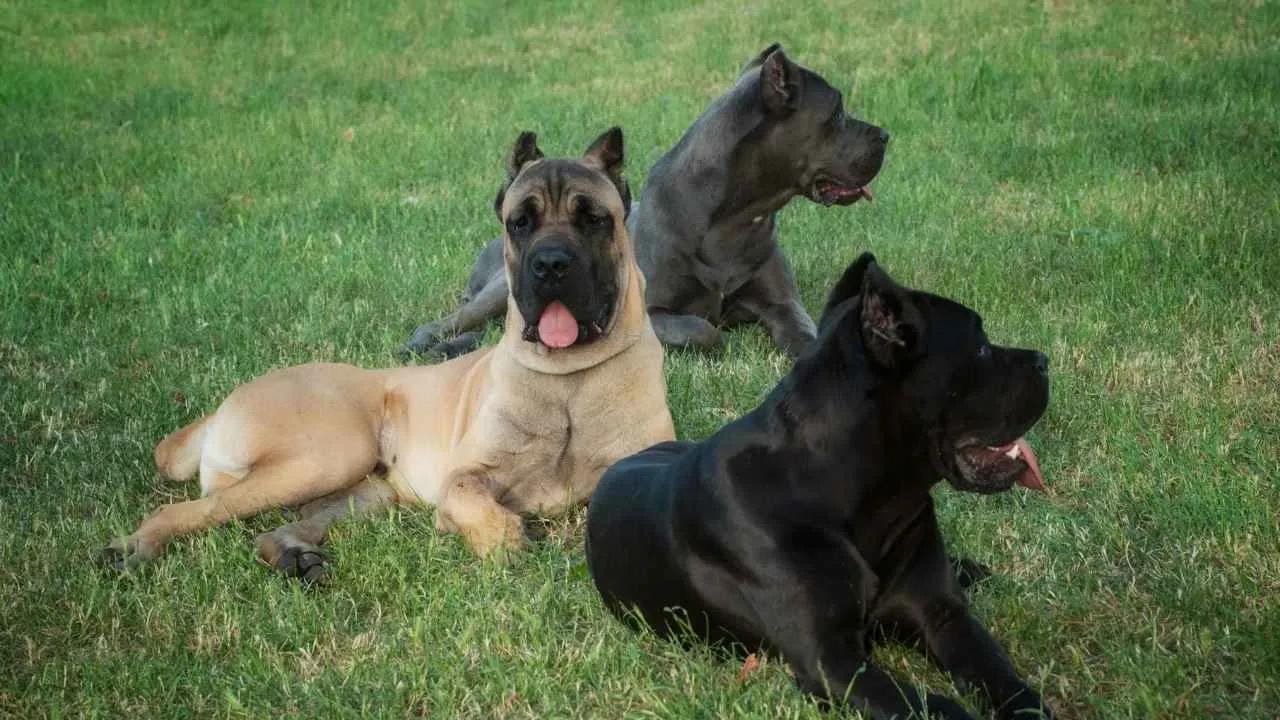
The Cane Corso traces its roots to the Molossian war dogs of ancient Rome, later refined in Italy as a versatile farm and guardian dog. Its name, meaning “bodyguard” in Latin, reflects its historic role in subduing large prey and protecting livestock, as per WebMD.
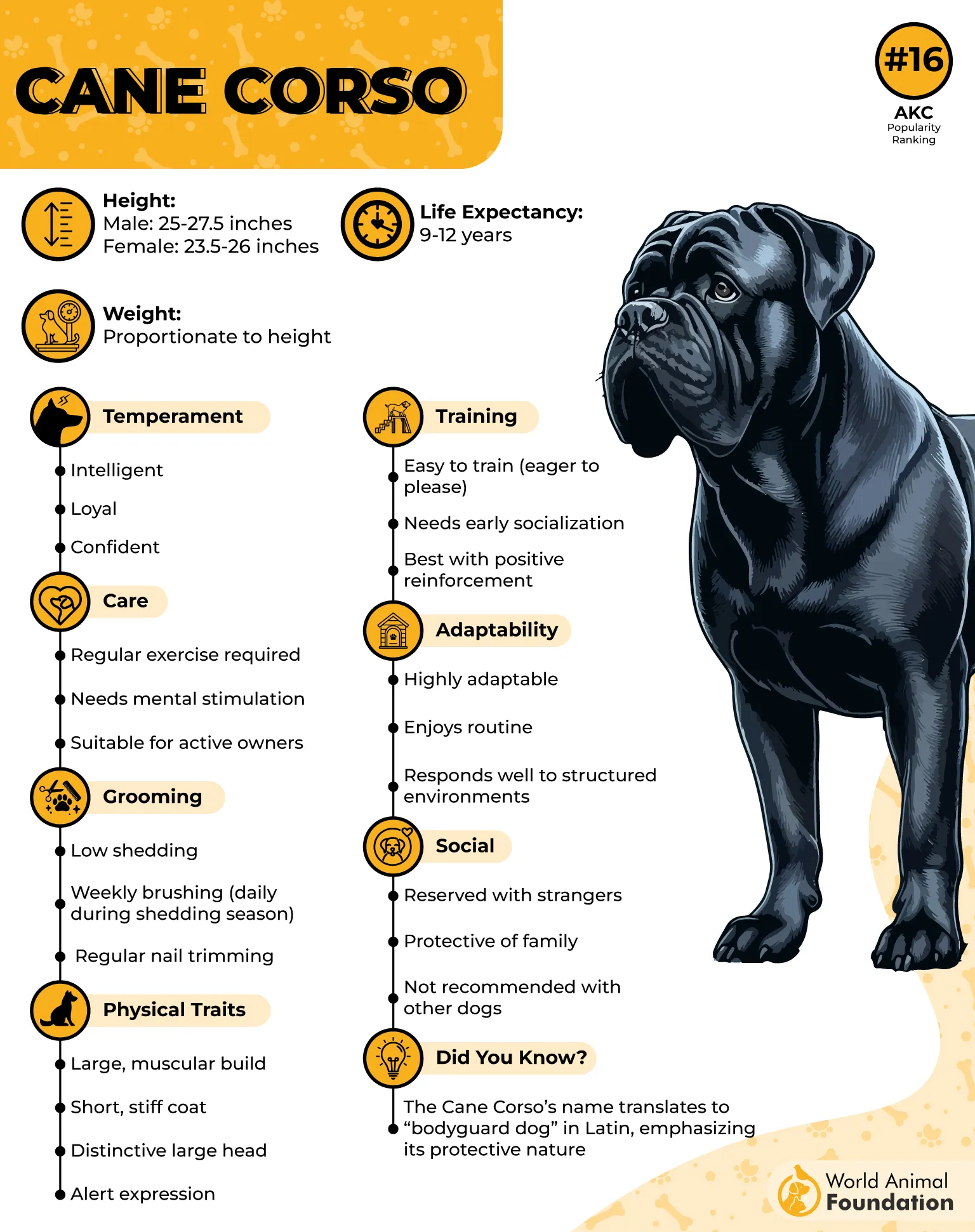
A Watchful and Loyal Temperament
Known for its protective instincts, the Cane Corso is affectionate with family yet cautious around strangers. Proper socialization and early exposure to people and household pets help mold a confident, well-adjusted adult who can balance their warrior heritage with loyalty and devotion.
Training a Powerful Companion
Strong, intelligent, and determined, Cane Corsos thrive on structured, reward-based training. Daily exercise and interactive play prevent boredom and encourage obedience. Their size and strength make them better suited for experienced dog owners who can provide guidance, consistency, and patience while channeling their energy into constructive tasks.
What Makes the Cane Corso One-of-a-Kind
Imposing guardian instincts rooted in Roman ancestry
Muscular, stocky physique built for endurance and protection
Highly loyal and bonded with family members
Intelligent, trainable, yet independent nature
Requires early socialization to grow confident and balanced
3. Doberman Pinscher
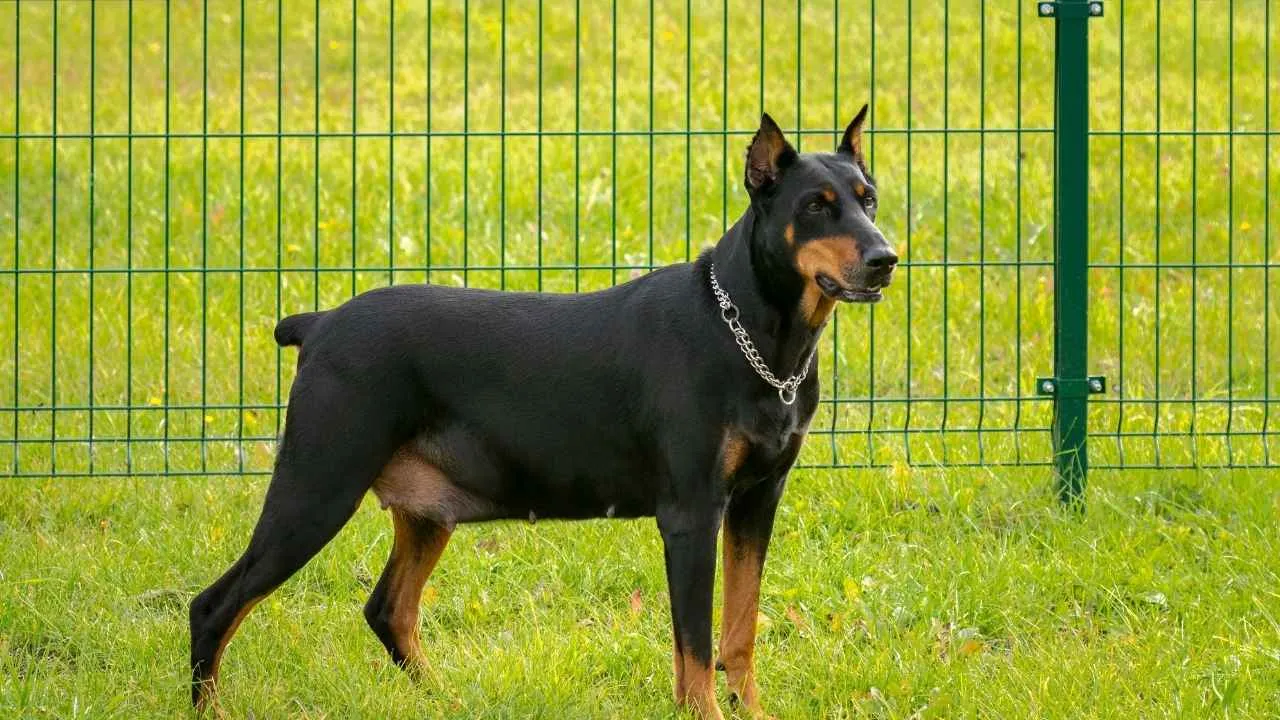
The Doberman Pinscher was crafted in late-19th-century Germany by Louis Dobermann, a tax collector seeking a fearless companion for protection. A blend of shepherds, Rottweilers, terriers, and Pinschers produced a sleek, muscular, and intelligent dog capable of guarding, tracking, and patrolling.
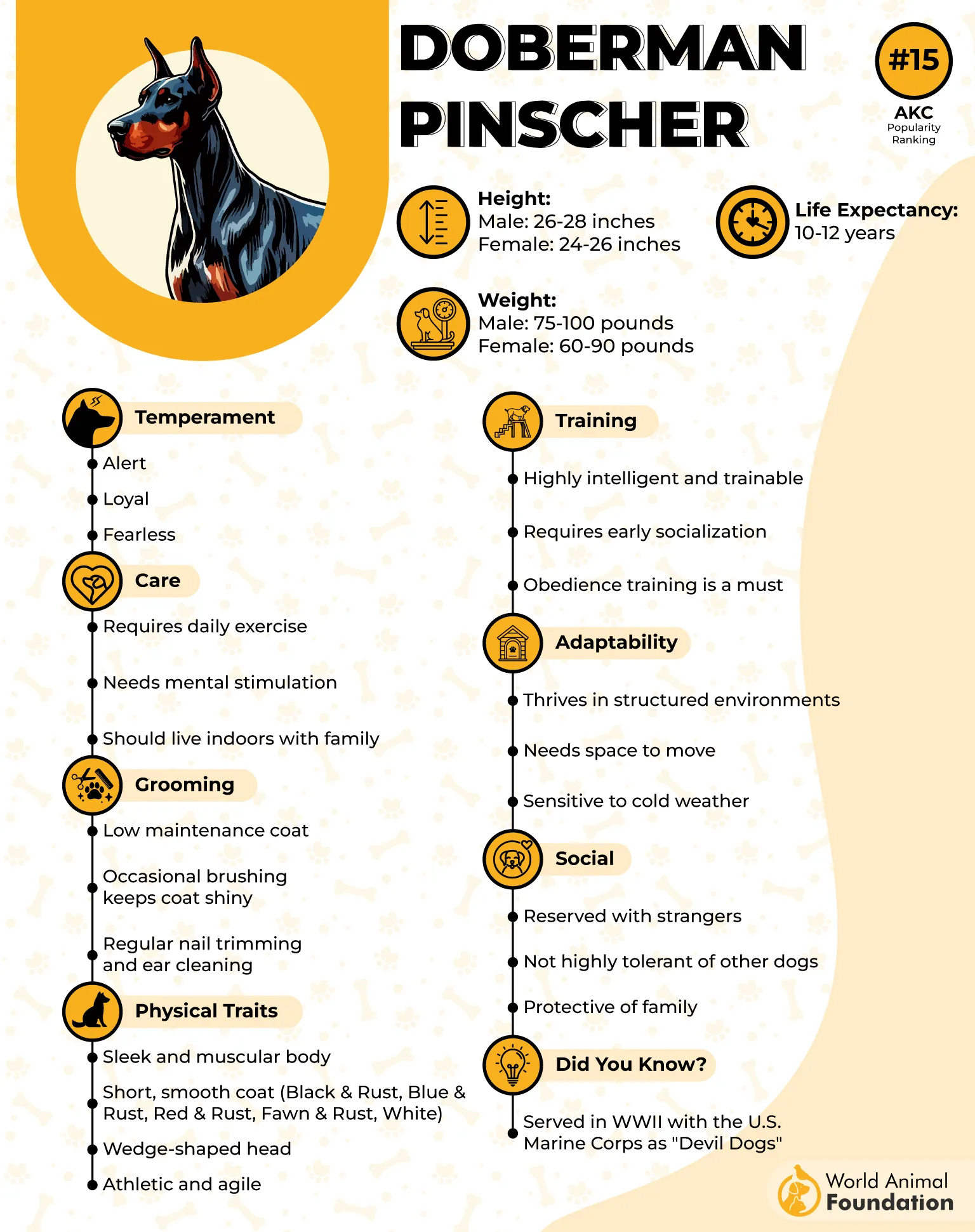
Smart, Loyal, and Family-Friendly
Despite their serious, alert demeanor, Dobermans are affectionate and playful with families. With proper socialization, they thrive with children and other pets. Their high energy and intelligence make them excellent companions for active households, enjoying long walks, hikes, and interactive play in secure areas.
Training the Noble Athlete
Dobermans excel with consistent, engaging training that challenges their minds and channels their strength. Early obedience and socialization are key to managing their independent streak and guarding instincts.
What Makes the Doberman Pinscher Stand Out
Sleek, muscular build with athletic agility
Highly intelligent and quick learner
Loyal and affectionate with families
Natural watchdog instincts rooted in protective history
Energetic, versatile, and suited for active lifestyles
4. Alaskan Malamute
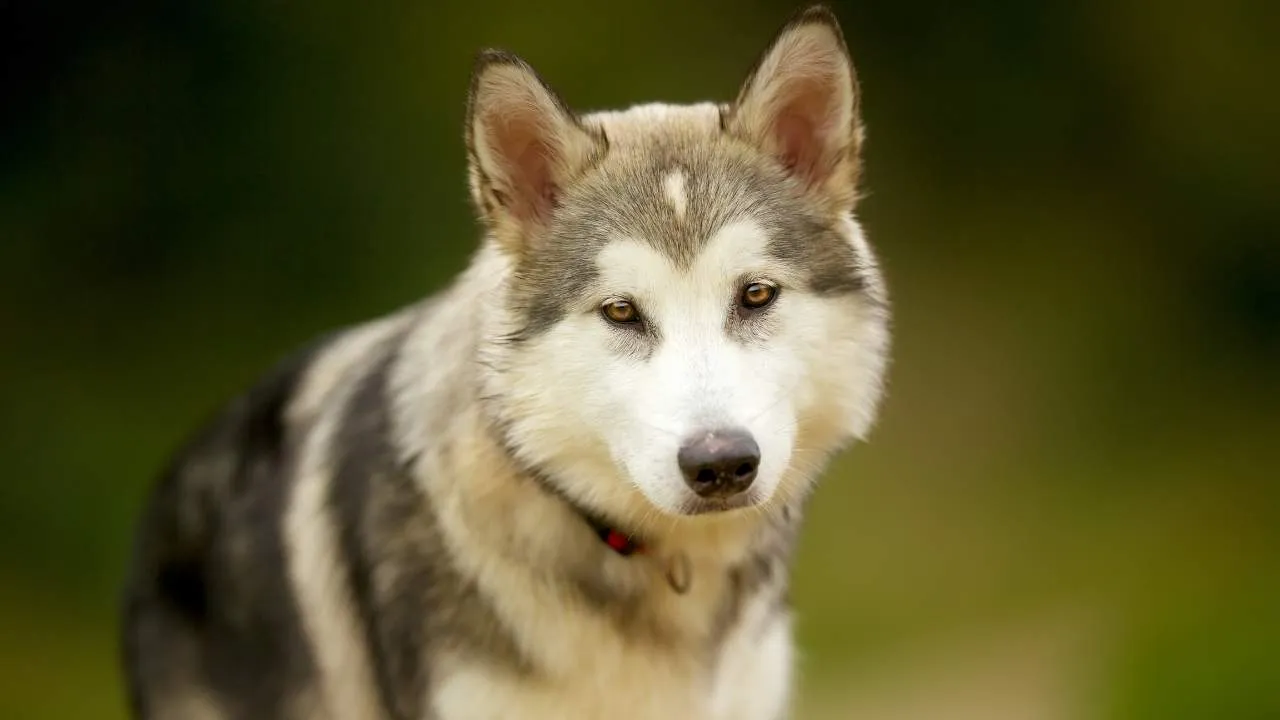
Named after the Mahlemut tribe of Alaska, the Alaskan Malamute was specifically bred for strength, endurance, and survival in harsh arctic conditions. Tasked with pulling heavy sleds over long distances, this athletic dog combines athleticism with intelligence.
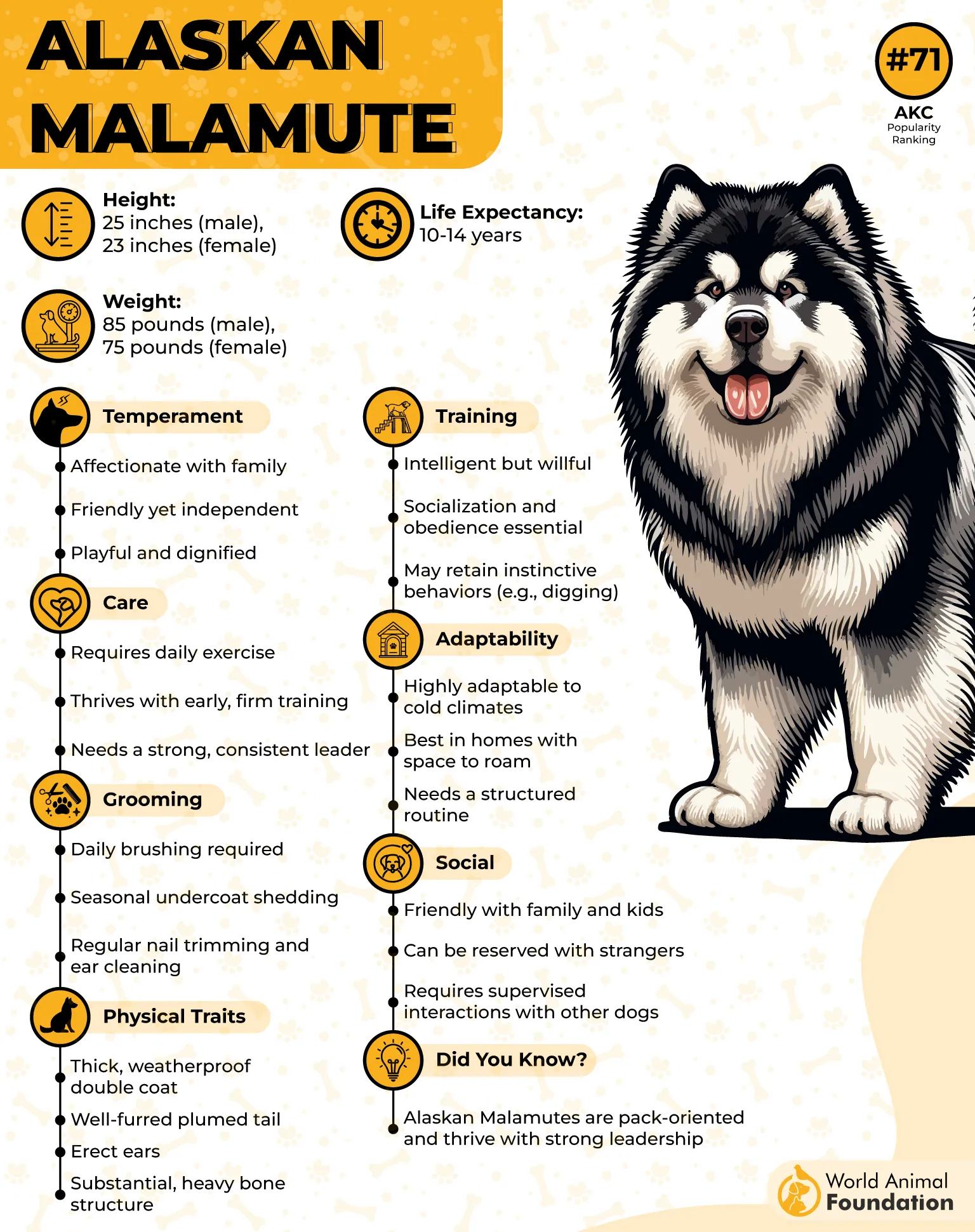
Loyal, Strong-Willed, and Affectionate
Malamutes are devoted family companions with a friendly, affectionate nature, but their independent and strong-willed personality demands confident handling. They thrive on outdoor activities and require regular exercise to burn energy, while early training helps manage their pack mentality and dominance tendencies.
Training the Arctic Athlete
Highly intelligent but stubborn, these large dogs need consistent, engaging training and mental stimulation. Large spaces, plenty of exercise, and socialization from an early age keep them happy, well-behaved, and physically fit, as per PDSA.
What Makes the Alaskan Malamute Truly Unique
Bred for endurance and heavy sled-pulling in arctic conditions
Thick double coat designed for extreme cold
Loyal, affectionate, and devoted to family
Strong-willed, requiring confident and consistent training
Historical role in gold rushes and polar expeditions
5. German Shepherd
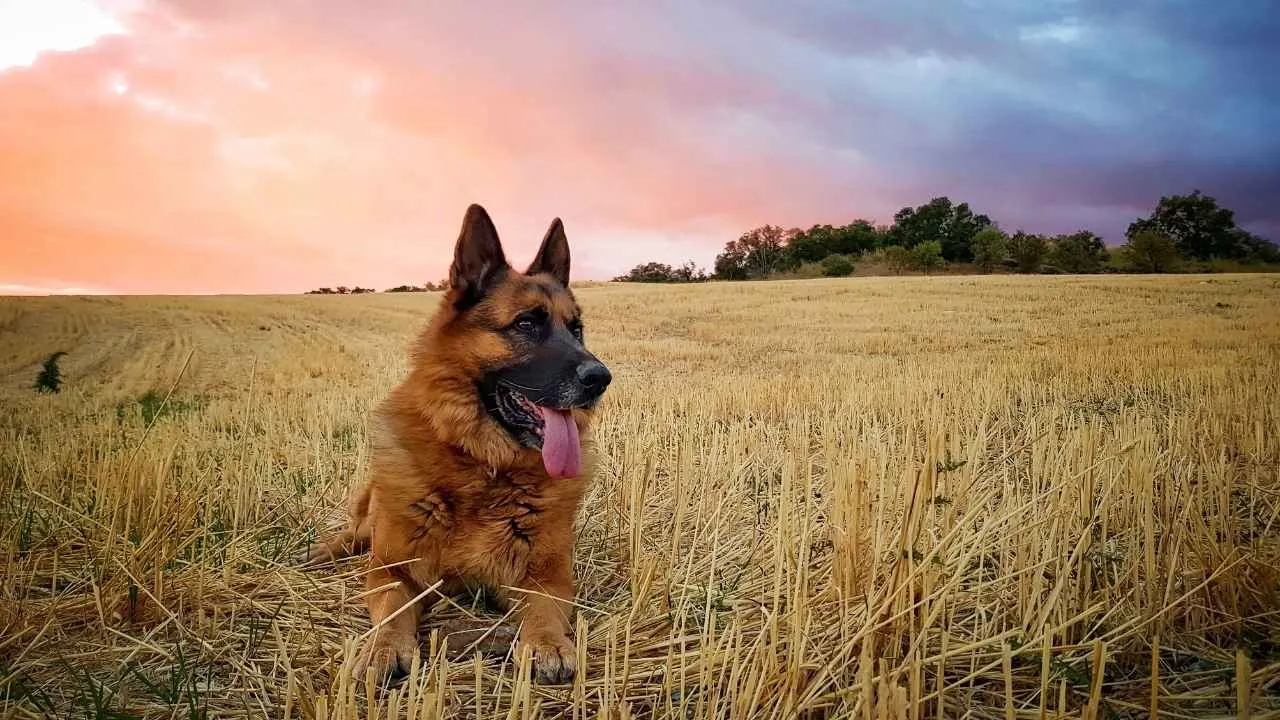
Originating in Germany, the German Shepherd was developed from traditional farm and herding dogs to be strong, intelligent, and versatile. Max von Stephanitz, impressed by the wolflike Horand von Grafrath in 1899, established the breed’s standards, focusing on utility, loyalty, and stamina.
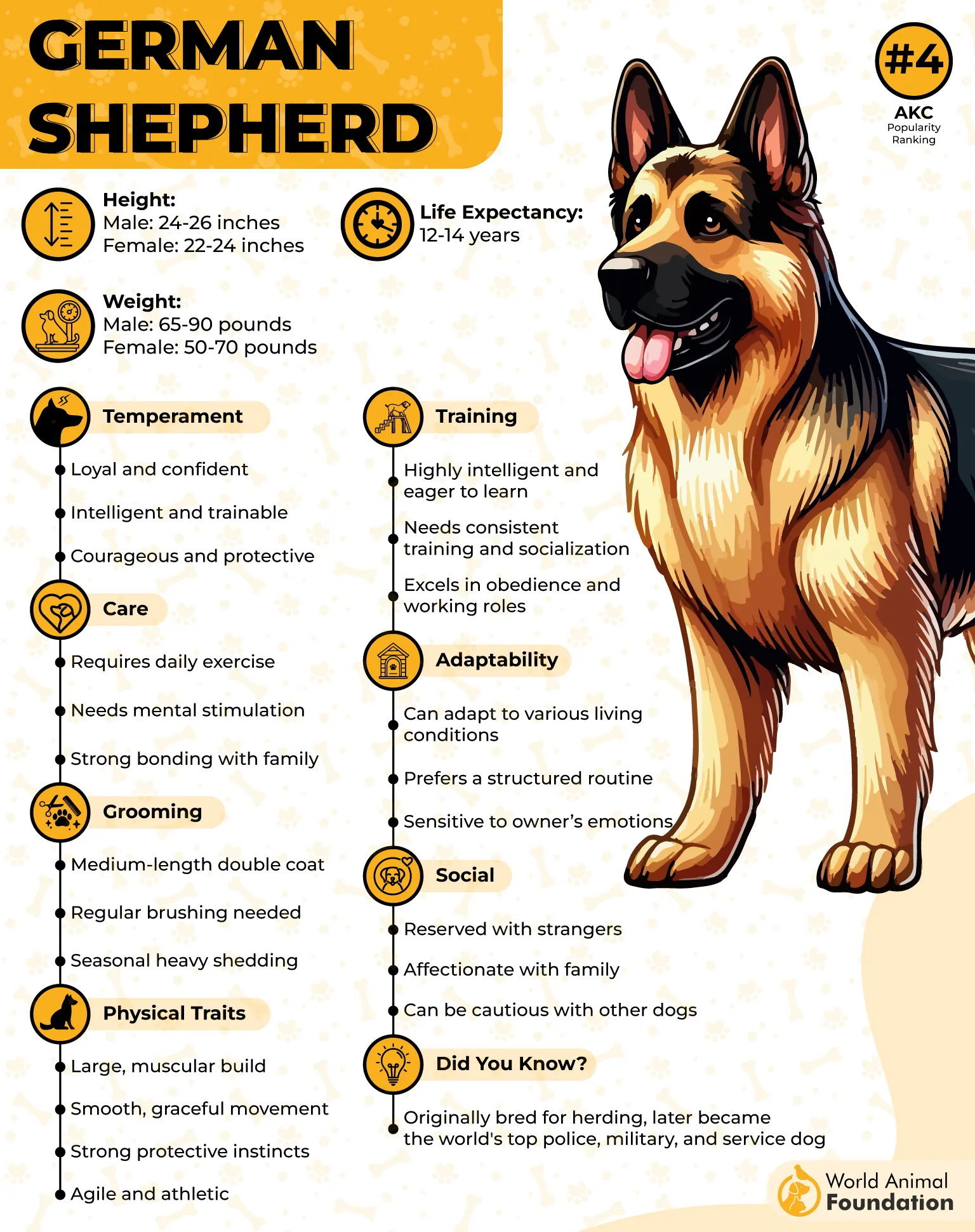
Loyal Protectors with Boundless Energy
German Shepherds are intelligent, alert, and devoted, thriving in active households. They form strong bonds with their families, are protective without being unnecessarily aggressive, and enjoy mental and physical challenges.
Training the Versatile Athlete
Highly trainable yet strong-willed, German Shepherds require consistent guidance and stimulating exercise. They excel in agility, tracking, and obedience, but boredom can lead to destructive behavior. Daily walks, off-lead play in secure areas, and varied activities keep this active breed healthy, happy, and well-behaved.
What Makes the German Shepherd Unique
Intelligent and highly trainable working dog
Loyal, protective, and devoted family companion
Athletic and versatile, excelling in multiple roles
Strong herding and guarding instincts
Thick double coat with regular grooming needs
6. Belgian Malinois
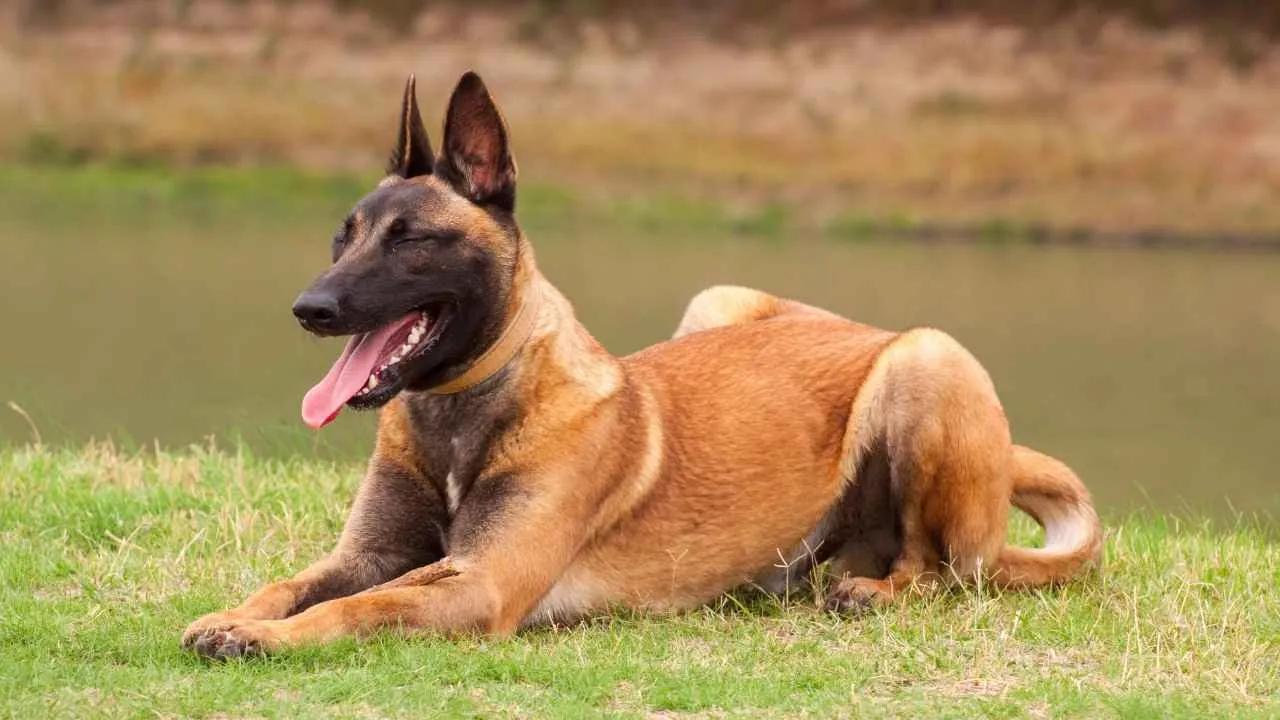
Hailing from Mechelen, Belgium, the Belgian Malinois was developed in the 1800s as a versatile herding dog with strong protective instincts, as per the AKC. Part of the Belgian Shepherd family, this medium-sized, square dog combines agility, intelligence, and endurance, making it ideal for herding, protection, and specialized work.
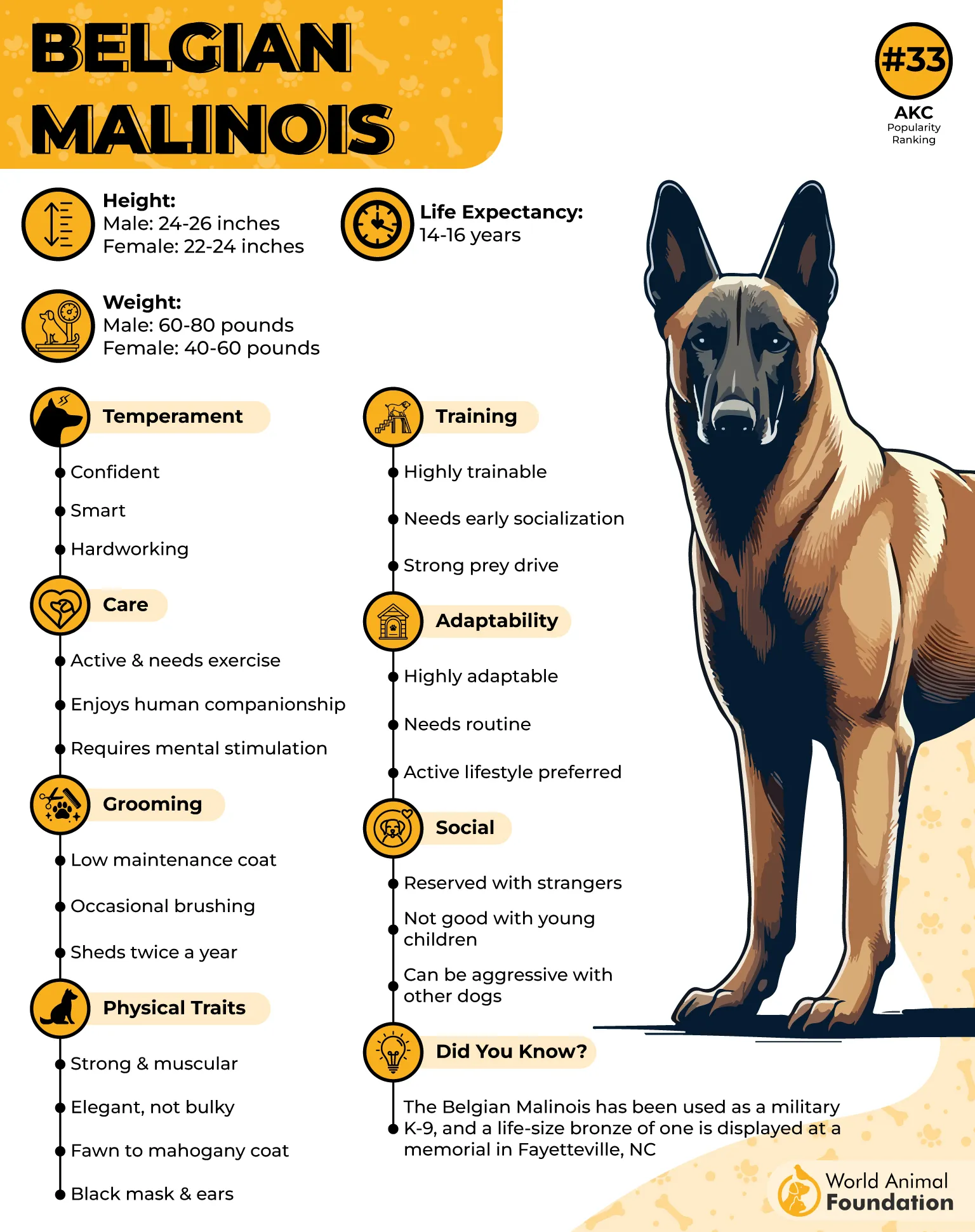
Energetic, Loyal, and Devoted
Highly bonded to their families, Malinois are affectionate yet vigilant. Their strong herding instincts can cause them to nip or chase, so early socialization is crucial. While adaptable to apartments if exercised well, they thrive in active homes with ample physical and mental stimulation.
Training the Elite Athlete
Belgian Malinois require consistent, positive reinforcement training and abundant daily exercise. Their intelligence, energy, and protective instincts make them excellent in obedience, agility, and working roles—but they demand experienced owners who can channel their focus productively and prevent boredom-induced behaviors.
What Makes the Belgian Malinois Stand Out
Exceptional versatility in police, military, and search-and-rescue roles
Lean, agile, and medium-sized for endurance and speed
Highly intelligent, trainable, and eager to please
Strong protective and herding instincts from puppyhood
Needs extensive daily mental and physical stimulation
7. Siberian Husky
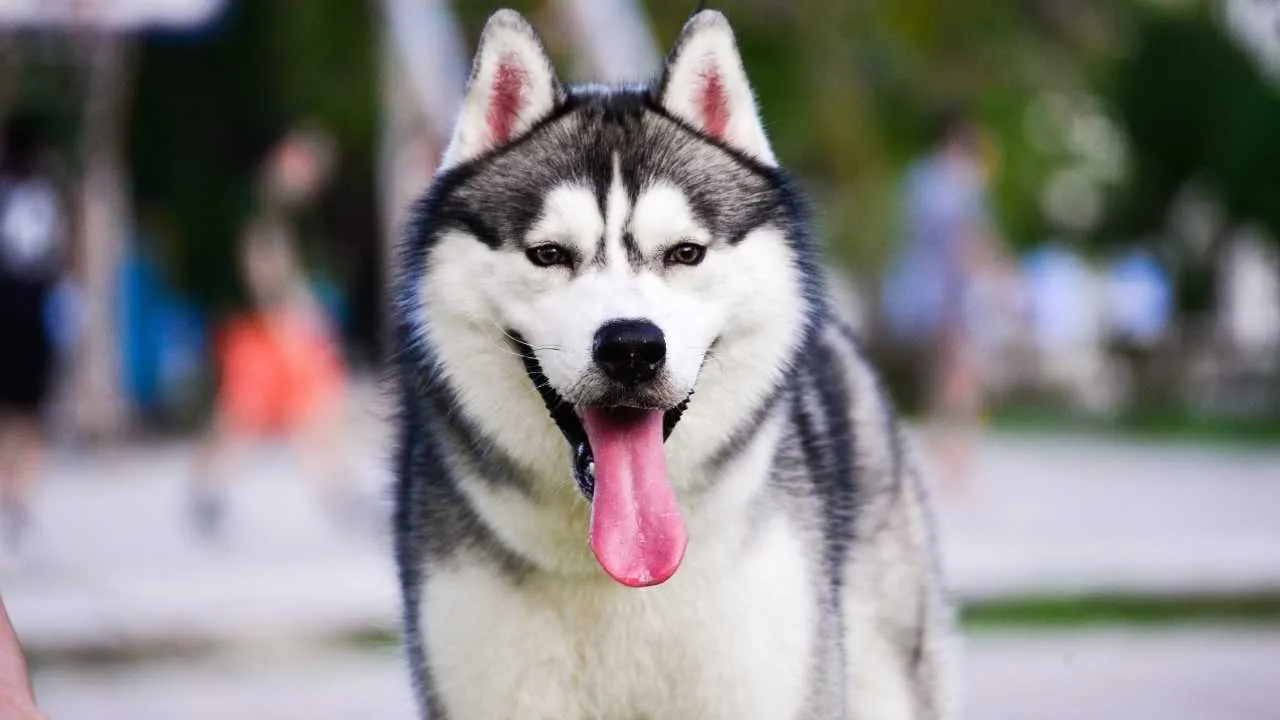
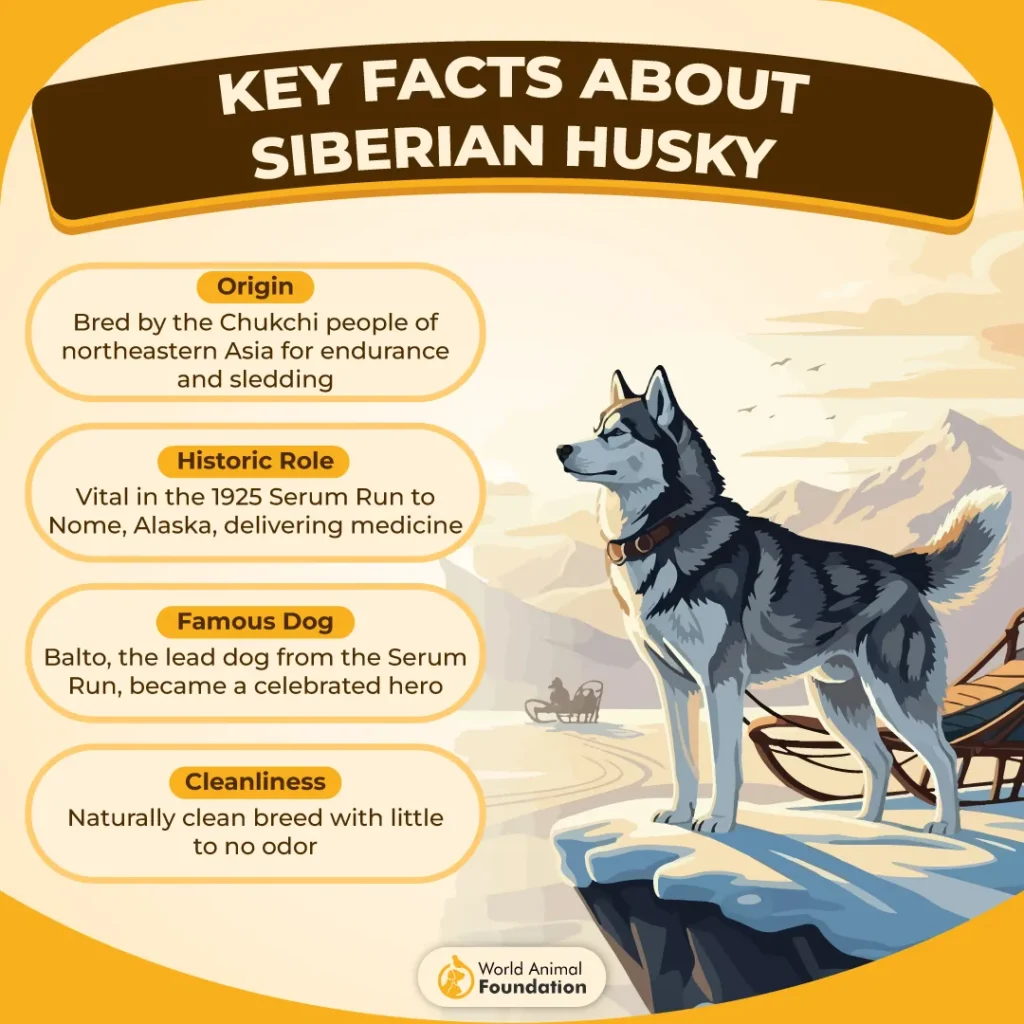
Originally bred by the Chukchi people of Siberia, the Siberian Husky was designed for long-distance sledding and companionship in harsh arctic conditions. Their fame soared in 1925 during the “Great Race of Mercy,” when Husky teams relayed life-saving diphtheria serum across 674 miles to Nome, Alaska.
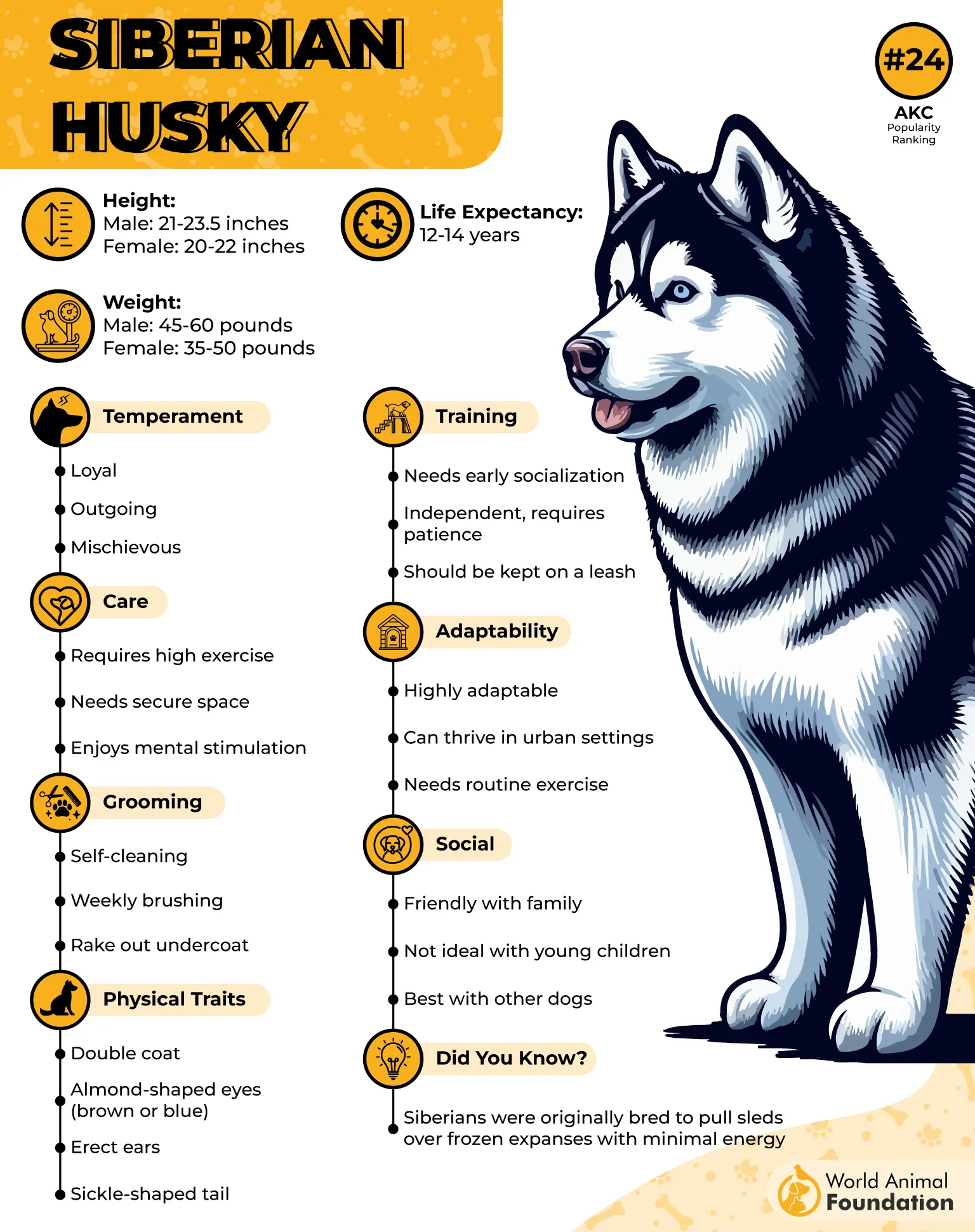
Friendly, Independent, and High-Energy
Siberian Huskies are social, outgoing, and playful, thriving on interaction with people and other dogs. Despite their friendly nature, they are strong-willed and highly intelligent, requiring experienced owners who can provide consistent training, daily exercise, and secure spaces to roam, as per Purina.
Training the Arctic Athlete
With boundless energy and clever problem-solving skills, Huskies need at least two hours of daily exercise, including running, sledding, or other pulling activities. Their thick coat demands regular brushing, especially during shedding season, while positive reinforcement training ensures they remain responsive, confident, and well-behaved without relying on harsh discipline.
What Makes the Siberian Husky Stand Out
Legendary sled dog and endurance athlete
Thick double coat built for extreme cold
Intelligent, independent, and highly energetic
Friendly and social, rarely acting as a guard dog
Iconic role in the 1925 serum relay and annual Iditarod race
Conclusion
Exploring these rare breeds reminds us that the world of canines is far richer and more diverse than we often imagine. Beyond the familiar faces in parks and neighborhoods, there are breeds shaped by unique histories, environments, and human needs, each with its own story to tell.
Many of these rare and hairless dogs combine intelligence, loyalty, and courage, often paired with skills honed over centuries for work, protection, or survival. They are not just pets—they are living legacies of the places and cultures that shaped them.
If you’re inspired to discover more, now is the perfect time to explore these exceptional breeds further. Whether for companionship, admiration, or simply curiosity, delving into their world offers endless fascination. Embrace the opportunity to meet a dog that is truly one of a kind.
