




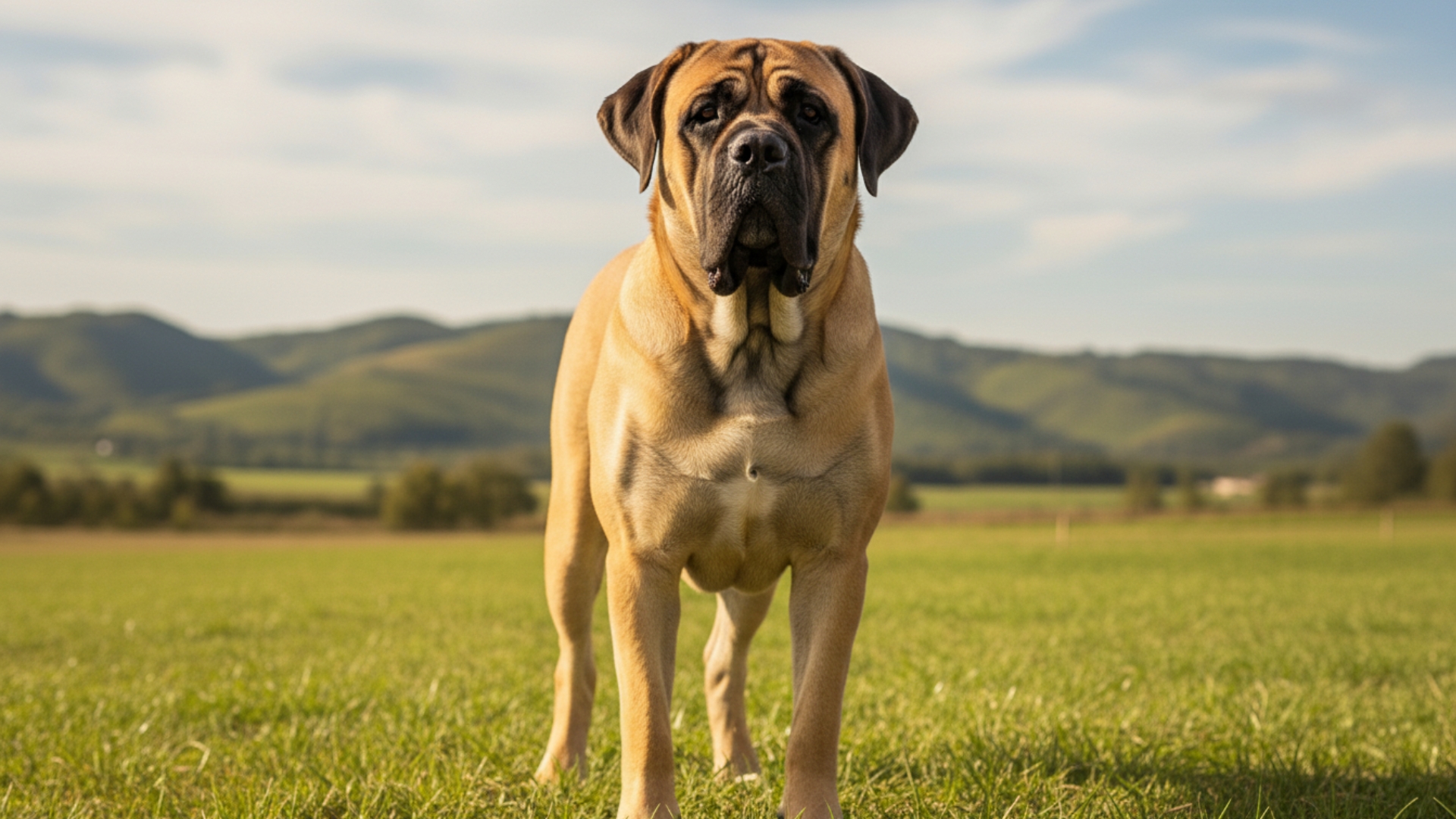
Giant dogs are BIG! Yes!
But, they are actually experience-altering.
Living with a dog who weighs more than you do, who can rest their chin on the kitchen counter without trying, who makes your couch look like doll furniture… that changes everything. Your spatial awareness. Grocery budget. Definition of “lap dog.”
Giant dog breeds are not for everyone. They need more space, more food, more vet care, and more emotional preparation than most people realize.
But for the right pet parents, these gentle giants become family members in a profound way.
Today, we are breaking down exceptional giant dog breeds to consider. Not just “big dogs.” Giant breeds.
Fun Fact!
The tallest dog ever was a Great Dane named Zeus who stood 44 inches tall at the shoulder, as mentioned by Guinness World Record. That is over 3.5 feet! On his hind legs, he was 7 feet tall. Sadly, giant breeds have short lifespans than small dogs.
Zeus passed away at just 3 years old. That is the heartbreaking reality of giant dog breeds. They give you the biggest love in the shortest amount of time.
Exceptional Giant Dog Breeds to Consider
1. Great Dane
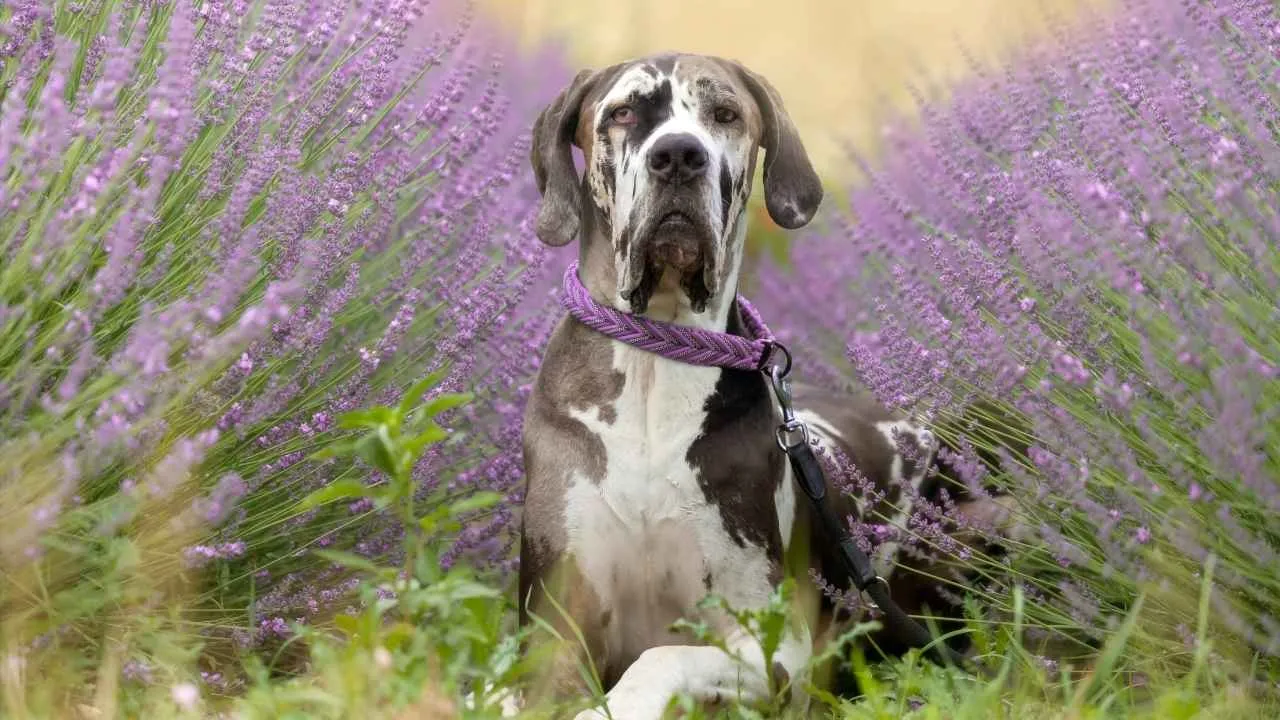
The Great Dane is known as “Apollo of the dogs,” and when you see one in person, you get it.
These dogs are massive. Males tend to weigh 175+ pounds and stand over 30 inches at the shoulder. But their height is what really gets you. A Great Dane standing on their hind legs can easily reach 6-7 feet tall.
Clearly, one of the tallest dog breeds around.
And it doesn’t end here. What makes this tall and skinny dog exceptional is their temperament. Despite being one of the biggest dog breeds, they are gentle and affectionate. They genuinely believe they are lap dogs. A 150-pound Great Dane will definitely try to sit on you.
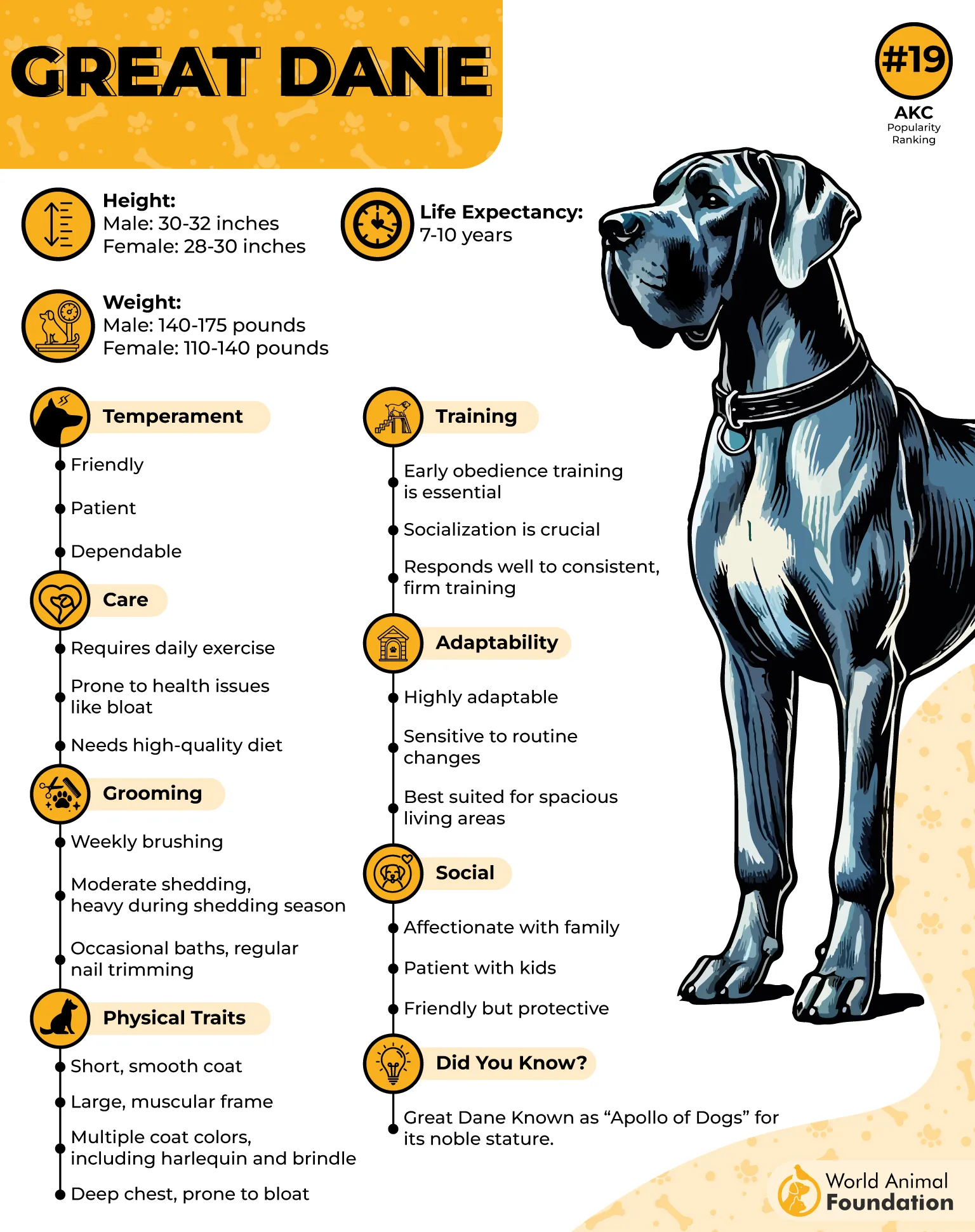
Great Danes were originally bred in Germany to hunt wild boar, but became companion dogs over time. They form strong bonds with their families and are great with children. They are protective without being aggressive.
These large dogs tend to seem sedate, but they actually need daily exercise. Although they are pretty chill indoors. But make sure to take them out on brisk walks 2-3 times daily, as suggested by the American Kennel Club. The challenge is their lifespan, typically only 7-10 years. And health issues like hip dysplasia. But for these years, companionship with these dogs is totally worth it.
2. Mastiff
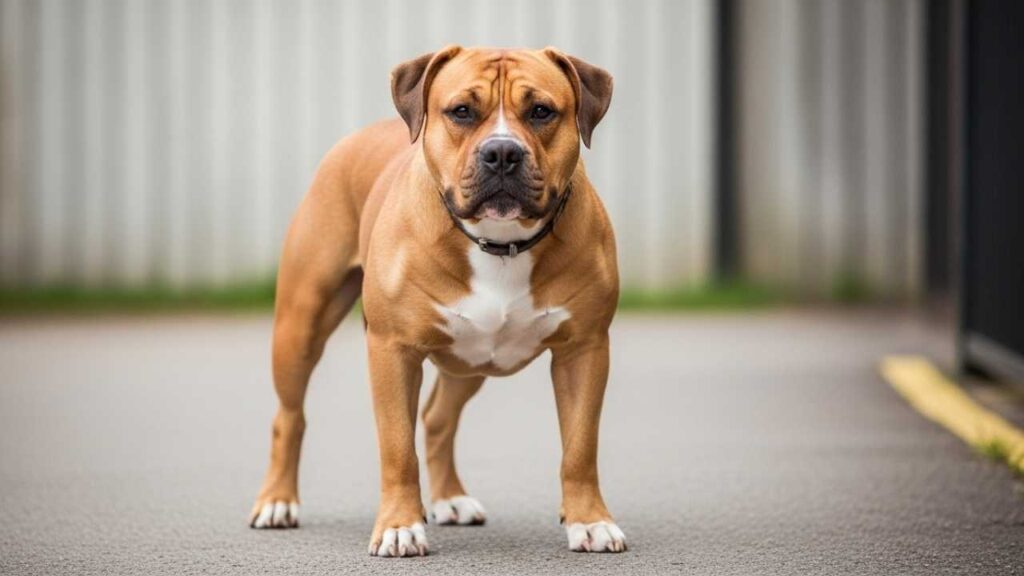
The Mastiff is pure mass!!
Males can weigh over 230 pounds. This is heavier than most adult humans. When a Mastiff leans against you, you have to move. When a Mastiff decides to lie down in your hallway, that hallway is now closed, and your access to the couch is being revoked.
What is wild about the Mastiff dog is their calm, almost regal demeanor. Despite having such a large size, they are gentle giants with a patient nature. That makes them really great with kids.
They are not really hyperactive, but rather just present and aware. And yes, they are highly intelligent.
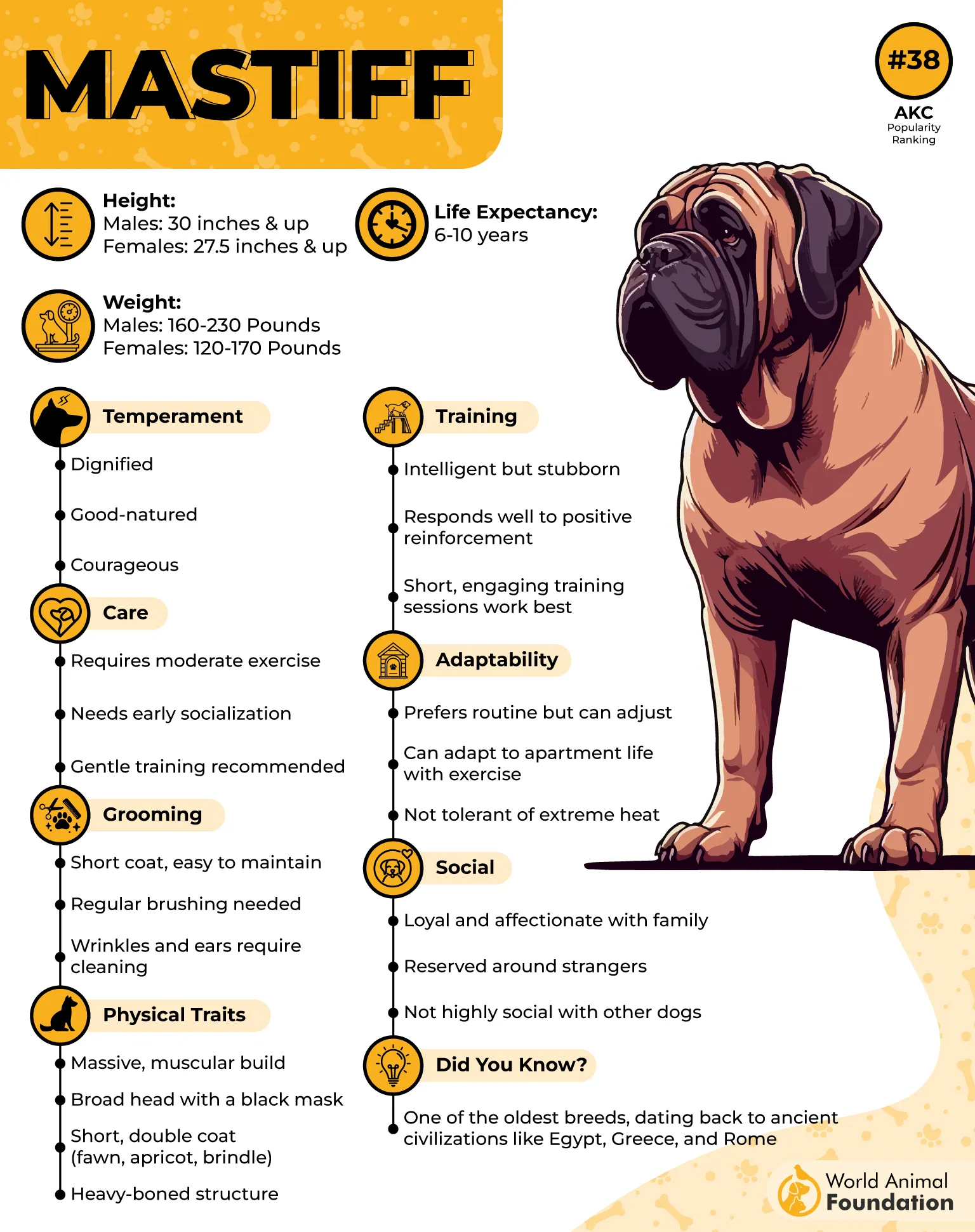
Mastiffs were initially bred in England for guarding estates. And, these guard dogs have the protective instincts that still exist today. So, they are naturally protective without any formal training. They are not aggressive, but just imposing.
These dogs have wrinkly skin, a massive head, and a drool situation you need to be prepared for. They also need consistent training from an early age because a 200+ pound dog who does not listen is complicated.
If you want a loyal companion who also happens to be a guard dog (both intimidating and a total SOFTIE!), the Mastiff can be the it dog, the family protector. Excellent guard dogs of their age and time, and equally good today.
3. Saint Bernard
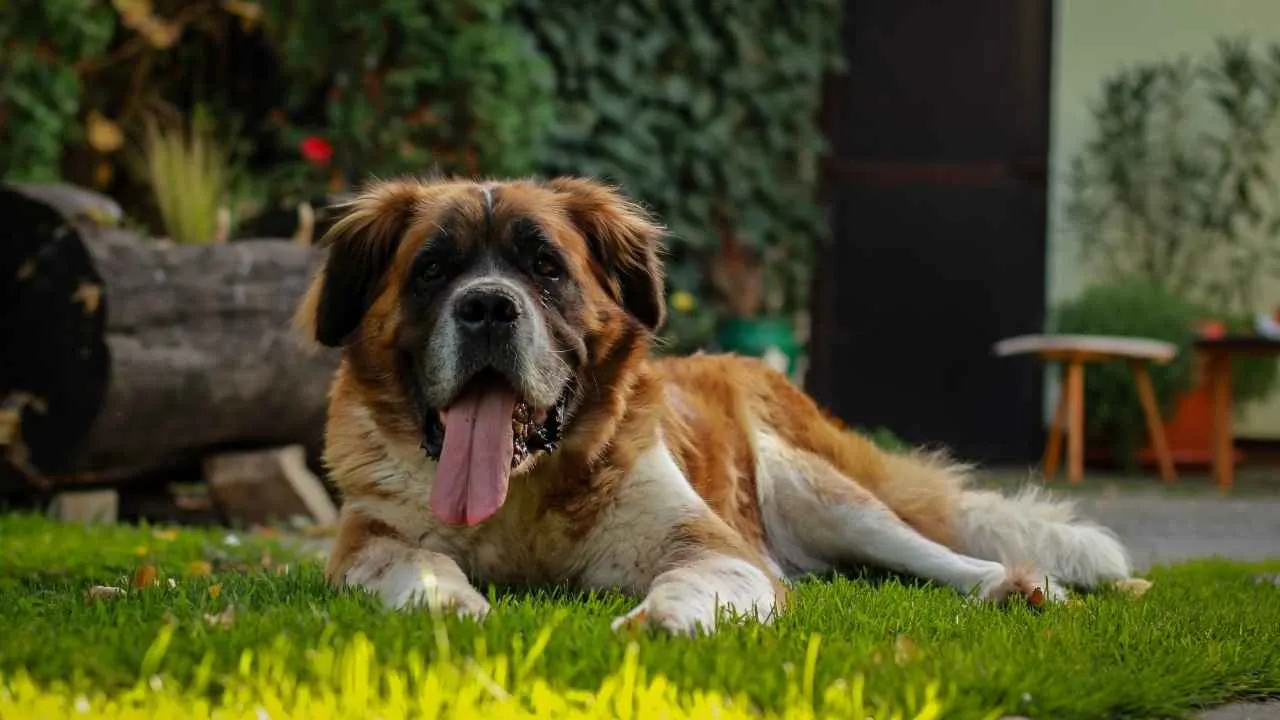
Saint Bernard dogs are famous for Alpine rescue work, and that legacy still shows in everything they do.
These large dogs can weigh 180+ pounds. They were bred to go through deep snow, locate lost travelers, and keep people warm until help came or dragged them to safety. Their thick double coat protects them from the brutal cold.
What makes Saint Bernard exceptional is their temperament.
They are patient, have a very gentle nature, and are incredibly tolerant of small children. Kids can climb on them, pull their ears, use them as pillows, and Saint Bernard dogs will just… accept it.
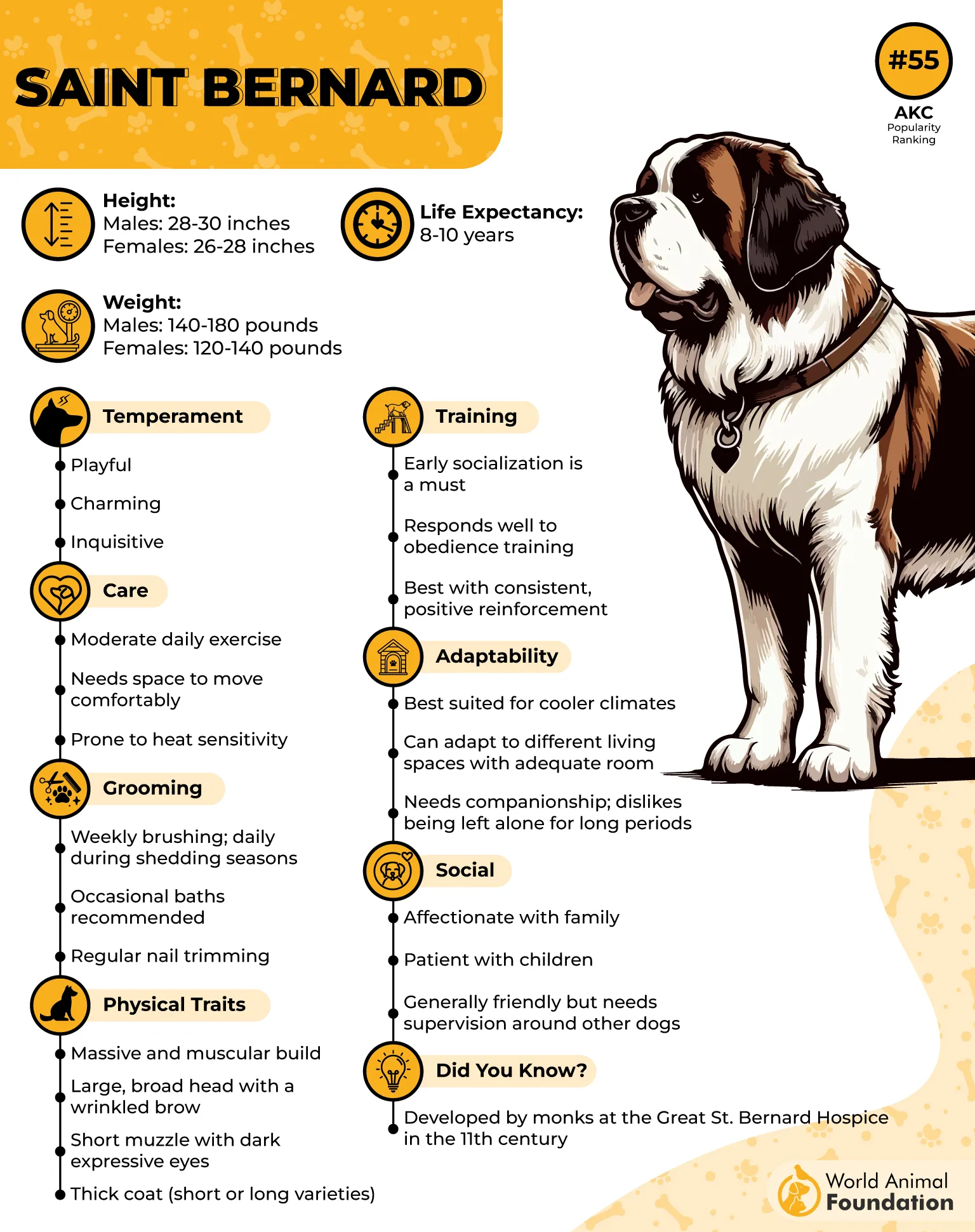
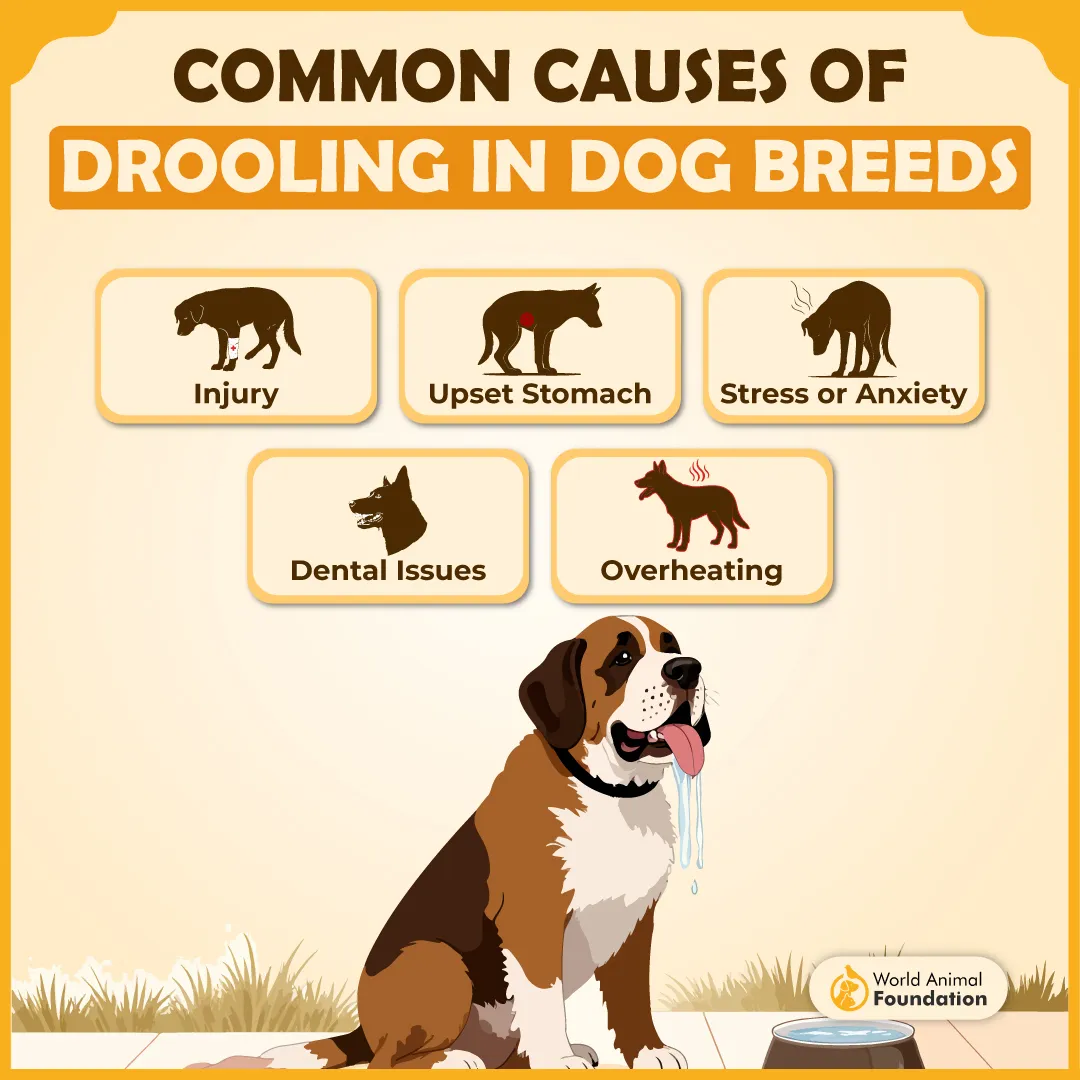
Due to that big head, Saint Bernards do drool a lot, as per PetMD. They also shed heavily and need regular grooming. But if you can handle the maintenance, Saint Bernard dogs are loyal companions who form deep bonds with families.
These dogs do not need extreme exercise. But, they do need daily walks. And because of the size of these rescue dogs, early training is super important.
4. Newfoundland
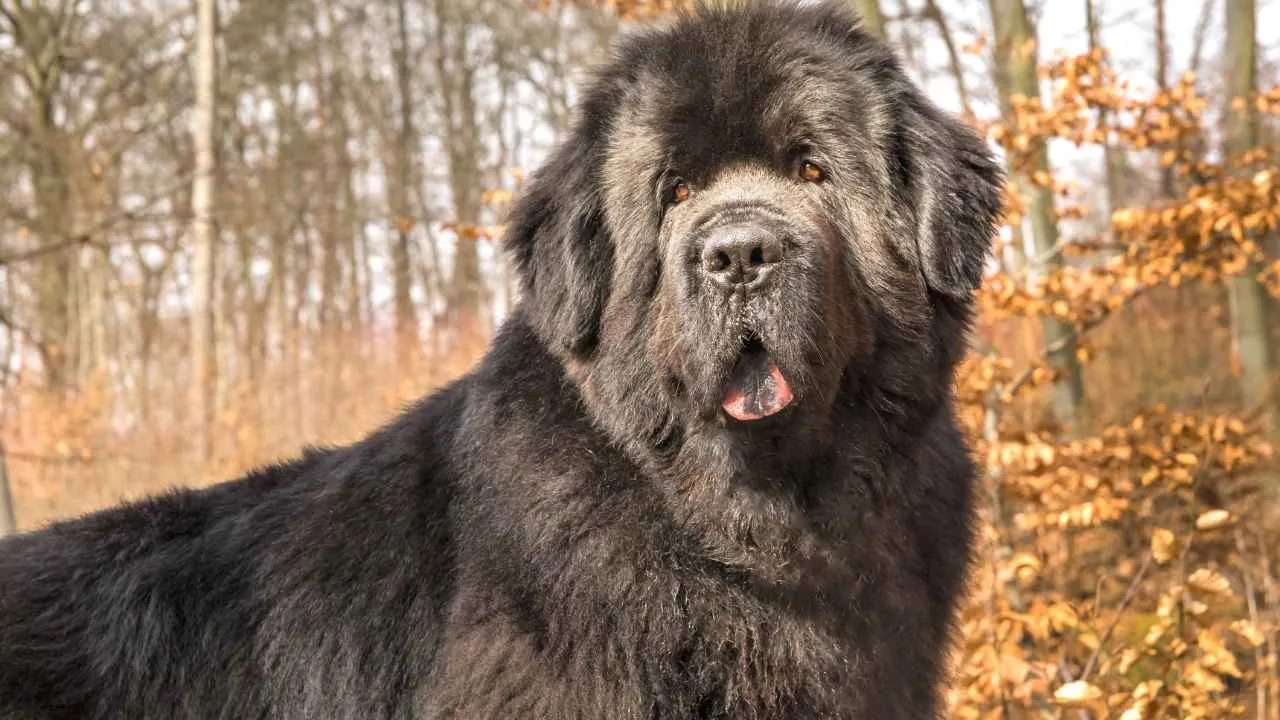
One of the massive, massive, large dog breeds. Oh, and excellent family dogs.
Newfoundland dogs are gentle giants with webbed feet and a love of water that borders on obsession.
And did you know, they were born in Newfoundland, Canada, to help fishermen, pulling nets, retrieving equipment, and even performing water rescues?
Yep! A pure working dog! These water dogs have a thick and water-resistant double coat that keeps them warm in freezing water. And their massive size (males can weigh 150+ pounds, it’s all that coat) gives them the strength to swim long distances.
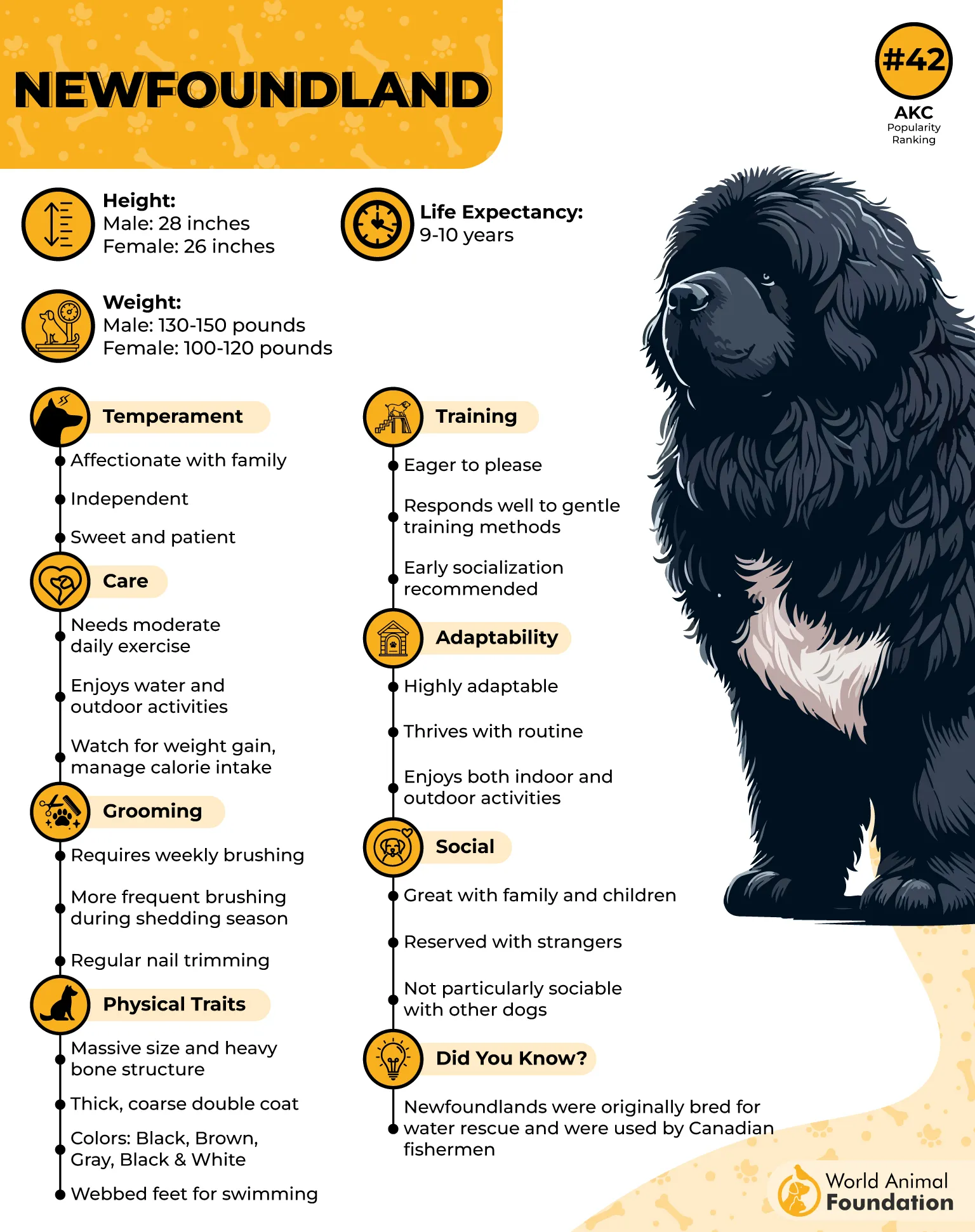
What makes Newfoundland exceptional is, again, their temperament. Like every other dog on this list.
They are famously sweet and patient with kids. These affectionate dogs have a natural instinct to protect and “watch over” small kids. And that earned them the nickname “nanny dogs”.
Newfoundland dogs need regular exercise, ideally with access to water for swimming. They also shed heavily and need consistent grooming and coat care. And yes, they drool. But nowhere near Mastiff levels.
These large dogs are excellent family pets for houses with more space. But the love they give back is equally giant.
5. Irish Wolfhound
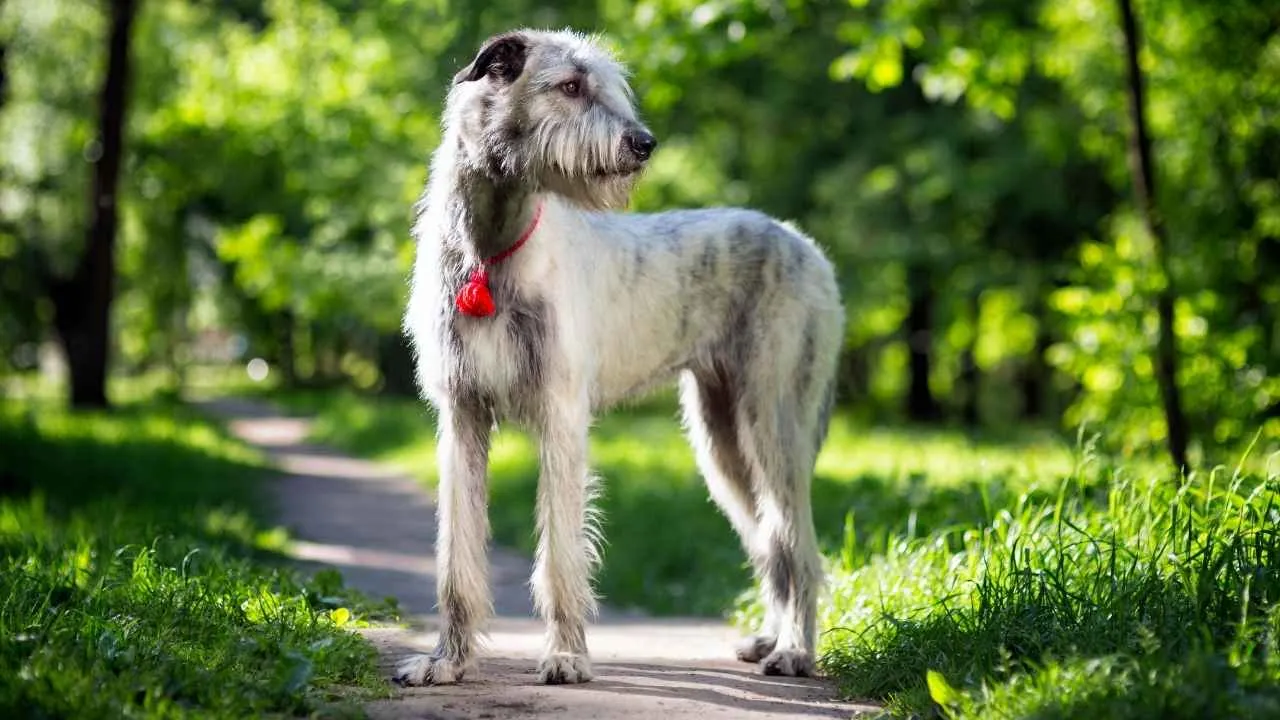
The Irish Wolfhound is another one of the tallest dog breeds on the planet.
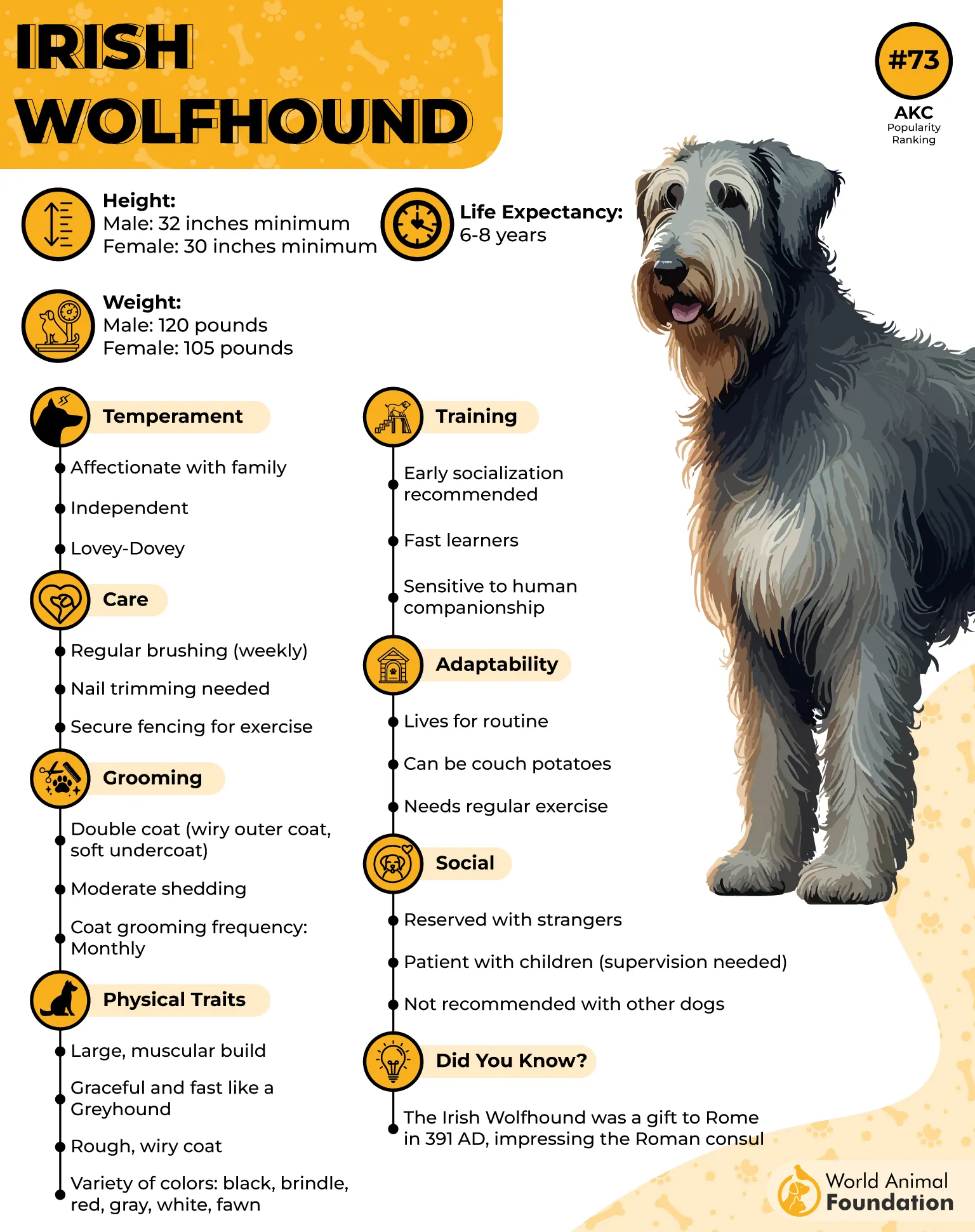
Males can stand over 28 inches at the shoulder and weigh around 150+ pounds. They are lean, long-legged, and made for speed despite their size.
Irish Wolfhounds were originally bred in Ireland to hunt wolves, hence the name.
What makes the Irish Wolfhound exceptional is their gentle and almost dignified temperament. Yes, they have an imposing size, but they have a very affectionate nature. Plus, they make great companions and form strong bonds with family.
Even though their background is of hunting dogs, they are never aggressive. They are just big, sweet dogs who love their people.
Irish Wolfhounds have a rough and wiry coat that needs regular brushing weekly. As per ASPCA, they are moderate shedders, as they do not shed as heavily as some other giant dogs. So, you can easily handle shedding for this big dog.
They need daily exercise but are usually calm indoors.
One important note we should mention is that Irish Wolfhounds have short lifespans, usually 6-8 years. That is the heartbreaking reality of the giant dogs.
6. Bernese Mountain Dog
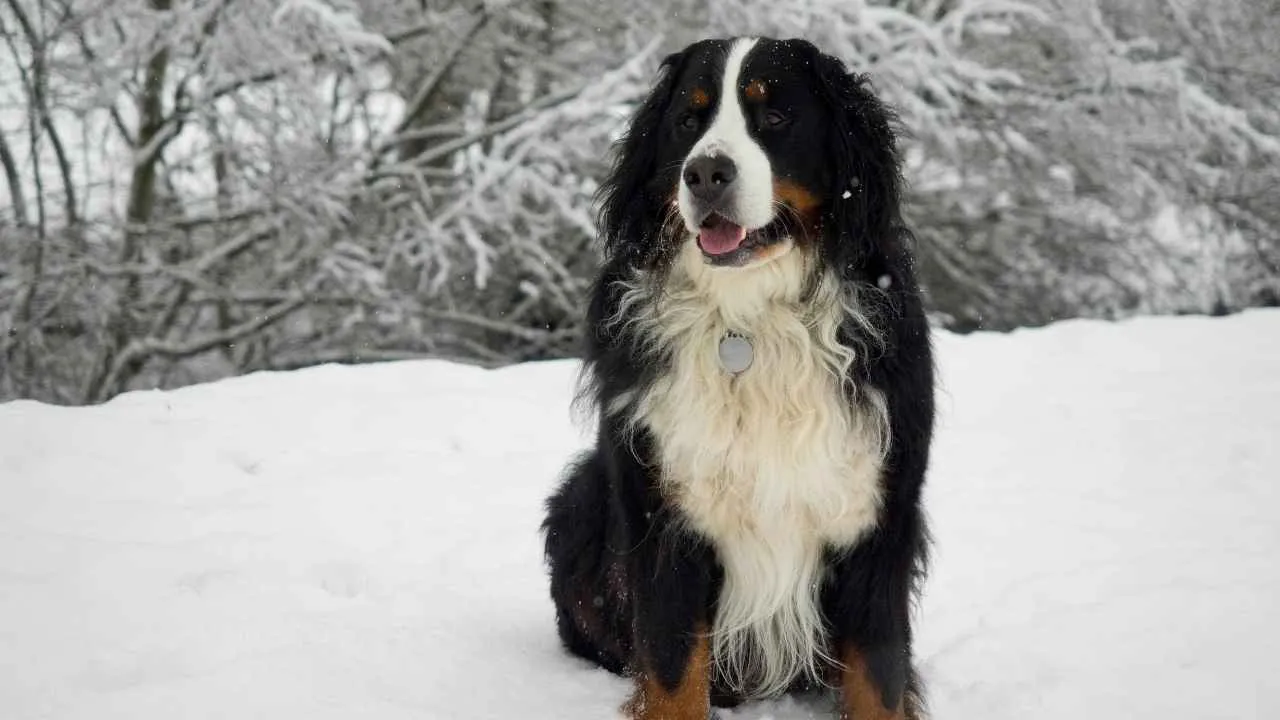
Bernese Mountain dogs are working dogs from the Swiss Alps, bred to pull carts, herd cattle, and guard farms in harsh mountain conditions.
And, guess what, these mountain dogs do it all with dignity, grace, and a friendly nature.
These dogs are again BIG! Males can weigh 115+ pounds. A bit lighter in weight than other dogs on this list, but the heavy fur makes up for that in looks.
And what makes them exceptional is their mix of size, strength, and an incredibly friendly nature. That makes them perfect family pets.
Bernese Mountain dogs are affectionate, good with children, good with other animals, have a calm temperament, and are just generally… good-natured.
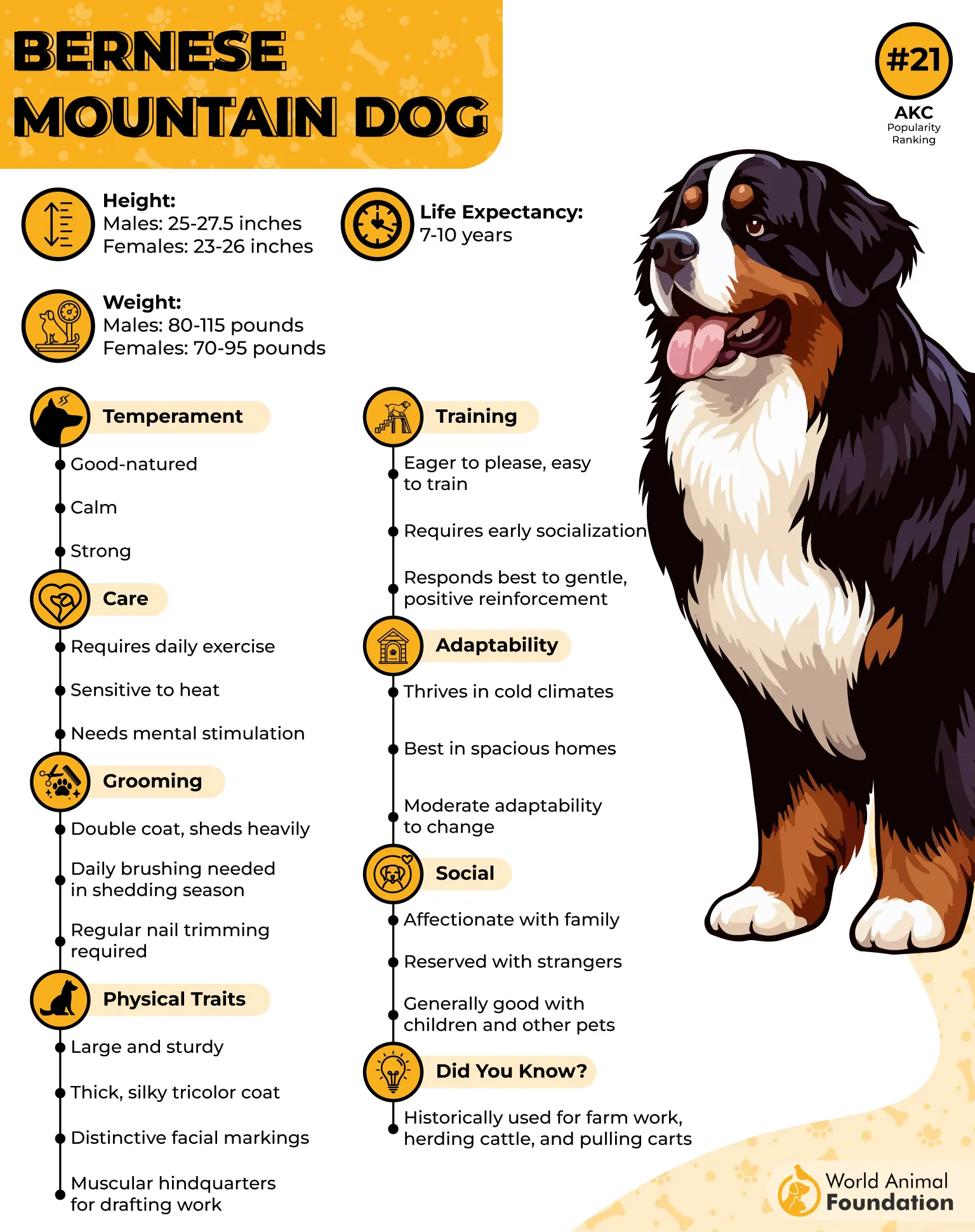
These affectionate dogs love outdoor adventures, but they are also happy to relax indoors. They have a thick and tri-colored coat (absolutely gorgeous), but they shed heavily; you need to take care. Regular grooming is important for them.
They also need daily exercise and mental stimulation. Berners are naturally protective, but they are not aggressive. These loving dogs make strong bonds with humans and prove to be the right dogs.
7. Great Pyrenees
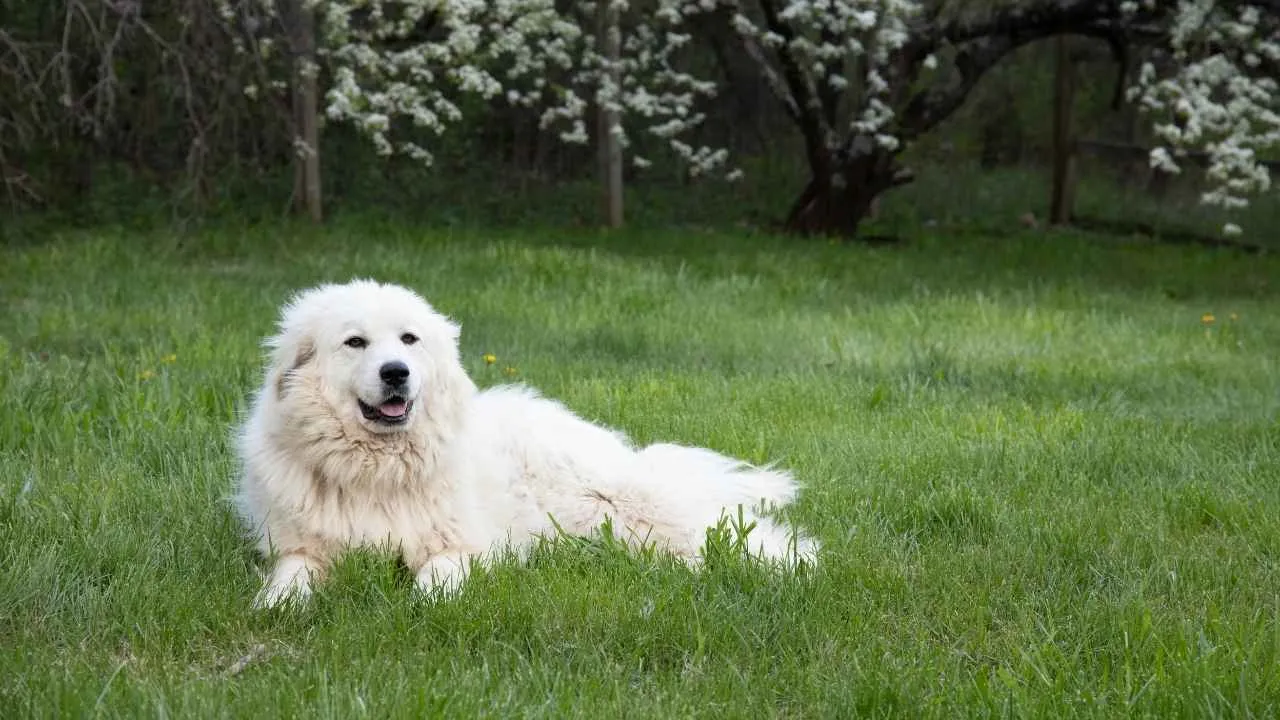
The Great Pyrenees is a livestock guardian dog from the Pyrenees Mountains between France and Spain.
These dogs are huge. Males can weigh up to 100 pounds or more, and they were bred to guard sheep from wolves and bears. Alone. At night. That job needed independent dogs with courage and a protective instinct that runs deep.
What makes the Great Pyrenees exceptional is its calm and confident demeanor. They are not hyperactive; they just have a very independent streak. They assess situations and make decisions on their own. But it also makes them extremely capable guardians.
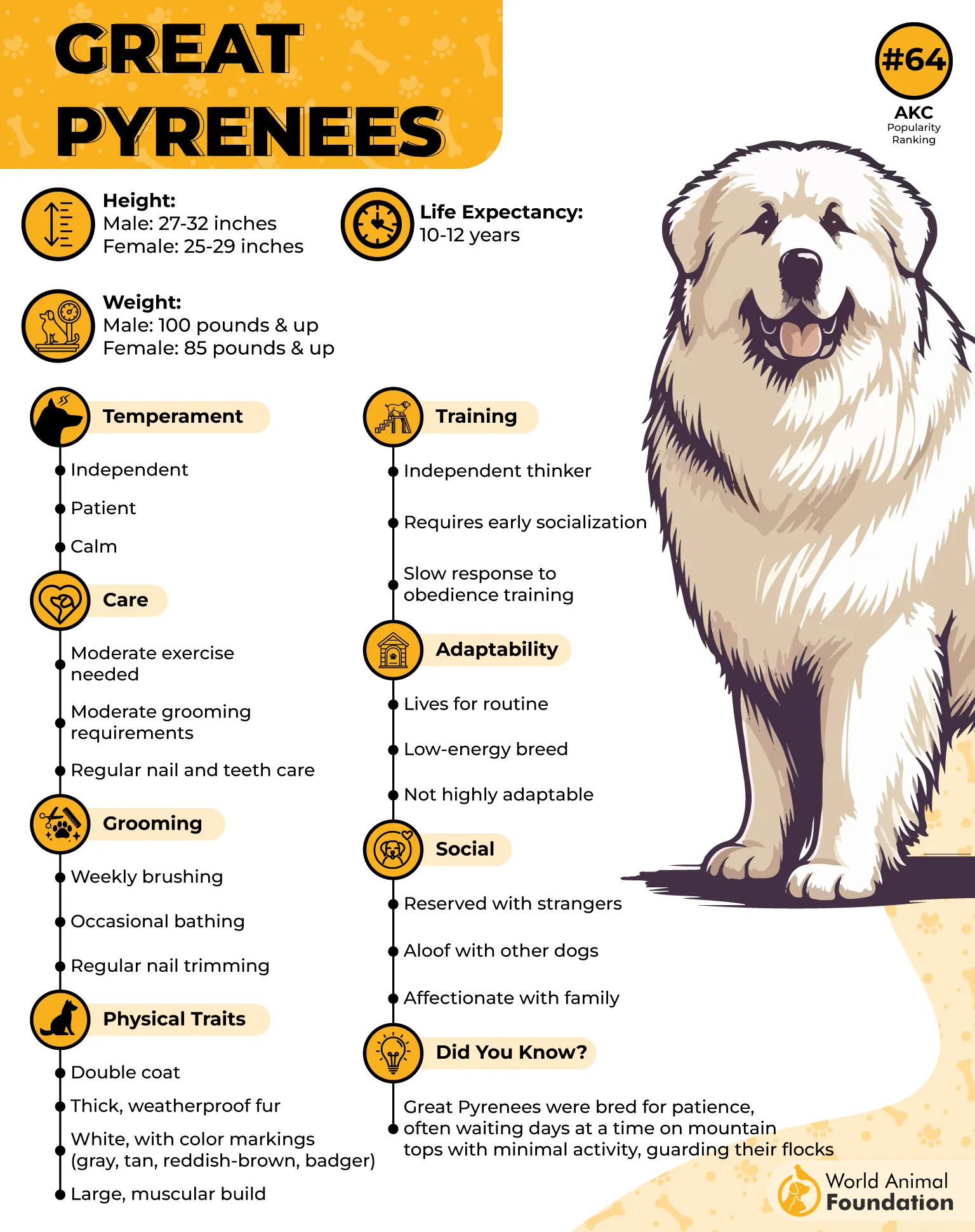
These beautiful white dogs have a thick, white double coat that sheds heavily year-round. Regular grooming is the #1 factor here. They also need space. They were used to roam large territories.
These dogs are naturally protective of their families and property. They are watchful and bark to alert you. Early socialization and consistent training help them understand the difference between actual threats and normal daily activity.
Loyal companions for experienced pet parents who understand independent dogs.
Conclusion
Giant dog breeds are expensive. Food costs can run hundreds of dollars a month. Vet bills are higher. And their lifespans are heartbreakingly short. Most giant breeds live only 7-10 years.
But let us tell you, they are worth it.
These exceptional giant dog breeds to consider! Yes. They are great pets. They are present. And they change the energy of a home, specifically for active lifestyles. These can be incredible companions for the right families.
As a first-time dog owner, pick from a reputable breeder. Understand what you are committing to. More space. More money. And more grooming. And less time than you will ever feel ready to say goodbye to.
But for those years, you get a companion who makes every other dog feel small in comparison.
That is the giant-ness that matters most.
