




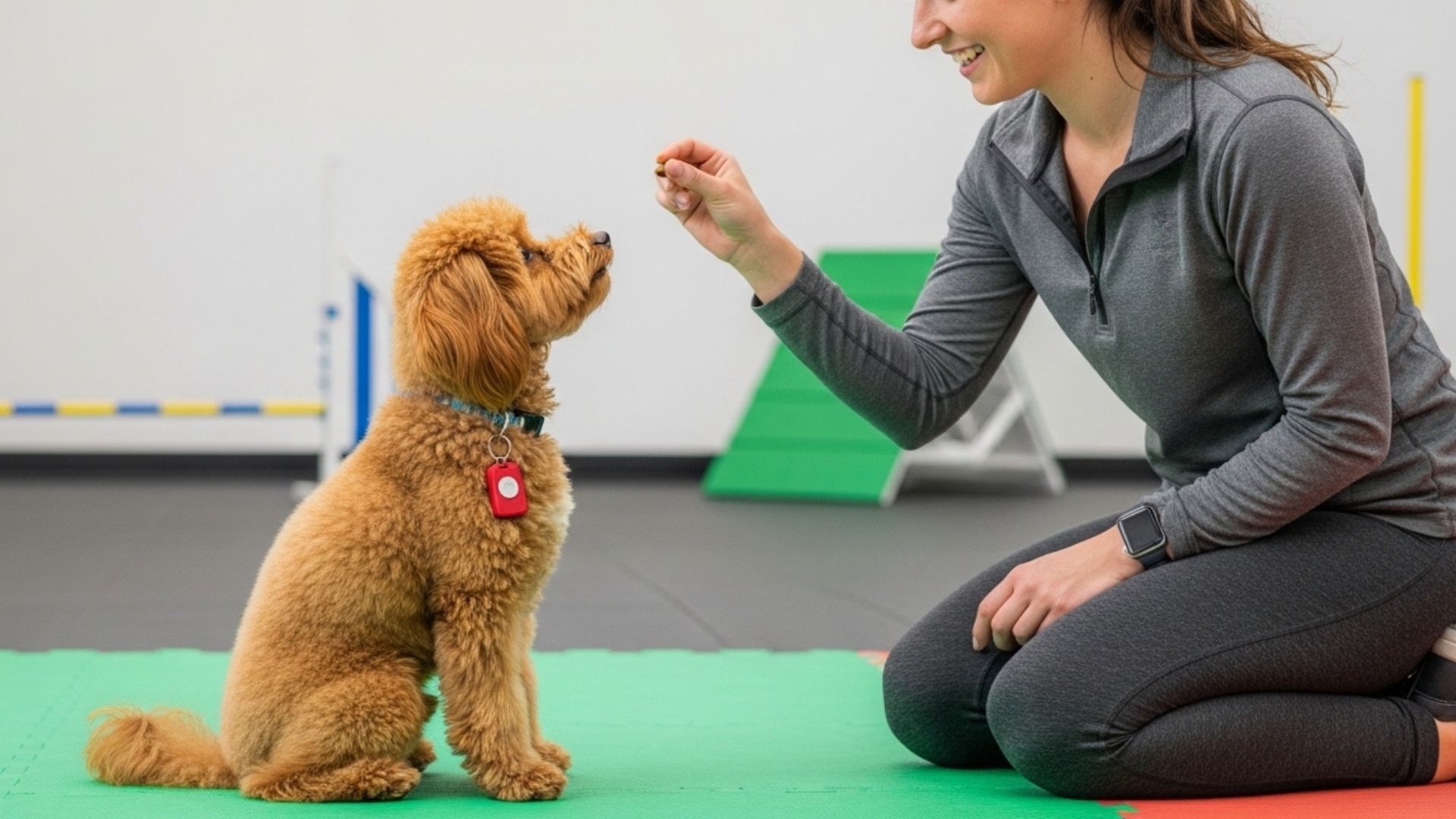
Looking for a tiny dog with a big brain? You’re not alone. Toy-sized dogs are incredibly popular—not just because they’re adorable and easy to carry, but because many of them thrive in modern homes.
Of course, cuteness alone isn’t enough when choosing a lifelong companion. The real magic happens when a dog is not only sweet and affectionate but also quick to learn and eager to please.
Some toy-size breeds are known for rapid training success—they respond beautifully to positive reinforcement, pick up commands quickly, and genuinely enjoy working with their humans. That means less frustration, faster results, and a smoother transition into your daily routine.
If you’re dreaming of a pint-sized partner who understands you, adapts quickly, and grows into a well-mannered best friend, you’re in the right place.
In this article, we’ll help you discover which trainable toy dog breeds stand out—and why they might be the perfect fit for your home and lifestyle.
Key Takeaways
See why Papillons and Toy Poodles are tiny dogs with huge brains.
Meet playful Havanese, bold Pomeranians, and alert Griffons in action.
Discover how Yorkies and Cavaliers shine in tricks and cuddles.
Learn tips to train, bond, and enjoy your pint-sized pup fully.
Toy‑Size Dog Breeds Known for Rapid Training Success
1. Papillon
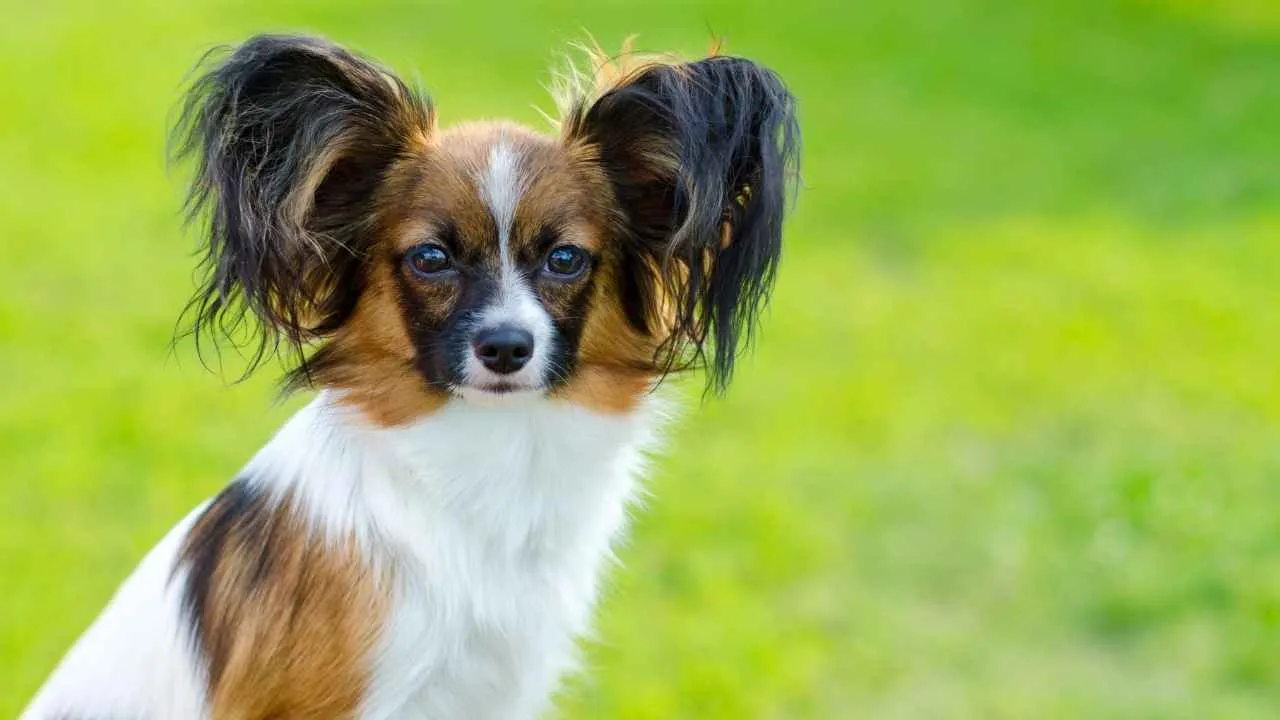
Don’t let those delicate, butterfly-shaped ears fool you. The Papillon is one of the brightest toy breeds known for rapid training success.
According to canine intelligence expert Stanley Coren, this smart dog ranks eighth among the top 20 most intelligent breeds.
Papillons genuinely enjoy learning. They pick up commands quickly and love mastering new tricks. Training them is usually smooth and rewarding.
A Royal Past with a Playful Spirit
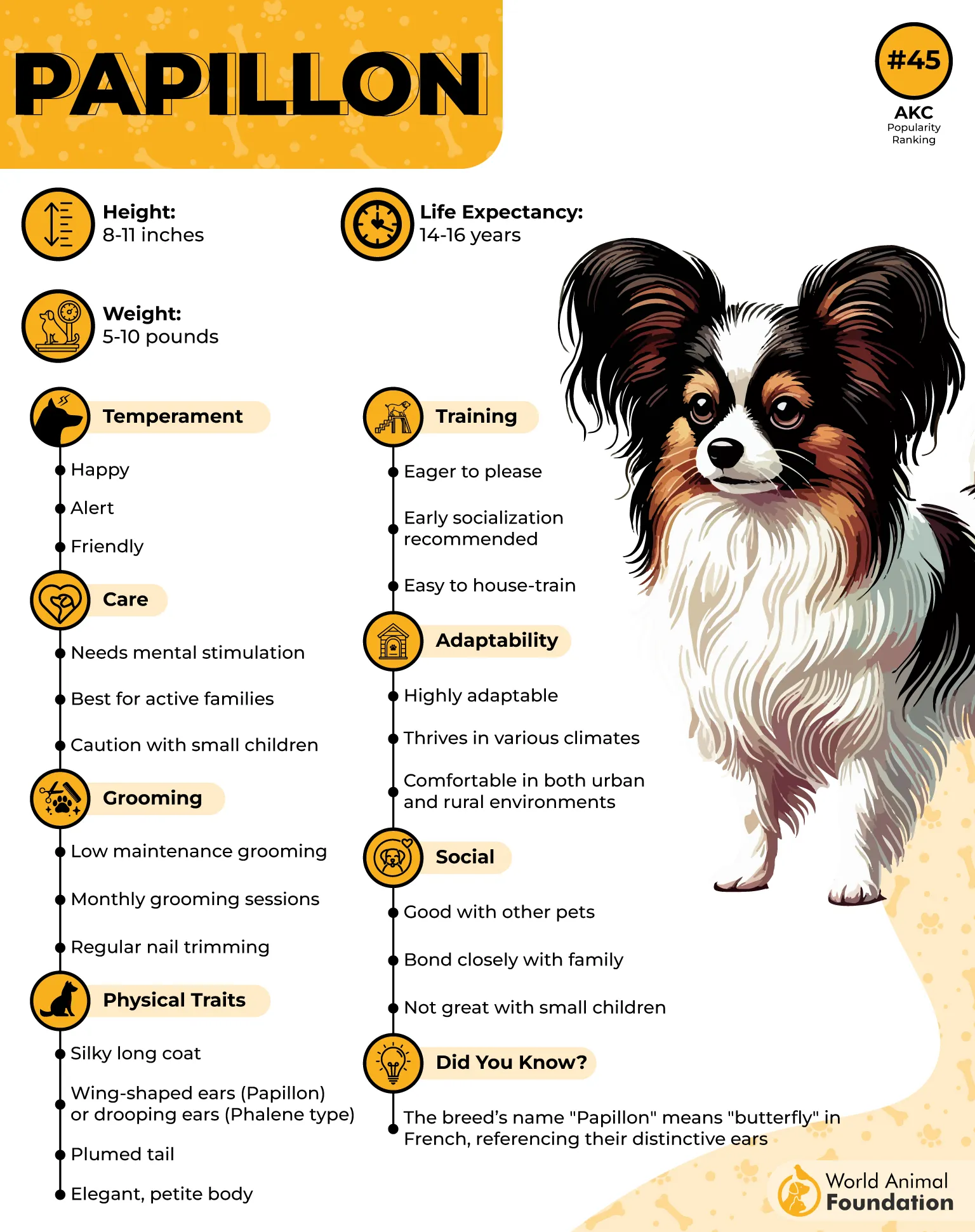
Papillons were bred as attentive lap dogs for noblewomen in European royal courts. According to PetMD, their name comes from the French word for “butterfly,” inspired by their wing-shaped ears.
Though they look dainty and elegant, they are active and confident. Many people describe them as big dogs in small bodies. They excel in agility and obedience and often shine in obstacle courses and dog sports.
Smart, Social, and Surprisingly Active
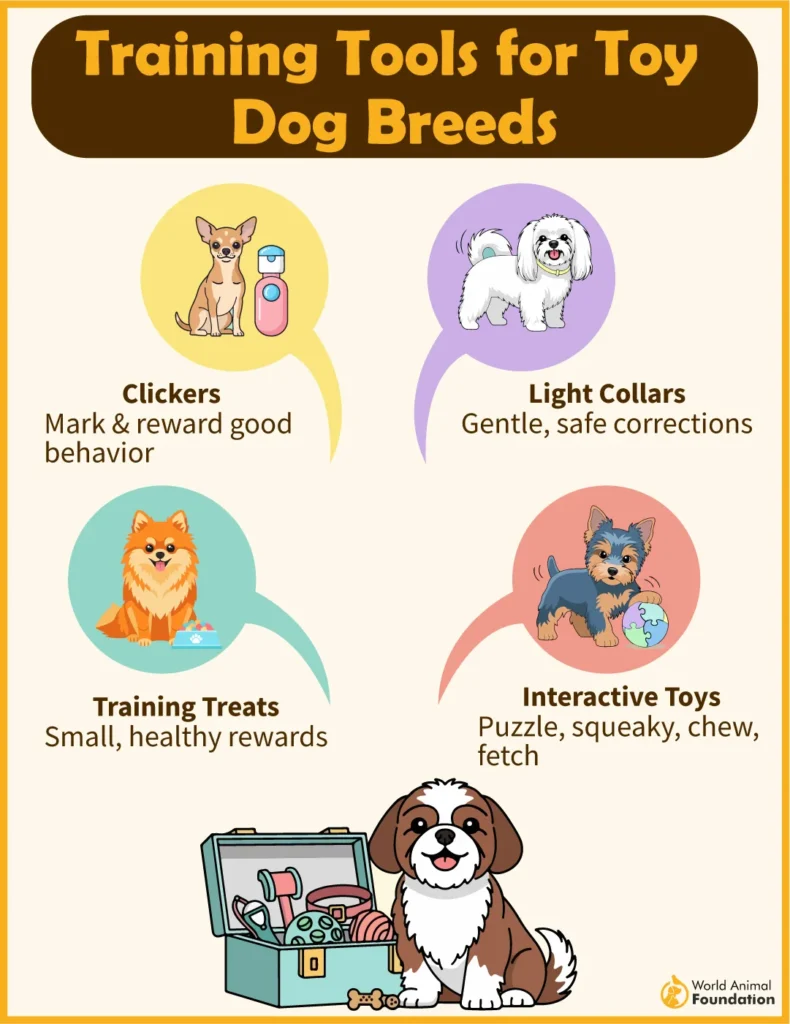
Papillons are happy, outgoing, and deeply connected to their people. They respond best to early, consistent training with positive reinforcement. While they enjoy cuddling, they also need mental stimulation. Puzzle toys, new tricks, and interactive games keep them satisfied.
They are a great choice for first-time owners and apartment living. With proper socialization, they can get along well with other pets, though they should be kept safe around much larger dogs.
2. Toy Poodle
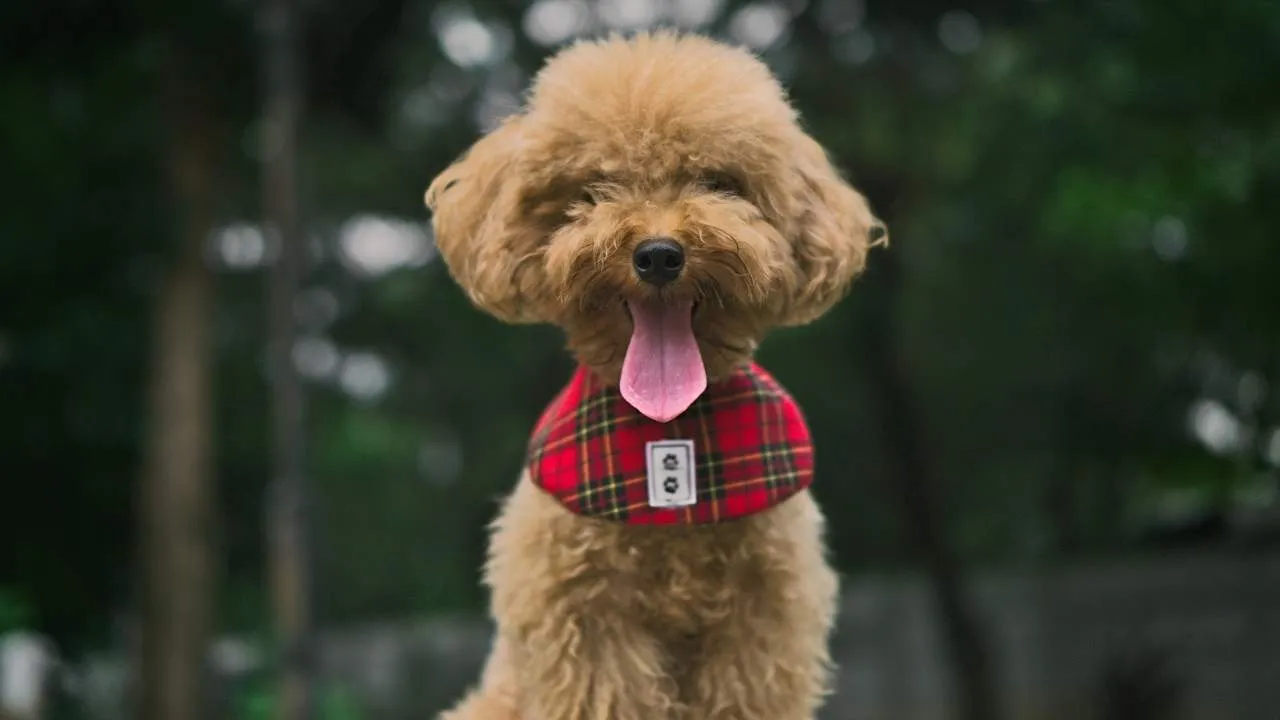
The Toy Poodle may be small, but it carries the same sharp mind as its Miniature and Standard counterparts. Often ranked among the most intelligent dog breeds, this “thinking” dog learns commands very quickly. Their intelligence ranking consistently sits near the top.
They pay close attention to their humans and are eager to please, which makes training smooth and rewarding. They respond best to positive, engaging methods that challenge their bright minds.
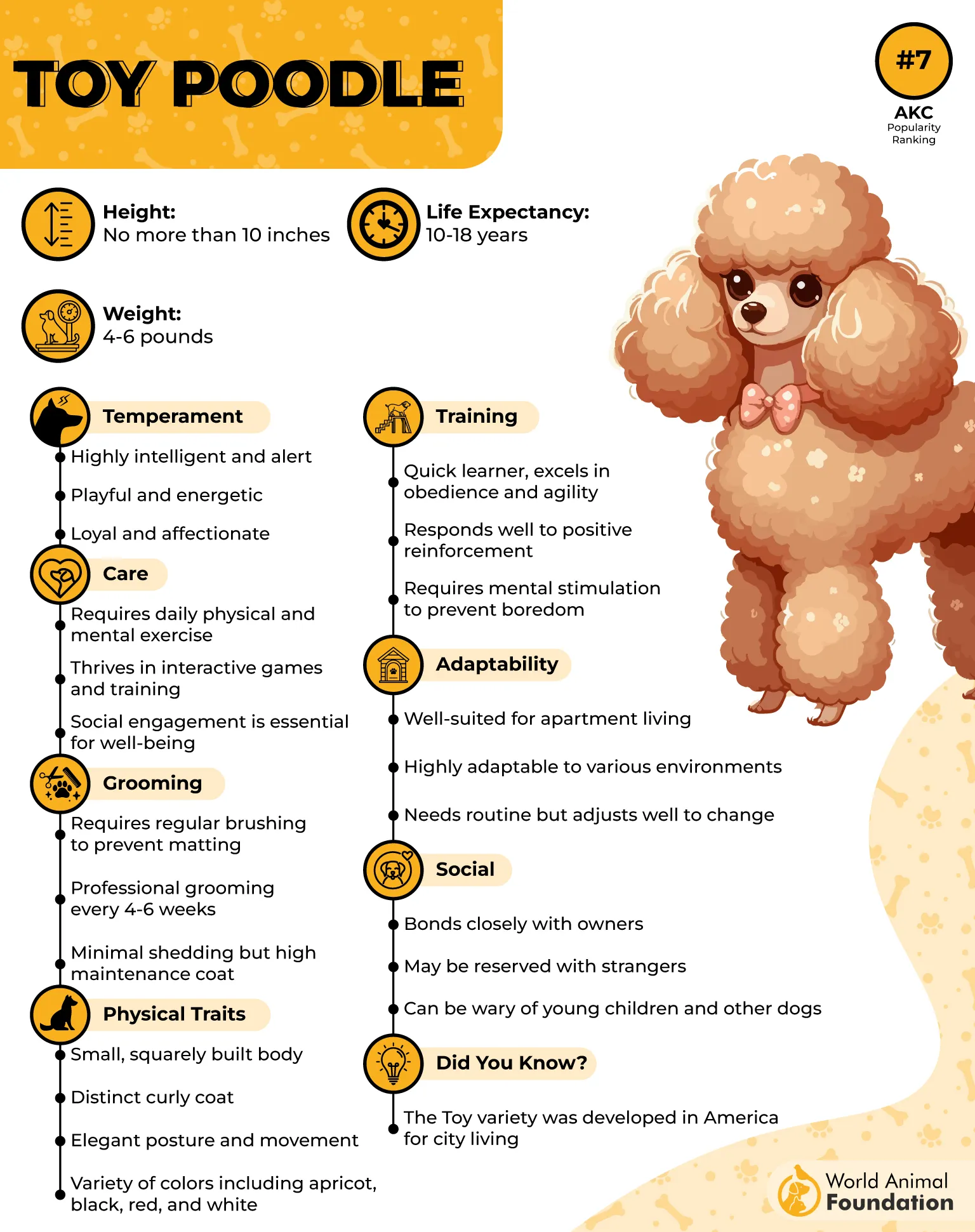
From Water Retriever to Star Performer
Poodles were originally bred as water retrievers, working alongside their masters to bring back ducks and other birds. Their quick learning ability also made them popular circus performers, where they mastered tricks with ease.
Today, Toy, Miniature, and Standard Poodles all excel in obedience and dog shows thanks to their versatility and focus. Recognized by the American Kennel Club, these three sizes share the same intelligence and trainability, just in different packages.
Loyal, Social, and Apartment-Friendly
Toy Poodles are confident, affectionate, and highly social. They bond closely with their families and enjoy being involved in daily life. They are great for families, get along well with kids and other pets, and adapt easily to apartments or small homes.
Their hypoallergenic coat is a bonus for allergy-sensitive households. While they have lower exercise needs, they do require mental stimulation and regular bonding time. They can develop separation anxiety if left alone too long.
3. Havanese
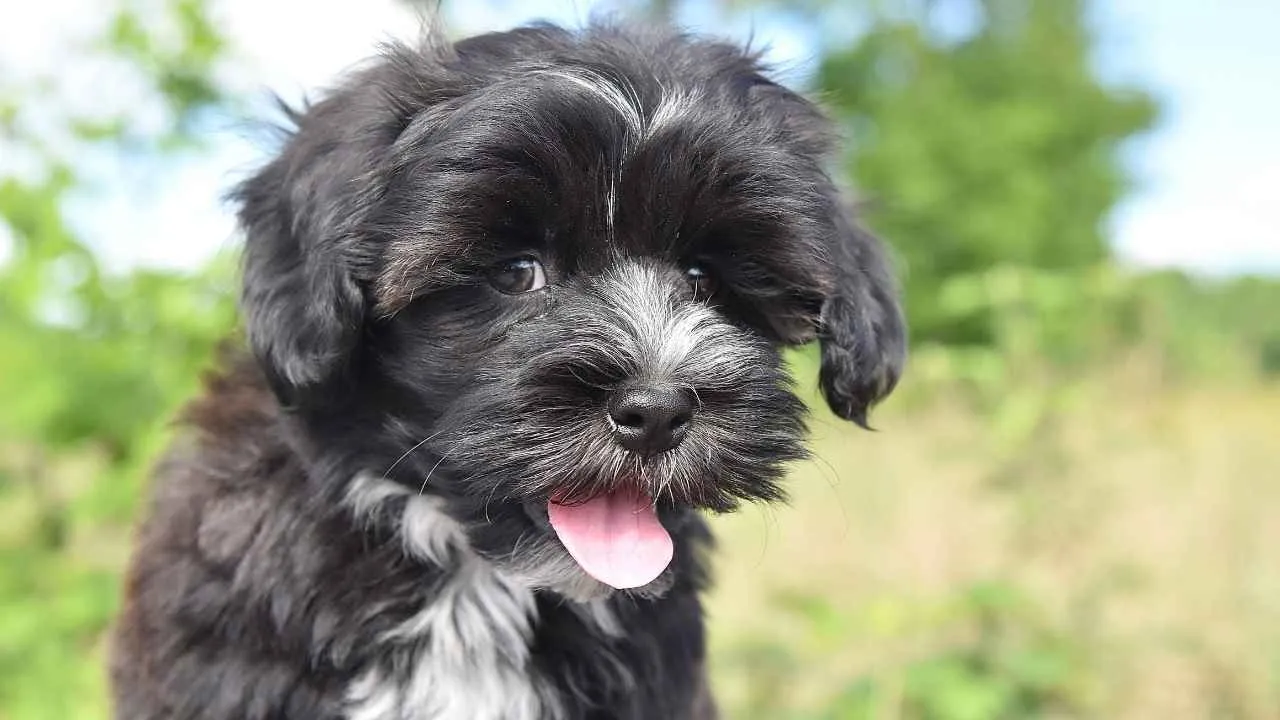
The Havanese is often described as a born extrovert with a silly, lovable personality. As the national dog of Cuba, this breed dates back to the 1500s and has long been winning hearts. Havanese are intelligent, outgoing, attentive, and eager to please, as noted by the AKC.
They learn quickly and respond best to gentle, patient training filled with positive rewards. They enjoy performing tricks, clowning around, and even competing in dog sports like agility and obedience. Many can also be trained as excellent therapy dogs.
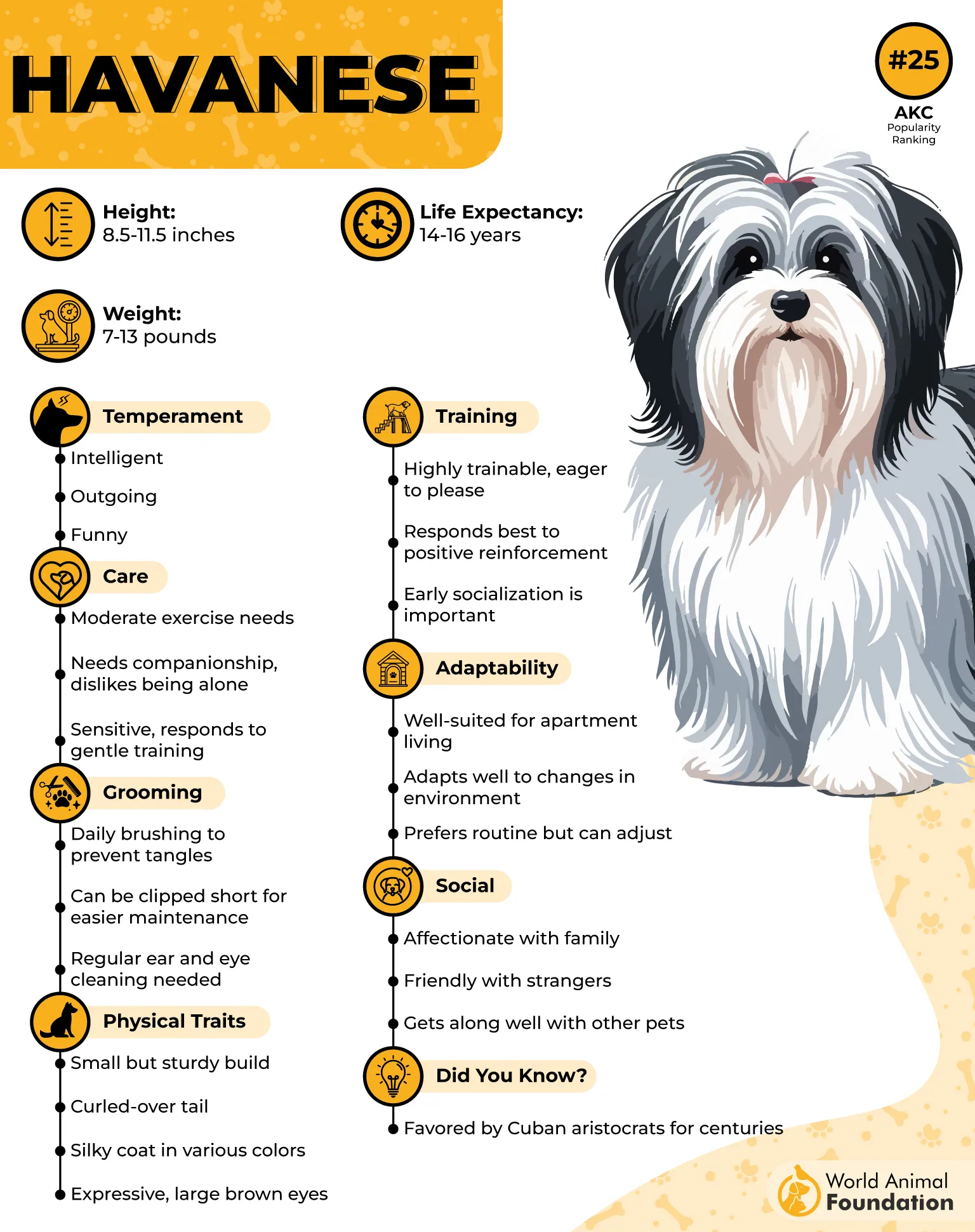
Deeply Devoted and Family-Friendly
Havanese are often called “velcro dogs” because they form strong bonds with their families and love being involved in everything. They get along well with children and other pets, making them a great fit for busy households.
They can make good watchdogs and usually bark only when something unusual is happening. Early training and socialization are important, especially during puppyhood, as young pups may nip and need guidance to correct that behavior.
Low-Shedding but High Maintenance
This toy breed sheds very little and is considered hypoallergenic, which is helpful for allergy-sensitive homes. However, their long coat requires daily brushing and regular trimming to stay smooth. While they are fast learners, housebreaking can take time and patience.
Consistency is key, and some owners find a doggy door helpful during training. They generally prefer being indoor pets, and although some can learn to swim, many do not enjoy getting wet.
4. Pomeranian
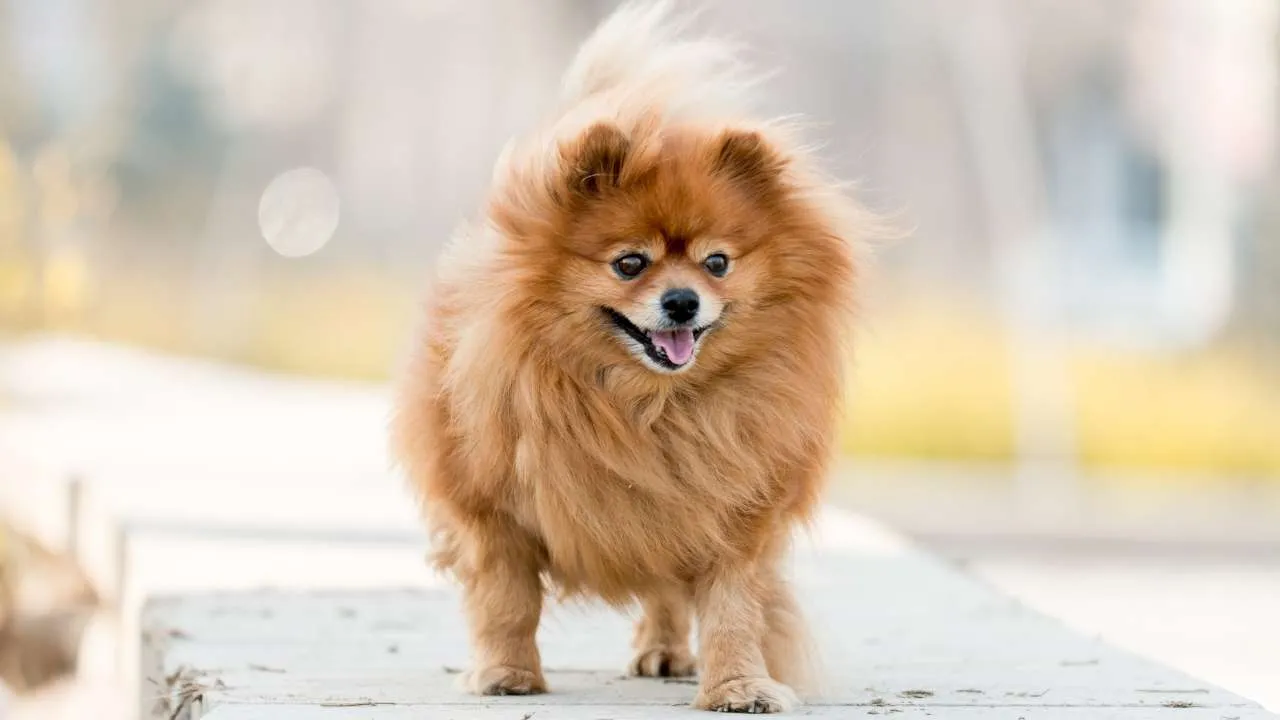
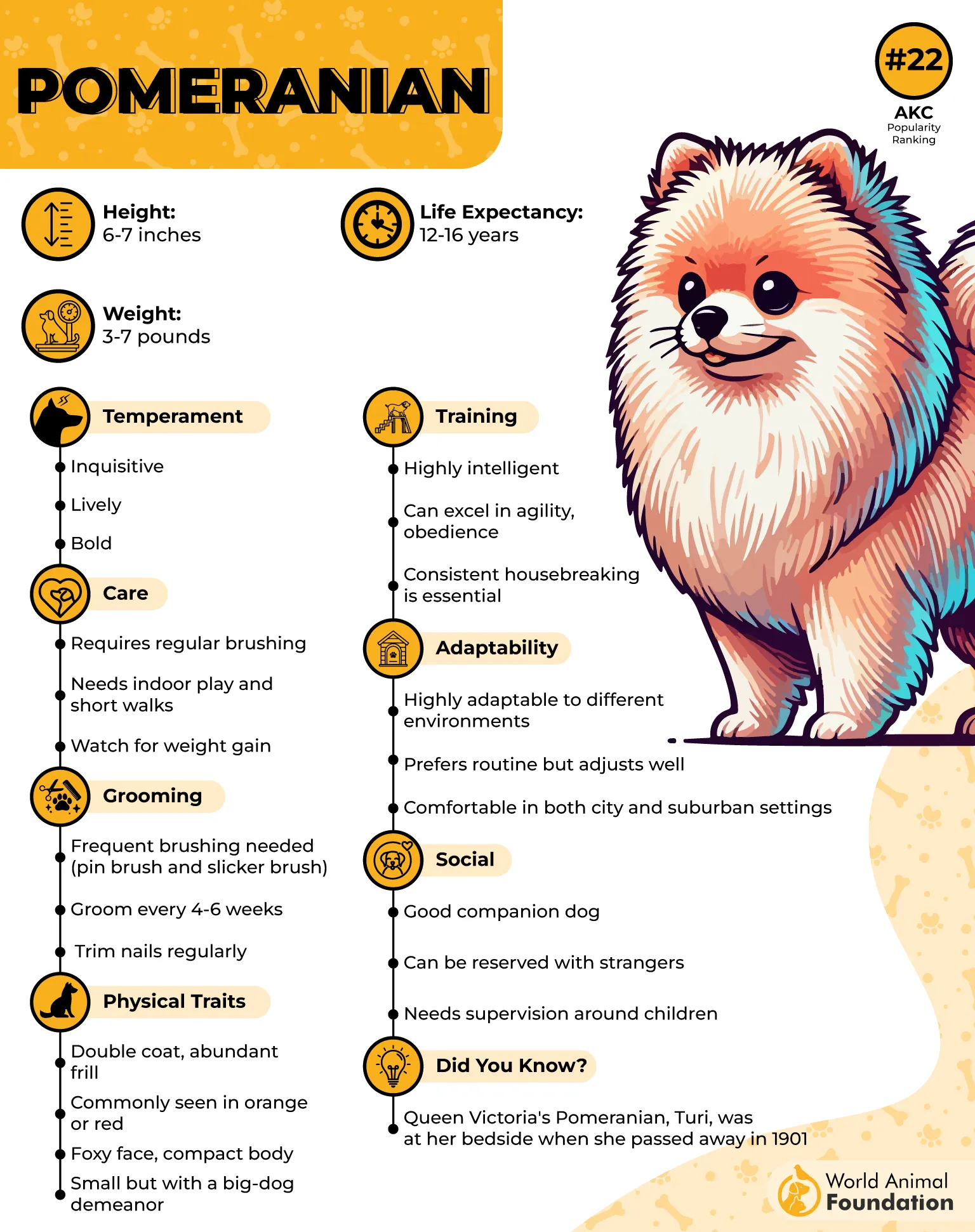
The Pomeranian may look like a fluffy stuffed animal, but this tiny dog is sharper than many people expect. Britannica mentions that Pomeranians have a fairly high intelligence level and can be trained quite easily, though they sometimes show an independent or stubborn streak.
With consistency and patience, they learn cues like sit, stay, speak, and leash walking quickly. Many Poms excel in agility, obedience, tracking, and even therapy work. Obedience classes are a great outlet for their bright minds.
From Farm Helper to Fearless Companion
Modern Pomeranians are known as toy companions, but their ancestors were about twice the size and were developed to herd and guard livestock. That bold history still shows today. Poms are confident, loyal, and often a bit bossy.
They love being the center of attention and can be playful, feisty, and sometimes vocal. Their watchdog instincts are strong, which can be a bonus for those living alone, though frequent barking may be a concern in apartments.
Confident but Needs Careful Guidance
Early training and socialization are essential. Start housetraining right away to prevent stubborn habits. Socializing them with different people and environments helps reduce excessive barking at strangers.
Pomeranians can live peacefully with other pets if properly trained, but they rarely back down from bigger dogs despite their tiny frames. They can also injure themselves jumping off furniture, so teaching “off” or “down” early is important.
5. Brussels Griffon
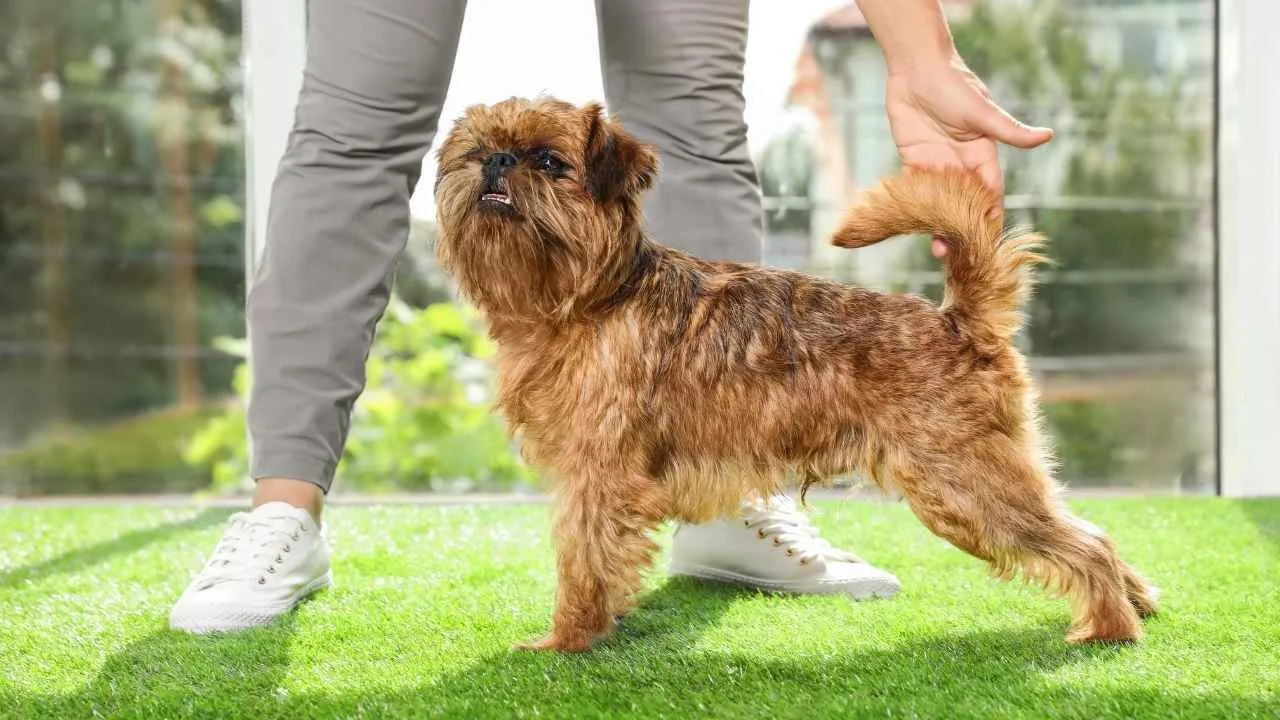
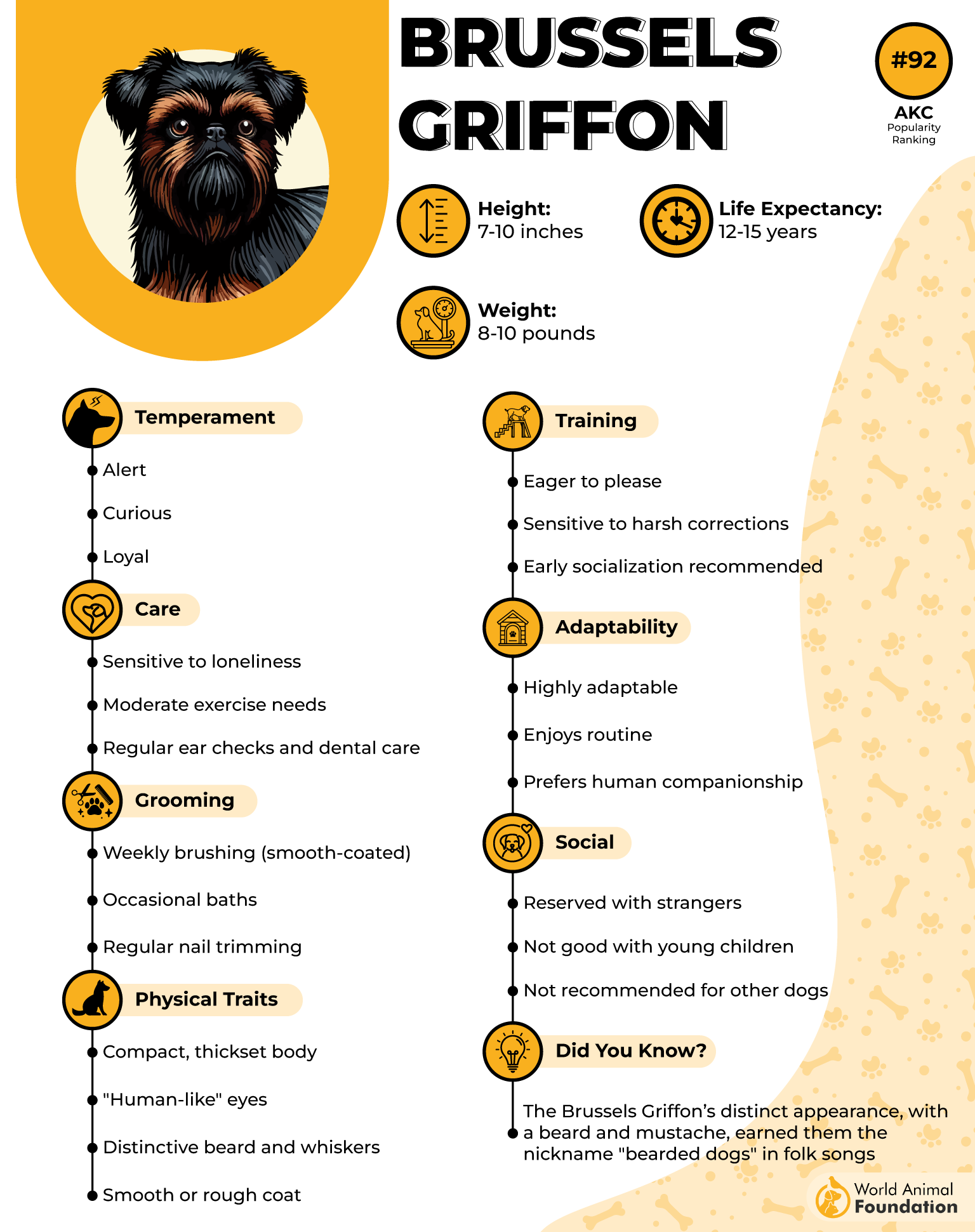
The Brussels Griffon is a clever little dog with a bold personality. They are intelligent and receptive to training, but they can also be stubborn and feisty. Consistent obedience training is important from an early age. They respond best to gentle methods, food rewards, praise, and structured routines.
Harsh corrections can cause them to shut down or act out. With patience and positive reinforcement, they become responsive and well-mannered companions.
Deeply Attached and Always Alert
Griffs form intense bonds with their humans. They want to be close to you at all times—on the sofa, in the kitchen, and even moving from room to room. They do not like being left alone and may bark loudly to express their frustration.
They are attentive watchdogs and prone to alert barking, so many owners teach a “quiet” command early on. They can be suspicious of strangers and may snap if frightened, making early socialization essential. Confidence-building and exposure to new people and dogs help prevent fear-based behavior.
Charming, Sensitive, and a Bit Territorial
With their big, almost human-like eyes, bearded muzzles, and sturdy builds, Griffons carry themselves with confidence. They are alert, sociable, and playful, but also sensitive. Housebreaking can be a challenge, and crate training is often recommended.
Some may never be perfectly house-trained, so consistency is key. They can be territorial and may challenge larger dogs despite their small size, which can be risky.
However, they often do well with cats. Because of their sensitive nature and dislike of rough handling, they are better suited to calm homes rather than households with very young, energetic children.
6. Yorkshire Terrier
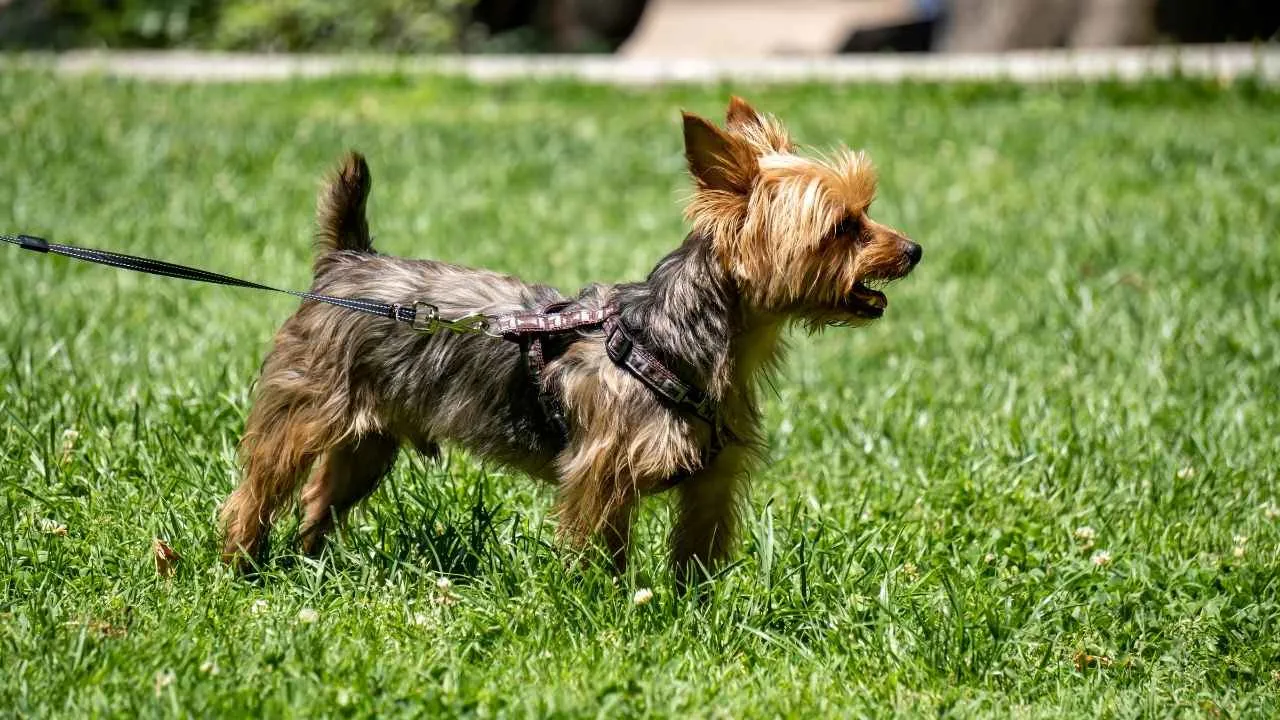
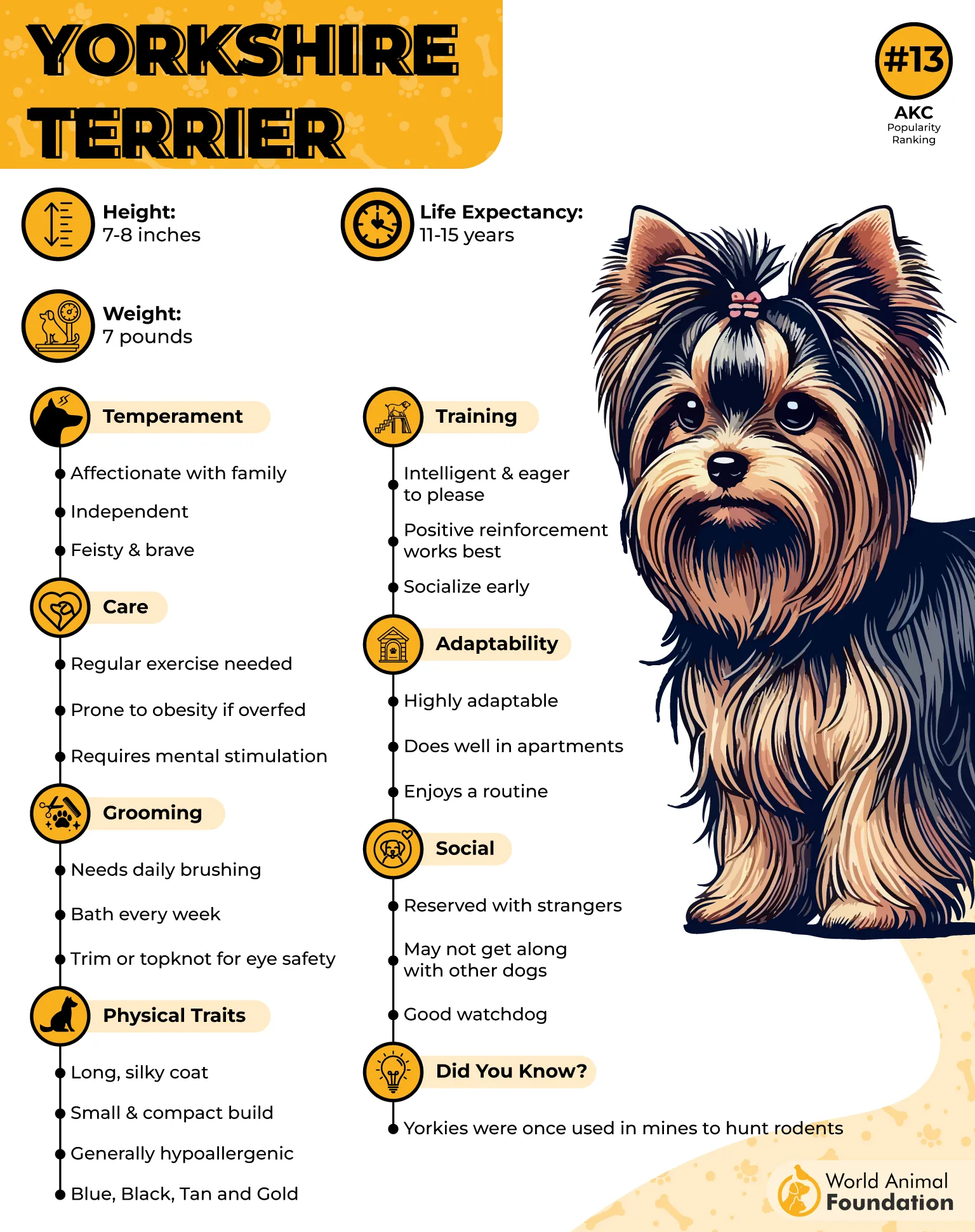
The Yorkshire Terrier, lovingly called the Yorkie, is a bright and lively toy breed known for rapid learning when trained correctly. They respond well to positive reinforcement, though they can be a little bossy at times.
Early training and socialization are important to prevent stubborn habits from forming. Puppy obedience classes can be especially helpful. Housebreaking may take patience, as Yorkies can resist going outside in bad weather. Consistency is key.
From Mill Hunter to Modern Lapdog
Before becoming a fashionable companion, Yorkies worked as rodent hunters in textile mills for Scottish weavers who moved to England in the 1800s. That bold background explains their confident and feisty nature.
Today, they are affectionate, playful, and always alert. They make excellent little watchdogs and won’t hesitate to announce when something—or someone—arrives at the door.
Affectionate, Portable, and People-Oriented
Yorkies love being close to their humans. Whether it’s relaxing at home or heading out in a tote bag, they are happiest by your side.
They shed very little and are often considered hypoallergenic, despite their long, silky coat. However, they do not enjoy being left alone for long periods and may develop separation anxiety.
While they adore attention and cuddles, they are not always ideal for very young children, as rough handling can lead to nipping. With proper care, training, and companionship, a Yorkie becomes a devoted and great family dog.
7. Cavalier King Charles Spaniel
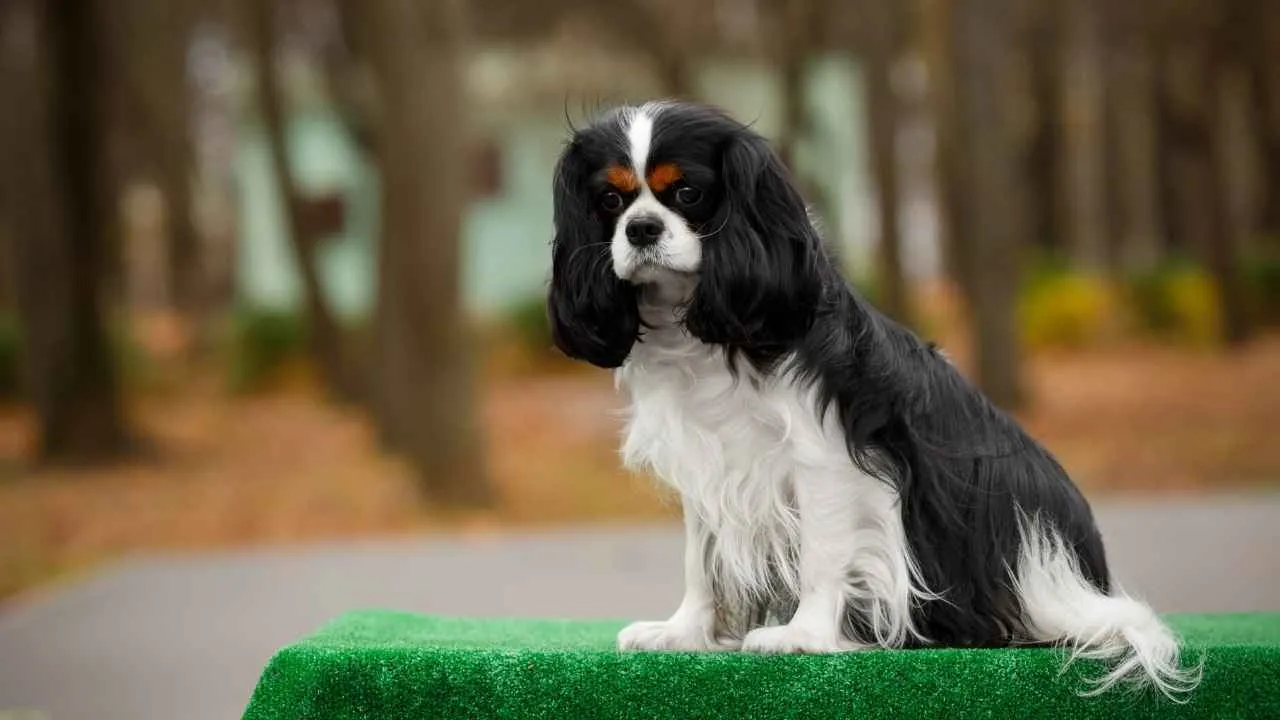
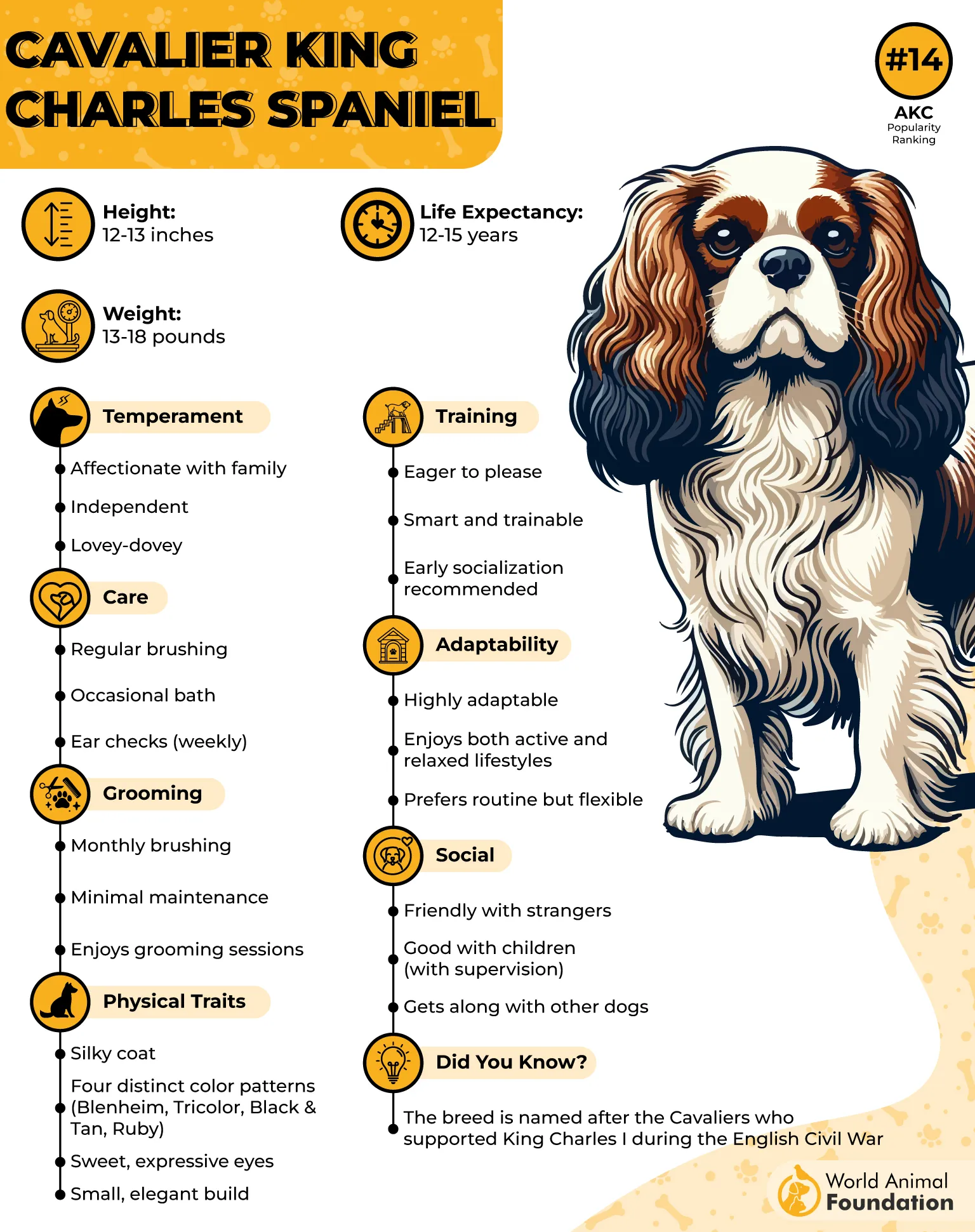
The Cavalier King Charles Spaniel is an intelligent and highly trainable toy dog. They enjoy learning new commands and tricks, responding best to patient, calm training.
Cavaliers can excel in canine sports like agility or obedience, but their easy-going nature means training can also be a simple, enjoyable process at home. They are motivated to please and form strong bonds with their humans.
The Perfect Lapdog and Family Companion
Originally bred as lap dogs, Cavaliers are affectionate, mild-mannered, and excellent with children and other pets. Their adaptability allows them to match their owner’s lifestyle—they can be energetic playmates or relaxed sofa companions.
They are also ideal as emotional support or therapy dogs because of their gentle, comforting nature. While they have a hunting instinct and may chase wildlife outdoors, they are generally easygoing and sociable.
Affectionate, Adaptable, and Family-Oriented
Cavalier King Charles Spaniels thrive on companionship and daily interaction. Their coat needs regular grooming to stay tangle-free, but beyond that, their exercise needs are moderate. They love being part of family activities, bringing loyalty, warmth, and charm wherever they go.
For first-time dog owners or experienced pet parents, a Cavalier combines intelligence, trainability, and unwavering affection into one perfect, small package.
Conclusion
Choosing a toy-sized dog doesn’t mean compromising on personality or intelligence. The above mentioned breeds prove that small dog breeds can be clever, eager to please, and surprisingly trainable.
Whether you’re looking for a playful companion, a cuddly lapdog, or a pup who excels in tricks and agility, these breeds combine brains, charm, and devotion in a tiny package. Their trainability means you’ll enjoy the process of teaching them new skills while building a strong bond.
If you’re ready to welcome one of these bright little companions into your life, start by thinking about the personality and lifestyle match that fits your home. Early socialization, consistent training, and plenty of love will help your new friend thrive.
Remember, these toy dogs may be small, but their hearts, intelligence, and capacity for joy are enormous—bringing laughter, loyalty, and companionship into every corner of your life.
Looking for more options? You can also check out the Miniature Dachshund, Biewer Terrier, Shih Tzu, Bichon Frise, Italian Greyhound, Japanese Chin, Chinese Crested, Shetland Sheepdog, and Chihuahua.
