




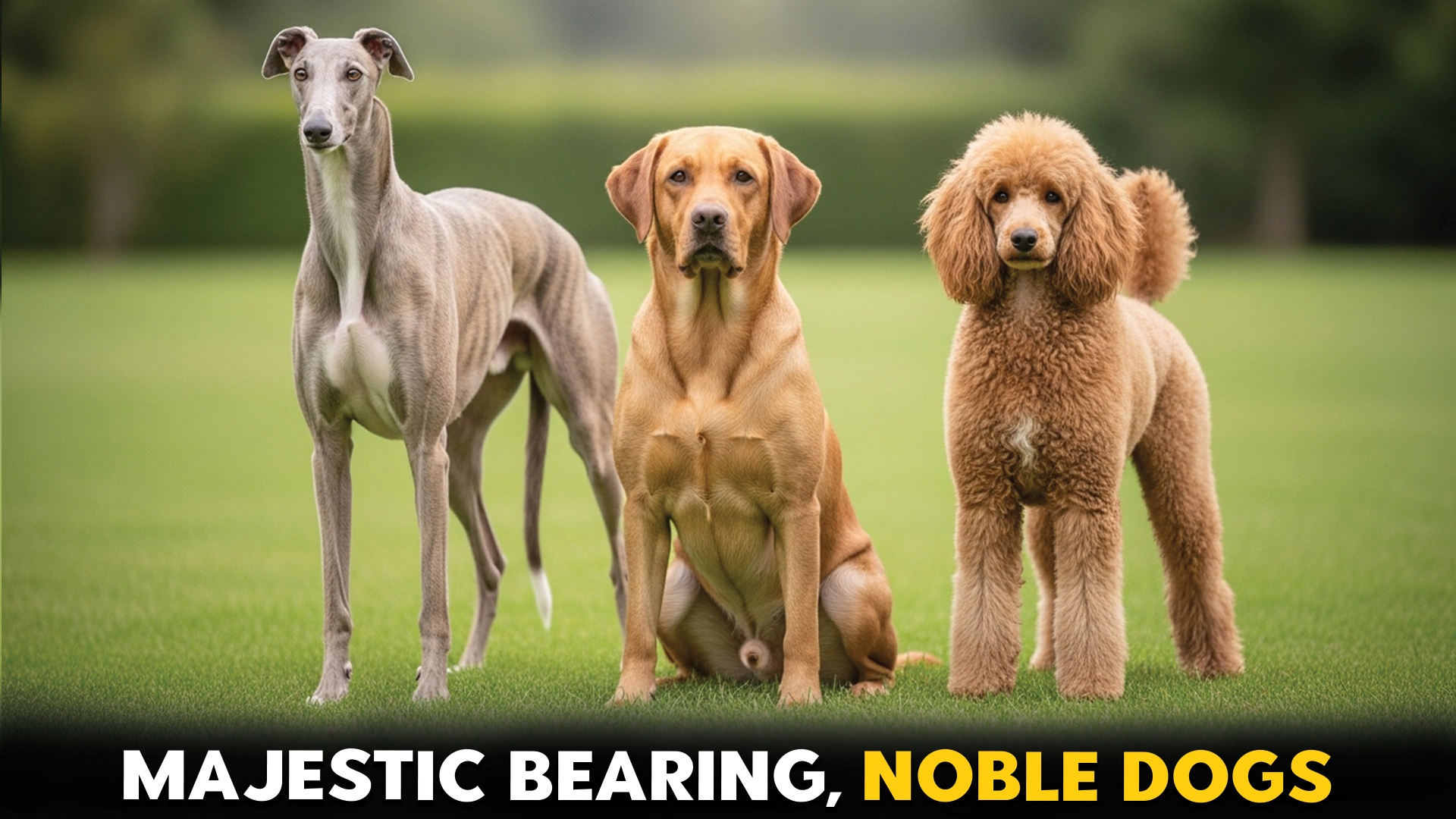
Some dogs do not just walk into a room. They arrive with presence.
Certain breeds carry a noble lineage that shows in their posture, expression, and calm confidence. These are the dogs that look perfectly at home beside a throne, on palace steps, or surveying their domain as they own it.
Their history is woven with royalty, working partnerships, and centuries of admiration.
From regal companions to trusted helpers, these breeds earned their status through loyalty, grace, and unmistakable bearing. If you have ever met a dog that seemed born with quiet authority, chances are their roots run deep. Let’s take a closer look at dogs with truly noble bloodlines.
Fun Fact
There’s a possibility that the earliest dogs lived more than 31,000 years ago and may have resembled large Siberian Huskies. Even the very first dogs might have carried themselves with an impressive sense of pride.
Dog Breeds With a Truly Noble Lineage and Bearing
1. Greyhound
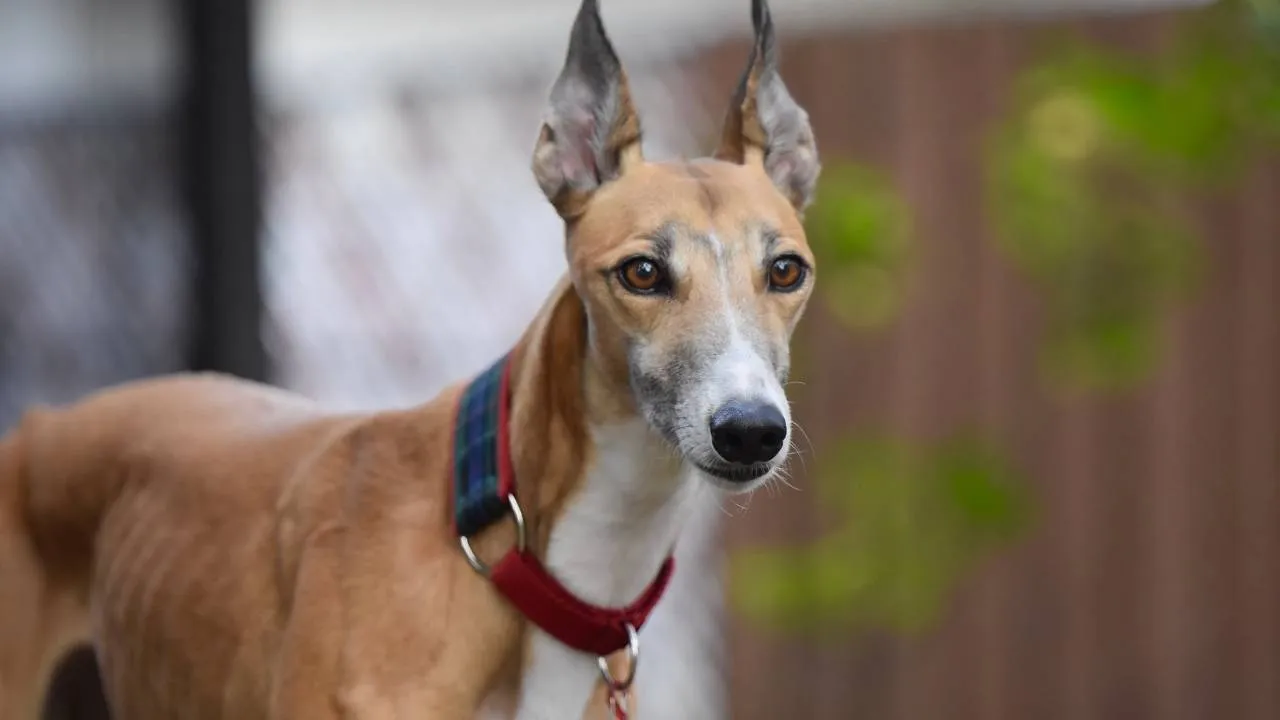
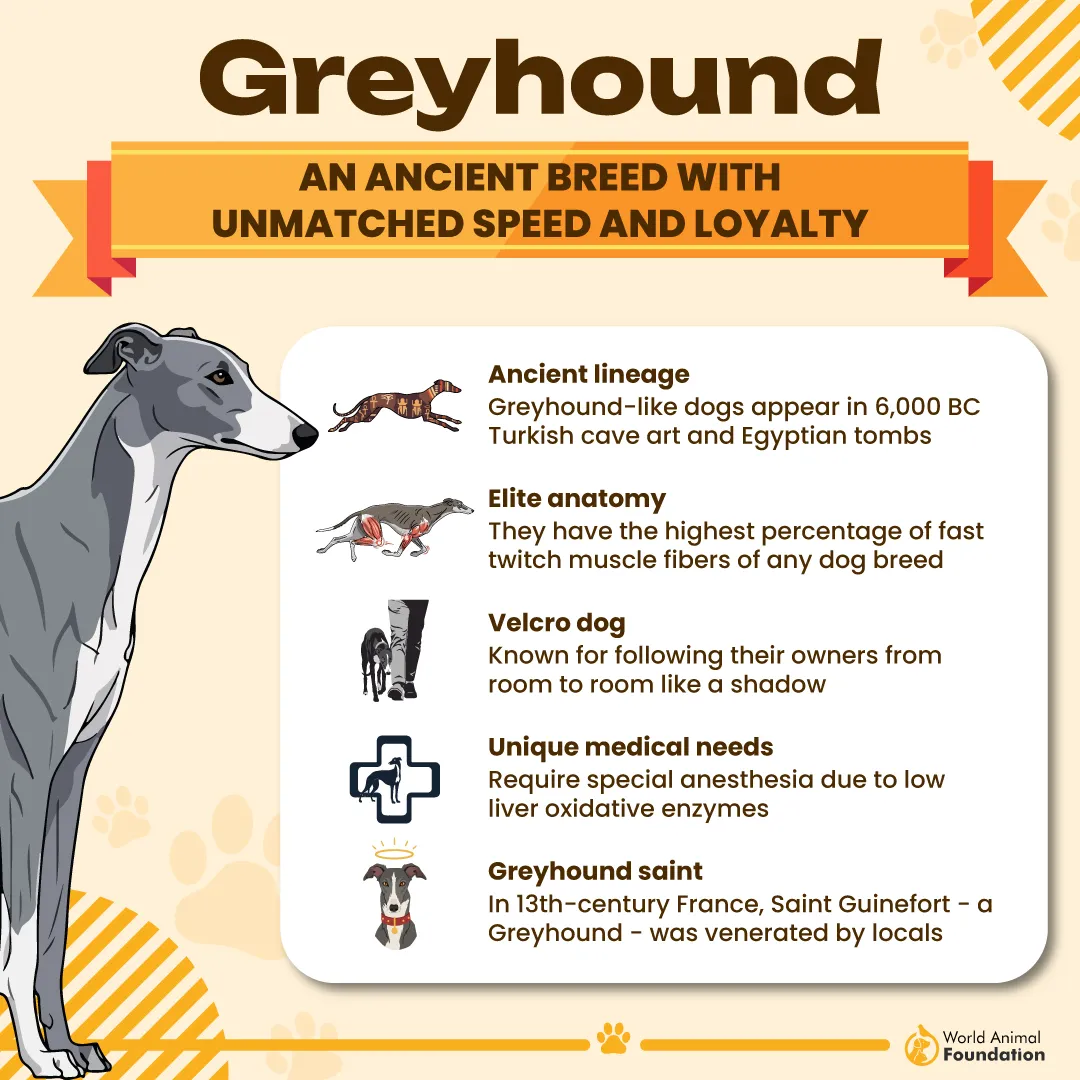
The Greyhound’s story reaches back to early civilizations, where its unmistakable shape appeared in ancient art across the Middle East. Long legs and streamlined bodies were captured on pottery, temple walls, and tombs, hinting that these dogs held meaning beyond simple hunting roles.
In ancient Egypt, Greyhound-type dogs shared an unusually close bond with people. They hunted alongside their owners, were mourned when they died, and were sometimes mummified and buried with care. Pharaohs, including Tutankhamen and Cleopatra, kept them, while Anubis-like hounds appeared in sacred imagery.
Prince Albert’s beloved Greyhound Eos wasn’t just a pet but a family member, celebrated in art, journals, and palace life, accompanying royal moments, surviving mishaps, and earning lasting tribute beside Queen Victoria’s legacy at Windsor Castle grounds.
Special Considerations For This Breed
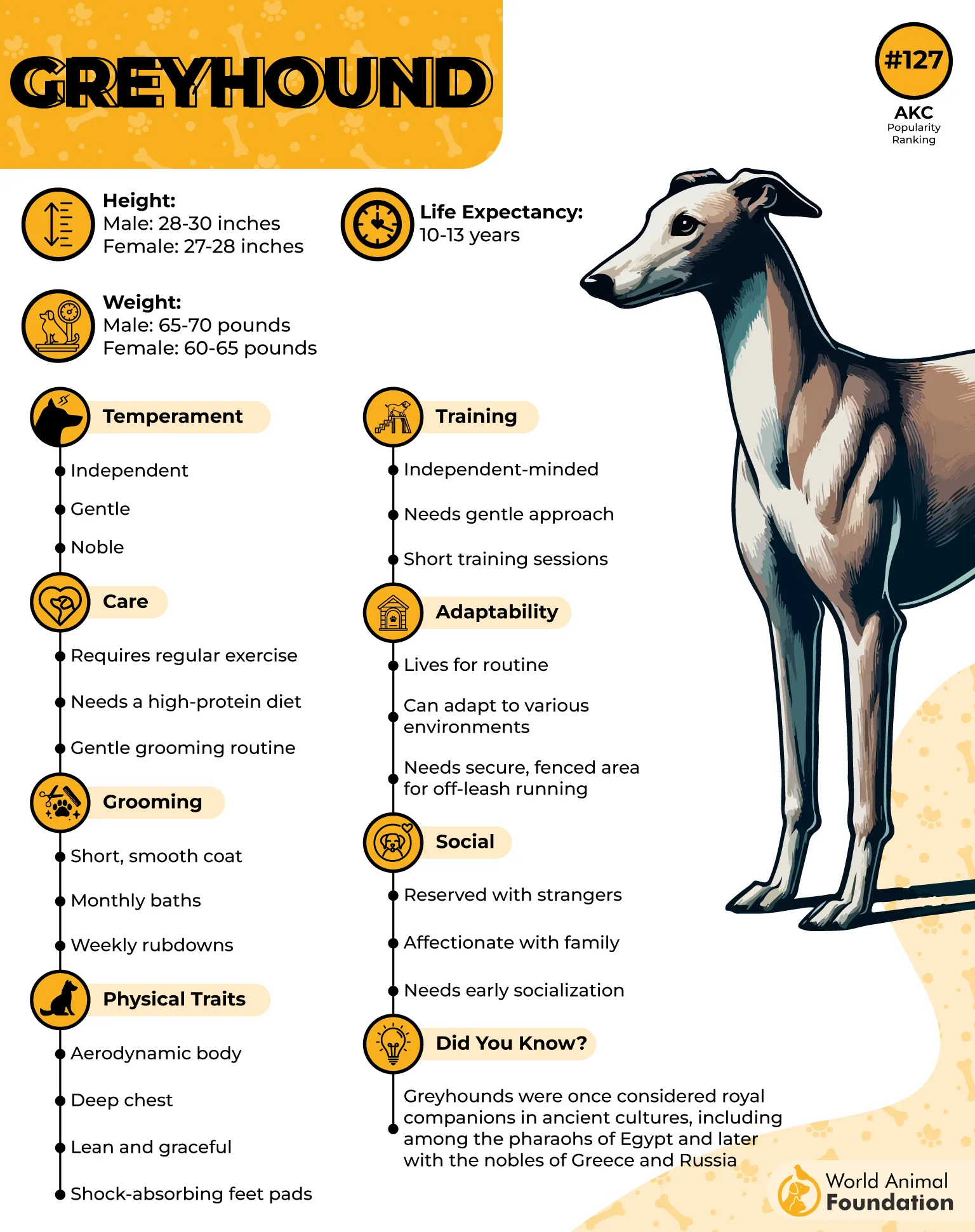
Bred for sprinting, not endurance, so exercise comes in short, intense bursts
Strong visual chase instinct shaped by centuries of coursing
2. Poodle
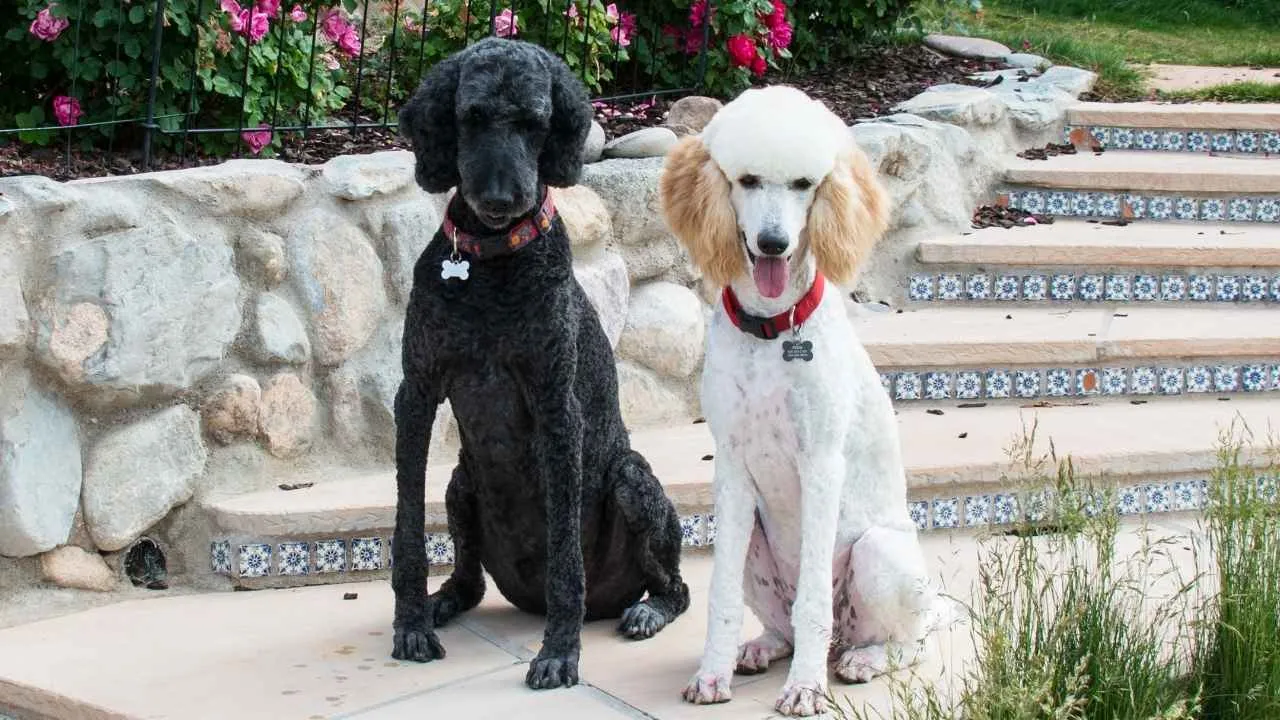
Picture a dog equally comfortable leaping into cold water or lounging beside nobility, and you are getting close. The Poodle built its reputation on adaptability, showing up in hunting fields, royal courts, and later city homes without ever losing its confident spark.
Long before city sidewalks and show rings, Poodles were closely tied to practical work involving water. Their name comes from a word meaning to splash, and early versions were developed to retrieve waterfowl while staying agile and focused in demanding conditions.
Life with a Poodle tends to feel interactive and lively. They enjoy staying mentally engaged with their people and often shine when given jobs, games, or activities that let them think, move, and participate as true partners rather than background companions.
Special Considerations For This Breed
Coat requires regular maintenance due to dense, curly texture
High intelligence demands mental stimulation to prevent restlessness
3. Labrador Retriever
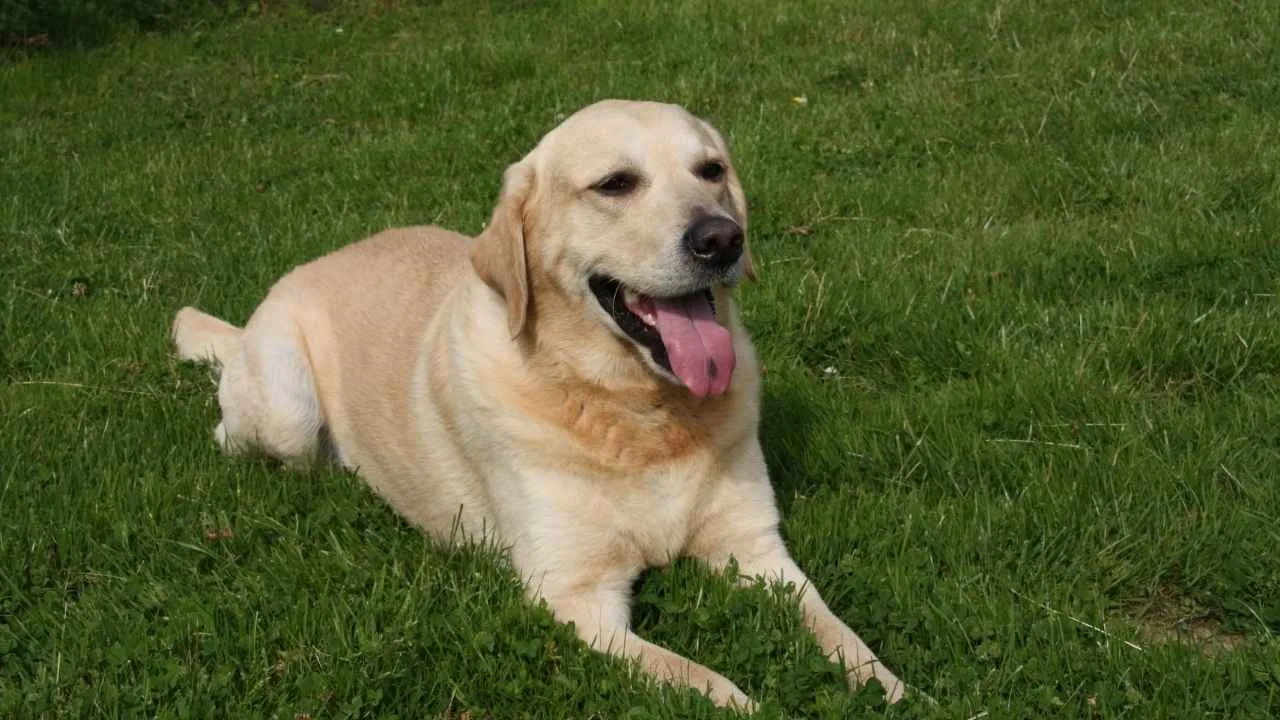
Long before becoming a household favorite, the Labrador Retriever built its reputation along rugged coastlines, where dependable dogs were needed to work side by side with fishermen in demanding, water-filled environments.
The breed’s background traces back to coastal communities where dogs worked closely with fishermen. They hauled lines, retrieved items from the water, and proved dependable in rough conditions, which helped shape their steady and cooperative nature.
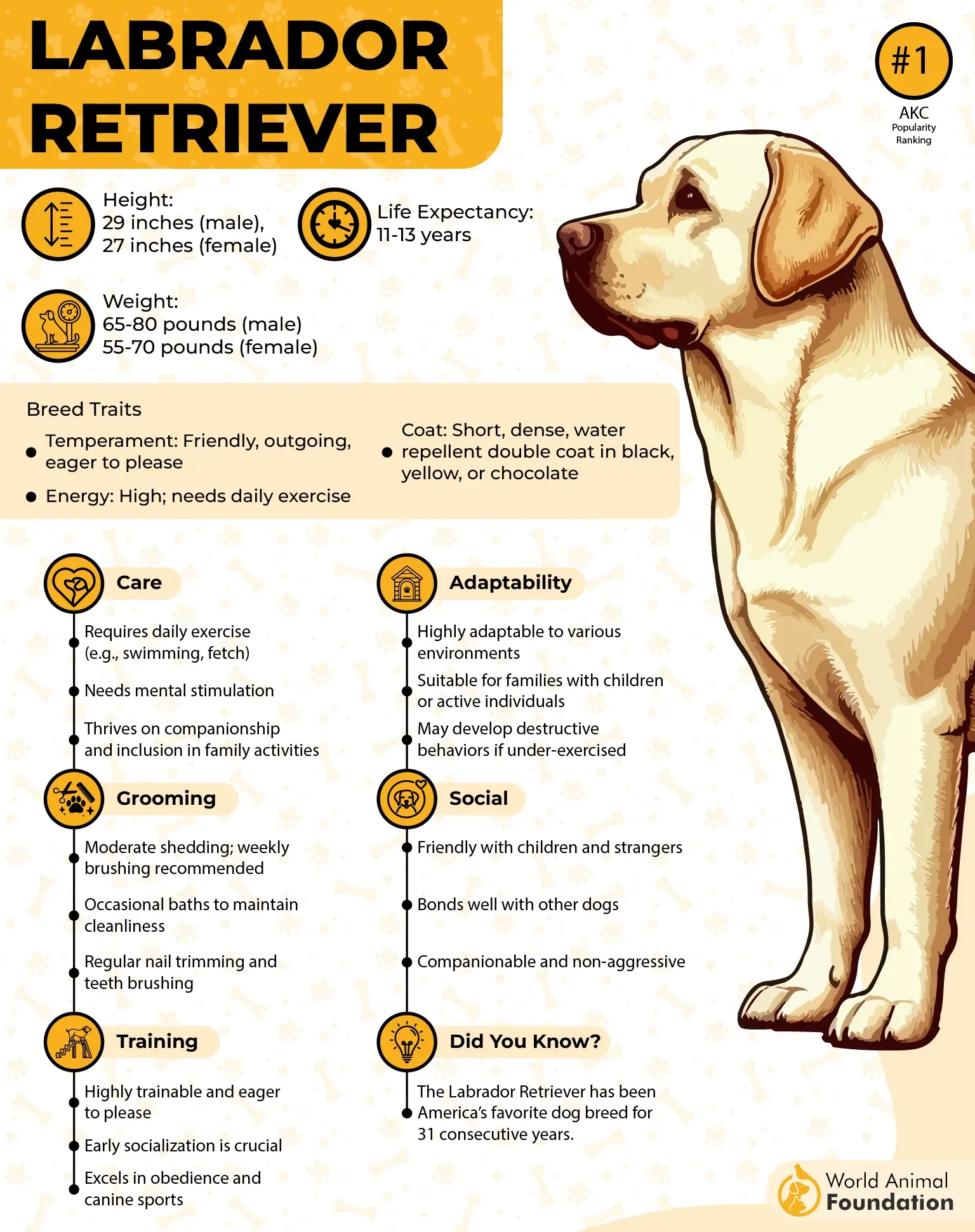
As mentioned by the American Kennel Club (AKC), Labradors are full of energy and need daily exercise, especially through retrieving and swimming, along with hunting trips, canine sports, and meaningful working roles that keep both body and mind engaged.
Special Considerations For This Breed
Bred for constant work alongside people, making alone time challenging
Thrives best with structured routines and purpose-driven engagement
4. Pharaoh Hound
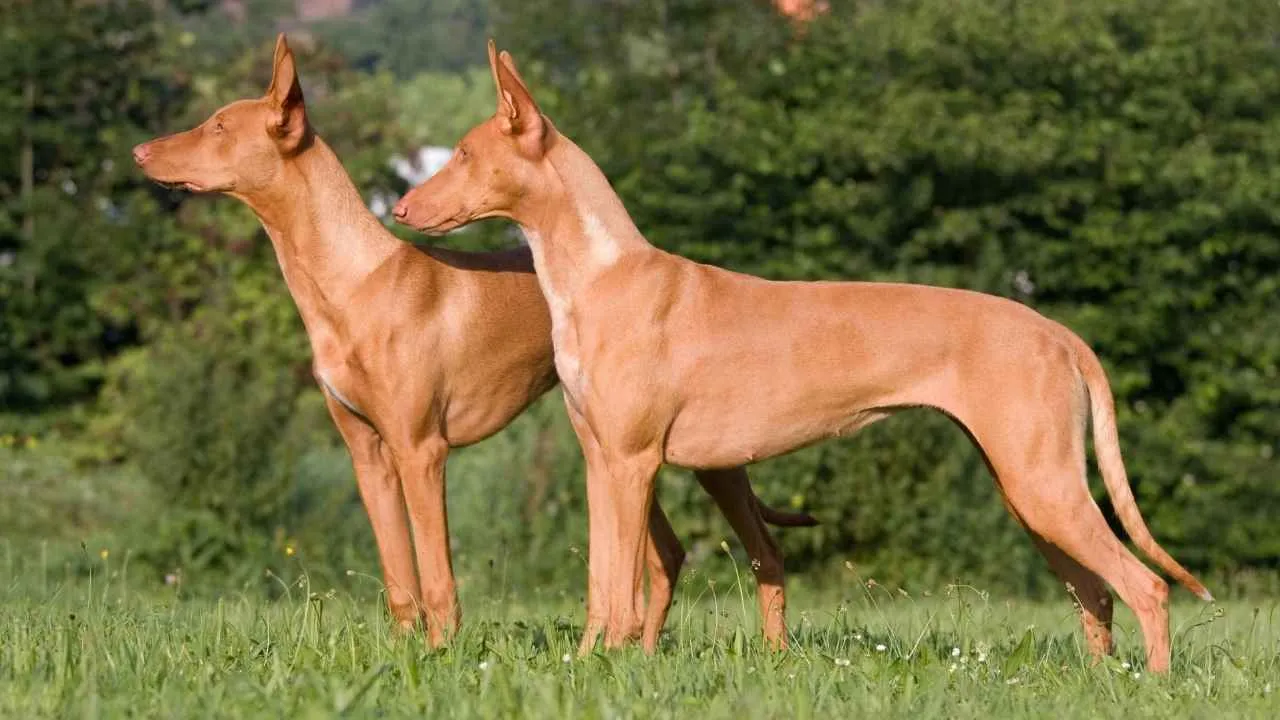
In Malta, this breed is more than an elegant dog; it is part of the national identity. The Pharaoh Hound’s image has appeared on commemorative coins, and its local name reflects centuries of daily partnership with hunters and farmers across the island.
On the island of Malta, these royal dogs developed through active participation in rabbit hunting. Working in teams over rocky terrain required stamina, sharp senses, and quick decision-making, shaping a breed built for endurance and coordination.
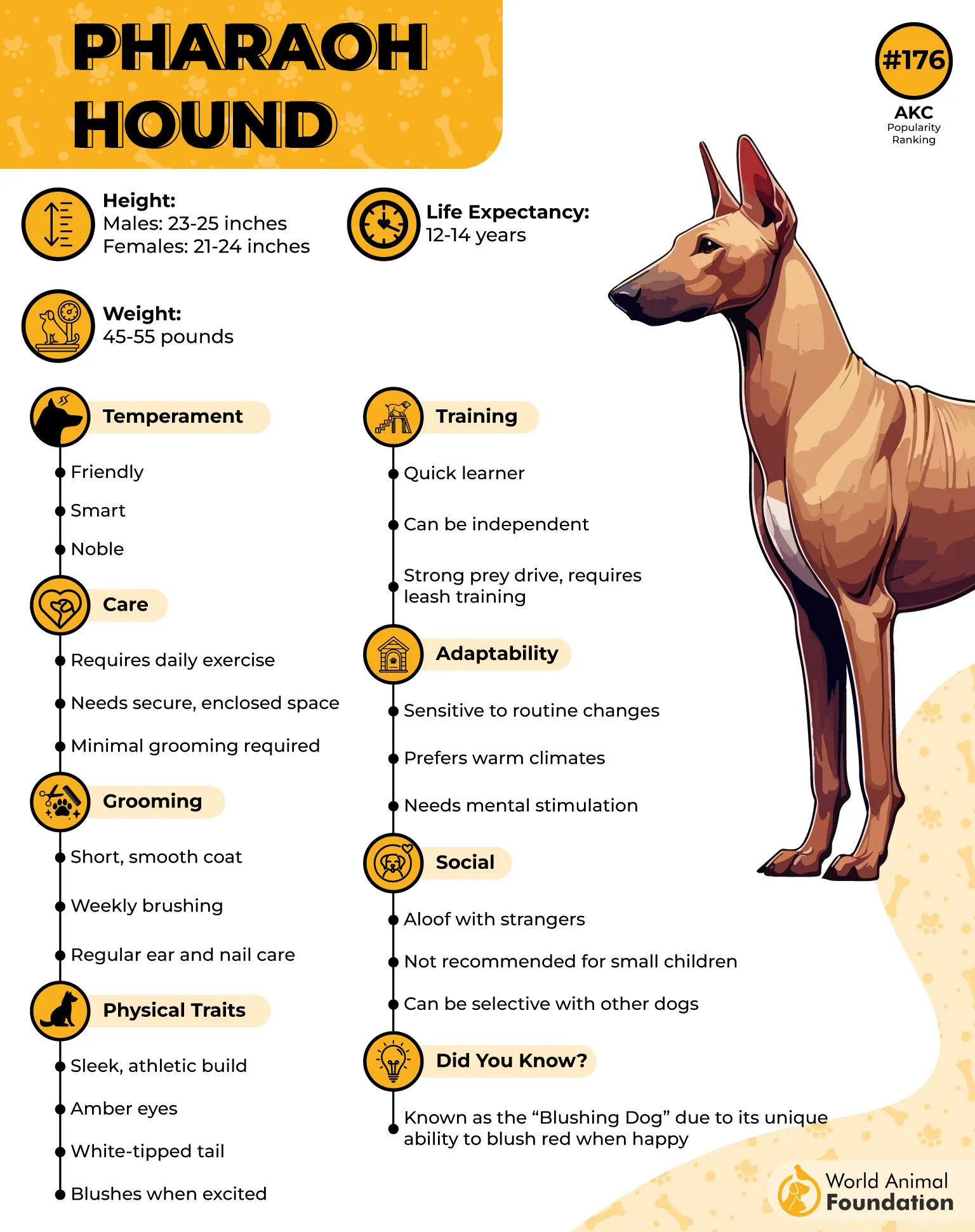
According to Purina, Pharaoh Hounds enjoy training, need early socialization around other animals, thrive in activities like agility and obedience, and are best suited for active owners who keep them mentally and physically engaged.
Special Considerations For This Breed
Independent decision-making shaped by team-based hunting roles
Requires secure environments due to chasing instincts
5. Afghan Hound
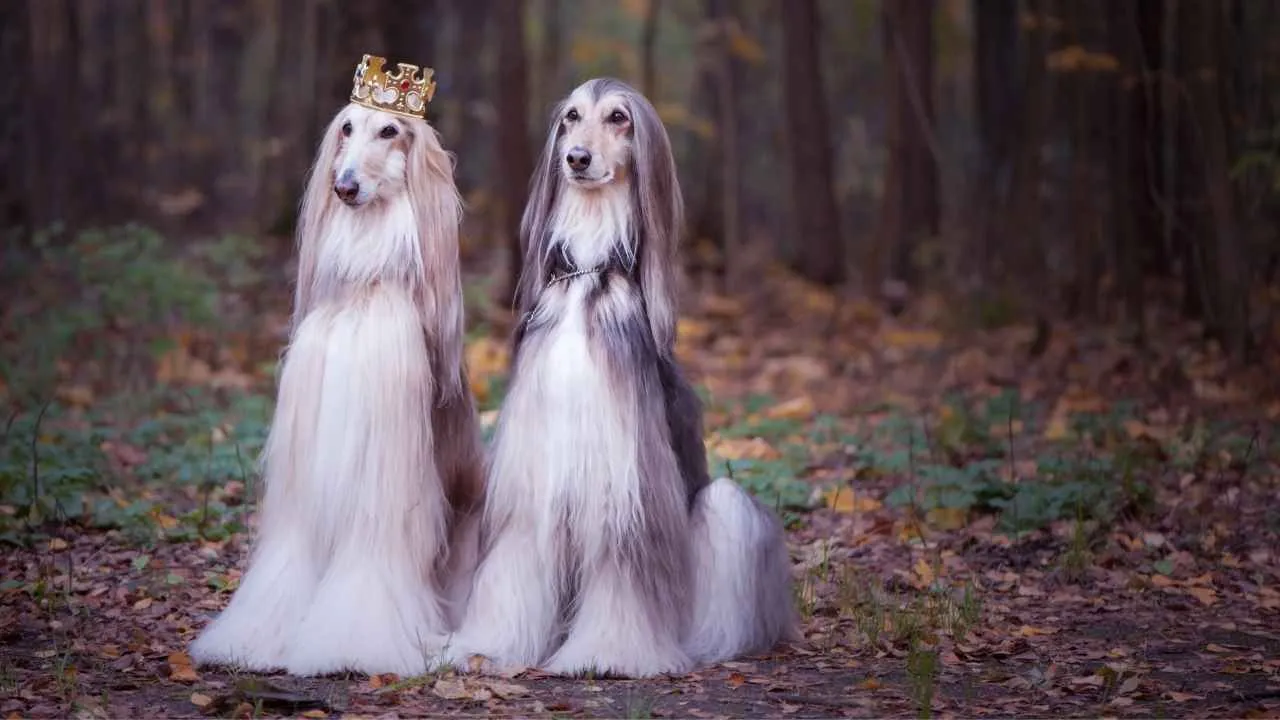
Stories about this breed stretch so far back that legend sometimes fills the gaps, including tales linking them to ancient floods and arks. Those myths hint at just how long dogs like the Afghan Hound have captured human imagination.
The breed developed in regions with extreme terrain and climate, which influenced both structure and purpose. These dogs were hunters of agile prey, requiring speed, endurance, and the ability to navigate vast open spaces with minimal guidance.
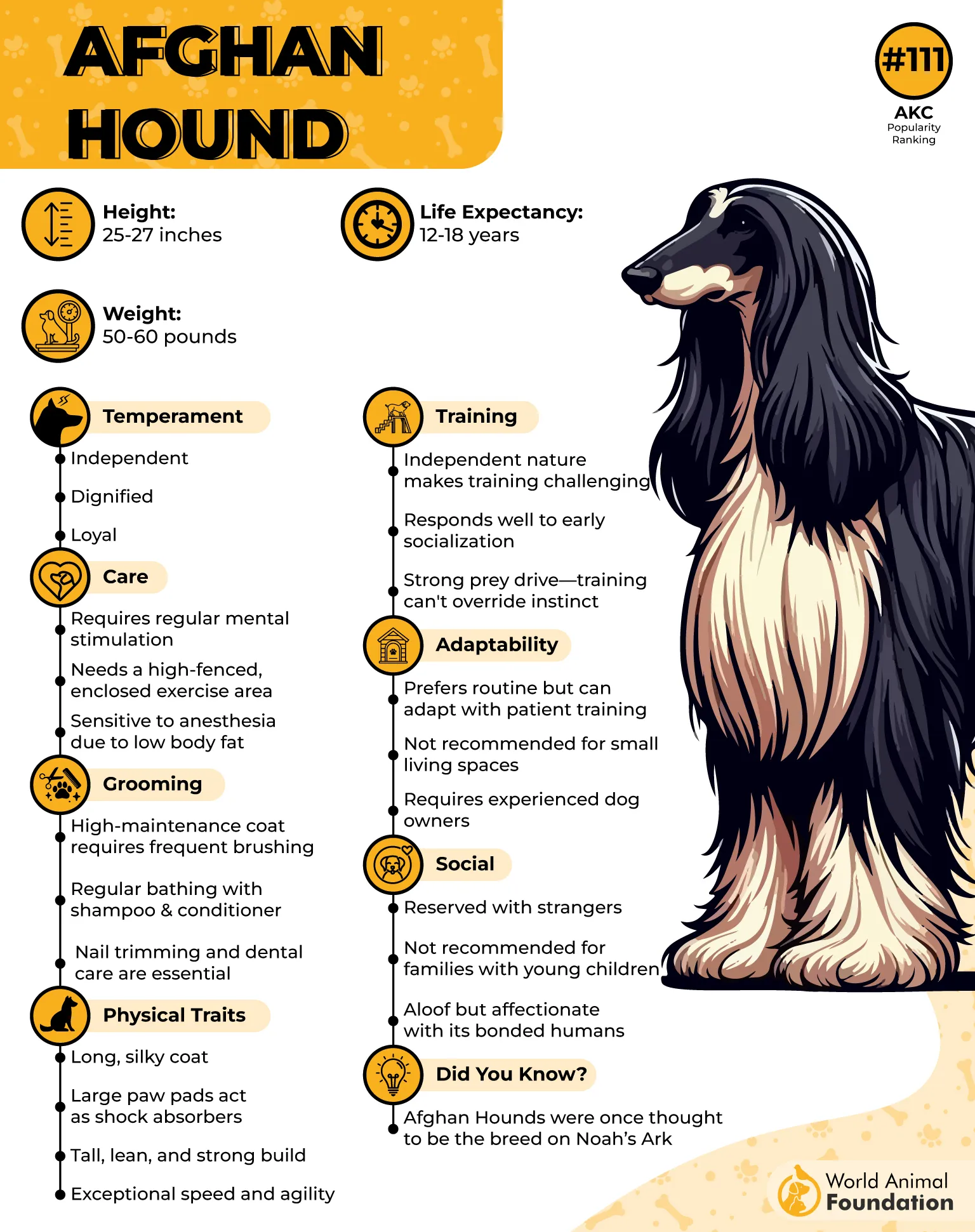
As noted by PetMD, Afghan Hounds need a few hours of brushing each week to stay tangle-free, using a quality pin brush and comb, and many owners also use a snood at mealtime to keep long hair and ears out of the food bowl.
Special Considerations For This Breed
Long, fine coat demands frequent, careful grooming
Physical build requires space to move freely
6. Saluki
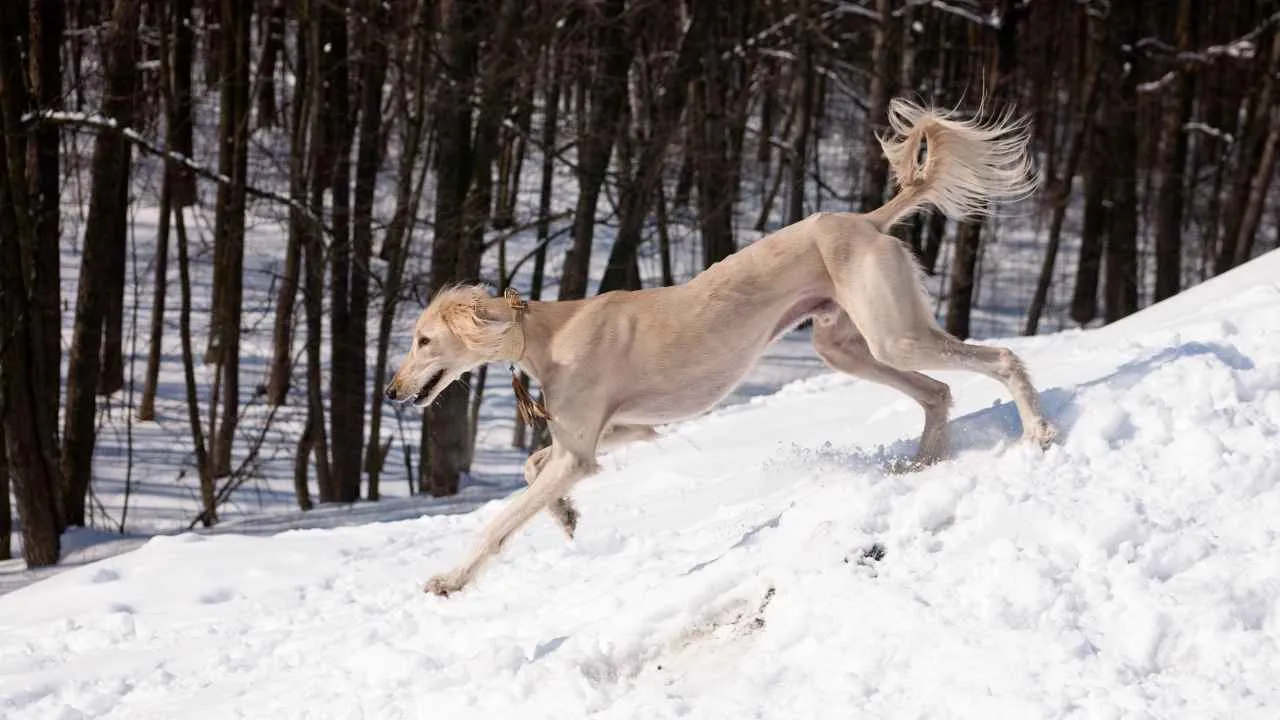
Watching a Saluki move feels less like observing a pet and more like witnessing something intentional and composed. Their slender frame, focused gaze, and noble presence give off an air of quiet importance, the kind that suggests they have always known exactly who they are.
Across deserts and open plains, Salukis held serious responsibilities. They hunted gazelles and hare for sustenance, running by sight with remarkable precision, and were trusted partners of Bedouin nomads who relied on their skill rather than keeping them simply for admiration.
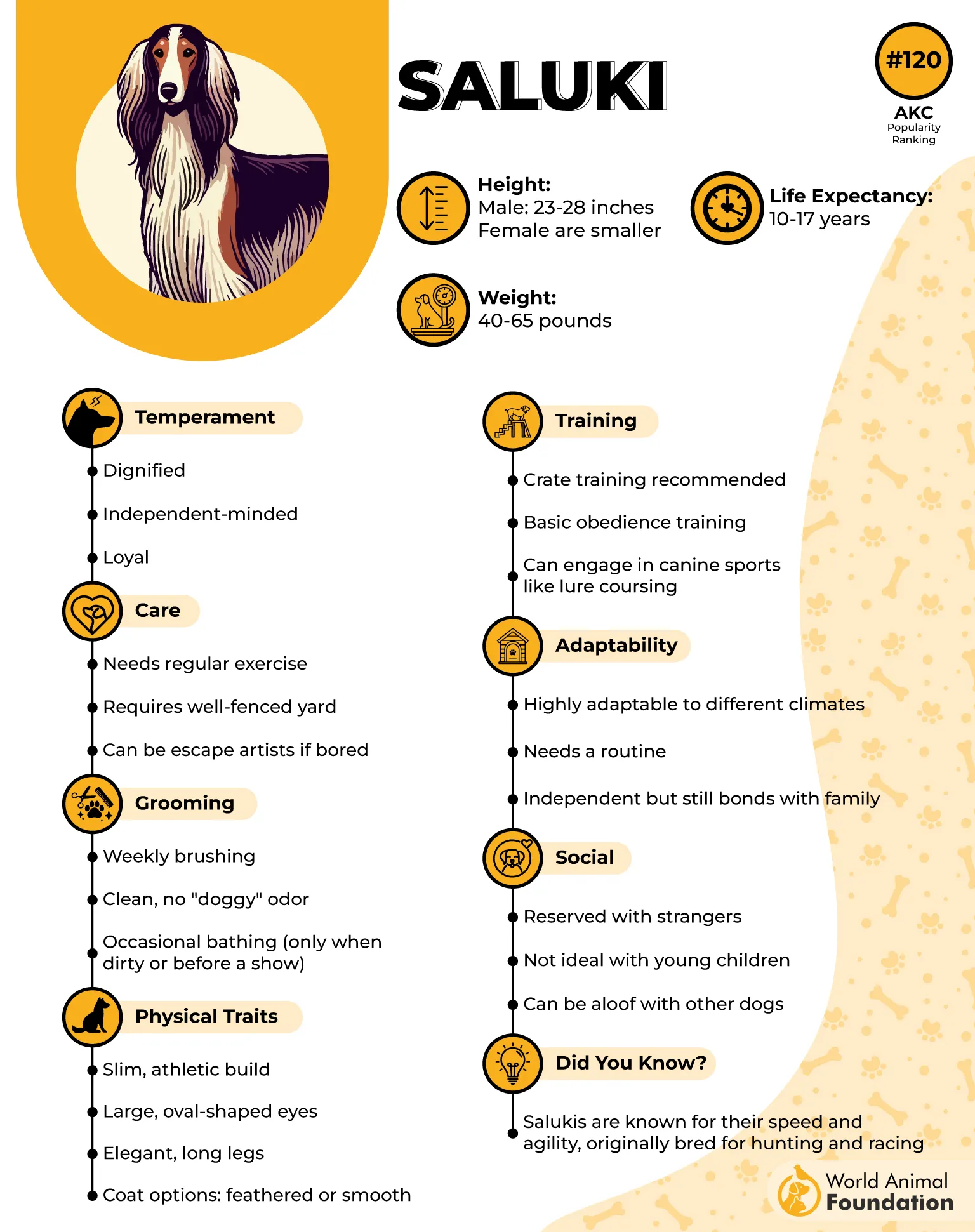
Sharing life with a Saluki often means appreciating gentleness mixed with independence. They are deeply loyal, calm around people, and rarely noisy, yet they think for themselves and prefer connections that feel respectful rather than demanding or overly controlling.
Special Considerations For This Breed
Needs daily opportunities for full-speed running
Can be reserved with unfamiliar people
7. Shih Tzu
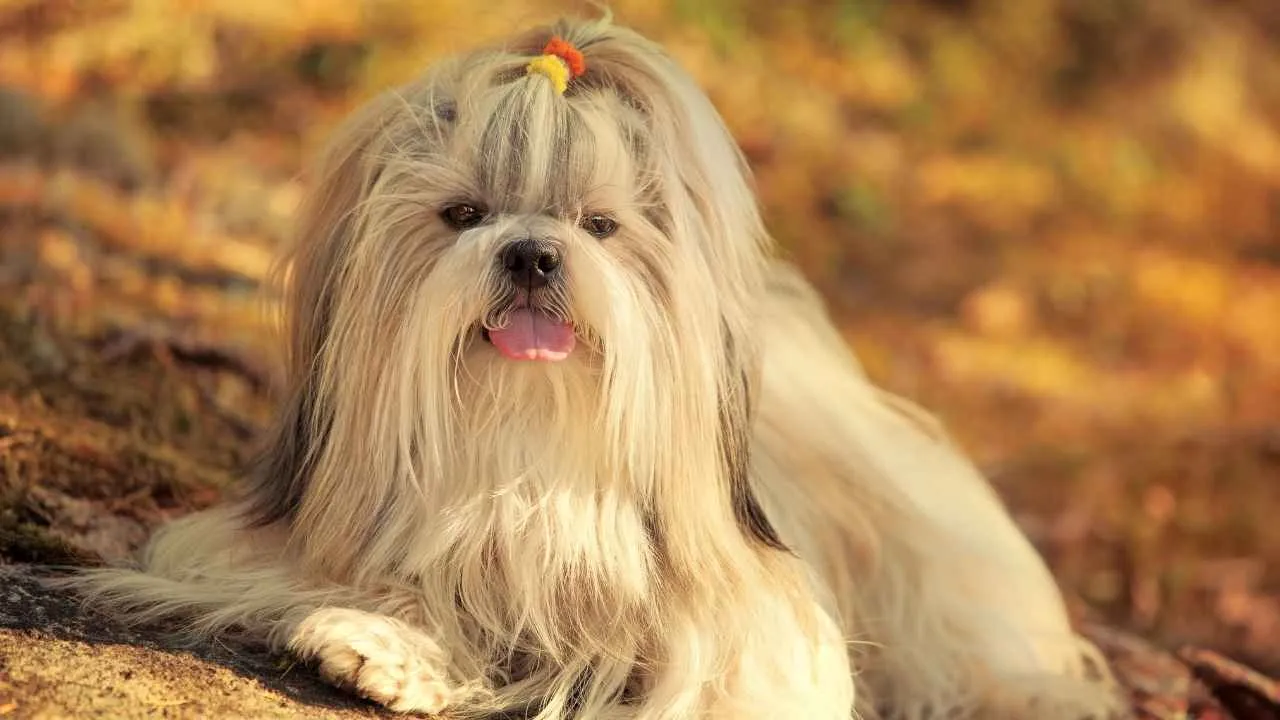
Some dogs were never meant to fetch ducks or chase game, and the Shih Tzu is proudly one of them. This breed was originally bred for admiration, closeness, and courtly life, thriving in environments where being cherished was not a perk but a purpose.
Within Chinese imperial walls, Shih Tzu breeding became a carefully guarded art. Court eunuchs oversaw pairings, artists painted favored dogs, and only those that pleased the Emperor earned lasting recognition, securing the breed’s place as a living symbol of status and refinement.
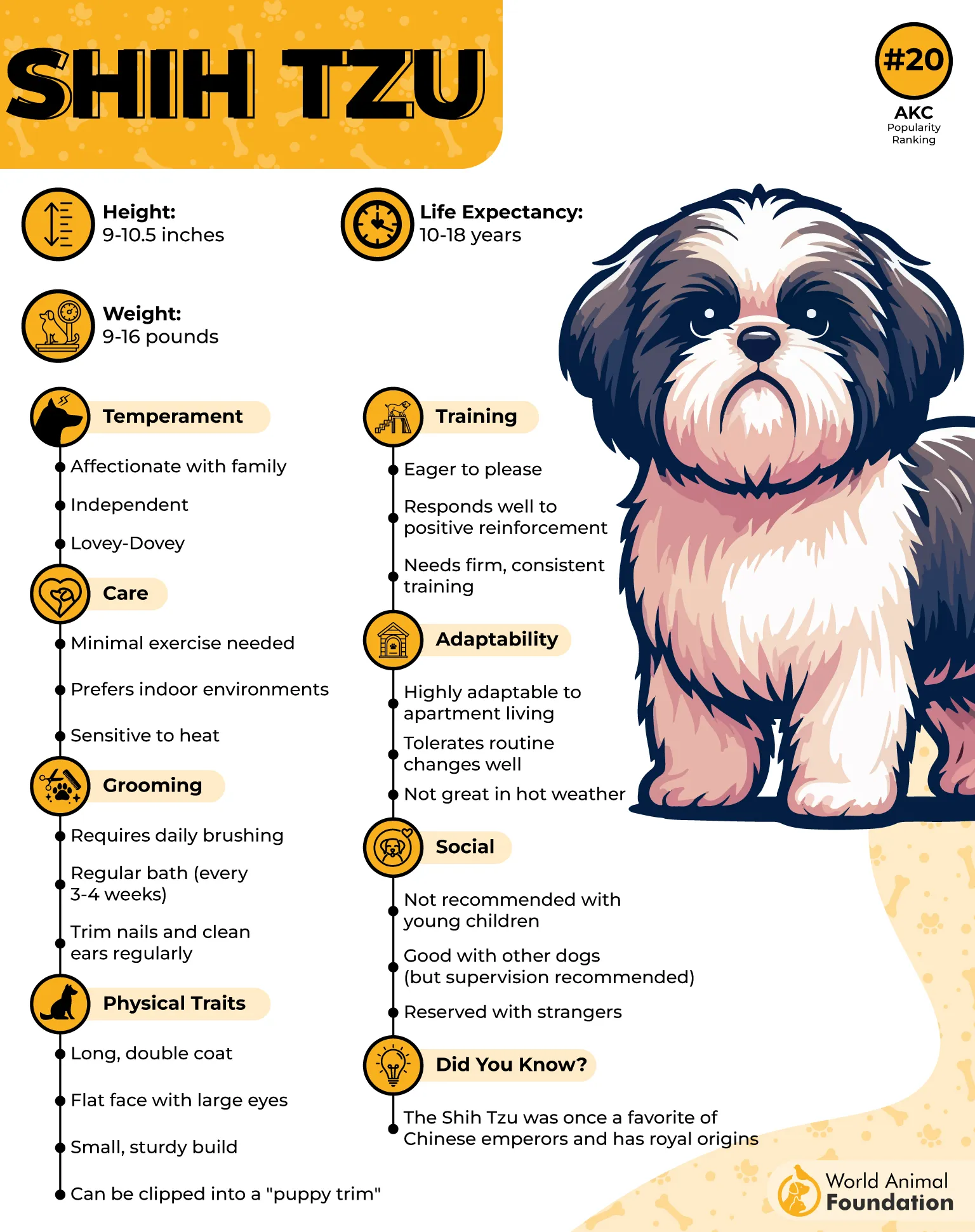
Today, the Shih Tzu remains a cherished companion dog with a knack for treating its people like royalty. With flowing coats, expressive eyes, and confident attitudes, even Queen Elizabeth II admired their elegant charm and palace-ready presence.
Special Considerations For This Breed
Coat care is ongoing due to long, flowing hair
Strong attachment to people can lead to clinginess
Conclusion
Some dogs carry history in the way they move, look, and connect with the people around them. Some of the oldest dog breeds were discussed above, and they reflect centuries of partnership, purpose, and admiration, blending elegance with personality in ways that still feel relevant today.
Whether shaped by ancient hunting or bred for companionship, each breed brings its own pride and presence. Knowing a dog’s background helps reveal what it offers day to day, making it easier to choose a companion that truly fits your life.
If you are further interested in such wonderful dogs, some other breeds you can look up include Cavalier King Charles Spaniel, Bichon Frise, Japanese Chin, Shiba Inu, and Great Pyrenees.
