




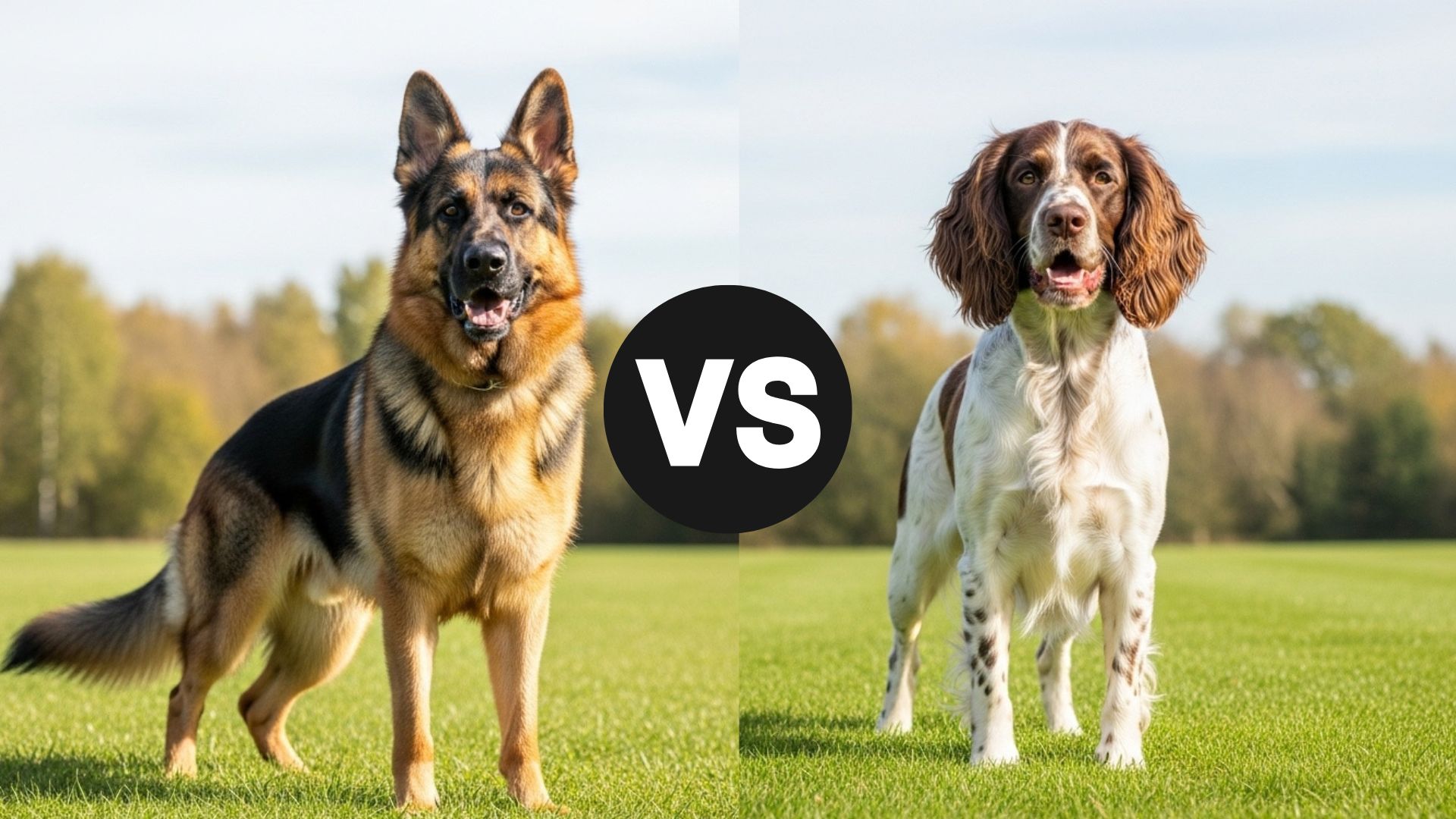
When deciding on a new canine companion, understanding the unique traits of each breed is essential. The German Shepherd and the English Springer Spaniel are both popular choices, but they offer very different experiences for their owners.
From size and weight to temperament and activity level, these breeds are built for distinct lifestyles and household dynamics. German Shepherds are celebrated for their intelligence, loyalty, and versatility, often excelling in roles such as police work, search and rescue, or service tasks.
In contrast, English Springer Spaniels are known for their friendly, energetic, and playful nature, making them ideal companions for active families who enjoy outdoor adventures, games, and bonding time.
We’ll compare the German Shepherd and English Springer Spaniel side by side, covering differences in size, exercise needs, personality, grooming, and overall suitability for different lifestyles.
Things to Know: German Shepherd vs. English Springer Spaniel Dog Breeds
After reading this, you’ll have a clear picture of which breed fits your home, energy level, and family circumstances—ensuring a happier life for both you and your future furry friend.
Origins & Purpose
German Shepherd:
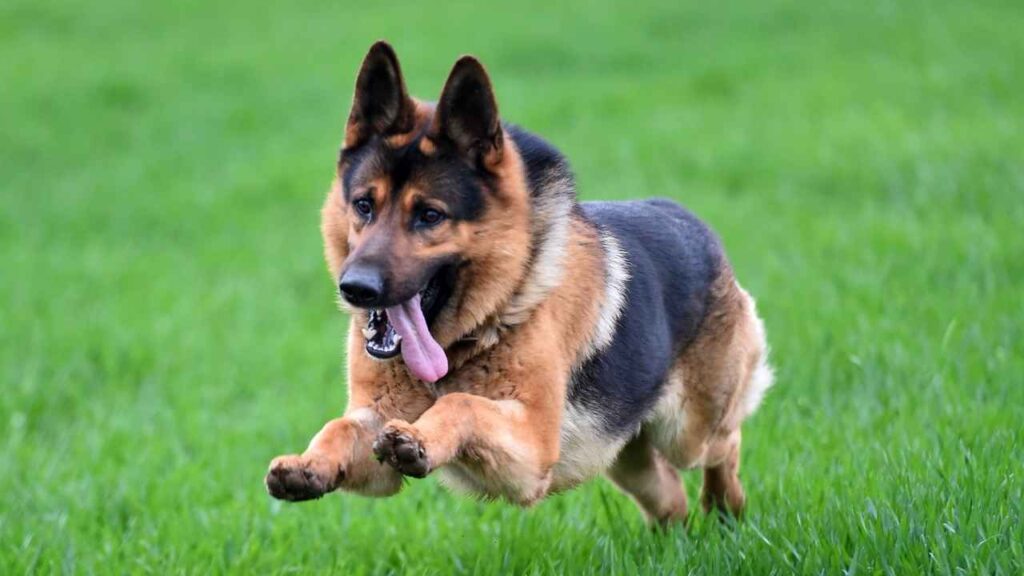
If the German Shepherd were a historical superhero, it would wear a uniform and carry a badge. This popular breed hails from Germany in the late 19th century, bred to herd sheep and protect farms.
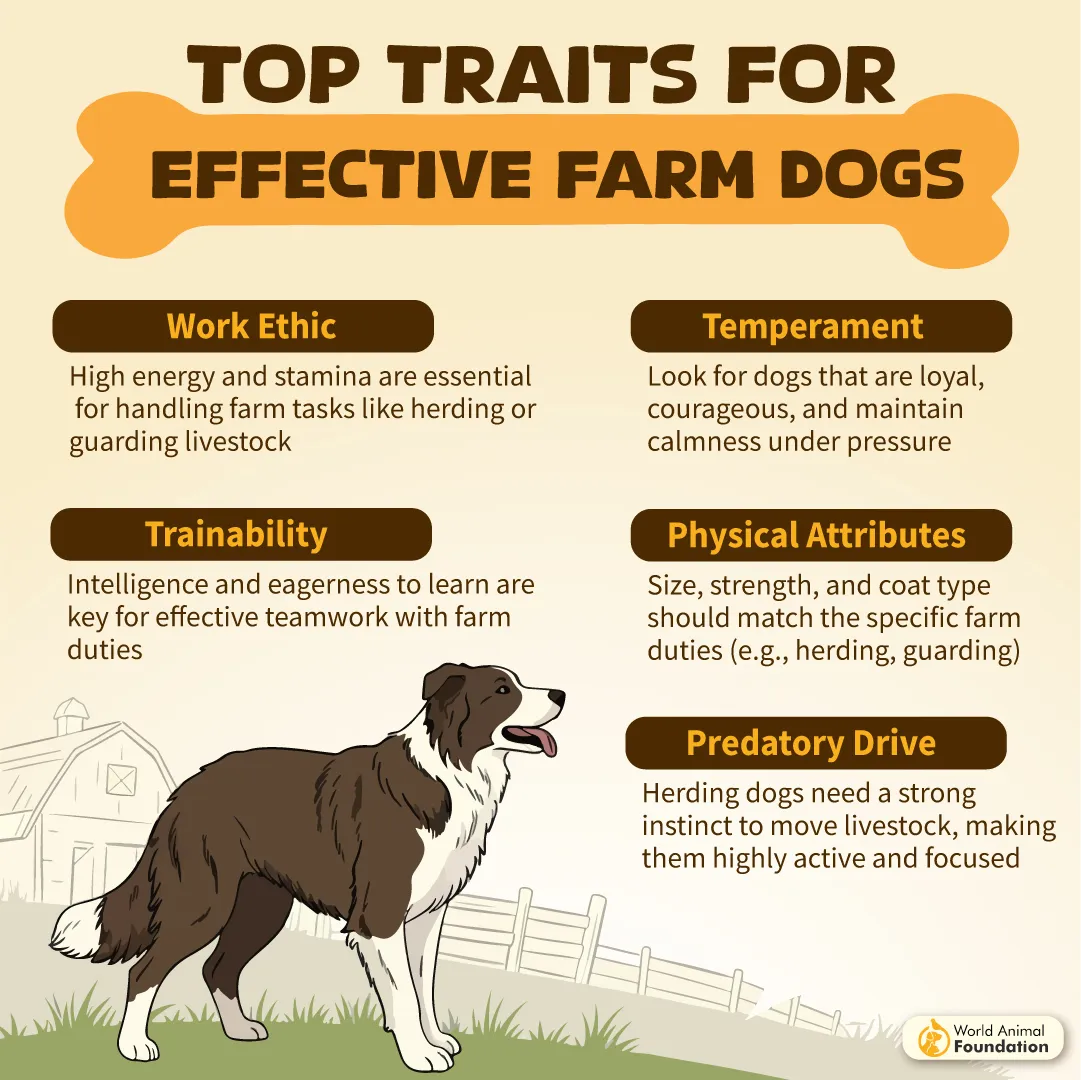
Over time, they became the “go-to” breed for police, military, search-and-rescue, and basically any job that says “requires brains, courage, and muscles,” says Wikipedia. Think of these high-energy dogs as the canine version of a Swiss Army knife—intelligent, loyal, and always ready for action.
Fun fact: German Shepherds have a sixth sense for danger. If your toast is burning, your Shepherd might alert you before the smoke alarm even rings.
English Springer Spaniel:
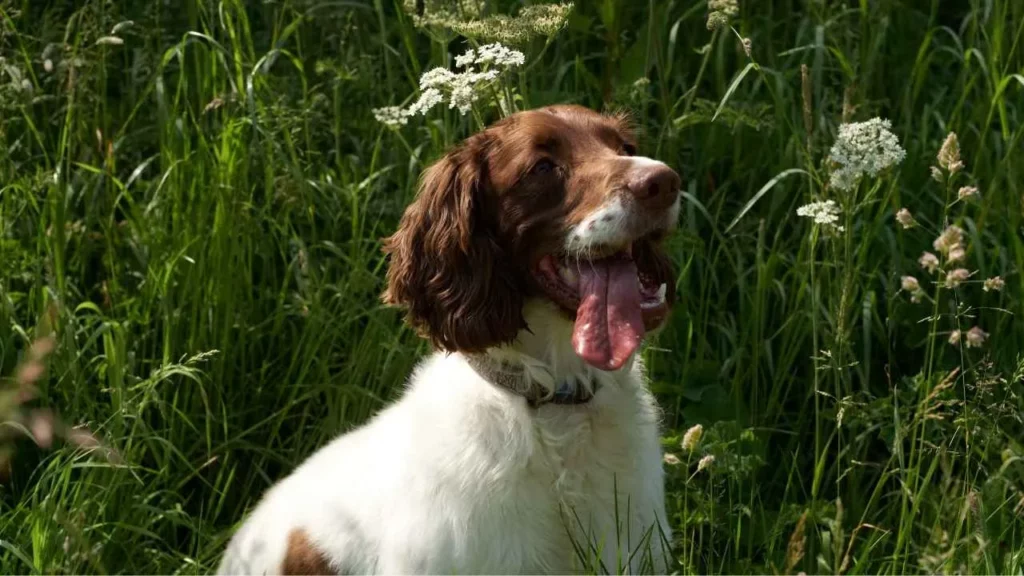
Meanwhile, the English Springer Spaniel comes from England, as the name gives away. Originally, they were bred to “spring” game birds out of bushes—think of them as fluffy little hunting pros with impeccable taste in tail wagging.
According to the American Kennel Club (AKC), these affectionate dogs thrive on attention and can become unhappy if left alone. Friendly and well-mannered, they get along well with children and other animals.
These spaniels are playful, affectionate, and can run like the wind… usually straight into a puddle. While German Shepherds are disciplined and serious, Springers are more like the class clowns of the dog world, always ready to fetch, roll, or make you laugh when you’ve had a rough day.
Physical Size & Build
German Shepherd:
Imagine a dog that’s basically a sleek, muscular action hero—that’s your German Shepherd. These pups are large and athletic, built for strength, endurance, and agility. Males typically weigh between 65 and 90 lbs and stand 24 and 26 inches tall at the shoulder, while females are slightly smaller at 50 and 70 lbs and 22 and 24 inches.
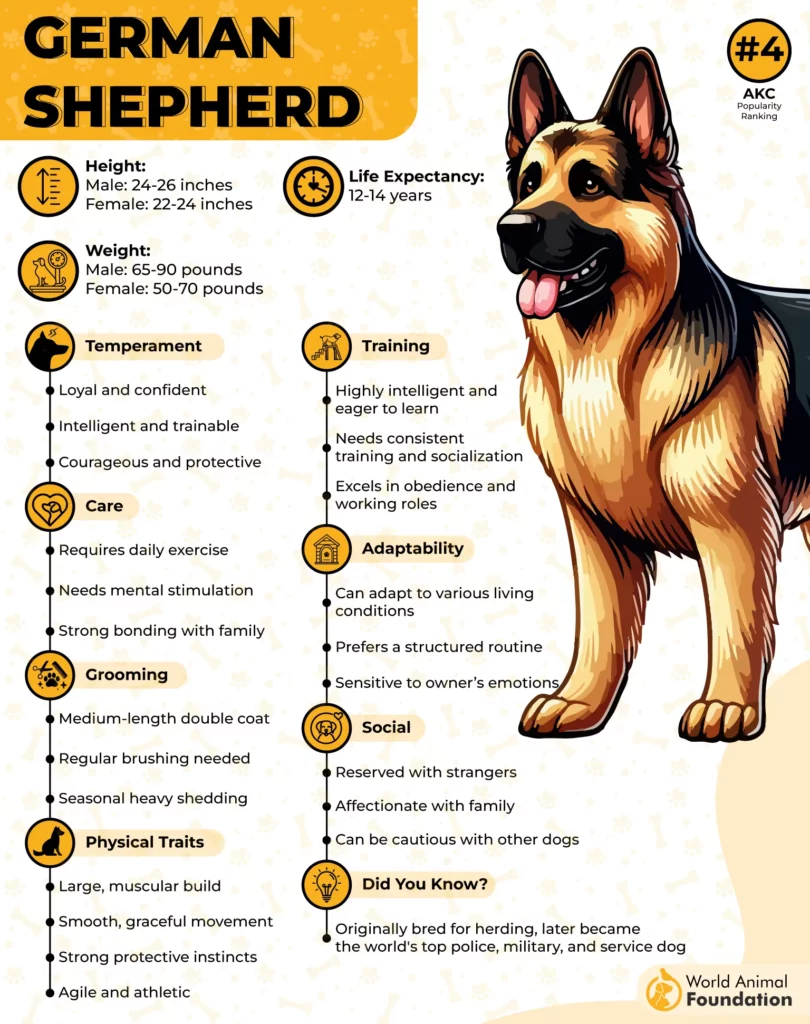
Their body is well-proportioned, with a strong back, deep chest, and powerful legs—basically designed to herd sheep, chase intruders, or look heroic in a slow-motion running scene.
English Springer Spaniel:
Springers are the sprightly, medium-sized companions of the dog world. They’re smaller than Shepherds, usually weighing 40–50 lbs and standing 19–20 inches tall at the shoulder. Their build is athletic but lighter—think of a marathon runner rather than a bodybuilder.
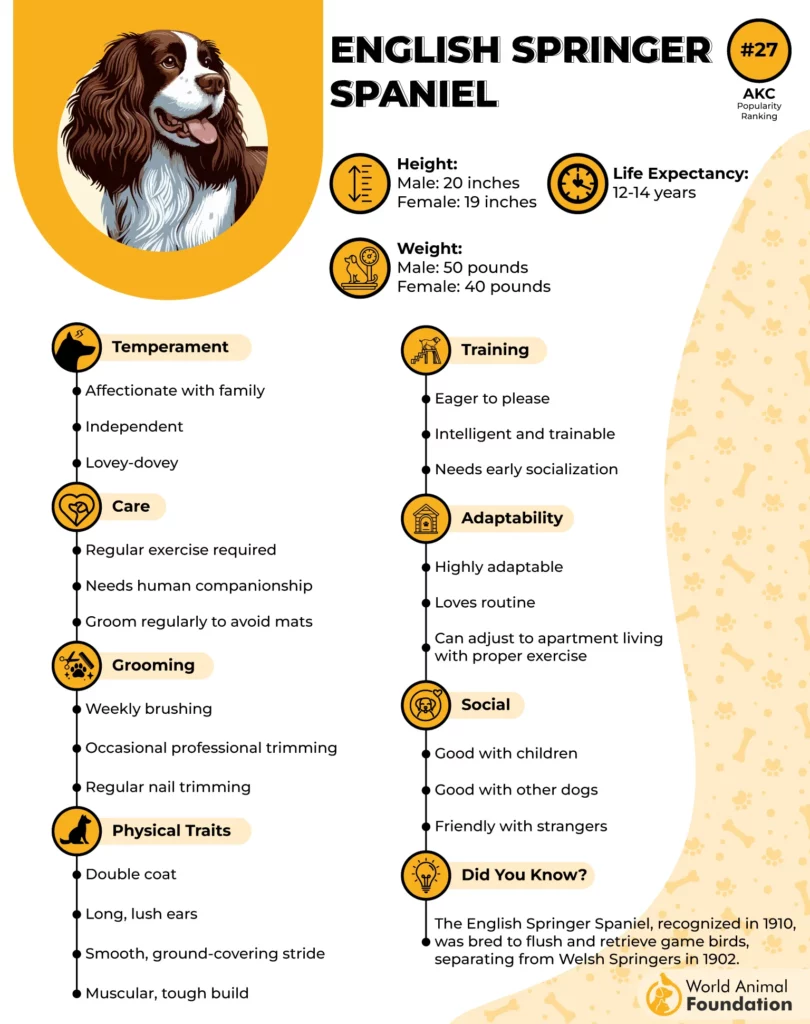
They’re built for stamina, speed, and those “burst-of-energy” sprints when they see a bird, a ball, or just… the neighbor’s cat. Their floppy ears and soft coat give them an approachable, friendly vibe—less “I could protect a castle” and more “I could brighten your day with a wag.”
Pricing & Availability
German Shepherd:
German Shepherds are one of the world’s most popular dog breeds, so they’re widely available through breeders, pet stores, and adoption centers. Their versatility and “hero dog” reputation make them highly sought after.
Typical price range: Around $90 – $1,100 USD for puppies, depending on age, breeder, and location.
Pedigree & show-quality pups: Can cost $1,500 – $3,000+ USD if the puppy comes from a well-documented, champion bloodline.
Availability: Very common globally, easy to find through reputable breeders or adoption groups.
English Springer Spaniel:
English Springer Spaniels are also popular, especially with families and hunting enthusiasts. They’re slightly less common than German Shepherds in some regions, but still widely available through breed-specific breeders.
Typical price range: Around $600 – $1,200 USD for puppies from reputable breeders.
Pedigree & show-quality pups: Can go up to $2,000 USD or more for fully registered, champion-lineage puppies.
Availability: Generally accessible, but finding a puppy locally may require networking with breeders or breed clubs.
Temperament & Personality
Every dog has its own personality, but German Shepherds and English Springer Spaniels each bring a very different vibe to your home—one is the noble guardian, the other a cheerful life-of-the-party.
German Shepherd:
Loyal and protective — your shadow with a badge.
Confident and courageous — not easily intimidated.
Alert and watchful — excellent watchdog instincts.
Can be reserved with strangers — warms up once trust is earned.
English Springer Spaniel:
Friendly and affectionate — a family hug on four legs.
Energetic and playful — always ready for a game or adventure.
Social and outgoing — makes friends with humans and other pets easily.
Sensitive — dislikes harsh correction; thrives on love and encouragement.
Energy Levels & Exercise Needs
If dogs came with battery meters, both German Shepherds and English Springer Spaniels would be labeled “high capacity,” but they spend their energy in different ways. Knowing how much activity they need can save your shoes, your furniture, and your sanity.
German Shepherd:
German Shepherds are powerhouses of endurance and intelligence, built for work and action. They thrive on mental challenges as much as physical exercise, so a long walk alone isn’t always enough. Without stimulation, they may invent their own “fun” — like reorganizing your closet.
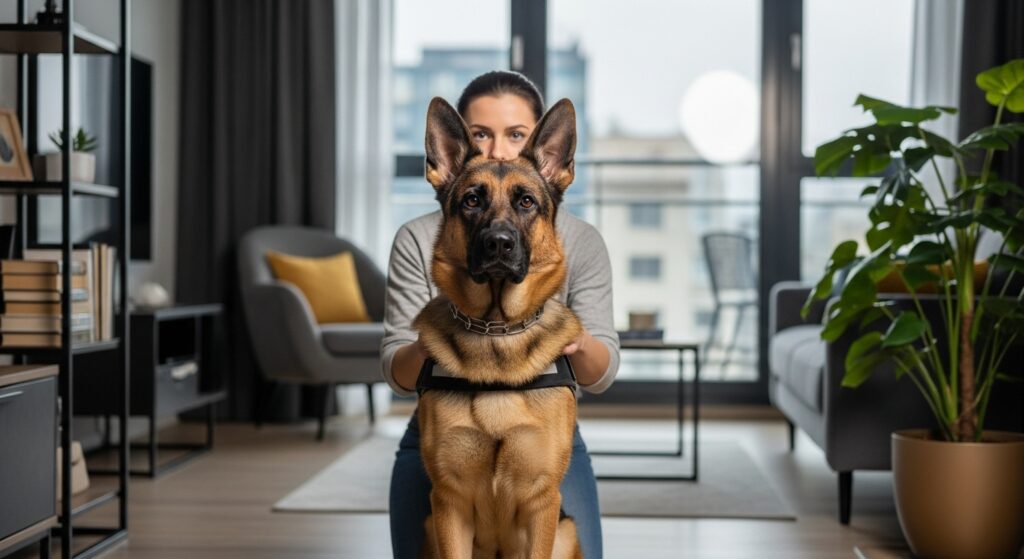
Exercise needs: 1.5 – 2 hours daily
Preferred activities: Running, hiking, obedience training, agility, fetch, scent work
Energy type: Strong, focused bursts; enjoys “jobs” or structured play
Warning: Bored Shepherd = mischievous or destructive behavior
English Springer Spaniel:
Springers are bundles of playful energy, often moving at full speed like tiny furry rockets. They love interactive games and will happily keep going as long as you join the fun. Water, fetch, or a romp in the yard are their happy places.
Exercise needs: 1 – 1.5 hours daily
Preferred activities: Fetch, swimming, agility, chasing toys, outdoor adventures
Energy type: Spirited, joyful, and often unpredictable
Warning: Under-exercised Springer = zoomies inside the house (and possibly knocking over your coffee)
Training & Intelligence
Both German Shepherds and English Springer Spaniels are smart cookies—but they show it in very different ways. One is like a strategic general; the other is a clever prankster who’s ready to learn… as long as it’s fun.
German Shepherd:
German Shepherds are legendary for their brains and work ethic. They pick up commands quickly, excel in structured training, and thrive when given a “job” to do. These pups can almost read your mind—but they also expect consistency and leadership.
Trainability: Extremely high; responds best to positive, consistent training
Learning style: Loves structure, repetition, and purpose-driven tasks
Common success areas: Obedience, protection work, agility, search & rescue, service tasks
Training tip: Early socialization is key; without mental stimulation, they can get bored or anxious
English Springer Spaniel:
Springers are intelligent and eager to please, but they’re also a little cheeky. Training works best with fun, reward-based methods—bribery via treats and praise works wonders. They’re quick learners, especially for games, tricks, or hunting tasks, but they can get distracted if something sparkly (or squeaky) catches their eye.
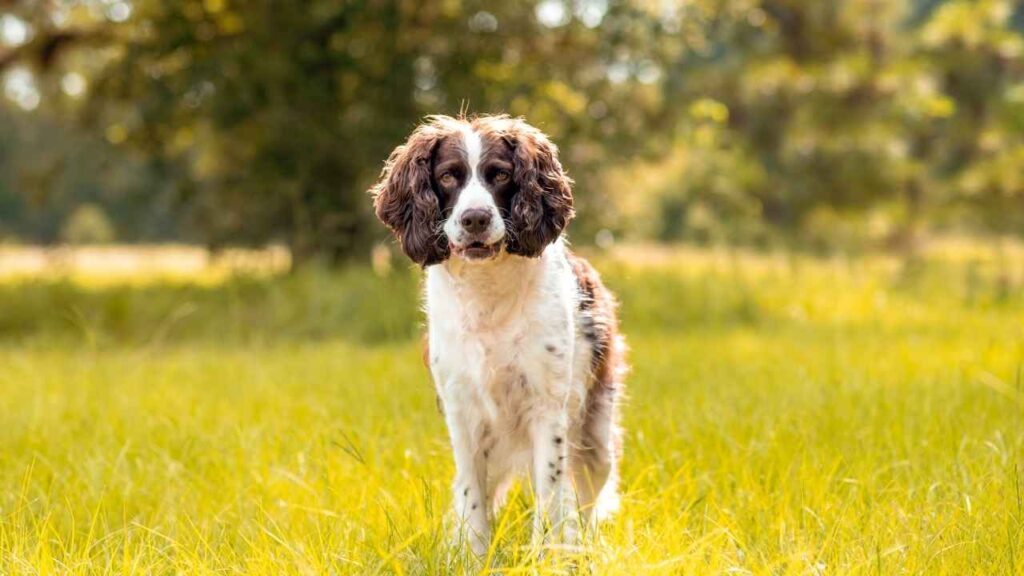
Trainability: High, especially with positive reinforcement
Learning style: Playful, motivated by rewards, loves interactive training
Common success areas: Obedience, agility, hunting/retrieving, tricks
Training tip: Keep sessions short and fun to maintain focus
Grooming Needs & Shedding
Both German Shepherds and English Springer Spaniels are gorgeous, but beauty comes with… well, fur. Knowing how much grooming they need can save you from surprise tumbleweeds of hair rolling across your floors.
German Shepherd:
German Shepherds have a thick double coat that’s designed to protect them from the elements—so yes, it sheds. A lot. Regular brushing helps keep shedding under control and their coat healthy, but you’ll still find black-and-tan confetti on your clothes.

Grooming frequency: Brush 2–3 times per week; daily during heavy shedding seasons
Shedding level: Heavy, especially in spring and fall (“blow coat” season)
Bathing needs: Every 2–3 months or as needed
Other care tips: Regular nail trimming, ear checks, and dental care
English Springer Spaniel:
Springers have a medium-length, wavy coat that’s soft, cute, and prone to tangling if neglected. They shed, but not as heavily as German Shepherds. Their ears and feathered legs need special attention to avoid mats and infections.
Grooming frequency: Brush at least 3–4 times per week
Shedding level: Moderate
Bathing needs: Every 4–6 weeks or after messy adventures
Other care tips: Check and clean ears regularly, trim nails, and brush teeth
Health & Lifespan
No one likes thinking about it, but knowing the typical lifespan and health concerns of a breed helps you plan for a long, happy, tail-wagging life together. German Shepherds and English Springer Spaniels each have their own set of common health issues and longevity expectations.
German Shepherd:
Average lifespan: 9–13 years
German Shepherds are strong, resilient dogs, but their size and genetics make them prone to certain health conditions. With proper care, they’re active and loyal companions for many years.
Common health concerns:
Hip and elbow dysplasia
Degenerative myelopathy (spinal issues)
Bloat (gastric torsion)
Some heart conditions
Health tips: Regular vet check-ups, a balanced diet, controlled exercise to protect joints, and responsible breeding to reduce genetic risks
English Springer Spaniel:
Average lifespan: 12–14 years
Springers are generally healthy, spirited dogs, but they have their own set of breed-specific issues. With attention to diet, exercise, and grooming, they can live long, happy lives.

Common health concerns:
Hip dysplasia
Ear infections (due to floppy ears)
Eye problems like progressive retinal atrophy
Some heart conditions
Health tips: Regular ear cleaning, vet check-ups, weight management, and moderate exercise to prevent joint stress
German Shepherd vs English Springer Spaniel: Which One Fits Your Home?
German Shepherds are loyal, intelligent, and protective—perfect for active homes that can provide structure, training, and plenty of exercise. They thrive with a “job” to do and are ideal for families who want a confident, watchful companion.
English Springer Spaniels are energetic, playful, and affectionate. They love games, outdoor adventures, and being part of family life. Springers are social, friendly, and slightly easier-going, making them great for households seeking a cheerful, loving dog.
Purina says while show-line Springers may be calmer than their working counterparts, all enjoy retrieving and carrying items. When given enough activity and stimulation, they make excellent companions for active, outdoor-loving families.
In short: German Shepherd = heroic guardian and problem-solver. English Springer Spaniel = joyful, playful sidekick. Choose the breed that fits your energy, lifestyle, and family vibe.
Conclusion
Choosing between a German Shepherd and an English Springer Spaniel ultimately comes down to lifestyle, energy, and what you want most in a canine companion. Both breeds are loyal, intelligent, and deeply devoted, but they express those qualities in very different ways.
One offers steady protection and purpose-driven focus, while the other brings joy, enthusiasm, and constant companionship. When you match a dog’s natural traits with your daily routine and expectations, you don’t just choose a breed—you gain a partner that fits seamlessly into your life.
