




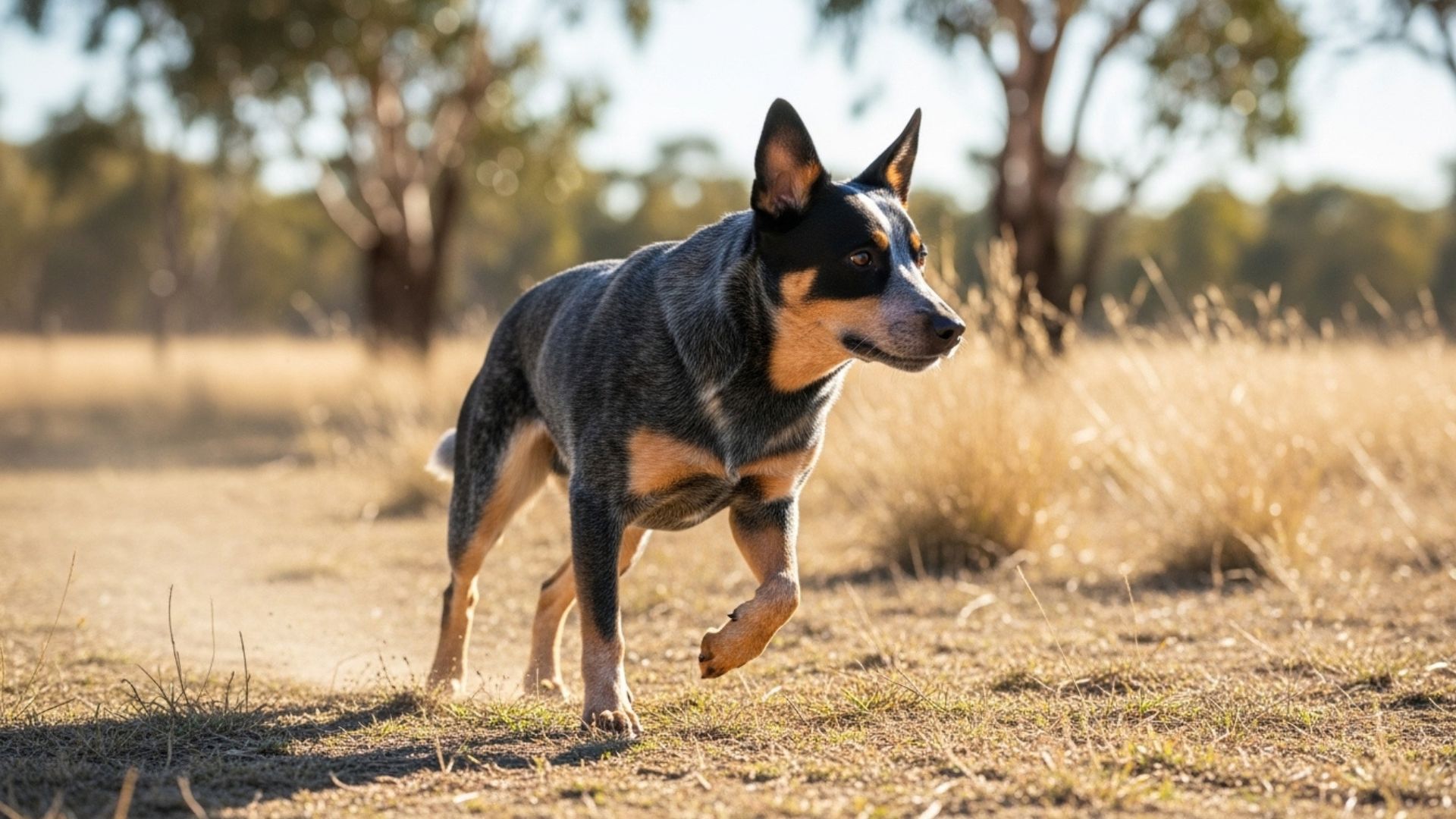
Ready for a dog that spots critters, locks in, and rockets off fast?
Prey drive is a natural instinct. It is the urge to notice a critter, track it, then chase. Many dogs do. Some breeds feel it more, so pet owners get surprised. You may see stillness, staring, then a burst. That is the prey drive sequence. It can happen on a walk or in your outdoor space.
In this blog, we will talk about a dog’s prey drive in real life. You will learn what high prey looks like, why a high prey drive dog acts this way, and how to steer that energy into safer habits.
The goal is not to erase it. The goal is to shape behavior so everyone stays calm, safe, and confident.
🧠 Does Your Dog Have a High Prey Drive?
Check all that apply to your dog:
Dog Breeds with a Powerful Prey Drive
1. Australian Cattle Dog
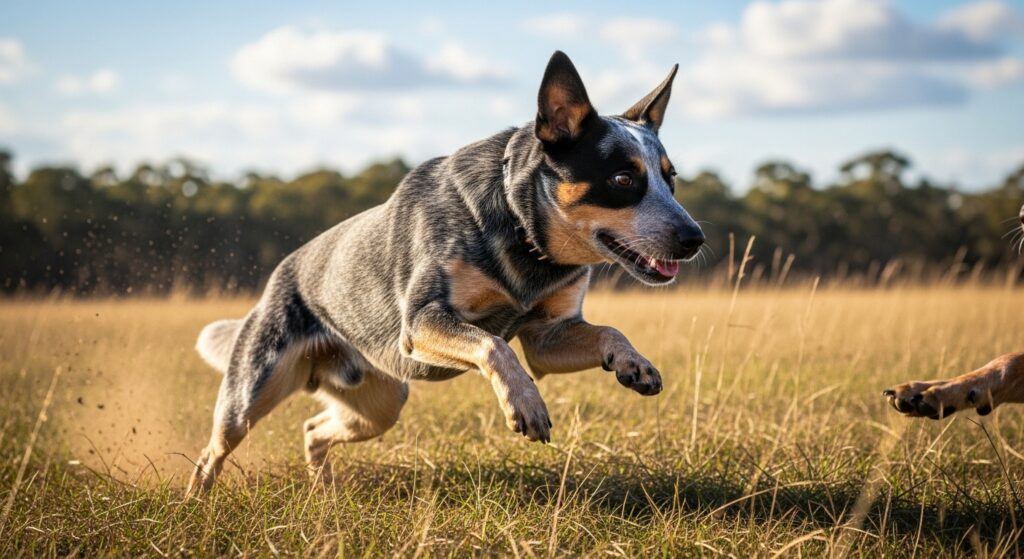
According to PetMD, this breed is a classic drive dog story, and it often tops drive dog lists for sheer focus. It was shaped to move stubborn stock all day, so quick choices are part of the dog’s instinct. Movement flips a switch.
A squirrel on the fence, a bird hopping, or a toy rolling can spark high prey fast. You might notice the dog scanning the world, then snapping into action. That is not random. It is a strong instinct to do what it was built to do.
The personality can feel like living with a clever roommate who never sleeps. It is an intelligent breed, and it learns patterns fast. But wait, there’s more! If it gets bored for long periods, it may create its own fun behaviors.
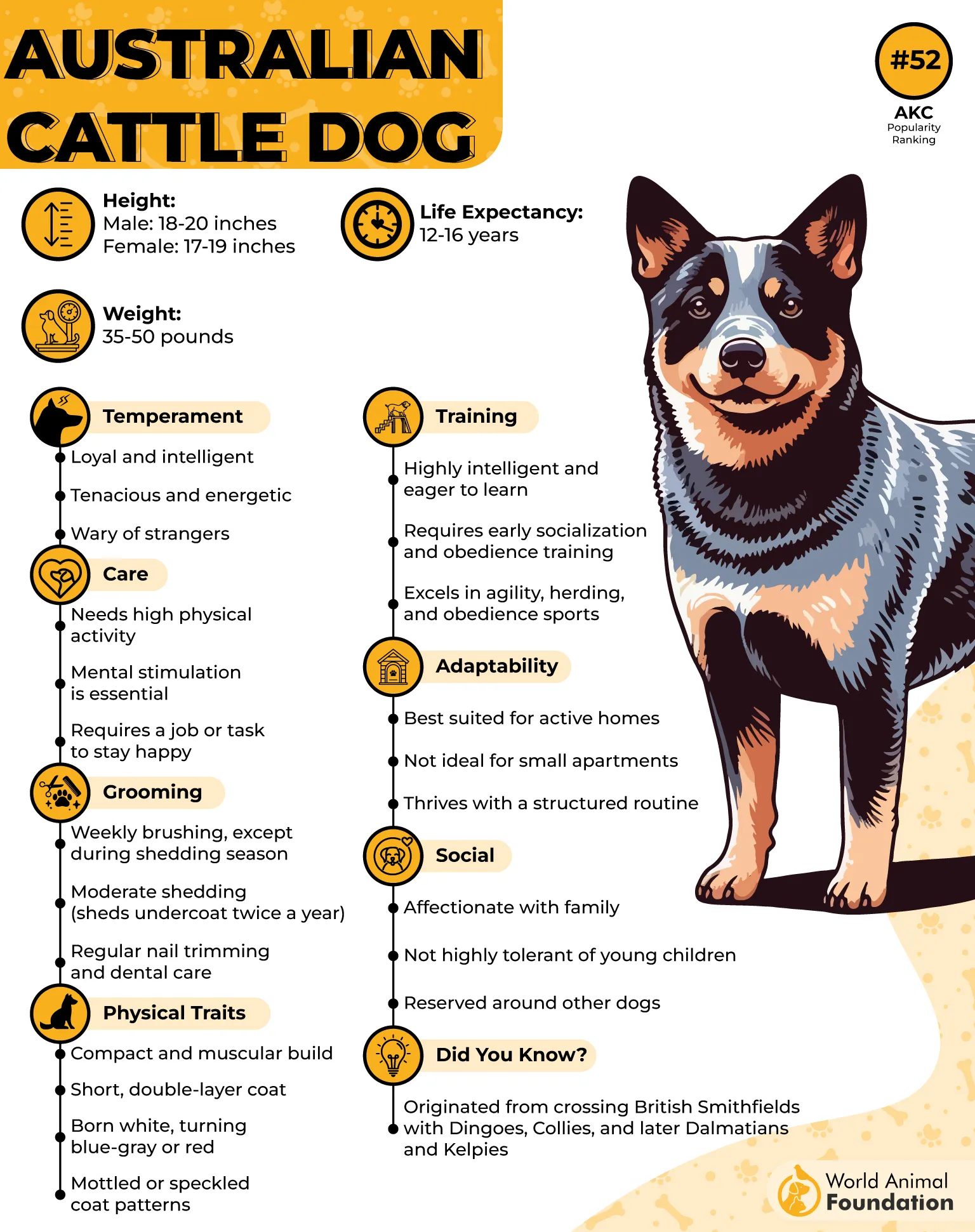
That can look like nipping heels, shadow chasing, or pacing the outdoor space like a tiny security guard. This is where dog training shines. Short sessions, clear rules, and a favorite dog toy keep behavior steady.
Safety gets easier with smart outlets. Try tug with a clean start and stop cue. Add scent games that use food as a calm reward. If cats live in the home, early socialization helps a lot, and slow intros matter.
If small animals live nearby, use a leash and set up securely fenced areas for off-leash time. With structure, this can be one of those family dogs that feels tough, loyal, and deeply bonded.
The “job” that keeps the brain happy
Build a strong recall with high-value food and a favorite toy.
Use a long line in the outdoor space until control is solid.
Add mental stimulation after every hard walk.
🎧 Dogcast
Episode 37 — Why Dogs Stay Close without Touching
If you don’t hear sound, tap the button above to enable audio.
2. Border Collie
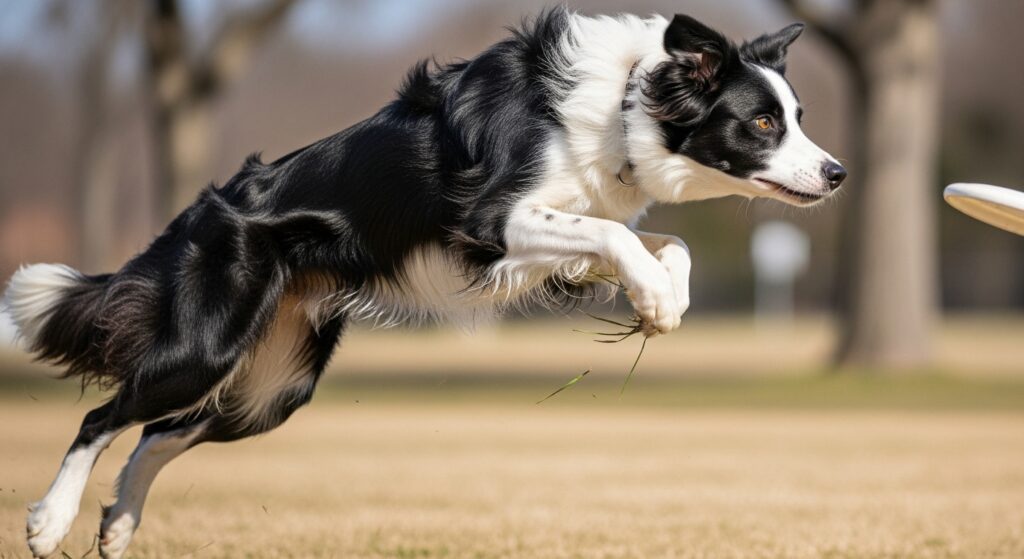
This is one of the herding breeds that reads motion like a movie. The prey drive can blend with its herding work. You may see a low stalk, a freeze, and that famous stare.
Then the pursuit begins, often in tight arcs. It is not “bad.” It is the dog’s instinct to aim at moving prey, even if the prey is a leaf skittering across the path.
Here’s the good part. This breed loves learning. Training can feel like playing games, and progress comes fast. But why bother with that? Because without direction, the same sharp brain may turn into restless behavior.
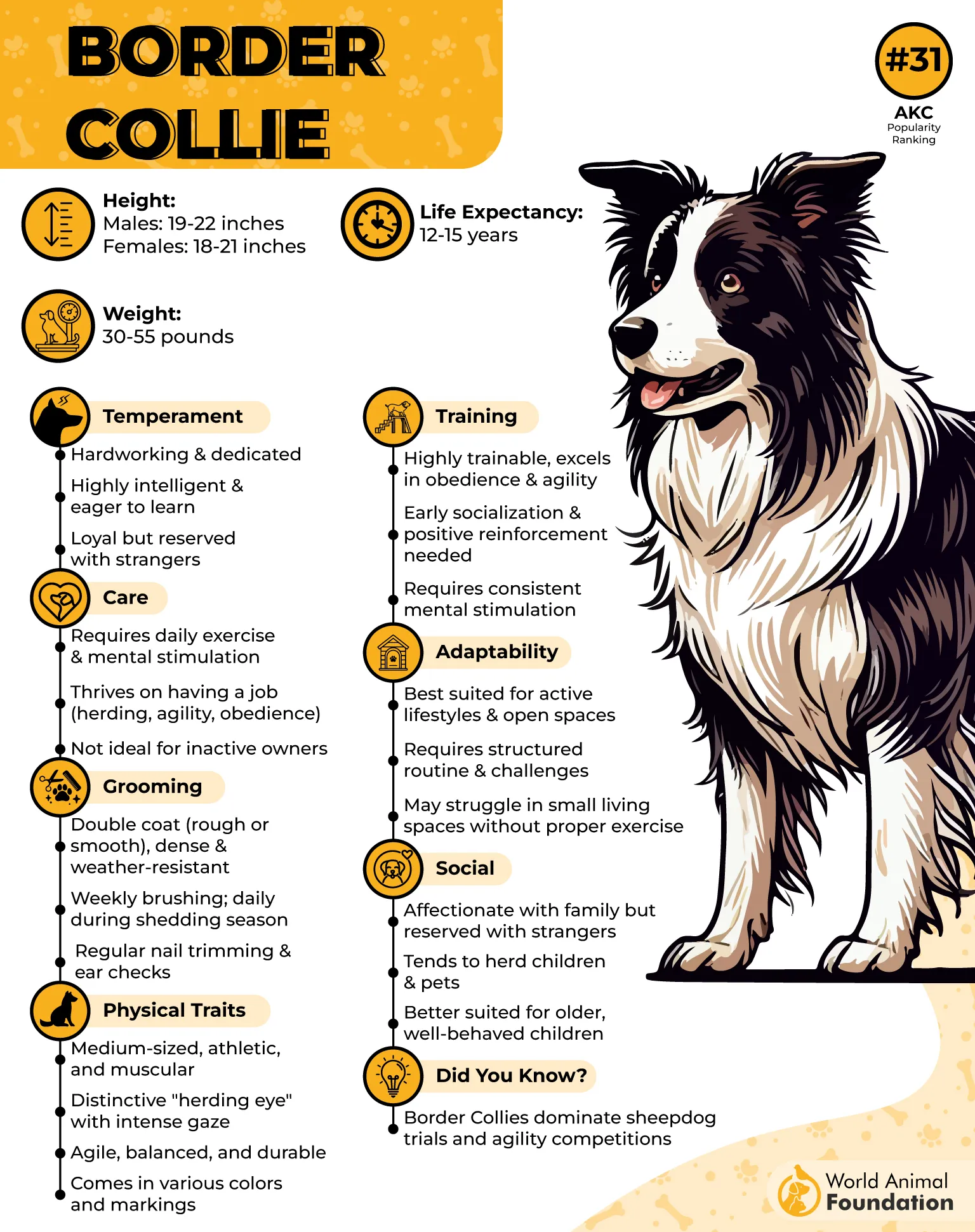
Some dogs fixate on bikes, joggers, or a cat that runs. Birds in the grass can also trigger high prey drive moments. A routine keeps the mind busy and the body calm.
Give this breed a daily plan. Mix a long walk with short skill drills. Use puzzle food, scent work, and clear downtime. Keep the play rules tight so the game does not become endless chasing.
If you have other dogs, stop playing when it gets too intense. With steady practice, the prey drive stays manageable, and you get a teammate who loves to work with you.
A fast way to turn focus back to you
Teach “leave it” using toys in calm rooms first.
Reward eye contact before you pass a squirrel hotspot.
3. Jack Russell Terrier
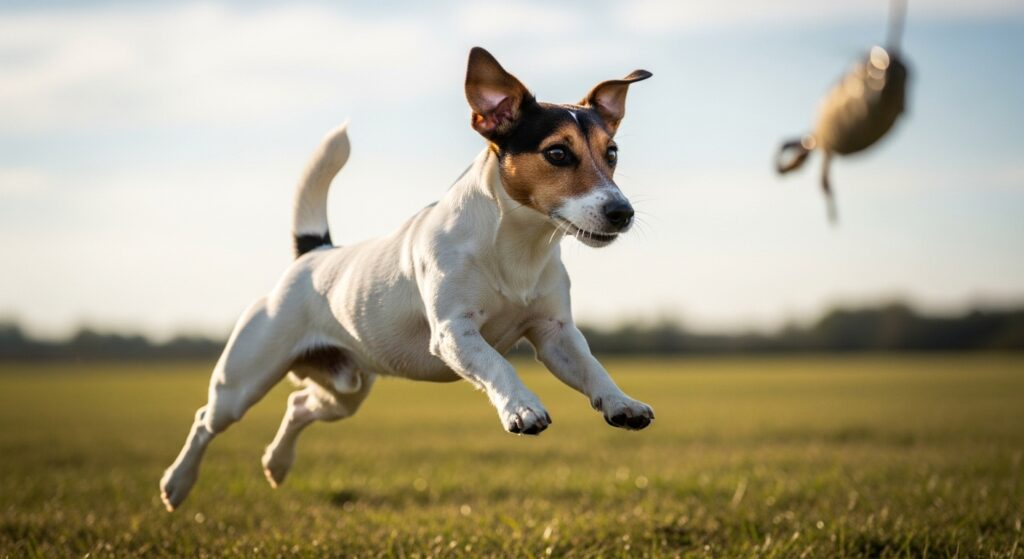
This little terrier can act like a rocket with legs. The prey drive is strong, and the dog will spot movement in a blink. A rabbit in the outdoor space can trigger a launch.
A squeaky toy can do it too. Sounds crazy, right? Yet this prey-driven dog was bred to dive into dens and flush small prey out.
That intense prey drive shows up as digging, darting, and bold chasing. Catching prey is not something you want at home, but the instinct can still push the dog toward small animals.
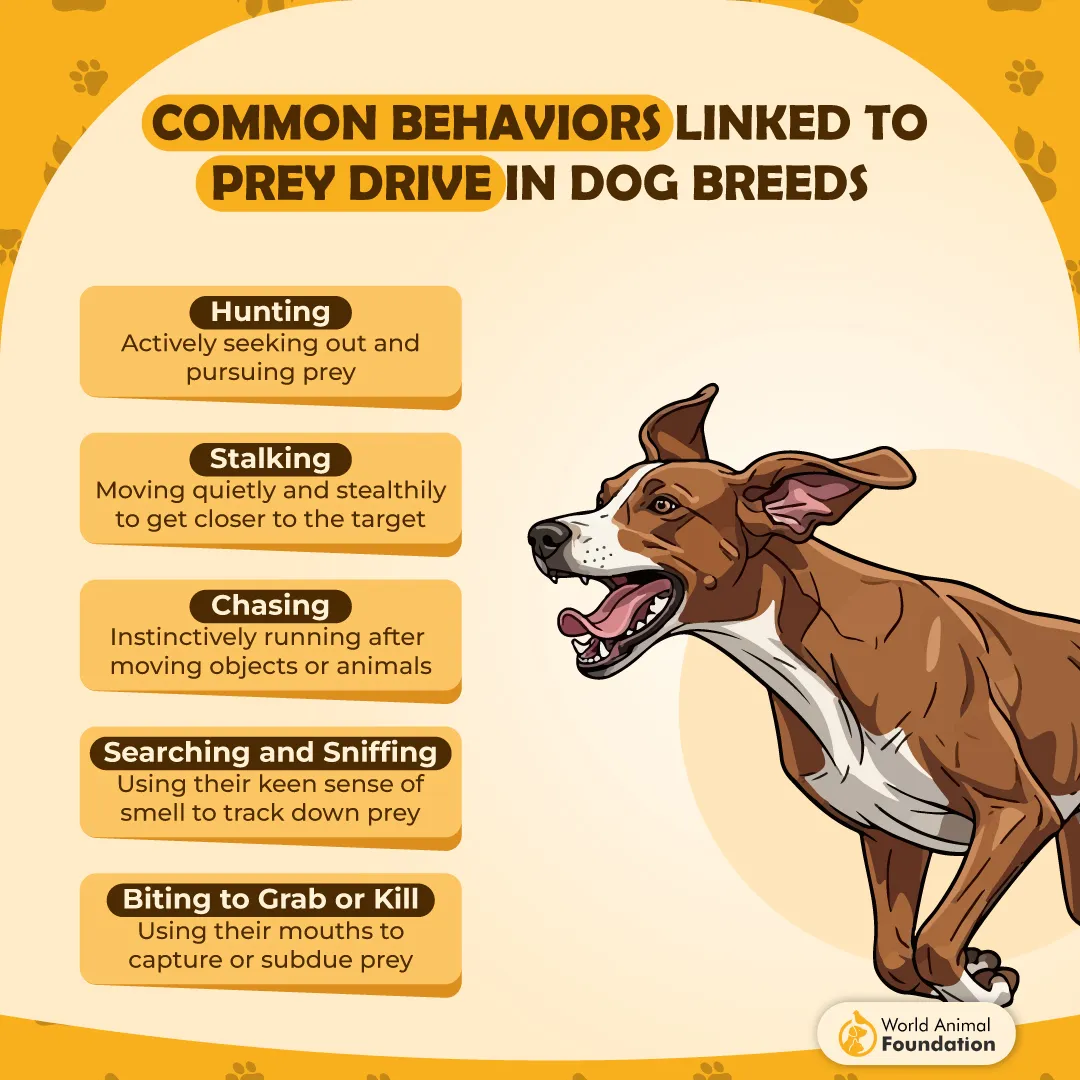
Keep pets like hamsters and birds behind a secure door. If cats share the space, watch body language and do slow, controlled intros. On walks, pick quieter routes if squirrels are everywhere.
Training works best when it is short and fun. Use food rewards, quick wins, and clear ends. This breed can have minimal grooming needs, which is a nice break.
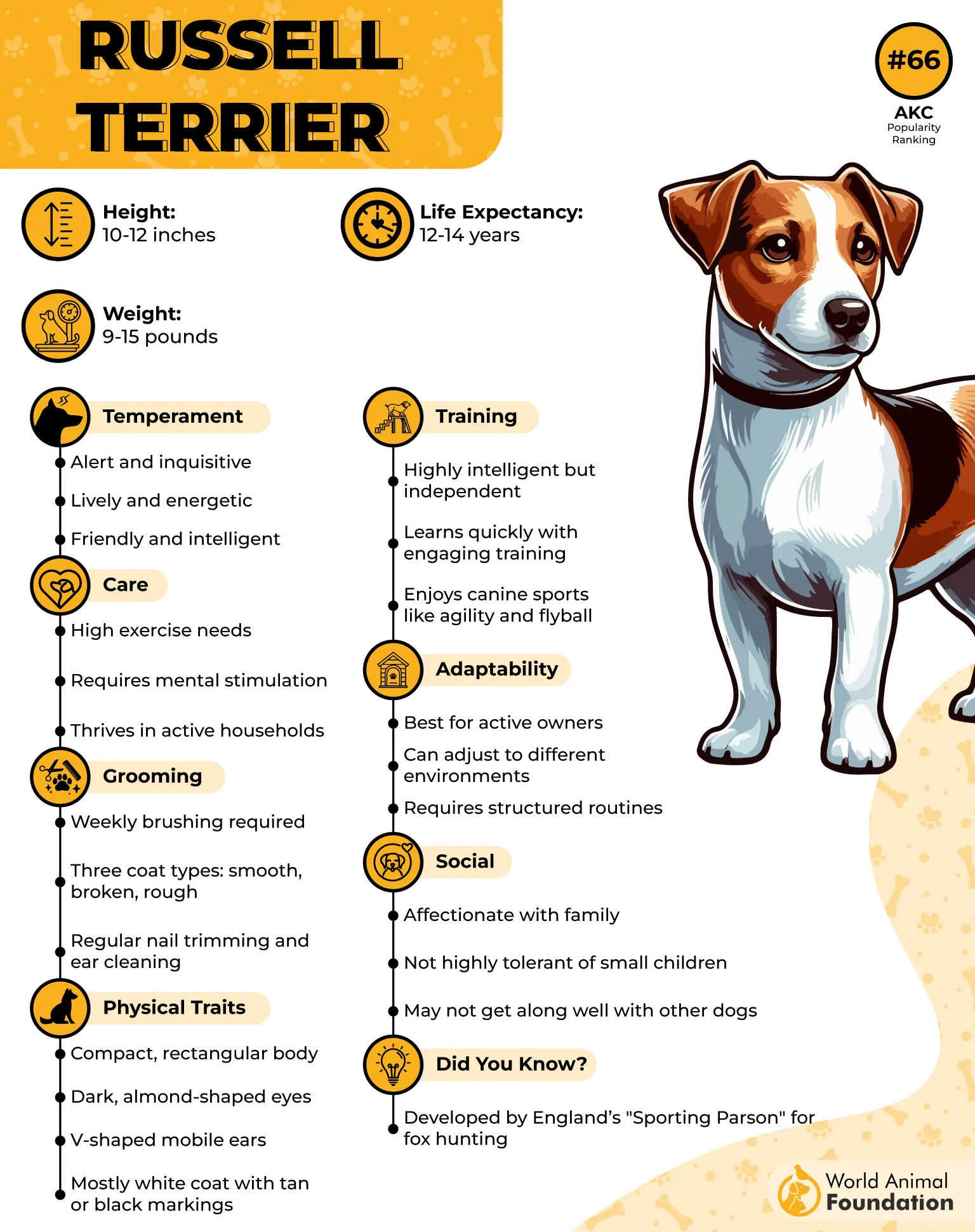
The real work is giving the brain a safe outlet. Try scent hunts, trick chains, and tug with rules. When you do that, high prey drive energy becomes fun instead of chaos.
Tiny, brave, and busy
Choose durable toys that do not shred into bits.
Teach “drop” early, starting indoors.
Block gaps under fences so the outdoor space stays secure.
4. Weimaraner
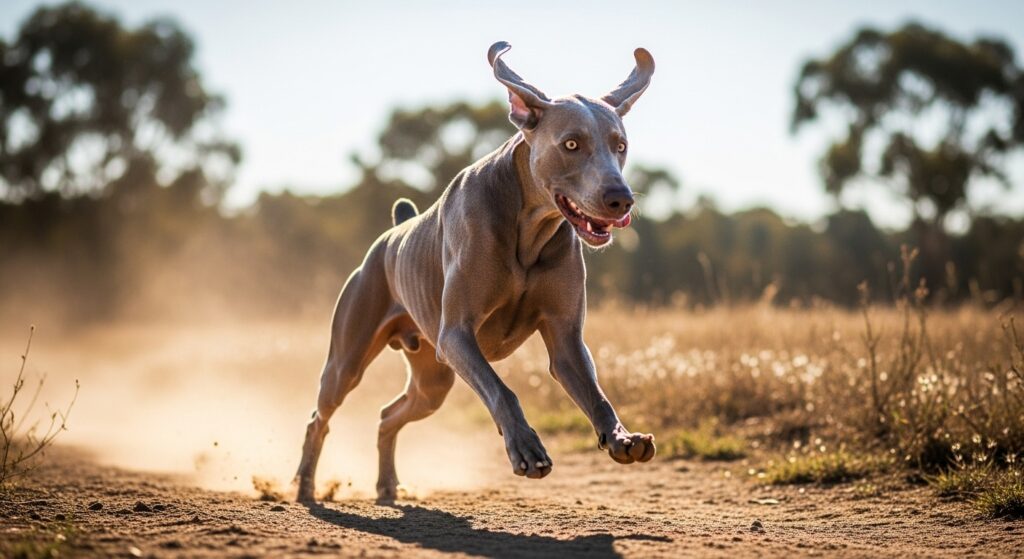
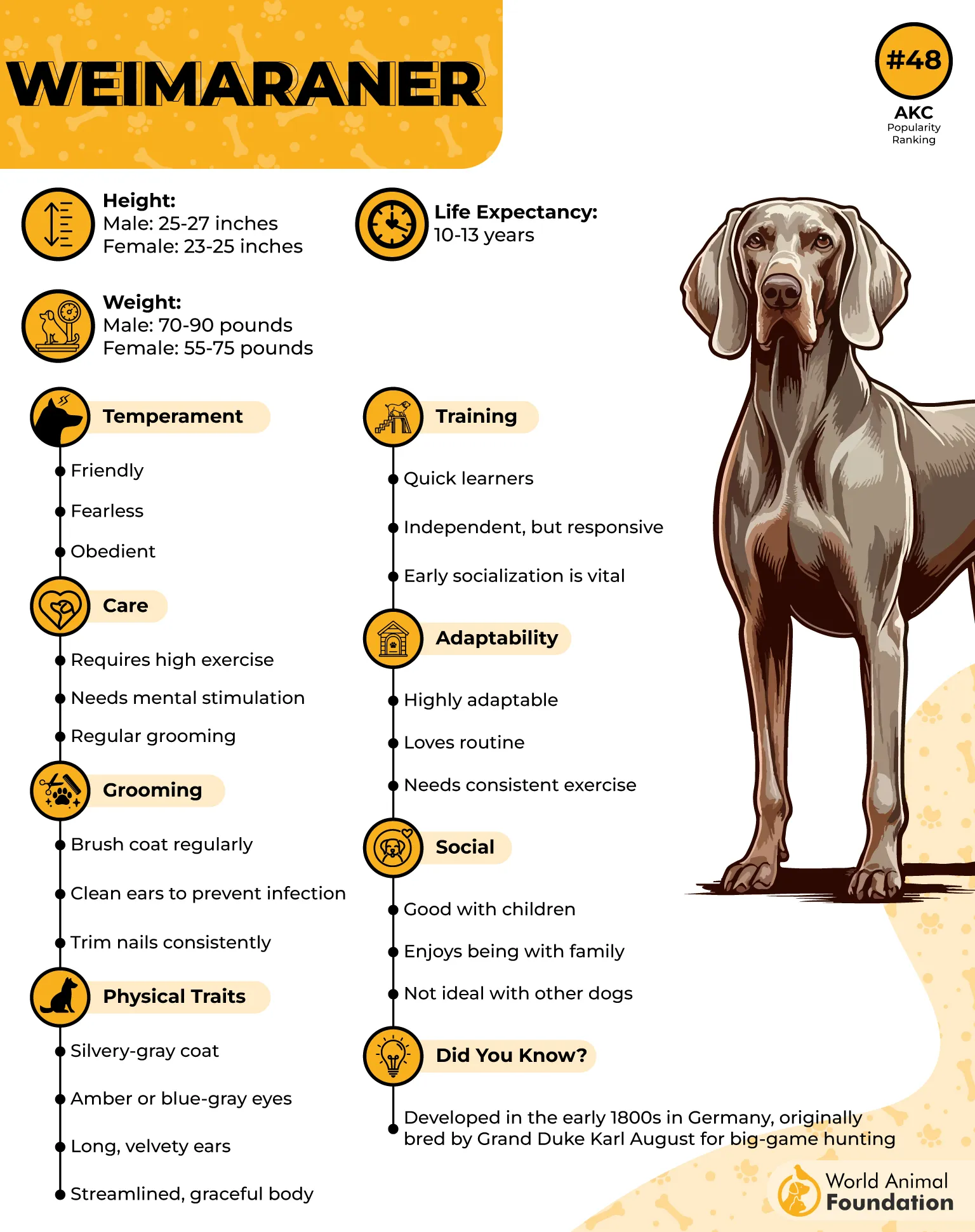
As per Rover, people call this breed the gray ghost, and it fits. The body is sleek, the eyes are sharp, and the chase can start in one breath.
This high prey drive dog was bred to hunt big game, so the drive can feel intense. On a walk, the dog may sniff, then freeze, then lock on. When the critter moves, the pull can be powerful.
This breed is often very attached to its people. That is sweet, until it gets even worse, though, when boredom hits. Then you may see frantic behavior like chewing doors or shredding pillows.
A tired mind helps. Plan long walks, runs, and training that make the brain work. Short, upbeat sessions keep the dog engaged without turning it into a drill.
Because the dog’s prey drive is strong, safety comes first. Use a well-fitted harness. Practice recall inside a secure fenced space before you trust off-leash.
If cats live in the home, supervise closely and avoid fast chase games indoors. Give outlets like scent trails and retrieve games. When the prey drive has a safe lane, the dog feels calmer in the world.
A hunt brain that needs a job
Hide tiny bits of food in the outdoor space for “find it.”
Teach a “look” cue to break staring at prey.
Use structured fetch with a pause between throws.
5. American Staffordshire Terrier
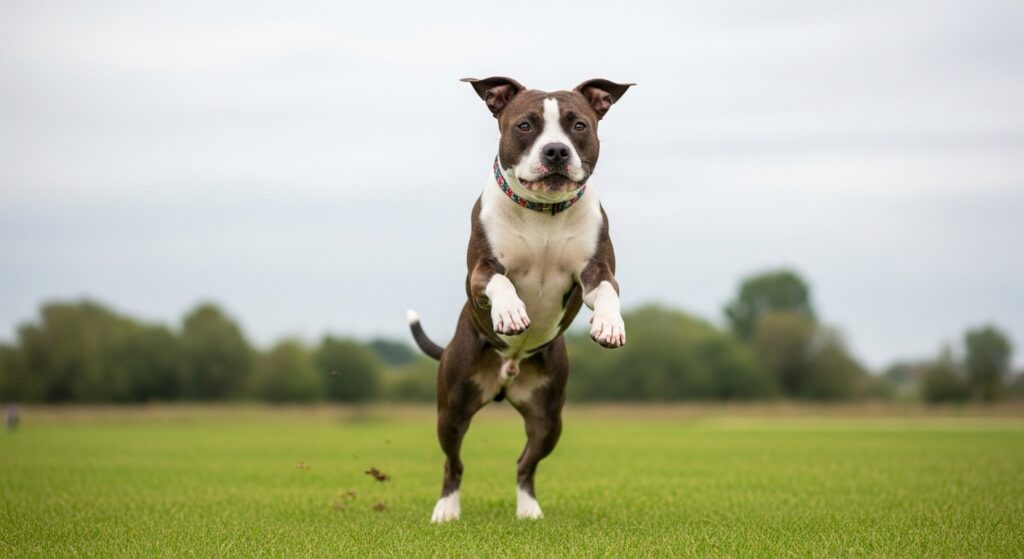
This breed often looks tough, but it can be deeply people-focused. Still, many individuals have high prey and quick reactions to movement. A small creature darting can spark chase behavior. You may see the body tighten, then a fast burst forward.
This prey-driven dog is not being “bad,” and it can learn calm skills with practice. It is responding to a critter nearby.
Clear routines help a lot. Keep training simple and steady. Work on loose-leash walking and calm greetings. Teach a “watch me” cue so you can pull focus off prey.
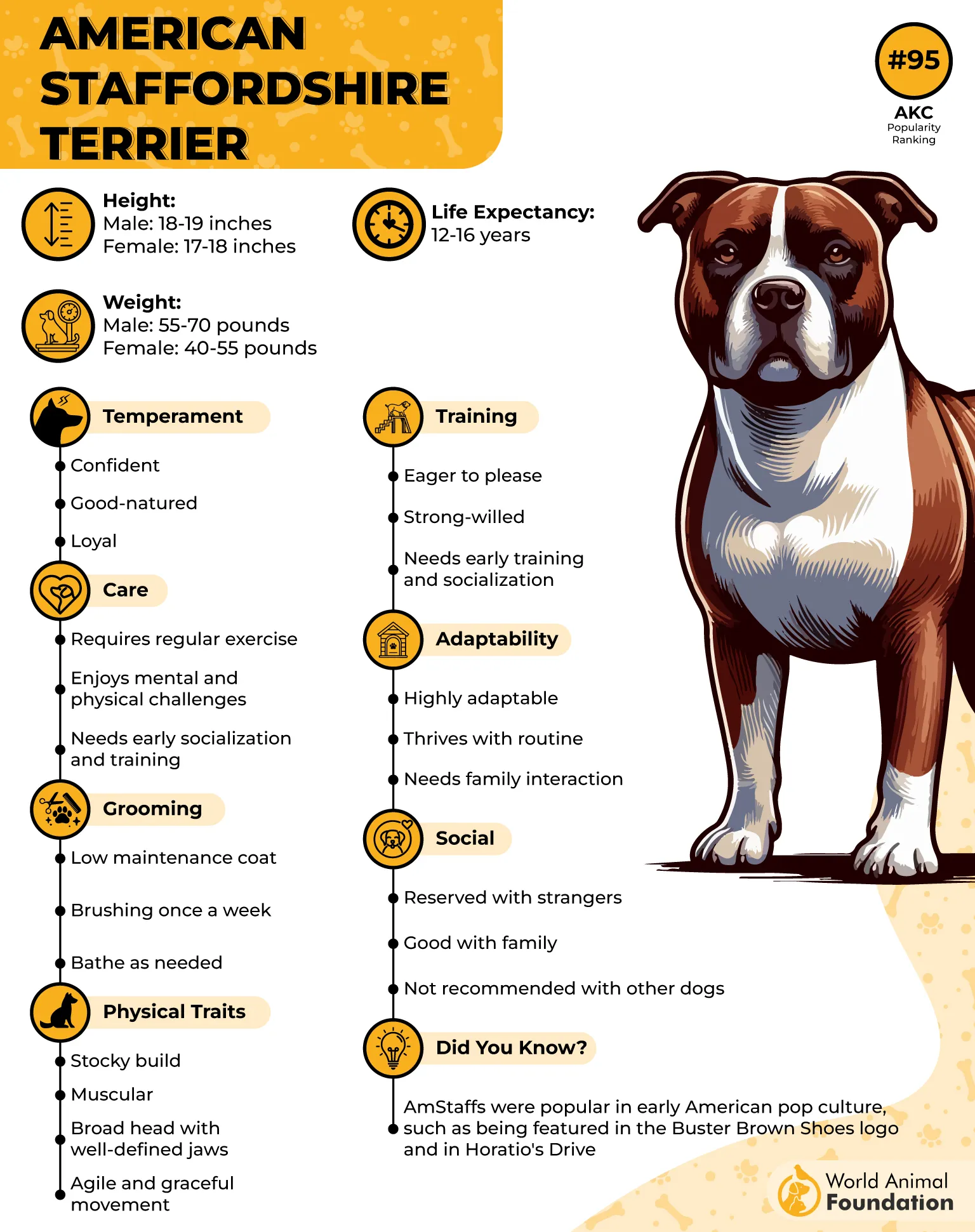
Use food and toys as rewards, and end on a win. But wait, there’s more! When the dog knows what happens next, its behavior often stays calmer, even when surprises pop up.
Management matters with other animals. If you have cats or rabbits, use gates, crates, and supervision during the early weeks. Keep the outdoor space secure, since a motivated chase can happen fast.
With a calm structure, this breed can be affectionate, playful, and steady in the home while still respecting its high prey drive.
Small habits that change the whole day
Practice calm exits from doors and gates.
Use a flirt pole only with clear start and stop cues.
Rotate toys so play stays fresh, not frantic.
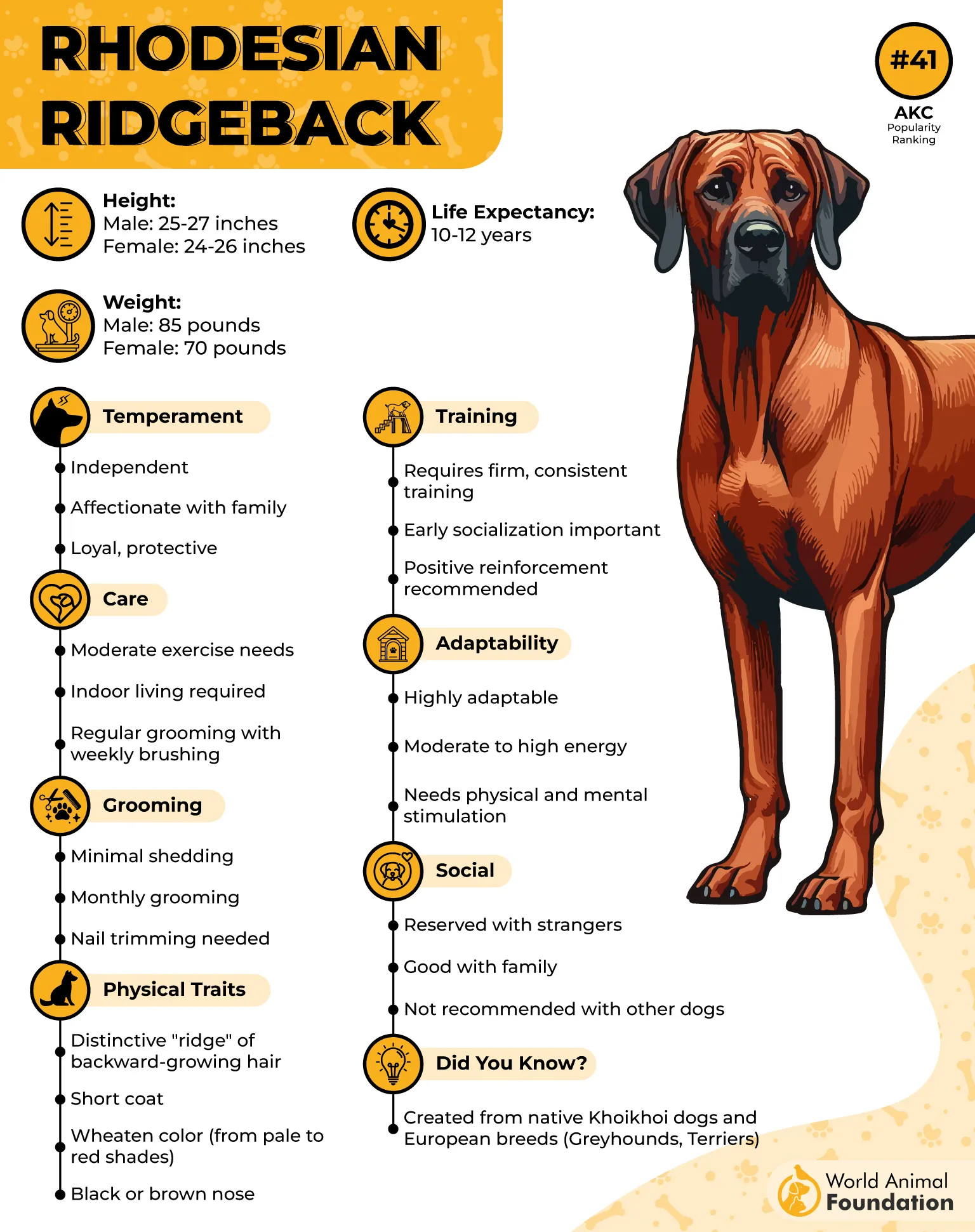
6. Rhodesian Ridgeback
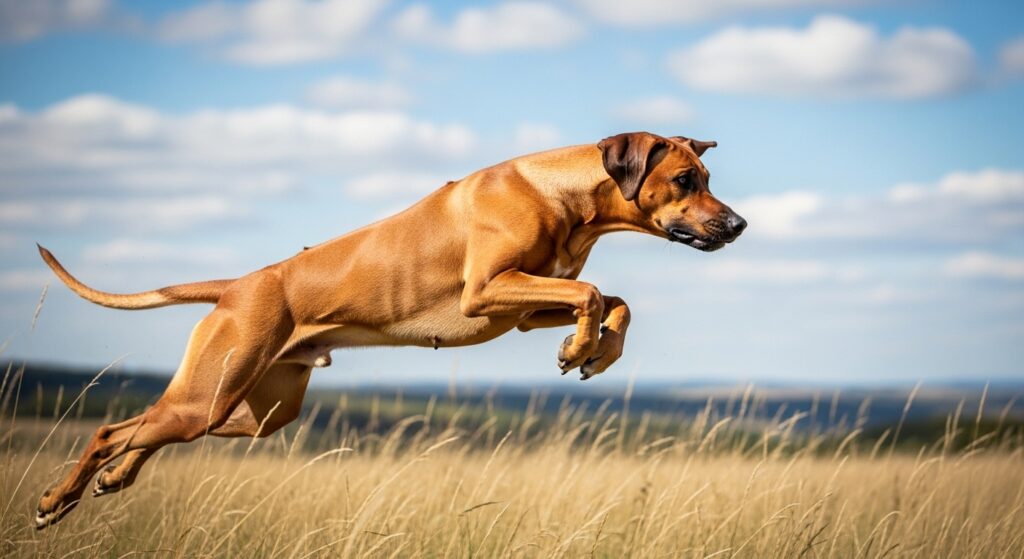
This breed was built for stamina and serious focus. A strong prey drive is common, and many individuals will chase moving animals without thinking twice.
It can be a squirrel in the outdoor space, a cat across the street, or small animals in the brush. The instinct is to track prey, pursue, and stay on task. That can look calm at first, then suddenly, very fast.
Independence is part of the charm, but it changes training. You need patience and clear rules. Keep sessions short. Use food and praise, then stop before the dog checks out.
But why bother with gentle practice? Because the prey drive can reward itself if it gets loose and gets to chase. That habit grows fast, and it is hard to undo.
Use a secure fenced space for off-leash time, and keep a dog leash in open spaces. Build a “place” cue so the dog can settle indoors.
If pets like cats live in the home, create safe zones and supervise. With a steady structure, the breed can be loyal and calm at home, while still carrying a high prey drive outside.
A tracker with a big heart
Teach “place” so the dog learns an off switch.
Walking in quiet areas while training stays new.
Use scent games to satisfy hunt urges safely.
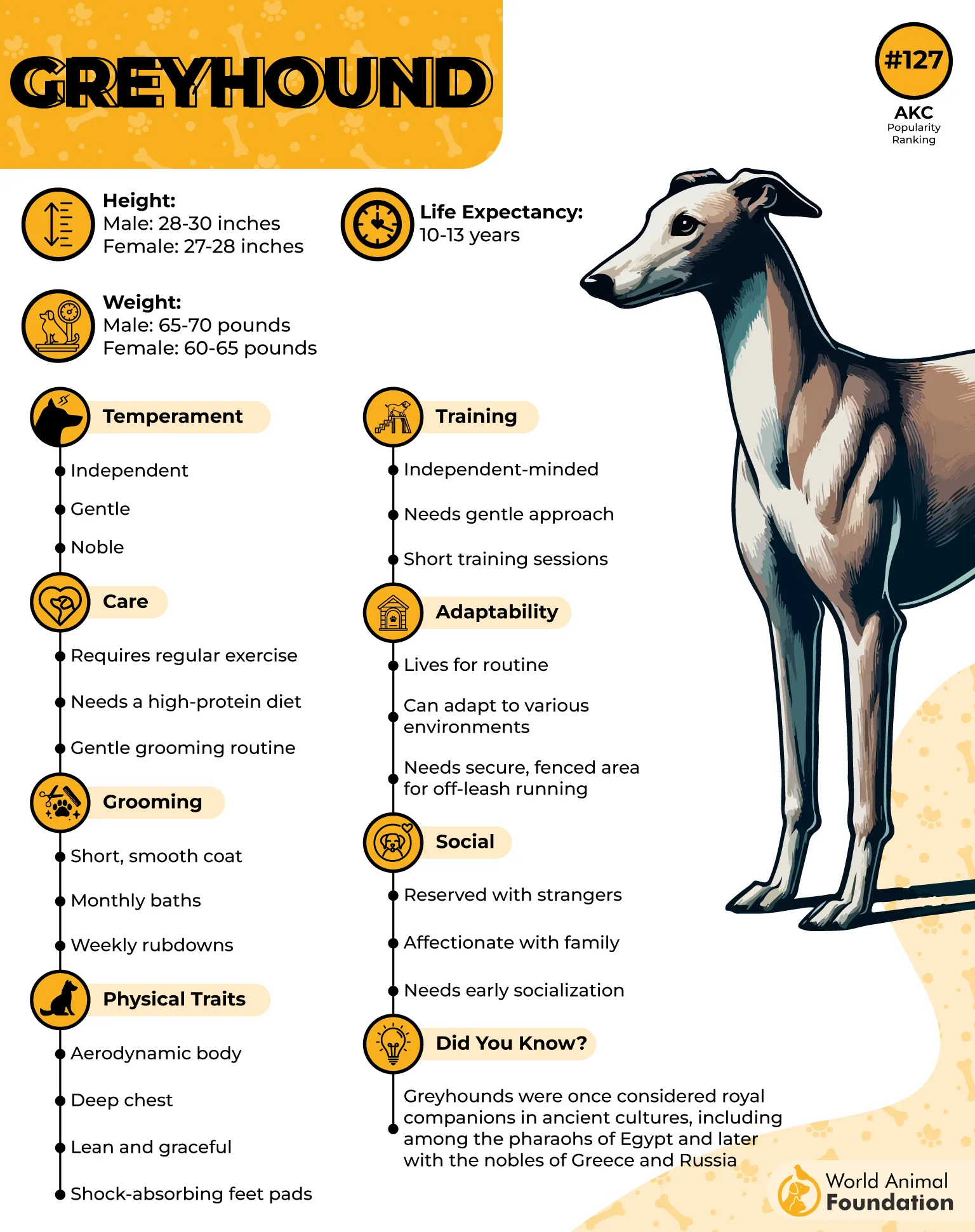
7. Greyhound
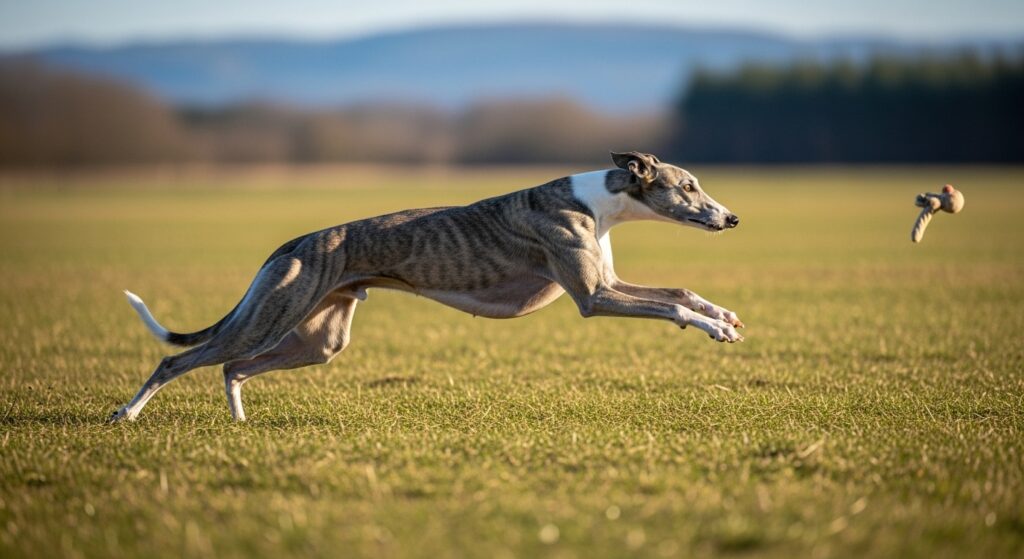
This breed is built to sprint, and it sits high on many drive dog charts for pure speed. Prey drive here is strongly tied to sight. The dog can spot prey far away, then launch into a chase before you even react.
That is why a leash is a must in open areas. In the outdoor space, fencing needs to be tall and secure, because this breed can hit high speeds and turn fast.
Here’s the good part. Many Greyhounds are gentle at home and love soft beds. They can seem lazy, which feels wild after you see them run.
But wait, there’s more! The calm couch side does not erase high prey drive outdoors. A rabbit, a squirrel, or a cat running can flip the switch in a second.
Training should be simple and positive. Reward dog check-ins on walks. Practice calm starts at the door. Some homes choose a muzzle during the early months with cats, as a safety tool while everyone learns.
Give safe outlets in securely fenced areas. When you respect the prey drive and plan around it, this breed can be relaxed and lovely indoors.
Fun facts that matter for safety
Low body fat means soft beds help joints and skin.
Use fenced play areas, never open fields.
8. Beagle
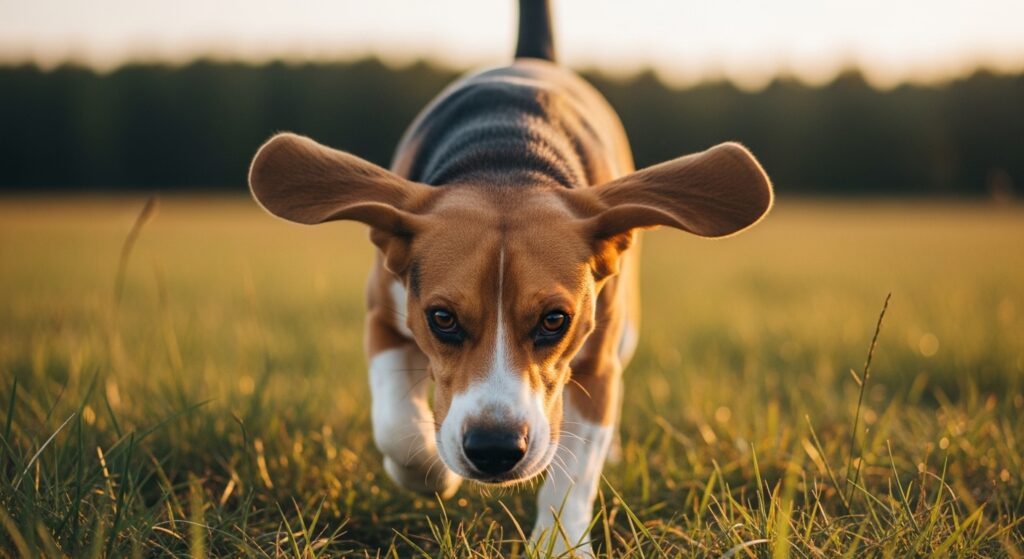
This breed follows scent as if it were reading a story. The prey drive often starts with the nose, then the chase follows. A Beagle may drop its head, then pull hard toward prey it cannot even see.
If a rabbit crossed the path earlier, the dog may still want to hunt it. That is why walks can feel like a tug-of-war if you are not ready.
AKC notes that Beagles are friendly, but they can be stubborn. Training works best when it feels like a game and when food is involved. Keep sessions short.
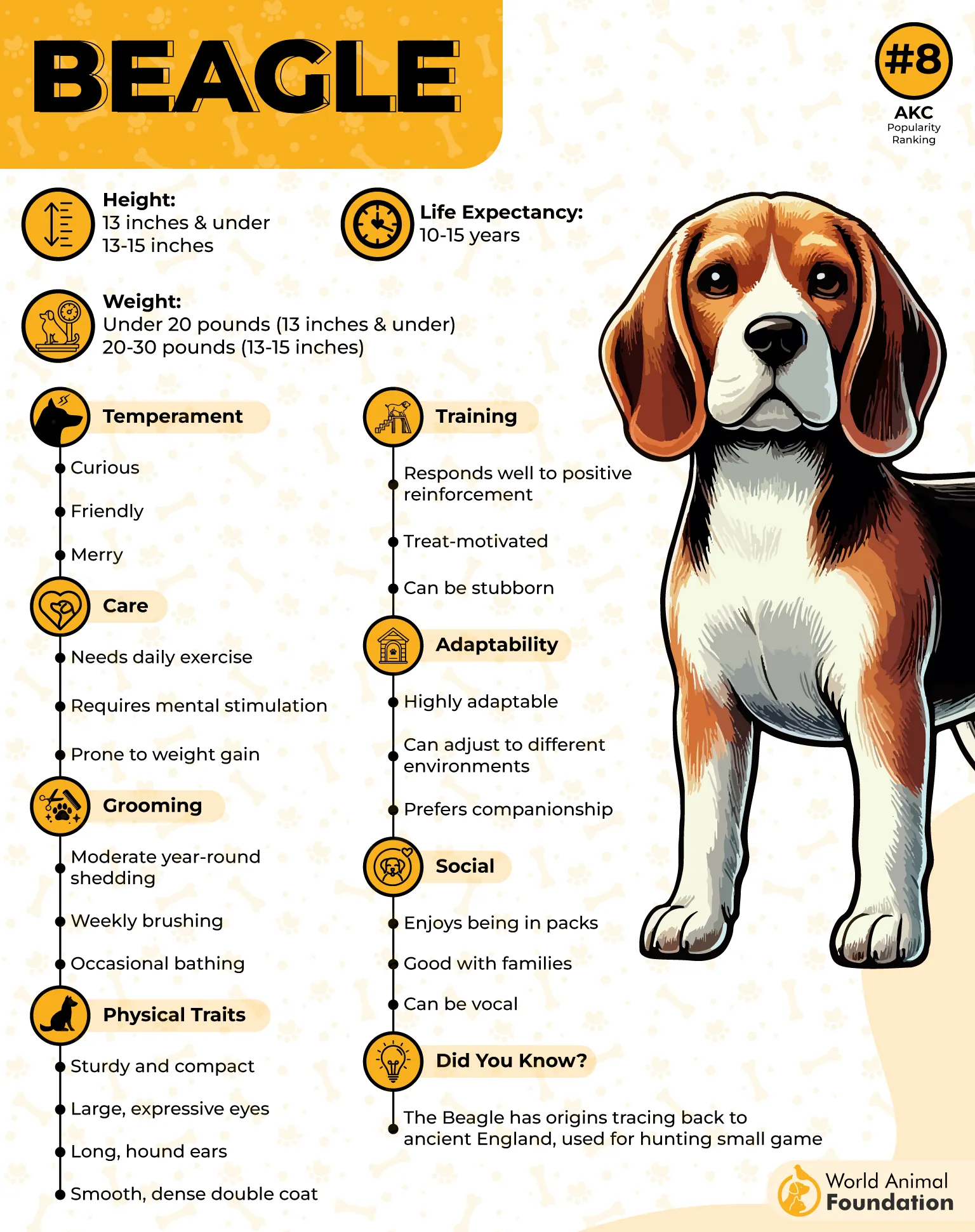
Build recall indoors, then in the outdoor space, then on a long line outside. It gets even worse, though, if the dog learns it can ignore you and still get the fun of the chase. So do not let that pattern start.
In a home with cats or other pets, go slow. Some Beagles do fine, but a sudden run can spark chasing. Keep the outdoor space secure, because a scent trail can pull the dog into trouble fast.
Give daily sniff walks and puzzle food. With that, high prey drive becomes easier to live with, and the dog stays happy.
The nose needs a legal outlet.
Play “find the treat” in the outdoor space for safe hunting fun.
Use a harness to protect the neck during walks.
Teach a whistle recall for emergency control.
9. Saluki
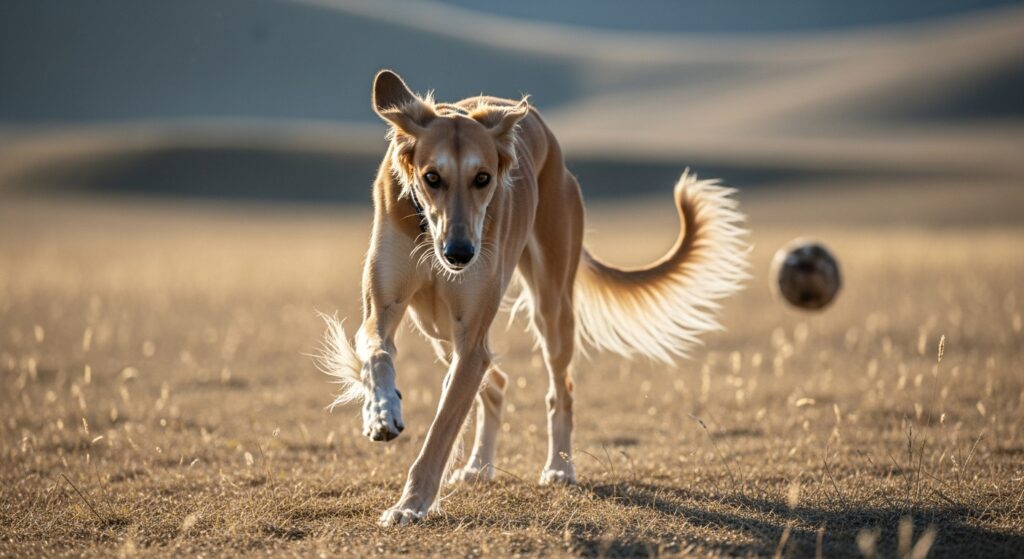
This breed looks elegant, but the engine is serious. Salukis are sighthounds bred to hunt fast prey, so the chase can be quick and quiet.
The dog may spot prey, lock on, and sprint like it is flying. That high prey drive is part of the breed’s long history. This high prey drive dog still shows it in open spaces.
Independence is common, so training needs patience and respect. Keep it light. Use food rewards and short sessions. If you push too hard, the dog may shut down.
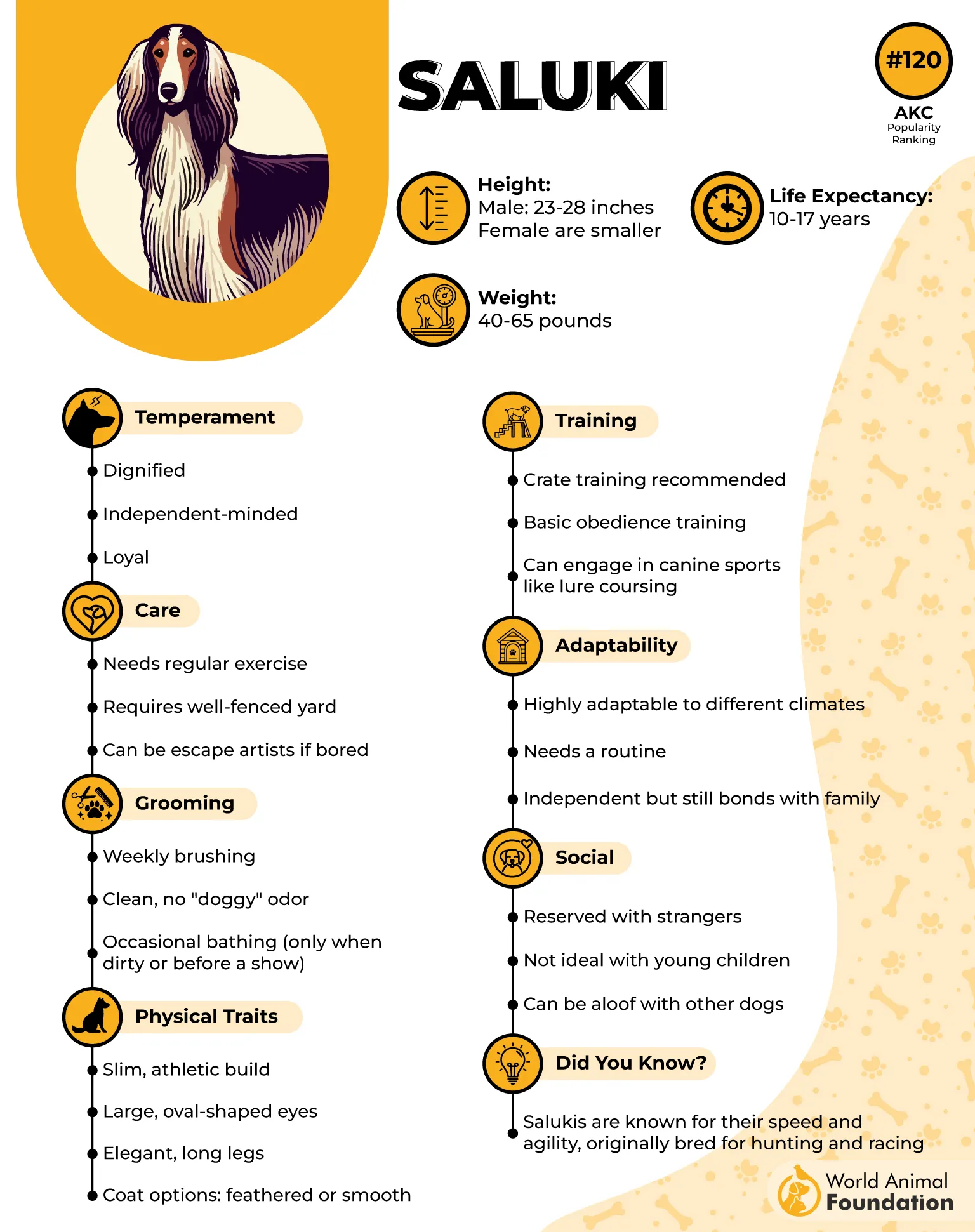
But why bother being that careful? Because control comes from trust, and trust takes time. When the dog feels safe with you, it is easier to redirect from prey.
Use a secure fenced space for off-leash time, and keep a leash where wildlife is common. If cats live in the home, avoid fast chase games indoors and supervise early on.
Some coats have minimal grooming, which is a plus. Still, the main need is safe outlets for high prey drive, like lure-style games inside a fenced space and calm, steady walks.
Notes for a sensitive sprinter
Practice recall indoors, then add mild distractions slowly.
Keep a routine so behavior stays predictable.
Use soft, durable toys that do not spark wild chasing inside.
Conclusion
High prey drive can feel big, but it is workable. Once you understand your dog’s prey drive, the whole plan feels less scary. These breeds were shaped for jobs that involve prey, hunt focus, and fast chase bursts. So, give your dog a plan right now.
Use training that is short and upbeat. Protect pets, cats, and other animals with smart barriers and supervision. Choose a secure fenced space for off-leash time, and keep your dog close when you need to. On walks, reward calm choices and keep your route realistic.
And here’s the best part! When you stop fighting instinct and start guiding behavior, your dog relaxes. You also rebuild trust, one calm moment at a time.
