




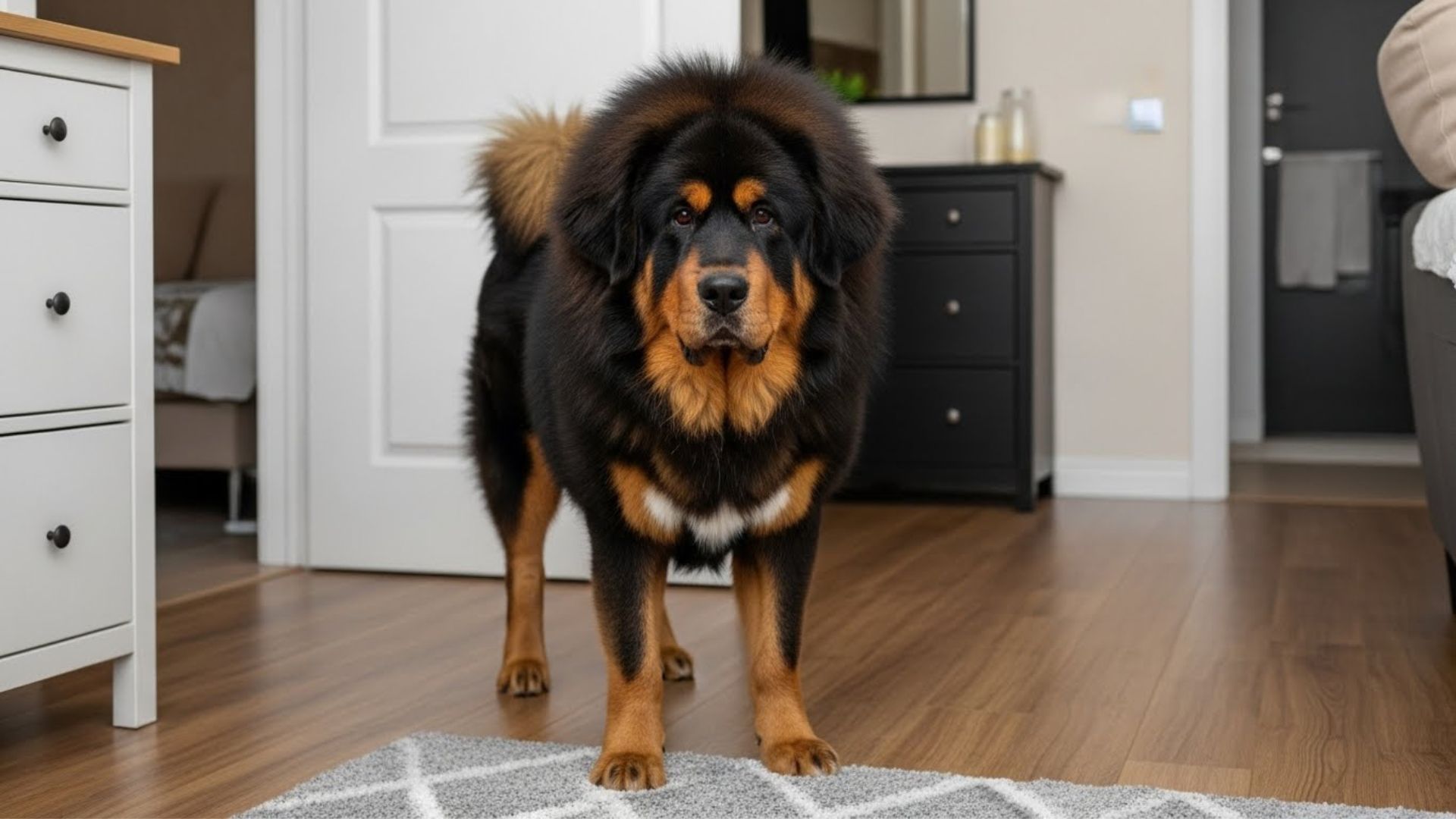
Some dogs were bred to herd sheep, and some, to hunt.
And, some amazing dog breeds were bred to guard. To protect. To stand between danger and the people they loved.
We are talking about breeds with centuries of guardian work in their blood. Dogs that protected livestock from wolves. Estates from intruders. Families from threats.
These were not pets first. They were working dogs with a job that demanded immense courage, intelligence, and loyalty.
These were the amazing dog breeds historically used as guardians. Today, they are deeply loyal, naturally protective, and incredibly devoted to their family.
Let’s talk about nine such brave dogs.
Amazing Dog Breeds Historically Used as Guardians
1. Caucasian Shepherd
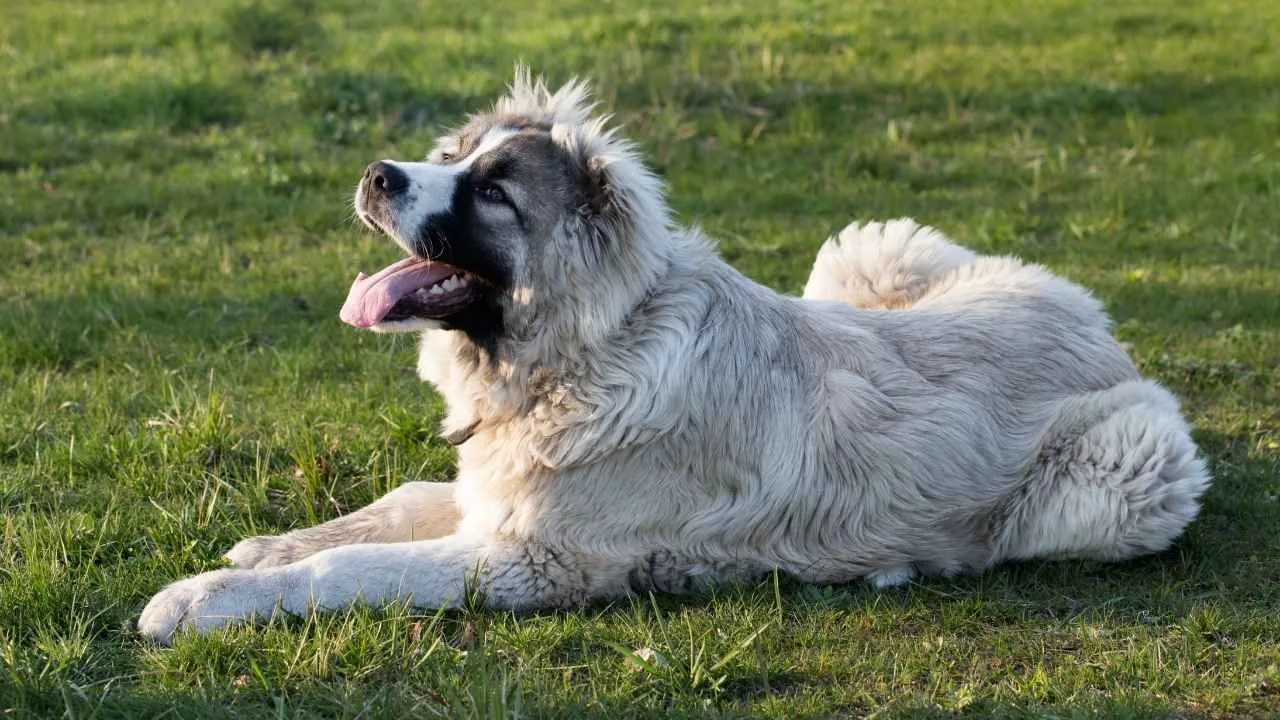
Massive and fearless. Made for mountain warfare.
The Caucasian Shepherd was originally bred in the Caucasus Mountains to protect livestock from wolves and bears.
Bears. Can you believe it? PetMD noted they are also called ‘Russian Bear Dog’ for this reason.
This breed does NOT mess around!
They are naturally wary of strangers and have protective instincts that kick in whenever something is off. These Shepherd dogs were developed to work independently. They made decisions on their own when threats appeared. That independence is still strong today.
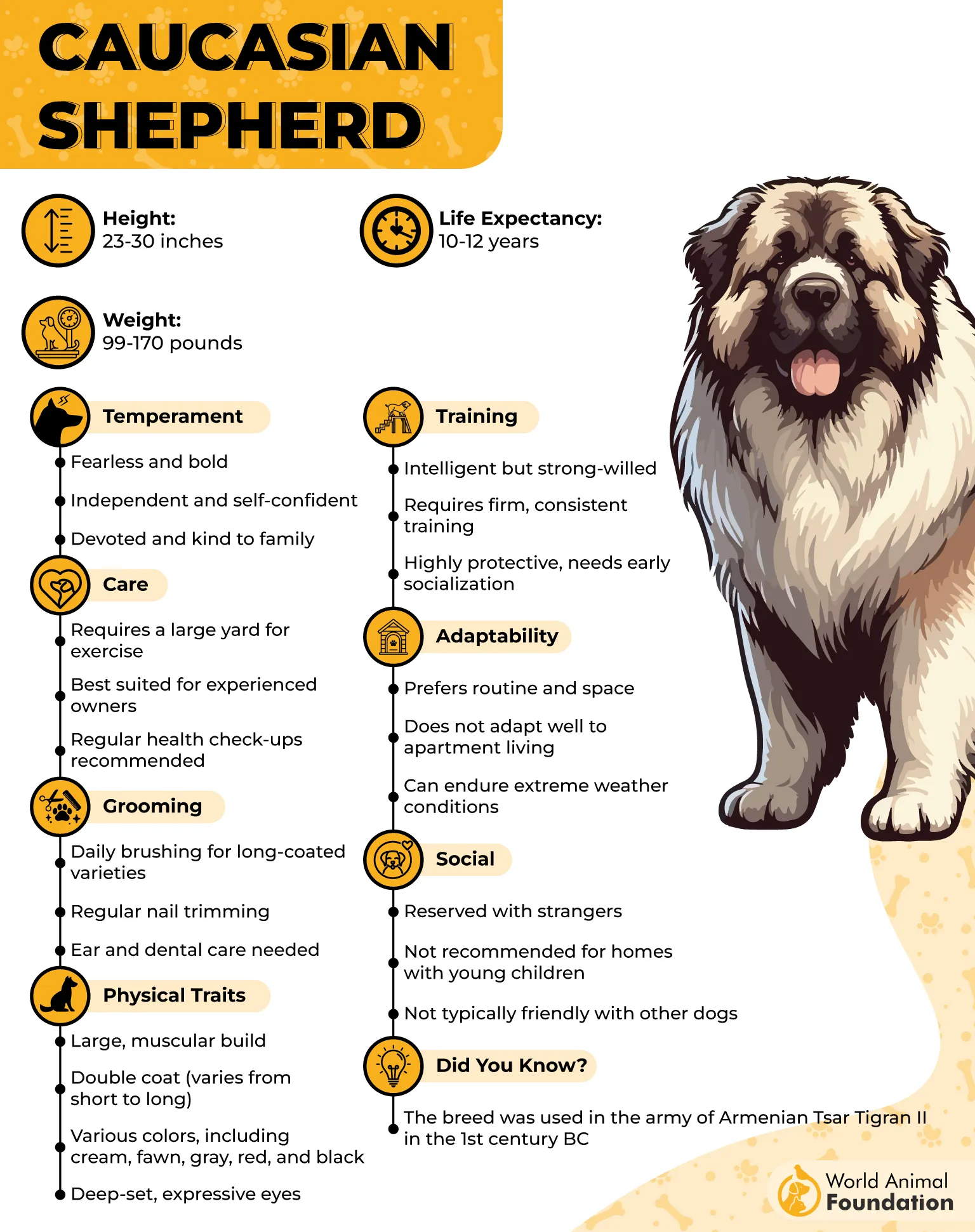
Caucasian Shepherds form deep bonds with their families. Although they remain highly alert to anything they don’t find familiar. Their intimidating presence is enough for intruders to get scared and back off. Most humans think twice before approaching a dog this size (170 pounds, yes).
Proper training is a MUST from a very young age for this breed. These dogs do not usually trust anyone. They need consistent training and socialization to understand what’s a threat versus what’s safe.
Without it, their protective nature can become problematic.
These large dogs are deeply devoted to the family members, children, but they need space and mental stimulation. They thrive in active households with trained owners who understand working dogs.
That physical strength and those instincts make them effective guardians, but only with the right care and structure.
2. Tibetan Mastiff
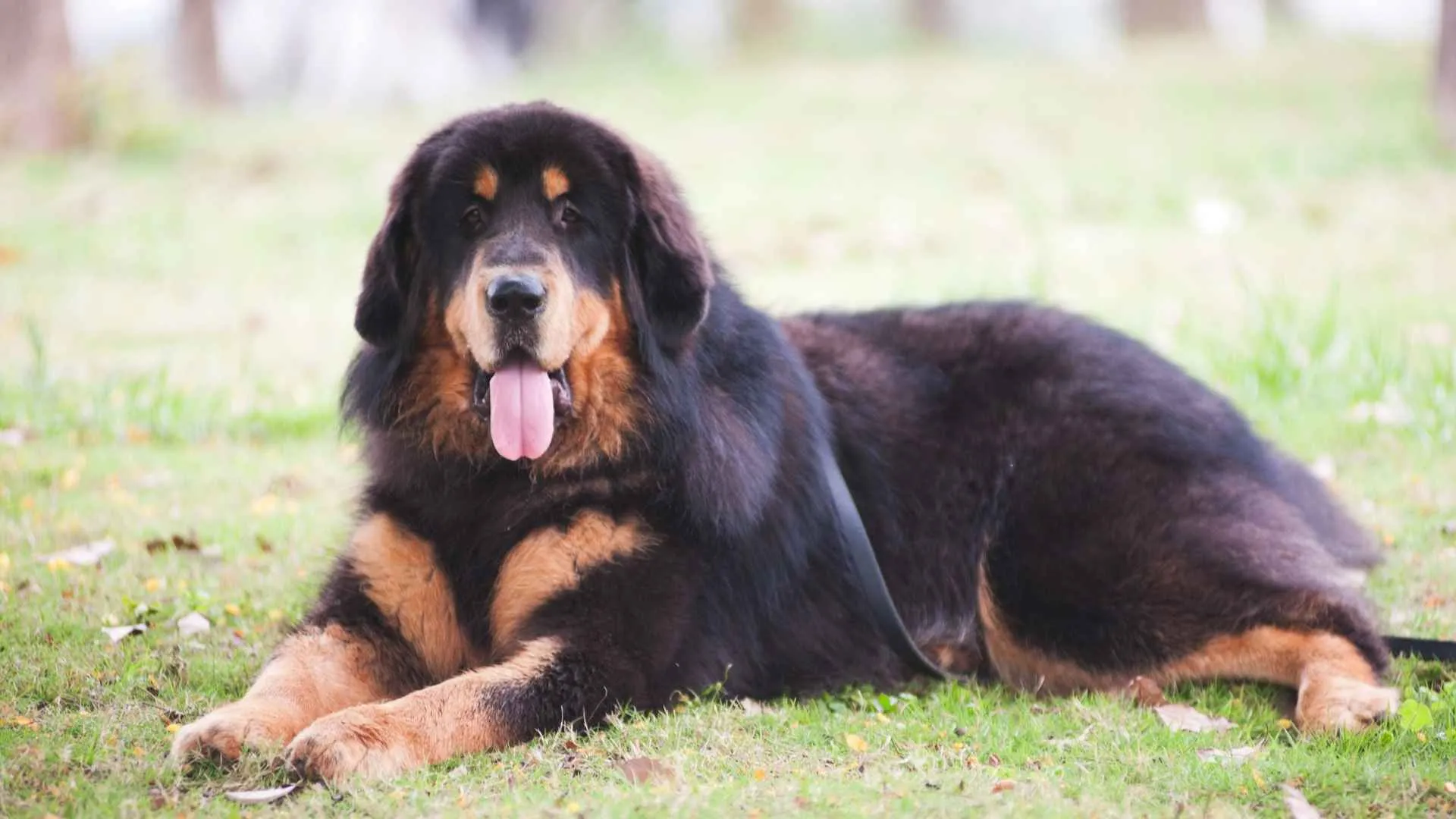
Ancient. Independent. Born to guard monasteries and caravans.
The Tibetan Mastiff has been protecting Tibetan nomads and their property for thousands of years. As per the American Kennel Club, they are so ancient that we have no idea about their exact origin, but it has got to be at least a millennium since these are in Tibet, being the guard dogs.
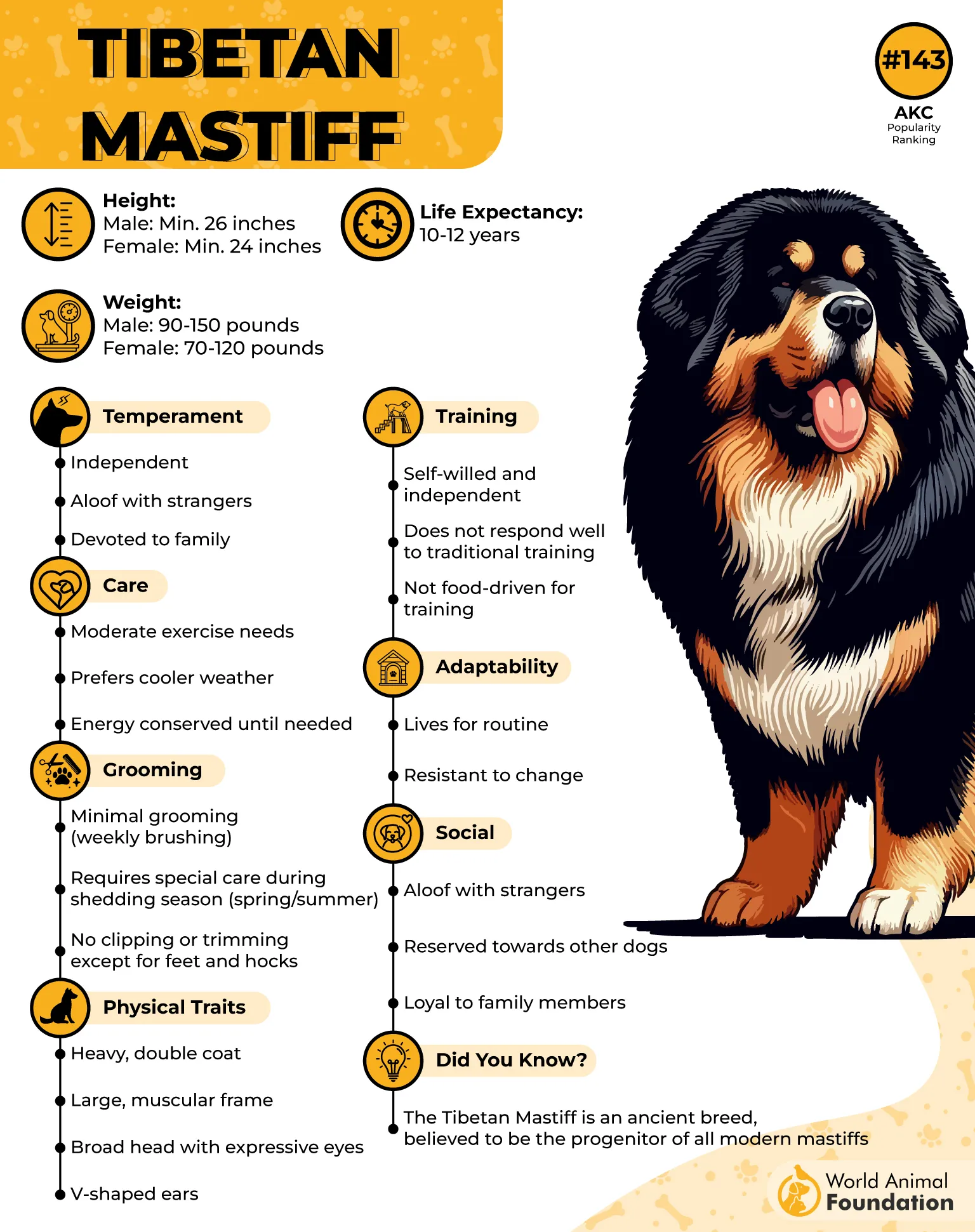
These Mastiff-type dogs patrolled at night when their owners slept. They watched for predators and strangers approaching camps and villages.
What makes this breed unique is their natural wariness and a calm demeanor around their family. They are not aggressive without reason, but their alertness is second to none.
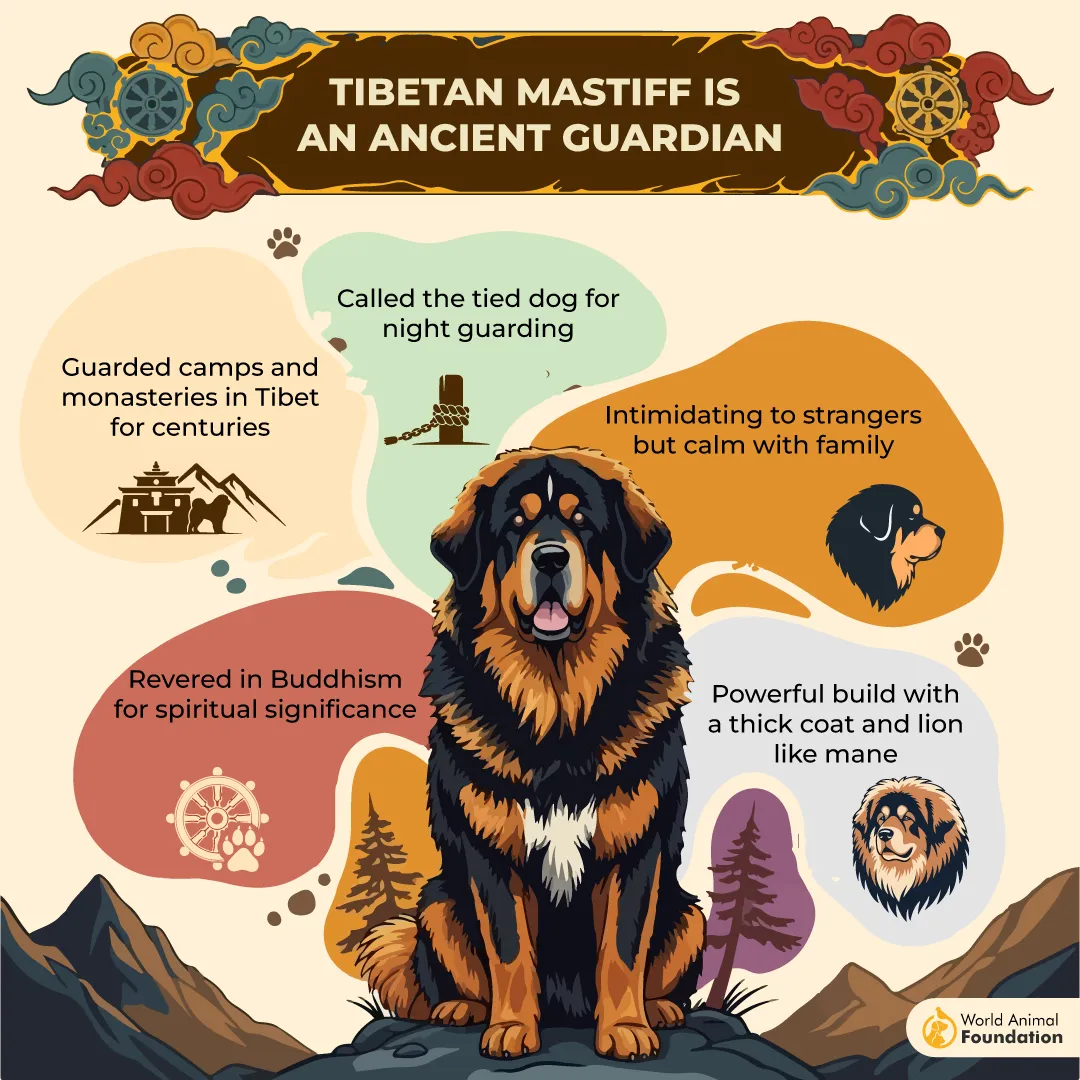
Tibetan Mastiffs are fiercely loyal companions. But, incredible independent thinkers, as well.
They were bred to make guardian decisions without human direction, which means they are not the most obedient breed in traditional training settings.
Their commanding presence and deep bark are enough to stop threats before they escalate. They don’t need to be aggressive because their size and confidence handle most situations.
Socialization from a young age is important. These dogs need exposure to different people, animals, and environments to develop a balanced temperament. Without it, their natural protectiveness can turn into “overprotectiveness”.
They bond deeply with family but remain reserved with strangers. That is not unfriendliness. That is just their guarding royalty heritage. They are gentle giants at home. And, formidable protectors when you need them to be.
3. Boerboel
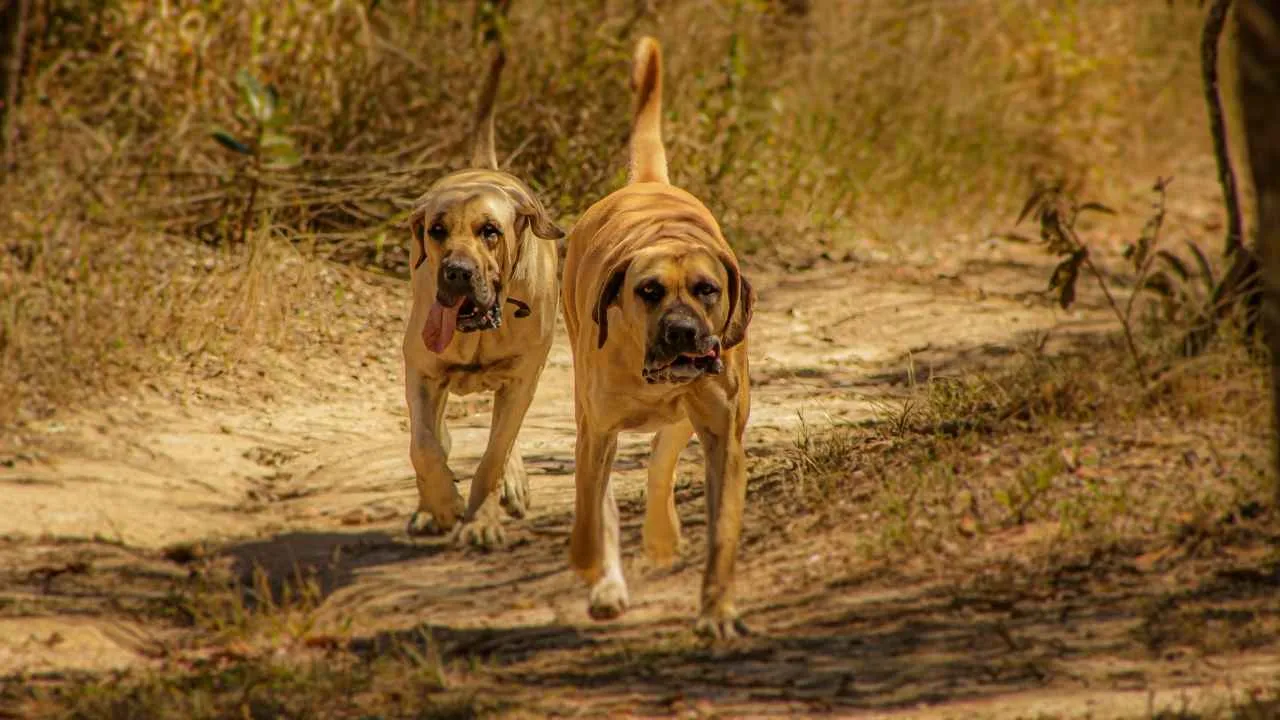
South African Mastiff. Powerful. Originally bred to defend farms from wild animals.
The Boerboel was developed by Dutch settlers in South Africa to protect farms from lions, leopards, and other animals.
This breed needed strength, courage, and sharp instincts to survive these conditions.
What’s remarkable about the Boerboel is their ability to get normal activity and actual threats. They are not very reactive dogs that bark at everything. They assess situations at first glance.
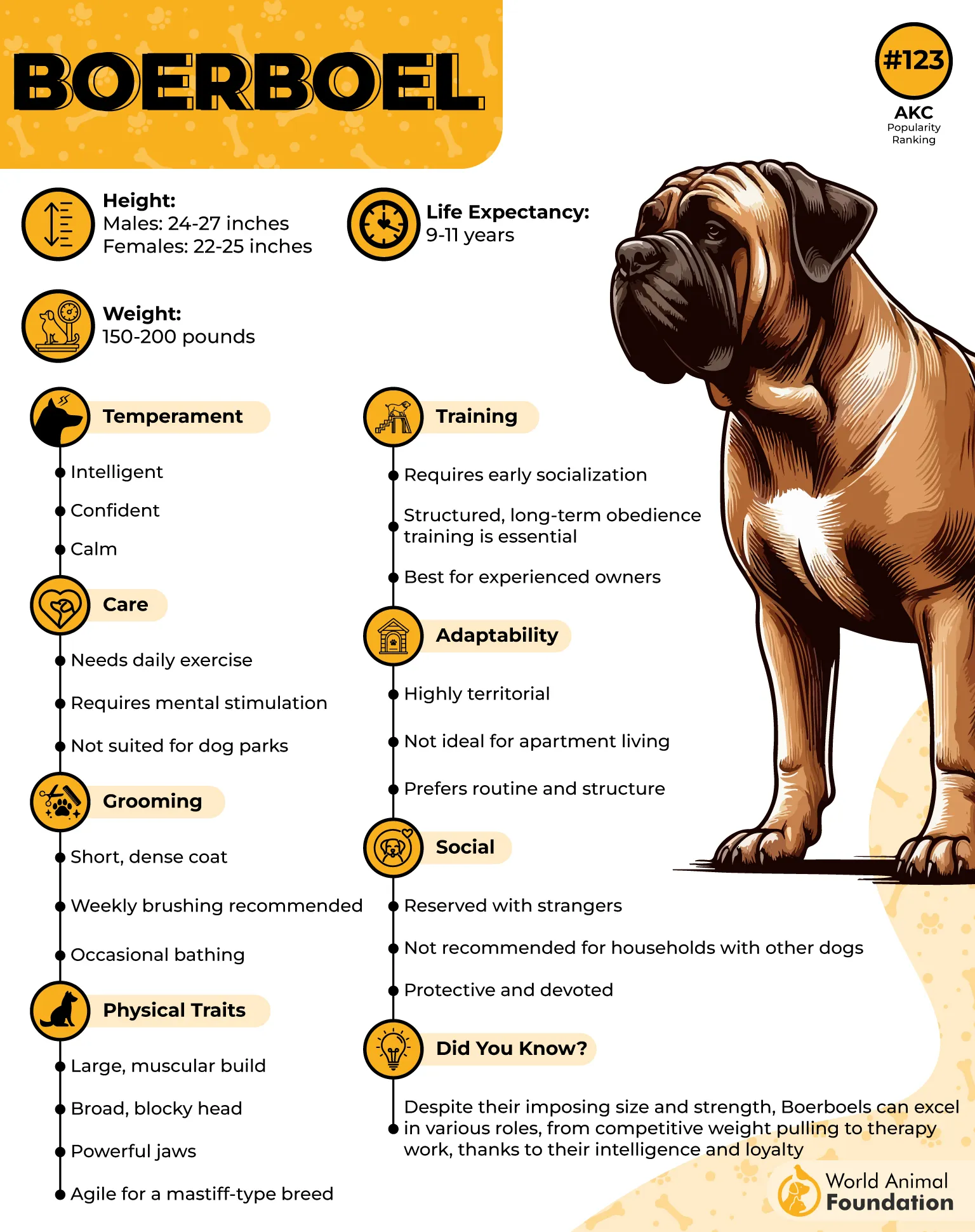
As far as the guard dogs’ nature goes, they can get aggressive when seeing threats. That’s why proper training and socialization are mandatory. With proper care, these dogs become incredibly loyal to their family and children they are raised with.
Their affectionate nature at home is in sharp contrast with their protective instincts when strangers approach their territory.
But with proper training, they become reliable guard dogs. This breed is intelligent enough to learn commands quickly and confident enough to act when protection is necessary.
These dogs need regular exercise and mental stimulation to stay balanced. A bored Boerboel can become destructive. But a well-trained dog can become an excellent protector and loyal companion who knows exactly when to guard and when to relax.
Boerboel are naturally wary of people but NEVER fearful!! That confidence and their muscular build make them excellent guard dogs for families who understand their needs.
4. Rottweiler
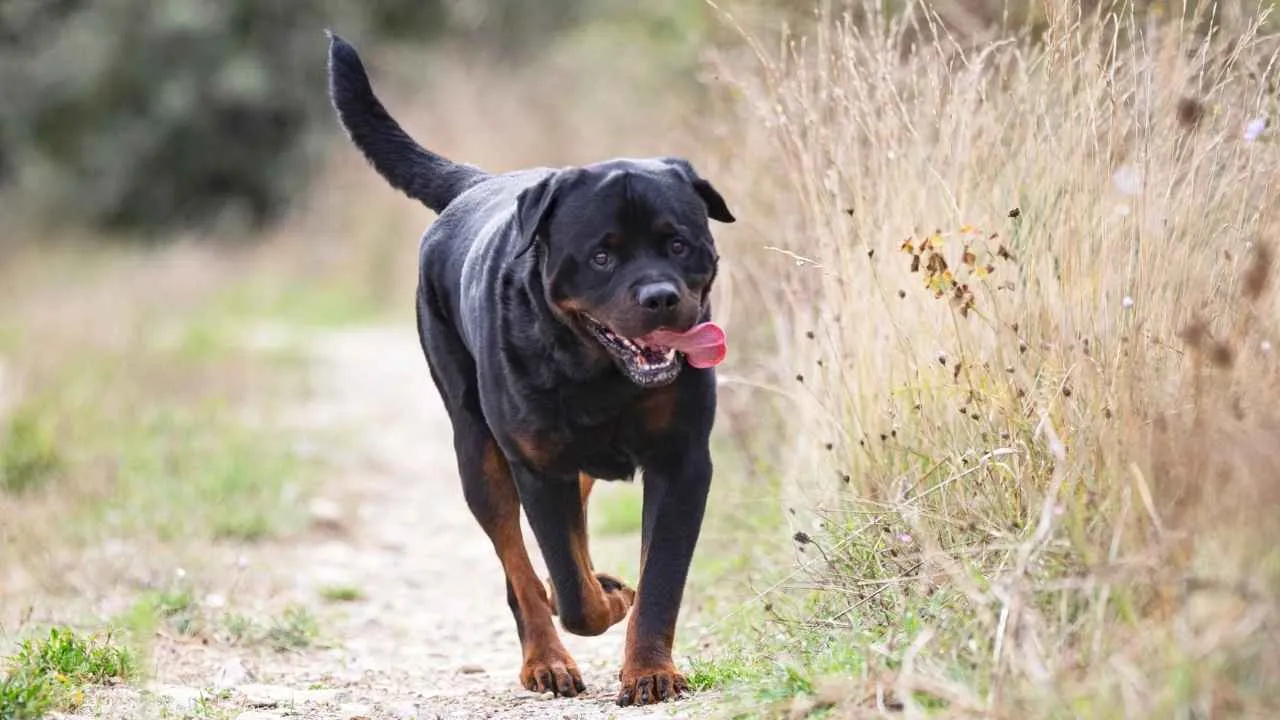
Roman heritage. Versatile. Used to guard cattle and pull carts from butchers.
Rottweilers descended from Roman drover dogs that protected cattle during long military campaigns. Later, they worked for a German tax collector who used them (one of the many breeds) to create a new breed, the Doberman Pinscher, as noted by the AKC.
Also, they worked for the butchers in the town of Rottweil, from where they got their name.
This breed’s versatility as both a guard and working dog made them invaluable. They have been guards, used in military work. They could protect, haul, and herd, all while maintaining focus and loyalty.
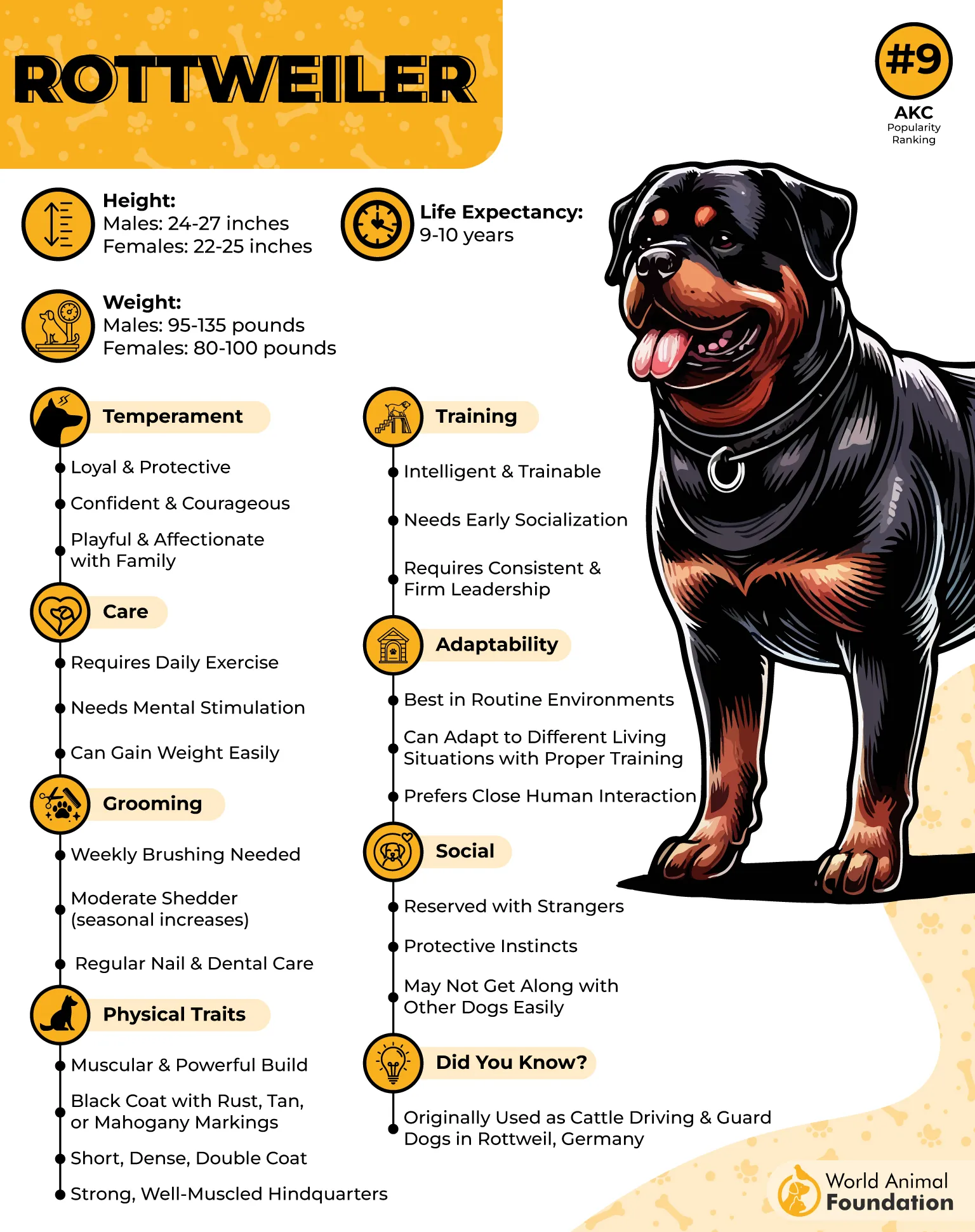
Rottweilers (despite their reputation) are deeply devoted to the family and form strong bonds. Their protective instincts are natural, but consistent training channels those instincts properly.
Intelligence + courage is what makes sense for these excellent watchdogs. They assess threats calmly and respond with confidence, not panic or excessive aggression.
Socialization from an early age helps them understand that not everyone is a threat. These dogs thrive with active families who give them clear leadership and plenty of engagement.
Their work ethic is strong, so giving these guard dogs tasks or training goals keeps them mentally sharp and emotionally satisfied.
5. German Shepherd
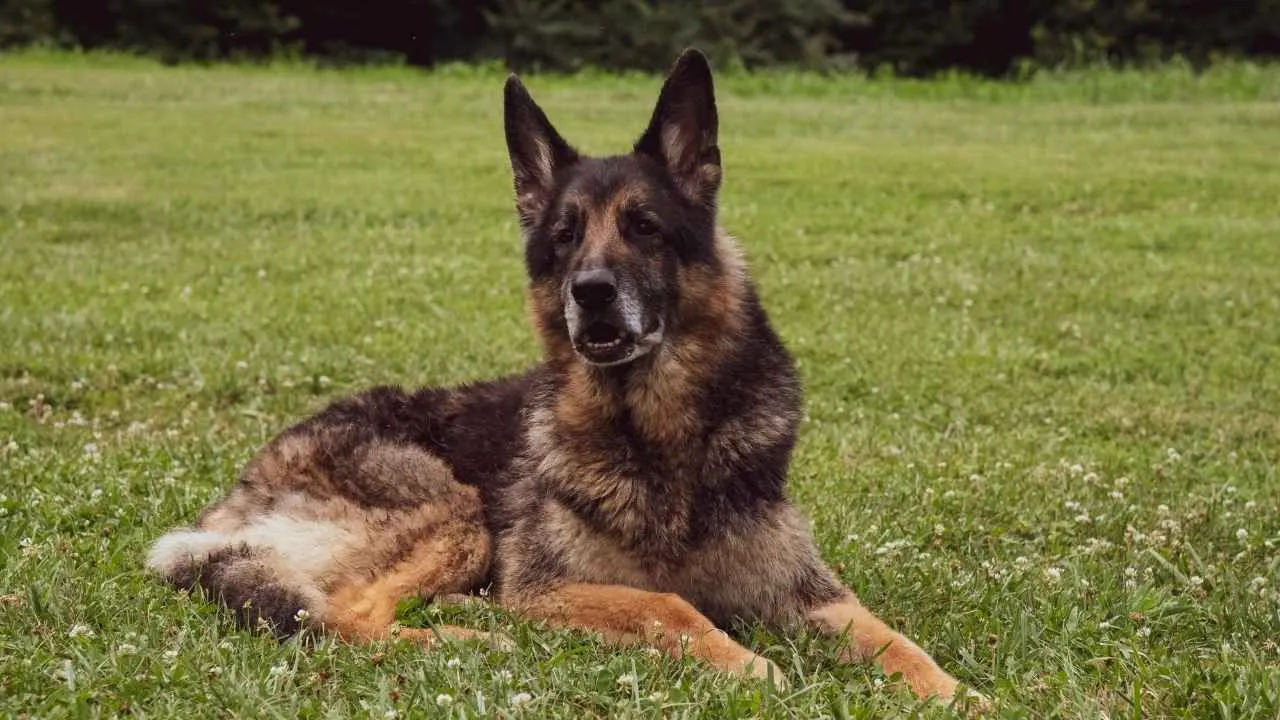
Iconic. Intelligent. Originally bred as herding dogs, now used for protection work. The #1 well-known dog in the world.
German Shepherds were developed in Germany for herding. But their intelligence and trainability made them favorites for police work and military roles.
They have this insane ability to learn complex commands and work under pressure. Total legendary stuff. This breed’s protective nature is balanced with excellent judgment. These police dogs don’t attack without reason, but they are always alert and ready to protect.
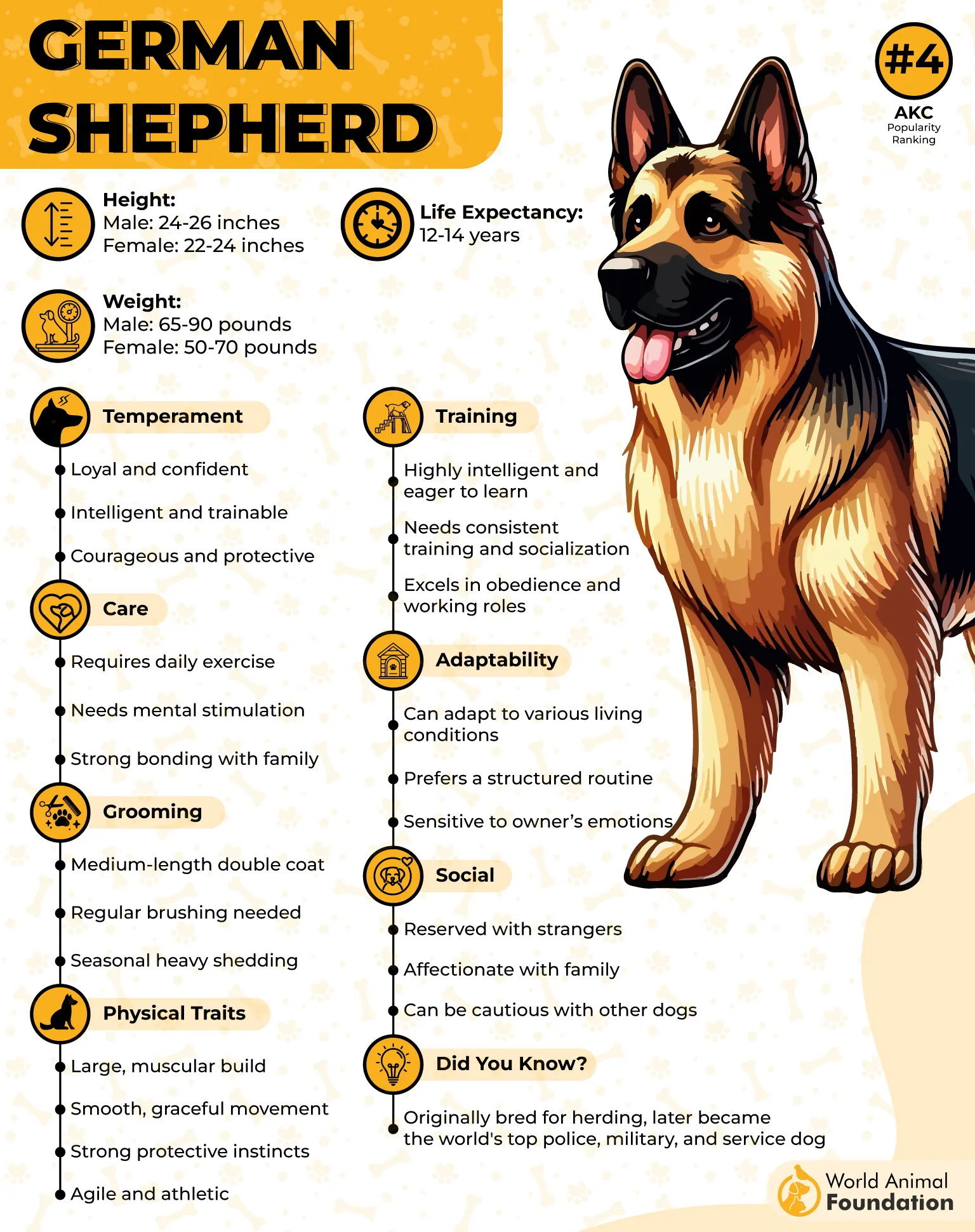
These dogs are incredibly loyal and naturally protective without being aggressive toward friends. They know and understand between family, friends, and strangers based on context and training.
Their high energy levels mean they need regular exercise and mental challenges. A German Shepherd without enough stimulation will find ways to entertain themselves. And, you might not like their choices.
Proper training from a young age shapes these dogs as reliable protectors. They excel at learning commands and house rules. Hence, excellent watchdogs and companions. That’s why they are also GREAT military dogs.
Gentle nature at home + highly protective nature make them perfect for families seeking both protection and companionship.
6. Great Pyrenees
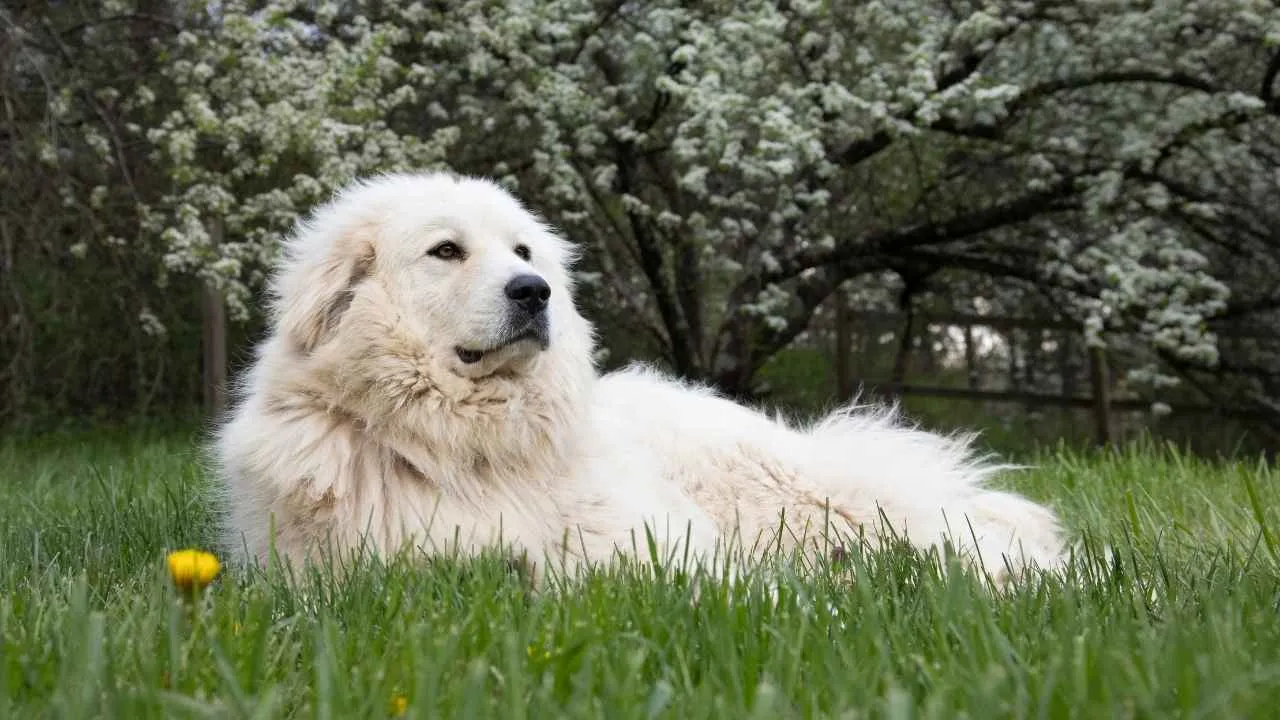
White. Majestic. Bred to protect livestock in the mountains alone.
The Great Pyrenees was bred to guard sheep flocks in the Pyrenees Mountains. These livestock guardians used to work independently for days without human supervision. They needed to protect livestock from wolves and bears while their shepherds were miles away.
That independence shaped their personality.
They are thinkers who assess situations and make decisions on their own.
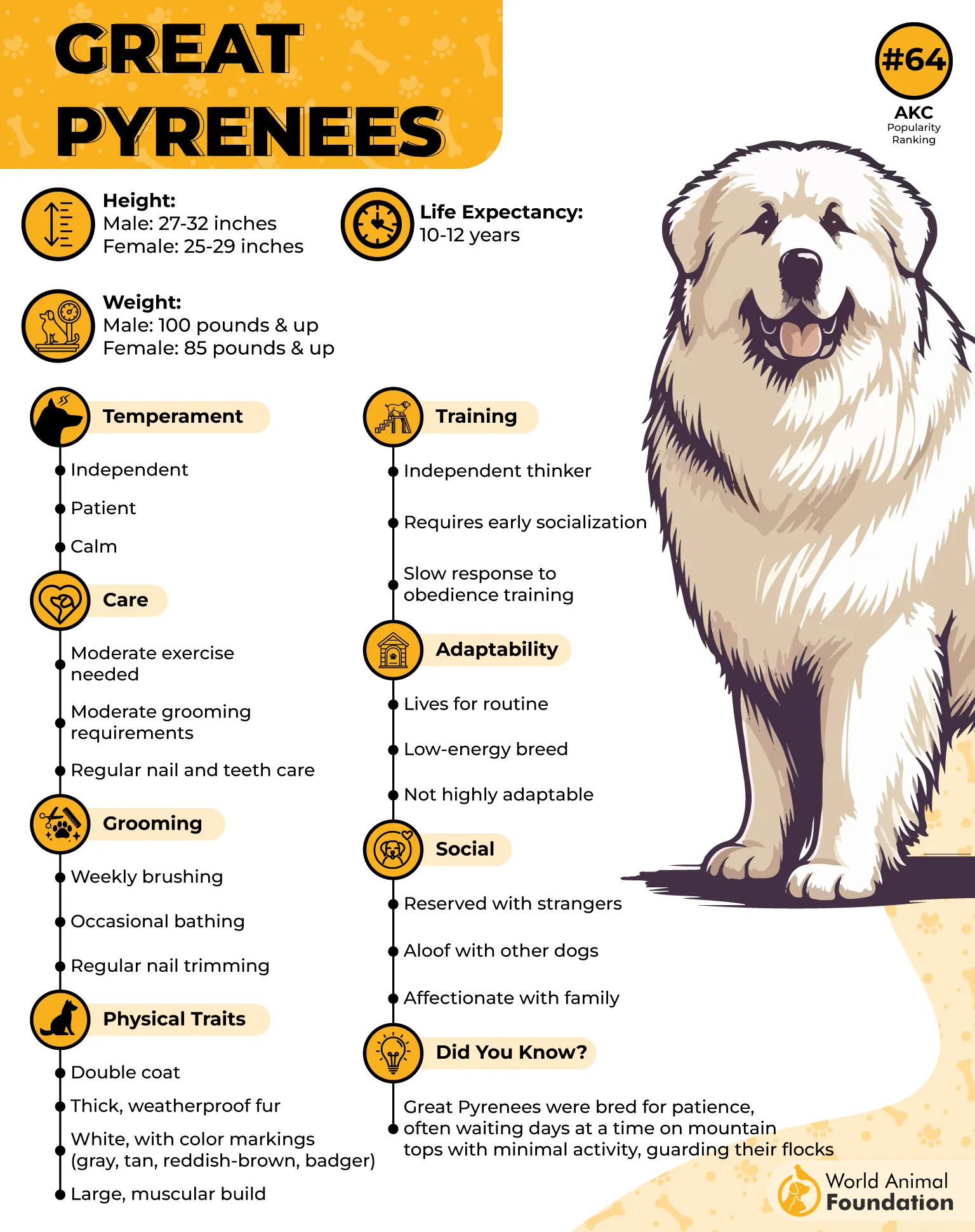
Great Pyrenees are gentle with their family and patient with children. Their calm presence makes them wonderful dogs, but their protective nature remains sharp when a threat appears.
They are natural protectors and naturally wary of strangers, a trait developed from centuries of guarding isolated flocks. Socialization helps them learn which strangers are safe, but they will always maintain a watchful presence.
Their thick white coat helped shepherds distinguish them from wolves, and it still gives them an imposing appearance today. Add that to their imposing size, and they are natural deterrents to intruders.
These beautiful white dogs need space and do not do well in an apartment. They were bred for farms and open territory, so they do best in homes with yards.
7. Komondor
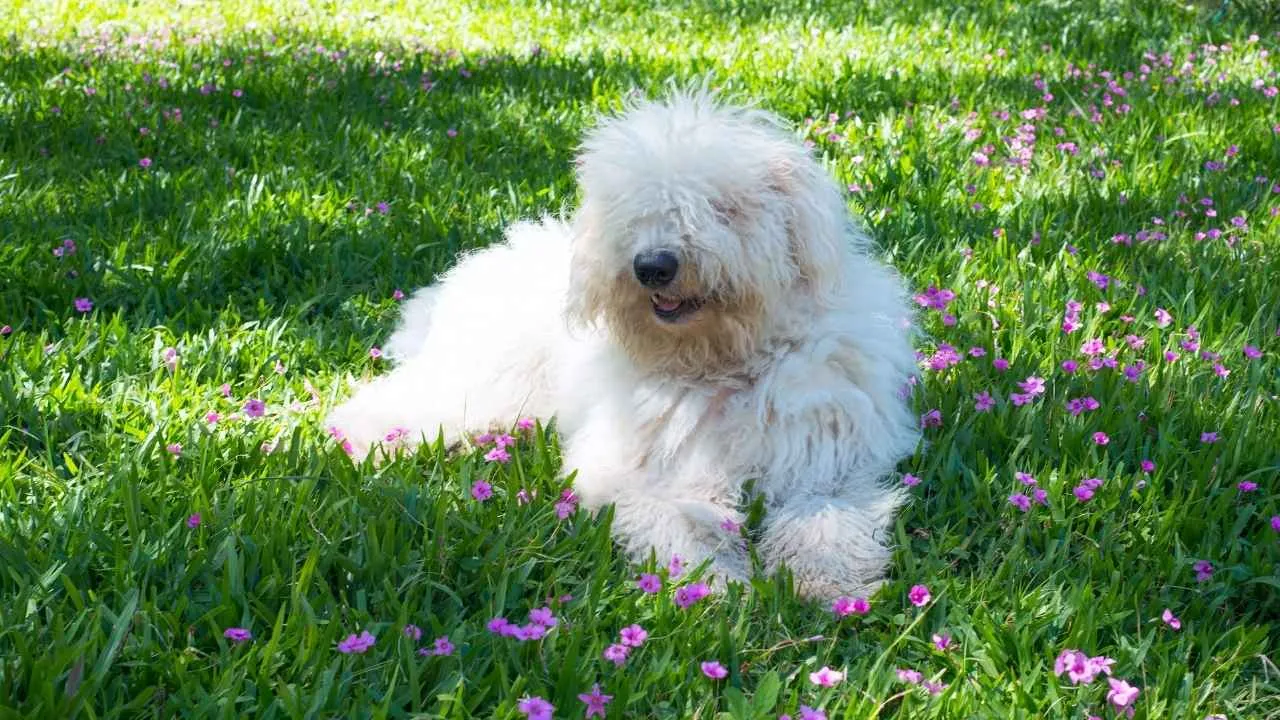
Corded coat. Fearless. Developed to blend with sheep when guarding flocks.
The Komondor’s unique corded coat is not for loos. It protected these guard dogs from wolf bites and harsh weather when guarding livestock in Hungary. Since the last TEN CENTURIES!!!
From a distance, they looked like another sheep, which gave them the element of surprise against predators. These dogs worked independently and made life-or-death decisions without much human input.
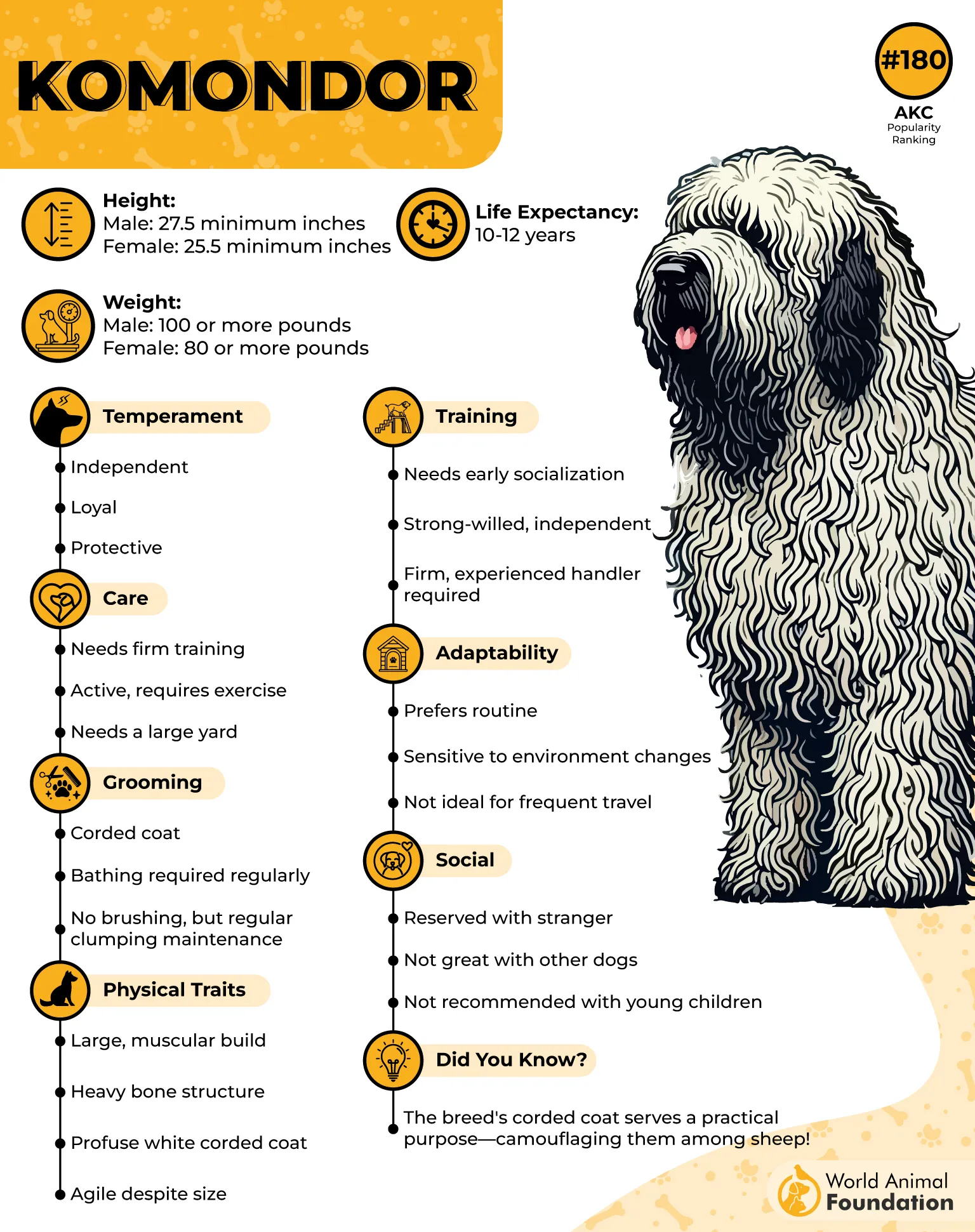
Komondors are fiercely loyal dogs for the family, but very suspicious of strangers. Their protective nature is insane, which makes early socialization very important for these natural guardians.
Their courage is unmatched. These dogs won’t back down from the wolves, and that fearlessness remains today. They are confident, strong-willed, and completely devoted to protecting their territory, property, and family.
They are intelligent but not obedient in the way herding dogs are. So, they are not for first-time dog owners and benefit from a trained family.
8. Bullmastiff
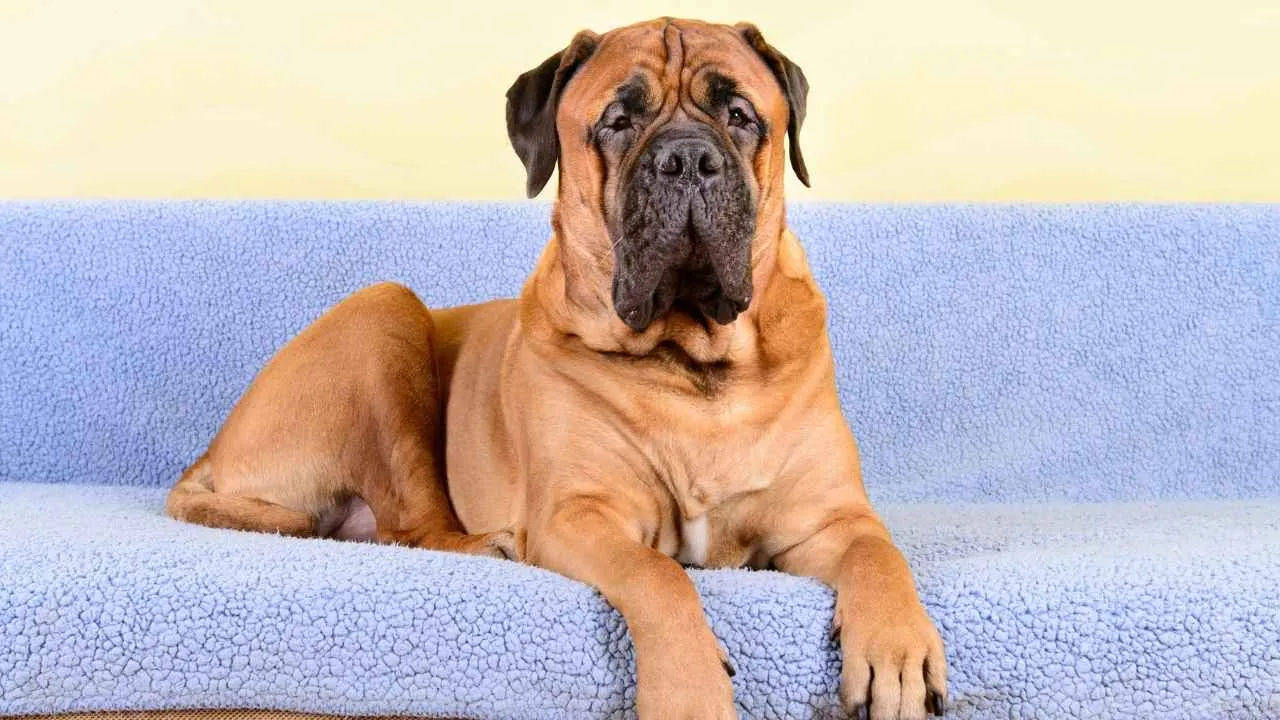
Silent. Powerful. Born to stop poachers without killing them!!
Britannica mentions that Bullmastiffs were specifically bred in England by gamekeepers who needed dogs to patrol estates and catch poachers during the 19th century. They had to be large enough to intimidate but strong enough to pin a person down. And, also, controlled enough not to maul.
They were called the “gamekeeper’s night dog”.
This breed’s ability to work silently made them perfect for night patrol. They’d track poachers, knock them down, and hold them until the gamekeepers arrived.
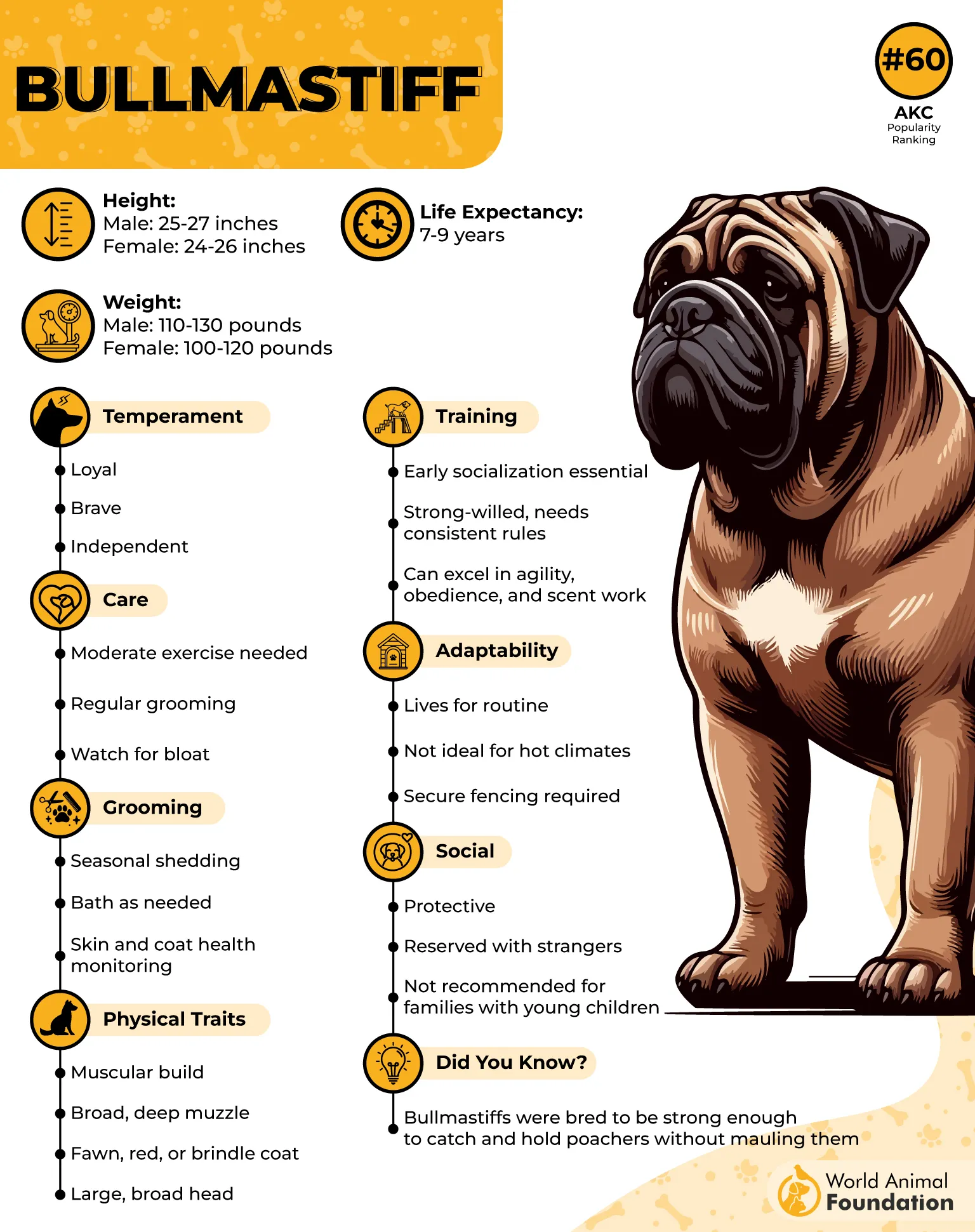
These are affectionate dogs for their family and children (despite that imposing size) with a calm temperament. Their protective nature activates when threats appear. But they are never aggressive without a cause.
Proper training makes sure they understand when to guard and when to relax around family and visitors. They need moderate exercise but are not as high-energy as some other breeds.
They are content to lounge at home, but ready to spring into action if their family needs protection.
That balance makes them ideal for many houses.
9. Cane Corso
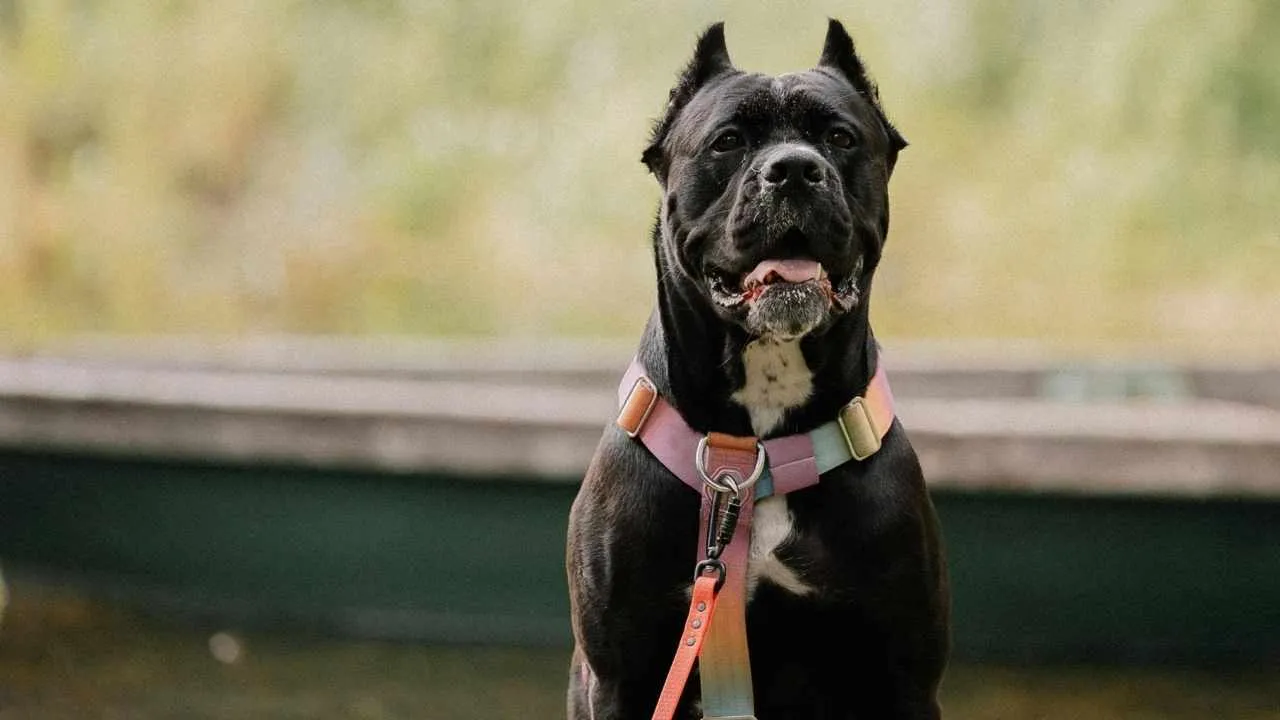
Italian. Muscular. Energetic. Descended from Roman war dogs.
The Cane Corso was developed in Italy from ancient Roman Molossus dogs used in military operations for security. After the Roman Empire fell, they transitioned to farm work, to protect property, and to hunt wild boar.
These dogs have the agility, strength, and courage. These dogs didn’t hesitate to face dangerous animals, and that bravery is still part of their character.
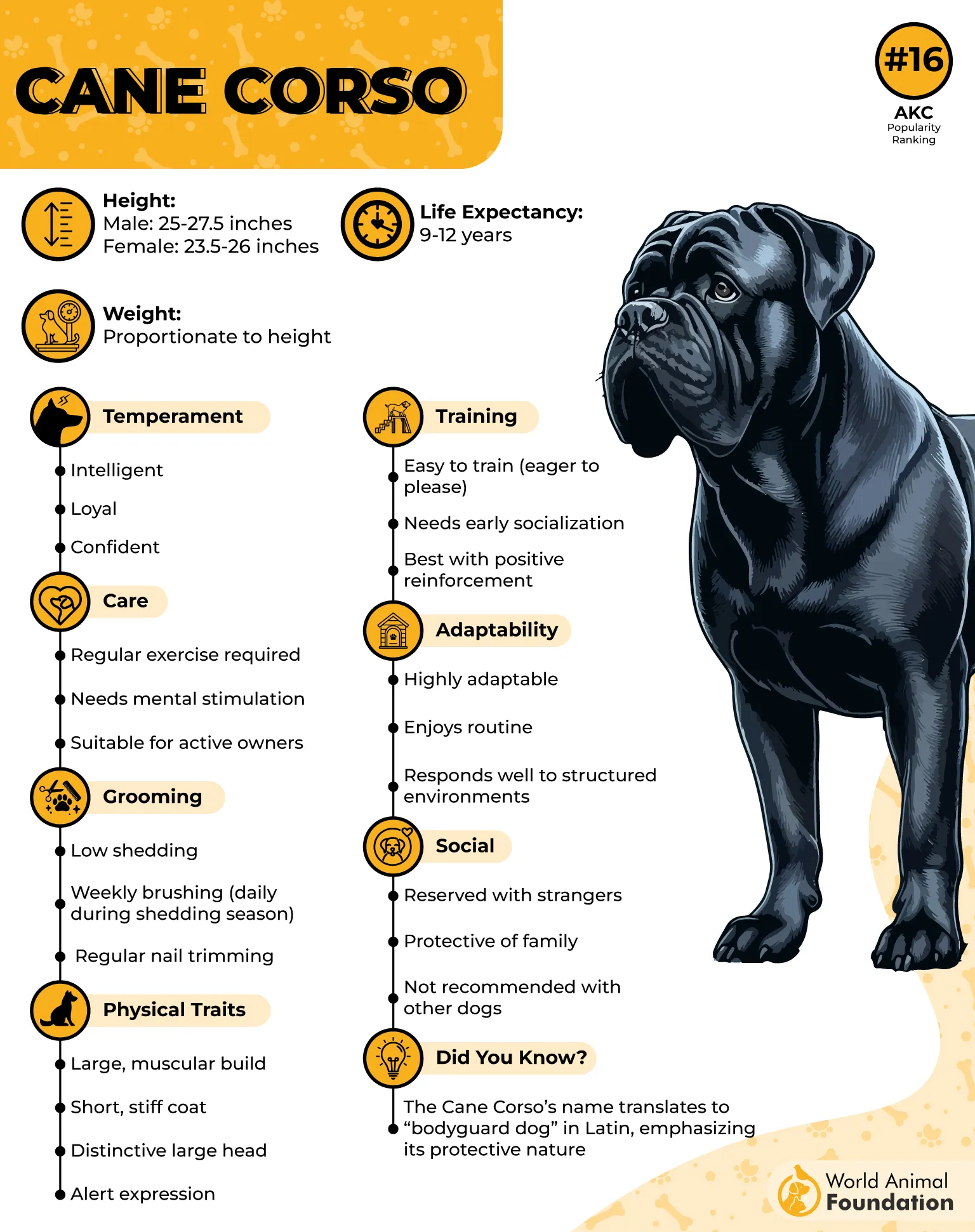
These dogs have high energy levels and need regular exercise to stay balanced. Mental stimulation through training or tasks keeps them engaged and prevents boredom-related issues.
These muscular dogs bond deeply with their family when they are raised with children. Their intelligence makes them highly trainable when you give them firm leadership. They respond well to commands and learn quickly, but also need owners who can give them a perfect structure. Proper socialization gives them a good start to develop good judgment.
All in all, these dogs are best for personal safety, as they used to be hunting dogs. A loyal companion and formidable protector.
Conclusion
Historically, these breeds were not merely dogs. They were security systems before the alarm technology came into view.
These amazing dog breeds, historically used as guardians, carry centuries of protective instincts in their DNA. Other breeds like Belgian Malinois, Anatolian Shepherd, Great Danes, Akitas, and Boxers alike have strong guarding histories worth exploring.
For pet parents looking for the right breed that has natural protective instincts and deep loyalty, these breeds offer both security and companionship.
