




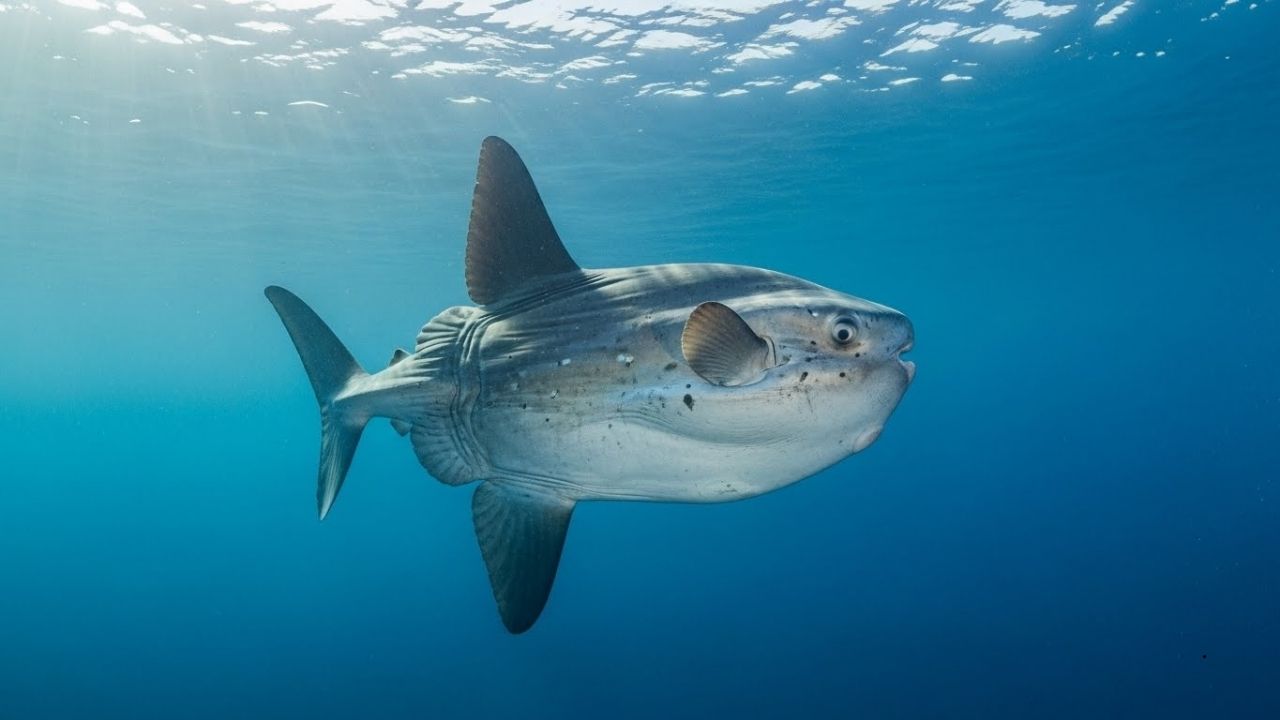
Forget the Loch Ness Monster or whatever creepy pasta you read on Reddit last night. The real behemoths are already swimming in our oceans and rivers, and honestly? They are way cooler.
From the deep blue sea to the murky depths of the Amazon, the largest fish species in the world are absolute units that command respect. We aren’t just talking about a goldfish that ate too much; we are talking about creatures that can grow to the size of a literal school bus.
These creatures range from gentle filter feeders that wouldn’t hurt a fly (or a shrimp) to apex predators with rows of sharp teeth. In this deep dive, we are going to meet the heavyweights of the underwater world. We’ll look at saltwater kings and freshwater giants that prove dinosaurs might be gone, but their energy is very much still here.
But it’s not all just size and scares; many of these magnificent creatures are facing tough battles against habitat loss and overfishing. Understanding these fish species is the first step to saving them.
10 Largest Fish Species in the World
1. Whale Shark
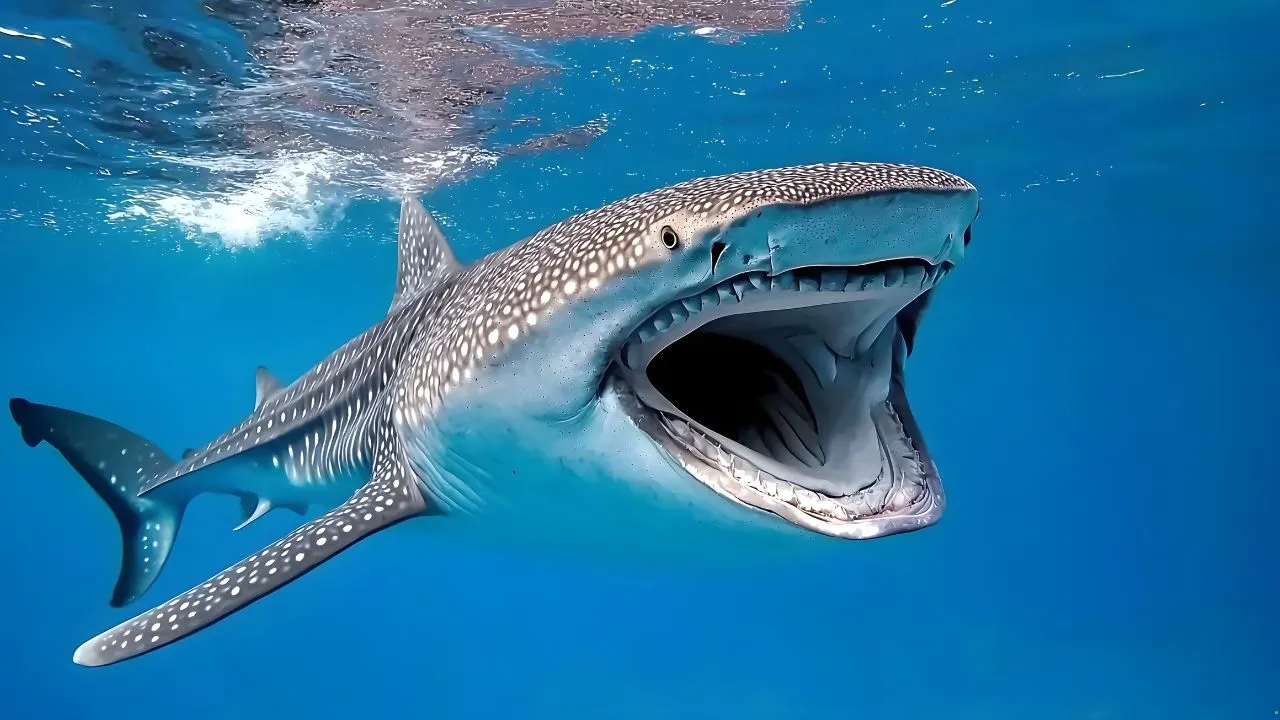
If we are talking about the largest fish species in the world, the Whale Shark takes the gold medal, no contest. These gentle giants can reach staggering lengths of over 40 feet and weigh up to 20 tons.
Despite their name, they aren’t whales (mammals); they are 100% fish. A whale shark is essentially a massive, polka-dotted submarine that cruises through tropical and subtropical waters looking for a snack. They are the undisputed kings of size, making even great white sharks look like toddlers in comparison.
They are filter feeders, meaning they swim with their colossal mouths wide open to scoop up plankton, krill, and small fish. They don’t have the razor-sharp teeth you’d expect from a shark; instead, they have specialized filter pads.
Found in tropical oceans around the globe, these massive creatures are a bucket-list sight for divers. However, larger whale sharks are becoming increasingly rare to spot. They are slow swimmers and spend much of their time near the surface, making them vulnerable to boat strikes. Their beautiful spotted patterns are unique to each individual, kind of like a fingerprint, allowing scientists to track them across the world’s oceans.
Sadly, the whale shark is listed as an endangered species. Habitat degradation, pollution (microplastics are a massive issue for filter feeders), and fishing threats have hurt their numbers. Organizations like the World Wildlife Fund are working to protect them, but they need all the help they can get.
2. Basking Shark
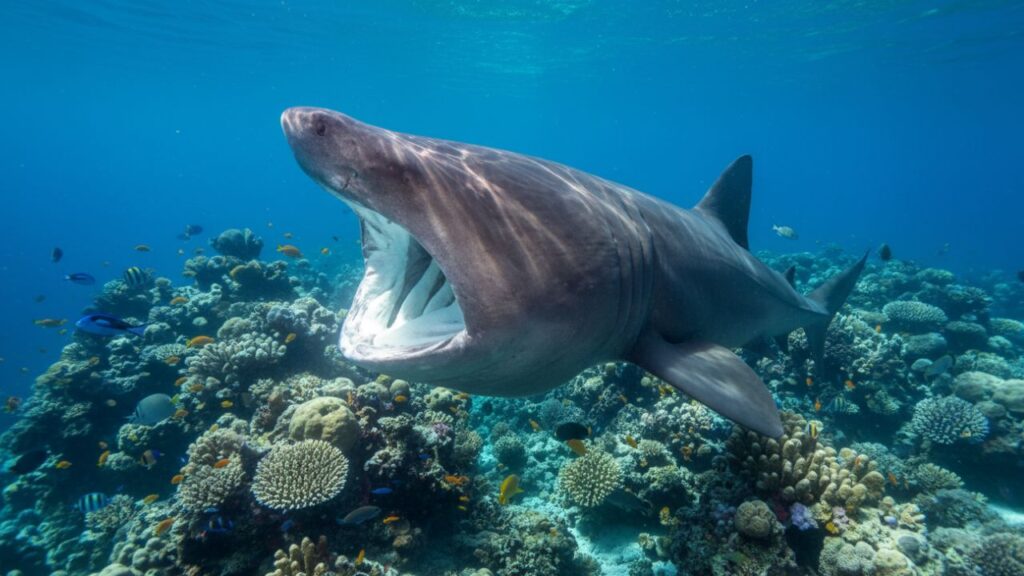
Coming in hot as the second largest fish is the Basking Shark. With a scientific name like Cetorhinus maximus, you know this thing is a big deal. They can reach lengths of up to 26-28 feet.
Florida Museum mentions that they look a bit terrifying because they swim with their mouths gaping open, which can be over 3 feet wide! But just like the whale shark, the basking shark is a harmless filter feeder. It’s basically a giant vacuum cleaner of the sea.
These sharks are often found in temperate oceans rather than the tropics. You might spot them off the West Coast of North America or around the UK. They get their name because they love to hang out near the surface, appearing to “bask” in the sun.
Despite being a historically widespread species, their populations have taken a hit. They are slow to reproduce, which means they can’t bounce back quickly from threats like bycatch (accidentally caught in fishing nets). They are migratory and travel thousands of miles, often crossing international borders, making their protection complicated.
Conservationists classify them as vulnerable or endangered in many regions. Because they feed on small organisms, they are indicators of ocean health. If the plankton dies off due to climate change, the basking shark goes with it.
3. Great White Shark
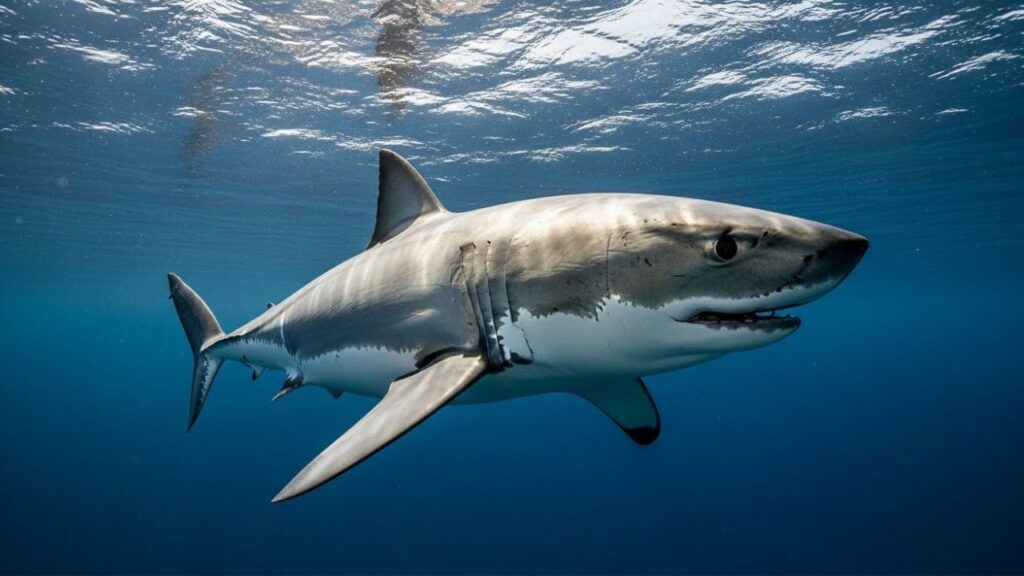
The Great White Shark is the ultimate celebrity of the ocean. While not the largest filter feeder, it is arguably the largest carnivorous fish. These apex predators can grow up to 20 feet long and weigh over 5,000 pounds.
They are built for power and speed, patrolling coastal waters and open oceans alike. With their slate-grey upper bodies and white underbellies, they are camouflaged perfectly to ambush prey from below.
Unlike the previous two giants, the Great White Shark definitely has teeth—rows of serrated, triangular daggers designed to tear through flesh. They feed on seals, sea lions, other sharks, and large fish. They are intelligent hunters that sometimes breach (jump) out of the water to catch unsuspecting prey.
You can find them in calm coastal waters all over the world, from South Africa to California and Australia. They have very few natural predators, although orcas have been known to hunt them (which is a whole other level of crazy).
Currently, the Great White Shark is listed as vulnerable. Their populations grow slowly because they take a long time to reach maturity.
4. Tiger Shark
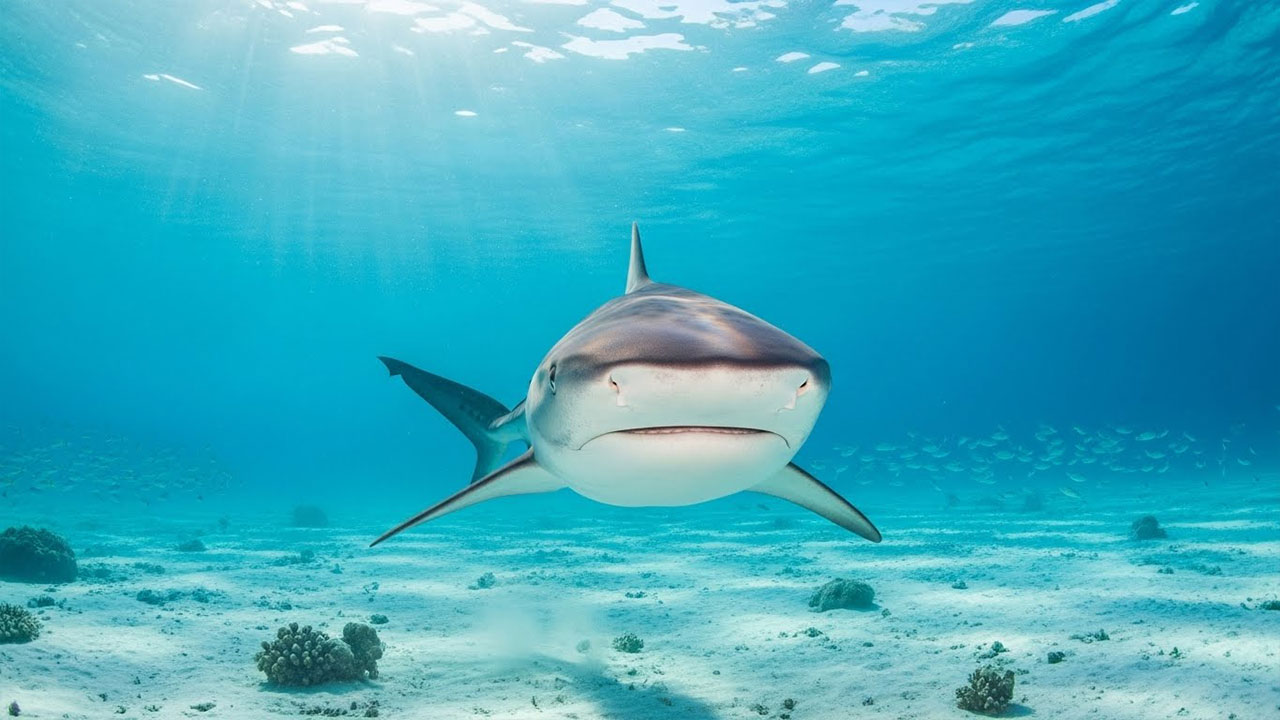
Named for the dark, vertical stripes found mainly on juveniles (which fade as they age), these sharks are massive, reaching lengths of over 14 feet and weighing up to 1,400 pounds.
They are the fourth-largest shark and arguably the most versatile eater in the sea. National Geographic states that they are found in tropical and subtropical waters, often venturing into shallow reefs and harbors.
Tiger sharks have a reputation for eating anything, literally. Scientists have found license plates, tires, and armor in their stomachs. Their teeth are unique—curved and serrated like a can opener—allowing them to crack open turtle shells and clam shells with ease. They are scavengers as much as hunters, cleaning up the ocean floor.
These sharks are widely distributed and travel long distances. They are solitary hunters, often active at night. Because they frequent coastal waters where people swim, human-shark conflict is a real issue. However, killing them isn’t the answer.
5. Giant Oceanic Manta Ray
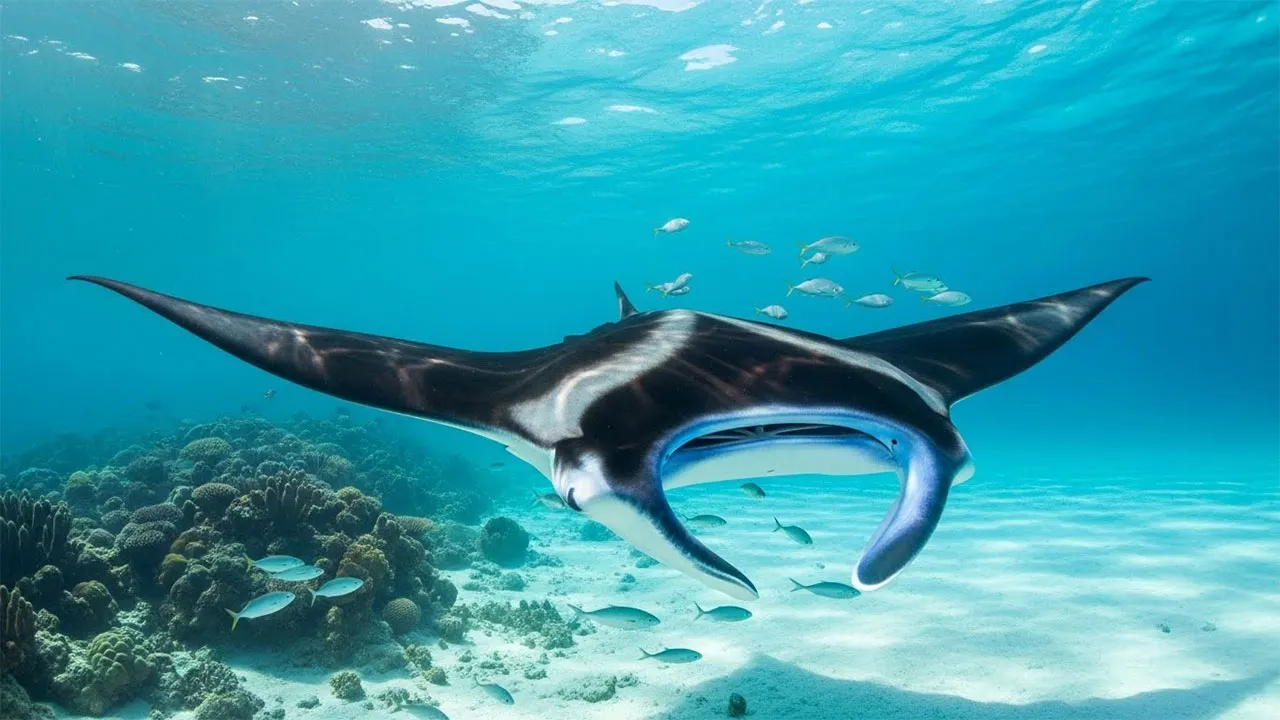
The Giant Oceanic Manta Ray is the largest ray species in the world. We are talking about a wingspan of up to 29 feet! That is wider than a giraffe is tall. These graceful aliens glide through tropical and subtropical waters like underwater birds.
They are distinct from their smaller cousins, the Reef Manta Ray, primarily by their sheer size and markings.
Like the whale shark, these massive rays are filter feeders. They use cephalic fins (those horn-like things on their heads) to funnel plankton-rich water into their mouths. They do barrel rolls while feeding, which is basically an underwater ballet. Despite their devilish nickname (“Devil Ray”), they are harmless. They have no venomous barbs or stingers on their tails. They are just big, friendly pancakes of the sea.
They spend most of their lives in open water, traveling massive distances across ocean basins. They are brilliant, with the most significant brain-to-body ratio of any fish. Divers often report that mantas seem curious, approaching humans and making eye contact. It’s a magical experience that drives millions of dollars in eco-tourism.
6. Beluga Sturgeon
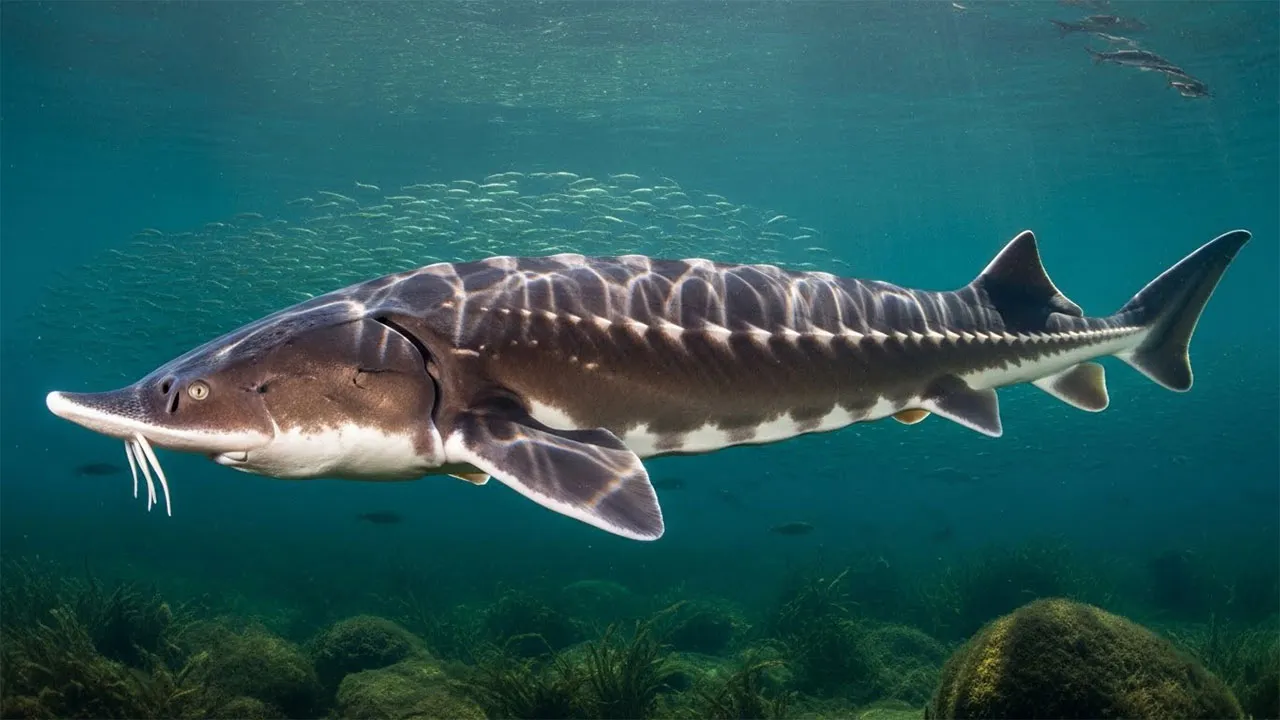
Now let’s look at the heavyweights of the freshwater world (mostly). The Beluga Sturgeon is a prehistoric beast that can live for over 100 years. Historically, they are contenders for the title of largest freshwater fish, with records of individuals reaching 24 feet and weighing over 3,000 pounds.
They are part of the ancient sturgeon family, looking like armored dinosaurs with bony plates rather than scales.
Found primarily in the Caspian and Black Sea basins, these fish are anadromous, meaning they live in saltwater but travel up freshwater rivers to spawn. They are famous (and cursed) for one thing: Beluga caviar. Their eggs are the most expensive food item in the world. This luxury demand has driven the species to the brink of extinction. The largest specimens are now exceedingly rare because they are usually caught before they reach full size.
The Beluga Sturgeon is a predator that eats other fish, such as herring and gobies. They grow endlessly throughout their lives, so the largest are the oldest. Imagine a fish that has survived two World Wars, only to be caught for a snack.
While other freshwater giants like the Mekong giant catfish and the Giant freshwater stingray give them a run for their money in size, the historical mass of the Beluga is legendary.
7. Ocean Sunfish
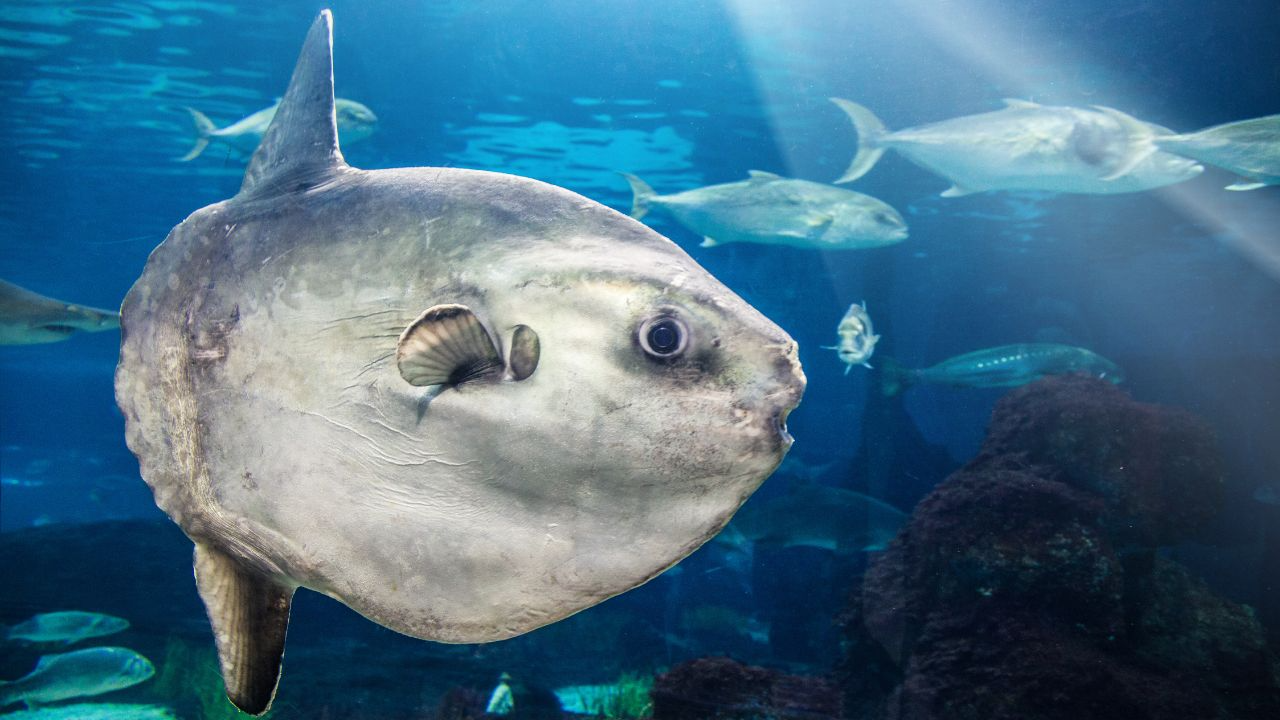
It is the heaviest bony fish in the world, capable of weighing up to 5,000 pounds. They are bizarre, flat, and circular, often found drifting on their sides at the surface. This behavior, called “basking,” allows them to warm up after deep dives into cold water to hunt.
Ocean sunfish are found in temperate and tropical oceans globally. Despite their goofy appearance, they are surprisingly active swimmers when they want to be. They feed primarily on jellyfish, which are low in calories, so they have to eat a lot of them. Because they eat jelly, they often mistake plastic bags for food, which is a significant threat to their survival.
They can grow to over 10 feet in length and height (fin to fin). Their skin is thick and rough like sandpaper, and they are covered in parasites.
In fact, small fish and birds will often pick parasites off them while they bask. They are clumsy giants that frequently get hit by boats because they are just chilling at the surface. Sea lions have been known to attack them just for sport, ripping off their fins.
8. Reef Manta Ray
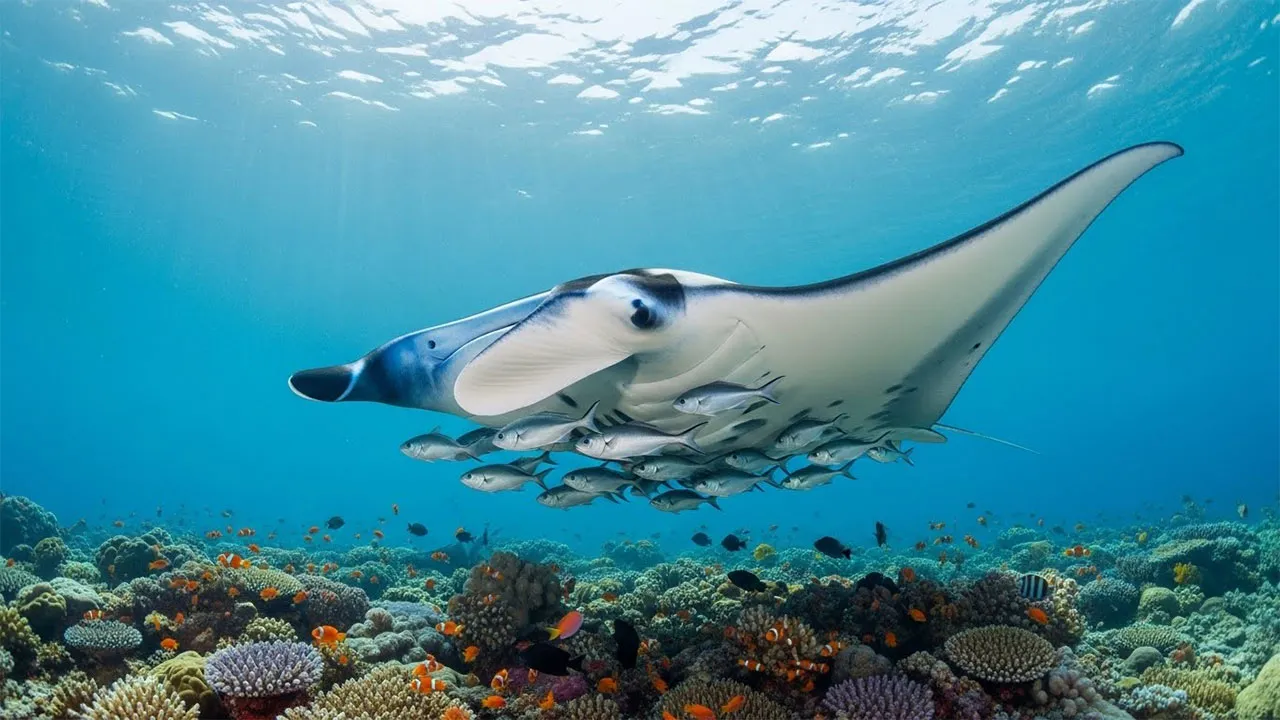
The Reef Manta Ray is the slightly smaller, homebody cousin of the Giant Oceanic Manta. But “smaller” is relative—they still boast a wingspan of up to 18 feet! As their name suggests, they prefer shallower waters along coastal reefs in the Indo-Pacific.
They are also filter feeders, consuming vast amounts of zooplankton. You’ll often see them forming “feeding trains,” where multiple rays swim in a line, mouth-to-tail, to maximize their intake. It is one of the most mesmerizing sights in nature. Their dorsal (back) patterns are distinct, usually forming a Y-shape, which helps researchers identify them from the T-shape pattern on Oceanic Mantas.
Because they live closer to shore, Reef Manta Rays face significant threats from human activity. Pollution, plastic waste, and entanglement in fishing lines are constant dangers. They are also targeted for their gill rakers, similar to their larger cousins.
These intelligent creatures have giant brains and display complex social behaviors. They are curious and often approach divers. Conservation efforts are ramping up to create protected marine parks where these magnificent creatures can feed and clean without the threat of fishing. They are the jewels of the reef, proving that you don’t need to be a carnivorous species to rule the ocean.
9. Alligator Gar
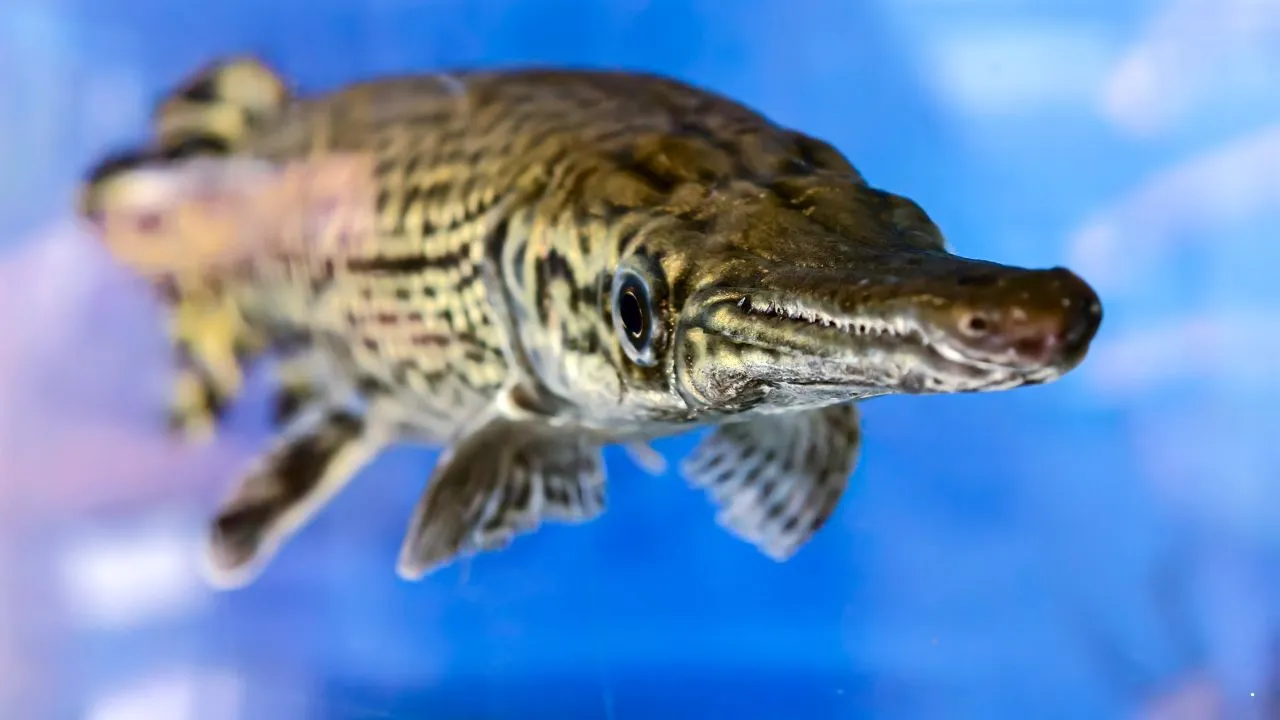
Alligator Gar are freshwater giants that can grow up to 10 feet long and weigh over 300 pounds. With a broad, alligator-like snout filled with two rows of sharp teeth, they look terrifying. They have been around since the Cretaceous, making them actual ancient fish.
Despite their fearsome appearance, alligator gar are sluggish and generally passive towards humans. They are ambush predators, floating like logs until a fish (or a duck) swims by, then snapping sideways with incredible speed. They have a unique ability to breathe air using a modified swim bladder, which allows them to survive in low-oxygen water that would kill other fish. This makes them tough survivors in brackish estuaries and swamps.
Once hated by fishermen who believed they ate all the “good” game fish, they were the target of massive campaigns to eradicate them in the 1900s. People used to bow-fish them and blow them up with dynamite. Now, we realize they are essential for keeping ecosystems healthy by eating sick or invasive fish, such as Asian carp. They are now a prized catch for sport fishing because of their immense size and fight.
Populations are recovering, but habitat loss from dams and river dredging remains a threat. They are the largest of the gar species and one of the largest freshwater fishes in North America (rivaling the White Sturgeon). Seeing one rise to the surface to gulp air is a prehistoric reminder of what our rivers used to look like.
10. Sharptail Mola
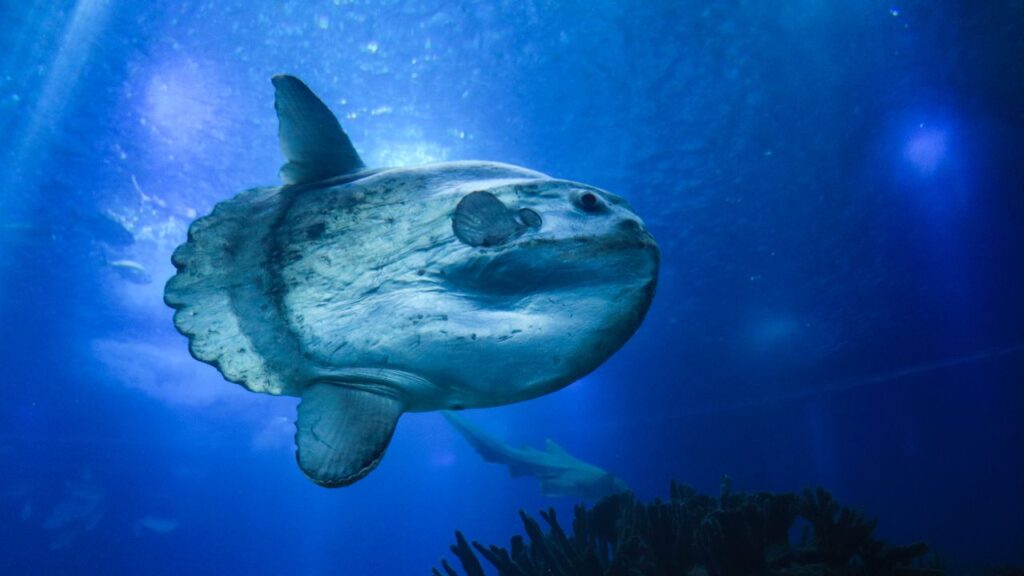
Just when you thought the ocean couldn’t get weirder, meet the Sharptail Mola (or Sharptail Sunfish). It is a close relative of the Ocean Sunfish, but elusive and less understood.
Found in tropical and subtropical waters, they are often mistaken for their cousins. However, they are generally found in warmer waters than the common Mola. Very little is known about their specific life cycle compared to other species. They are presumed to be filter feeders or jellyfish eaters, growing to massive sizes on a diet of gelatinous goo.
Because they are so rare and often misidentified, getting accurate stats on their maximum size is tough. But anecdotal evidence and rare specimens suggest they rival the common sunfish in mass. They are part of the “huge fish” club that hangs out in the open water, mysterious and silent.
Like other large ocean dwellers, they are vulnerable to changing ocean temperatures and bycatch. Every time a Sharptail Mola washes ashore, it makes headlines because they are such rare, alien-looking creatures. They remind us that the ocean still hides secrets and species that we are only just beginning to understand.
Conclusion
From the spotted elegance of the Whale Shark to the armored grit of the Beluga Sturgeon, the largest fish species in the world are nothing short of spectacular. These ocean giants and freshwater monsters play critical roles in their ecosystems, whether they are cleaning up the reef or filtering tons of plankton.
However, the reality is that being big makes you a target. Whether it’s the Mekong giant catfish, the Giant barb, or the massive Giant stingrays, almost all of these heavyweights are facing threats from habitat degradation, overfishing, and pollution. We have already lost giants like the Chinese paddlefish; we can’t afford to lose any more.
The next time you look at a river or the sea, remember that there are monsters down there—but they are the kind that need our protection, not our fear. Let’s keep these magnificent creatures swimming for the next generation of Gen Z and Millennials to geek out over!
