




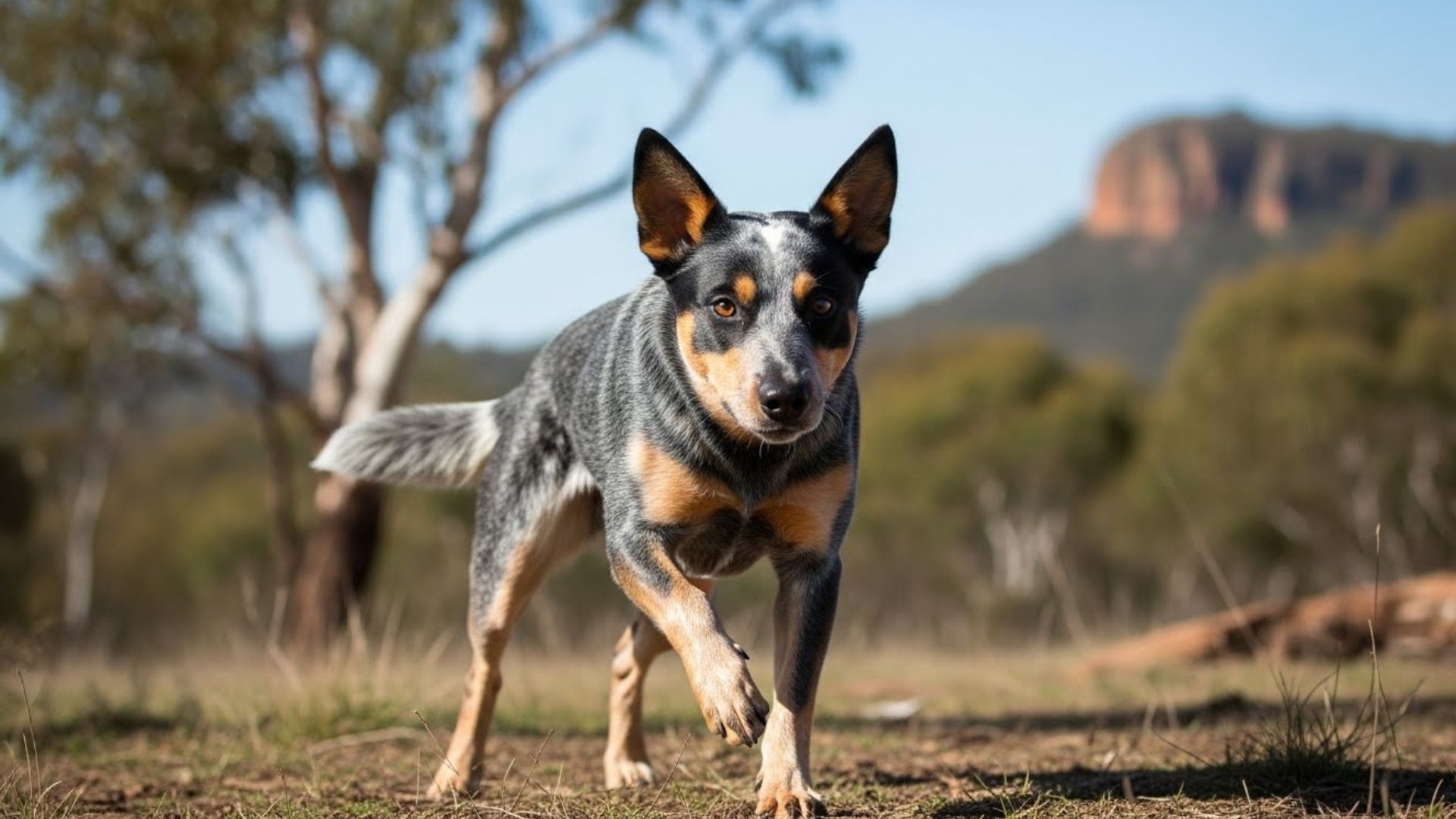
Fast legs. Sharp eyes. Zero chill when something runs.
Prey drive is not bad. It is natural. It is an old instinct at work. Some dogs were born to chase, track, herd, or hunt. That fire still lives inside them today. And here’s the best part. When understood, that drive can turn into focus, joy, and deep bonding.
But wait, there’s more! High prey drive dogs are not wild or out of control. They are intense. They are smart. They just need the right setup. Sounds crazy, right?
Let’s talk about seven breeds that feel the chase in their bones.
Over generations, certain breeds, especially herding breeds and hunters, were selected for their ability to focus, pursue, and capture moving targets. That’s why a Border Collie’s stare or a Jack Russell’s lightning-fast reaction isn’t just random behavior; it’s history in action.
However, it’s not just about breed. A dog’s environment, early experiences, and training all play a role in shaping how strong their prey drive becomes. Even pups from breeds not known for high prey can develop intense chasing instincts if they aren’t socialized or taught boundaries.
Dog Breeds with a High Prey Drive – Explained For Curious Dog Lovers
1. Australian Cattle Dog
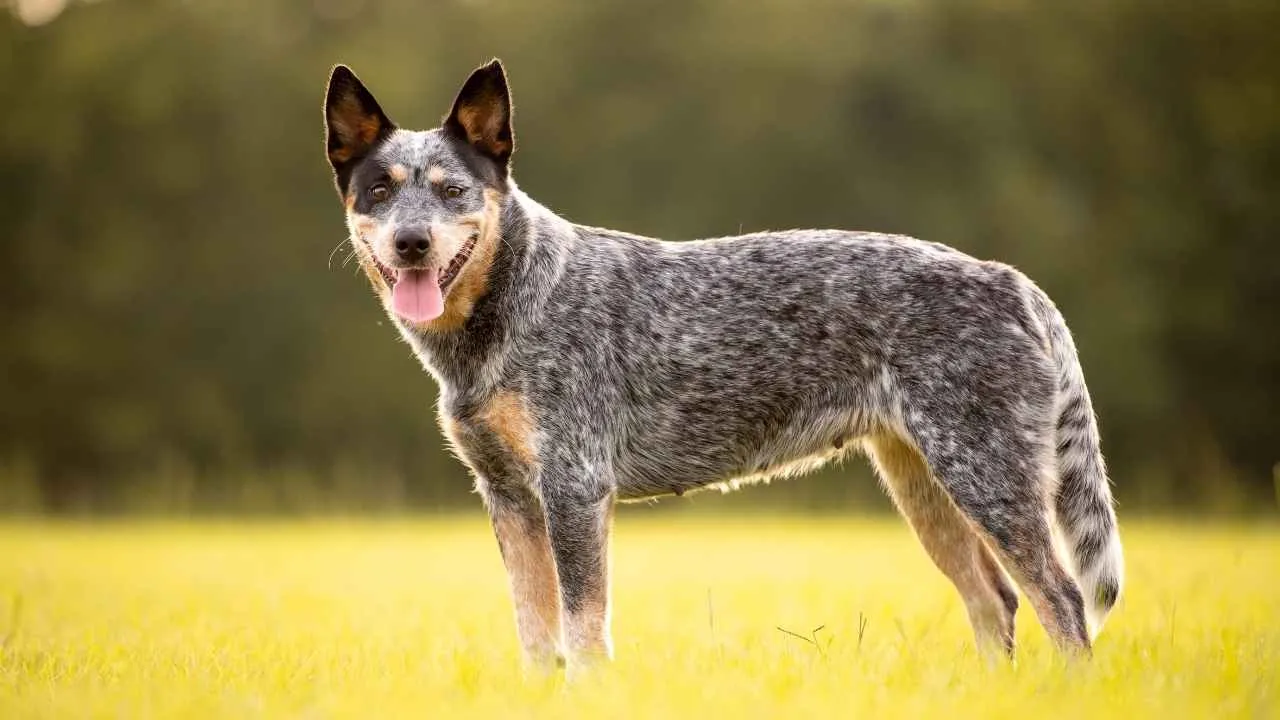
The Australian Cattle Dog does not just notice movement. It locks onto it. This breed was shaped to control livestock that refused to listen. So this dog learned to think fast and move faster. Small animals trigger that same wiring.
A squirrel running across the yard looks like a job that needs doing. Herding breeds use an ‘arrested’ prey drive to move livestock without killing. And it gets even worse, though, when boredom hits. A bored cattle dog will invent work.
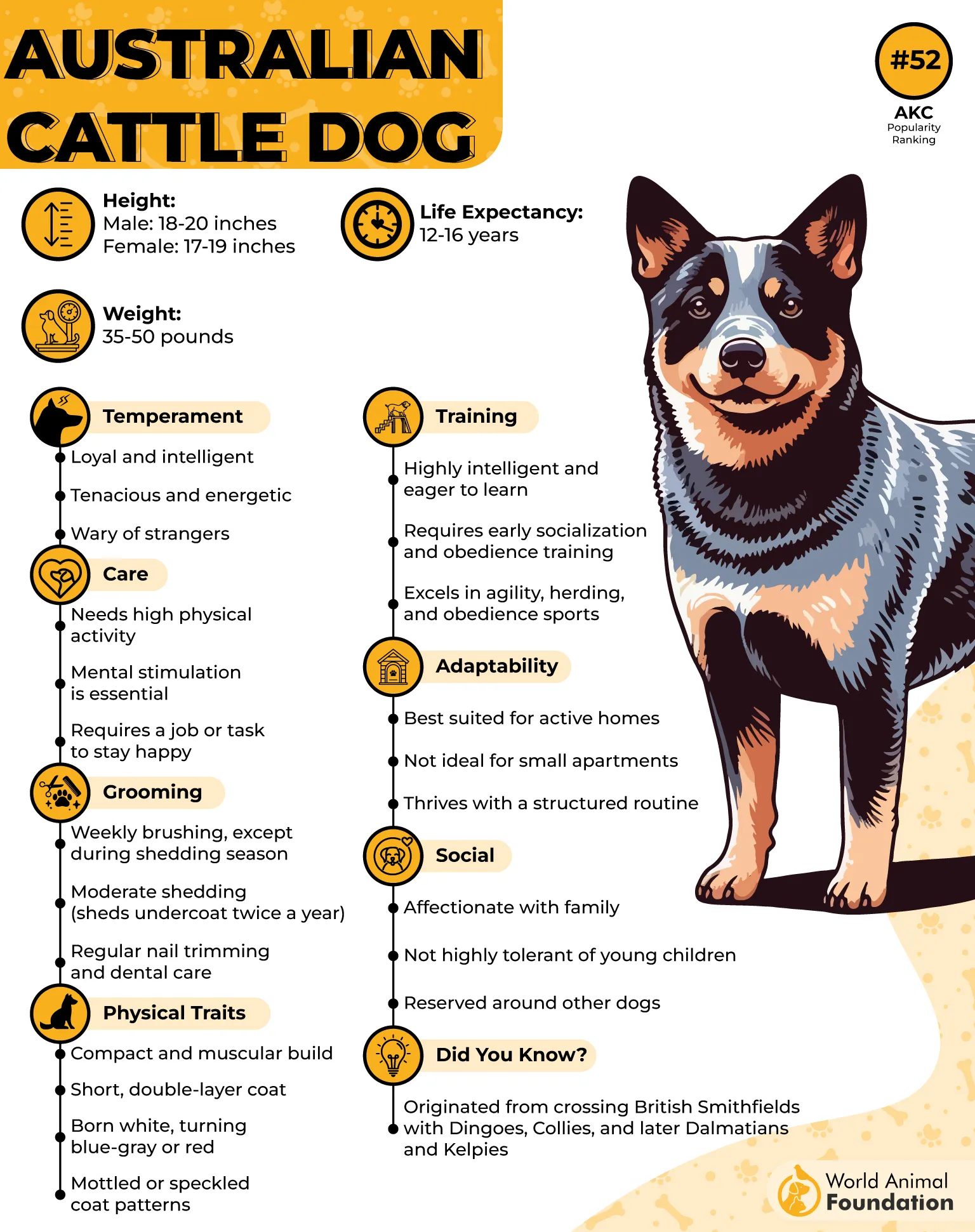
This breed thrives on action. Long walks are not enough. The brain needs a workout, too. When prey drive kicks in, it is not about killing. It is about control. Chasing. Circling. Stopping movement. That instinct shows up in play, training, and daily life. Without direction, it can turn into nipping heels or stalking the cat.
Here’s the good part. With structure, this dog shines. Training gives the drive a job. Games like fetch with rules help burn that fire safely.
Using a collar during walks is important for control and safety, especially to manage their strong prey drive. These dogs want to work with people. They just need a clear plan.
Why This Breed Chases
Strong herding instinct
High energy with sharp focus
Quick response to movement
2. Border Collie
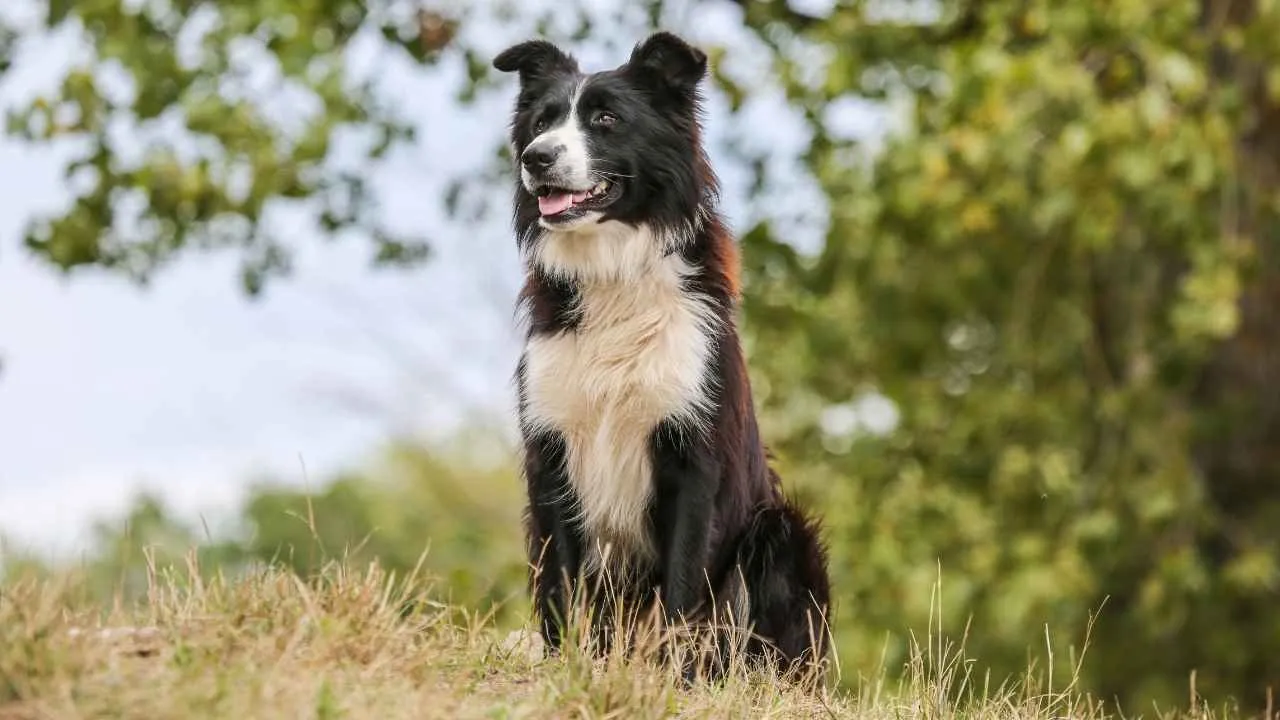
The Border Collie sees everything. Every twitch. Every flutter. Every tiny move in the distance. That laser focus is legendary.
According to the AKC, this breed was built to herd sheep using eye contact alone. So yes, a bird taking off will grab full attention. You may notice the Border Collie start to focus on movement, which is a key sign of their high prey drive.
This prey drive is quiet but intense. No wild barking. No chaos. Just deep concentration. The mind goes into hunt mode fast. This can look calm on the outside. Inside, gears are spinning at full speed.
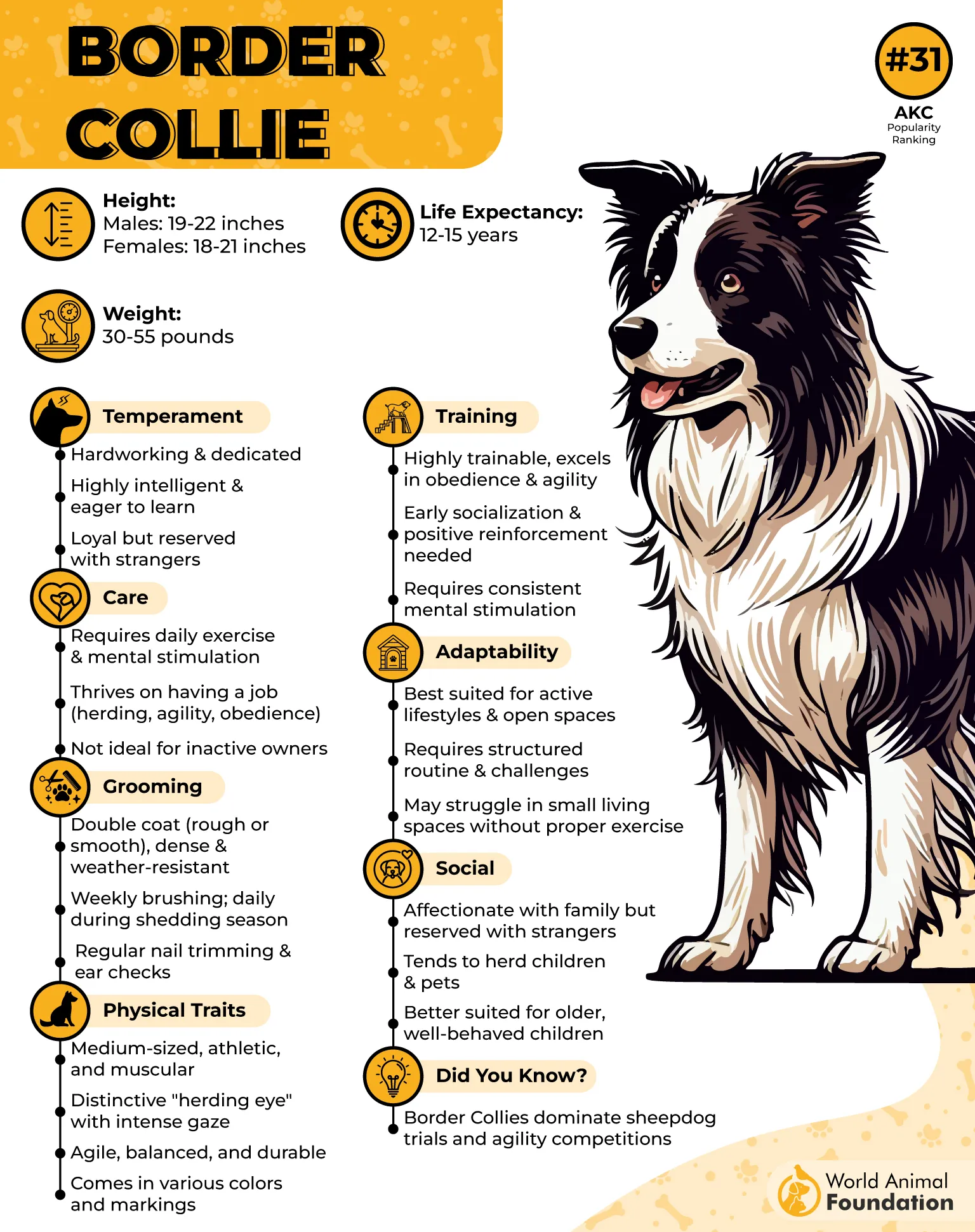
Stalking is characterized by a dog fixing their gaze on a target, slowing their movements, or freezing behaviors often seen in Border Collies when they spot something interesting. That is why sudden movement pulls them in so hard.
But why bother with that much brain power? Because Border Collies love a challenge. They crave tasks that stretch their minds. Without it, frustration builds. And frustration plus prey drive equals trouble. Chasing bikes. Fixating on shadows. Herding kids at the park.
What Sets Herding Breeds Apart
Extreme visual focus
Fast mental processing
Strong need for mental work
3. Jack Russell Terrier
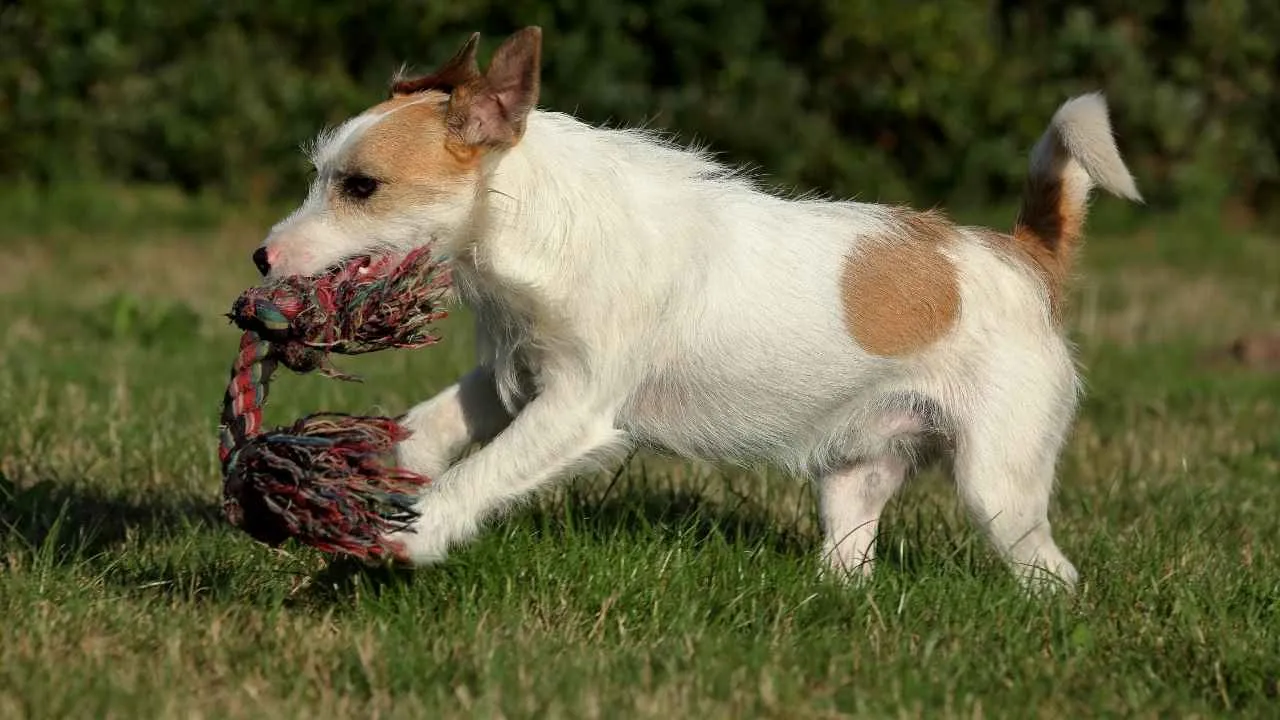
Small body. Huge attitude. The Jack Russell Terrier does not play around. As one of the Terriers, this breed was designed to hunt vermin underground, showing strong digging and hunting instincts.
As per PetMD, Terriers often participate in organized sports like Earthdog, which channels their prey drive into safe, controlled activities. That means fearless chasing in tight spaces. Size never stopped this dog.
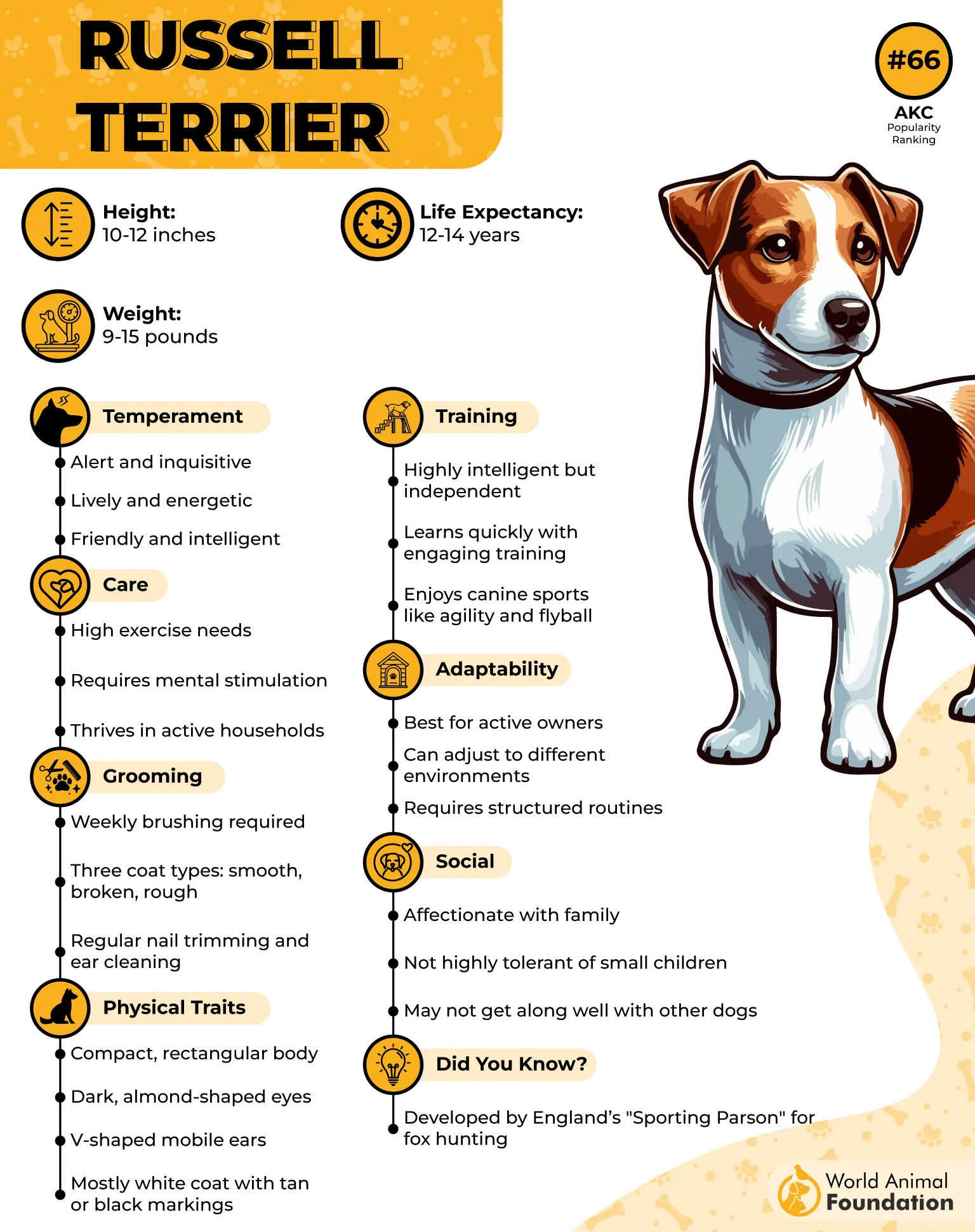
The prey drive here is loud and proud. Russell Terriers are energetic and quick to chase anything that moves. Fast movement triggers instant action. Rats. Squirrels. Toys that squeak.
Everything is fair game. Catching prey is part of their natural hunting sequence, and during a kill-bite, you may see the classic ‘dog shakes’, a head-shaking motion bred into terriers to eliminate vermin. And here’s the best part. They love it. The chase brings pure joy. Tail wagging. Eyes bright. Brain locked in.
Sounds fun, right? Until that energy has nowhere to go. A bored Jack Russell will turn the house into a racetrack. Digging. Barking. Zooming off without warning. But when given proper outlets, this dog becomes a hilarious and loyal companion.
High Drive Highlights
Fearless hunting instinct
Fast reaction speed
Strong love for chase games
4. Weimaraner
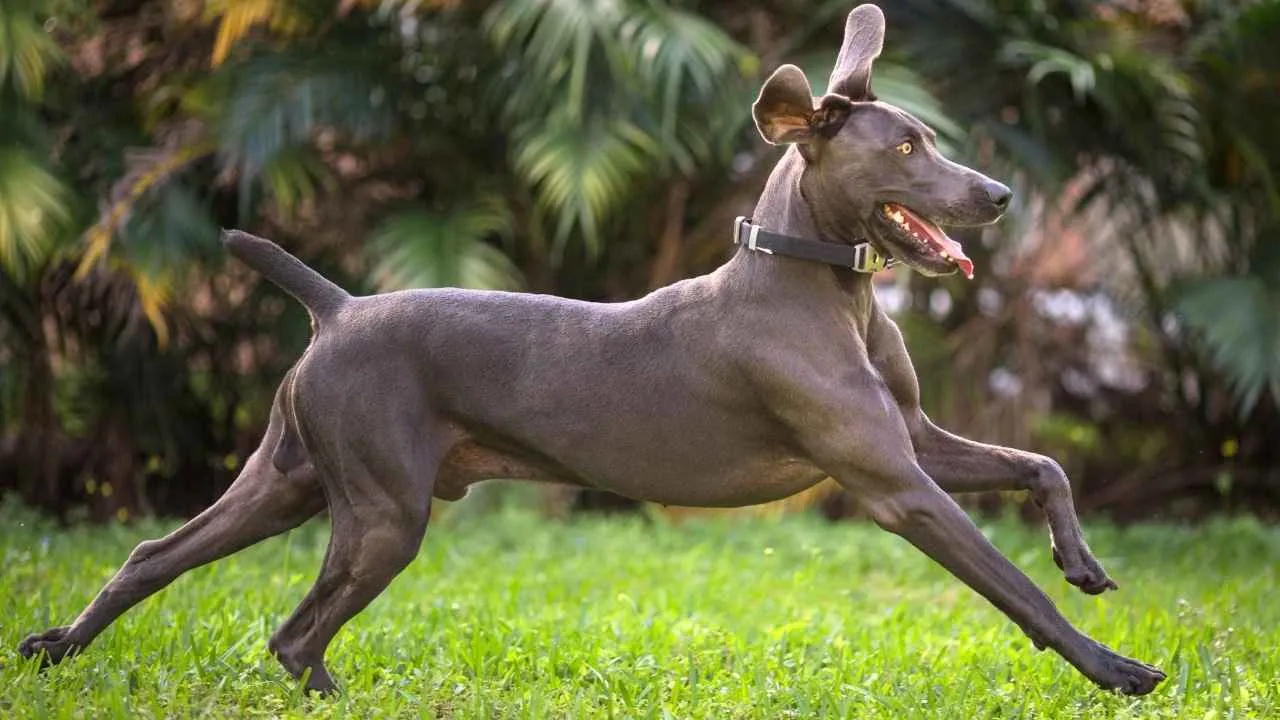
The Weimaraner is sleek, elegant, and wired for pursuit. This breed was built to track large game over long distances and was created for hunting bears and other big game. That means stamina plus drive. Once locked onto a scent or moving target, stopping is not easy.
This prey drive is deep and emotional. It comes with sensitivity. These dogs feel everything. Movement sparks instinct. But separation or boredom makes it worse. Alone time can turn that drive inward. Chewing. Pacing. Anxiety follows.
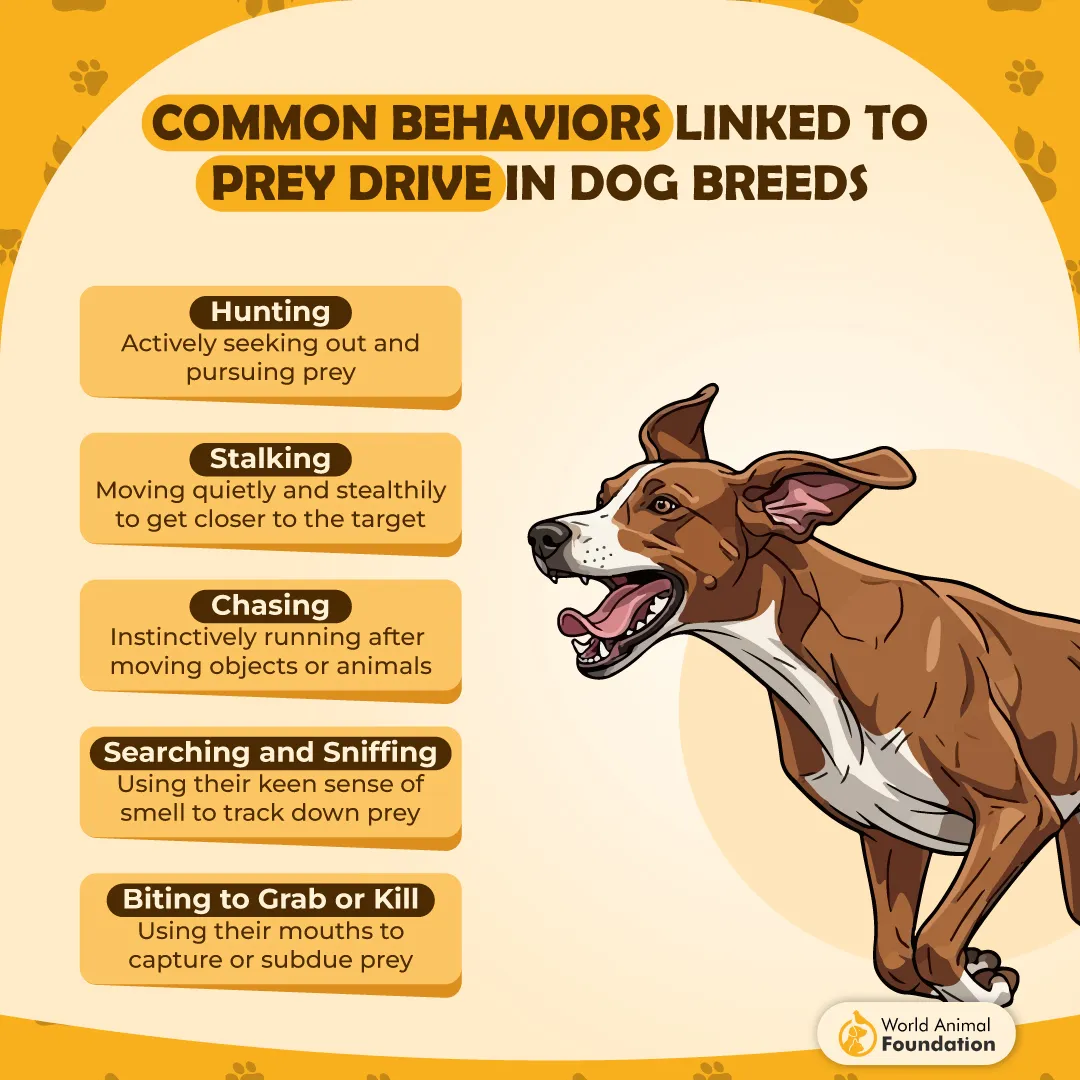
During feeding or play, Weimaraners often use their paws and teeth to access meat or toys, showing their instinct to reach and manipulate objects they want to possess or destroy.
Here’s the good part. When active and connected, the Weimaraner is magic. Long runs. Tracking games. Structured play helps balance that instinct. This breed wants to stay close and work together. The chase feels better when shared.
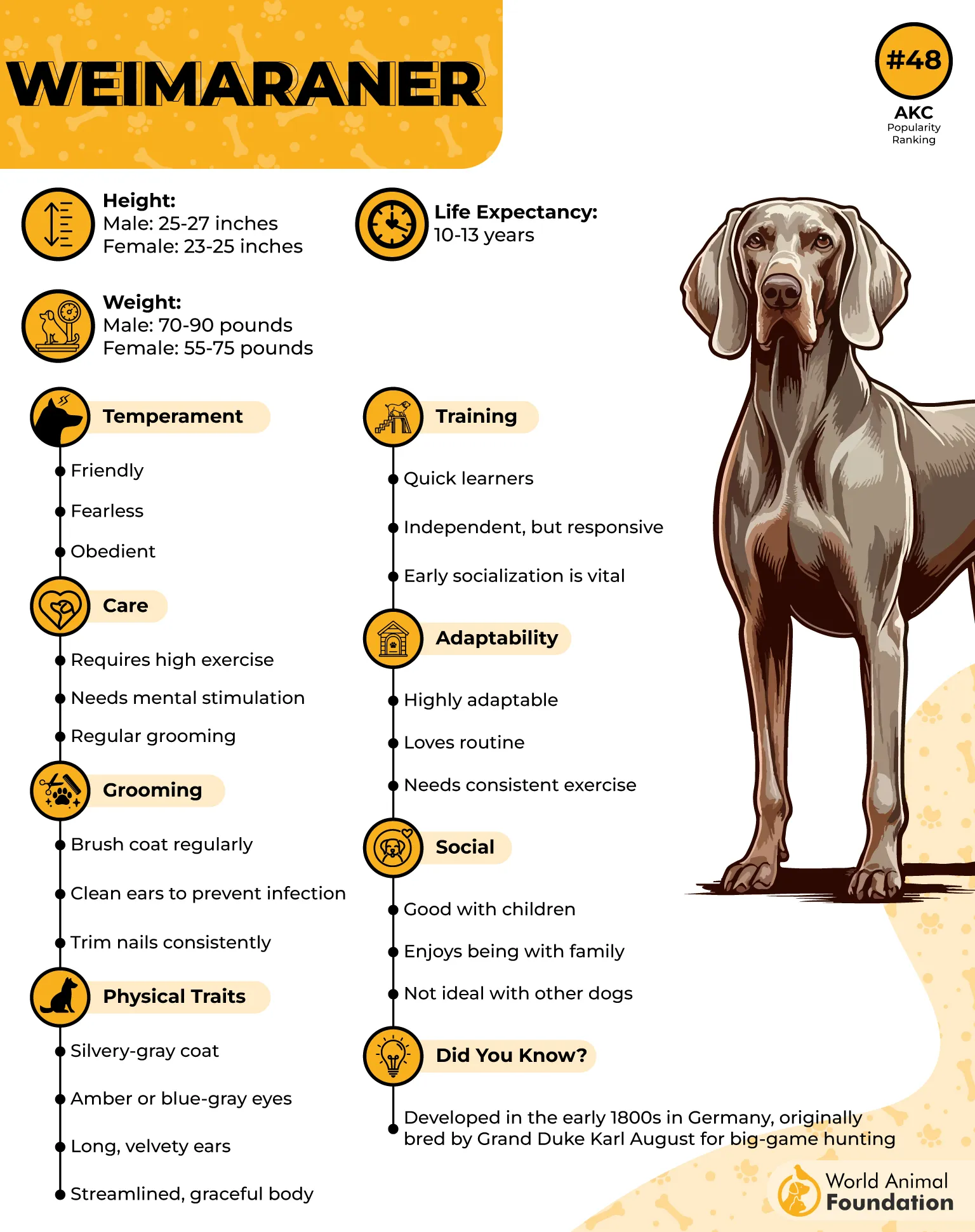
What Fuels the Chase
Strong scent tracking skills
High stamina and speed
Deep emotional attachment
5. American Staffordshire Terrier
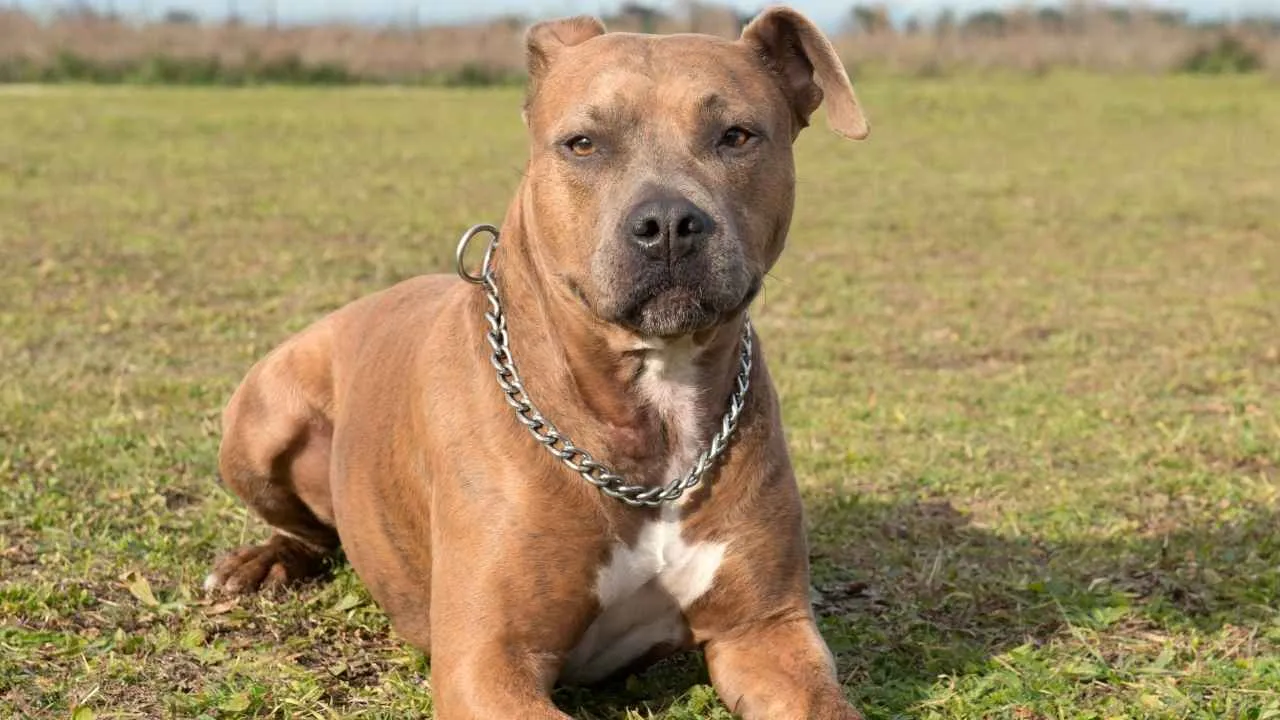
Powerful. Confident. Full of heart. The American Staffordshire Terrier has a misunderstood prey drive. This breed was developed for strength and determination. When something moves fast, focus snaps on.
This drive is more about intensity than speed. Short bursts. Strong grip. Deep commitment. Small animals can trigger that response quickly. But people often miss something important. This breed is very human-focused. Training matters a lot here.
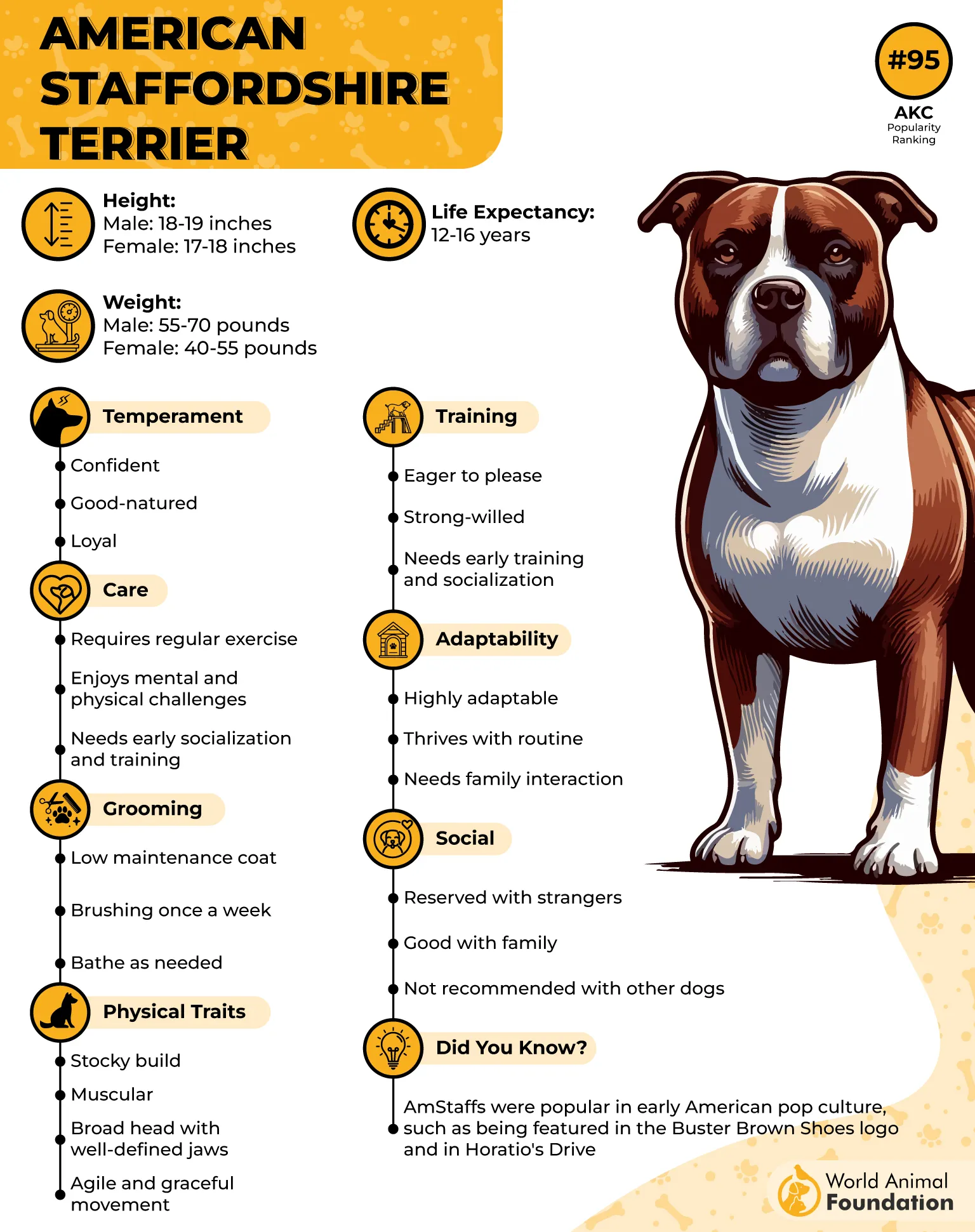
And here’s the best part. With guidance, this dog shows incredible control. Clear rules help manage instincts. Physical exercise plus mental games make a huge difference. Without structure, frustration grows. With it, loyalty and balance shine.
Key Traits to Know
Strong physical drive
High determination
Very people-oriented
6. Rhodesian Ridgeback
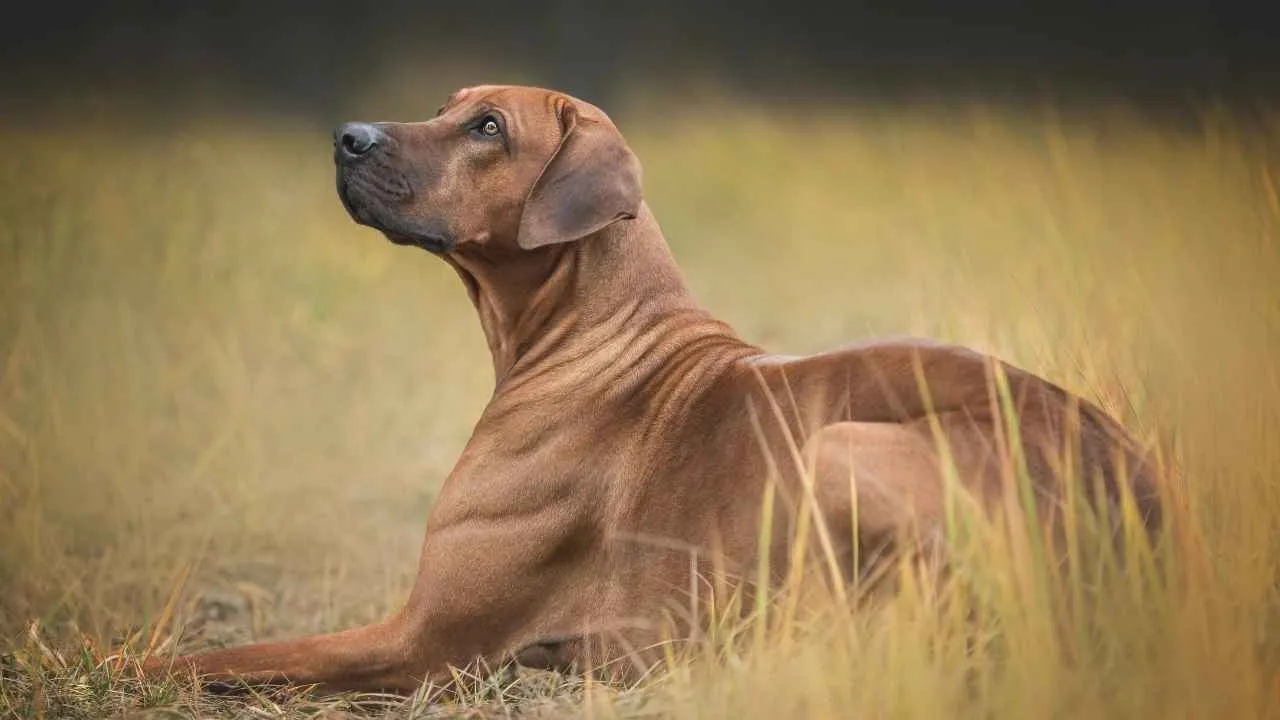
The Rhodesian Ridgeback was bred to track lions. Yes, lions. Let that sink in. In fact, Rhodesian Ridgebacks were bred to track tough quarry while being devoted home companions, as noted by WebMD. That history explains a lot. This prey drive is calm but powerful. Not frantic. Not noisy. Just steady and confident.
Movement triggers interest fast. But this breed thinks before acting. There is a pause. A decision. That makes them different. The drive runs deep, but it is controlled. Independence plays a big role here.
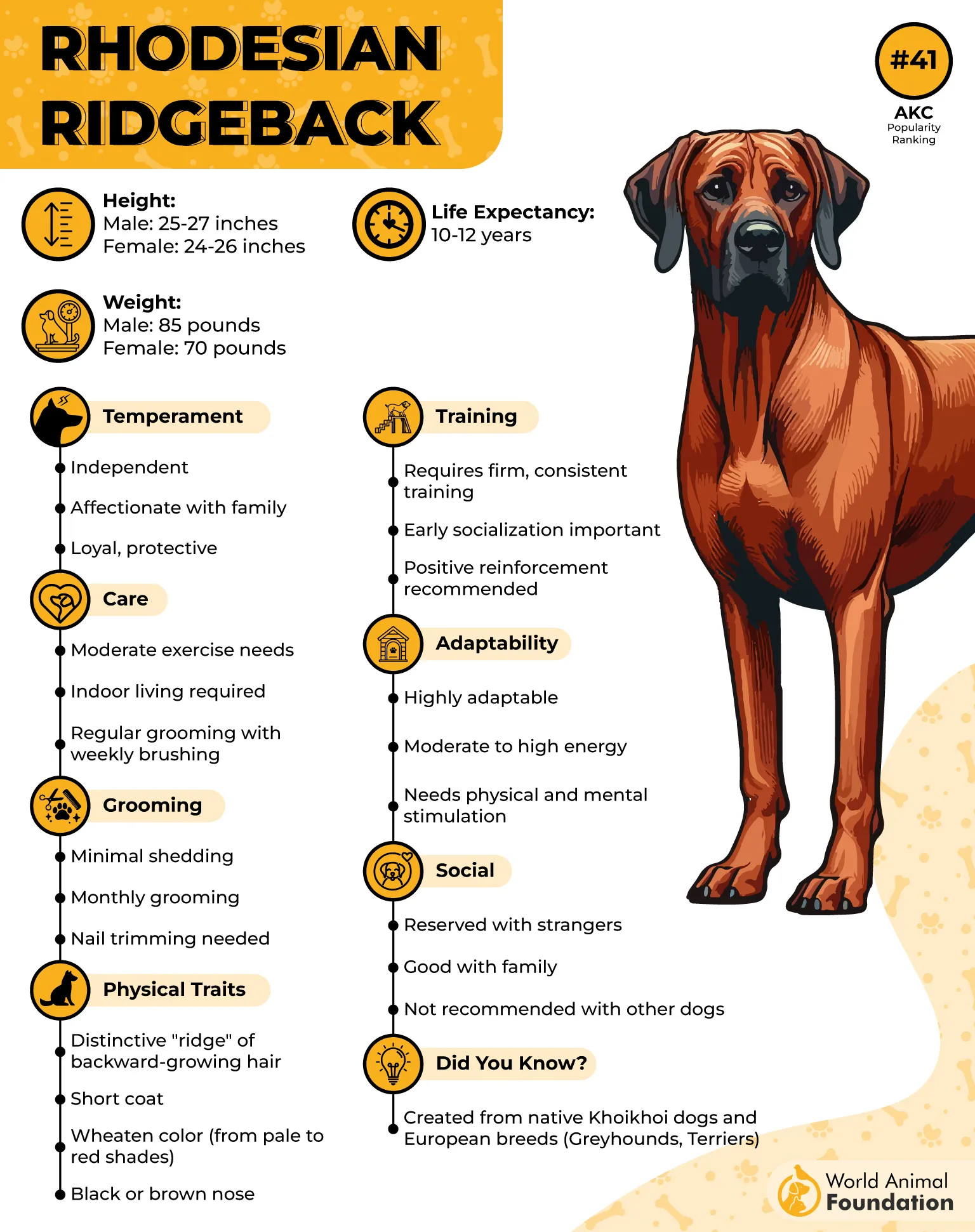
Sounds amazing, right? It is. But it also means consistency matters. Training must be clear. Respect goes both ways.
When engaged properly, this breed shows restraint and strength together. When preparing for walks or outings, make sure to pack treats or supplies to reinforce positive behavior and keep your Ridgeback entertained.
Drive Style Notes
Calm but intense focus
Independent thinking
Strong tracking instinct
7. Greyhound
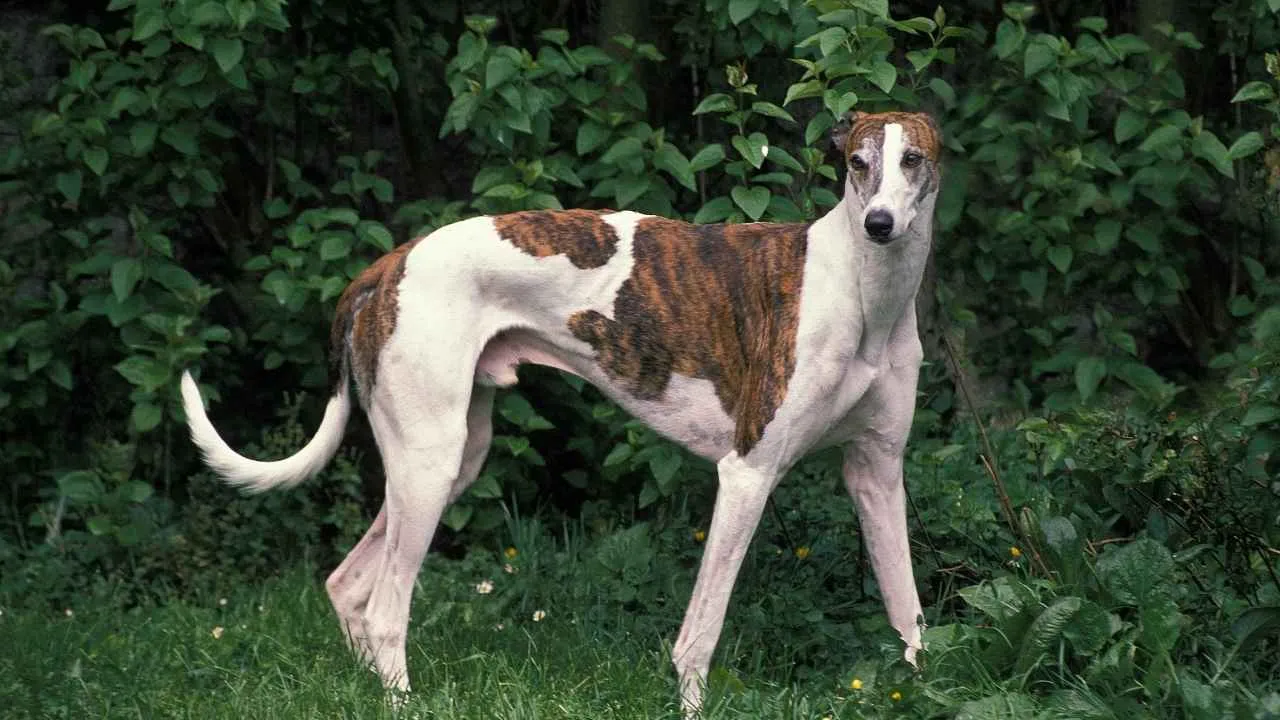
The Greyhound is built to chase. Period. Long legs. Deep chest. Eyes are designed to spot movement from far away. Greyhounds were originally bred for fast pursuit in hunting and later valued in racing. When something runs, instinct takes over in seconds.
This prey drive is visual and explosive. No warning. No delay. That is why leashes matter so much with this breed. Once the chase starts, recall disappears. Not stubbornness.
Just biology doing its thing. Greyhounds may chase larger wildlife such as deer, making supervision in open areas essential.
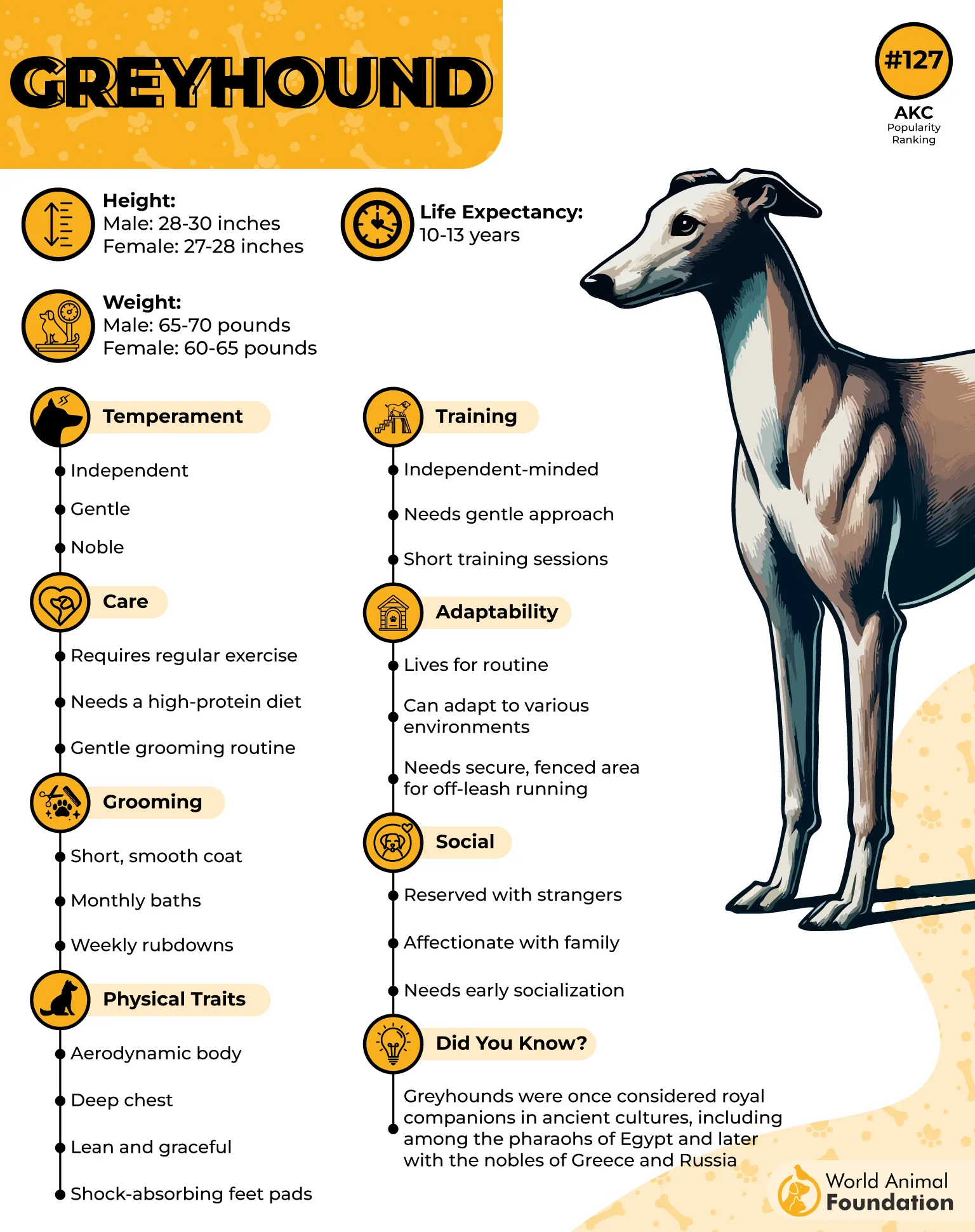
But wait, there’s more! Off the track, Greyhounds are gentle couch lovers. Calm. Sweet. Lazy even. The contrast surprises many people.
With safe outlets like fenced runs, the drive stays manageable and fun. Watching a video demonstration can help owners test walking spots and better understand how to manage Greyhound behavior outdoors.
Chase Characteristics
Extreme speed
Strong visual trigger
Short bursts of intensity
Conclusion
Living with a dog that shows high prey drive is a different story for many pet parents, but it does not have to be stressful. Many dogs naturally spot prey in the world around them, from a squirrel in the yard to birds on walks.
That desire to catch prey follows a natural prey drive sequence that includes stalking, chasing, and sometimes eating. These signs can show up early in a puppy or later in adult pups, especially around cats, other dogs, and other pets.
A small dog can feel it just as strongly as big Retrievers or Pointers, and even breeders see this instinct play out differently in every family.
Here’s the good part. With training and patience, it is possible to manage prey drive and build strong impulse control without harsh tools like shock collars. Simple steps like using a leash, choosing securely fenced areas, and offering safe outlets like a ball, food games, or scent work can help.
