




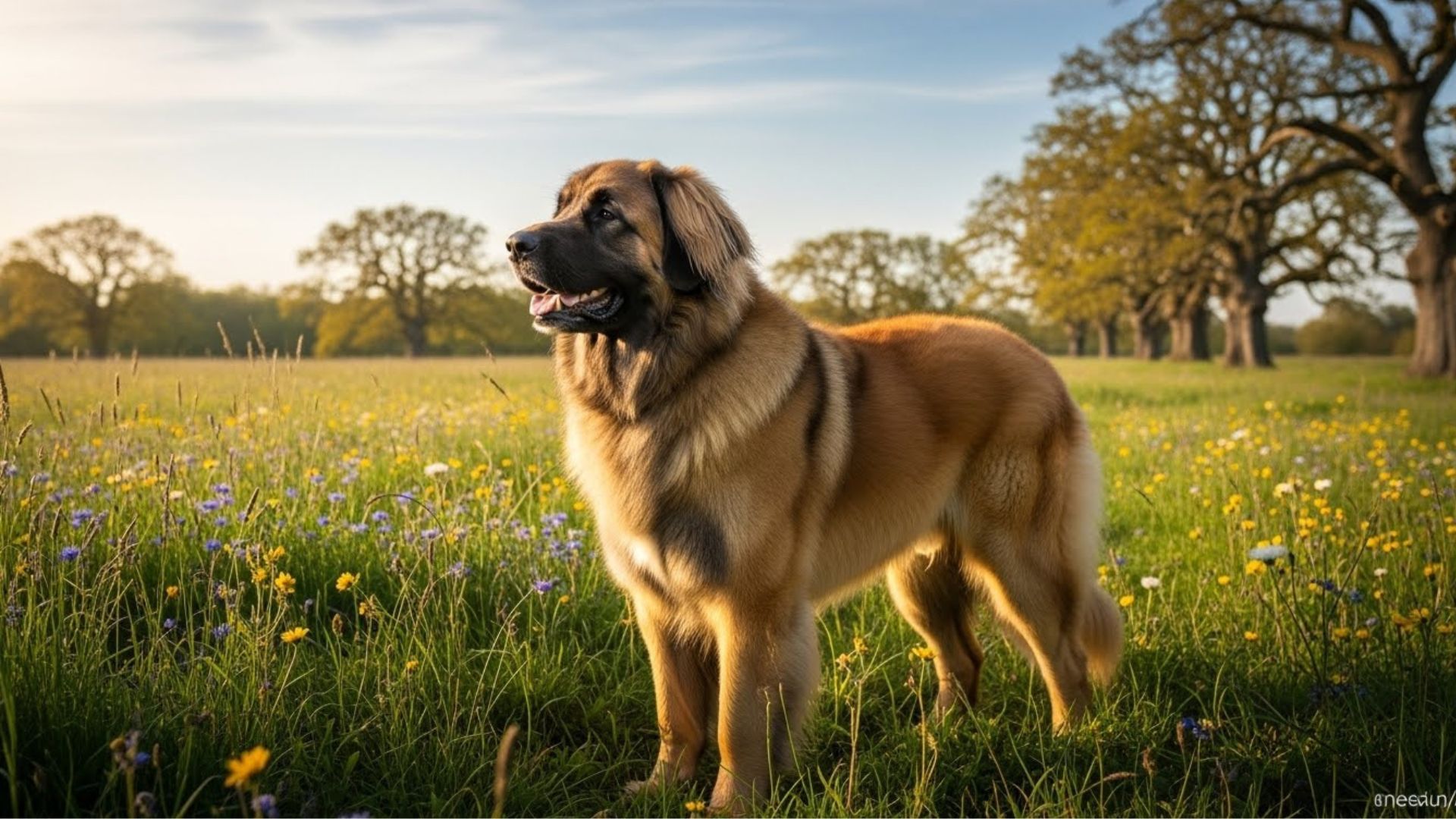
Big dogs turn heads. Rare big dogs steal hearts.
If you have ever seen a giant dog walk past, you know the feeling. Your brain goes, “Wow,” and your hands want to pet. Now add rarity to that mix, and it feels like spotting a unicorn with paws.
These breeds are not “better” than common dogs. They are just less seen, and that makes each meeting feel special. Rarity can happen for many reasons. Some breeds had tiny numbers after the war. Some stayed local for a long time. Others need very specific owners, so fewer people keep them.
If you are thinking of bringing one home, go slow and be picky. Rare does not mean “easy,” and it also does not mean you should rush.
Meet adult dogs, ask about health checks, and trust your gut.
Fascinating Giant Dog Breeds: A Deep Dive into Rarity
1. Leonberger
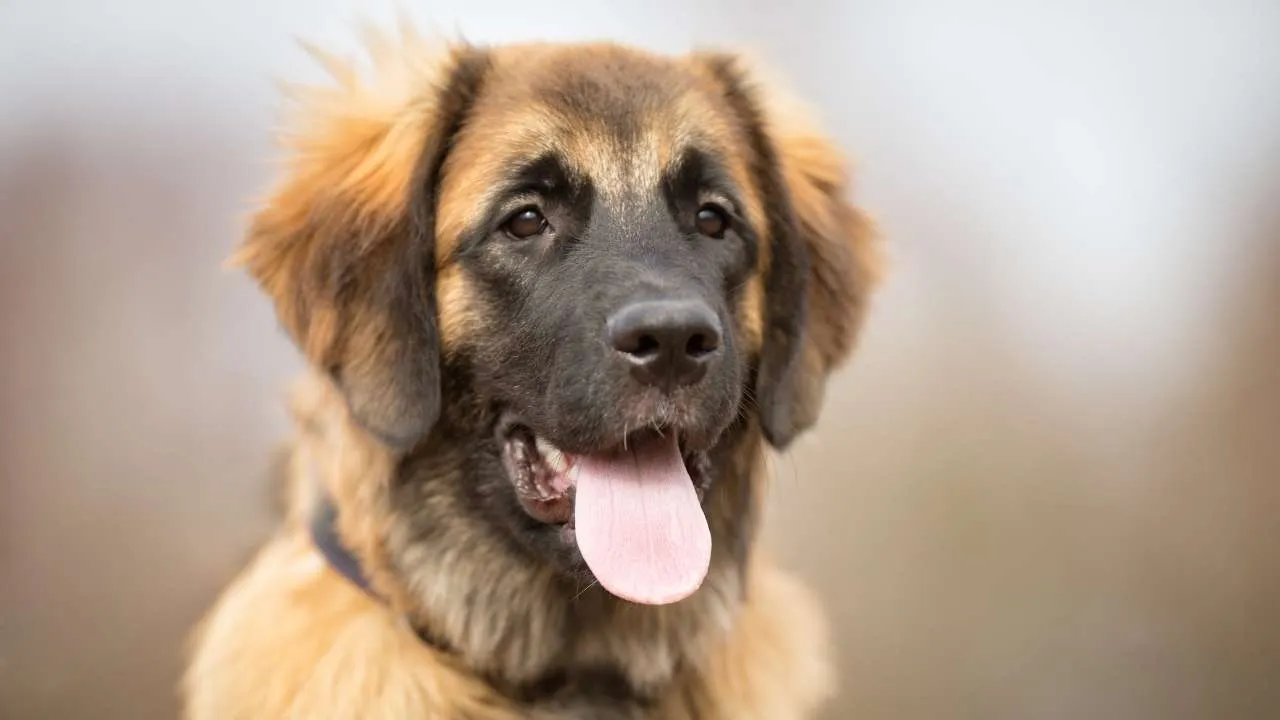
The Leonberger is a giant from Leonberg, Germany, built like a lion-shaped hug. Leonbergers are friendly, intelligent, and highly social, often described as ‘gentle giants’ due to their affectionate nature.
People once loved them for their rich coat and friendly nature, even in royal circles. They were also farm helpers, so they are not just “pretty.”
What makes this breed truly “rare” is the numbers. The Leonberger is a relatively rare breed that came close to extinction at points in history and is now recognized for its noble heritage.
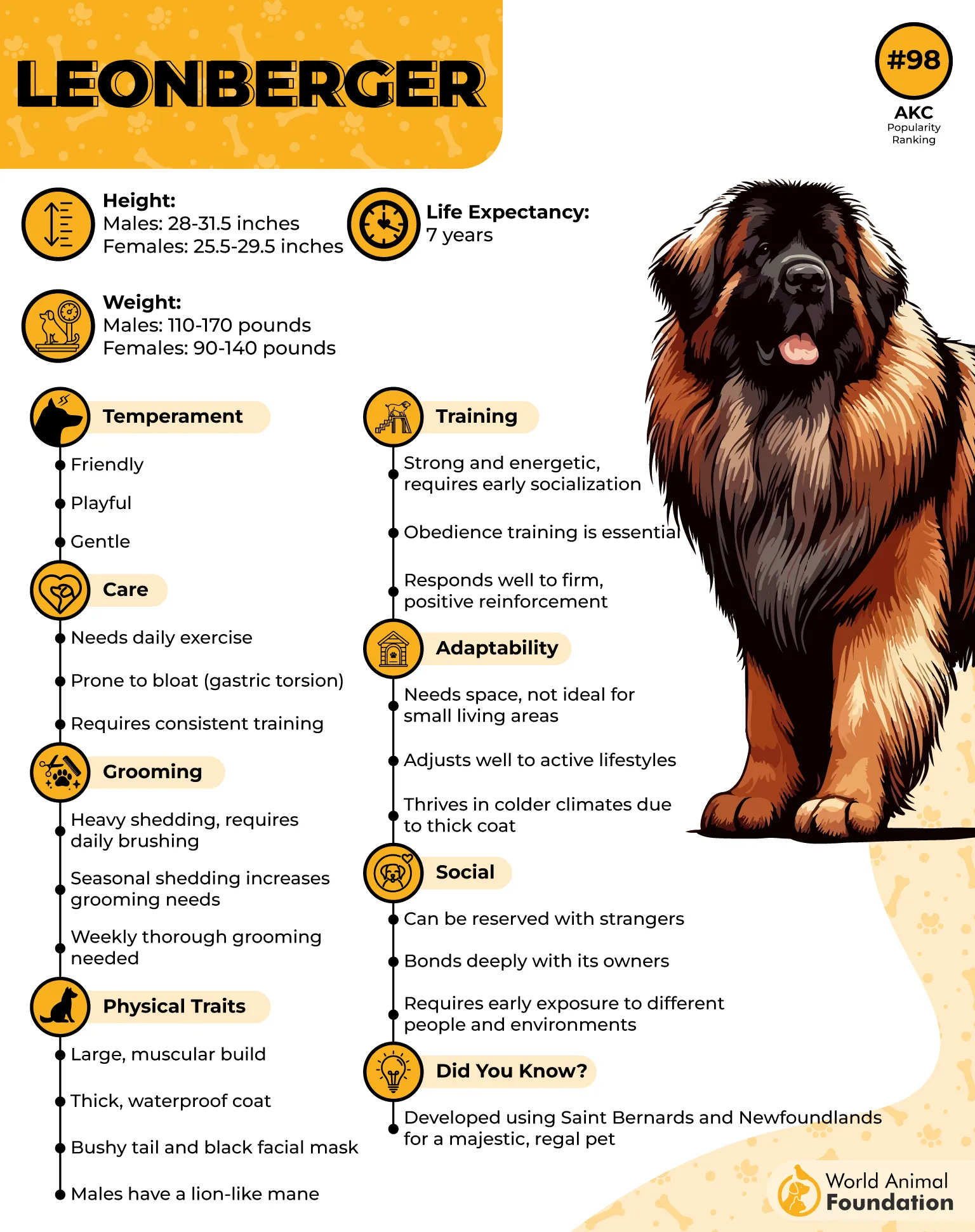
It also faced scary dips after both World Wars, which is why Leonberger fans talk about “saving the breed” with real emotion. And here’s the best part: the modern Leonberger still wants a job, not just a couch.
Living with one feels like sharing your space with a gentle, furry roommate who follows you from room to room. Leonbergers thrive on family time and do best when included in daily life. They tend to be loyal, patient with kids, and eager to learn when training stays kind and steady.
That gorgeous coat is not “set and forget,” so brushing is part of the deal. Think of it like bonding time, not a chore.
2. Scottish Deerhound
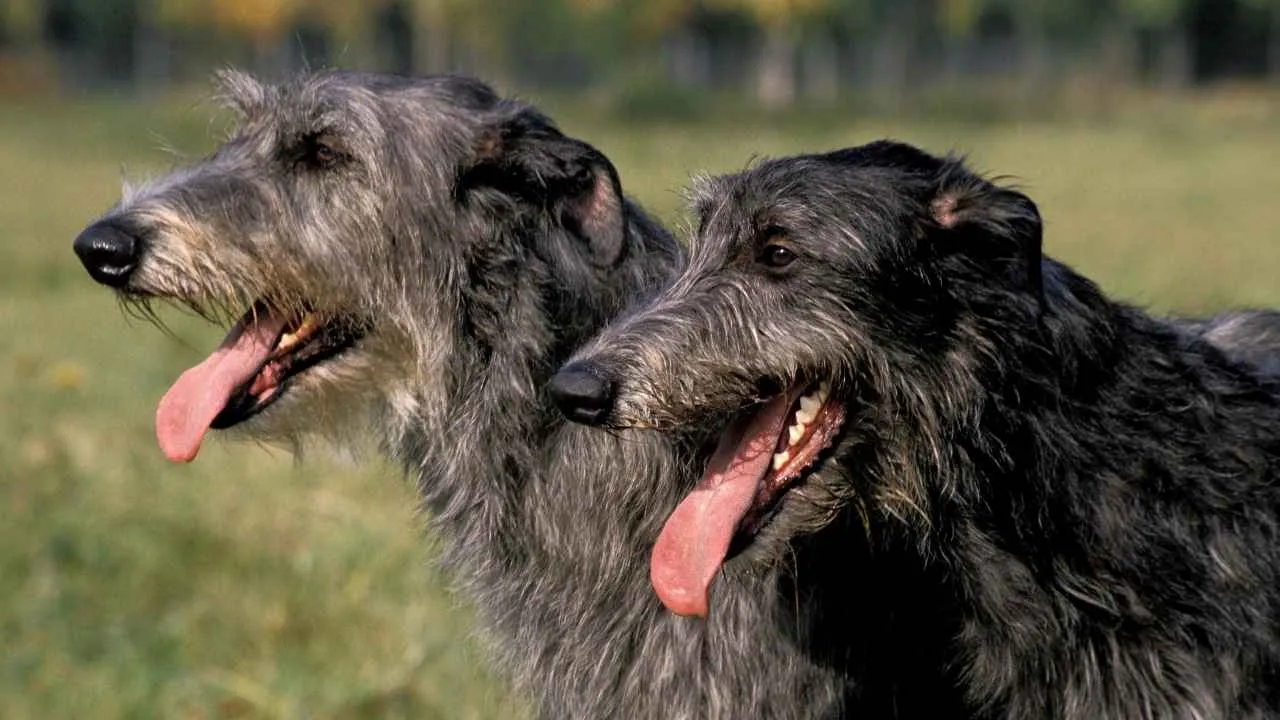
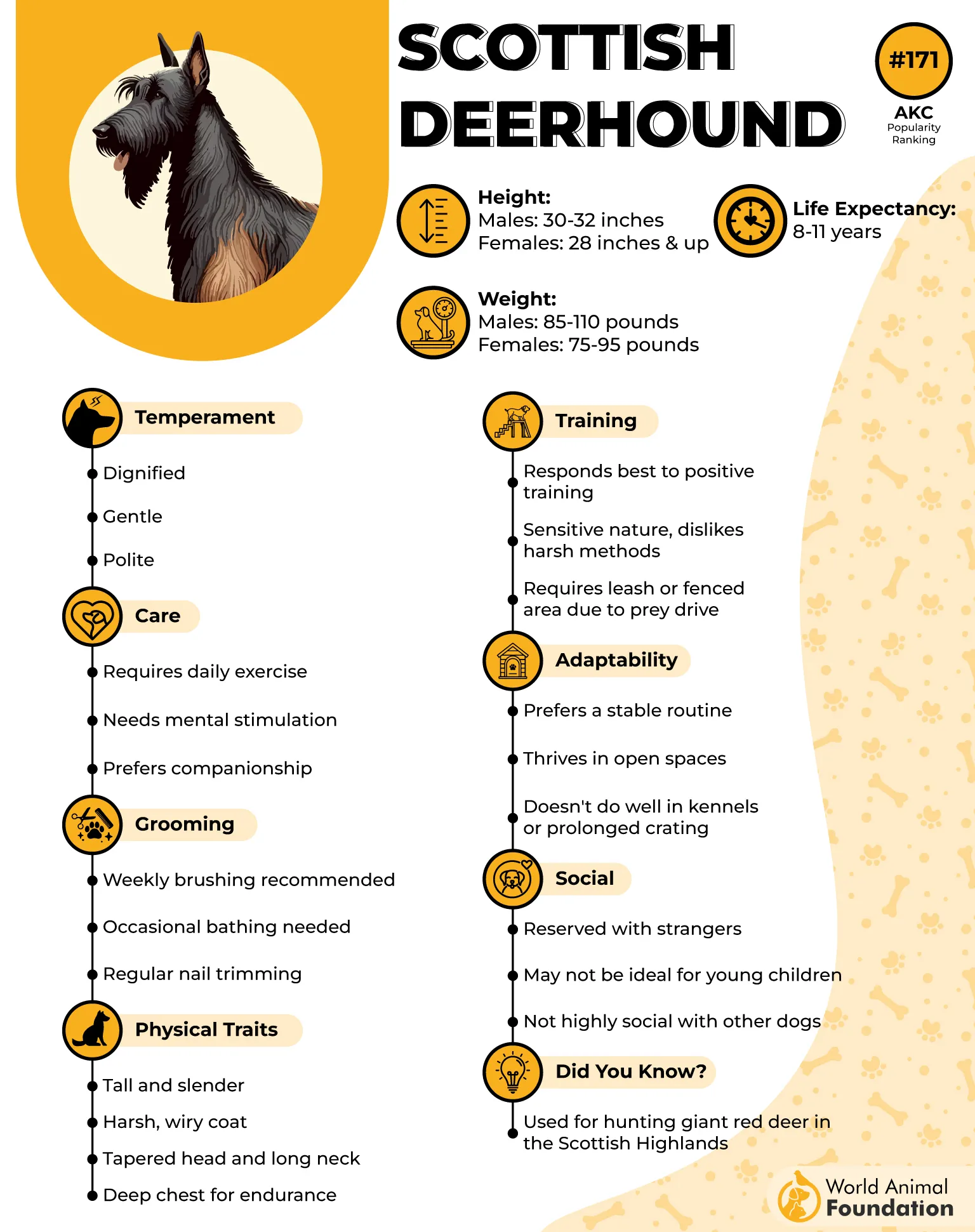
The Scottish Deerhound is the “Royal Dog of Scotland,” and it looks the part. It is tall, lean, and built for speed, shaped from the old greyhound style but bigger and rough-coated.
Long legs and a deep chest were made for chasing red deer across open land, not for tight apartment turns. They often look calm indoors, but they are athletes underneath.
This breed is also rare in the United States, so you do not see Deerhounds on every street corner. They are often sweet with their people, but a bit polite and distant with strangers.
Sounds crazy, right? A dog that big can still be sensitive about being left alone too long, so they do best with company.
The “giant” part shows up in their needs. They usually want room to stretch out, a safe fenced space, and daily exercise that matches a sighthound’s brain.
The big caution is prey drive. If something small runs, their instincts can switch on fast, so off-leash time in public is a bad idea. A secure yard is where they can really breathe and be themselves.
3. Dogue de Bordeaux
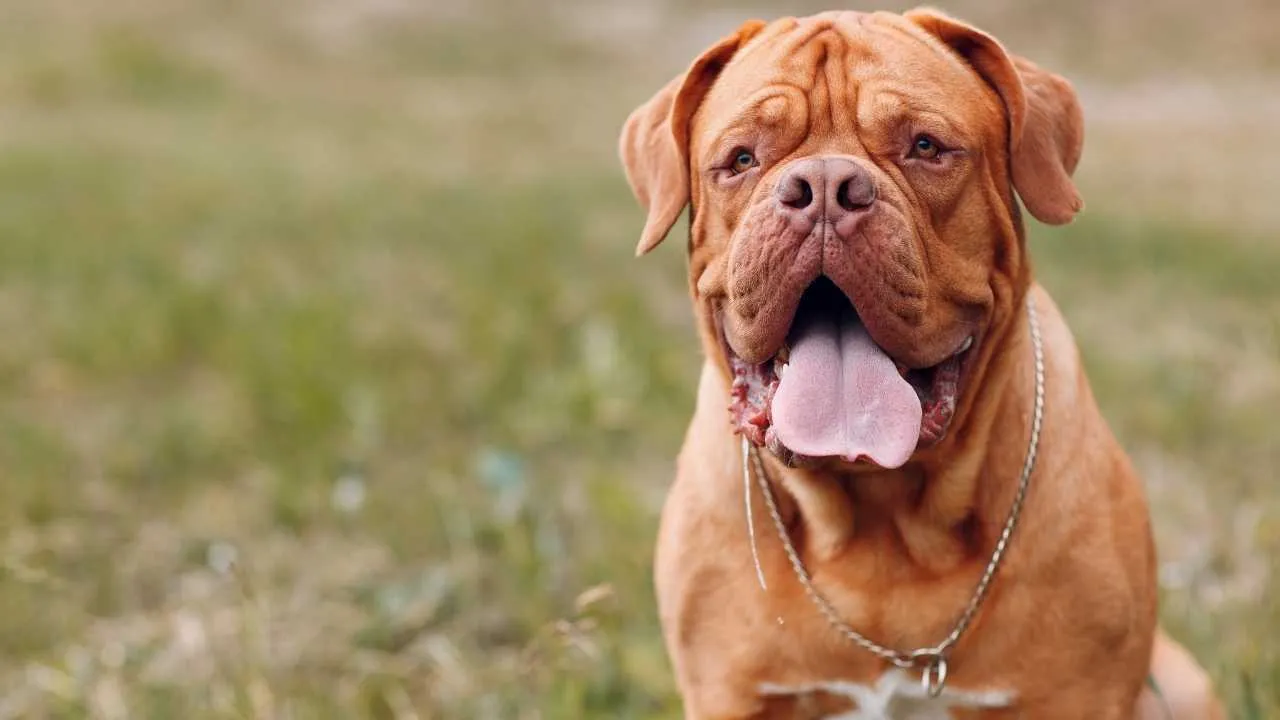
The Dogue de Bordeaux, also called the French Mastiff, is one of the most ancient French breeds and possesses a massive head and heavy jowls. It is basically a walking block of devotion. It has a huge head, thick bones, and a stocky frame that screams “bodyguard,” even when it is just begging for snacks.
As per Orvis, this breed is still considered rare in many places, and that adds to the mystery. People who know them often describe a dog that is loyal, watchful, and steady, not a wild tornado.
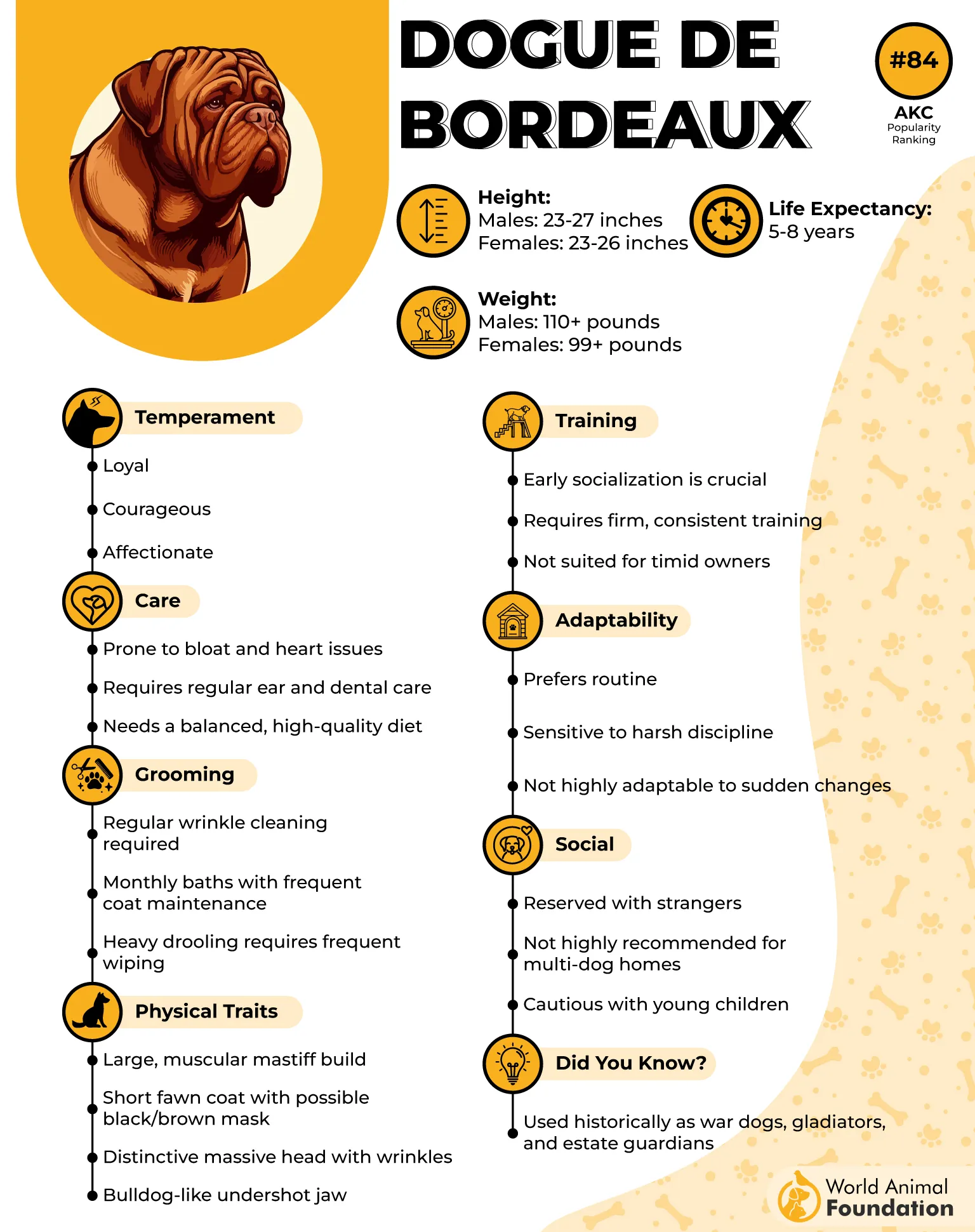
It gets even worse, though; they can forget how big they are, so manners and calm training are non-negotiable from day one. Dogue de Bordeaux possess a loyal and loving nature toward their family, but they require dedicated training to manage their stubbornness.
Care is simple in some ways and messy in others. Their short coat is easy, but drool is part of the package, and the face folds need wiping. A towel becomes your best friend, and you will laugh about it after you stop pretending you are “too cool” for slobber.
Some sources also flag ear care, since moisture and folds can invite trouble if ignored. Short walks and calm games are usually enough, but routine matters.
4. Broholmer
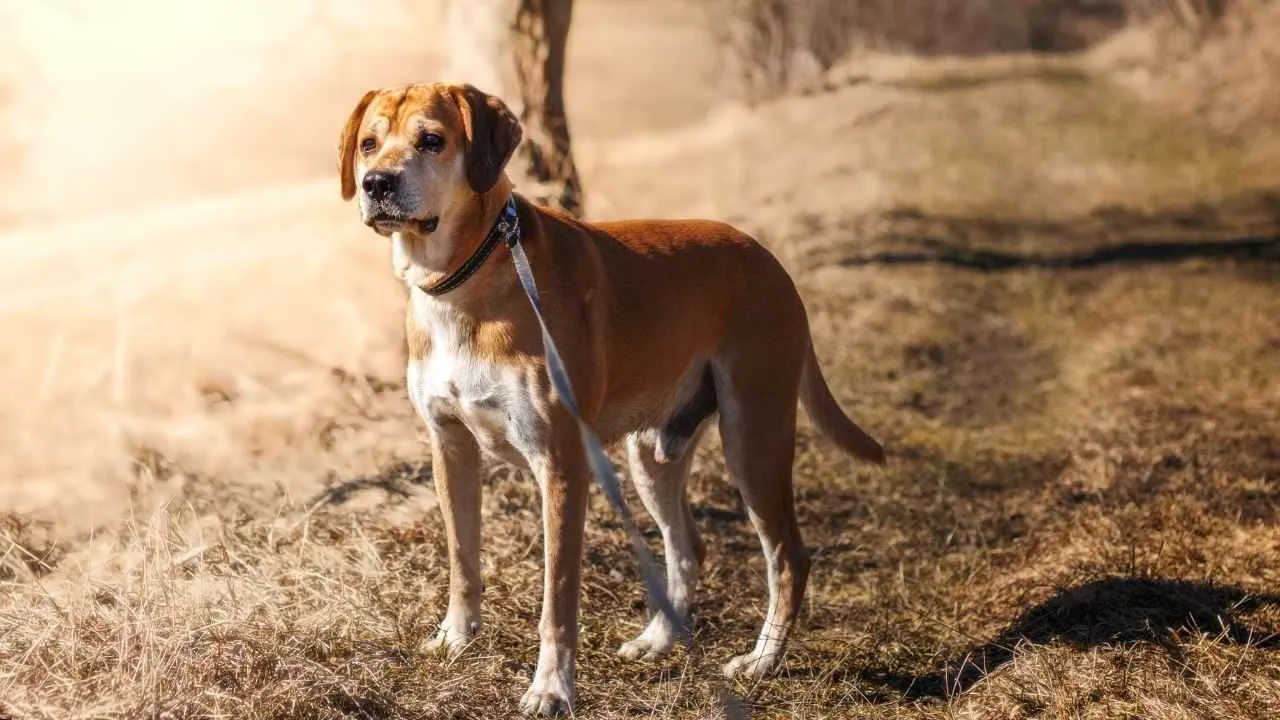
The Broholmer is a Danish Molosser that feels like a secret shared among dog people. It has a big, broad head, short drop ears, and a short, dense coat that can be yellowish or black.
Even with all that size, many Broholmers act like lap dogs, which is hilarious until you remember they are, well, giant. Rarity is baked into the breed’s recent story. Their numbers fell sharply during World War II, and the population only started to rise again from the 1970s onward.
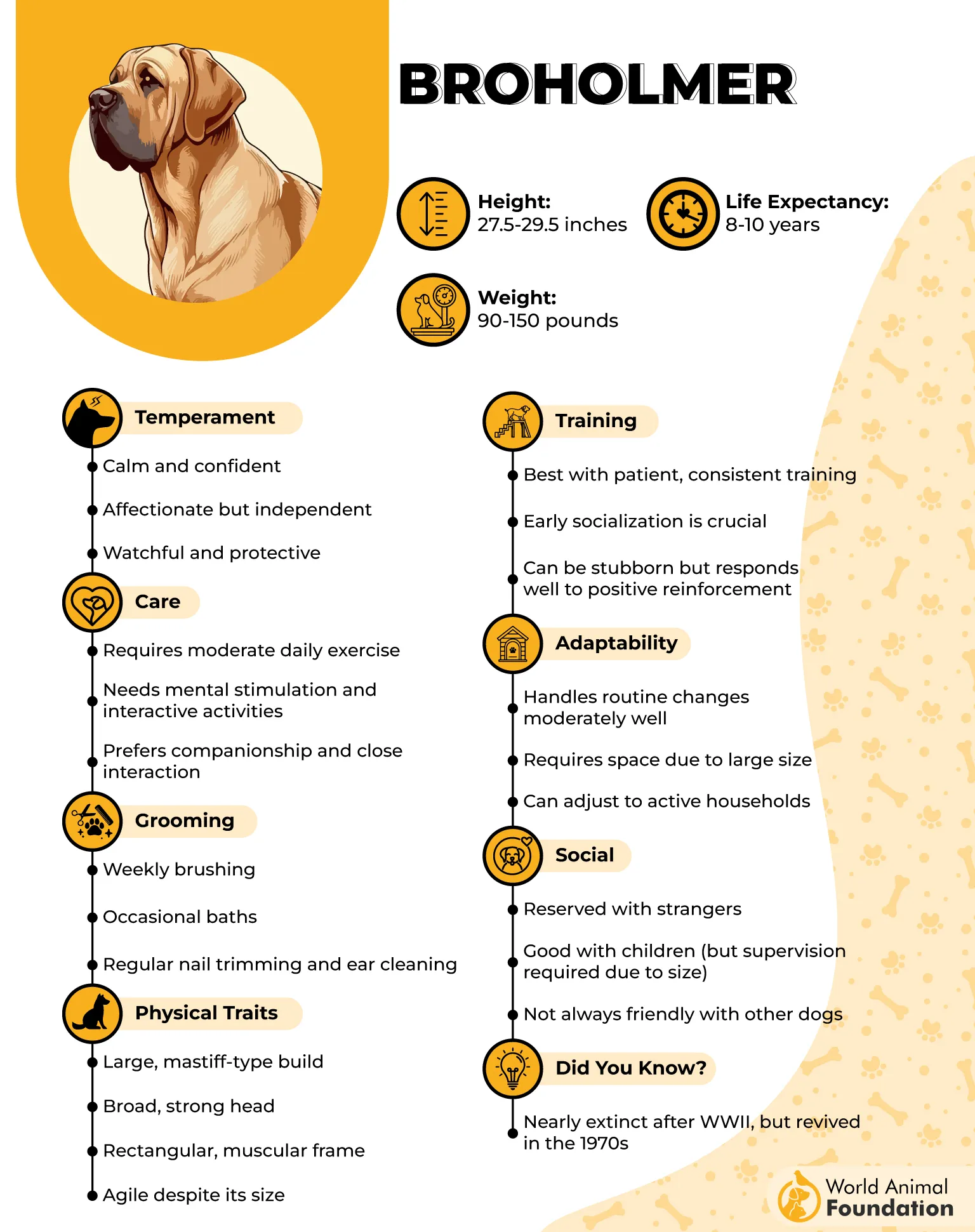
Historically, they guarded the homes of wealthy families, which helps explain that calm, watchful presence. Here’s the good part: many are gentle companions, still protective but not looking for trouble.
They tend to be docile and even-tempered, yet can be wary of strangers, so early social time matters. Because they can be willful, training is not optional, and a big yard makes life easier.
With older kids who respect boundaries, they can be sweet and steady, like a big warm door guardian who also wants cuddles.
5. Neapolitan Mastiff
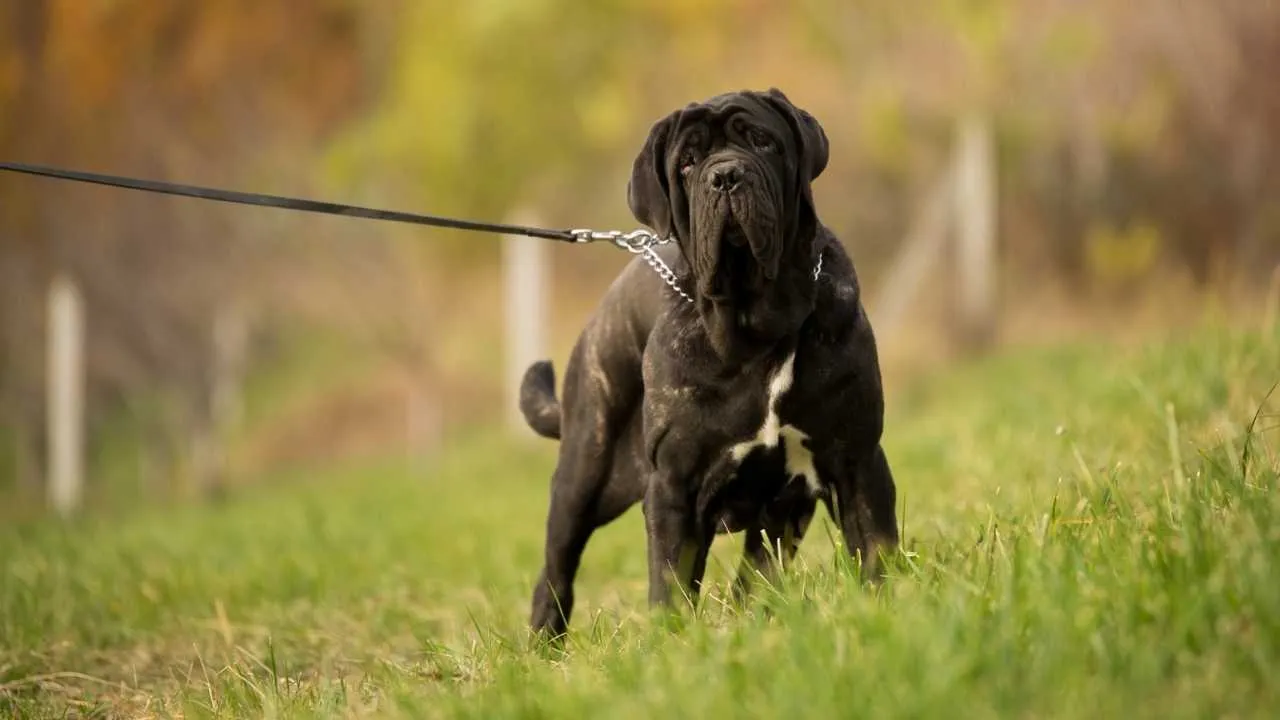
The Neapolitan Mastiff, or Mastino, is the ultimate wrinkly legend. It can weigh up to about 200 pounds, and it often moves like a sleepy tank that would rather nap than play fetch. The Neapolitan Mastiff is known for its loose, wrinkled skin and imposing presence, which can make some people feel intimidated at first.
But why bother with that? Because this breed’s calm, low-energy style is exactly what some families want.
Its rarity comes from being a niche kind of giant. Not everyone is ready for the drool, the heavy folds, and the slow, steady lifestyle. Those folds are cute, but they need regular cleaning, especially around the face, to help avoid skin problems.
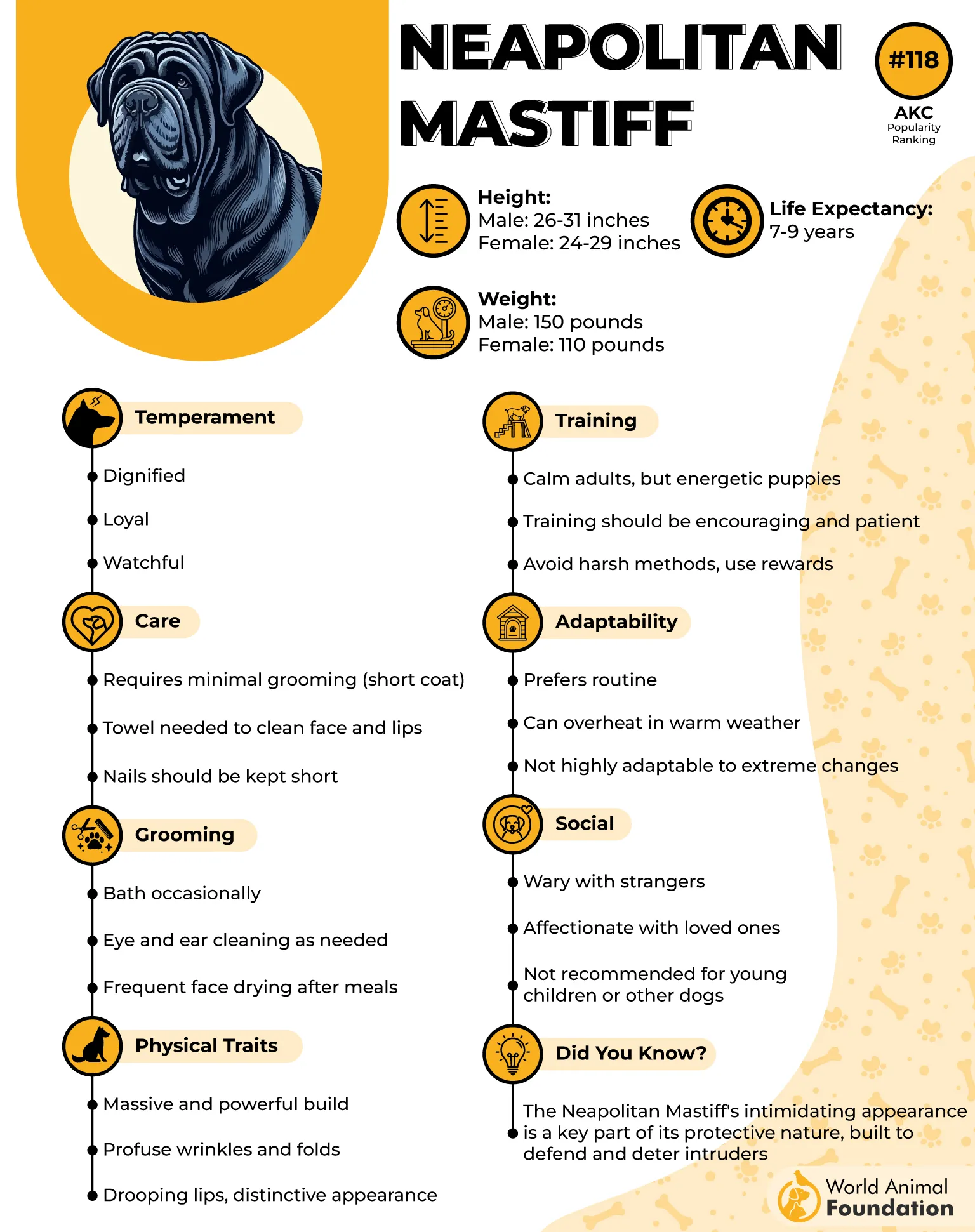
You also need to watch heat, because big, heavy dogs can overheat faster. If you love tidy furniture, this breed may test your soul a little.
The Neapolitan Mastiff is often described as sweet and comically dopey, with a very “my people are my world” vibe. Neapolitan Mastiffs are gentle and affectionate with family but wary of strangers. Daily walks are still important, even if the dog votes for “bed” every time.
Slow, steady walks help joints and keep the mind relaxed. Keep training gently, start early, and you get a massive buddy who feels like a calm shadow in your home.
6. Greater Swiss Mountain Dog
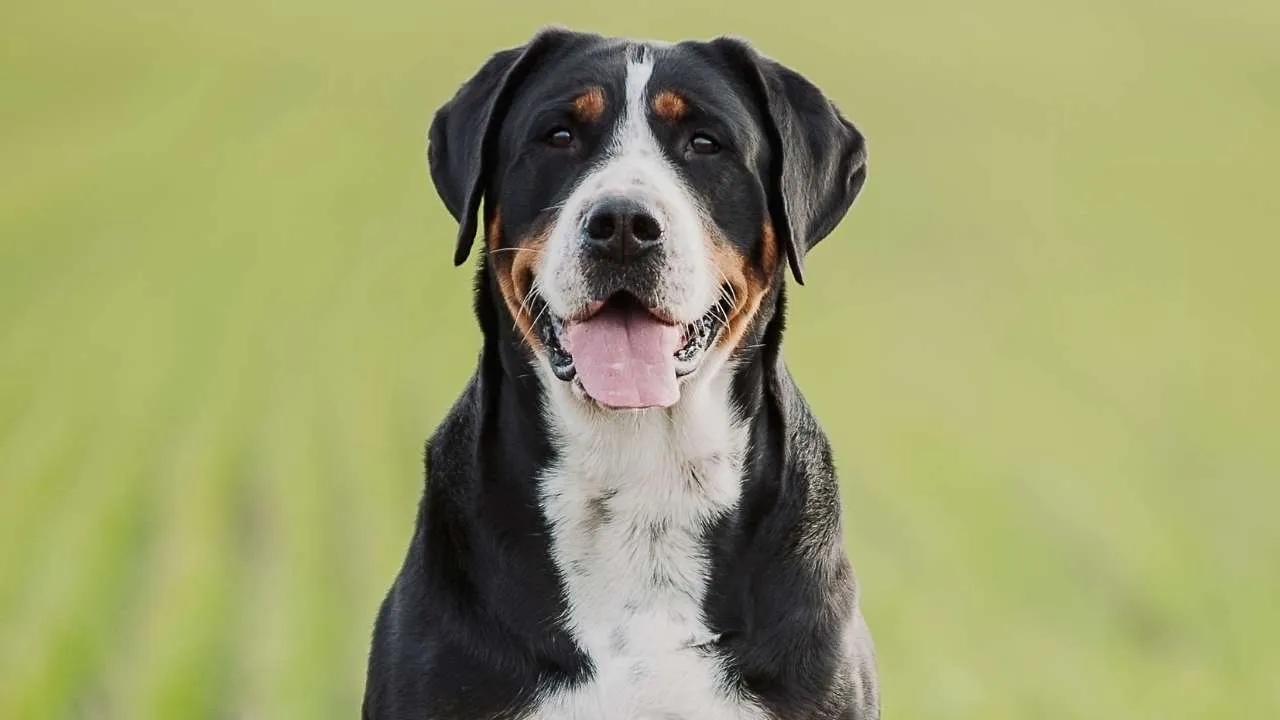
The Greater Swiss Mountain Dog, often called the “Swissy,” is a big working dog from Switzerland with a bold tricolor coat. It was used to pull carts, guard, and help around farms, and you can still see that sturdy “let’s get it done” build today.
Some worked in pairs, pulling milk carts and hauling goods to market. On first glance, they look regal, but up close, they are often goofy and bright-eyed.
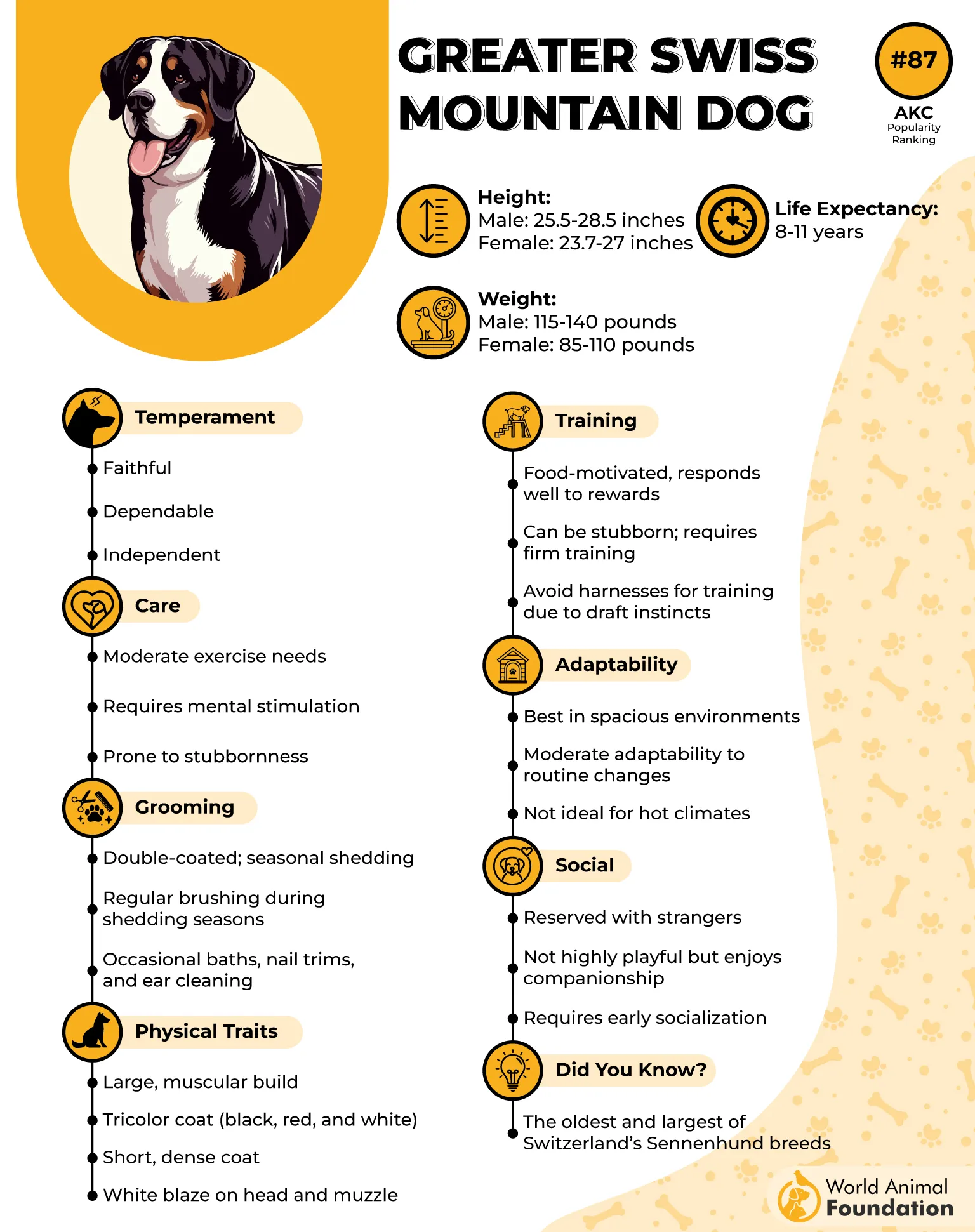
According to the Royal Kennel Club, this breed is rare because it sits in a smaller spotlight than its Swiss cousins. It is described as the largest and heaviest of the Swiss herding breeds, yet many people have never met one in person.
That little bit of rarity makes owners extra proud, like they are part of a quiet club of big-dog lovers.
Swissies usually do best with a large home, a yard, and up to about an hour of daily exercise. Grooming is often a weekly thing since the coat is short and dense, and yes, they shed.
They tend to like having a task, so training games can be a fun outlet. Here’s the best part! You get a strong, steady partner that can switch from “work mode” to “family mode” without drama.
7. Bloodhound
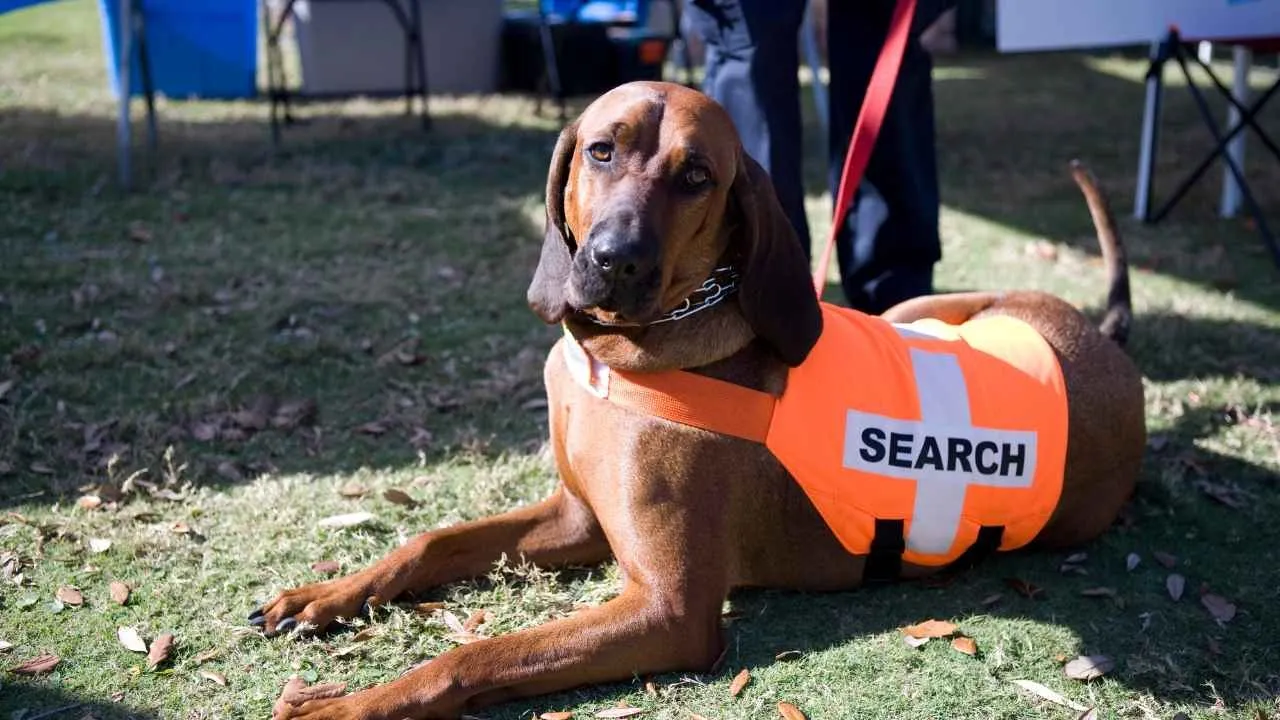
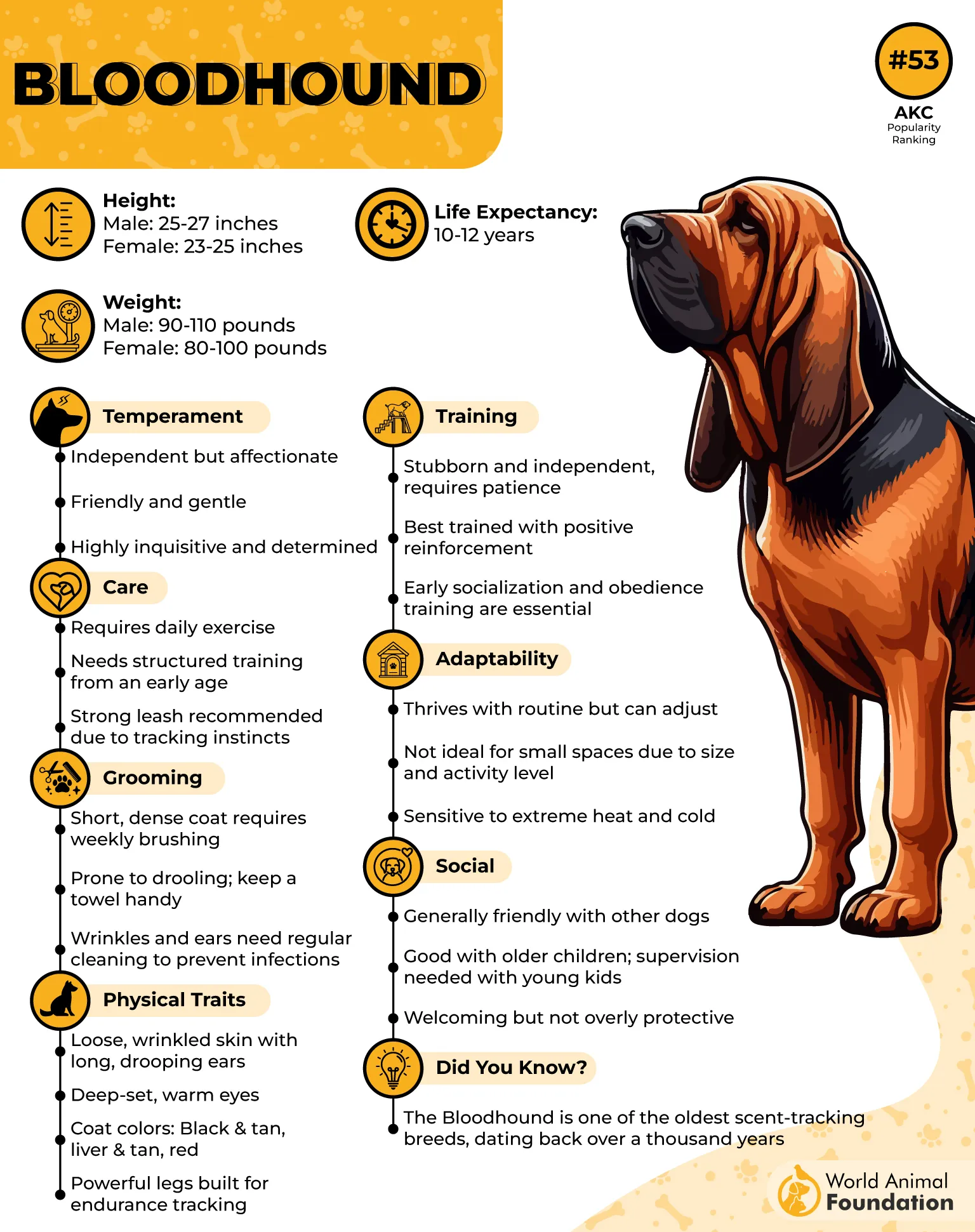
The Bloodhound is famous for one thing: that incredible nose. It is an old breed linked to Belgium, shaped over time for tracking and hunting, and it can lock onto a scent trail like it is reading a story on the ground.
Rarity shows up in how different this dog feels from most giants. It is docile, gentle, and affectionate at home, but the moment a smell appears, the brain flips into “work mode.”
If you have ever watched a Bloodhound follow a trail, you know it looks like pure focus, like the rest of the world just disappears.
The wrinkly skin and long ears come with extra care. Skin folds can get itchy or infected if ignored, and ears need cleaning, too. When they catch a scent, they may pull hard, so a sturdy harness and patient training help.
They can also drool, so yes, the towel joke returns. But wait, there’s more! If you love slow sniffy walks and you enjoy a dog with a gentle soul, the Bloodhound is a rare kind of giant joy.
Conclusion
These giant bodies can still fit real family life when their gentle nature meets smart routines. Many were initially bred and originally bred to work, like herd cattle, guard land, or track scents.
To make these large dog breeds great pets, plan for a fenced yard when possible, and give consistent training so they stay safe around family members, other dogs, and other pets. They need regular exercise, but don’t confuse that with heavy exercise every day.
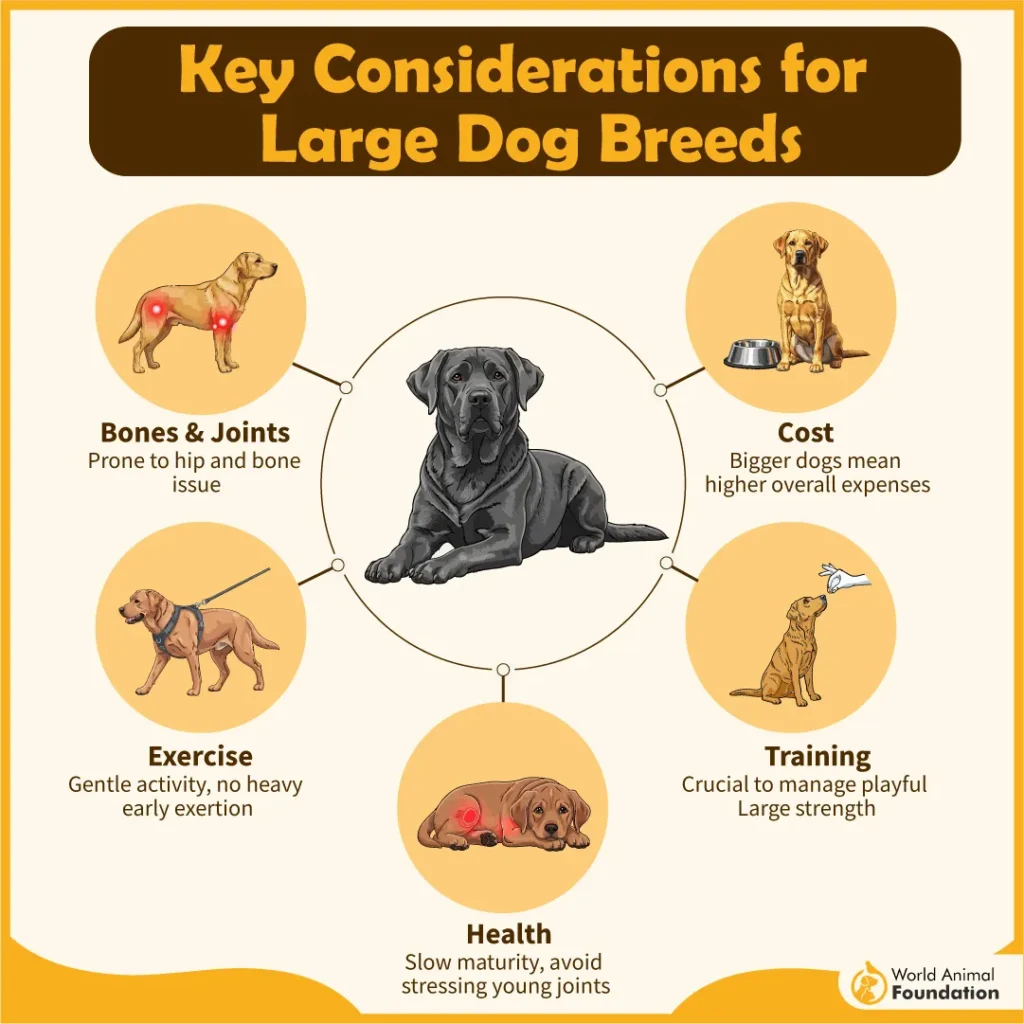
Aim for enough exercise, plus mental exercise and mental stimulation to help them stay healthy. Keep up with care like weekly brushing, prepare for shedding season, and watch for health issues such as hip dysplasia, elbow dysplasia, heart disease, or even bone cancer.
With patience, a patient nature, and steady habits, these big dog breeds can build strong bonds with your family, even if apartment living is your reality, as long as you commit to the routine and love them like true family members.
