




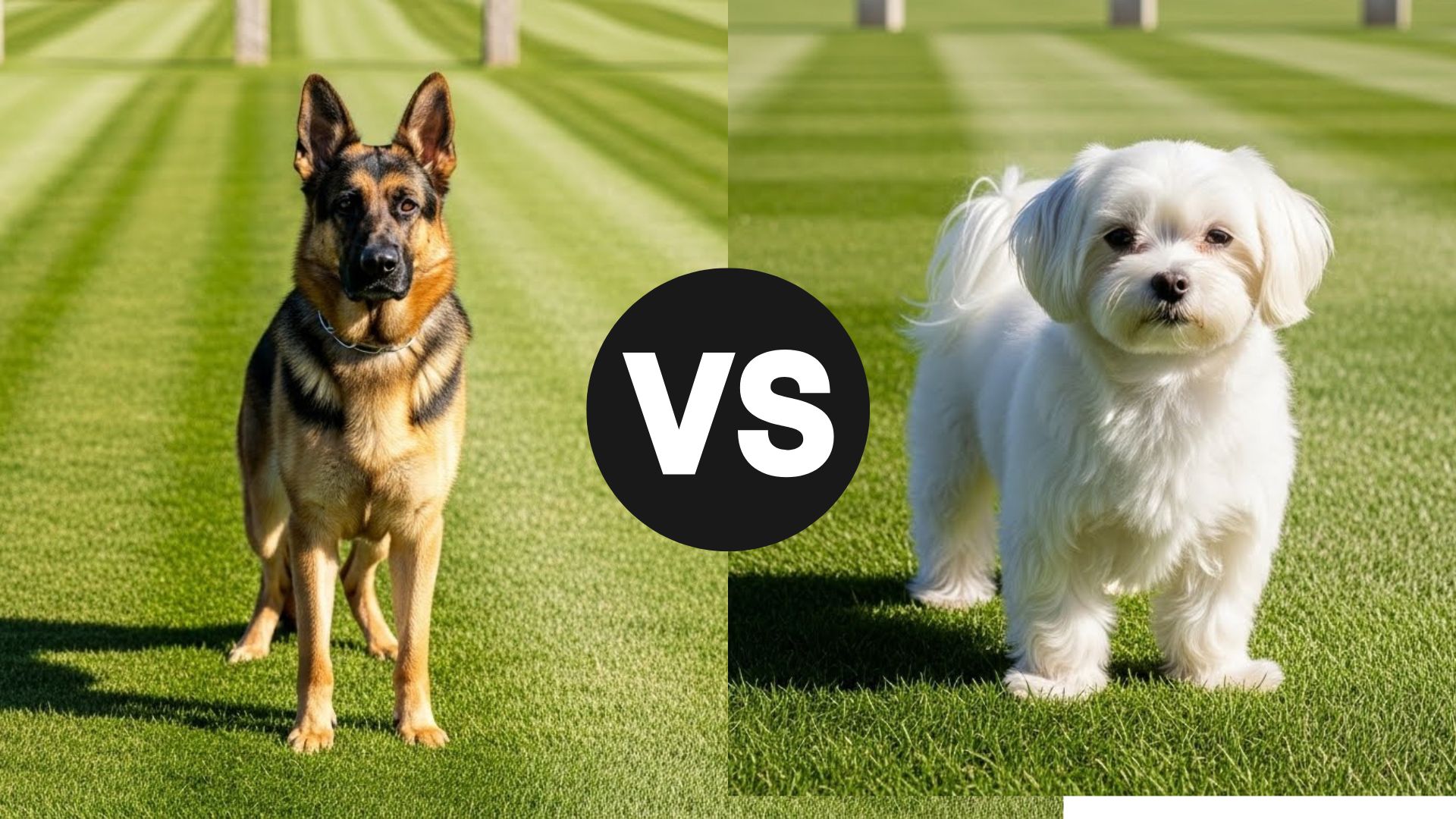
MD: Explore the key differences between German Shepherds and Maltese. Understand their traits, needs, and care to choose the right breed for you. Read more!
Ever wondered if a playful, snuggly dog could fit into a small apartment or whether you need a strong, energetic companion for long walks and adventures? What if we told you both kinds exist… but they could not be more different.
One type thrives in cozy spaces and loves gentle indoor play. The other lives for movement, challenge, and being part of a “team.”
Here’s a real fact to trust: some dogs naturally shed almost no fur, making them a top pick for people who want a cleaner home. That little detail can make a big difference in daily life.
If you’re deciding between a gentle companion and an active, loyal partner, hang on. This blog will help you spot which kind matches you best.
German Shepherd vs. Maltese: Choosing the Right Family Pet
Overview
A German Shepherd and a Maltese rest at two ends of the dog world, yet both can steal your heart in seconds. One looks like it is ready for a serious role, and the other looks like a tiny cloud that got turned into a puppy.
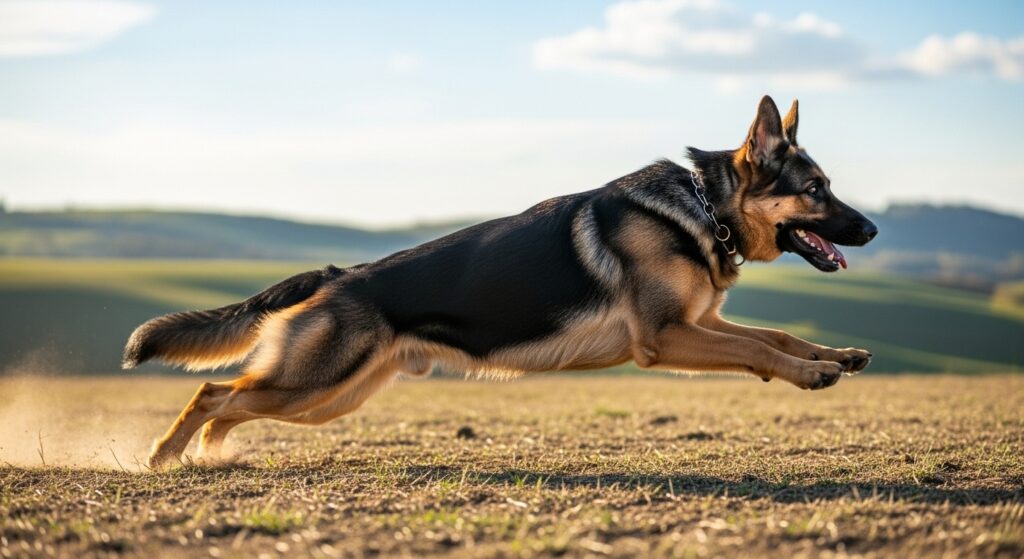
Sounds crazy, right? But these two types share some sweet overlap. Both love their people, both can be very attached to owners, and both can grow into amazing pets with early care.
The big difference is how they use their energy, how much space they need, and how much regular grooming you commit to. Get those parts clear, and the rest starts to feel easy.
Think about what you want from daily life with a pup. Many German Shepherd fans feel drawn to big dogs that look ready for any job and love to work. People who melt for an old Maltese often want a light little friend who curls up on the bed and stays close.
This breed match-up shows how much size and temperament shape the way you live with a dog. Males and female pups from each side can be sweet and loyal, but they often need separate plans for exercise and the way you train each one.
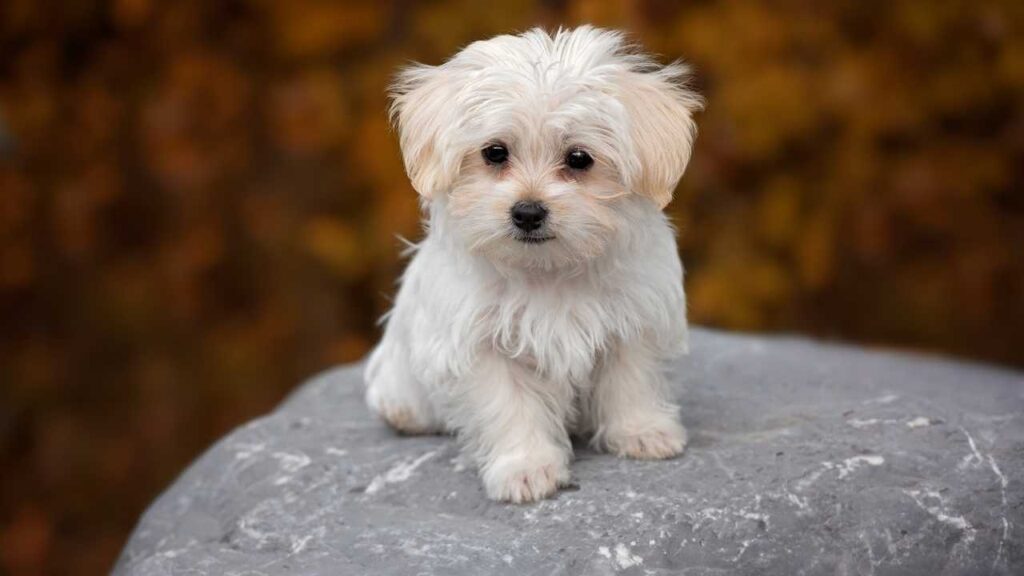
A GSD will usually ask for longer exercise and more brain games, while a Maltese is content with short walks and gentle playtime.
Many owners of old Maltese companions love that these Maltese stay so cute and bright in later years, while German Shepherd owners enjoy the calm energy and heart their GSD brings.
Origins & Purpose
The German Shepherd comes from Germany and was first raised to herd and guard sheep out in open fields. This gsd was bred to move all day, think fast, and protect the pack from danger.
Over time, the same intelligent body and sharp mind found new work. Police teams, search crews, and service dog handlers love how this dog can learn complex commands and stay calm under pressure.
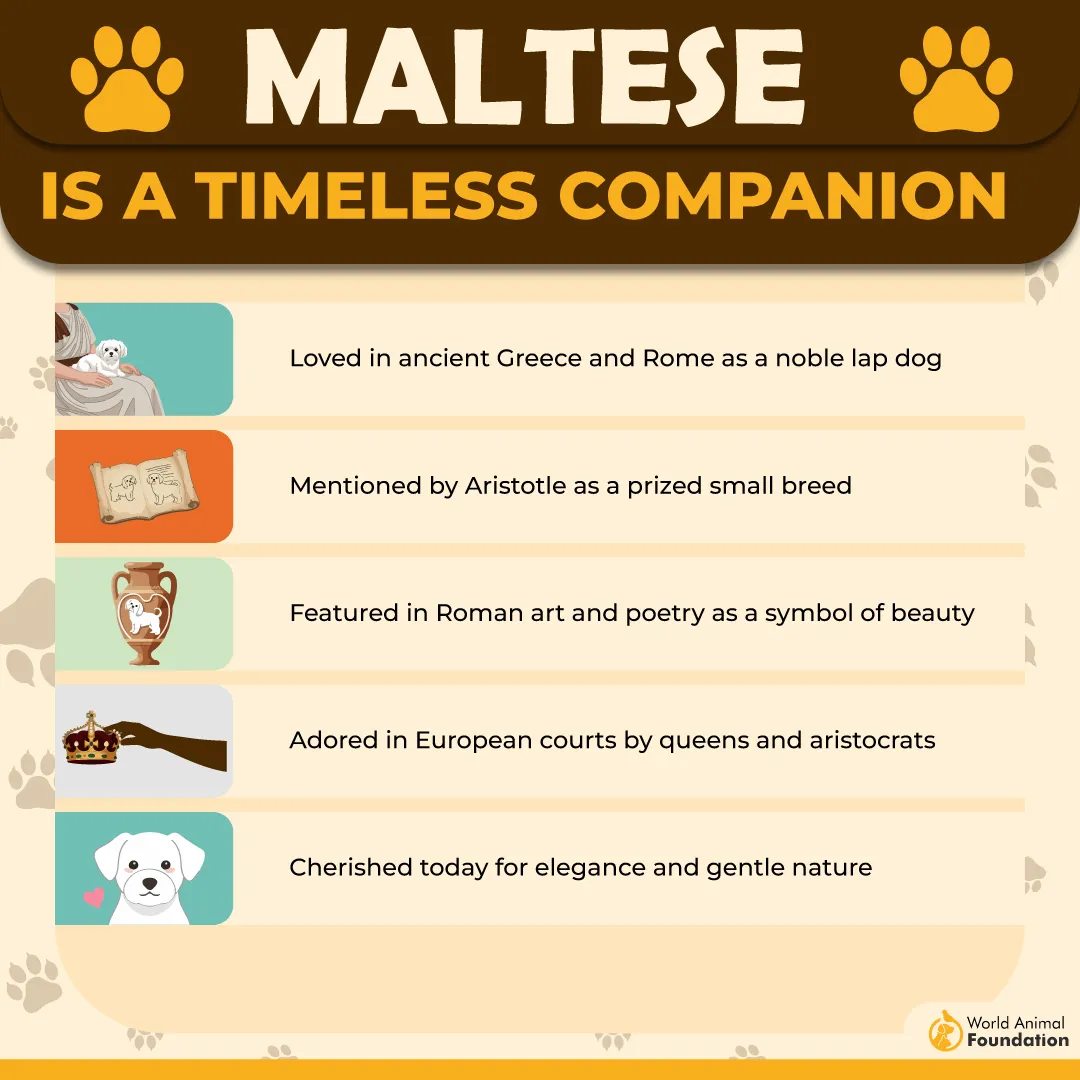
The Maltese comes from a tiny island in the Mediterranean, where it lived as a pampered lap dog. Old Maltese pups sat on fine furniture and in soft baskets near rich girls and ladies.
Today, the Maltese still loves warm laps, soft beds, and gentle playtime with family. When you see a picture of each side by side, the contrast in original role is a big sign of how they still act in daily life.
Size & Physical Build
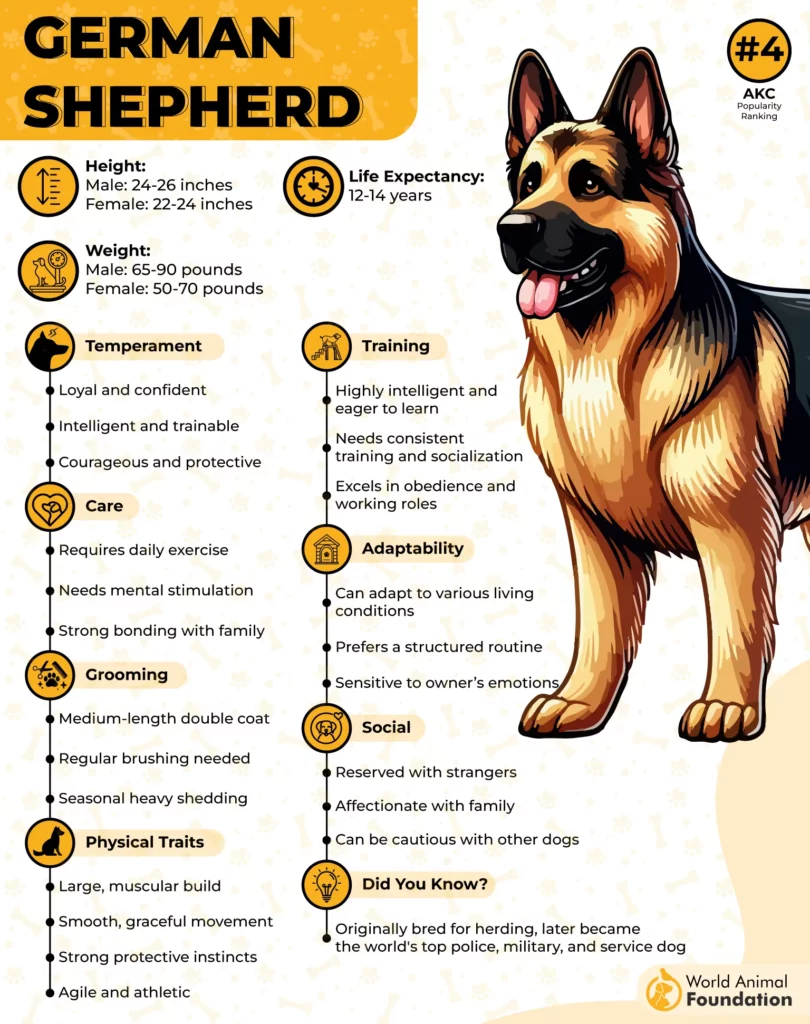
Here is the good part. You truly cannot mistake one for the other. Britannica suggests that the German Shepherd is one of the larger dogs, with a long, strong body, deep chest, and proud neck that screams working pack leader. This GSD looks like it could walk beside you all day without getting tired.
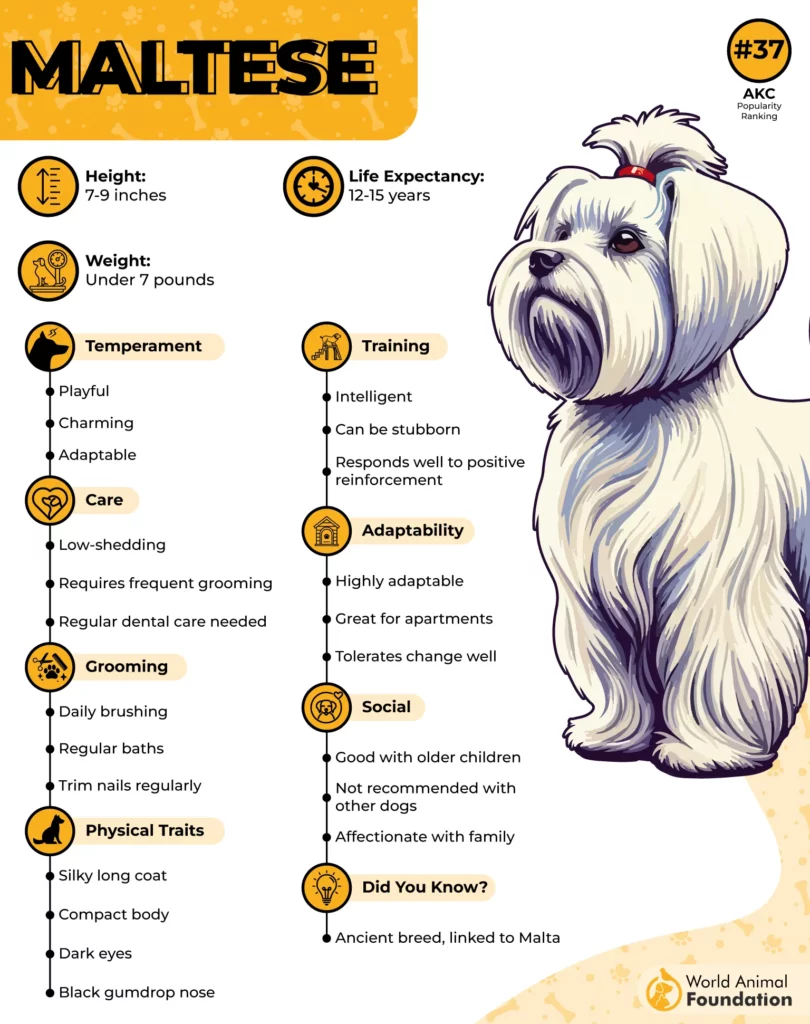
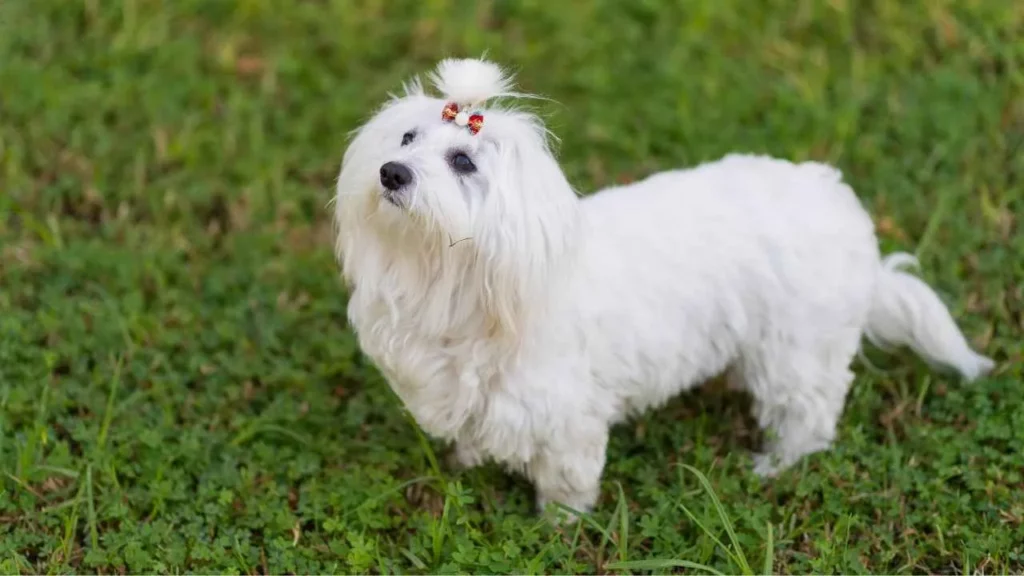
The Maltese lives in the toy group of small dogs and feels more like a fluffy baby in your arms. Many people love that a Maltese puppy can fit on a lap or stay in small apartments without any fuss.
Older dog owners or people in tiny house spaces often lean toward an old Maltese because lifting and grooming are easier.
Big dogs like the German Shepherd take more room to stretch, move, and maintain healthy joints, while this cute little cloud seems to float across the floor.
On paper, the size gap is wild. A German Shepherd grows into a powerful frame that fills a room, while a Maltese stays tiny and light in your arms. That size contrast matters when you think about who will hold the leash, who can lift an old Maltese, and how much food each pup eats.
Many GSD males feel like small bears when they lean on you, and even GSD female dogs are still strong. Maltese males and females both feel more like feather pillows. This size story also shapes how you exercise them and how you train simple skills like loose leash walking.
Temperament & Personality
Temperament is a key focus in this matchup. According to the AKC, a well-raised German Shepherd is confident, protective, and very loyal to its family. This GSD may be calm around children, yet will still watch the door and pay attention to every new sound.
Early socialization teaches this dog to relax around other dogs and other pets instead of acting like every new thing is a threat.
The Maltese has a softer, clown-like personality and loves to play and cuddle. Many old Maltese dogs act like younger pups because they stay so playful and cute. They adore close contact, lots of gentle playtime, and sitting right next to you on the couch.
Maltese dogs are often friendly with children and guests when they are raised with consistent love, but they still need respect because their small bodies can get hurt if play turns rough.
Exercise & Energy Levels
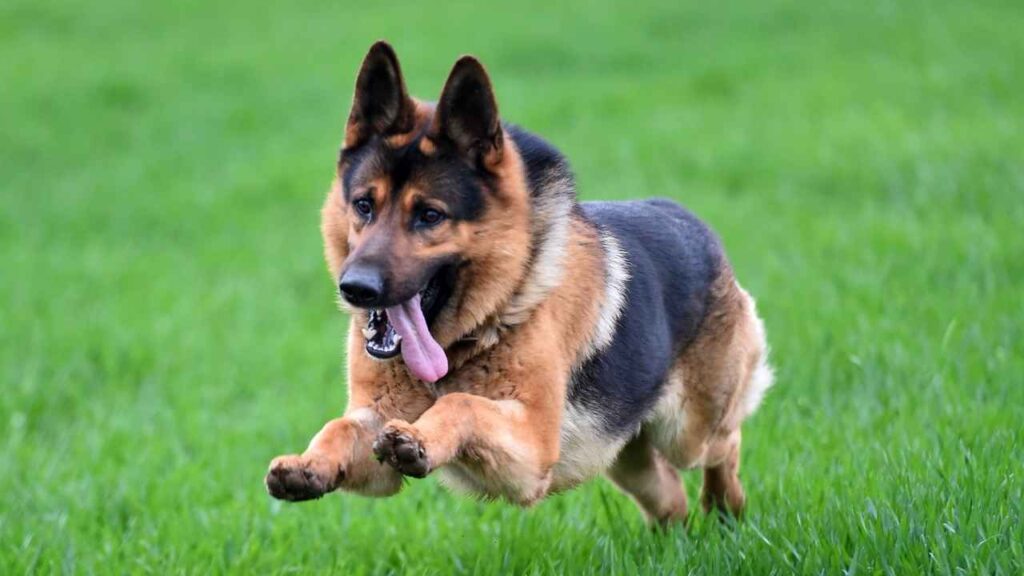
Both types love playtime, but the style is very different. A healthy German Shepherd has serious exercise needs and does best with daily walks, runs, and mental games.
Here is the best part. Think long hikes, tug toys, scent games, and training sessions that make this GSD use both brain and body. Without enough exercise and mental work, this dog can turn restless and start chewing chairs or other things in the house.
The Maltese enjoys play too, but does not need the same level of intense exercise. Short walks, indoor playtime with toys, and gentle zoomies in safe spaces usually do the trick. Old Maltese pups still like to move, yet they often need careful playtime that protects joints and spine.
Puppies from both sides should not be pushed too hard, so watch for signs of tiredness and keep sessions fun instead of harsh.
Training & Intelligence
Here is where the German Shepherd really shines. This GSD is famously intelligent and loves to learn. With positive reinforcement and clear structure, it can learn new commands quickly and stay focused on a role.
Many people say training feels more like teamwork than work. GSD pups respond well to early lessons that teach them to sit, stay calm, and respect the pack.
The Maltese is also intelligent but in a slightly stubborn, cute gremlin way. They can learn house rules and tricks, yet may act as if they did not hear you when training is not fun. Short, upbeat sessions work best. Use treats, praise, and toys to keep a Maltese puppy engaged.
Consistent, gentle practice helps both types understand what you want and maintain good manners around other dogs, guests, and children. If you love to train and enjoy trying new commands, both can keep your mental skills sharp, too.
Grooming Frequency
Both sides need regular grooming, but not in the same way. A German Shepherd usually has a thick double coat that sheds all year. Frequent brushing keeps loose fur off your clothes and helps maintain skin health.
Many GSD lovers joke that dog hair becomes a normal part of their home decor. The Maltese has long, silky fur that can mat if people skip regular grooming. Old Maltese coats often need daily care plus careful trims so the hair stays out of the eyes and off the floor.
Owners who enjoy brushing and styling may find this very relaxing. People who prefer quick baths and less fuss might lean toward a shorter cut for their Maltese.
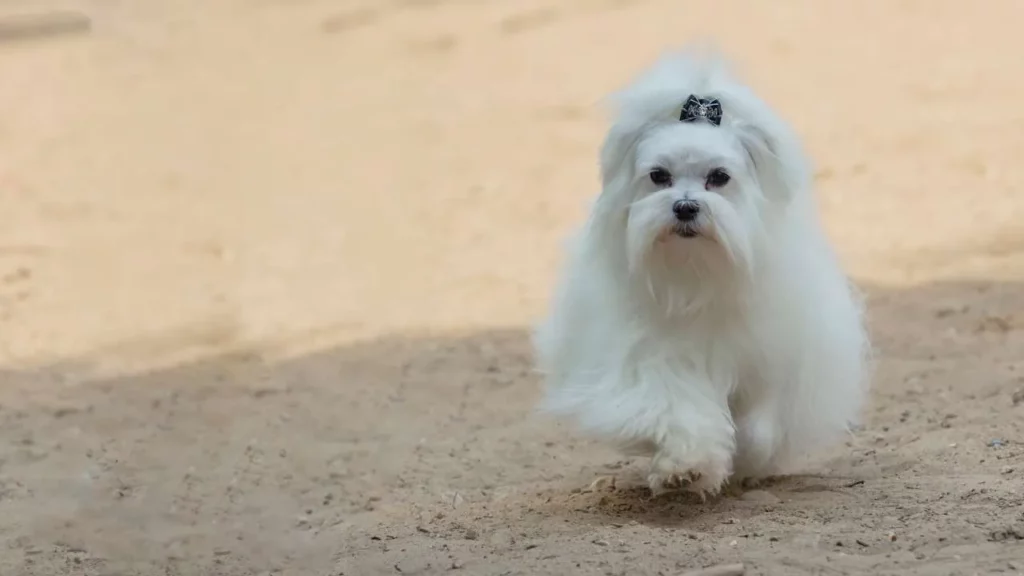
Either way, grooming is an important part of health and bonding, not just a way to keep a dog looking cute for pictures.
Health & Lifespan
Health-wise, both have strengths and a few risks. The German Shepherd can be prone to joint issues, so good food, steady exercise, and keeping a healthy body weight are vital. The GSD also needs regular vet checks so any problems are caught early.
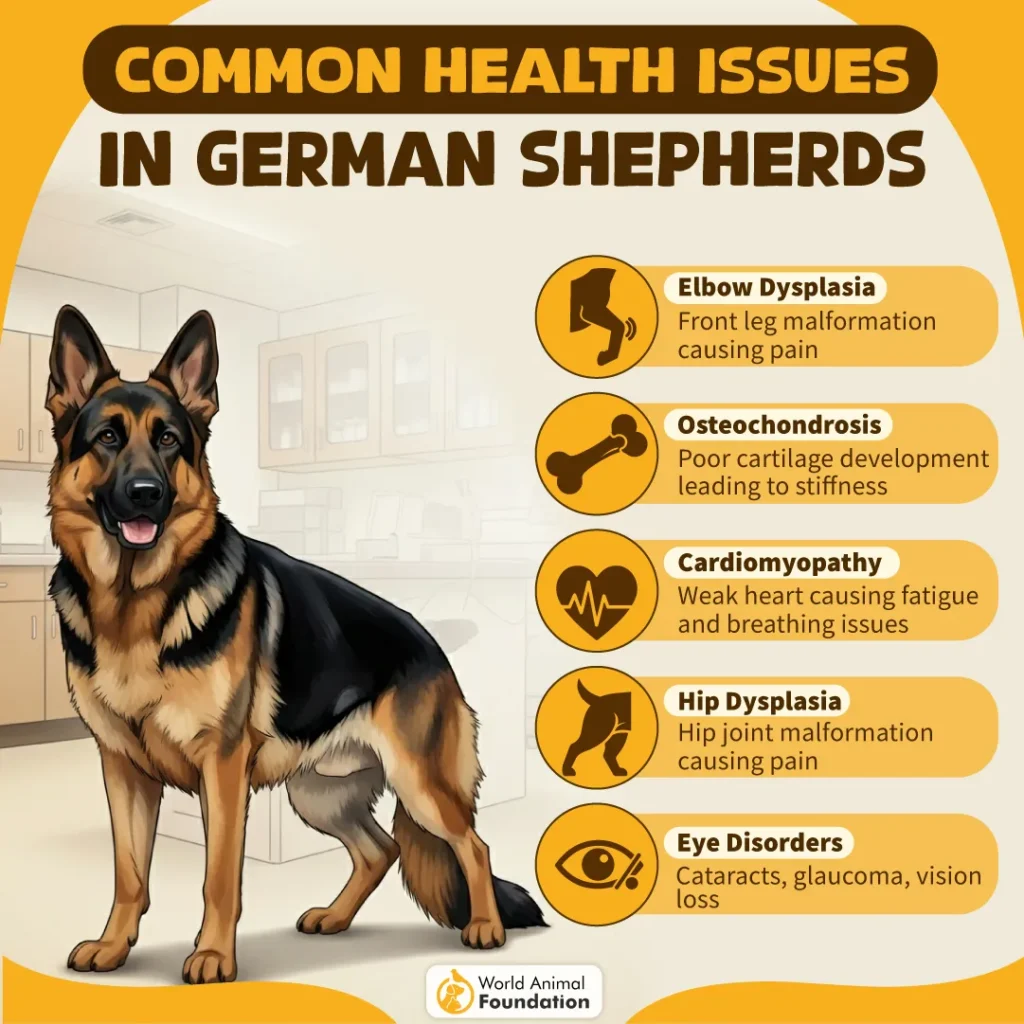
Maltese dogs often live long lives, and many old Maltese stay active well into their later years. But small dogs can still face dental issues, knee problems, and eye trouble. Regular grooming helps spot lumps, bumps, or any rough patches on the skin.
A good breeder or rescue group should share health tests and honest info before you bring any puppy home. When training and care are consistent, both types can enjoy long, happy years as close pets who share your bed, your sofa, and your daily routine.
As per PetMD, regular checks help Maltese stay strong, and many Maltese reach a good old age when cared for well.
Which one is best for you?
So which one truly fits your life right now? If you love big adventures, crave a loyal shadow, and enjoy daily training, a German Shepherd or GSD mix may feel like your perfect match. This type suits active owners who have space, time, and a clear plan to keep both body and mind busy.
If you want a lap dog who is small, cute, and happy in cozy apartments, a Maltese may be your soul pup. They shine with gentle playtime, regular grooming, and lots of calm care.
Some people even foster first to see which side fits better with children, other pets, and the whole group. Whatever you choose, be glad you took the time to learn and understand the real truth before you adopted that sweet face. Before you decide, try to meet real dogs.
Talk with a local rescue and ask if you can walk a German Shepherd and also spend time with a tiny Maltese. Notice how each GSD checks in with you, how each Maltese relaxes, and how fast a Maltese bounces back after a new sound.
The more GSD pups and Maltese adults you see, the easier it gets to feel in your gut which side is right for you and how you want to train and live each day.
Conclusion
We have covered a lot of ground, from history to training to playtime. Now the choice is in your hands, and that can feel both exciting and a little scary. We hope that you feel calmer, clearer, and more ready to welcome the right dog into your life.
Remember, it is not about perfect owners. It is about being willing to learn, stay consistent, and show up every day for your new friend.
A GSD beside you on a long walk and a Maltese in your lap on a slow morning can both feel perfect, and some people even dream of sharing life with one GSD and one Maltese one day.
Whichever path you pick, there is no wrong answer if the match is honest. Listen to your daily routine, your space, your budget, and your heart.
Watch how each puppy or older dog makes you feel when you rest together. That feeling is an important sign. Pick the one who makes your family feel complete, and enjoy all the messy, cute, funny moments ahead.
